The Heart of Northern Logistics Network
From the ancient Van Don harbor to Lach Huyen deep-water port, Quang Ninh and Hai Phong seaports are forming a modern logistics network, which will be a key northern gateway to international trade and an important driver for sustainable marine economic growth.
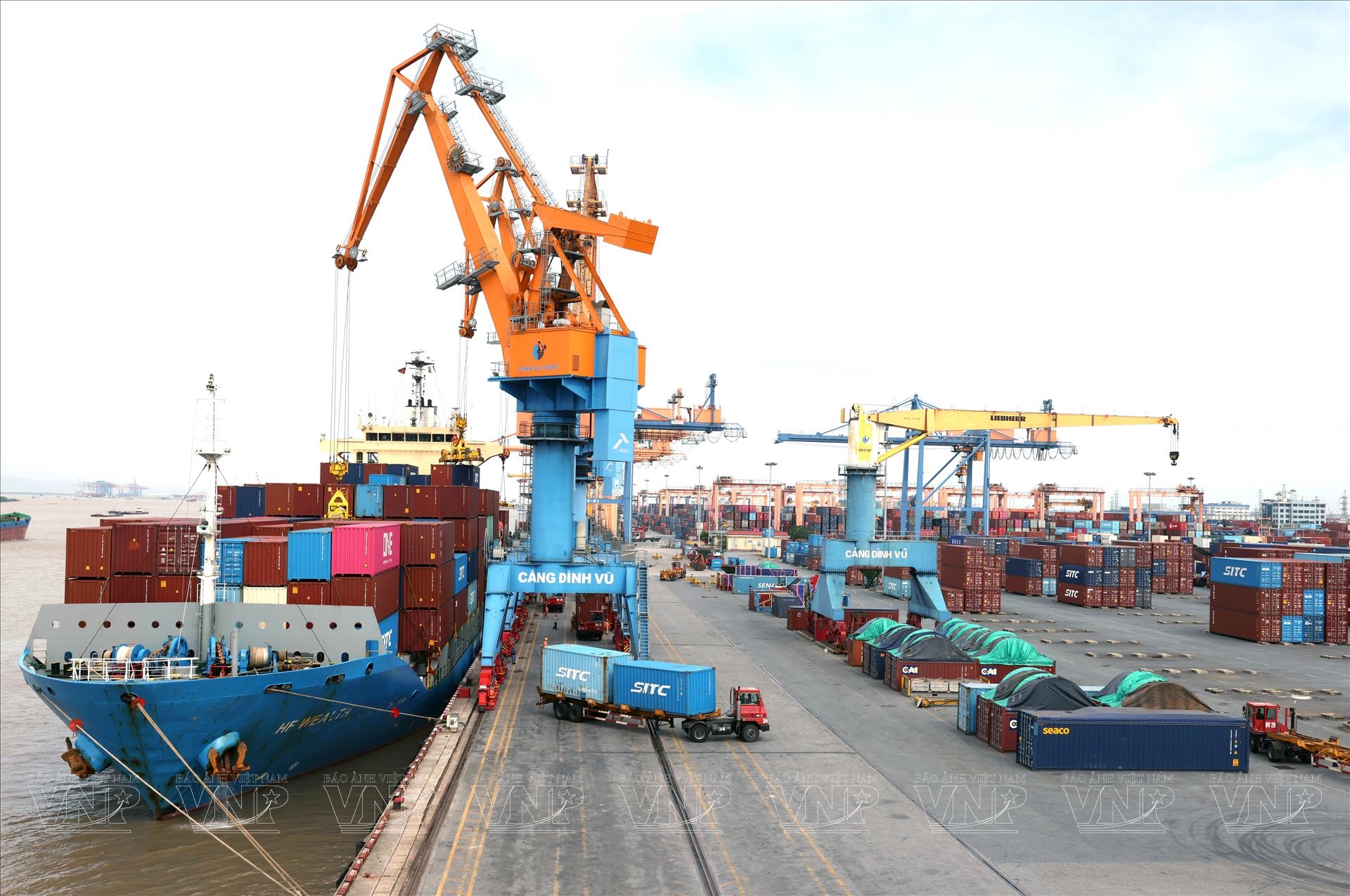
The flow of international cargo vessels on the Gulf of Tonkin reflects Viet nam’s ambition to become a strong maritime nation in line with Resolution No. 20-NQ/TW, adopted at the Third Plenum of the 14th Party Central Committee on July 28.
In this context, the seaport systems of Quang Ninh and Hai Phong are emerging as a key driver to advance the marine economy, strengthen logistics capacity and expand international trade links.
From Old Van Don Harbor to Modern Ports
In the blue waters of spectacular Ha Long Bay was once the Van Don commercial port that flourished nearly a thousand years ago.
Established in 1149 during the reign of King Ly Anh Tong, Van Don was one of Dai Viet’s busiest international trading centers, being a strategic gateway to maritime security and cultural exchange during the feudal period.
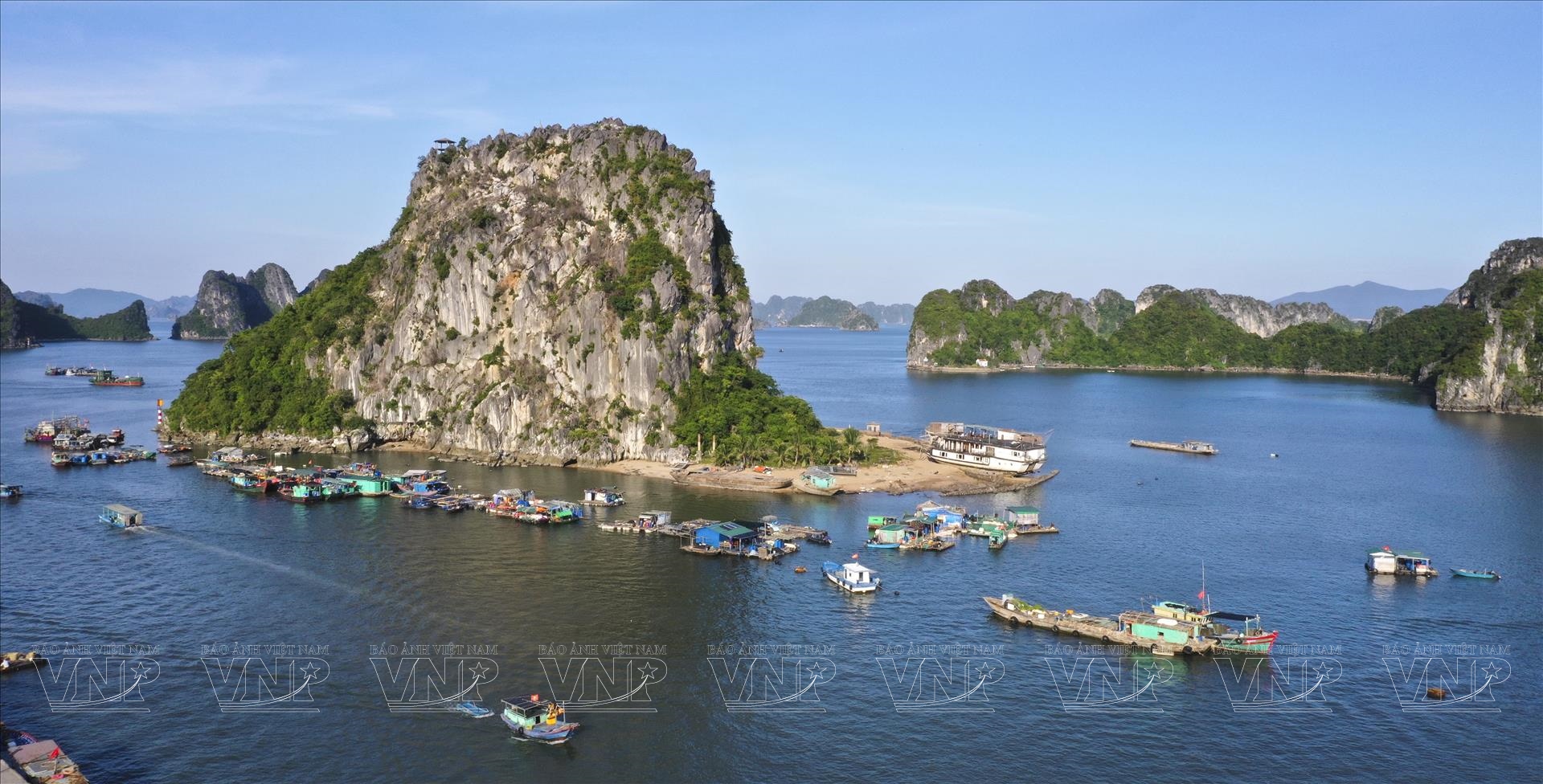
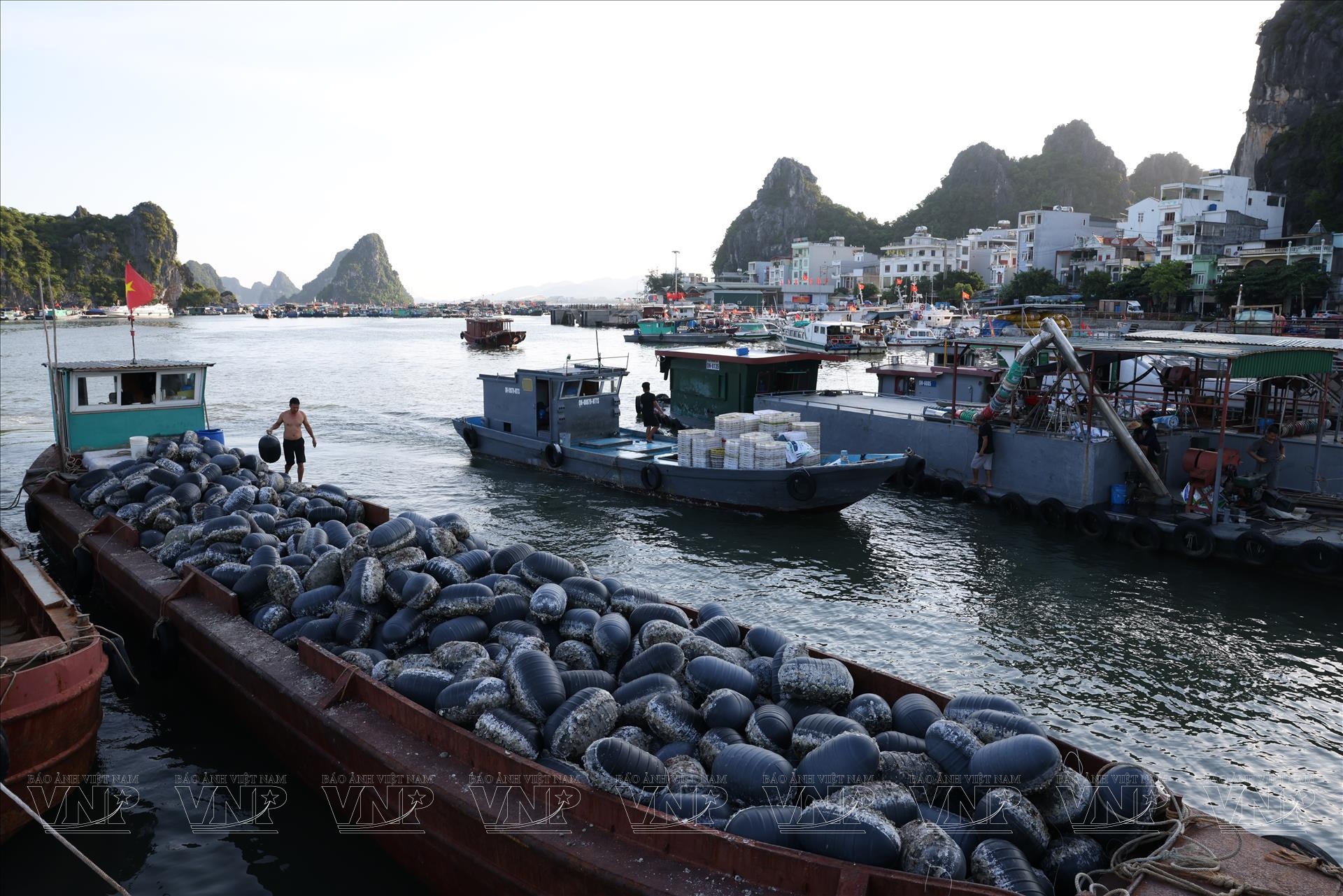
That golden age is not only the pride of Quang Ninh but has inspired its maritime ambition. Building on this heritage, the province is writing a new chapter for its marine economy.
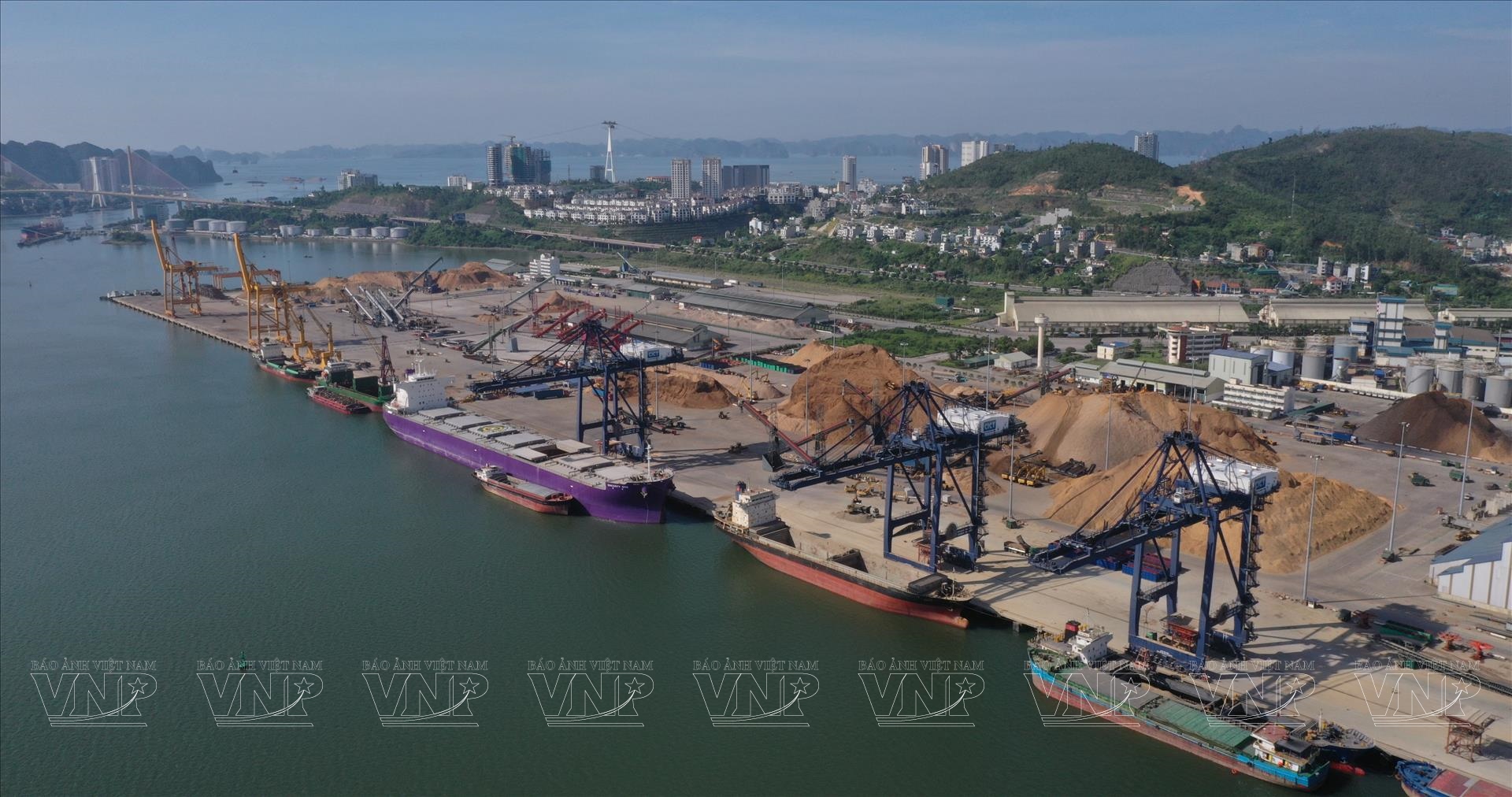
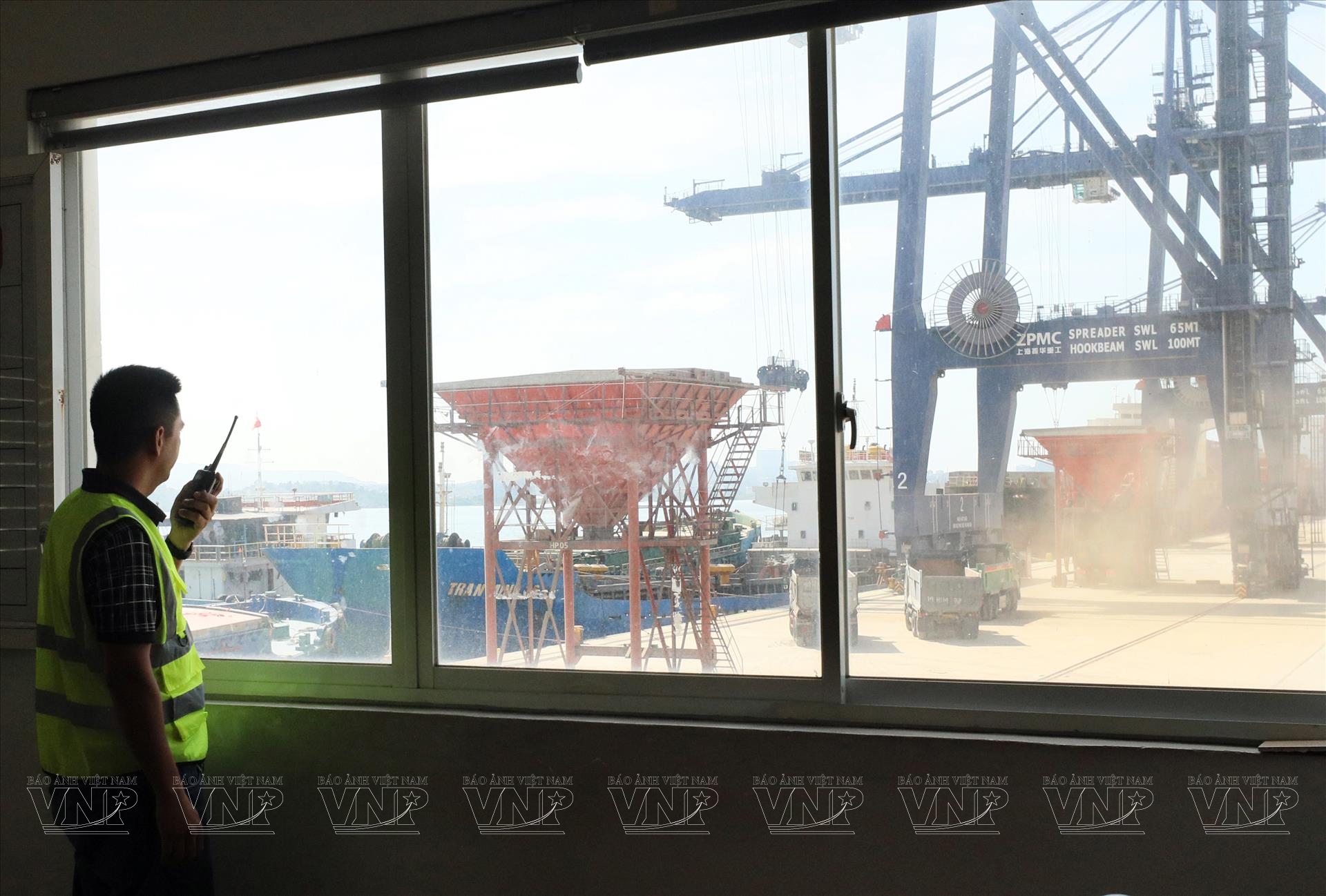
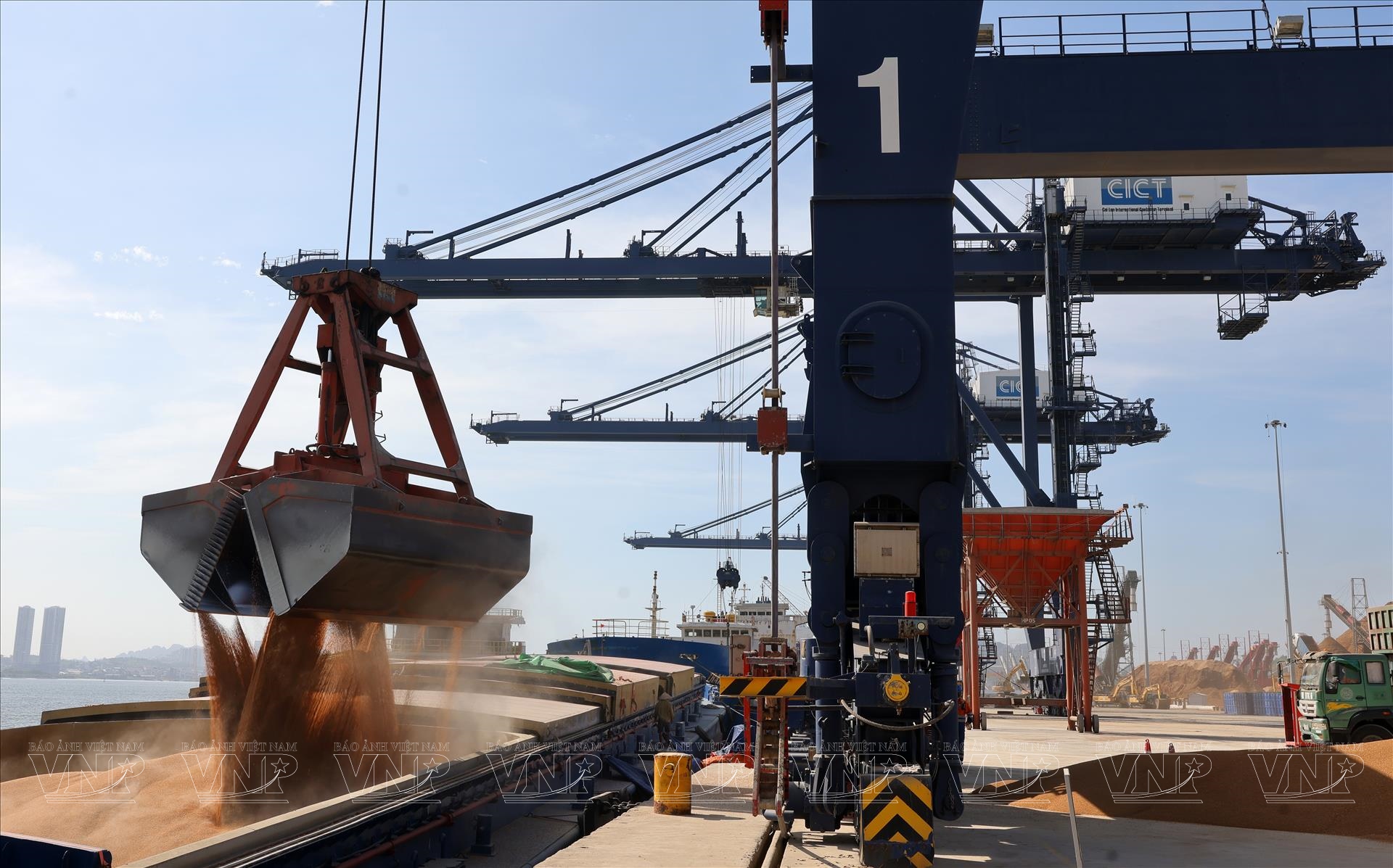
As of early 2026, Quang Ninh had 15 seaports, 44 berths with a combined length of nearly 7km, and three floating buoys. The province’s 11 key shipping routes, including Hon Gai - Cai Lan, Cam Pha and Van Gia, with a total length of nearly 120km, form an extensive and flexible waterway network.
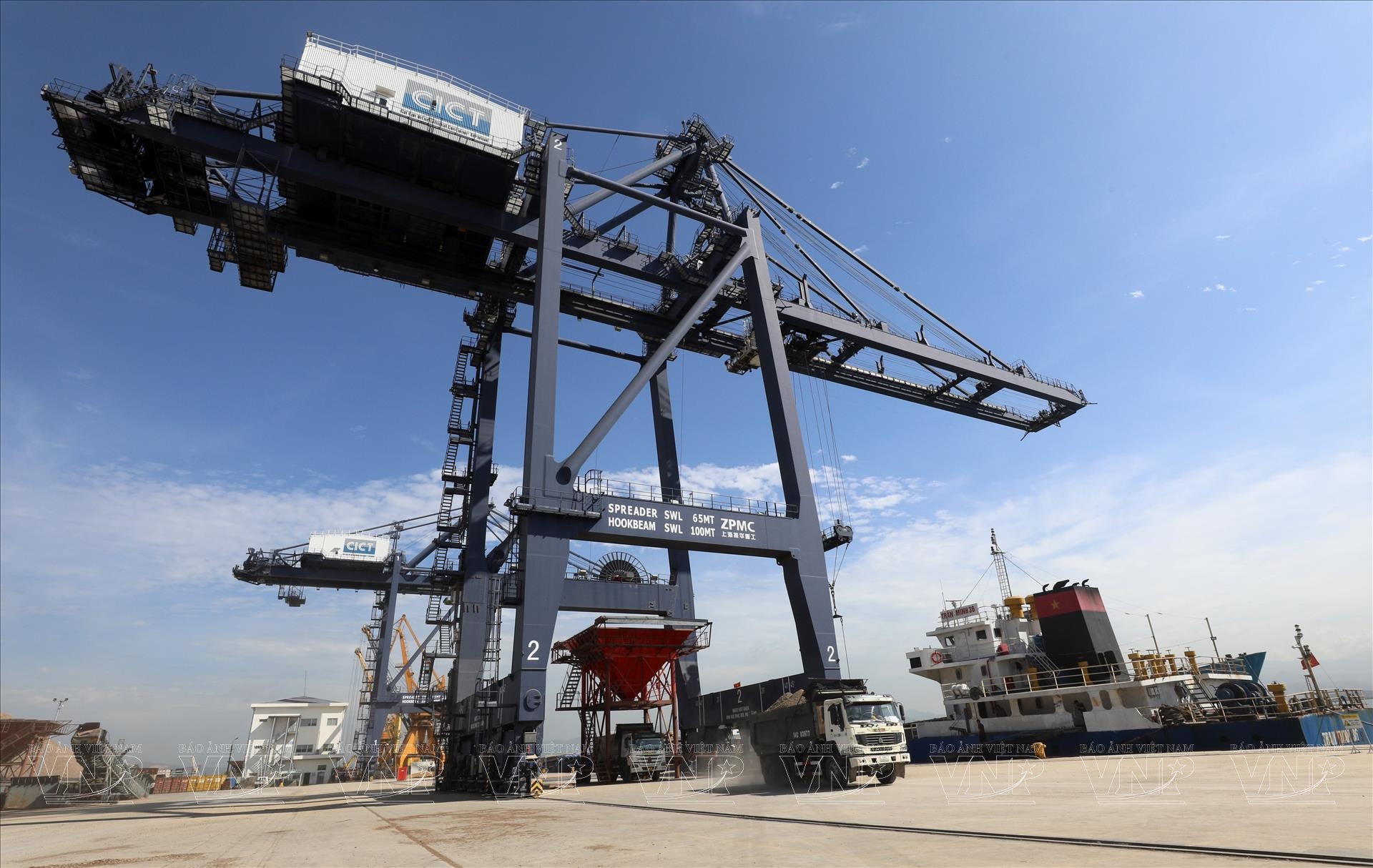
The port system, comprised of major ports like Cai Lan, Yen Hung, Cam Pha, Van Gia and Mui Chua, is well connected to eight national highways and two expressways totaling 600 km, creating an integrated network.
With a comprehensive modern infrastructure, Quang Ninh is making better use of its maritime advantages. The Hon Net - Cam Pha area can accommodate vessels of up to 120,000 tons, while general cargo, container and bulk terminals can handle vessels of around 85,000 tons.
Apart from expanding its port capacity, the province aims to increase the marine economy in its GRDP (gross regional domestic product), creating breakthrough growth and shaping a multi-sectoral marine economic cluster. By 2030, Quang Ninh aims to become a leading hub for a sustainable marine economy and an important cargo transit gateway in the northeastern region.
The advanced port system also helps boost Quang Ninh’s logistics and foreign trade. In 2025, local businesses’ exports increased 16.5% to 4.122 billion US dollars, and their imports totaled 4.560 billion US dollars, up over 16%. In the first quarter of 2026, exports rose 12% year-on-year to 1.074 billion US dollars, while imports increased 9.9% to 1.135 billion US dollars.
According to Nguyen Duy Minh, Secretary General of the Viet nam Logistics Business Association (VLA), Quang Ninh potentially can become an important logistics hub and a multimodal cargo transit and distribution center linking the northern key economic region with the rest of Viet nam, the region and the world.
Digitalization and Strategic Vision Drives Hai Phong’s Growth
From Quang Ninh, the flow of goods and logistics moves southwest to Hai Phong, northern Viet nam’s largest seaport hub and the country’s key international maritime trade gateway.
Hai Phong is among the few localities in Viet nam boasting all transport modes of sea, waterway, rail, road and air. This advantage, together with its modern seaport system, particularly the Lach Huyen international port, which can accommodate vessels of around 100,000 tons, makes Hai Phong an important point linking international shipping routes.
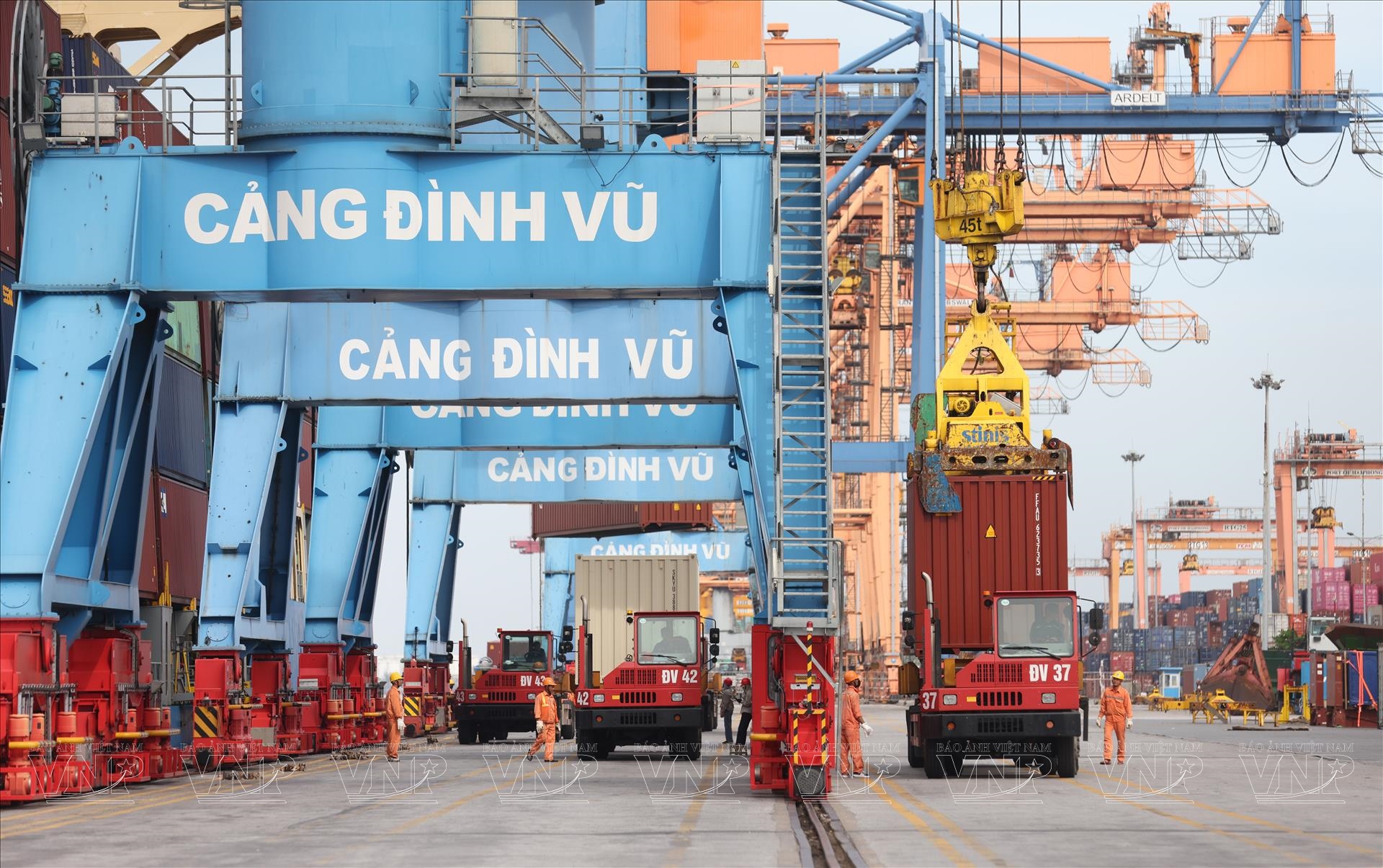
Under Hai Phong’s development master plan to 2030, its ports are set to handle 175.4-215.5 million tons of cargo. The city is moving beyond traditional cargo handling and transportation toward higher-value logistics services linked to major international shipping routes.
Nguyen Van Thanh, Director of the Hai Phong Department of Industry and Trade, said the city’s strategic location, comprehensive transport infrastructure and advanced seaport system provide a strong foundation for Hai Phong to become a major logistics hub, not only in northern Viet nam but also internationally.
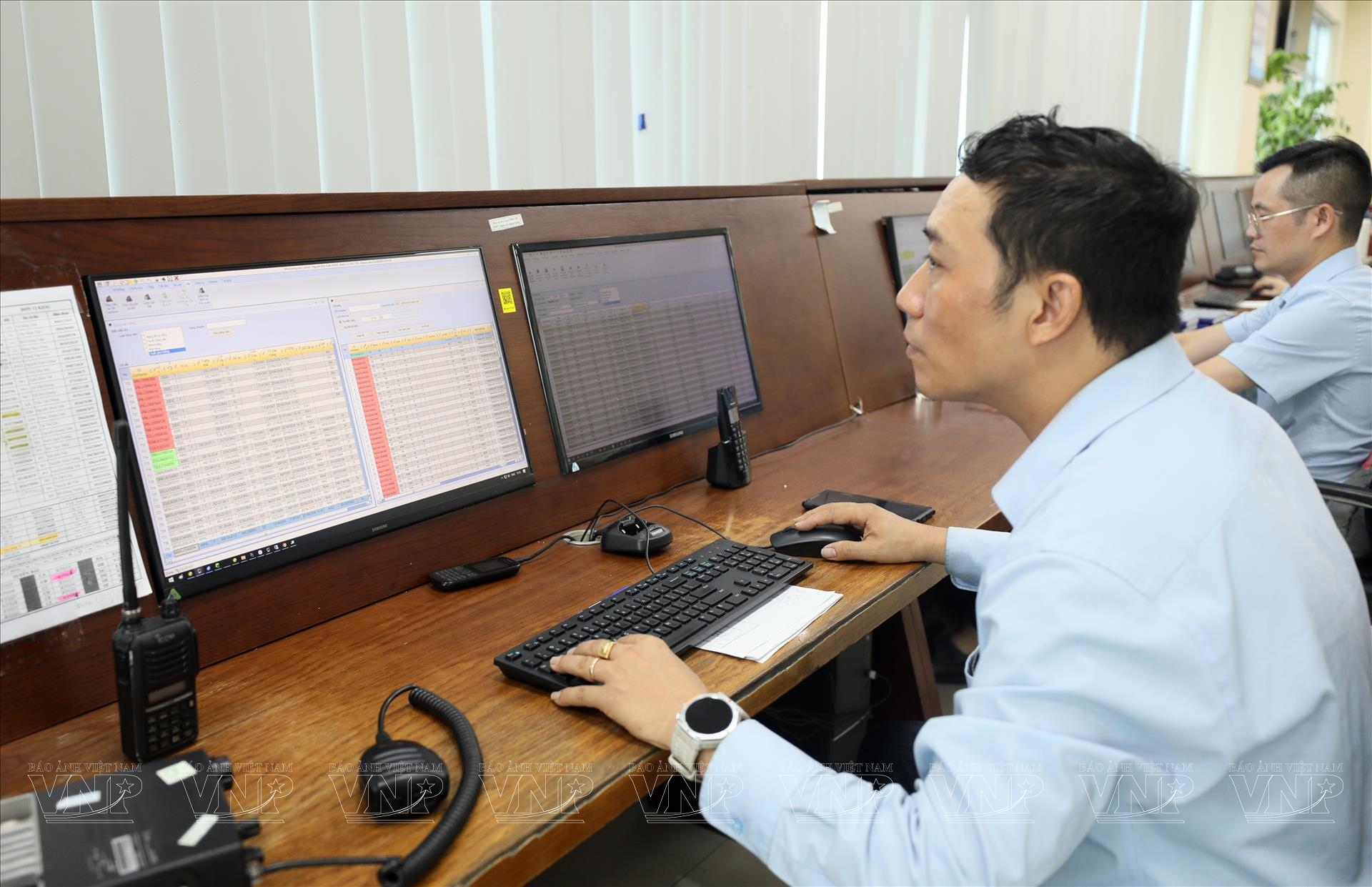
Notably, Hai Phong’s ports are undergoing rapid digital transformation. Smart Gate, a system allowing automatic cargo delivery and receipt, reducing waiting times and improving transparency, has been introduced in many ports. Positioning and tracking technologies have also been integrated into cargo-handling equipment and internal transport vehicles to optimize operating costs.
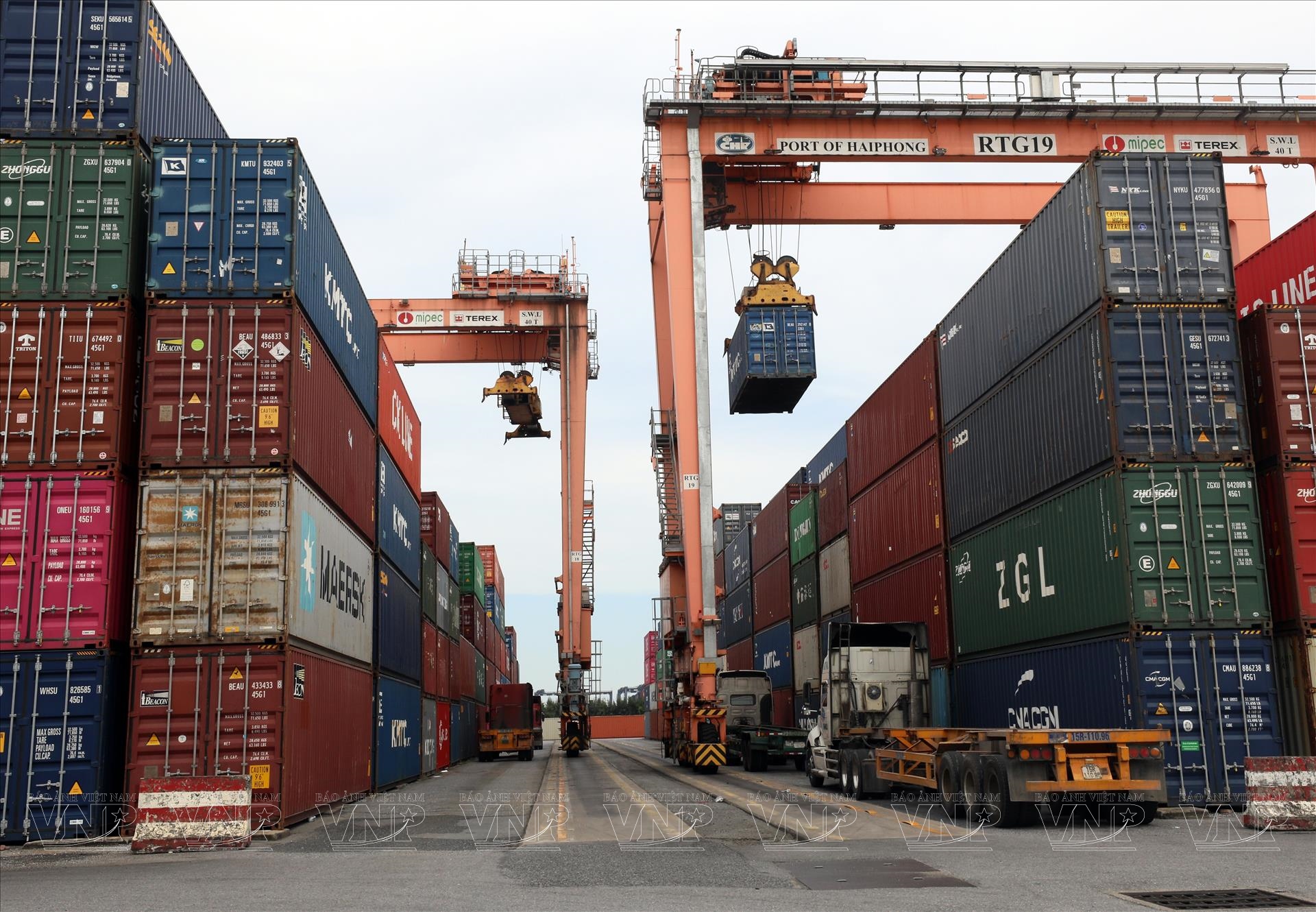
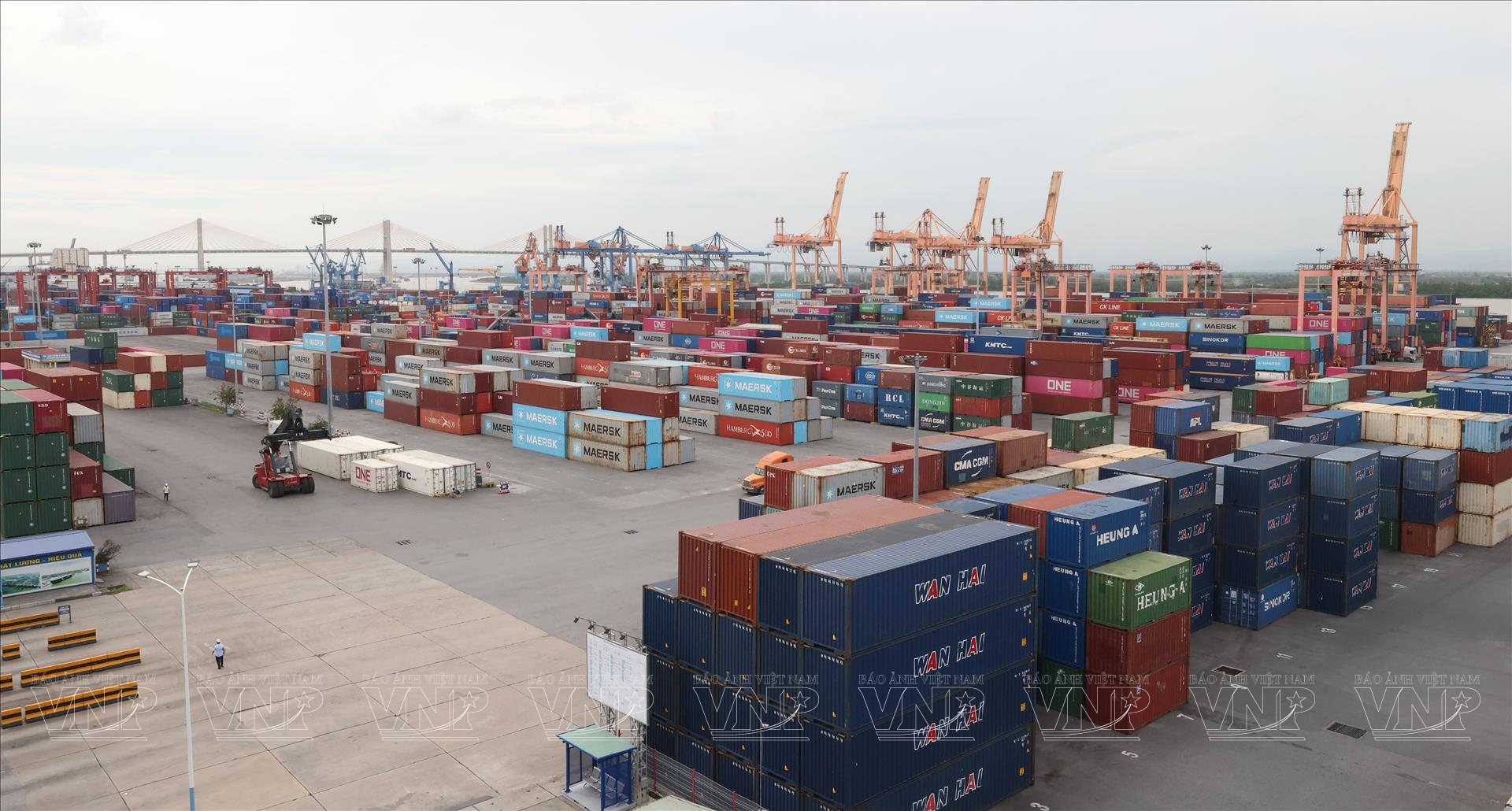
Hai Phong is also increasing investment in largescale logistics infrastructure. The city plans to mobilize more than 78 trillion dong (nearly 3 billion US dollars) to develop its seaport system to 2030, focusing on public maritime infrastructure, service terminals and logistics centers in Dinh Vu - Cat Hai, Nam Dinh Vu and VSIP. By 2045, it aims to form one to three national logistics service zones, with the logistics sector growing at 30- 35% annually.
Tran Thi Hong Minh, former Director of the Institute for policy and strategy studies, said Hai Phong has significant advantages for developing logistics and free trade zones. Making effective use of its location, infrastructure and human resources will make the city a logistics center in the northern region and internationally.
Bui Ngoc Hai, Deputy Head of the Hai Phong Economic Zone Management Board, said Hai Phong is set to become a modern, efficient and internationally competitive logistics hub to enhance local businesses’ competitiveness and boost growth of the northern region and country.
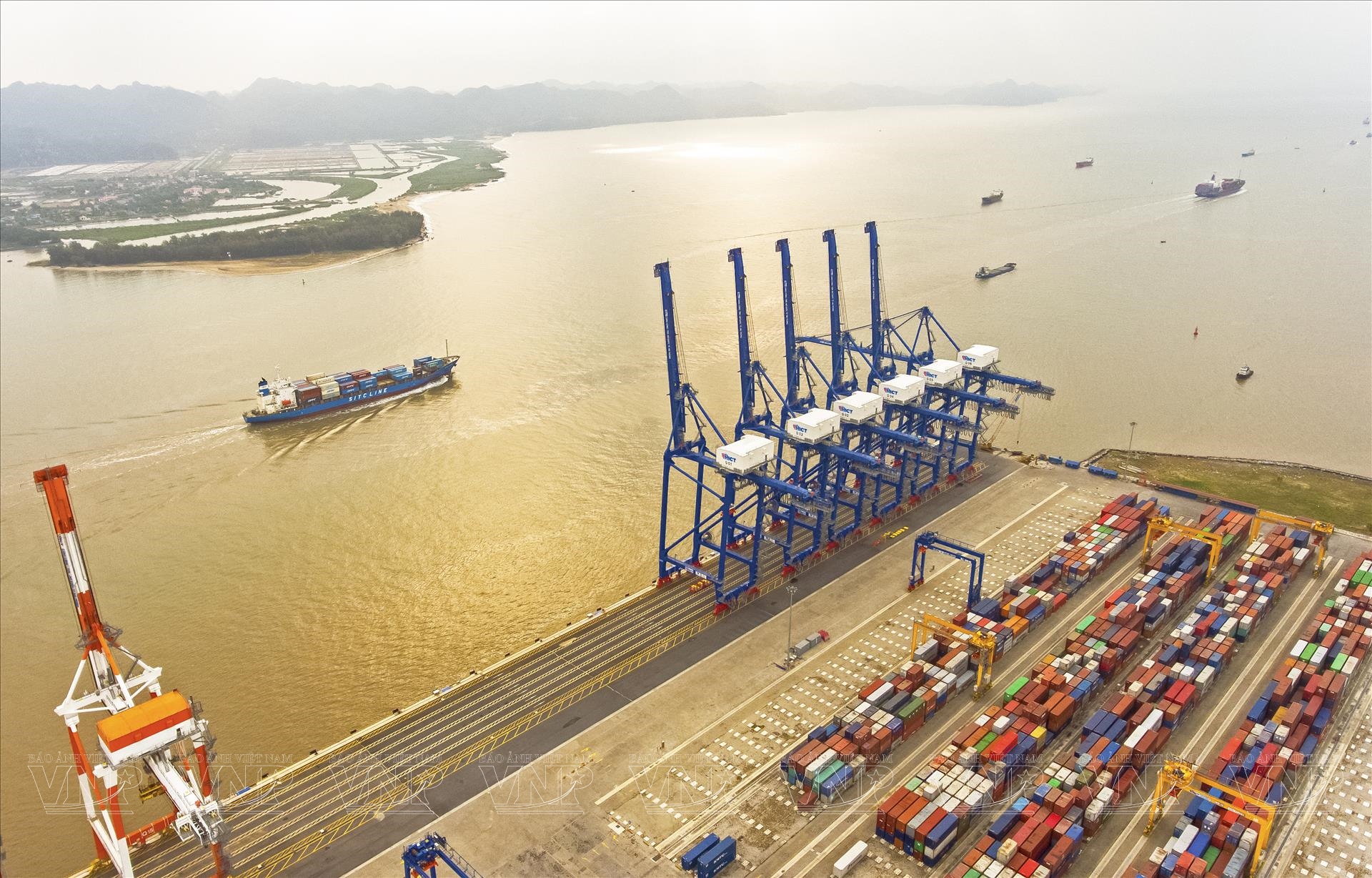
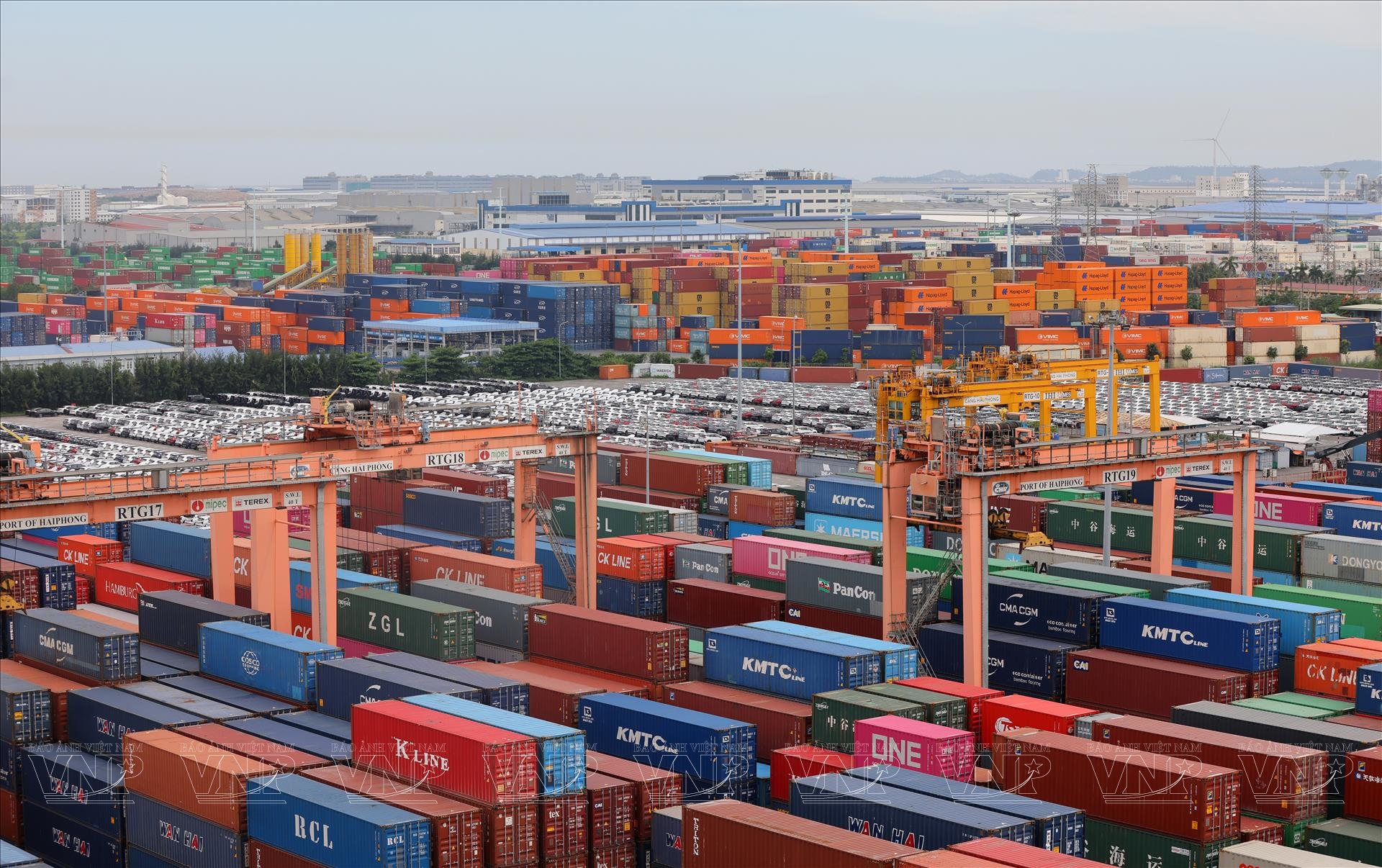
The strength of the northern region’s logistics lies not in each province but in the connectivity and complementary strengths of Quang Ninh and Hai Phong. Quang Ninh has deep-water bays, favorable natural shipping channels and ample land for large-scale terminals and multi-sectoral marine economic clusters. Hai Phong stands out for its multimodal international transit capacity, industrial zones and urban areas integrated with modern logistics services, and advanced digitalization.
The two seaport systems do not directly compete, but complement each other, forming an integrated network in the Gulf of Tonkin. Cargo from northern provinces and cross-border economic corridors can move flexibly through either Quang Ninh or Hai Phong port clusters, depending on supply-chain strategies. This, in turn, enhances the region’s appeal to global shipping and logistics companies.
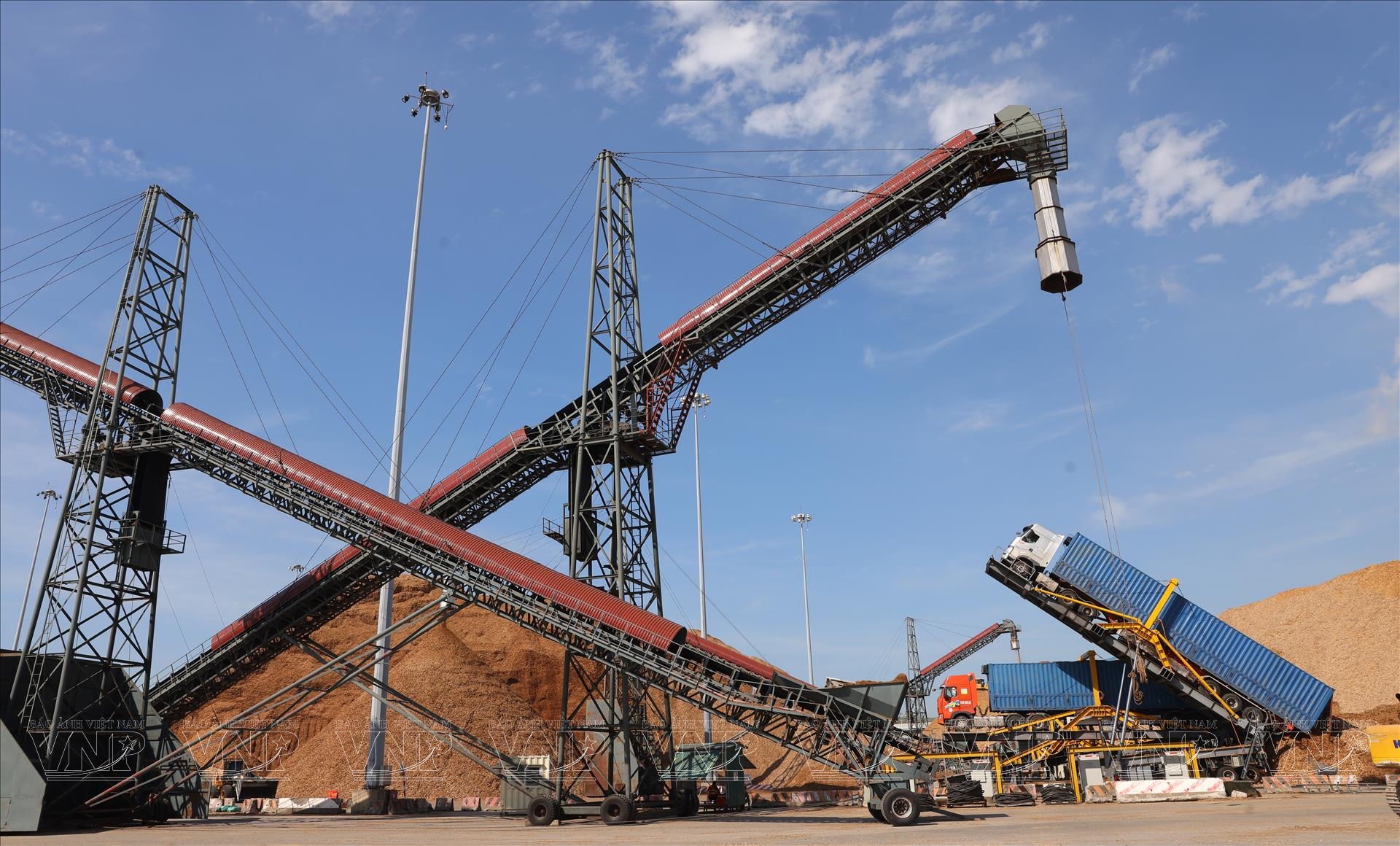
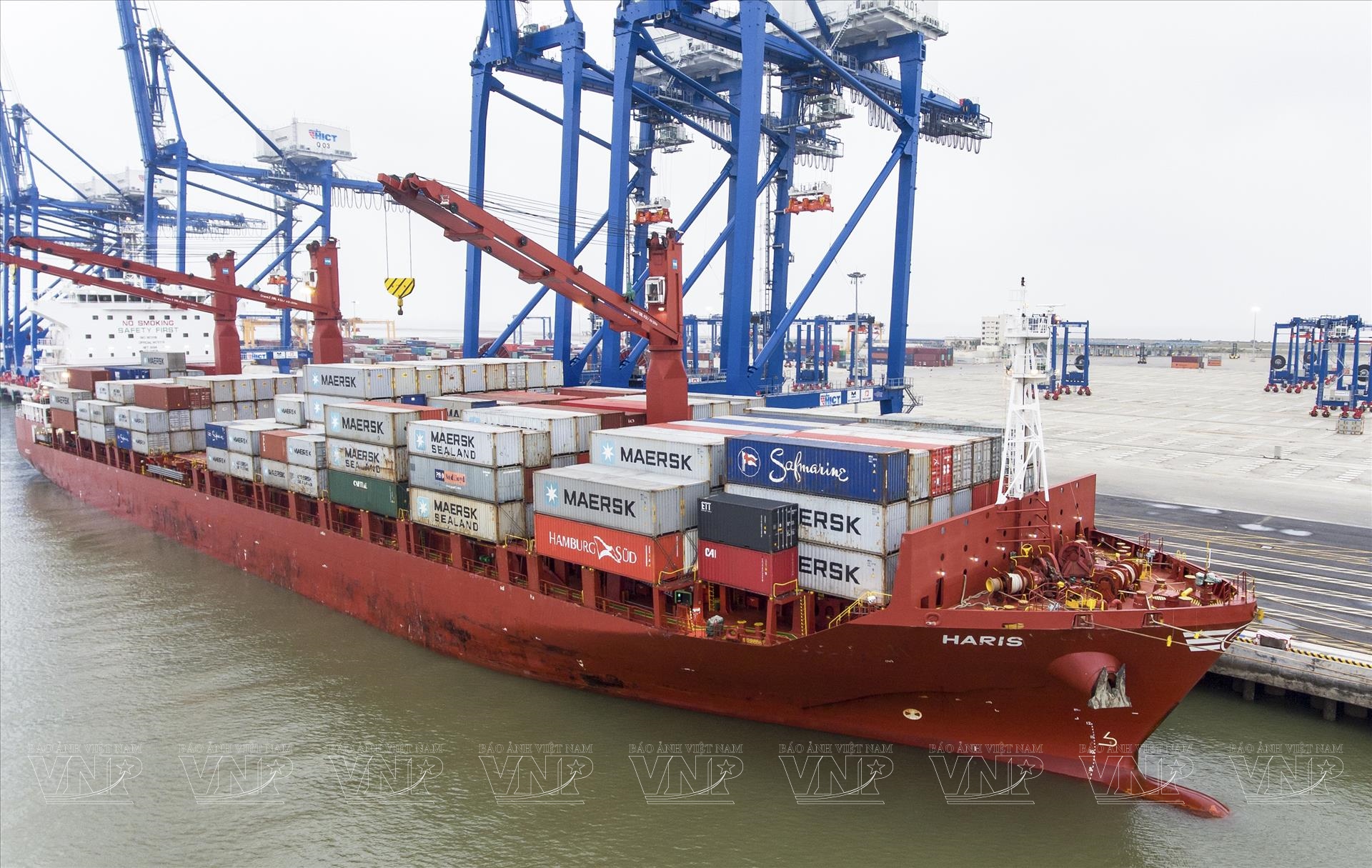
This development takes on strategic significance under Resolution No. 20-NQ/TW on building and developing Viet nam into a strong maritime nation. The seaport systems of Quang Ninh and Hai Phong are vivid examples of how Viet nam is realizing its vision of a modern marine economy, strengthening national logistics capacity and enhancing its regional and international maritime position.
Story: Thong Thien Photos: Trinh Bo, Cong Dat, Thong Thien & Viet Cuong/VNP