The Craft that Preserves the Soul of Thoi Lai
In the modern pace of life in the Mekong Delta, the quiet hands of artisans in Thoi Lai Commune, Can Tho, continue the craft of making non la (conical hat). Three sisters Tran Thi Nam, Tran Thi To, and Tran Thi Tra stand as "firekeepers" who have for decades devoted themselves to the 70-year-old traditional trade.
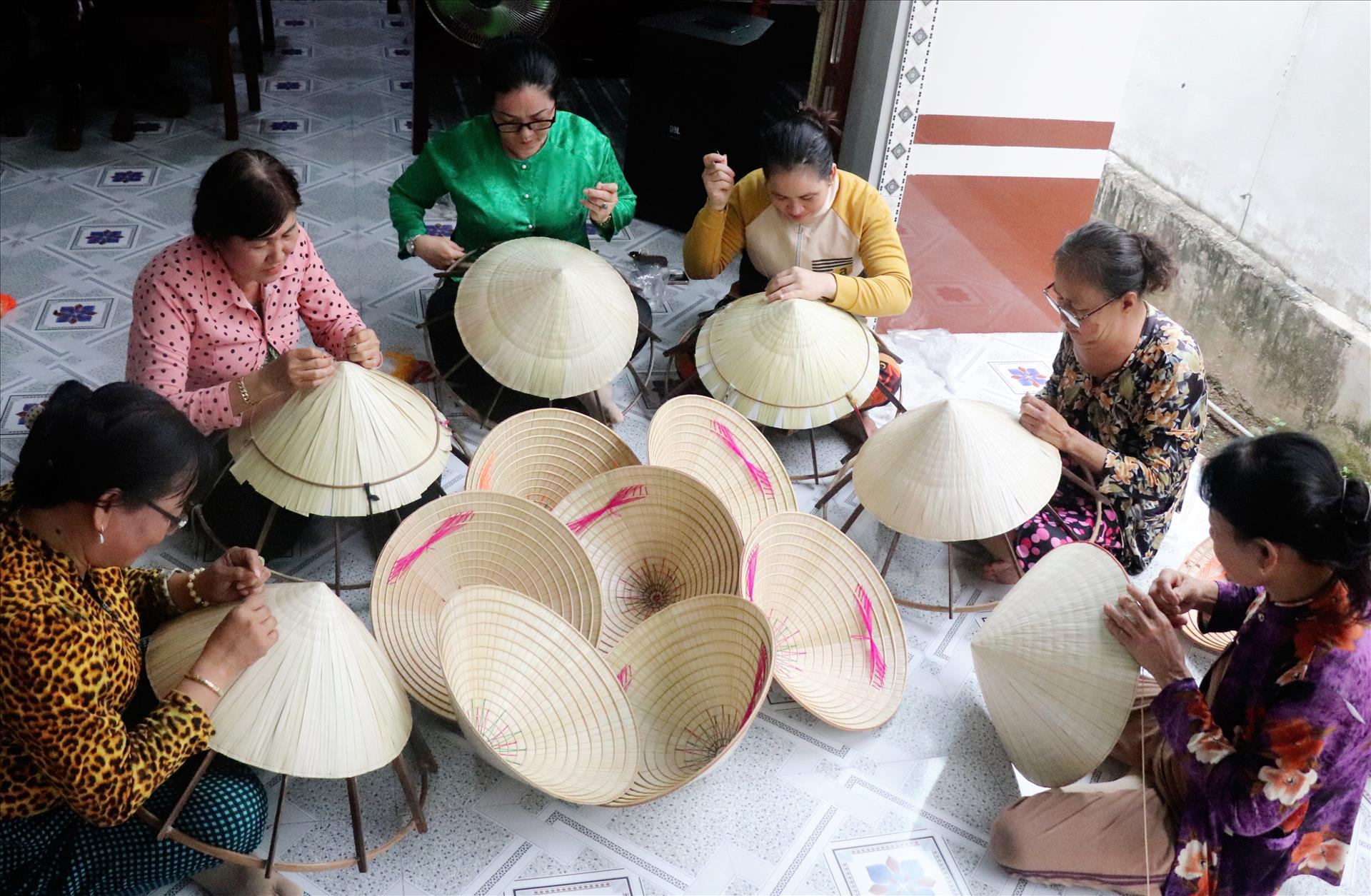
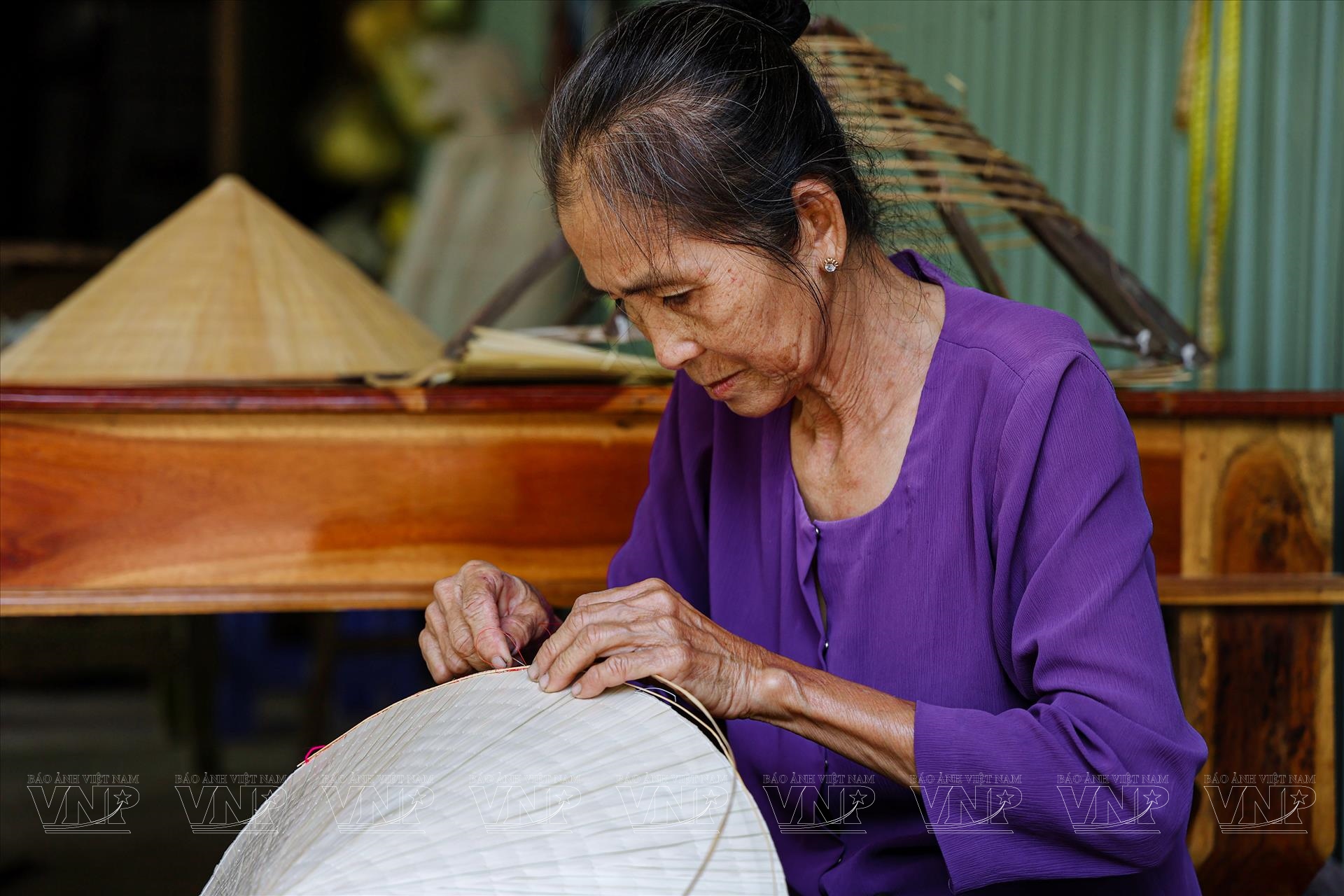
Sitting on the porch through sweltering days and breezy afternoons, the three sisters work tirelessly with hat frames, needles, and dried leaves. To them, stitching conical hats is not merely a livelihood; it is a tapestry of memory, intertwined with childhood and family tradition. “We have done this since we were 16 or 17, passed down by our mother. We loved it so much that we simply cannot give it up,” said Nam, 65.
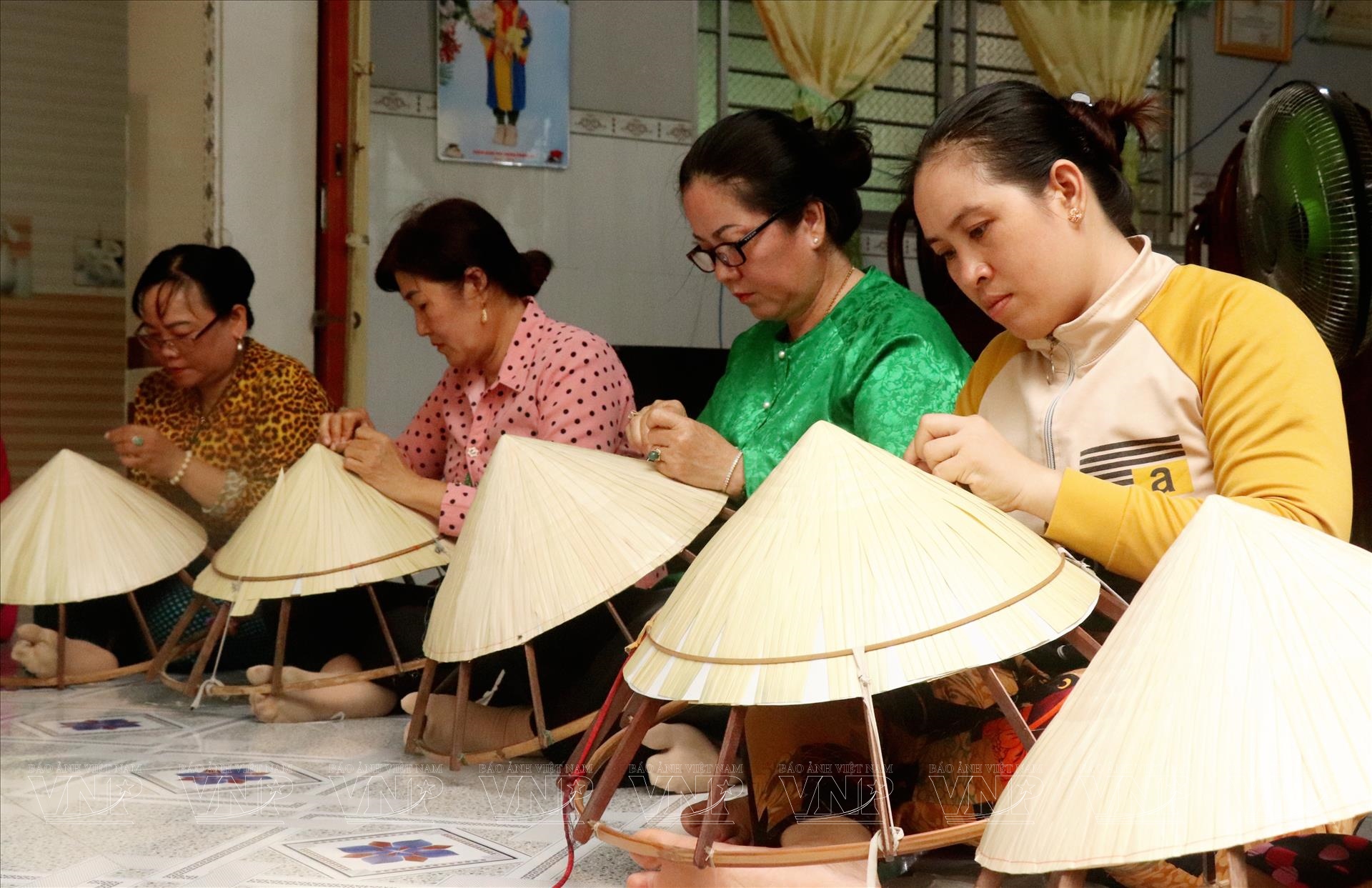
While the work may seem simple, it demands extreme precision and patience. Working with full concentration, one can complete only a single hat per day. The craft does not yield a high income - each hat sells for about 110,000 dong (about 4 US dollars). It is only a job during interludes between farming seasons or household chores, but it brings the joy of upholding an ancestral heritage. It also helps generate employment for middle-aged and elderly women in the region where a Conical Hat Making Union has been established.
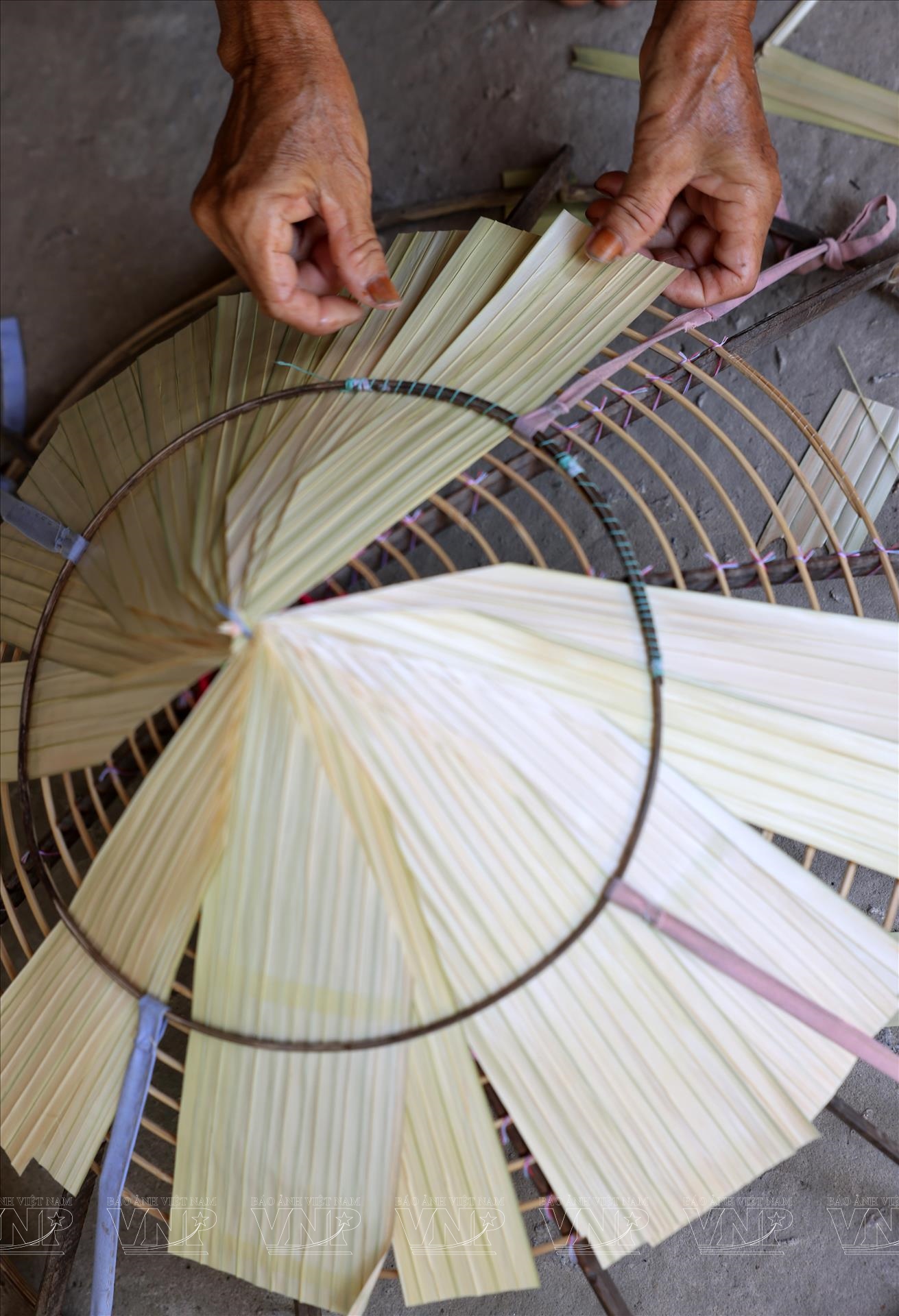

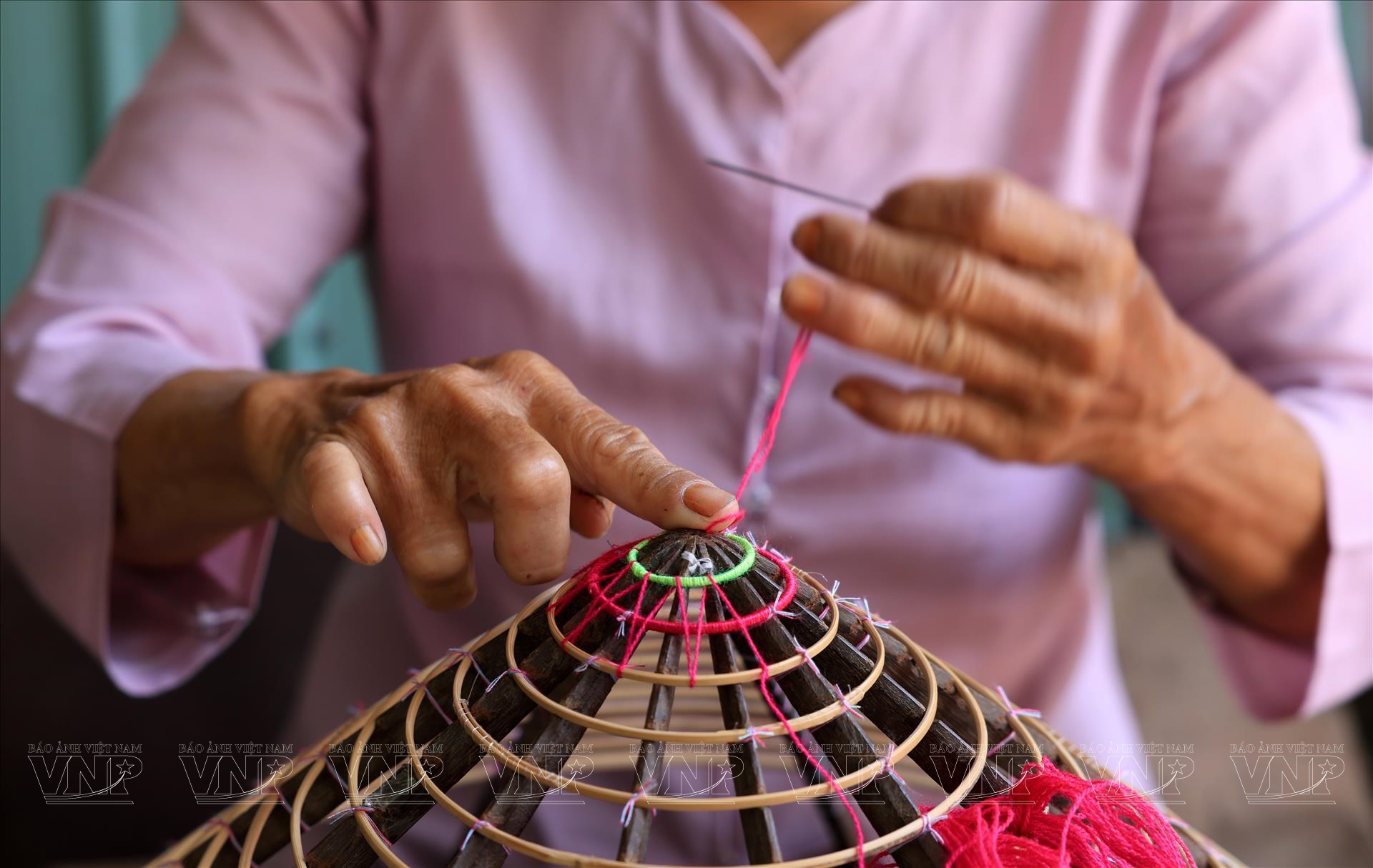
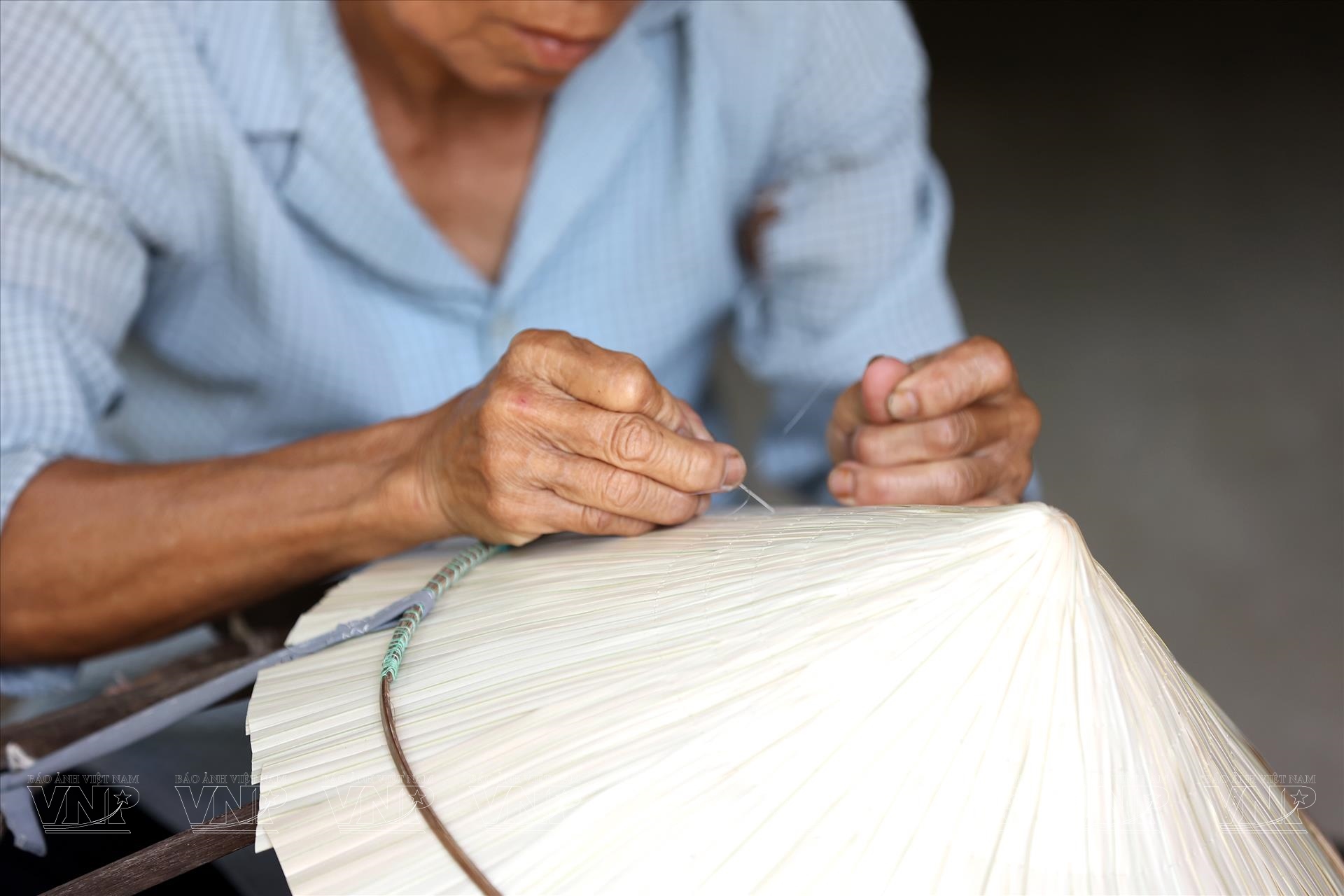
The process involves several intricate stages: setting the frame, shaping the rings, layering the leaves, stitching, and finishing the edge.
According to To, 68, the most challenging stage of the process is "shaping the rings" - fitting the bamboo rings onto the mold before layering the leaves. This is a crucial step that sets the perfect symmetry and balance of the hat.
This attention to detail, from selecting premium leaves to making every stitch, ensures that each hat is not only durable but also a work of art. Layering the leaves also requires skill to ensure the inner, middle (paper lining), and outer layers are perfectly aligned. Once finished, the hat is coated with a layer of varnish to enhance its durability and water resistance.
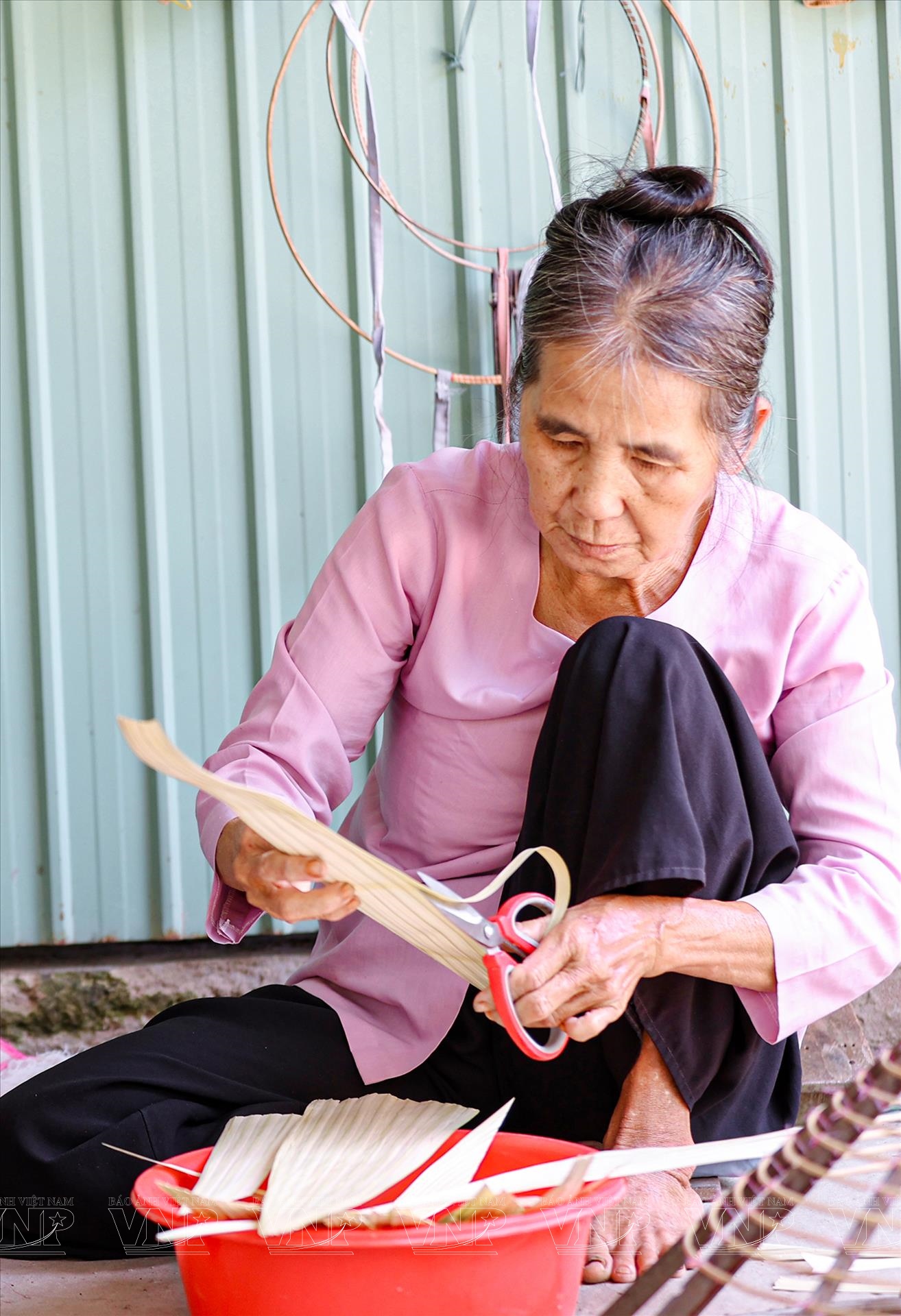
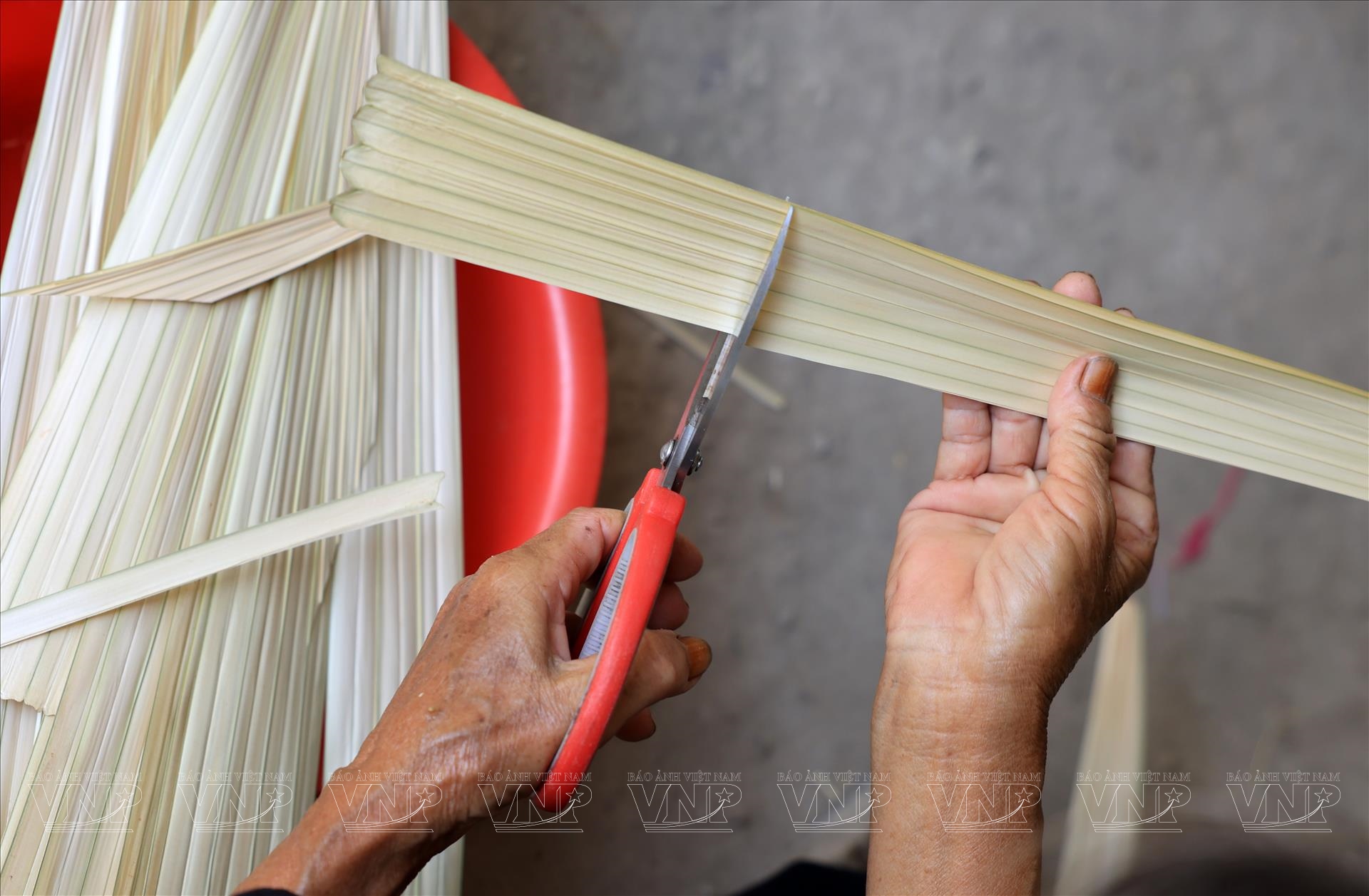
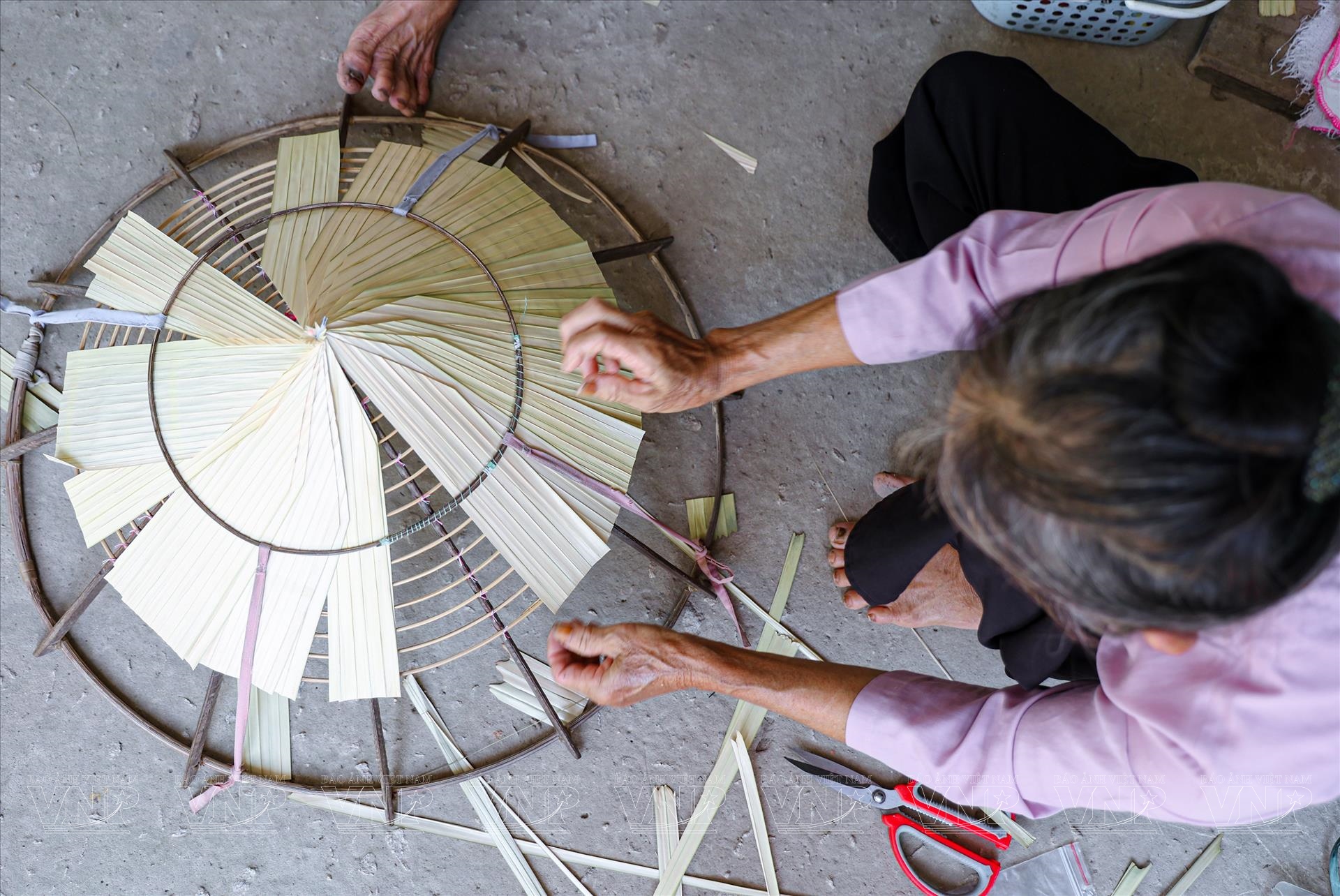
The signature of the Can Tho conical hat lies in its materials and craftsmanship. Locals use mat cat (lady palm) leaves - known for their durability and smooth surface - combined with a bamboo frame to create a sturdy structure.
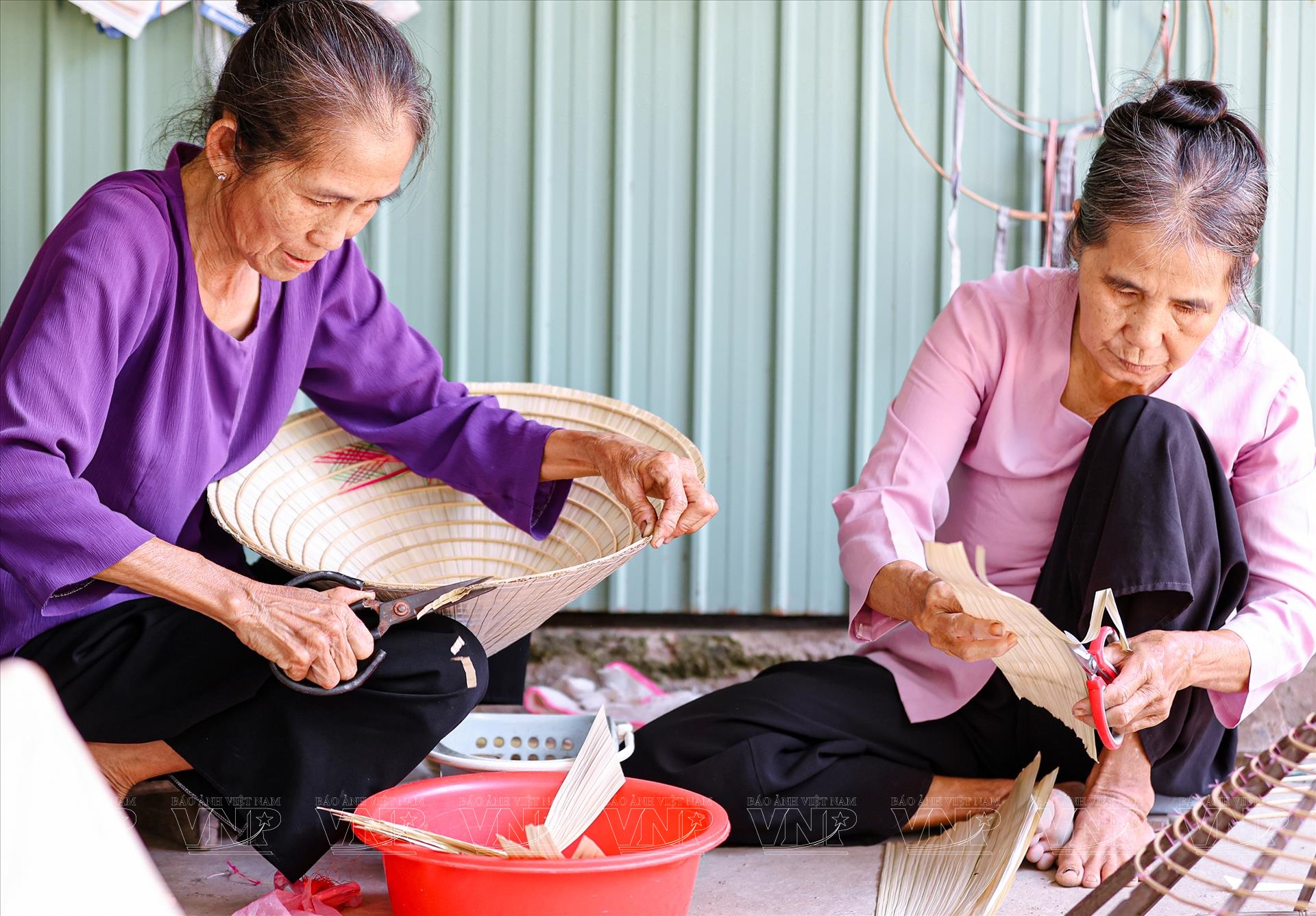
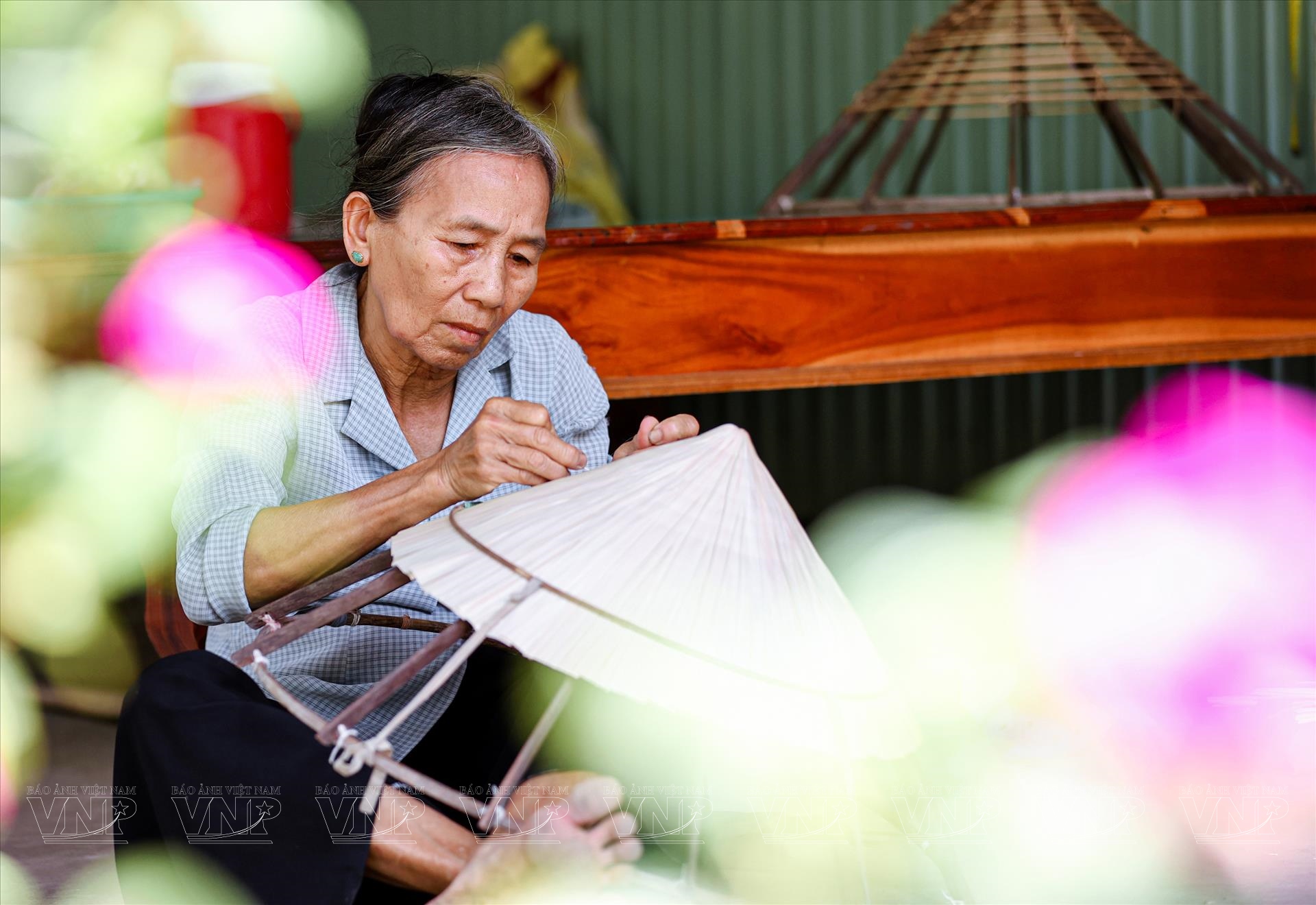
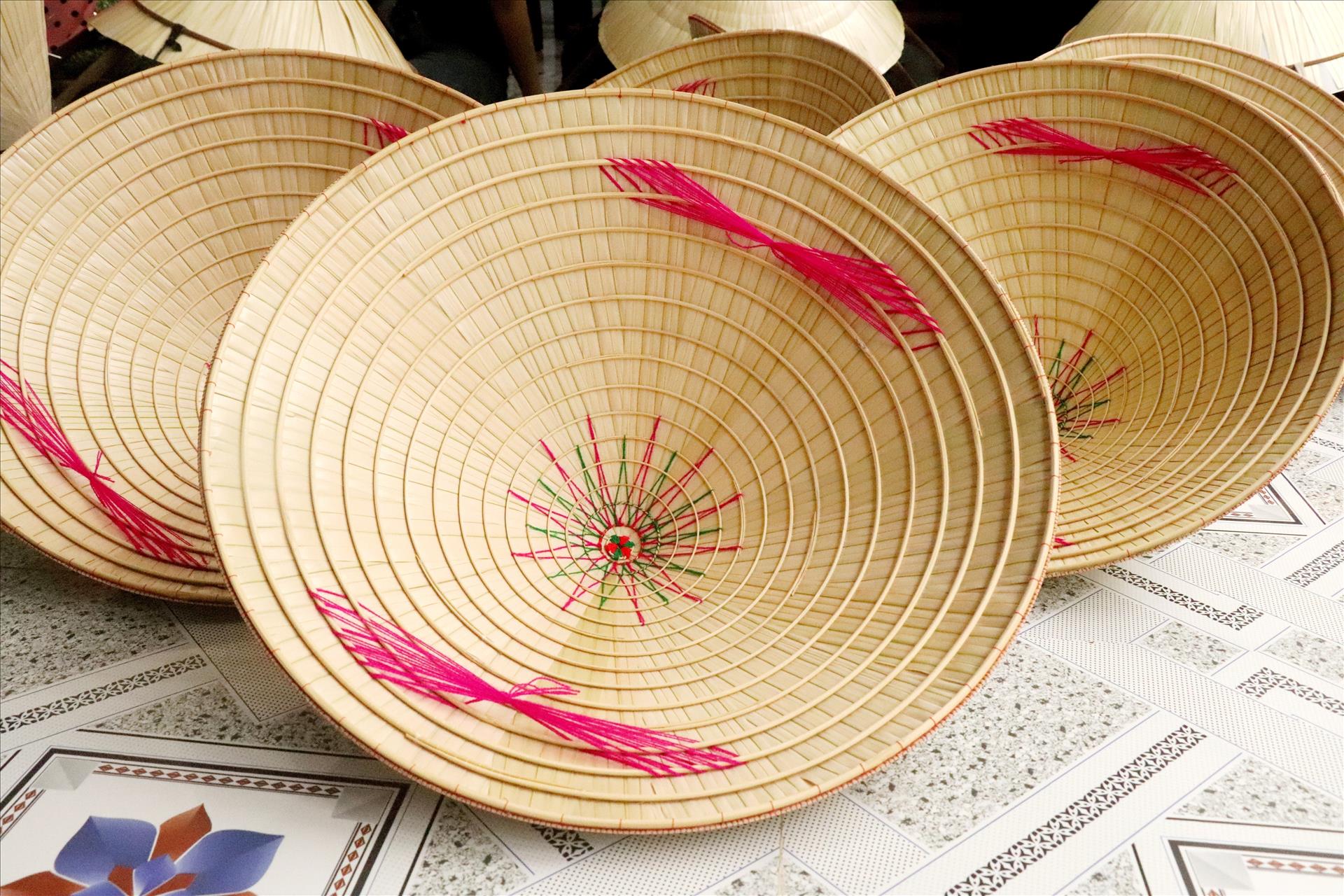
The products are made into two main types: field
hats and tourist hats. While field hats emphasize
durability and wide rings for sun protection, tourist
hats prioritize aesthetics, using selected leaves and
exquisite needlework.
More than just a tool to shield one from the sun and rain, the conical hat carries deep cultural value. A 5 woman in a non la is an image typical of the Mekong Delta. For women like Nam, To, and Tra, each hat is a vessel for memory, family affection, and the legacy of a craft village.
Day by day, these hats are stitched with a steady, enduring rhythm. Within every stitch made by the sisters - who have lived through more than half a century - the thread does more than just bind layers of leaves; it is a vibrant cord connecting the past to the present, preserving the simple yet profound beauty of the southwest./.
Story: Trung Khanh
Photos: Le Minh, Thong Thien, Nguyen Luan/VNP & Thu Hien