The 2025 International festival for Craft Village Conservation & Development
At the Thang Long Imperial Citadel, the 2025 International Festival for the Preservation and Development of Craft Villages presented a vivid picture of the quintessence of Vietnamese handicrafts in the current flow of global integration. With the participation of over 30 countries and thousands of artisans, the event not only honored heritage but also affirmed Hanoi's creative position on the world map of fine arts and handicrafts.
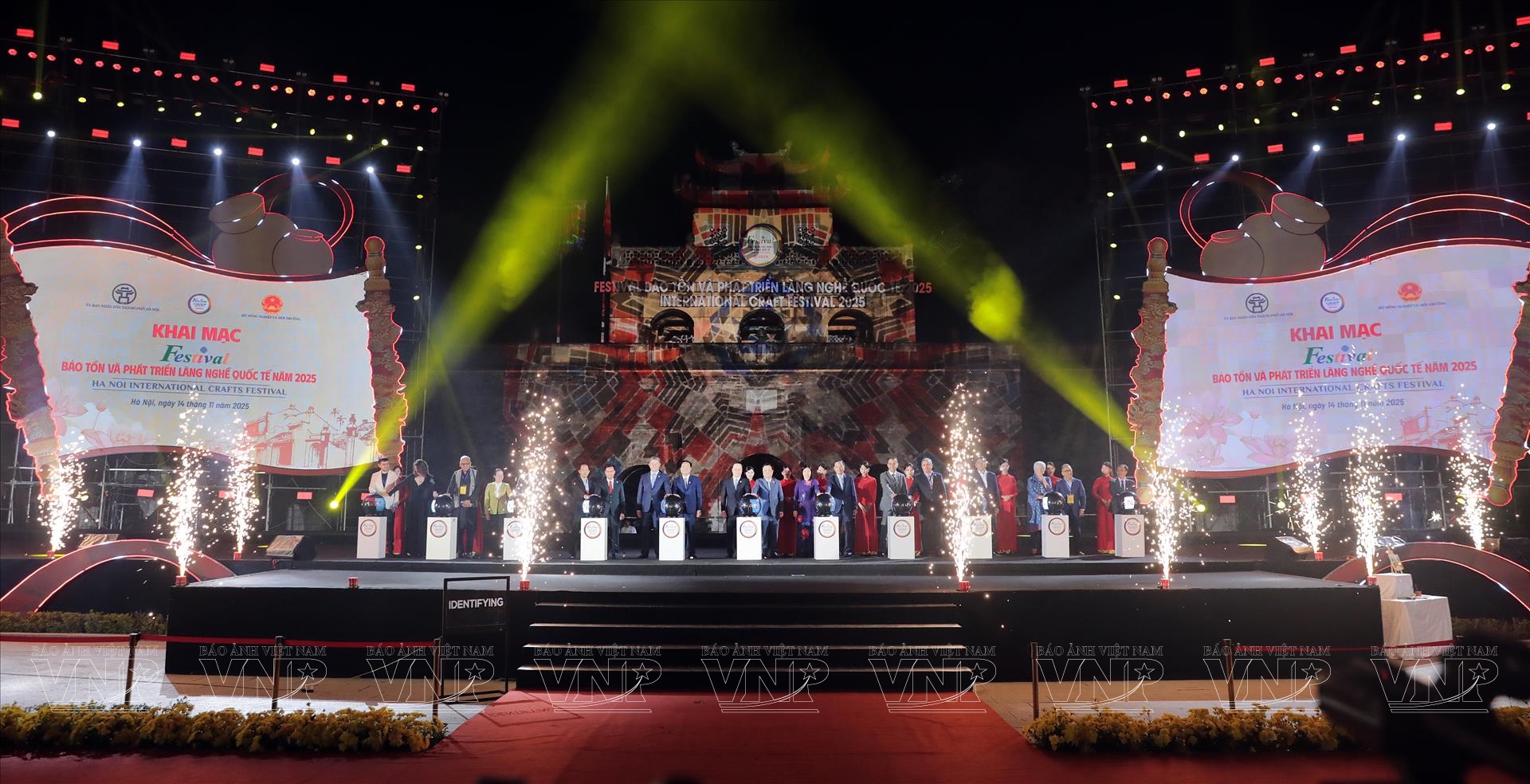
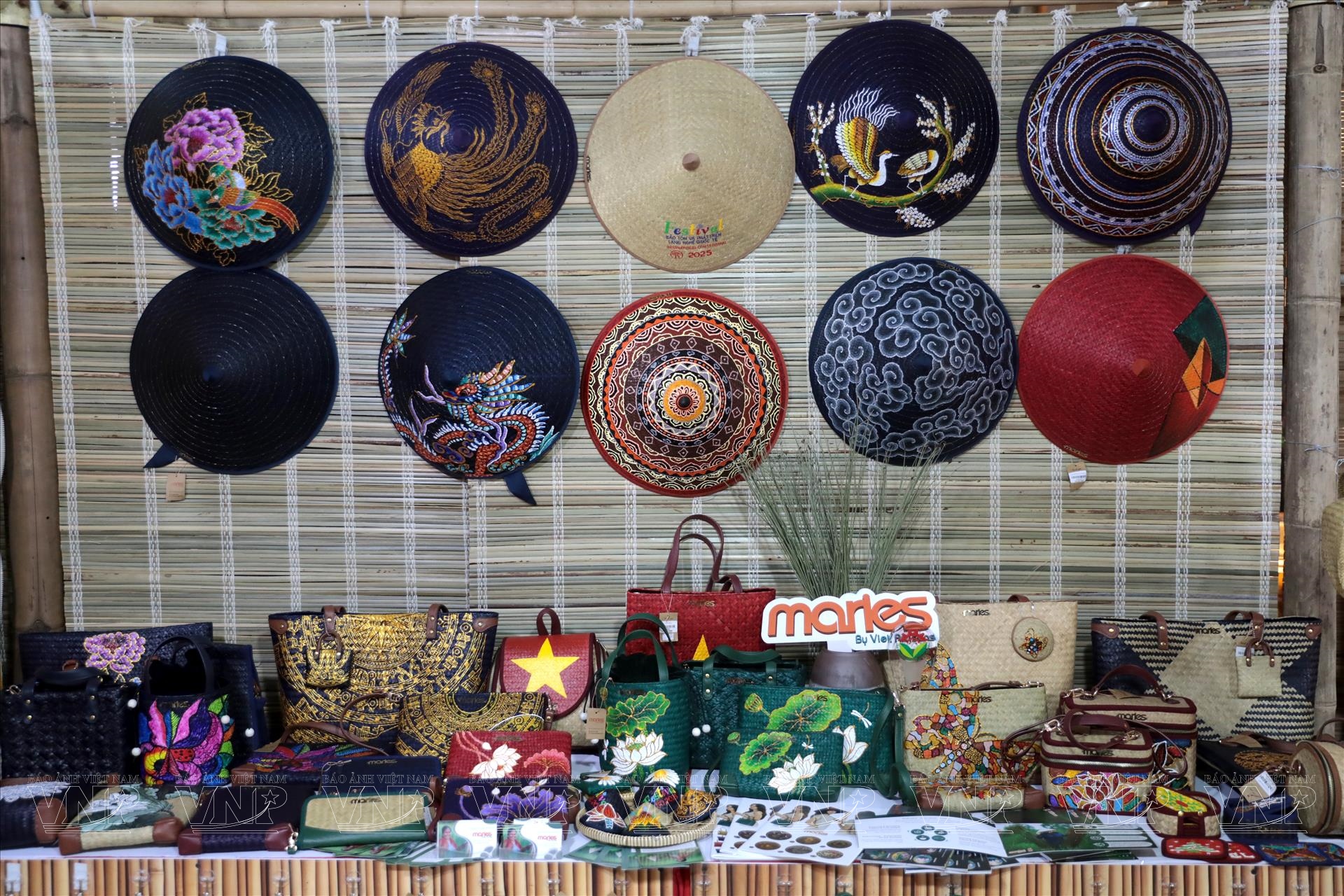
Thousands of years ago, the Ke Cho area - the center of Thang Long - was already a gathering place for skilled craftsmen from all regions. This tradition has shaped today’s Hanoi, nicknamed the "land of a hundred trades," boasting over 1,350 craft villages and villages specializing in trades, with 337 of them officially recognized. Each craft village has its own identity, from Bat Trang ceramics and Van Phuc silk to Phu Vinh rattan and bamboo, Quat Dong embroidery, or Ngu Xa bronze casting. These handcrafted products are not just merchandise; they embody the spirit, soul, and sophistication of Hanoi's artisans, helping Vietnamese culture spread worldwide.
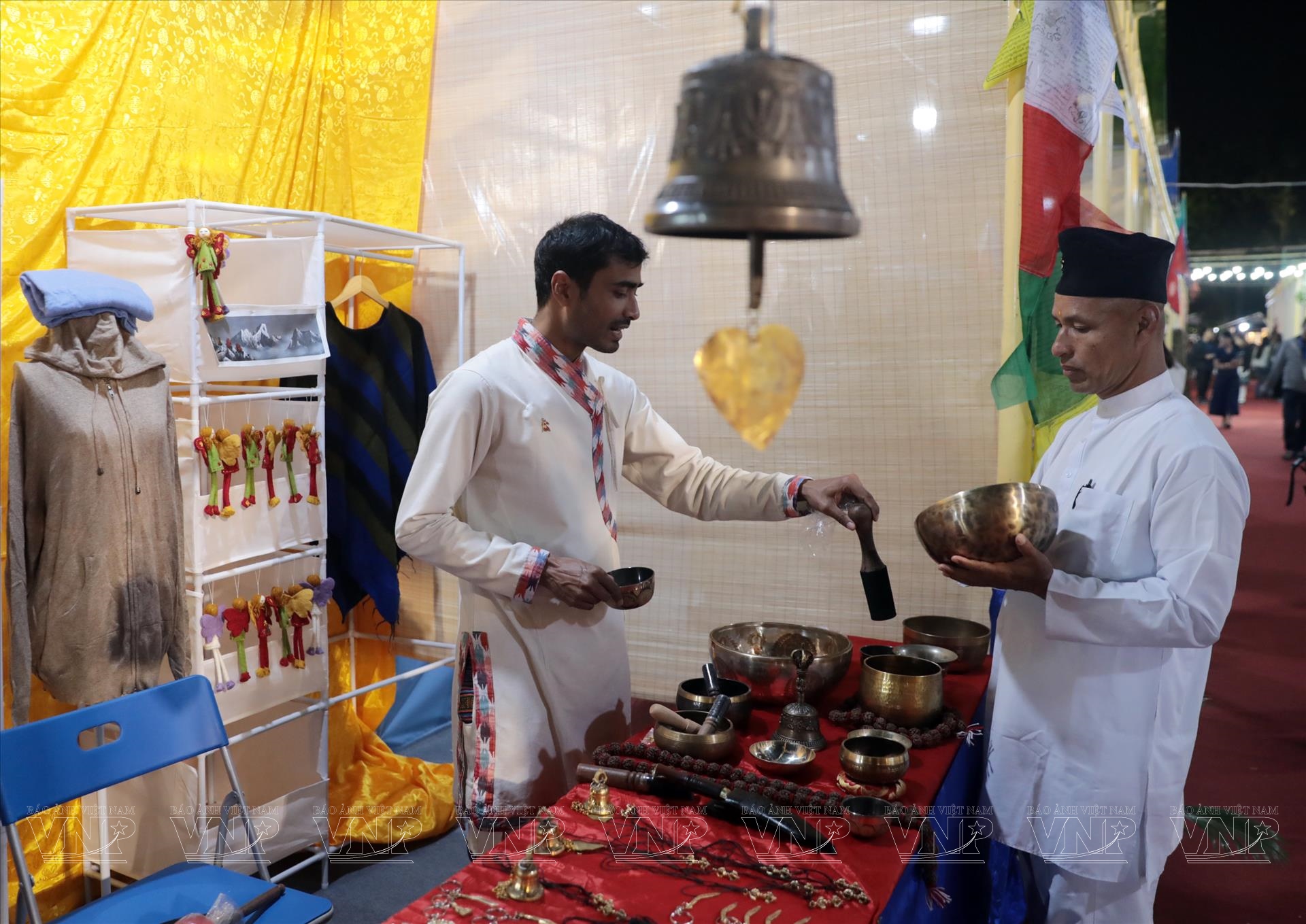
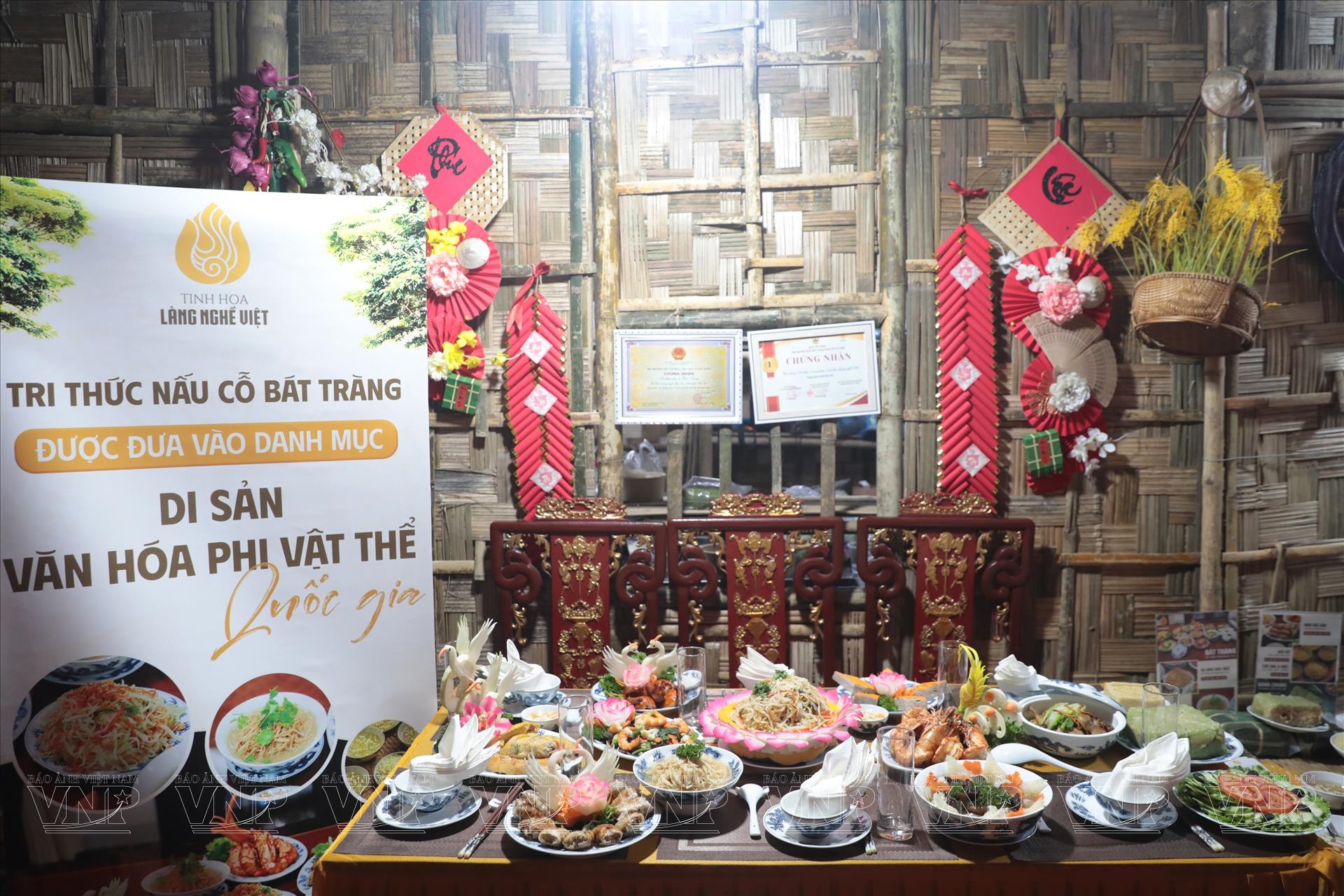
In this context, the 2025 International Festival for Craft Village Conservation and Development, held from November 14 to 18 at the Thang Long Imperial Citadel Heritage Center, became a crucial highlight in the journey of connecting tradition with modernity, and the local with the international. The event, organized by the Hanoi People's Committee in coordination with the Ministry of Agriculture and Environment, spanned over 4,000m2 with 350 booths divided into five spaces: preservation heritage; creativity-development; OCOP and cuisine; the international space; and the “Vibrant Flower Festival of Hanoi”.
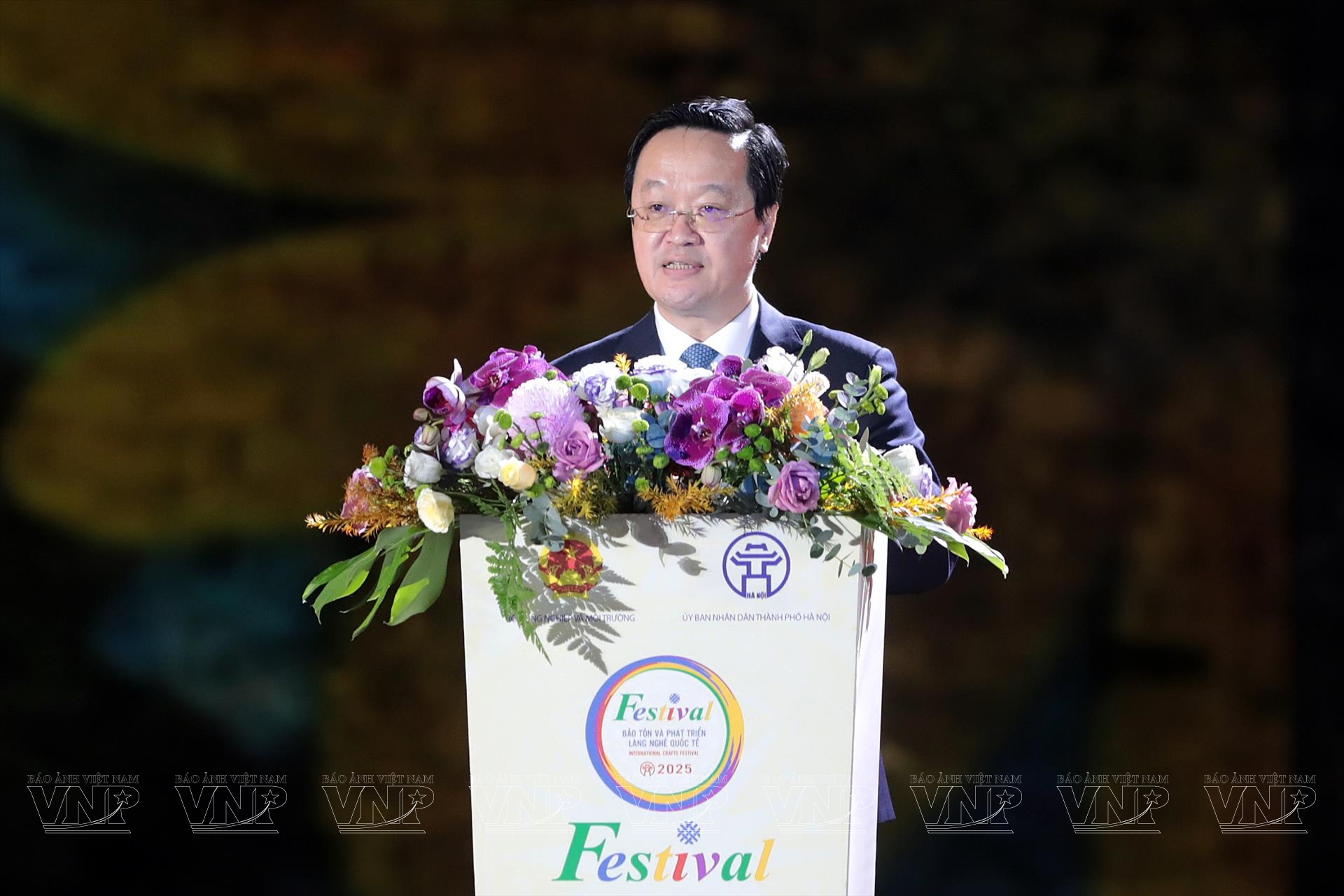
With the theme “Preservation - Development - International Integration,” the festival conveys a vision for sustainable development through four strategic orientations: Environmentally Friendly Green Craft Villages; Ecological Craft Villages; Digital Transformation Craft Villages; and Moving Towards Net-Zero. This also served as an academic forum for artisans, researchers, businesses, and experts to discuss the future of the handicraft industry in the green and digital era.
This year, Hanoi welcomed over 50 international organizations, including 20 leaders of the World Crafts Council (WCC) and representatives from 30 countries and territories. A prominent milestone was the WCC’s assessment and recognition of two craft villages - Son Dong (fine art sculpture) and Chuyen My (mother-of-pearl inlay and lacquer) - as official members, following the success of Bat Trang and Van Phuc. This recognition is regarded as a “passport” that elevates the status of Hanoi's products in the global handicraft industry.
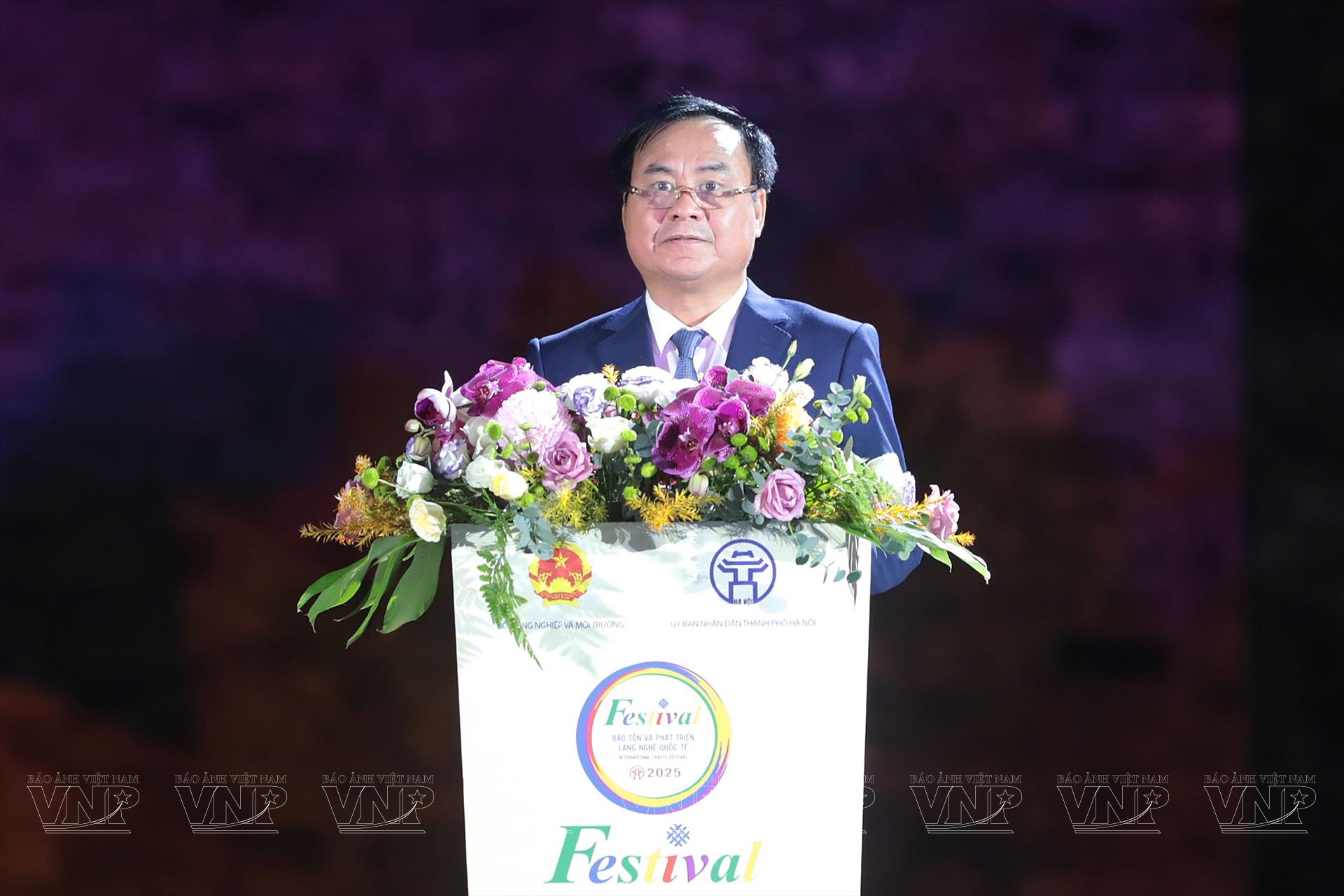
During the opening ceremony, Nguyen Duc Trung, former Chairman of the Hanoi People's Committee, emphasized, “The festival is a large-scale cultural, economic, and social event - a bridge connecting the excellence of the past with the aspirations of the present, transforming culture into an endogenous resource for sustainable development. The blending of the Flower Festival and the Craft Village Festival creates an artistic message about beauty, creativity, and the enduring value of heritage”.
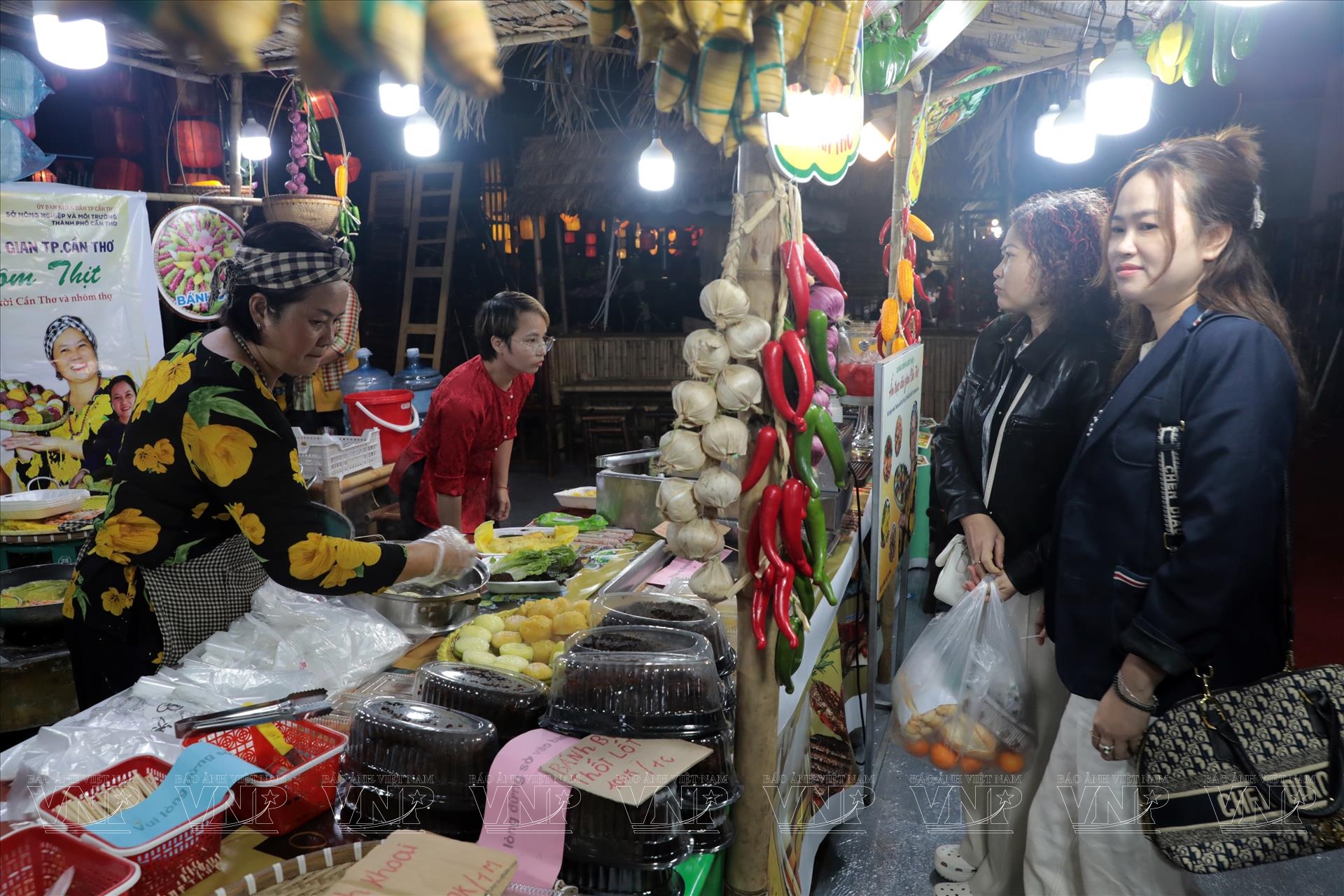
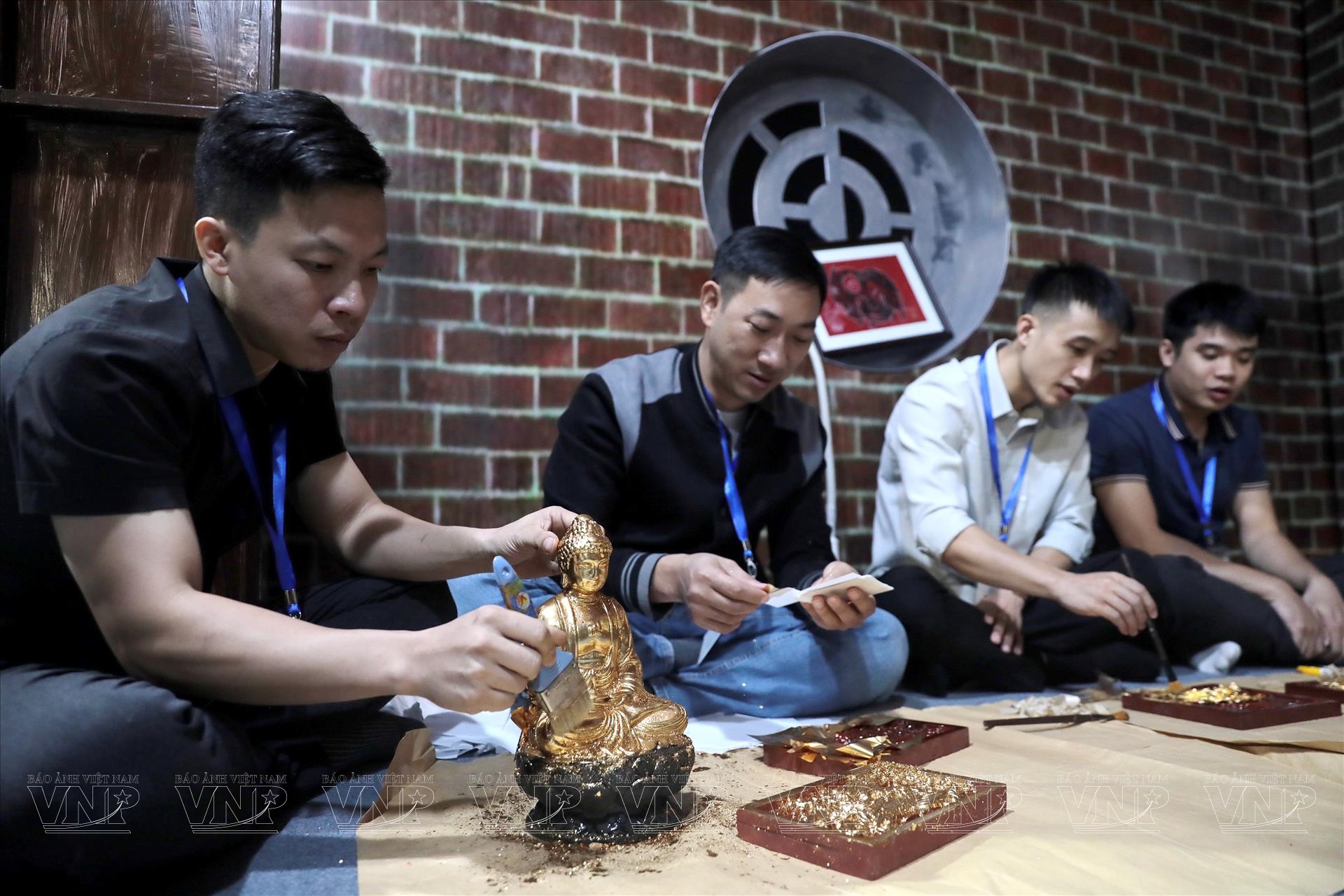
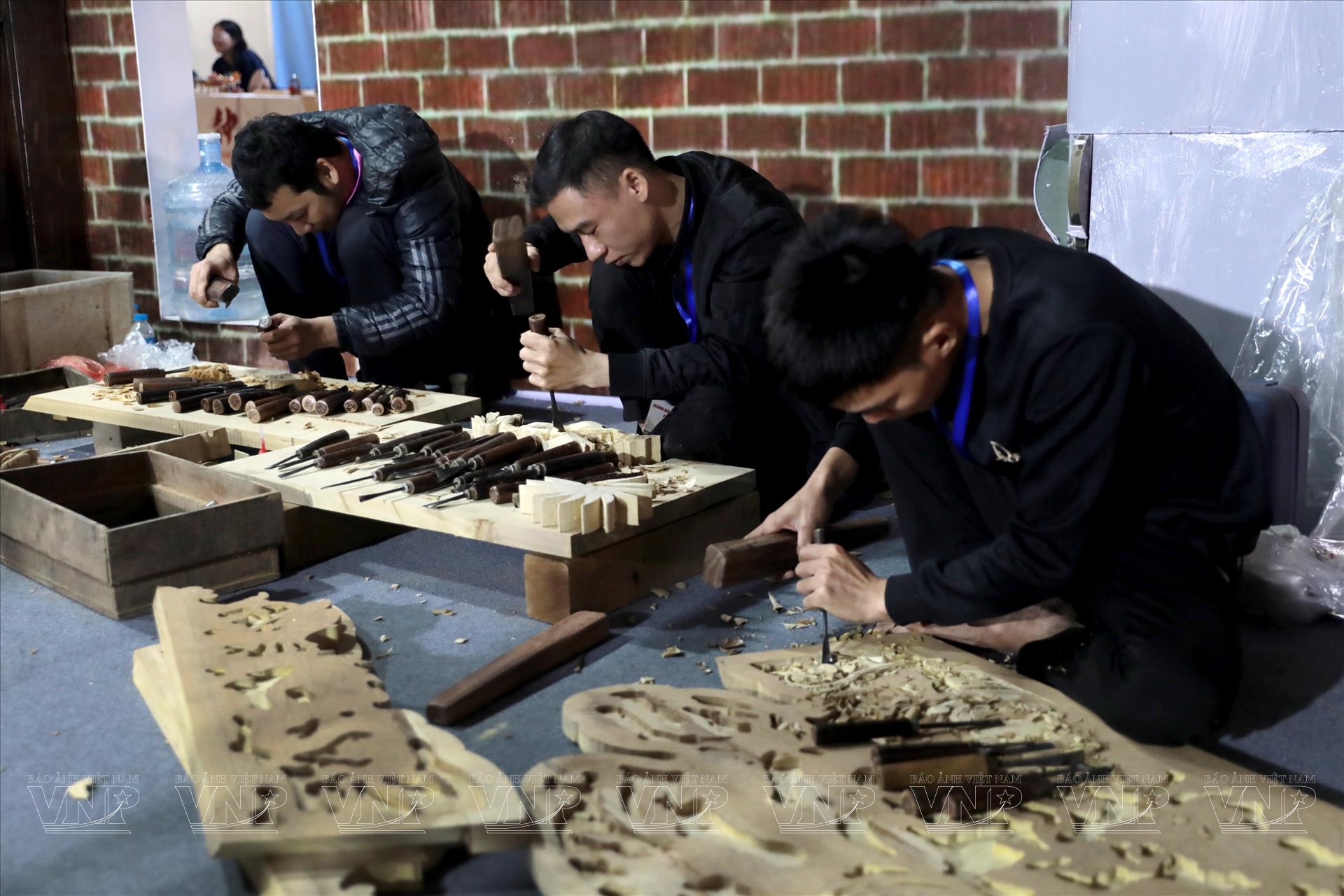
The festival space became a venue for international exchange, where thousands of artisans demonstrated their techniques, told their professional stories through their products, and simultaneously opened opportunities for cooperation in design, production, and trade. OCOP cuisine also contributed to a distinctive cultural experience, as every dish tells a story connecting people, nature, and tradition.
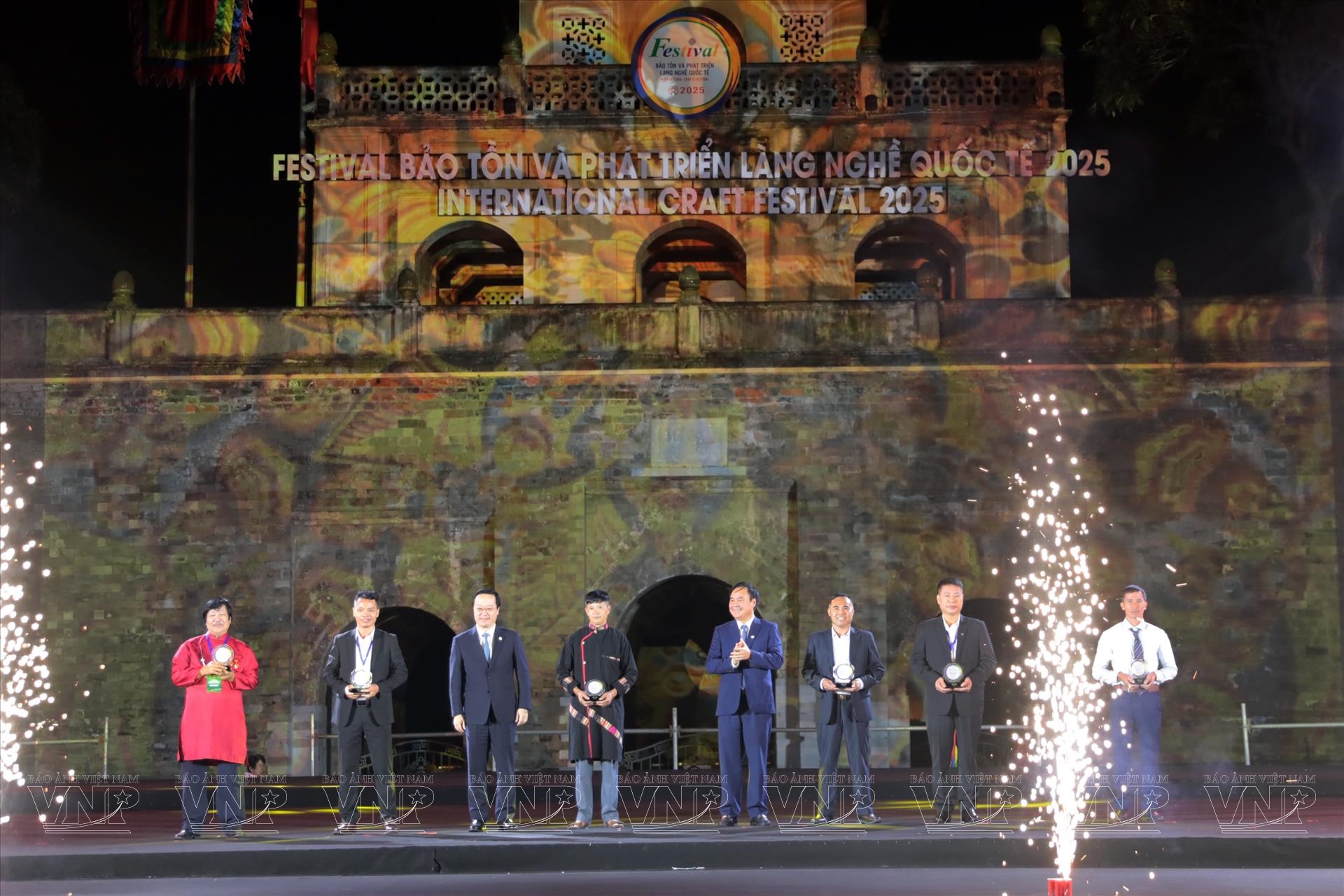
Parallel with the exhibitions, the festival organized a series of specialized activities, including the International Workshop “Preservation and Development of Craft Villages in the Green and Digital Era,” a Trade and Investment Promotion Conference for Craft Villages, and the Vietnam Handicraft Products Competition. All these activities aim to guide traditional trades into an era of creativity, integration, and responsible development.
The 2025 International Festival for the Preservation and Development of Craft Villages sent a clear message: Preserving heritage means preserving identity; developing craft villages is also about developing the people of Hanoi in the future. As traditional excellence blends with contemporary creativity, Hanoi is not just the "land of a hundred trades," but the capital of Vietnamese handicraft quintessence, a place that spreads value, connects cultures, and inspires friends around the world./.
By Thanh Giang & Hoang Ha/VNP Translated by Hong Hanh