Thanh Ha: A 500-Year-Old Pottery Village by the Thu Bon River
Nestled along the banks of the Thu Bon River near Hoi An, Thanh Ha Pottery Village stands as one of Central Vietnam’s oldest traditional craft hubs. For over five centuries, local artisans have preserved the art of hand-crafting ceramics from riverbank clay, creating rustic products that bear the profound cultural imprint of this historic village.
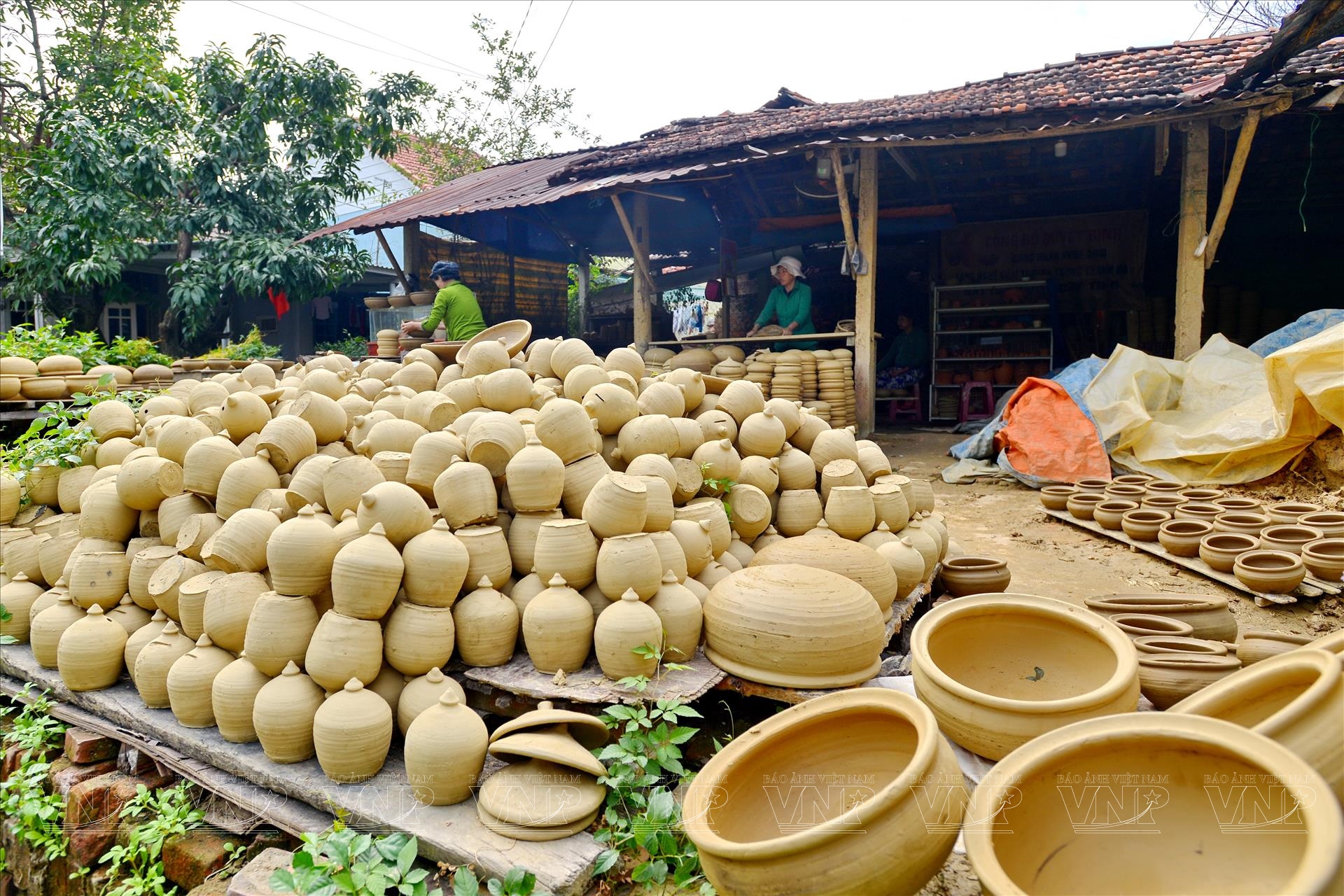
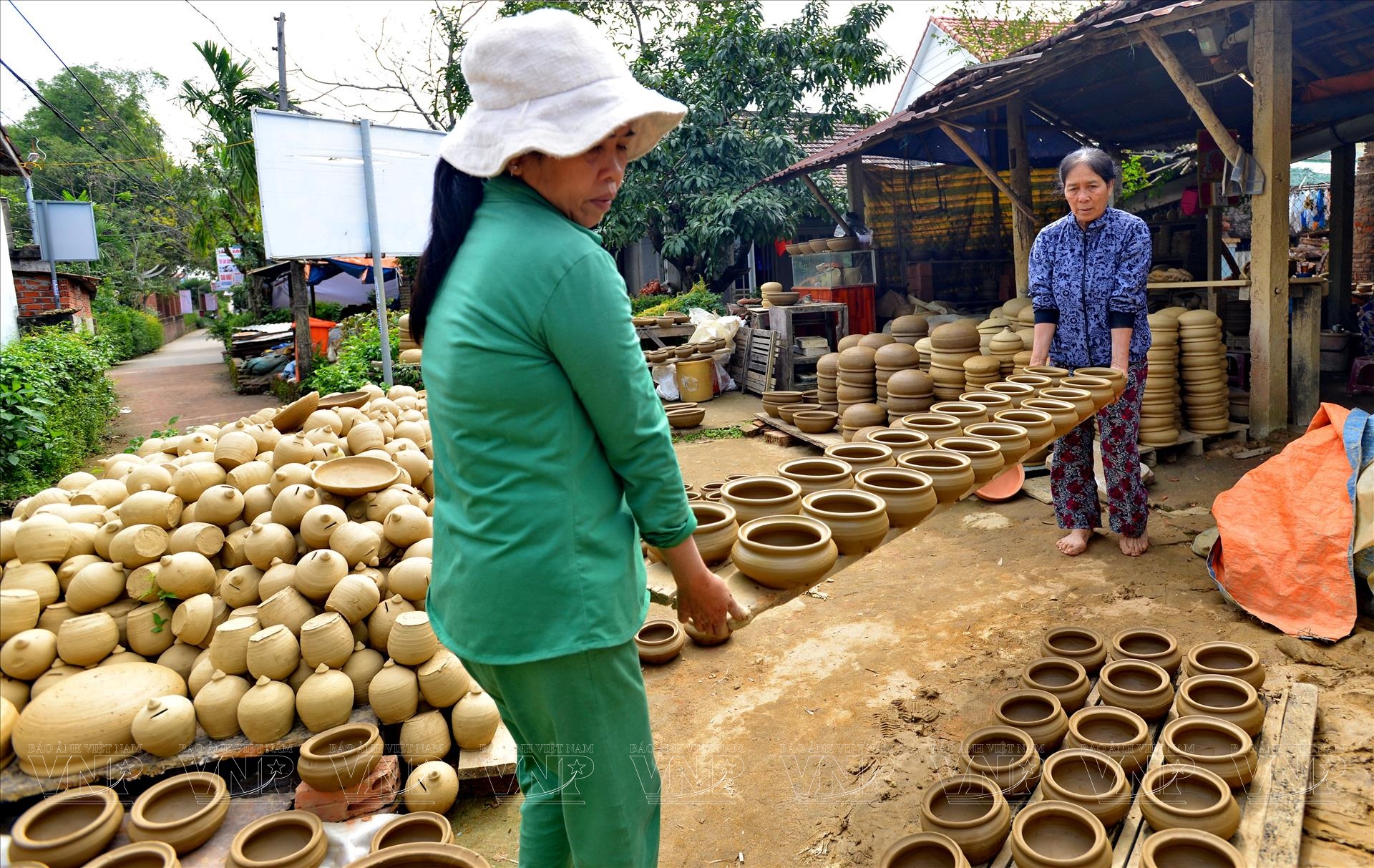
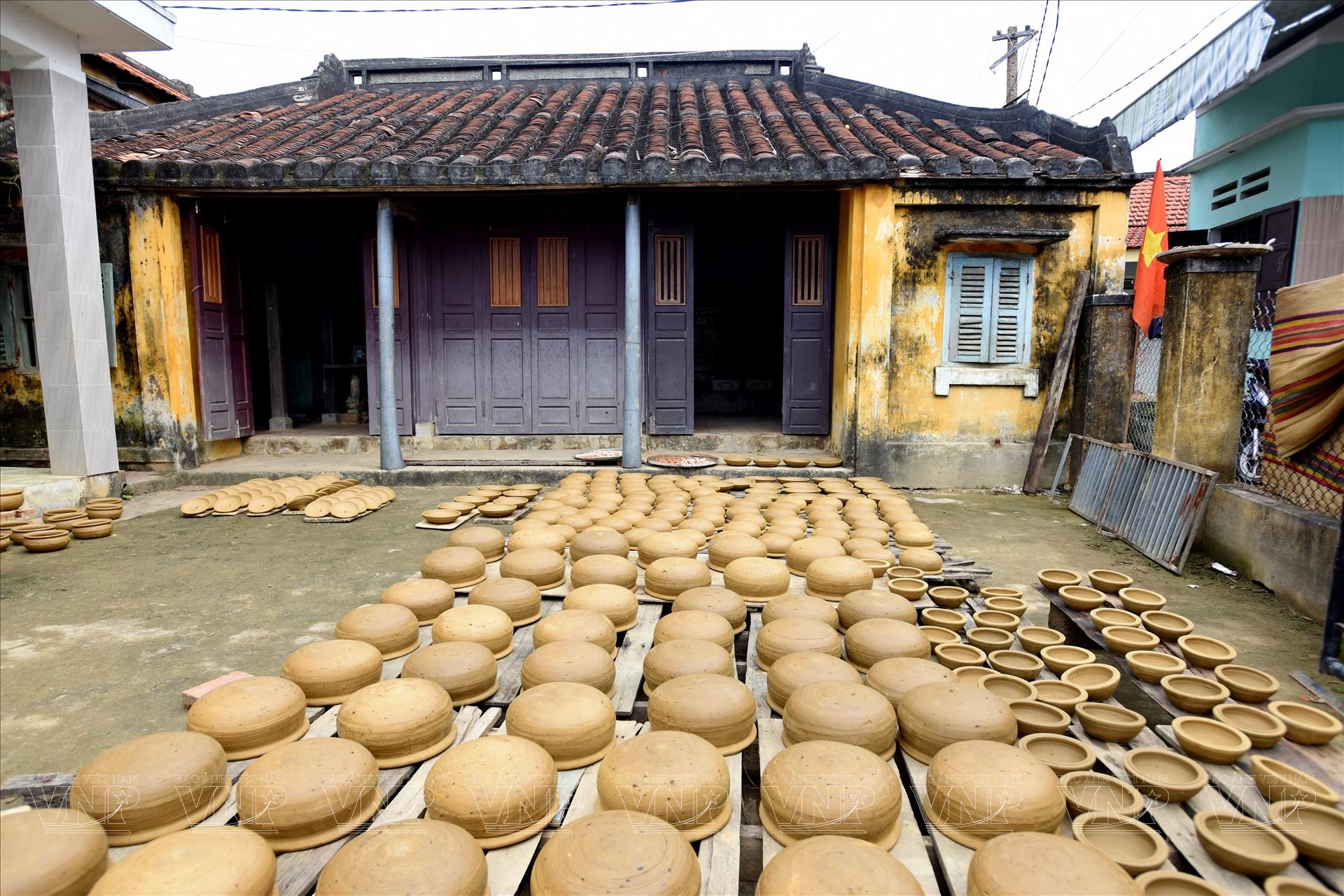
Located approximately 2km west of Hoi An, the village - once known as the Nam Dieu area - has long been celebrated as a cultural gem of the Quang Nam region (now Da Nang City). The serene countryside, the glow of wood-fired kilns and the rhythmic sound of the potter’s wheel have become iconic images for generations of locals.
Historical records indicate that more than 500 years ago, families from Thanh Hoa and Nghe An provinces migrated to the land, establishing Thanh Ha as a pottery making village. By 1746, the trade entered a flourishing era. The Minh Huong community in Hoi An frequently purchased Thanh Ha ceramics for daily use and as prestigious gifts for high-ranking officials. The Nguyen Dynasty’s chronicles, Dai Nam Nhat Thong Chi, recognized Thanh Ha pottery as a specialty of Quang Nam. Several village artisans were even bestowed with royal titles and ranks, reflecting the craft's significant economic and cultural status at the time.
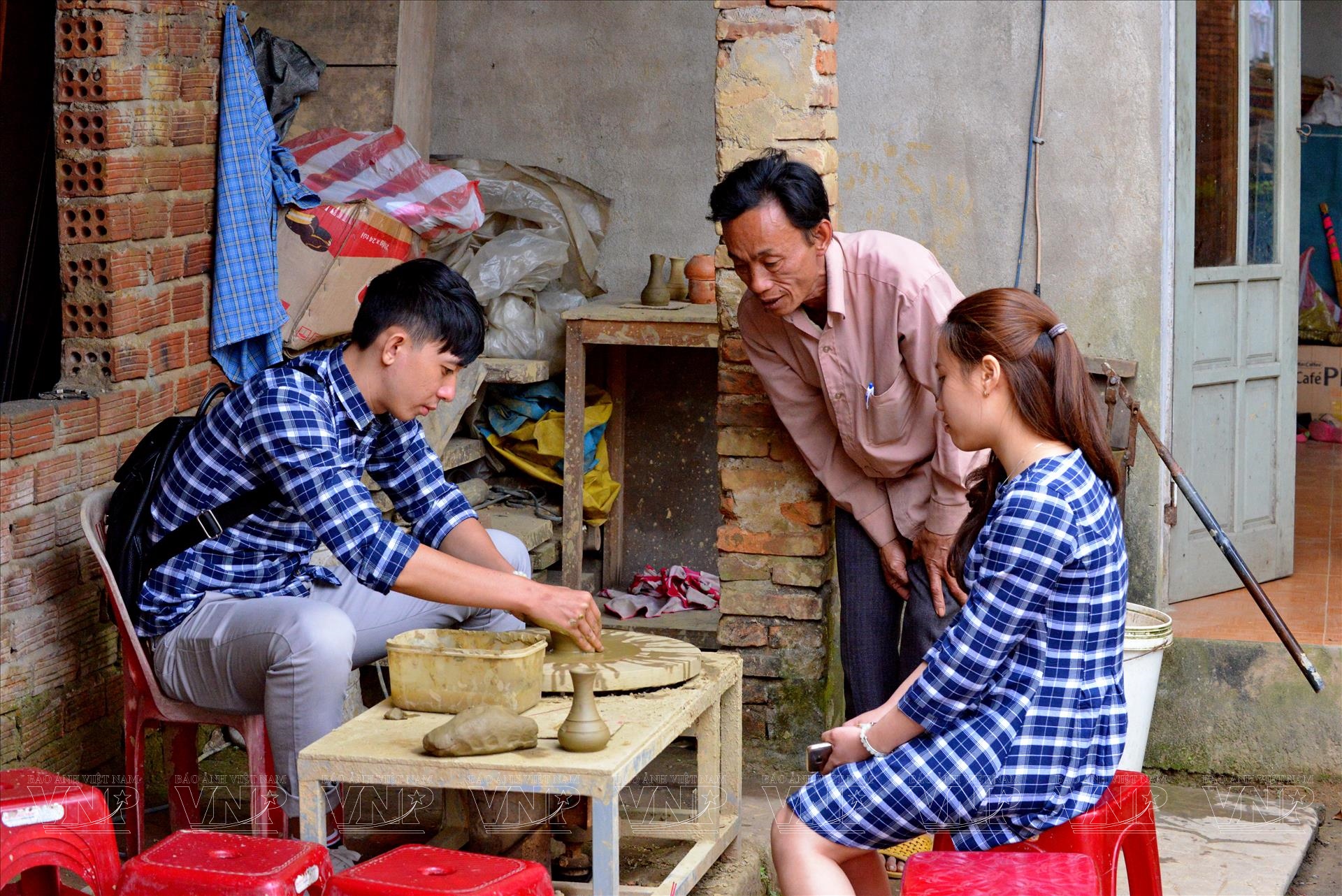
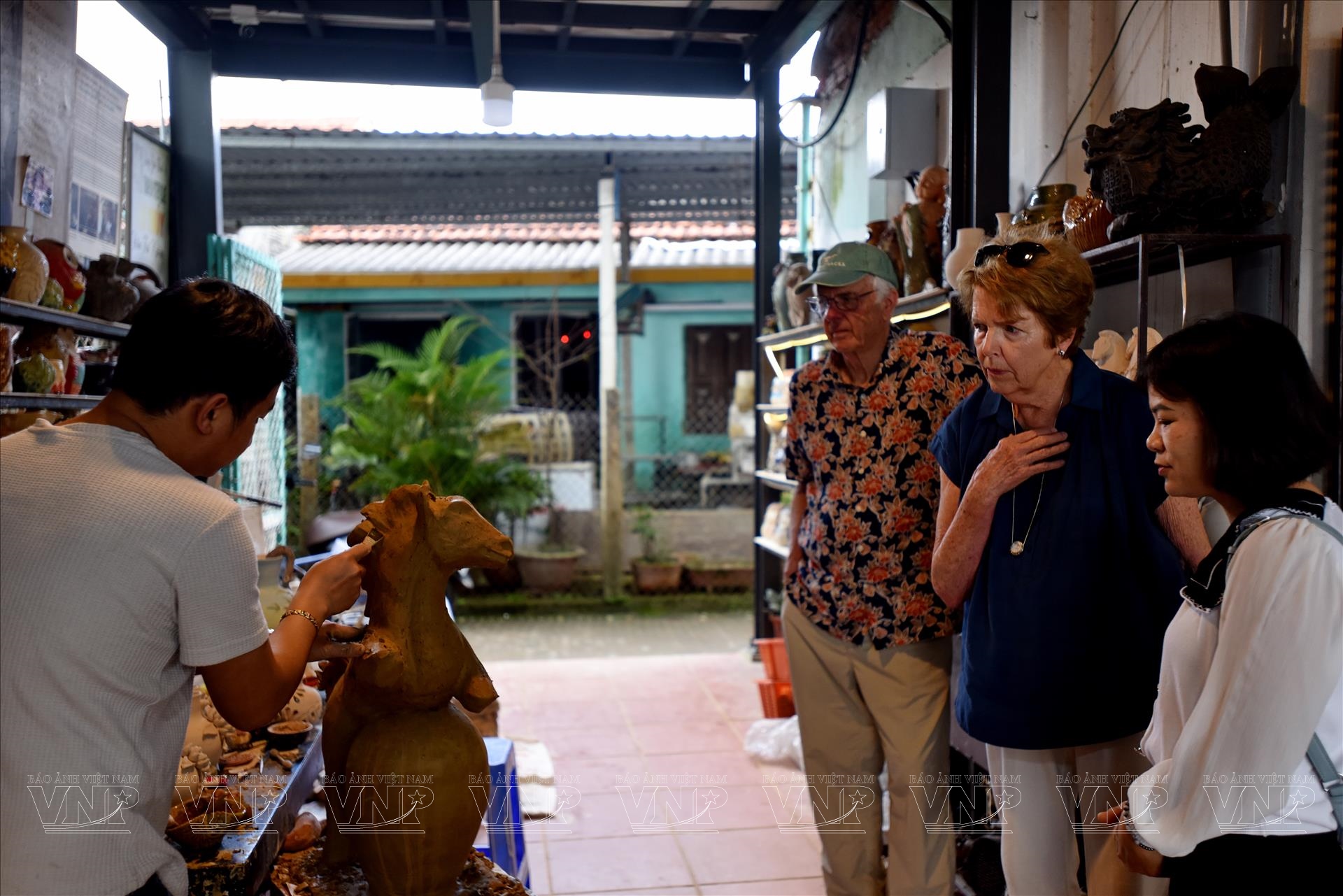
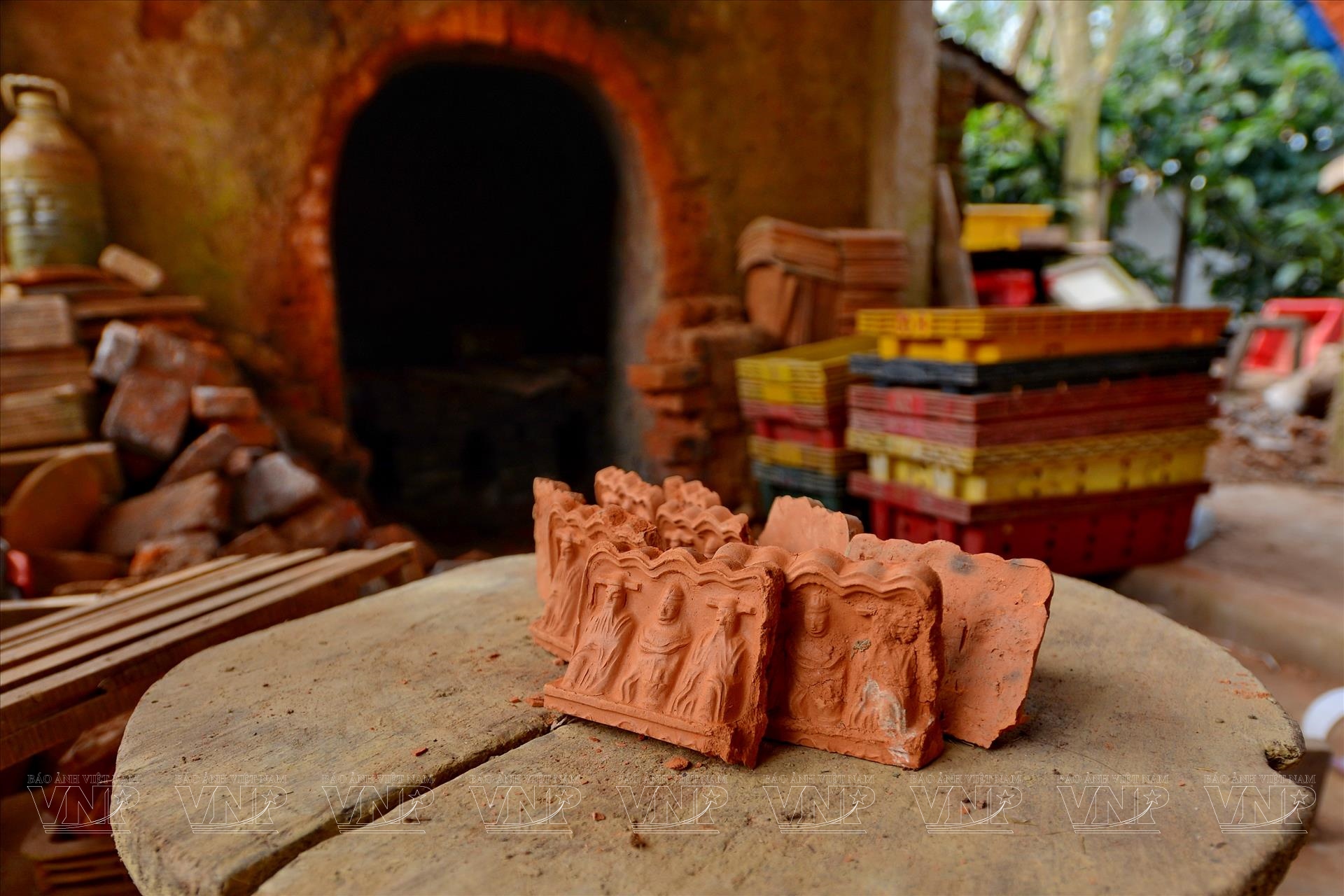
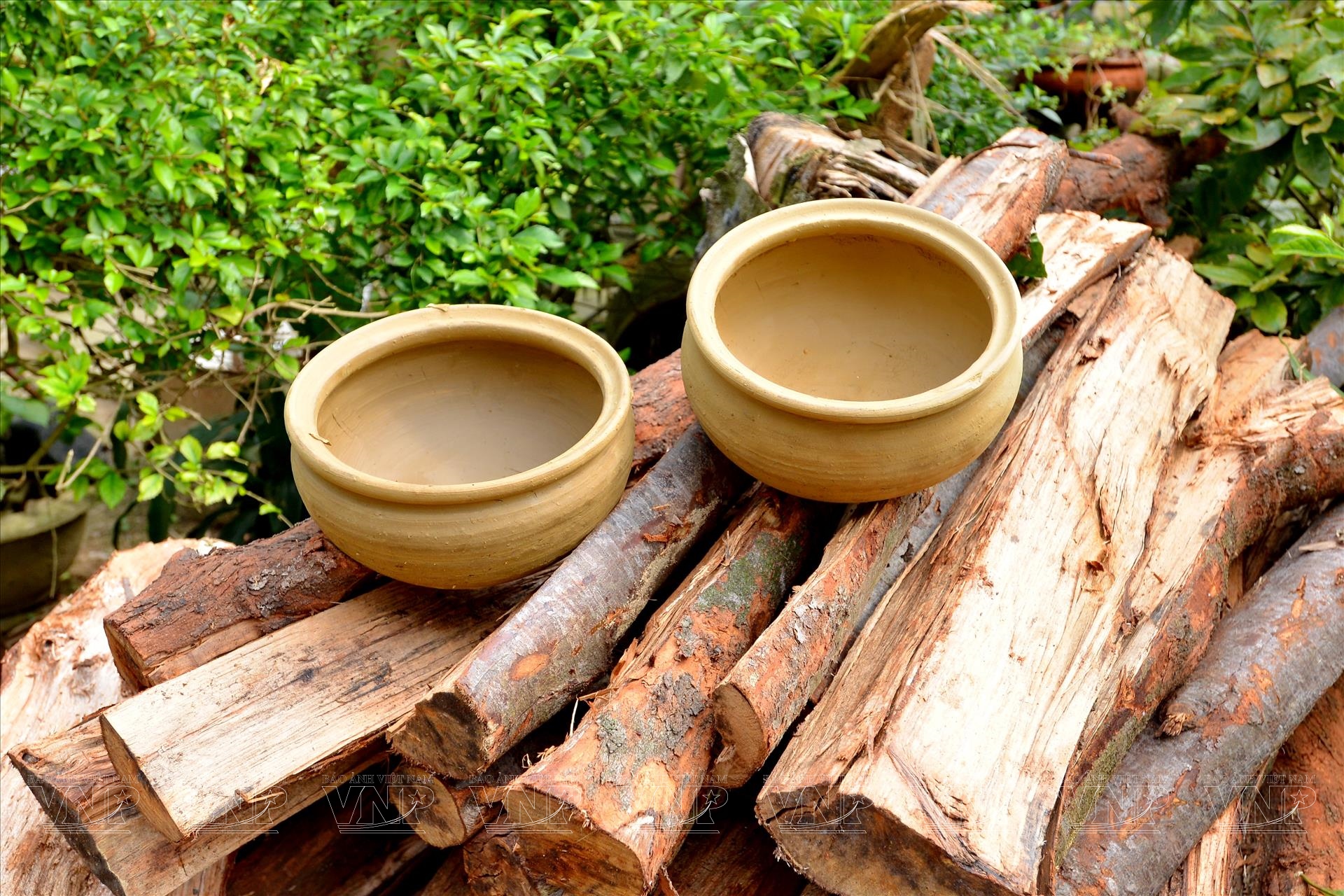
A defining characteristic of Thanh Ha pottery is that every piece is entirely handmade, without the use of molds or glazes. The primary material is a supple, highly adhesive brown clay gathered from the Thu Bon River. After being mixed and kneaded until smooth, the clay is shaped on a potter’s wheel by the skillful hands of artisans. The items are then fired in wood kilns, resulting in natural hues ranging from brick red and yellowish-brown to deep crimson - the signature rustic palette of Thanh Ha.
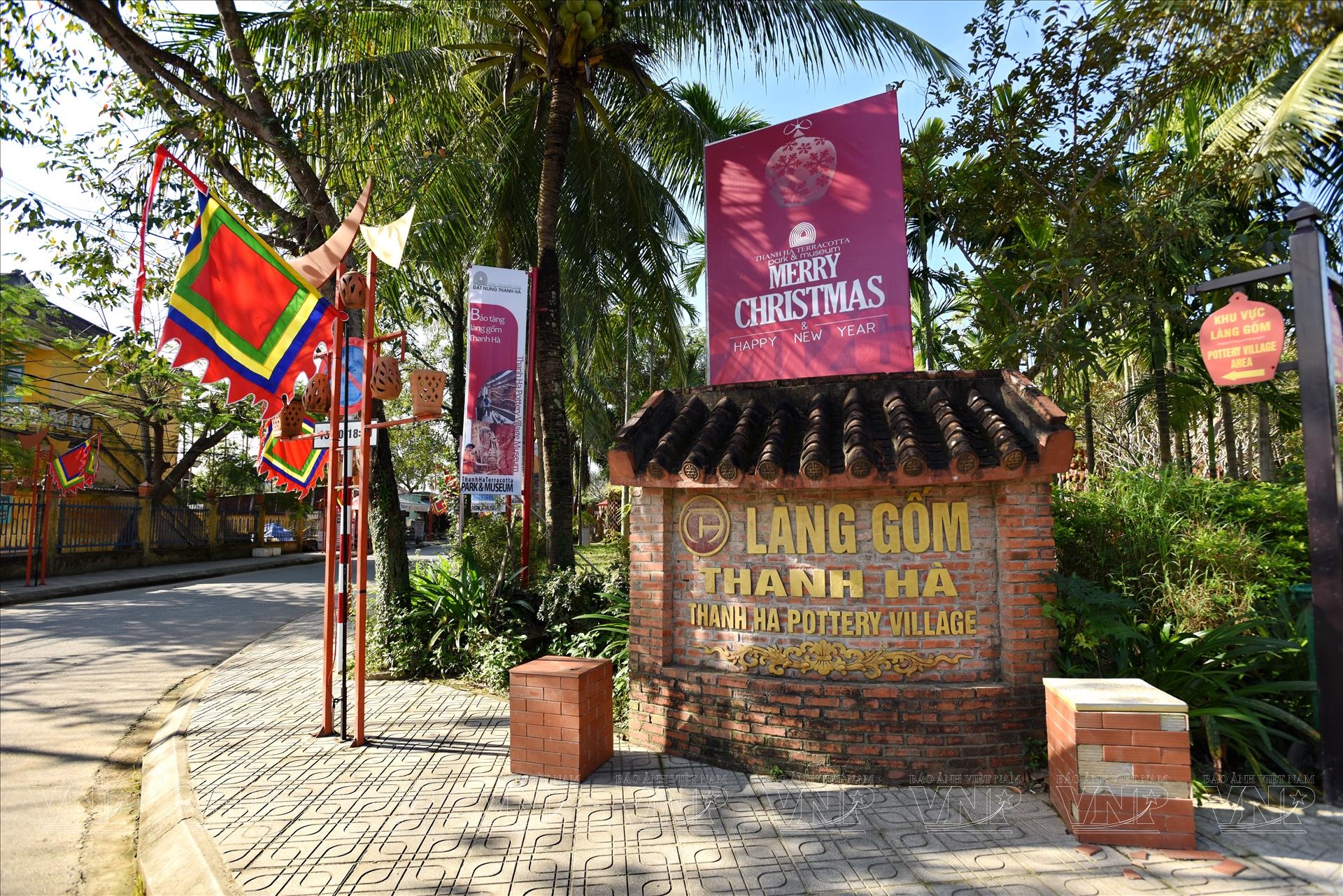
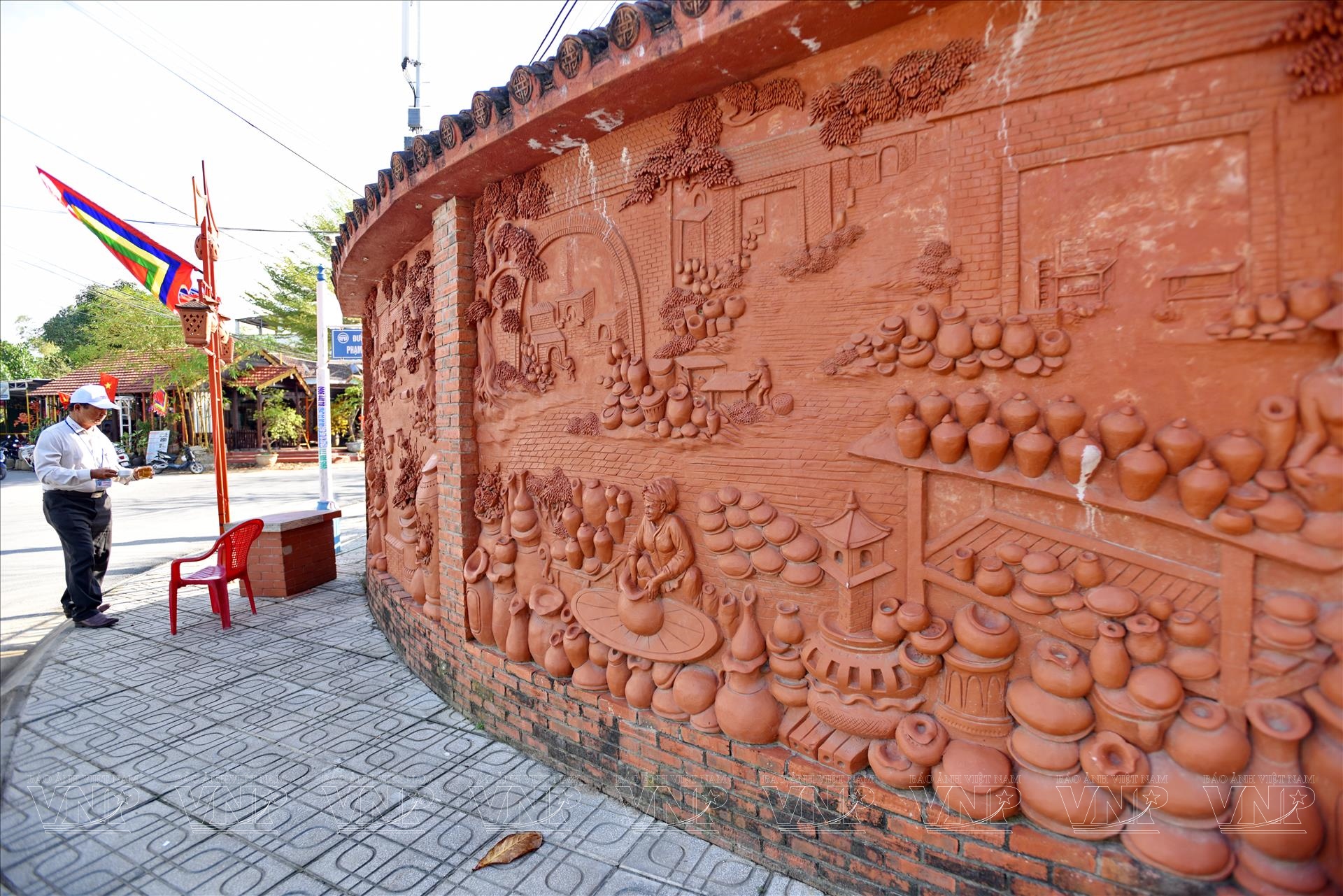
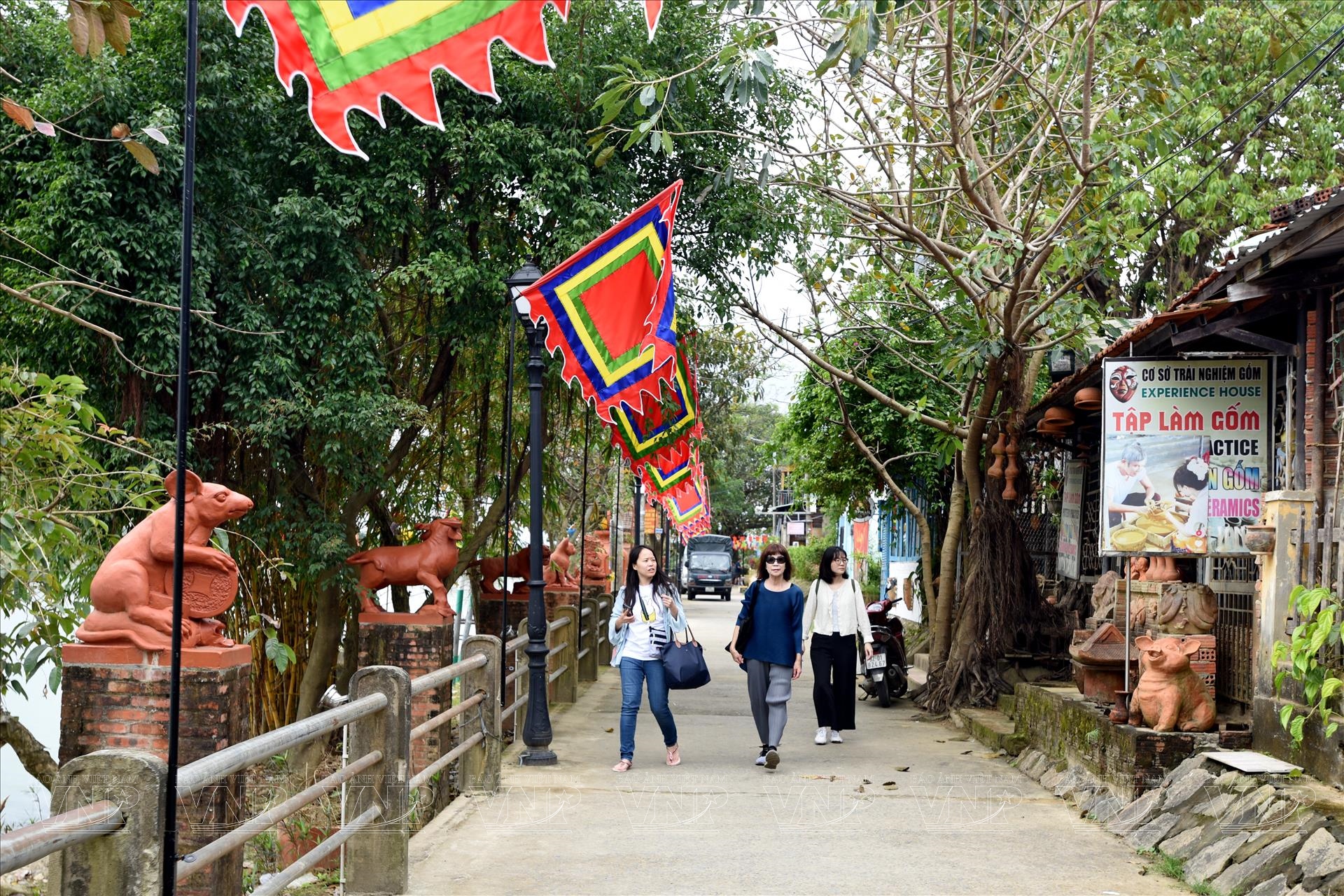
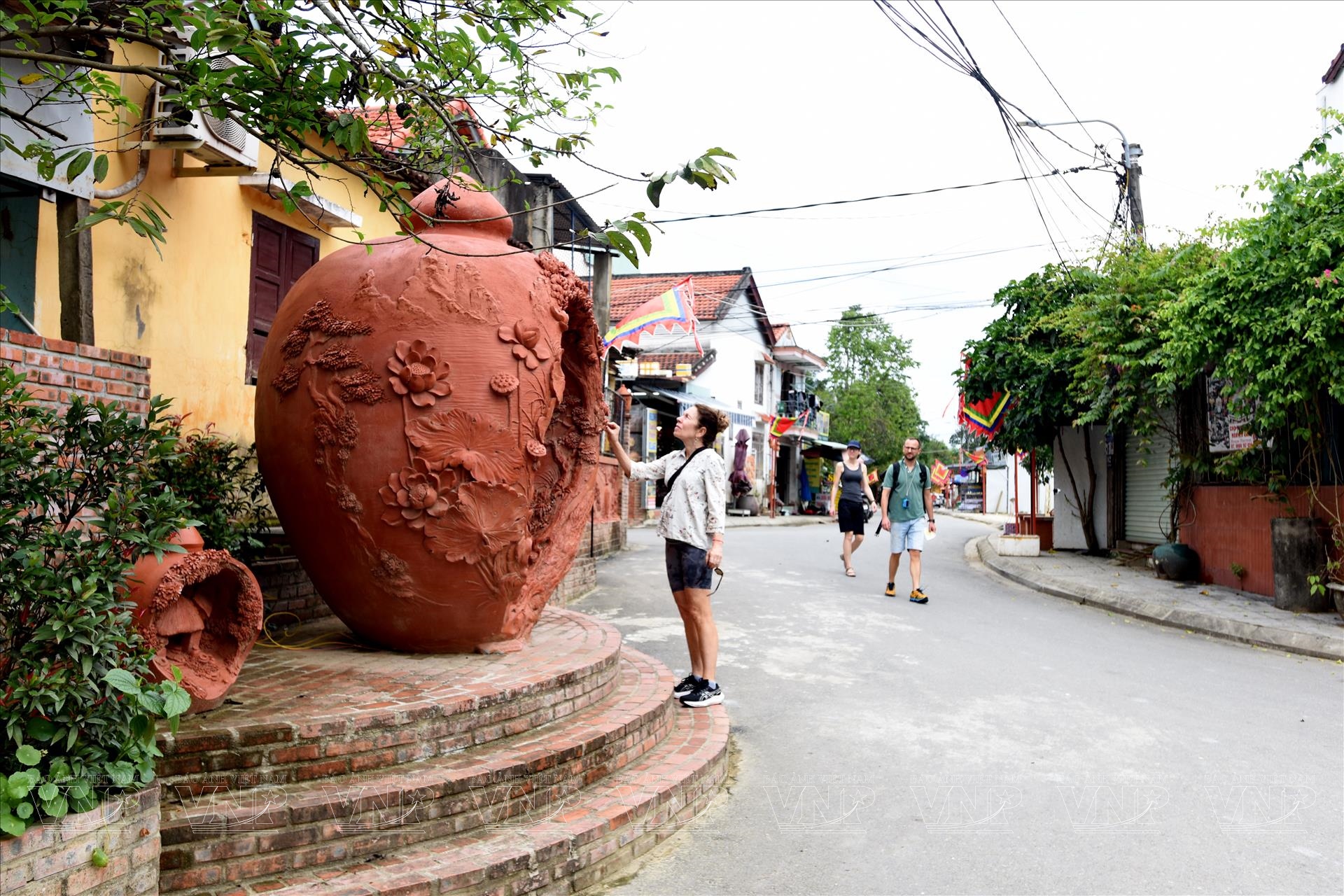
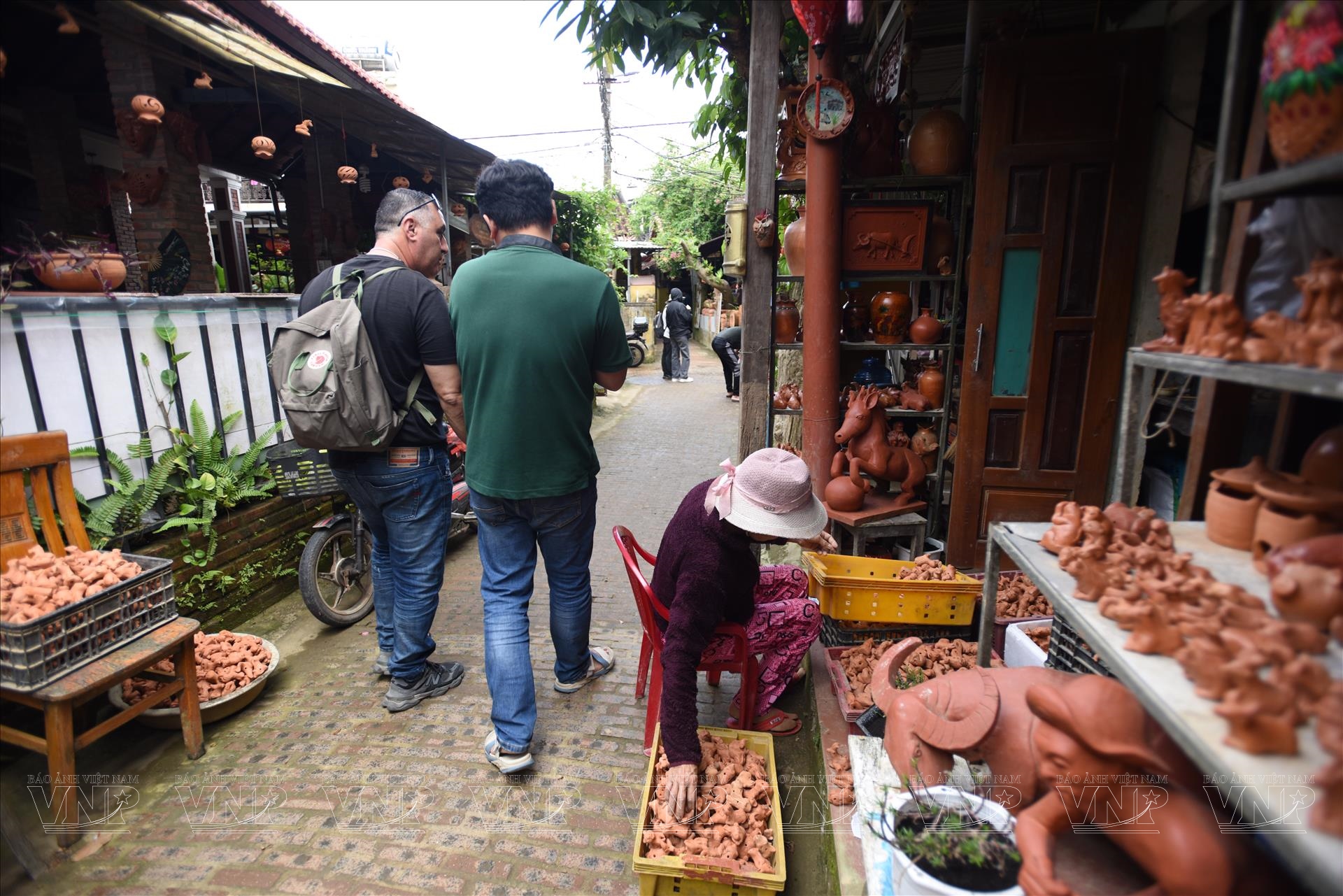
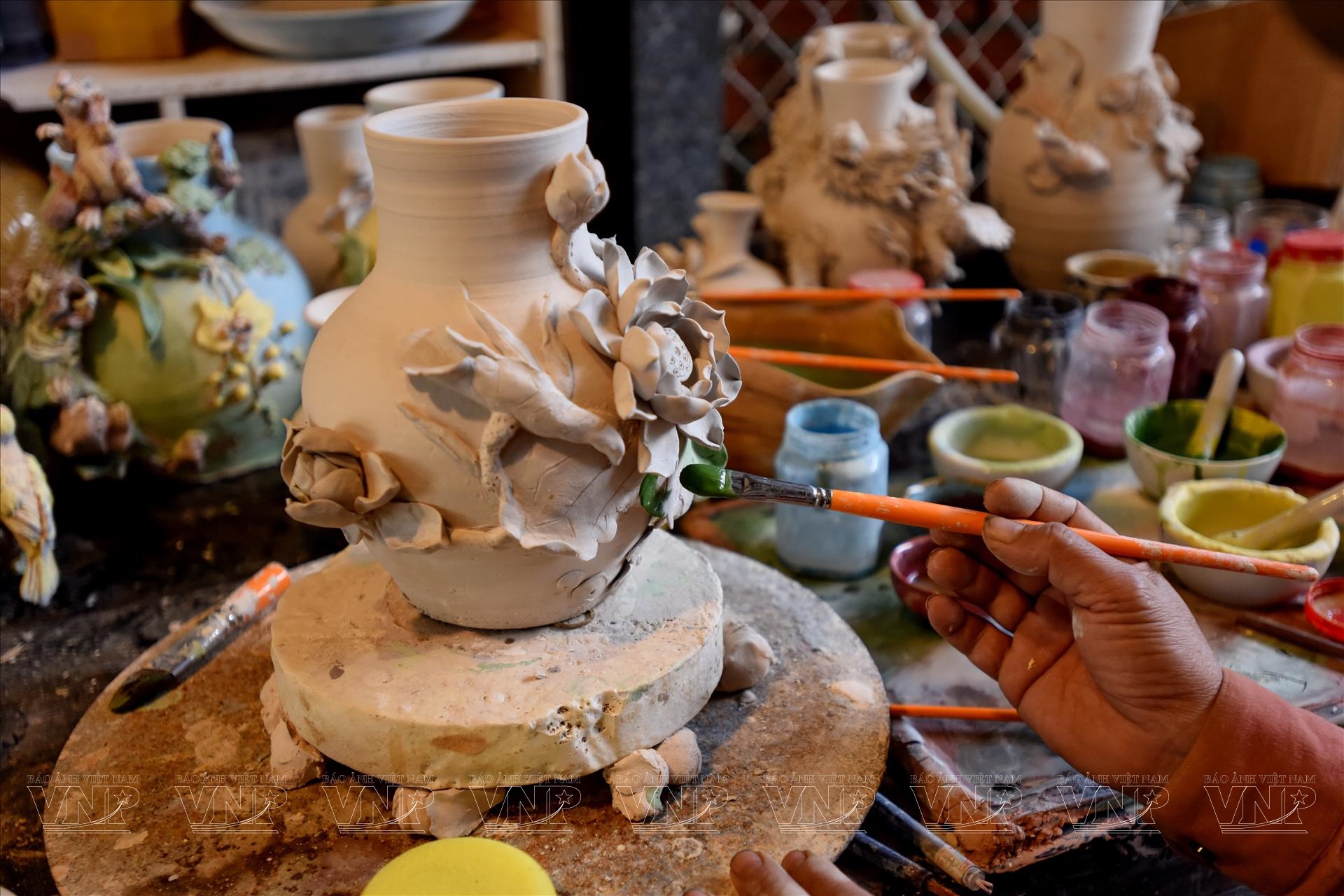
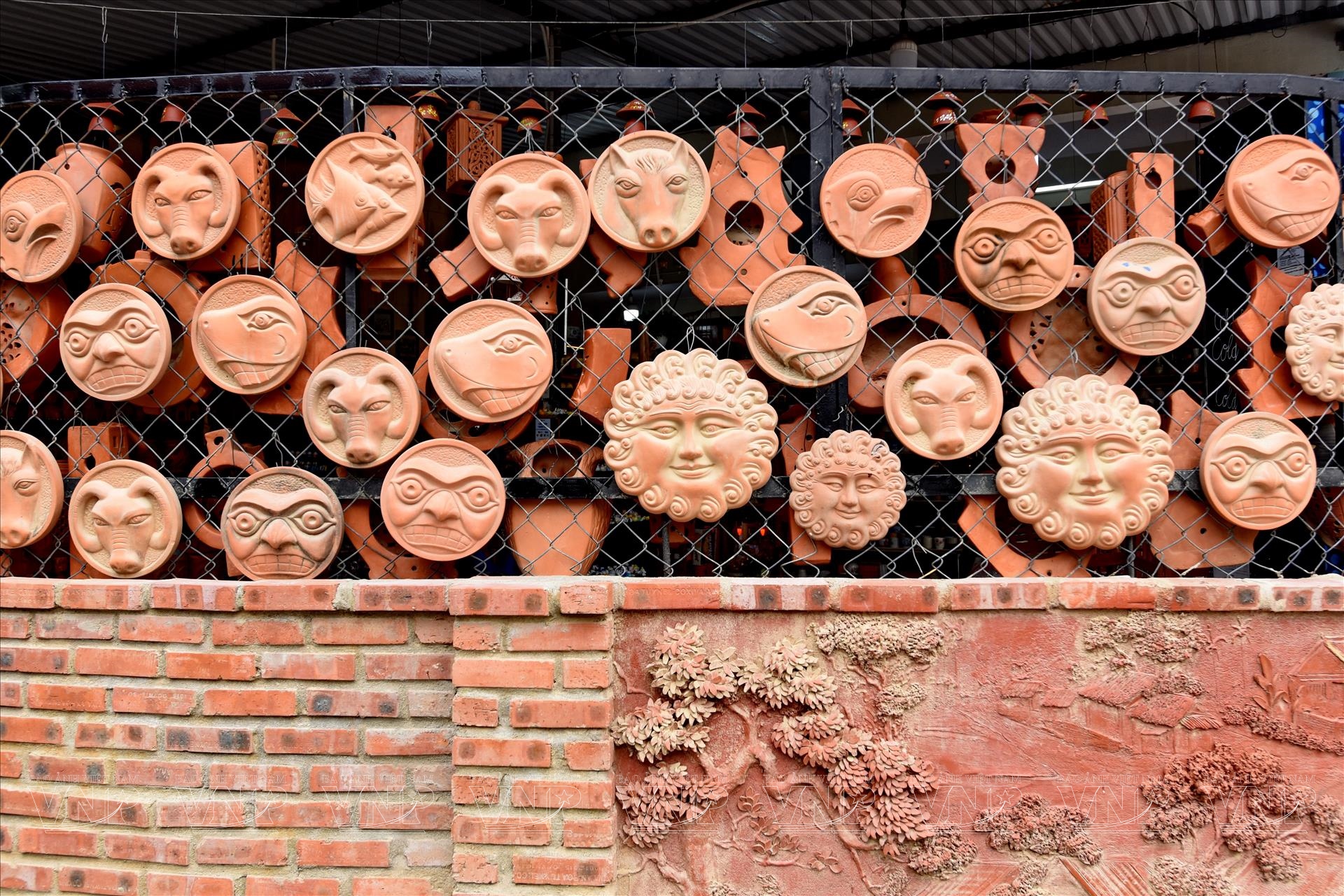
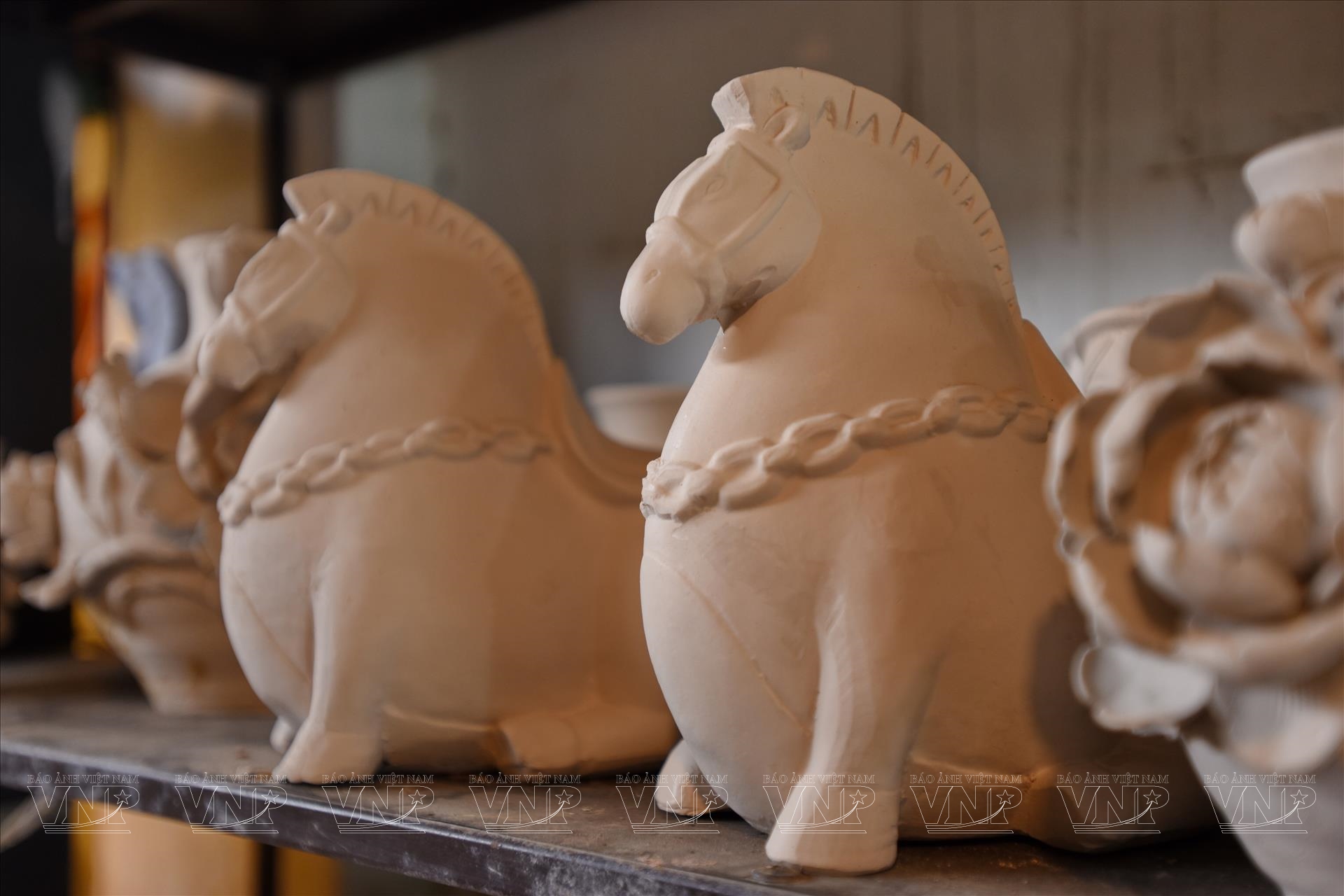
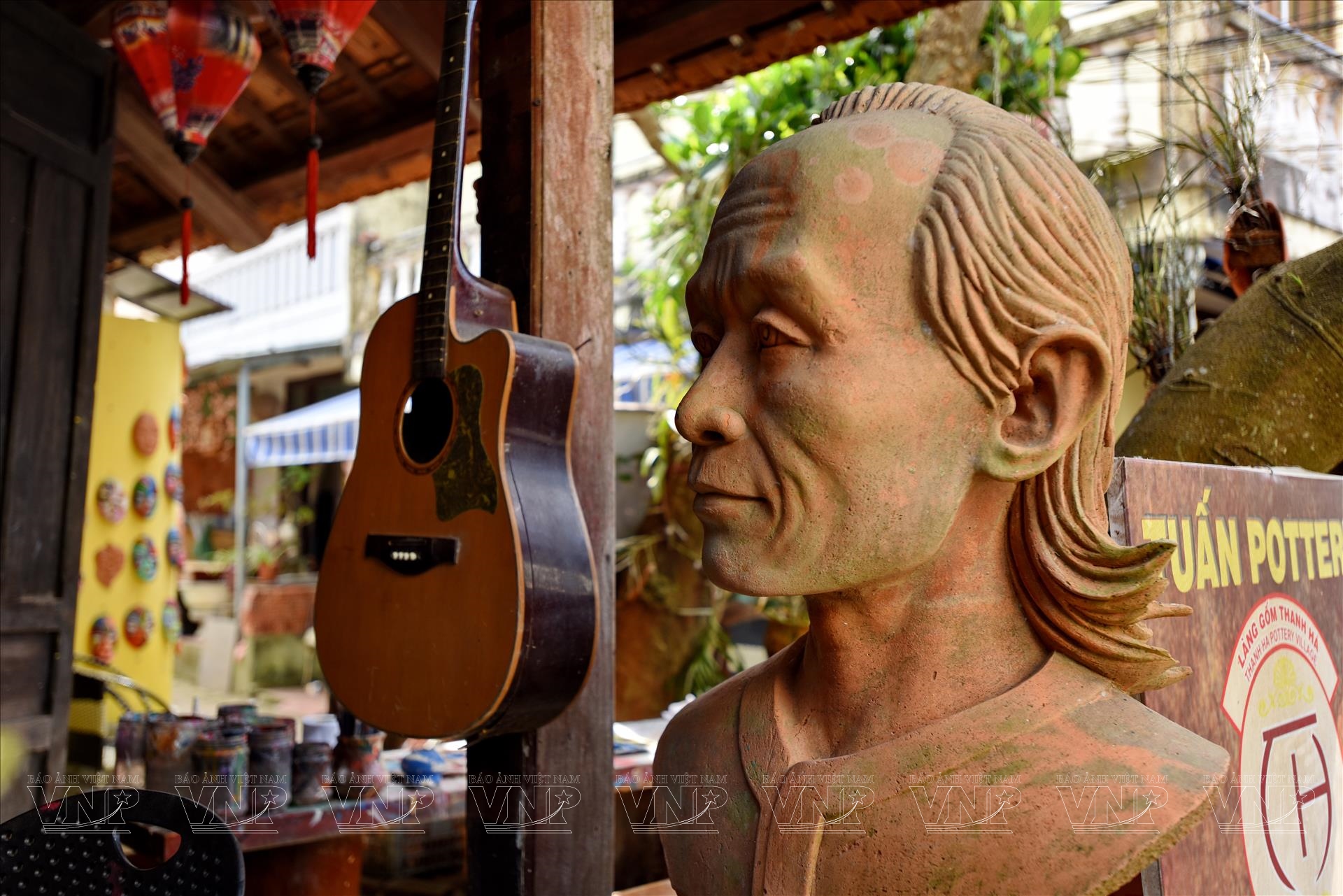
In recent years, bolstered by the growth of tourism in Hoi An, the craft has experienced a vibrant revival. Artisans have expanded their repertoire to include decorative statues, bas-reliefs, vases, animal figurines, and ceramic masks to meet the demands of tourists. Some products are now exported to Japan, marking a new chapter in the village's development.
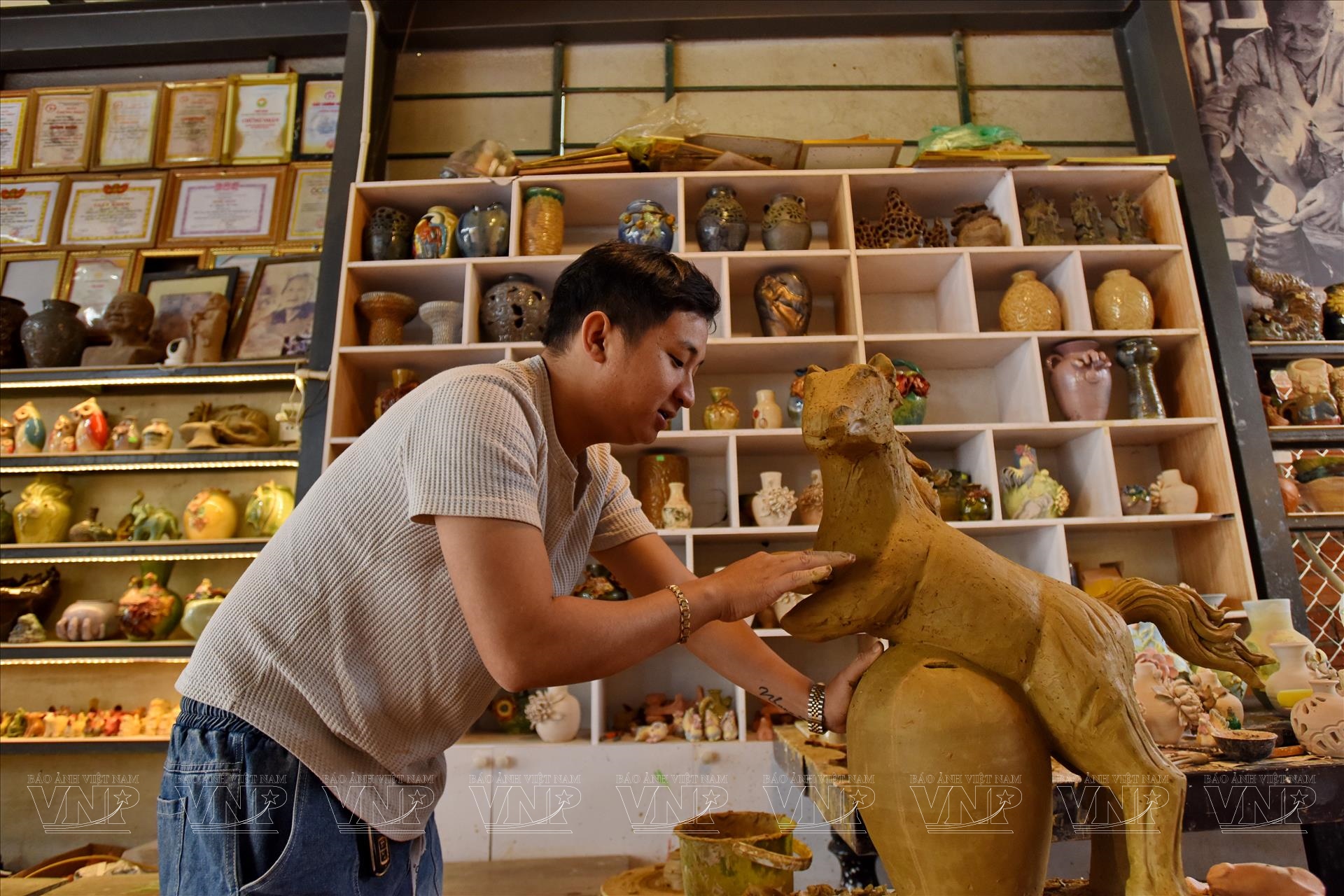
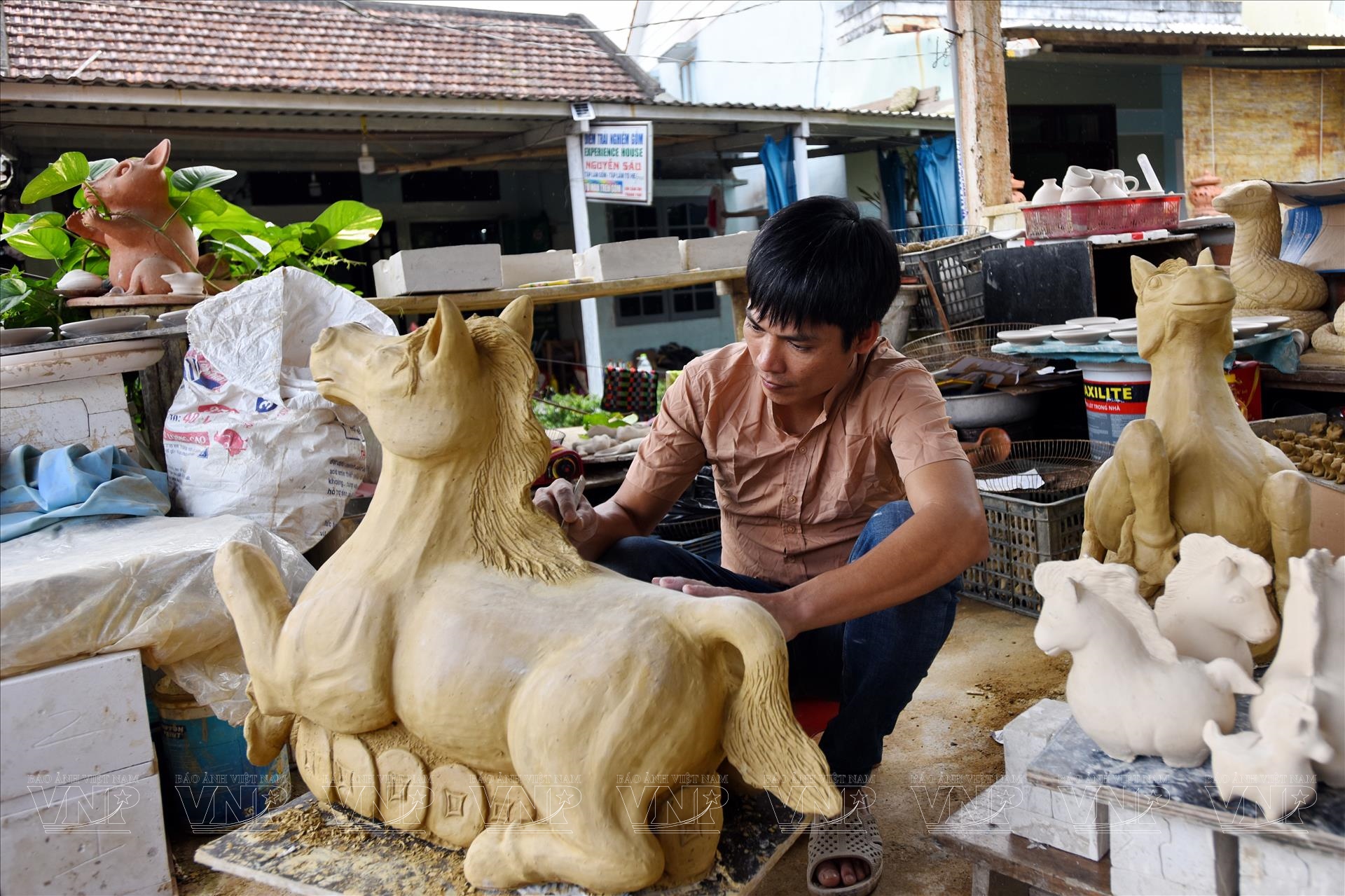
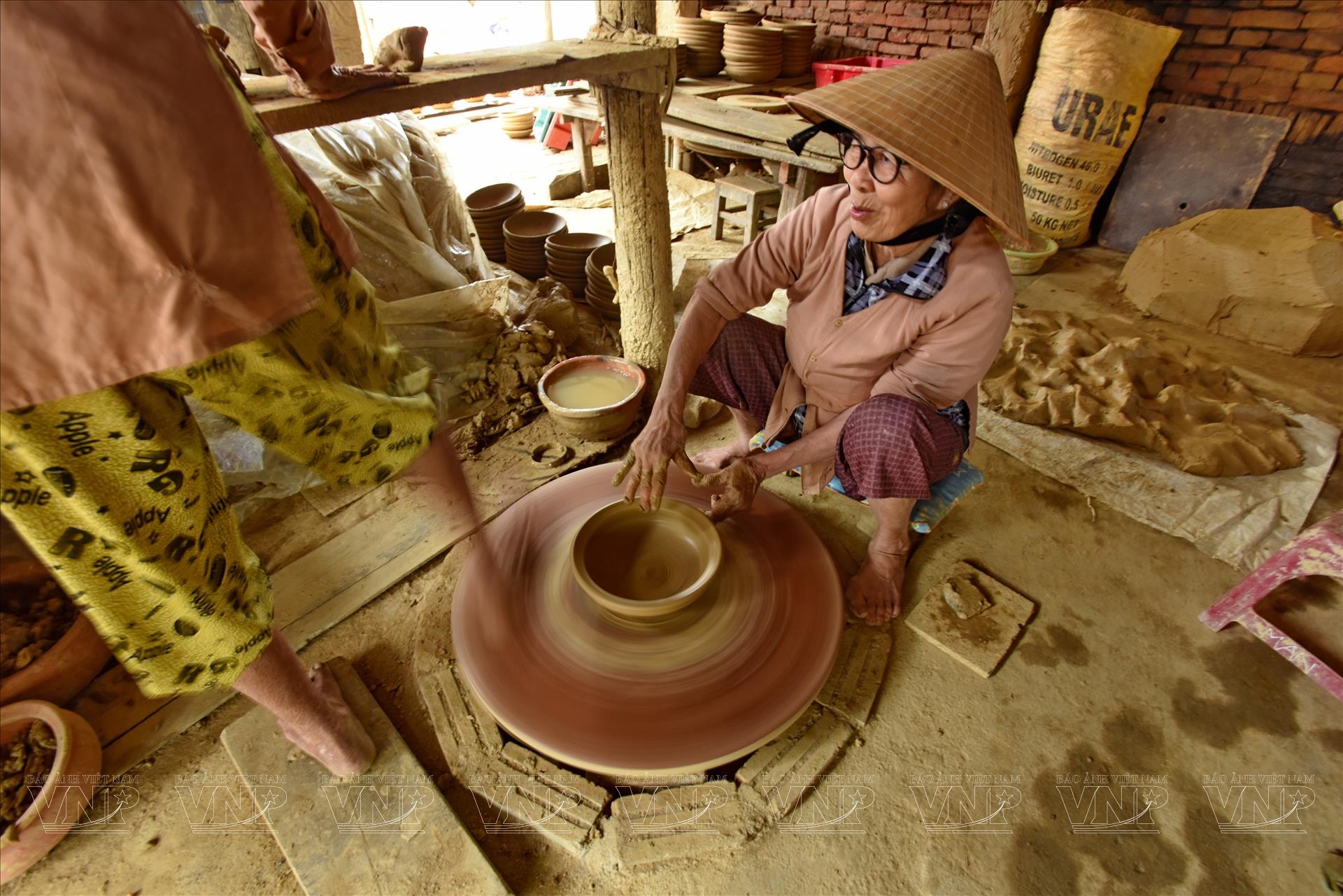
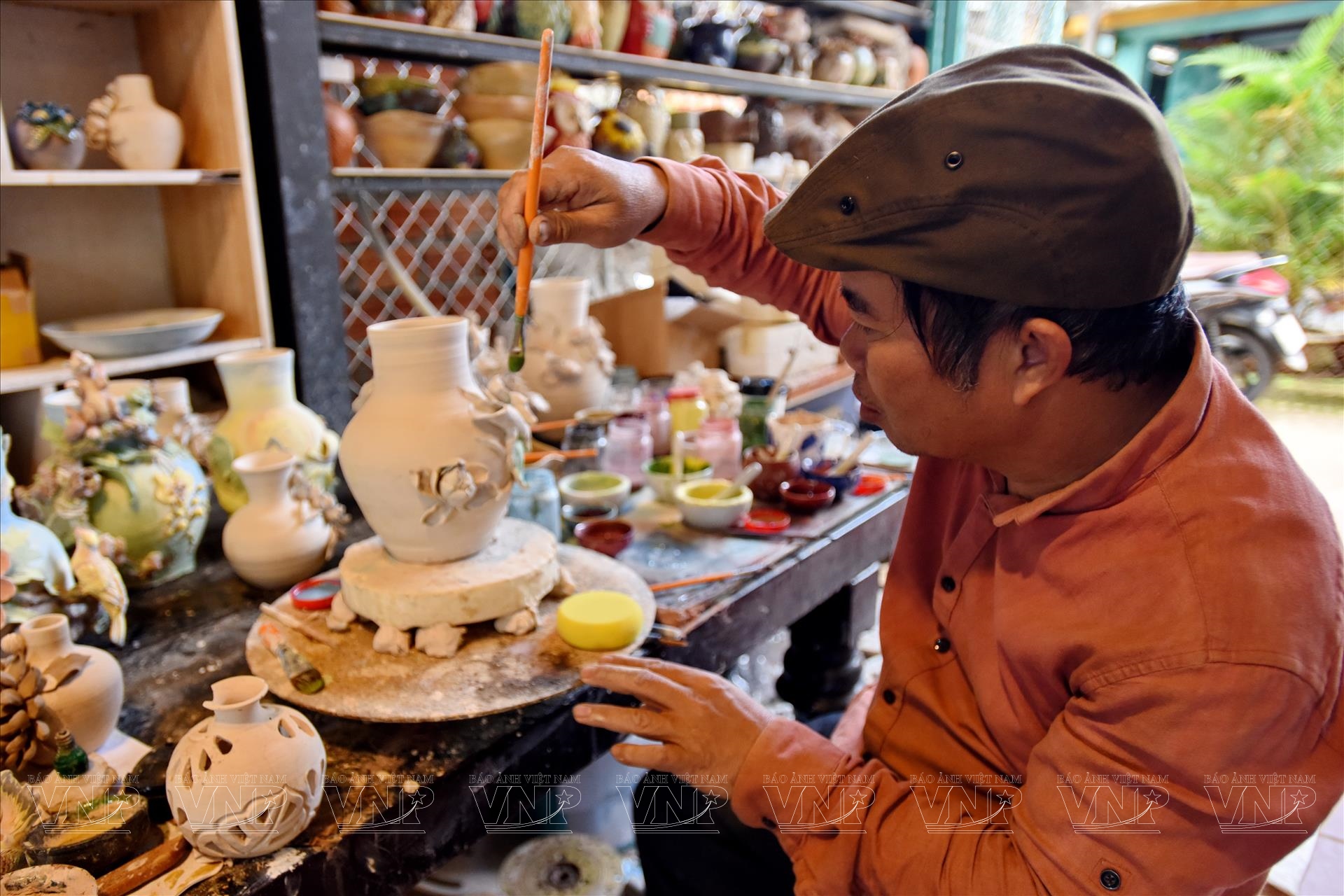
Nguyen Sau, a veteran artisan, explains that the
uniqueness of Thanh Ha pottery lies in its source
material. " Tho Ha (Bac Ninh) uses green clay and Bat
Trang (Hanoi) uses white clay, Thanh Ha pottery is
made from exceptionally supple brown clay with high plasticity. In the past, our products were even presented
as tributes to the King".
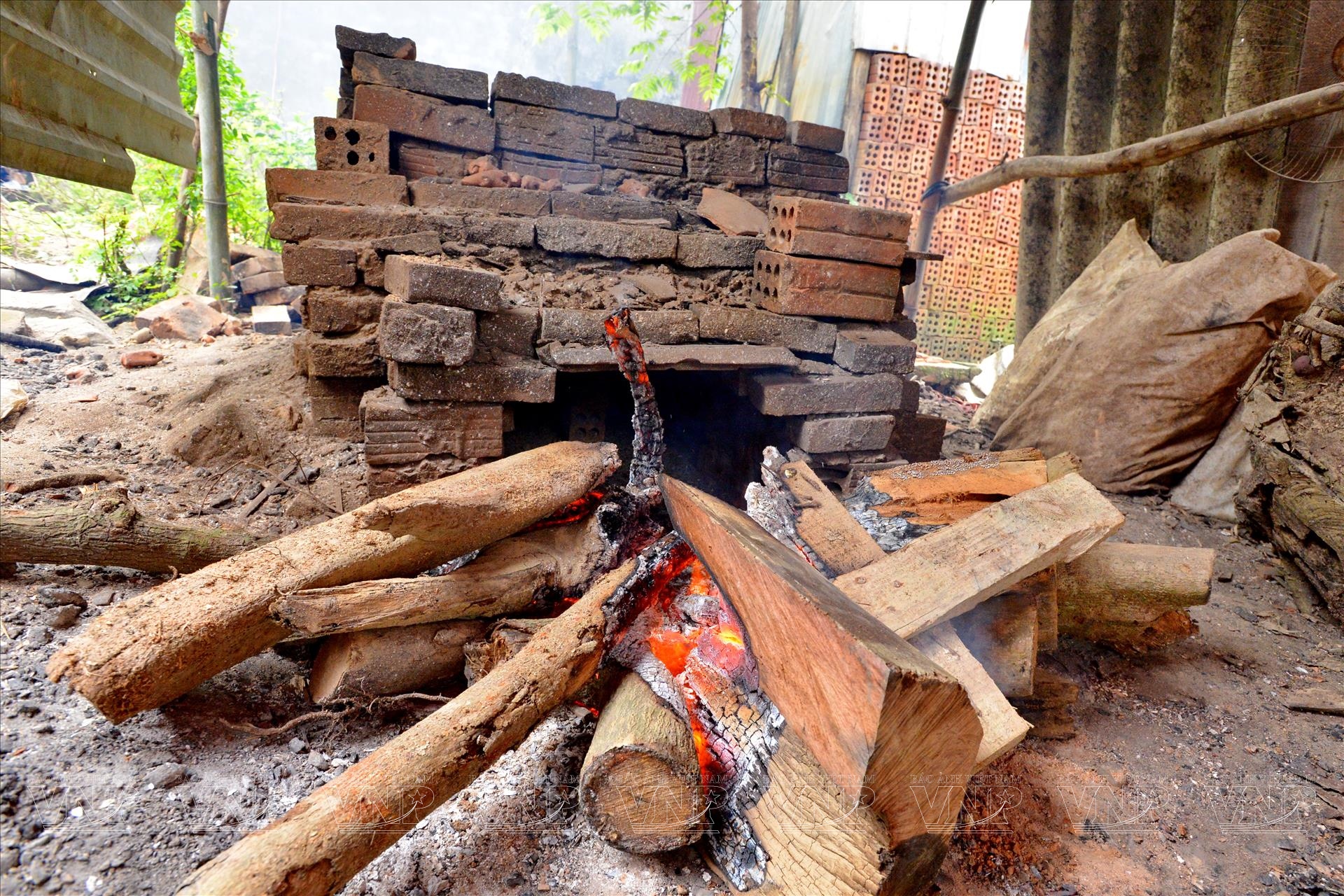
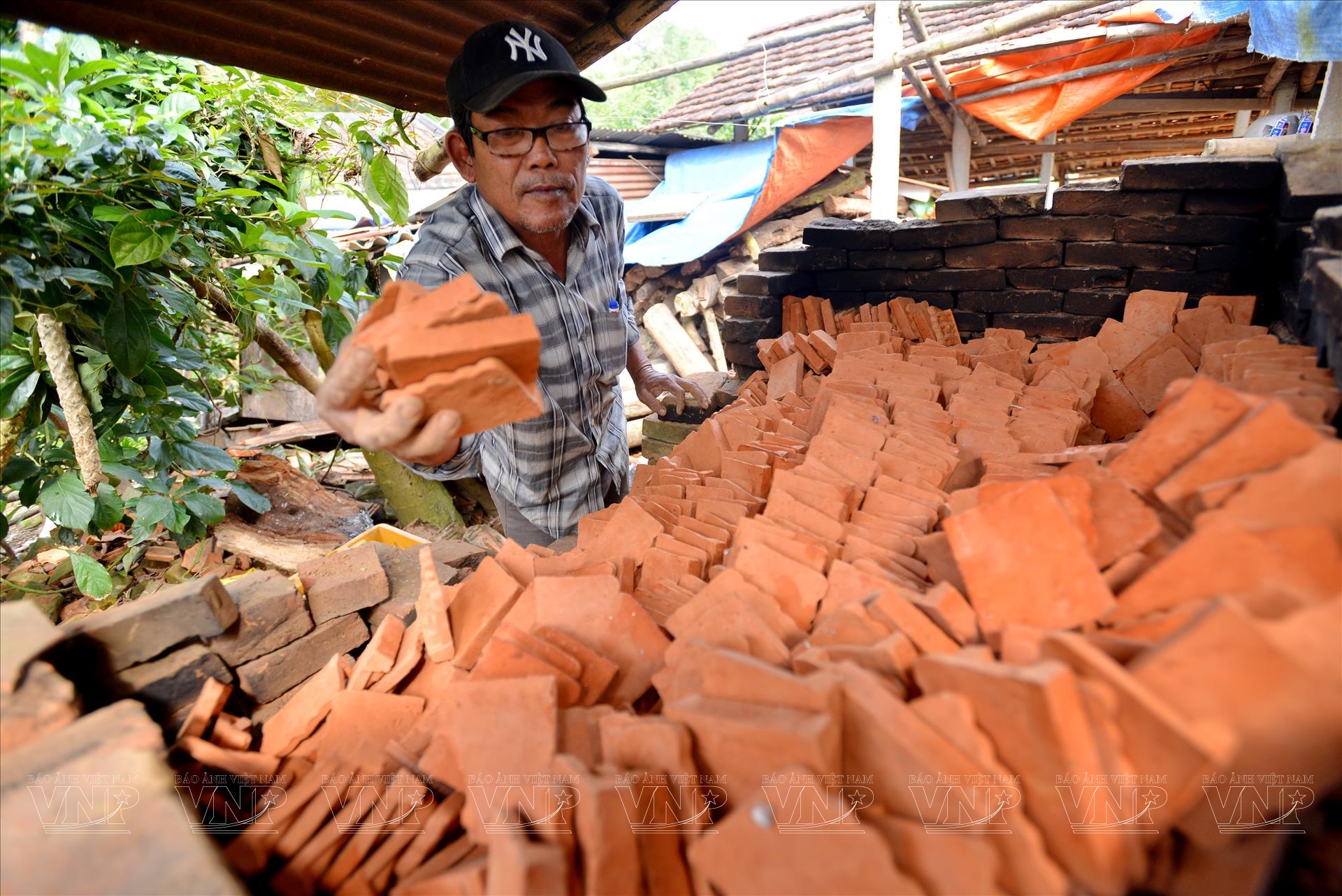
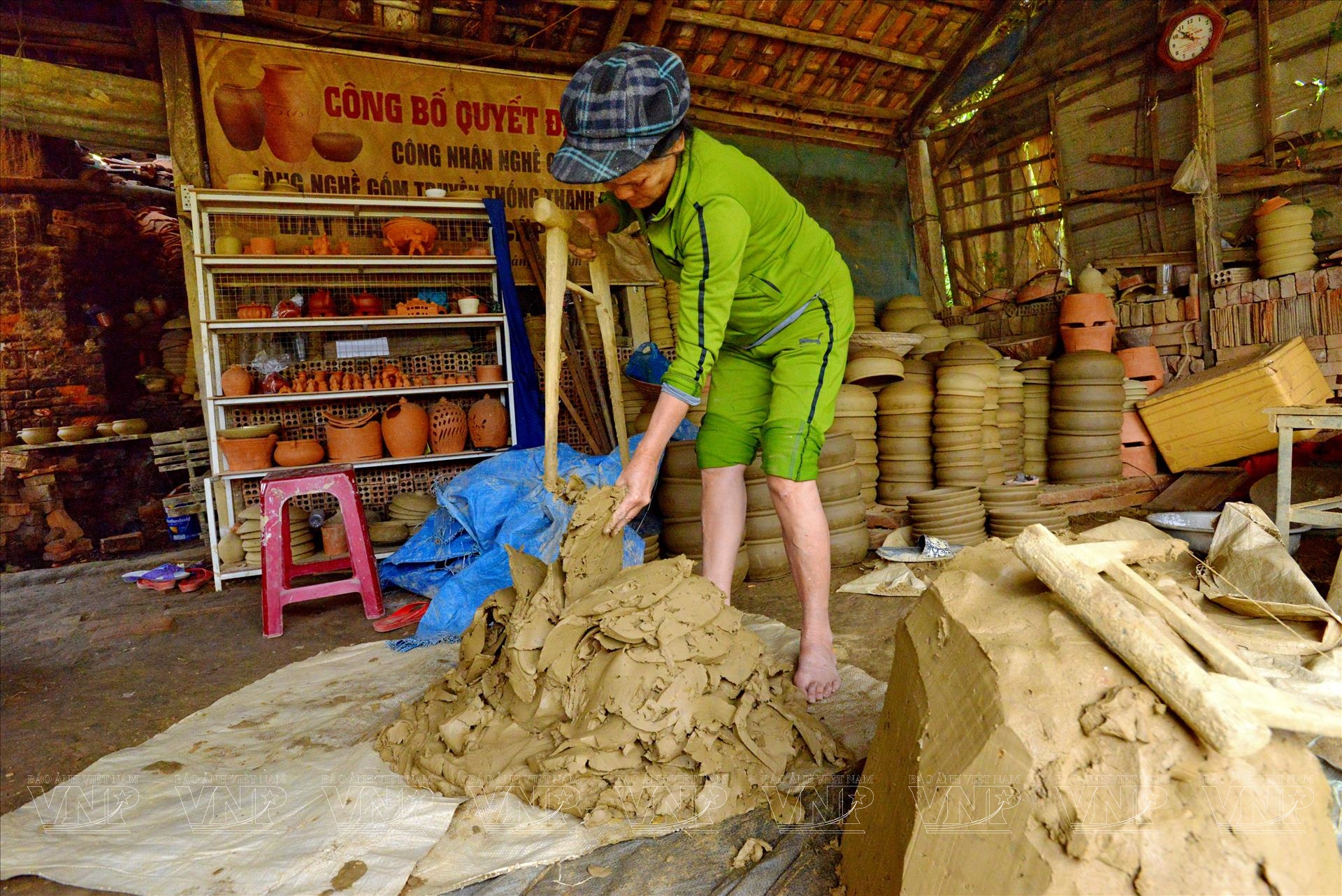
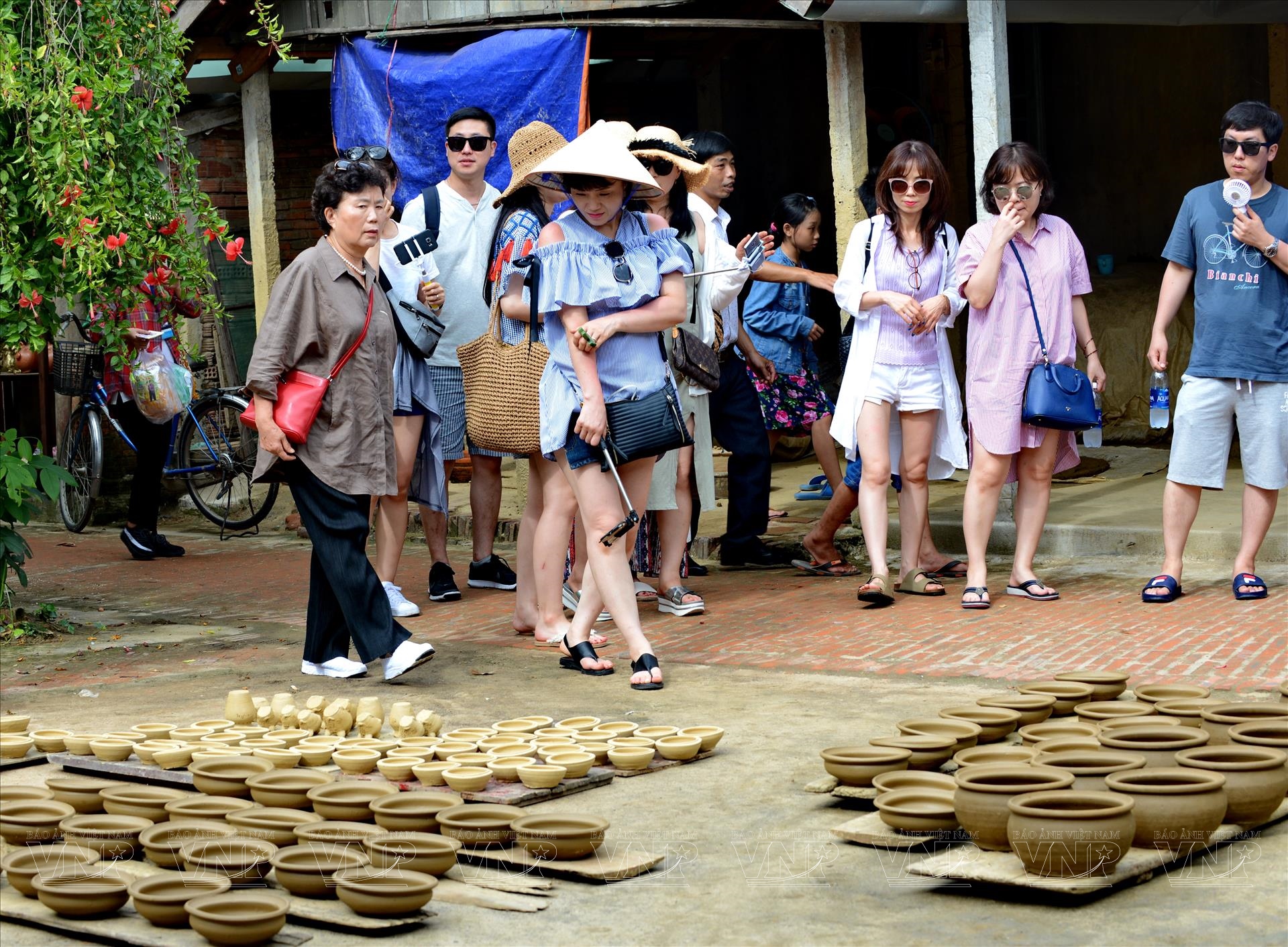
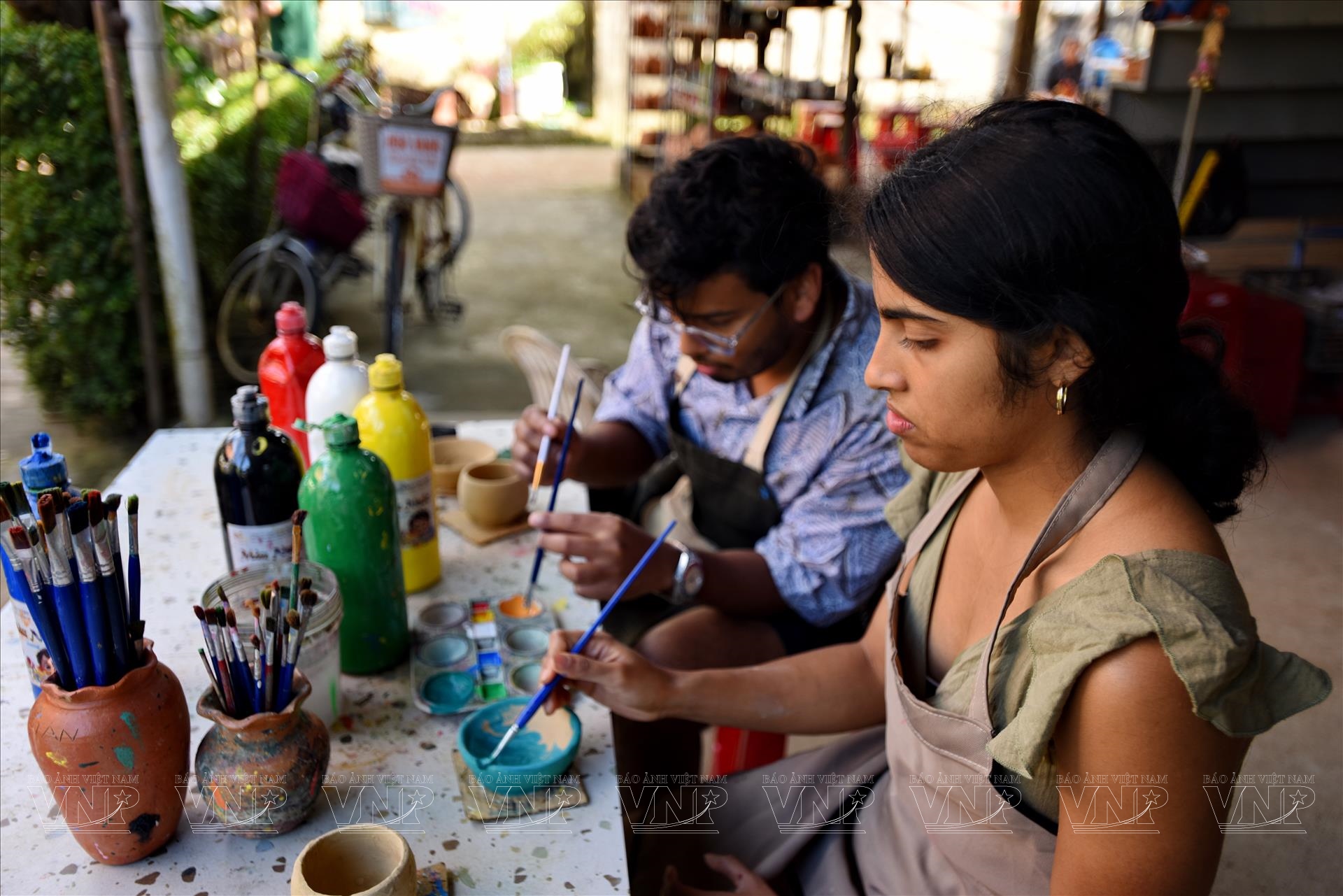
Today, Thanh Ha is home to over 100 households and 200 people actively engaged in the craft. Beyond seeing traditional kilns, visitors can participate in hands-on workshops. Nguyen Thu Phuong, a teacher from Hanoi, shared her delight in crafting her first small ceramic vase under an artisan’s guidance, noting that the experience inspired new ideas for student field trips.
Recognizing its immense cultural value, the Ministry of Culture, Sports, and Tourism has inscribed Thanh Ha pottery on the National Intangible Cultural Heritage list. Most notably, the village was honored as the "Best Community Tourism Destination of 2025," a testament to the local community's dedication to preserving and promoting their ancestral traditions./.
- By Thanh Hoa/VNP
- Translated by Hong Hanh