Telling Hanoi’s Story Through its Nightlife
The night-time economy is opening a new growth dimension for Hanoi
where heritage, cuisine, arts, innovation and urban life generate value.
Rather than copying other night-time economic models, Hanoi can build
its own, driven by its cultural depth and a thousand-year narrative.
Tapping Prevailing Values
The night-time economy has increasingly become
a vital component of the urban economy, moving
far beyond extending opening hours of businesses.
It encompasses a dynamic ecosystem of culture,
entertainment, dining, shopping and tourism
operating from 6 PM to 6 AM, according to Dr. Pham
Minh Quan from the School of Interdisciplinary
Sciences and Arts, Vietnam National University, Hanoi
(VNU-SIS).
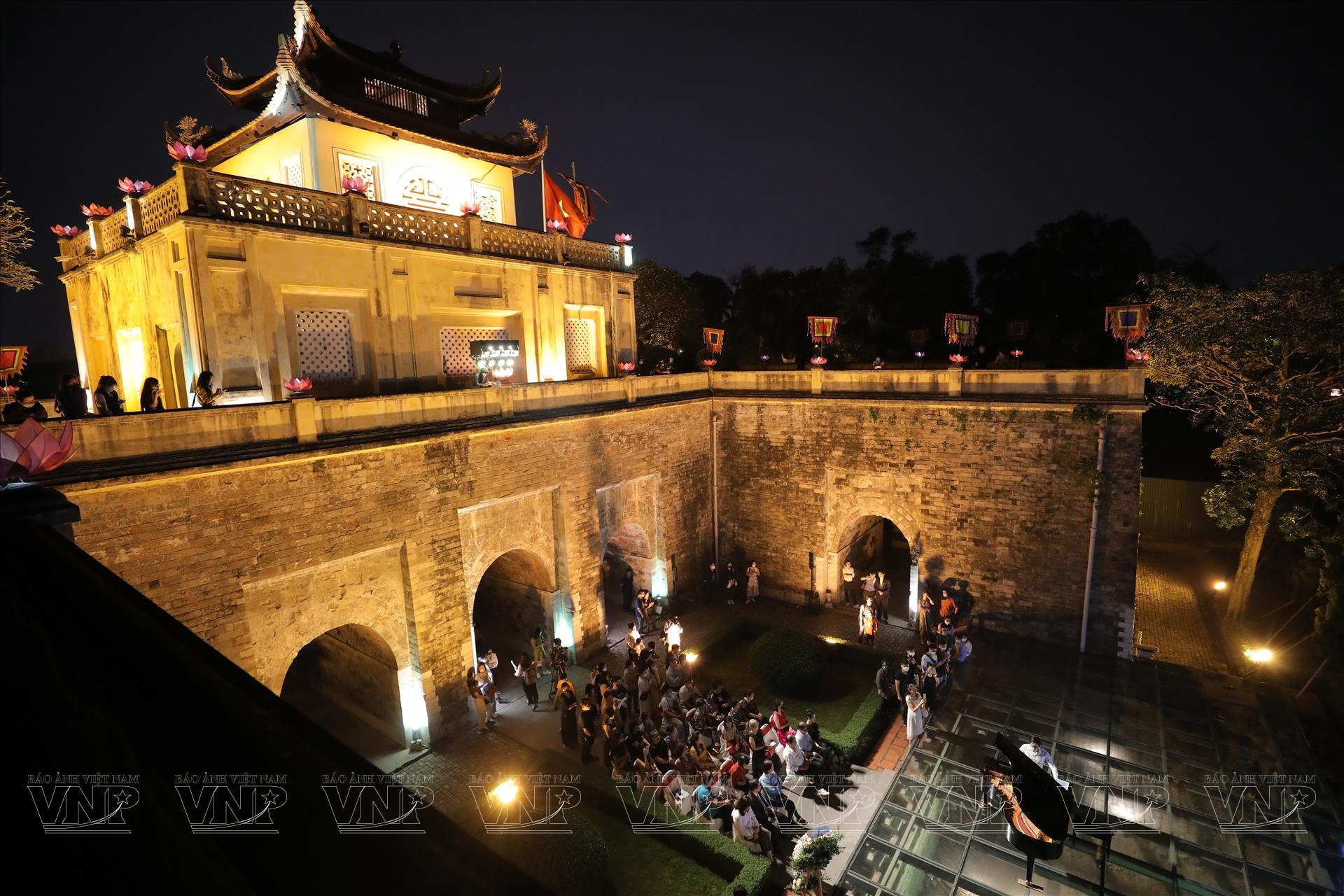
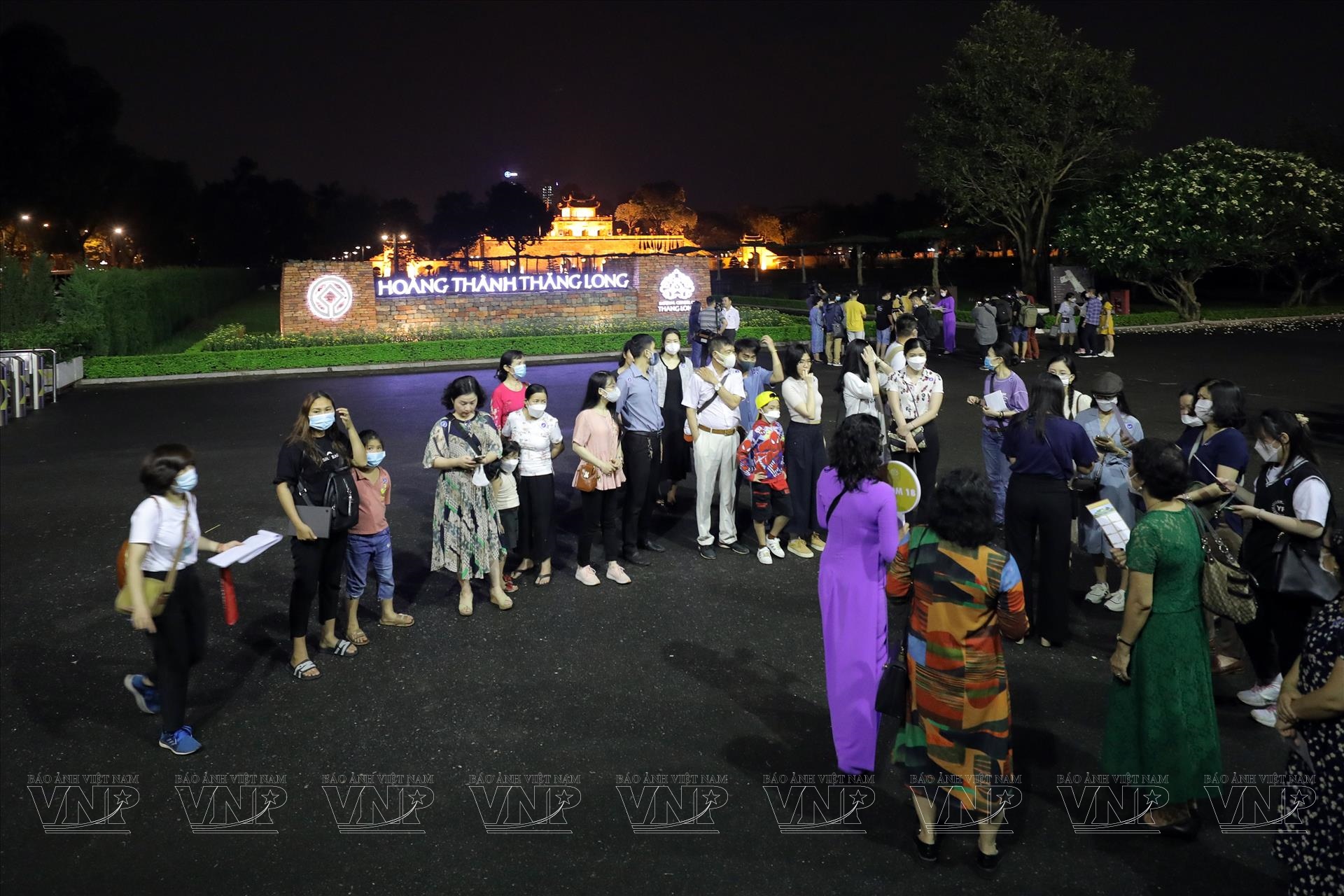
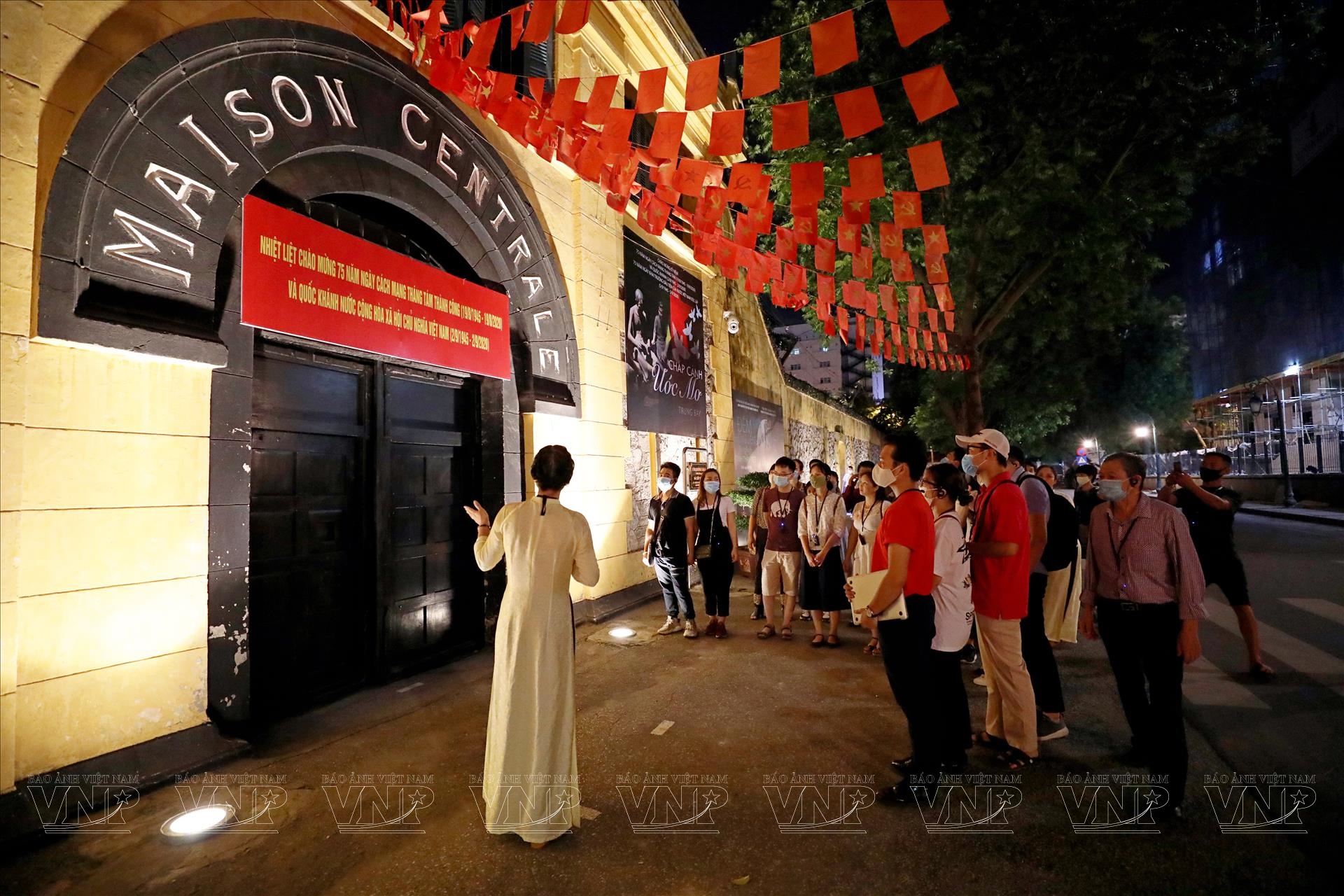
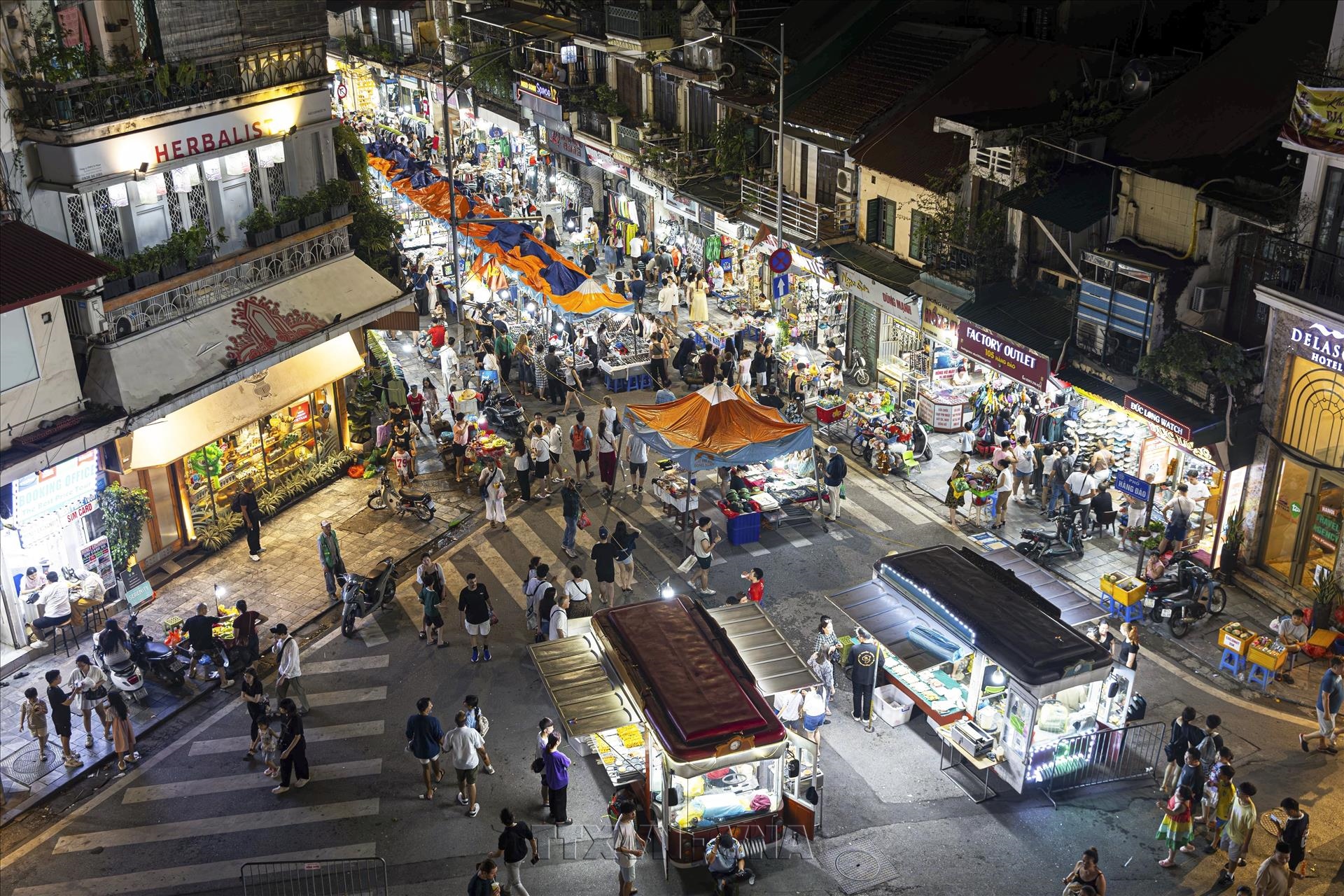
Hanoi already has the resources to power the nocturnal economy. The Imperial Citadel of Thang Long, the Old Quarter, the Temple of Literature, Hoa Lo Prison Relic, craft villages, theaters, creative spaces and walking streets, parks, lakes and squares are attractive evening destinations.
More importantly, Hanoi has a unique advantage: its heritage’s presence in contemporary life. The Imperial Citadel sits in the center of the city; the historical Old Quarter is a residential cum commercial hub; and Bat Trang pottery village offers an insight into an old craft. Here, the past is not merely preserved, but lives on and generates real-time value.
This advantage has already been proven. Night activities, including the Imperial Citadel tour, the "Sacred Night" program at Hoa Lo Prison, cultural experiences at the Temple of Literature and weekend pedestrian zones around Hoan Kiem Lake, have grown popular.
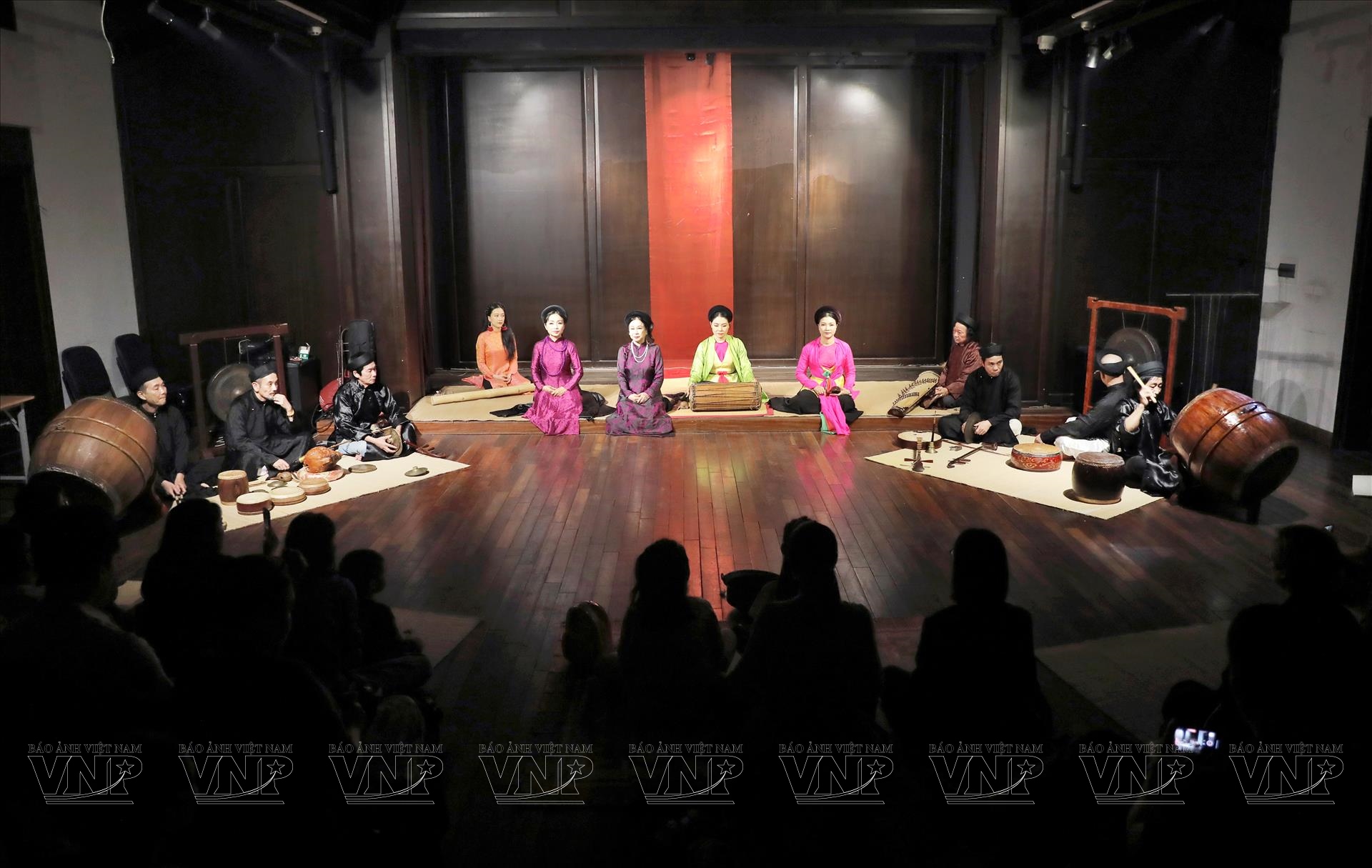
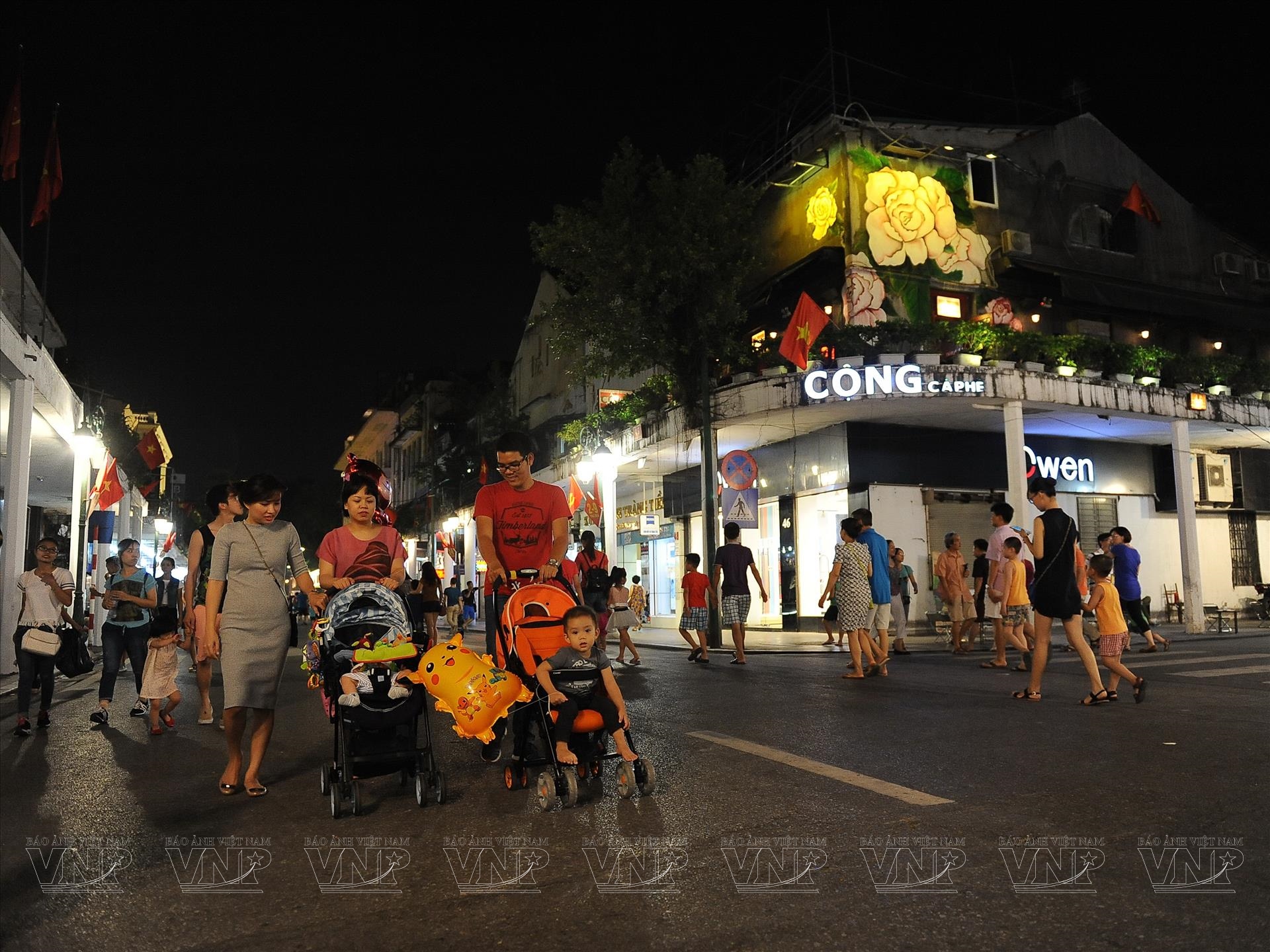
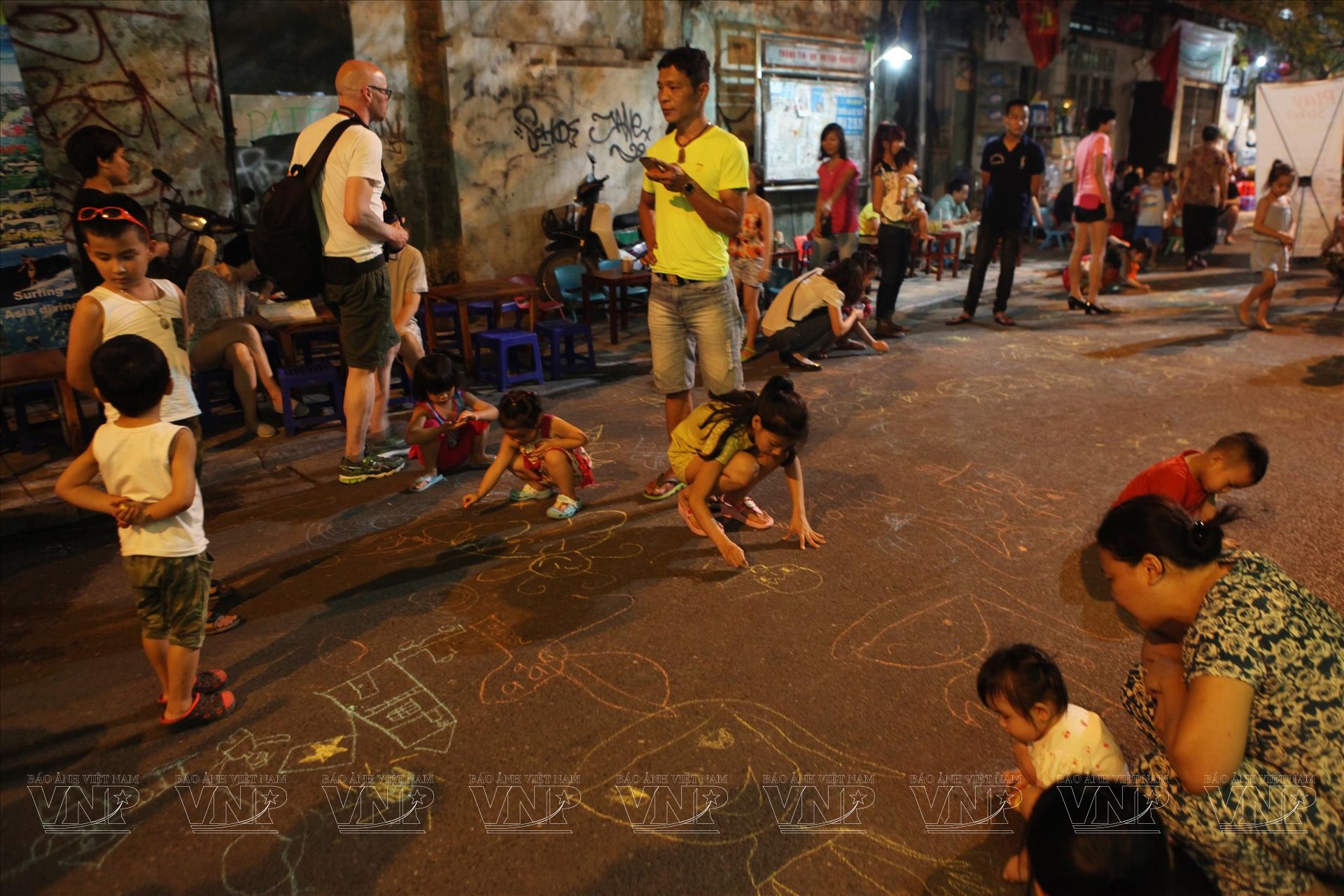
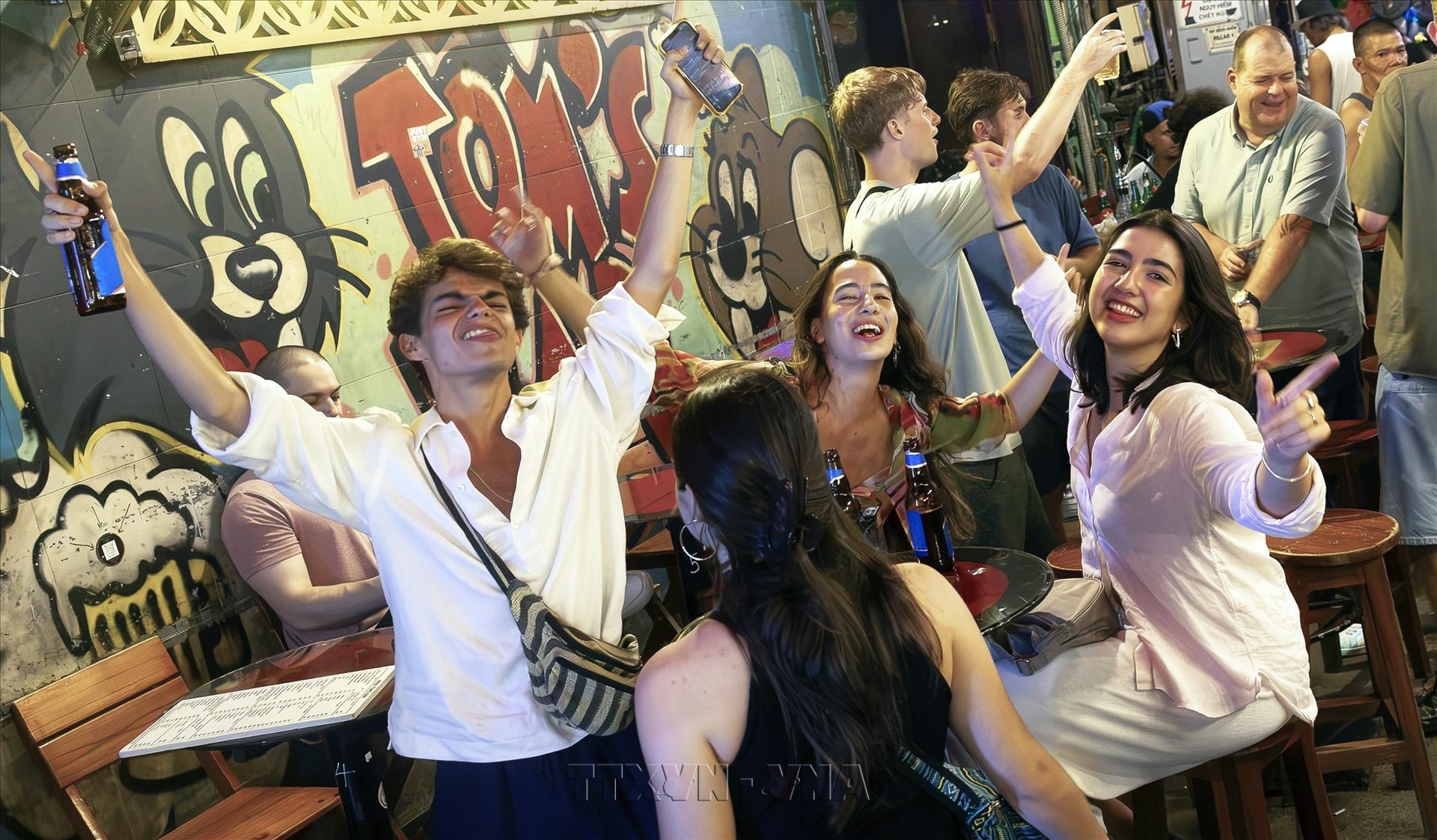
Local cuisine is another driver. Hanoi boasts 15,000- 18,000 food and beverage establishments, with roughly 35%-40% opening after 8 PM, which, combined with theaters, cinemas, art centers, shopping malls and recreational services, can create fascinating experiences.
A growing tourism market further emphasizes
the city’s potential. In the first eight months of this
year, Hanoi welcomed nearly 24.5 million visitors, up
nearly 12% year-on-year. Converting part of visitors'
daytime demand into night-time dining, shopping
and entertainment experiences may add substantial
economic values.
A Model Inspired by Hanoi’s Identity
For Hanoi, rather than copying other cities’ successful night-time economic models, it is key to promote its unique identity, including the title of UNESCO Creative City, as the advantage to grow a vibrant night-time economy centered on innovation, culture, entertainment and authentic engagement, according to Dr. Nguyen Thu Thuy, Head of VNU-SIS’ Faculty of Arts and Design.
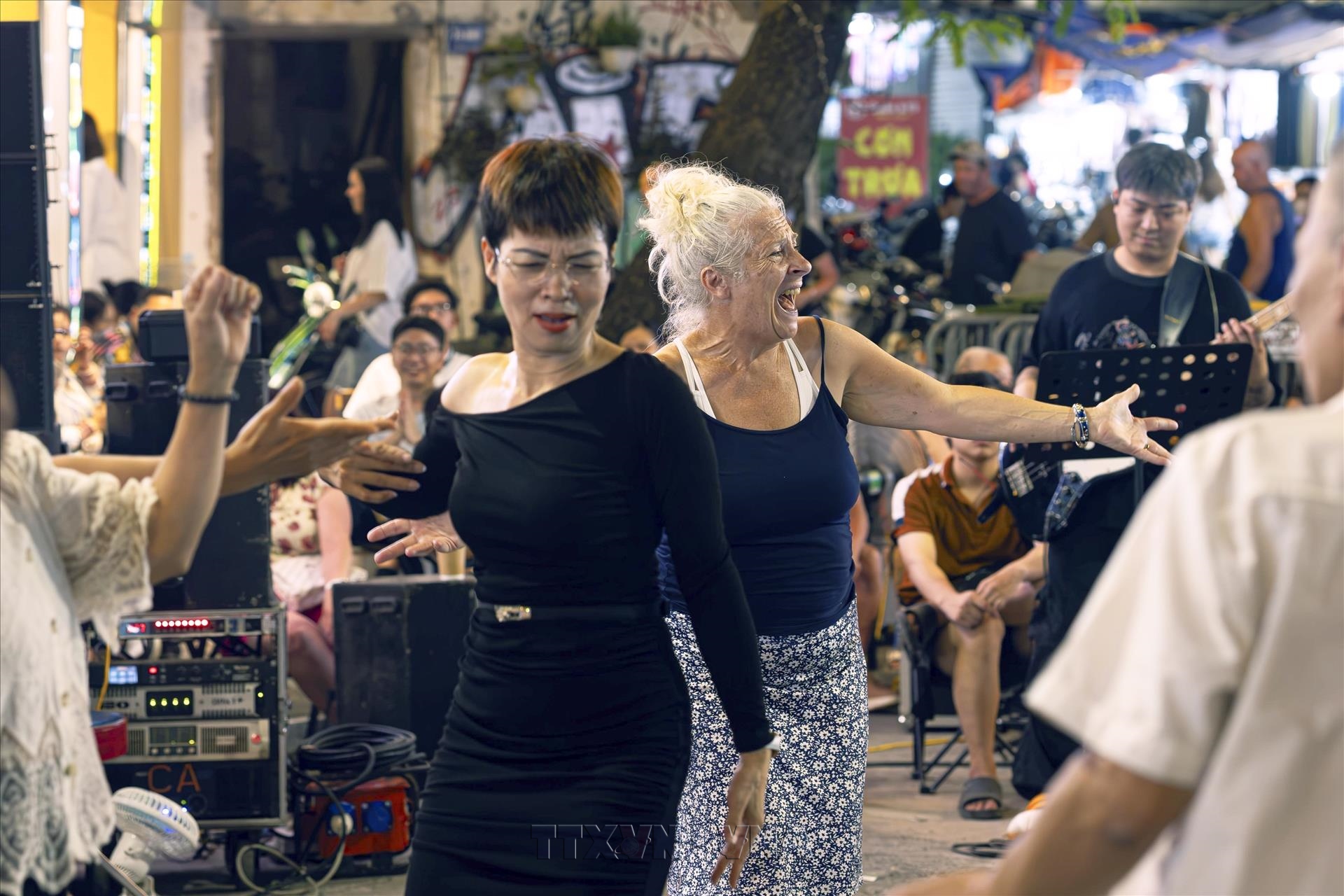
Fully unlocking this potential requires a comprehensive strategy. According to Dr. Bui Van Tuan, Vice Director of the Institute of Hanoi Studies and International Training at Hanoi Metropolitan University, there is much room to build night-time experience chains that link cuisine, arts, shopping and entertainment with cultural spaces and urban landscapes. This helps extend visitor stays while making far better use of the city’s cultural and service resources.
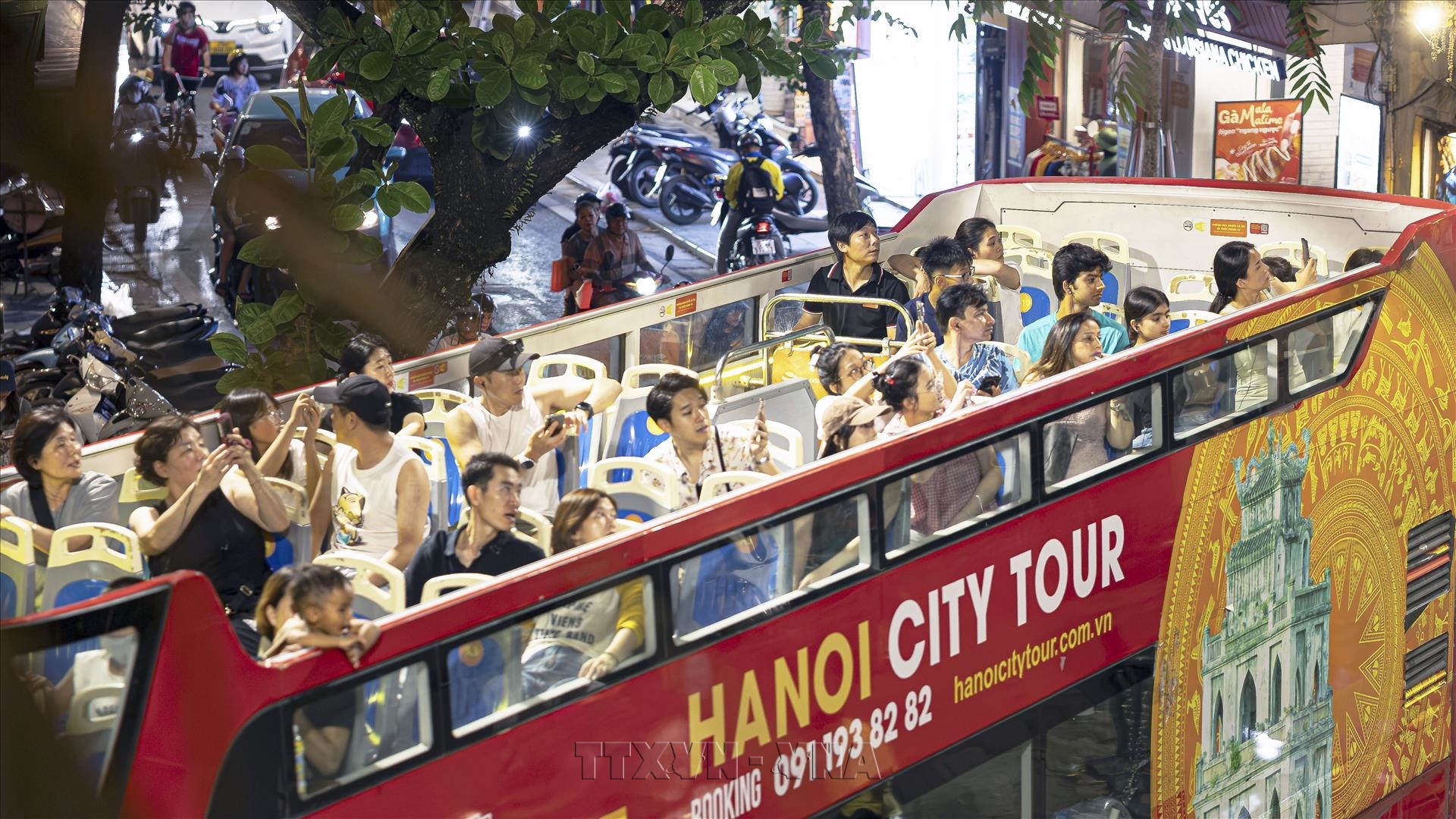
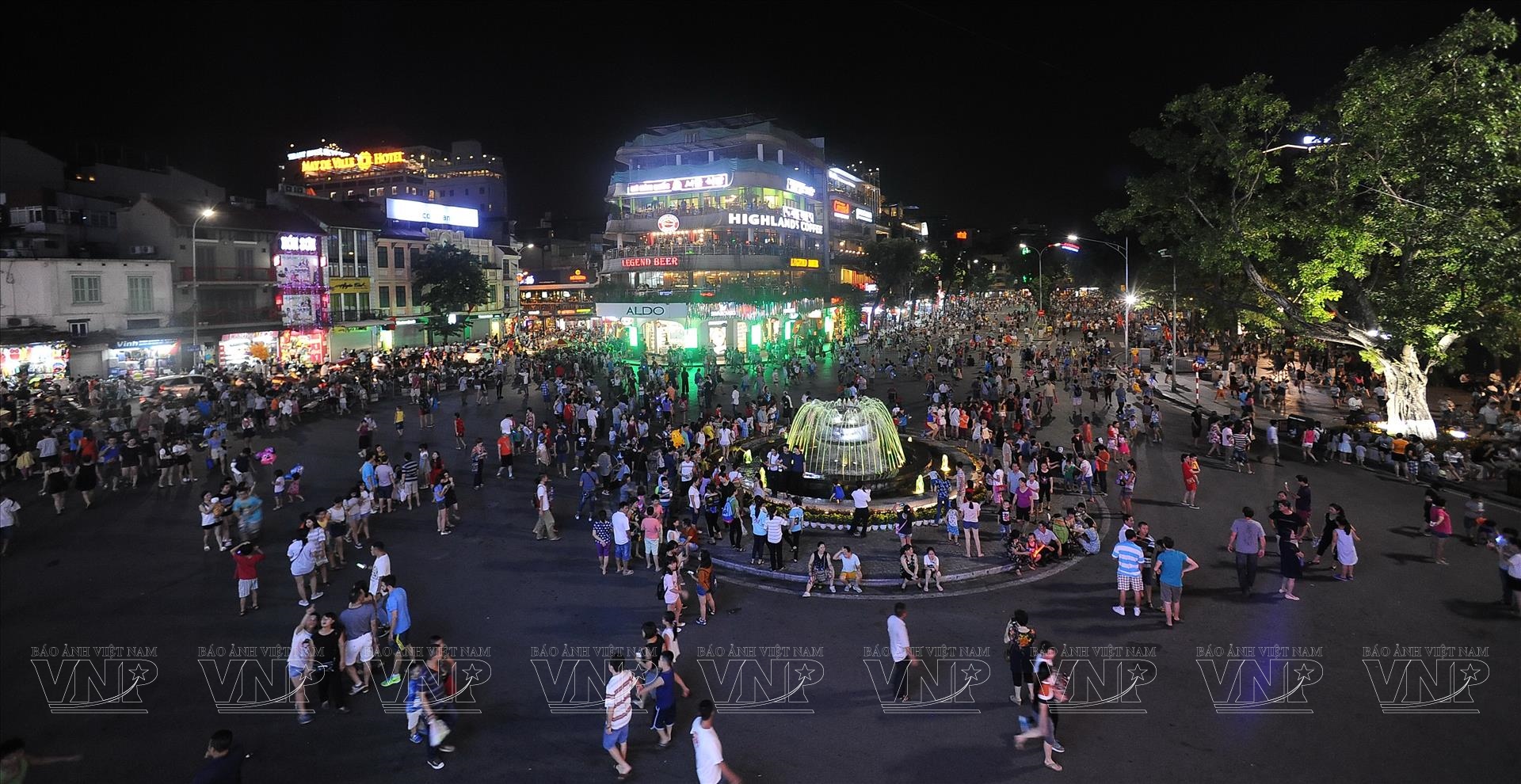
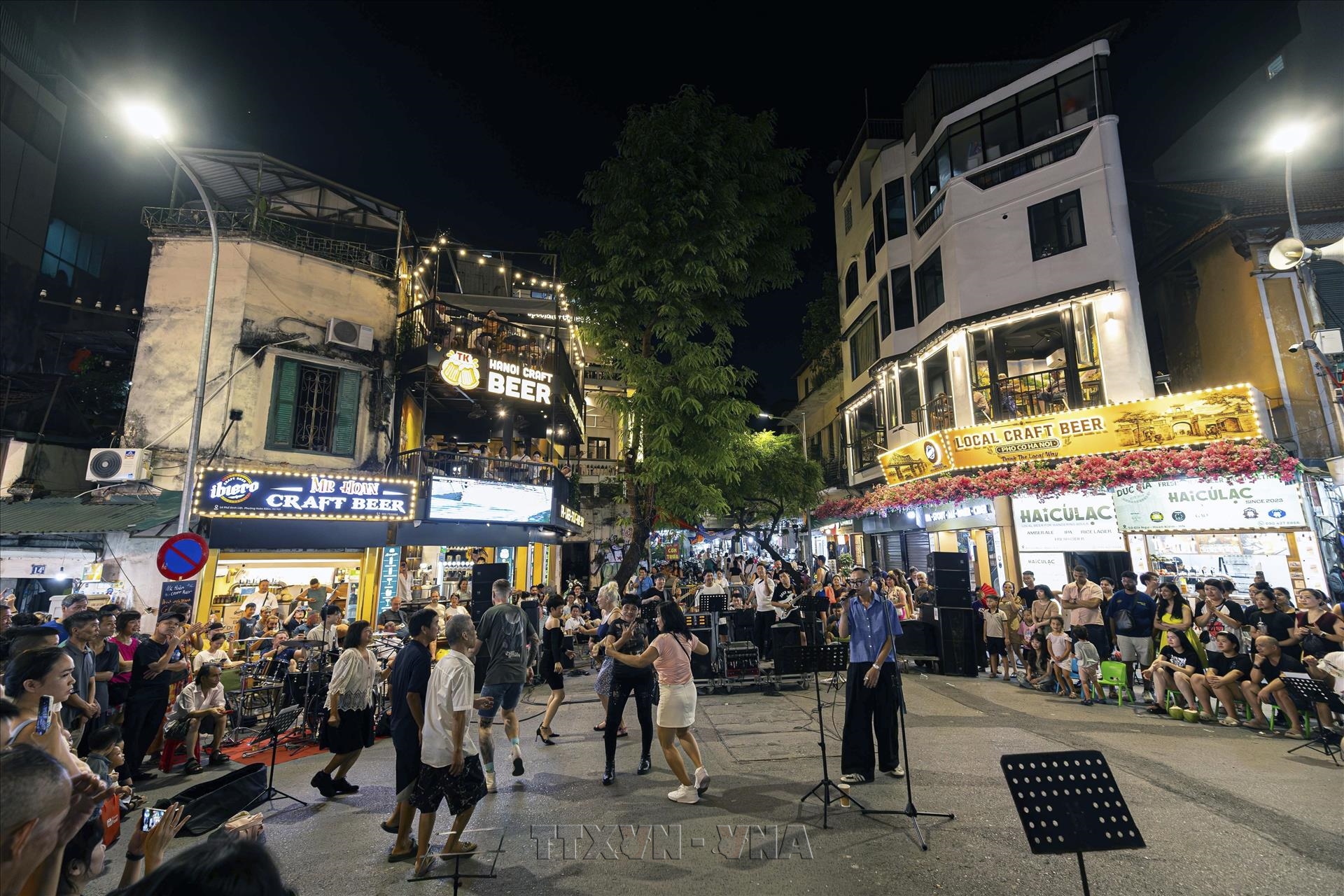
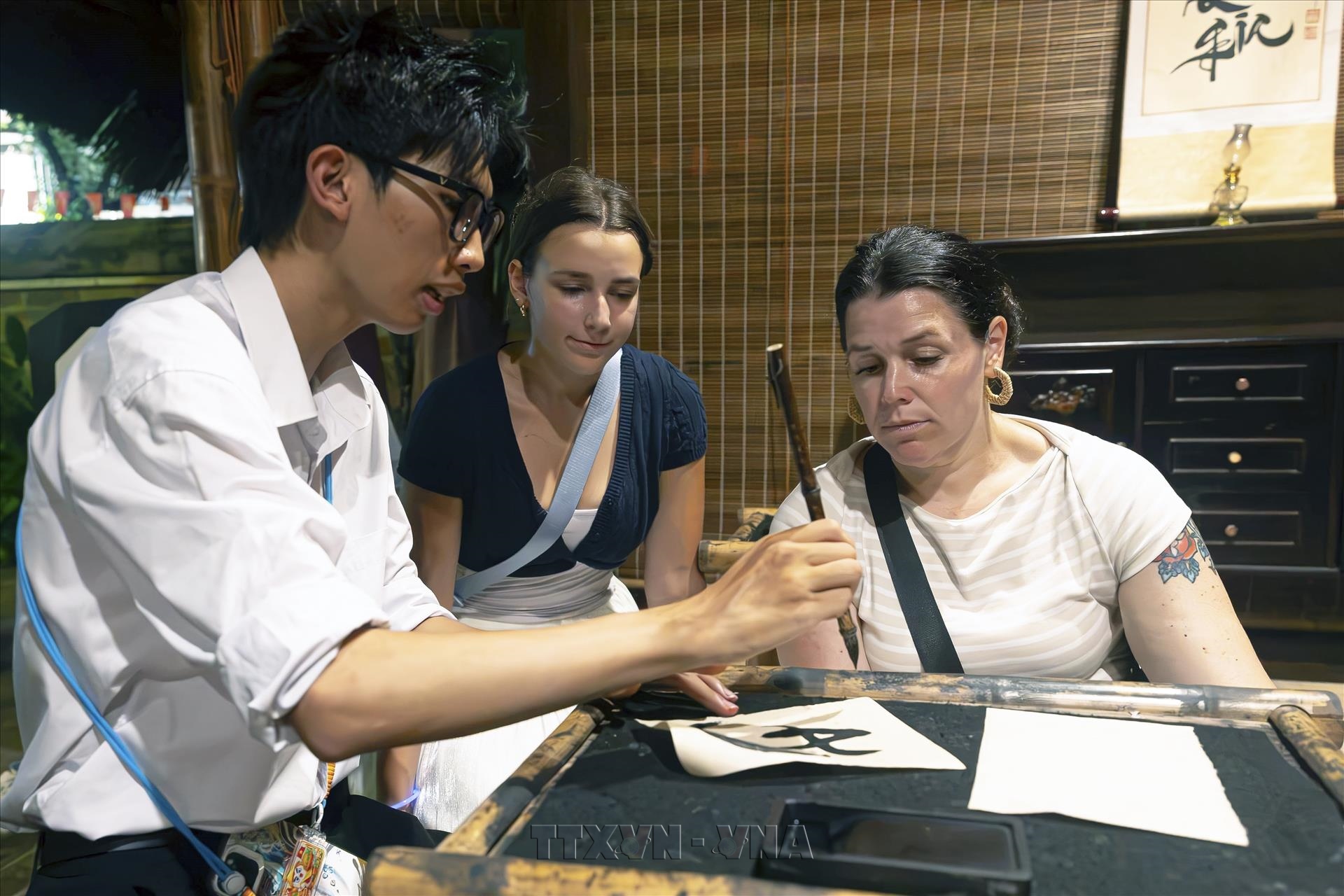
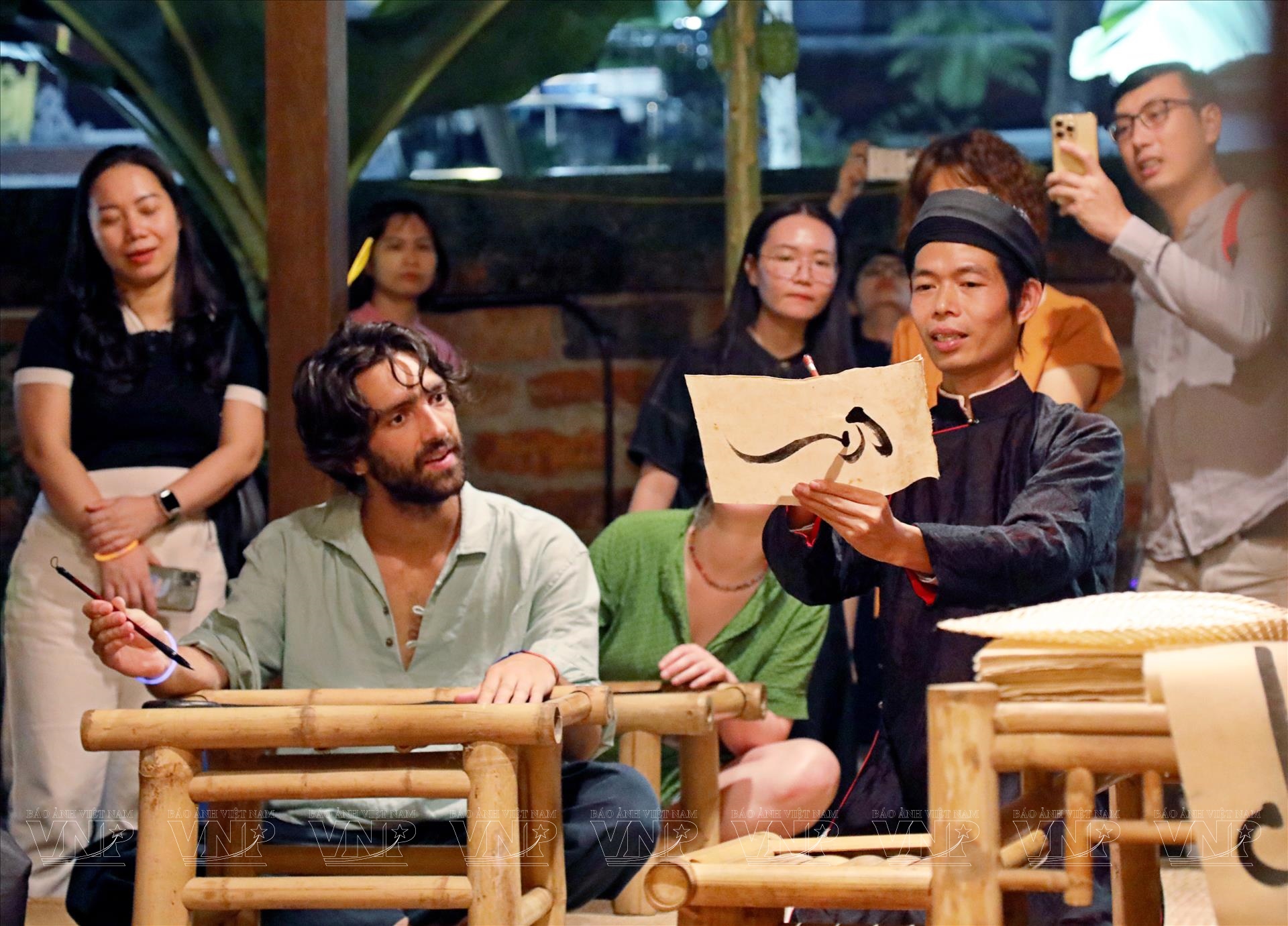
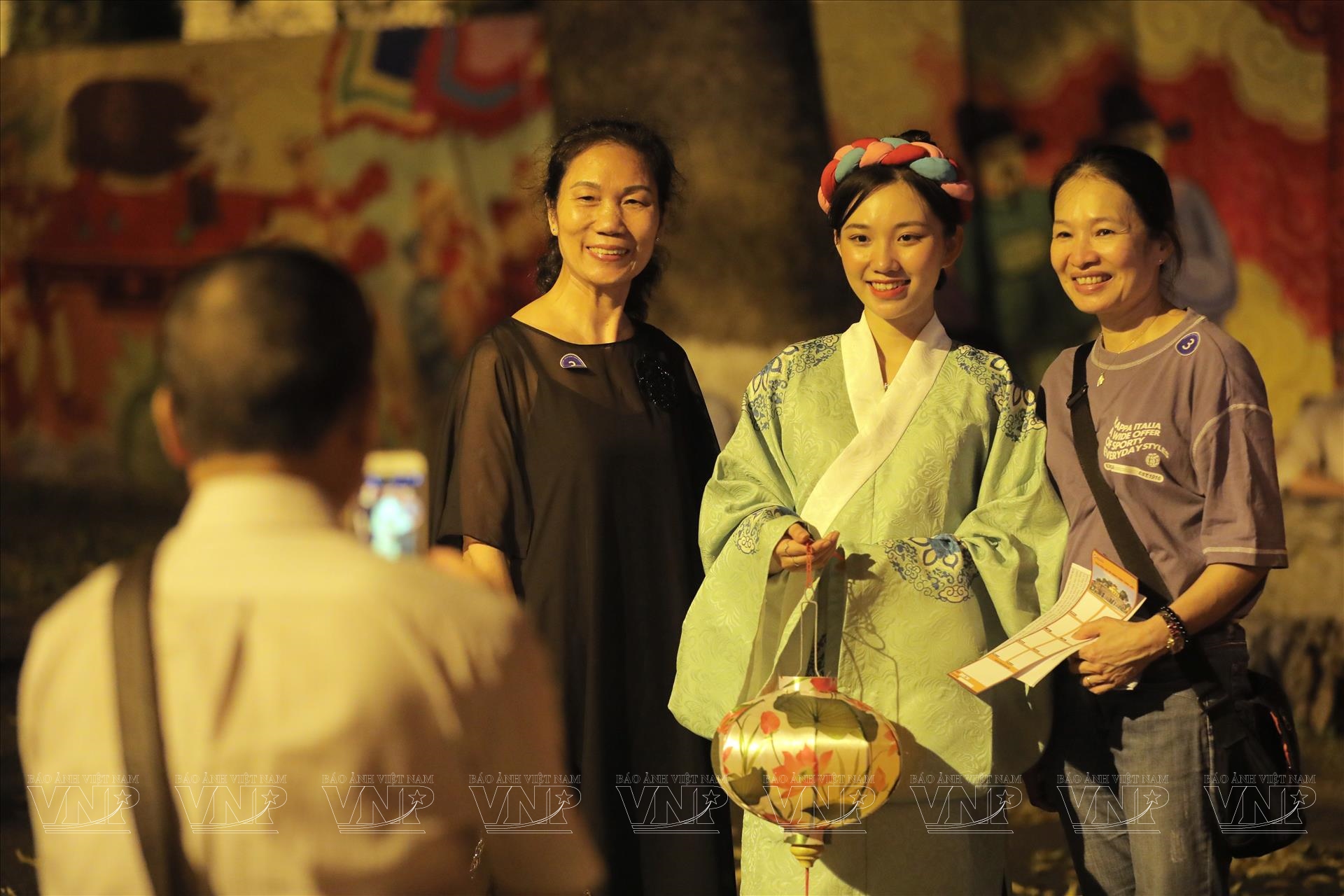
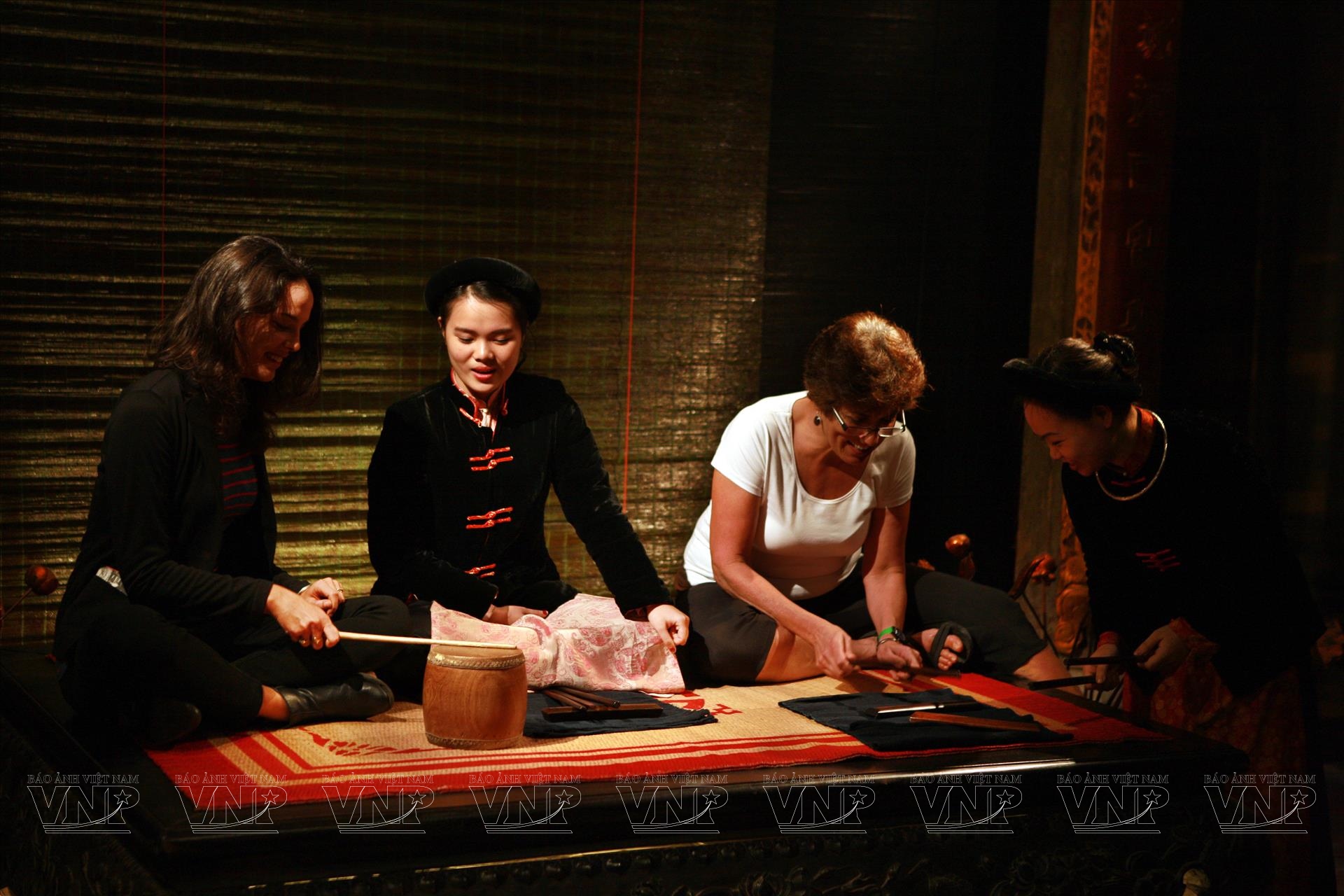
To achieve this, Hanoi is developing multi-layered products: pairing heritage with live performances, culinary arts with stage performances, retail with interactive experiences and public spaces with digital services. A well-designed night tour at the Imperial Citadel can bring heritage closer to the public while generating funds for conservation.
The city has recently passed Resolution 34/2026/NQ-HDND on night-time economy development and approved a scheme to develop night-time economy between 2026-2030, with a vision to 2045, which allow the city to reorganize urban spaces, complete regulatory mechanisms and tap local resources.
Story: Hoang Tue Nhi Photos: VNP & VNA