"From Do Paper": Honoring Vietnamese Writing Culture and Folk Art
In the bustling current of modern urban life, there exist values that—though as fragile as a sheet of traditional paper—carry the profound weight of thousands of years of history. The exhibition "Tu Do ma ra" (From Do Paper), hosted at the historical heritage space at 40 Lan Ong Street, is far more than a simple display; it represents a dedicated effort to awaken memories and honor a material that was once the very soul of Vietnamese writing culture and folk art.
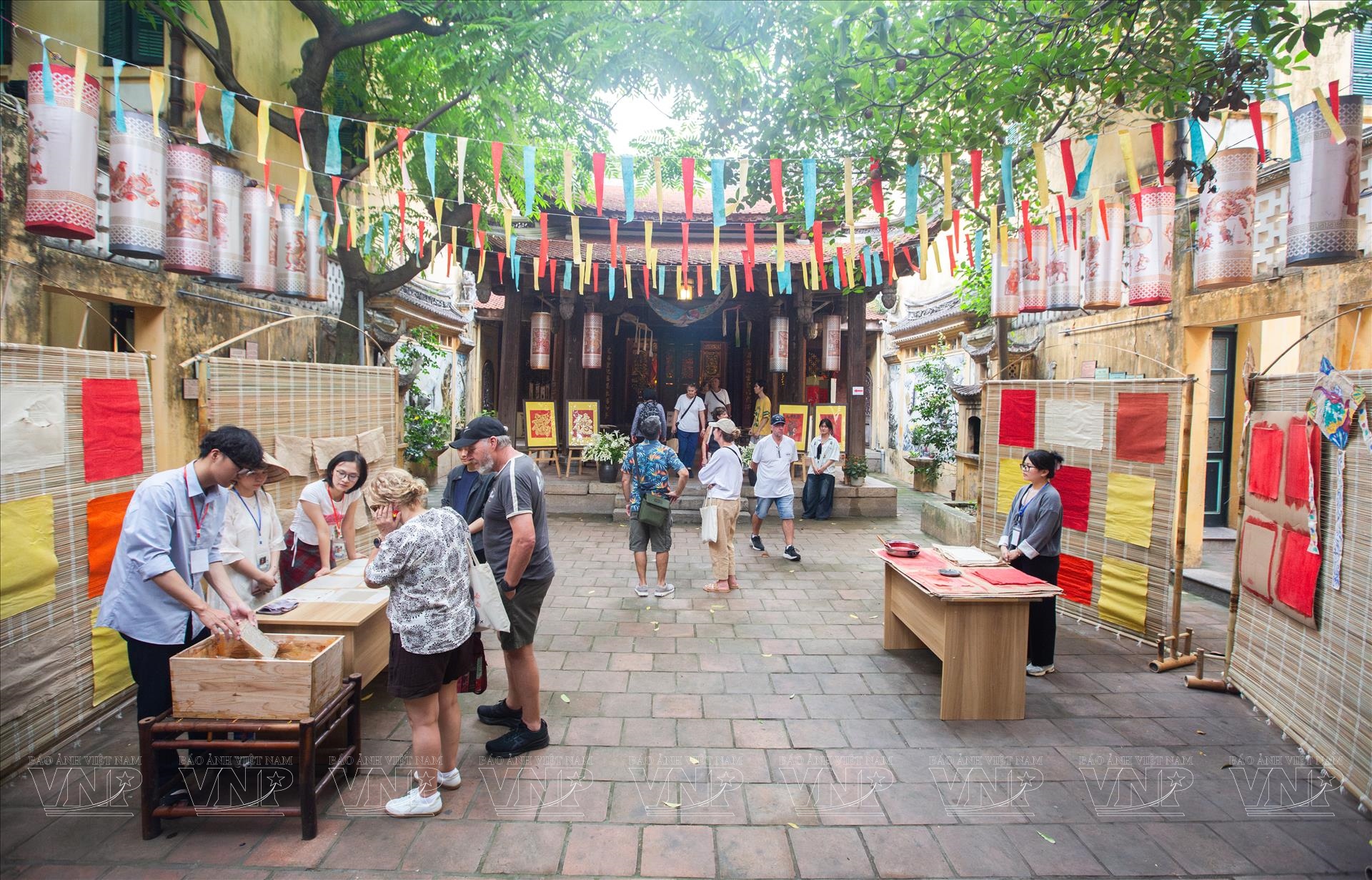
Vietnam’s traditional craft villages boast a development history spanning millennia, with Thang Long - Hanoi serving as the ultimate convergence and crystallization of these artisanal heritages. Traveling from peripheral craft villages, artisans brought their collective folk wisdom and creative spirit into Ke Cho (the ancient marketplace of Hanoi), establishing distinct guild streets. Within this multifaceted tapestry, the craft of making Do paper emerged as a vital bridge spanning knowledge and time.
Originating early in history, Do paper was once an essential resource serving every facet of ancient society—from printing Buddhist scriptures, writing Han and Nom characters, to producing giay sac, the precious paper reserved exclusively for royal decrees during feudal dynasties. Most notably, Do paper served as the literal and cultural foundation that gave life and longevity to famous folk art lineages such as Dong Ho and Hang Trong paintings.
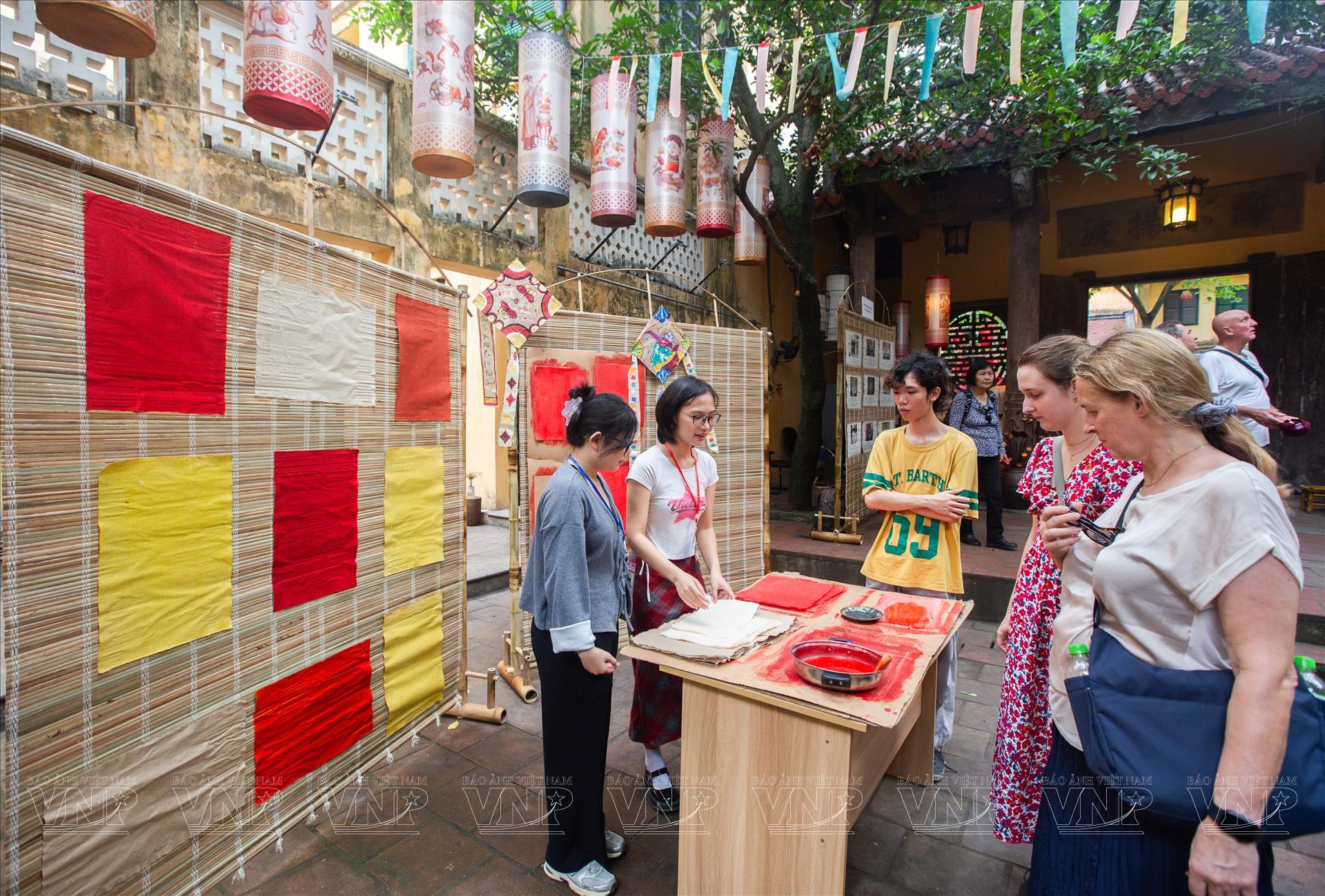
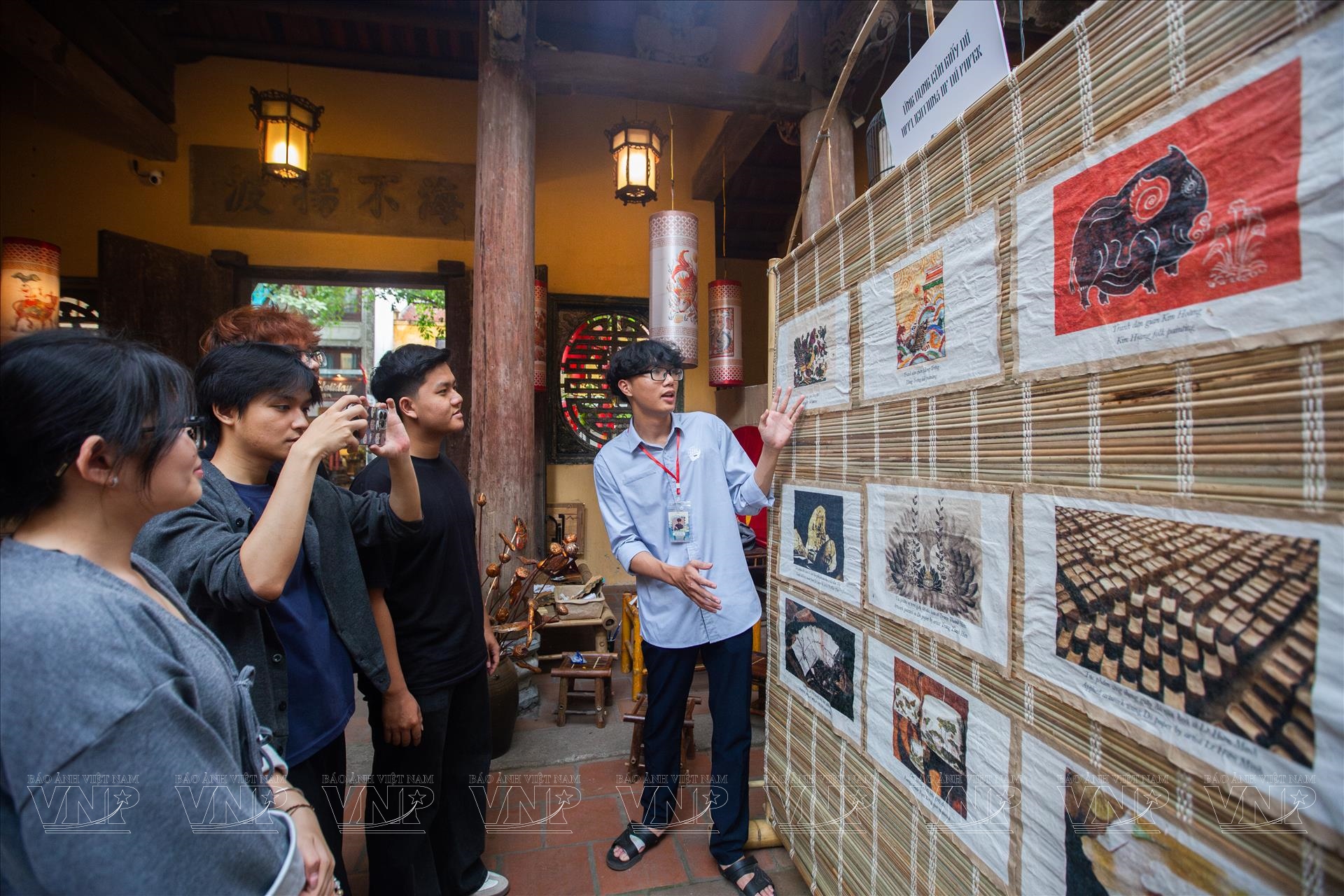
Despite its rustic, delicate appearance, Do paper possesses astonishing technical qualities: tensile strength, high durability, excellent moisture absorption, and a remarkable ability to defy time. A sheet of Do paper crafted using proper traditional methods can preserve brushstrokes and ink colors completely intact for hundreds of years. It has thus become the most vital medium for preserving and transmitting cultural and historical values from antiquity to the present day.
However, the rapid development of modern society has pushed many traditional handicrafts into challenging territory, and the Do paper trade is no exception. The dominance of cheap, convenient industrial paper has caused these once-celebrated sheets of Do paper to gradually fade from daily life.
Yet, a heritage only truly disappears when people fail to see its value. Recognizing Do paper not merely as a handicraft product but as the physical foundation for the development of diverse cultural art forms, a wave of revival has begun to spread in recent years. Many young artists, researchers, and designers have started returning to Do. They look beyond traditional folk paintings or calligraphy, integrating Do paper into graphic design, installation art, and contemporary creative handicrafts. This demonstrates a hopeful reality: traditional materials possess an enduring vitality and an excellent capacity to adapt to new creative mediums.
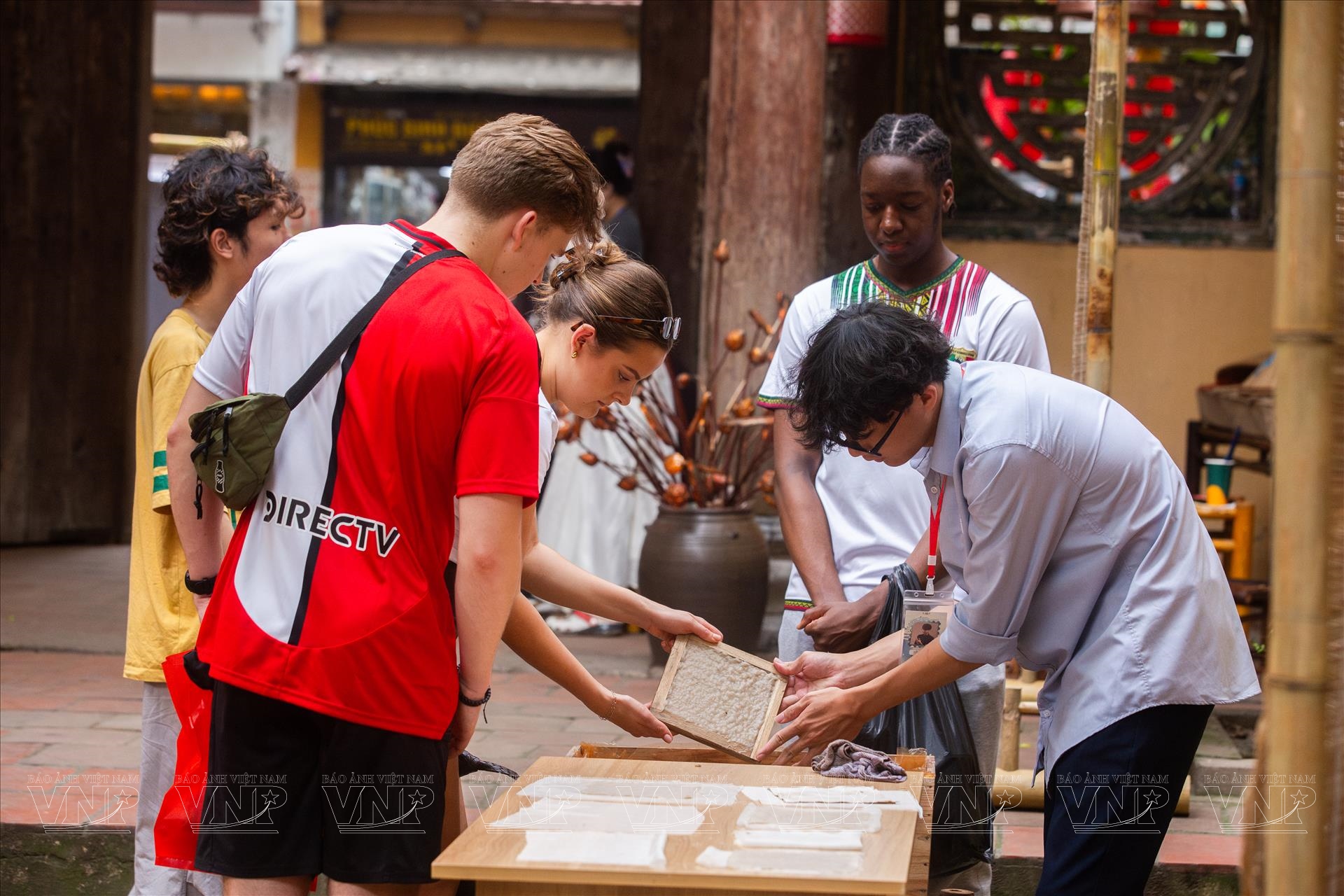
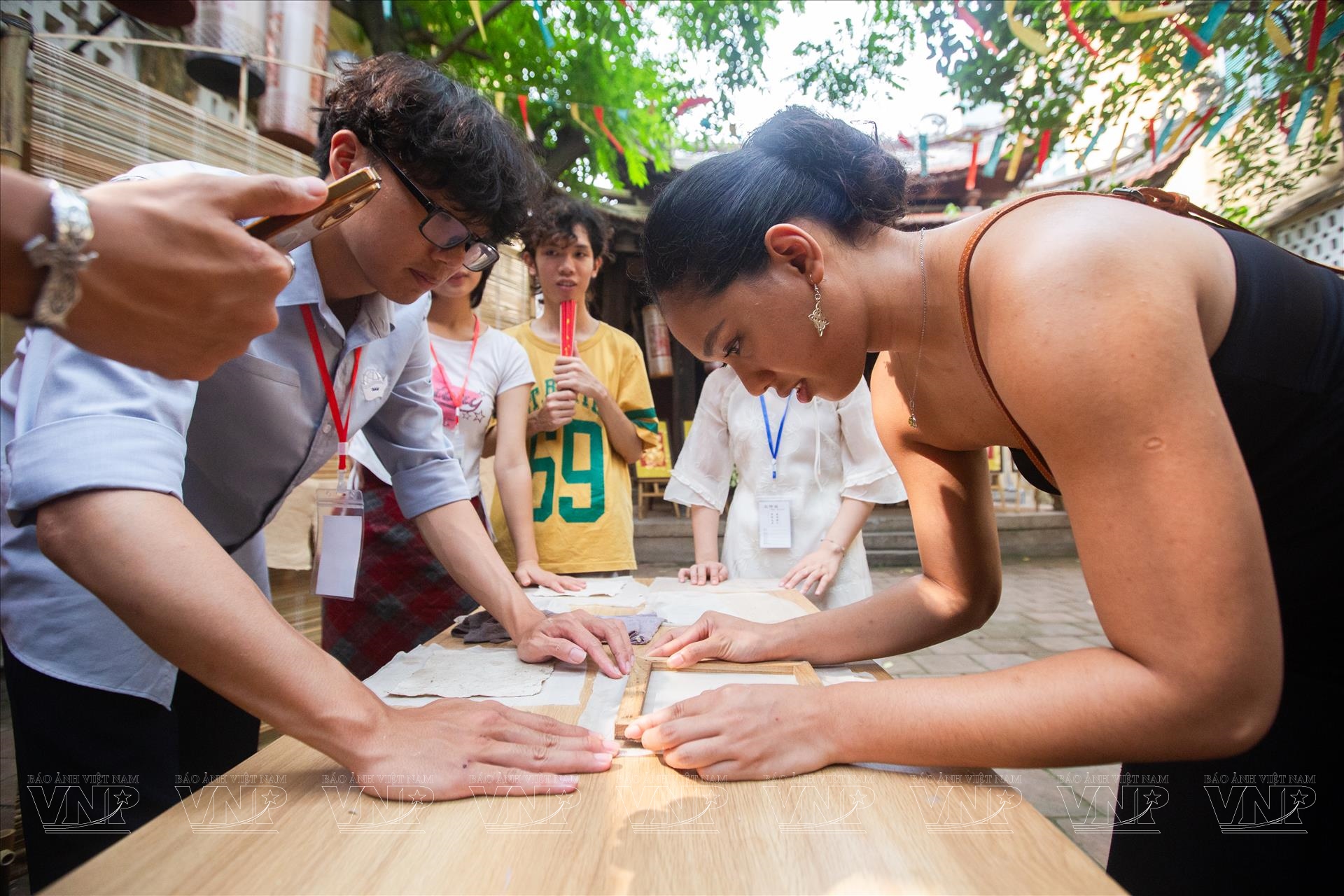
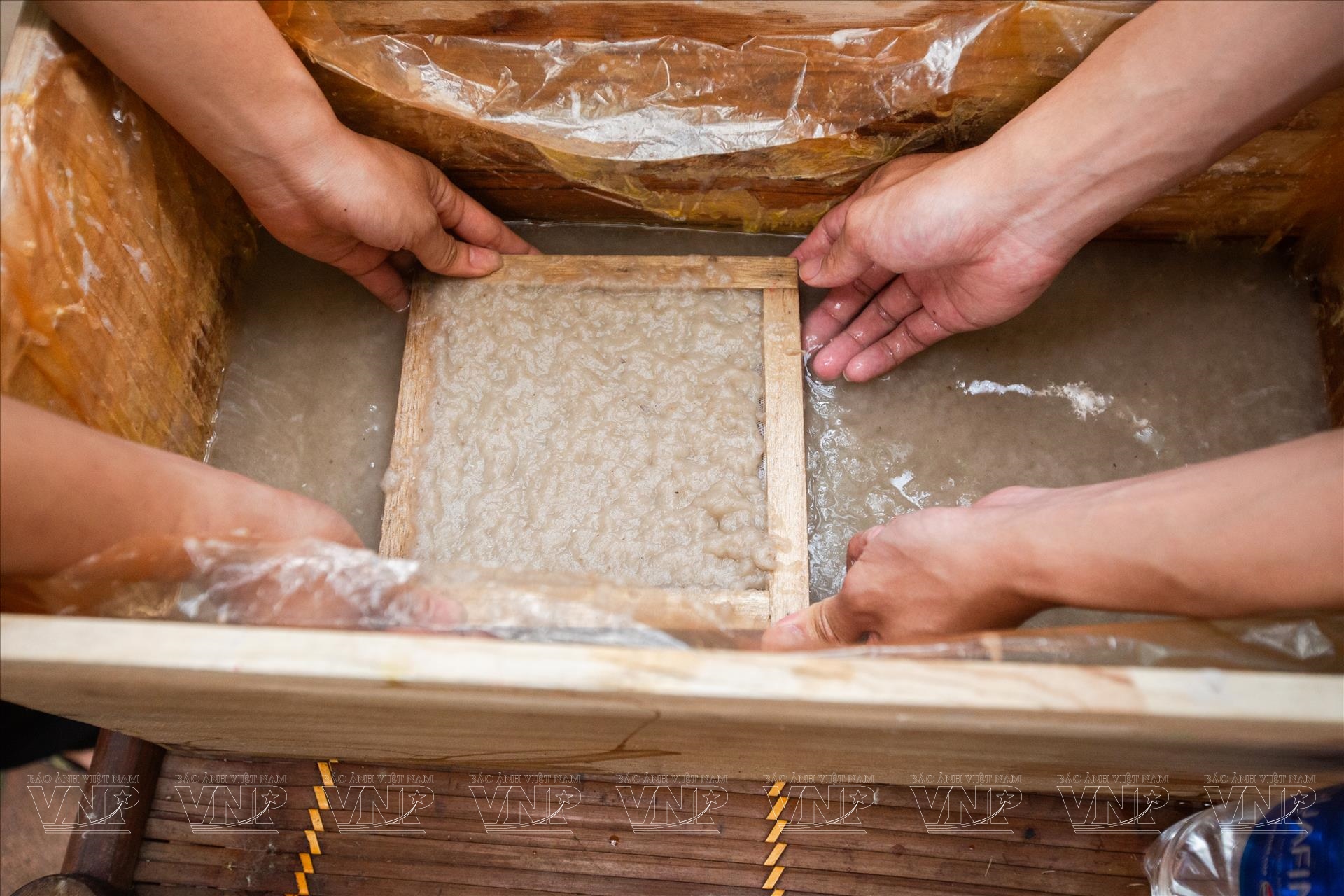
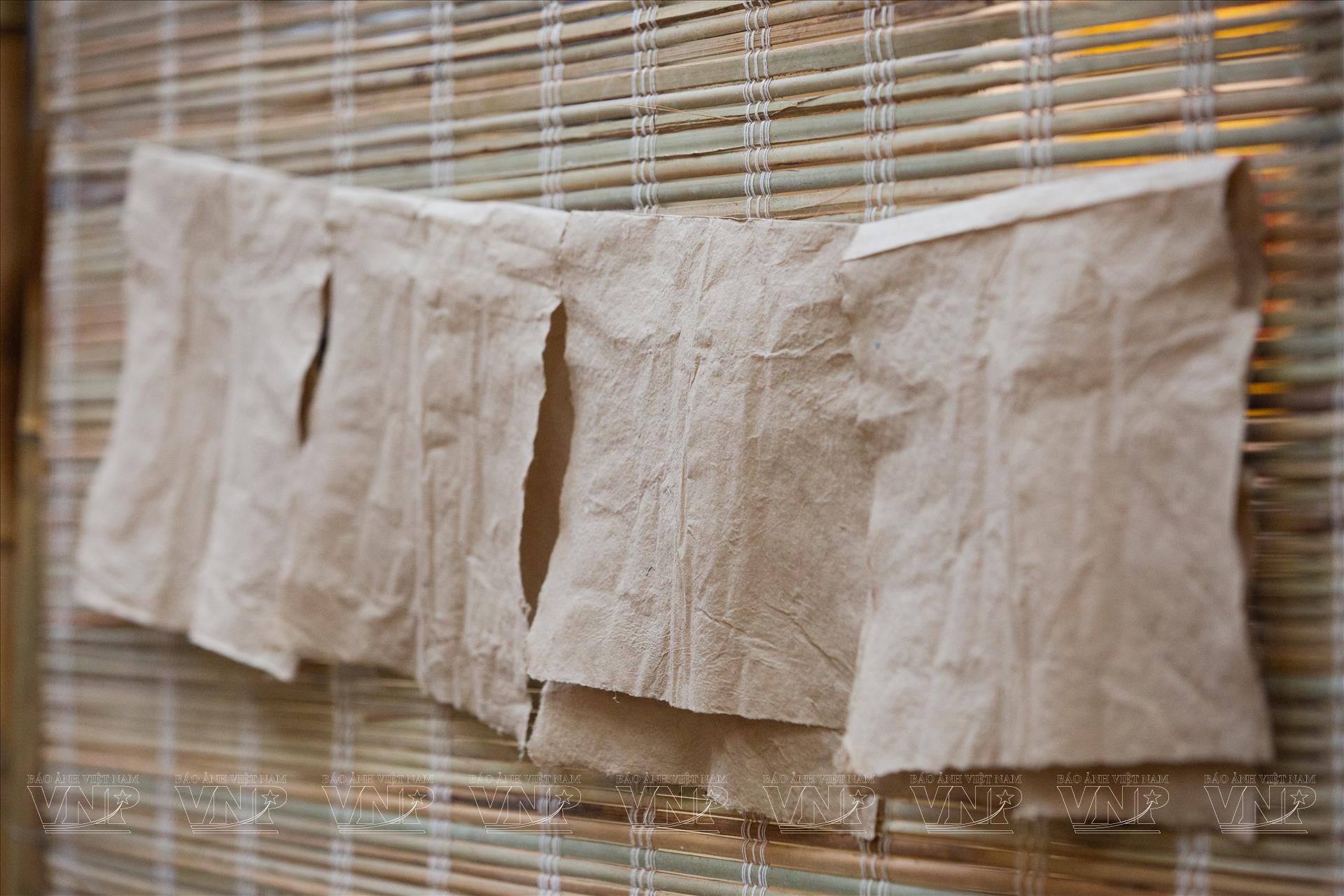
Within the ancient architectural space of 40 Lan Ong Street—a location historically intertwined with traditional medicine—the presence of Do paper creates a fascinating sensory resonance of scent and sight. Visitors come here not merely to look at paper, but to understand a "red thread" that weaves through national history.
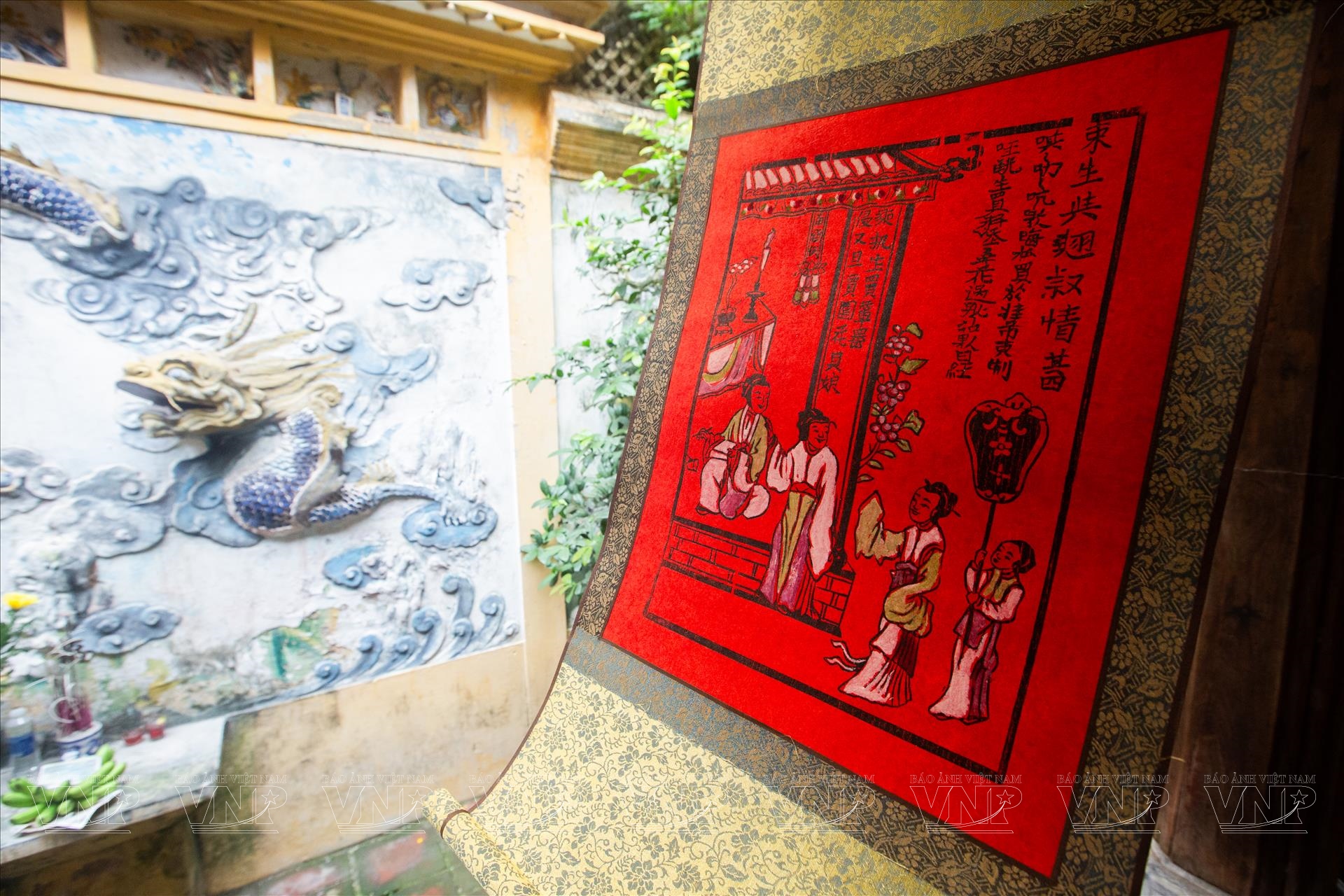
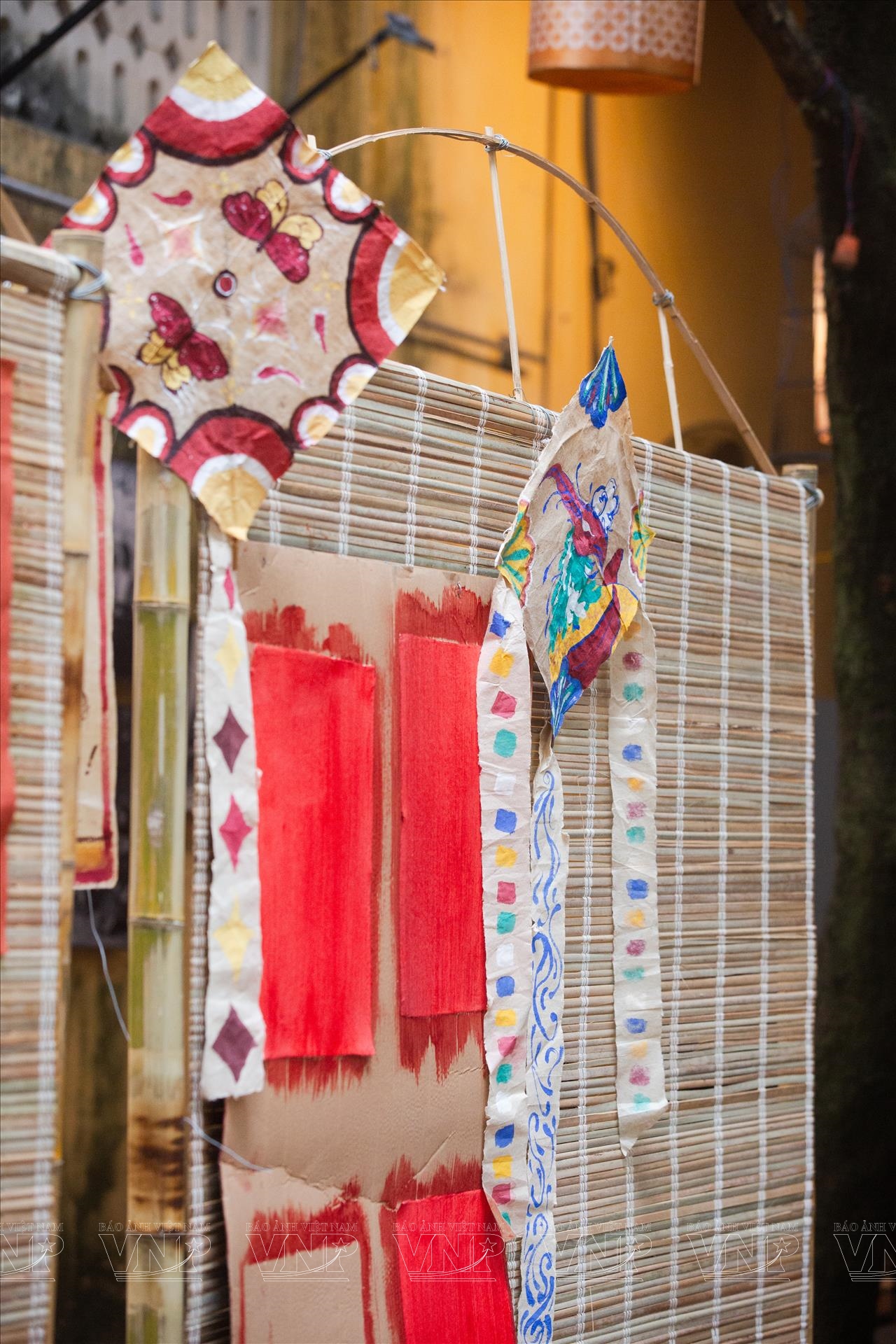
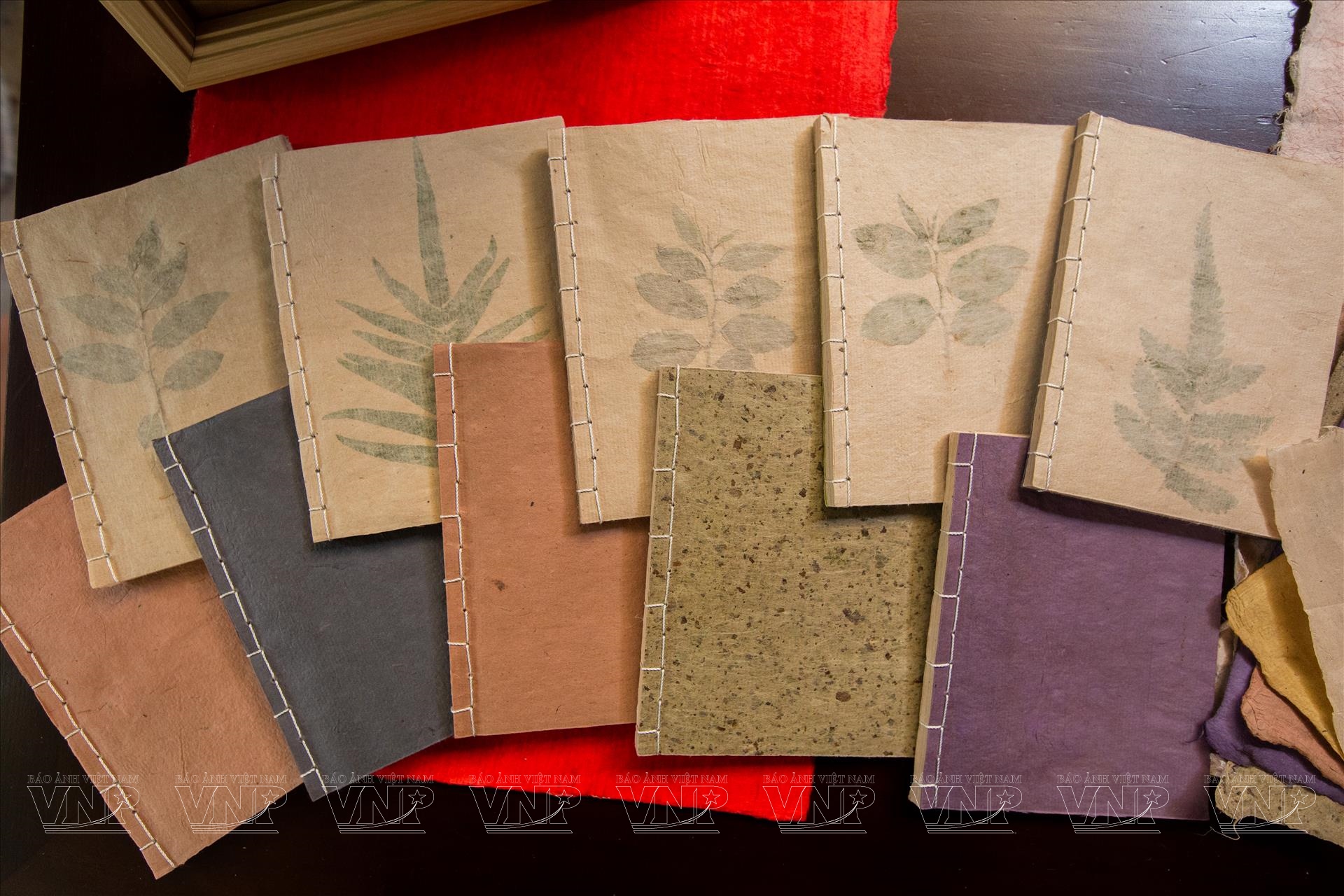
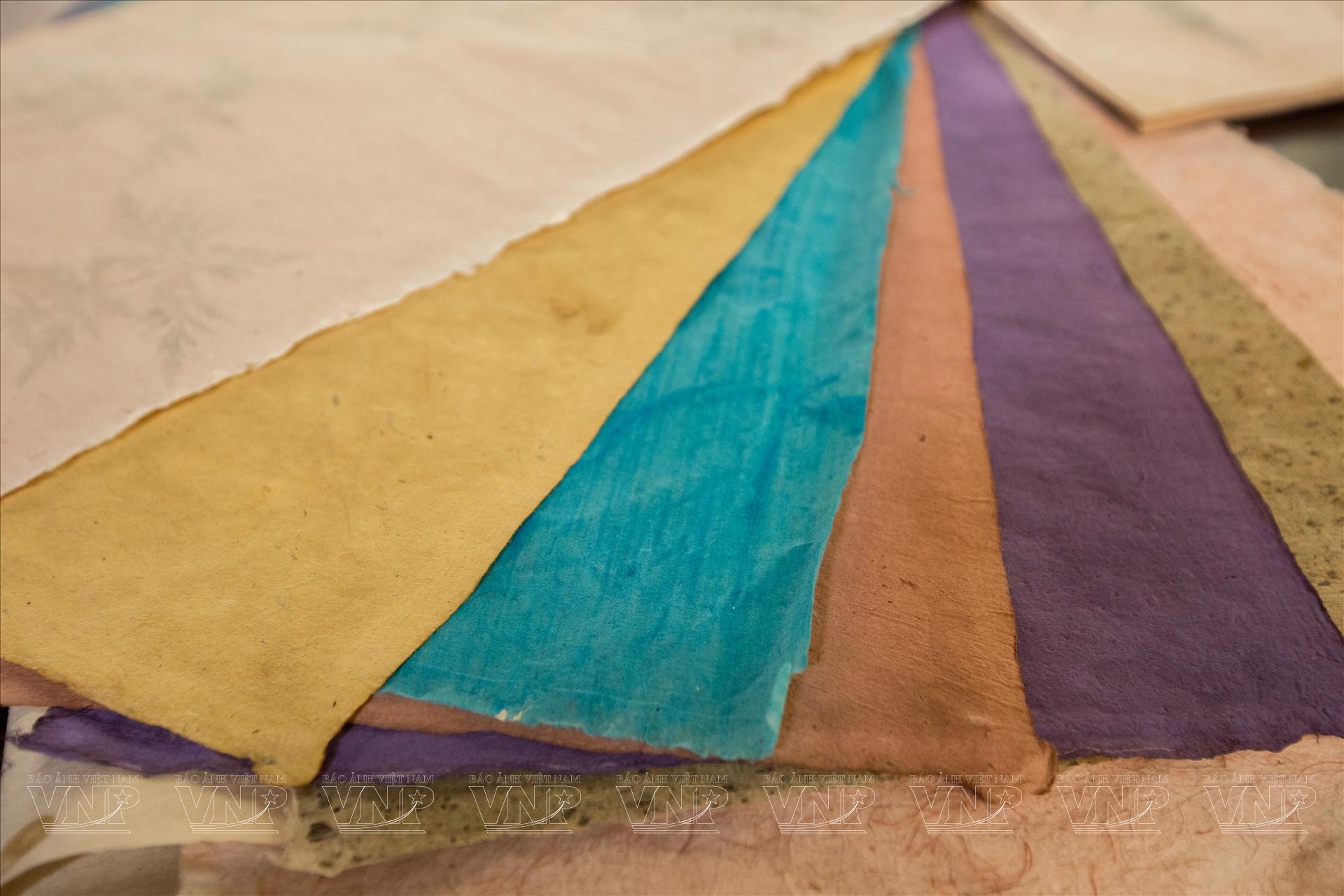
Revisiting and revitalizing the values of the Do paper-making craft goes beyond mere heritage preservation. It is a way for us to nurture faith and aspiration for the future. When we honor domestic materials and successfully transform heritage into a resource for the creative industries, our national identity is asserted most profoundly.
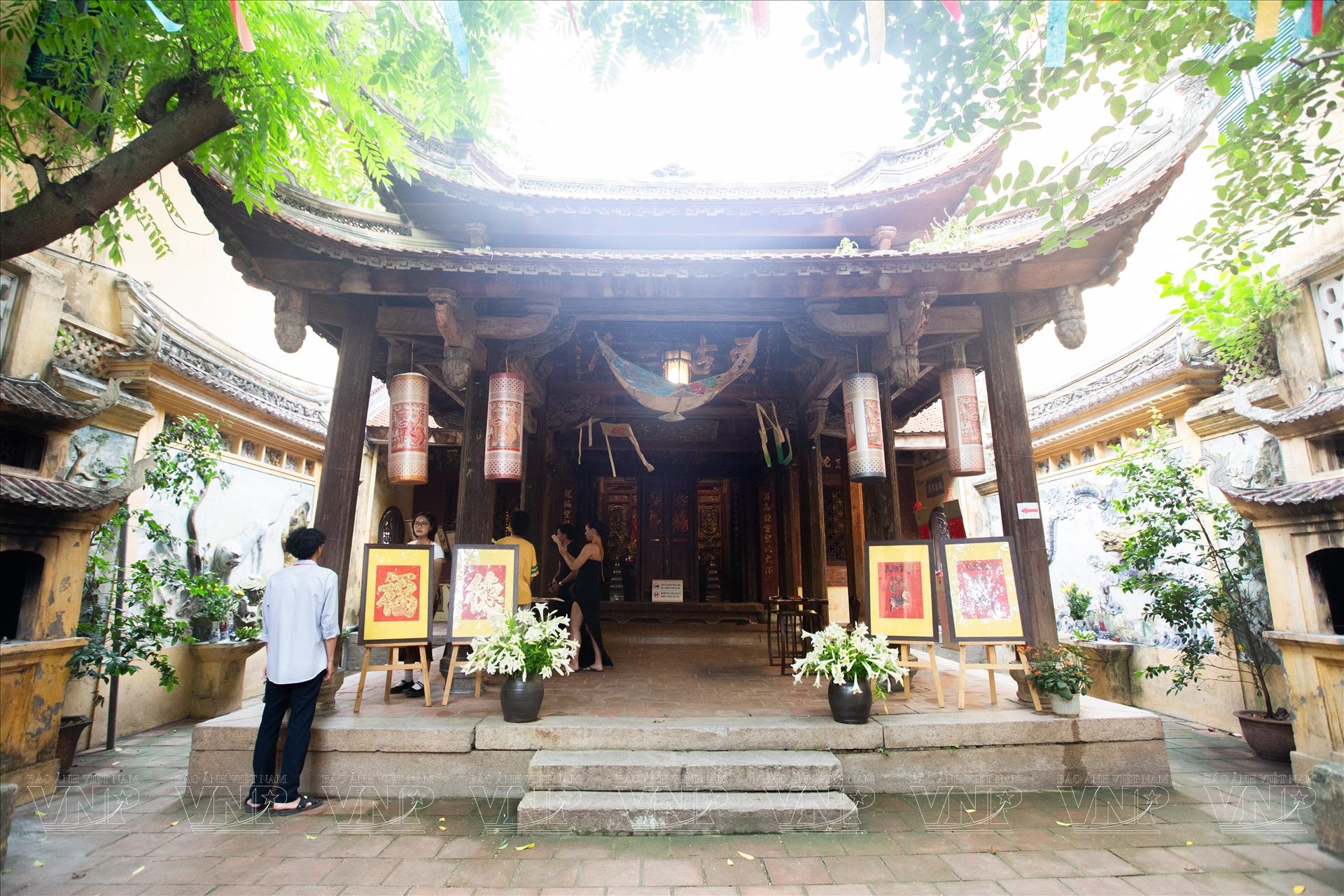
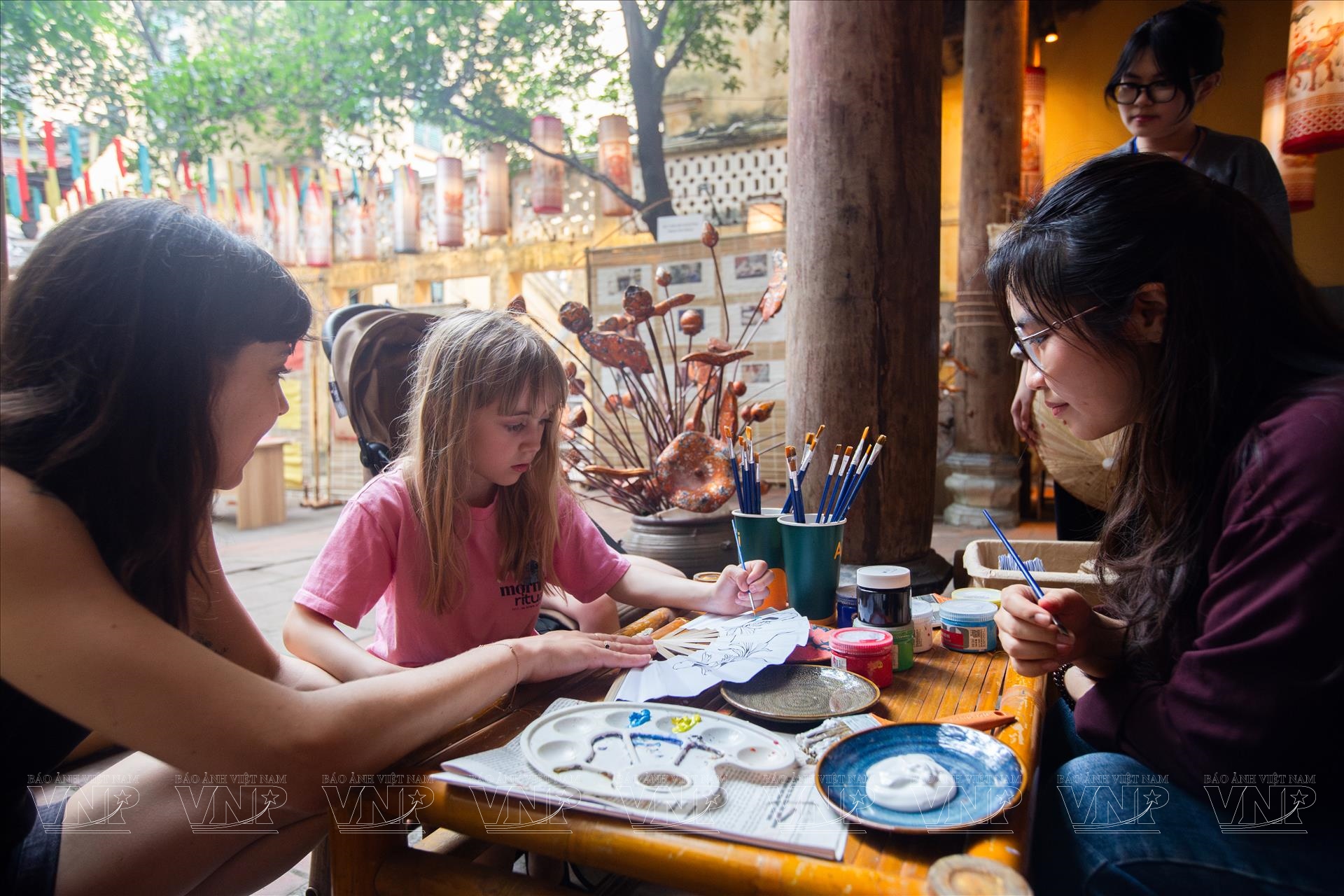
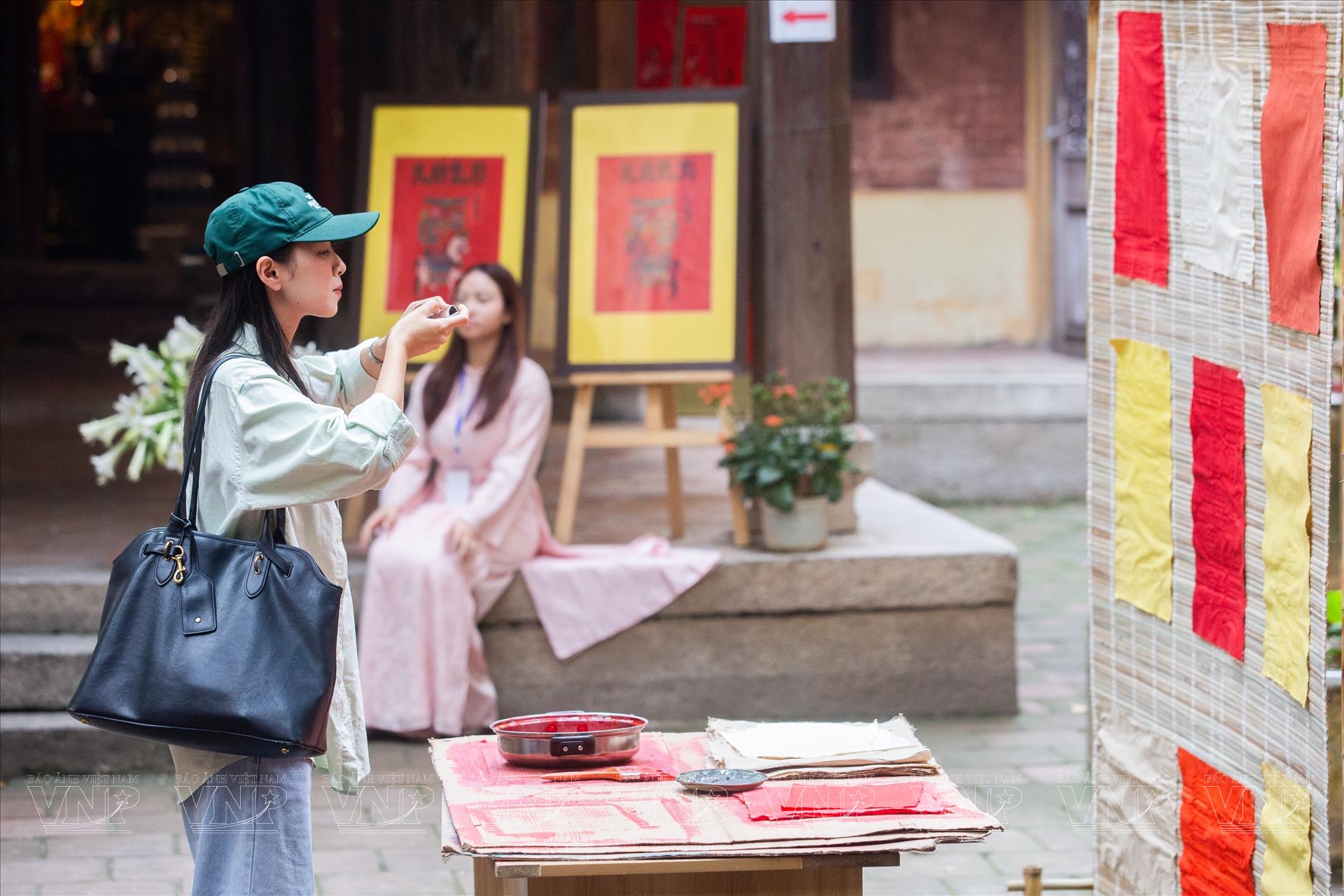
The exhibition at 40 Lan Ong Street presents not only raw, rustic blank sheets of paper but also showcases Do's diverse applications in modern life—ranging from warm-hued lanterns and meticulously bound handmade notebooks to modern paintings. All stand as testaments to the enduring vitality of this forest plant from the northern mountains, transformed through the skillful hands of Vietnamese artisans.
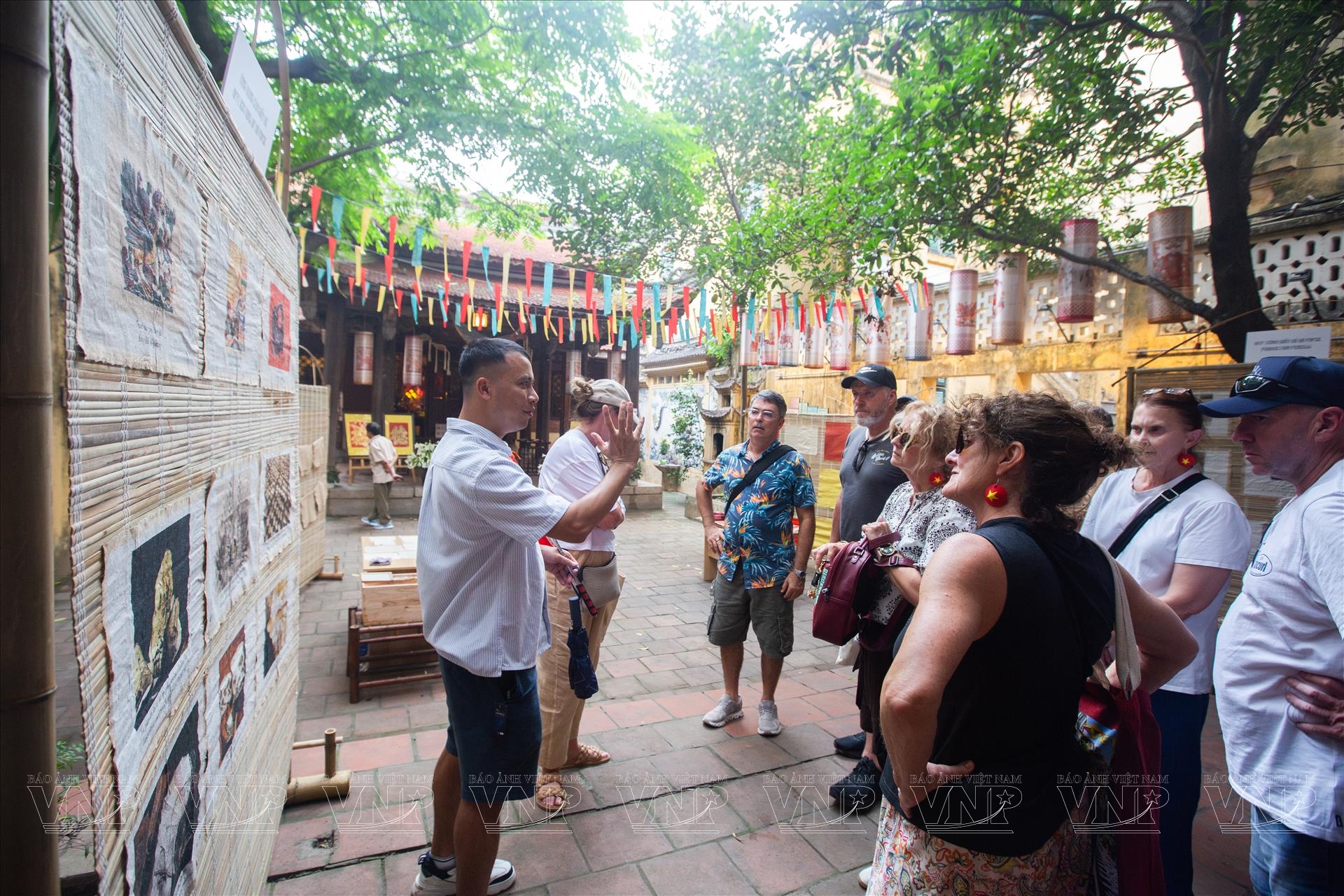
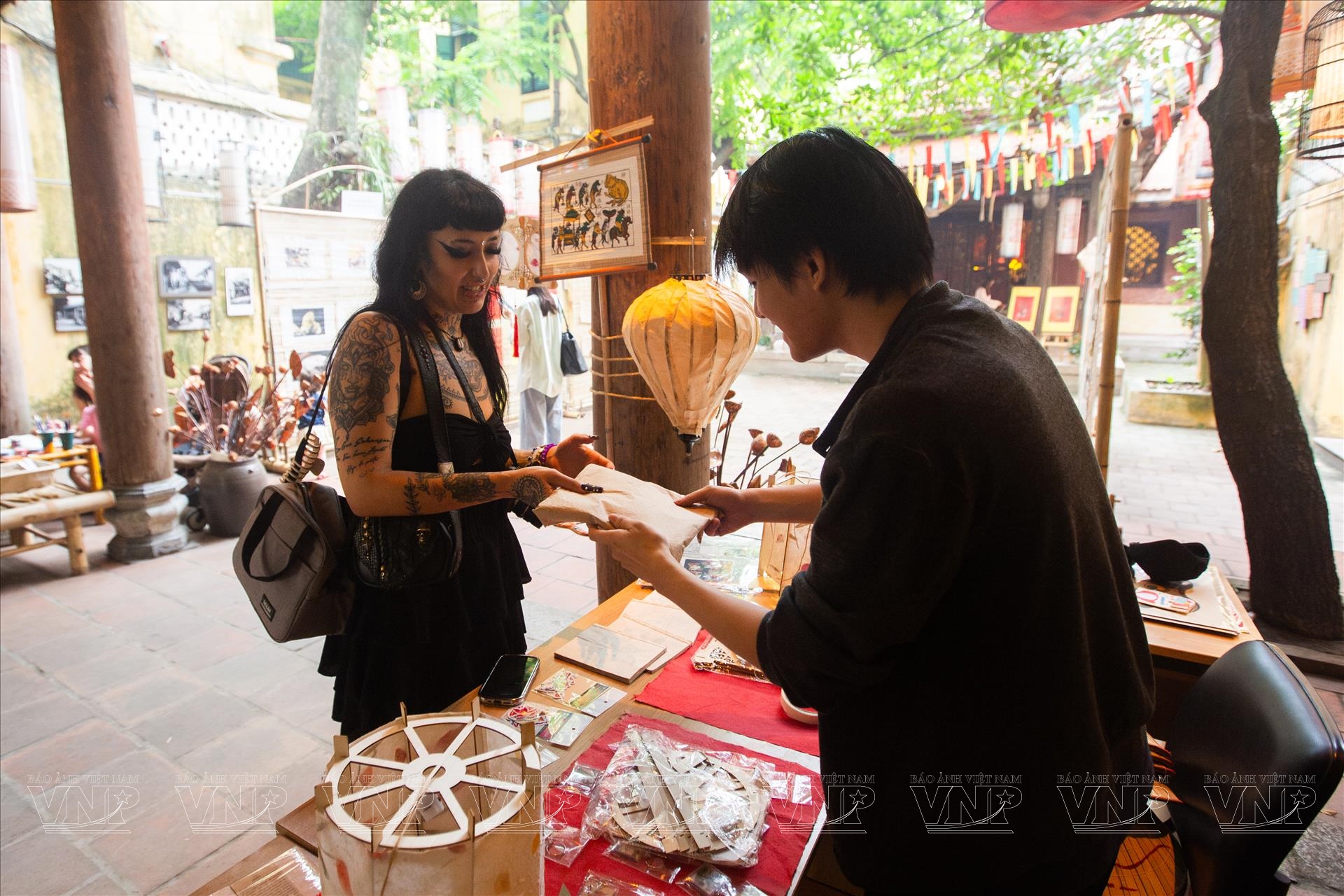
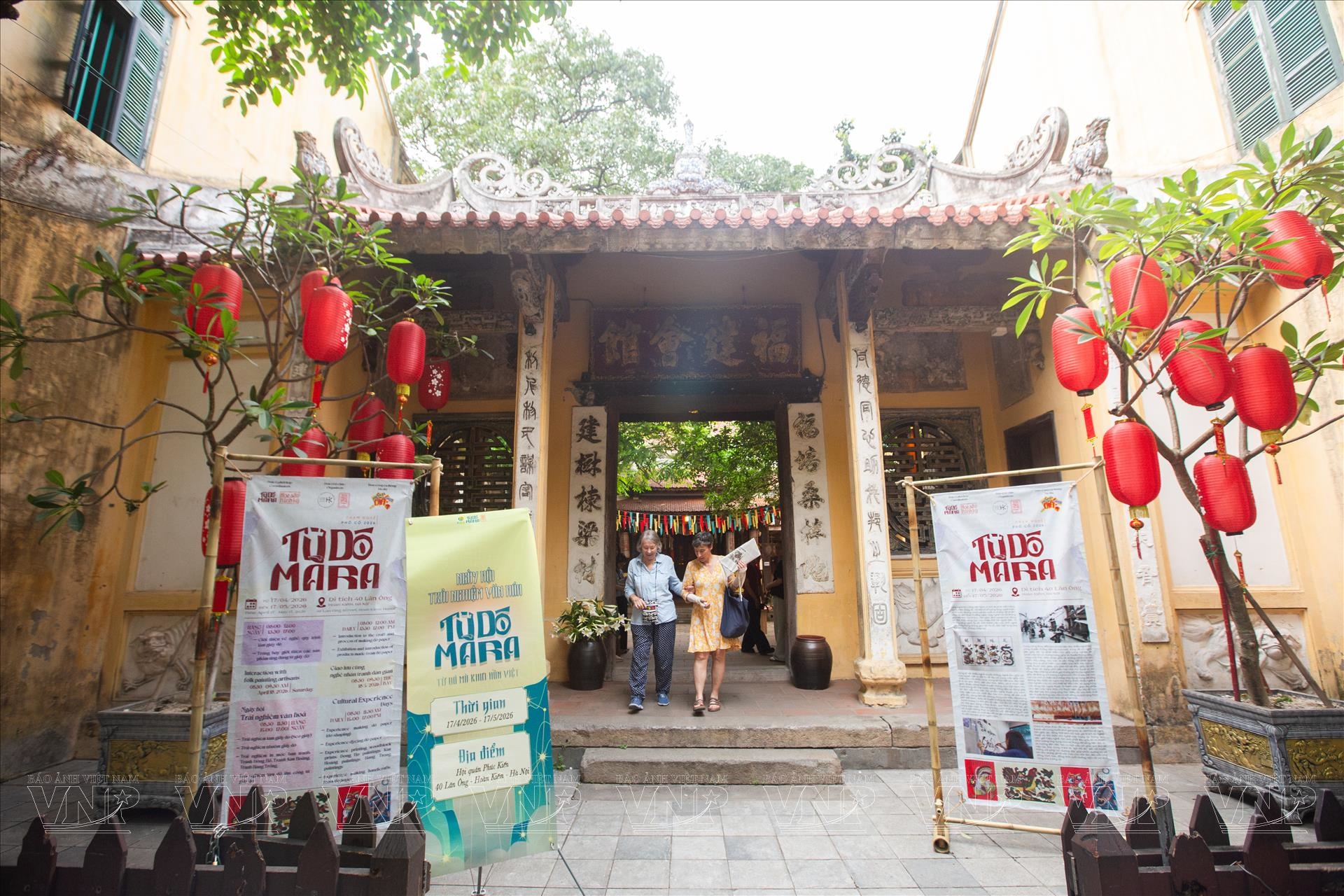
"From Do Paper" has truly fulfilled its mission as a cultural ambassador, connecting tradition with the present and spreading a love for heritage throughout the community./.
Story: Tran Thanh Giang Photos: Khanh Long/VNP