Preserving Tradition with Clean Herbal Incense
For generations, incense making has been a way of life for families in Tran Phu Commune, Hai Phong City. Today, Tran Dinh Quoc is carrying that tradition forward in a new direction.
At his family-run Quoc Bao workshop, he combines time-honored craftsmanship with modern production methods to create clean incense made entirely from natural herbs. The brand has earned a three-star OCOP (One Commune One Product) certification and is now setting its sights on Asian markets.
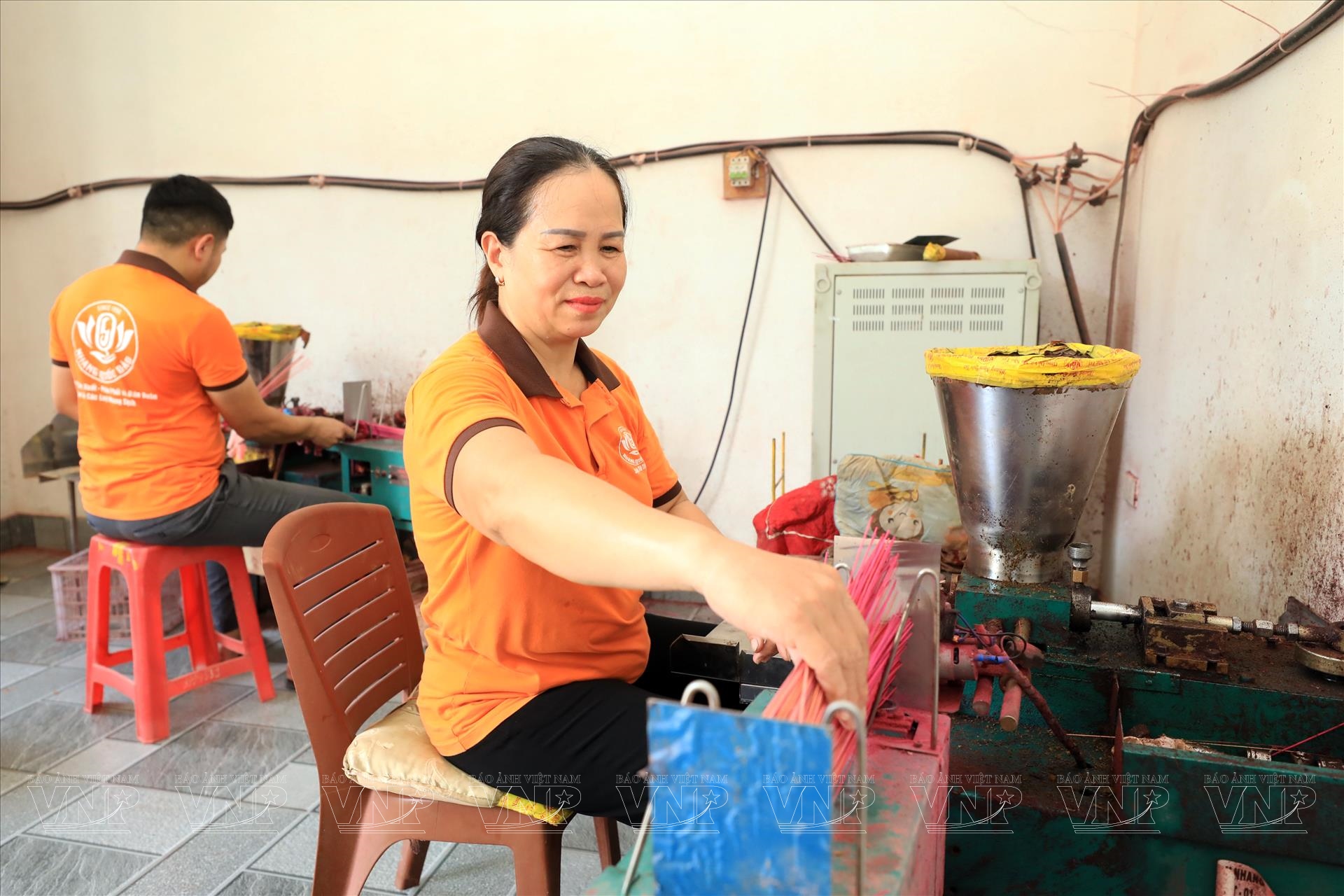
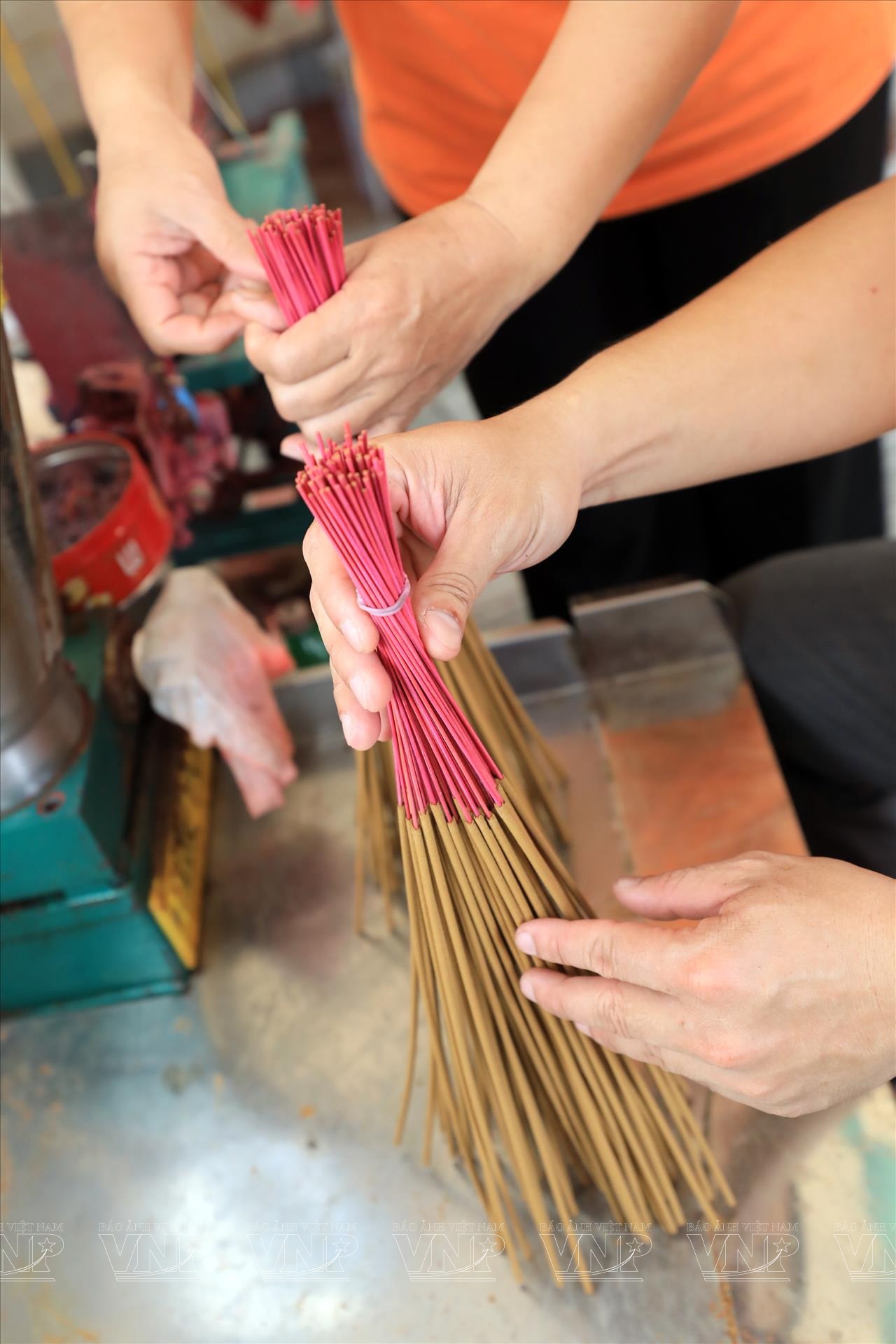
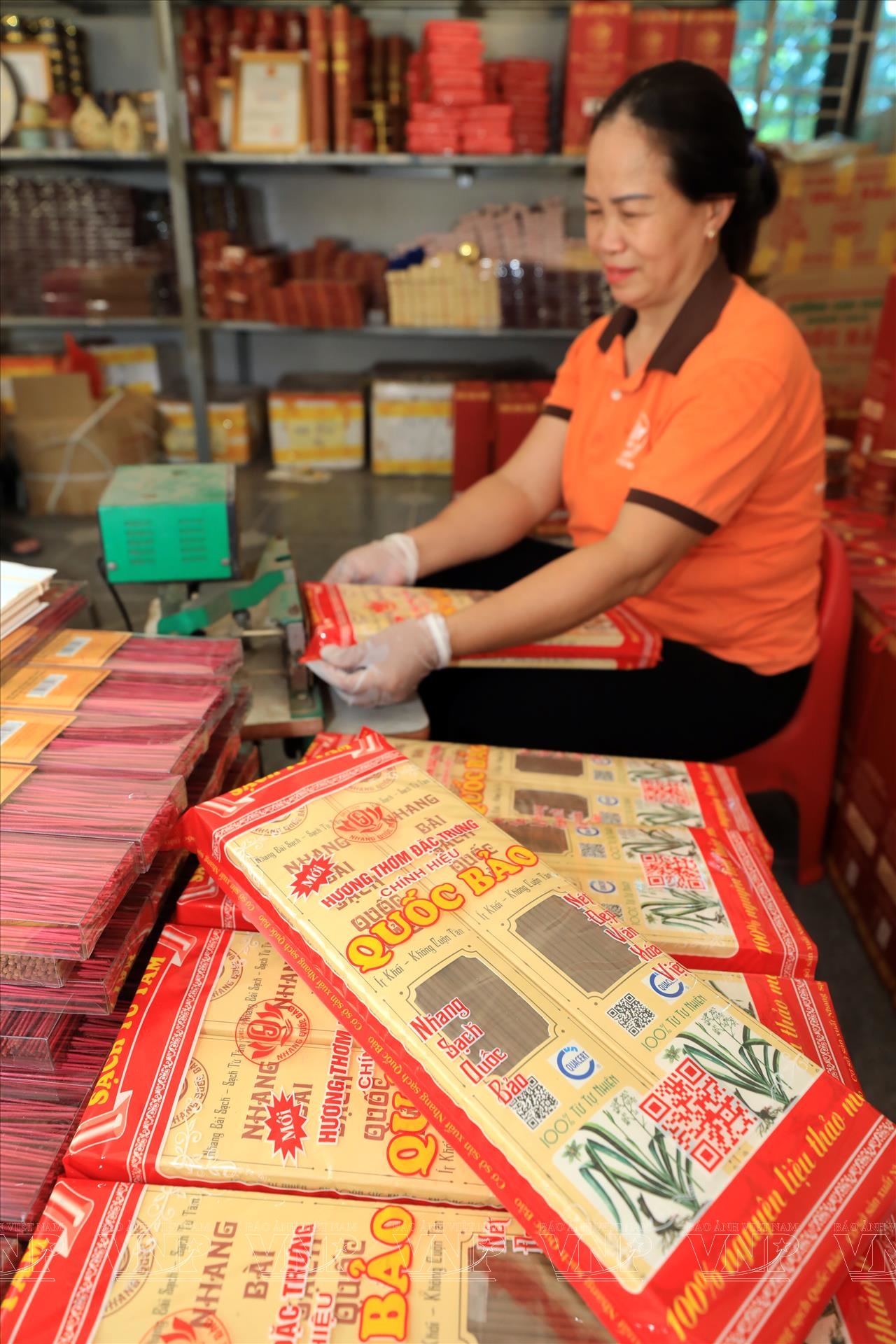
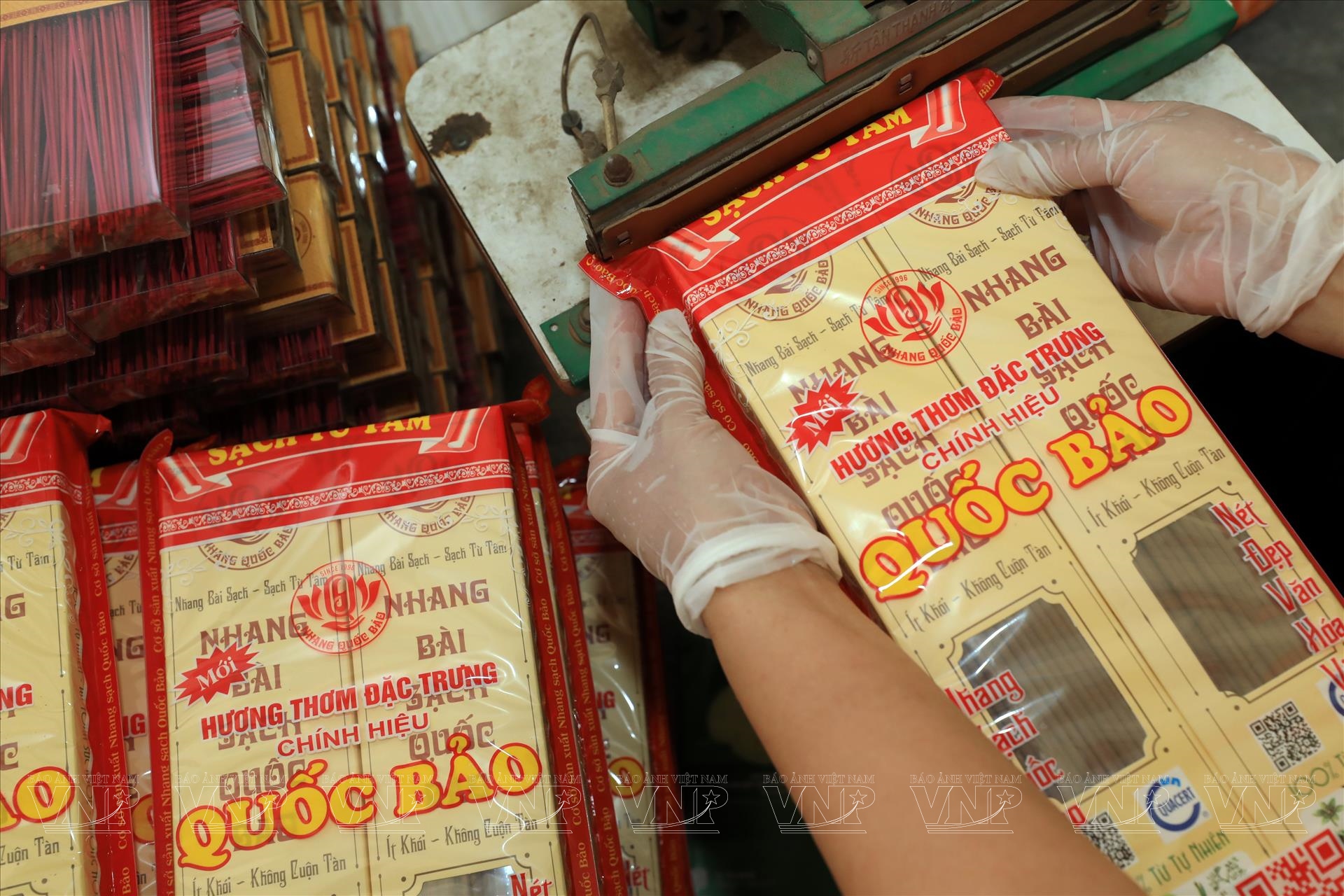
The villages where Quoc grew up have been known for incense making for hundreds of years. In 2006, the three villages of An Xa, Dong Thon, and Truc Tri, now part of Tran Phu Commune, were officially recognized as traditional incense-making villages. Families here have long produced herbal incense using recipes passed down through generations. Carefully blended ingredients such as rhubarb root, wild ginger, and fragrant woods create a distinctive aroma that has become a hallmark of the region. The craft has provided stable jobs for local people while preserving an important part of the area's cultural identity.
Born in 1991, Quoc belongs to a younger generation determined to keep the family tradition alive. After spending several years working in Japan, he returned home to take over the family business with a fresh vision. His goal was not only to preserve the craft but also to adapt it to today's market while staying true to its roots.
Founded as a family workshop in 1996, Quoc Bao continues to produce handmade incense inspired by the traditional techniques of An Xa Village. The workshop offers a wide range of products, including incense sticks, coil incense, and agarwood cones, all presented in modern, attractive packaging. What sets Quoc Bao apart, however, is its commitment to using only 100 percent natural ingredients.
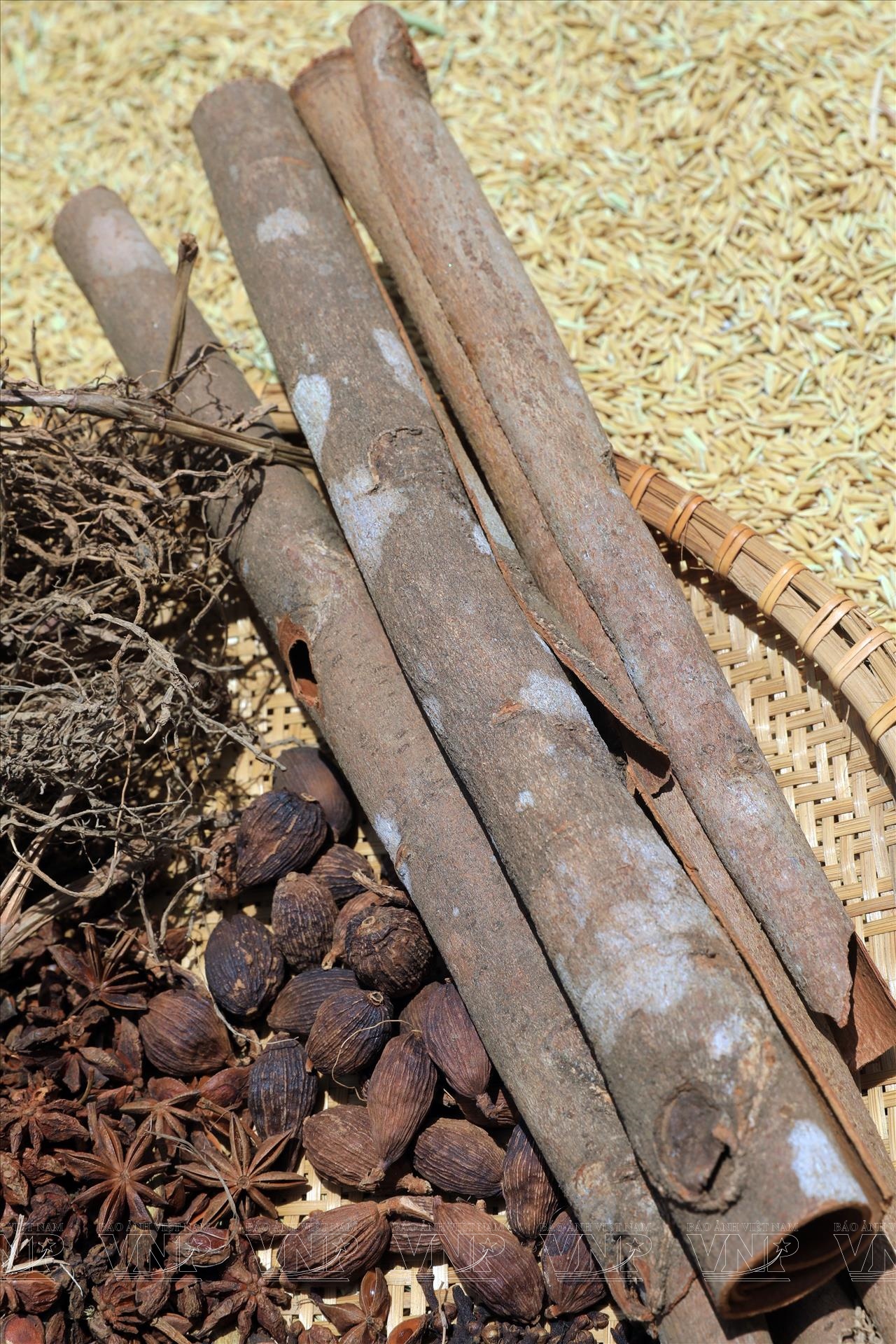
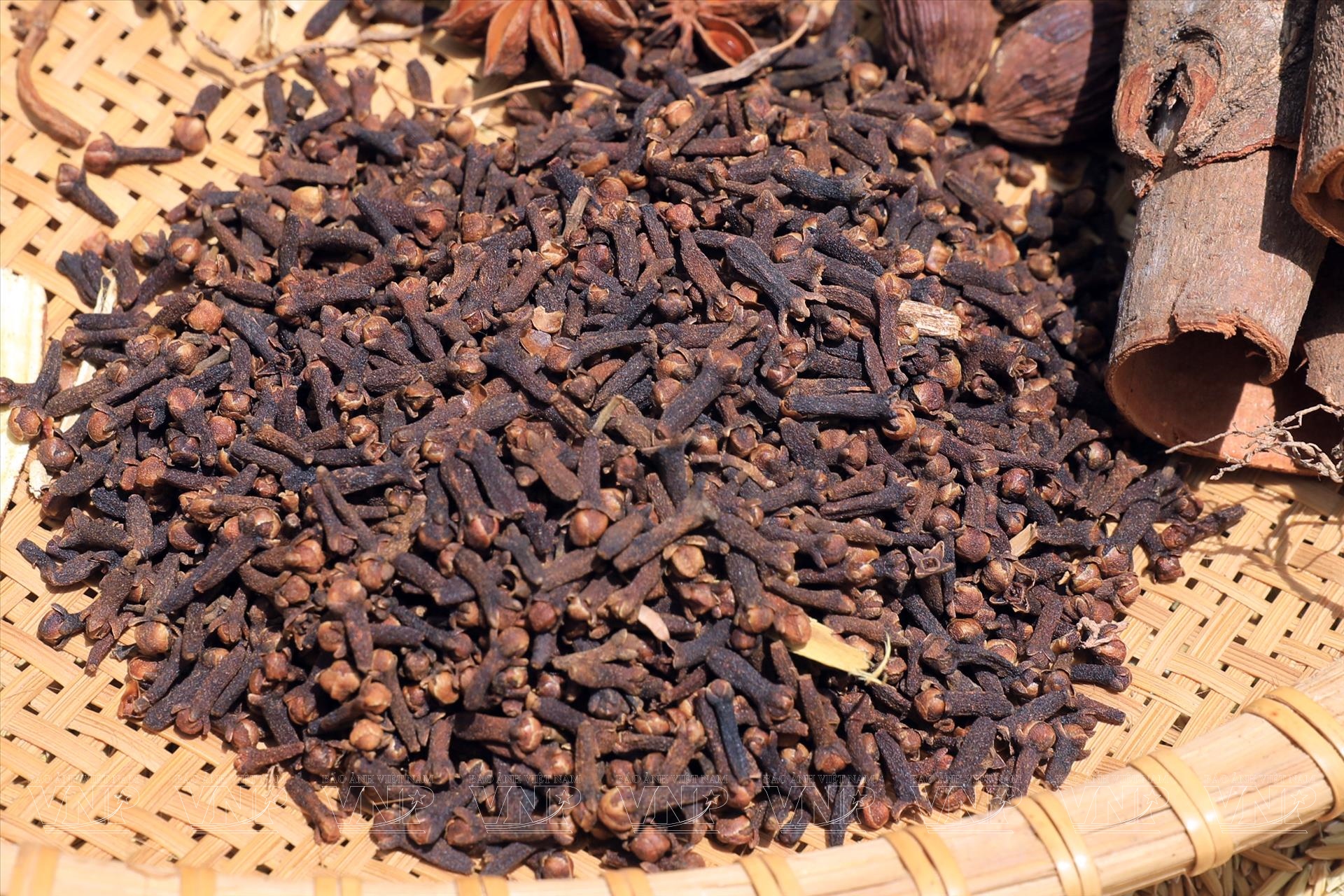
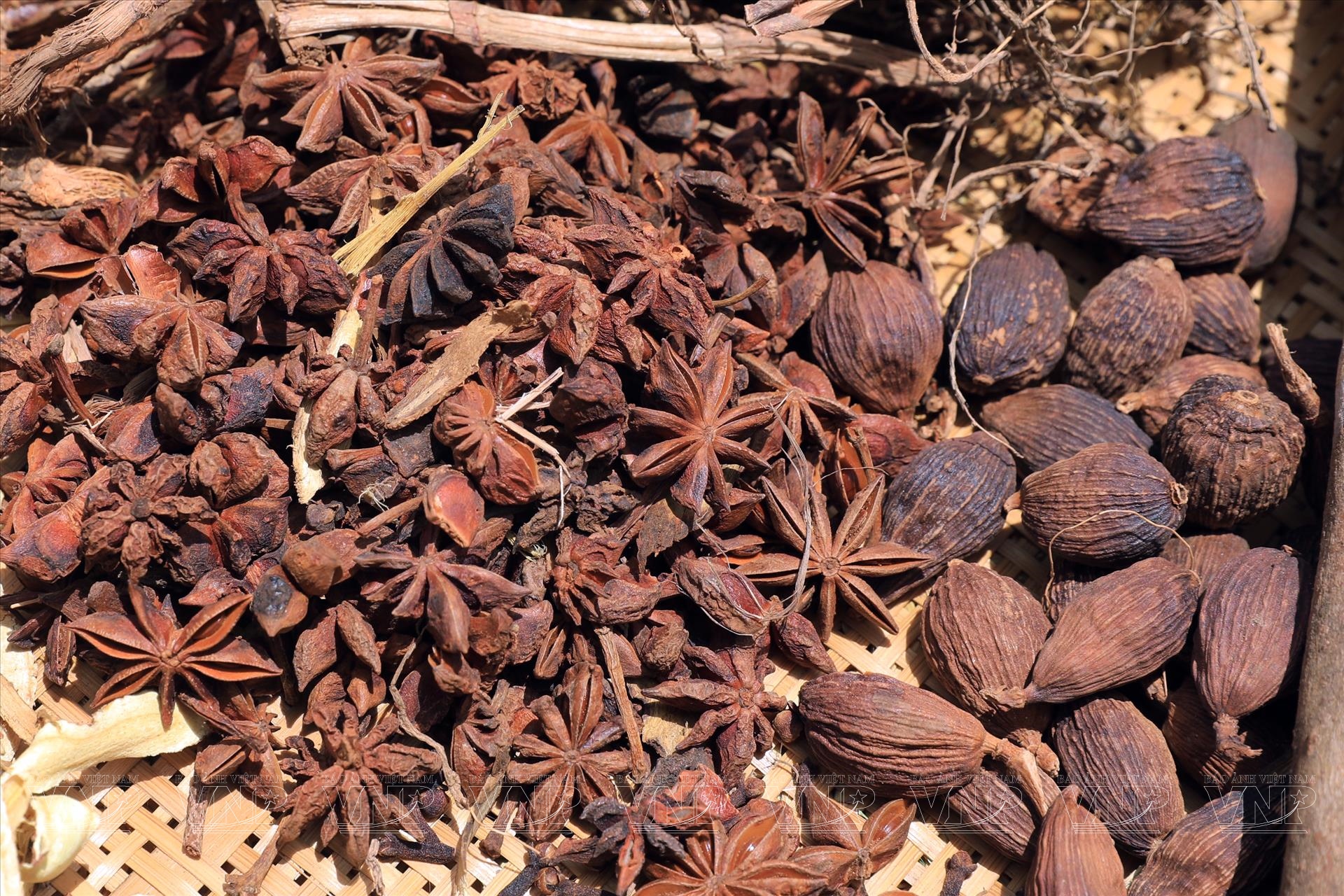
The herbs and medicinal plants used in the incense, including roots and traditional herbal ingredients, are sourced from natural growing areas in Nghe An Province. As a result, the incense has a gentle, pleasant fragrance without synthetic chemicals. It burns evenly, produces little smoke, and leaves a lasting aroma. Every step, from selecting raw materials to pressing and finishing the incense, is carefully monitored to ensure quality.
"A stick of clean incense brings more than fragrance," Quoc said. "It also brings peace and well-being to every home."
His years in Japan also inspired improvements in the workshop's operations. Drawing on Japanese management practices, Quoc invested in modern equipment, including automated mixers and incense-forming machines, while maintaining the traditional recipes. The upgraded production line has created a cleaner, safer workplace, improved efficiency, and reduced physical labor.
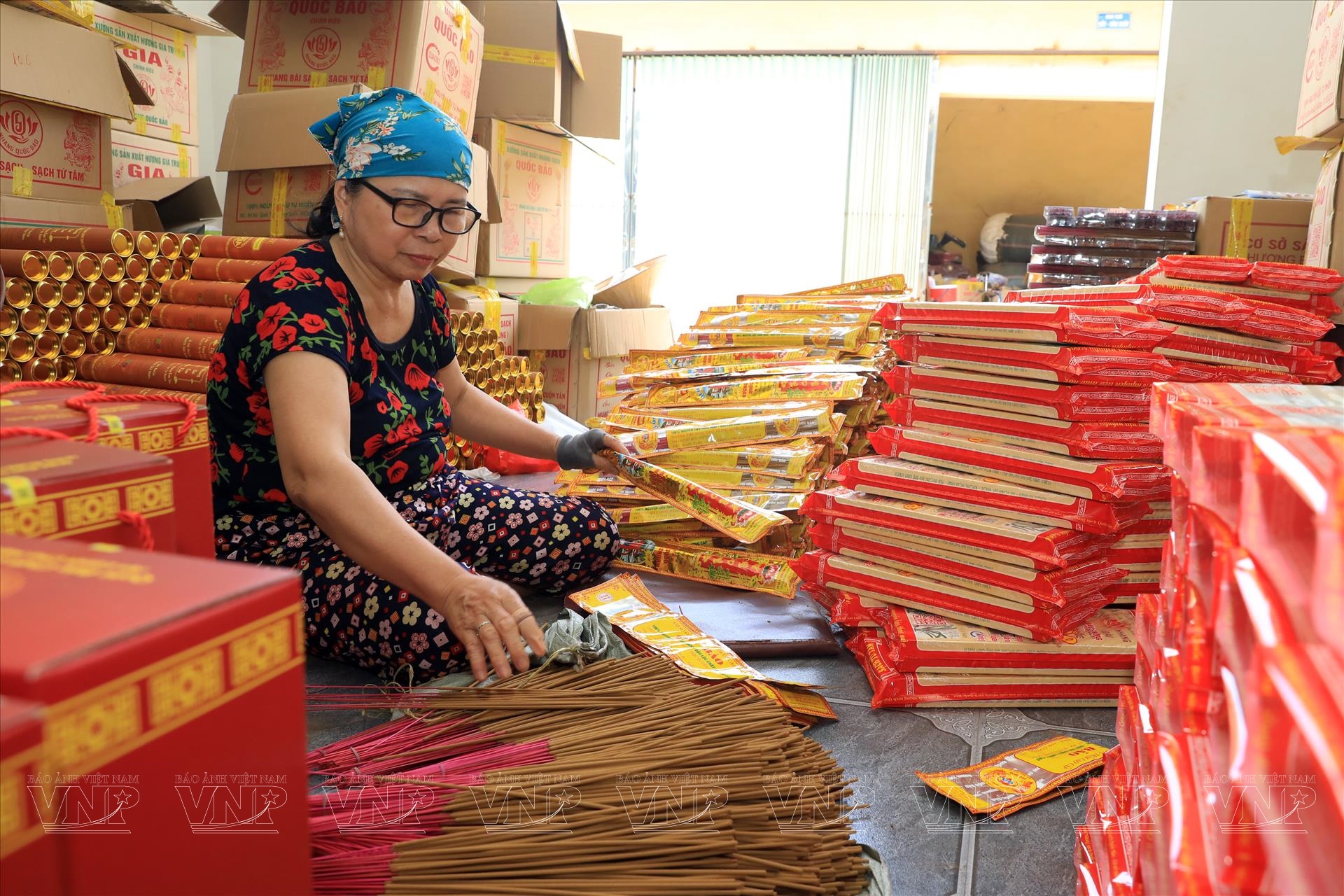
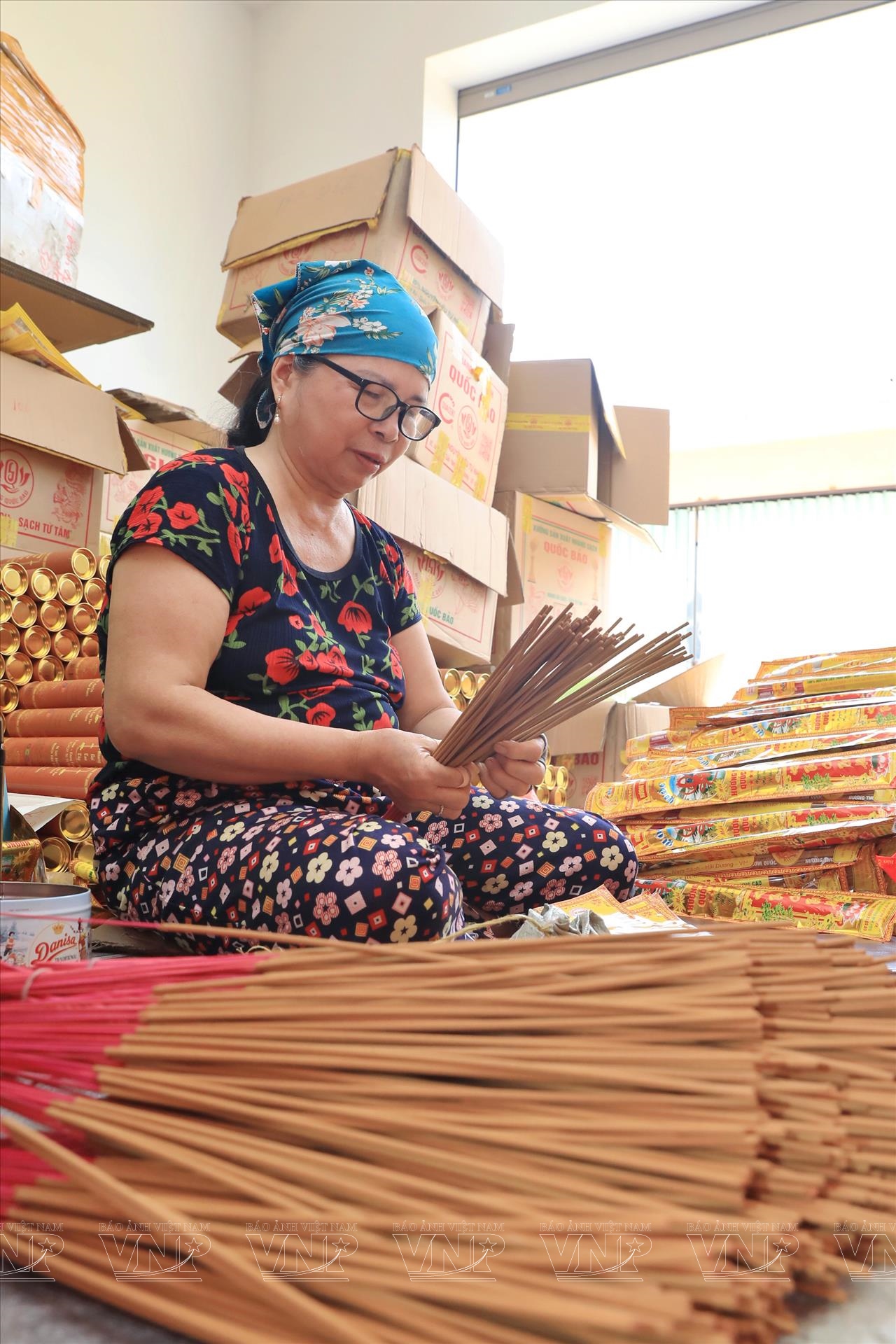
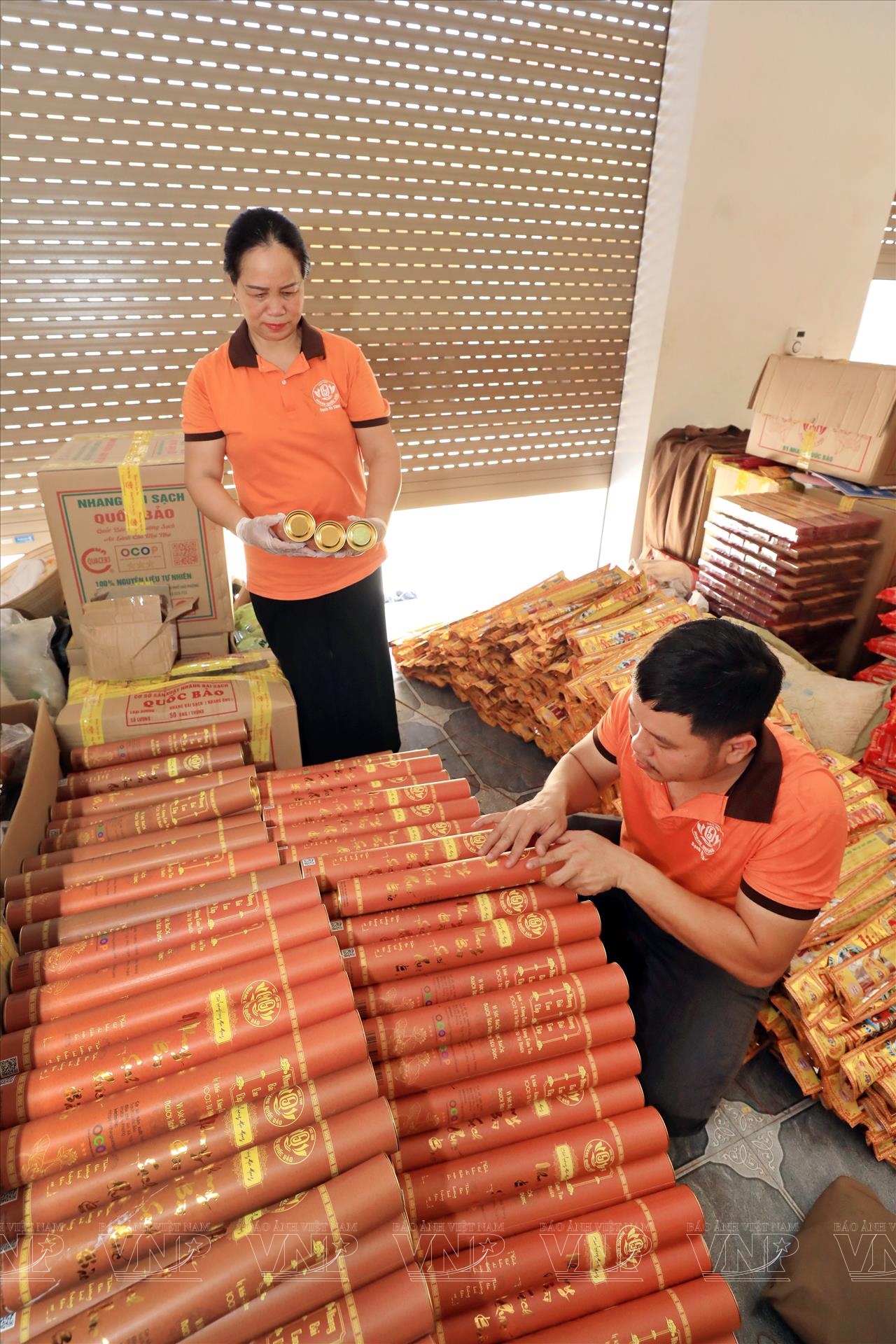
The results have been remarkable. Daily production has increased from about 60kg to as much as 600kg, giving the workshop the capacity to meet growing demand at home and abroad. Quoc Bao incense has already attracted international visitors who purchase the products while exploring the traditional craft village. According to Quoc, many appreciate not only the quality of the incense but also the local culture and craftsmanship behind it.
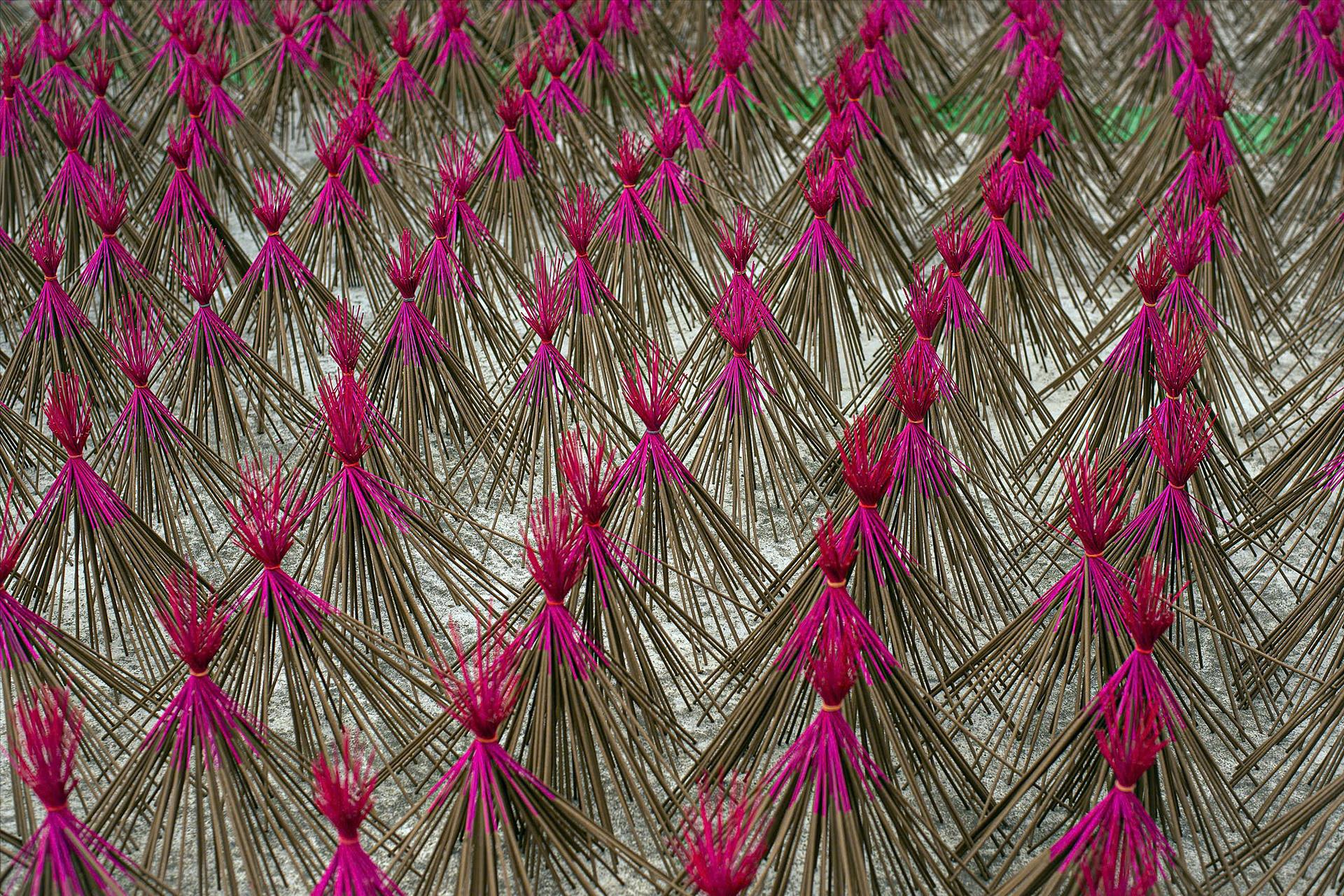
A visit to An Xa Village offers a glimpse into this living tradition. Along village roads, in courtyards, and outside family homes, bundles of bright red incense dry in the sun, creating colorful scenes that have become symbols of Vietnam's traditional craft villages. Inside the Quoc Bao workshop, the gentle scent of freshly ground herbs fills the air as workers carefully package, stamp, and lay out incense to dry. Their quiet dedication reflects the enduring beauty of rural craftsmanship.
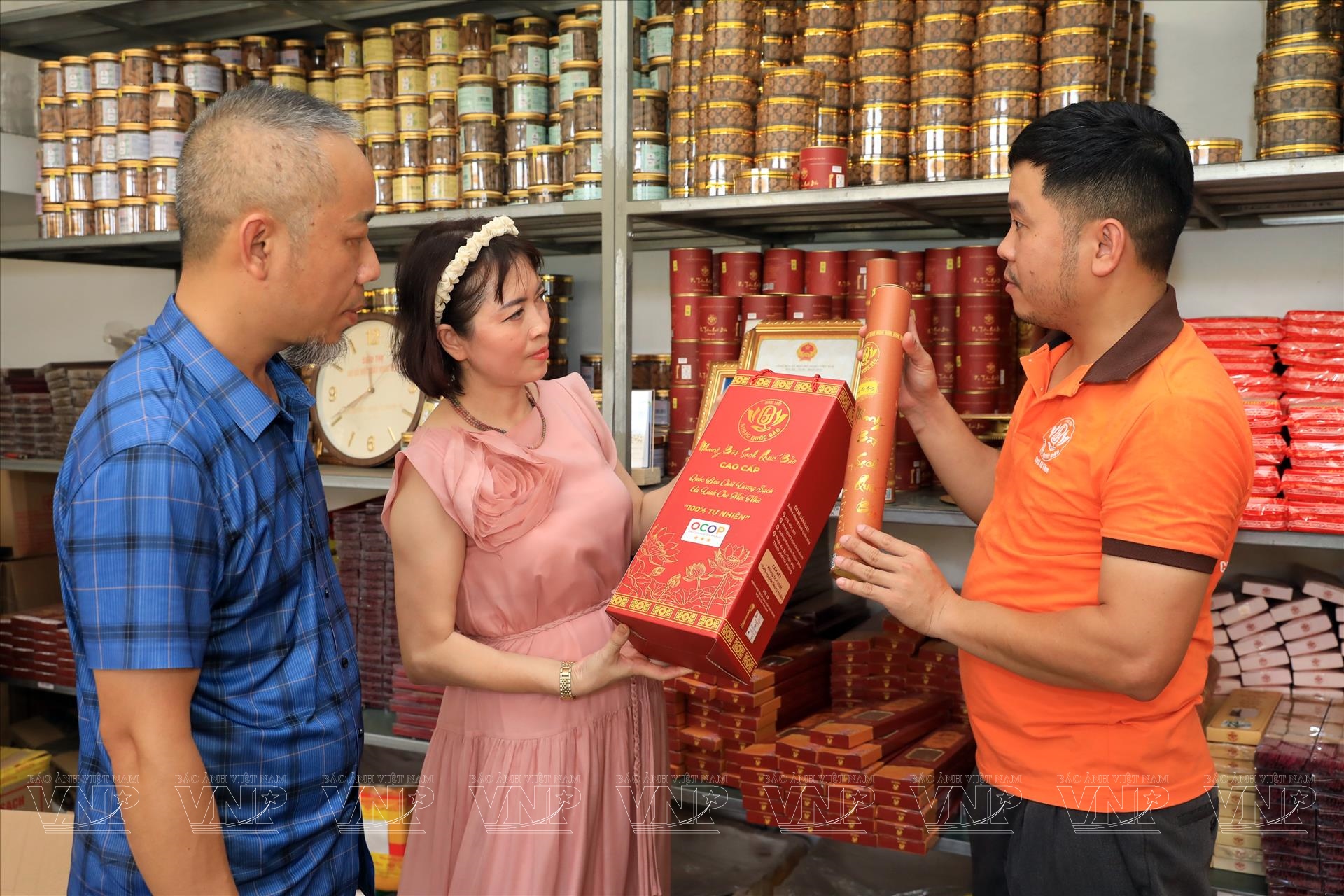
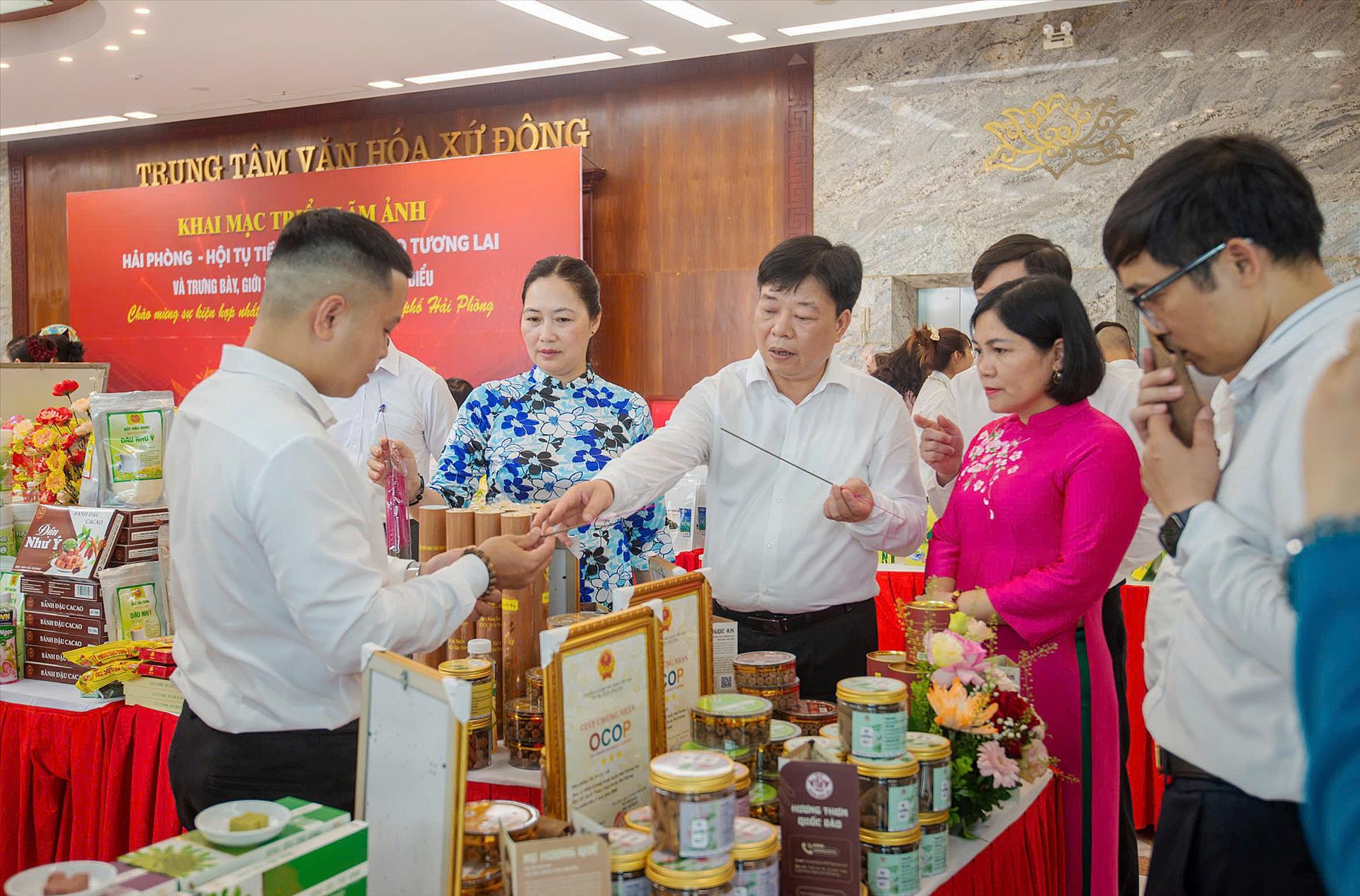
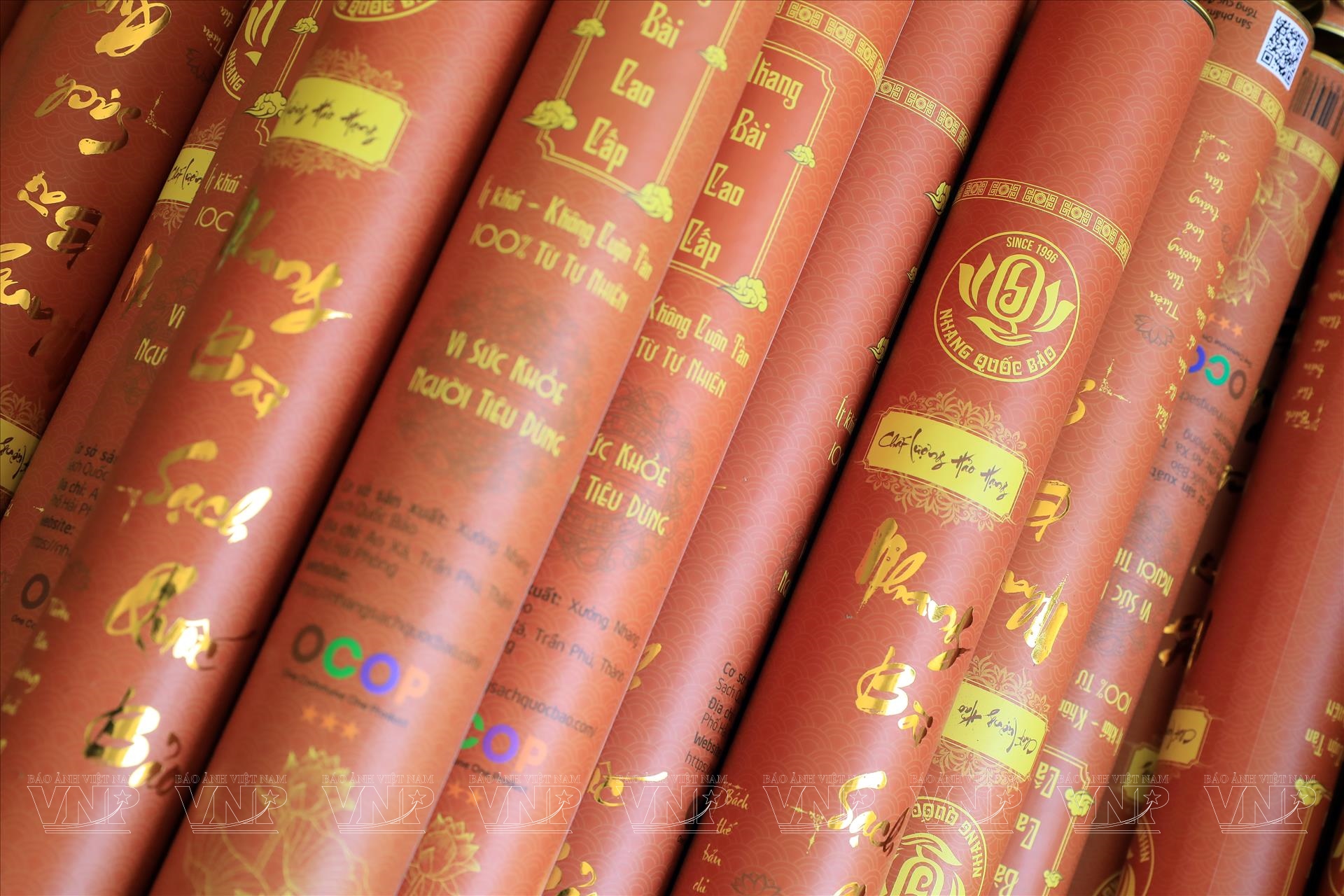
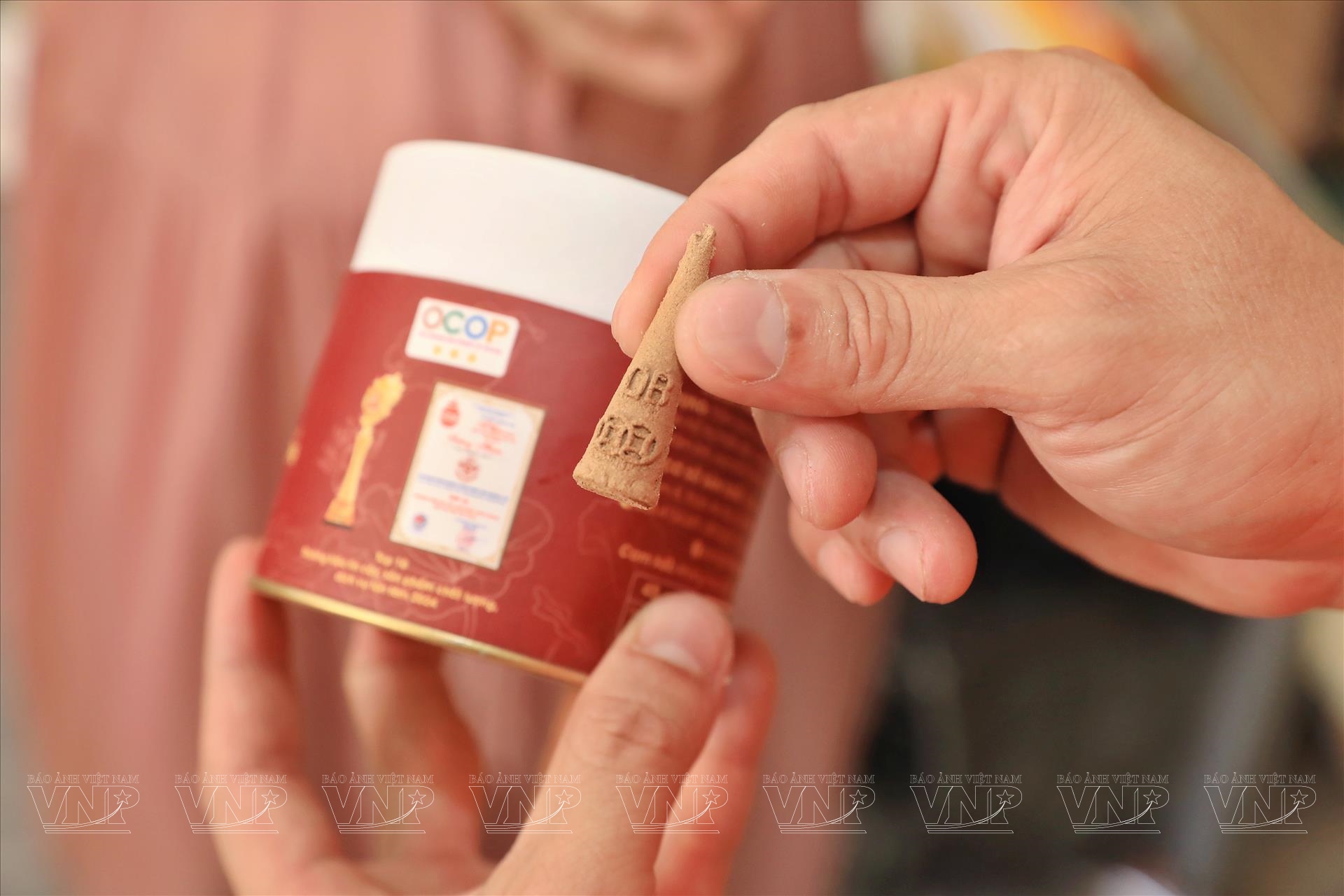
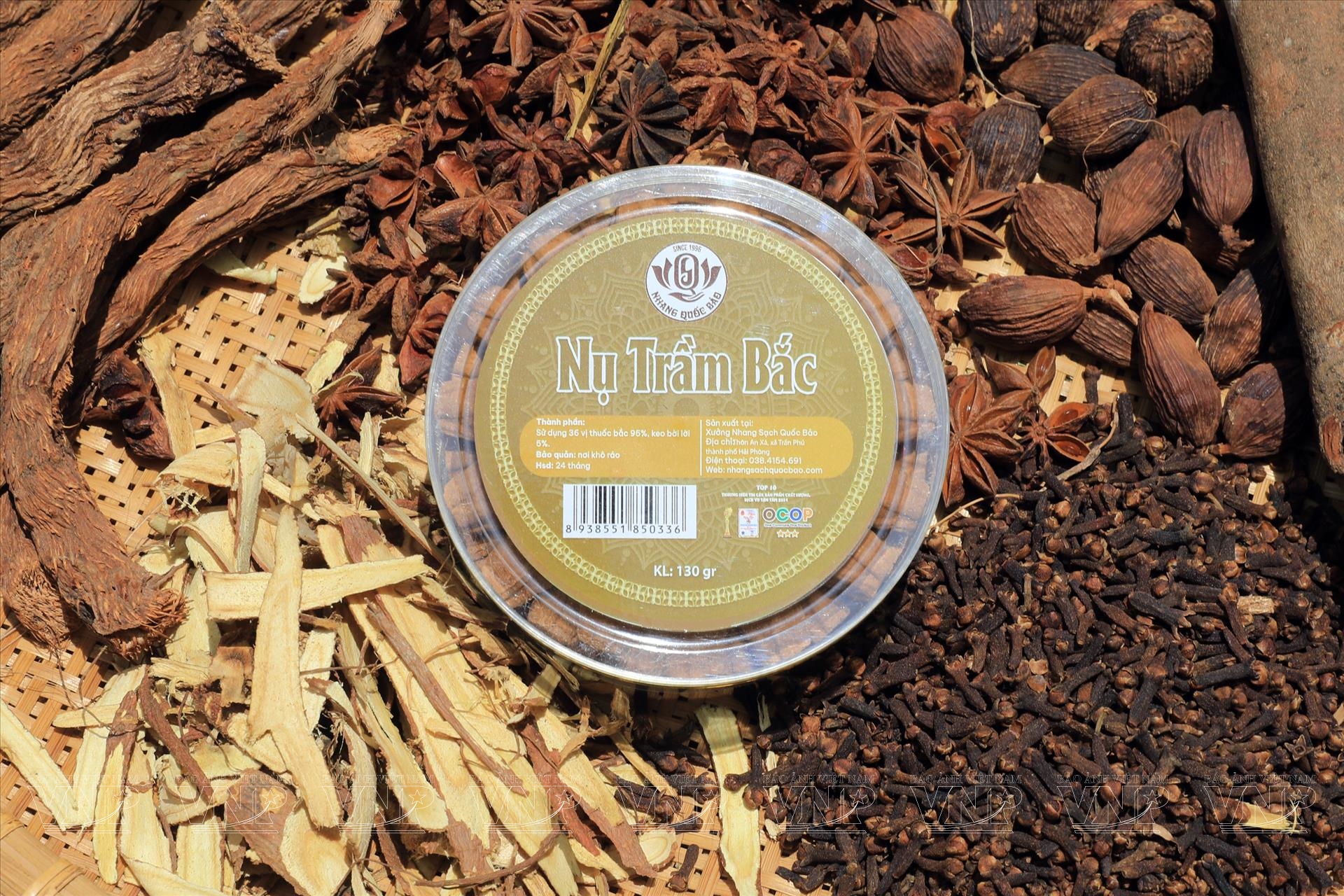
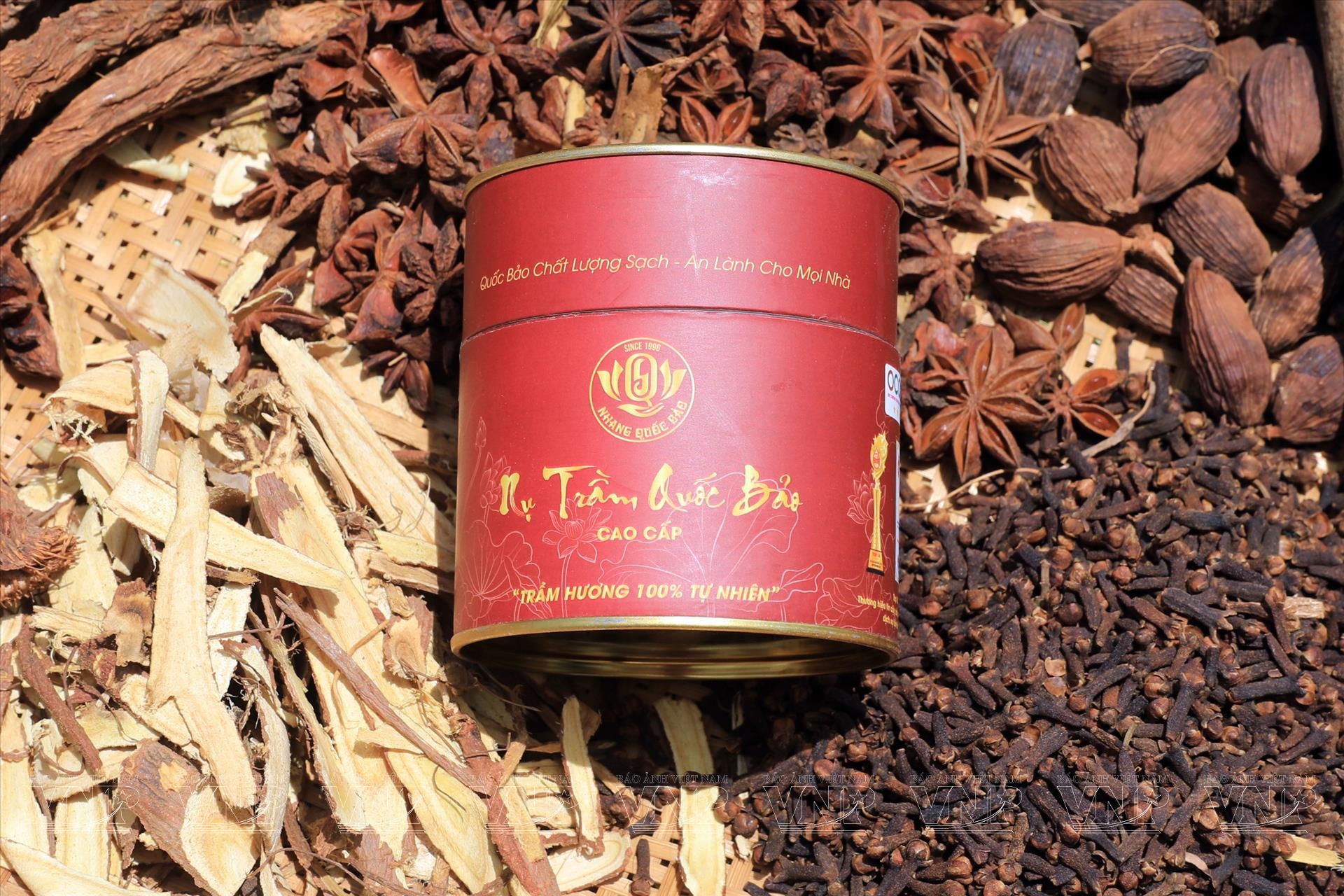
Today, Quoc Bao products are sold through distributors across Vietnam and on e-commerce platforms. The workshop provides stable jobs for local residents, with average monthly incomes of 8 to 10 million dong (nearly 400 US dollars).
Looking ahead, Quoc is developing a new herbal incense project as part of a national innovation program for young entrepreneurs. His ambition is to introduce Quoc Bao's "clean from the heart" incense to international markets while helping preserve the traditional craft village and sharing the cultural values of Vietnam with the world.
Story: Tran Van Photos: Tran Thanh Giang & Files