Muong Chong Commune Taps Potential for Community-Based Tourism
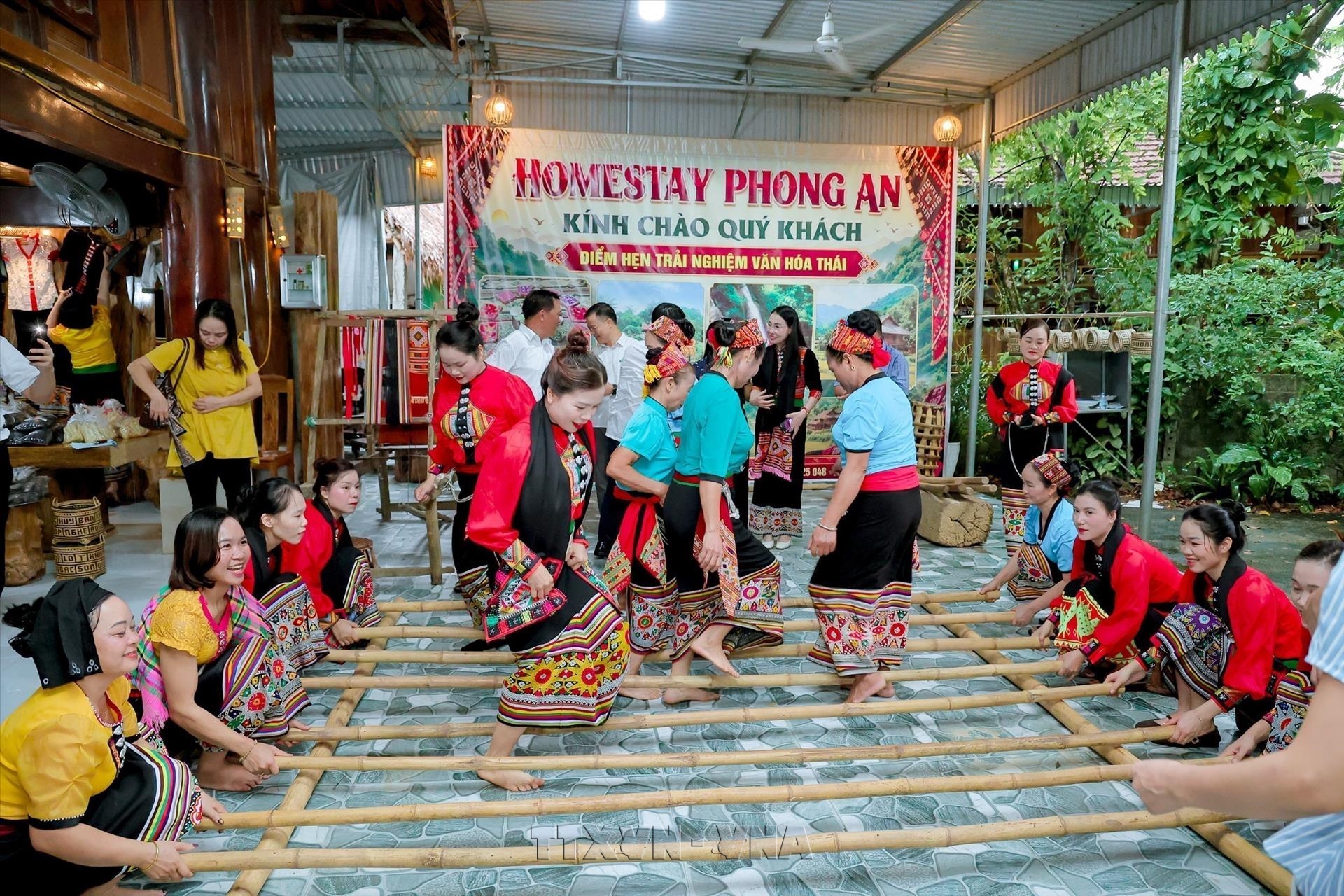
Once home to impoverished highland villages of the Thai ethnic minority group, Muong Chong commune in Nghe An province has undergone a remarkable transformation through the development of community-based tourism.
Today, Muong Chong is emerging as a cultural and eco-tourism destination that preserves local ethnic identity while creating a sustainable path out of poverty for local residents.
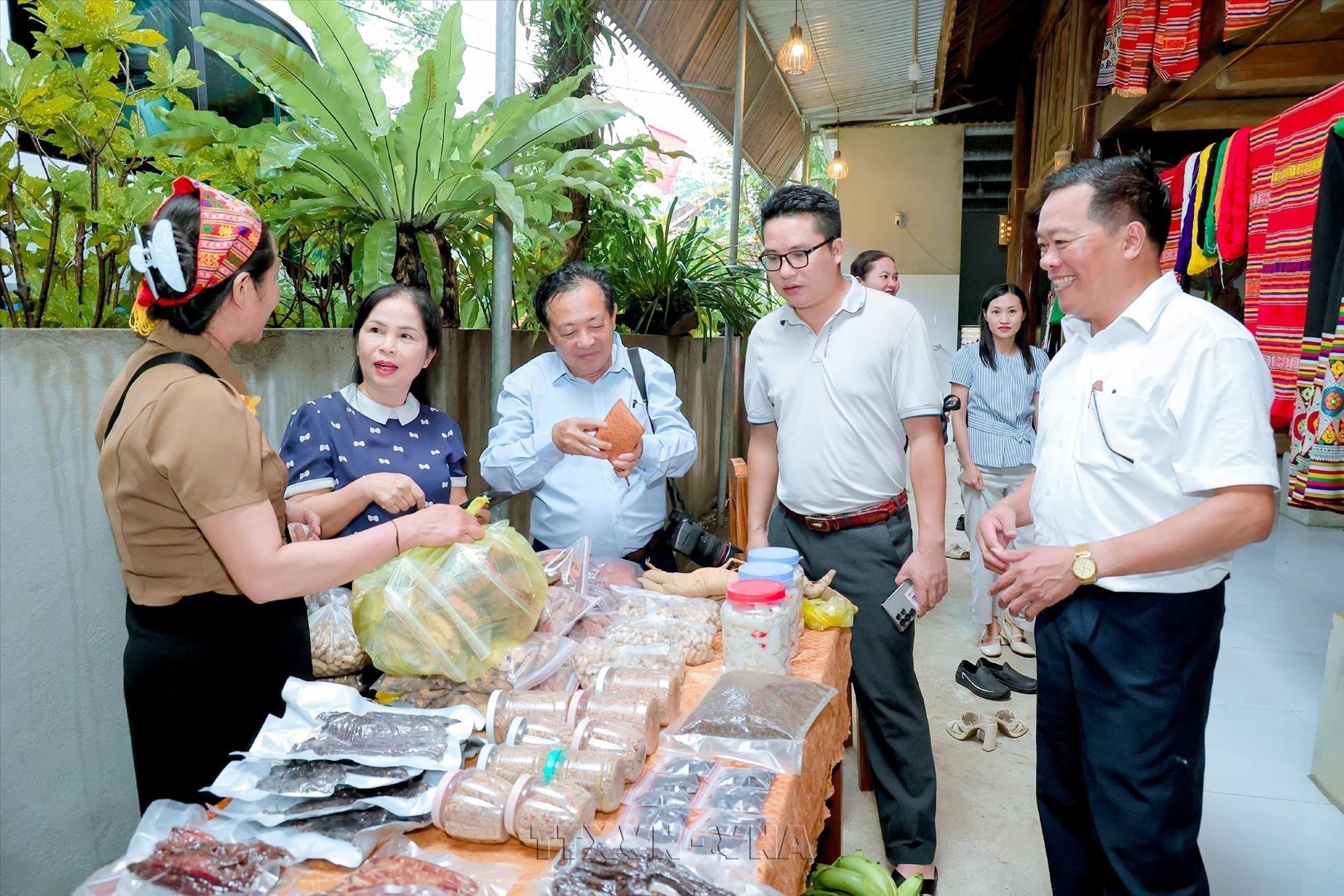
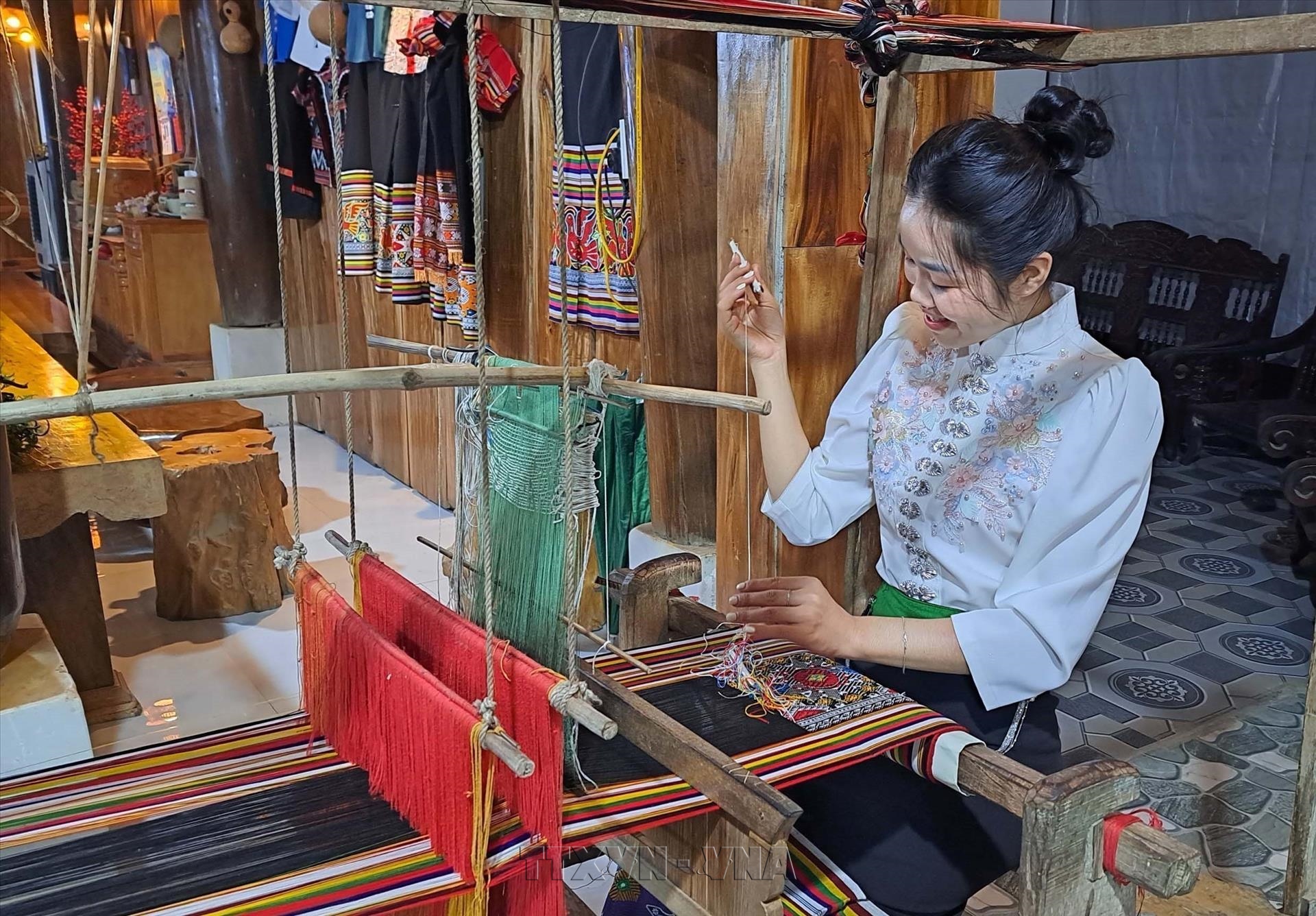
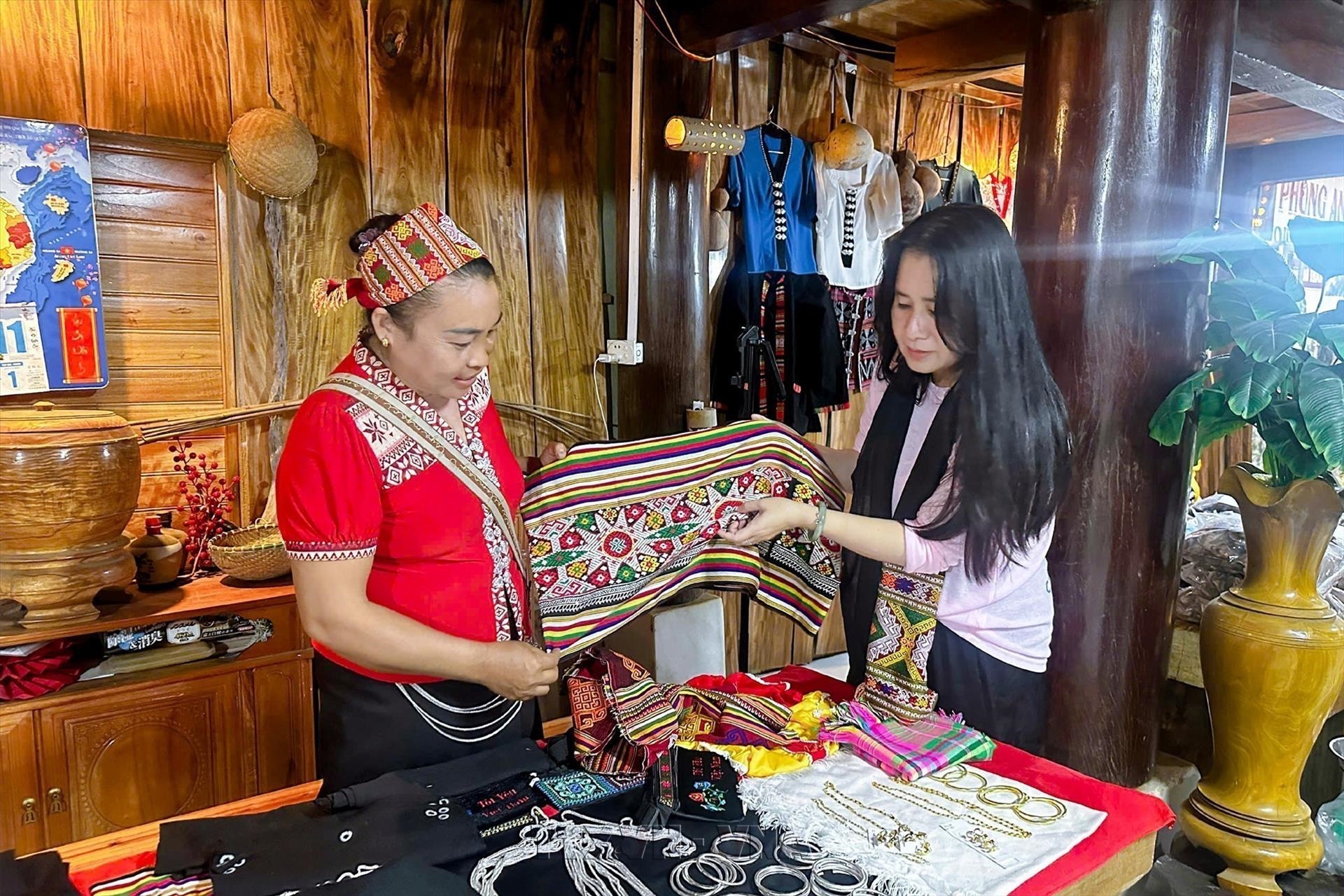
The commune is blessed with beautiful natural landscapes, including forests, streams and mountains, which provide a strong foundation for tourism development. Equally important is its rich cultural heritage, carefully preserved and passed down through generations.
Traditional houses, customs, cuisine, folk music, dances and handicrafts have become an integral part of the community-based tourism experience. Visitors can experience local culture in its natural setting and learn about the daily lives of the Thai people.
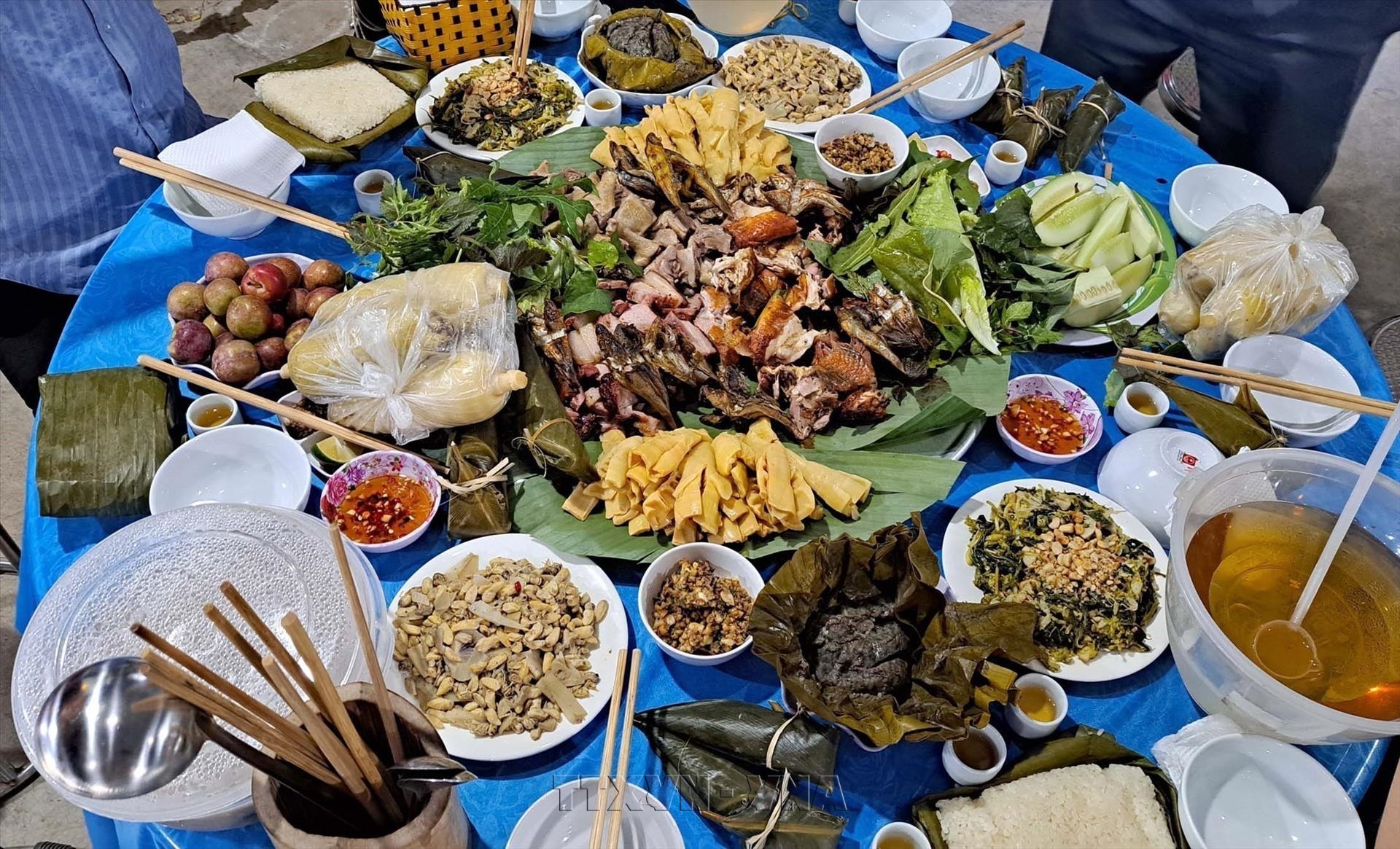
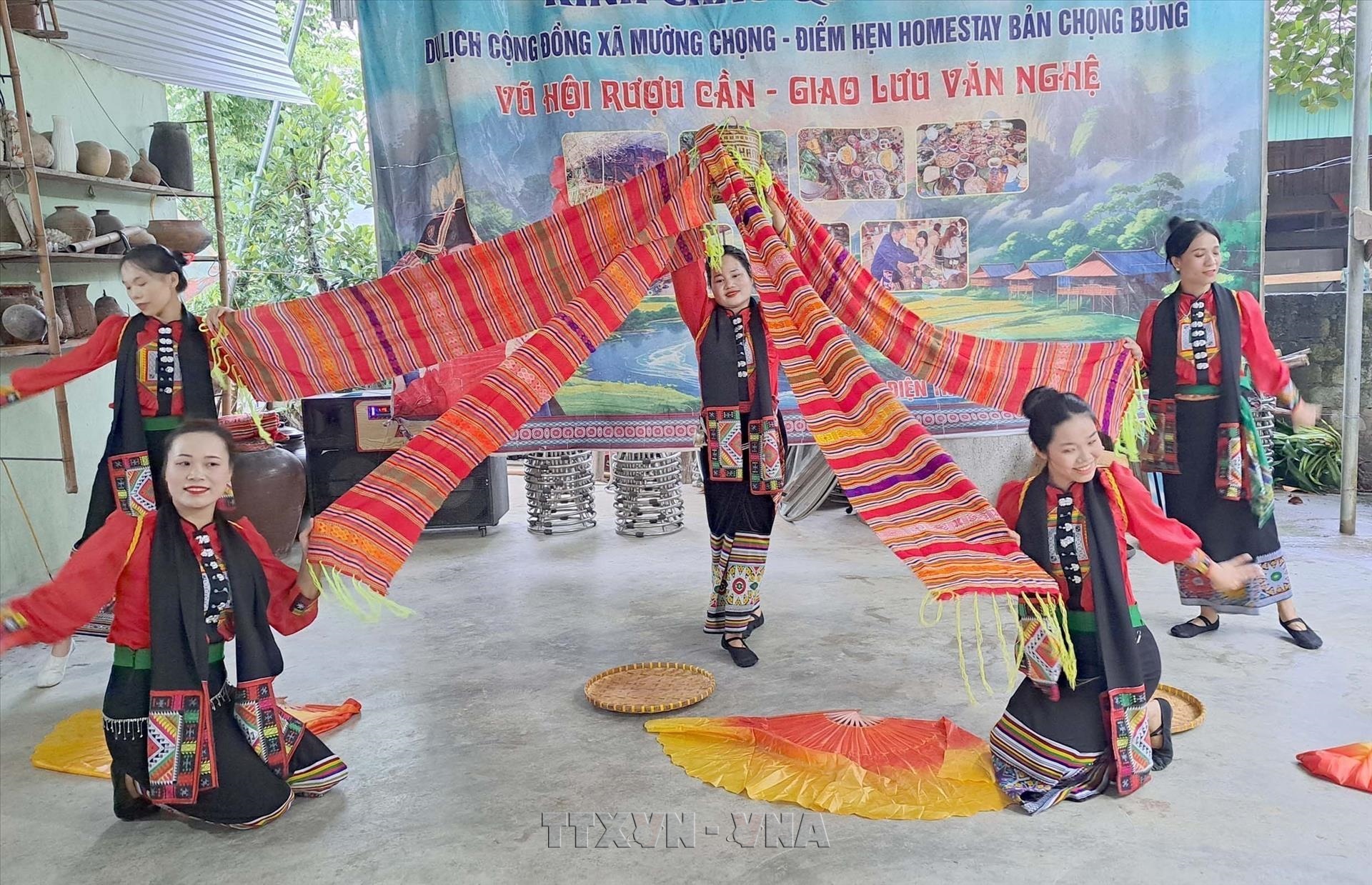
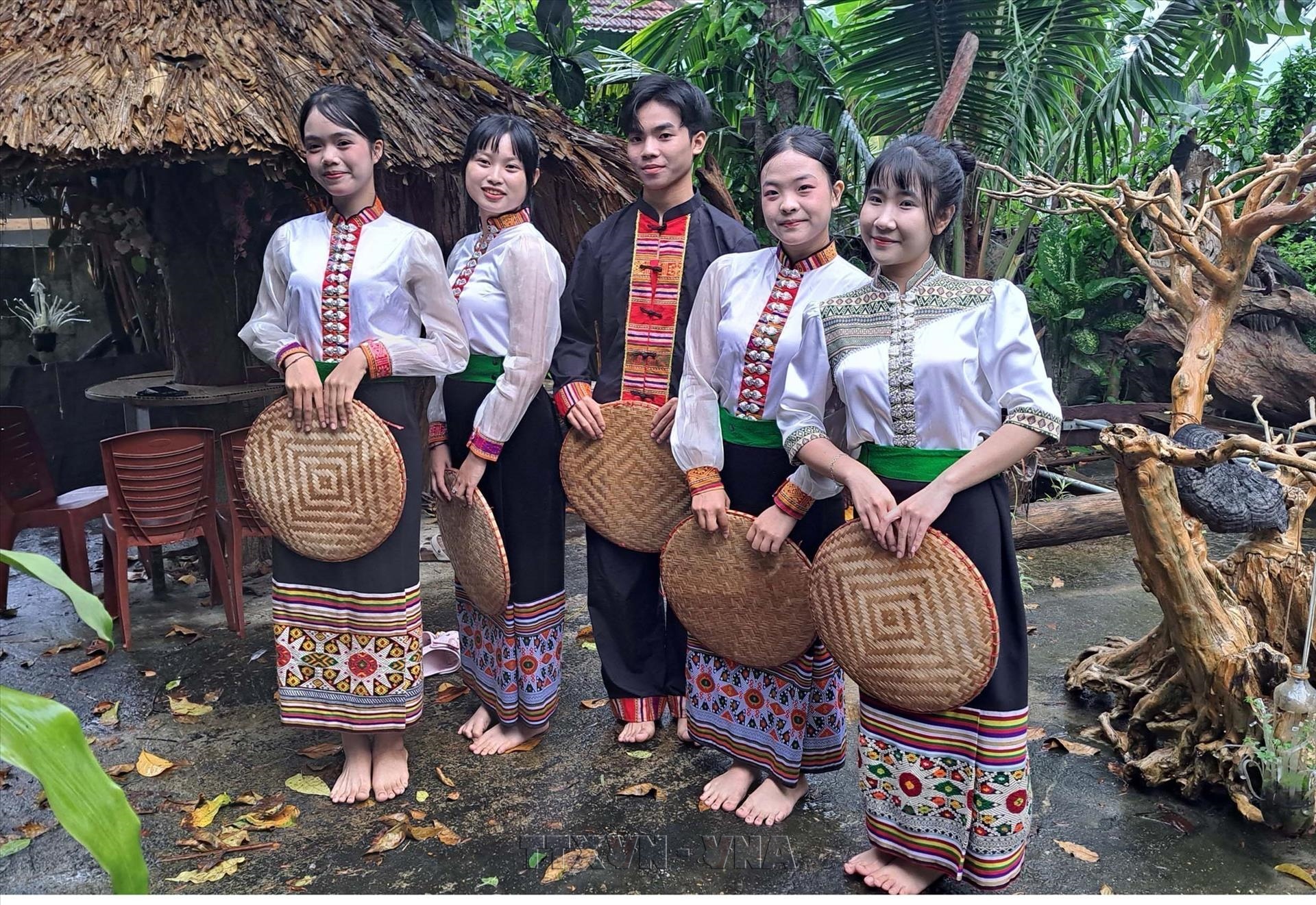
A key feature of Muong Chong’s approach is that traditional culture is kept alive within the community rather than simply recreated for festivals or performances. Local residents play a central role in welcoming visitors, providing homestay services and sharing their traditions.
Through tourism, cultural preservation and livelihood development are closely linked. The model has not only helped improve local incomes but also encouraged residents to value and protect their cultural heritage and natural environment, laying the foundation for sustainable tourism development in the commune.
By VNA/VNP