Lo Lo Chai & Quynh Son: Best Tourism Villages 2025

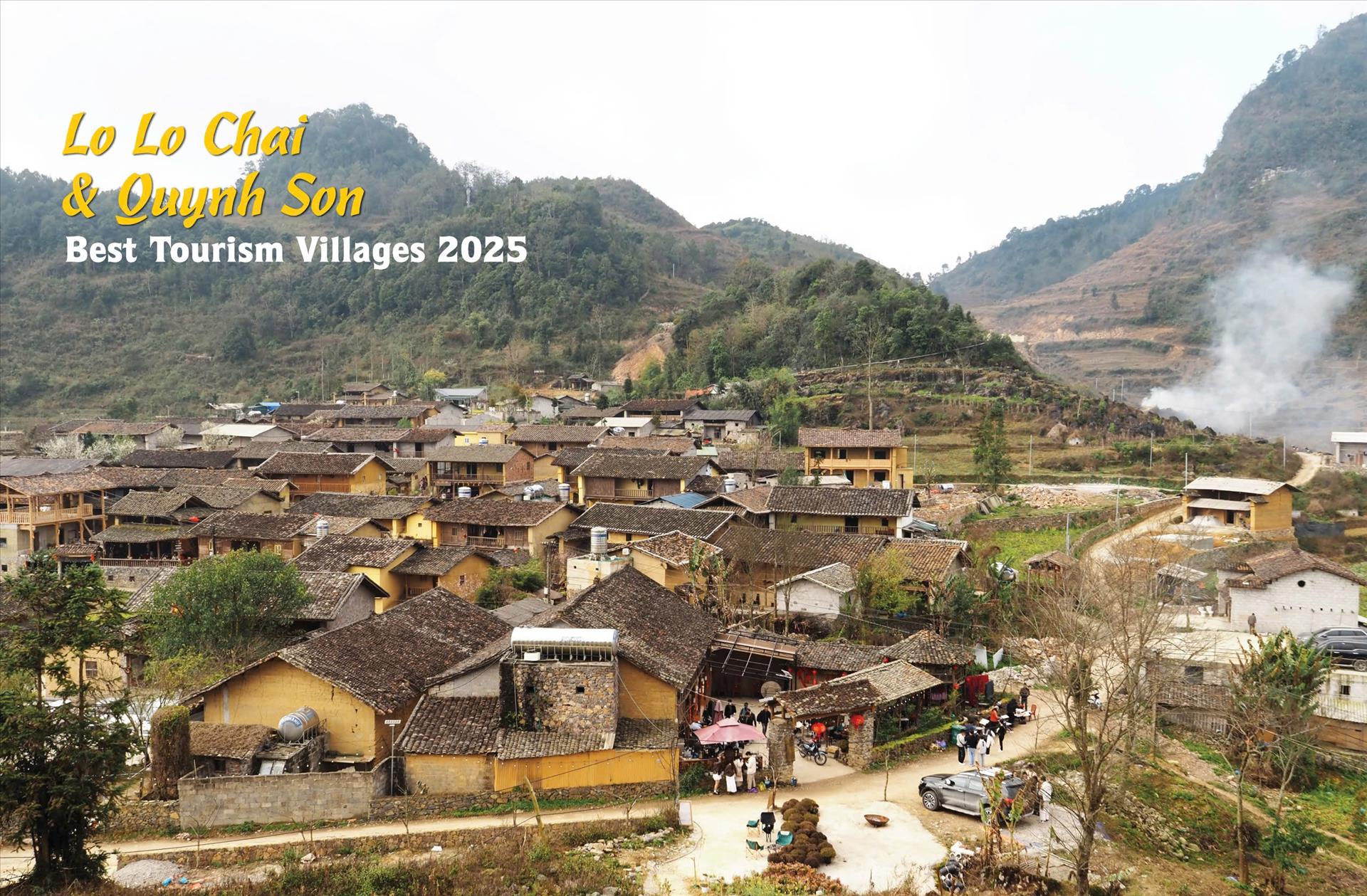

Nestled beneath the Lung Cu Flagpole, the country's sacred northernmost point, the Lo Lo Chai Cultural Tourism Village in Lung Cu Commune, Tuyen Quang Province (previously in Dong Van District, Ha Giang Province), emerges like a fairytale scene amidst the vast rocky mountains. Here, majestic nature and the culture of the Lo Lo ethnic group intertwine to create a vibrant and captivating space. With over 120 households, predominantly inhabited by Lo Lo people for generations, Lo Lo Chai has become a symbol of resilience, preserving its identity in a harsh yet poetic living environment.
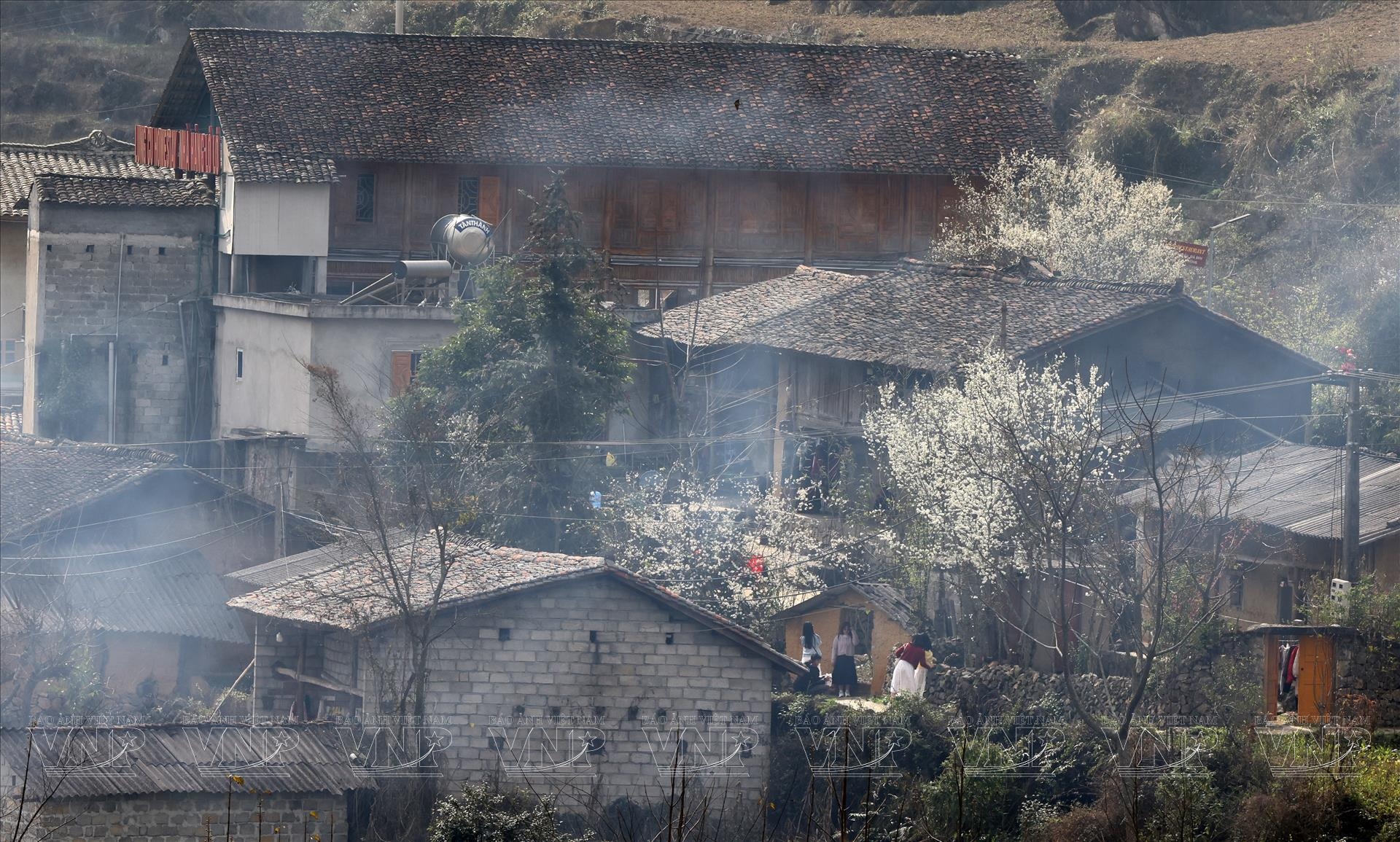
The most distinctive feature of Lo Lo Chai is its unique nha trinh tuong (rammed earth houses) built using traditional techniques. With thick walls made of clay mixed with topsoil, these houses not only withstand the biting cold of winter and the sweltering heat of summer but also possess a sense of quiet, ancient beauty. The roofs are covered with traditional yin and yang roof tiles, creating soft, flexible curves atop the sturdy structure. Skillfully placed stone fences surrounding the homes create a harmonious ensemble with the rocky mountain landscape.
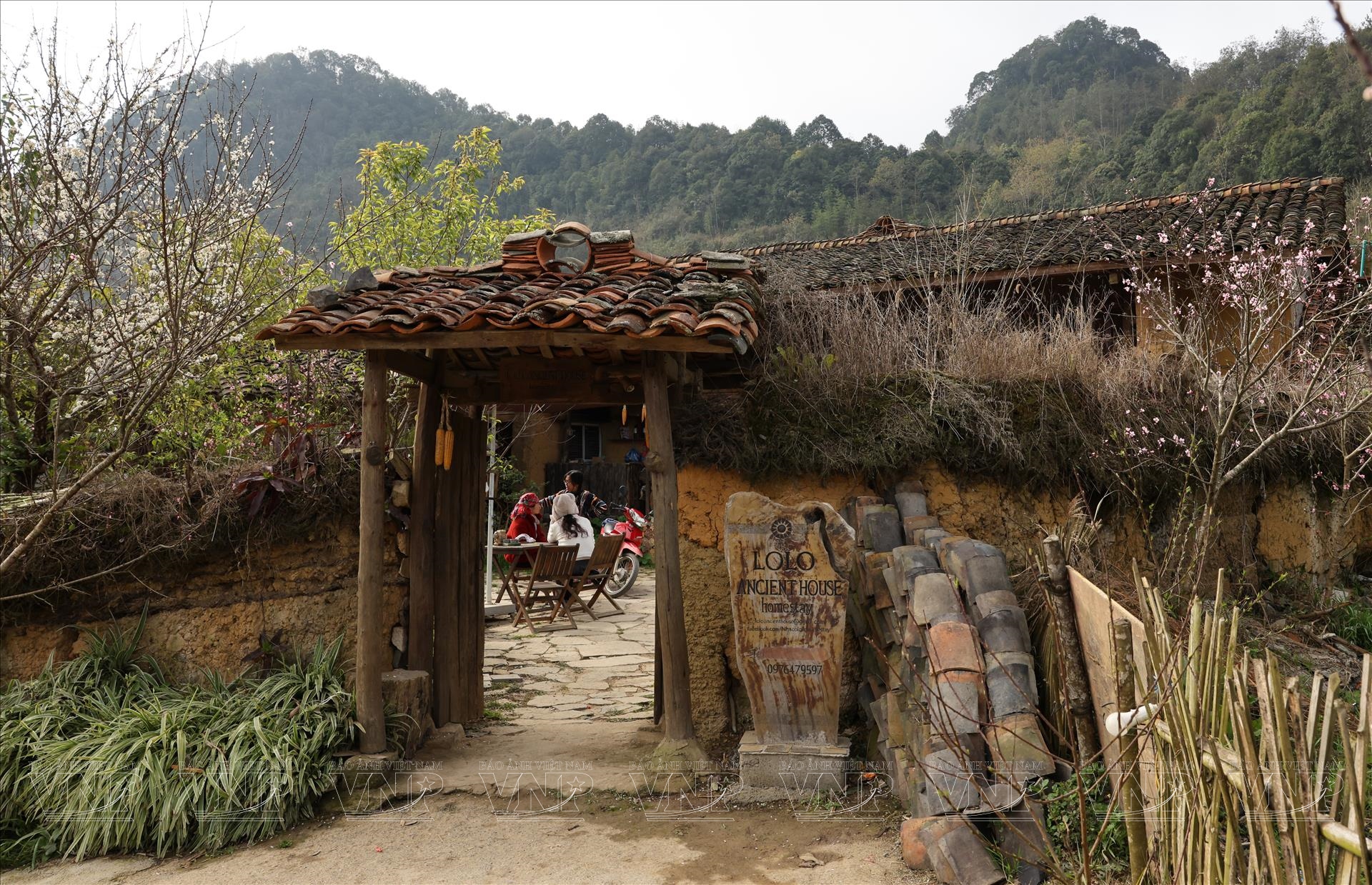

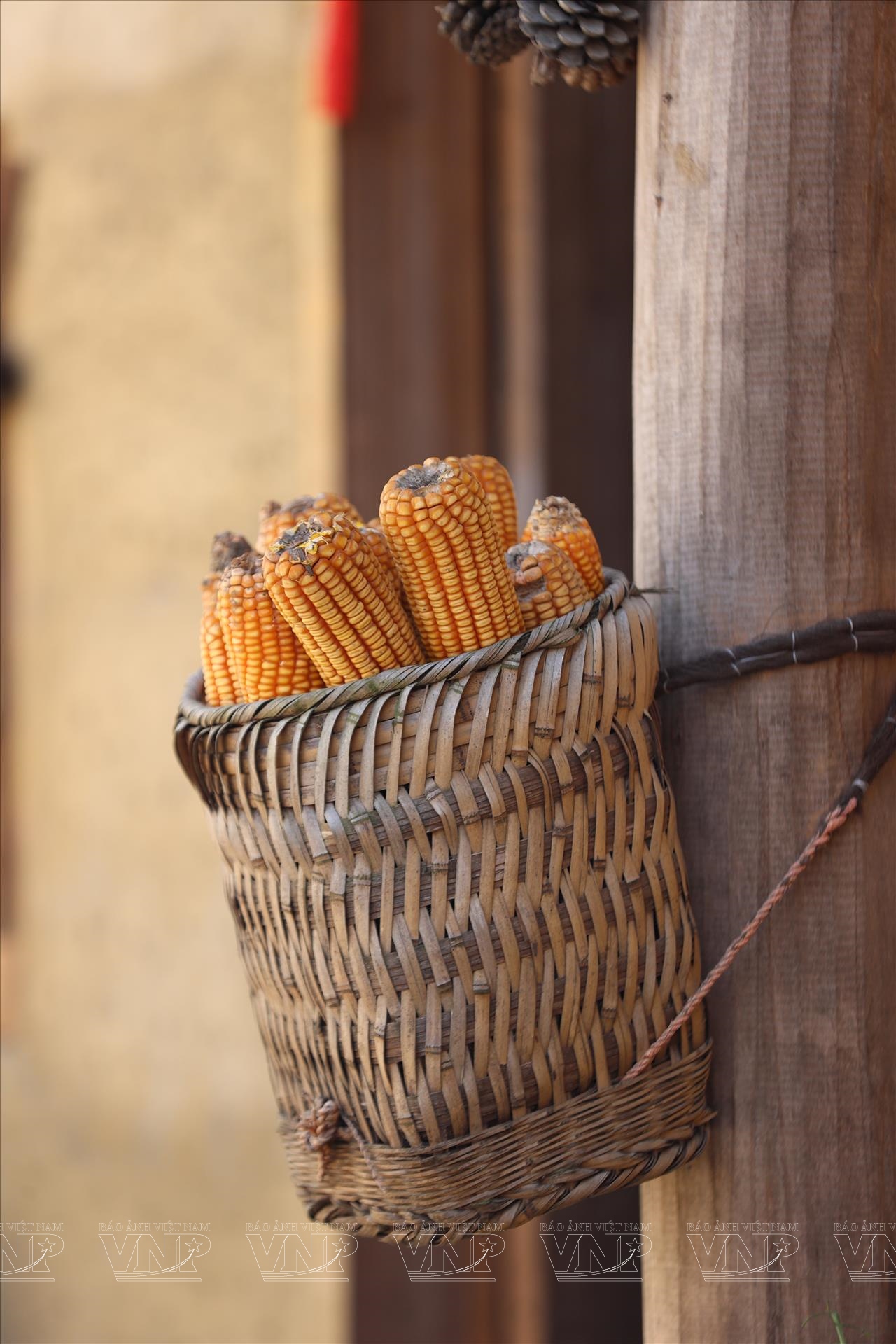
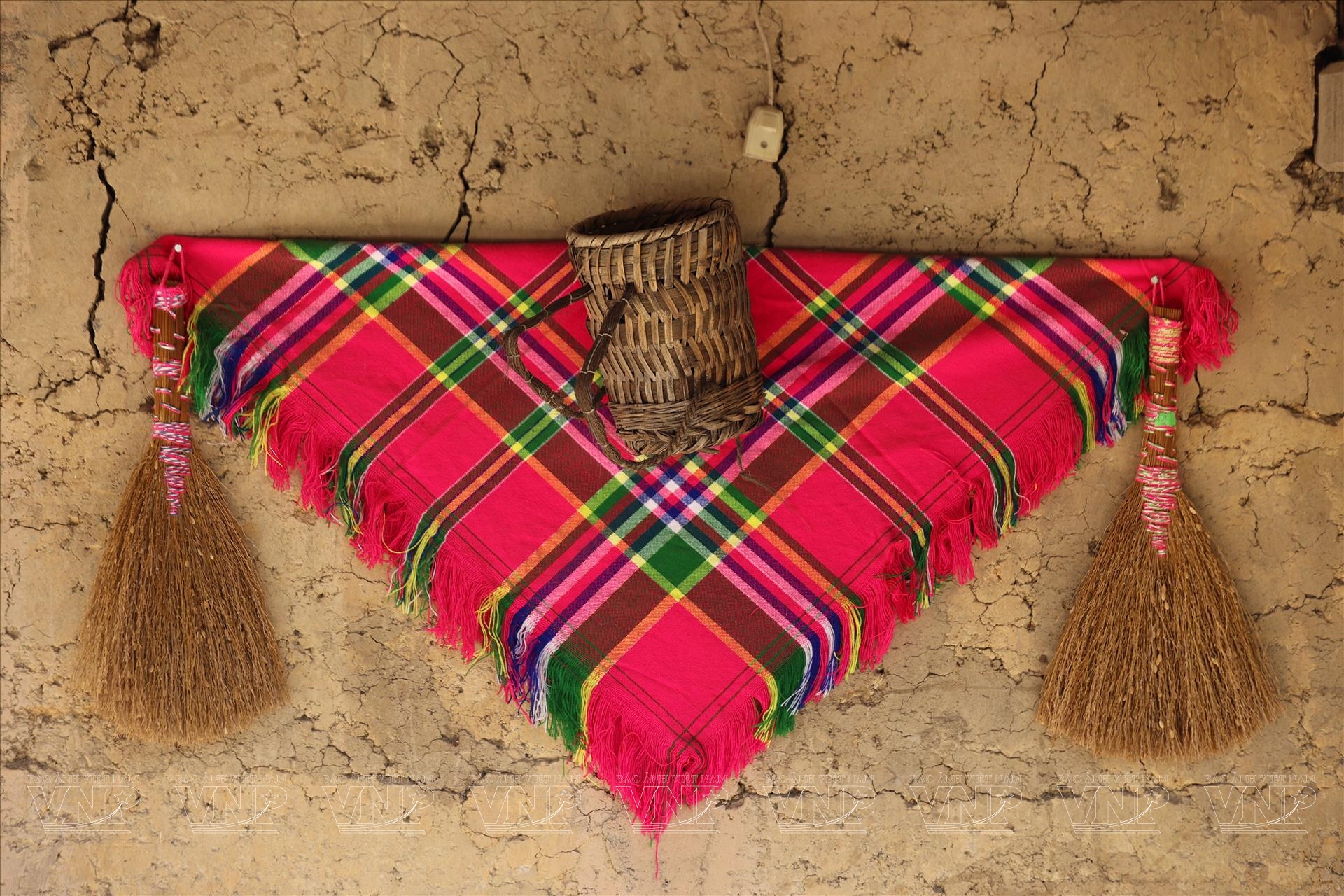

In conversation with us, Sinh Di Gai, head of Lo Lo Chai Village, spoke with pride, “This earthen house is not just a dwelling; it holds the memories of many generations. My ancestors put tremendous effort into building it. Now, as we develop tourism, we try to keep that original essence intact. When guests come here, they do not just want to admire the scenery; they want to feel the soul and the heart of our house and our village”.
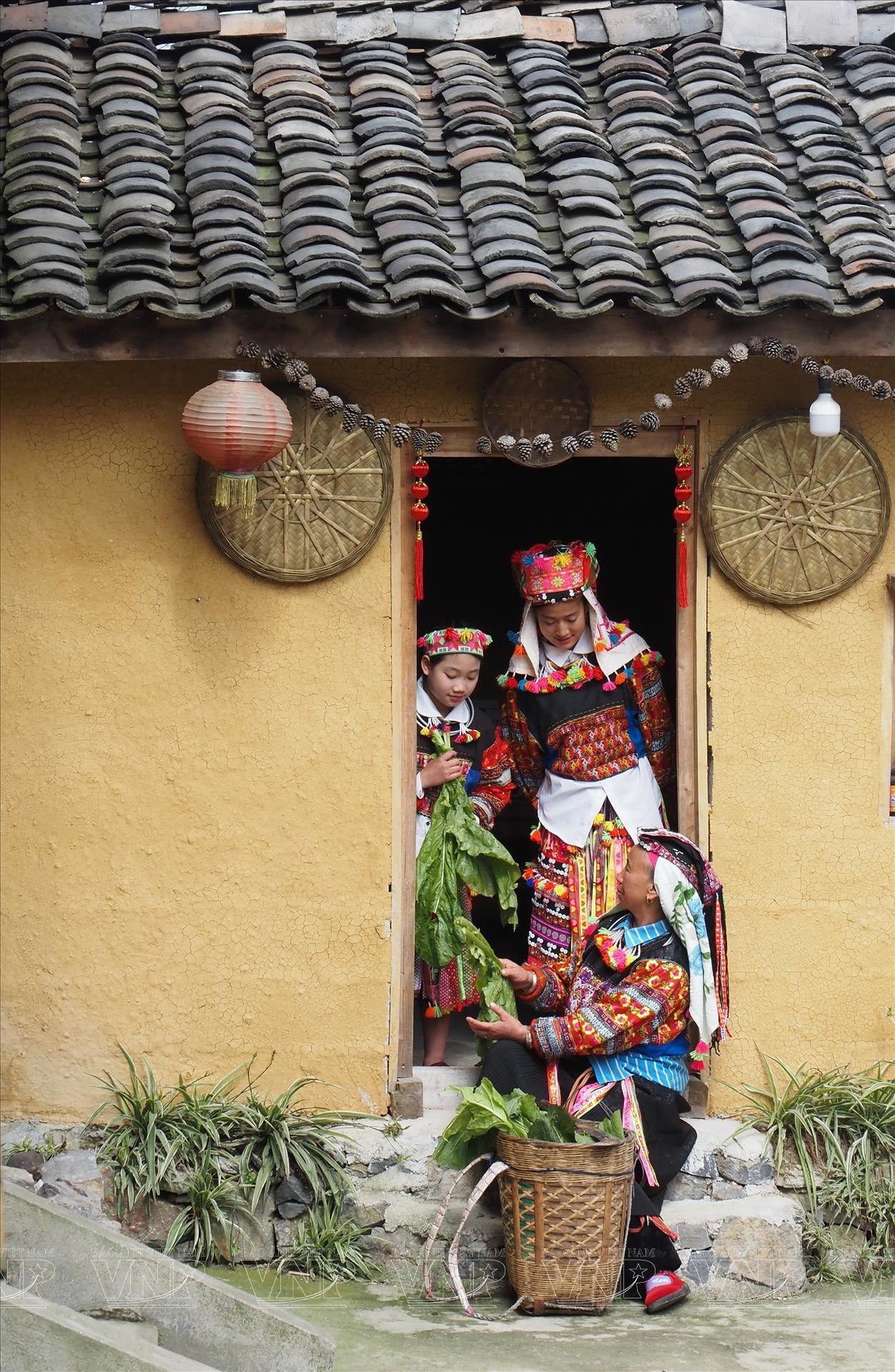

Beyond the architecture, the intangible culture of the Lo Lo here is incredibly rich. The craft of brocade embroidery is still preserved and actively promoted. The motifs on the brocade are not just decorative patterns but also embody the stories, beliefs, and aspirations of the people. Every piece of brocaded fabric is an exquisite work of art, reflecting the meticulousness, skill, and unique aesthetic sense of the Lo Lo.

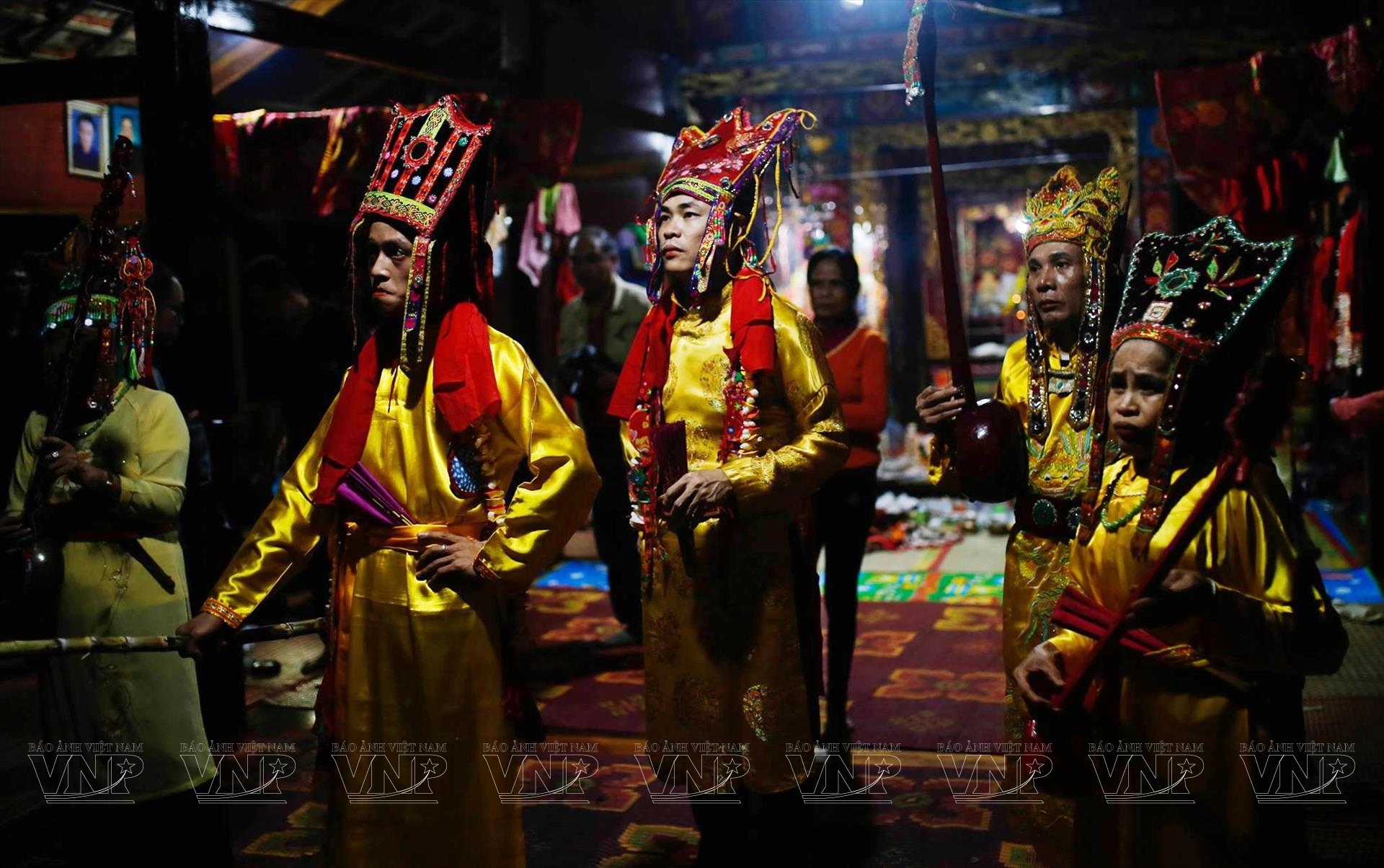
Traditional festivals such as the Village Cleansing Ceremony, Ancestor Worship Ceremony, Rain Prayer Festival are regularly maintained, carrying profound spiritual and communal significance. On these occasions, the entire village performs ancient rituals, singing and dancing together, creating an atmosphere rich in cultural identity. The sound of bronze drums and Lo Lo panpipes resonates throughout the mountains, blending with the folk dances to form a unique and soul-stirring cultural symphony.
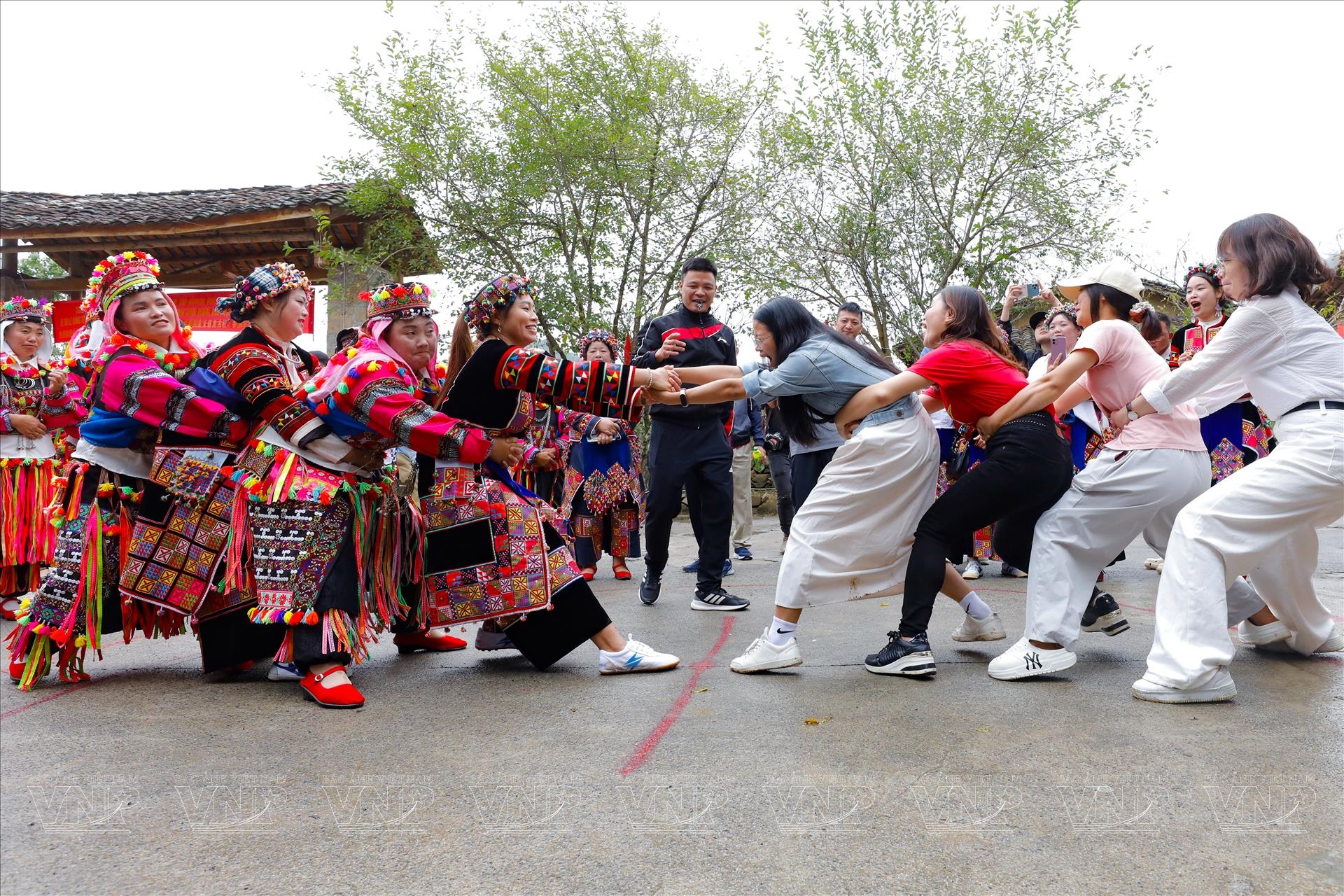
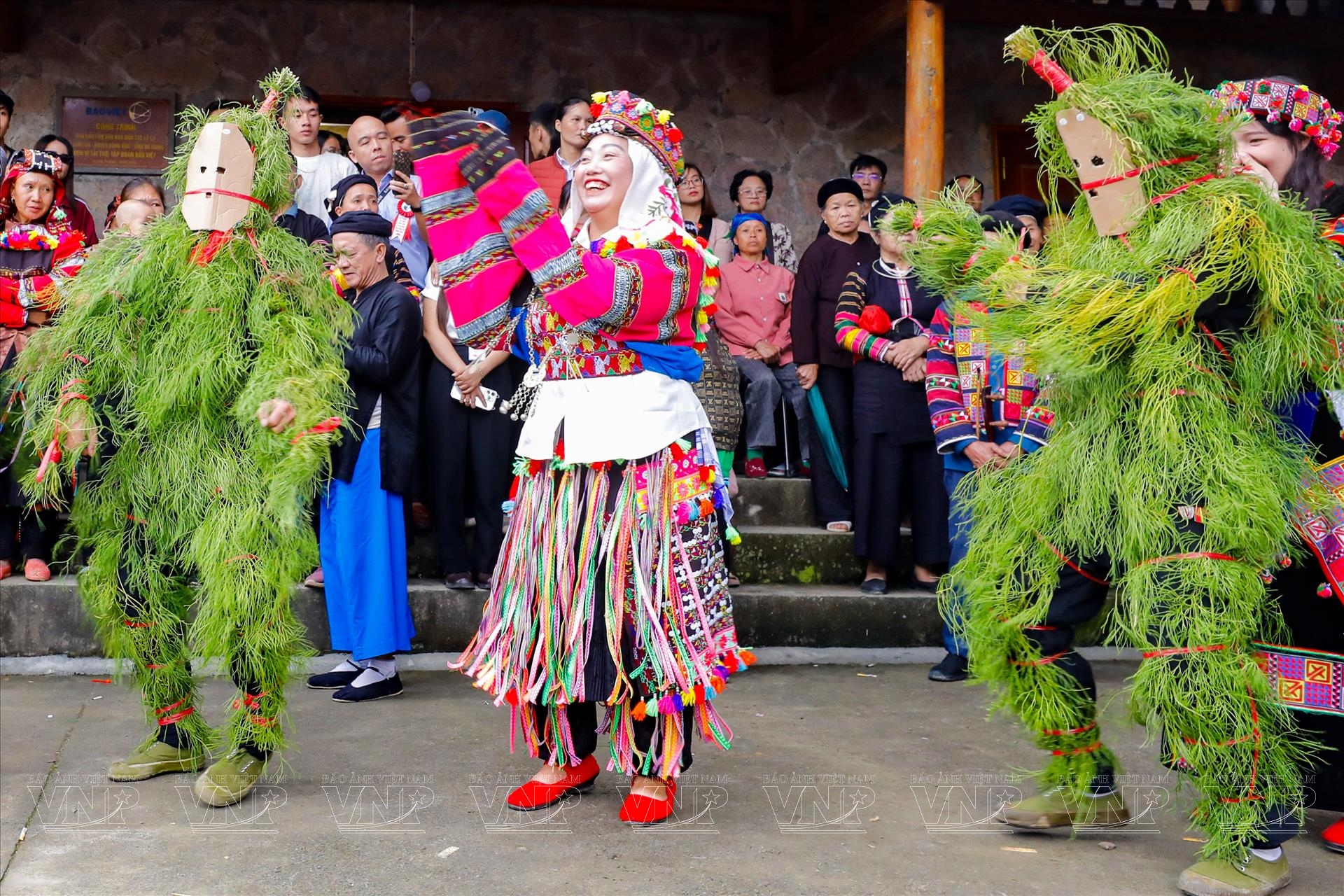
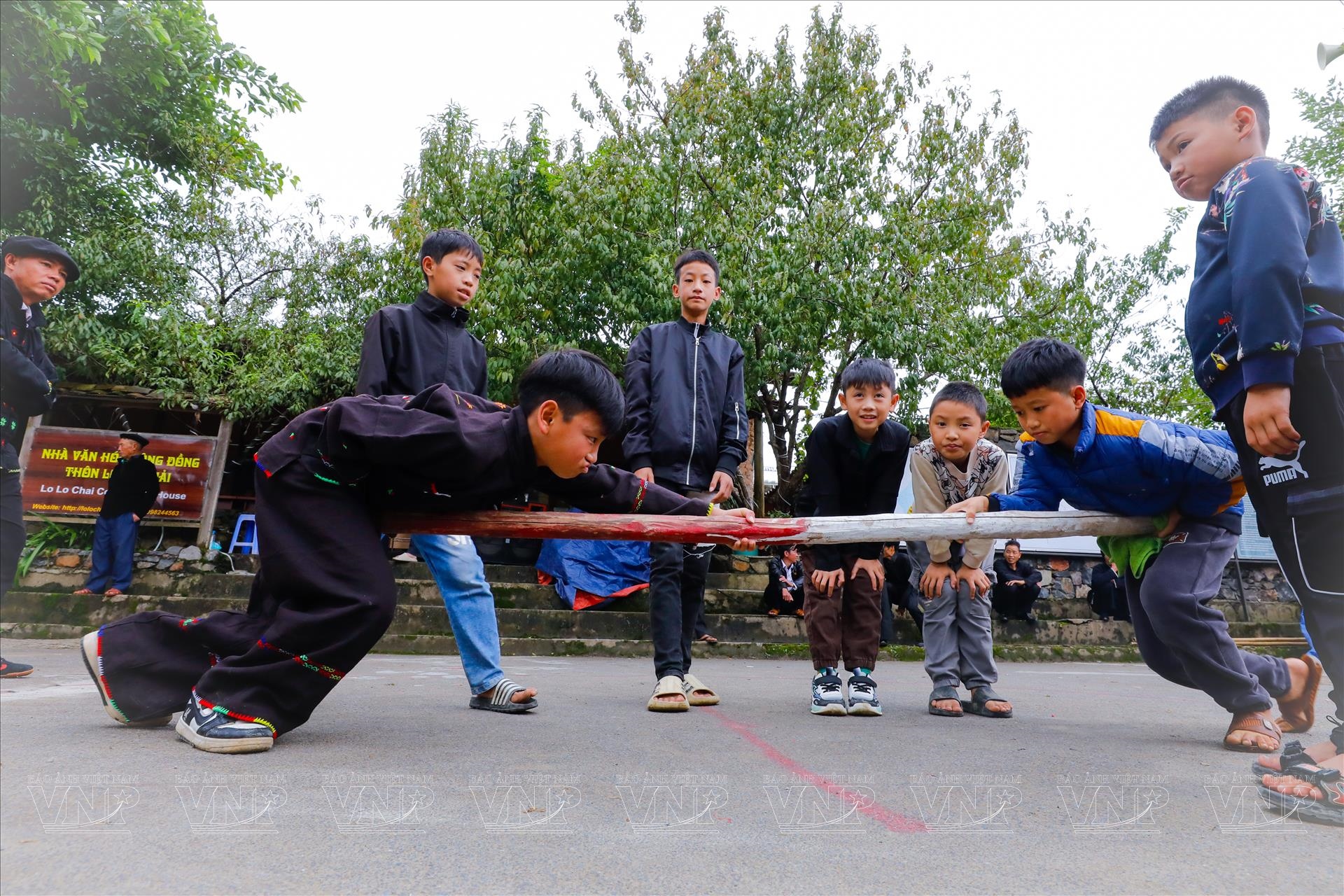
Diu Thi Huong, a young Lo Lo woman who runs a homestay and cultural experience service, said with a radiant smile, “Life used to be quite difficult for us. But since tourism arrived, our village has completely changed. We renovated the old houses into clean, comfortable homestays while retaining their ancient charm. We teach guests how to make cakes, embroider, and dance. Most importantly, tourism provides us with income, and even more importantly, it makes us aware of our ethnic group's cultural value, inspiring us to preserve it for our children and grandchildren”.
The community tourism model in Lo Lo Chai and Quynh Son is fundamentally people-centered. Residents directly participate in tourism activities, from providing accommodation and cuisine services to cultural experiences. This ensures that the economic benefits from tourism are equitably distributed, motivating residents to actively participate in cultural preservation efforts.

Leaving Lo Lo Chai, our journey took us to the Quynh Son Community Tourism Village, located in Bac Son Commune, Lang Son Province.
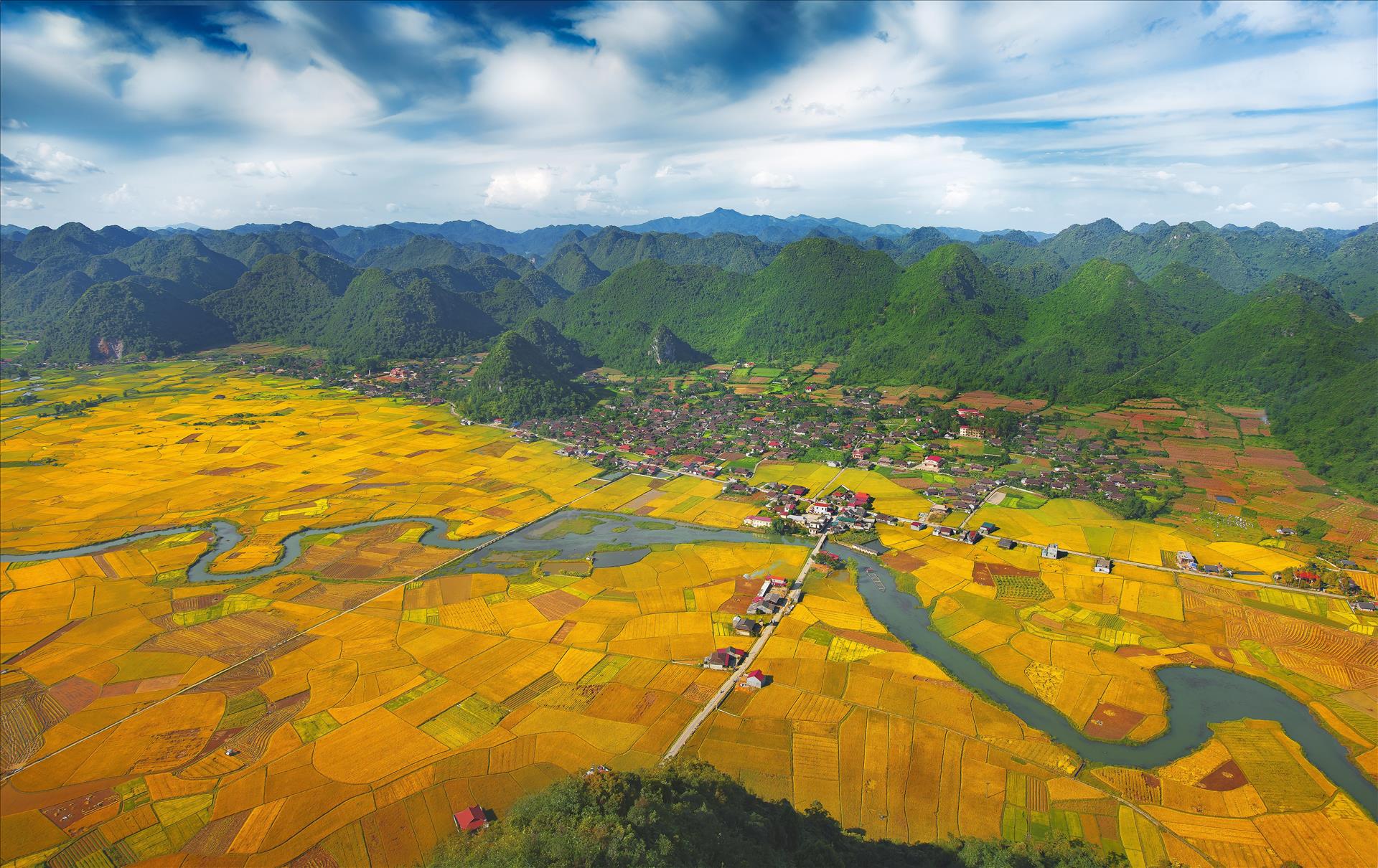
Situated within the Bac Son Uprising Special National Relic Site and the core zone of the Lang Son Global Geopark, Quynh Son Village possesses a peaceful, poetic beauty with lush green rice fields, majestic limestone mountains, and, above all, the rich cultural identity of the Tay.
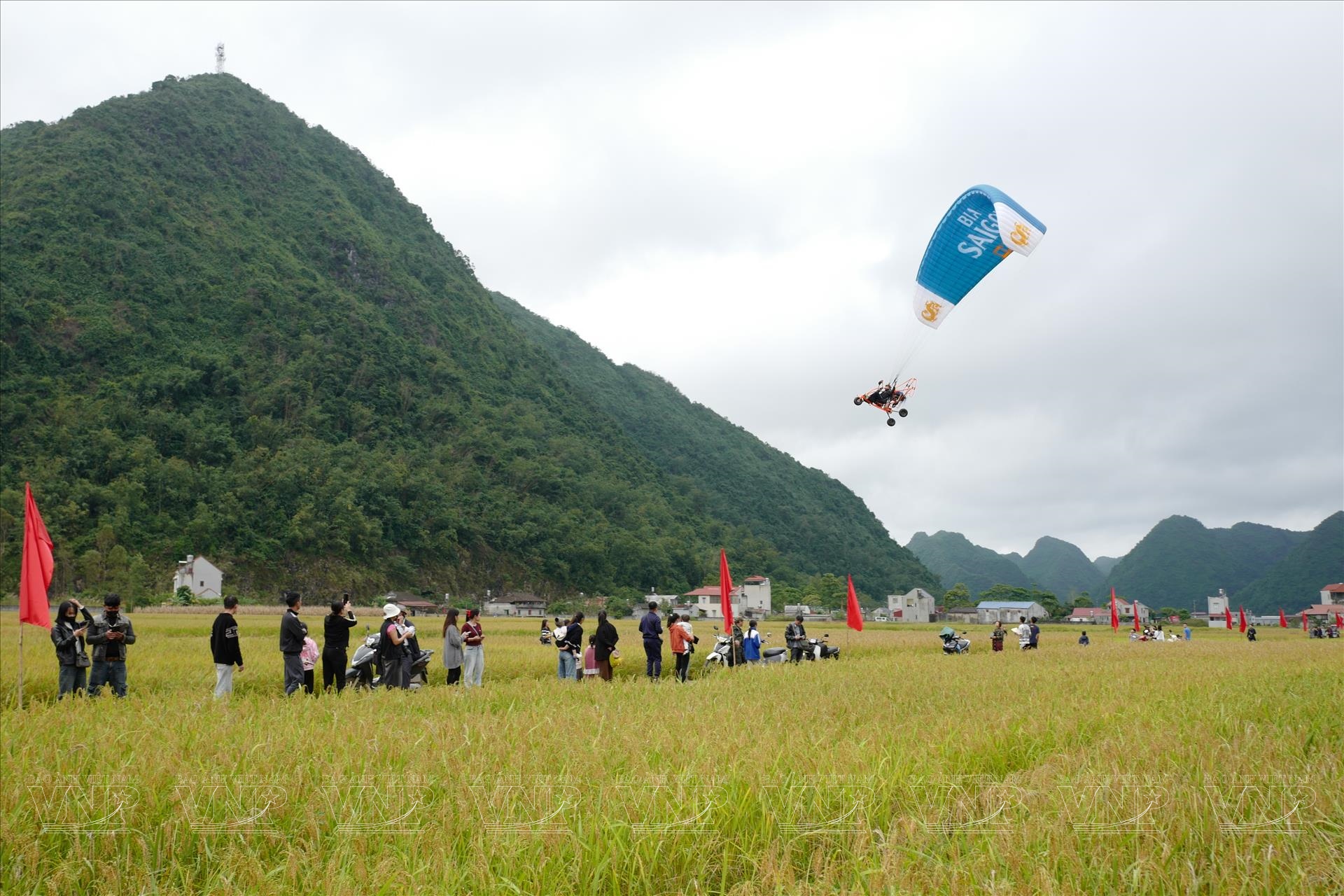
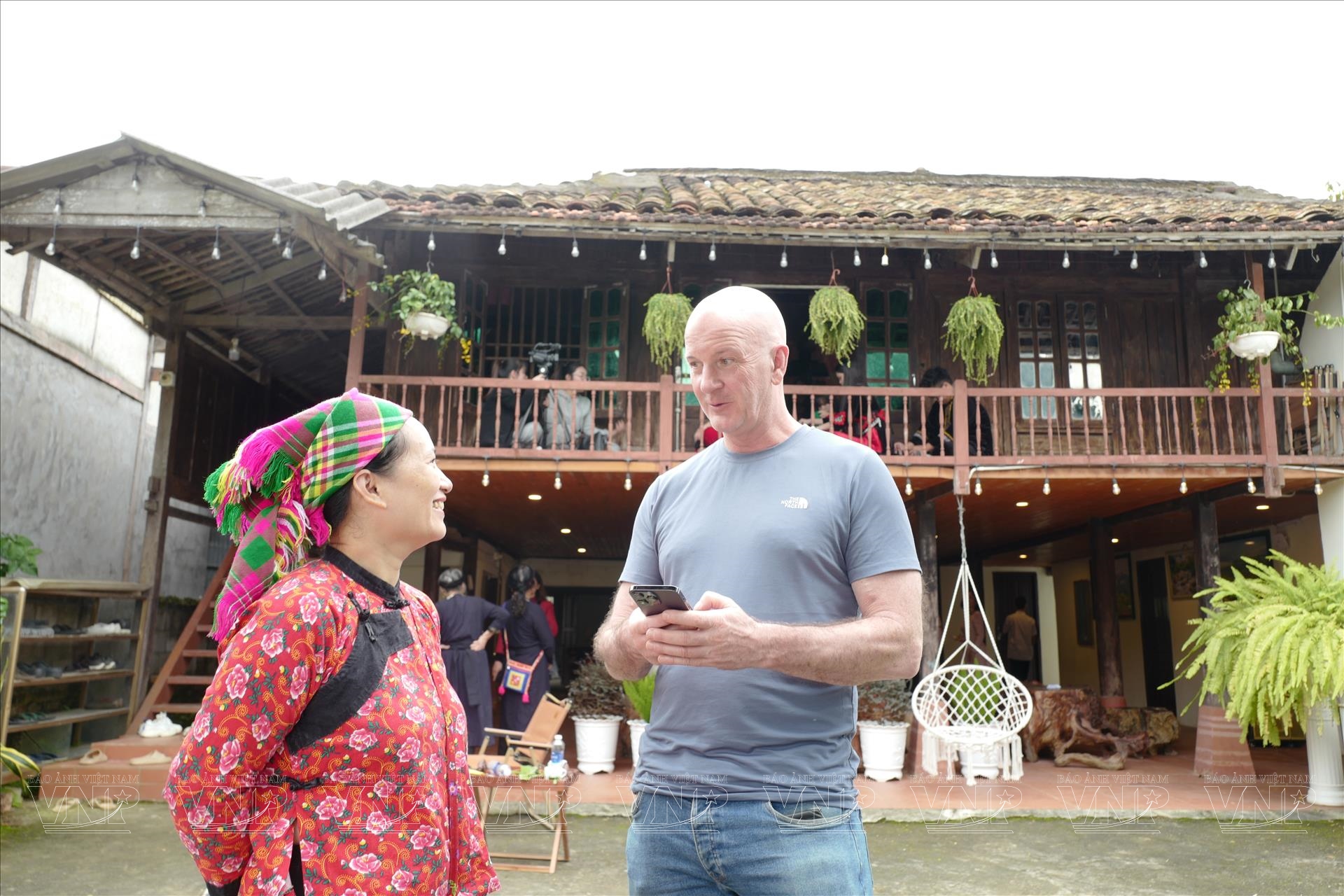
The first thing that impresses visitors to Quynh Son is the image of the traditional Tay wooden stilt houses. With their unique architecture, stilt houses typically have two f loors: the lower floor is used for agricultural tools, while the upper floor serves as the living space. These houses are built entirely of wood, featuring yin-yang tiles or palm leaf roofs, which create a cozy aesthetic that harmonizes with the forest landscape. Most stilt houses face the valley, welcoming cool breezes and natural sunlight.
Duong Cong Luong, a Tay resident who has spent his entire life in his ancestral stilt house, said, "The stilt house is the heart and soul of the Tay. The spacious lower floor is where the whole family works and eats together. The upper floor is for resting, a private space. The smell of wood and kitchen smoke intertwining - that is the scent of home, of family. We do not want to change it; we only want to preserve it so our descendants understand their roots".
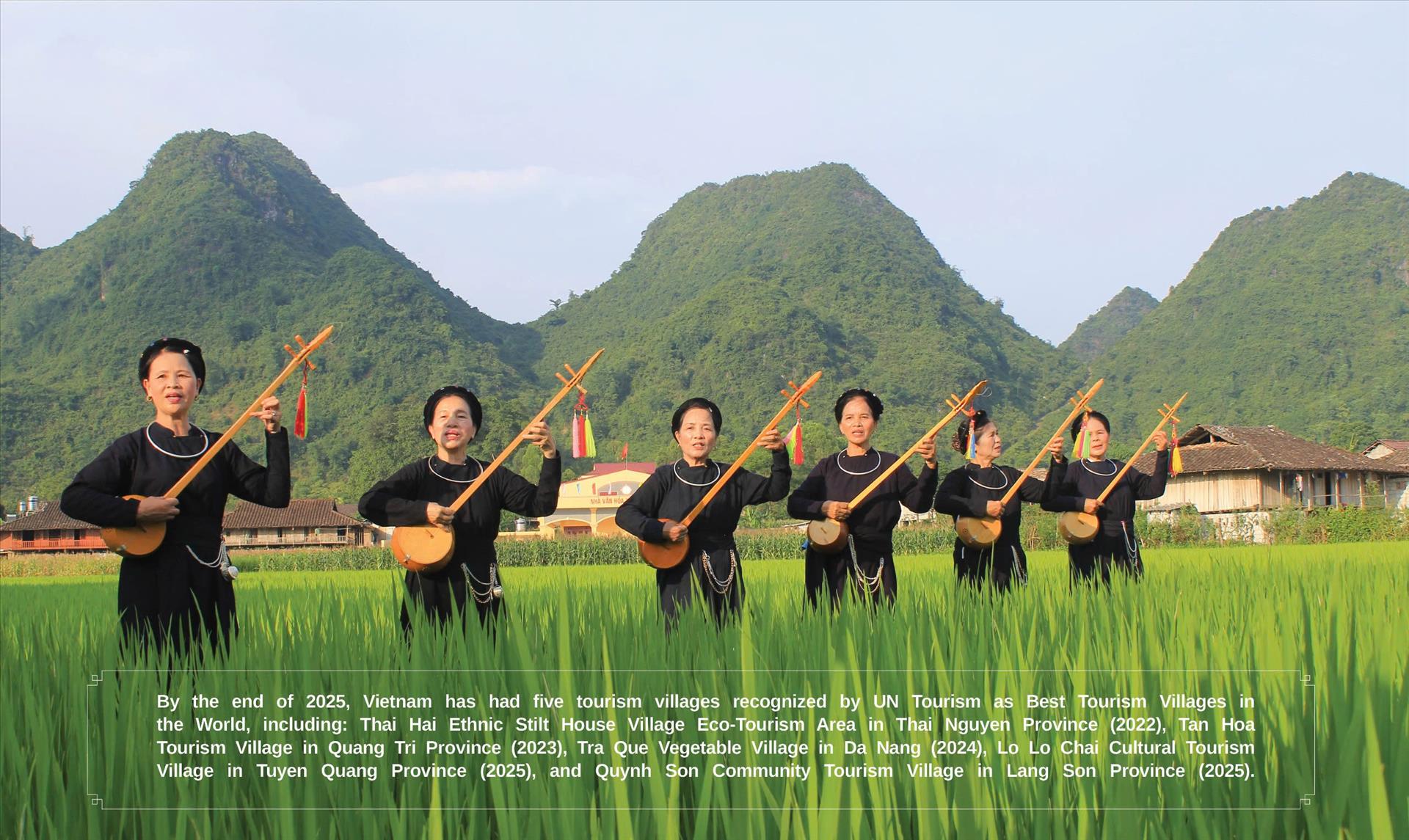

Tay culture in Quynh Son is not only present in their architecture but also vibrant in art forms and customs. Then singing and the Tinh lute have been recognized by UNESCO as a Representative Intangible Cultural Heritage of Humanity. The resonant, melodic sound of the Tinh lute harmonizes with the sweet, undulating vocals of Then songs, recounting love for the homeland, working life, and the simple dreams of the people.
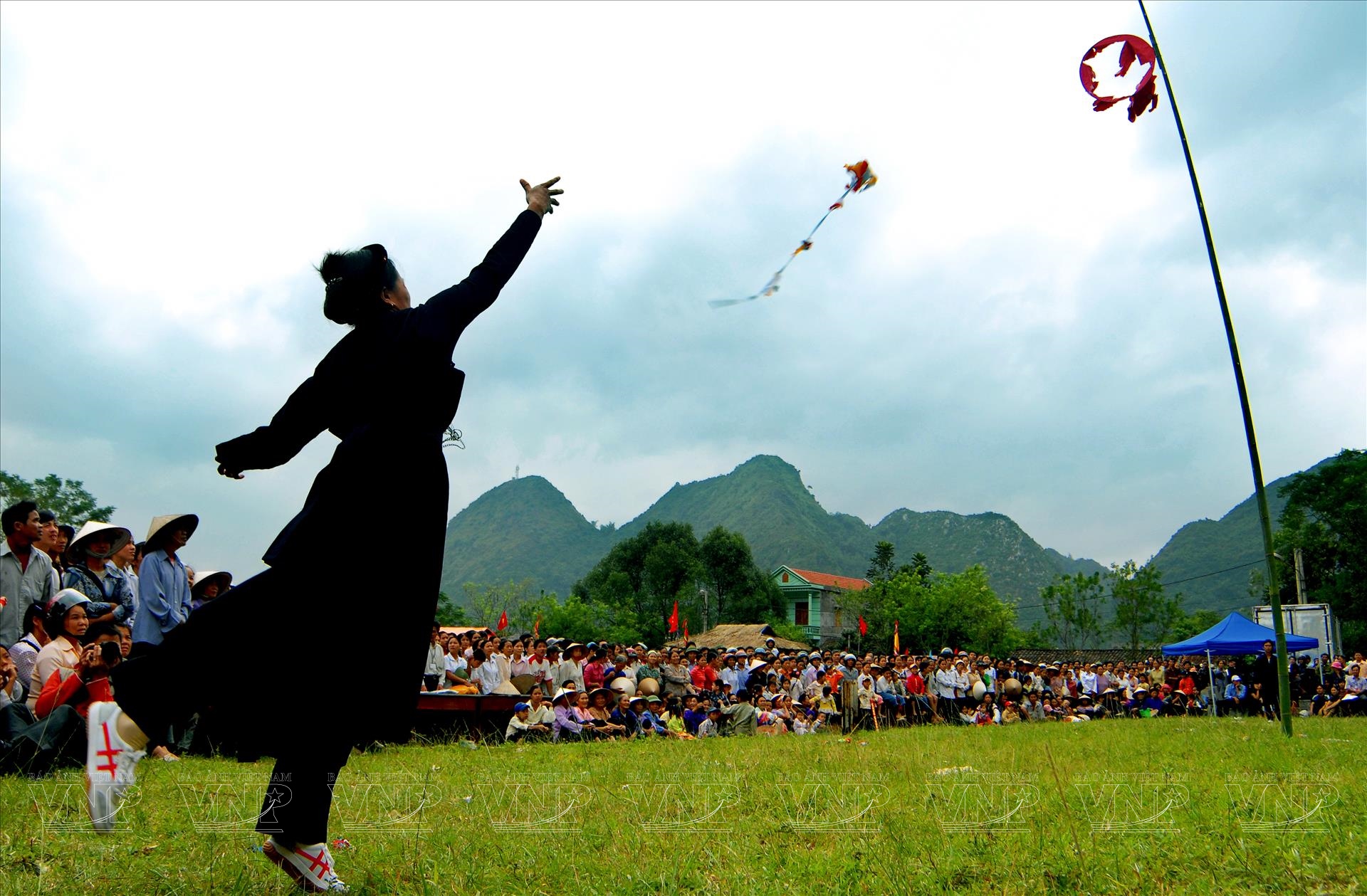
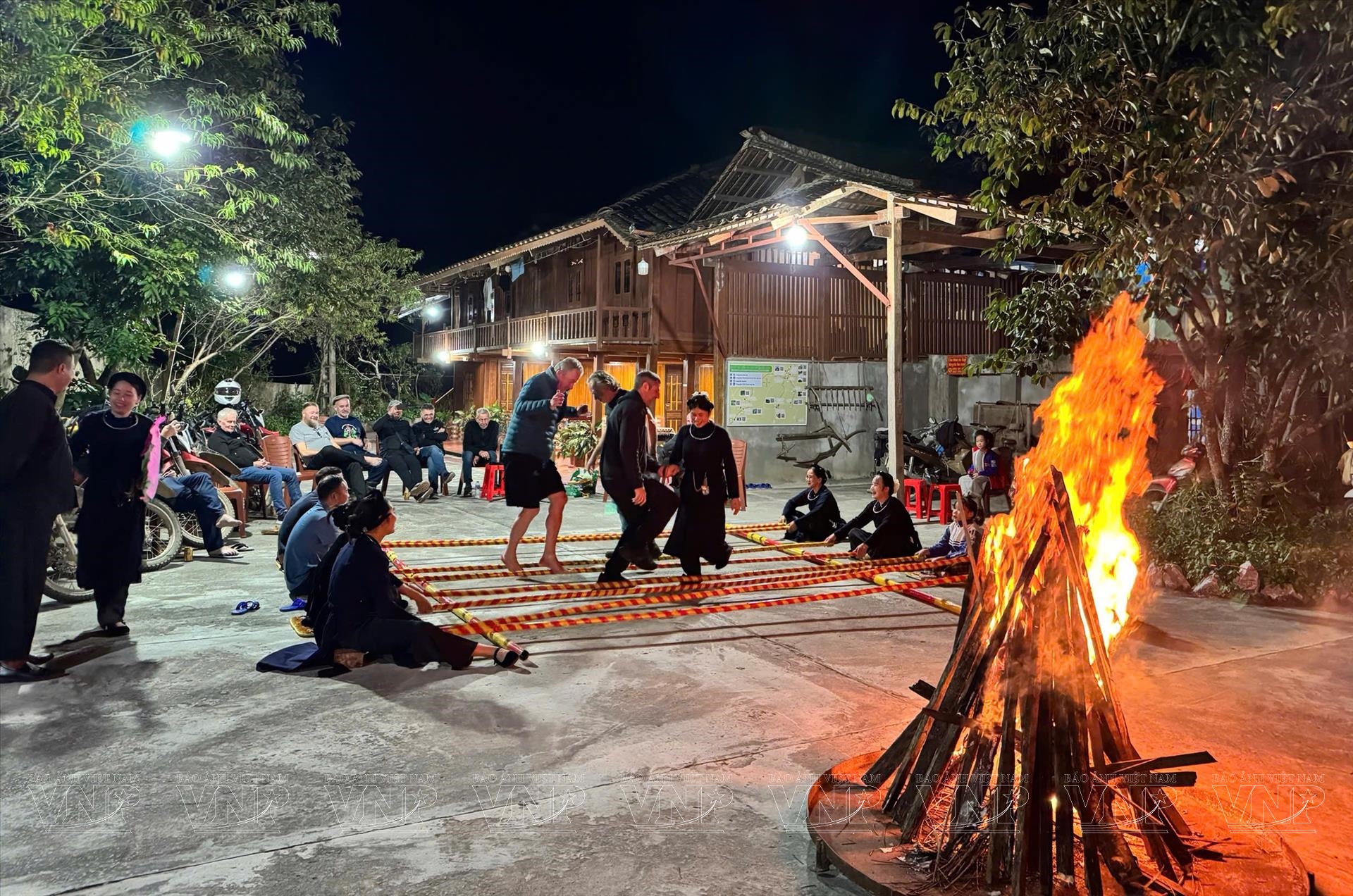
Dances like the bamboo pole dance and festivals such as the Spring Festival and the Long Tong Festival (going down to the fields festival) are still preserved and organized annually by the people of Quynh Son. On these occasions, the entire community immerses itself in the joyful, bustling atmosphere, expressing solidarity and the desire for a bountiful harvest and a prosperous life.
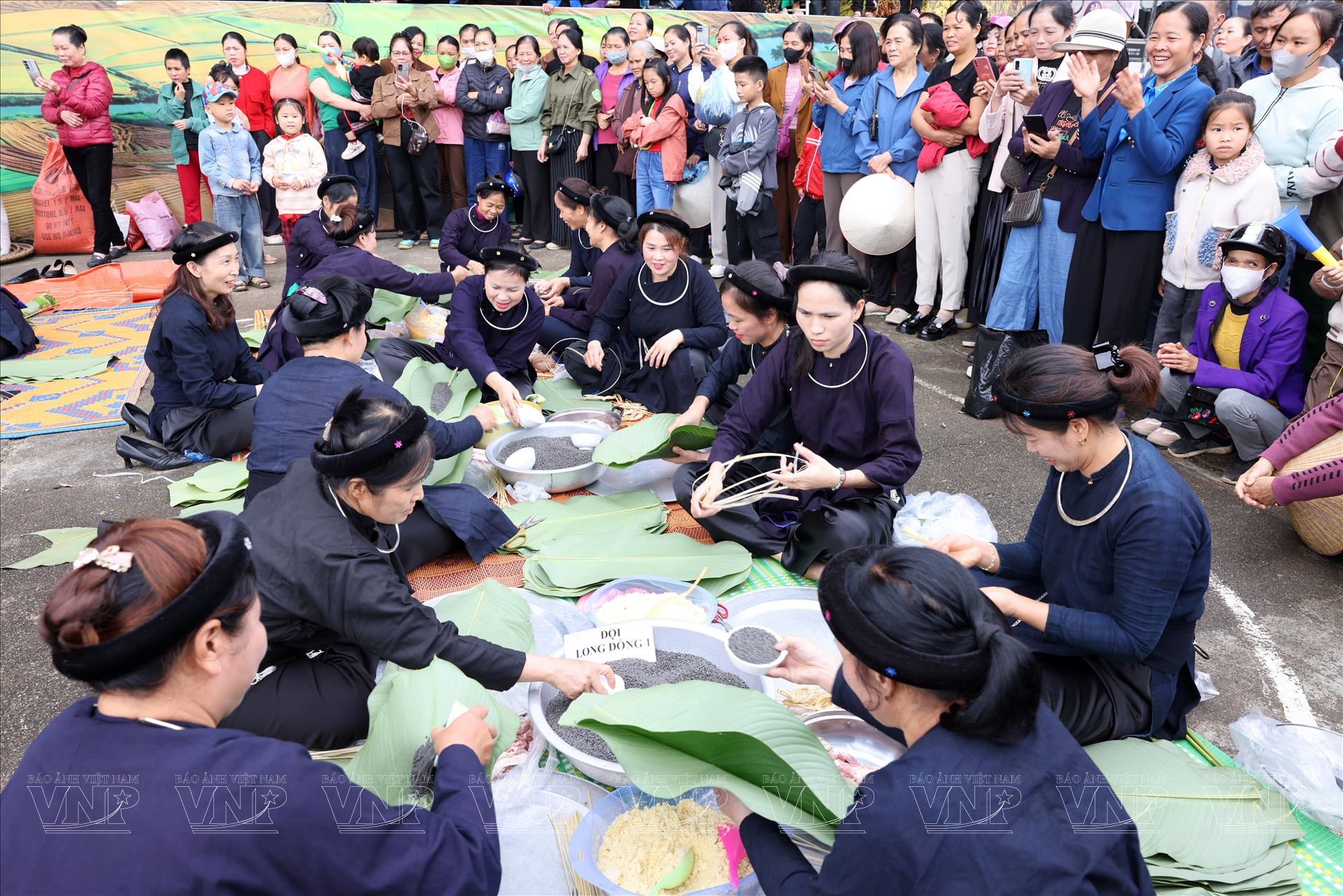
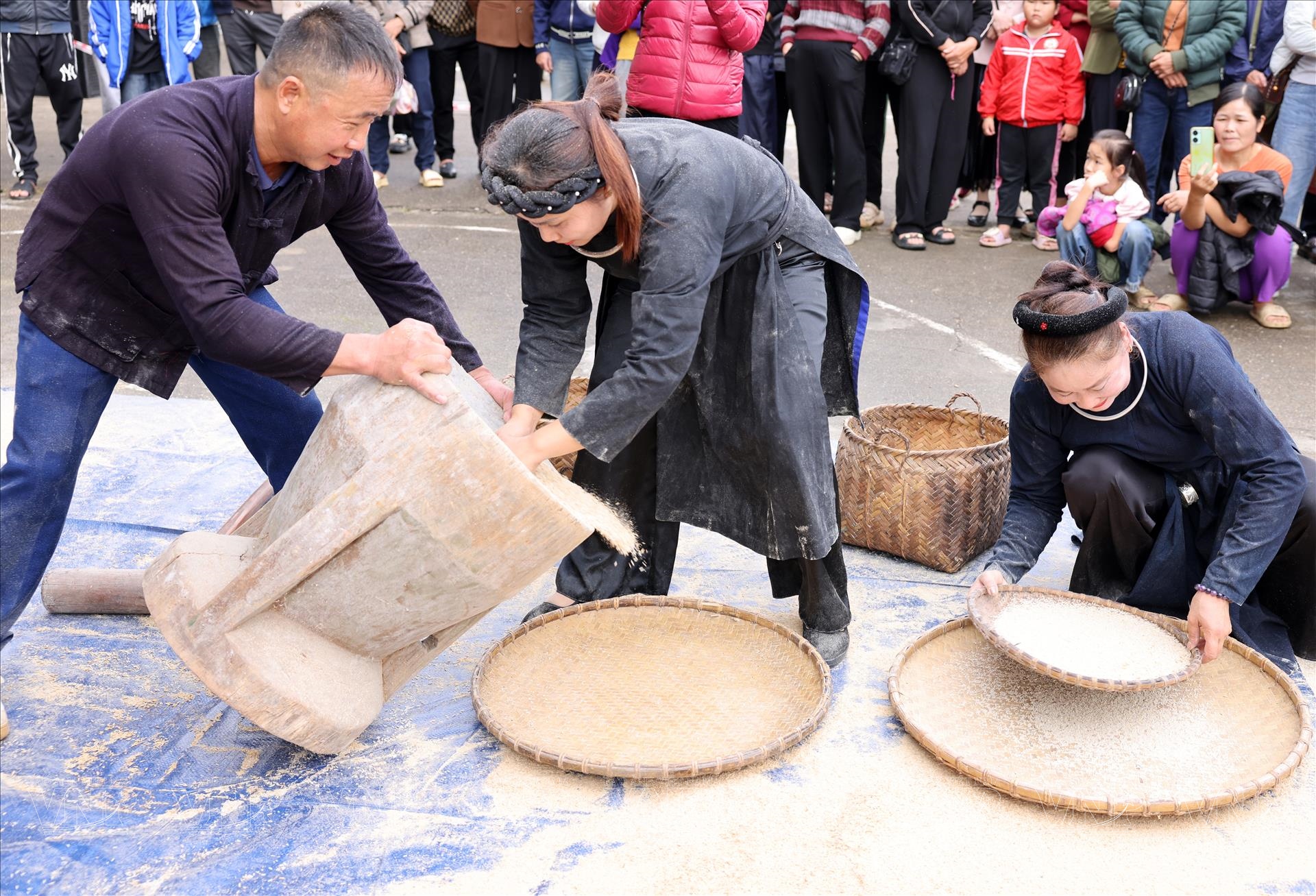
Duong Thi Du, a member of the Quynh Son community tourism cooperative, enthusiastically spoke about the changes in her village, “Quynh Son is very different now. Tourists come here not just to sightsee but also to experience the Tay way of life. We organize activities for guests to try rice farming, pounding rice, distilling corn wine, and making traditional cakes. Most importantly, we teach them how to respect our local culture and live in harmony with nature. This title of Best Tourism Village in the World is a 20 motivation for us to try even harder”.
Lo Lo Chai and Quynh Son, though small, carry immense cultural, historical, and natural value. Their success - surpassing competitors from 65 countries - is a living testament not just to the regions' unique beauty and tourism potential, but also to the relentless, community-led efforts of Vietnam's ethnic minority groups in preserving heritage and fostering sustainable development./.
Story: Thong Thien
Photos: Hoang Ha, Viet Cuong, Thong Thien/VNP, Doan Tuan & Files
Translated by Hong Hanh