In the Revolutionary Region of Kinh Bac
Beyond its renowned quan ho love duets, craft villages and rich cultural heritage, the Kinh Bac region in Bac Ninh Province boasts major "red addresses" or cradles of the country's revolution. The region is changing remarkably as its rich historical legacy becomes a driver of growth.
Preserving Revolutionary Heritage
Our first stop was Phu Khe Ward, the birthplace of late Party General Secretary Nguyen Van Cu, a prominent leader of the Vietnamese revolution. The Nguyen Van Cu Memorial Site is located in his family's homestead in the Kinh Bac countryside. The thatchedroof house, areca palms, bamboo groves and modest personal belongings take visitors back to a chapter of major historical changes.
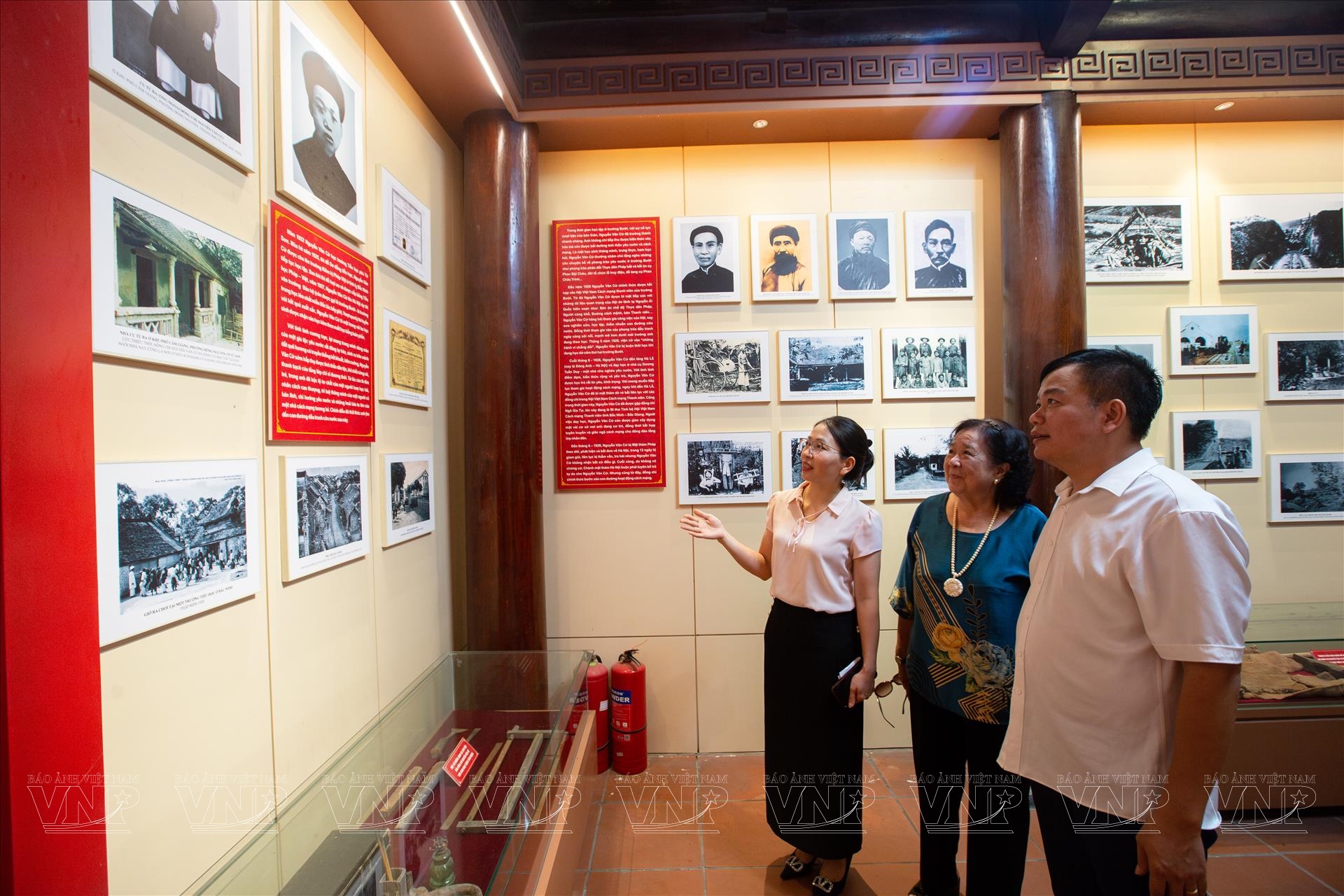
Visiting the memorial, 73-year-old Dam Thi Tu from Phu Khe said, "I am glad that in recent years, the local Party Committee, authorities and people have emphasized the education of our revolutionary, historical and cultural traditions.
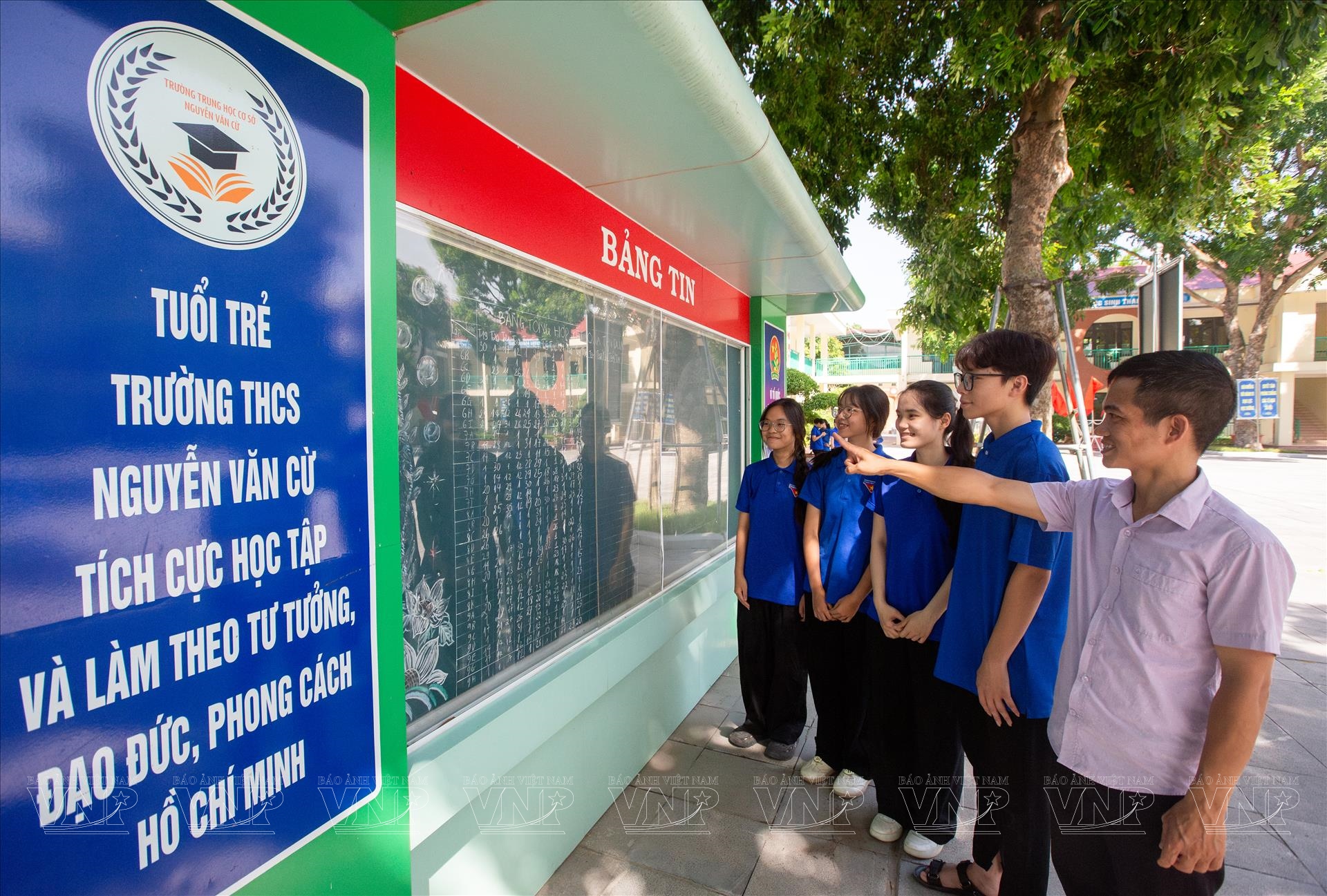
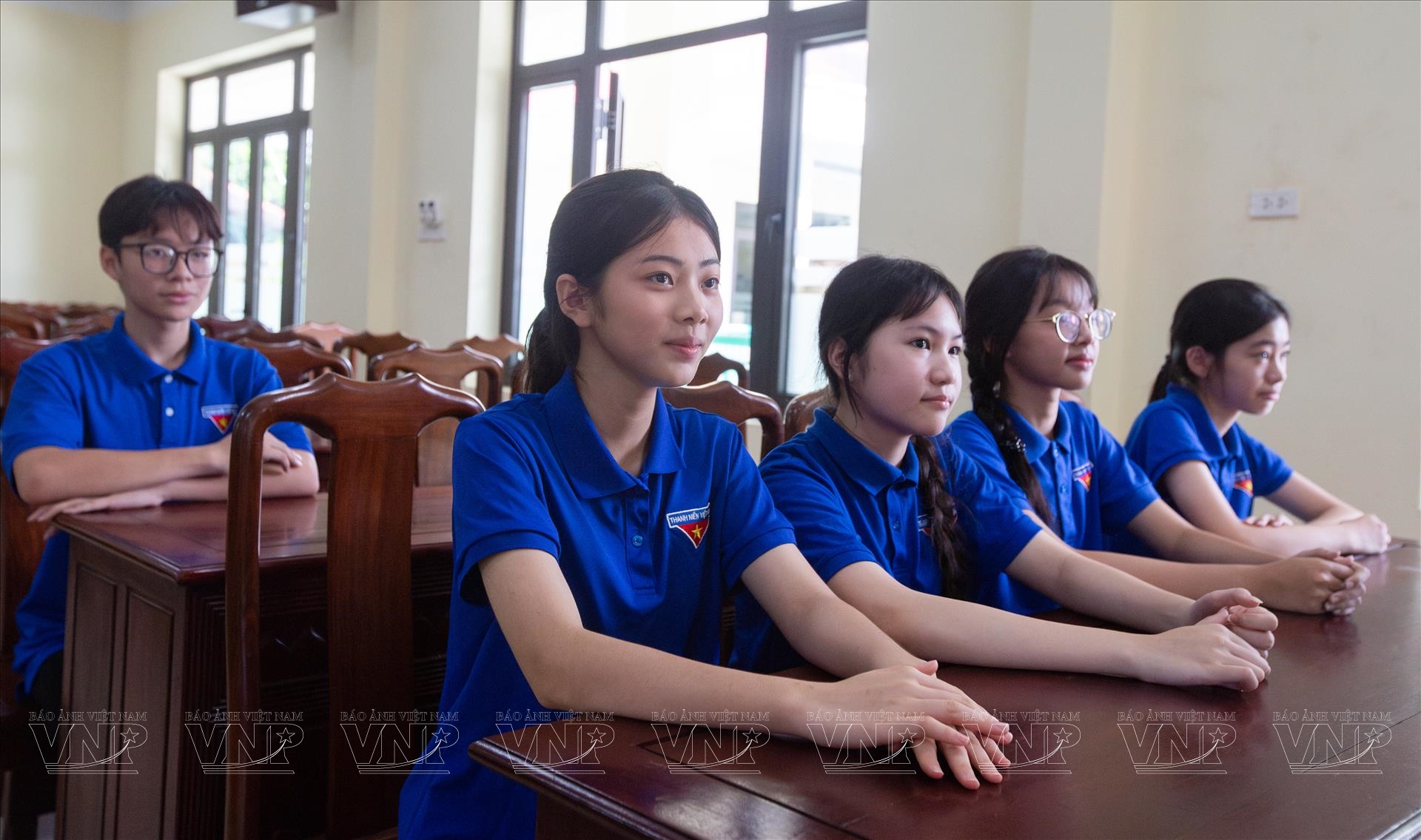
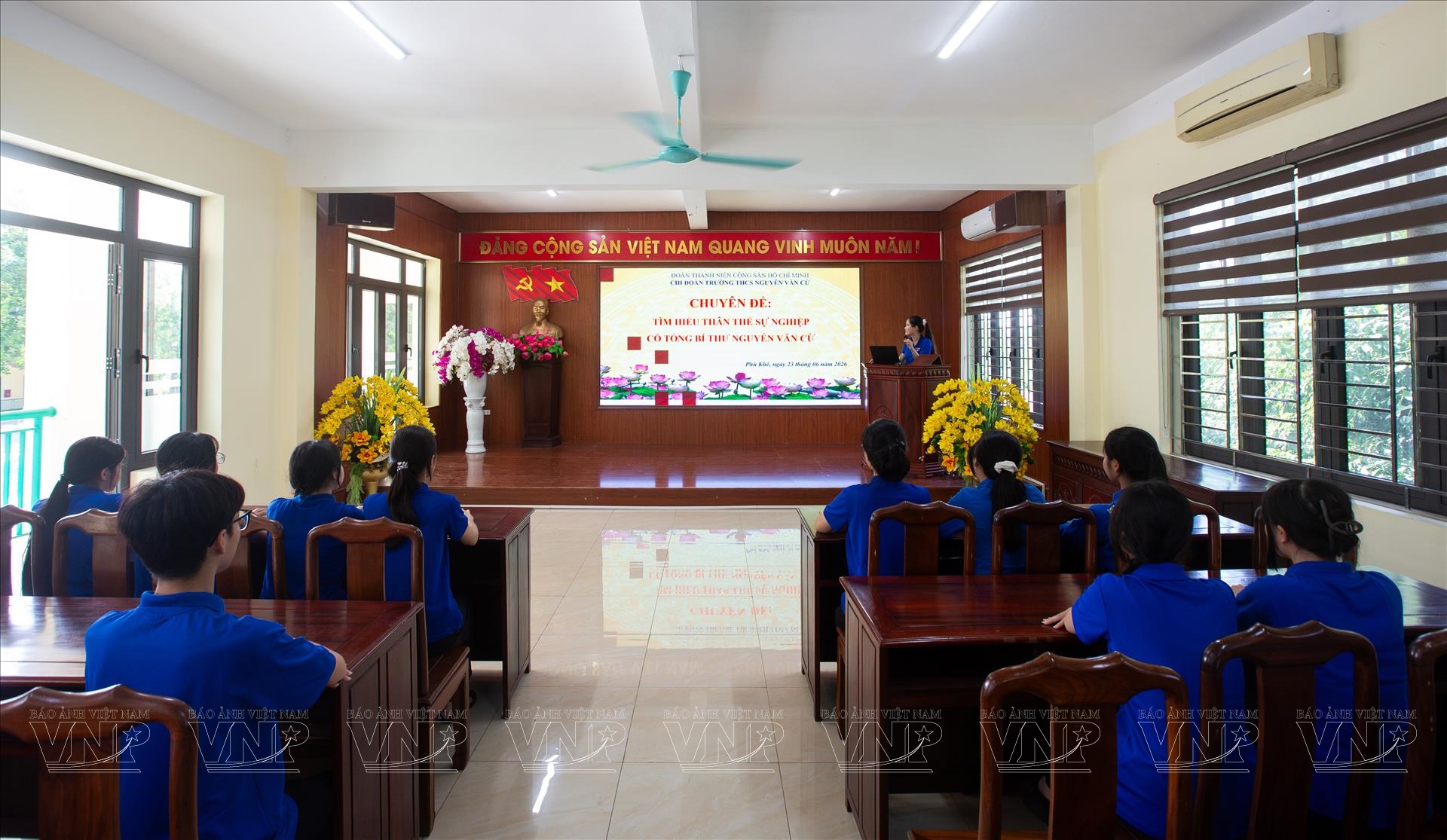
Community meetings, talks with revolutionary veterans and historical witnesses, and visits to families rendering meritorious services to the country have helped young people better understand the history of their home village, thus fostering a stronger pride in their roots."
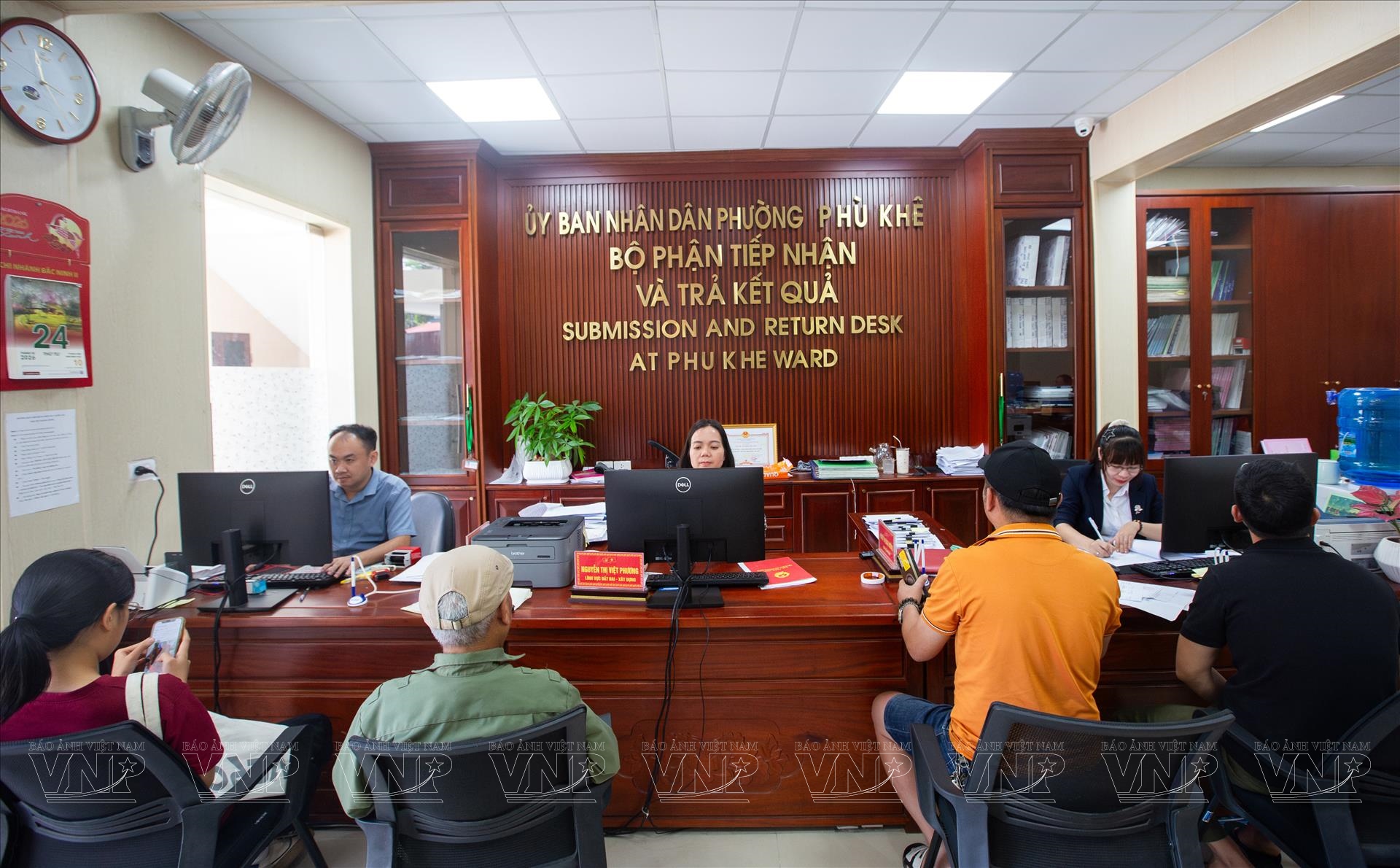

According to Nguyen Thi Nga, Deputy Chief of Office of the Phu Khe Ward Party Committee, Phu Khe’s growth has been inspired by the fact that the ward is the hometown of General Secretary Nguyen Van Cu. While investing in infrastructure and improving living standards, the local government has consistently preserved cultural heritage and educated young people about the revolutionary traditions.
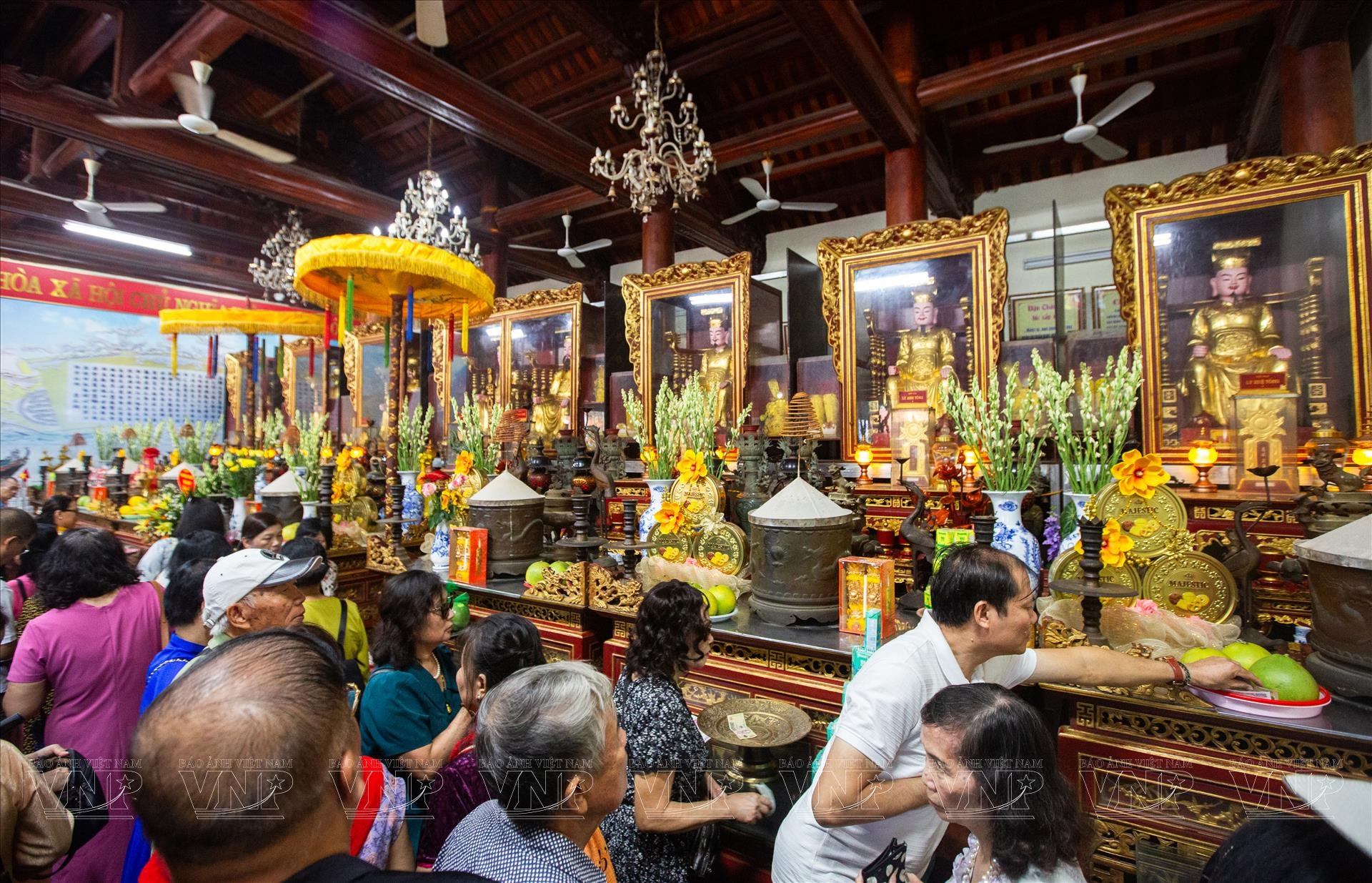
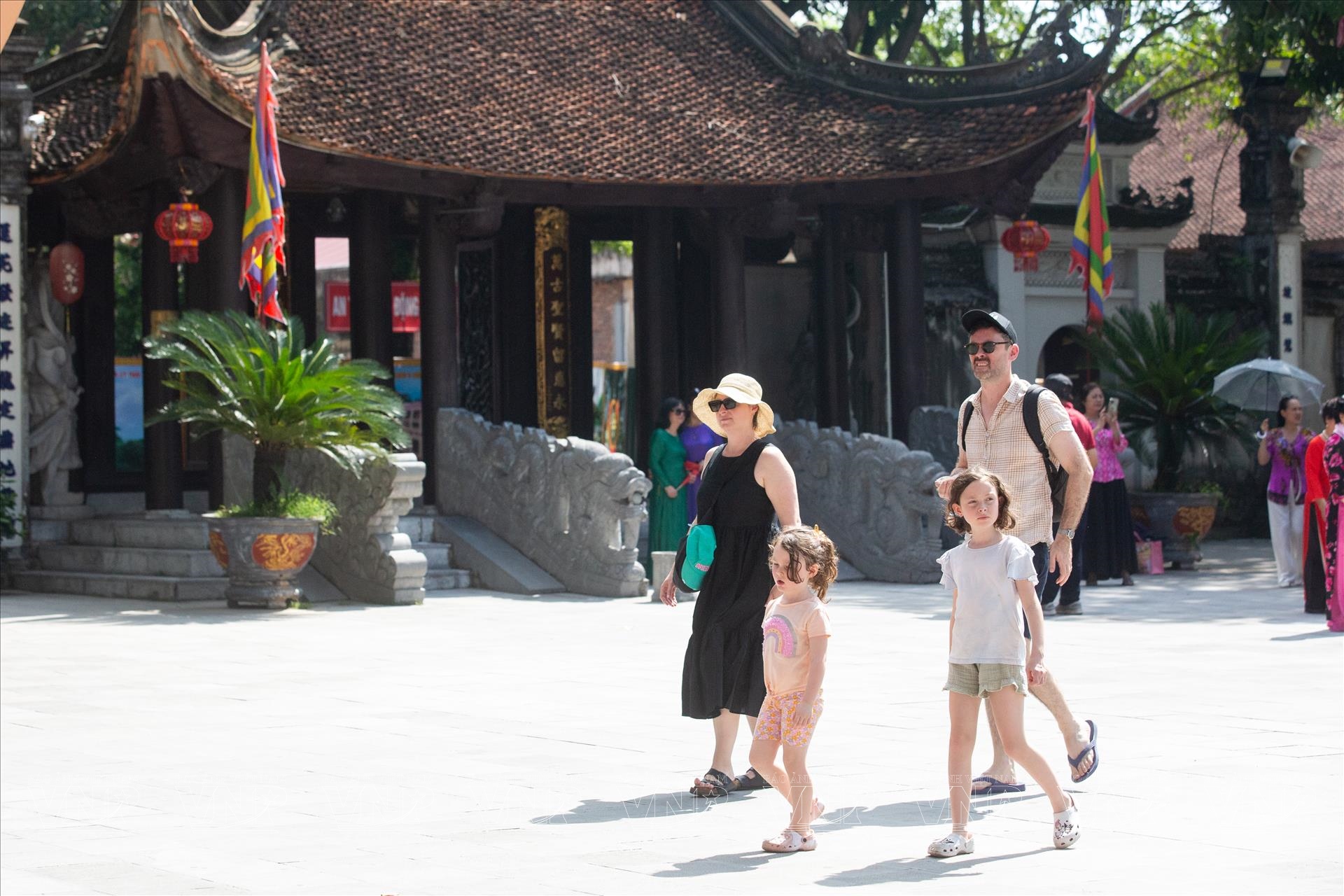
Leaving Phu Khe, we visited the Dong Ky communal house, temple and pagoda complex, which was once a secret base of Party leaders during the pre-insurrection period. Duong Van Cu, head of the site's management board, said, "We are not only preserving these historical landmarks but also developing tours that connect these 'red addresses' to introduce visitors to the history of Vietnam's revolution in the broader cultural landscape of Kinh Bac."
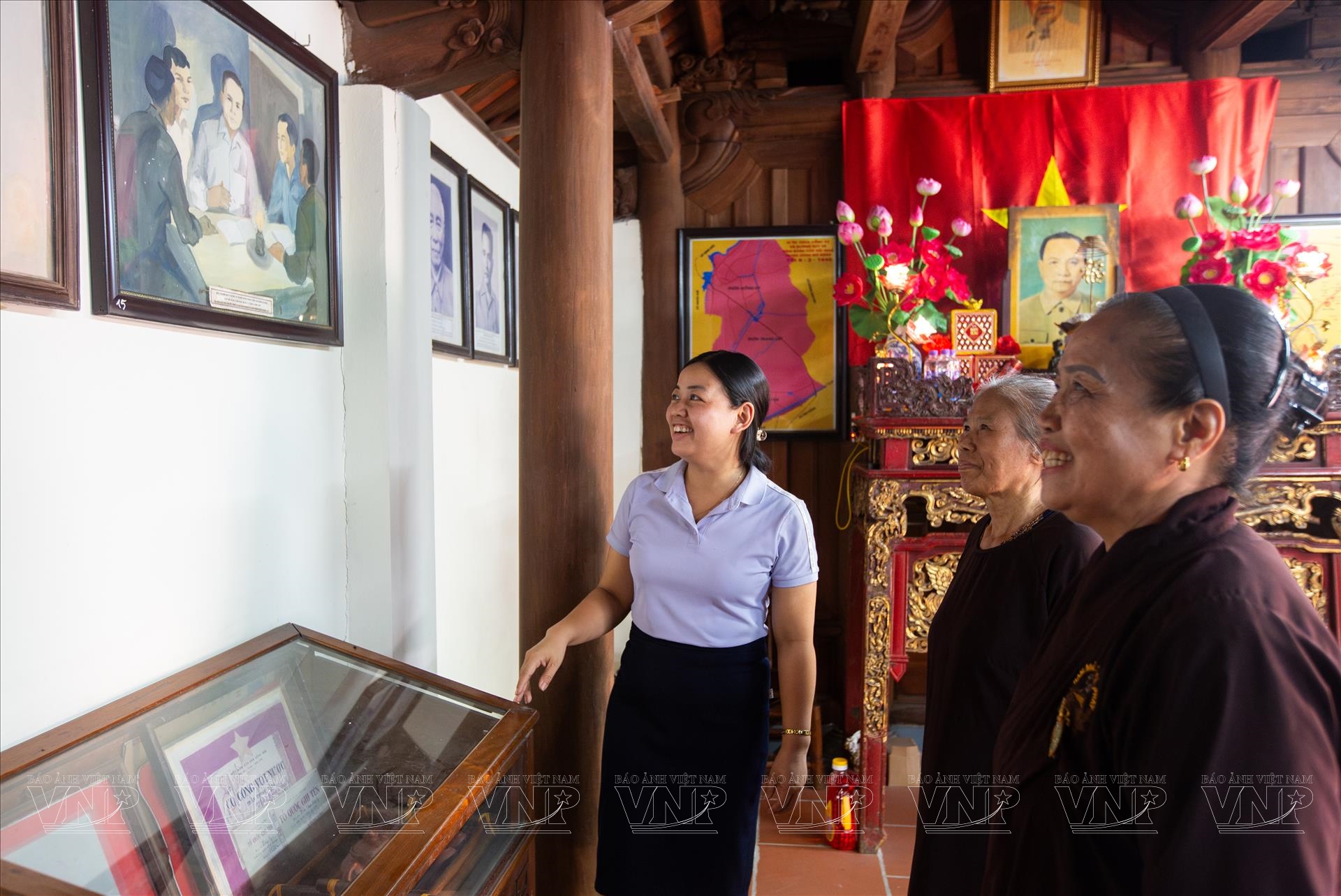
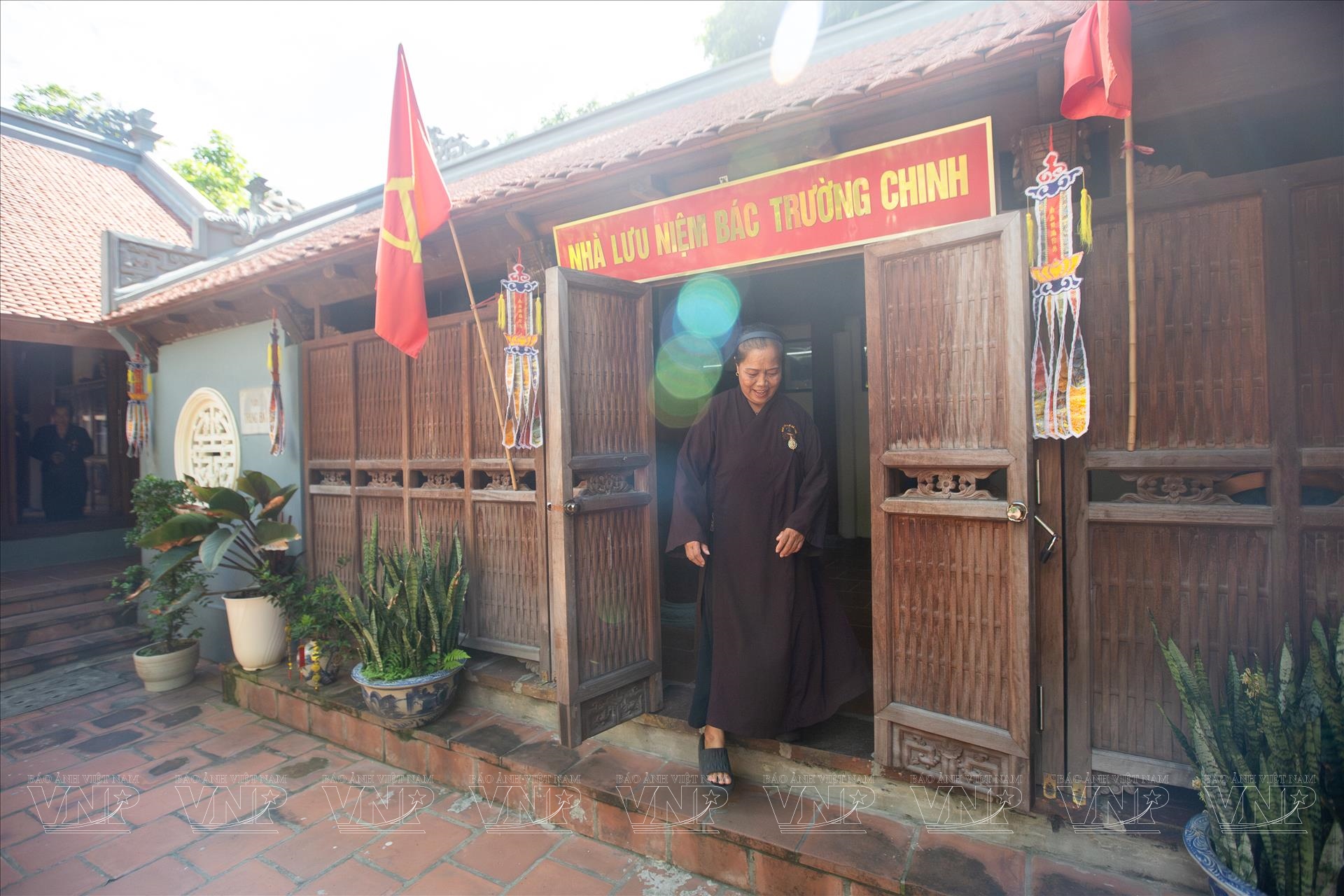
Not far away, Dinh Bang Communal House, a typical traditional wooden house of Vietnam, has preserved its timeless charm after nearly three centuries of historical changes. The site, which was visited by President Ho Chi Minh four times, is now a pride of locals and a tourist attraction in Bac Ninh.
New Look of Kinh Bac
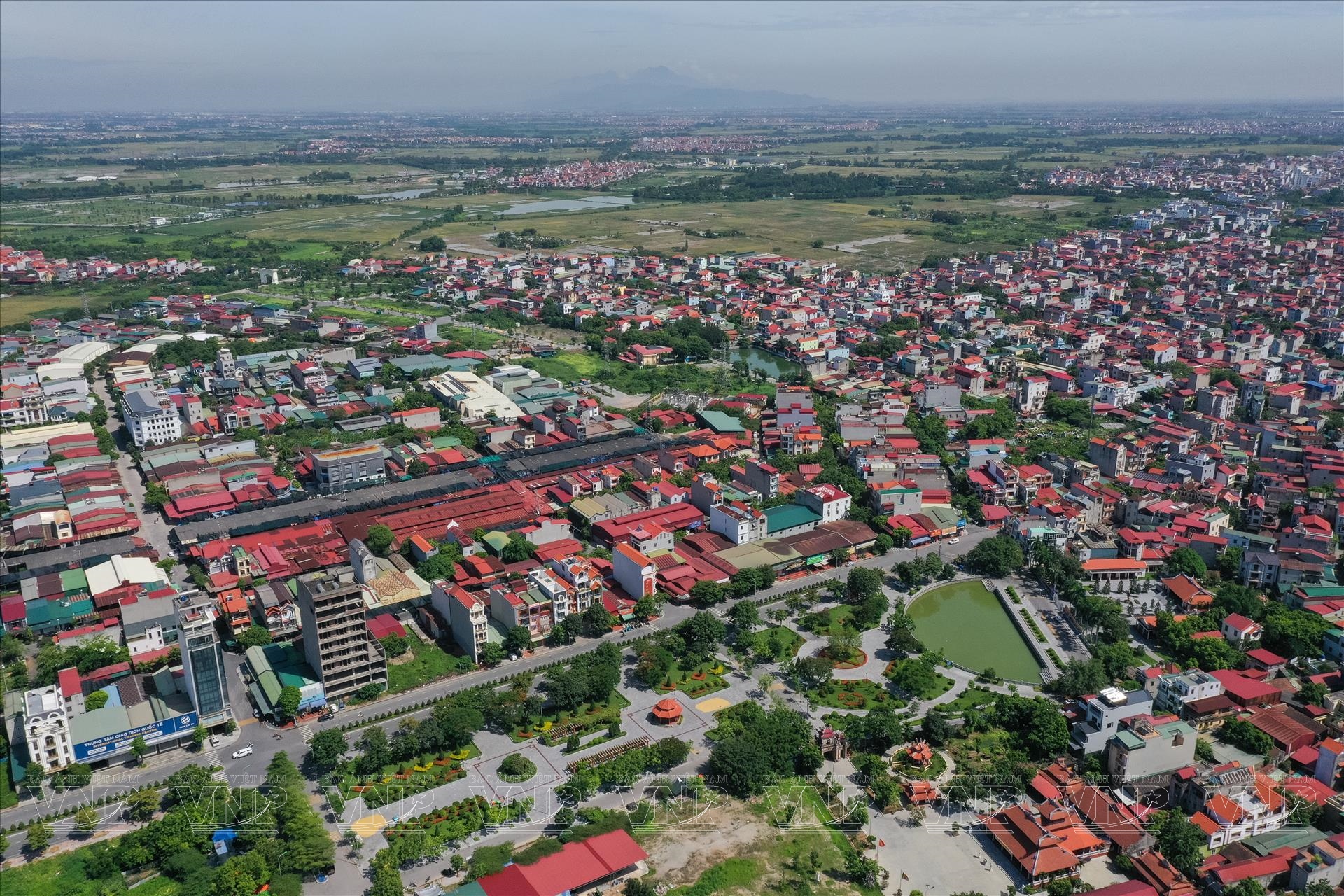
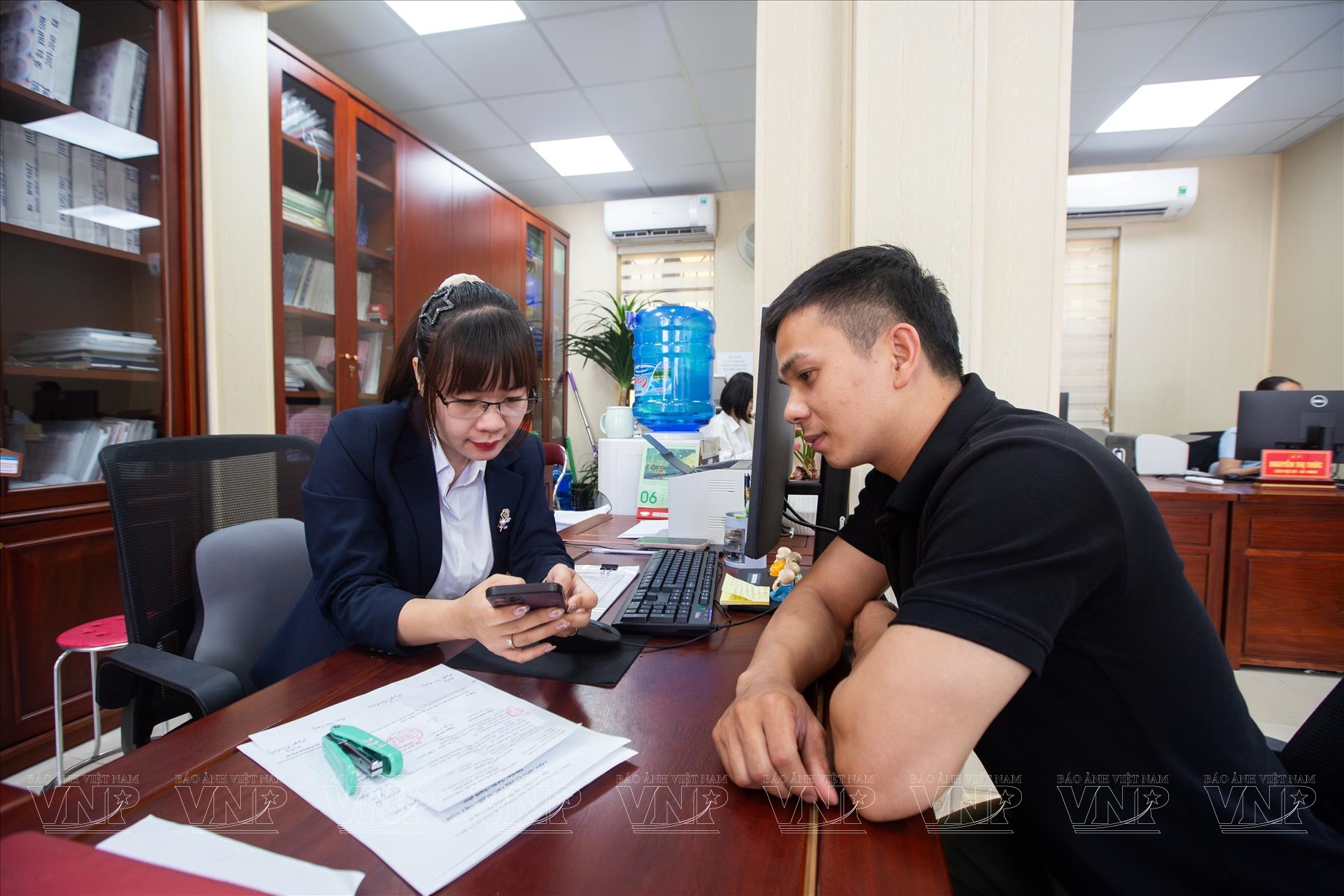
Today, a modern urban area in Phu Khe is forming in the historical Kinh Bac region following its administrative restructuring. New roads, well-planned residential neighborhoods and convenient public services have significantly improved the locals’ lives. The adoption of digital technology in public administration has helped deliver public services more efficiently and effectively.
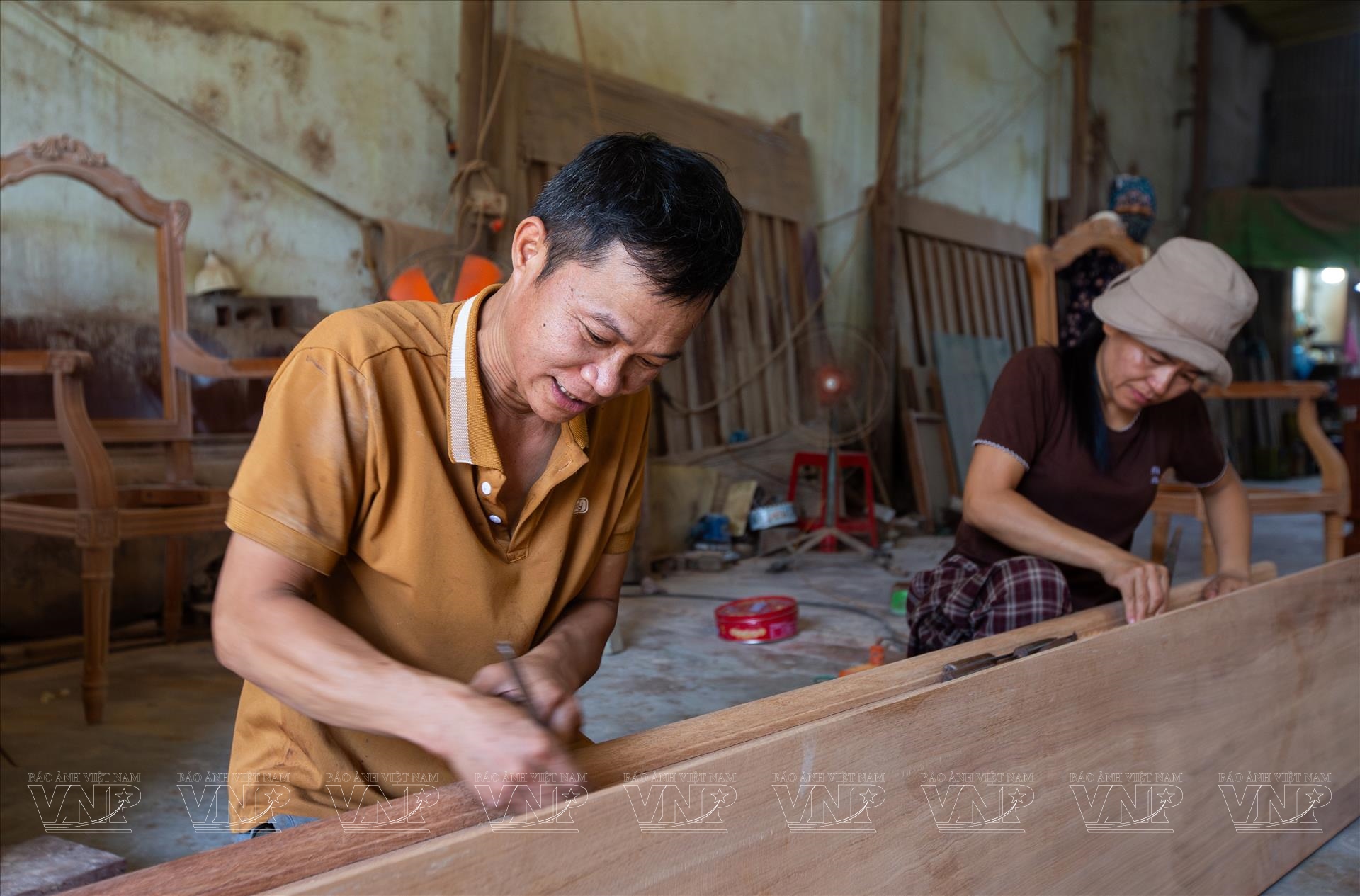
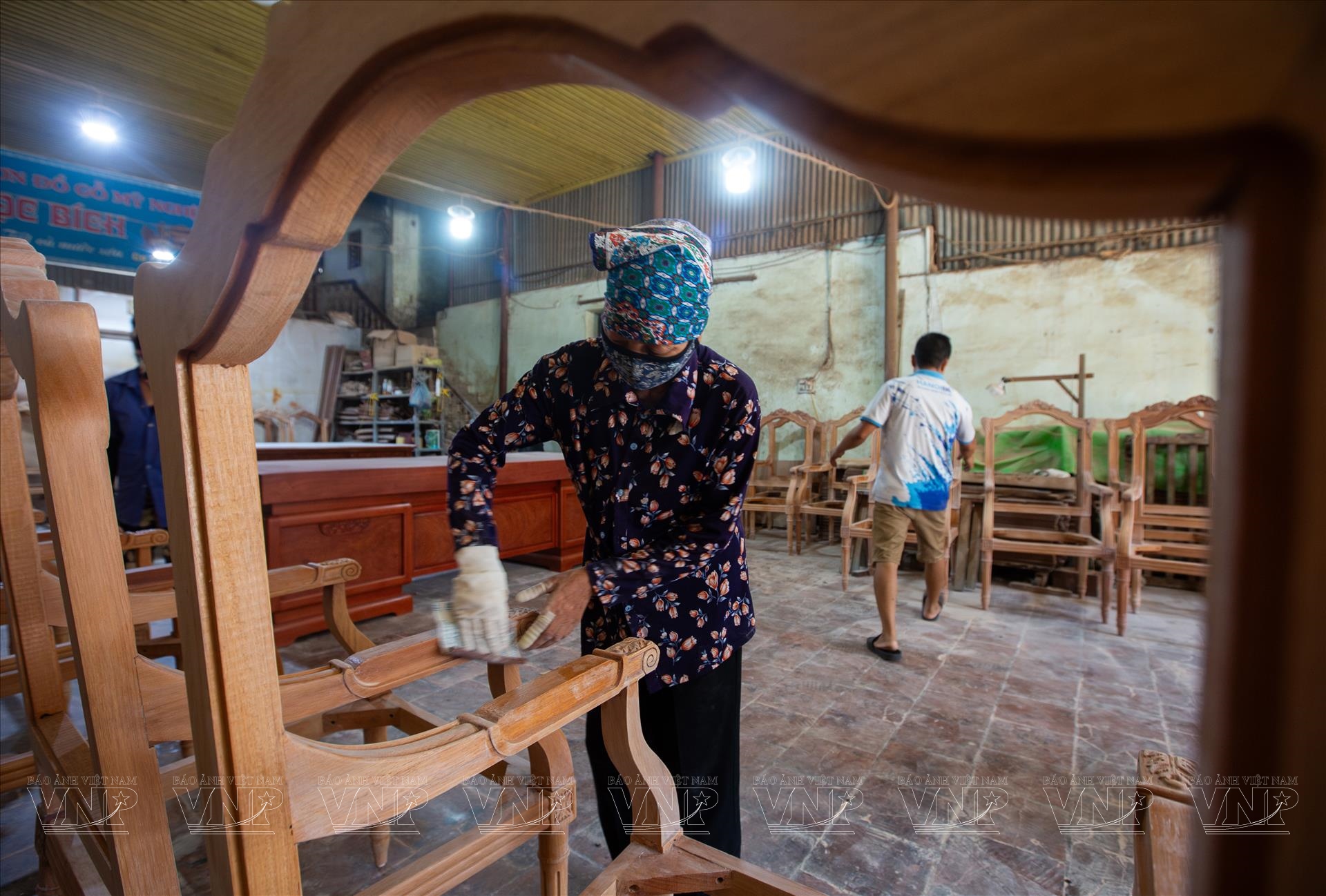

In Dong Nguyen, the Dong Ky fine wooden furniture craft is a key driver of the local economy. In workshops, machinery combined with the skilled hands of artisans roll out sophisticated furniture that meet global market requirements.
Chu Van Huong, Director of Huong Mai Fine Wooden Furniture Enterprise, said, "Local businesses are investing in technology to raise productivity but still keep the handcrafted techniques that make Dong Ky furniture distinctive."
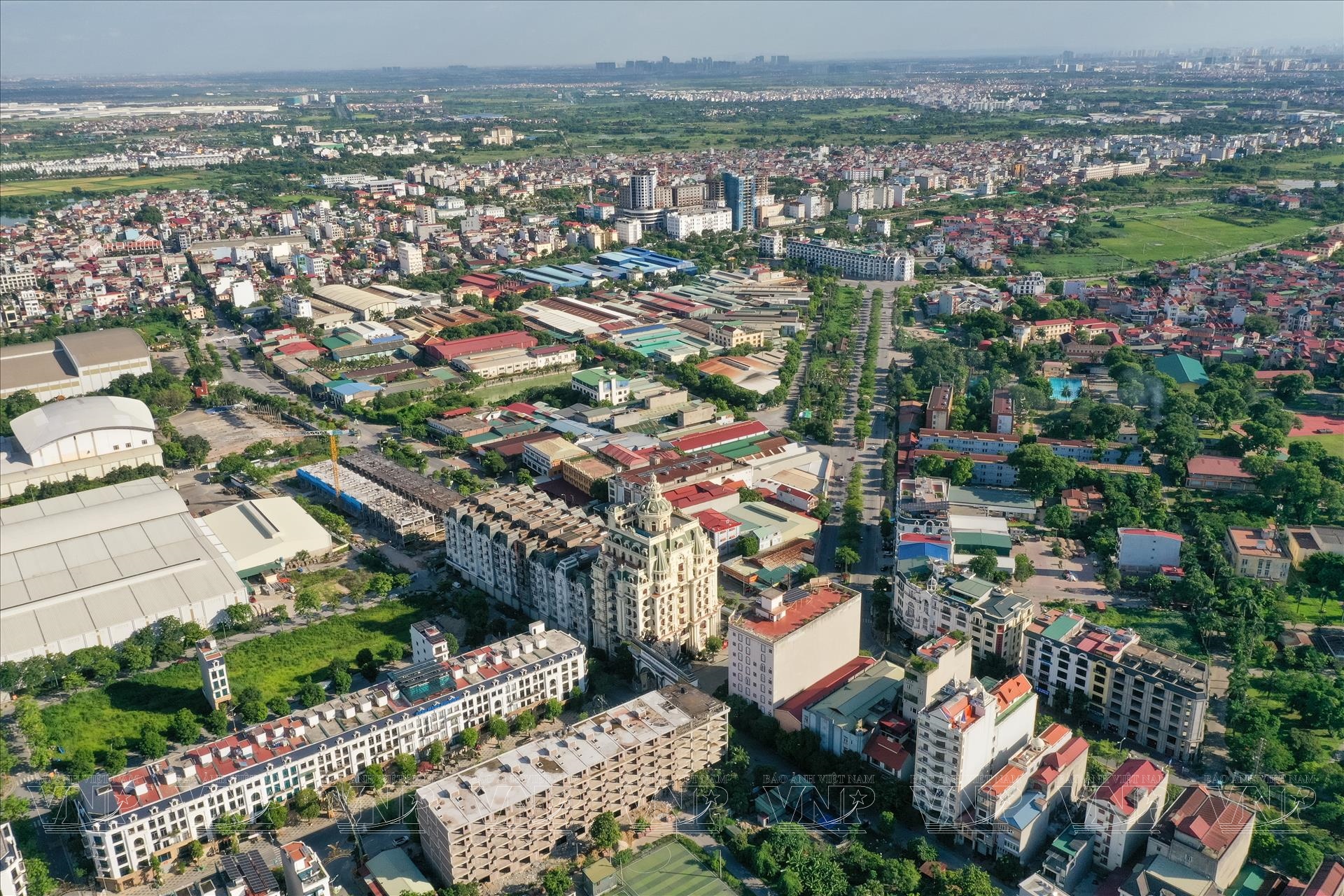
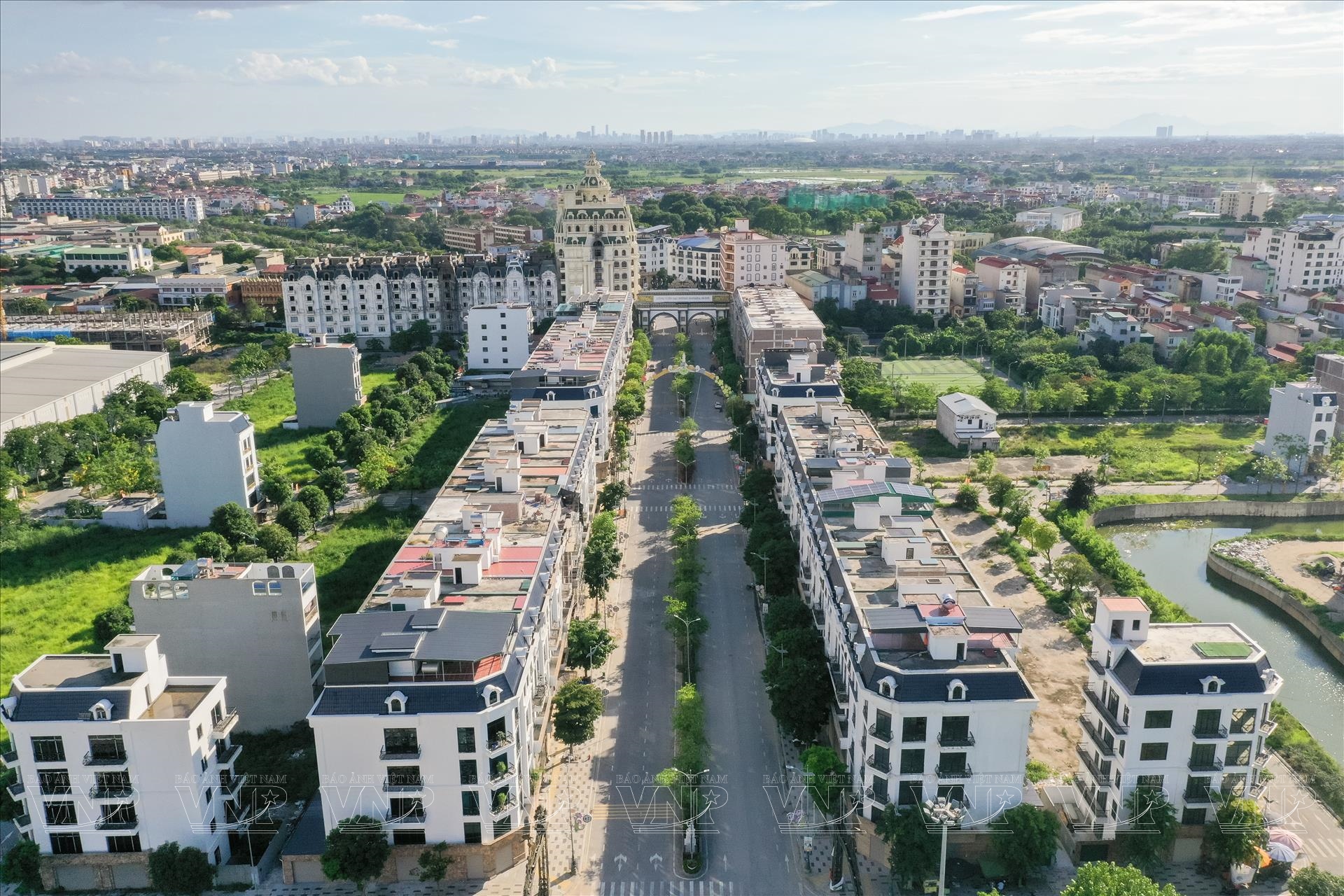
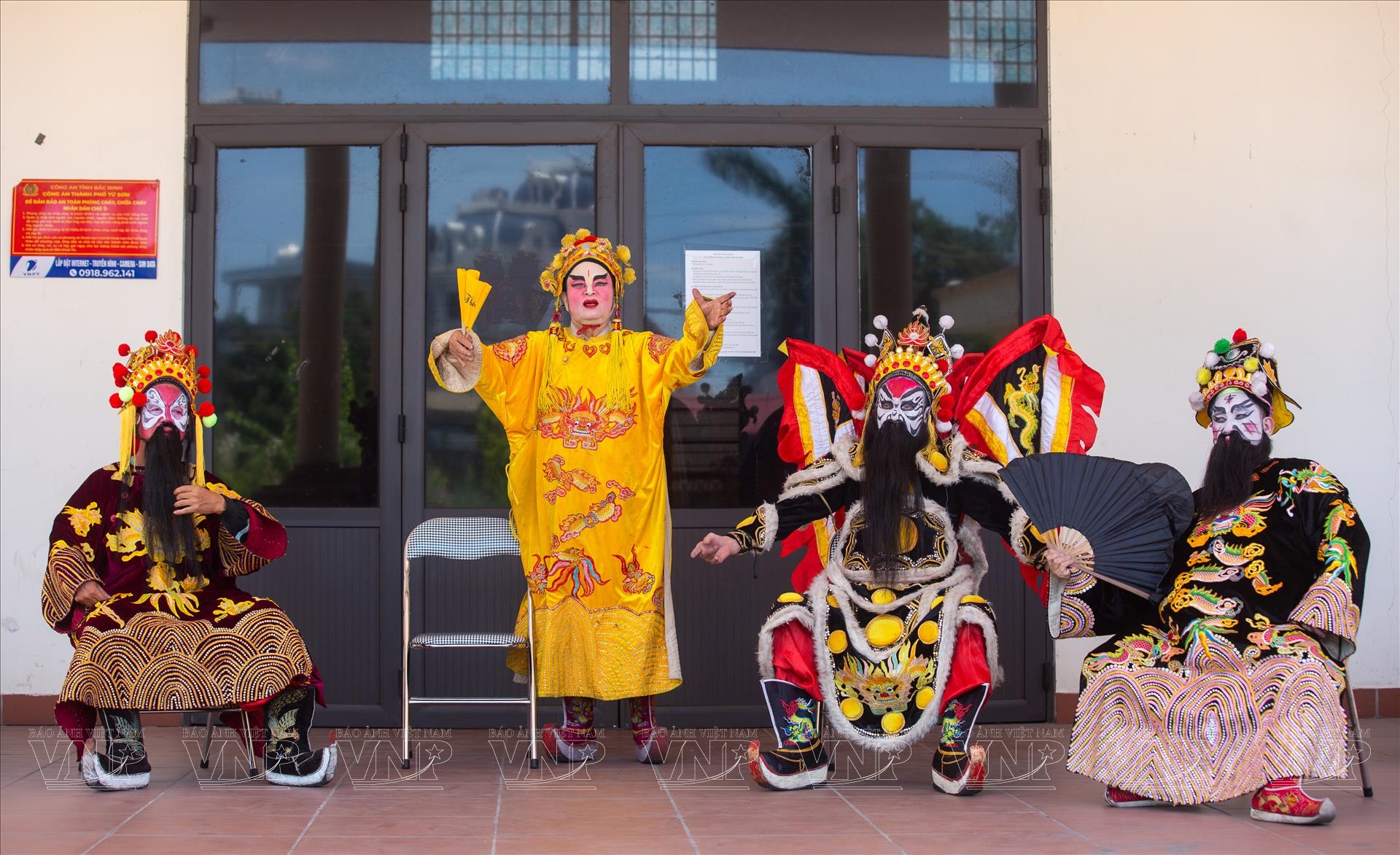
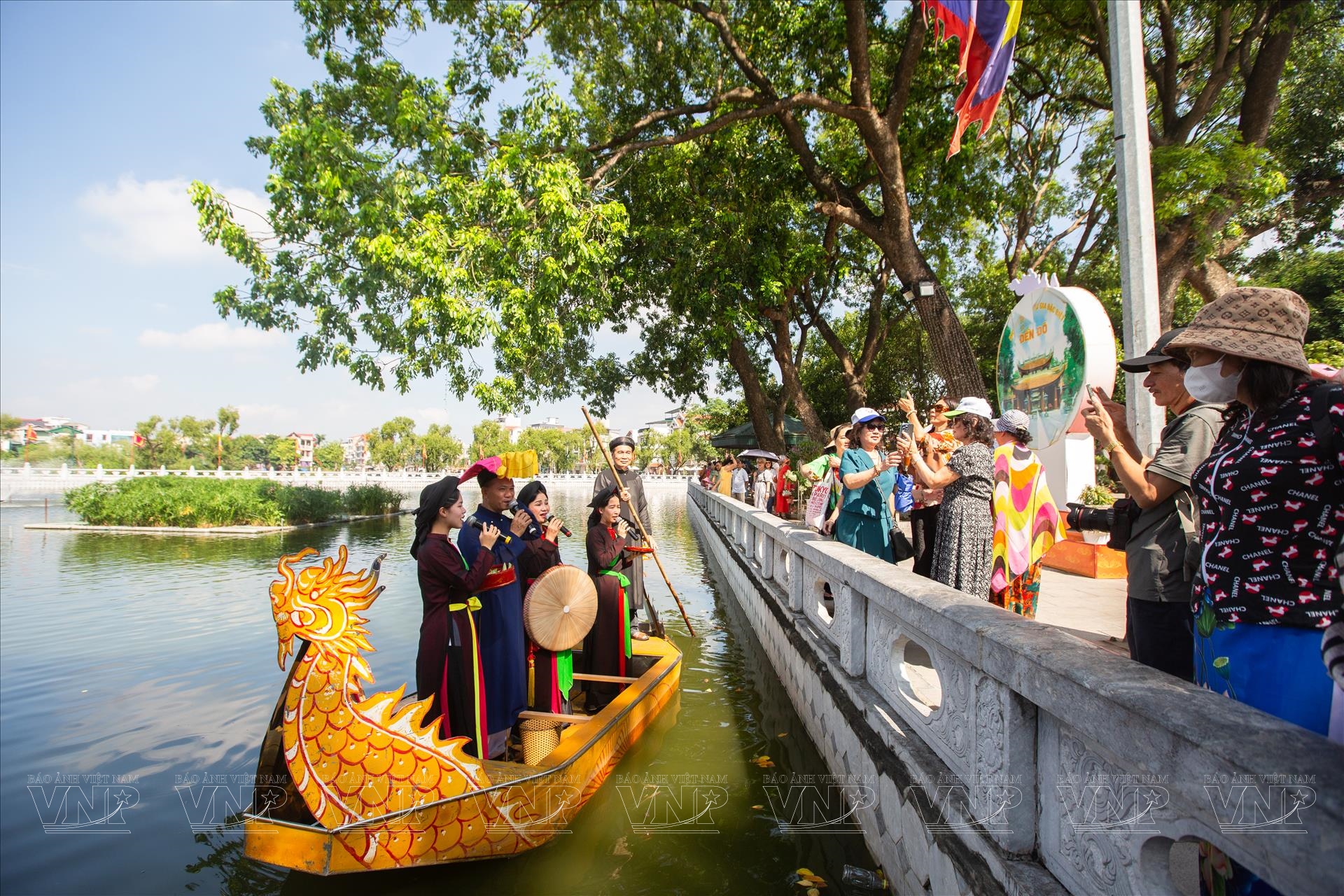
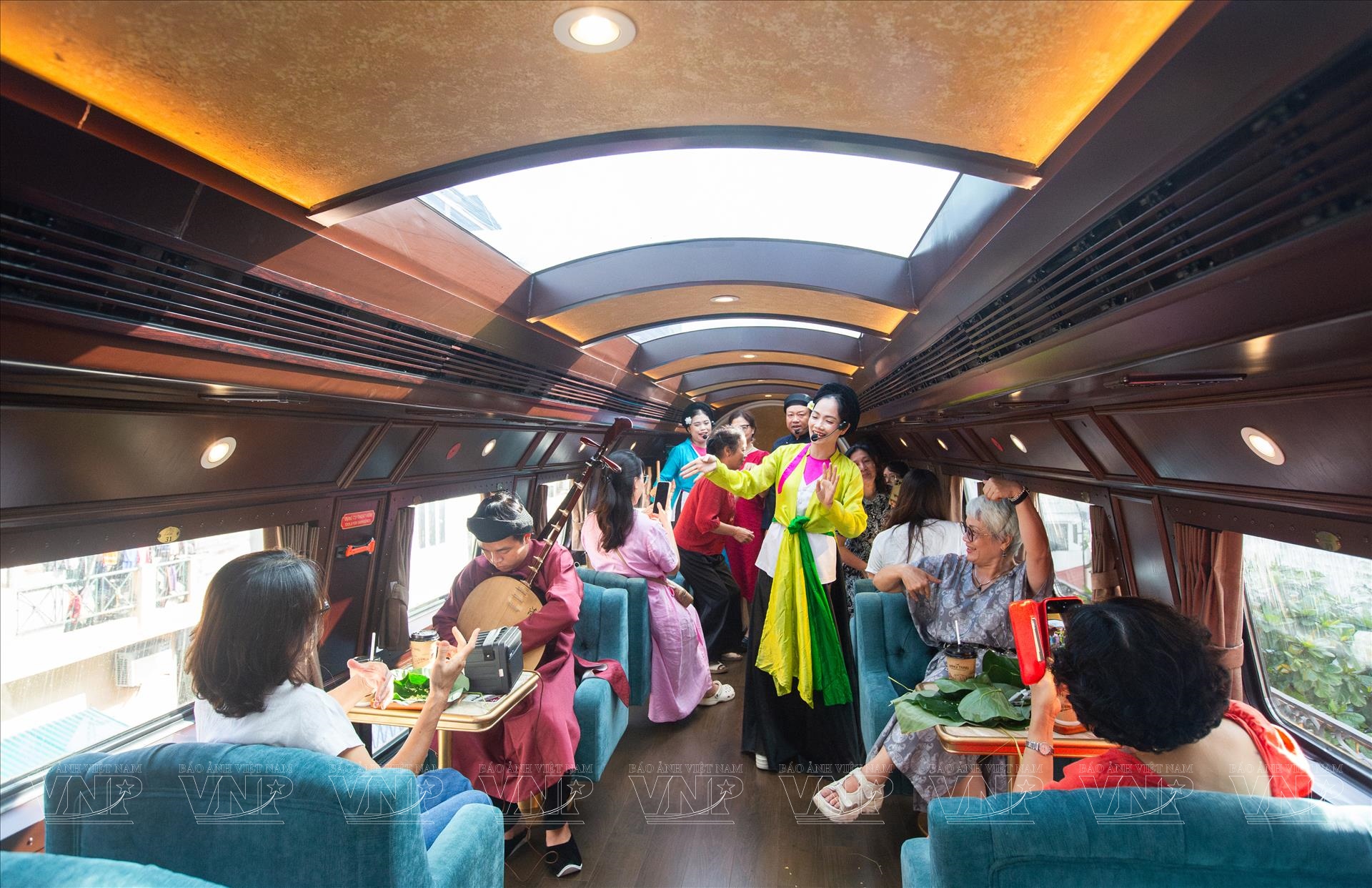
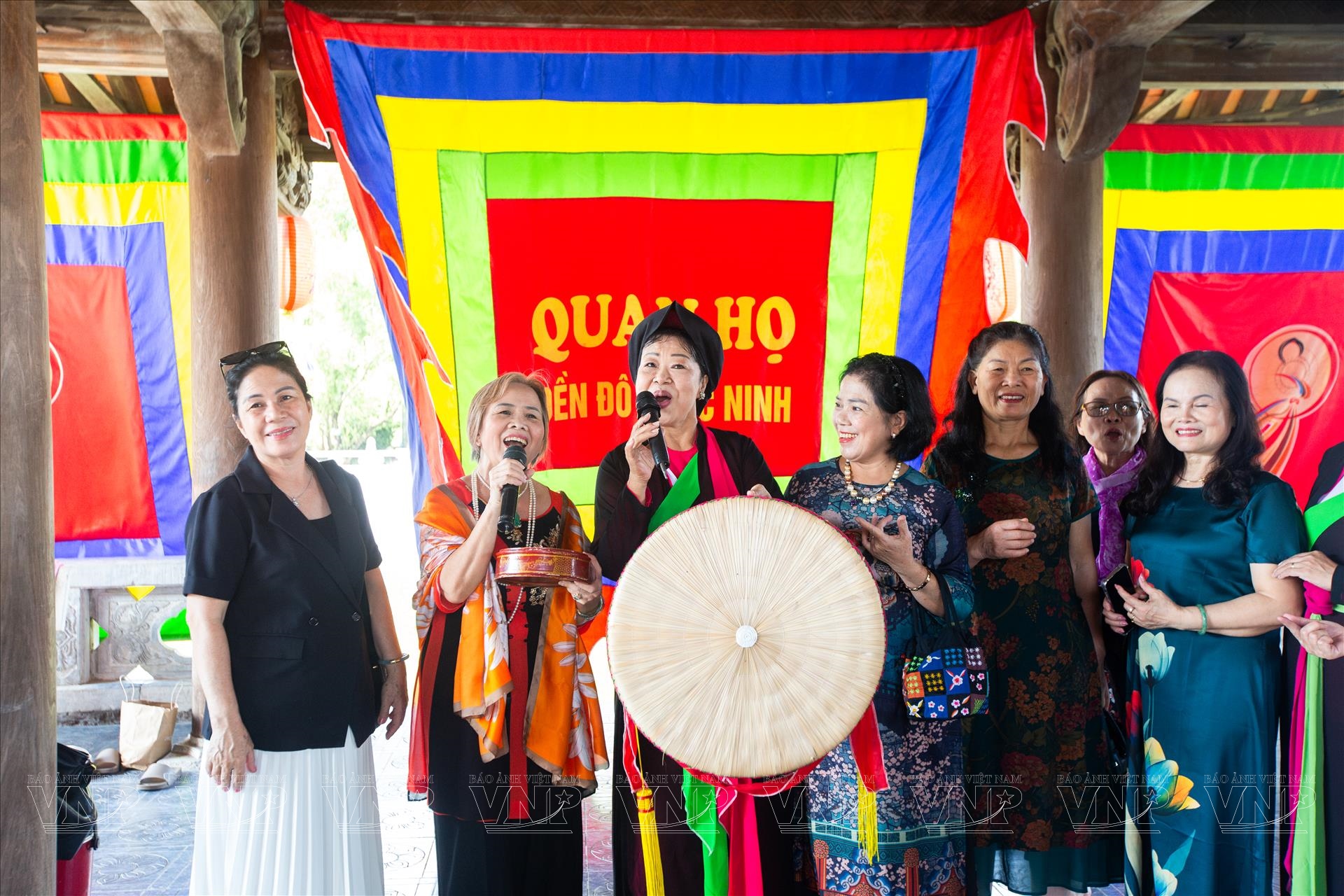
While boosting economic growth, local authorities are keen to nurture their rich cultural heritage. Quan ho songs are sung during local festivals and at community clubs, while tuong (classical opera) performances are indispensable in local cultural events.
Tran Trung Son, Head of the Da Hoi Residential Cluster in Phu Khe Ward, said, "Local authorities always support regular cultural activities to inspire young people to preserve our cultural heritage."
Story: Ngan Ha Photos: Khanh Long/VNP