Ginseng Deity Worship of the Xe Dang
The Xe Dang in Tra Linh commune, Da Nang, have preserved rich folk stories about Ngoc Linh ginseng, of which ginseng deity worship is a unique ritual that shows the group’s gratitude to the forest gods and hope for peace and prosperity.
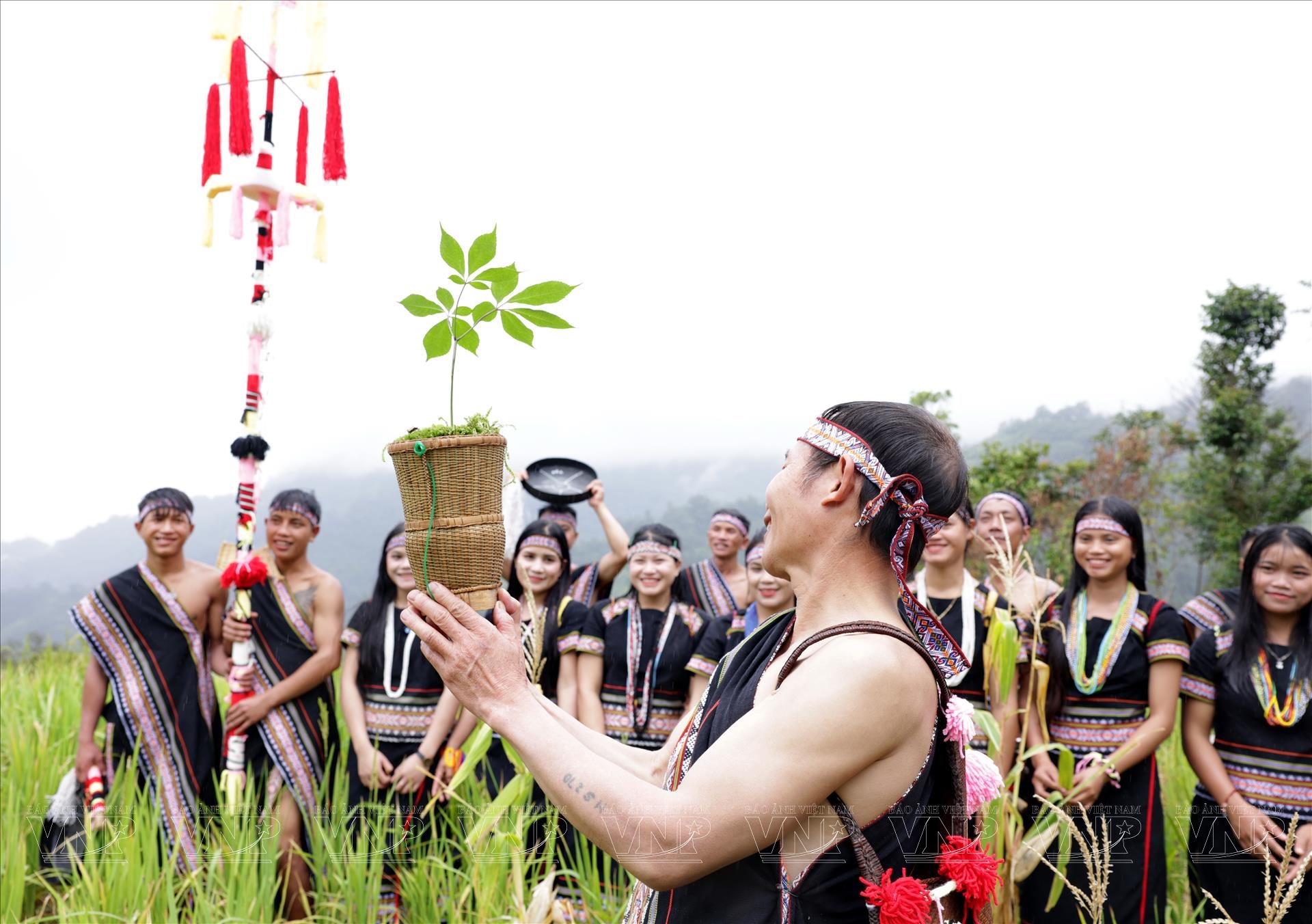
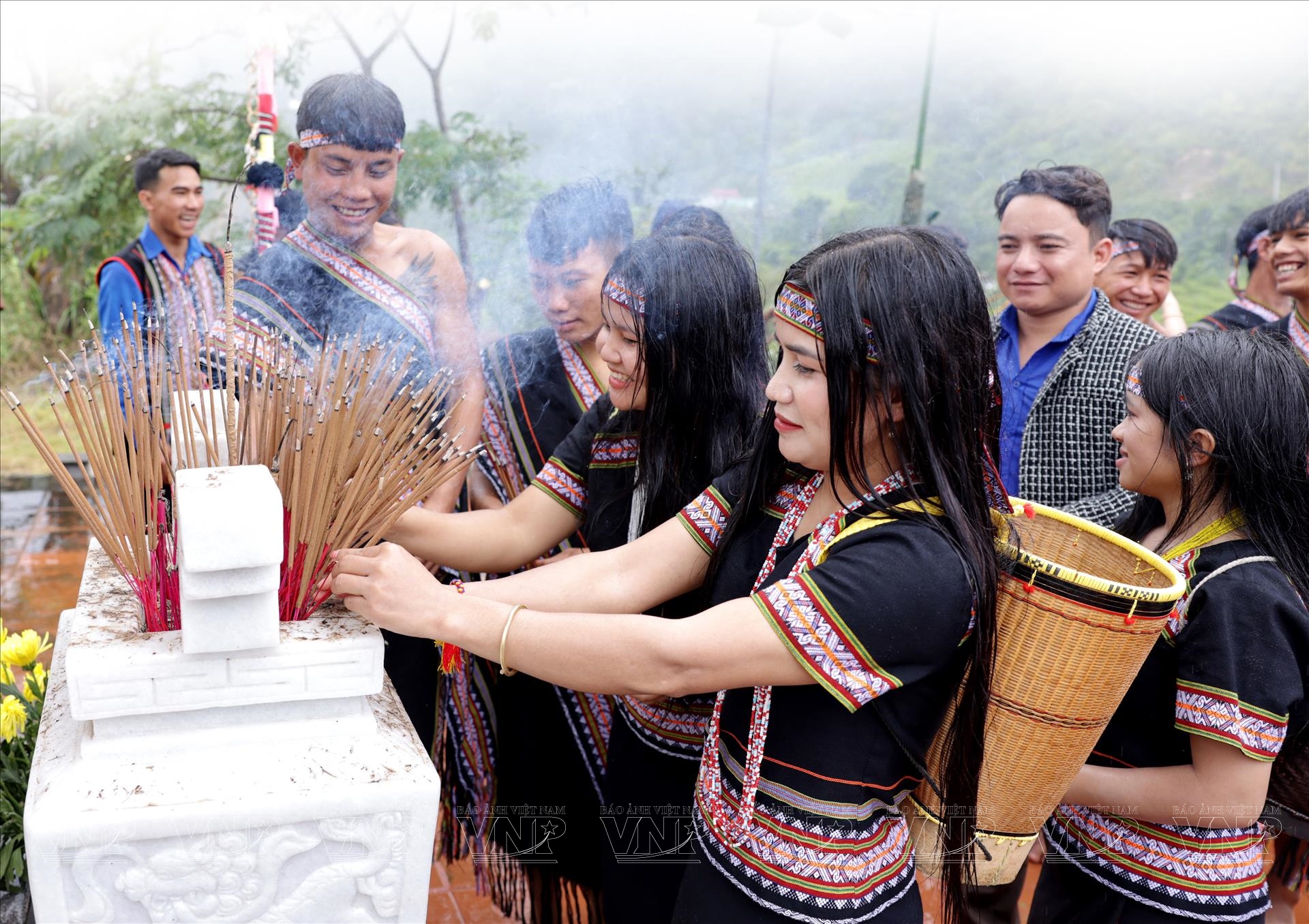
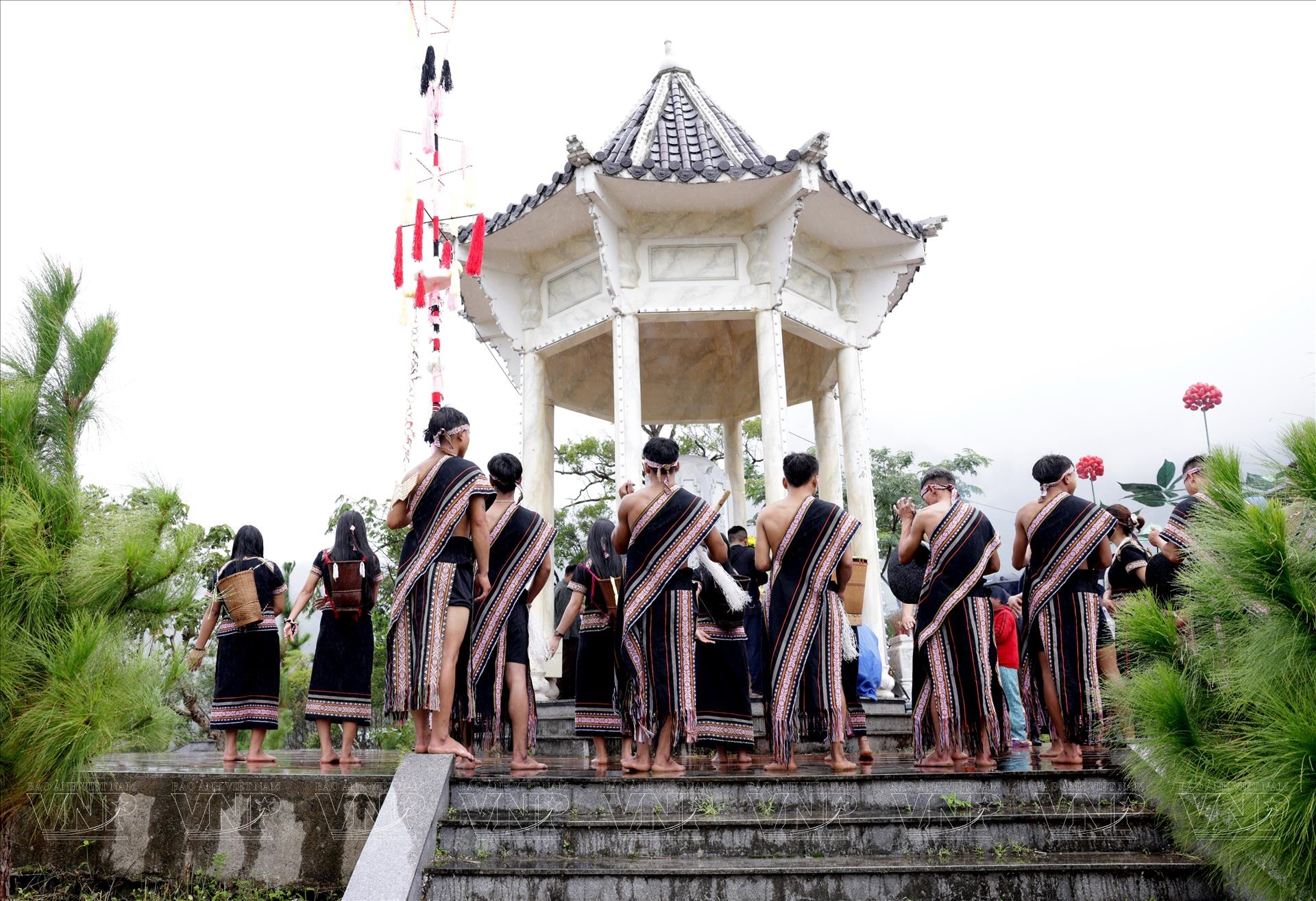
Deep in the high mountains of Da Nang and Quang Ngai province grows Ngoc Linh ginseng, a rare medicinal plant of Viet Nam. At an altitude of over 1,500m in Kon Pin village, Tra Linh commune, the Ngoc Linh ginseng deity temple is a sacred venue where the Xe Dang conduct rituals to honor their deities and ancestors and pray for bumper crops of ginseng.
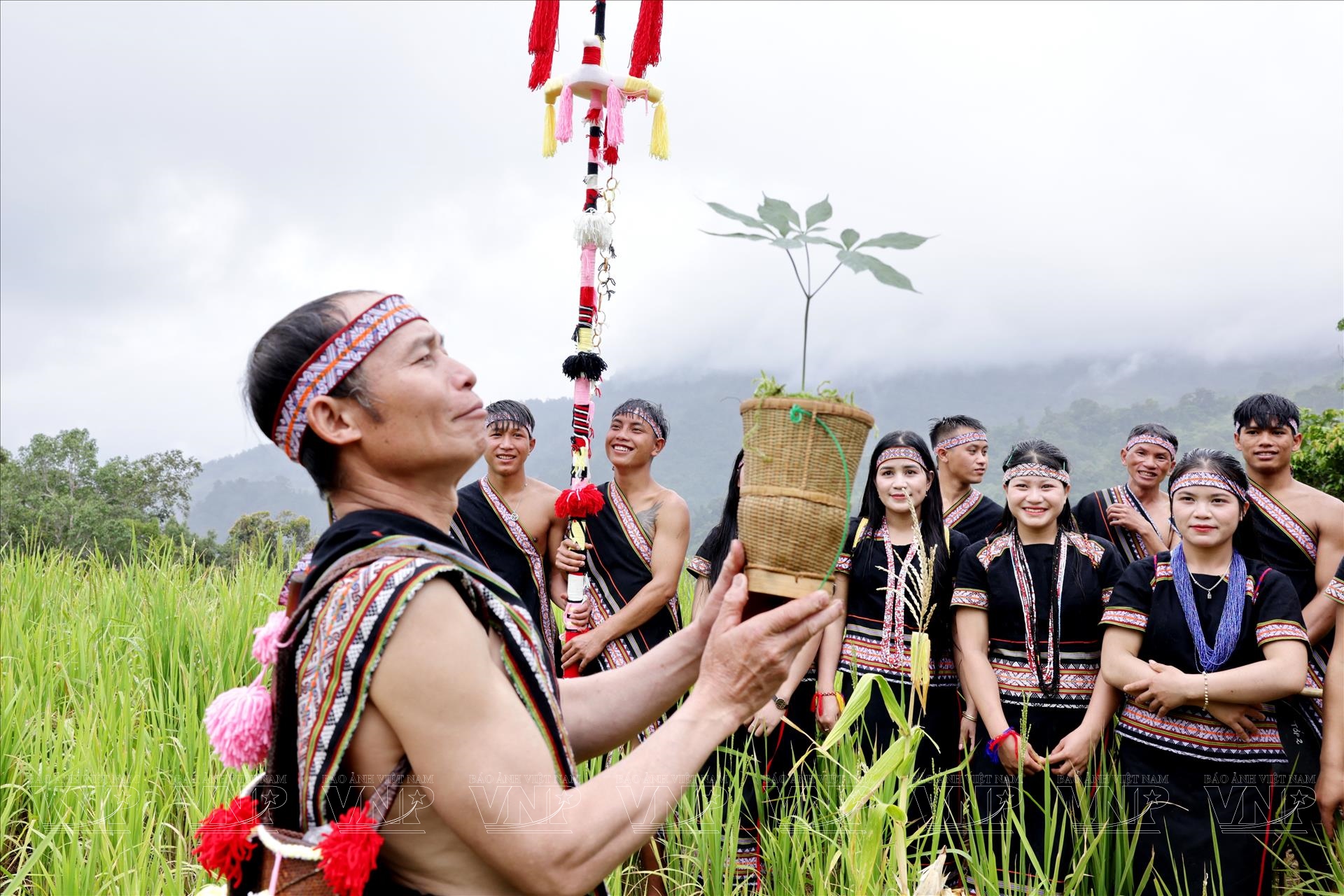
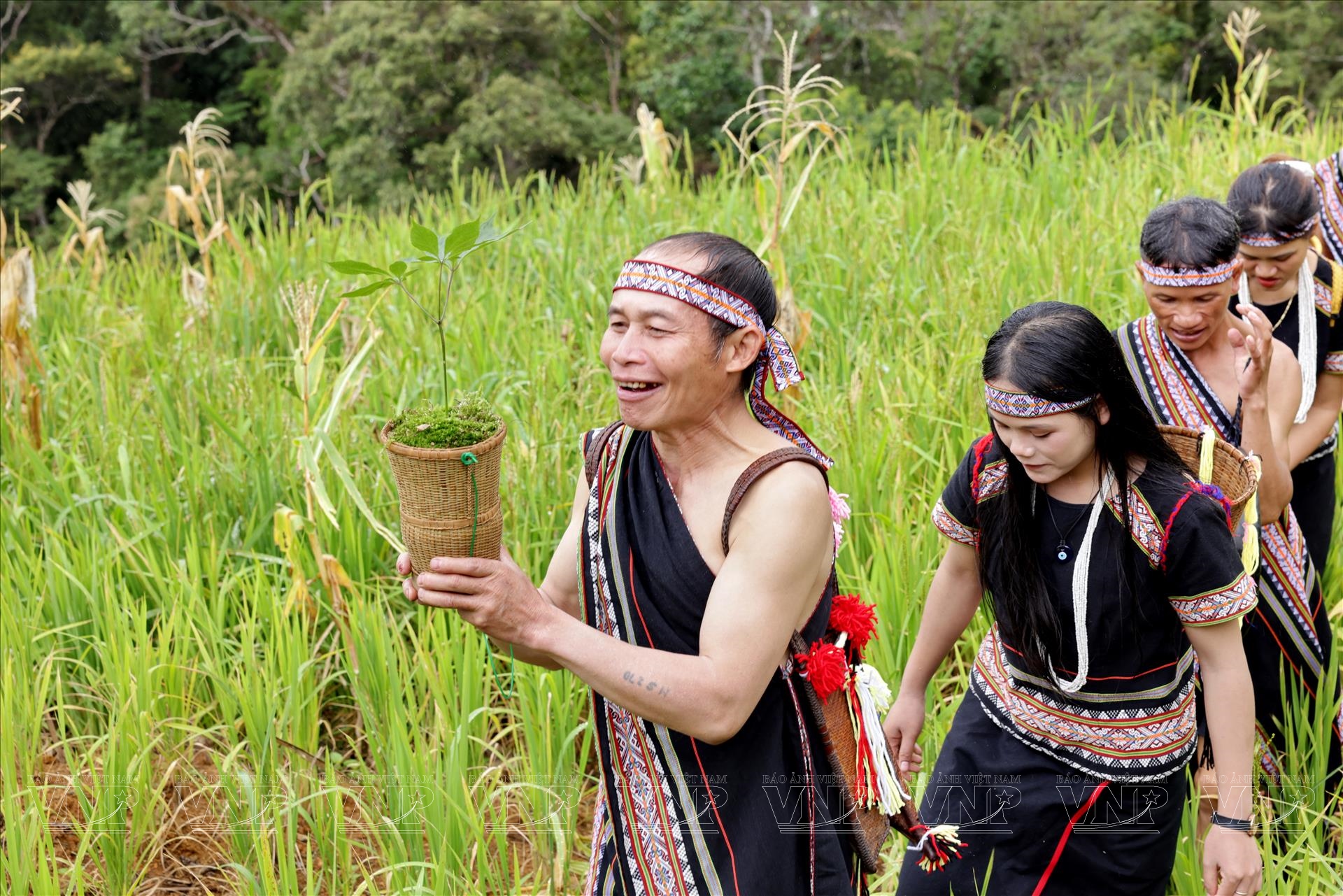
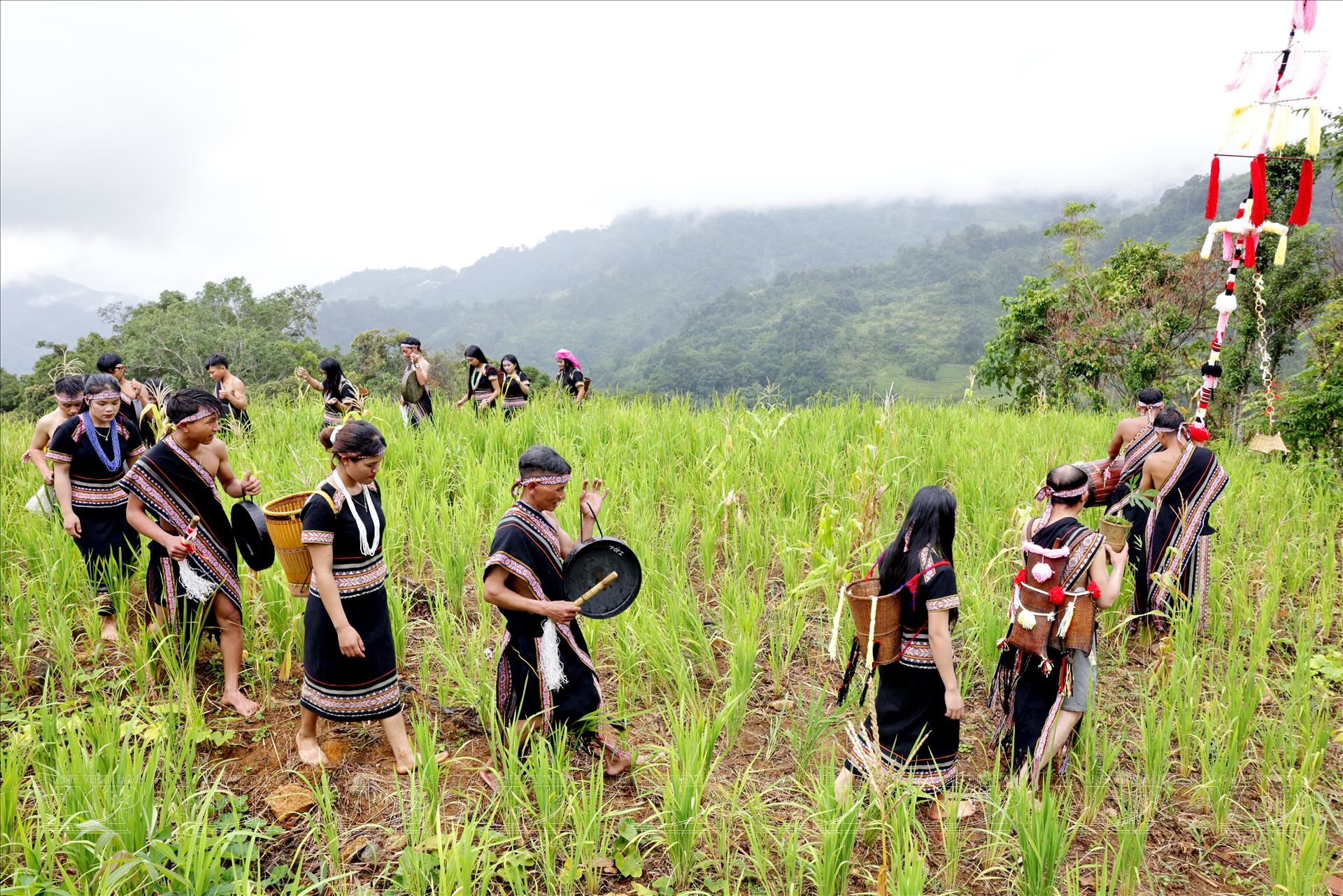
The ginseng deity worship ritual begins with villagers erecting a neu tree (a ceremonial bamboo pole) to thank heaven and earth for protecting the growth of ginseng in the primeval forest. The offerings in the ritual include Ngoc Linh ginseng, boiled chicken, betel nuts and ruou can (rice wine in a big clay jar and drunk with long bamboo straws). The ritual proceeds with a deity procession, chicken tongue divination, wine offering and praying. With the resonant echo of gongs, a village elder holds up a ginseng plant to invoke blessings for healthy crops, and peace and wealth for the villagers.
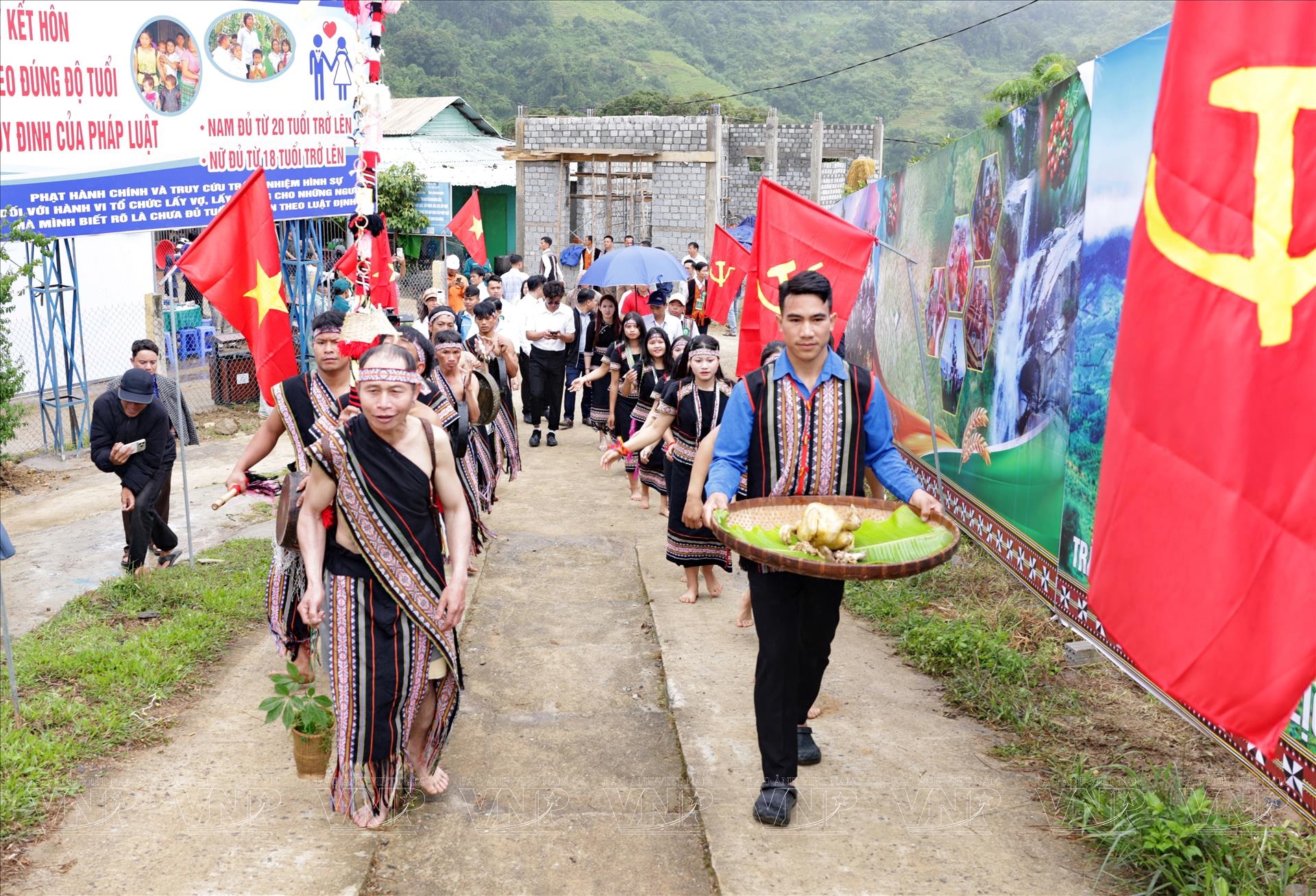
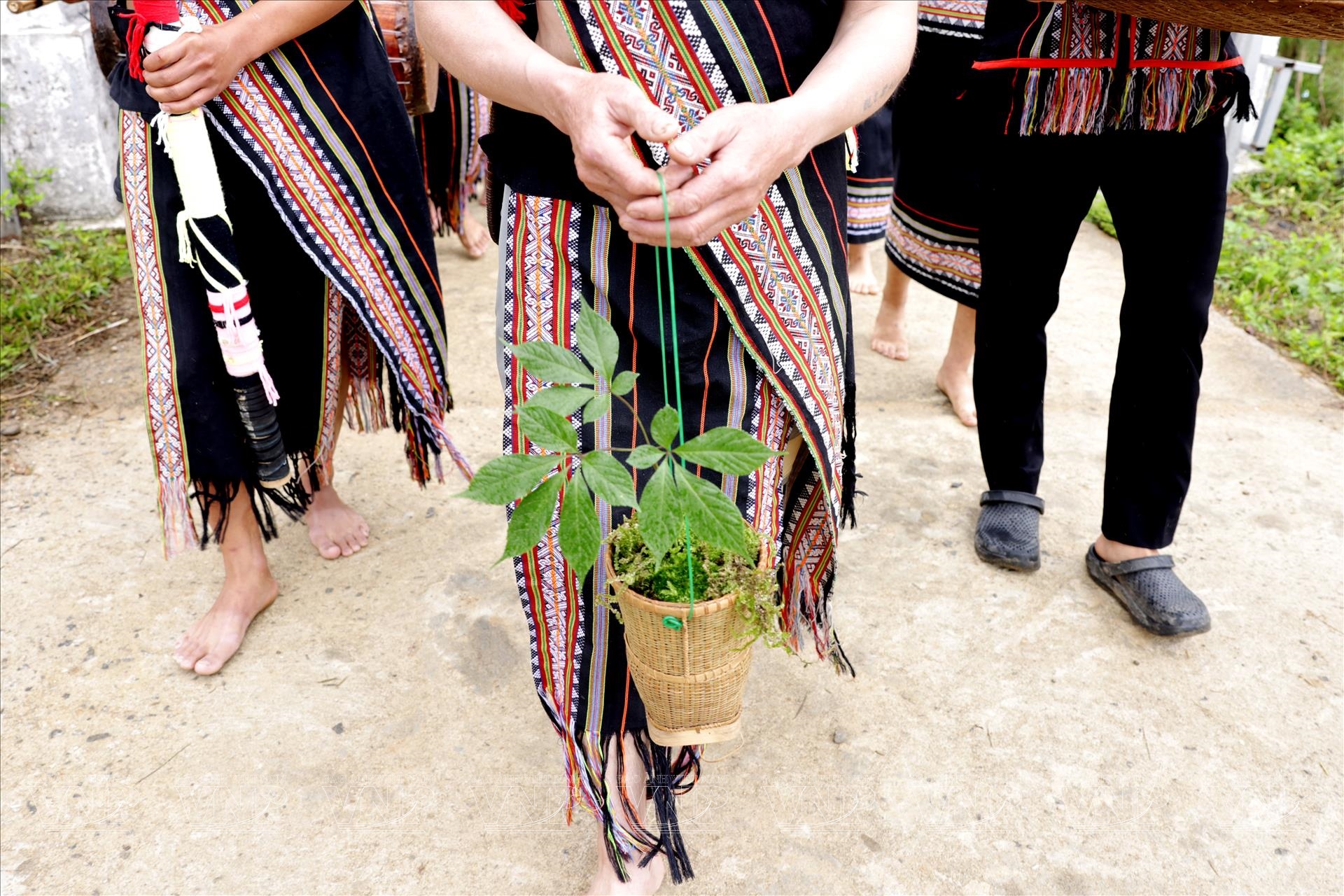
For the Xe Dang, Ngoc Linh ginseng is not only a valuable
medicinal plant, but also a gift from the gods and a symbol
of connections between humans and nature. For generations,
people living around the Ngoc Linh mountain range have
accumulated and passed down practical information on
selecting terrain for growing, breeding, tending, harvesting
and using the ginseng. Locally called thuoc giau, the plant
is deeply tied to the tradition of keeping and passing down
cherished herbal remedies within families and the wider
community.
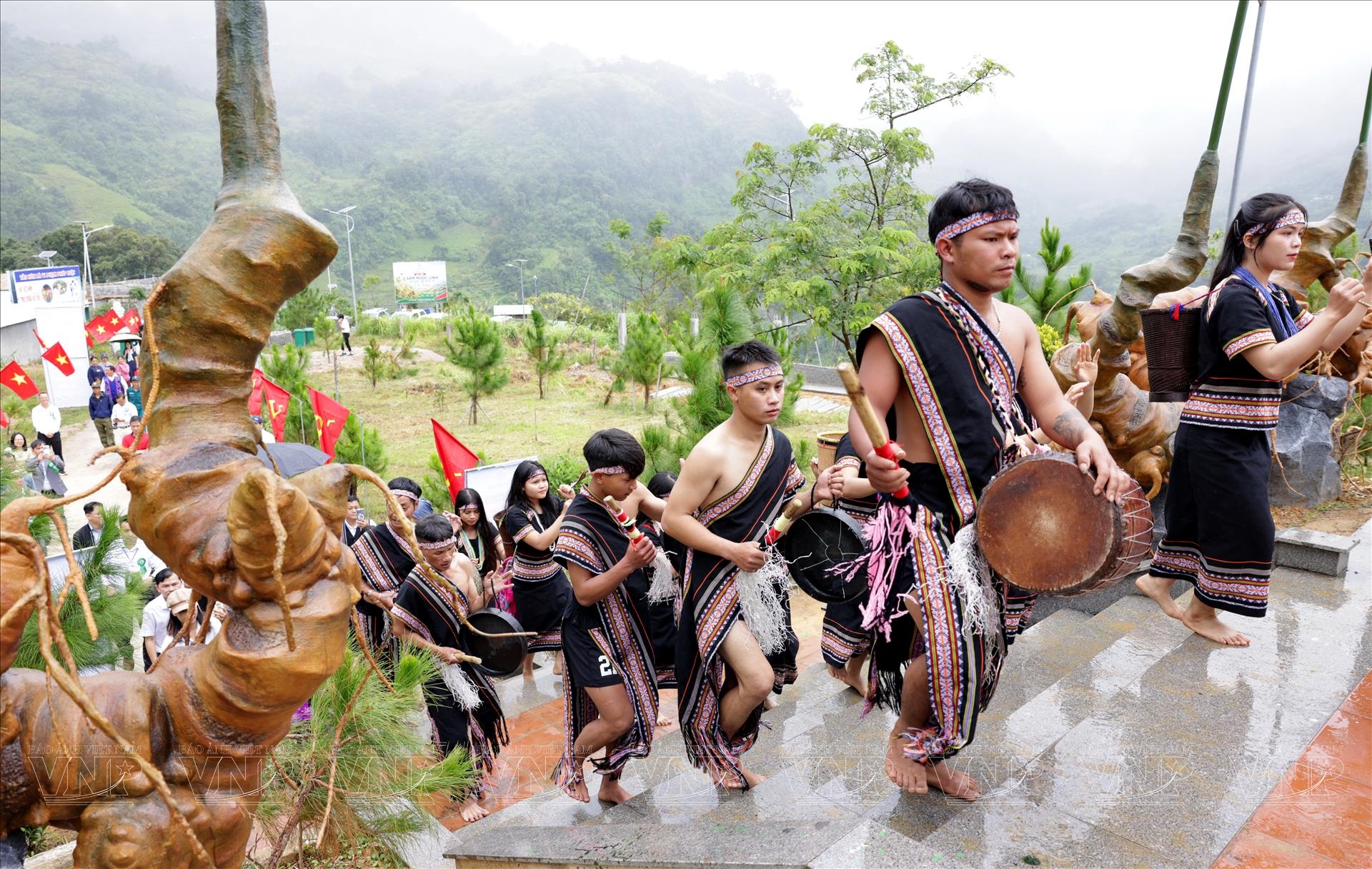
Trinh Minh Hai, Chairman of the Tra Linh Commune People’s Committee, noted that ginseng plays a vital role in both the culture and sustainable livelihood of the Xe Dang. The ritual safeguards the group’s cultural heritage while giving visitors an insight into indigenous traditions.
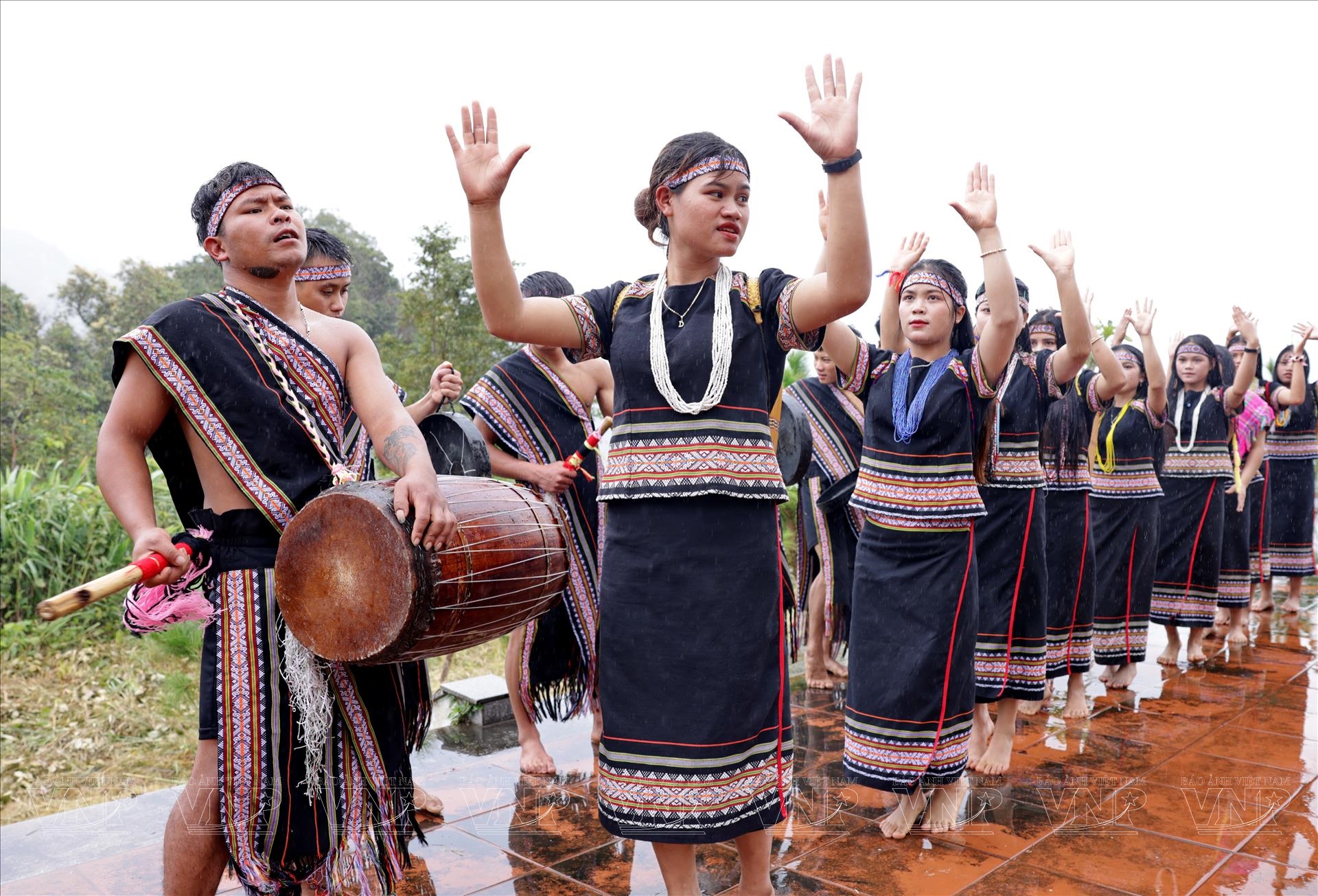
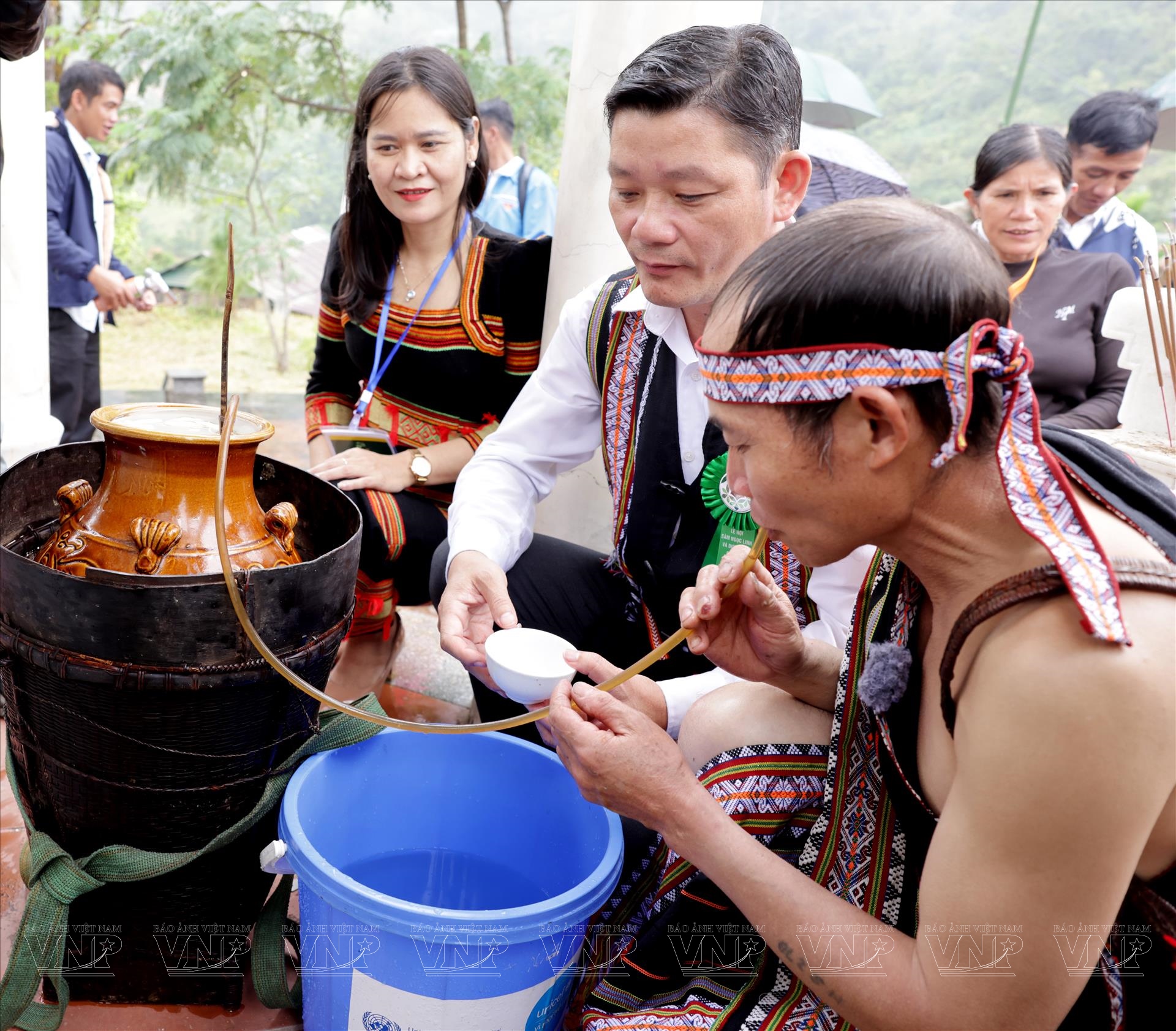
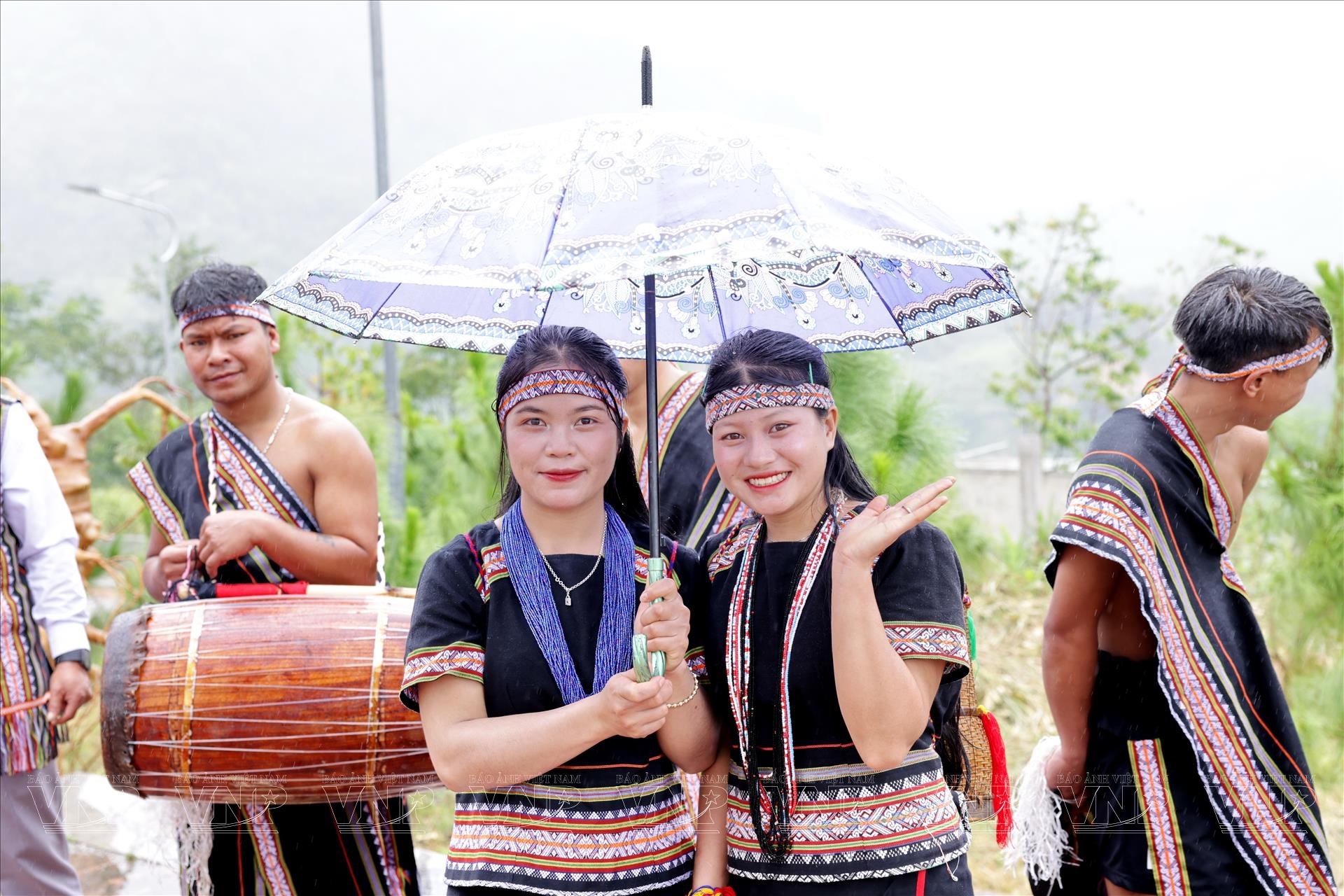
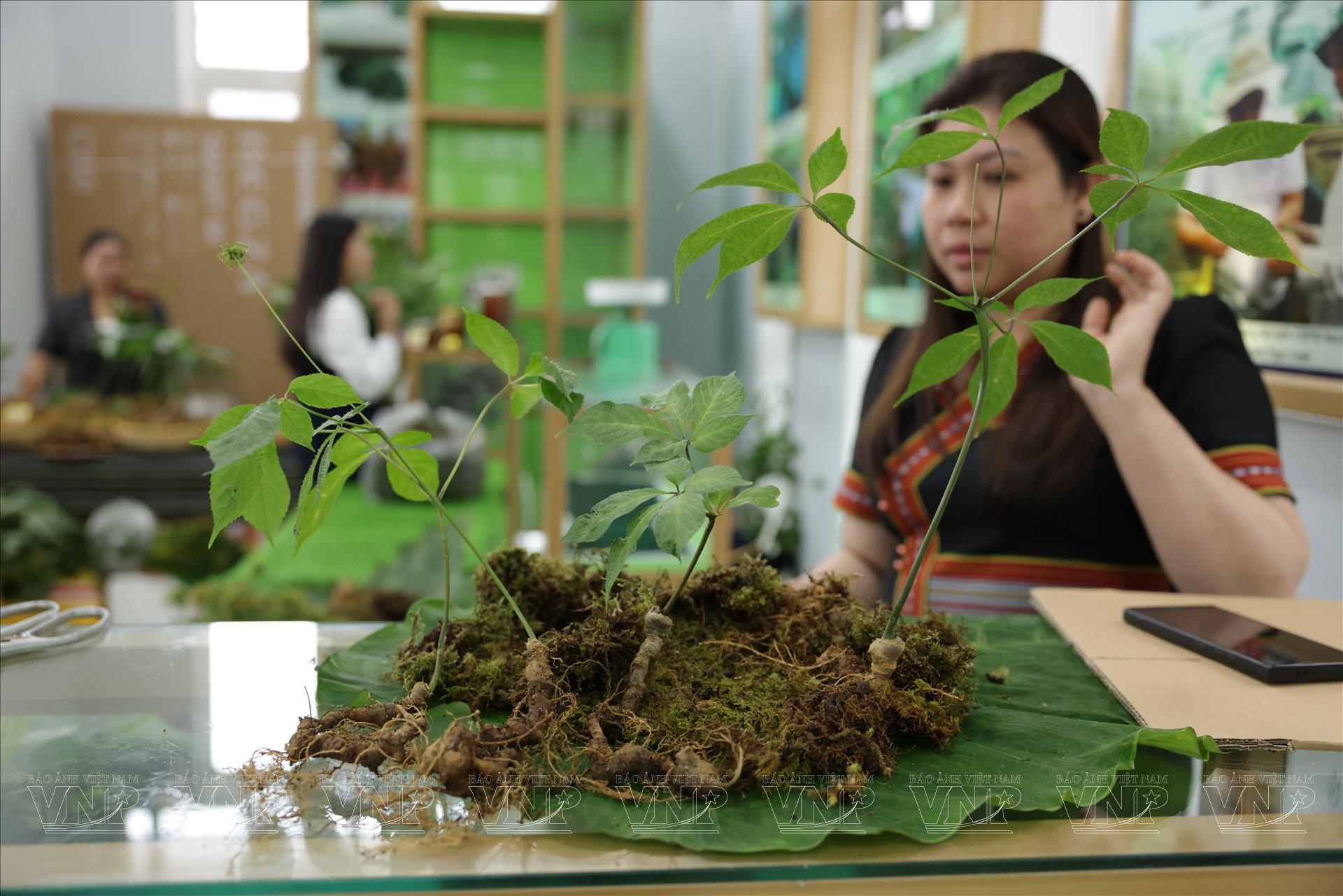
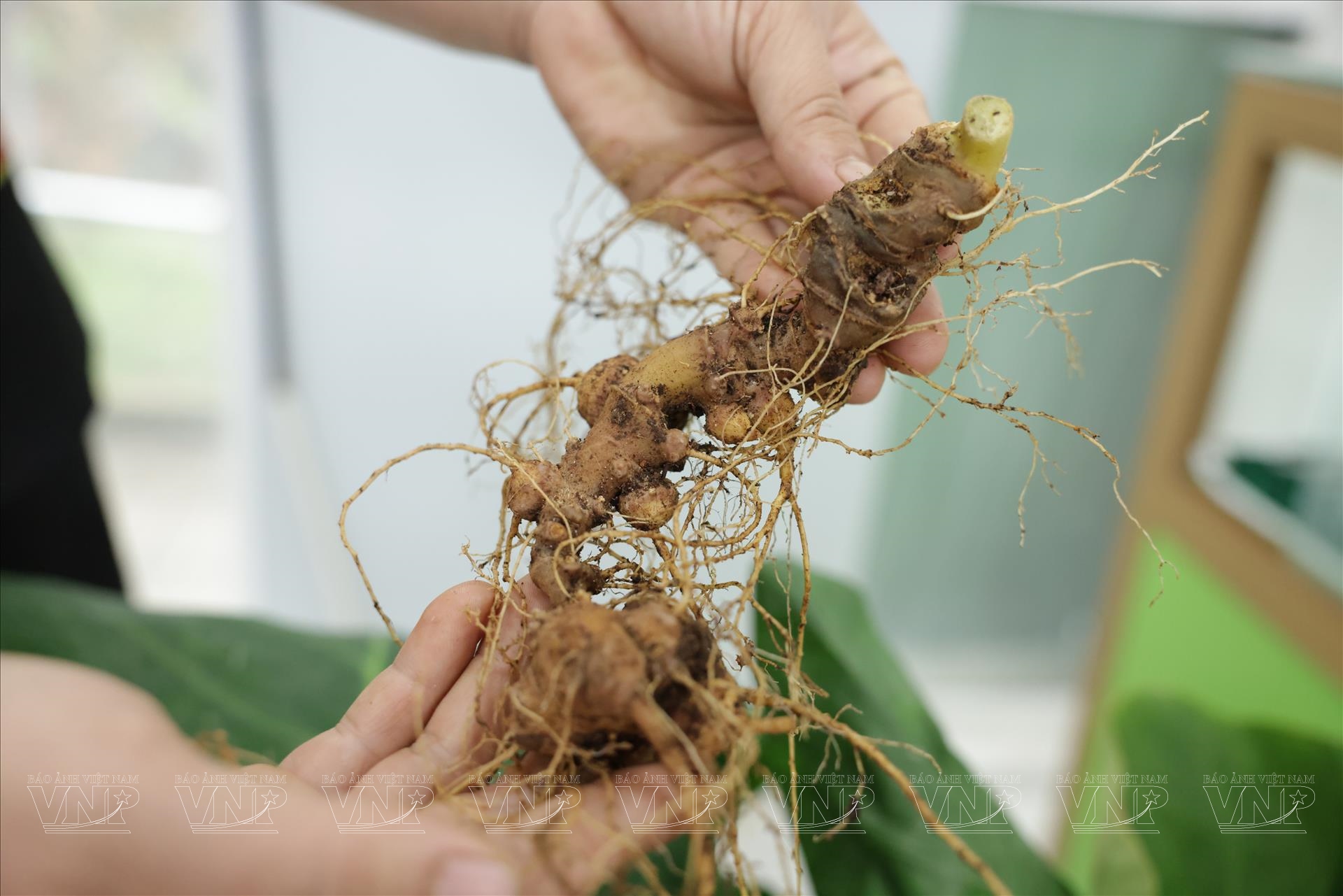
Beyond its cultural value, the ritual reinforces community faith and reminds younger generations of their role in protecting forests that sustain this precious medicinal resource and in cherishing the community’s cultural values./.
By Thanh Hoa/VNP