From Vietnamese Hands to Global Crafts Network
As members of the World Crafts Council (WCC) Network of Craft Cities, Bat Trang, Van Phuc, Chuyen My and Son Dong villages continue to safeguard their centuries-old heritage while elevating Thang Long - Hanoi culture through innovation.
Preserving Heritage Through Generations
Home to 1,350 craft villages, including 337 officially
recognized, Hanoi possesses a deep-rooted artisan culture.
Building on this legacy, Bat Trang and Van Phuc joined the
WCC Network in 2024, followed by Chuyen My and Son Dong in
2026. The villages share the common value of preserving while
adapting crafting techniques to modern life.
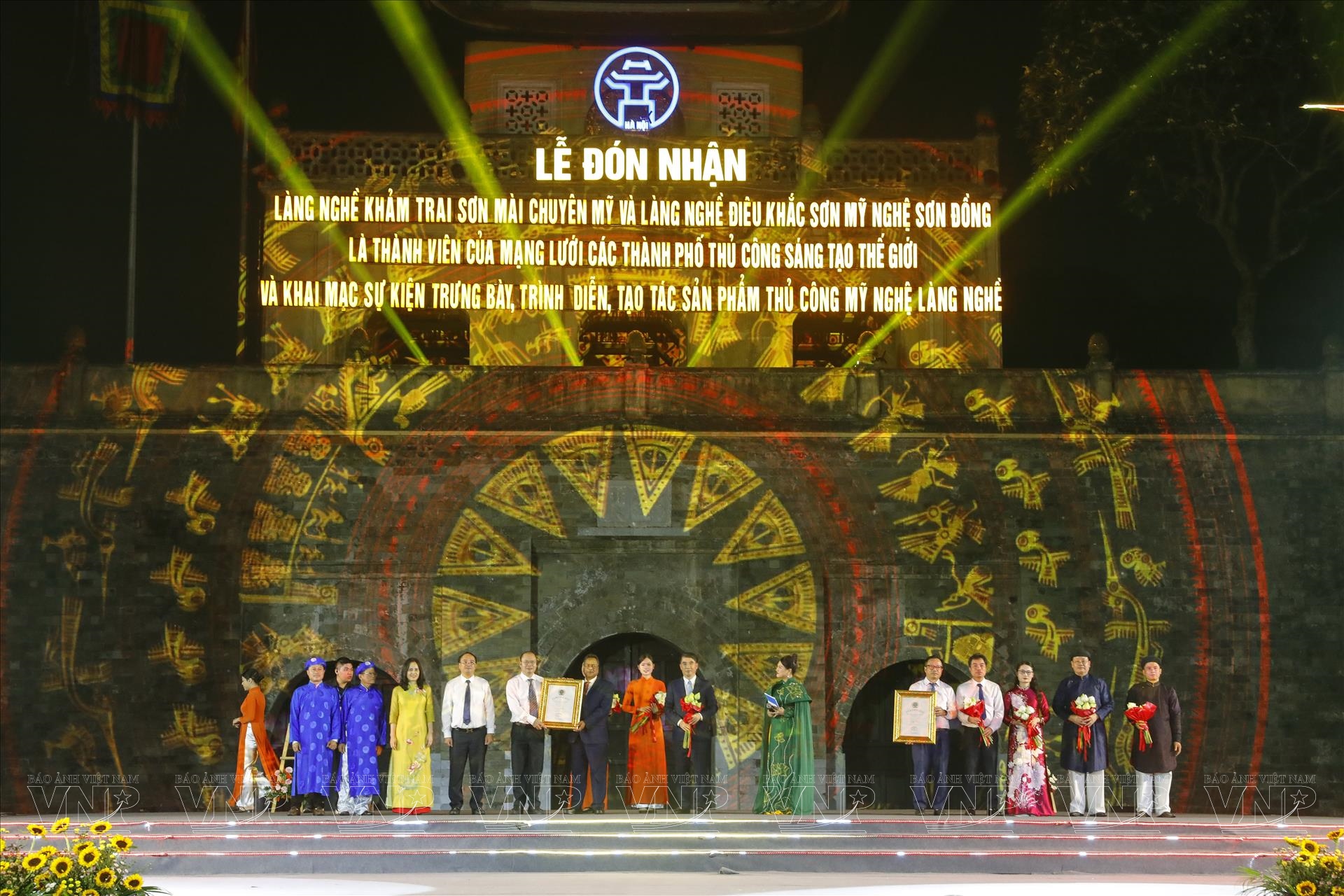
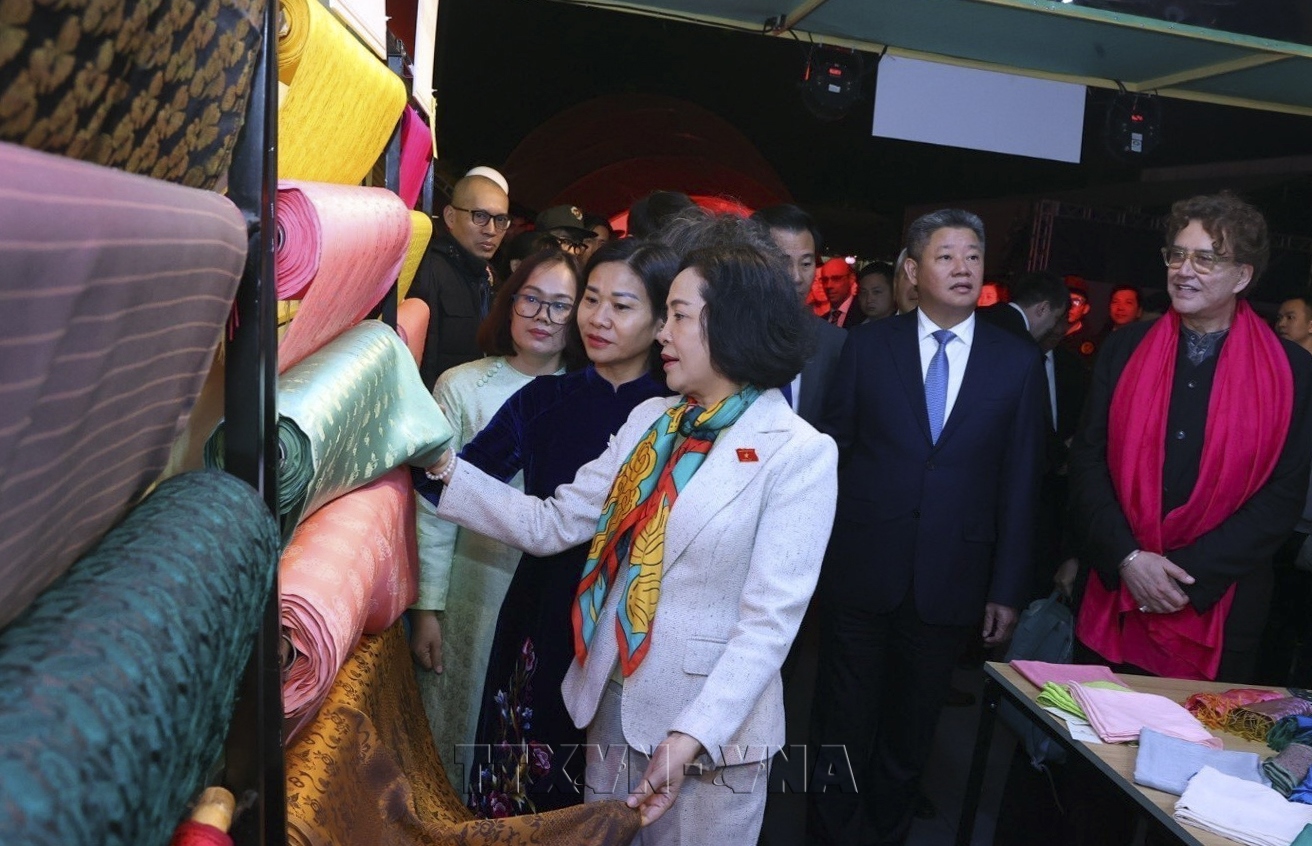
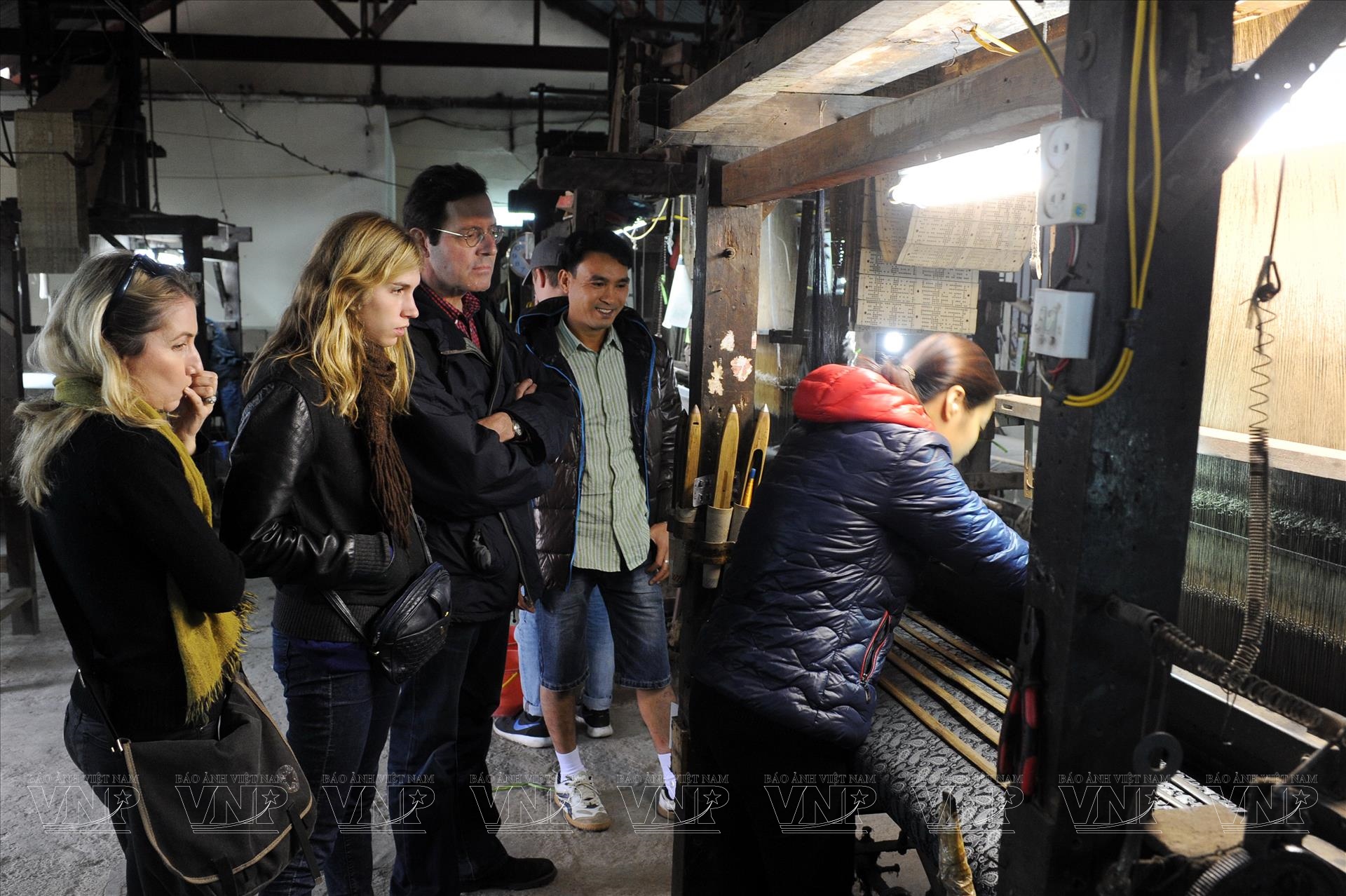
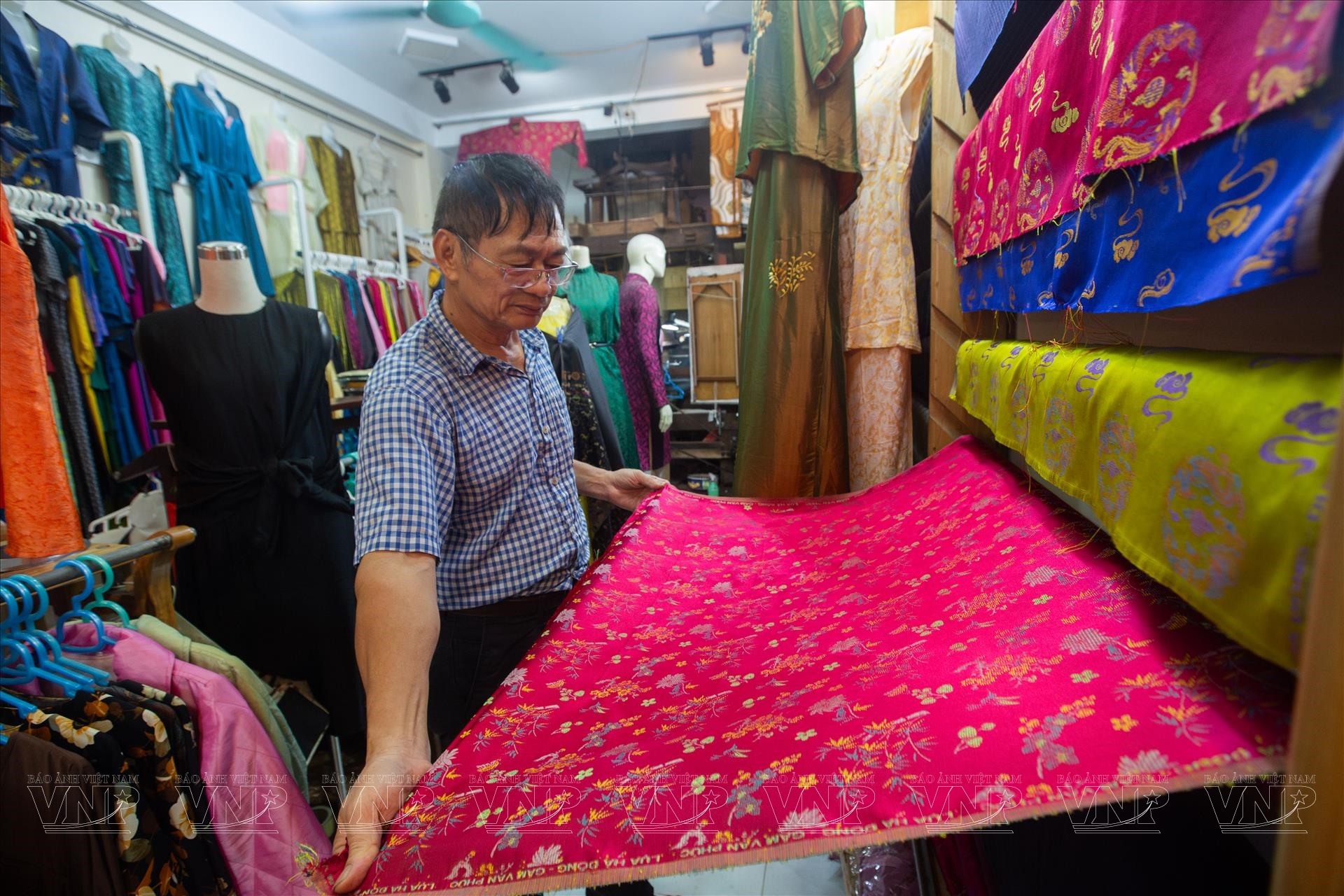
In Van Phuc ward, the silk story begins with a single thread. Over a thousand years of history have built a rich technical heritage, notably the raised floral weaving technique developed in the late 17th century. Nguyen Xuan Khiem, who has spent 40 years by the loom, explained that pure silk must be woven wet, a sophisticated process no machine can replace.
Maintaining this traditional pre-dyeing technique creates Van Phuc’s signature depth of color and raised patterns, giving its silk a distinct identity.
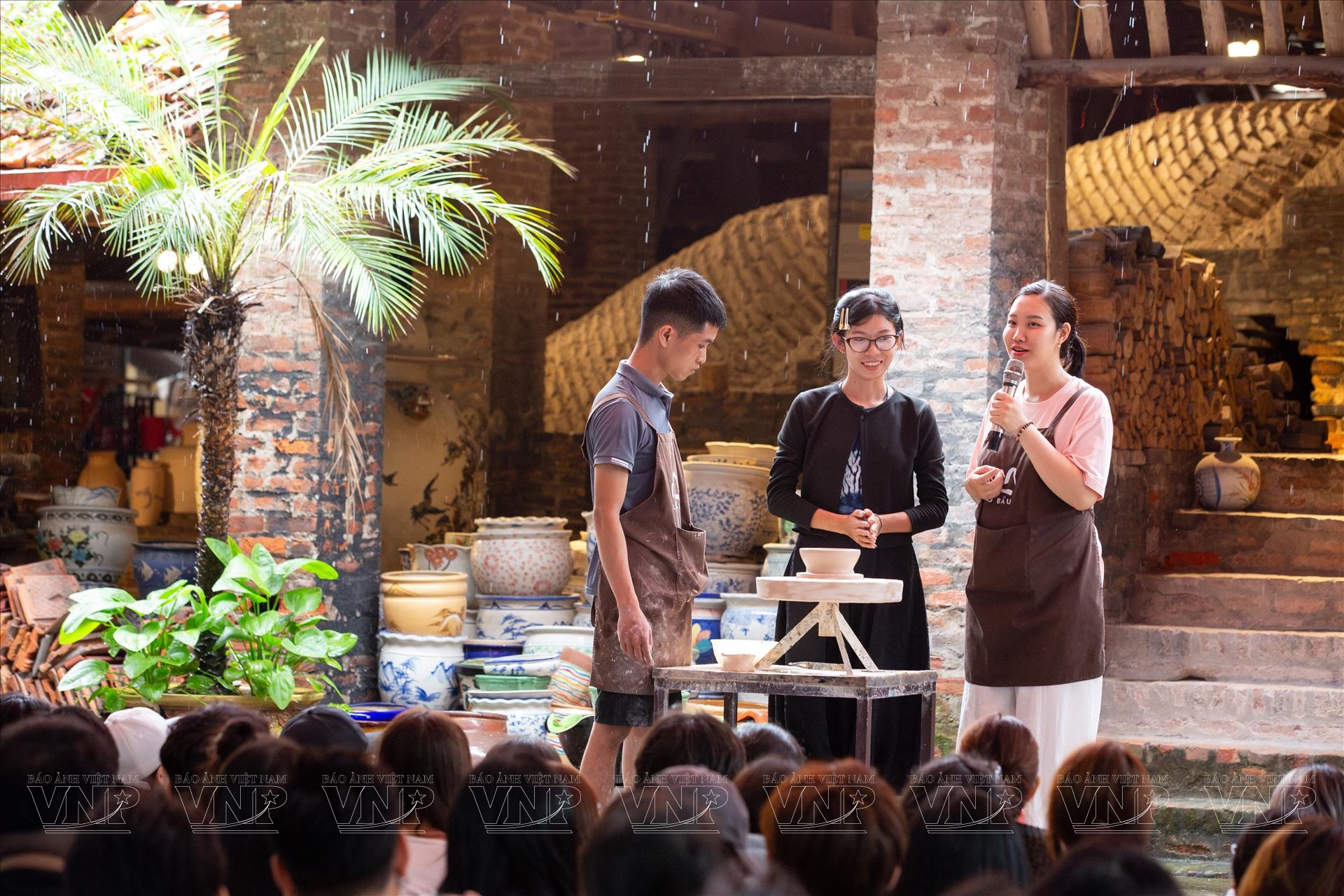
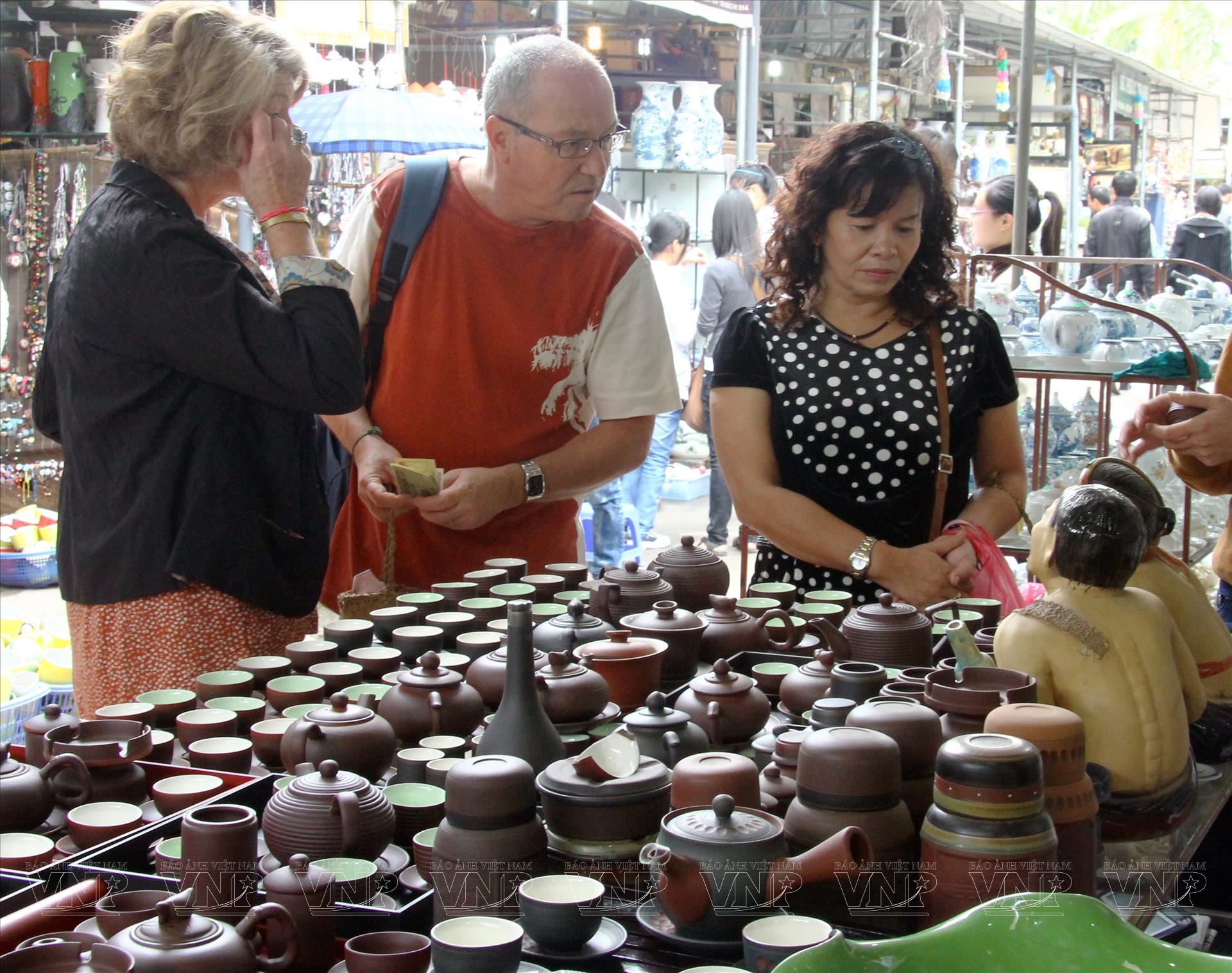
In Bat Trang commune, craftsmanship takes a different form, where pottery is shaped on the wheel with the skilled hands of artisans. The 700-year-old village strictly preserves its manual processes, from hand-throwing to underglaze painting. According to Thu Huong, manager at the Bat Trang Conservation and Tourism Development Joint Stock Company, Bat Trang ceramics’ charm lies in their refined detail, a standard continually safeguarded by artisans in the village.

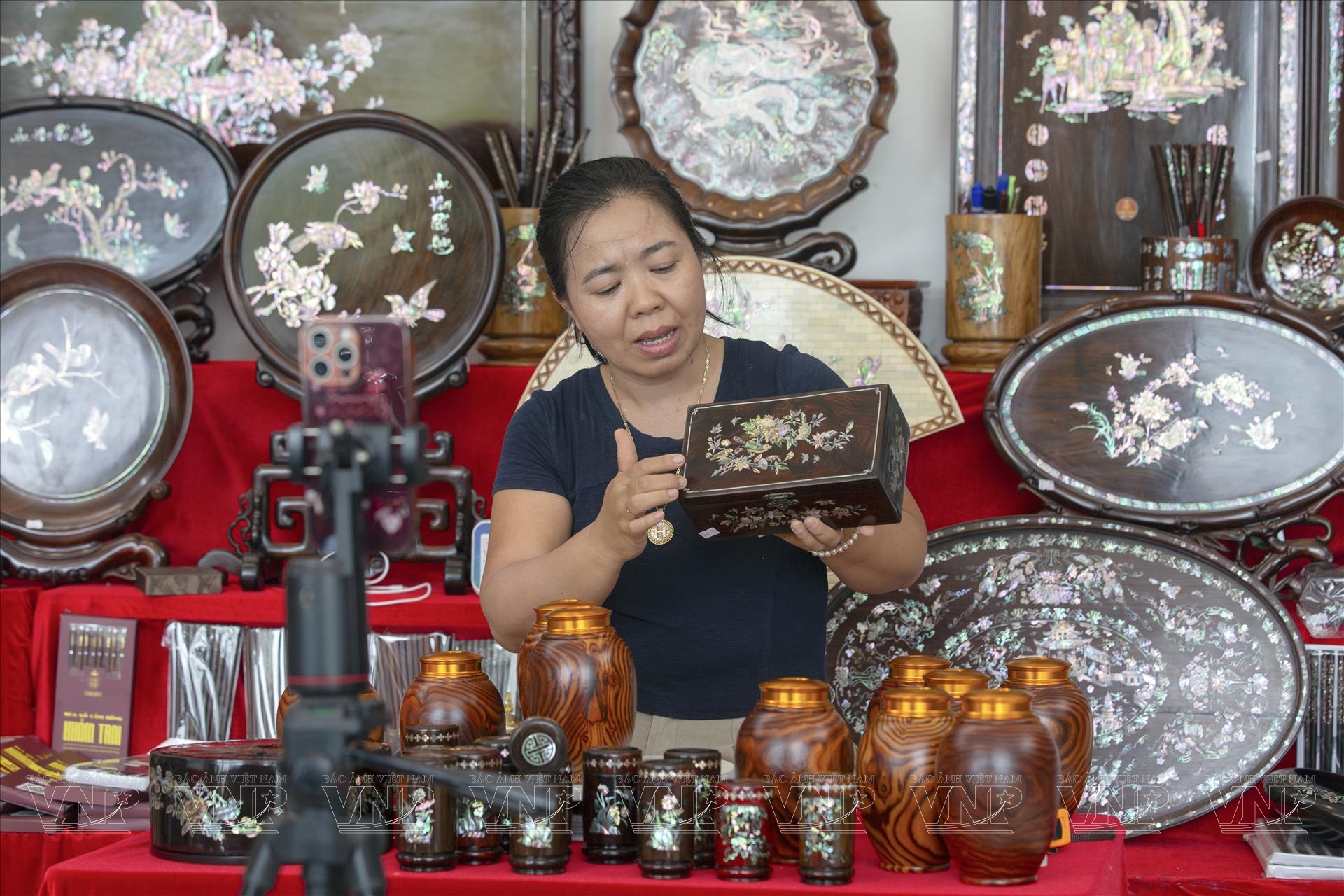
In Chuyen My commune where over 1,000 local households do the mother of-pearl inlay craft, small shell pieces are selected, cut and inlayed to make horizontal panels, couplet boards, tables, and lacquer paintings. Artisan Pham Van Khoe noted that delicate handwork, durability and cultural identity has made Chuyen My's craft thrive from one generation to another. Each item is not just an object, but an artistic piece carrying Vietnamese culture and philosophy.
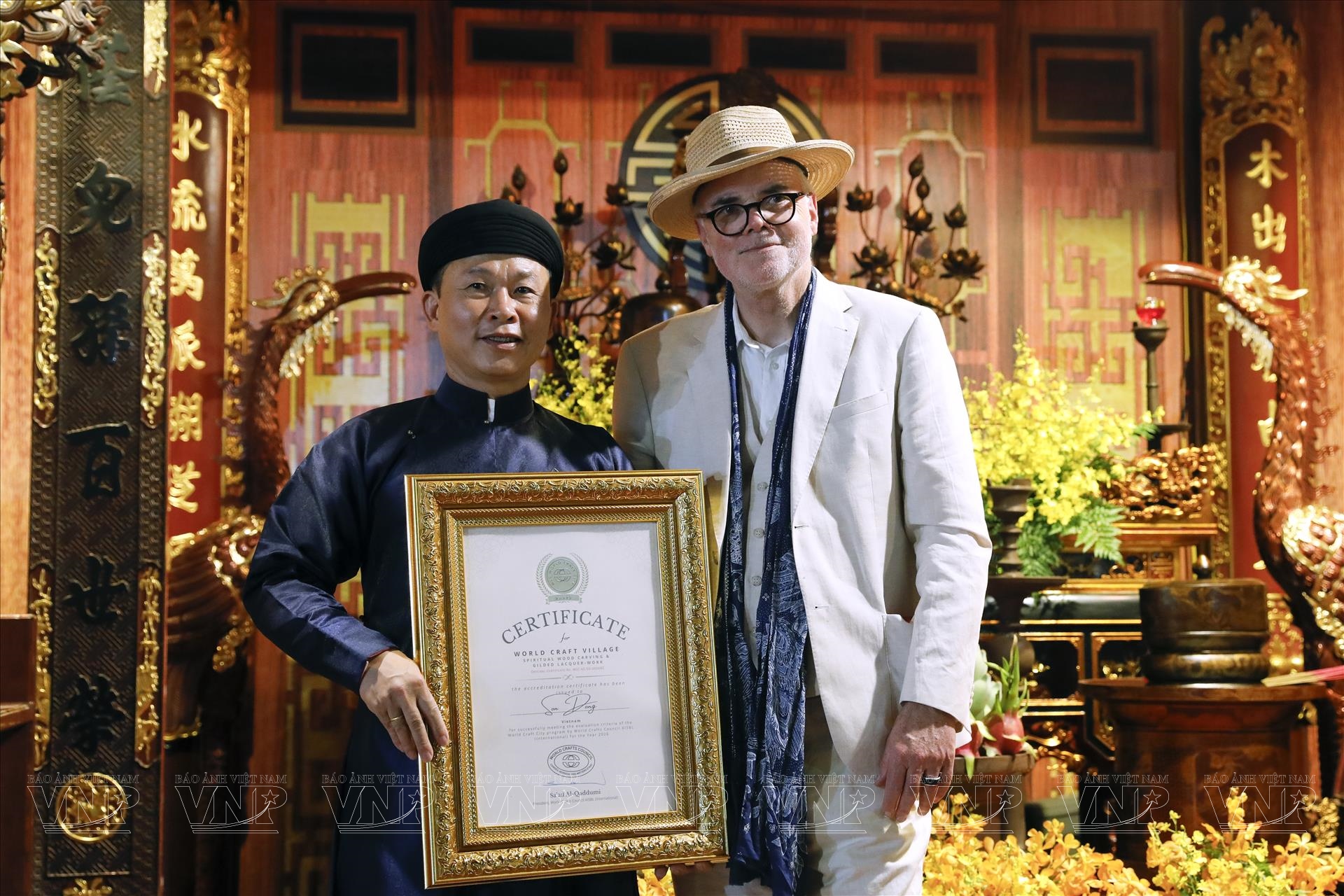
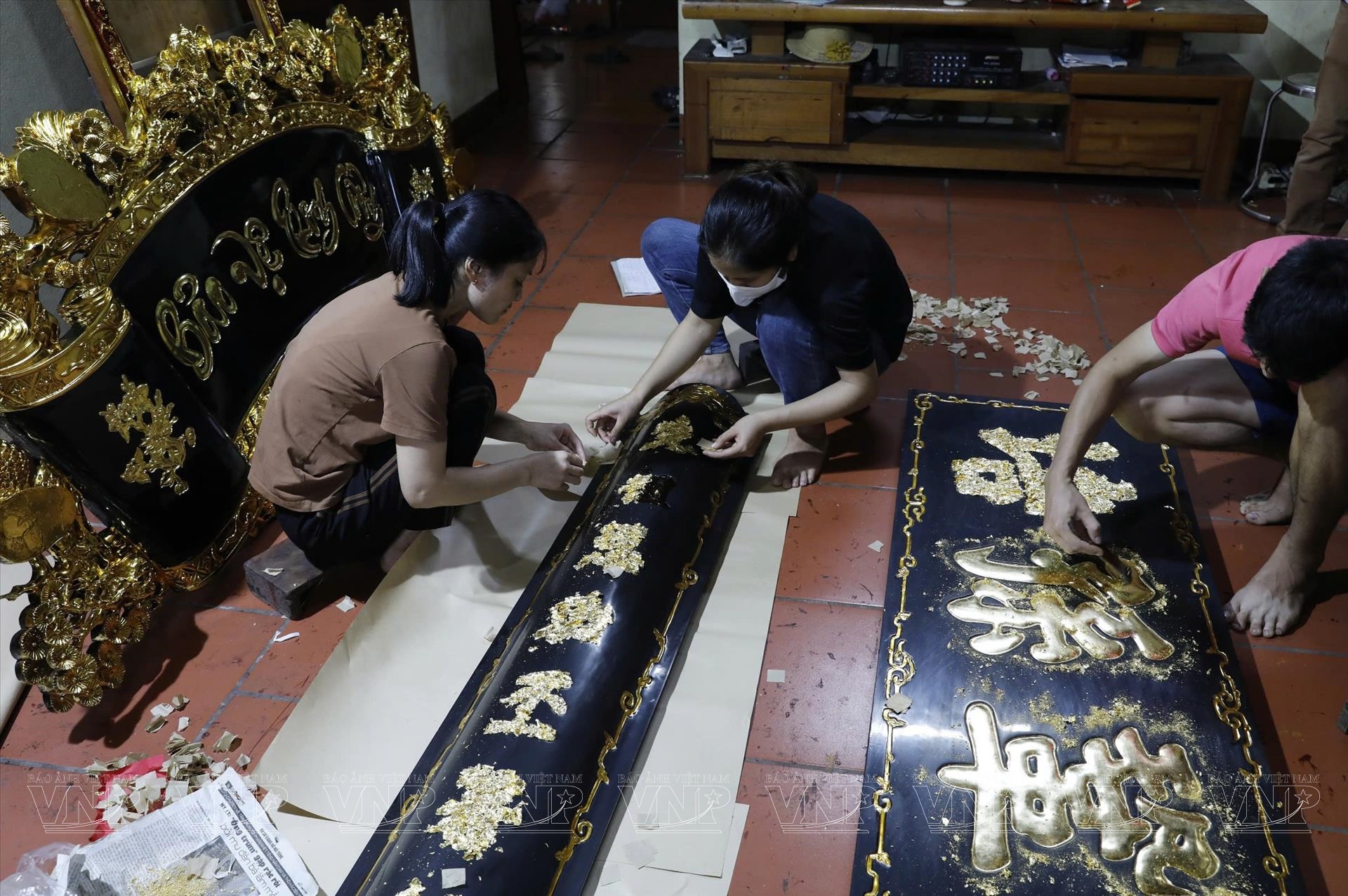
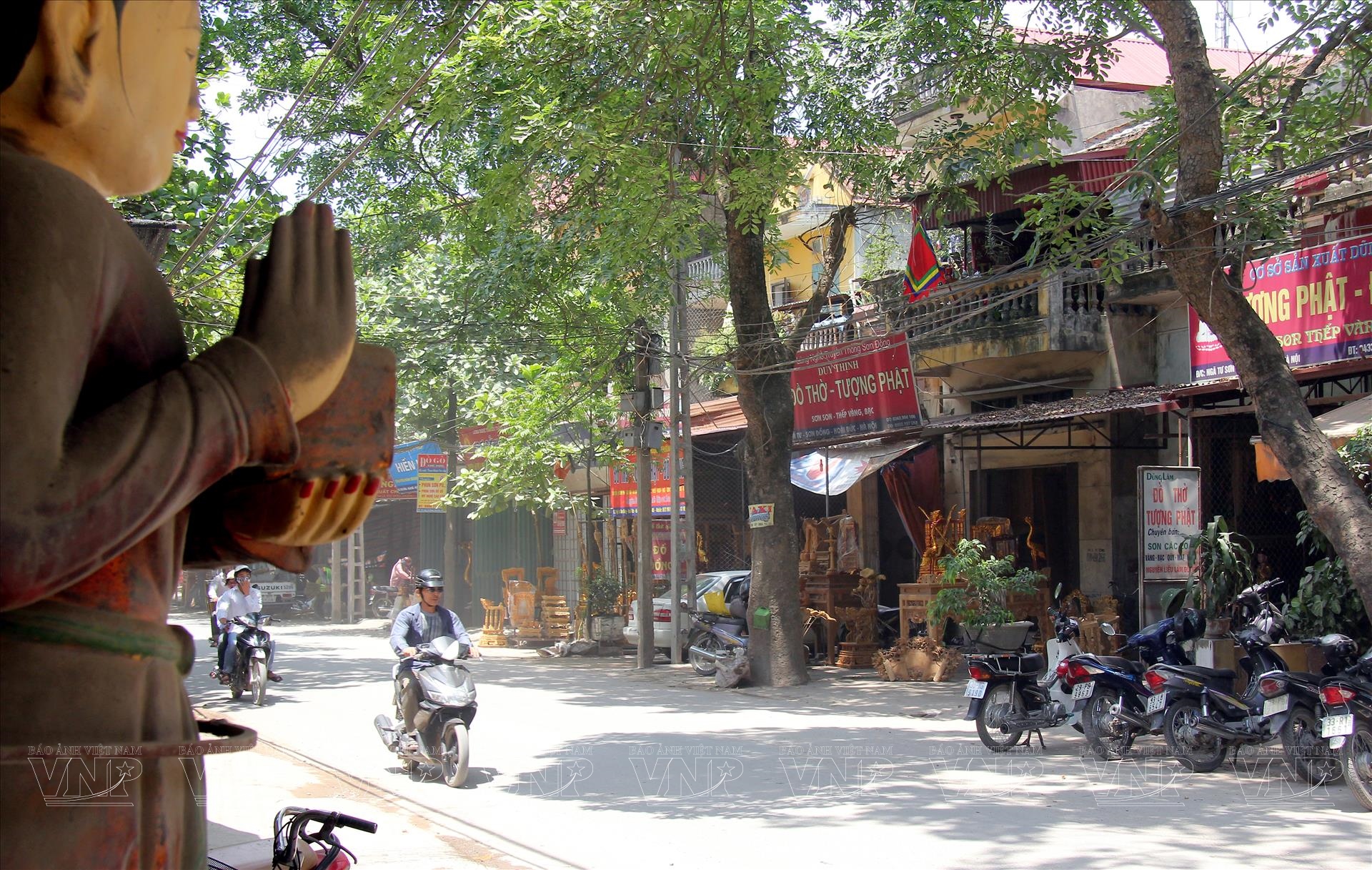
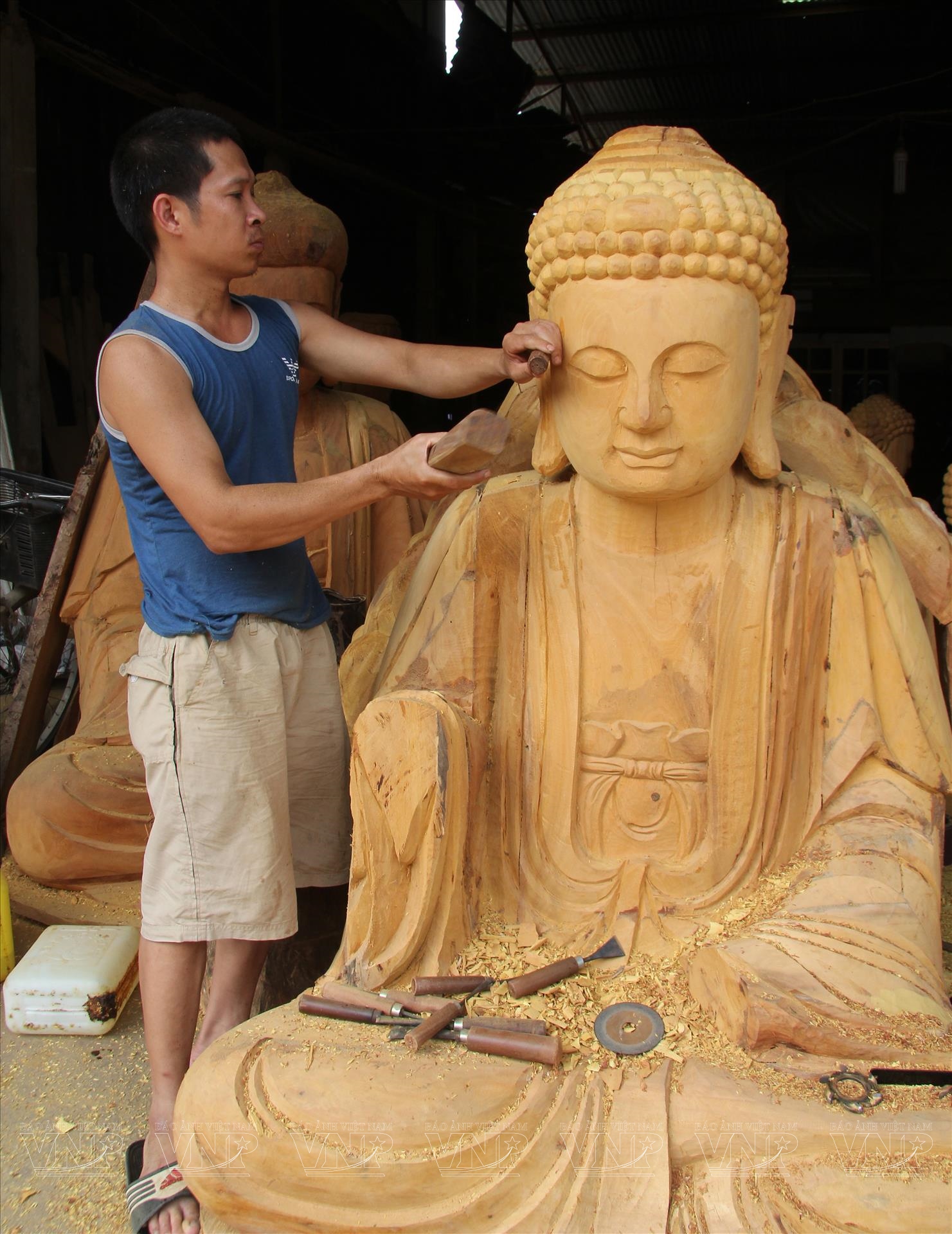
Meanwhile, Son Dong commune’s wood carving and lacquering are linked to popular landmarks like the Temple of Literature, Ngoc Son Temple, and One Pillar Pagoda. Traditional native lacquer, known for its durability, colorfastness and deep sheen, is key to the craft’s popularity. Today, Son Dong has nearly 700 craft households and many enterprises that export their handicraft products worldwide and generate thousands of jobs.
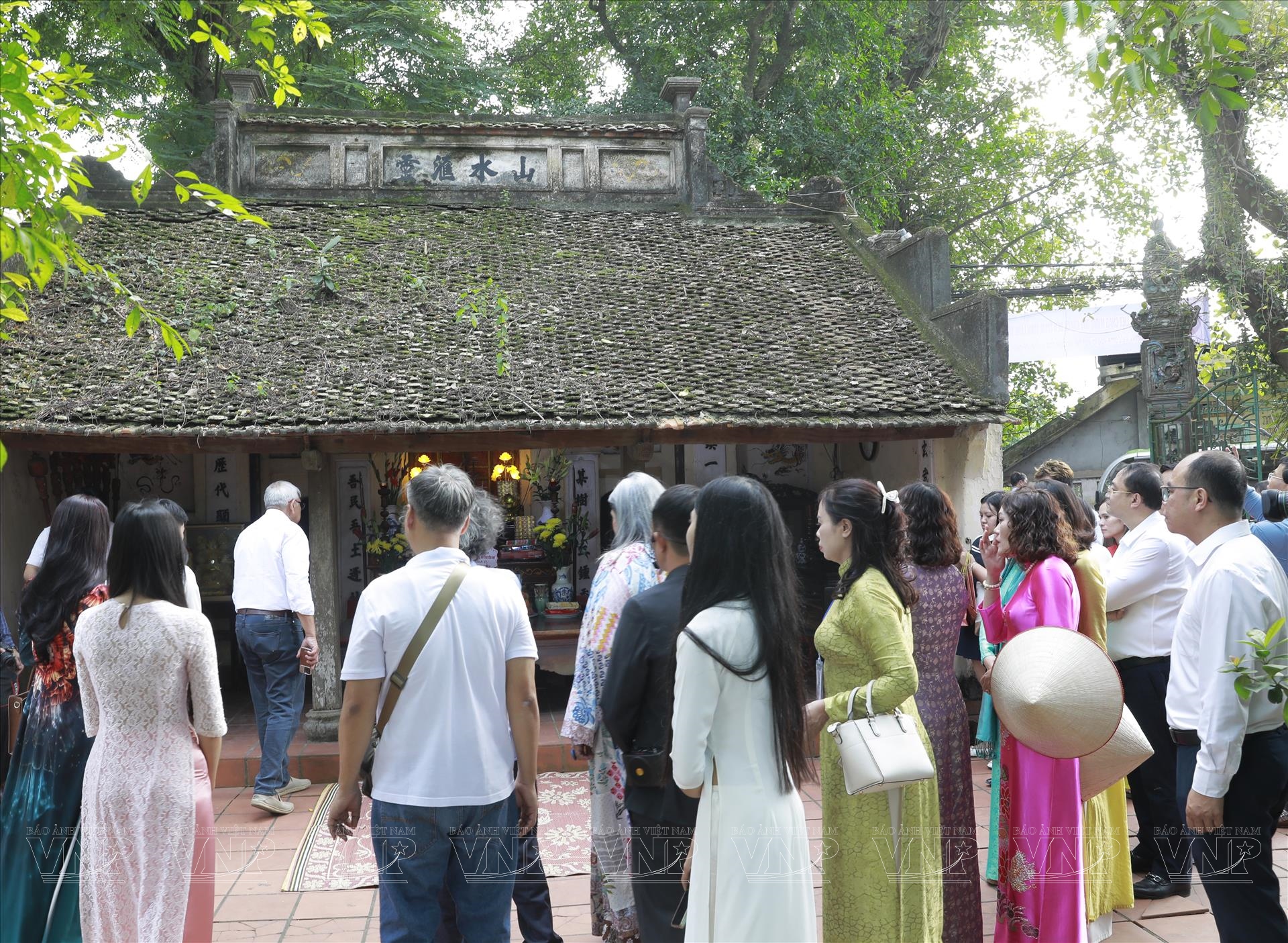
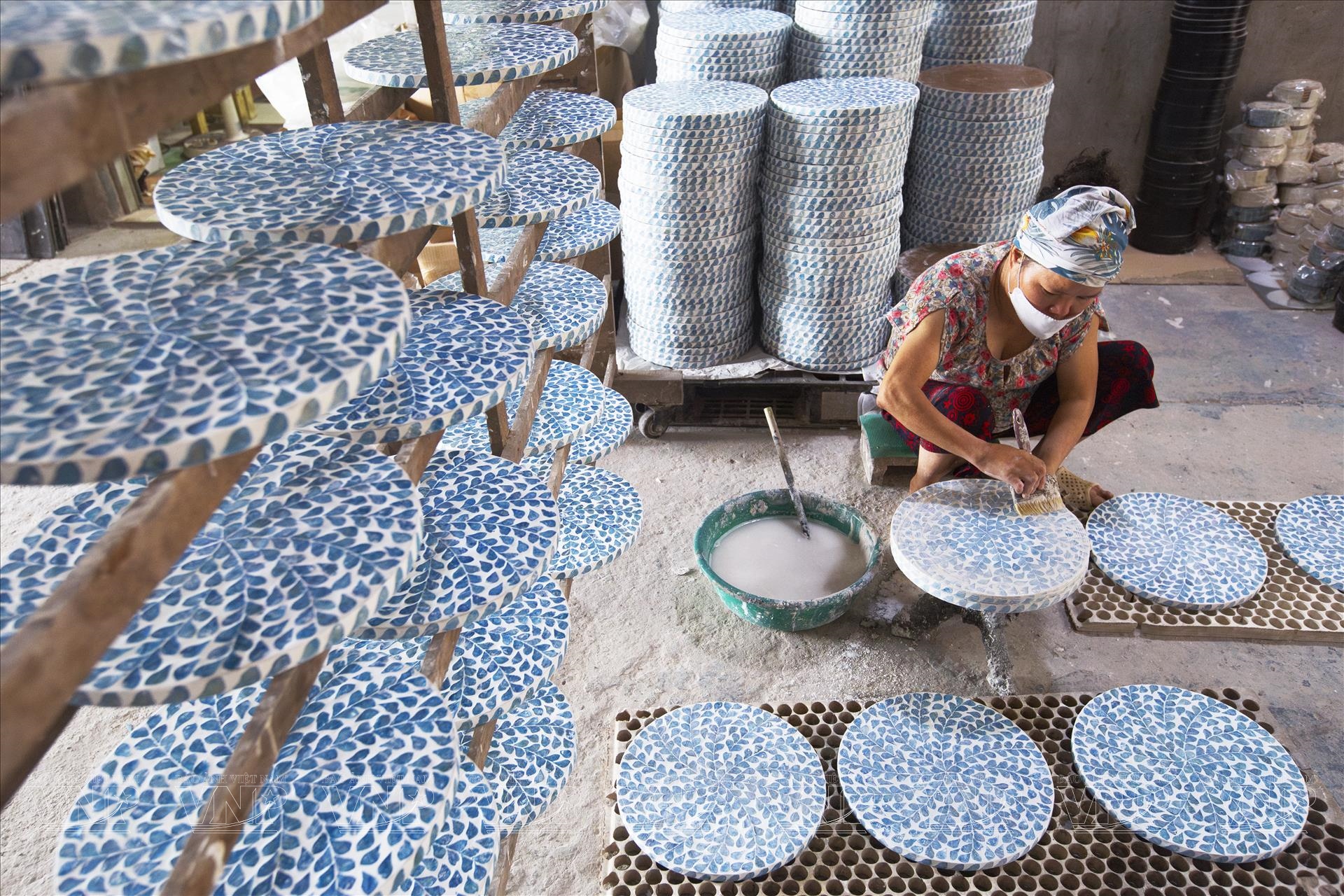
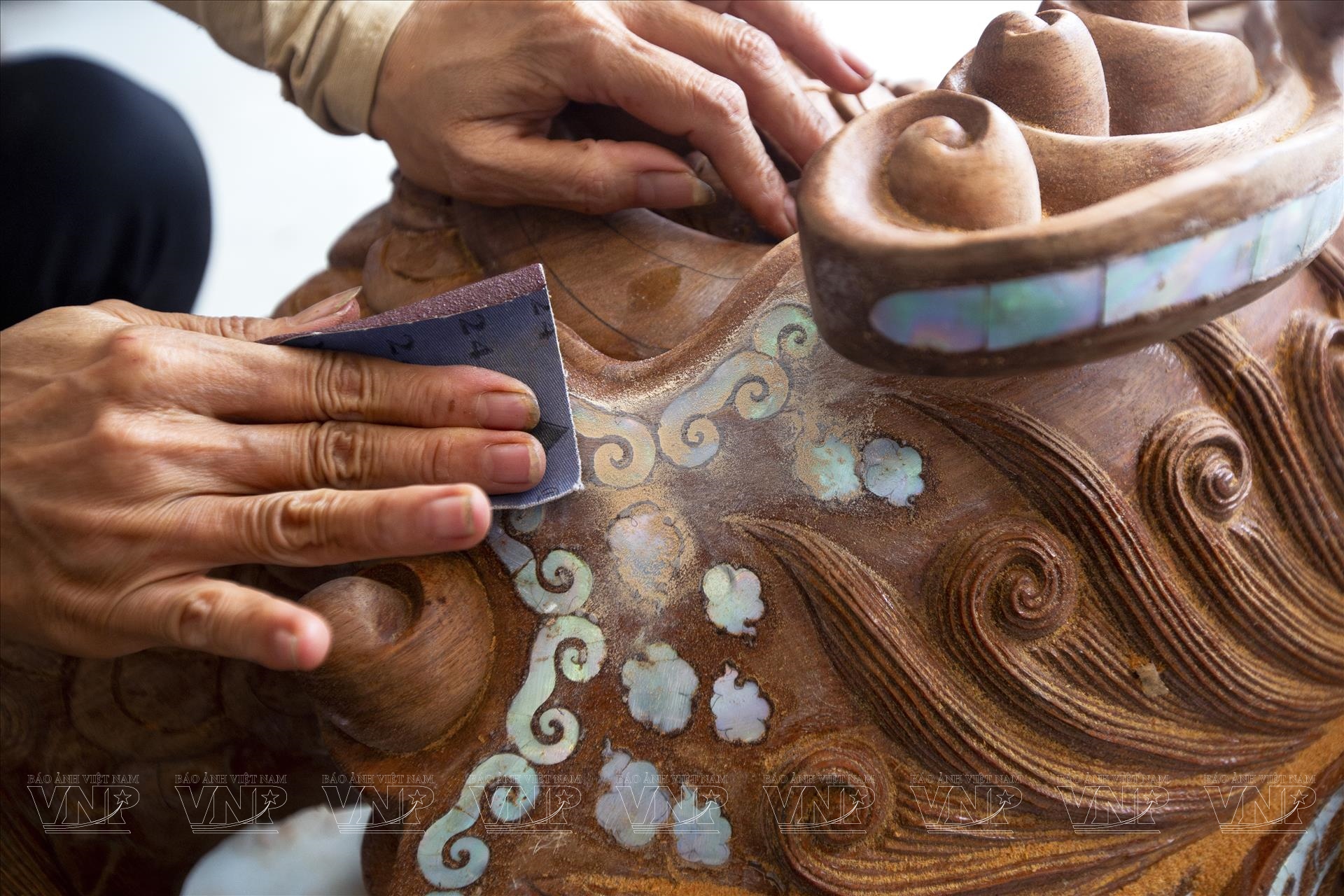
Reflecting on this rich tapestry, Dr. Darlie Oommen Koshy, WCC Vice President, said the council’s evaluation was conducted through field trips, community meetings and observation of artisans at work. These visits formally recognized the historical, cultural and economic values of Hanoi’s craft villages. He noted that Viet Nam plays a strong role in preserving traditional crafts, and having four Hanoi villages in the network affirms the position of Vietnamese craftsmanship on the world cultural stage.
Traditional Crafts in a Creative Space
Joining the WCC Network of Craft Cities is more than earning recognition. It has inspired local artisans to renew their products, enter new markets and speak the language of modern design.
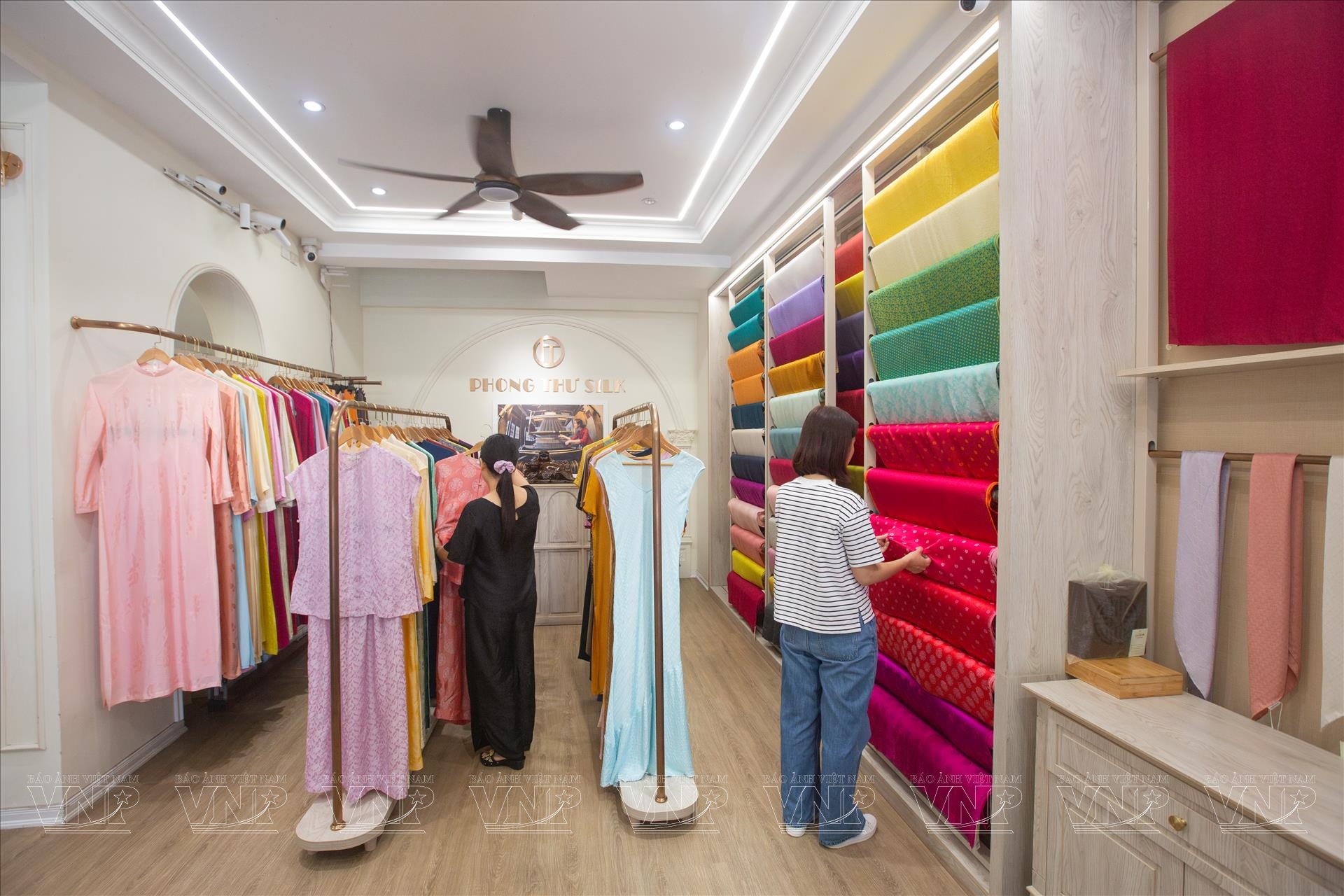
Artisan Le Thi Kim Thu, board member of the Van Phuc Silk Weaving Village Association, believed a craft village survives only when production stays active, which means passing the skills to the young. Her daughter, Dang Thi Xuan Quynh, continues the family trade through her brand, Phong Thu Silk. Quynh combines traditional silk with modern design, updating patterns and product lines to meet market demand.
A similar spirit of modern adaptation is unfolding in Chuyen My. Craftsman Dinh Ngoc Anh from Boi Khe village has recently embraced e-commerce after having had US clients for more than 15 years. Live-streaming sessions, supported by the local authorities, have helped his products reach a broader audience.
According to Nguyen Thi Thuy Huong, Vice Chairwoman of Chuyen My Commune, WCC Network of Craft Cities membership is a catalyst for the community to accelerate digital sales.


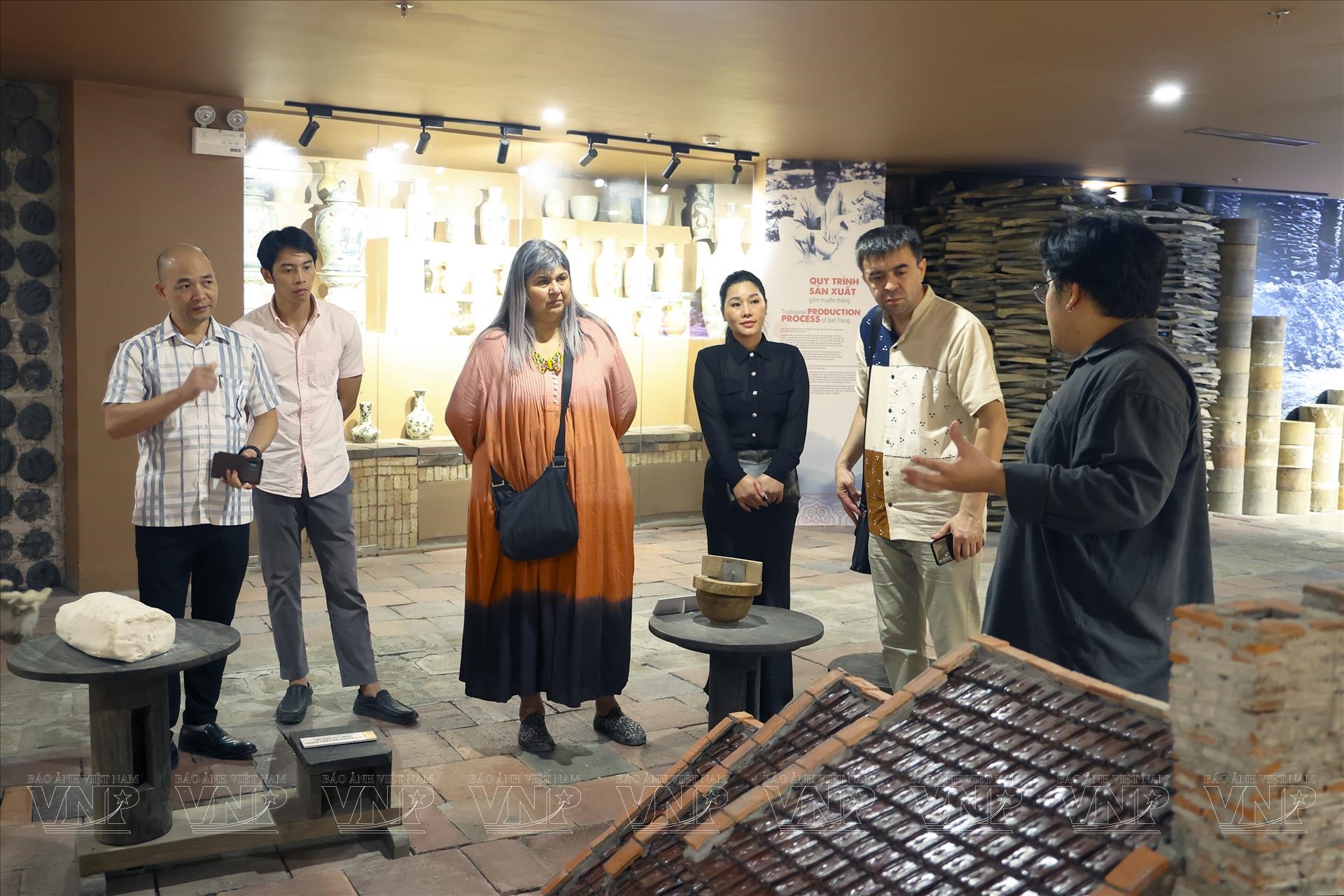
In Bat Trang, the craft story is told through the production space itself. At the Bat Trang Pottery Museum, visitors can explore the local history, try pottery making and visit a century-old kiln to understand the traditional techniques.
As Ha Thi Vinh, Chairwoman of the Hanoi Handicraft and Craft Village Association, emphasized, supporting these communities means fostering a modern mindset, adding product value and driving international integration.
With all four WCC-recognized villages located in Hanoi, the capital is solidifying its role as a creative craft hub. Vice Chairman of the Hanoi People's Committee Nguyen Xuan Luu affirmed that the city treats craft restoration and development as a sustainable cultural industry, pledging continued support for digital transformation, workforce training, branding and export market expansion. Through skilled hands and a modern mindset, these villages continue to show off the true vitality of Hanoi craftsmanship./.
Story: Ngan Ha Photos: VNP & VNA