Exploring Vietnam’s First Space Museum
Located in Hoa Lac Hi-Tech Park on the outskirts of Hanoi, the Vietnam Space Museum, the nation’s first dedicated space museum, offers visitors an immersive journey into the cosmos.
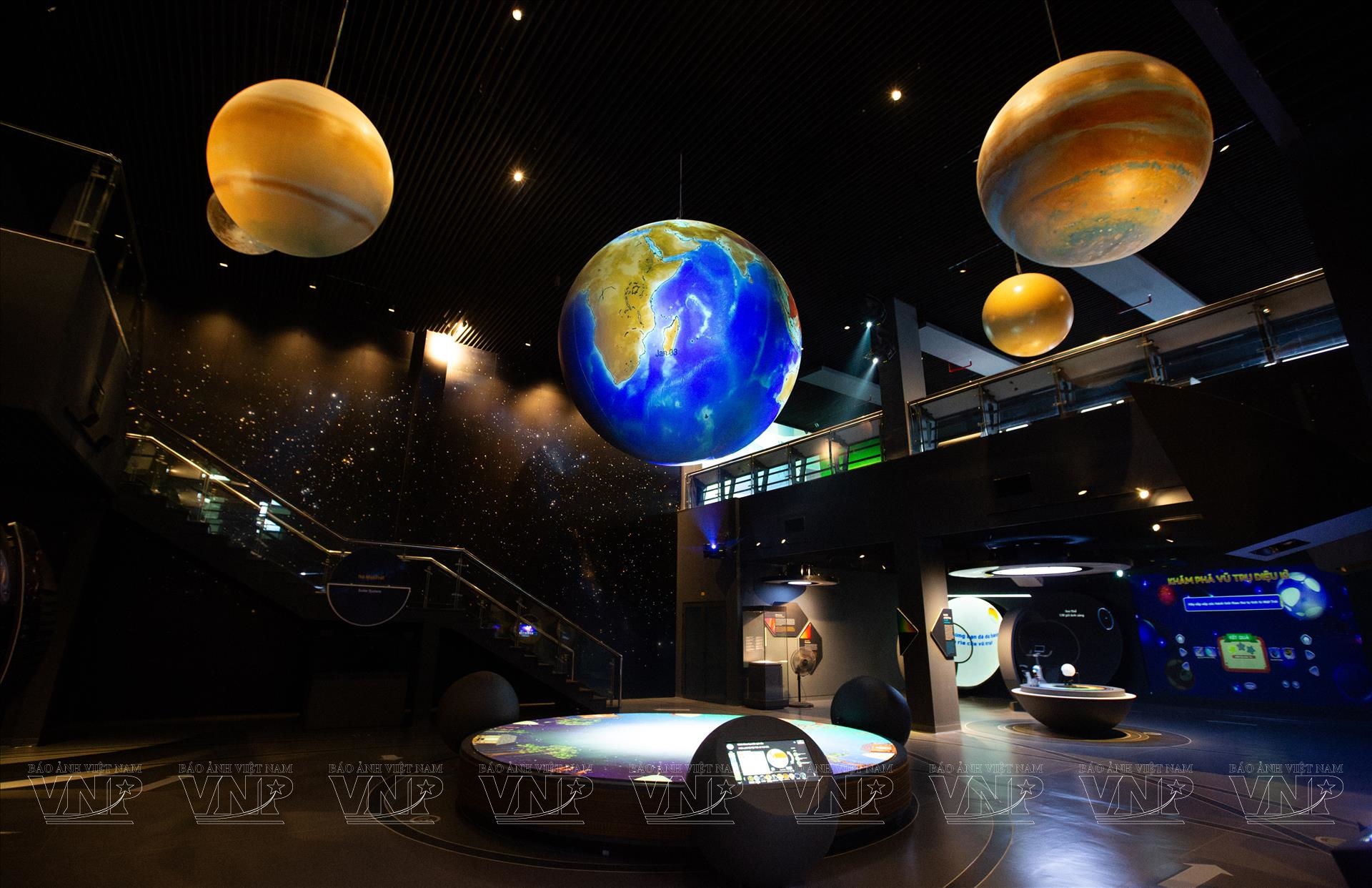
The Vietnam Space Museum is more than a repository of knowledge; it is a meeting point for curiosity, creativity, and the nation’s aspirations to reach beyond the earth. From here, Vietnam not only reflects on its past and present in space exploration but also opens a new chapter, one where the dreams of a new generation may truly take flight.
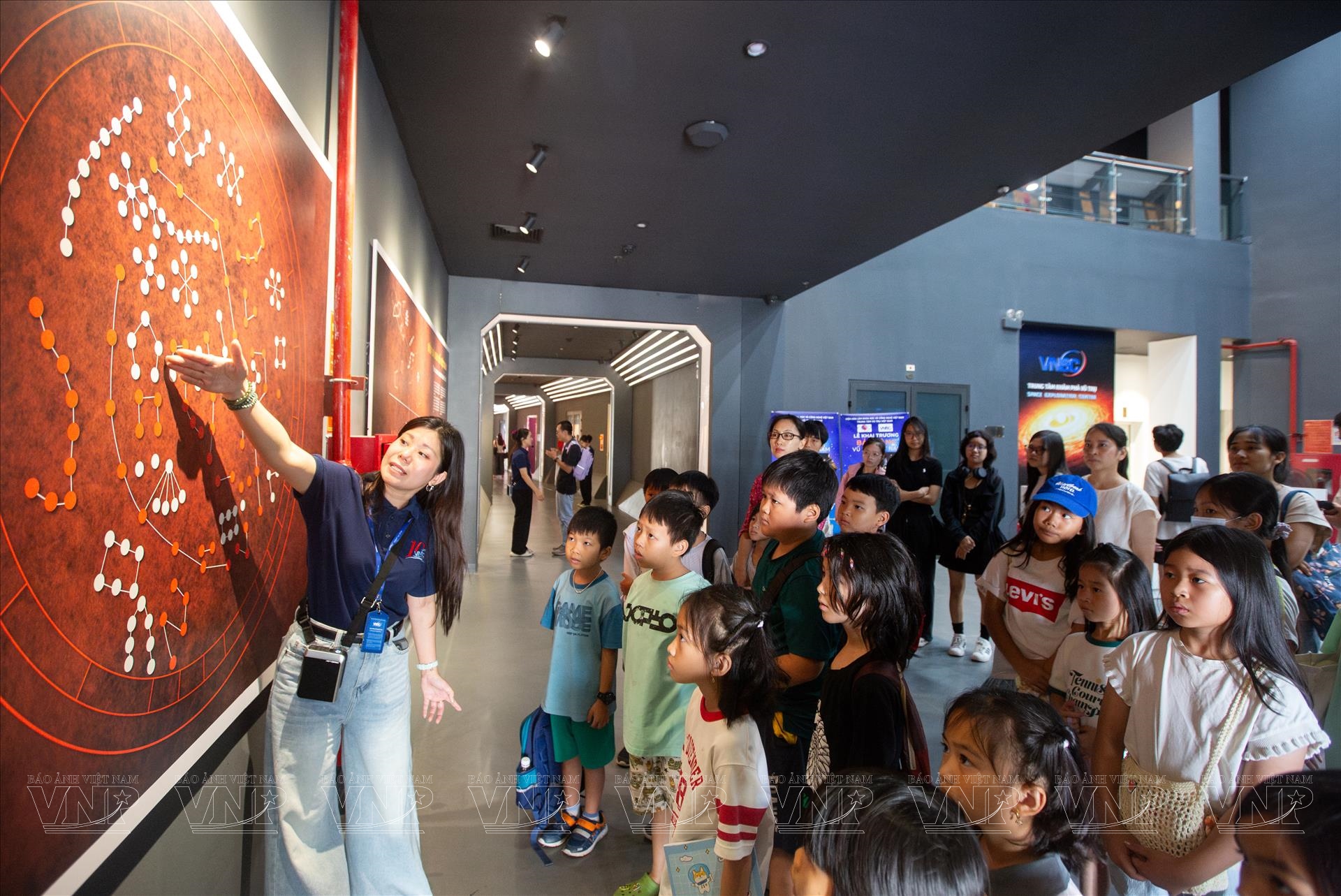
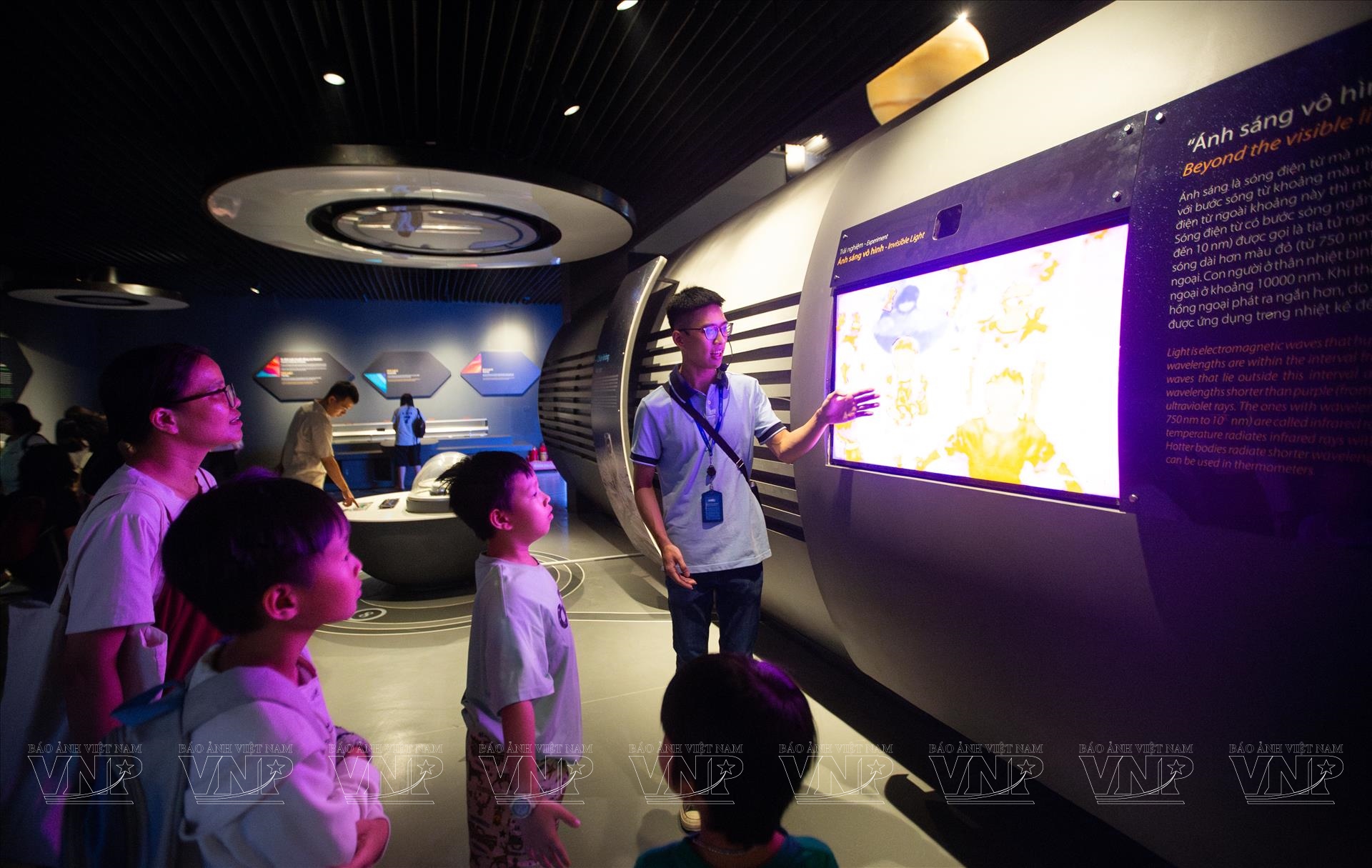


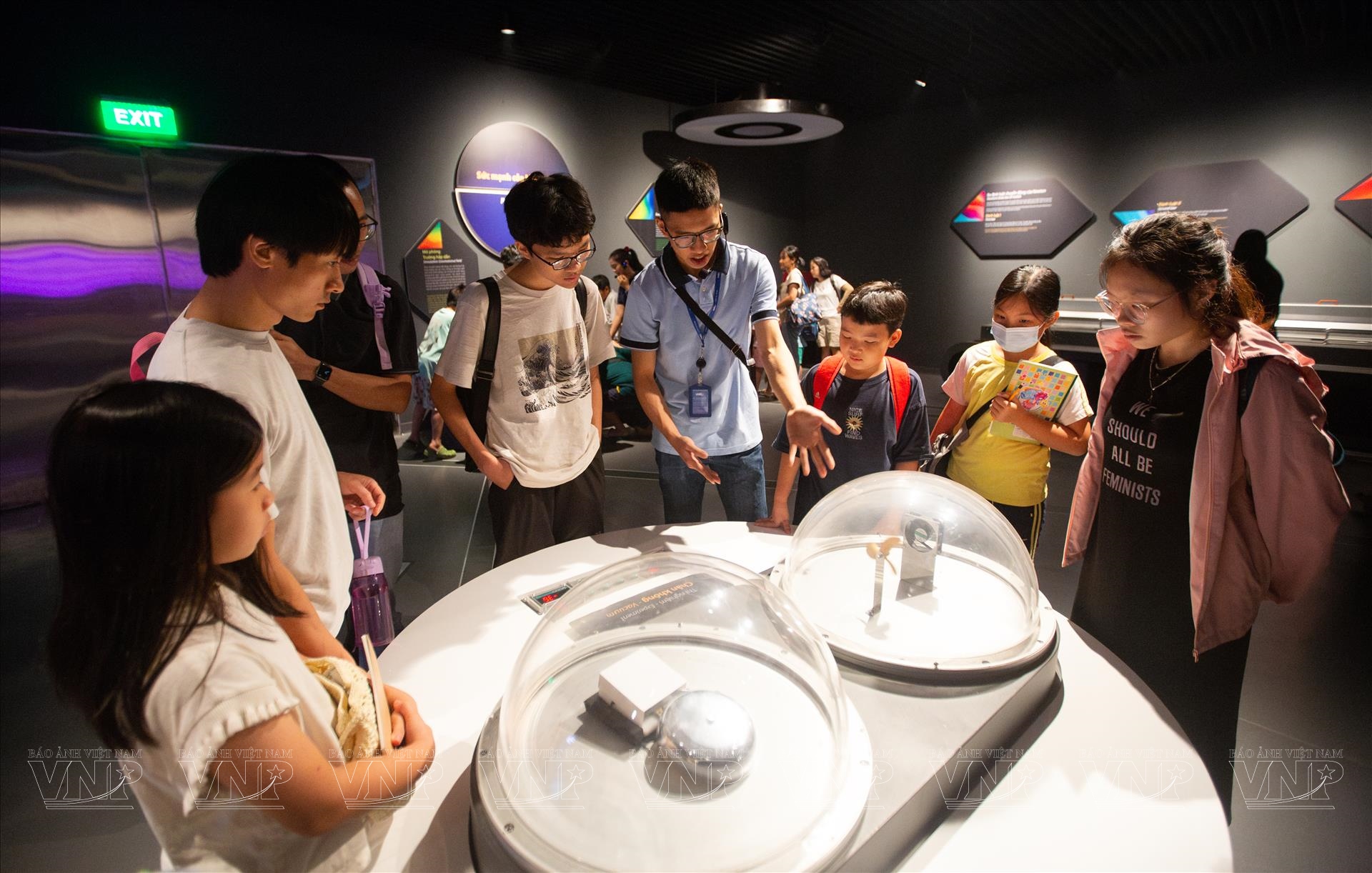
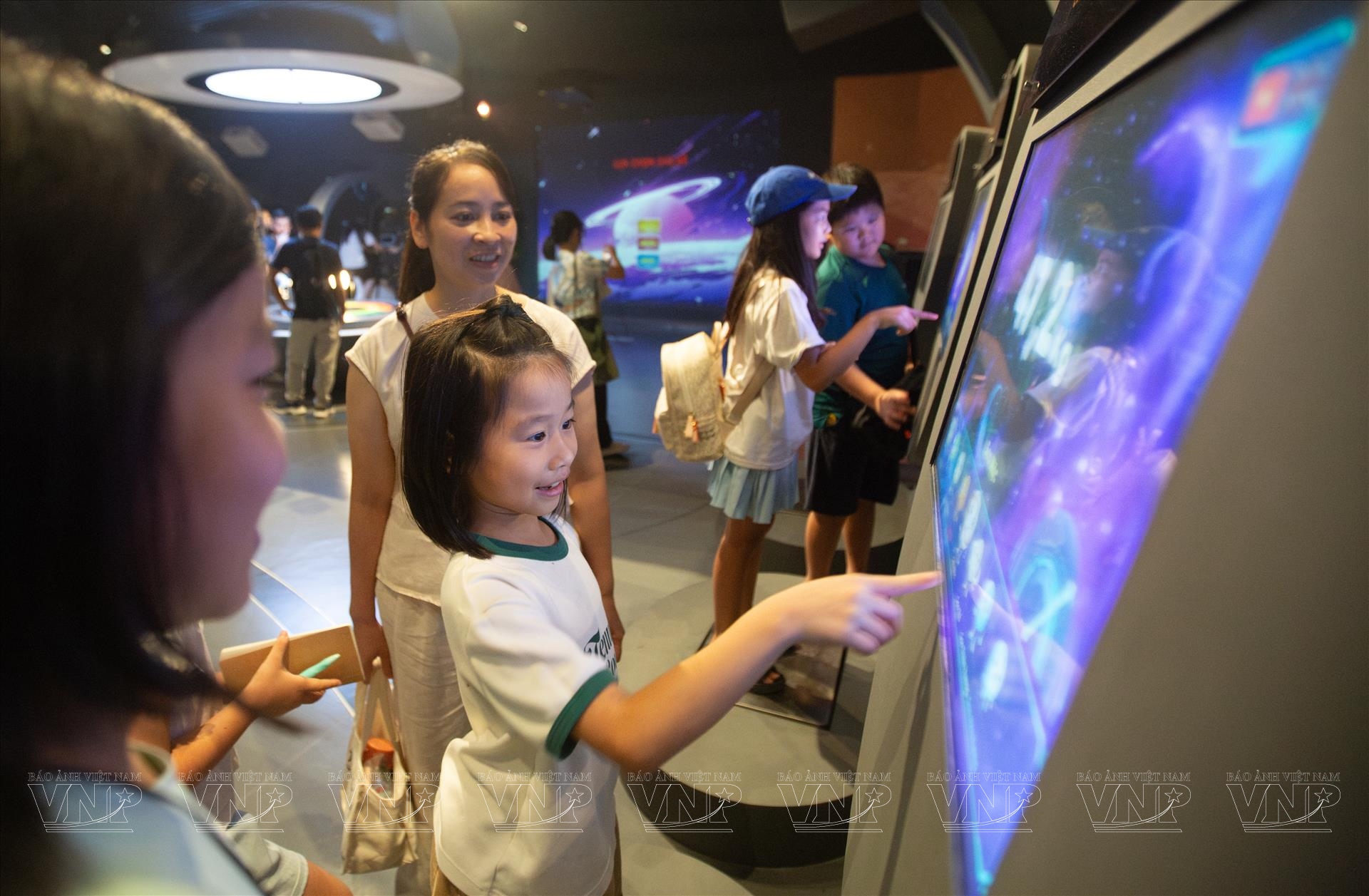
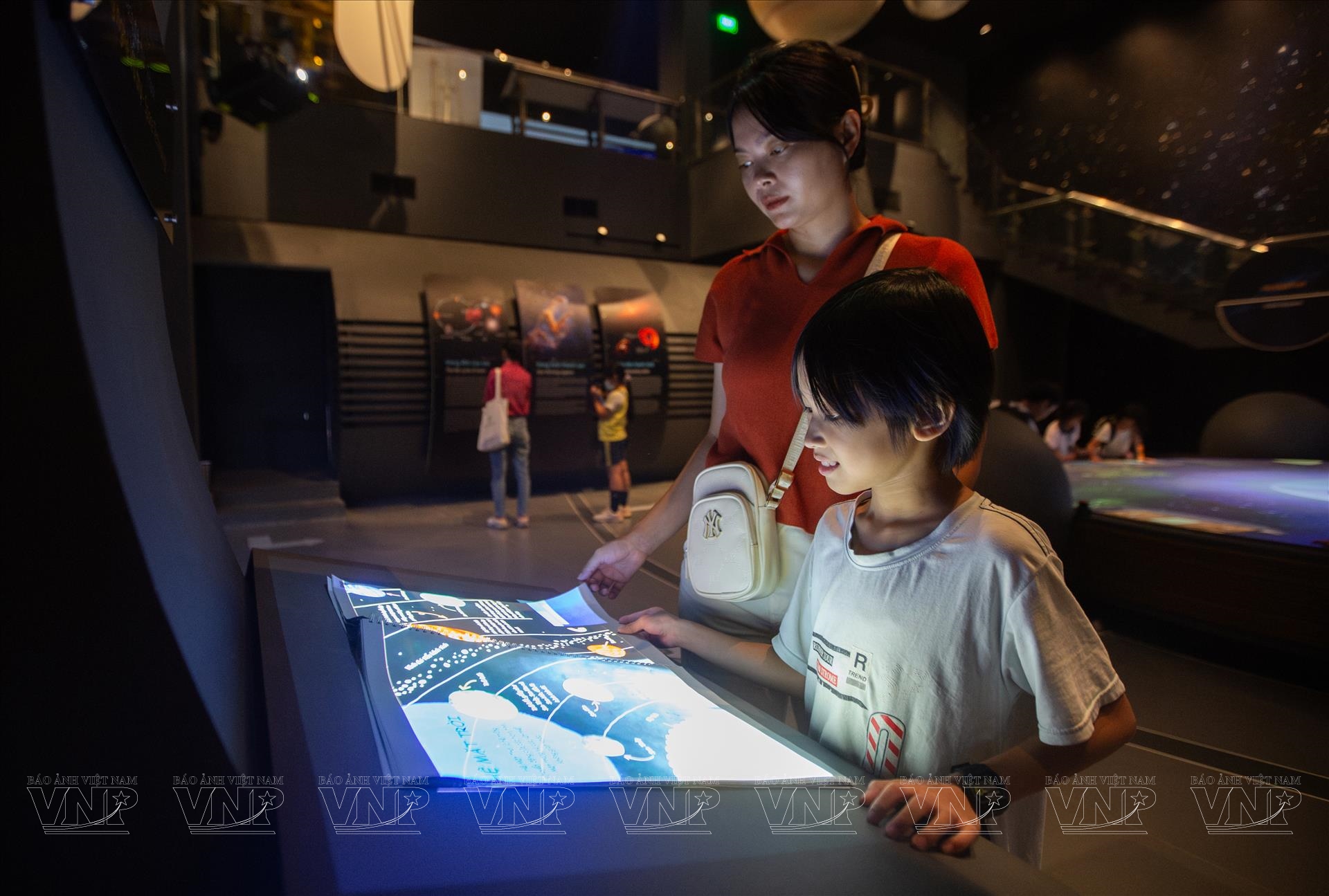
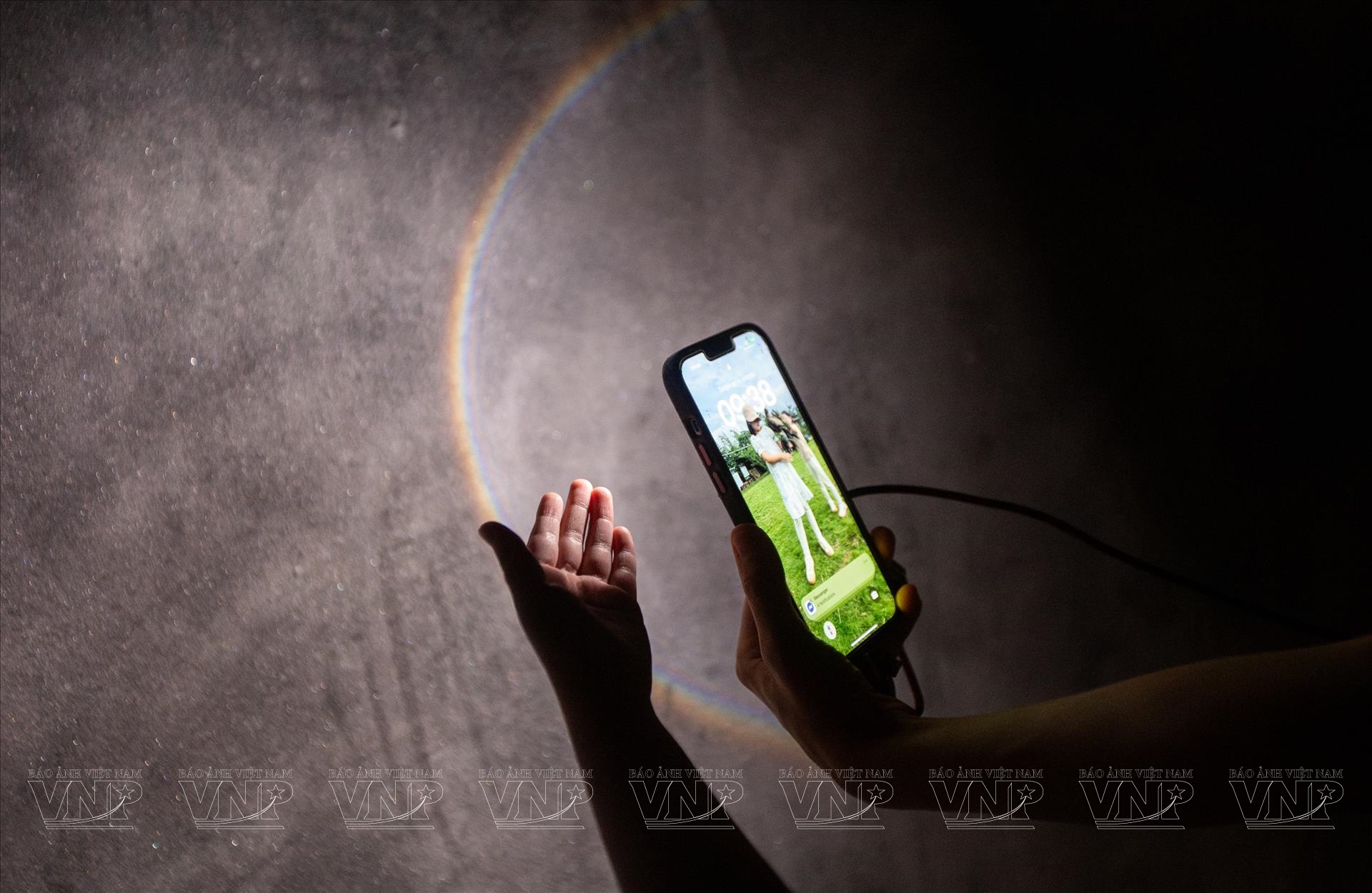
Each space is designed to offer an immersive, hands-on experience. Cutting-edge technology recreates natural phenomena like rainbows and the billions of stars in the Milky Way, while 3D projection systems and motion sensors animate earth and the wider universe on a dynamic digital sphere.
One of the museum’s most striking highlights is its dome-shaped planetarium, which simulates the night sky and brings captivating events to life. Beyond the visual spectacle, the museum also functions as a comprehensive archive of Vietnam’s space journey, from historical documents dating back to the feudal era and photographs of President Ho Chi Minh meeting Soviet cosmonauts, to landmark achievements such as Pham Tuan’s historic spaceflight and scale models of satellites designed by Vietnamese engineers.
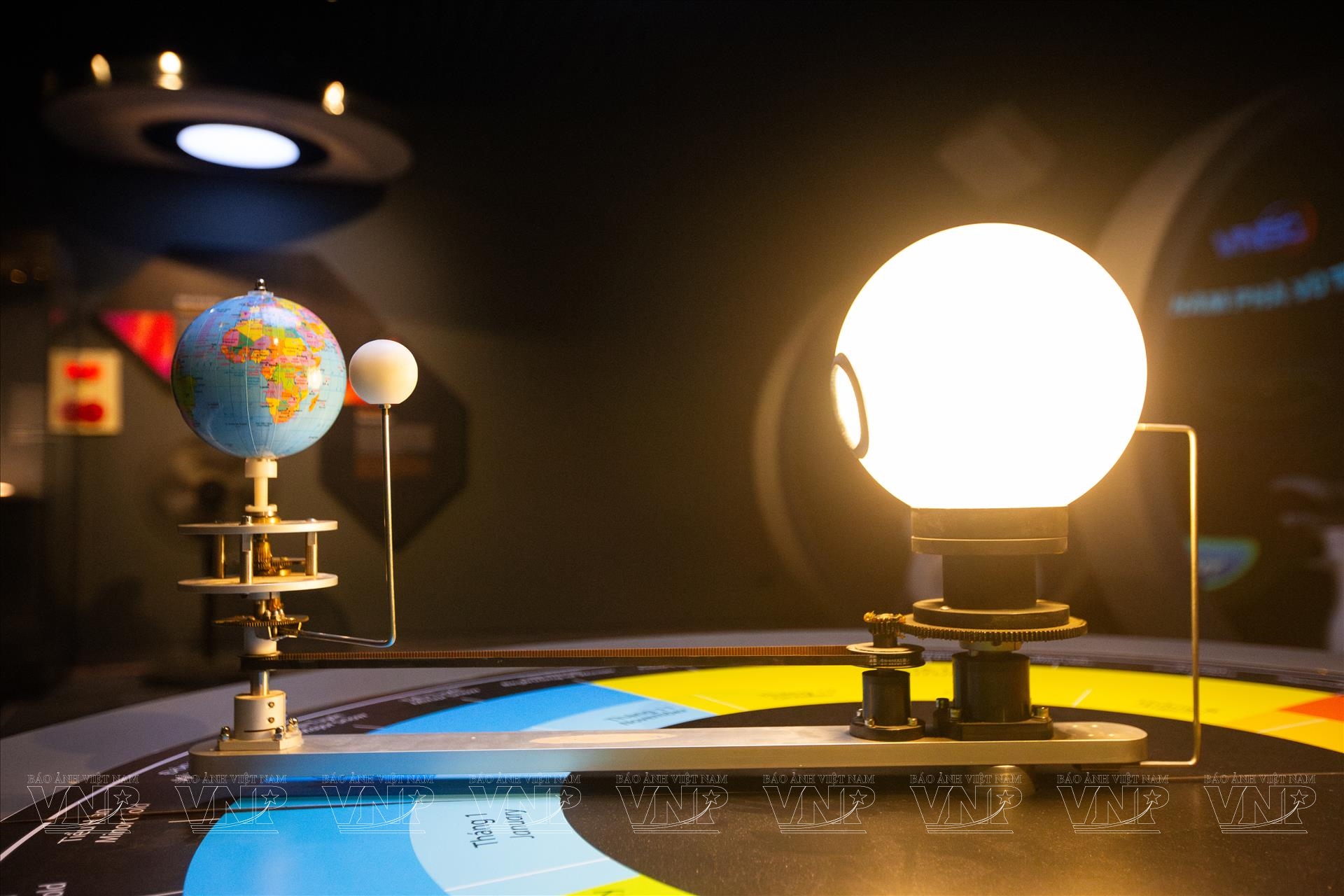
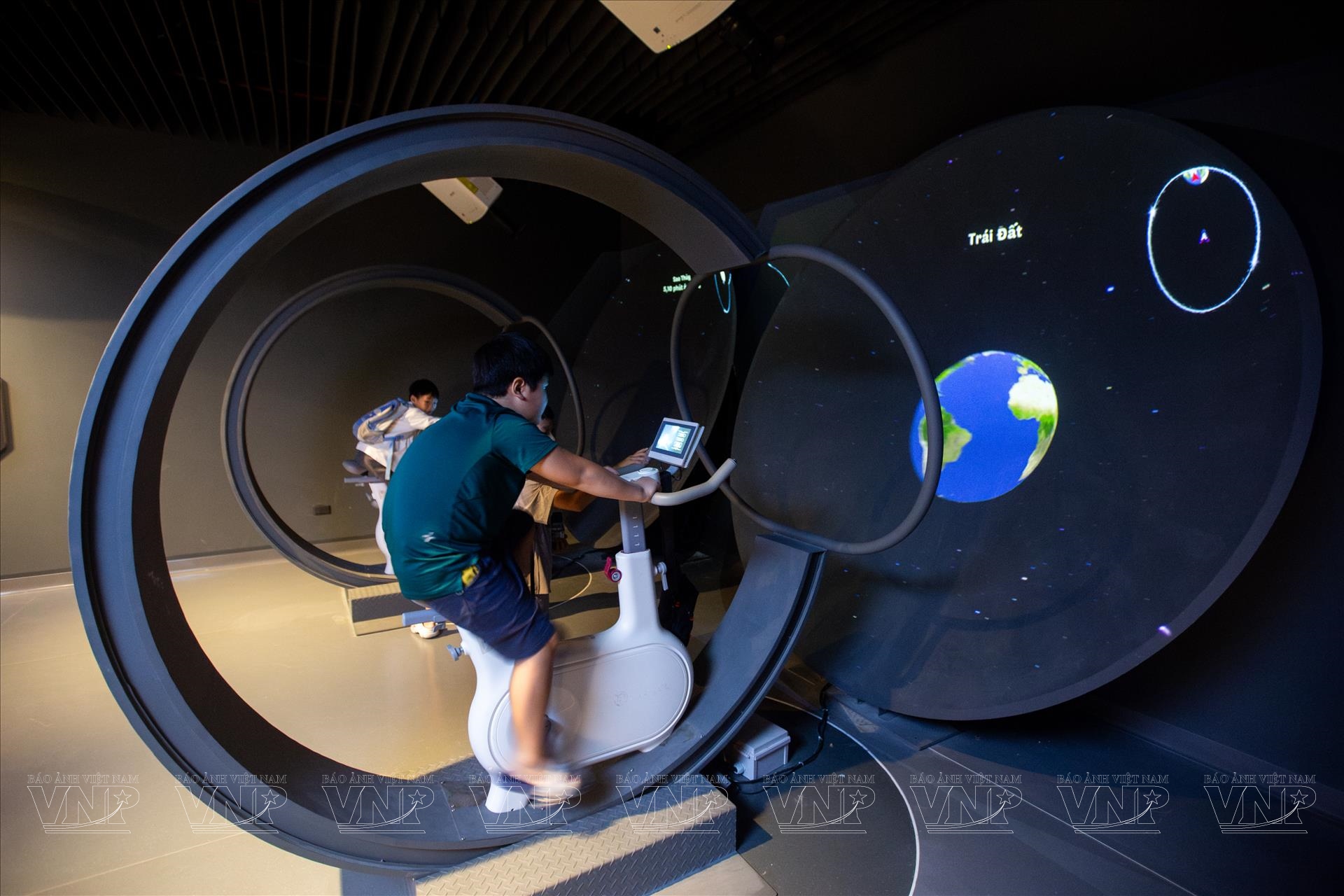
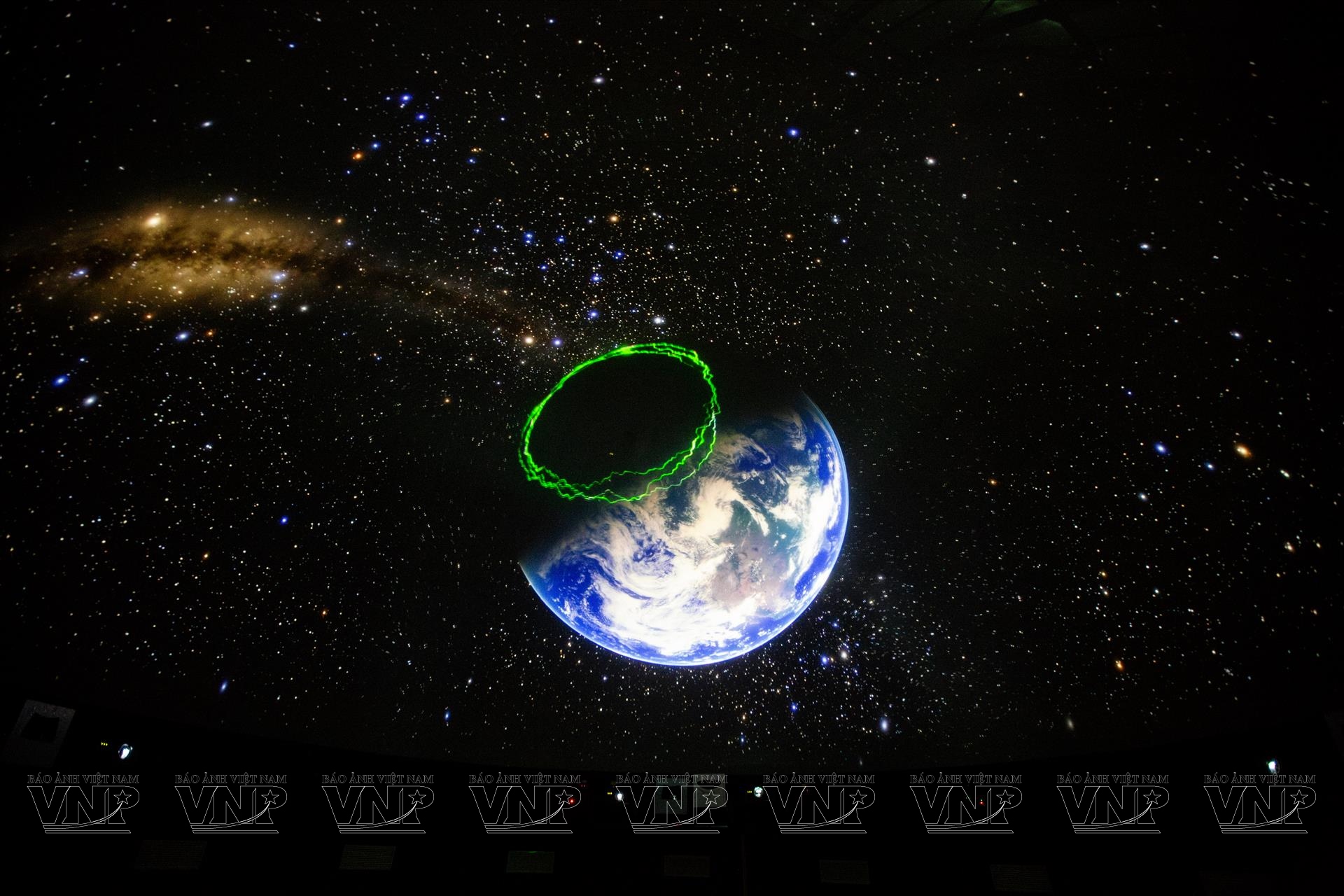
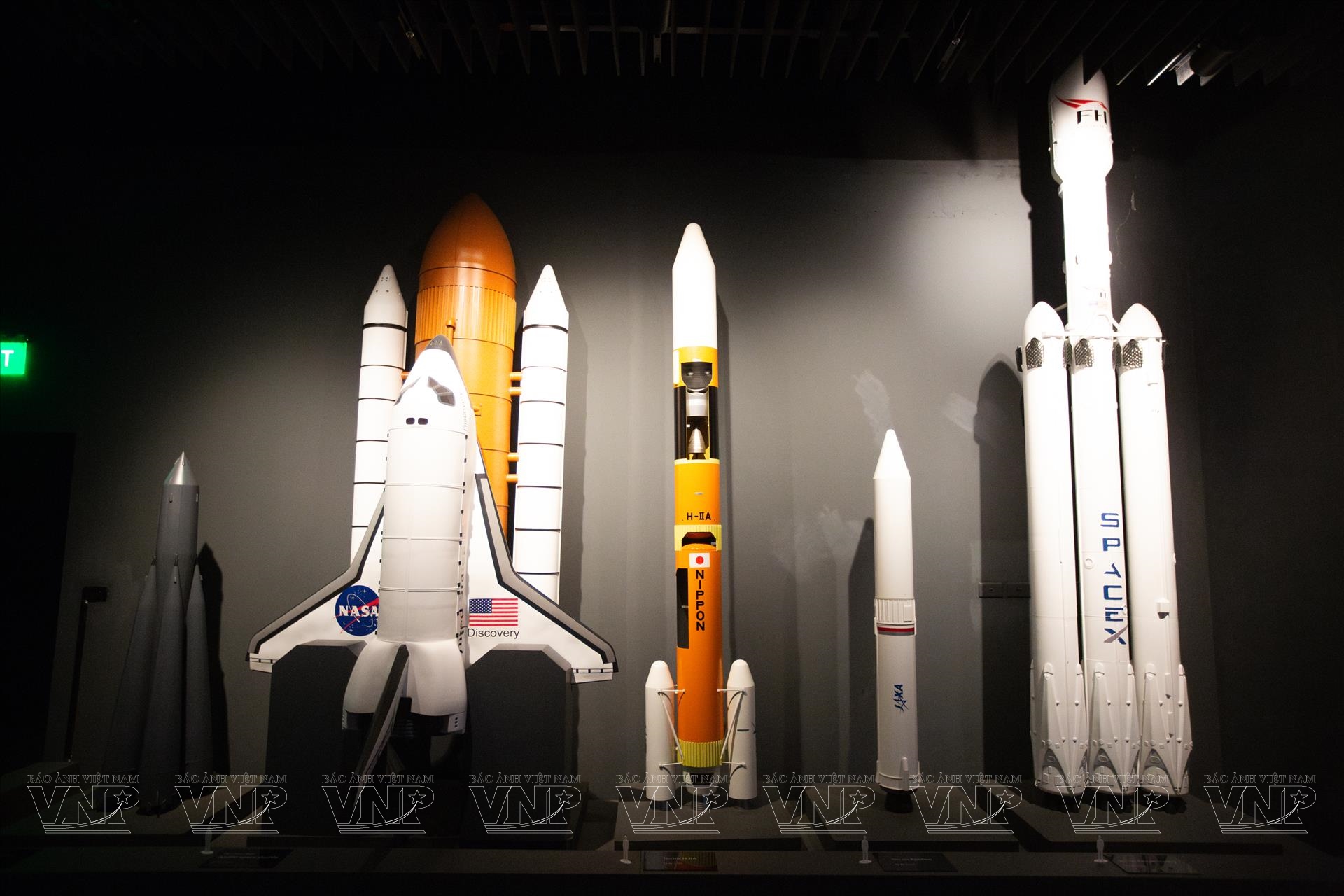
Associate Professor, Dr. Pham Ngoc Diep, Director of the Center for Astrophysics and Space Exploration, said, “We applied digital transformation to create an interactive, dynamic museum experience while maintaining scientific accuracy”. He added that the biggest challenge for the construction team was finding the right balance between strict scientific rigor and compelling storytelling, ensuring that complex concepts could be presented in a way the public can easily understand and relate to.
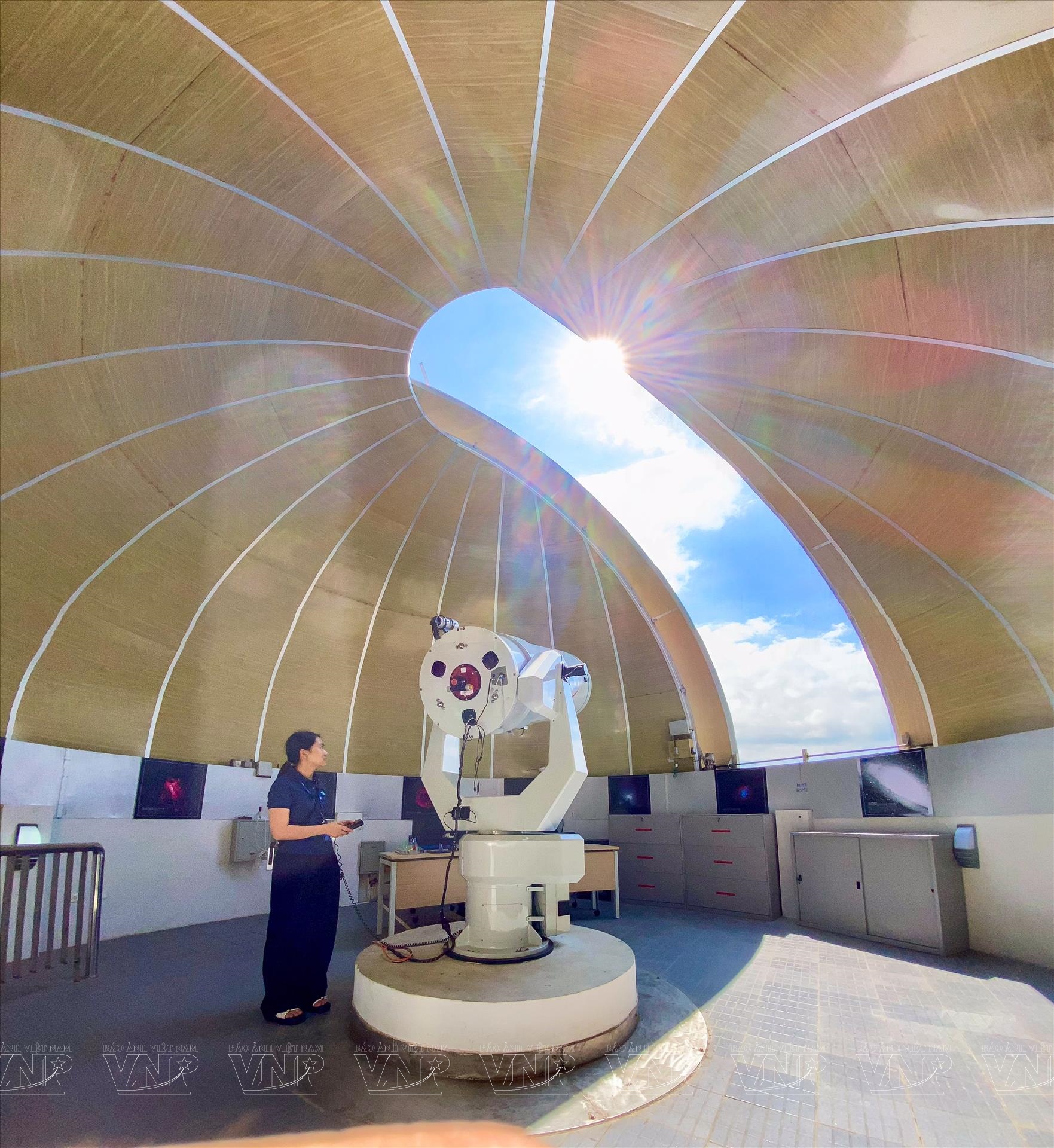
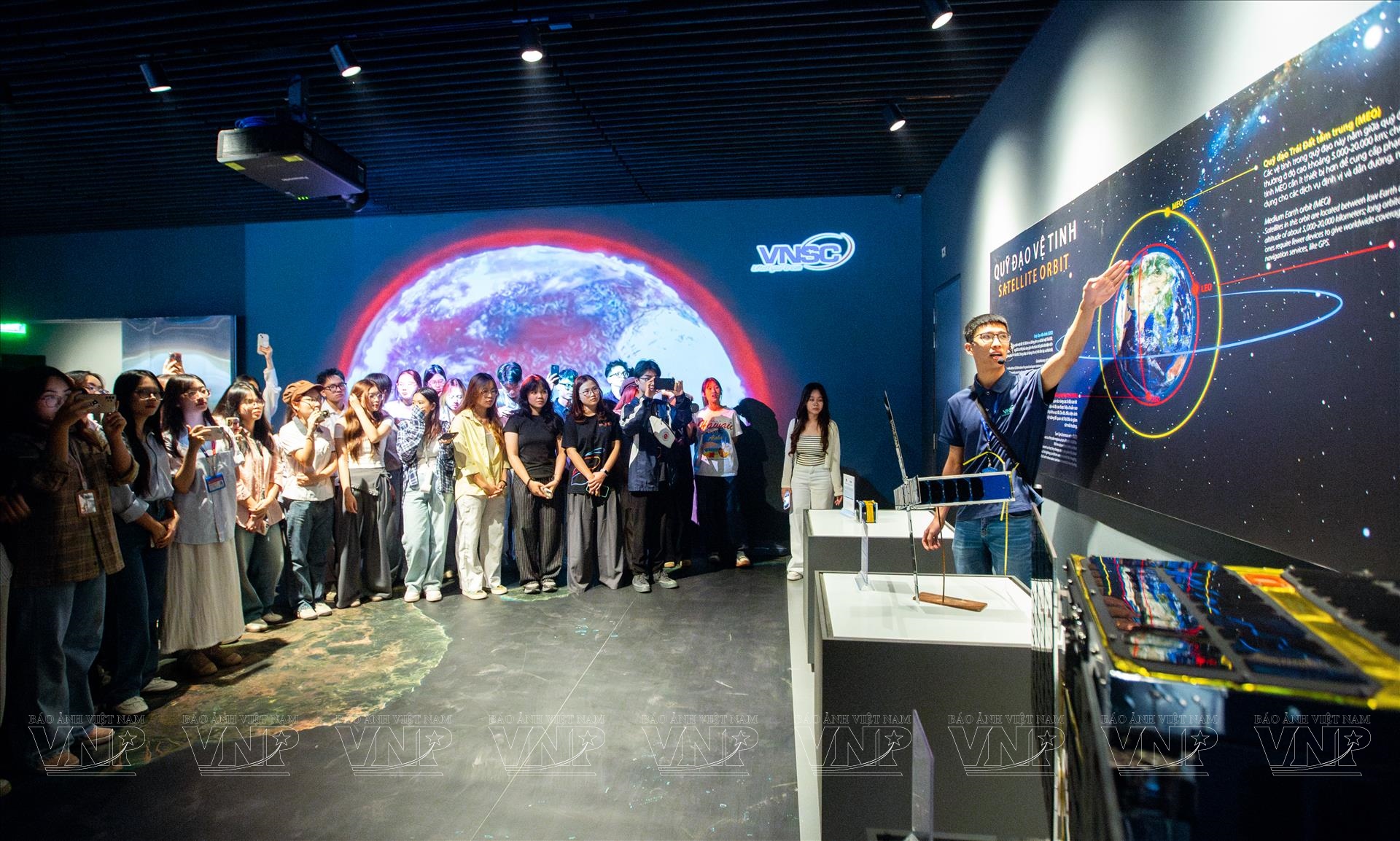
The Vietnam Space Museum also aims to serve as a hub for education and community engagement. It regularly partners with domestic and international organizations to enhance its exhibitions and hosts talks with experts designed to spark a passion for science, especially among young people.
On his first visit, Nguyen Huy Dung, a student at Tran Nhan Tong High School, said with excitement, “I learned so many fascinating things and now understand much more about cosmic phenomena”. In the “Conquering Space” zone, Dung and his classmates could assemble and launch model rockets or operate Mars-exploration robots, hands-on experiences once imaginable only in movies.
According to Dr. Le Xuan Huy, Deputy General Director of the Vietnam Space Center, the museum’s mission is to “bring space science closer to the community, helping people see that modern technology isn’t distant, it’s part of everyday life”./.
Story: Ngan Ha
Photos: Khanh Long/VNP