Exploring a Tay Village Nestled in Bac Son Valley
Nestled in Bac Son Valley, Quynh Son Community-based Tourism Village in Bac Son commune, Lang Son province, stands out for its traditional Tay stilt houses set amid rice fields, limestone mountains and winding village roads.
The village is known not only for its distinctive northeastern landscape but also for its close-knit community and traditional way of life. Stilt houses, rice fields, the sound of the tinh lute, then folk singing and customs passed down through generations all remain part of daily life here.
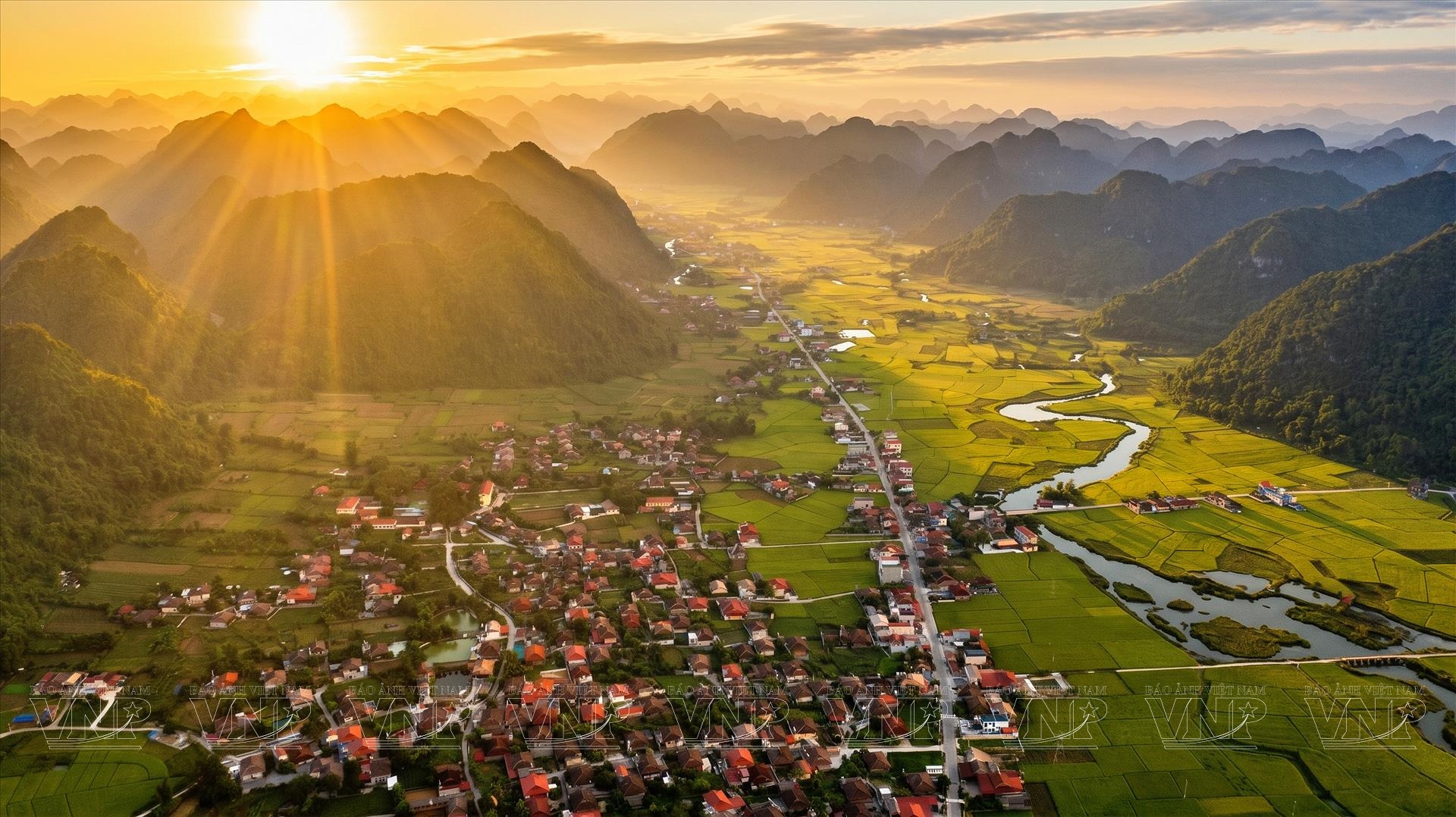
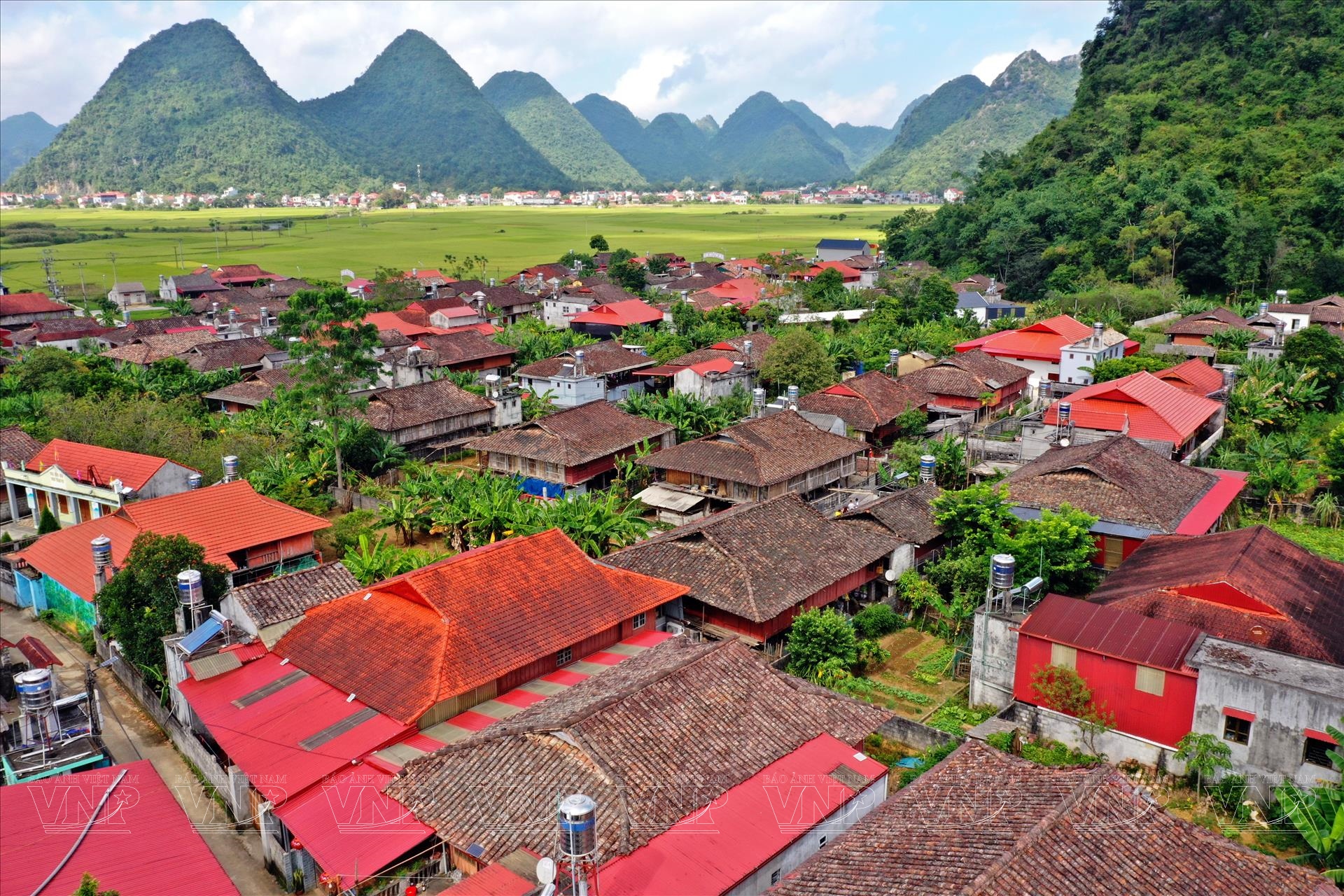
Quynh Son lies at the heart of Bac Son Valley. From the surrounding high points, particularly Na Lay Mountain, visitors can take in sweeping views of the valley and its vast rice fields stretching along the foot of the mountains. During the harvest season, golden rice fields stand out against the green mountains, traditional stilt houses and village roads, creating a distinctive landscape.
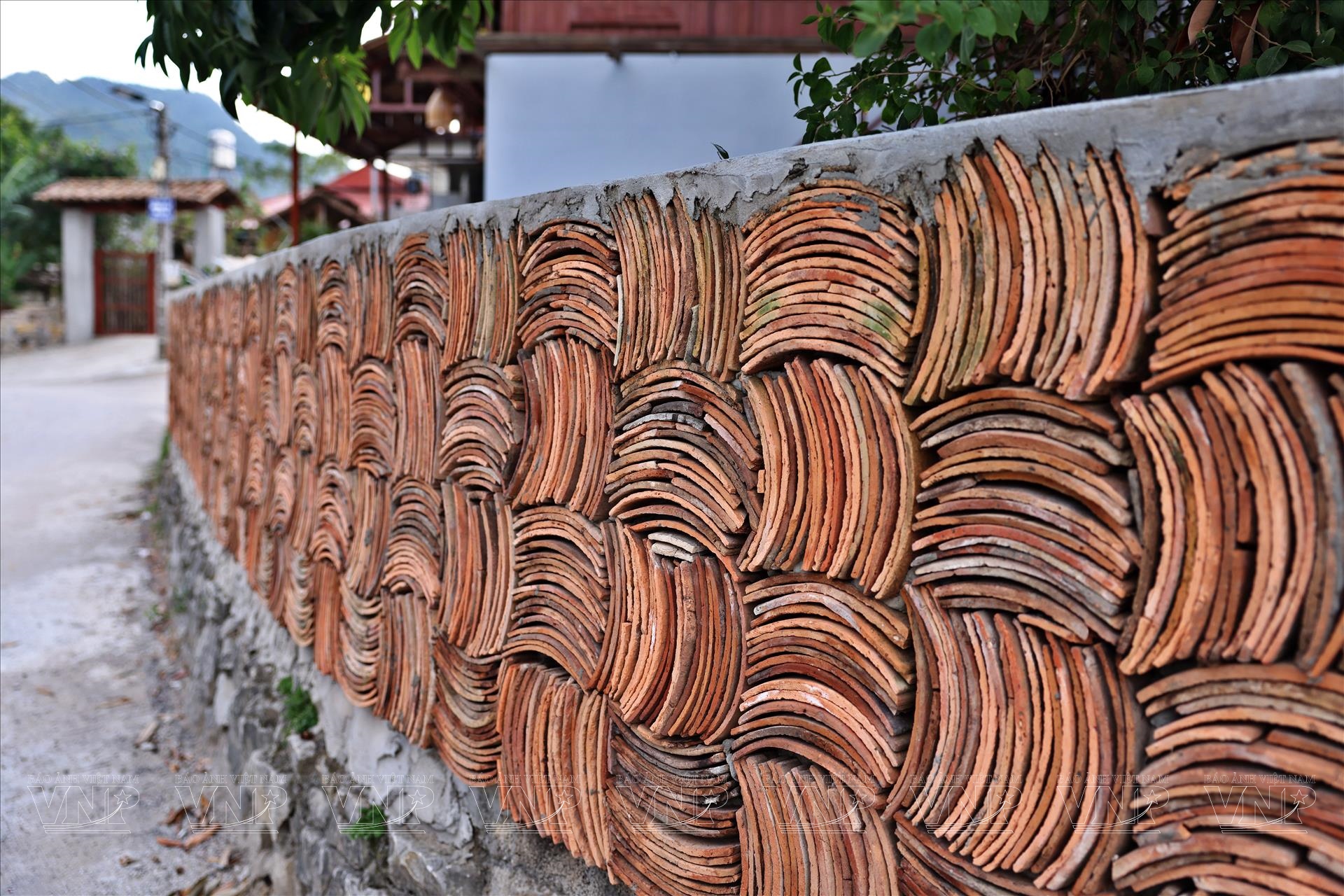
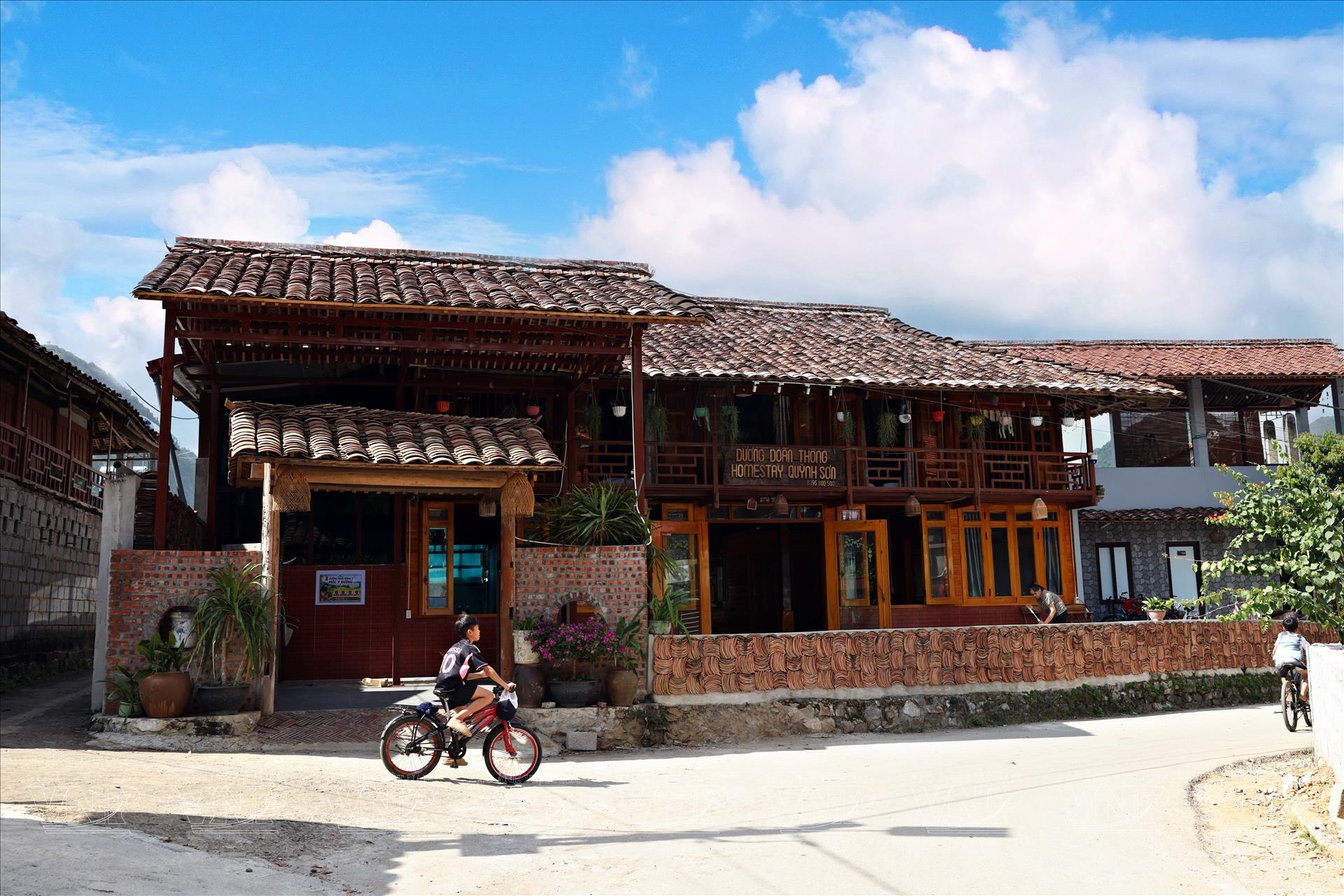
One of the first things visitors notice in Quynh Son is its collection of traditional stilt houses. According to the Bac Son commune People's Committee, the village is home to more than 400 old Tay stilt houses. Built in a relatively uniform style, with roofs covered in traditional yin-yang tiles, they form a harmonious architectural ensemble that blends with the natural surroundings.
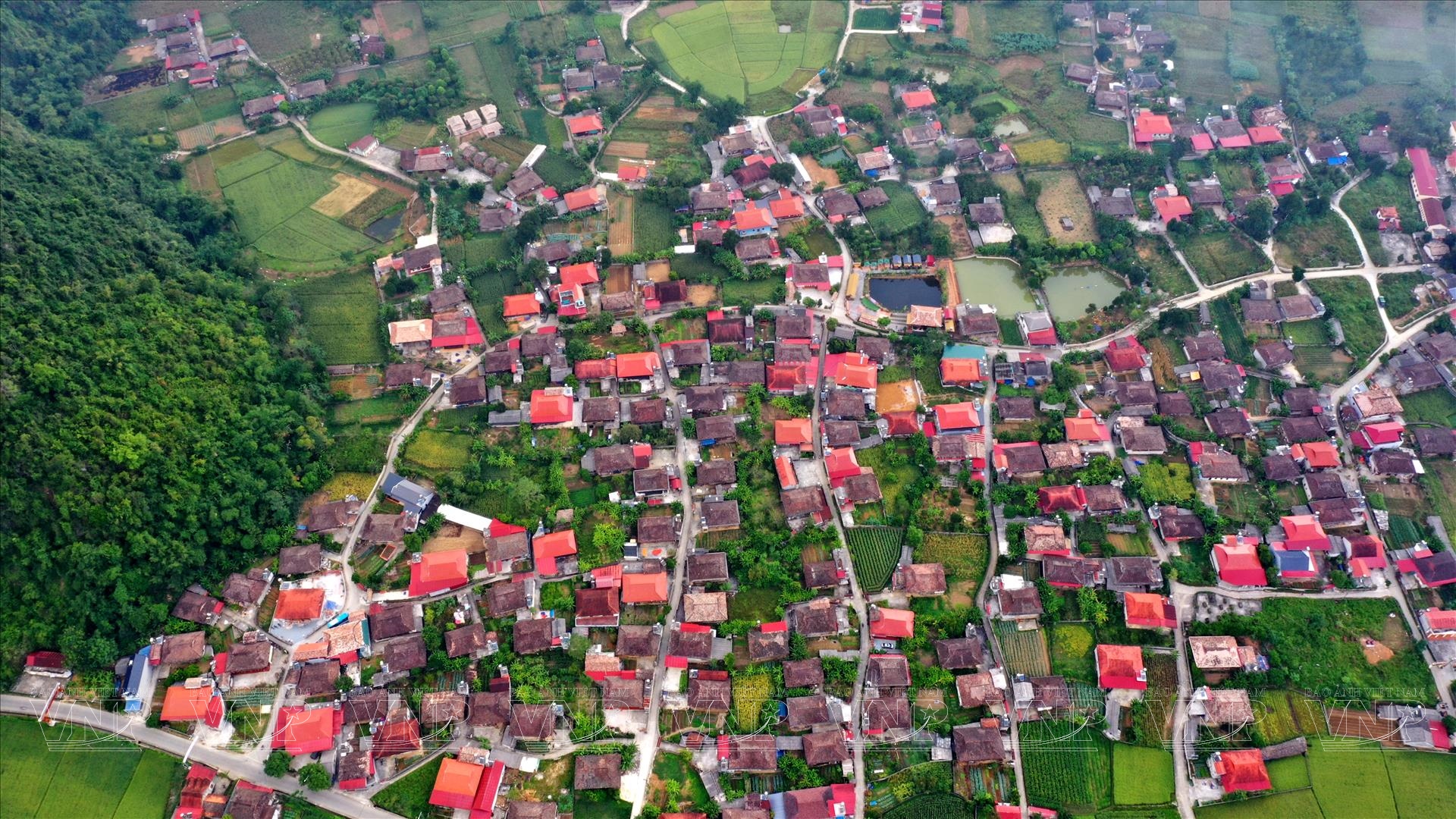
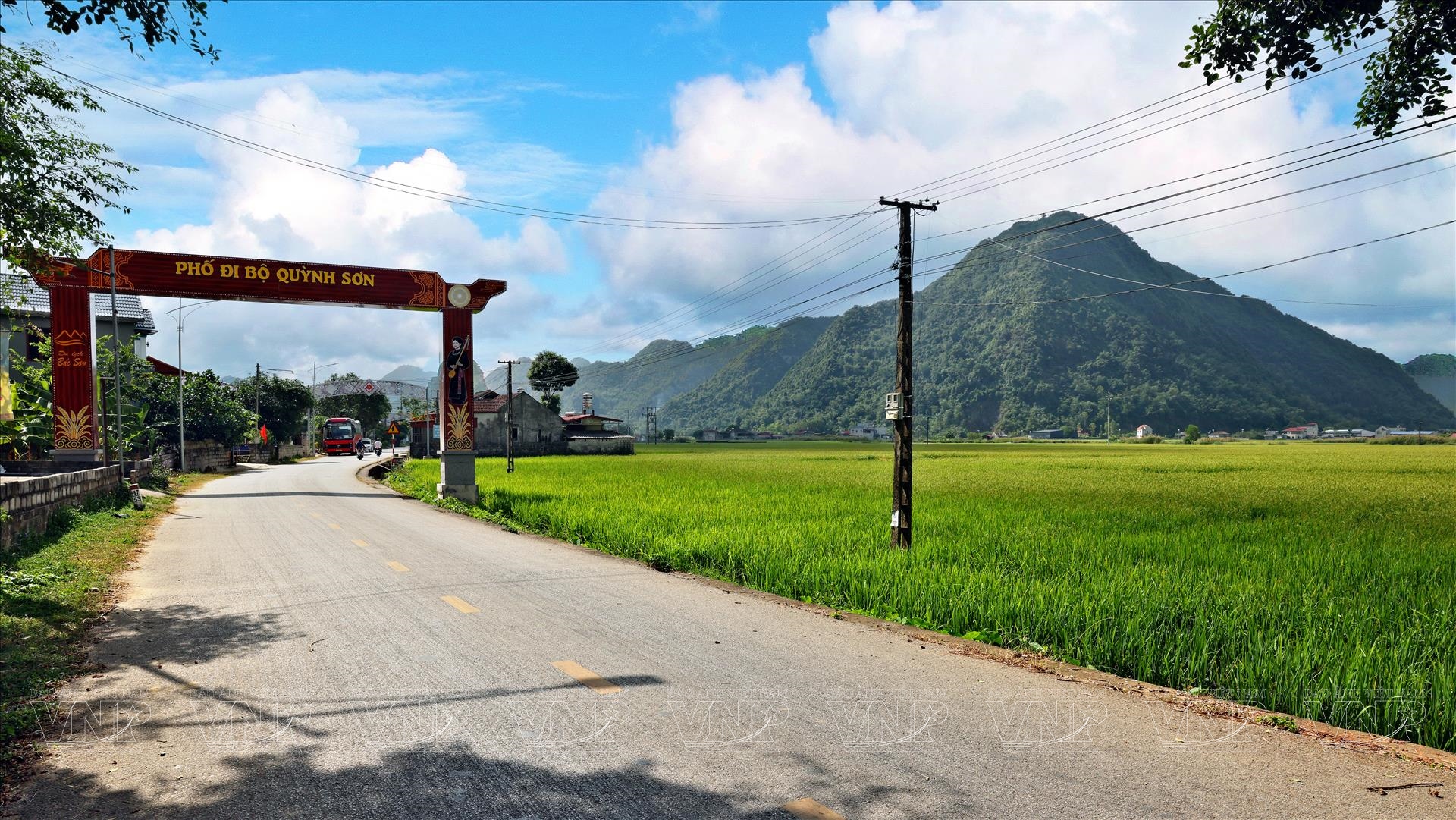
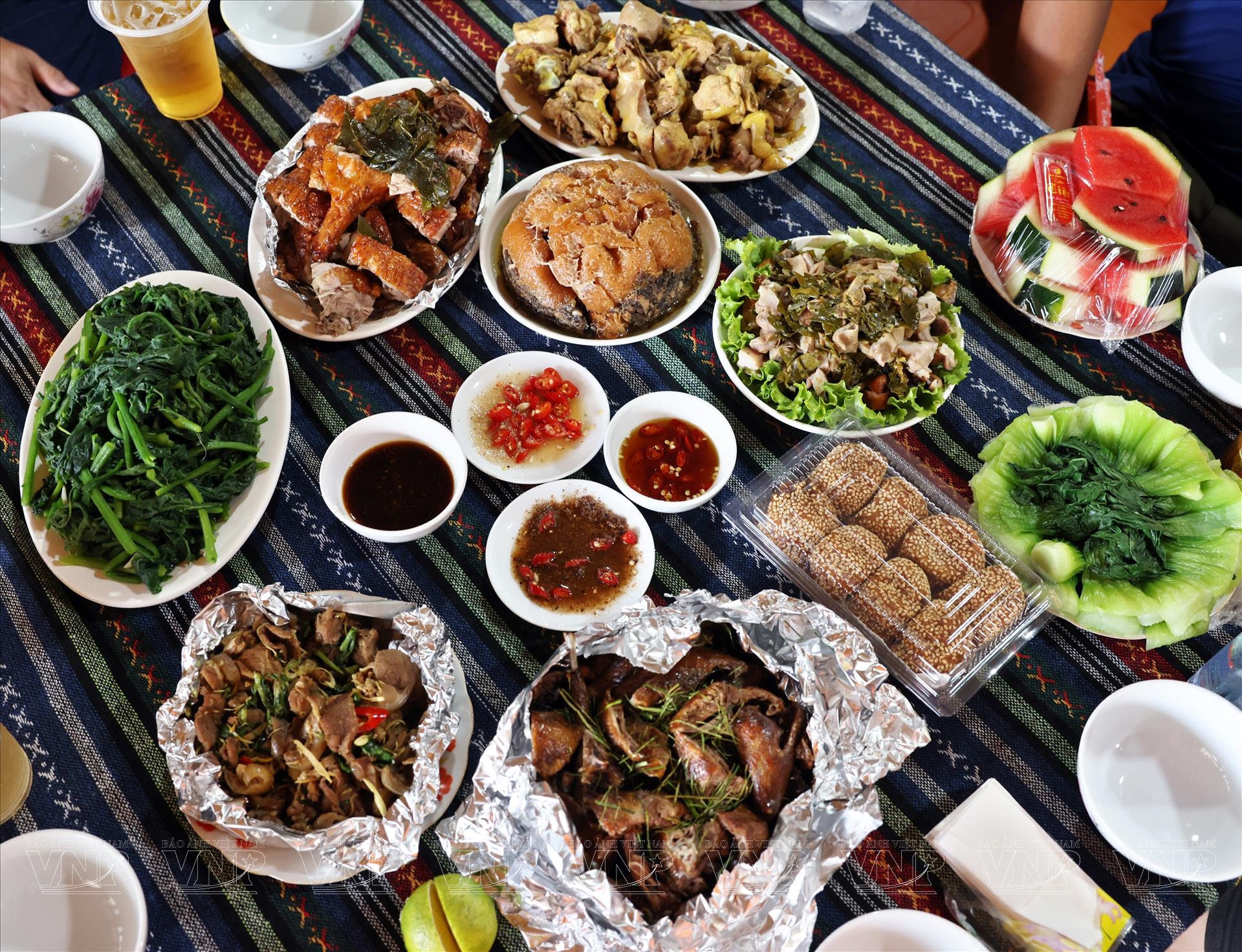
The houses stand in rows, with yards, gardens and village roads in front and mountains and rice fields in the distance. This gives Quynh Son a character quite different from destinations newly developed for tourism. Here, the places where visitors stay are also people's homes. Guests can spend the night in traditional stilt houses, enjoy local dishes and learn about the daily life of the community.
Community-based tourism has thus become an important part of the local economy. According to the Bac Son commune People's Committee, Quynh Son currently has 12 community-based accommodation facilities, nine of which meet the regulatory requirements for business operations. Local households are also gradually renovating and upgrading their facilities to better serve visitors. So far, 26 households have been approved for support under the province's community-based tourism development policy, with 10 having completed their renovations.
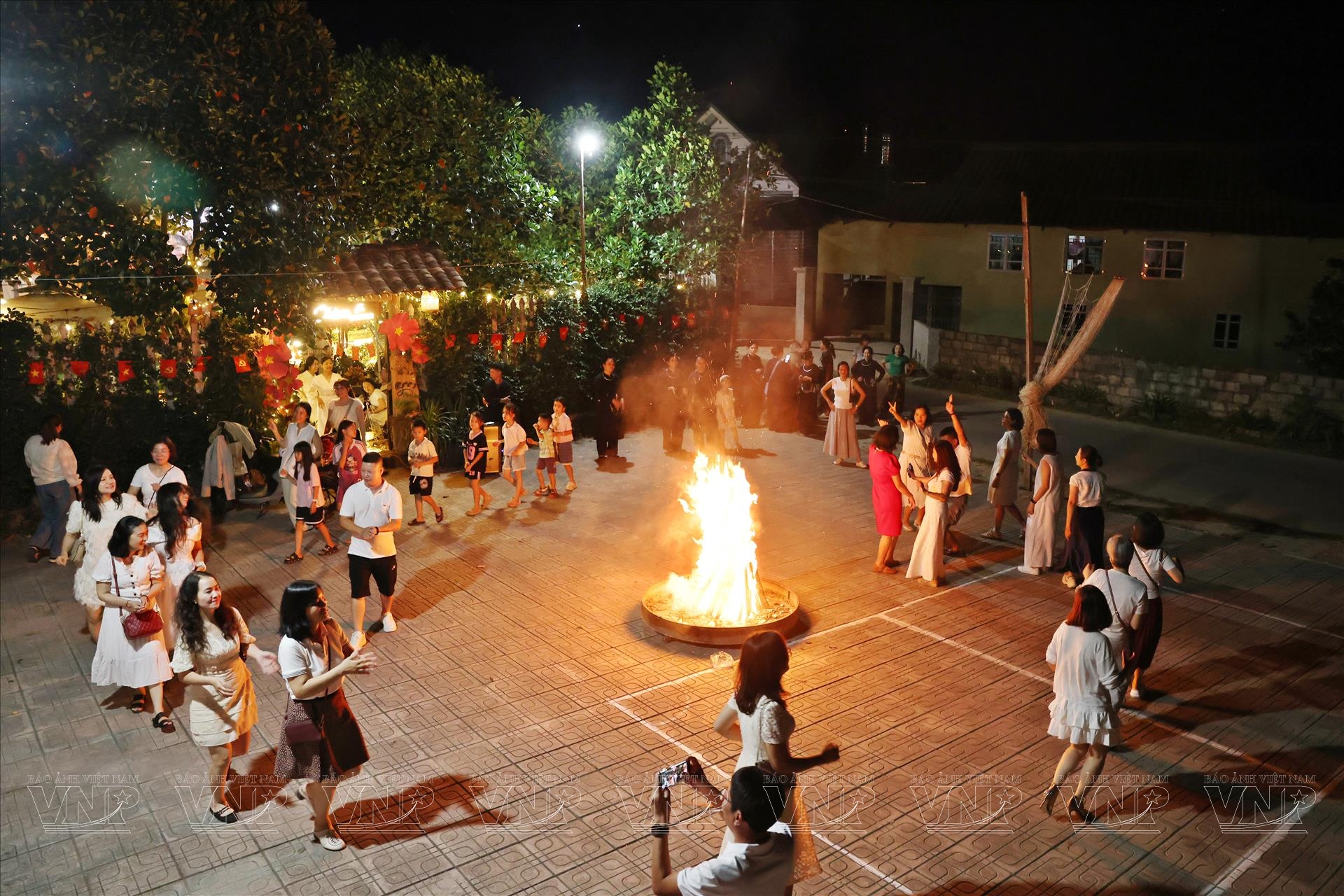
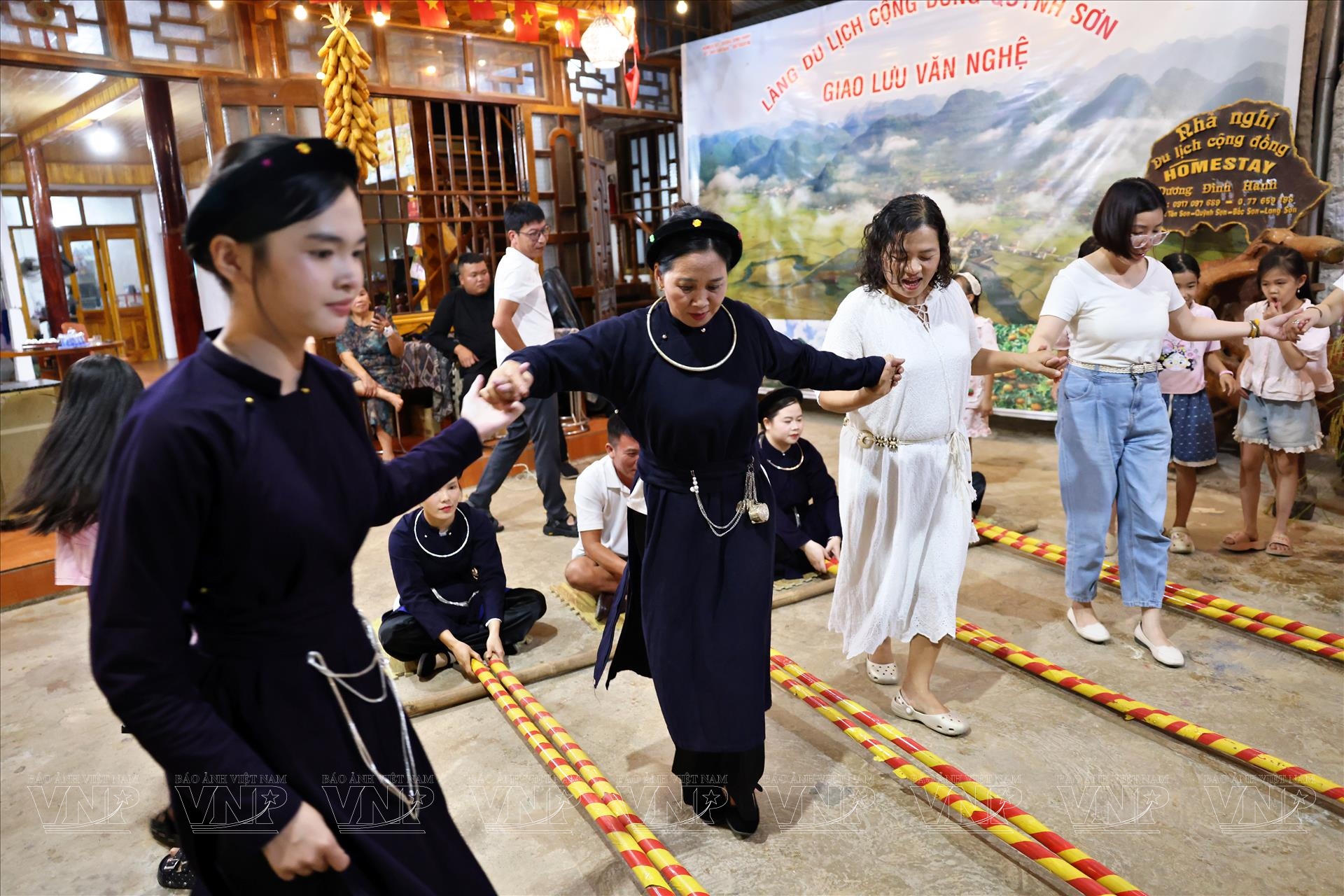
But Quynh Son's appeal lies in more than its traditional houses. It also offers experiences rooted in local daily life. Visitors can take part in seasonal activities such as rice harvesting, learn to prepare traditional dishes and make local cakes, listen to then folk songs accompanied by the tinh lute, and join folk music and dance performances. These activities bring visitors closer to the local community and make their trips more than just sightseeing.
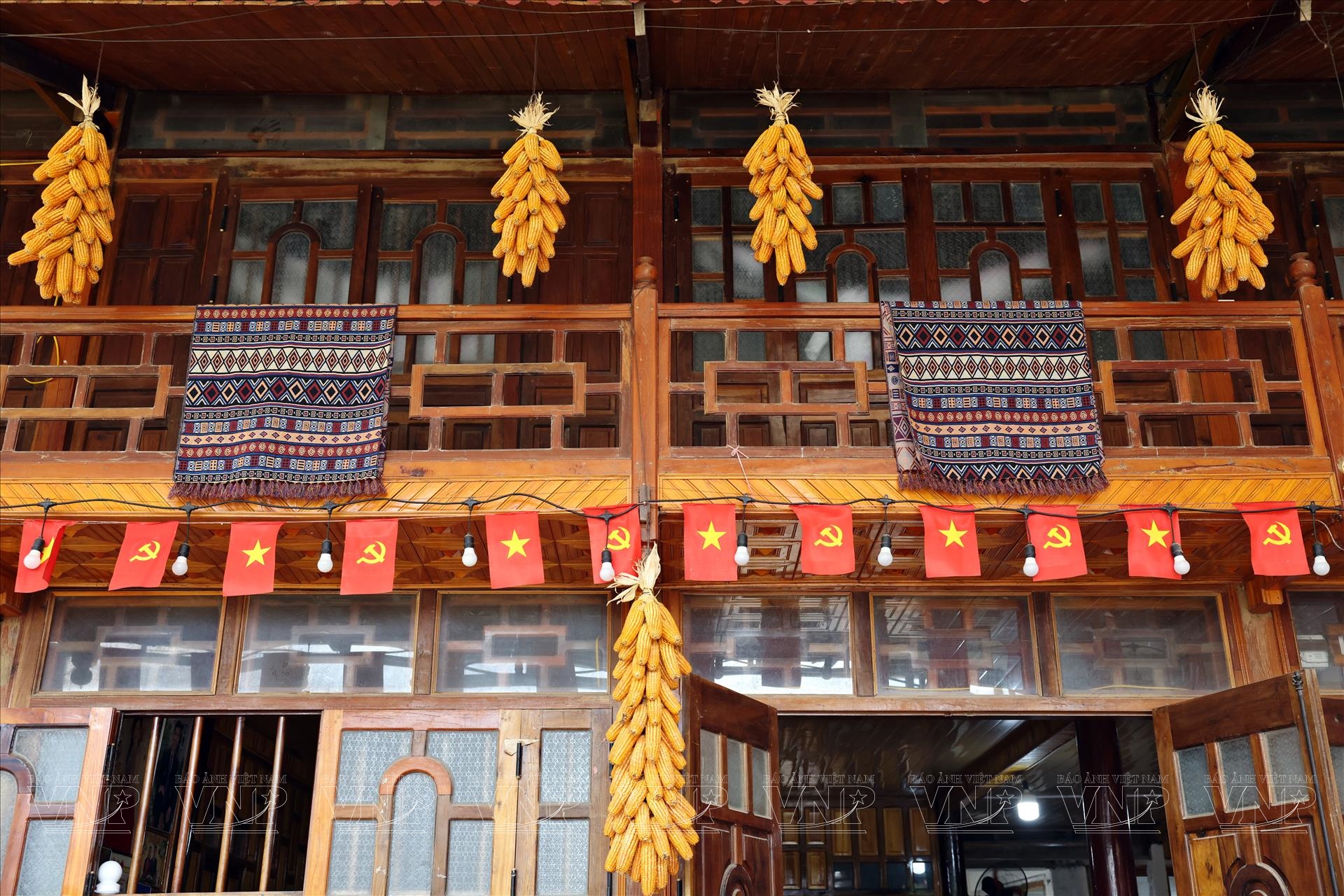
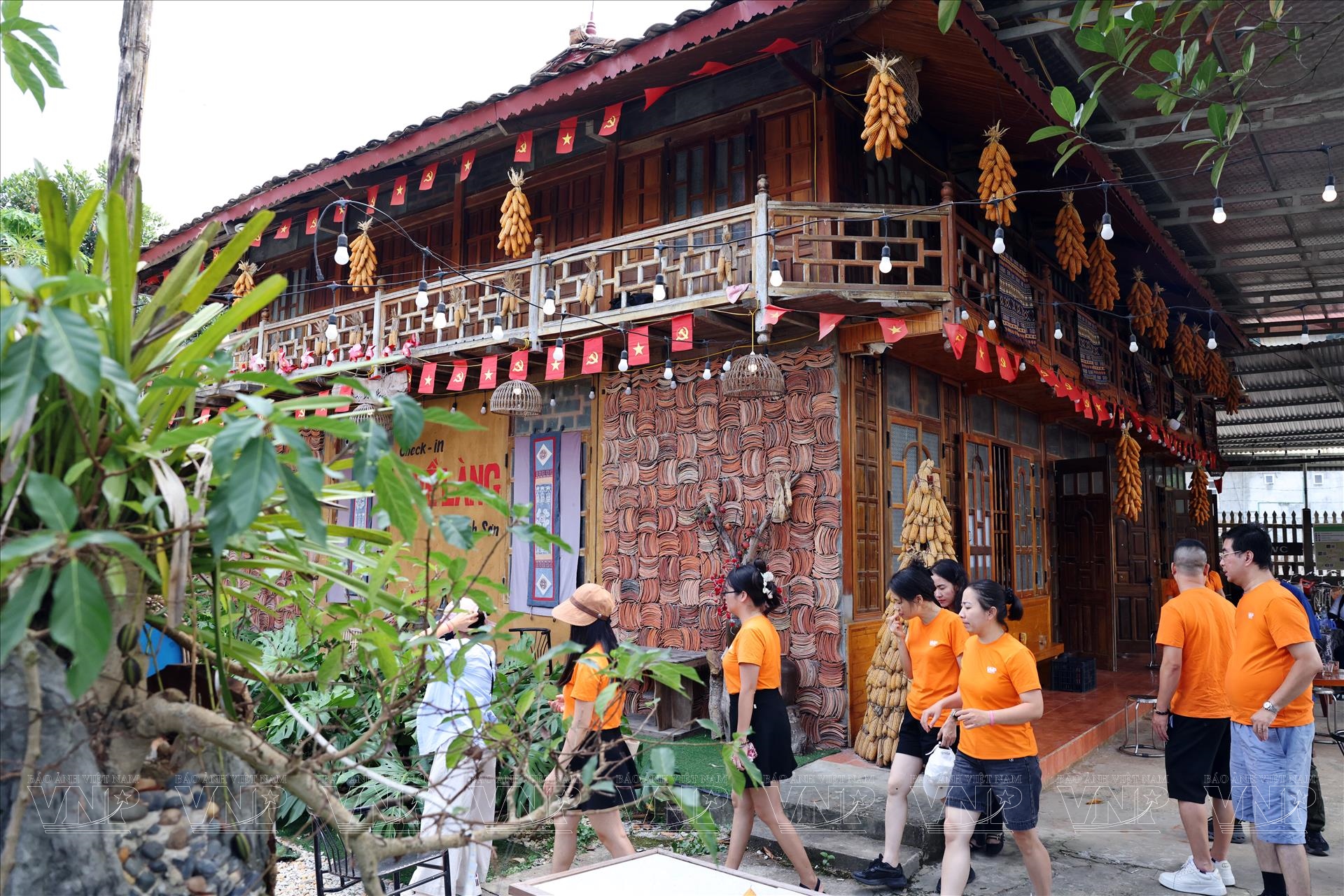
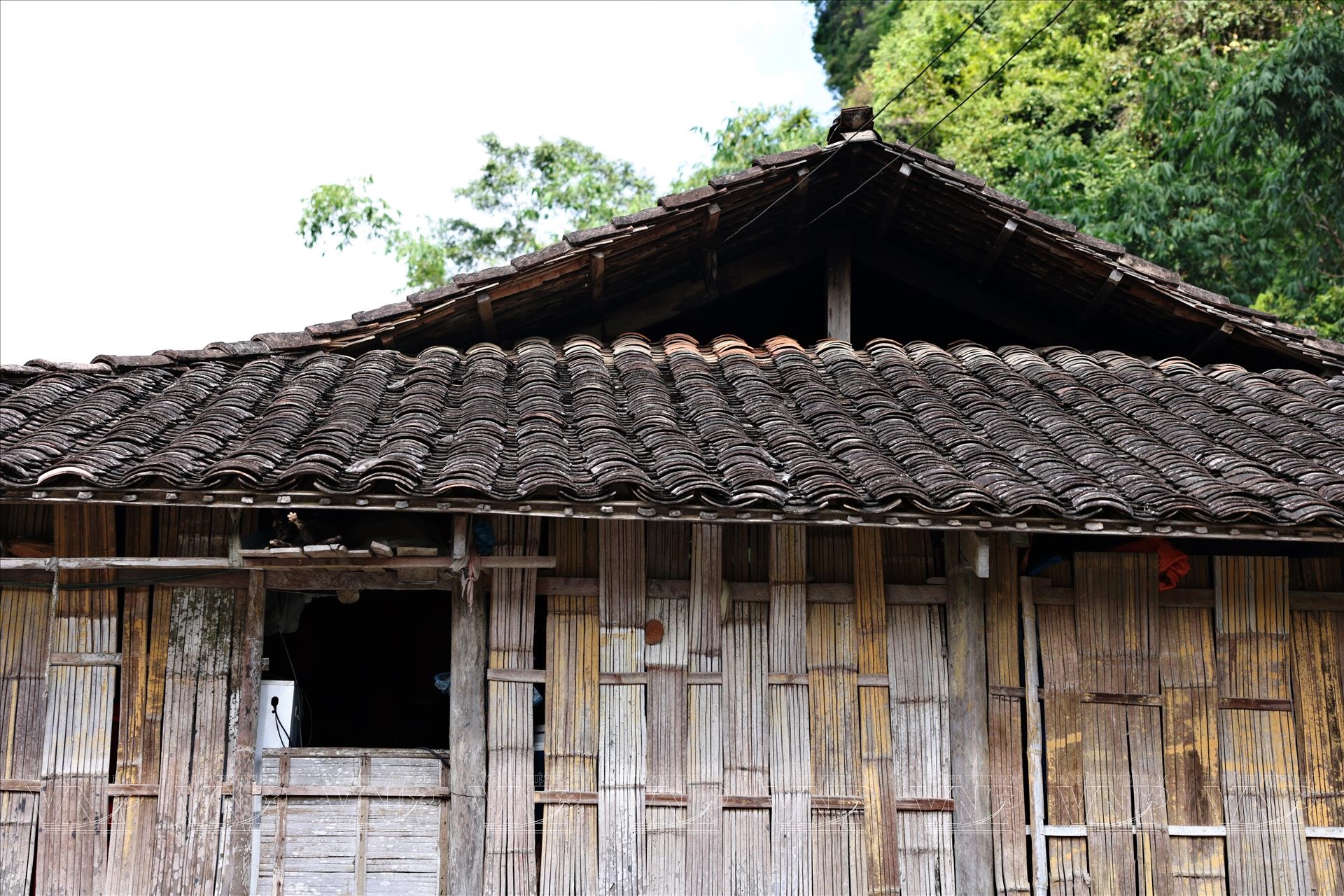
During the golden rice season, Quynh Son becomes even more lively. As the rice ripens, local people begin harvesting in the fields. From the village, visitors can see rice fields stretching between the mountains. From above, the stilt houses stand out amid a sea of golden rice. This landscape brings together agricultural production, local life and community-based tourism.
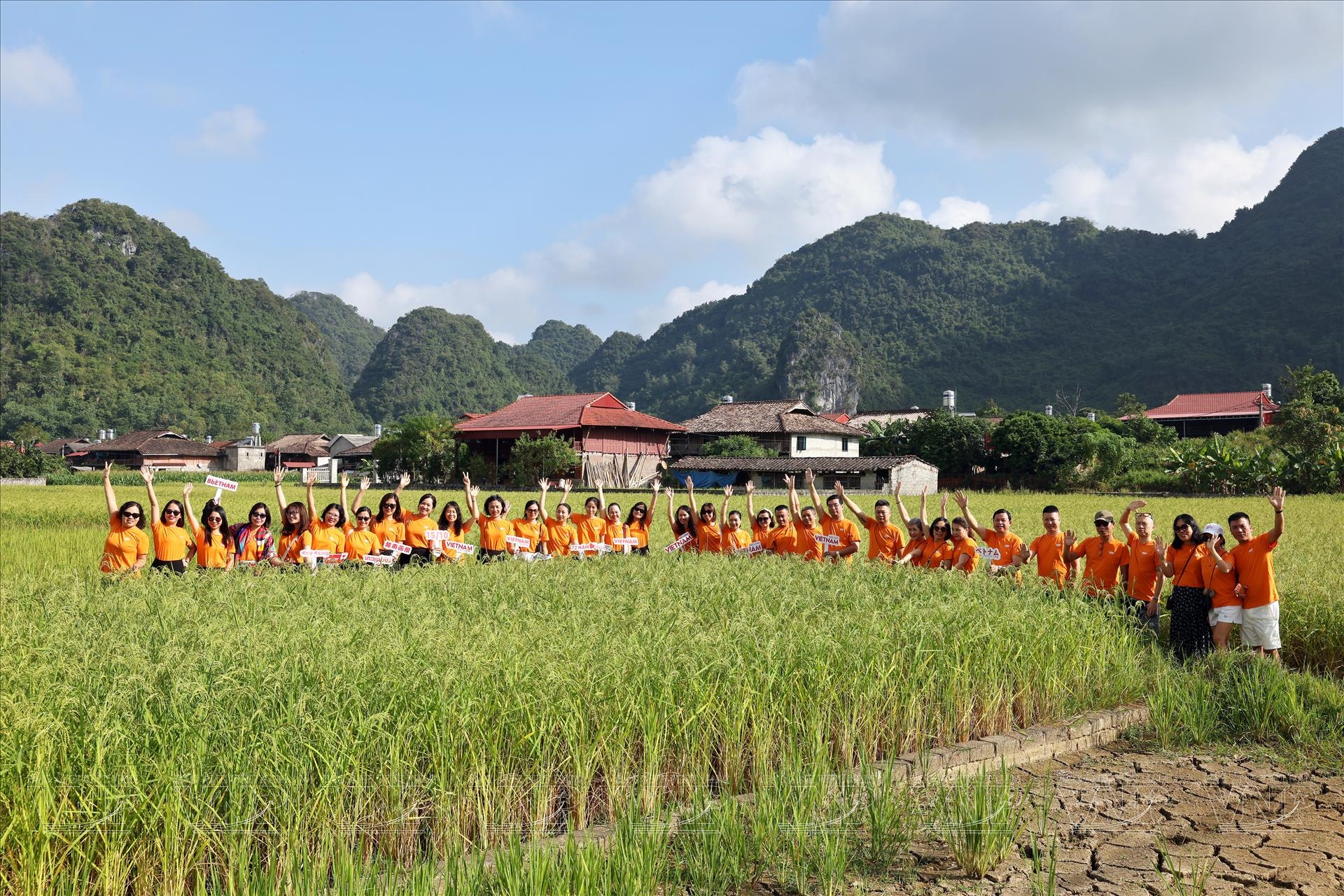
Preserving traditional cultural values is also seen as key to Quynh Son's long-term tourism development. In 2025, the village was named one of the World's Best Tourism Villages by UN Tourism, in recognition of its cultural heritage, natural landscape, community involvement and commitment to sustainable development.
The international recognition has encouraged the locality to continue investing in tourism while highlighting the need to preserve its existing values. In 2026, Bac Son commune launched a development plan for Quynh Son Community-based Tourism Village for 2026–2027, focusing on infrastructure improvements, landscape enhancement and linking tourism development with the preservation of traditional culture.
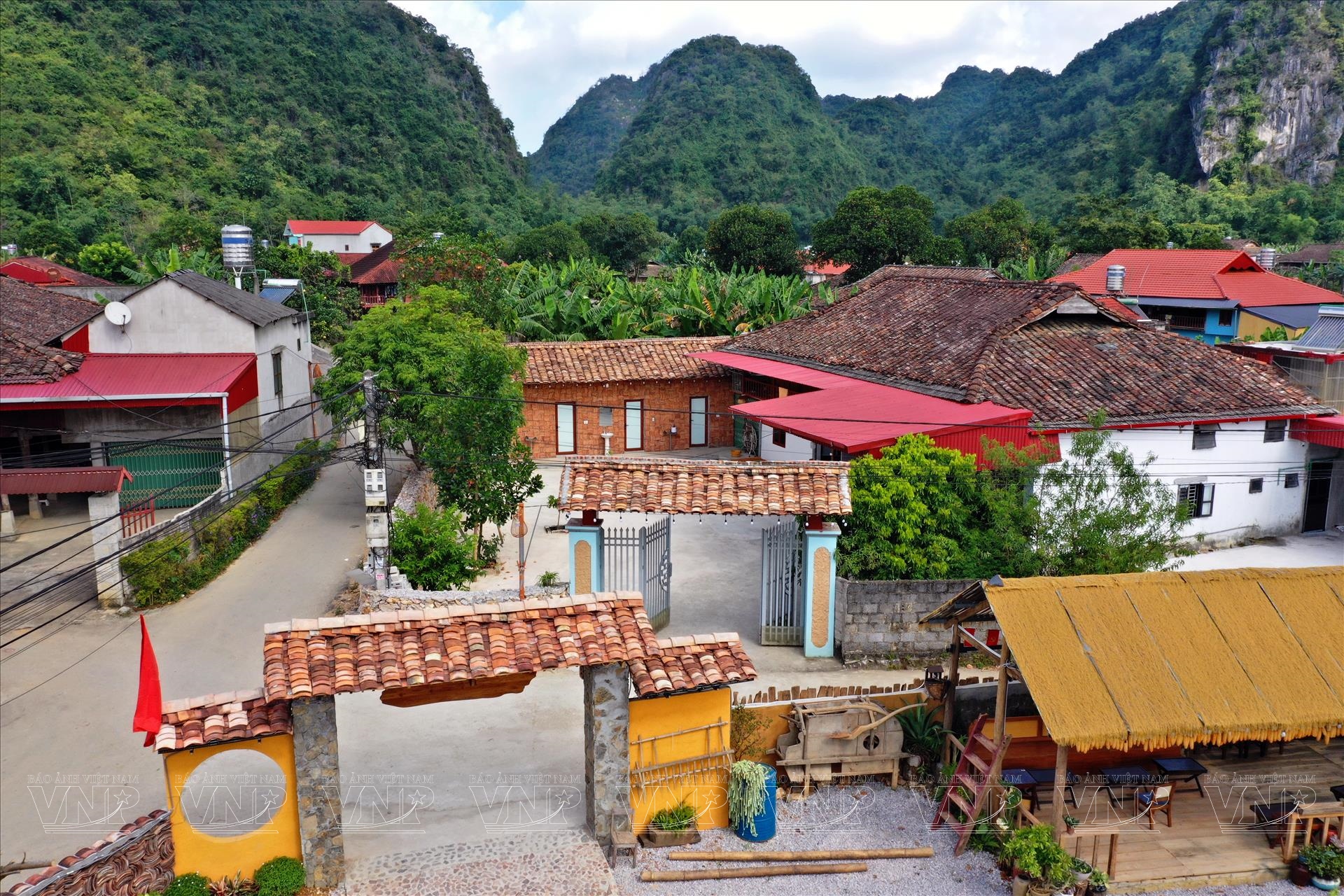
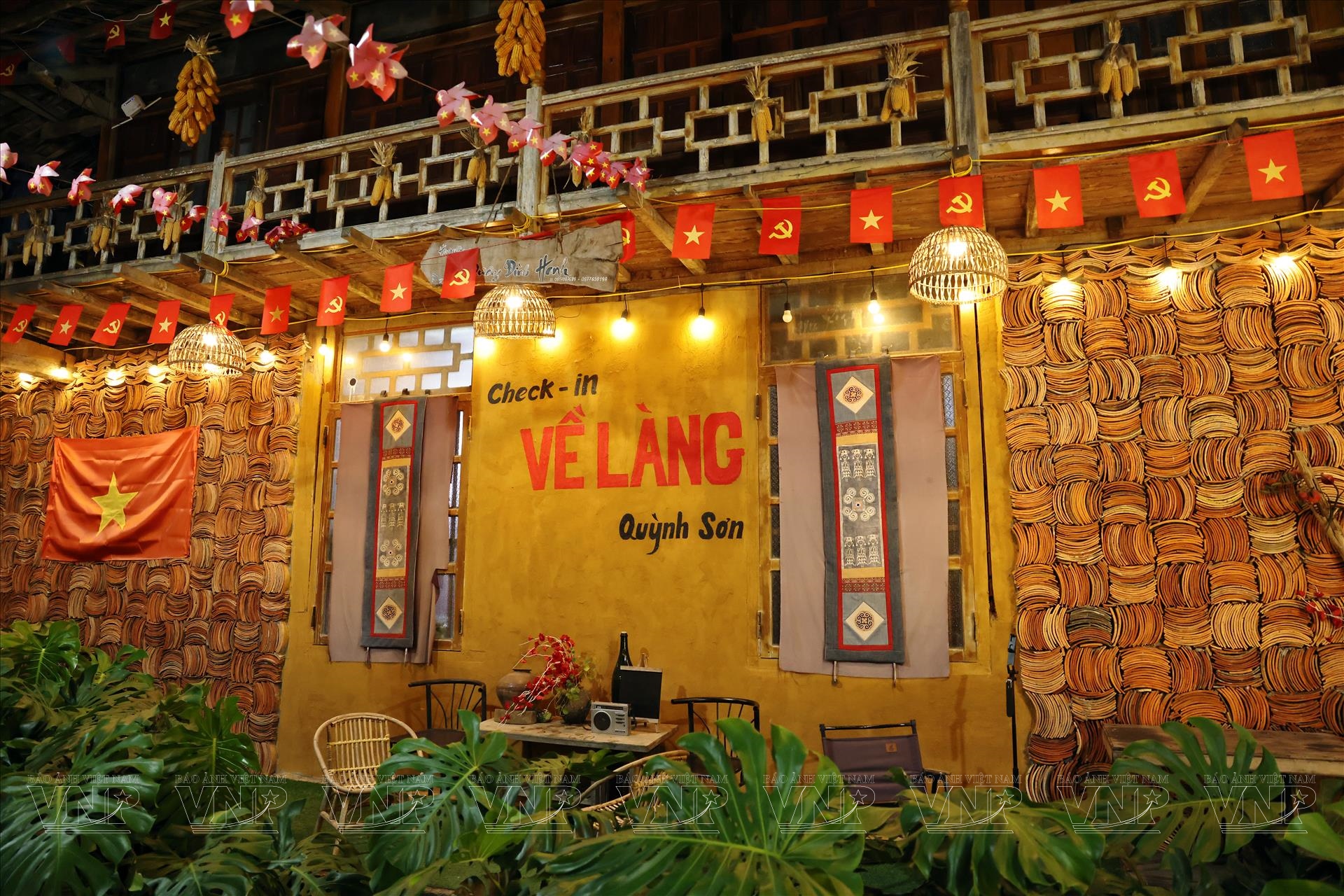
Several infrastructure projects are underway to improve the village's appearance. These include renovating fences, building a community center, upgrading roads and improving the drainage system connecting the village with the commune center. A flagpole project on Na Lay Mountain is also being implemented to create a new cultural, historical and scenic landmark in Bac Son Valley.
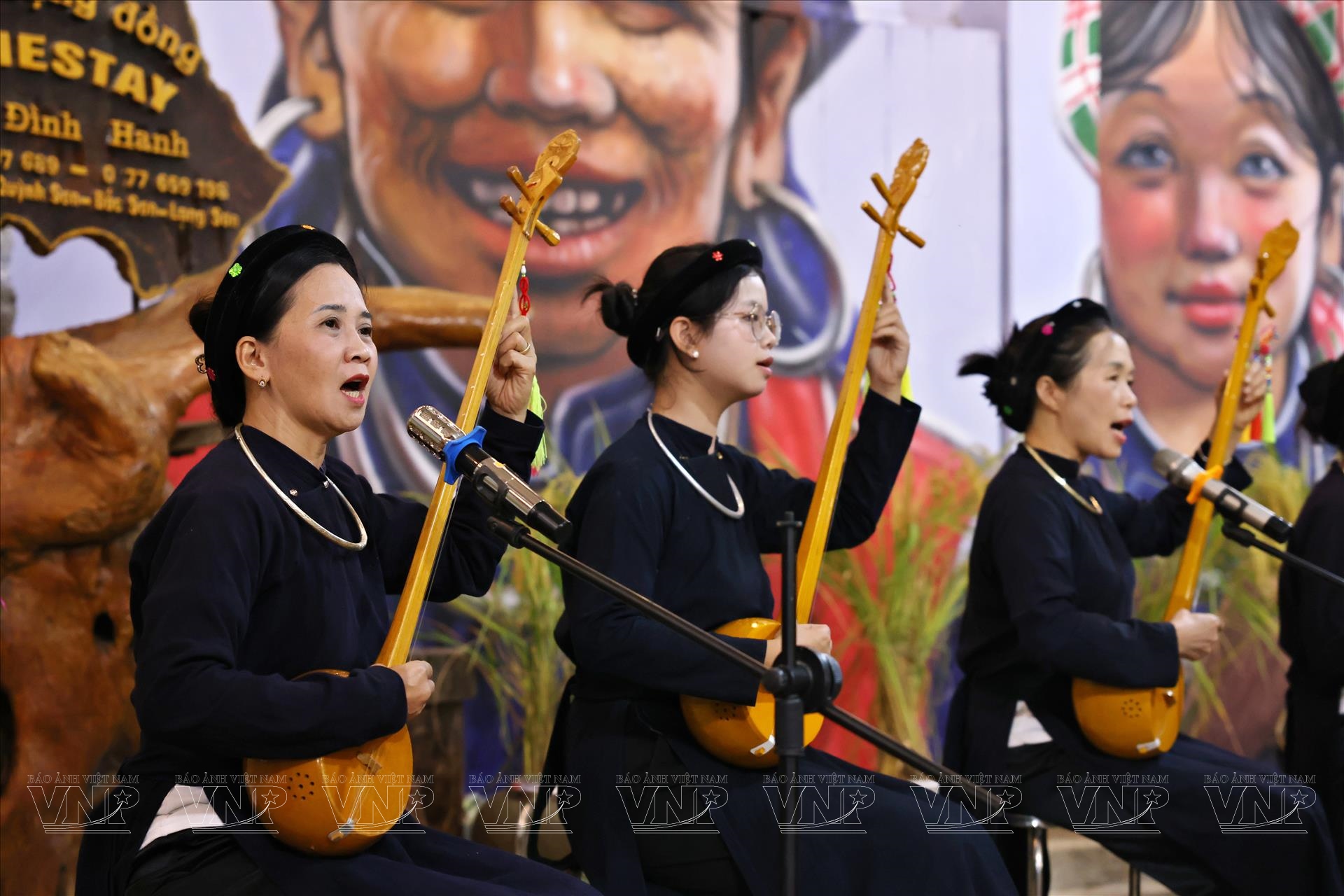
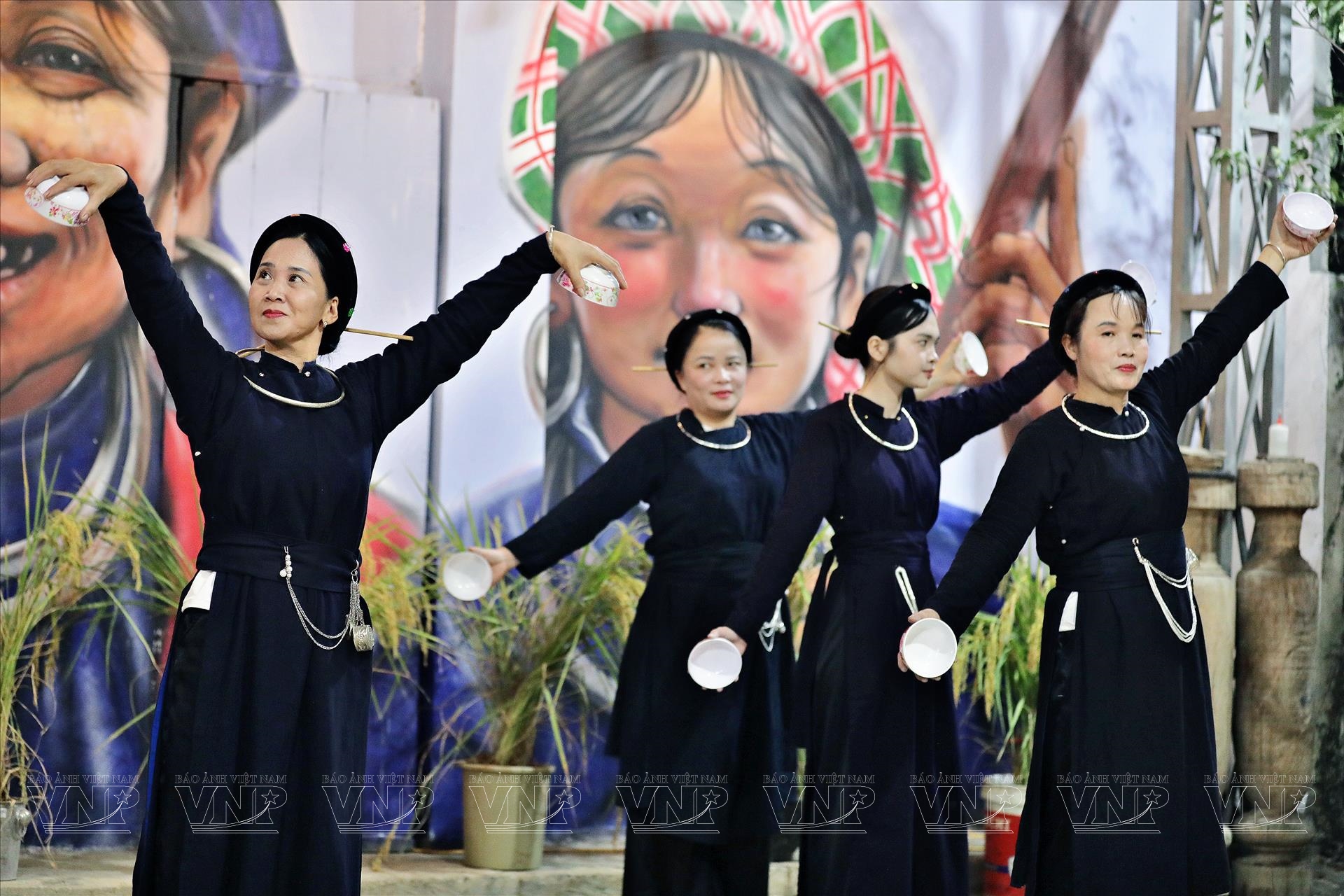
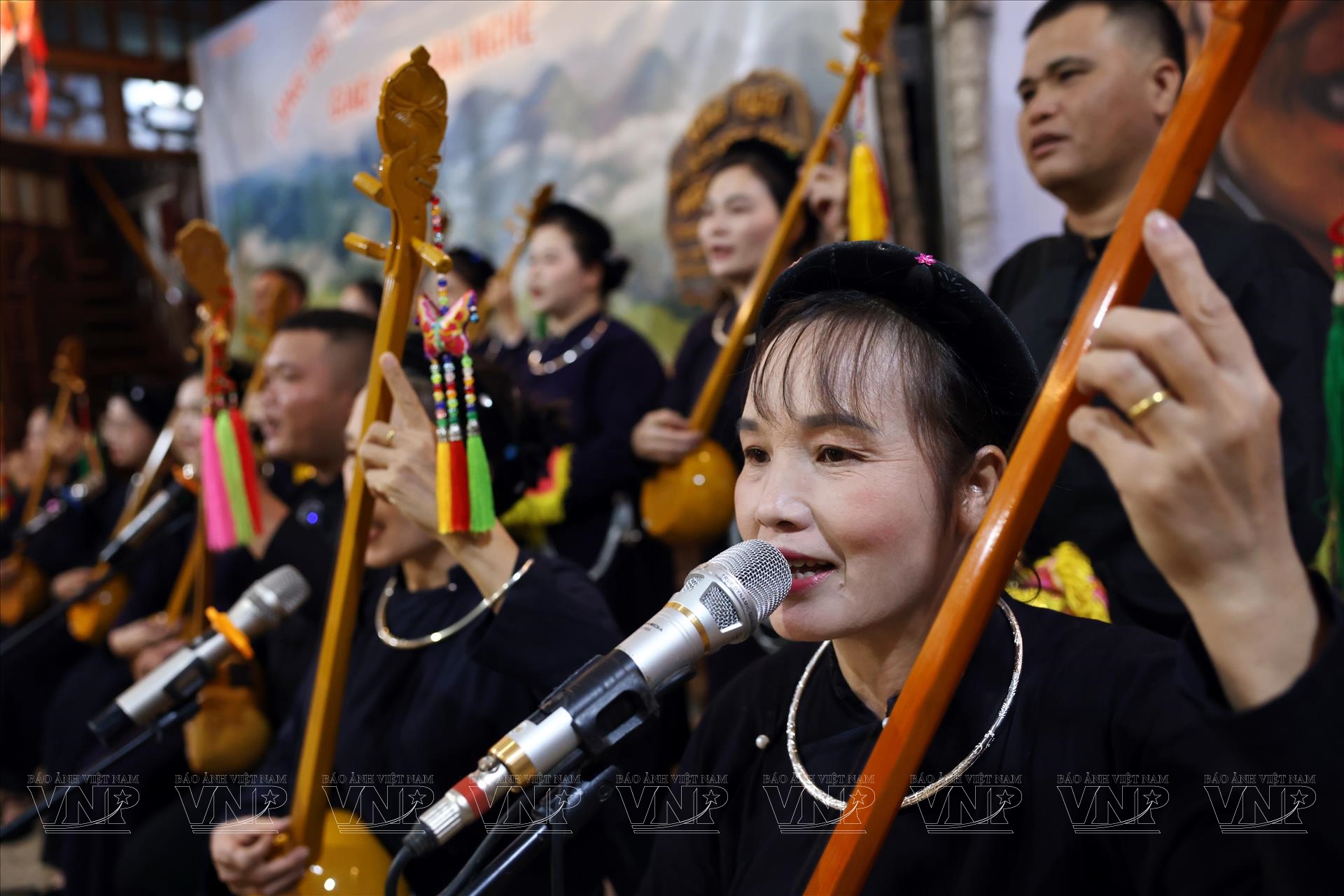
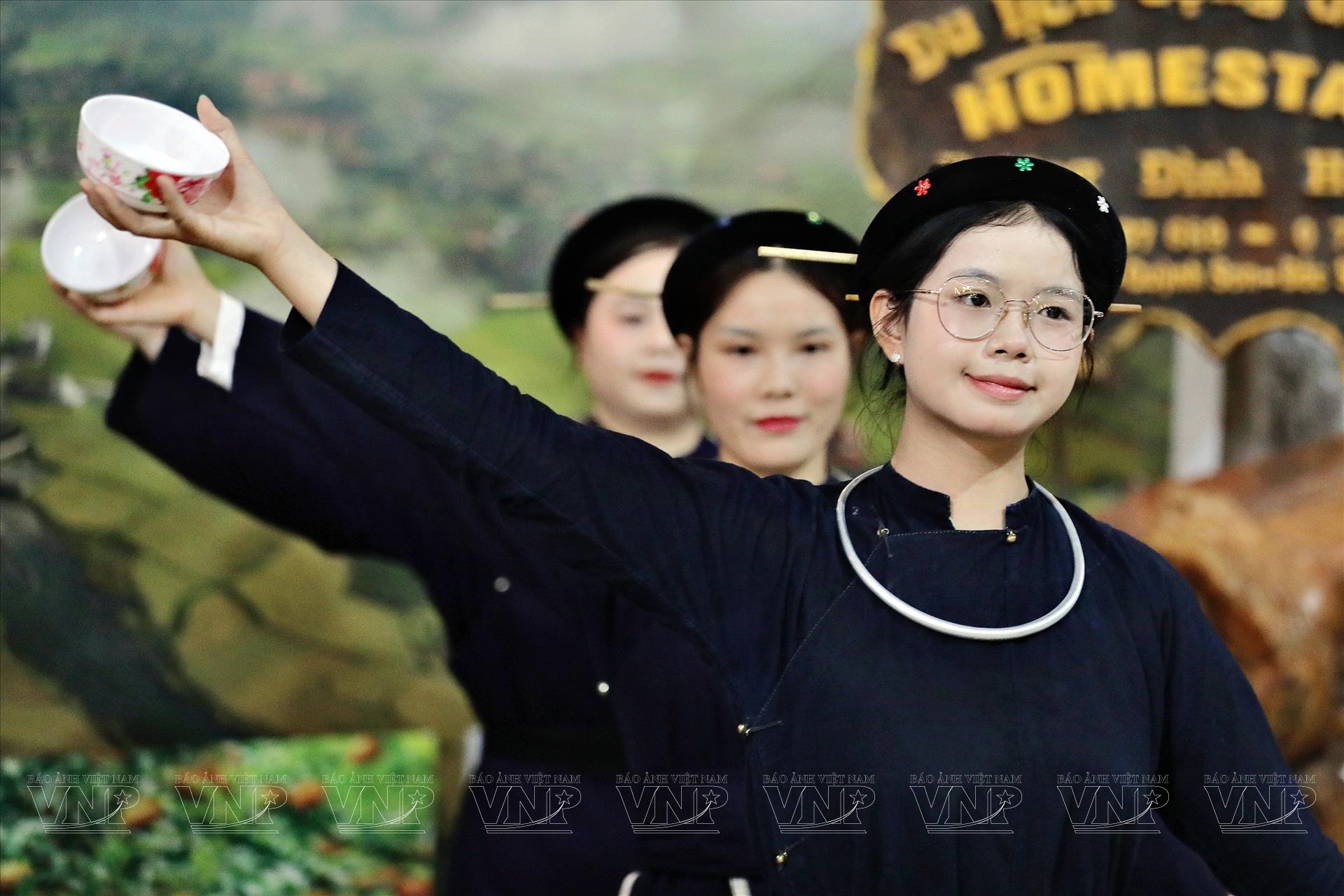
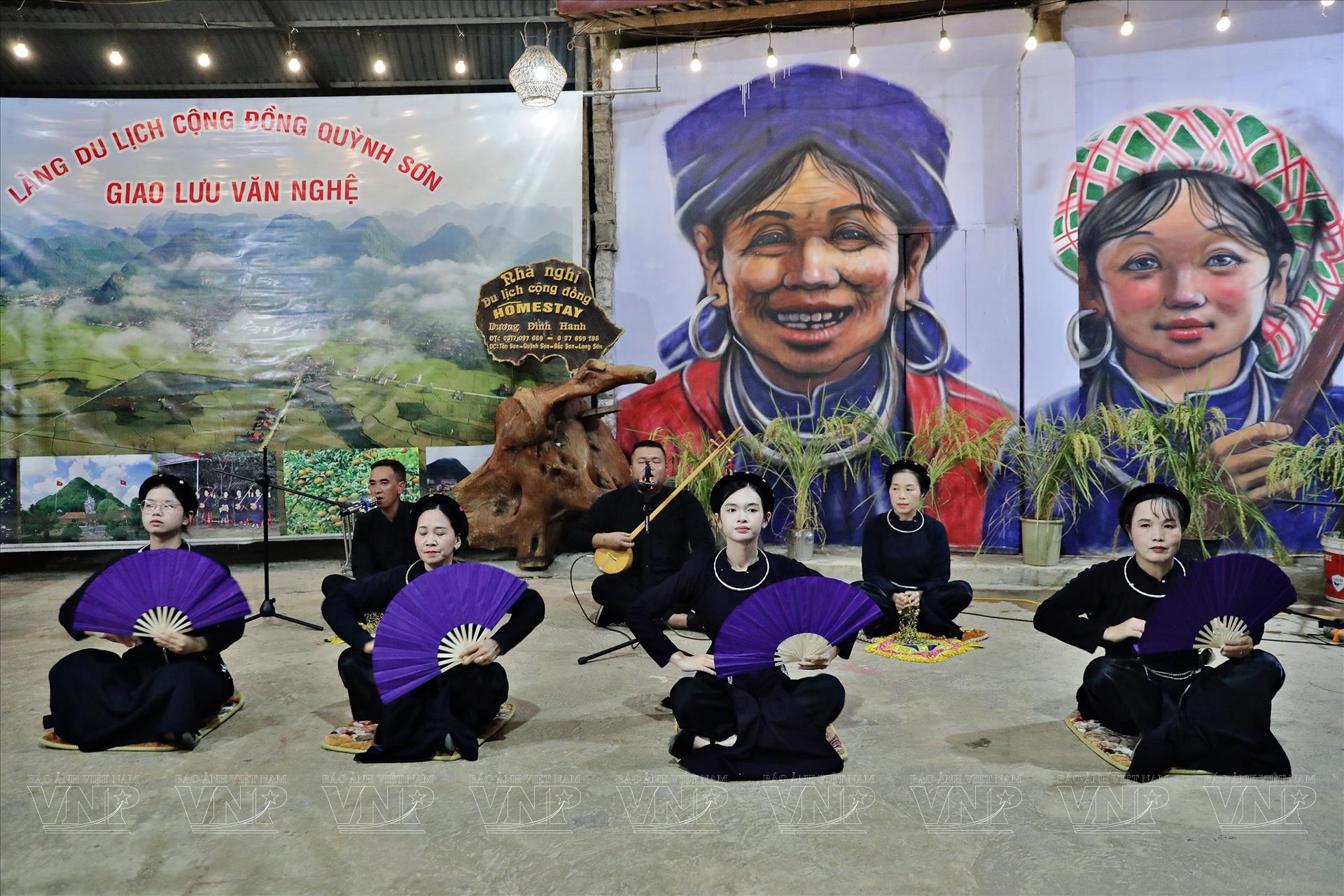
Amid these changes, Quynh Son retains the distinctive character of a Tay village nestled in the valley. Its stilt houses, rice fields, limestone mountains, tinh lute music and the daily lives of local people come together to create a place where visitors can do more than sightsee – they can experience the local way of life.
Quynh Son now has a valuable opportunity to make community-based tourism an important driver of the local economy. Yet its lasting appeal may lie in something much simpler: a village that has preserved its traditional architecture, agricultural landscape and cultural heritage through the efforts of its own community. These values will continue to shape Quynh Son's story in Bac Son Valley and provide a foundation for sustainable tourism development./
By Cong Dat & Thanh Giang/VNP