Dong Ho Artisan Keeps Clay Figurine Tradition Alive
Dong Ho Village in Bac Ninh Province is known for its traditional folk
paintings and long-standing craft of making clay figurines. Artisan Phung Dinh
Giap has devoted years to preserving this distinctive craft and its cultural
heritage.
The craft has been passed down through generations, although its exact
origins remain unclear. Giap learned the techniques from older artisans and
believes the figurines deserve to be preserved for their cultural and
educational value.
“Older generations did not explain how the craft began. It was simply passed
down, and I learned to make the figurines from them. I believe these clay
figures, once used to teach children, carry meaningful values and should be
preserved for future generations,” he said.
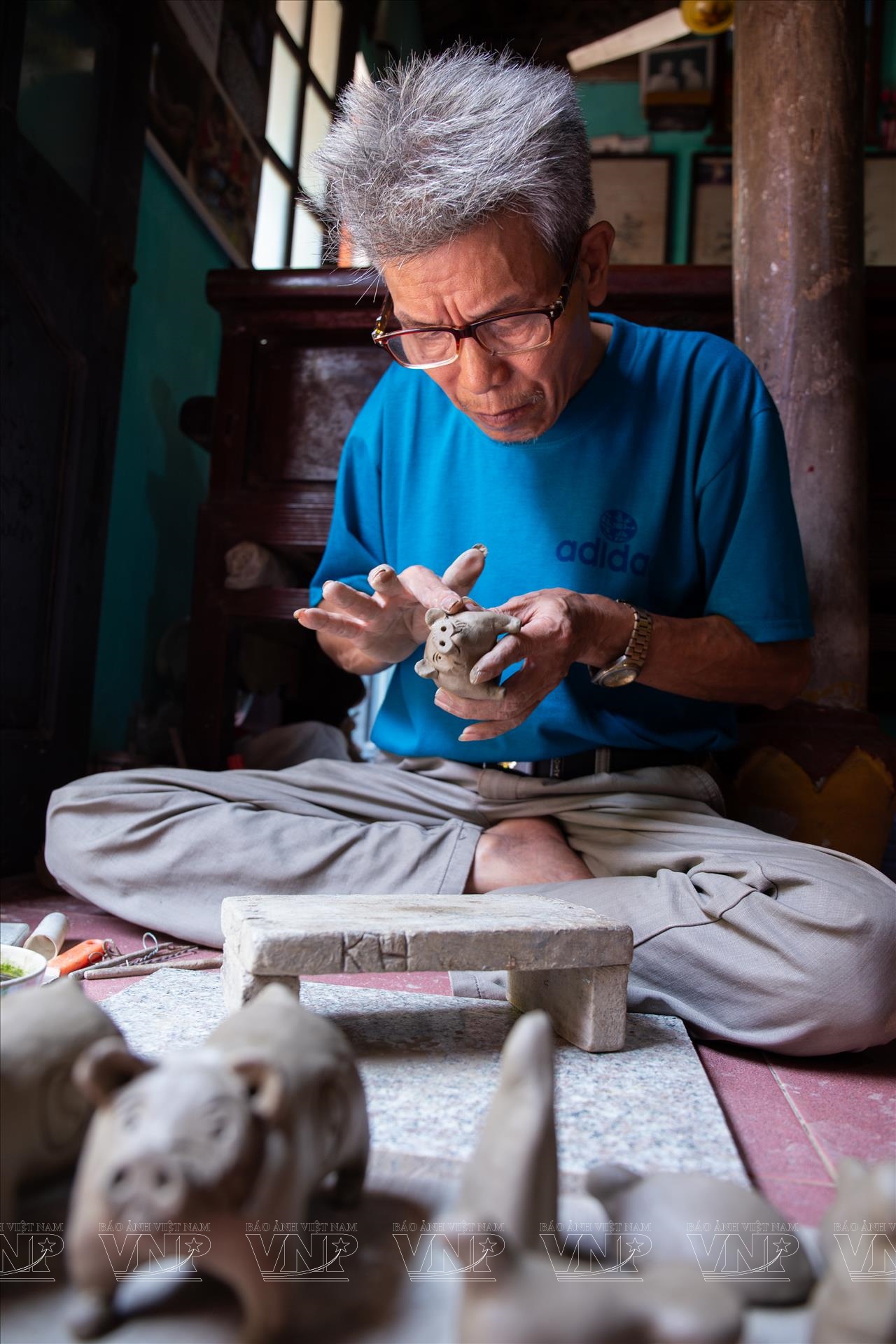
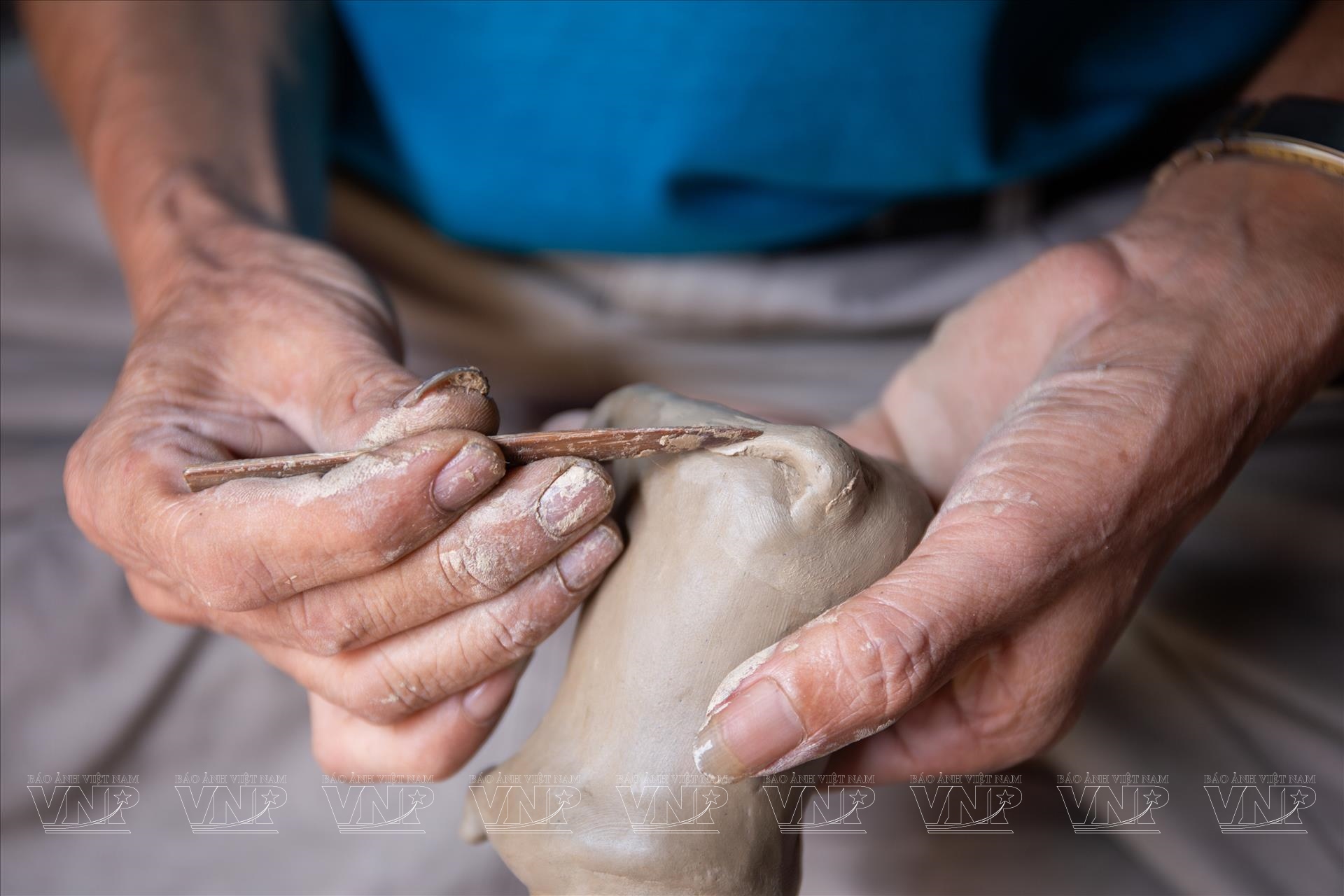
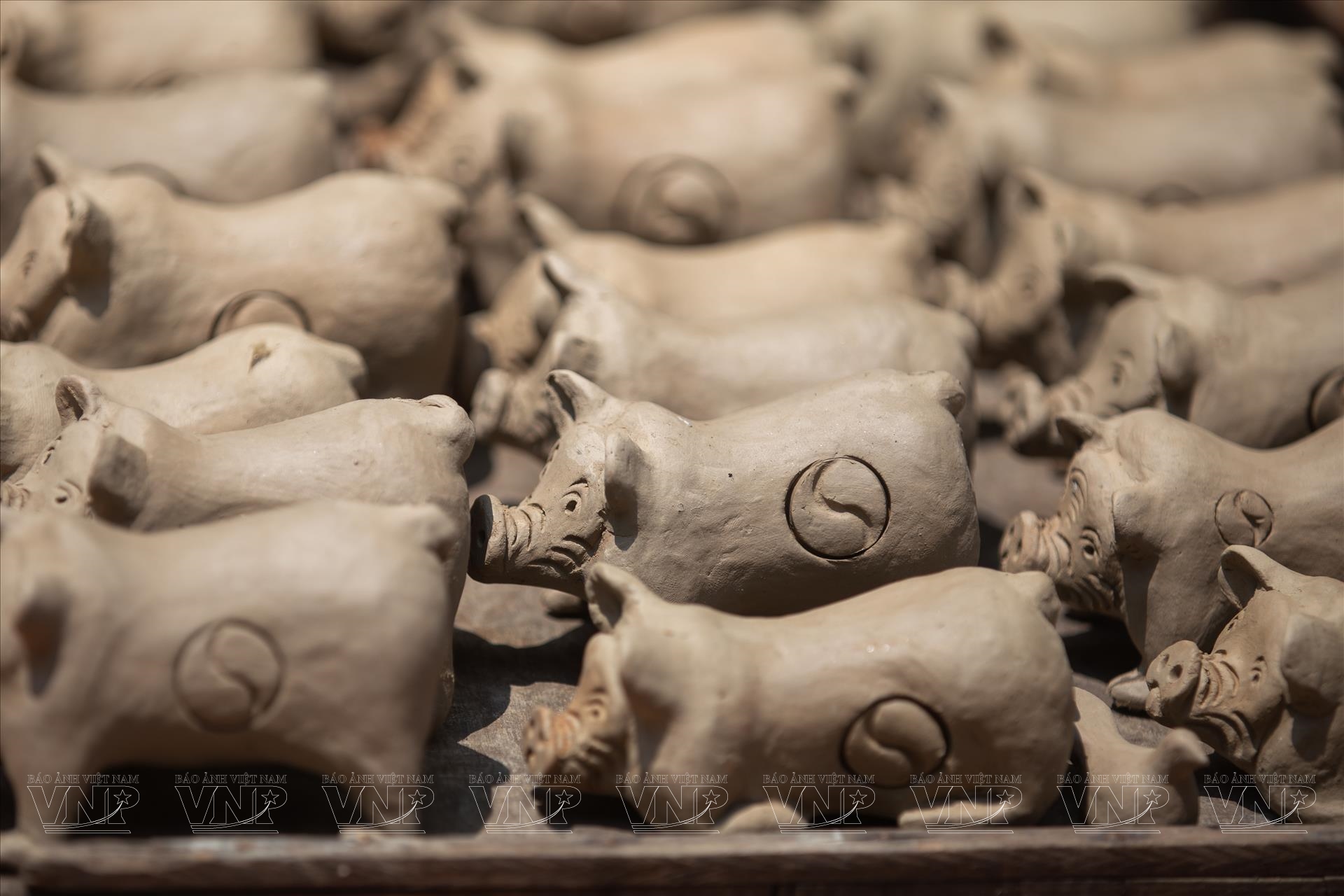
Clay figurine making was once common in the village. The figures served not
only as toys but also as a way to teach children life lessons and moral values.
Although small and seemingly simple, each figurine requires careful
preparation and skilled craftsmanship. The main material is clay dug from a
depth of 2.5 to 3 meters. It is dried, ground into powder and mixed with paper
pulp made from crepe paper soaked in water for a week.
There is no fixed formula for the ratio of clay to paper. Artisans rely on
their experience and the feel of the material to achieve the right consistency,
a skill developed over years of practice.
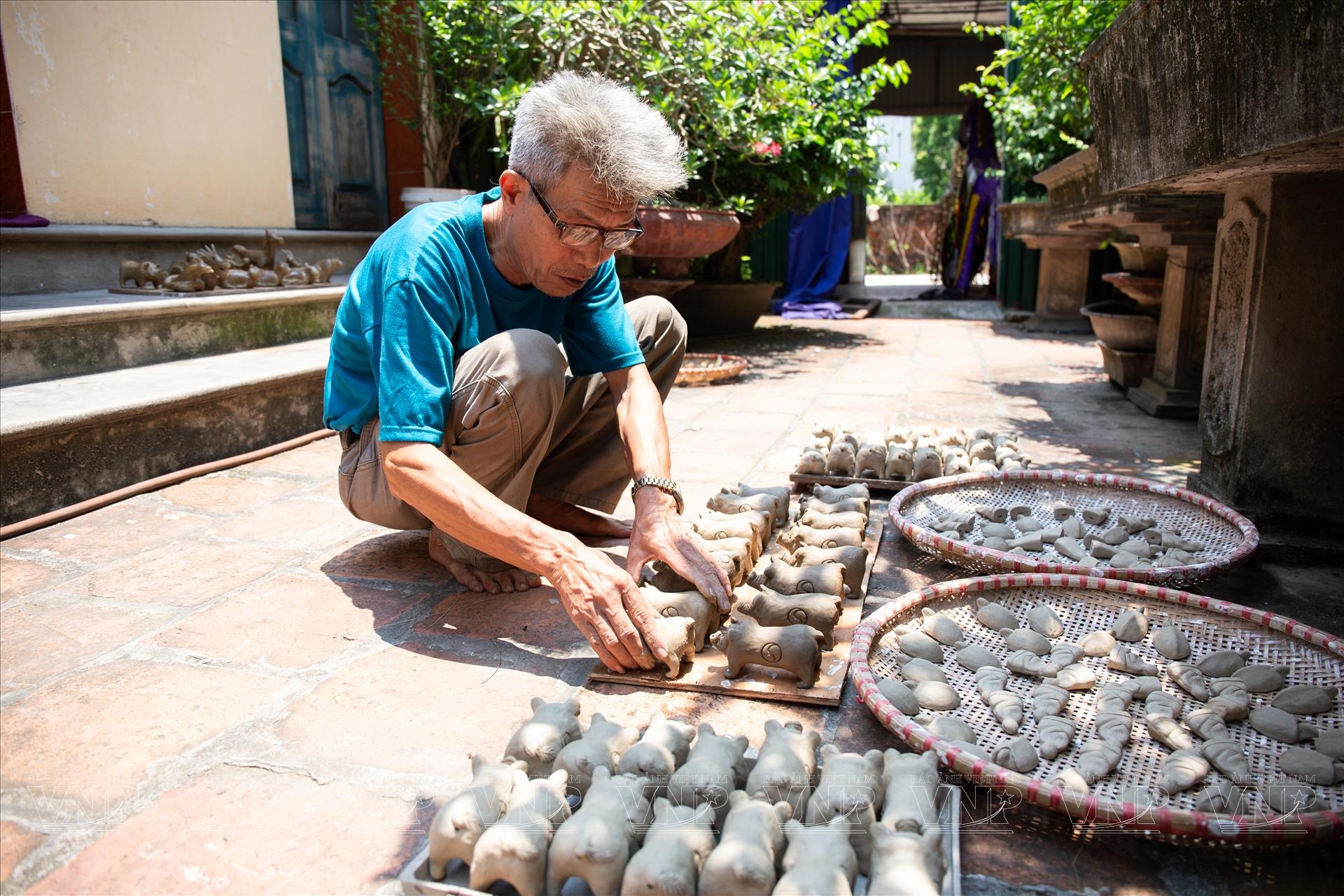
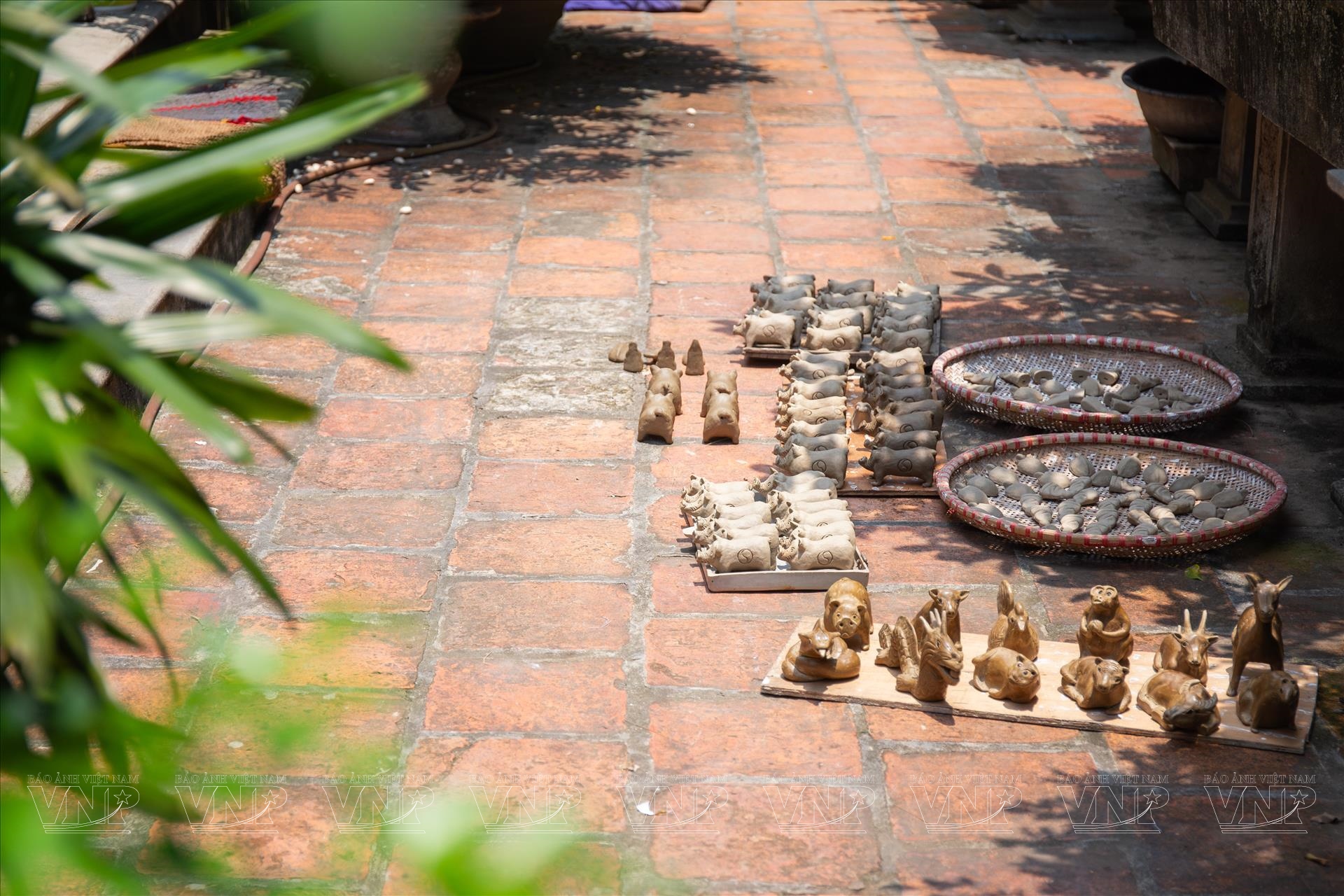
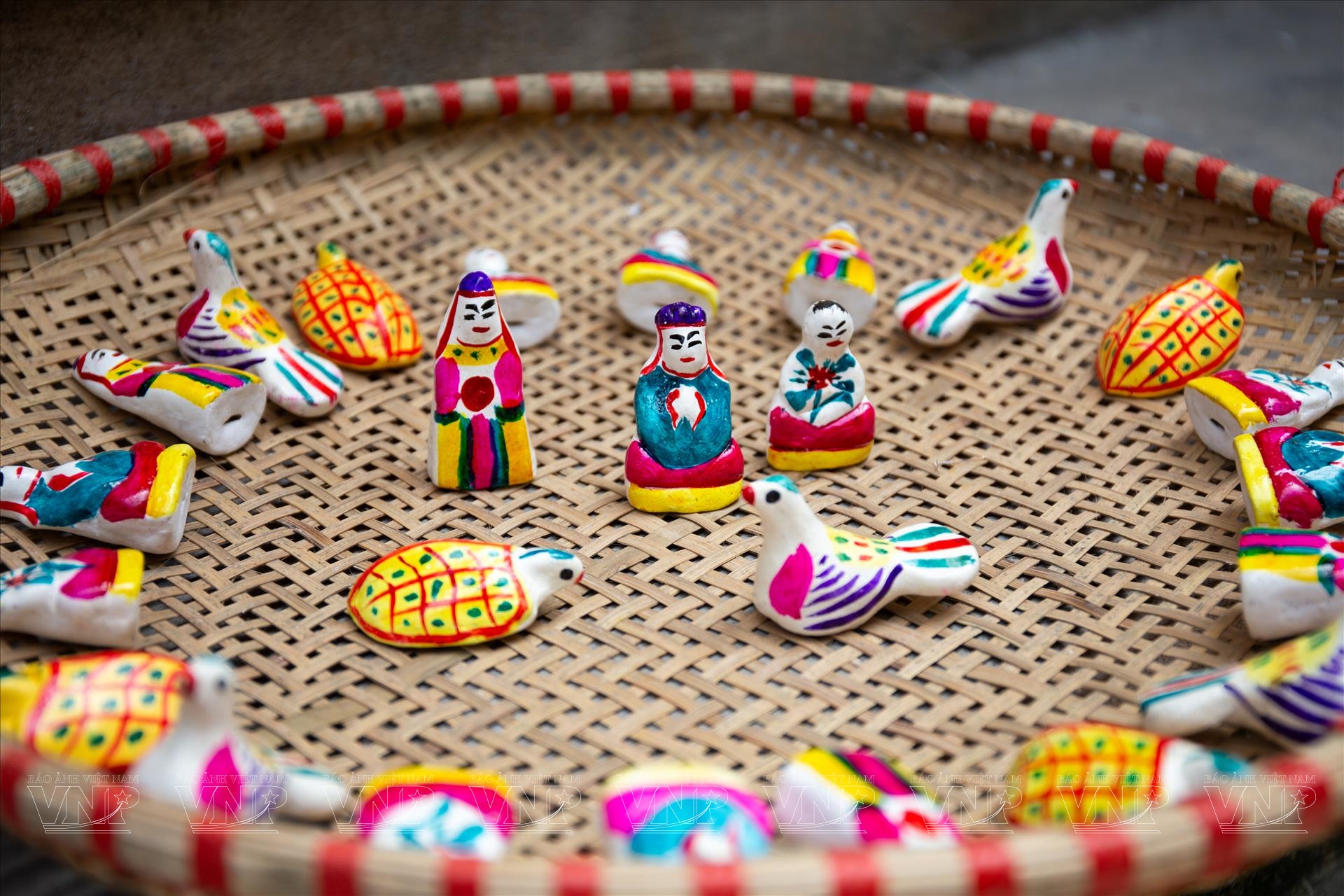
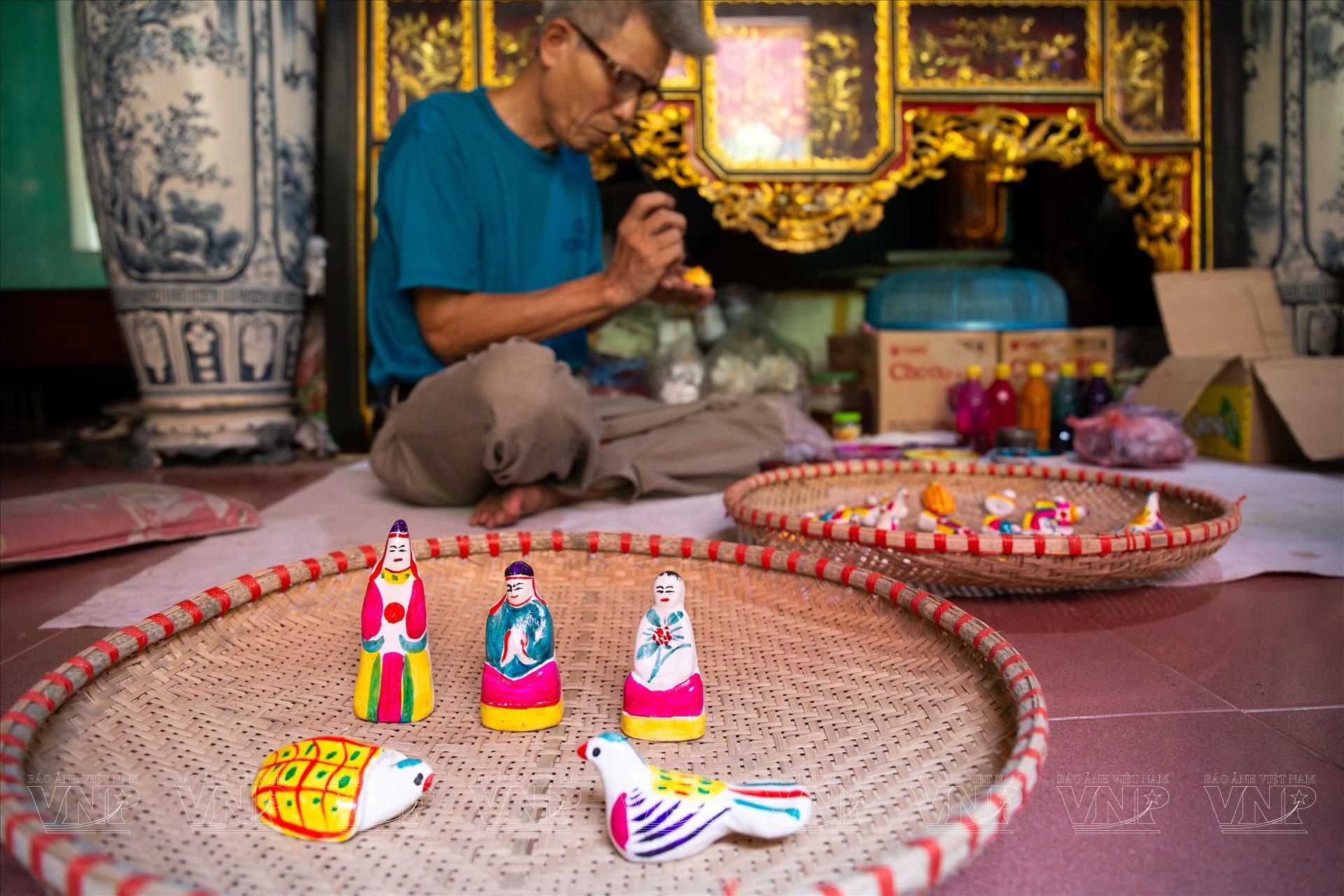
Giap then shapes each figurine, carefully creating its distinctive features. The figures are air-dried rather than kiln-fired. Once dry, they are coated with scallop shell powder and sticky rice paste to create a smooth, white surface. The artisan then applies traditional colors and a final glossy coating to protect and finish each piece.
A traditional set consists of five figures, each carrying a symbolic meaning. The Buddha represents morality and conscience, while an old man symbolizes experience and the passing down of knowledge and values. A child holding a flower represents continuity between generations. Birds, including a dove, symbolize peace, harmony and solidarity, while a turtle stands for perseverance and resilience in the face of hardship.
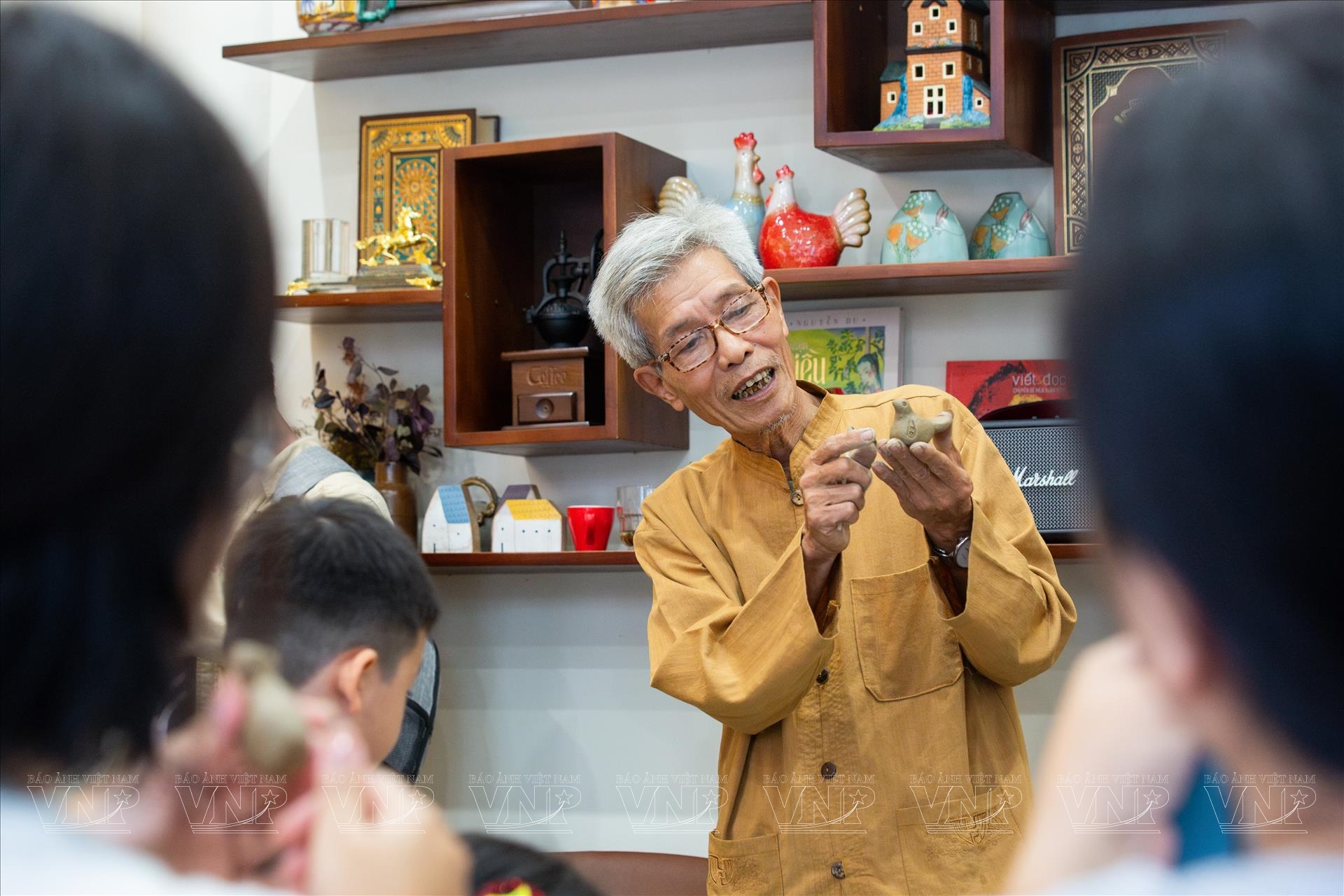
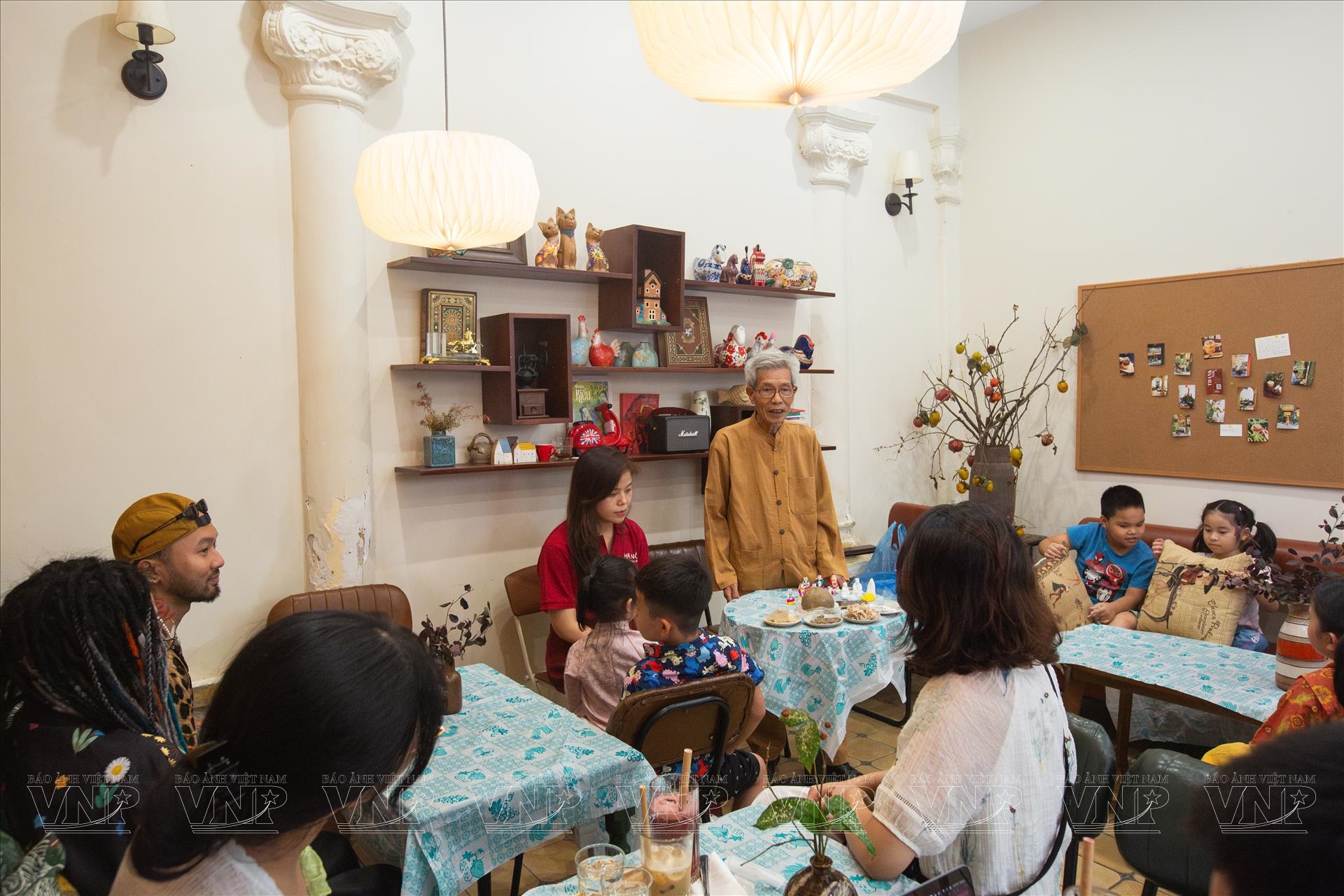
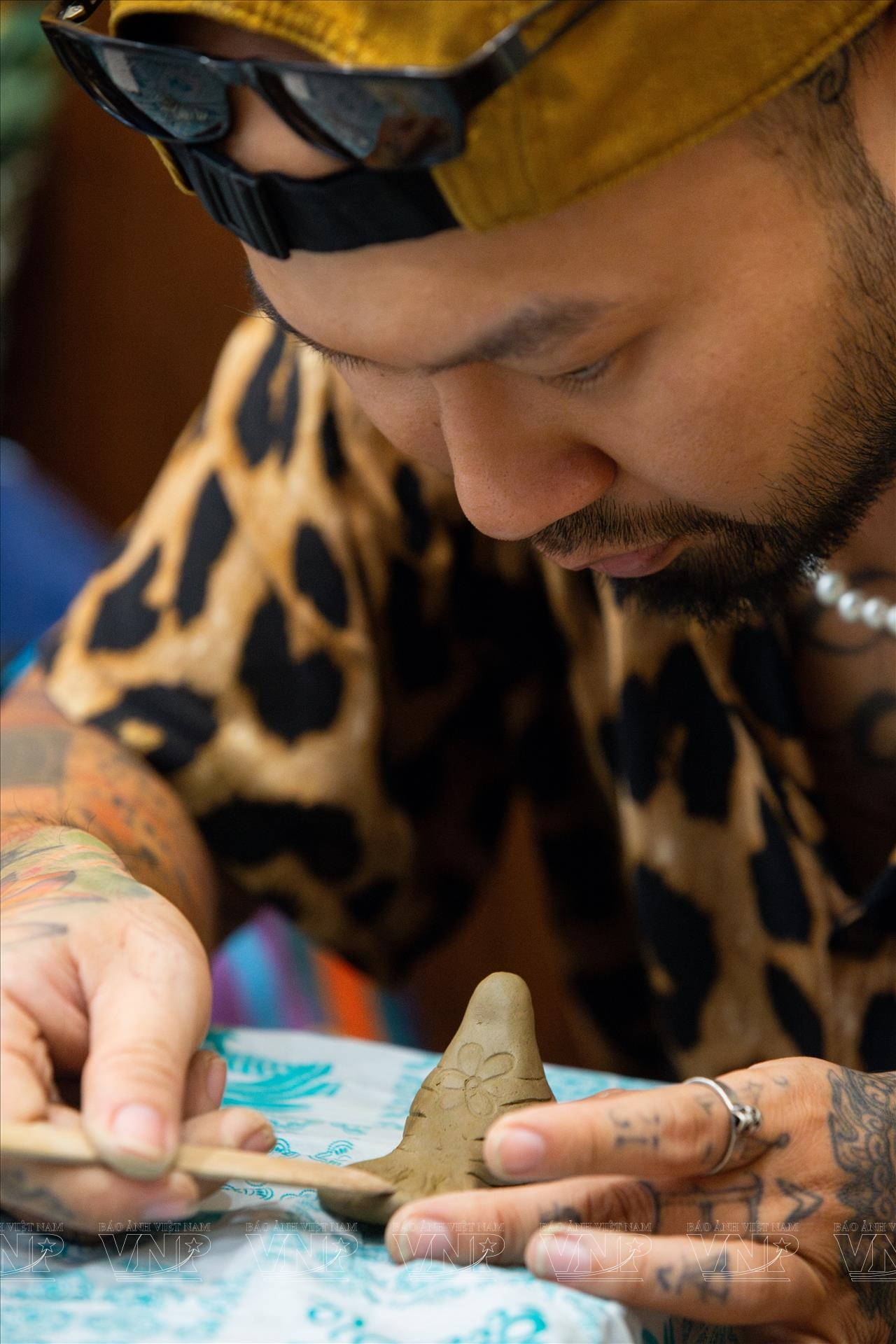
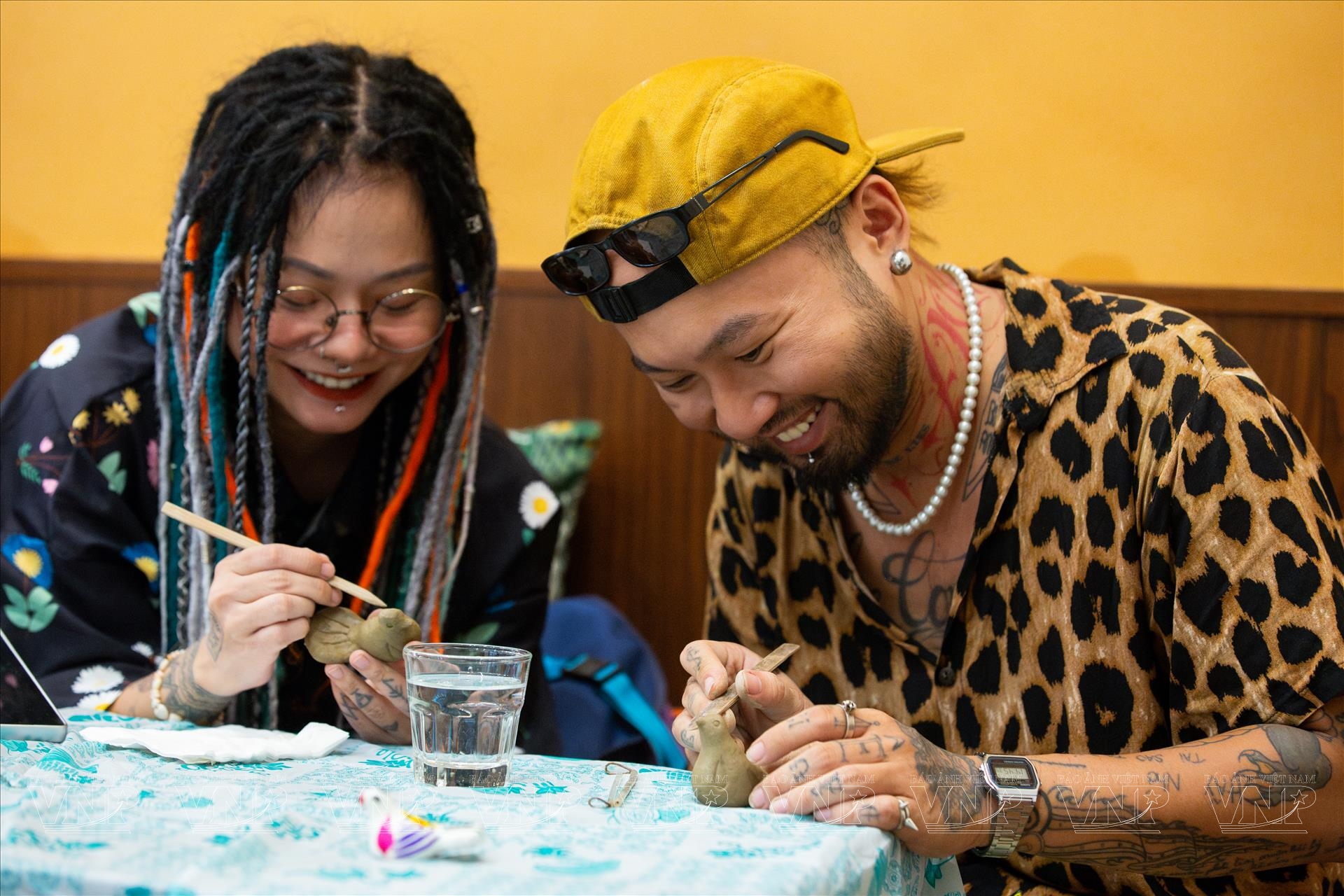
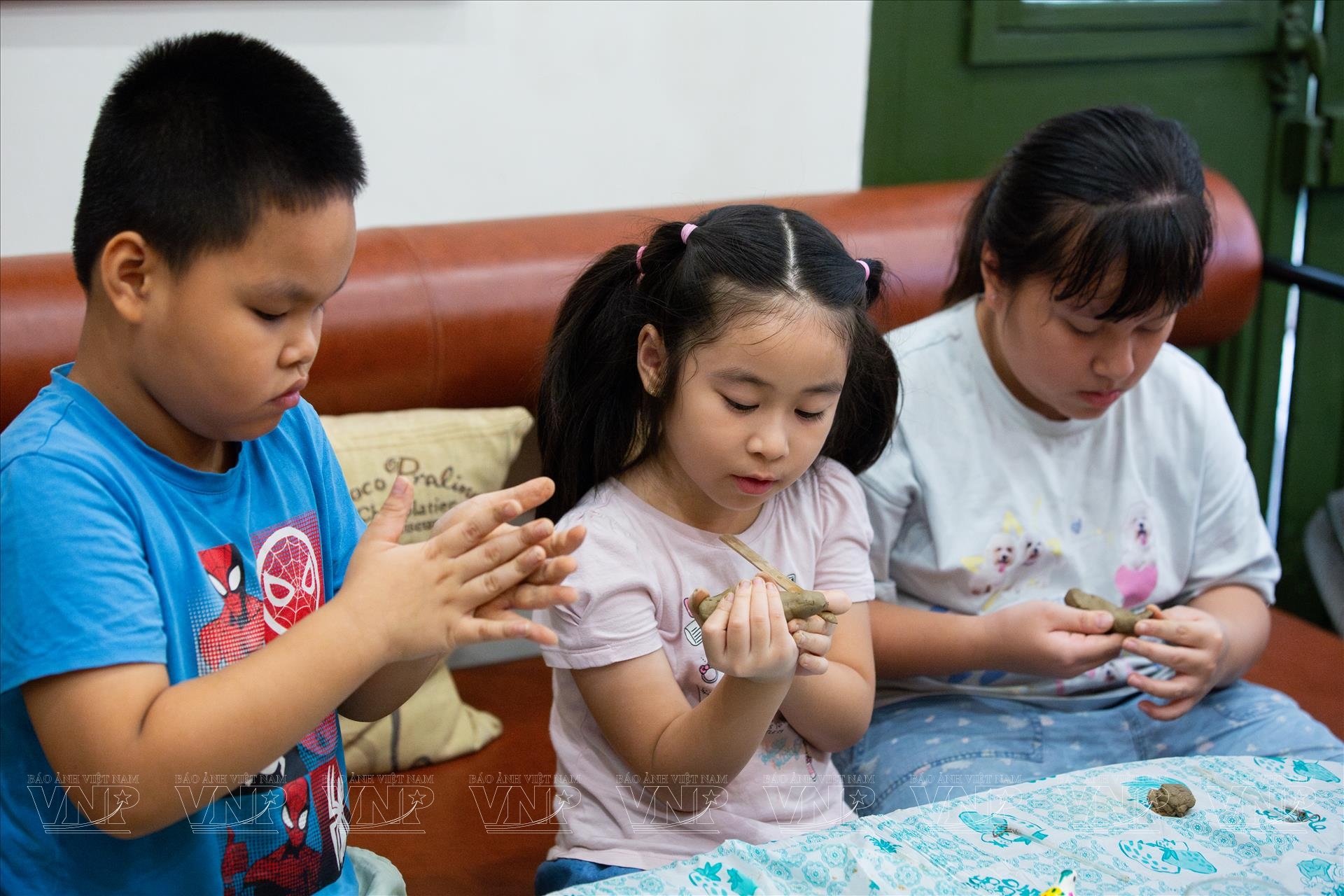
Giap’s work has attracted growing interest from both domestic and international visitors. His figurines have been displayed at museums in the United States and South Korea. In 2025, he traveled to France to introduce his work and promote the traditional craft of his hometown.
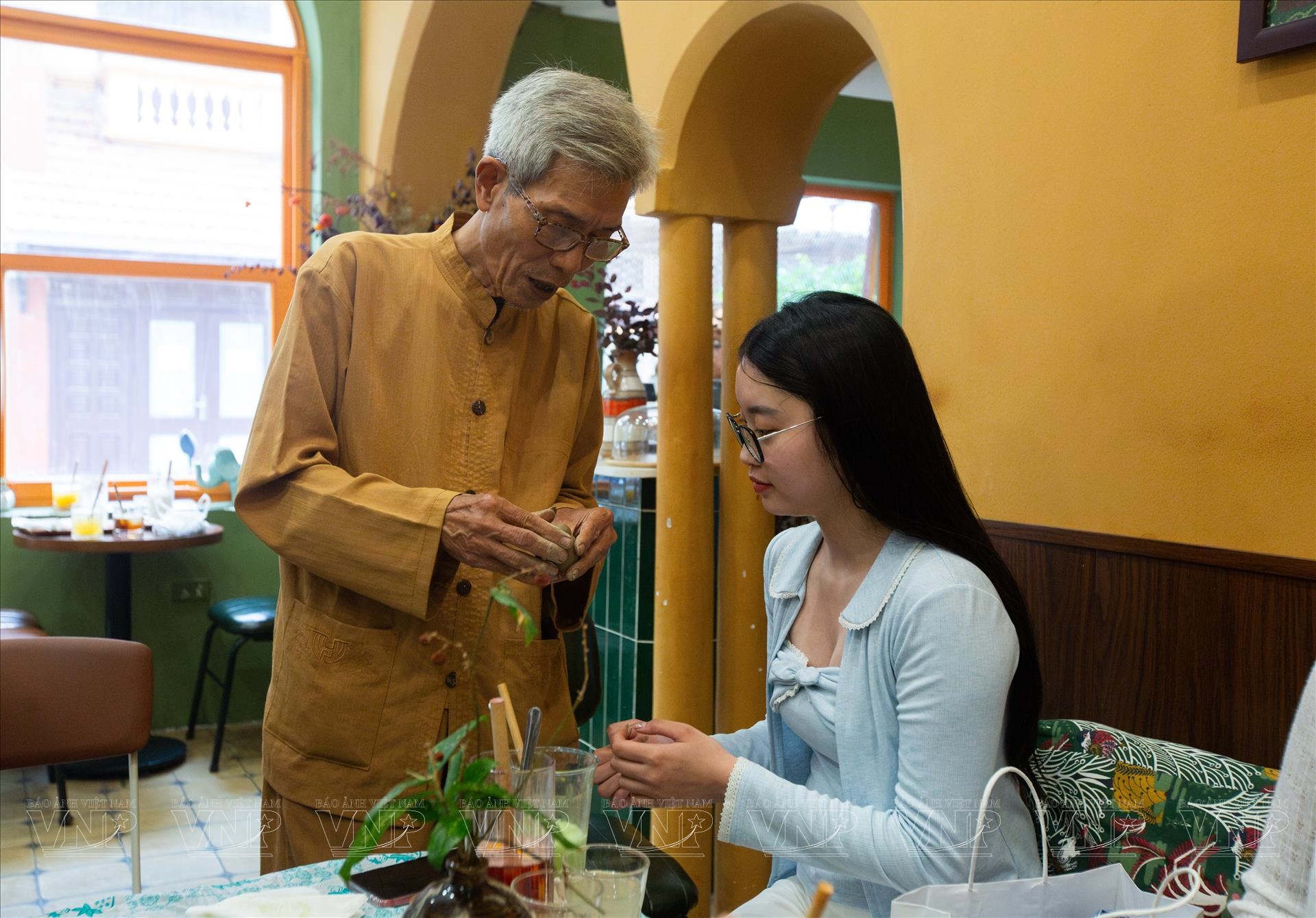
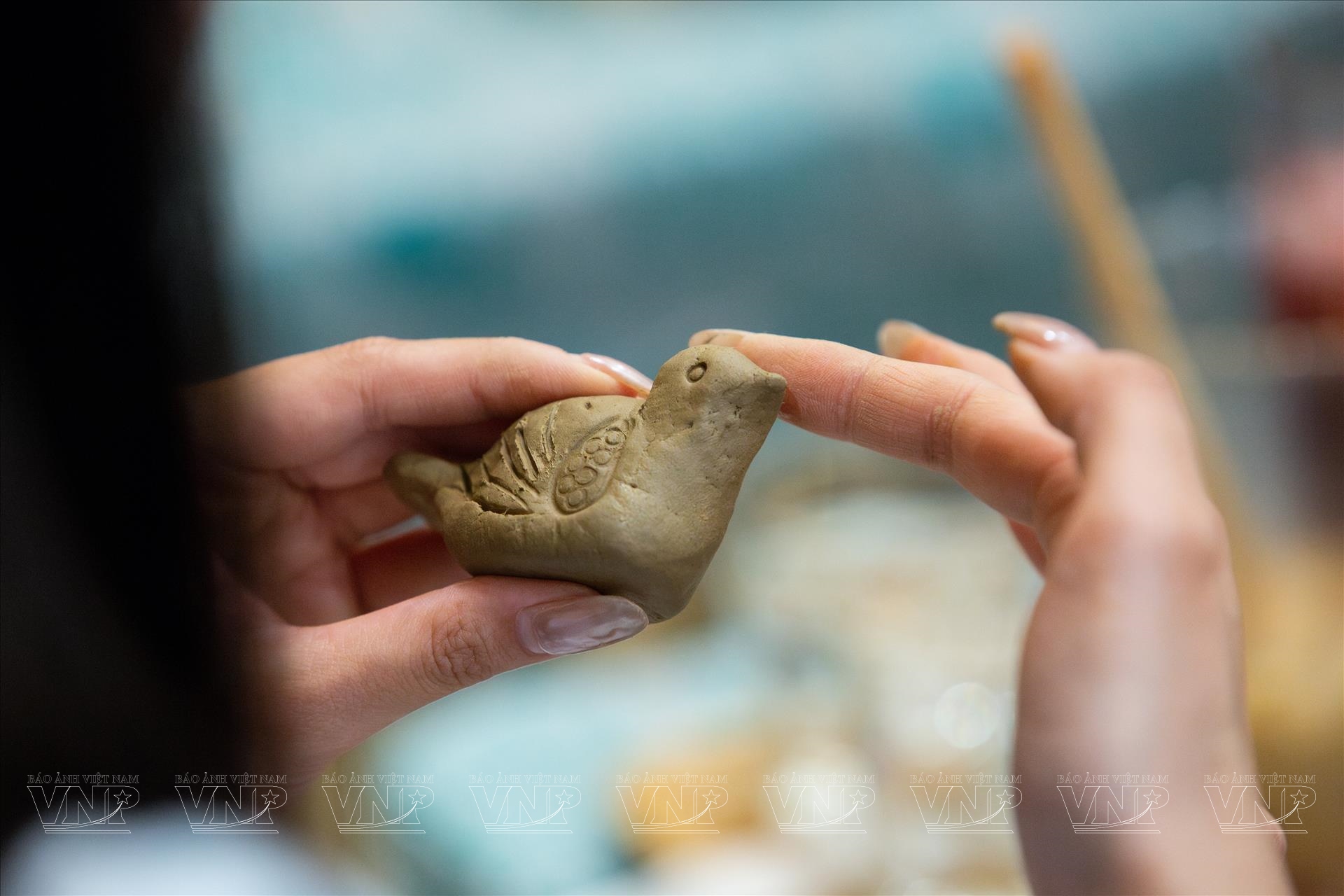
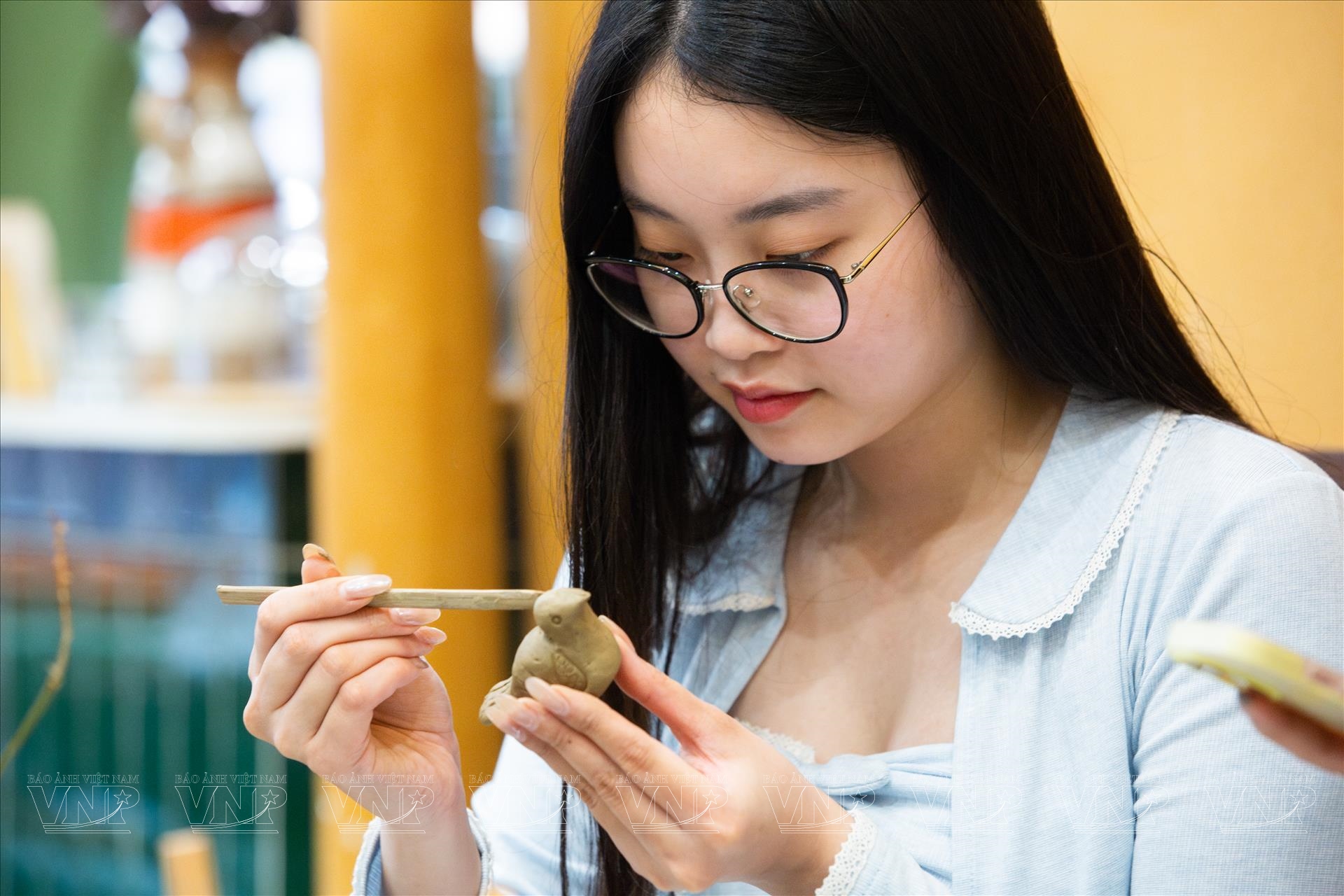
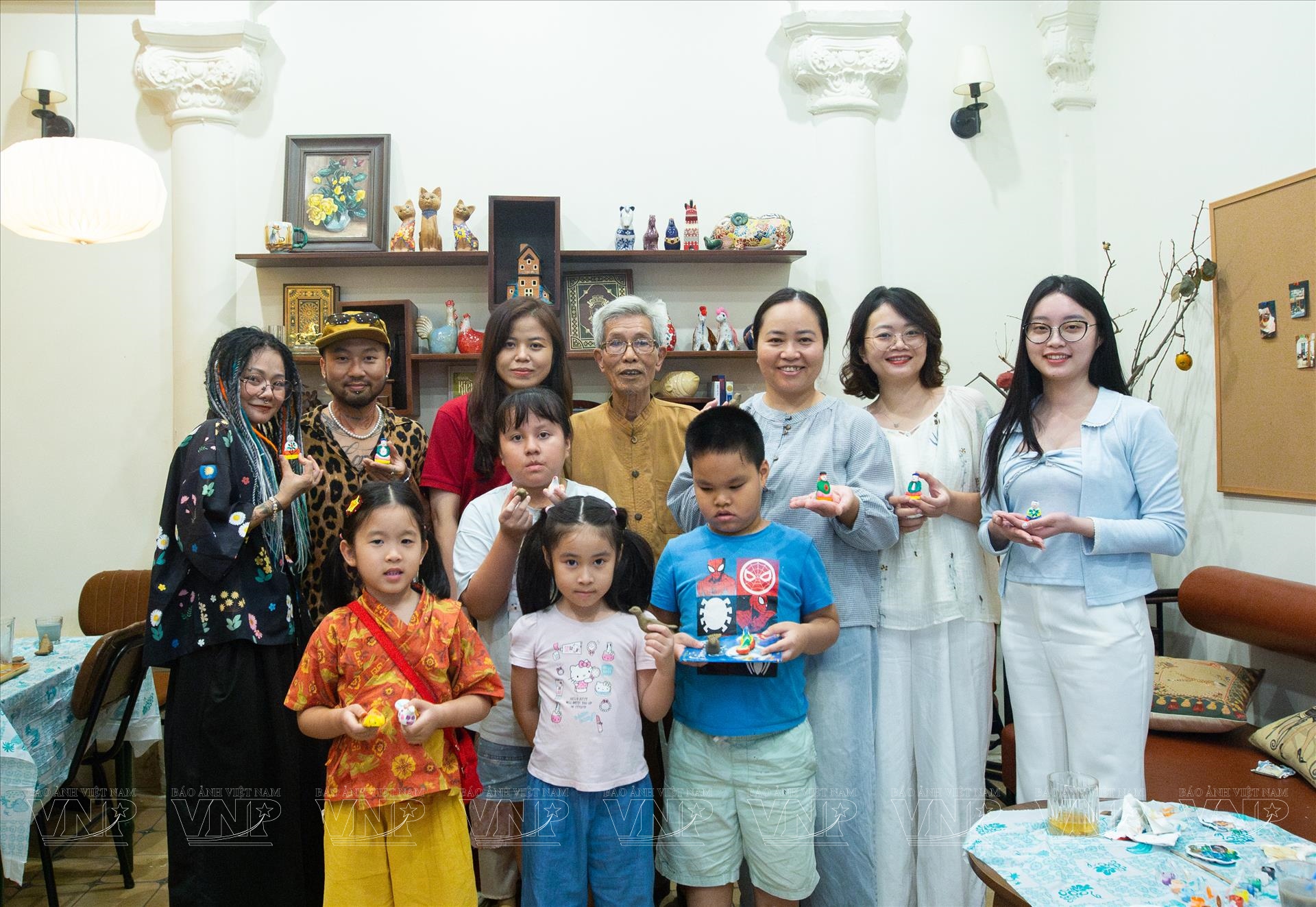
He has also taken part in workshops, demonstrating the techniques and
sharing the stories behind the figurines.
“Whenever more people learn about this craft, I feel encouraged to continue
making these figurines and preserving this distinctive tradition of Dong Ho,”
he said.
Story: Ngan Ha - Photos: Khanh Long/VNP