Digital Movement Makes Technology Accessible to All
From schools to homes and communities, the Digital Literacy for All movement is bringing technology to people of all ages. Over eighty years after the launch of a mass literacy campaign in the country, the spirit of sharing knowledge lives on, enabling people to embrace the digital age.
Informal Learning Spaces
In his home in Hanoi’s Van Mieu-Quoc Tu Giam ward, eighth-grader Nguyen Minh Khoi sat beside his 74-year-old grandmother, Tran Thi Thuan, teaching her how to use a smartphone.
This scene reveals a key feature of the Digital Literacy for All movement launched last year: learning extends beyond schools to community centers, offices of local governments, marketplaces, chat groups of residential clusters and online platforms. Even a family dining table can become a place of technology learning.

In this system, schools play an important role, helping students access technology at an early age, build digital skills and stay safe online. Students learn how to use digital devices, recognize online threats and protect themselves, and share these skills with their families and communities. This extends the benefits of digital education beyond the classroom.
At school, Khoi has learned how scammers impersonate police officers and demand urgent bank transfers which he shares with his grandmother.
For now, Thuan knows how to deal with scam calls, which she often received previously.
Such everyday exchanges help spread information on digital safety in a simple but effective way. Schools teach children skills, which are passed to their parents and grandparents, who then share what they learn with friends and neighbors.

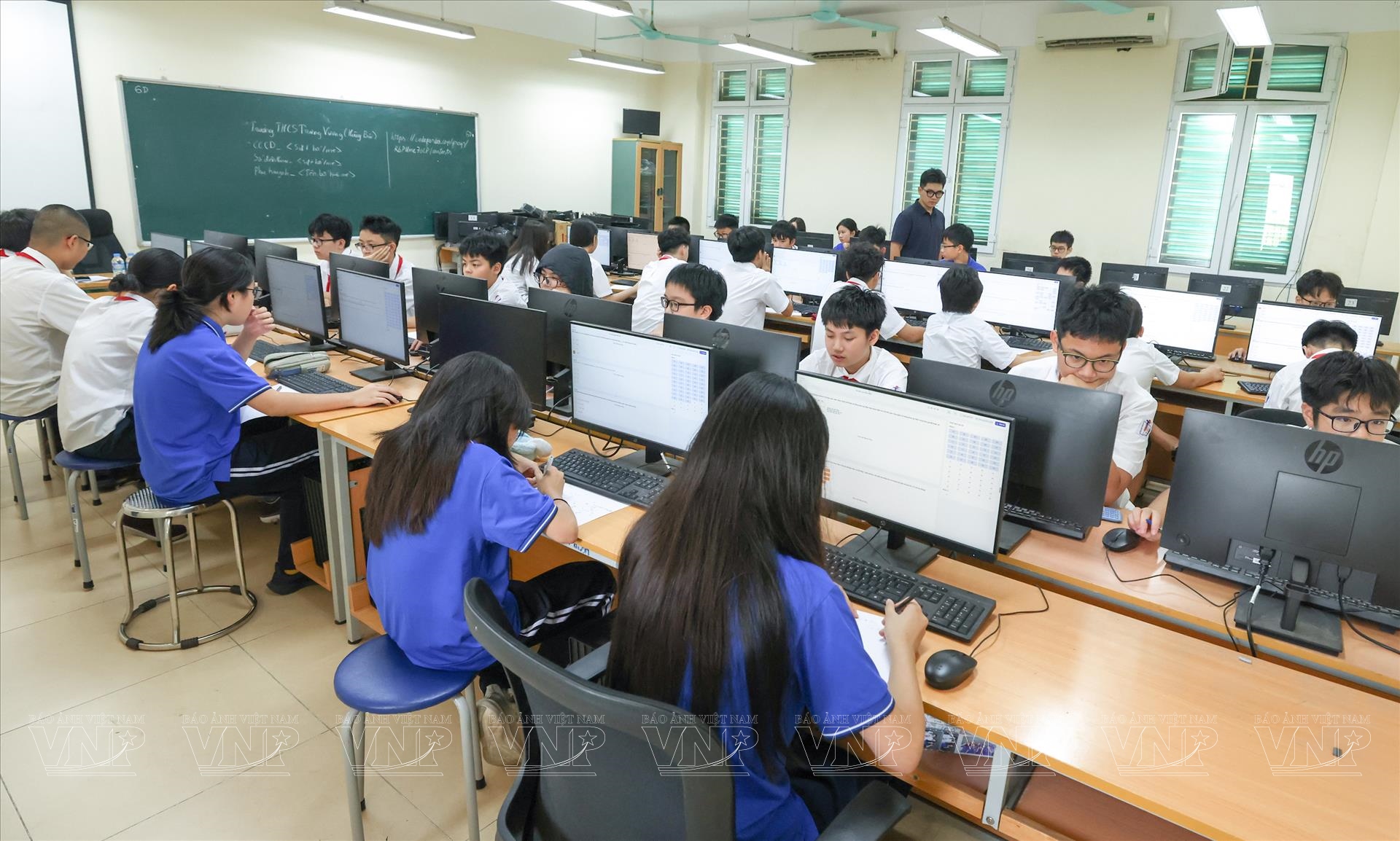

In Hanoi’s Nghia Do ward, digital skills training has expanded in the community. Le Thi Minh Thom, a local official in charge of cultural affairs, said all 50 residential clusters in Nghia Do use online chat groups apart from the iHanoi app to connect residents with local administrations.
Via these chat groups, people share public notices, documents and practical information, report local issues, receive updates from local governments and interact with them more easily. Local authorities have also held livestream sessions to train small traders and household businesses in selling goods online, and to disseminate information on fire prevention and fighting.
These examples show that digital skills go beyond how to use devices, but to carry out administrative procedures online, take part in community activities, and improve people’s livelihoods.

Launched at Hanoi University of Science and Technology in March 2025 in line with the Political Bureau’s Resolution No. 57-NQ/TW of December 22, 2024, on breakthroughs in development of science and technology, innovation and national digital transformation, the Digital Literacy for All movement focuses on four groups of skills: using digital identification, verifying information and accessing services through platforms such as VNeID; staying safe online by protecting personal data and identifying false information; interacting with local authorities from accessing public information to using online public services and lodging complaints; and applying technology to daily life, particularly online sales and paying taxes.
Viet Nam has set a target of training in digital skills by 2026 to all officials and employees in the public sector, students of general education, adults and employees of businesses and cooperatives, of whom 60 million adults will complete training in basic digital transformation and digital skills via the VNeID app.
To this end, a national online learning platform was launched in April 2025, and has more than two million learners now. Online courses broaden access to information, while supporting groups in localities facilitate people in practicing skills and solving specific problems.
From Digital Literacy to Digital Citizens
War veteran Cao Quang Tuyen, 61, who is head of a residential cluster in Van Mieu - Quoc Tu Giam and a member of the community digital technology group, visits families in his neighborhood every Tuesday and Friday evenings to help them develop digital skills. Members of Tuyen’s community digital technology group are young people, retired teachers, women’s union members and police officers who are not tech experts but have acquired the necessary skills and experience that can be shared with others. This kind of training makes people, especially the elderly, feel at ease to access such new things like technology.



The approach reminds us of Viet Nam’s mass literacy campaign, launched after the country gained independence in 1945. At the time, more than 90% of the population was illiterate. The campaign brought lessons to familiar places such as communal courtyards, beneath banyan trees and in markets where those who could read and write taught those who could not, gradually eradicating illiteracy nationwide.
The two campaigns share a common approach: bringing knowledge to the public, making use of available resources and encouraging people to teach one another. While the earlier campaign helped people learn how to read and write, the current movement equips them with the skills to study, work, and exercise their rights and fulfill their obligations in a digital environment.

Notably, knowledge flows from one generation to another through this process. In the past, literate adults helped illiterate ones. Today, young students like Khoi can teach their grandparents how to use smartphones, recognize scams and access online services while other older people receive support from local leaders and community digital technology teams.
This approach allows more people, not just professional educators and tech experts, to teach digital skills. Rather than relying solely on formal training courses, the movement draws on existing family and community networks to spread knowledge.
The goal is not simply to count how many people complete a course or learn to use an app, but enable them to practically apply these skills to protect personal information, access public services, find reliable information and proactively handle daily life matters.

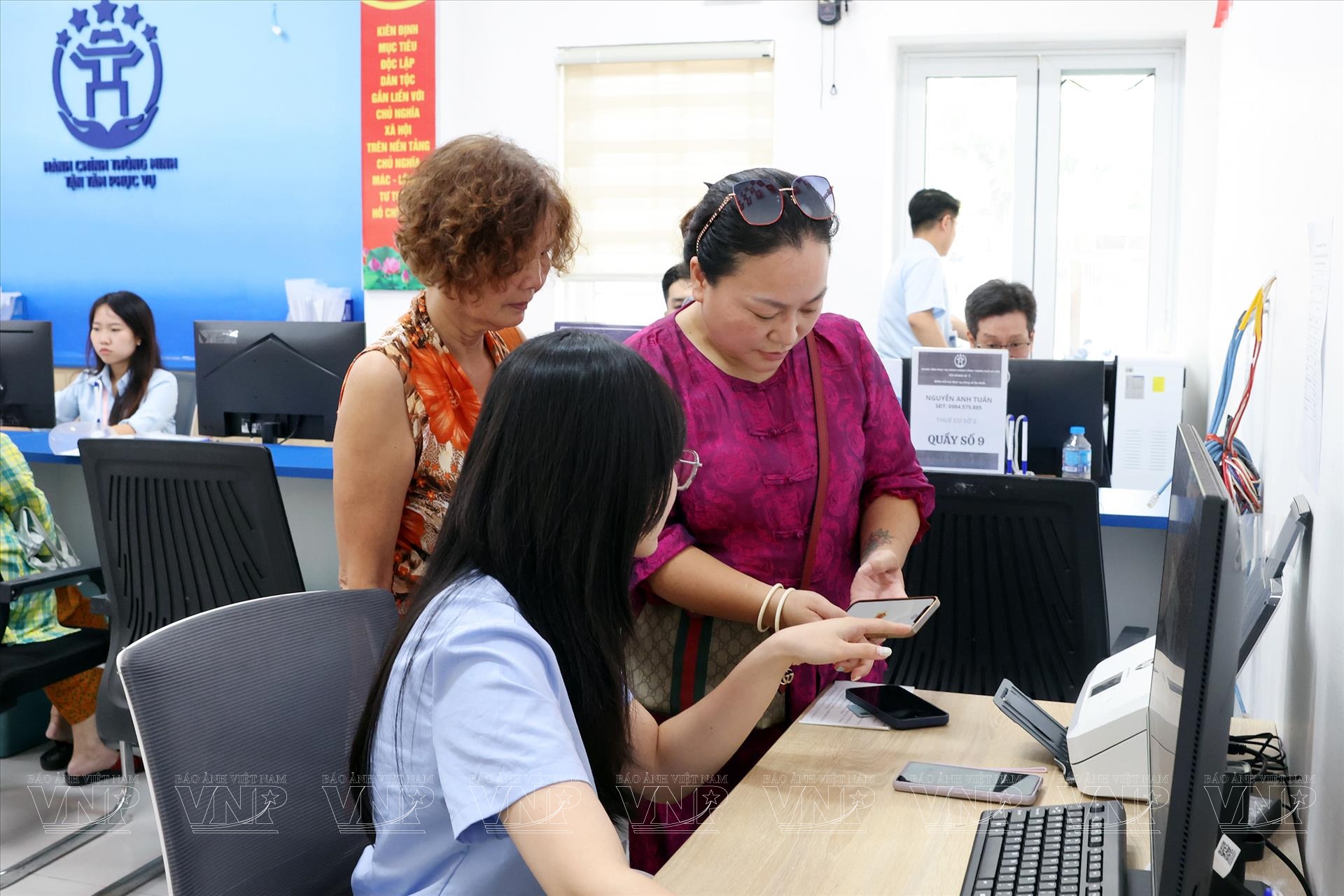
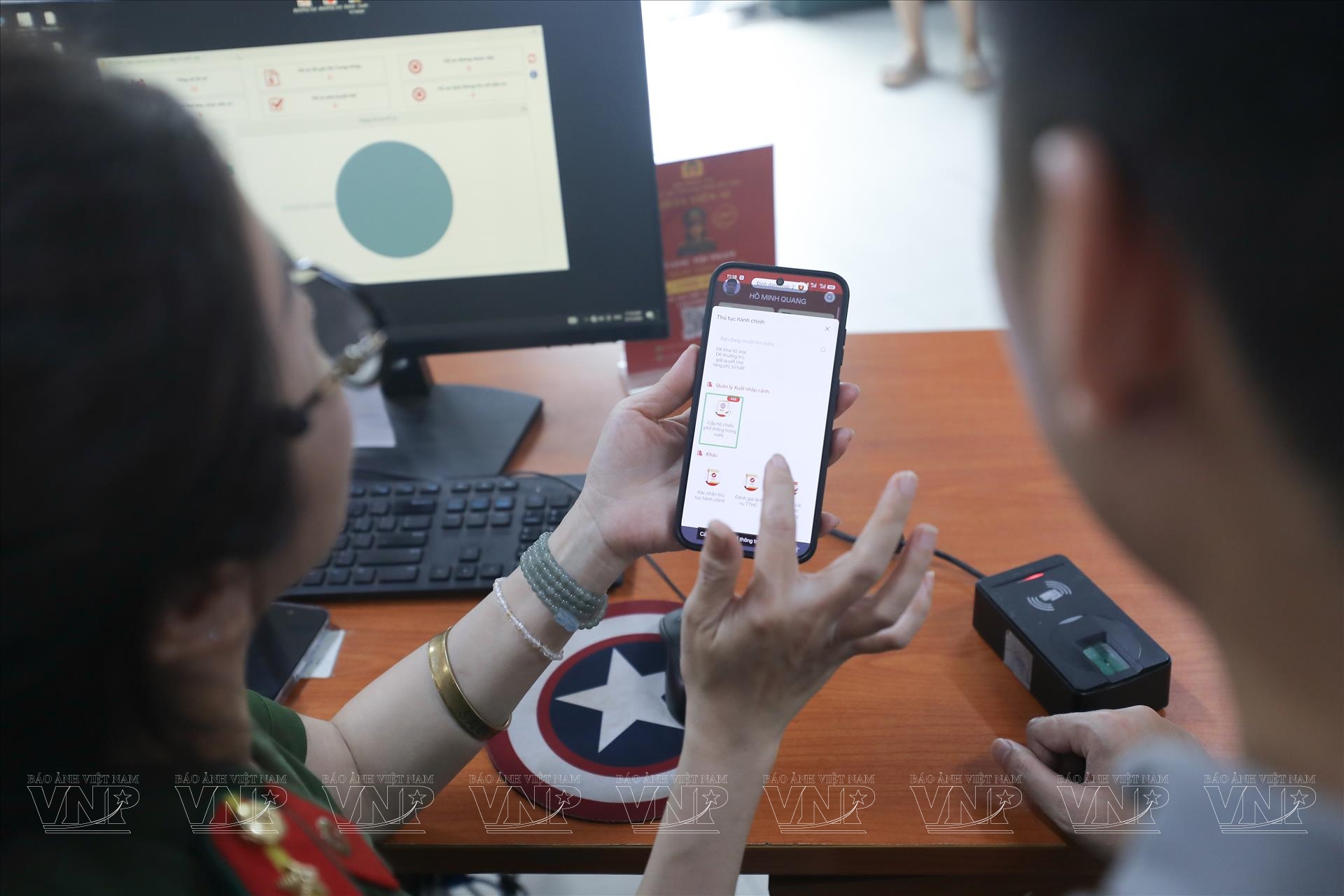
Thuan can now check her next medical appointment on her phone without Khoi’s help. This small but meaningful achievement shows how digital literacy can help people become more confident and independent in adapting to a changing society.
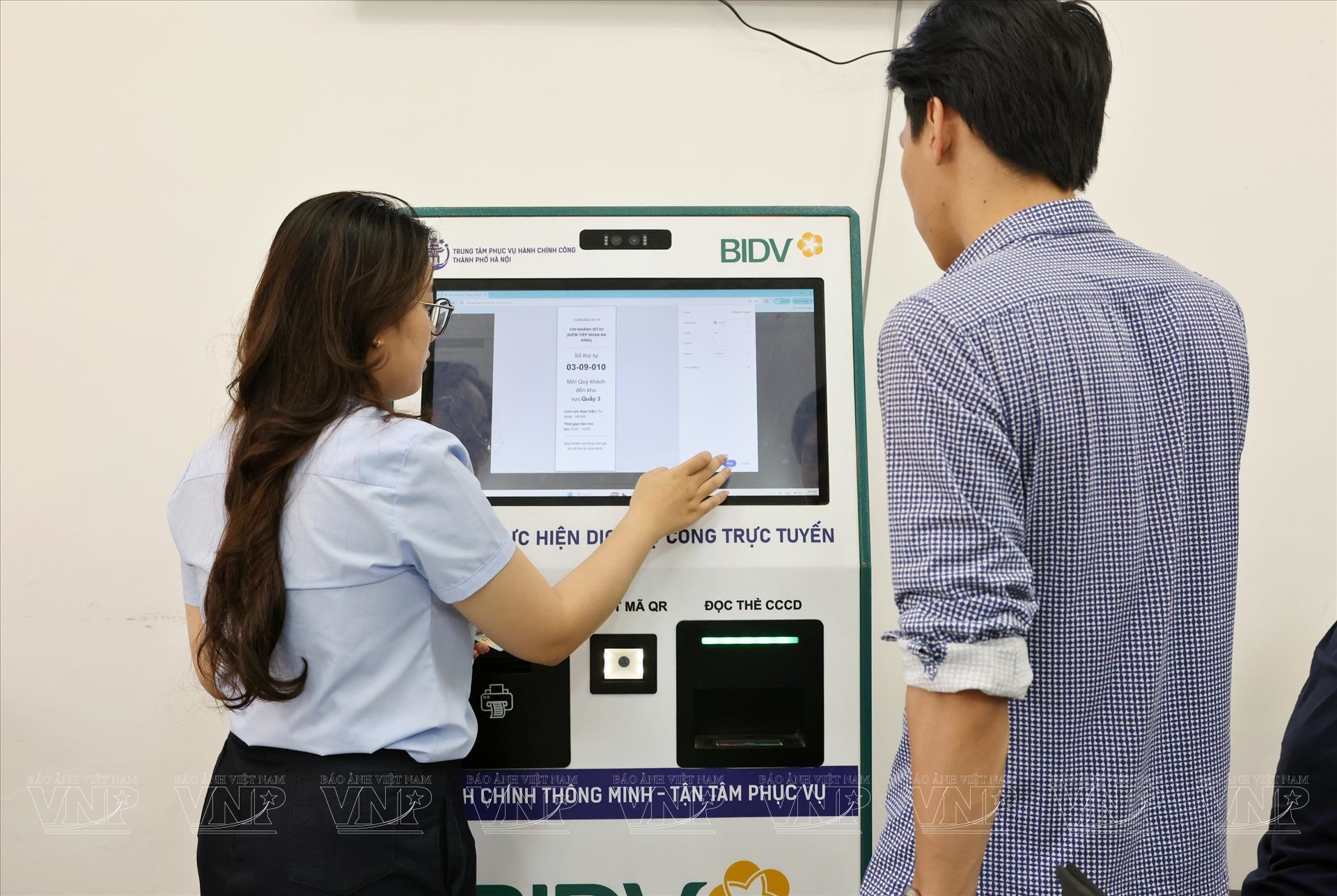

From basic literacy to digital literacy, the goal remains the same: making knowledge accessible to everyone. In a digital age, every family and community become active partners in spreading technology in a fast-paced digital world .
Story: Vy Thao Photos: Cong Dat & Tat Son/VNP