British Scholar: Culture Shows Viet Nam’s Soft Power

In prioritizing cultural diplomacy as a core pillar to enhance national soft power under Politburo Resolution No. 80-NQ/TW of January 7, 2026, not only does Viet Nam promote the richness and diversity of its culture, but also showcases the other aspects of the Vietnamese nation such as extraordinary economic growth, large-scale infrastructure and poverty alleviation programs and more.
This is the view shared by Kyril Whittaker, researcher of Vietnamese history and culture and member of the Communist Party of Britain, in a recent interview with Vietnam Pictorial.
According to the British researcher, culture reflects the society in which it inhabits, and to this end, cultural diplomacy can be a gateway for cultural understanding between nations. He noted that culture is viewed in different ways in different countries. In Viet Nam, culture is seen as a part of the superstructure which is created and reinforced by the economic base of society which, in turn, influences the economic base. As a result, unlike many other countries, Vietnam recognizes the intersection of culture with other vital areas of importance within the nation for example the economy, the environment, national defense, transportation and more, while building a humane, civilized and modern cultural environment.


Whittaker believed in recent years, Vietnamese culture has become much more popular and widespread. Vietnam has become an immensely popular holiday destination. Most people he has spoken to want to visit or have plans to visit Viet Nam at some point and this is also reflected in tourist statistics. According to the Viet Nam National Authority of Tourism’s statistic, Viet Nam hosted 12.3 million foreign visitors in the first half of this year, up nearly 15%. Given global economic challenges and complex geopolitical changes, Vietnam is seen as a safe, stable destination with rich cultural identity.
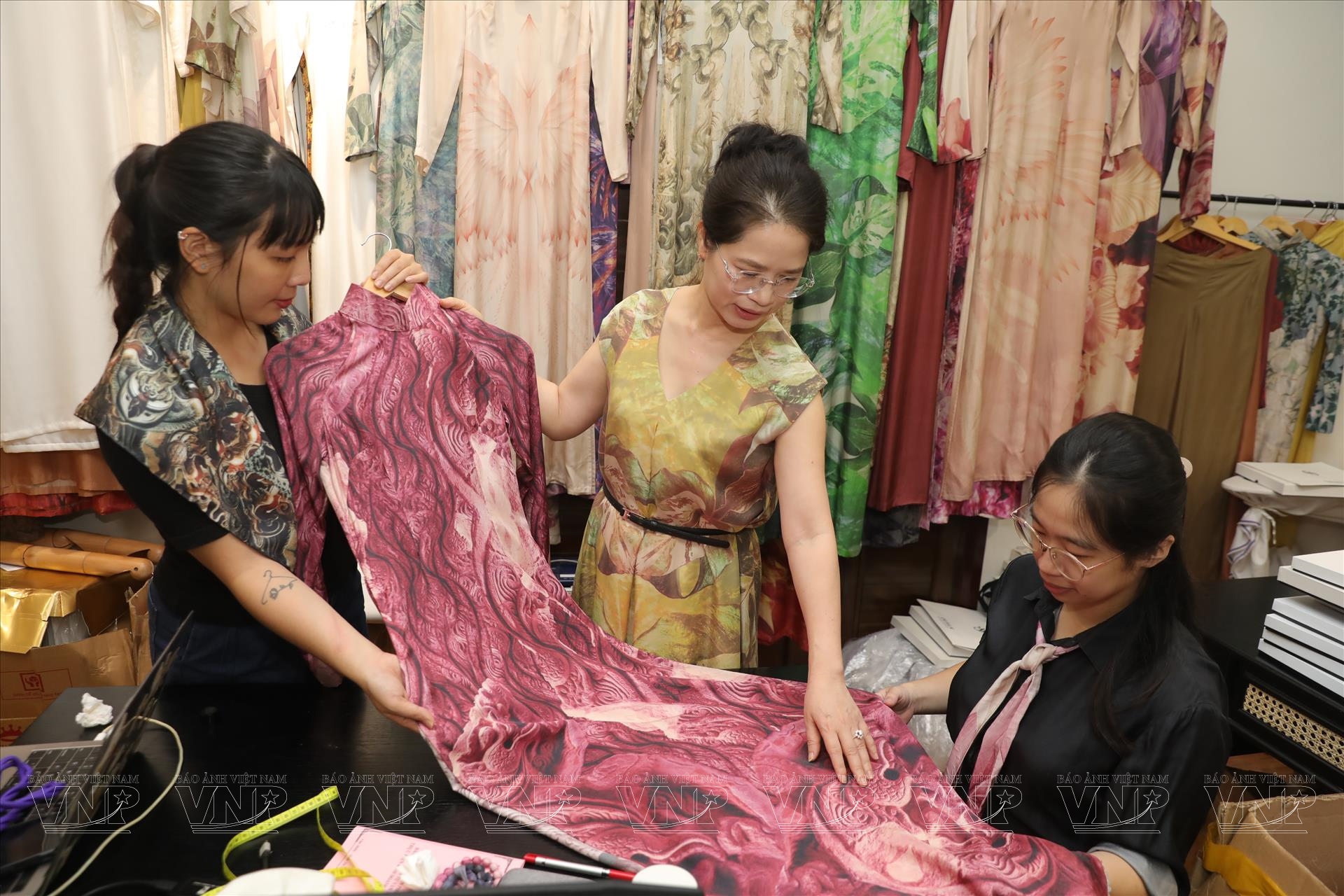
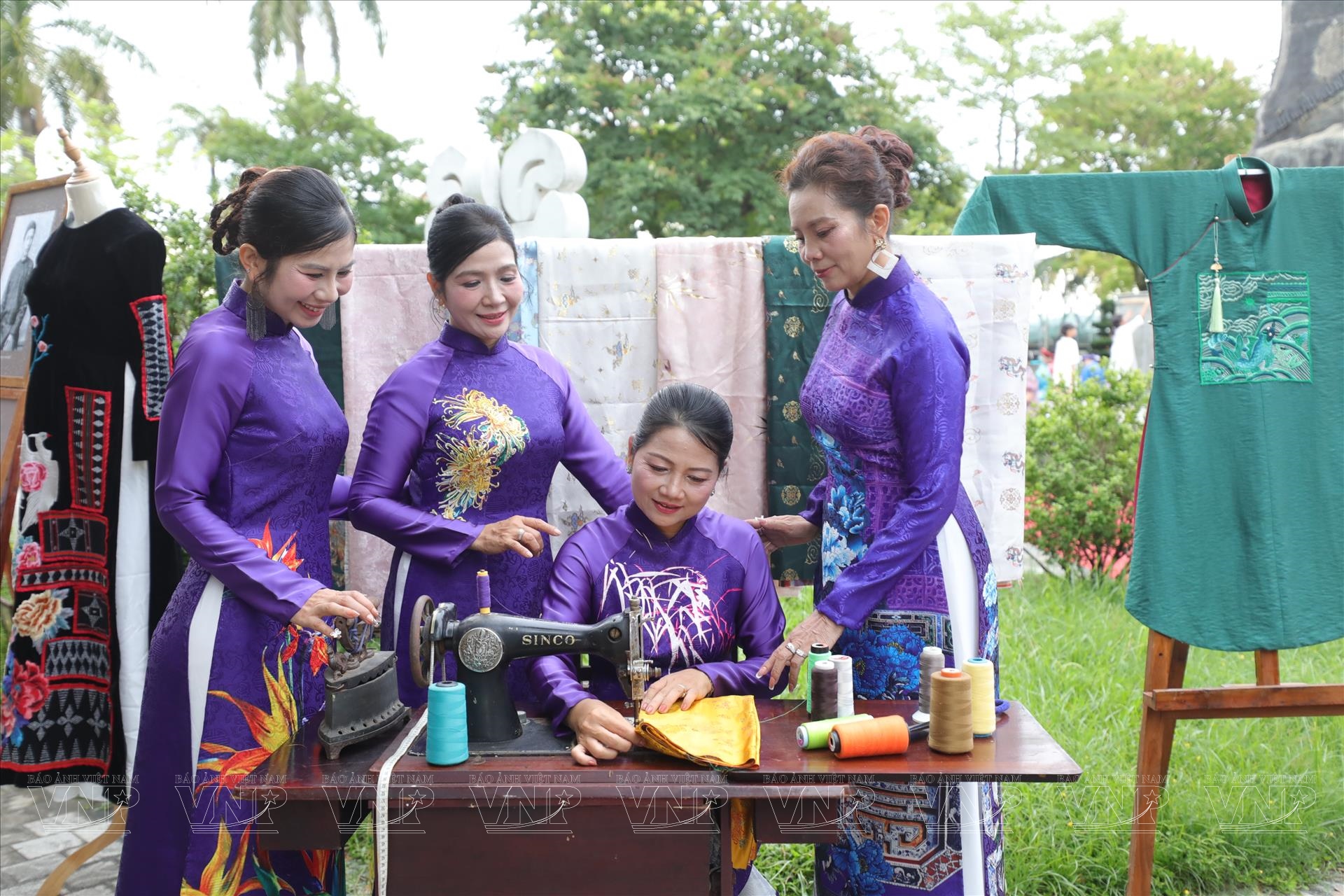
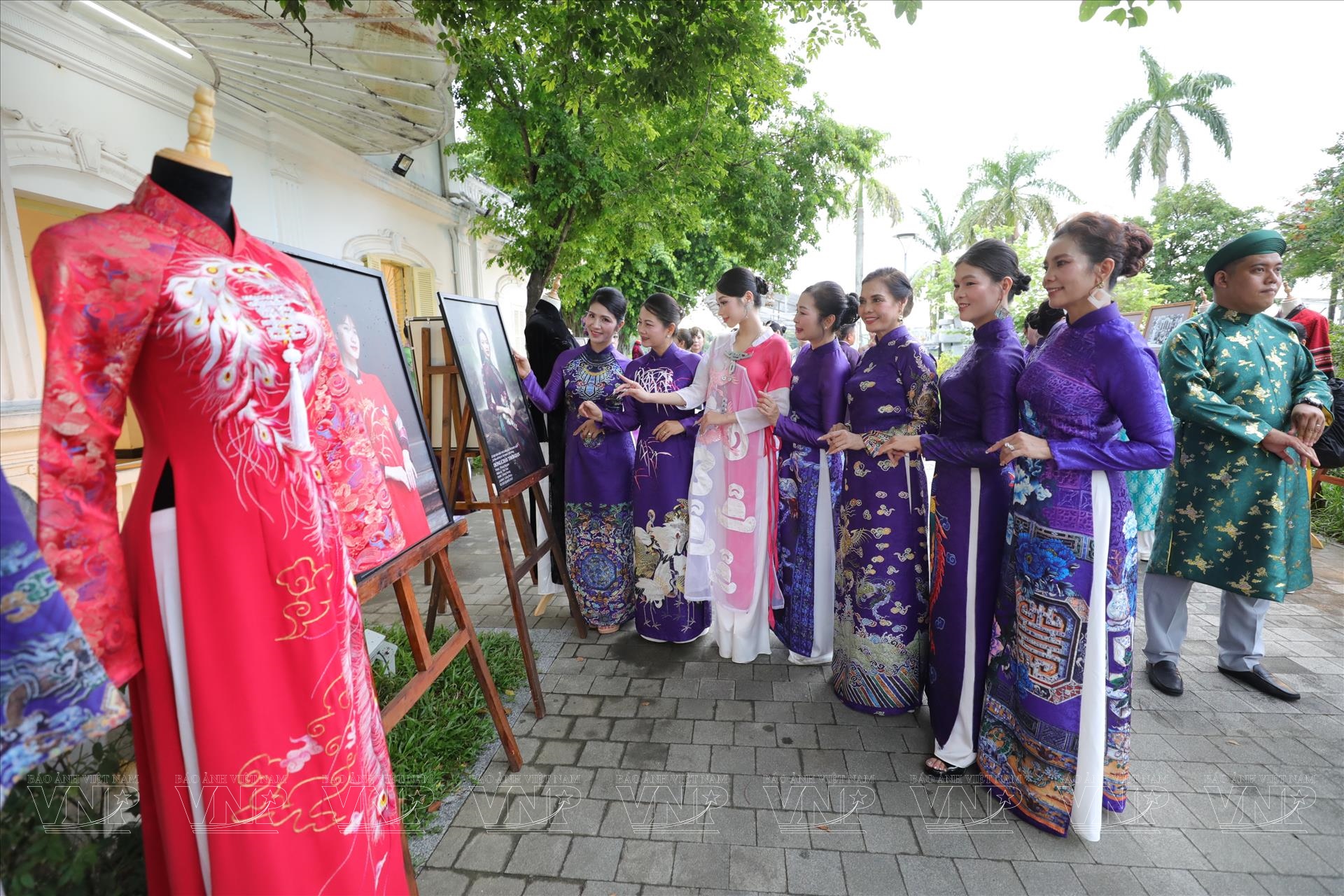
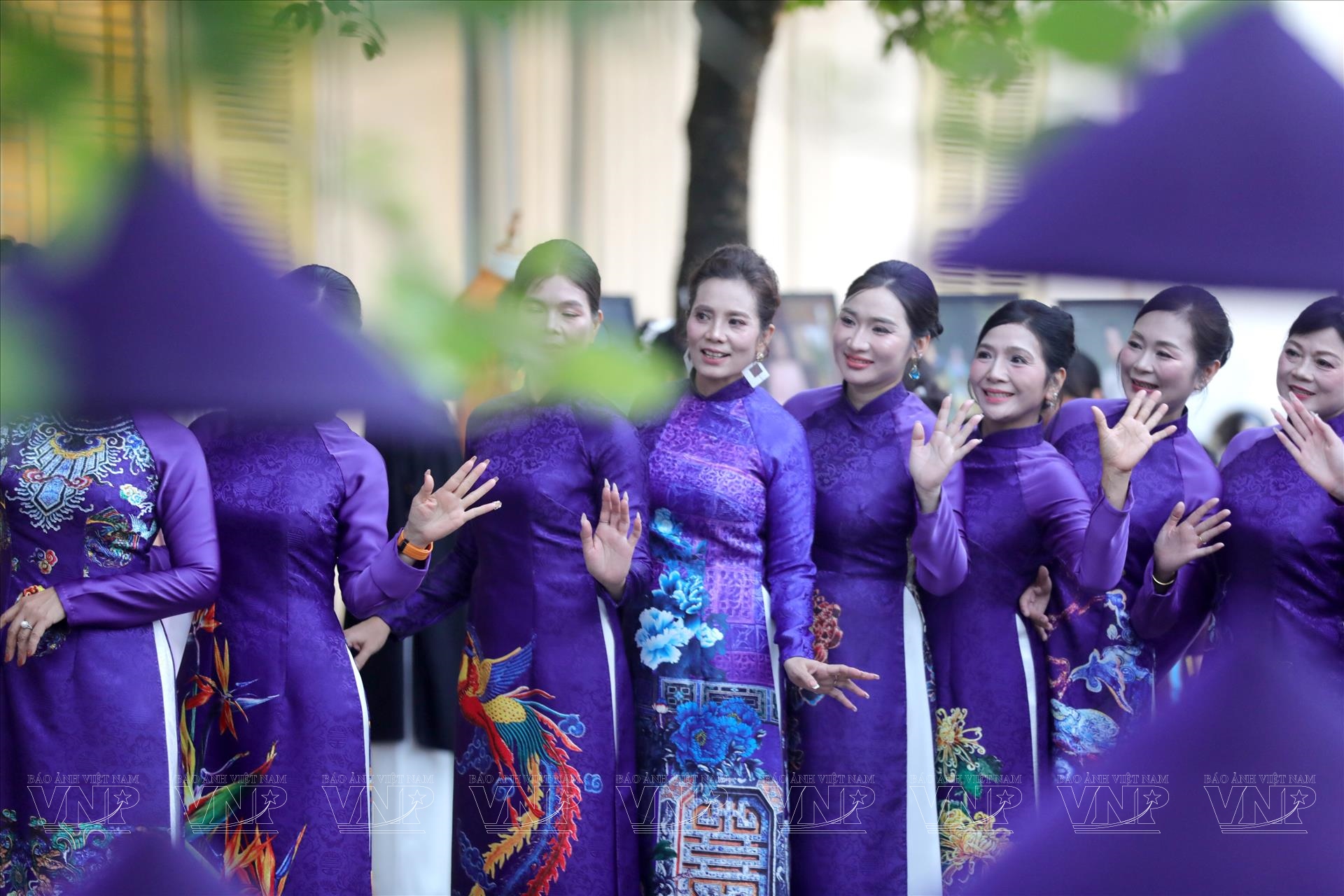
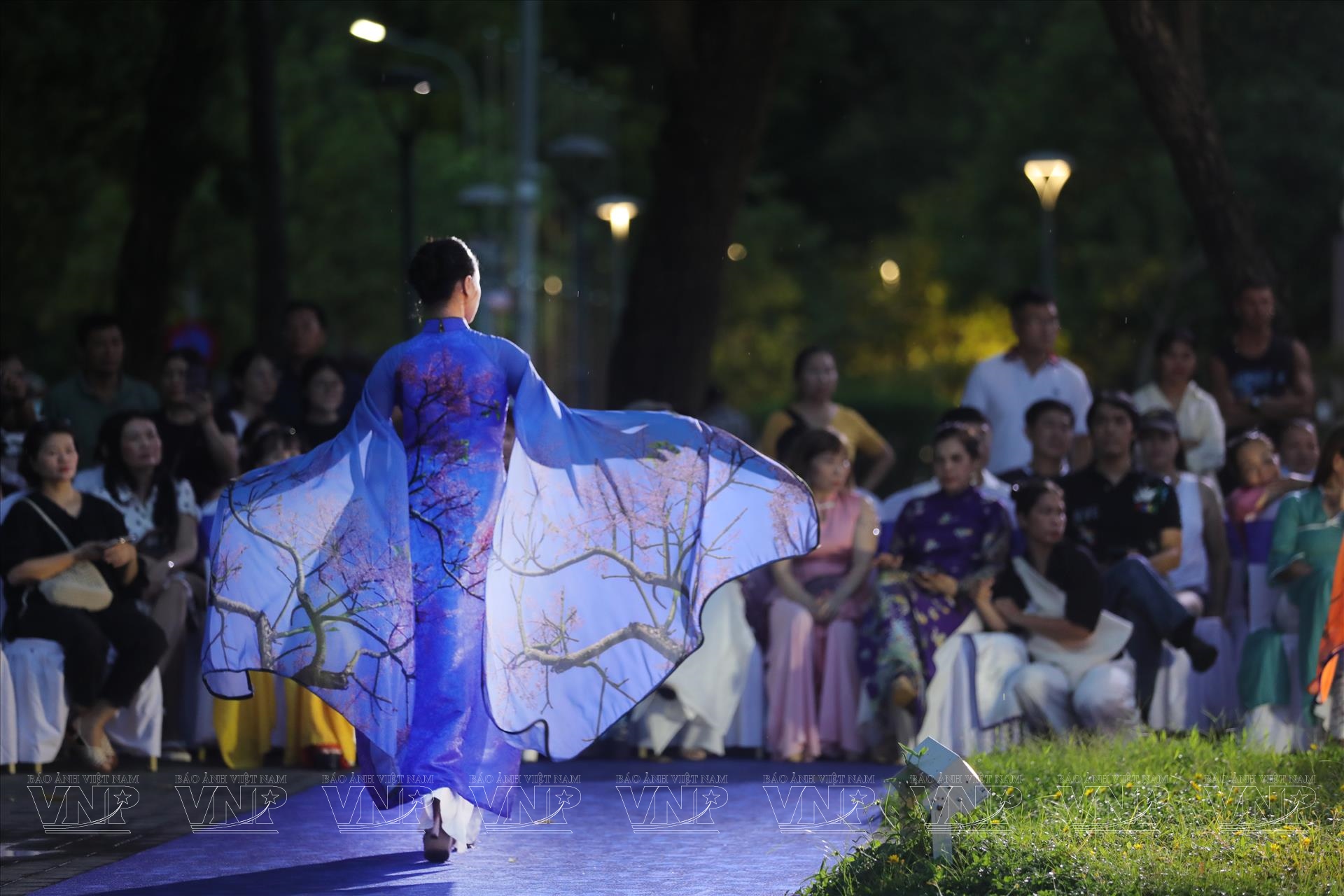
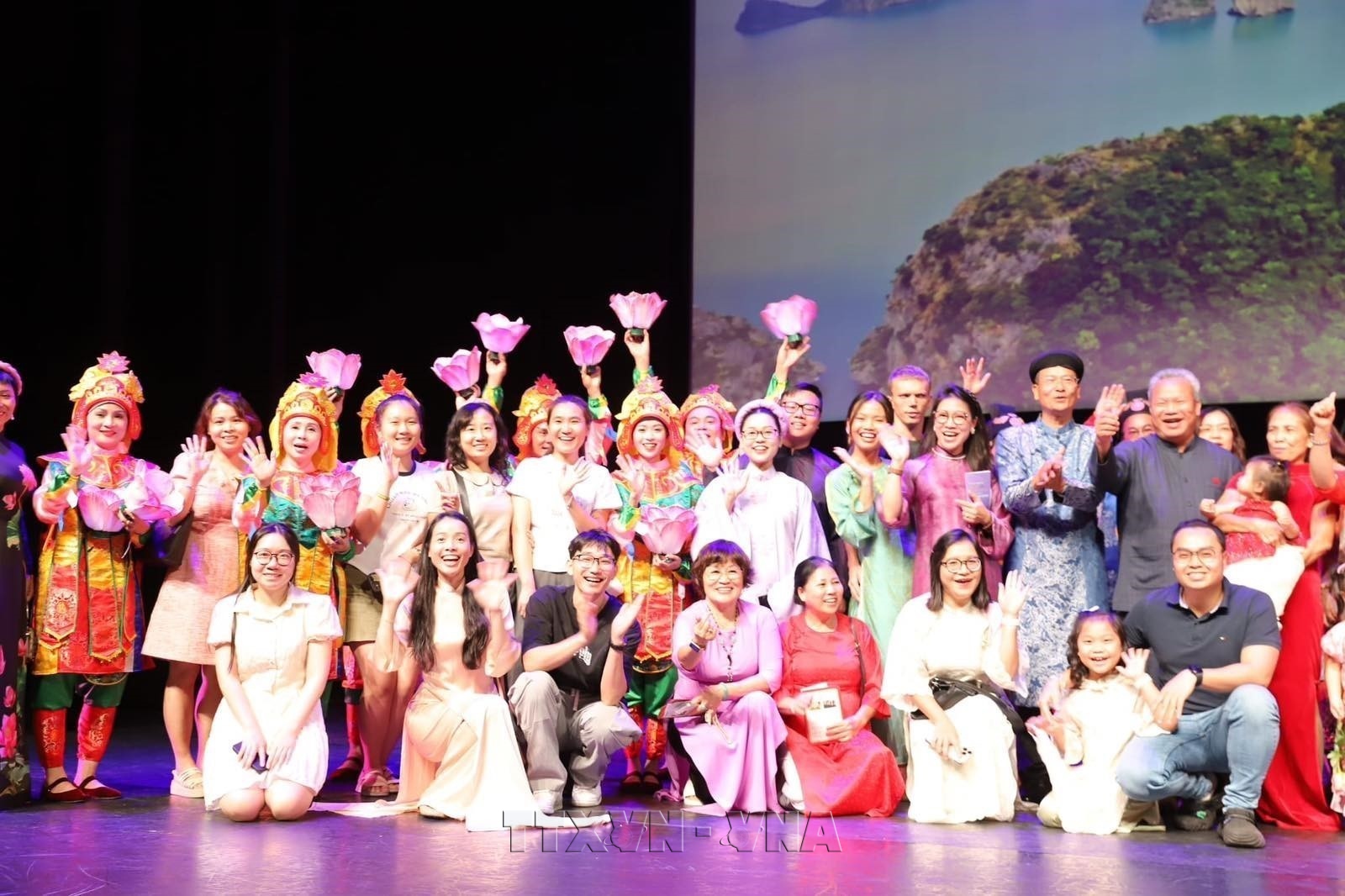
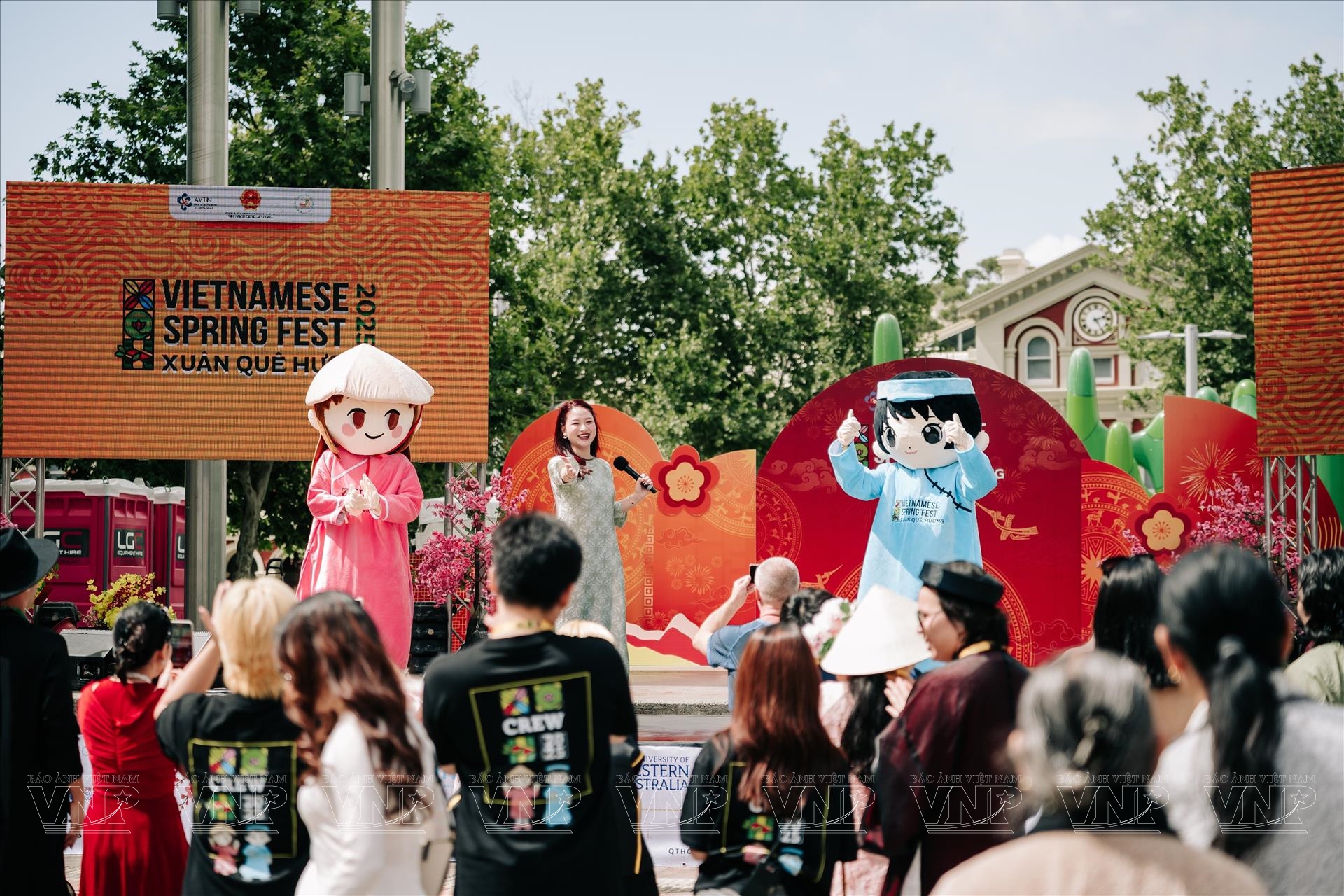
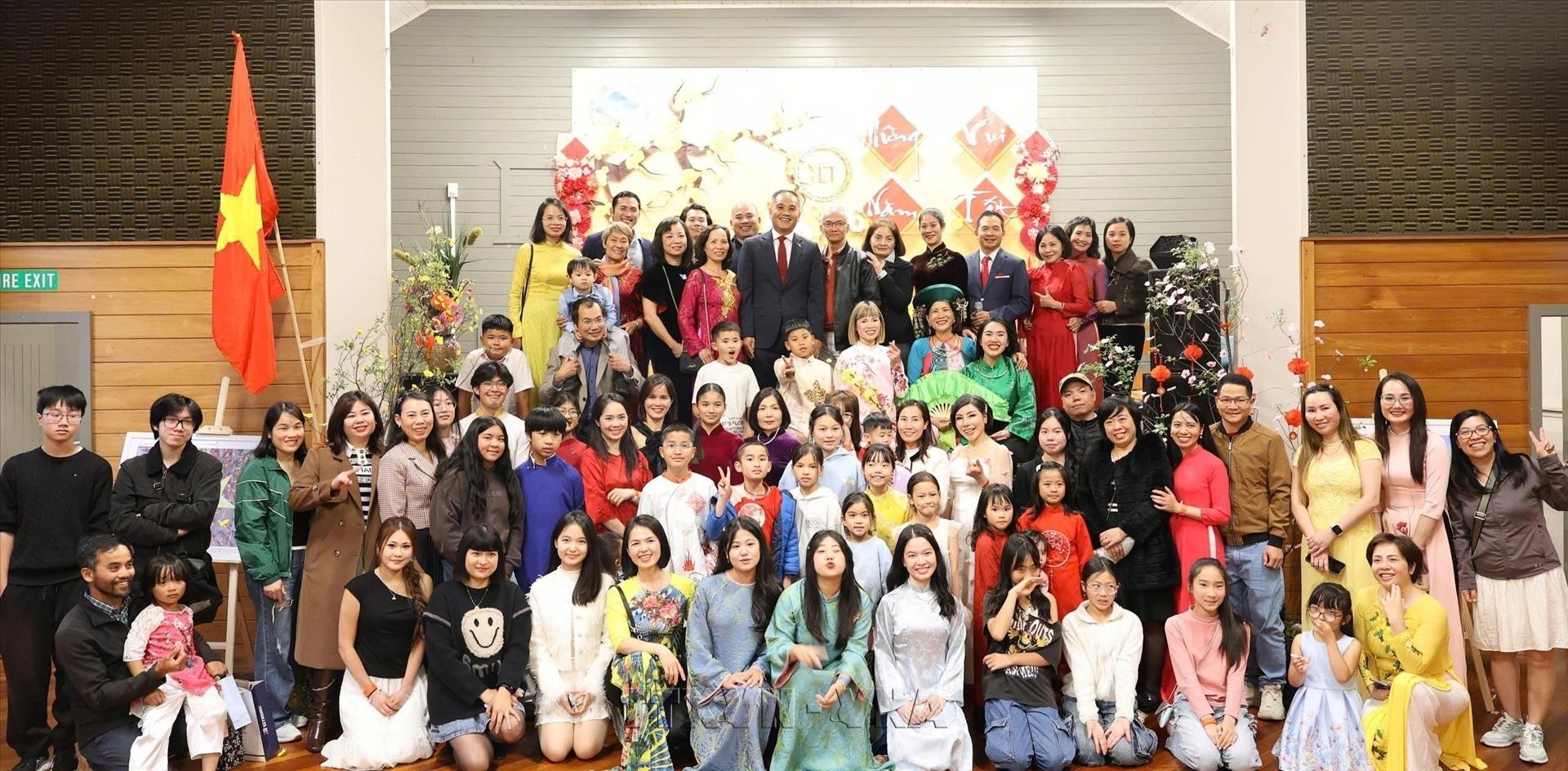
The expert said cultural events showcasing the richness of Vietnamese culture are present in many countries also. Vietnam friendship organizations organize many activities in many different countries, as do Vietnamese citizens abroad. In the UK, for example, there has been many Vietnamese cultural events in London such as the Ao Dai fashion week, Lunar New Year Festival, Mid-Autumn Festival, Vietnamese film shows and more.
He pointed out Vietnamese culture on the international stage is not just cuisine, fashion, arts and history, but it also includes revolutionary ethics through the example set by Vietnamese representatives abroad from UN peacekeepers to member of international disaster response teams. In this sense, Vietnamese culture is present in times of hardship for countries around the world. For example, the recent tragic earthquakes which struck Venezuela saw the Vietnamese rescuers awarded for their efforts and Venezuelan social media had several clips praising the humility and simple acts of the rescuers. This can also been seen in Cuba, where Vietnam is assisting with agriculture, renewable energy and education. These have spread a Viet Nam with rich culture and humanity and a responsible member of the international community, helping heighten the country’s position on the global stage.
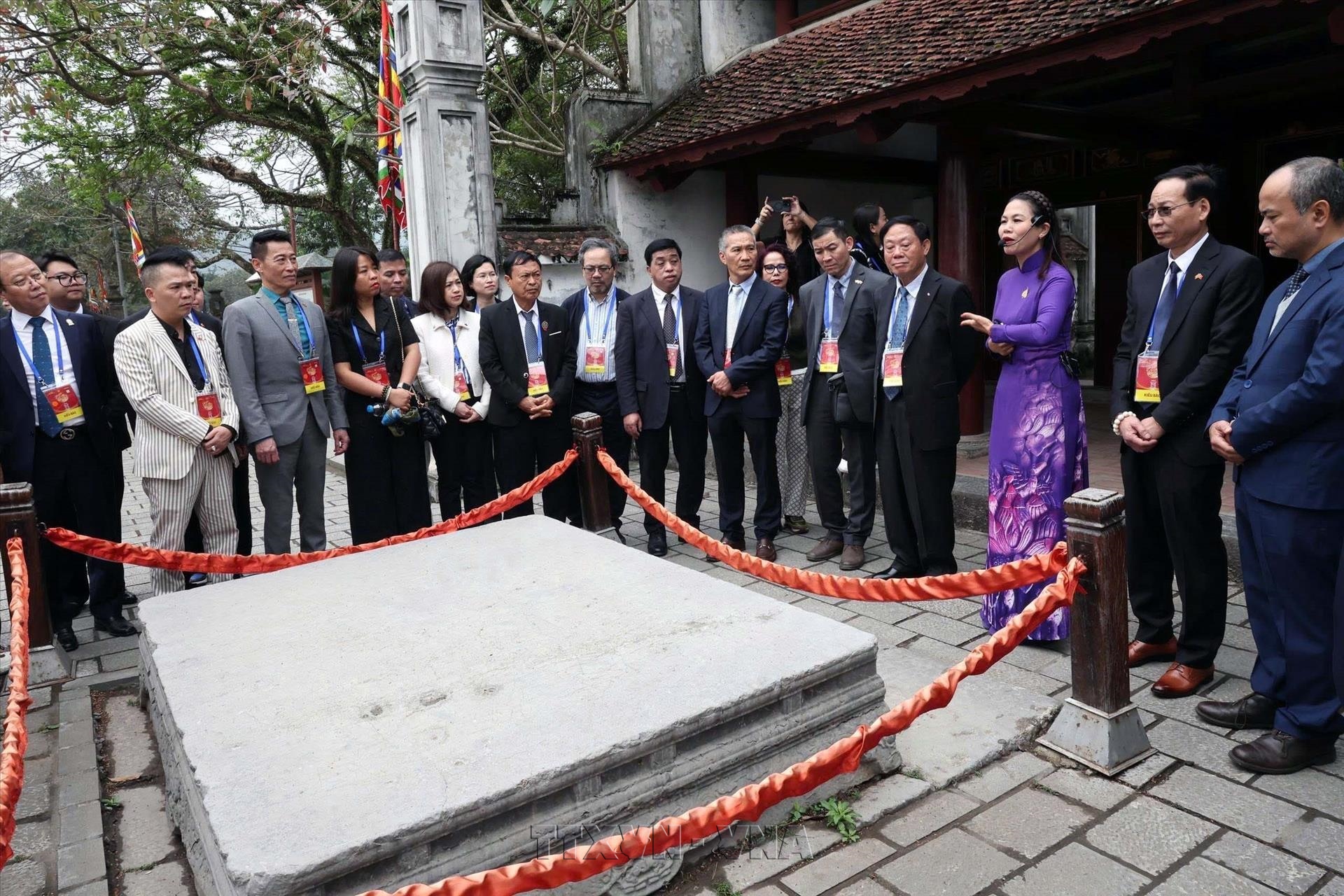
The scholar praised Viet Nam’s efforts in recent years to spread its image to the world through introducing the channel Vietnam Today which has broadcasted programs about Vietnamese culture, politics and more online and in many different countries around the world.
He was also pleased to hear that by 2030 around 200 Vietnamese book titles will be translated into foreign languages and released abroad every year. This joins publishing media for foreign audiences, such as the various news agencies like Vietnam News Agency, including magazines like Vietnam Pictorial, Viet Nam News; Nhan Dan; and VTV. Not only does such work help foreign audiences understand Vietnam more, but also ensures that researchers globally gain greater context of the various aspects of the country. From architecture, to biodiversity, from ethnic minority culture to political economy, each publication or piece of media translated allows broader understandings and thus deeper cooperation between countries’ experts, and an increased presence of the country on the international stage.


- Story: Ha Anh
- Photos: Thong Hai/VNP&VNA