A Journey Ends, New Lives Begin
What began as an ill-fated trip to Vietnam for a young British woman has given new hope to several patients. Her organ donation in early April 2026 became a powerful act of compassion, saving lives and highlighting the profound humanitarian value of organ and tissue donation after brain death.
A Compassionate Decision That Extended LivesIn late March 2026, 19-year-old British tourist O.S.W. was seriously injured in a traffic accident in Tuyen Quang Province while traveling in Vietnam. She was transferred to Viet Duc University Hospital in Hanoi for treatment. Despite the doctors’ efforts, she was declared brain-dead after suffering multiple traumatic injuries and severe brain trauma.
In their darkest moment, her family made an extraordinary decision: to donate her organs and tissues that could save the lives of others.
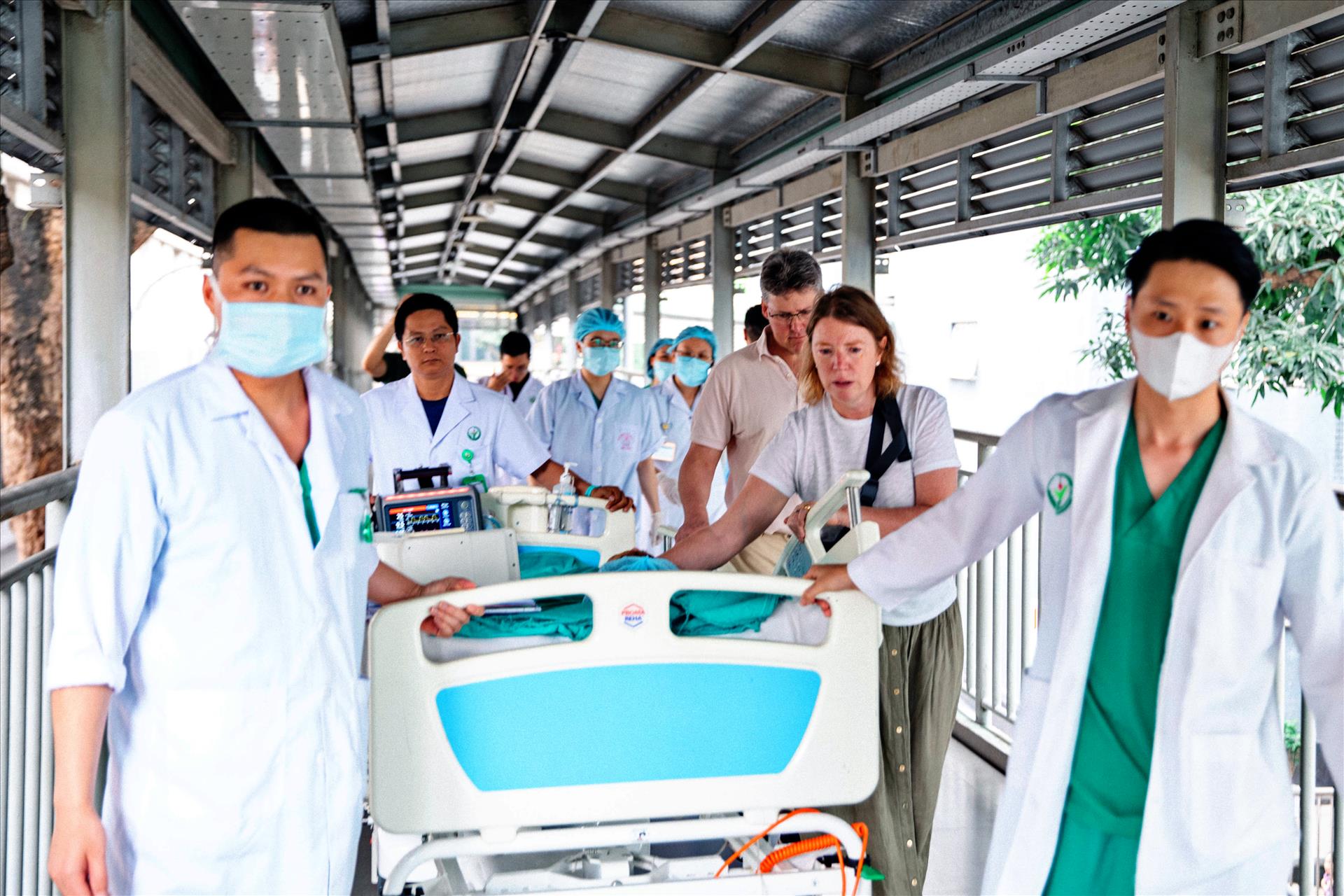
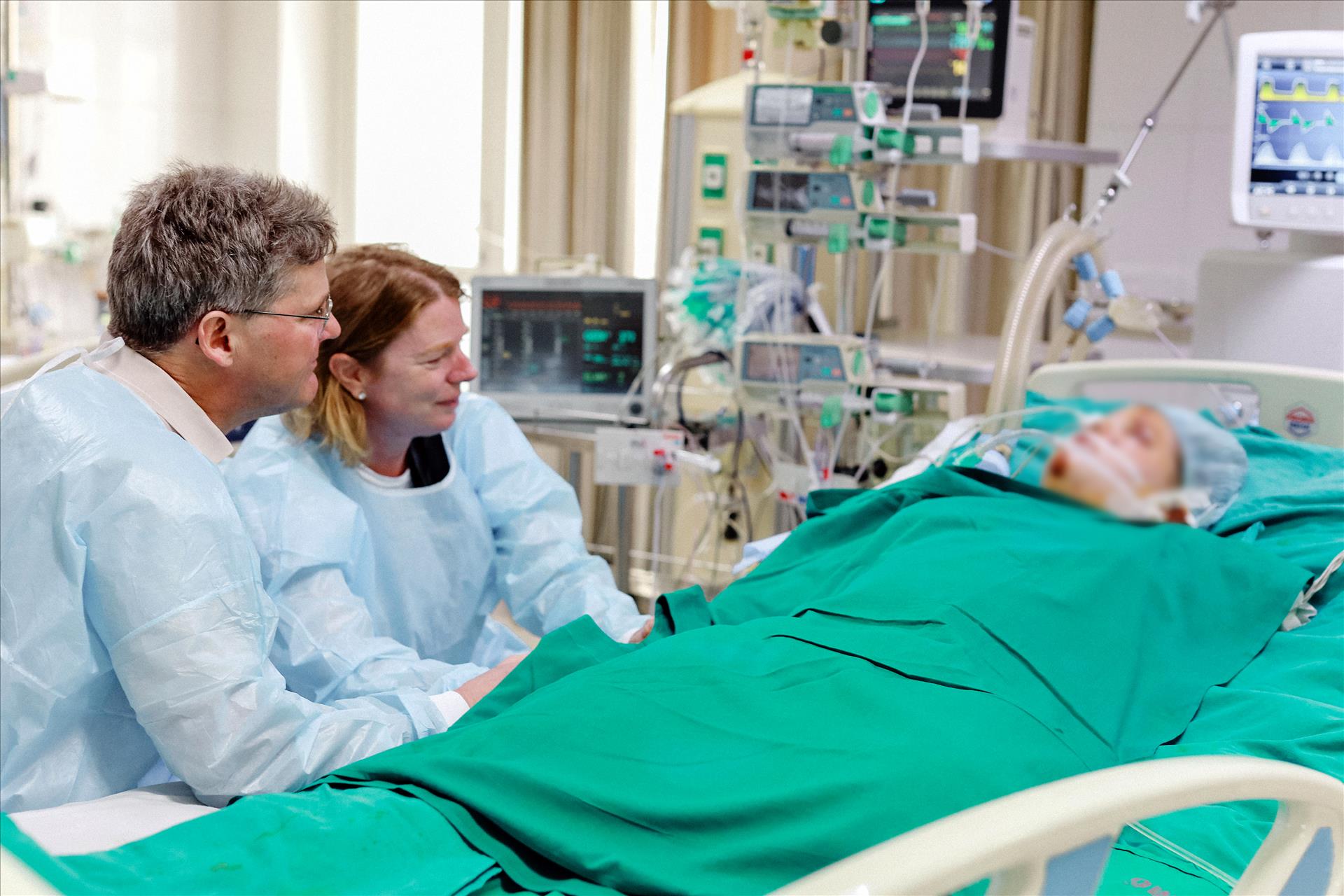
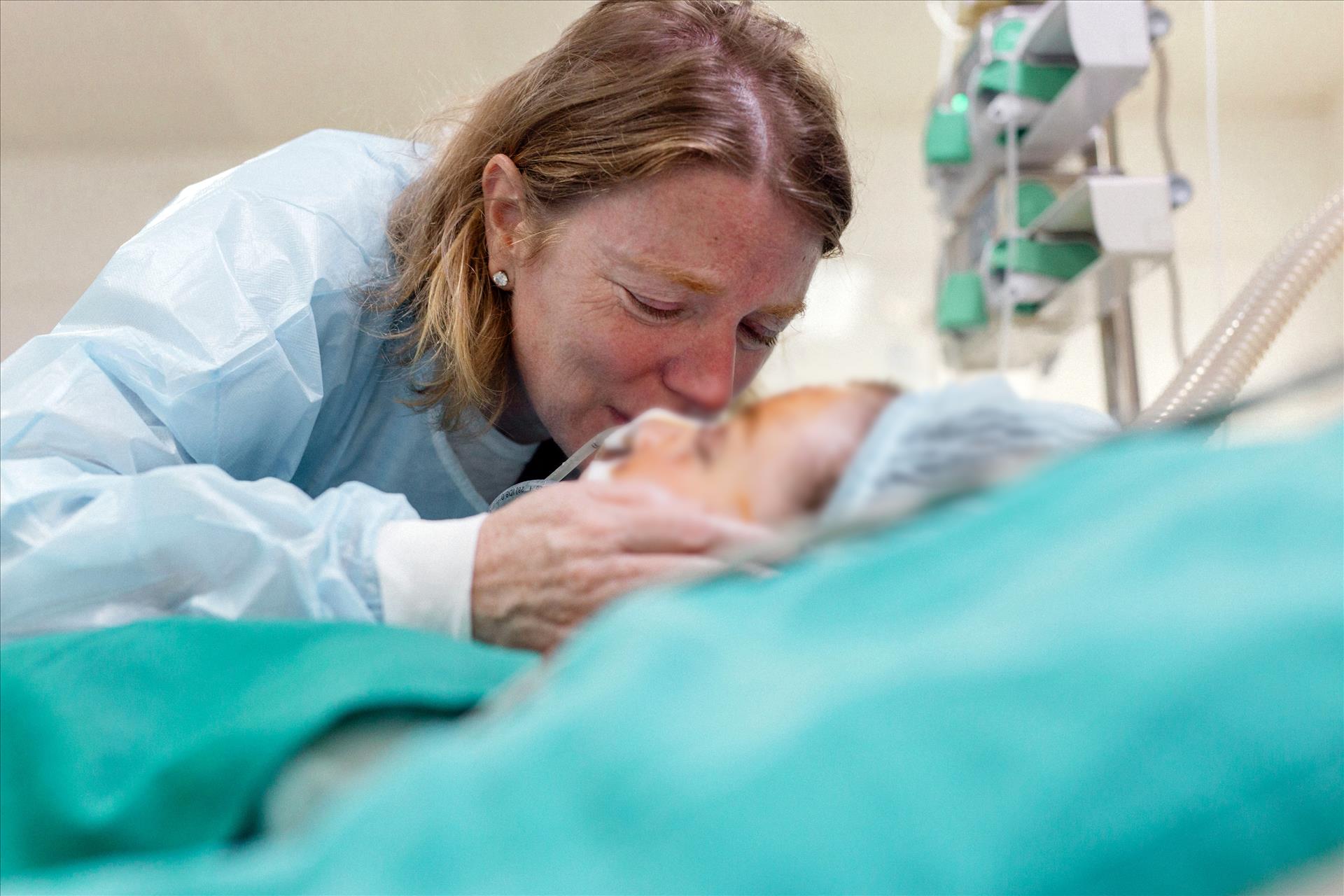
On April 2, 2026, under the coordination of the National Organ Transplant Coordination Center and Viet Duc University Hospital, medical teams worked urgently to carry out the organ recovery and transplantation procedures in accordance with medical regulations.
Thanks to the young woman’s selfless gift, a liver and two kidneys were transplanted into three critically ill patients, giving them a chance to recover and extend their lives. Other tissues, including heart valves, blood vessels, tendons, cartilage and nerves, were also recovered for the treatment of other patients.
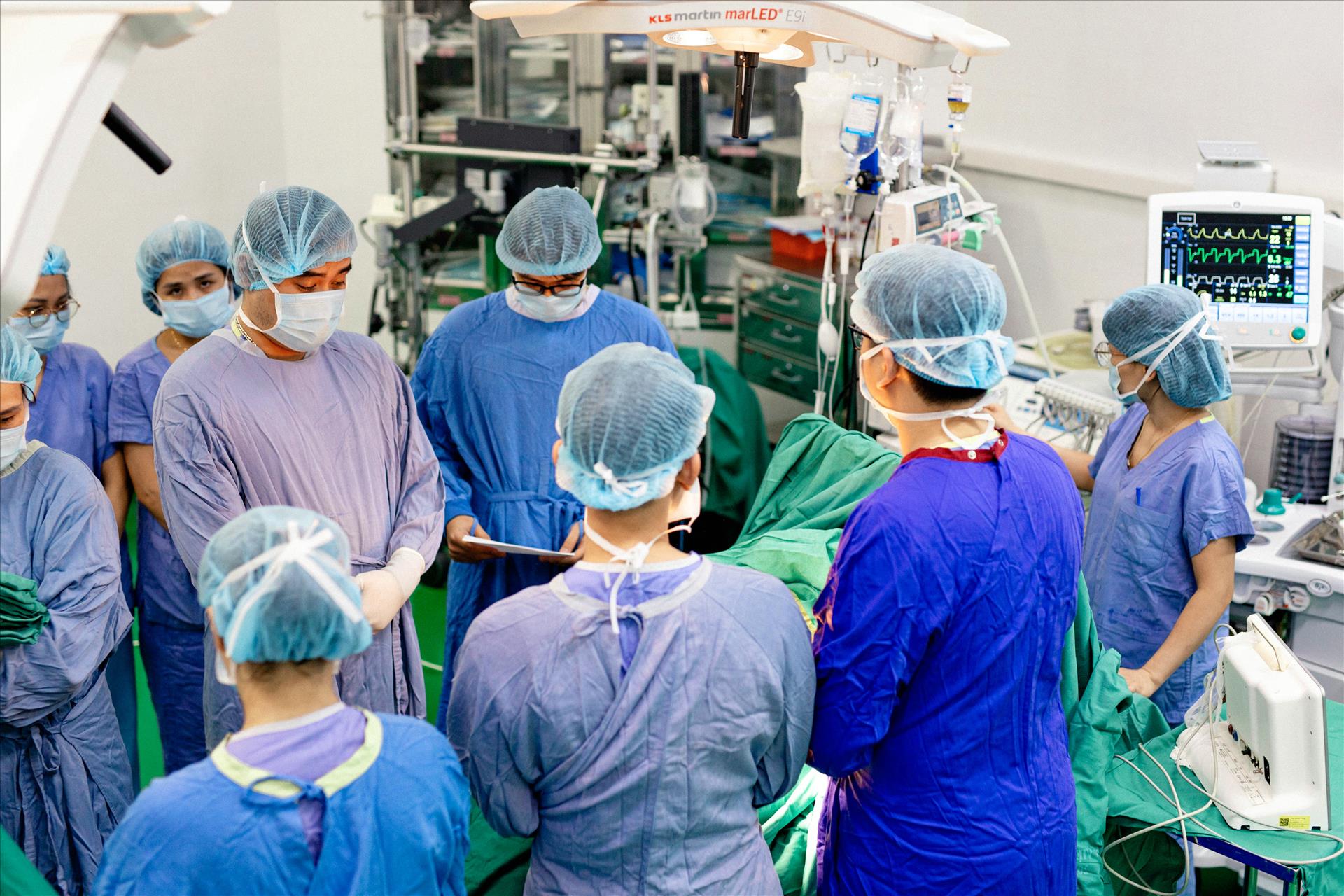
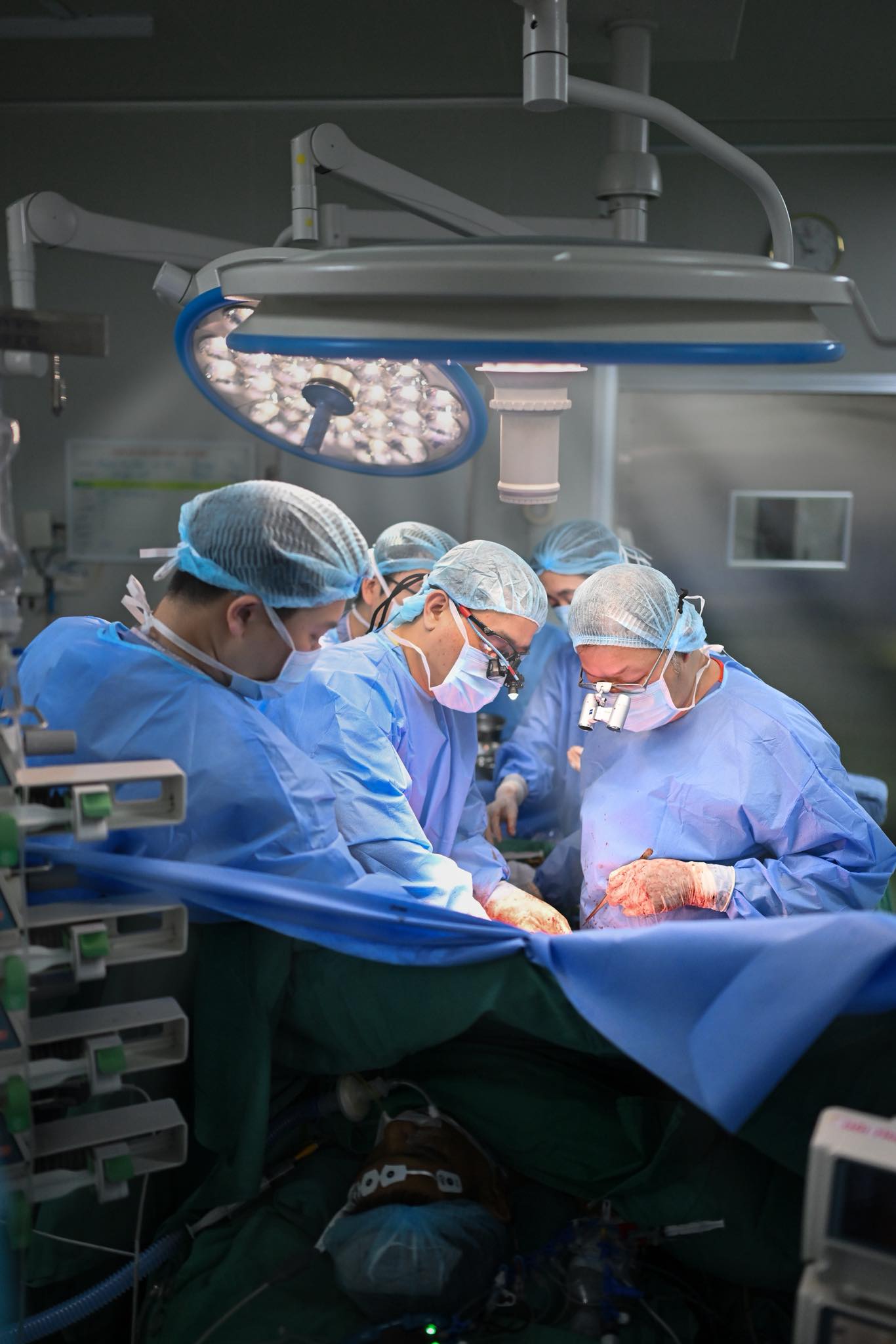
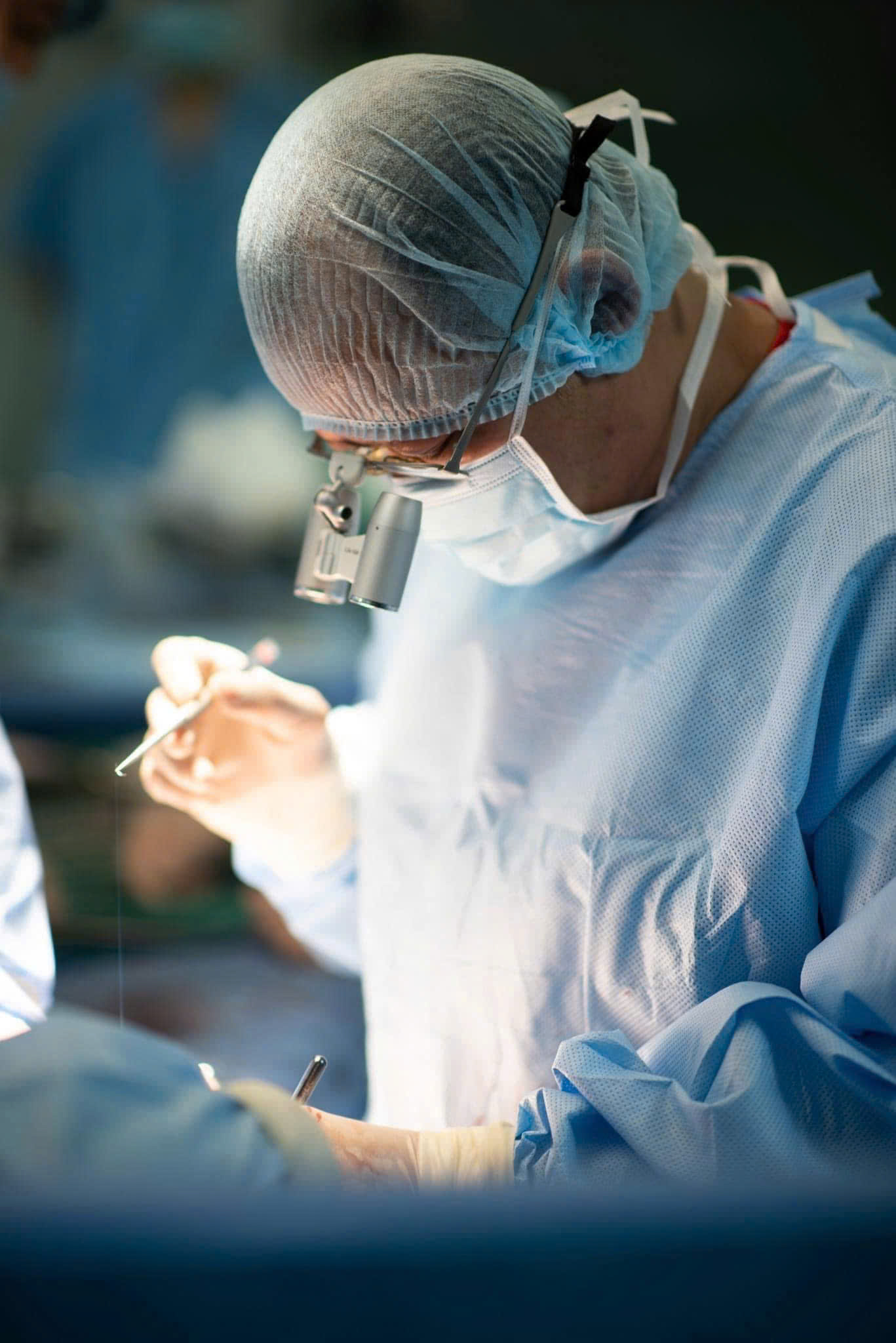
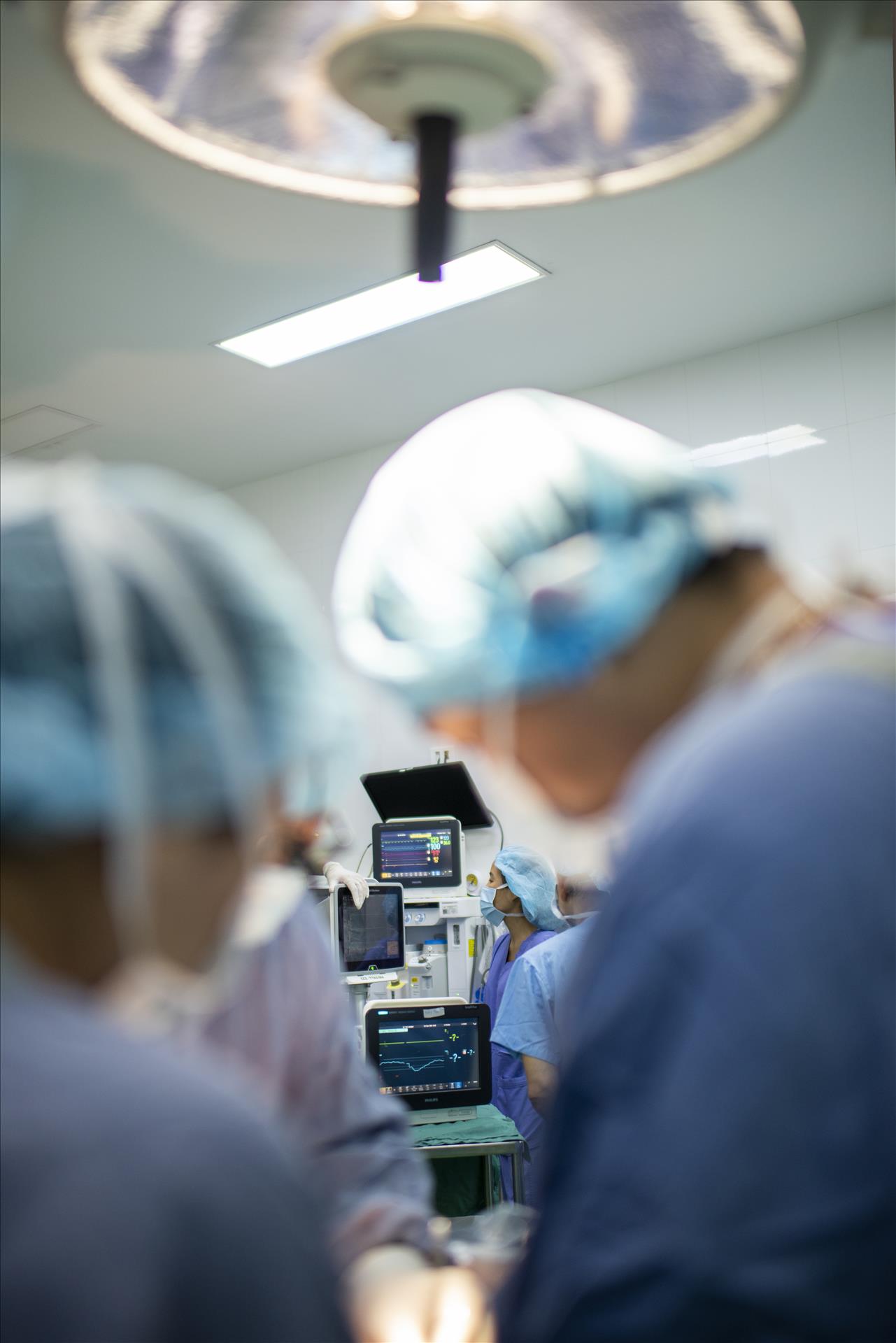
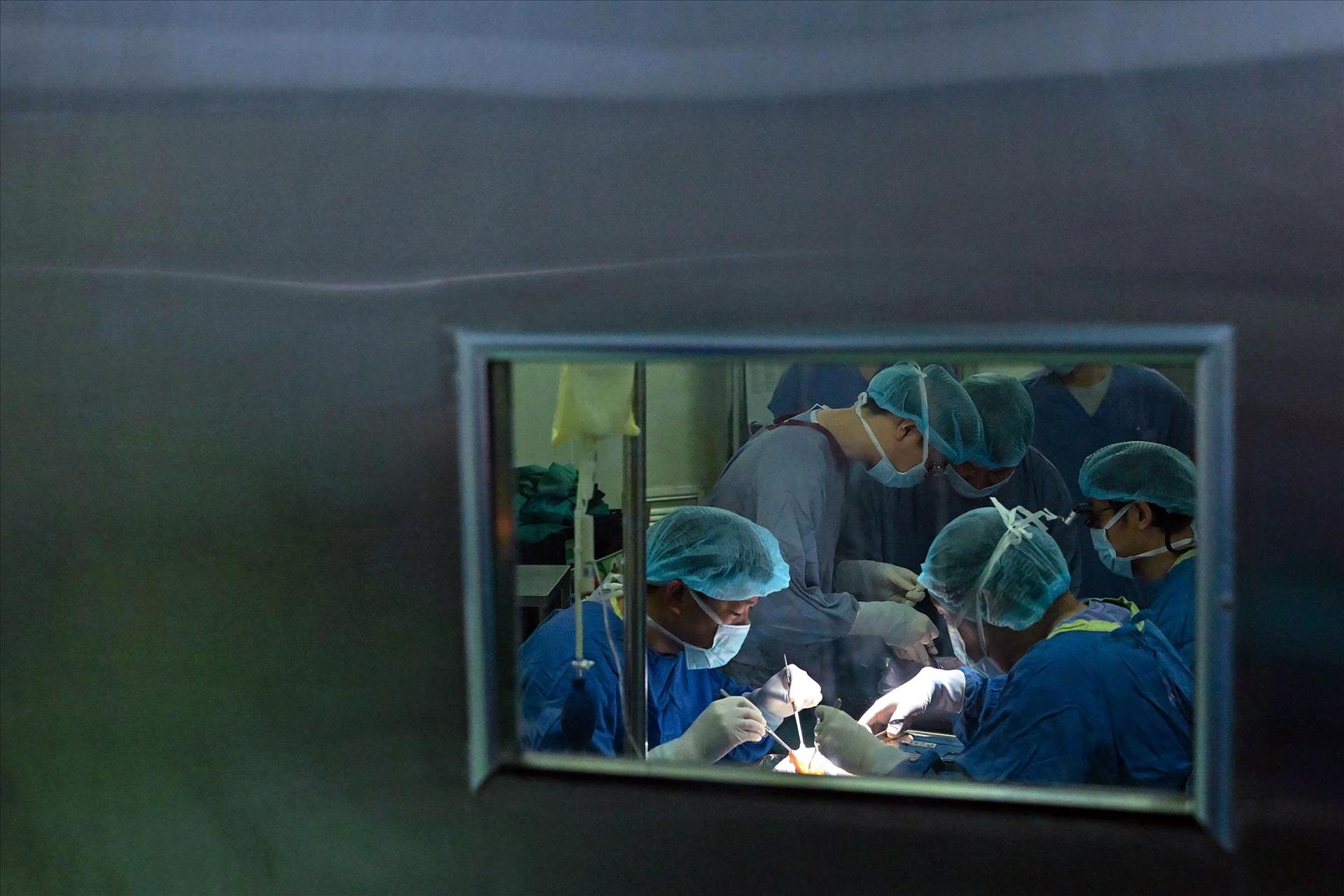
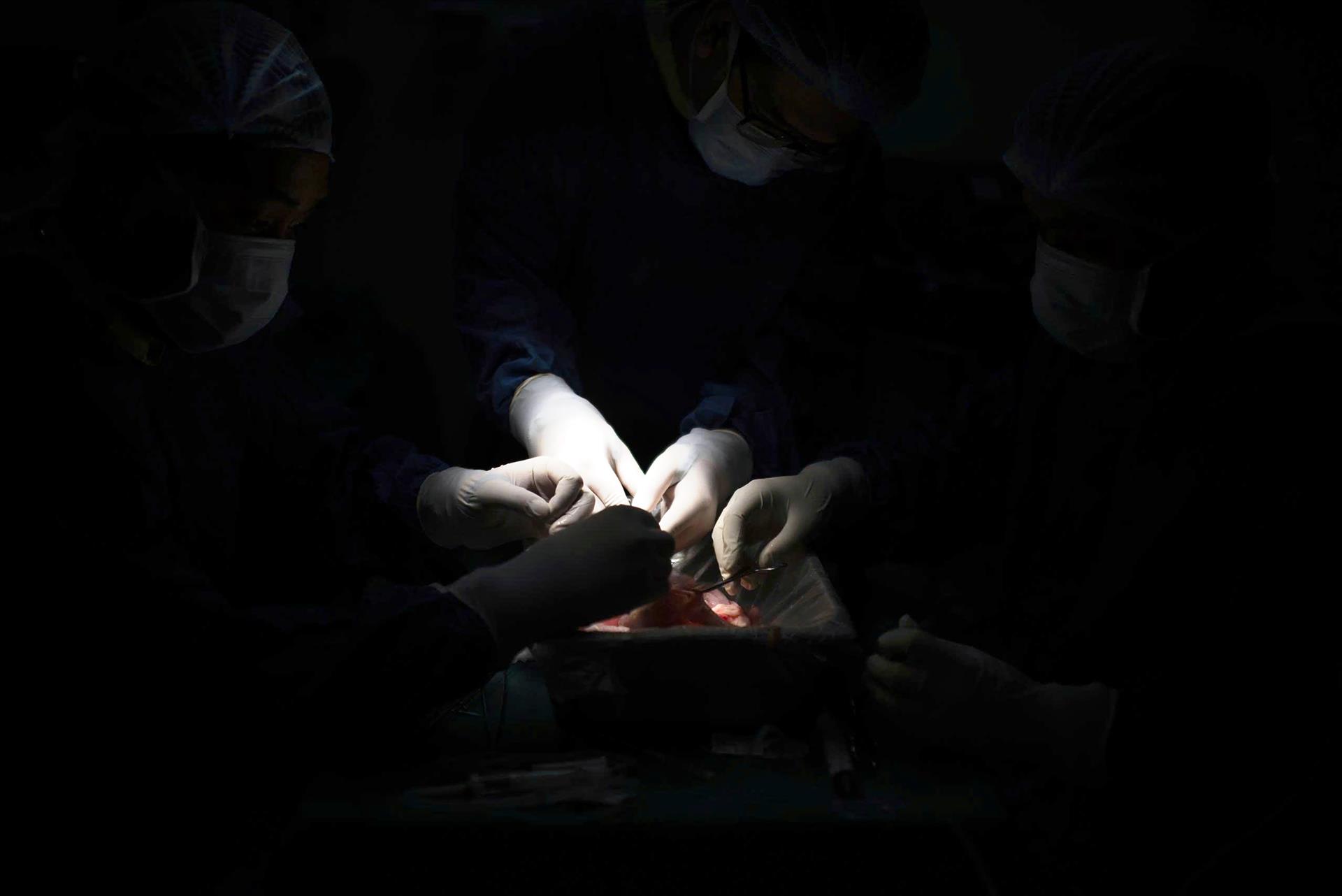
It was a race against time involving dozens of doctors,
nurses, technicians and coordinators. Every minute mattered, affecting both the
quality of the donated organs and the recipients’ chances of survival.
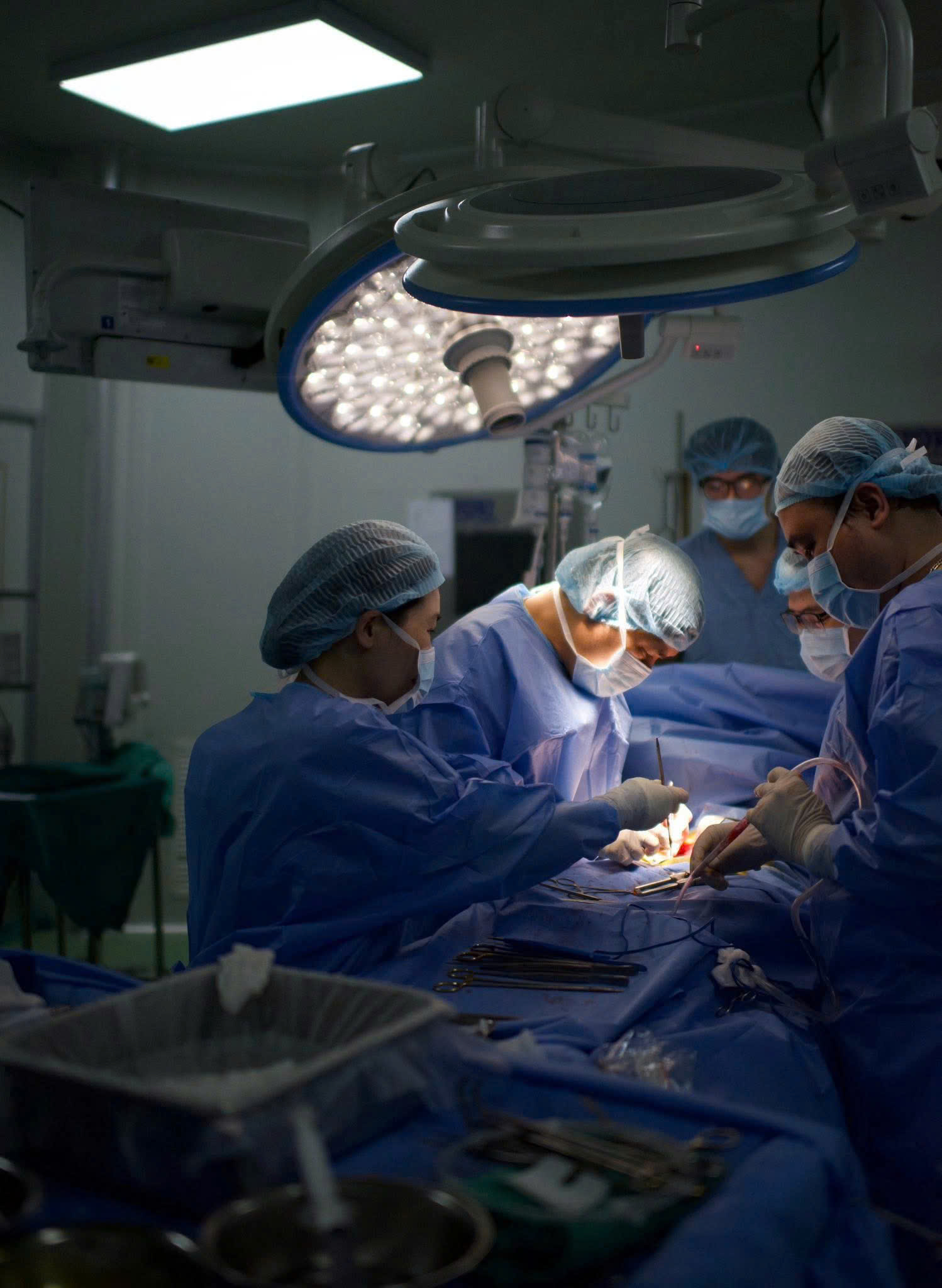
In the operating room, medical teams worked continuously in
close coordination. Outside, the donor’s family quietly said goodbye to their
loved one. Their loss became a source of hope for many other lives.
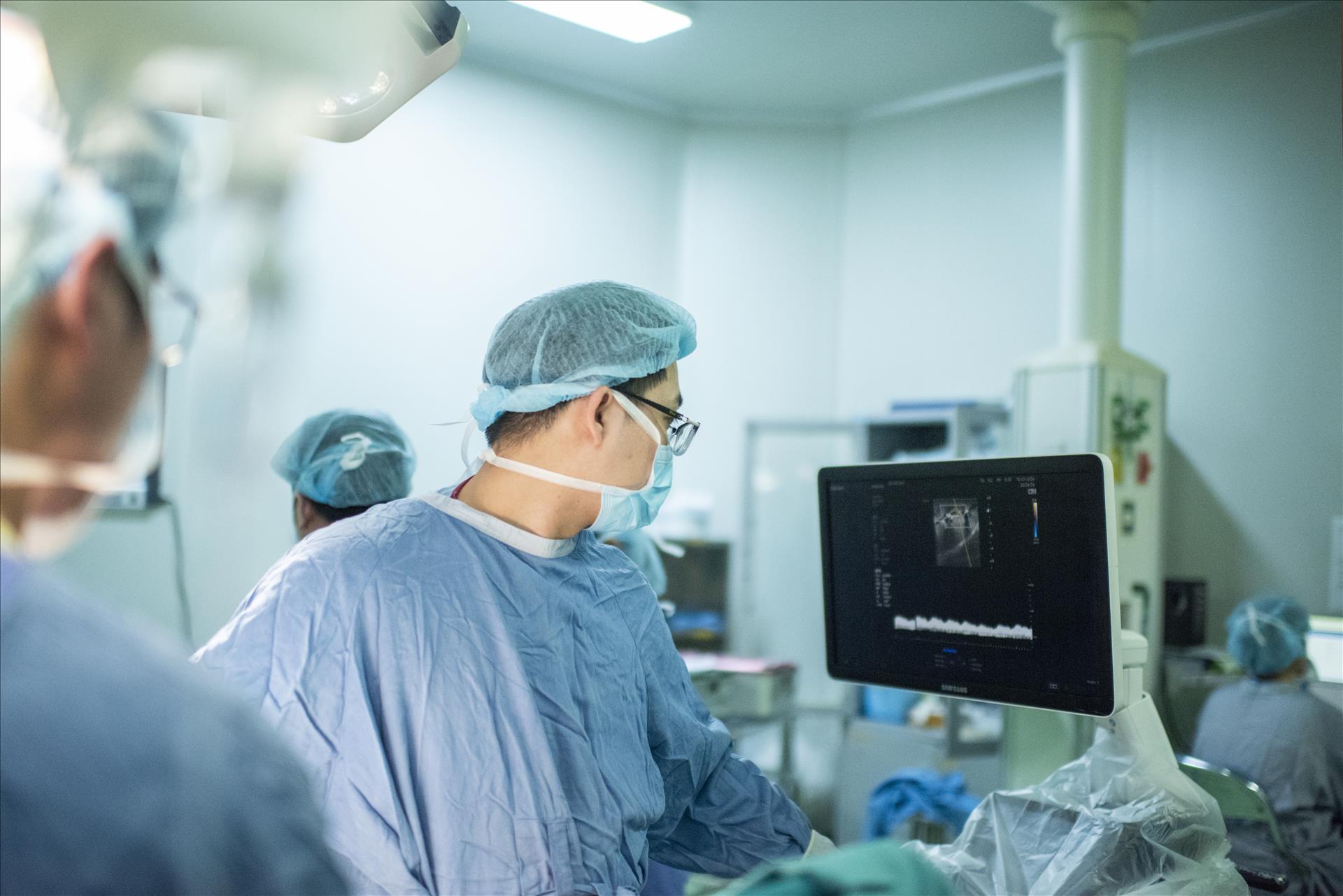
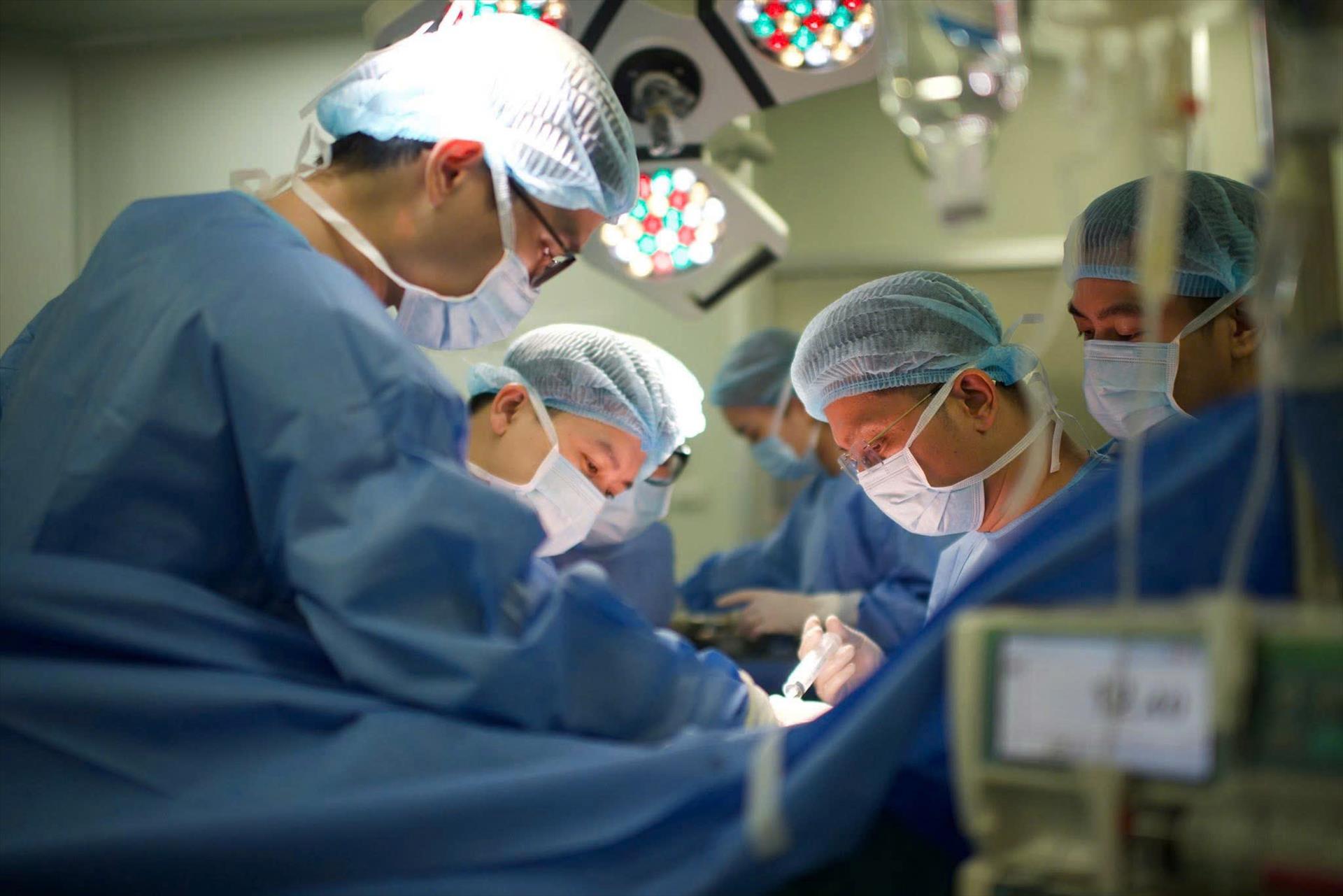
The donation marked another milestone in Vietnam’s organ
transplant program. It was a rare case involving a foreign citizen who died
while traveling in Vietnam, showing how the spirit of humanity can transcend
nationality, language and borders.
Viet Duc University Hospital – Key Organ Transplant Figures
171 brain-dead organ donors at Viet Duc University Hospital.
32 organ donations coordinated from other medical facilities.
607 organ transplants using organs donated after brain death, including:
127 heart transplants
166 liver transplants
304 kidney transplants
10 lung transplants
The hospital has mastered several complex transplant procedures, including combined heart-kidney and heart-liver transplants and Domino liver transplantation. It also successfully performed Vietnam’s first penis transplant.
Source: Viet Duc University Hospital, updated July 29, 2026
When the Gift of Life Comes Home
More than three months after the transplant, 41-year-old H.
has gradually returned to a normal life at her home in Hanoi.
Before receiving the kidney transplant, she had been
diagnosed with stage 5 chronic kidney disease. Her life revolved around
hospitals and lengthy treatments, while her illness made it extremely difficult
to care for her family.
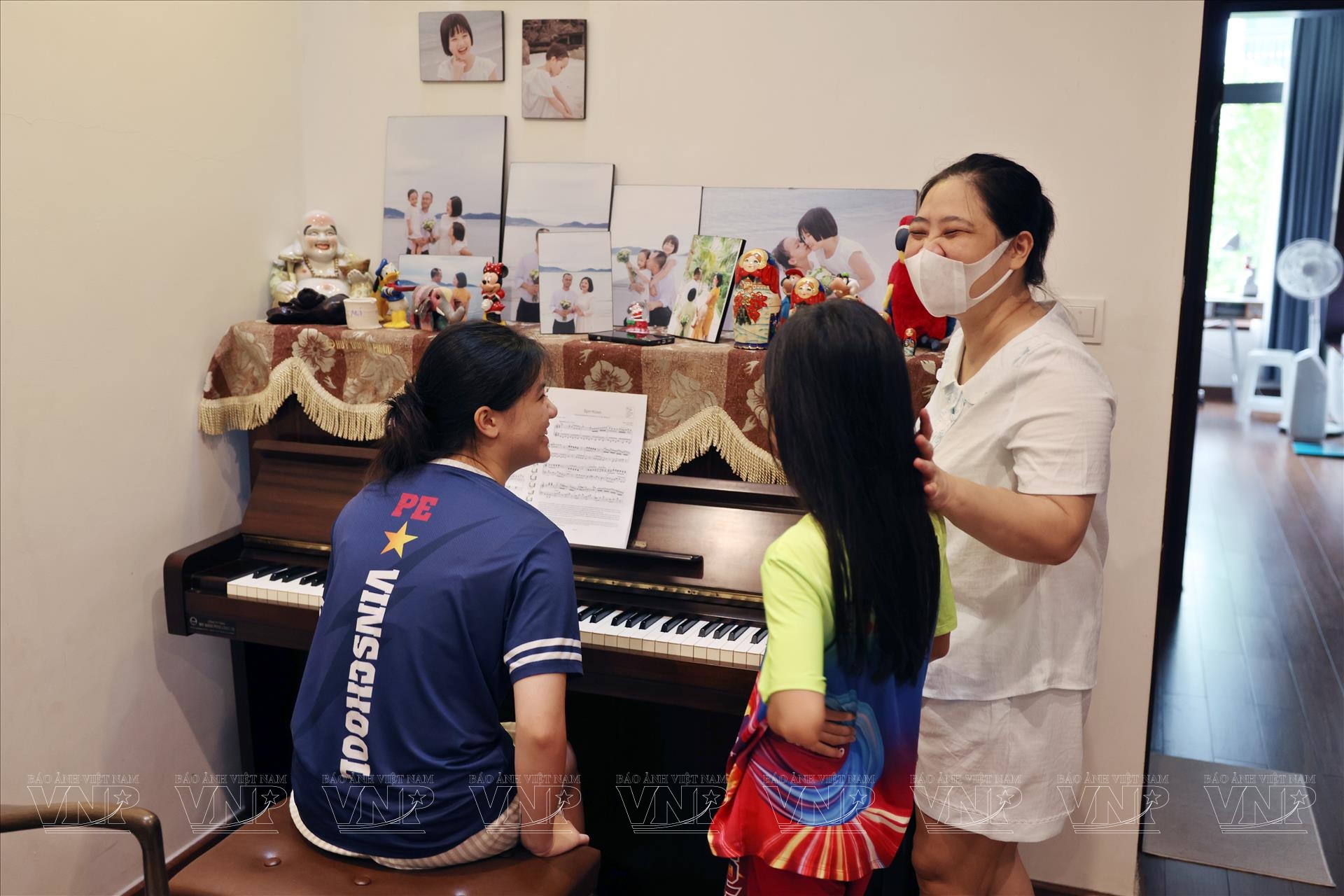
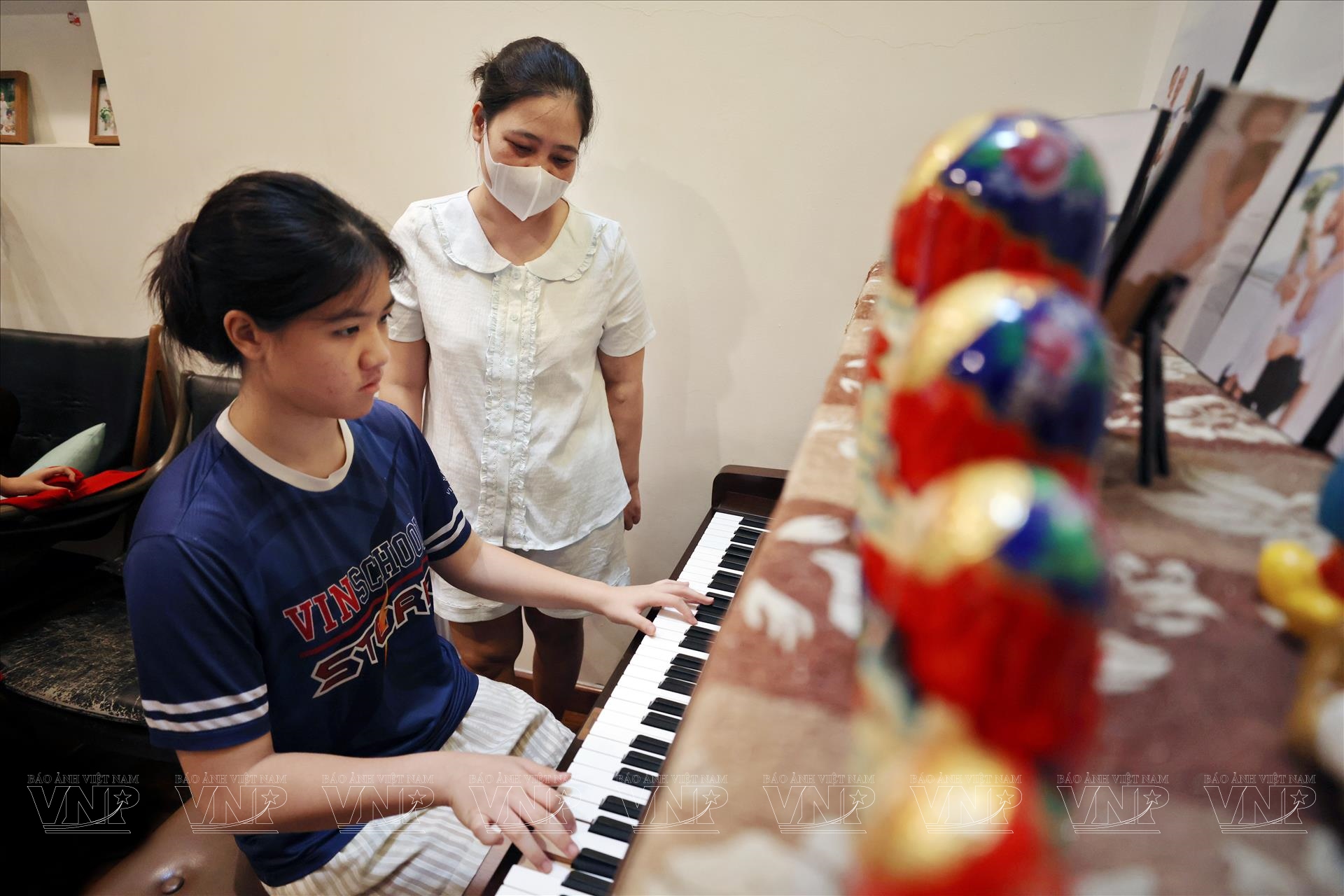
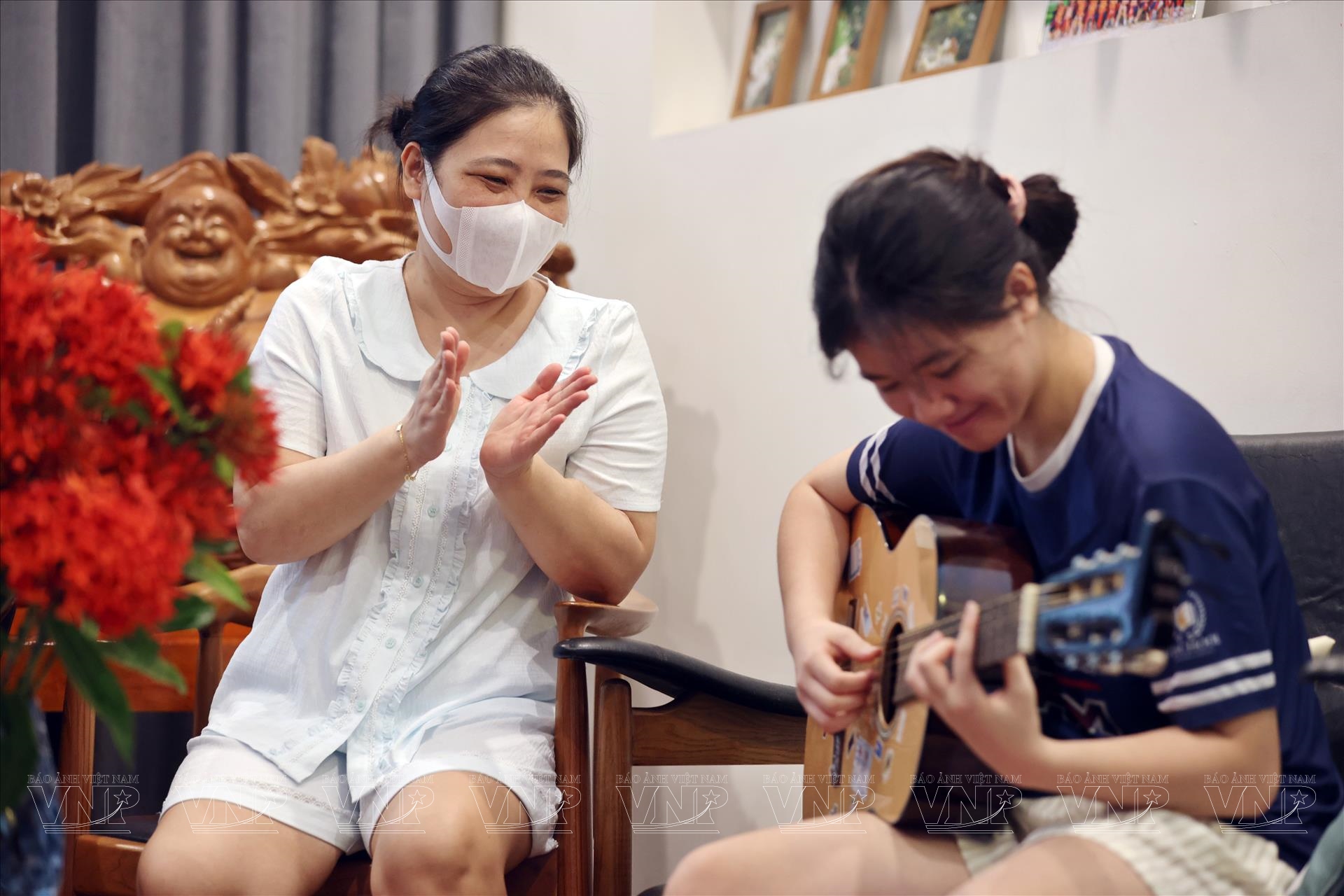
The kidney donated by the young British woman gave H. a new chance at life. At home, she can once again prepare meals, take her young daughter to school, help her with homework and quietly listen as her older daughter plays the piano. These simple moments are perhaps the clearest testament to the value of organ donation.
This is no longer simply a story about a successful
operation. It is the story of a mother who can continue watching her children
grow and a family that has found its laughter again after months of uncertainty
and fear.
Beyond the Operating Room, Life Goes On
H. was not the only patient to receive a new chance. Two
other patients who received the donated liver and kidney have also begun new
chapters after years of battling serious illness.

For transplant specialists, the success of an organ
transplant is measured not only by whether the operation goes well, but also by
the recipient’s quality of life afterward.
For the British woman’s family, their trip to Vietnam ended
in an unbearable loss. But their decision to donate her organs left behind a
remarkable legacy: lives continuing in people they had never known.
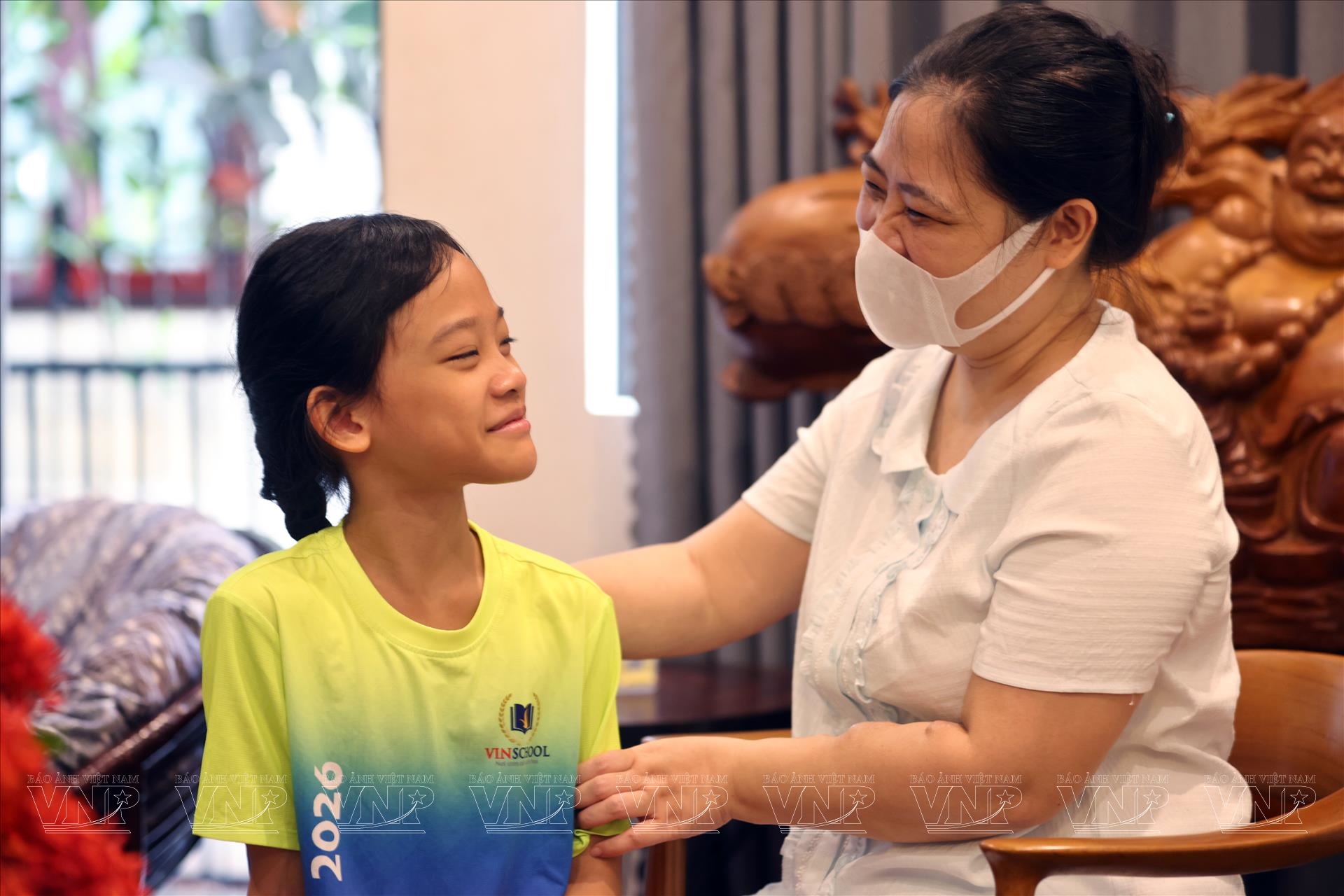
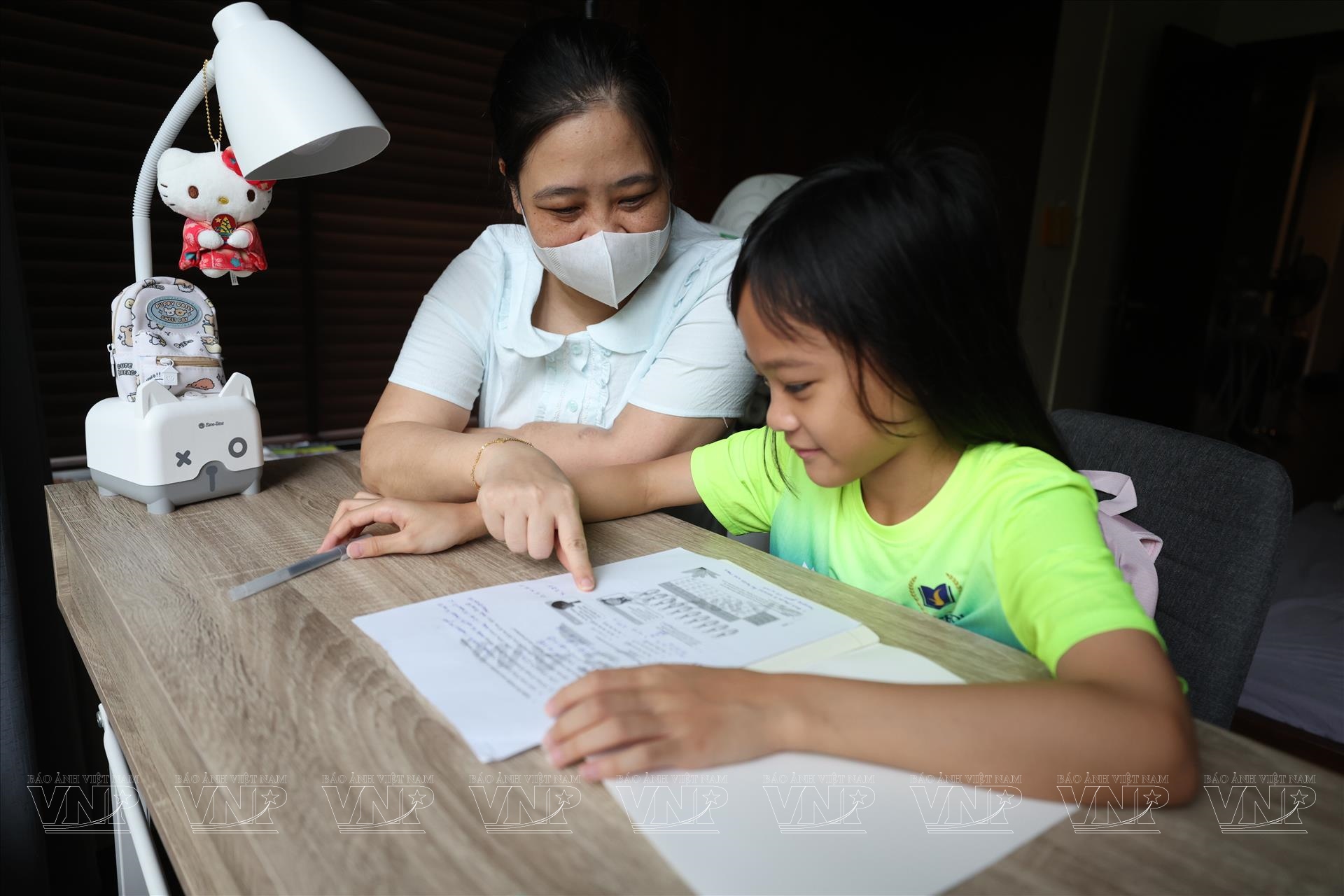
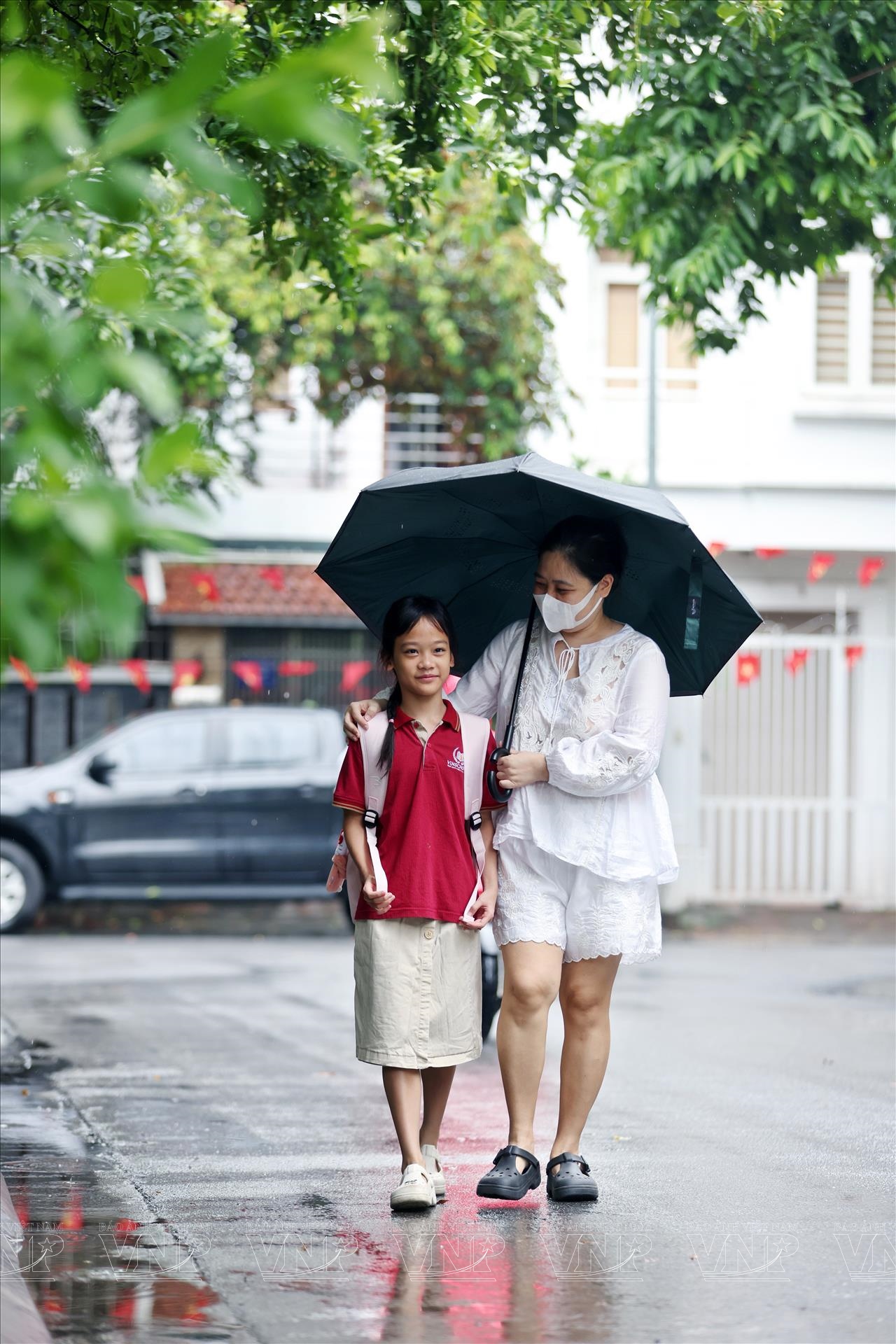
The journey of donated organs does not end in the operating
room. It continues in family meals, school runs and the sound of a piano
filling a home that has rediscovered joy after months when hope seemed so
fragile.
From the selfless act of a young British woman, many lives
have been given a new beginning. Her story also carries a powerful message
about organ and tissue donation after brain death: even in the deepest loss,
people can give one another the most precious gift of all, the chance to live.
Story: Cong Dat - Photos: Cong Dat/VNP, Bong Vu & Danh
Khang