A Craft Shaped by the Sun and Sea
Behind every grain of pure white salt is the sweat of generations of farmers and a centuries-old craft shaped by Viet nam’s sea, climate and gastronomy.
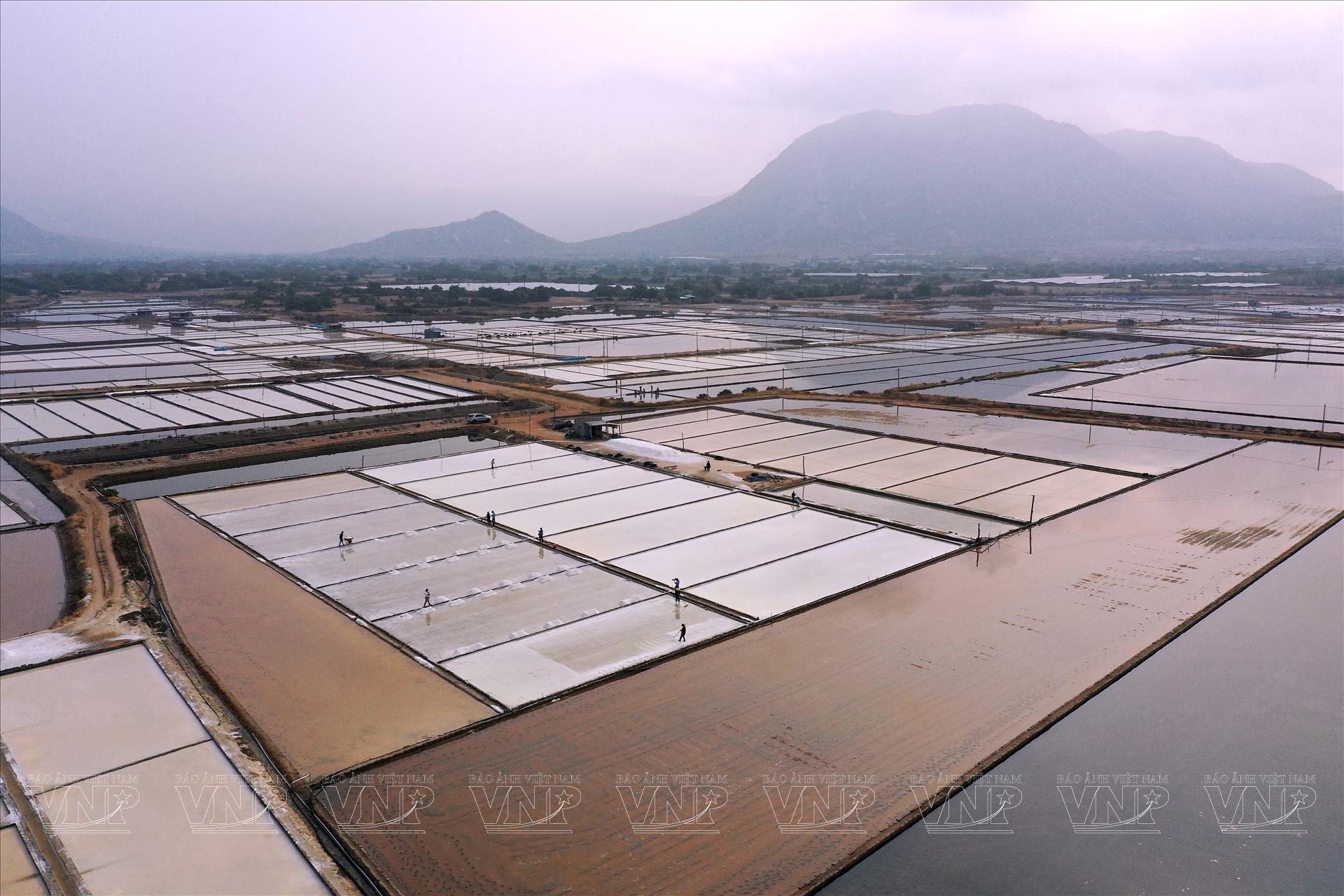
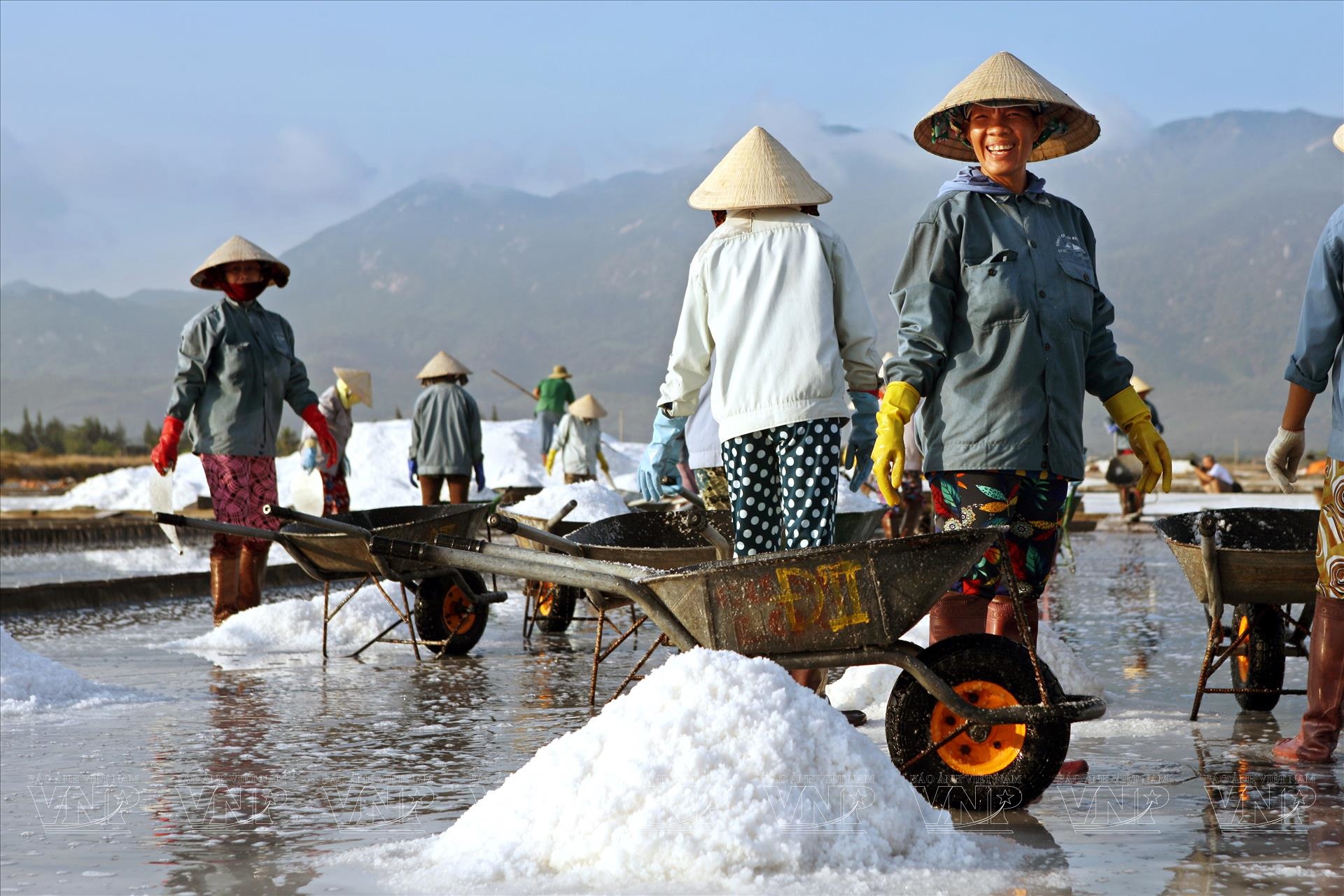
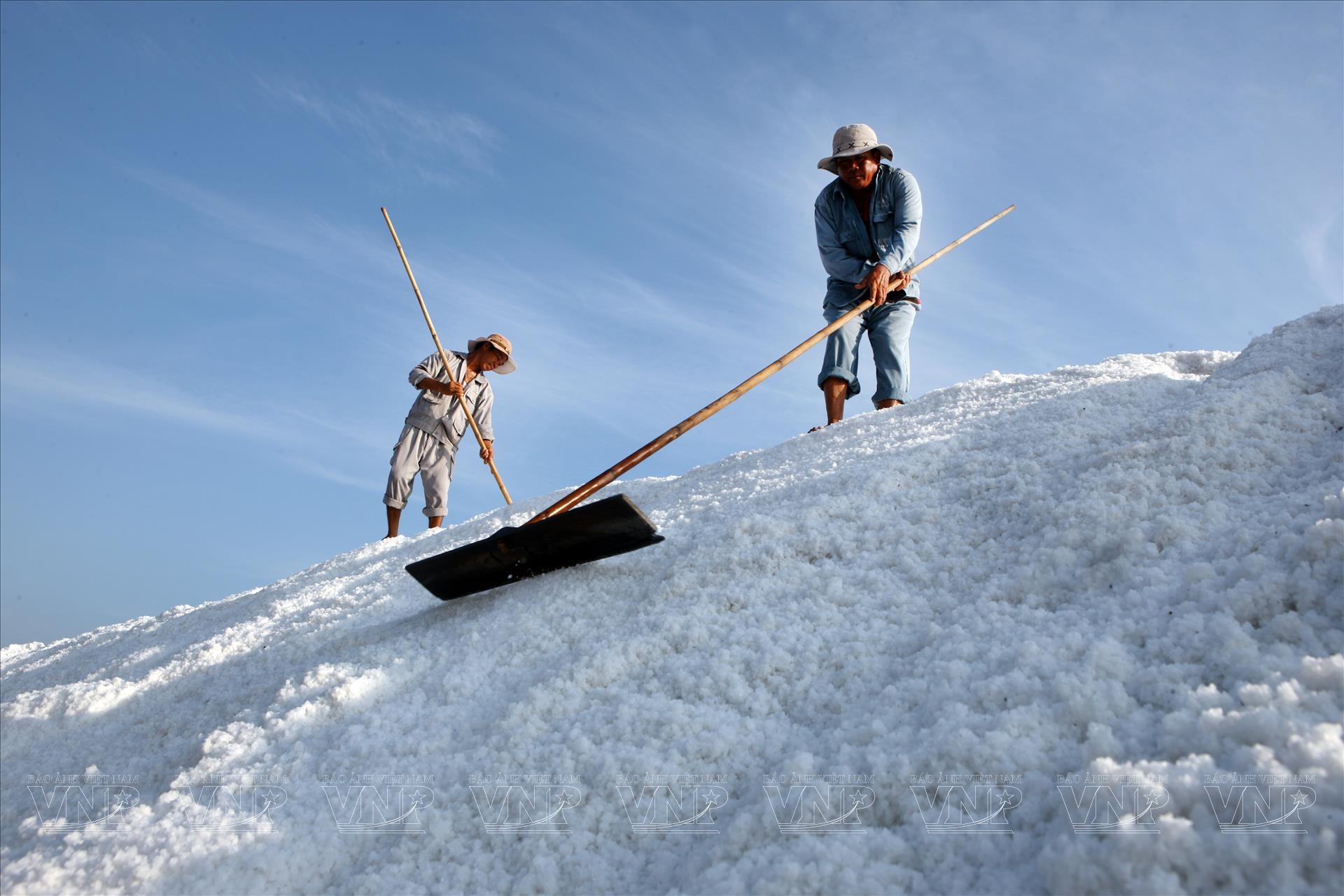
Salt making is one of the hardest trades of Vietnamese farmers where only severe weather conditions can bring in good harvests. While one tries to avoid the scorching sun, salt farmers long for prolonged hot days to crystallize the salt quickly with the best quality.
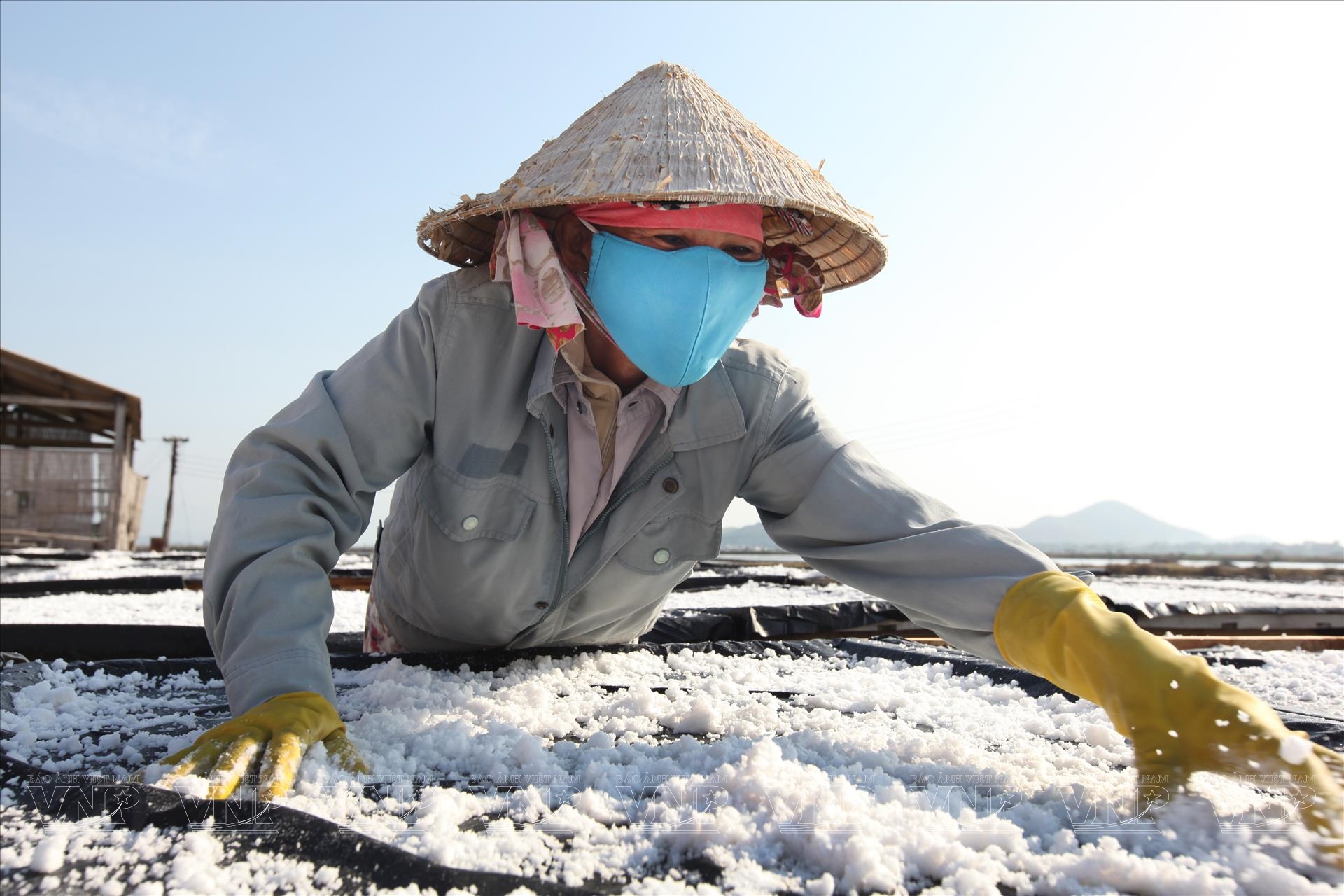
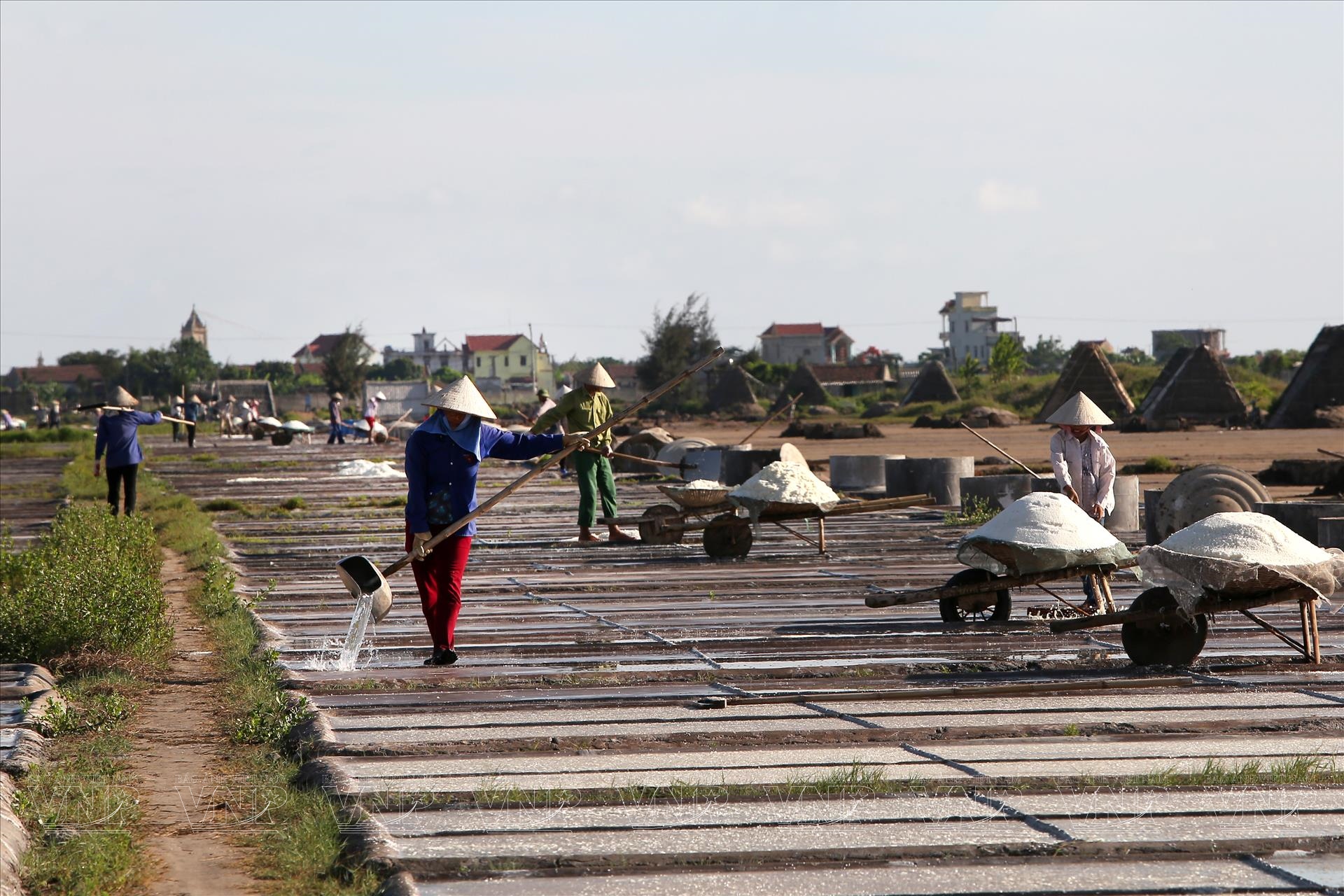
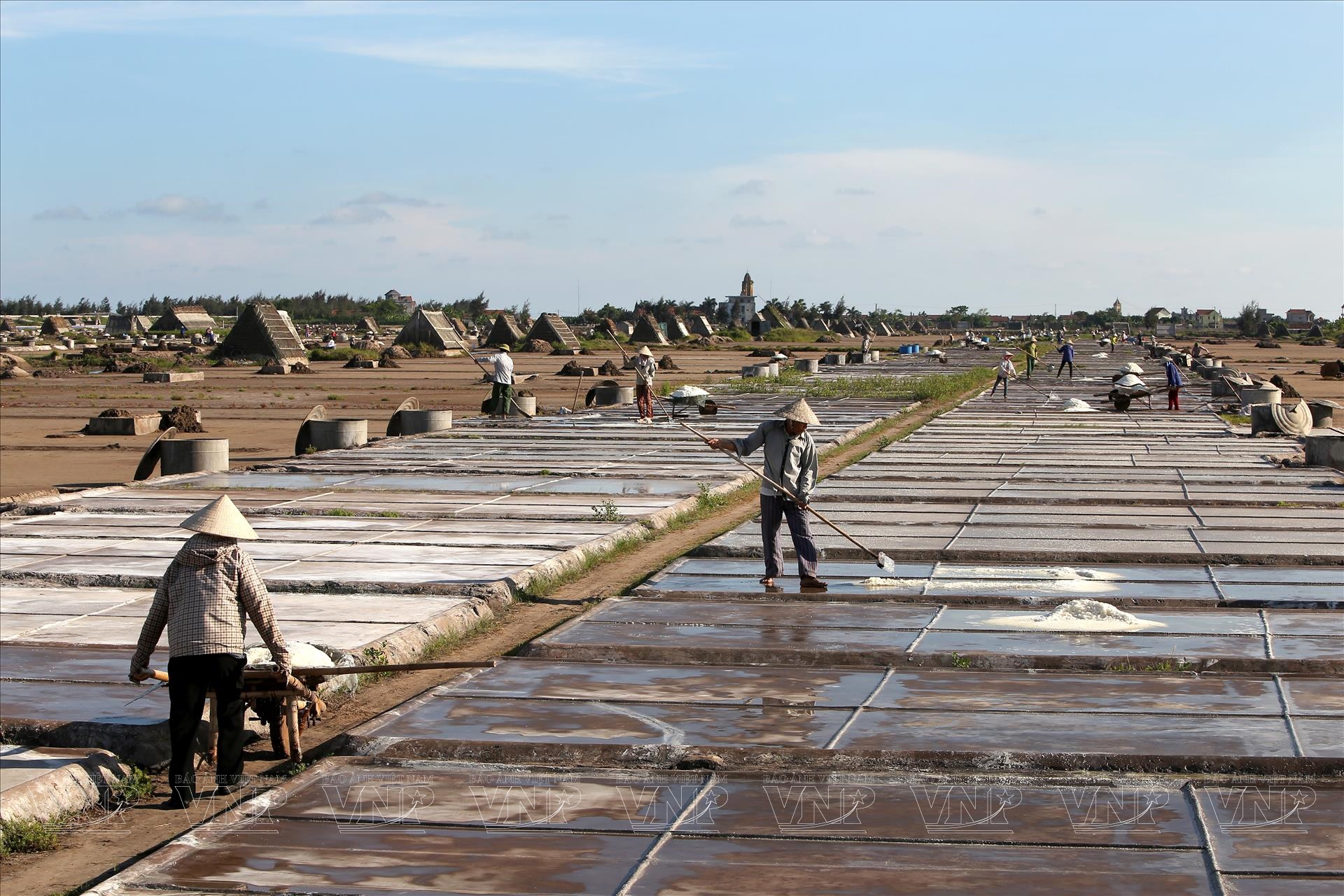
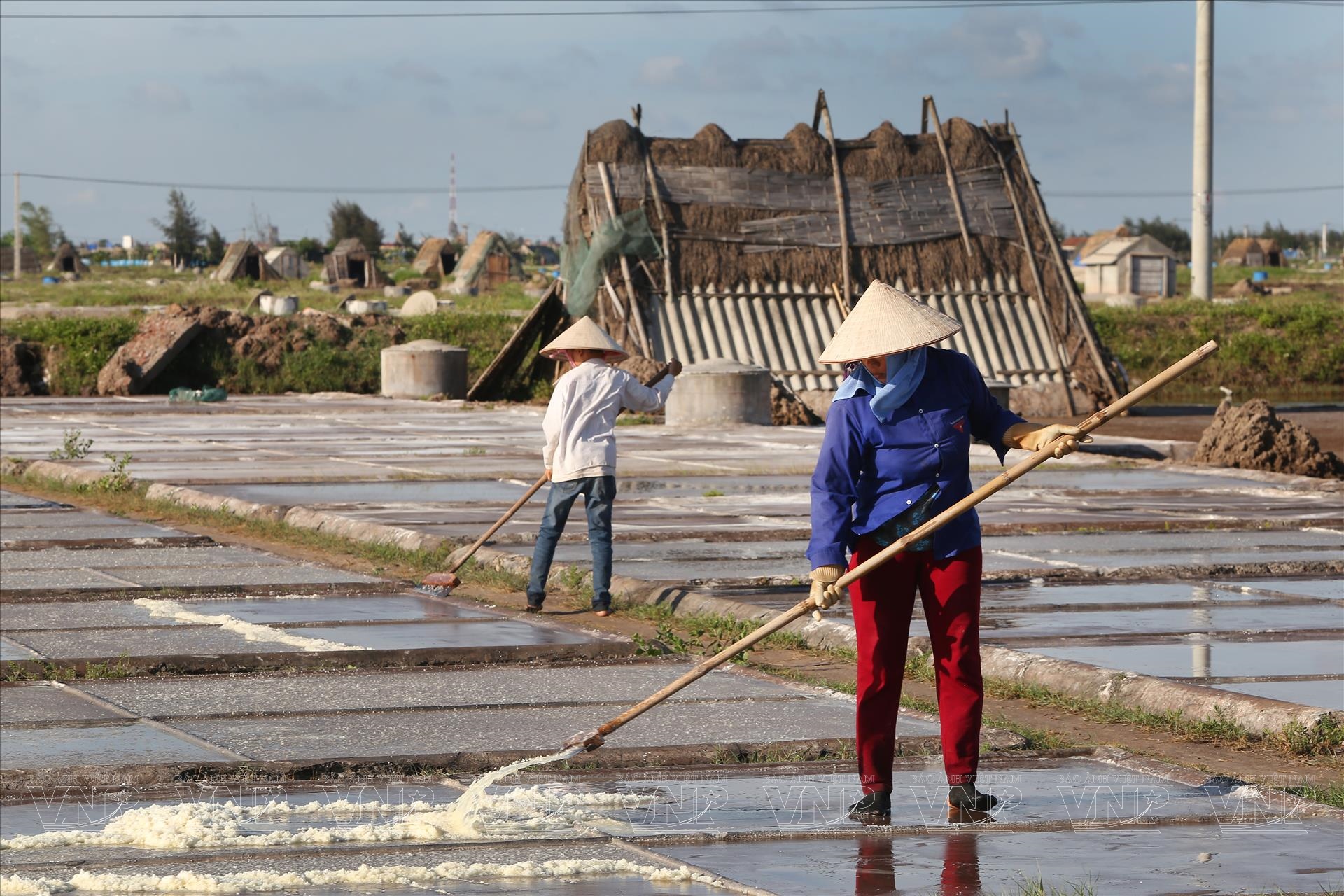
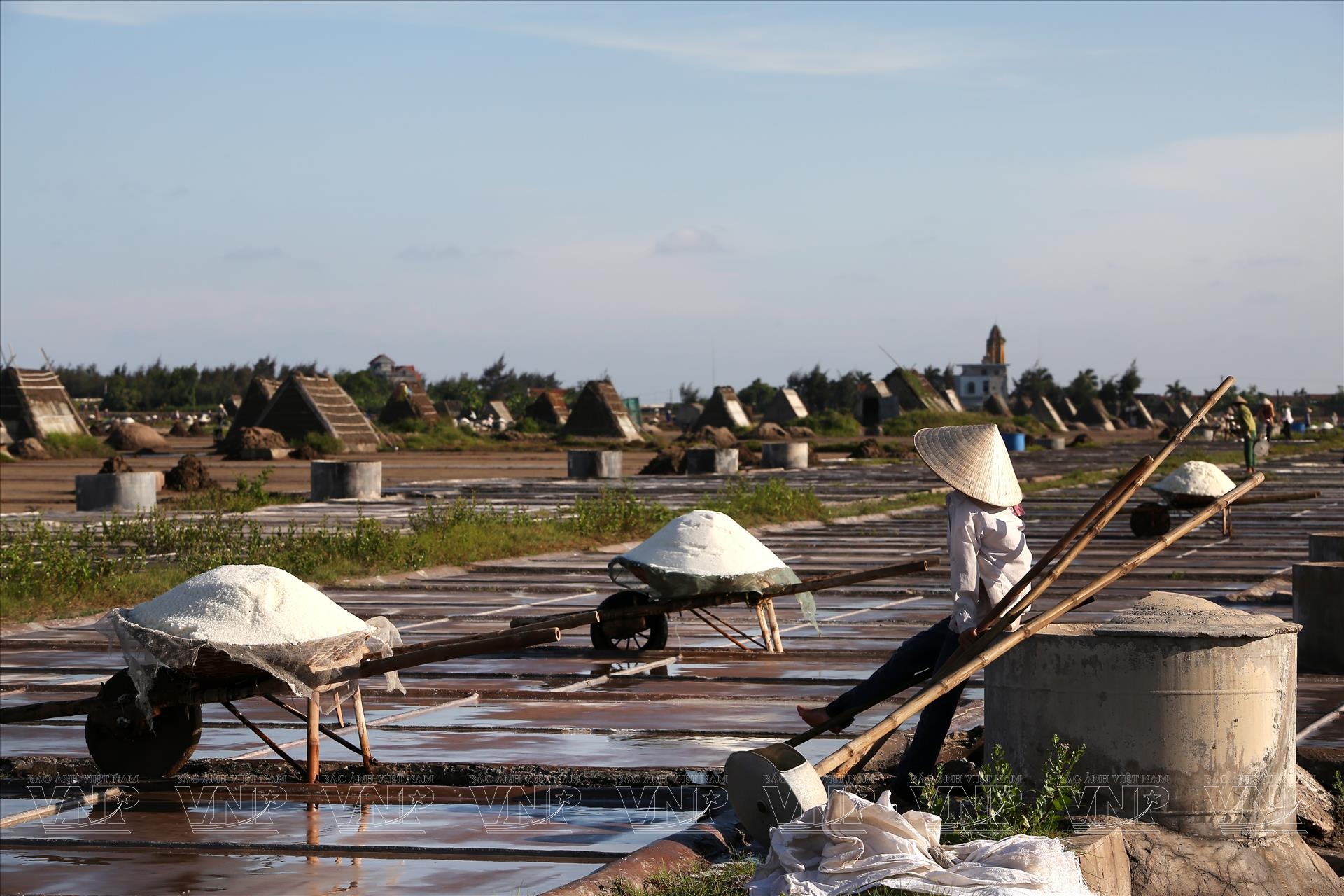
Work in a salt field often starts before sunrise and continues until midday, when temperatures can reach 40 - 45°C. The sun blazes overhead with its glare reflected from the dazzling white salt pans that severely darkens the farmers’ skin. Yet, a sudden rain can wash away their entire day’s work.
Traditional salt-making shows the flexible adaption of locals to natural conditions. In the northern and northern central regions where sunlight is less intense throughout the year, farmers in Ninh Binh, Thanh Hoa and Nghe An provinces use the sand-drying method which spreads seawater over the sand, allowing salt crystals to form around the sand. The concentrated brine is then filtered and further evaporated in the salt field. The salt yielded is fine and mild, which is ideal for making fish sauce.
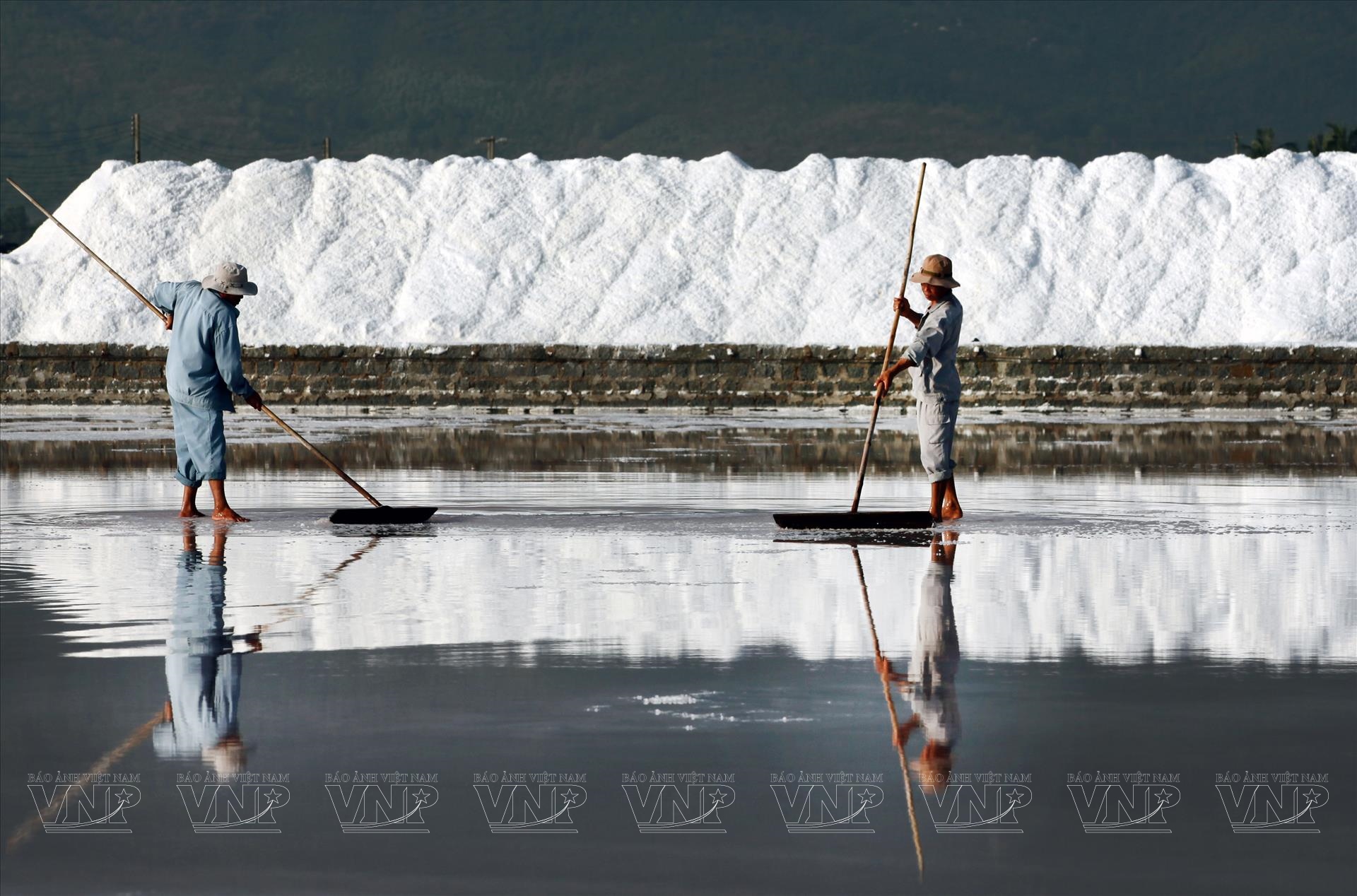
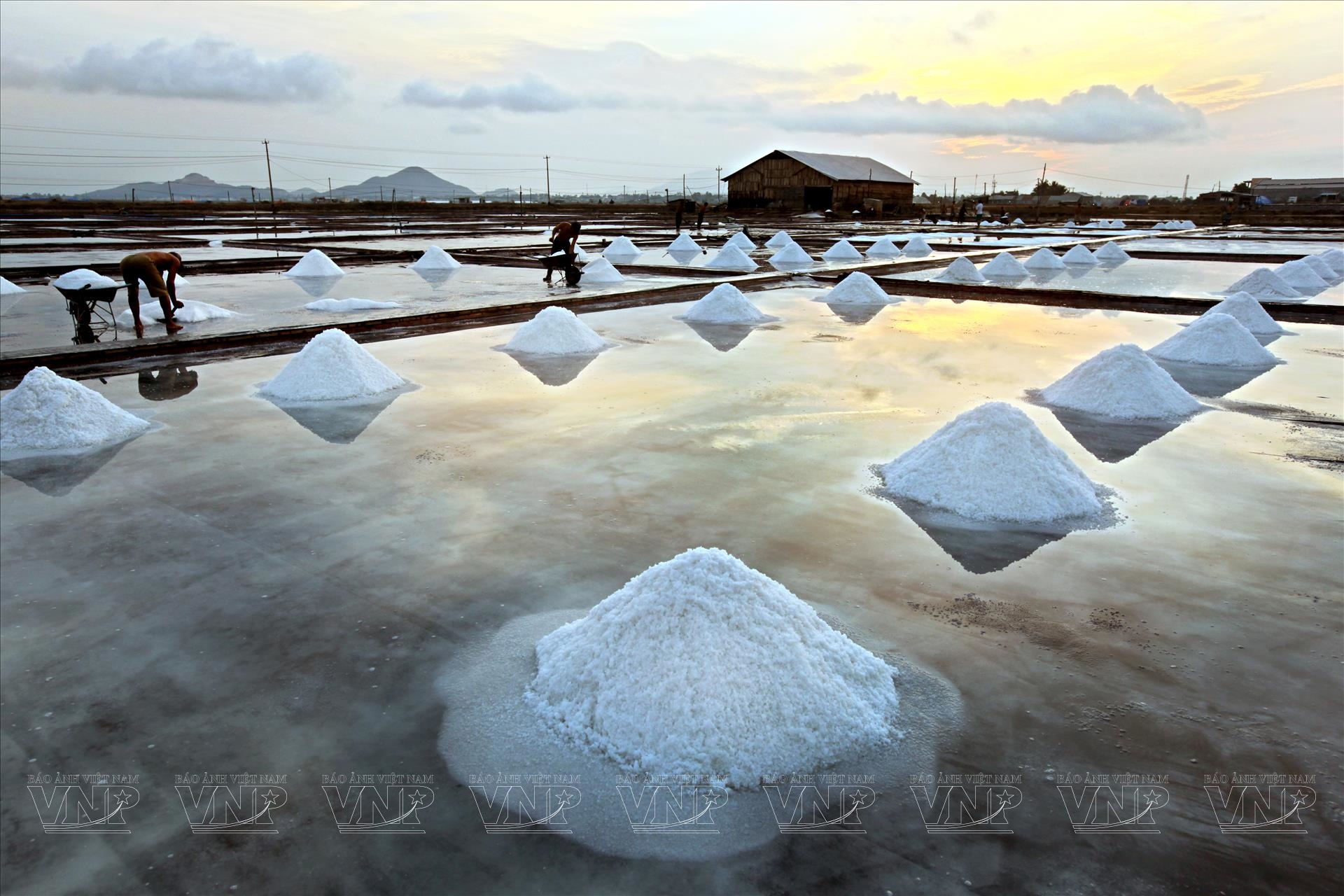
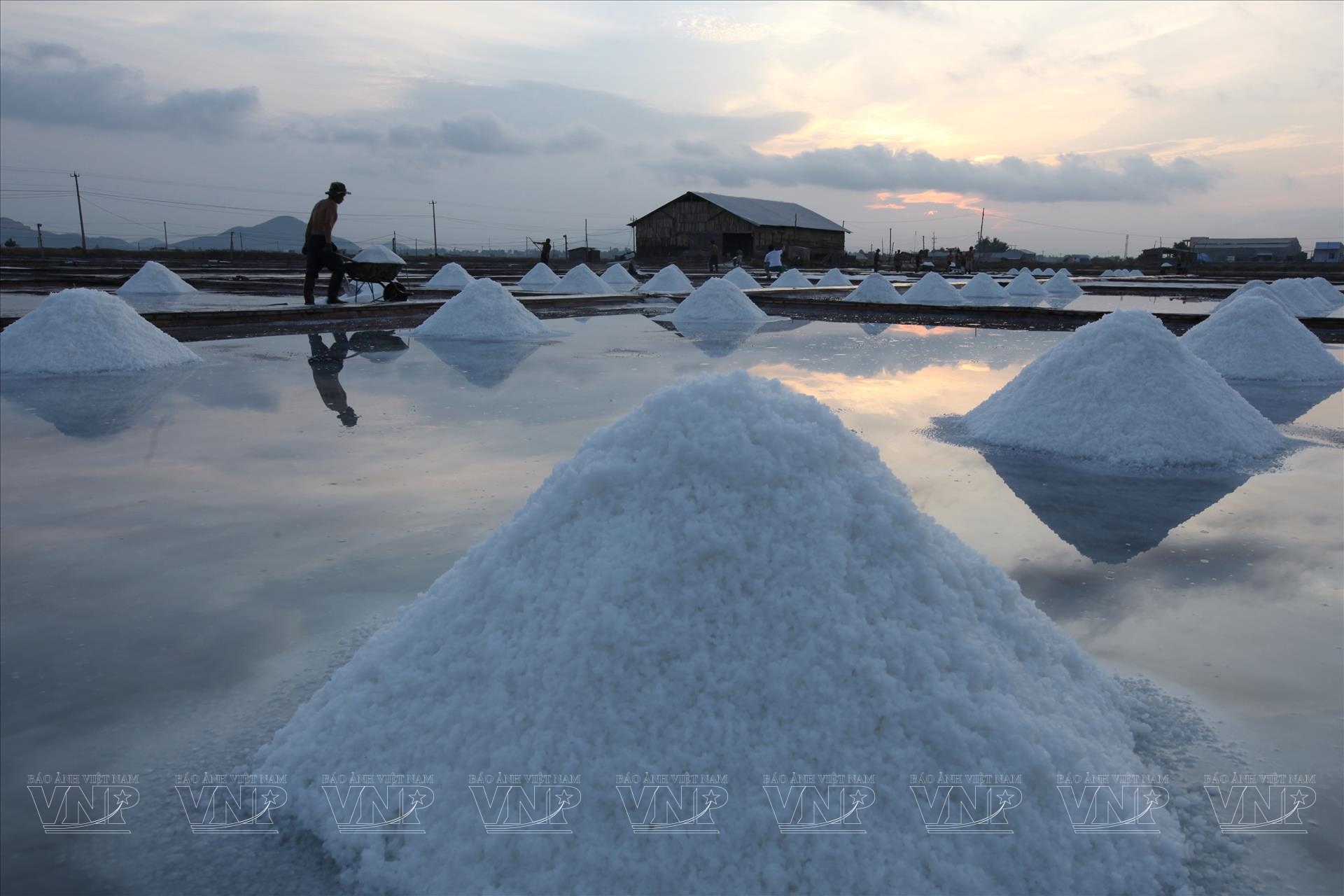
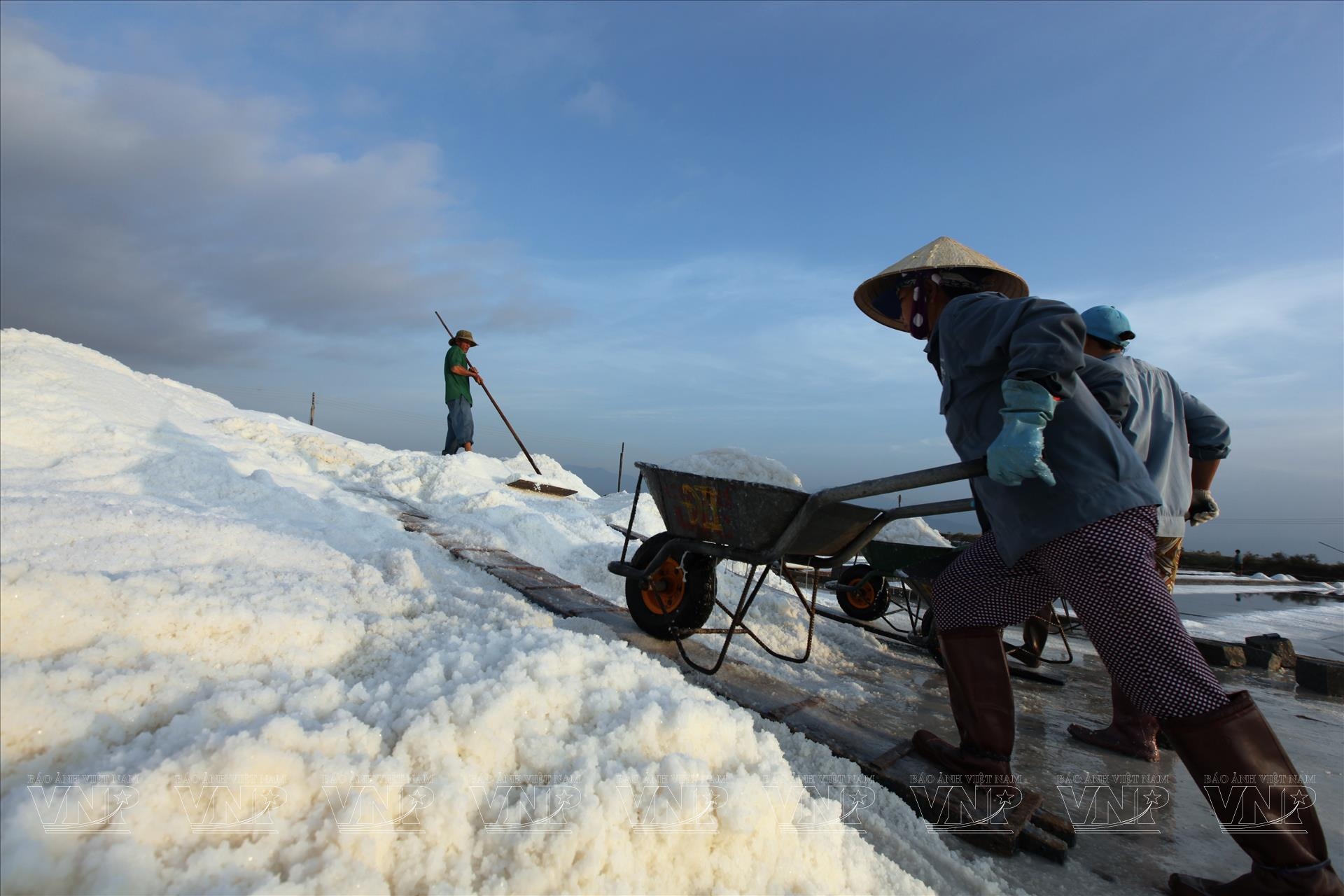
In the southern central and southern regions where sunshine and sea breezes are abundant, farmers develop the water-evaporation method. In salt-making areas such as Ca Na, Hon Khoi in Khanh Hoa, Sa Huynh in Quang Ngai, and Bac Lieu, seawater is channeled through salt pans, gradually becoming concentrated before crystallizing into large, white and dry grains.
Salt is more than an essential seasoning. It has become a signature specialty of many coastal communities. Sa Huynh and Bac Lieu salt has been recognized as a national intangible cultural heritage, playing an important part in creating the distinctive flavor of fish sauce brands such as Nam O, Phu Quoc and Phan Thiet.
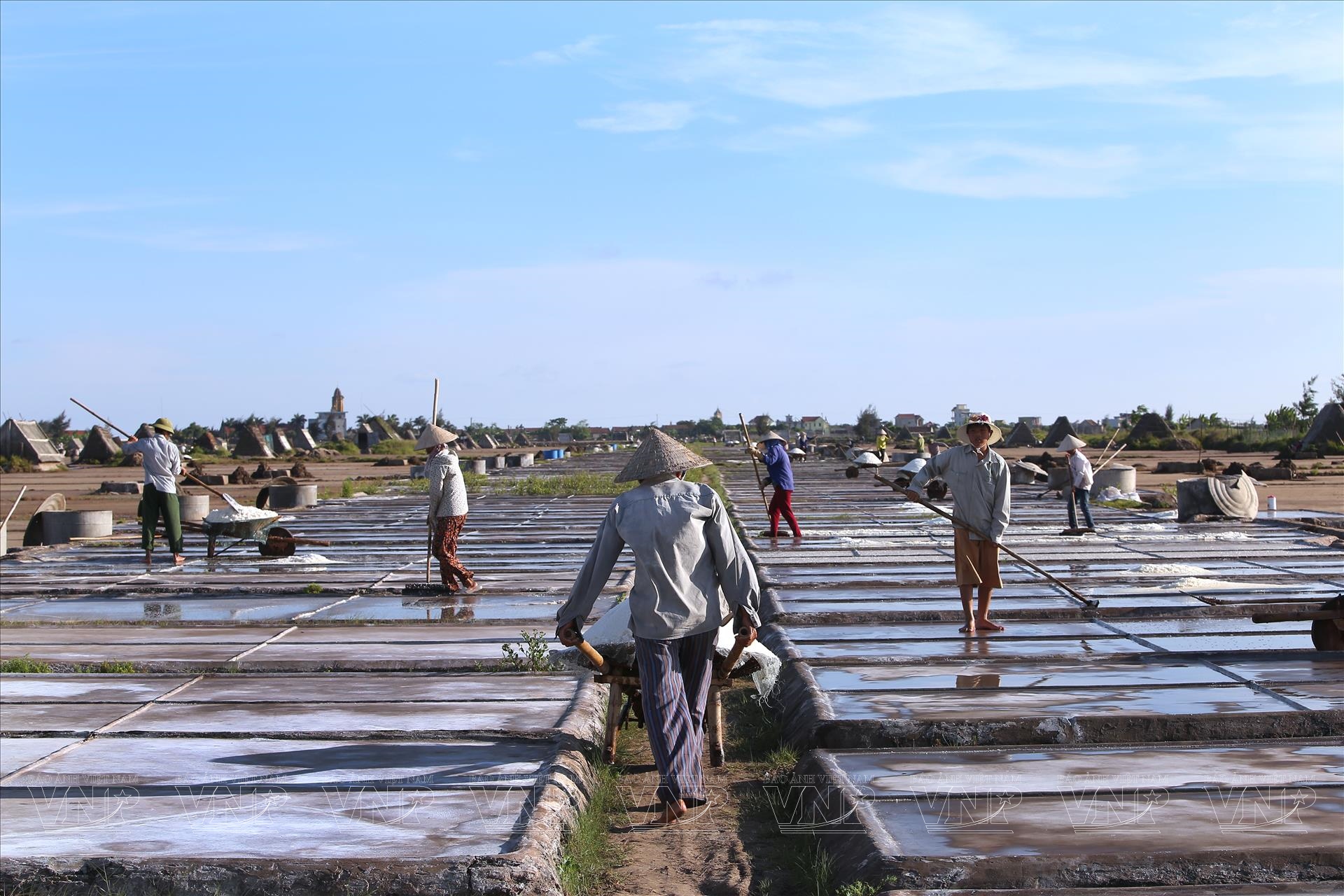
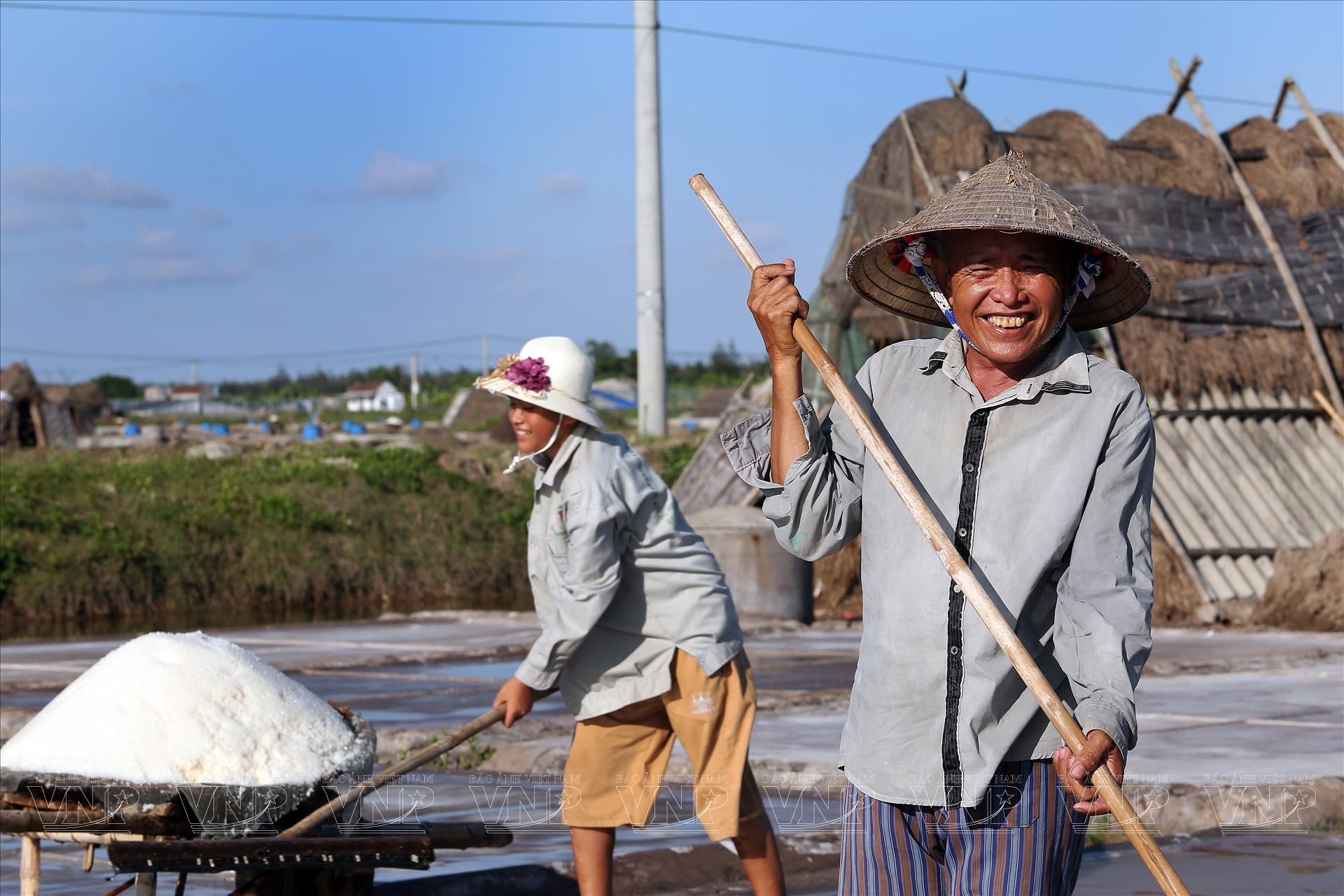
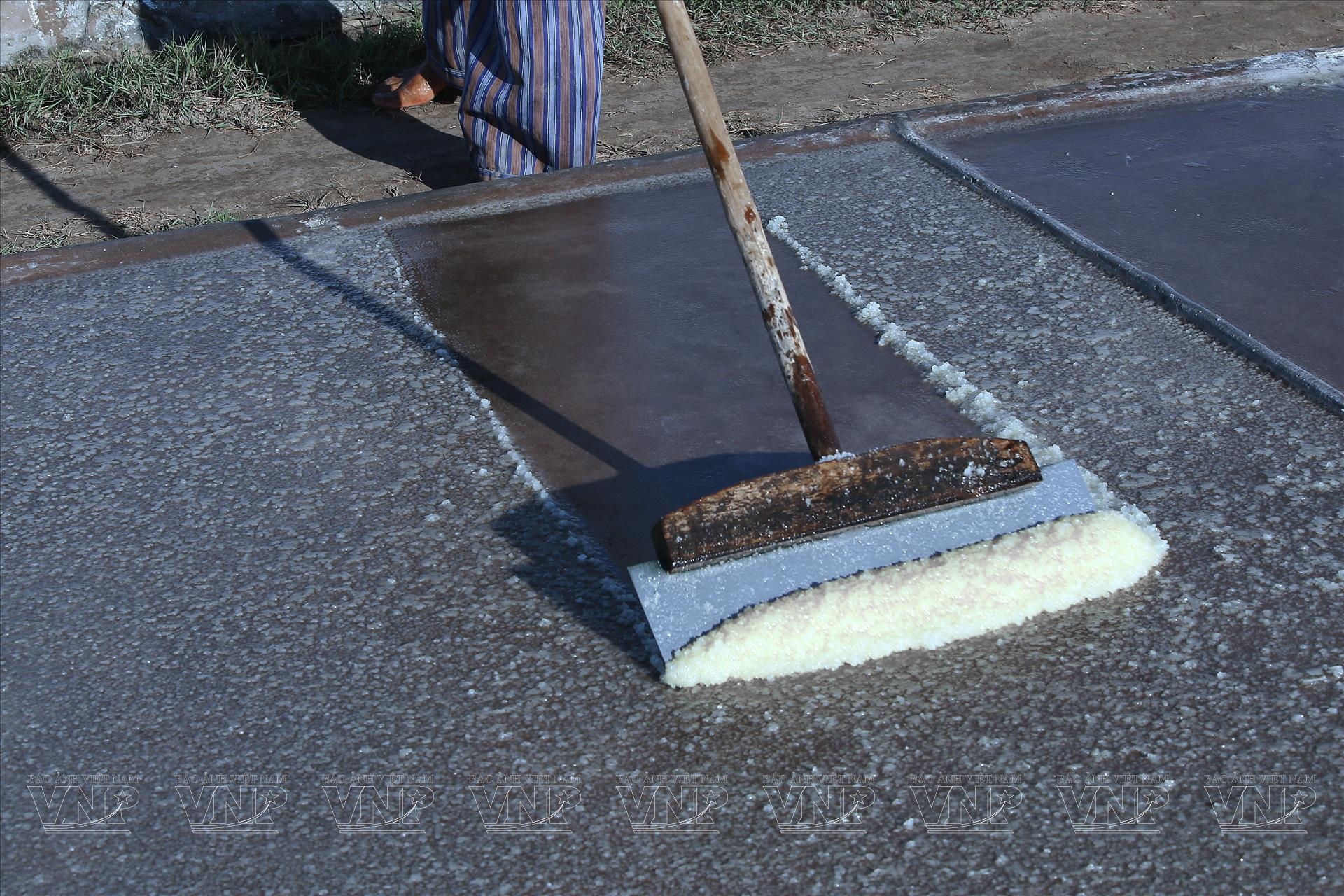
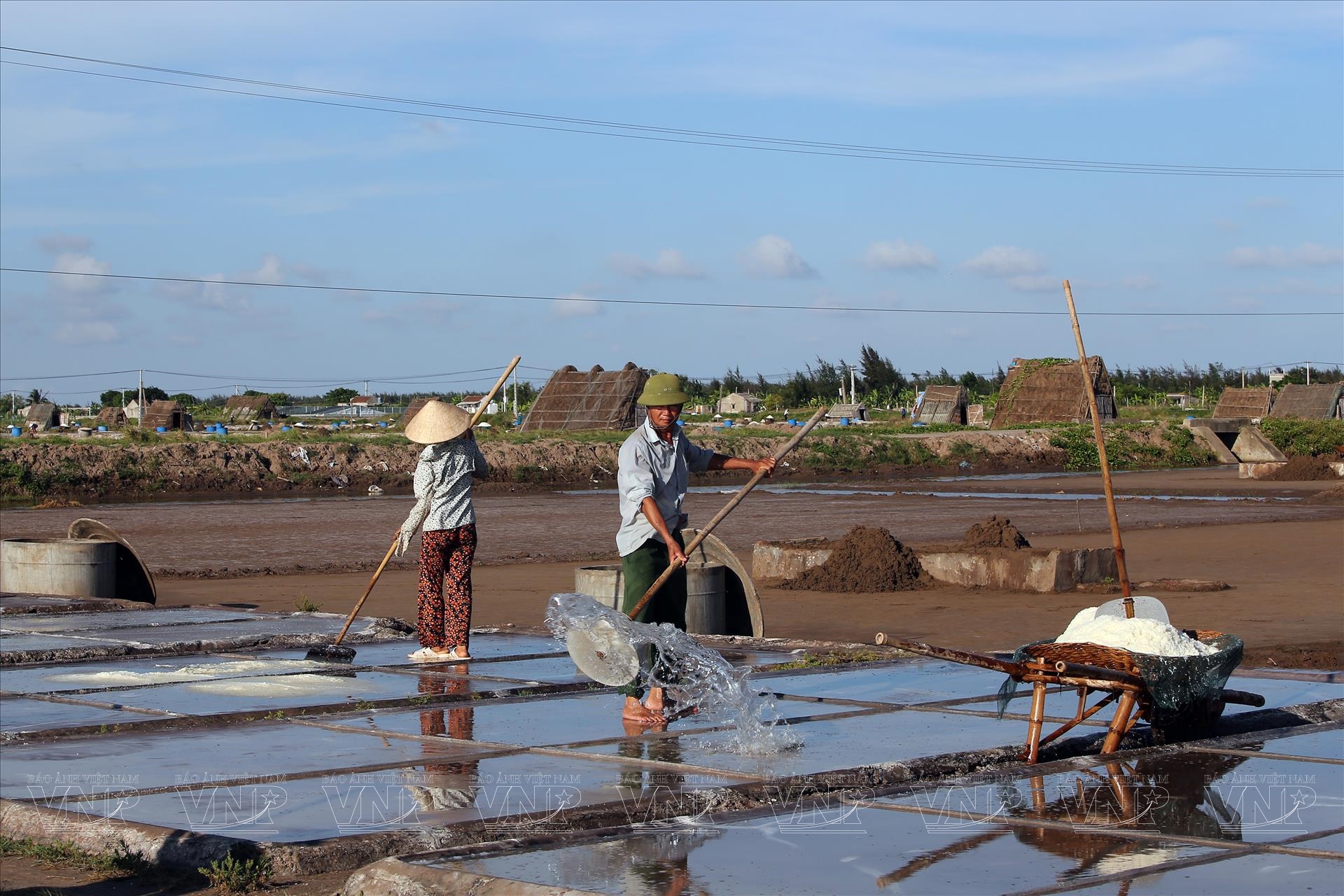
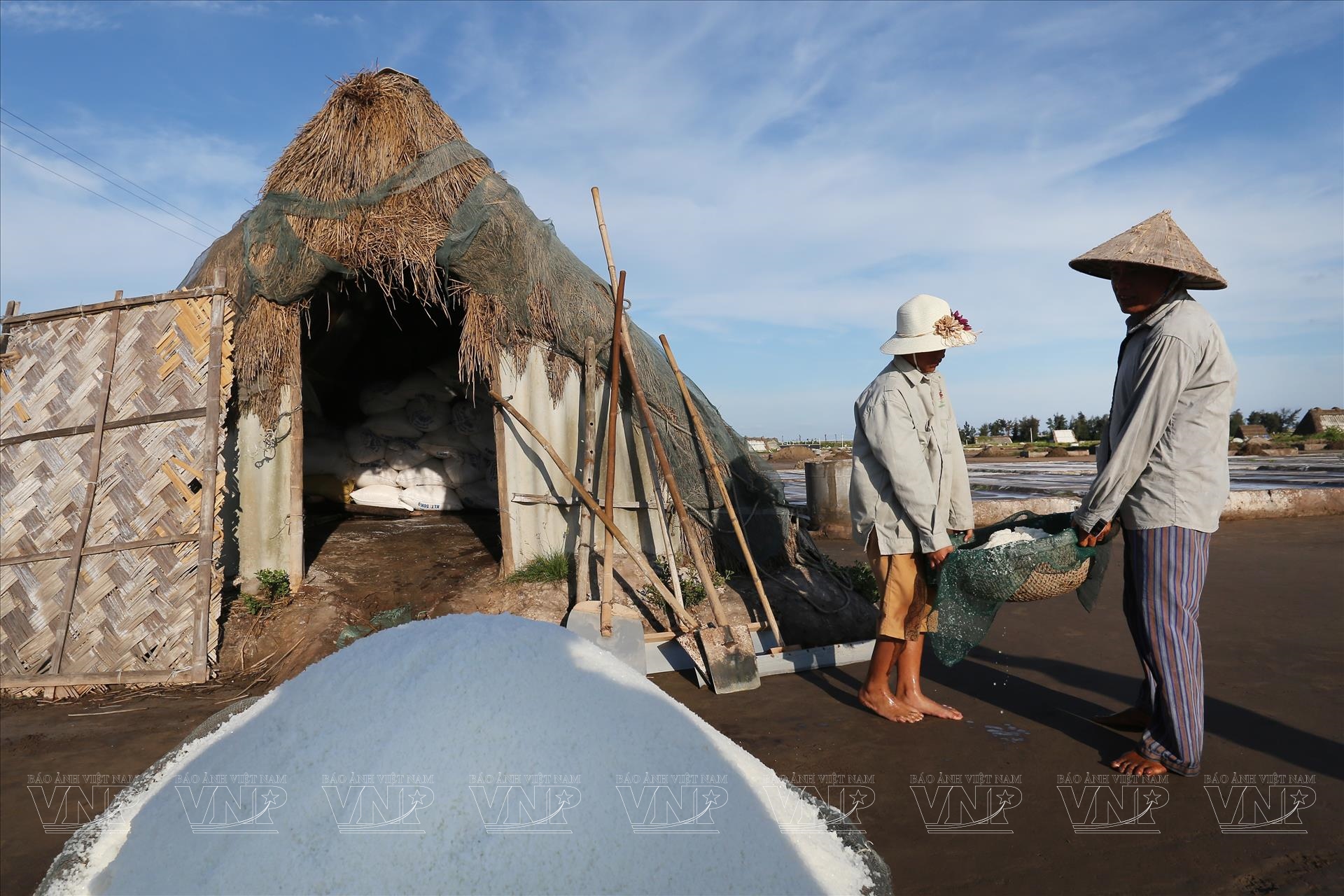
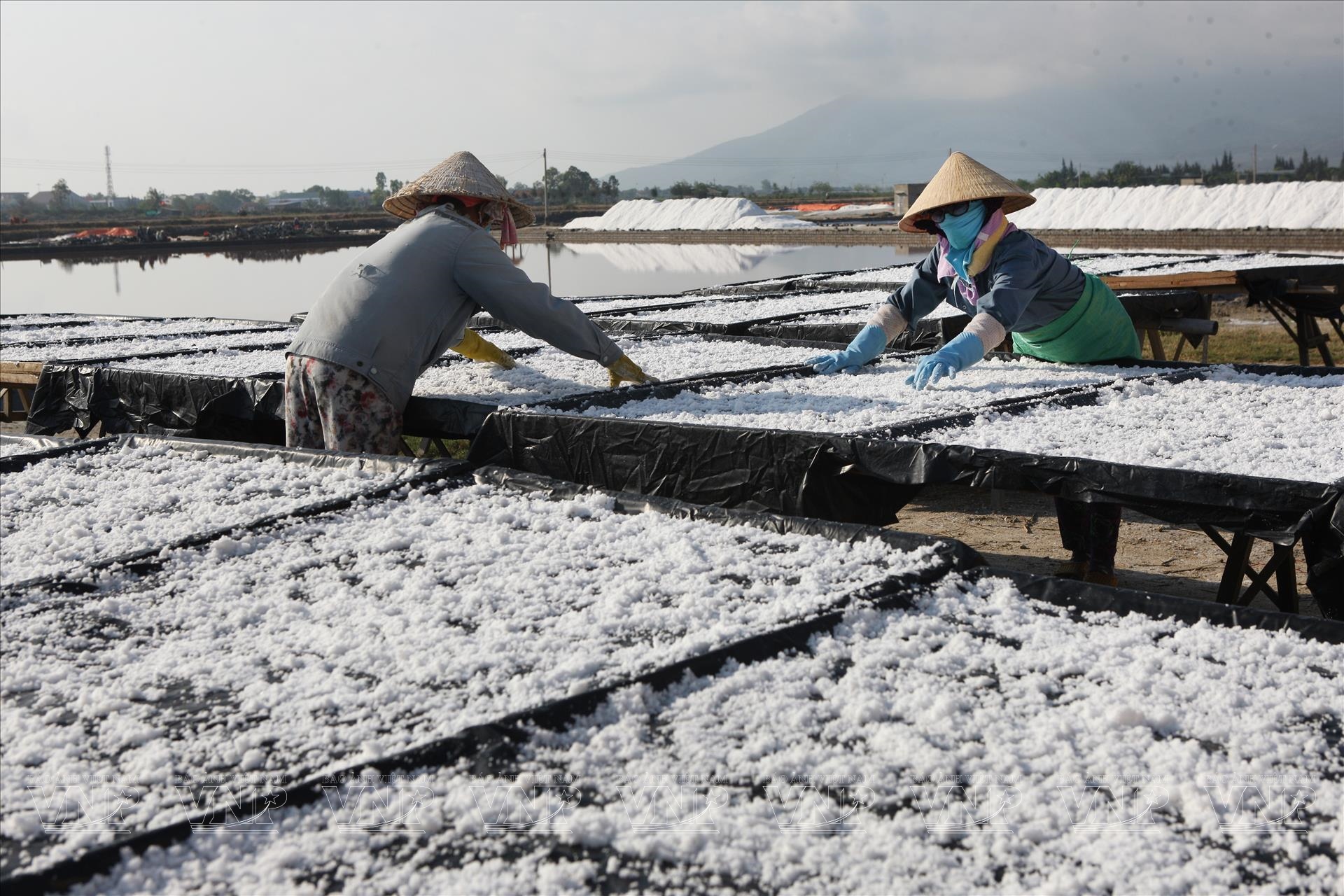
Today, traditional salt villages have adopted new technology, including plastic-lined salt pans, and developed specialty products such as flower salt and medicinal salt. Some are also combining salt making with experiential tourism.
Therefore, salt fields in Sa Huynh and Hon Khoi are growing into attractive destinations for visitors and photographers wishing to explore the simple beauty of life and work in Viet nam’s coastal regions.
Story: Tran Thanh Giang Photos: VNP & Huynh Lam