World Heritage Complex Promotes Universal Values
Recently receiving the honor as a UNESCO World cultural Heritage site, the Yen Tu-Vinh Nghiem-Con Son-Kiep Bac Complex of Monuments and Landscapes represents a pinnacle of Vietnam’s cultural and spiritual ideals. Closely linked to the monastic life of King-Monk Tran Nhan Tong (1258-1308) and Truc Lam Zen Buddhism, this site harmonizes history, faith, and natural beauty, serving as a vital resource for peace and sustainable development.
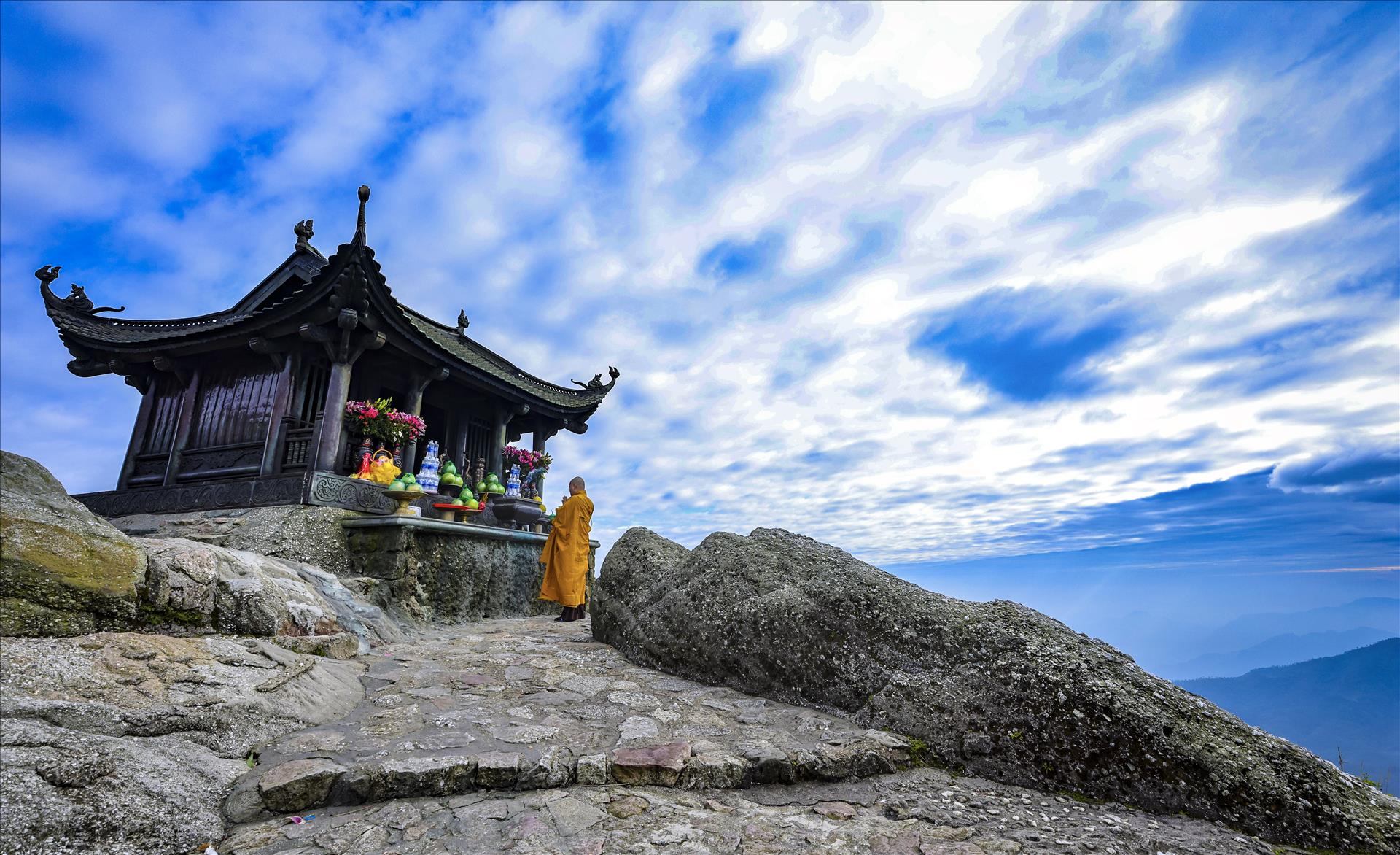
Living Heritage Rooted in Yen Tu
Originating in the Yen Tu mountains
between the 11th and 14th centuries, Truc Lam
Zen Buddhism was crafted by the Tran Kings
and contemporary intellectuals as a unifying
national ideology. By integrating the essence
of Buddhist teachings with indigenous beliefs,
this school of thought formed a philosophy
centered on harmony, tolerance, and social
responsibility.
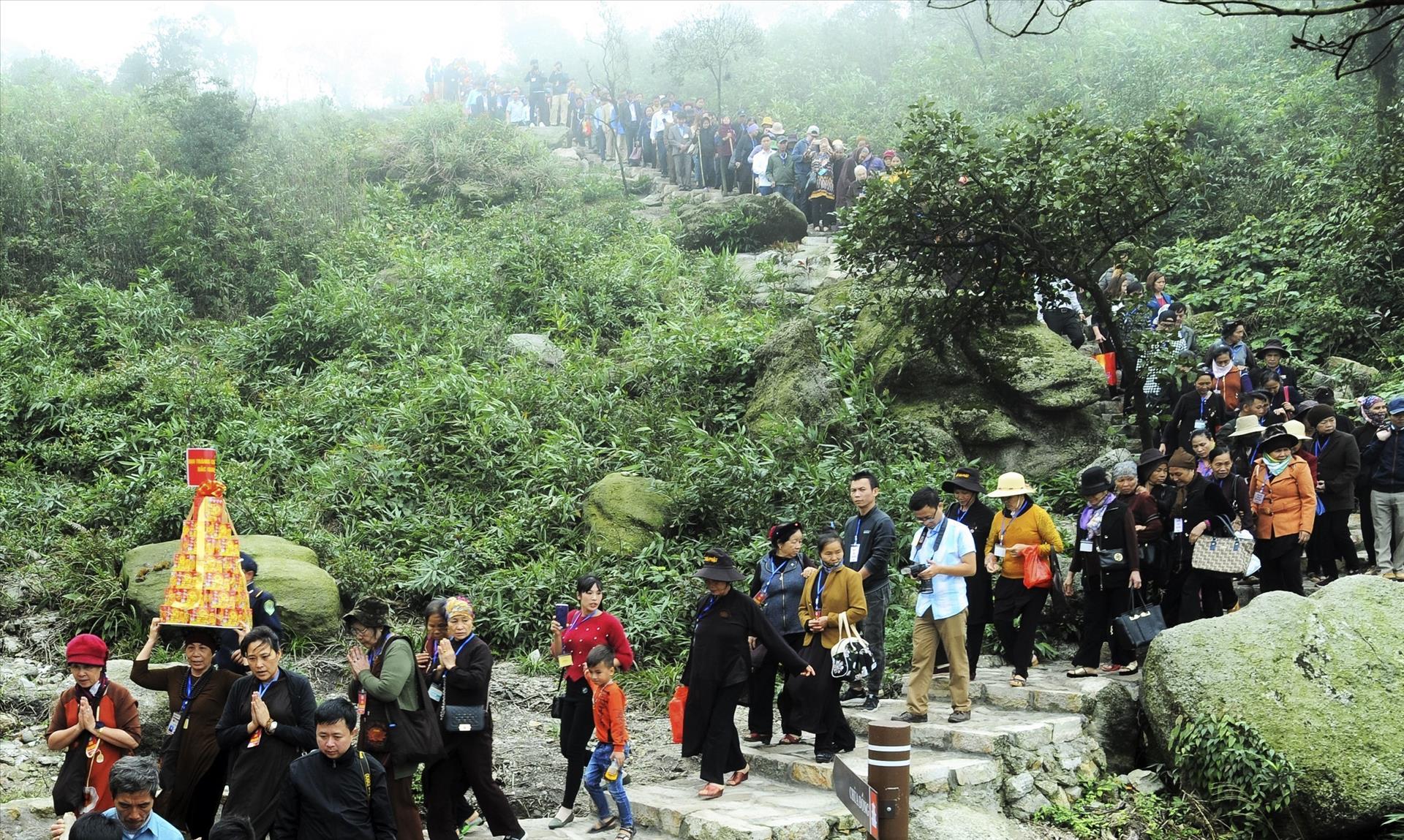
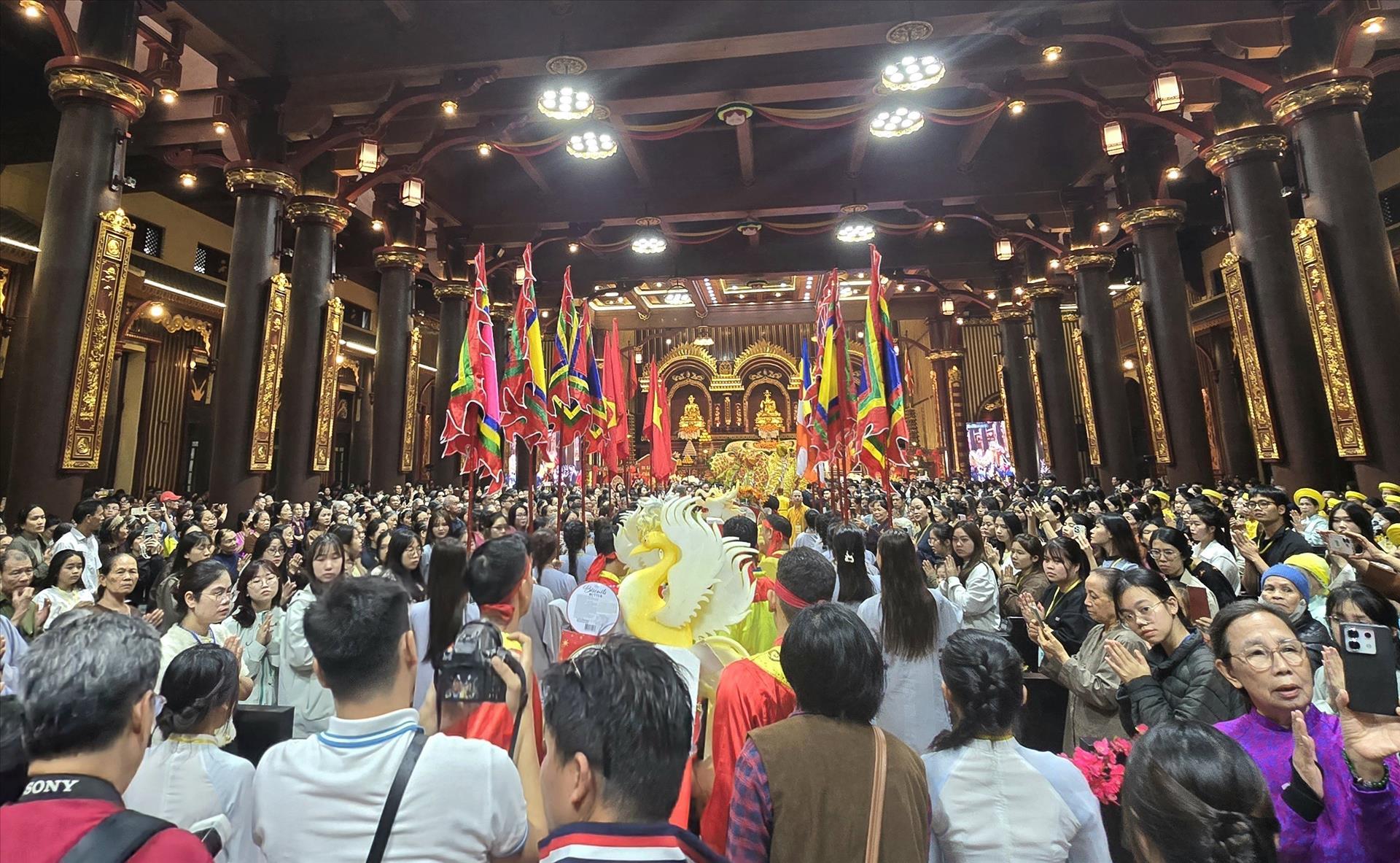
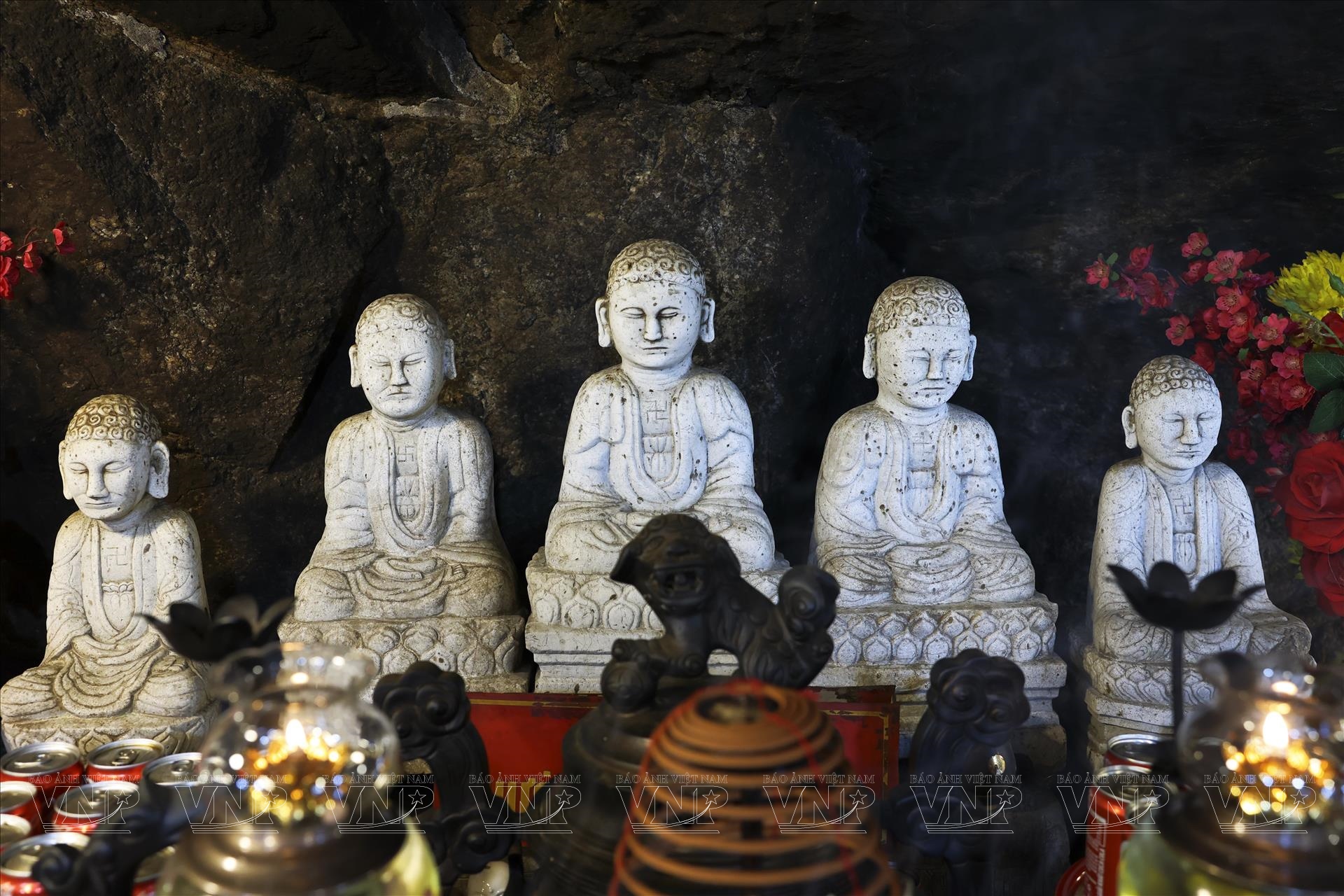
Underscoring the site's global significance, Jonathan Baker, UNESCO Representative to Vietnam, said the complex was an exceptional testament to the legacy of Truc Lam Zen Buddhism. These were not merely relics of the past, but a living heritage that continues to play a vibrant role in Vietnam’s spiritual and cultural life.
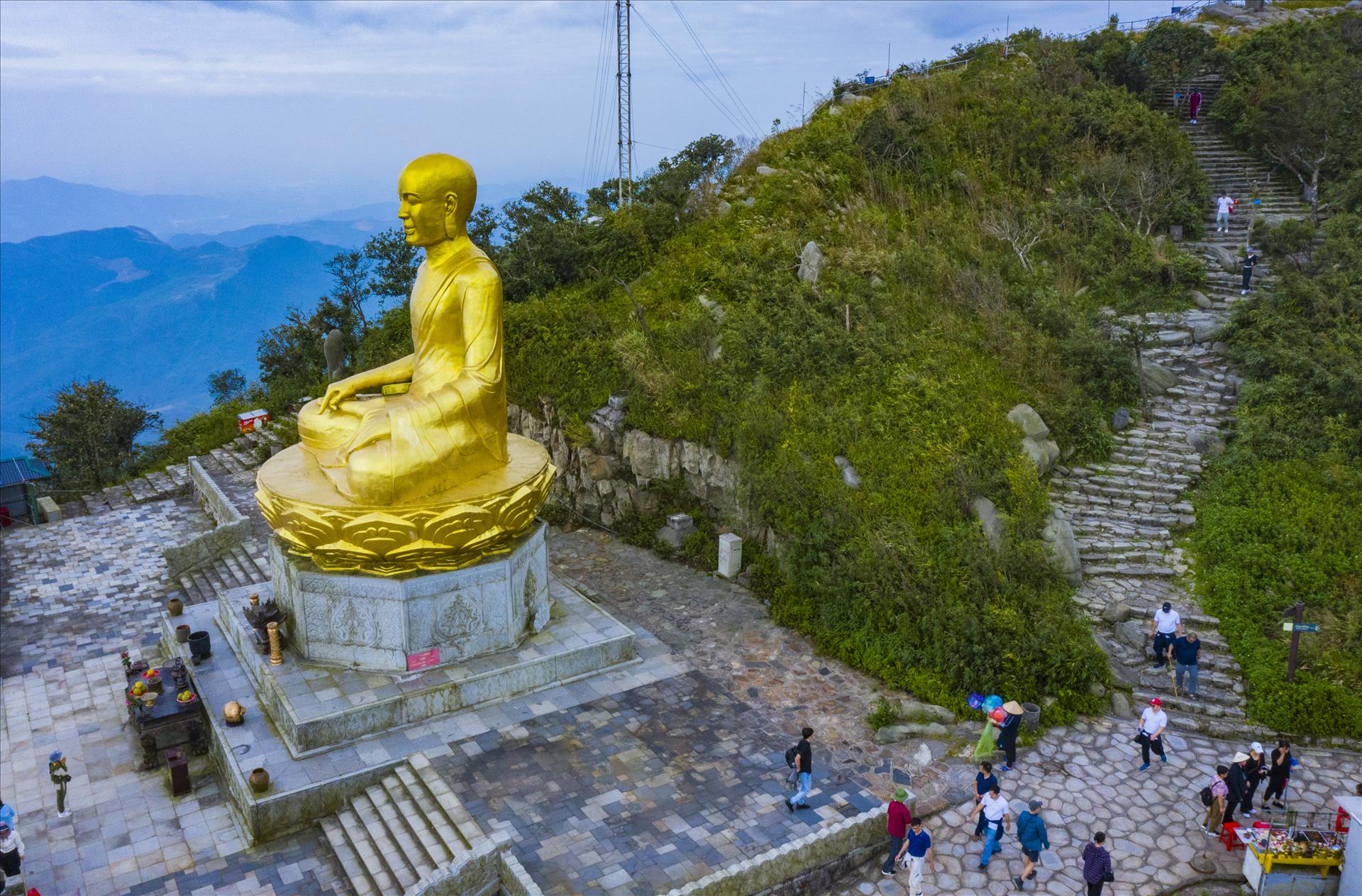
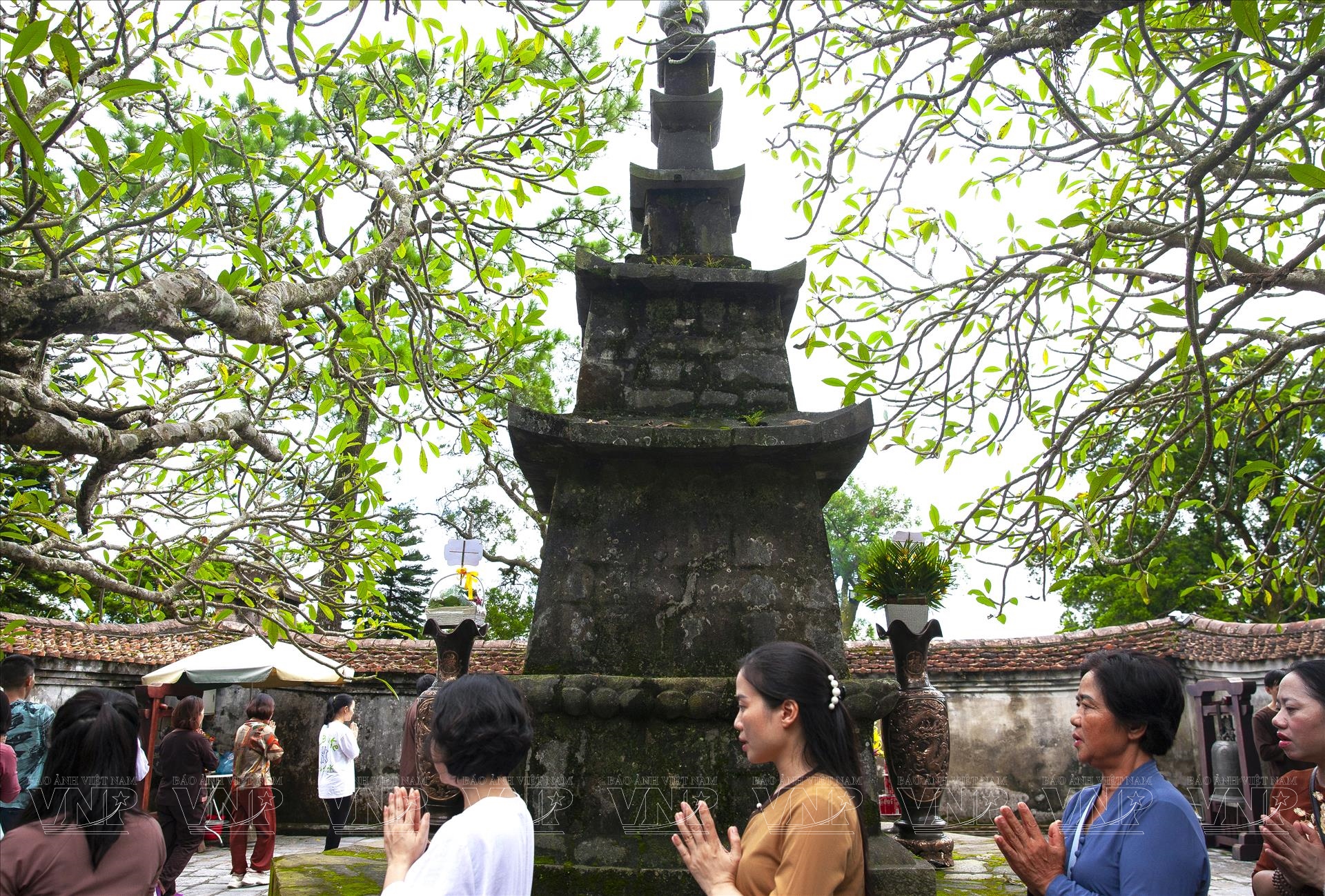
At sites like Yen Tu, Vinh Nghiem Pagoda, and Con Son - Kiep Bac, pilgrimages and religious festivals have continued for generations, forming a "living heritage," where the past is not frozen in time but remains an active presence in contemporary life.
An Interconnected Space of Global Value
The complex comprises 12 sites spanning three provinces: Quang Ninh, Bac Ninh, and Hai Phong. Each site is a piece of a puzzle, collectively reflecting the formation, development, and spread of Truc Lam Zen Buddhism.
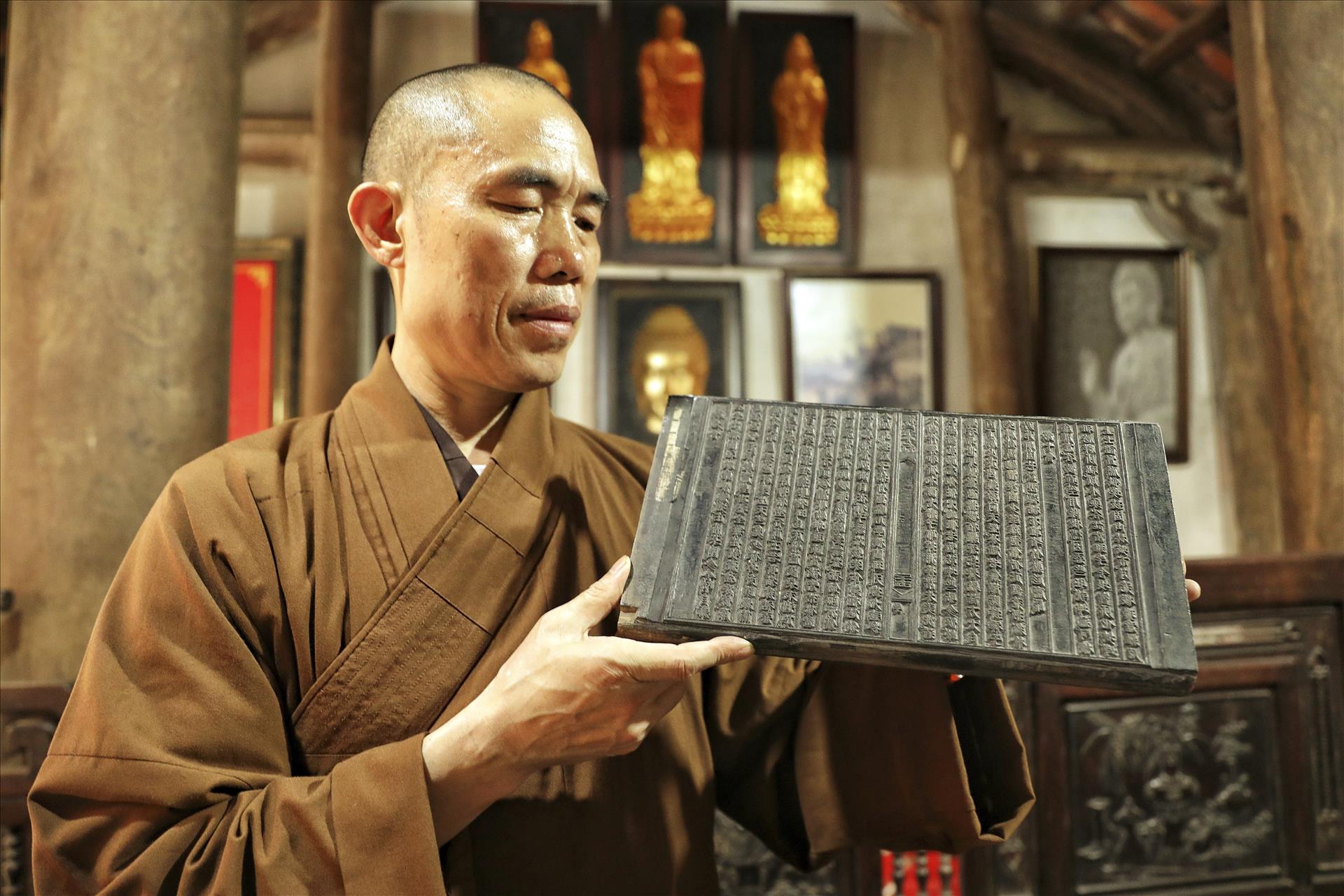
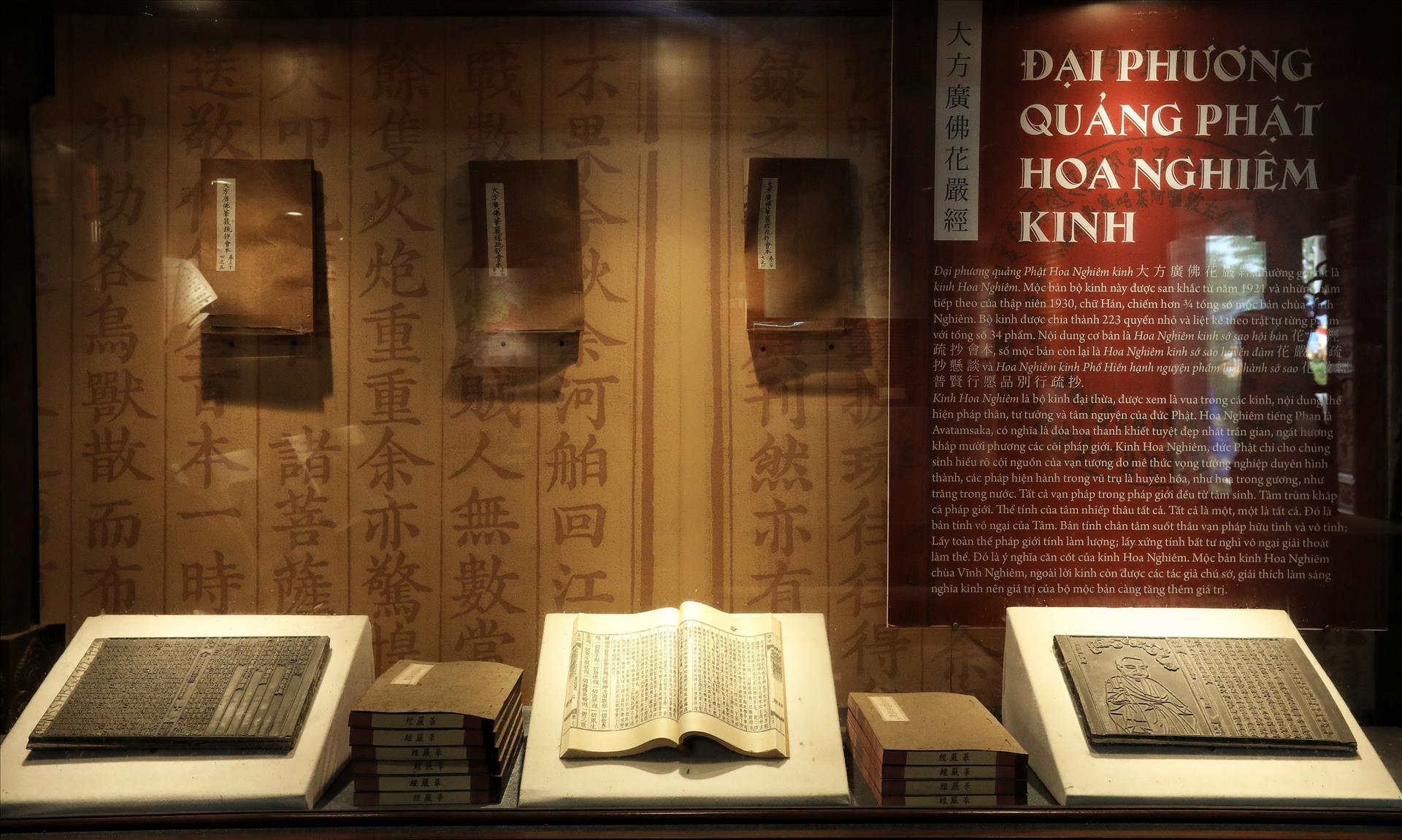
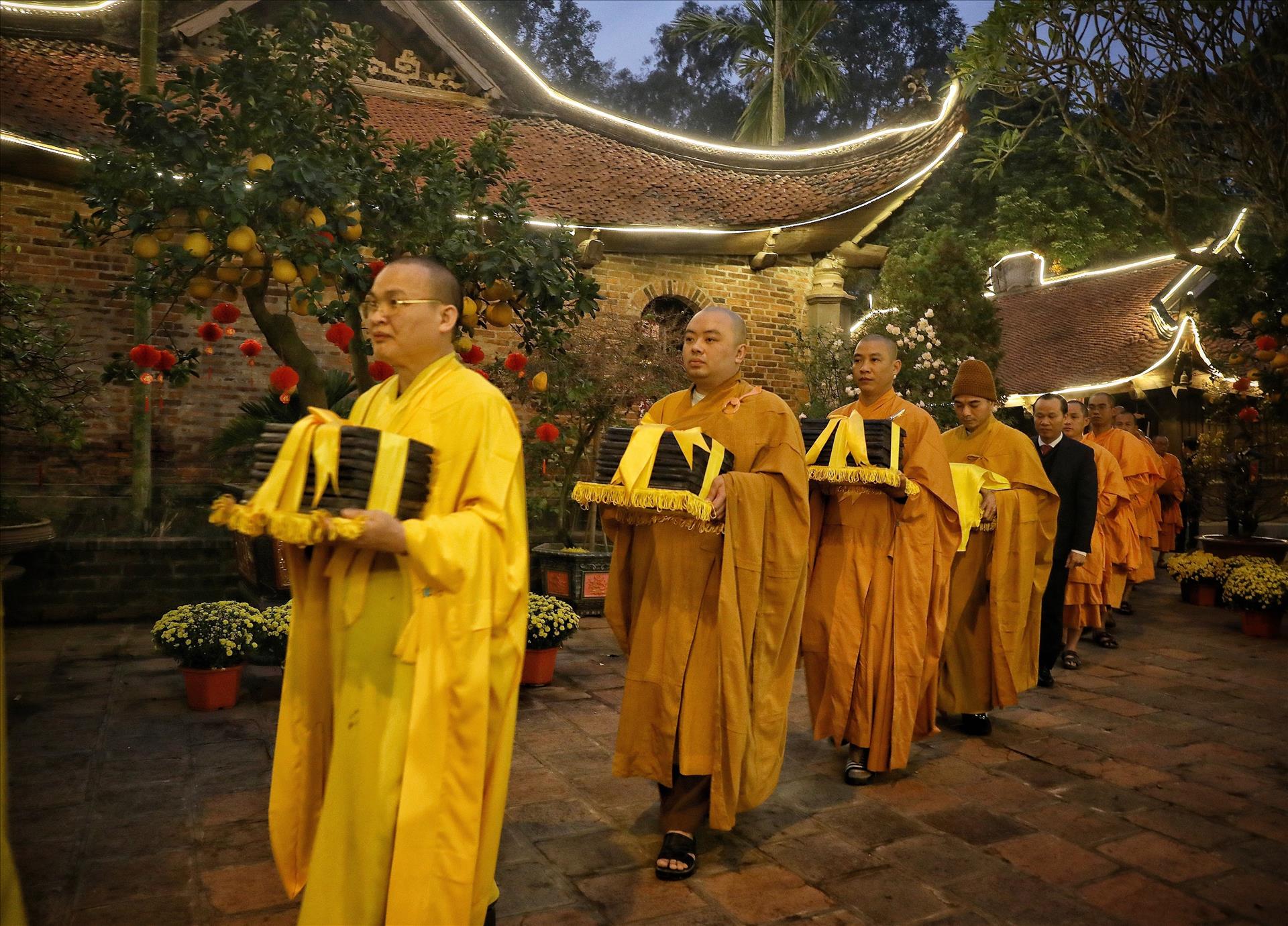
The "Outstanding Universal Value" of this heritage lies in the organic interaction between geography, religious faith, and political power. With the Yen Tu Mountain range as its birthplace and the Tran Dynasty (1225-1400) as its architect, Truc Lam Zen Buddhism became the thread that shaped Vietnamese society. This synergy has strengthened the nation, mobilized the community to protect independence, and continues to promote values of peace and cooperation today.
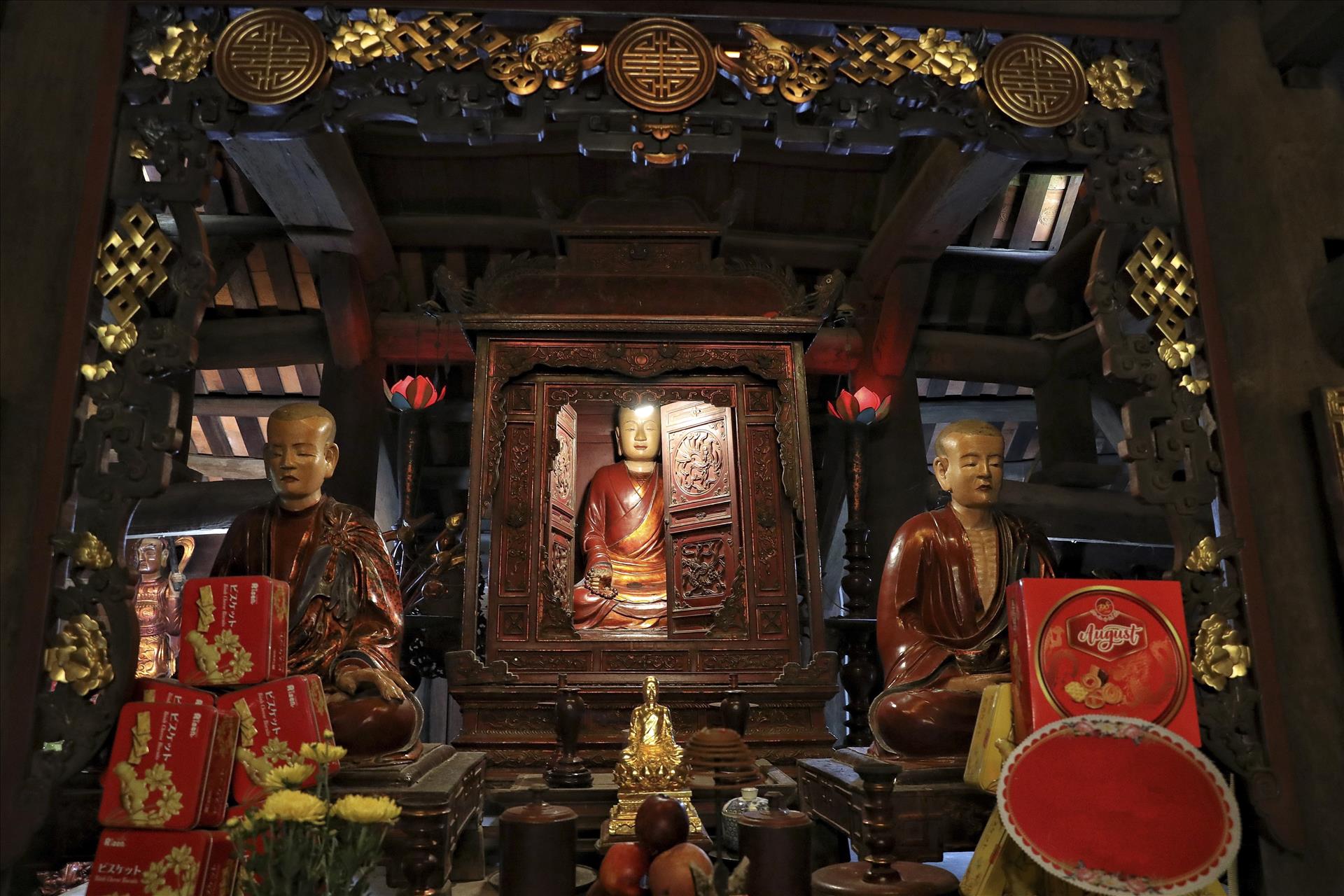
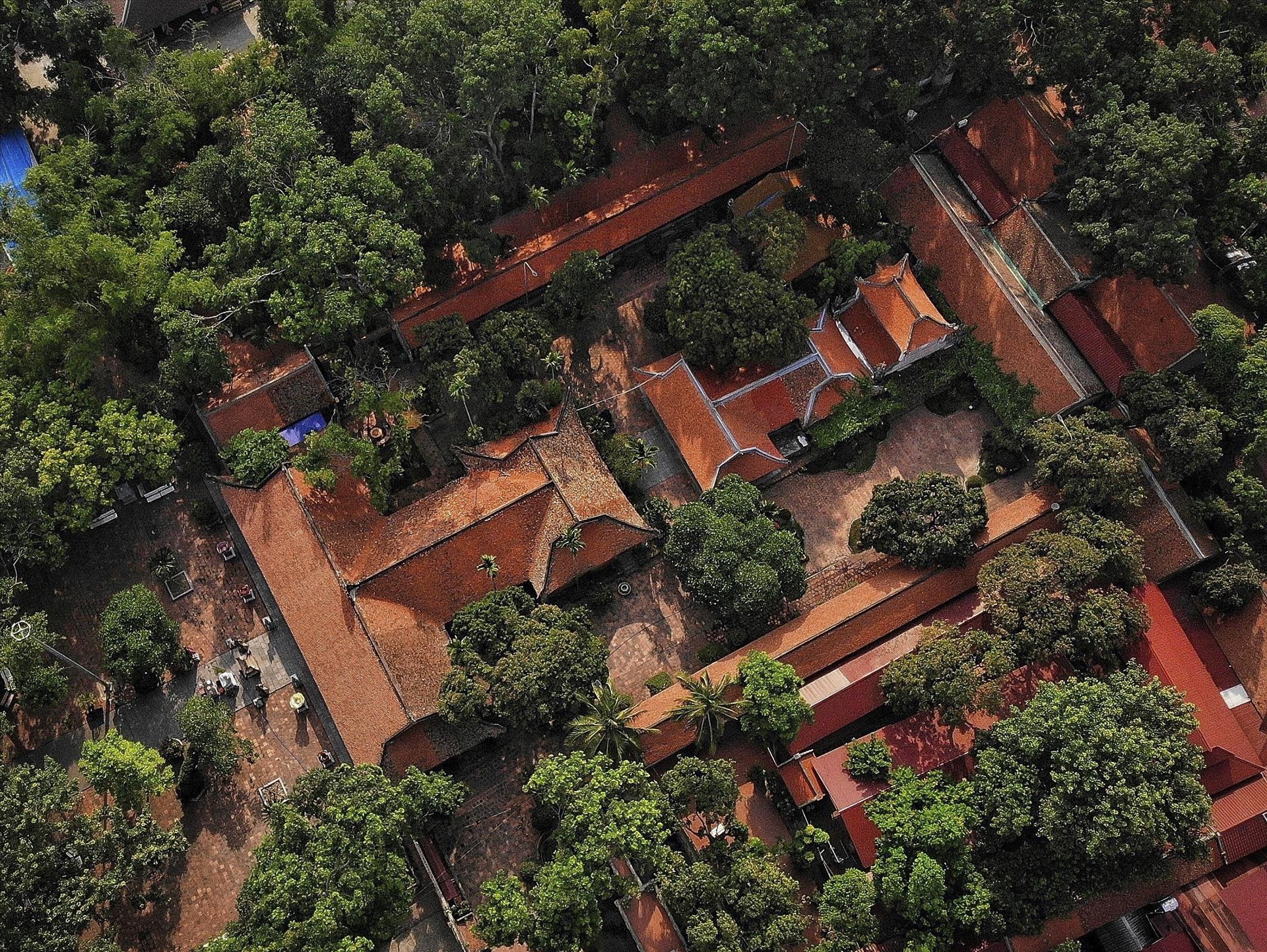
The complex is a prime example of the harmonious relationship between humans and nature. Temples nestled deep within forests and ancient mountain pilgrimage routes have created a unique cultural landscape where nature is an inseparable part of spiritual life.
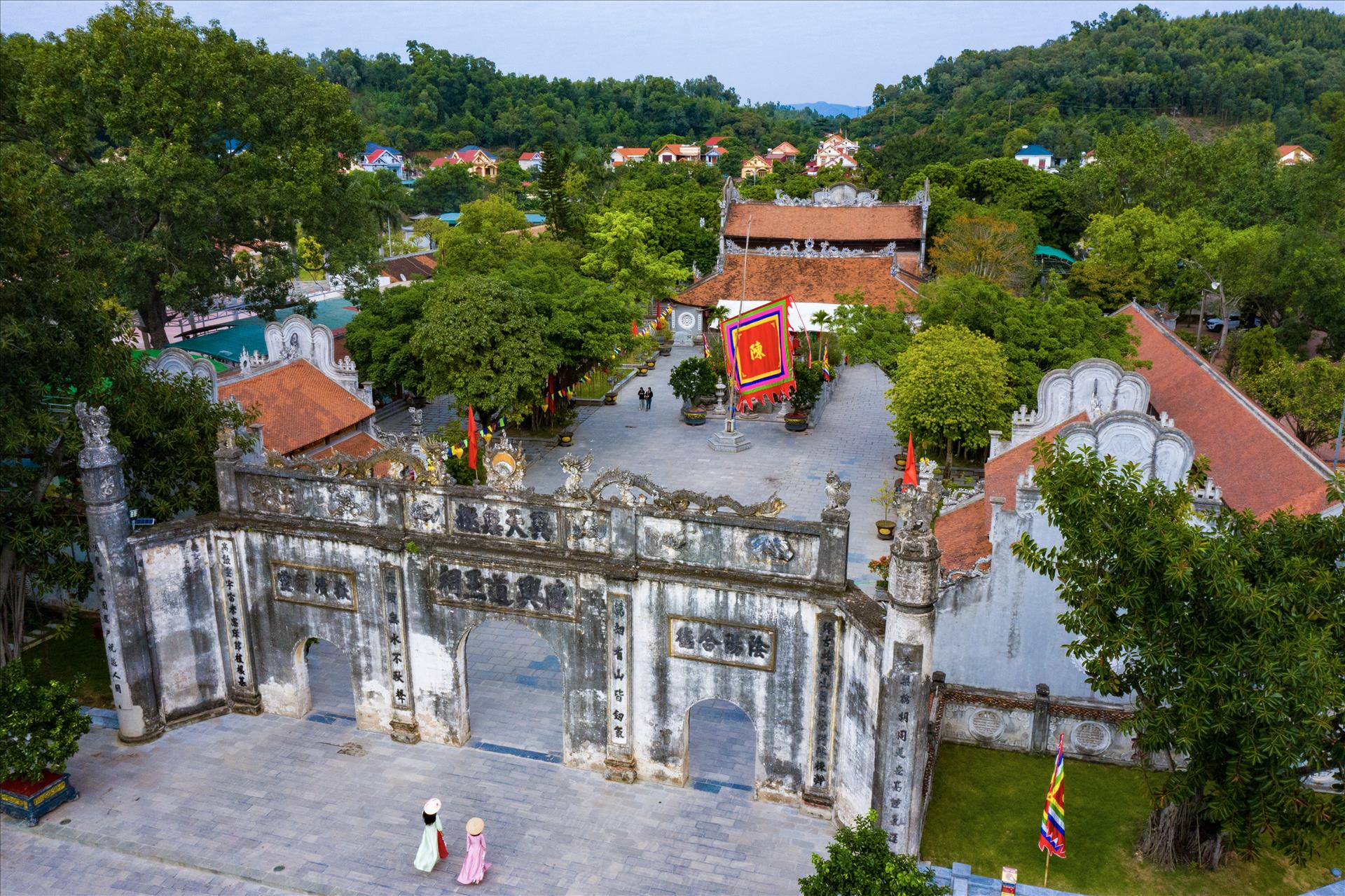
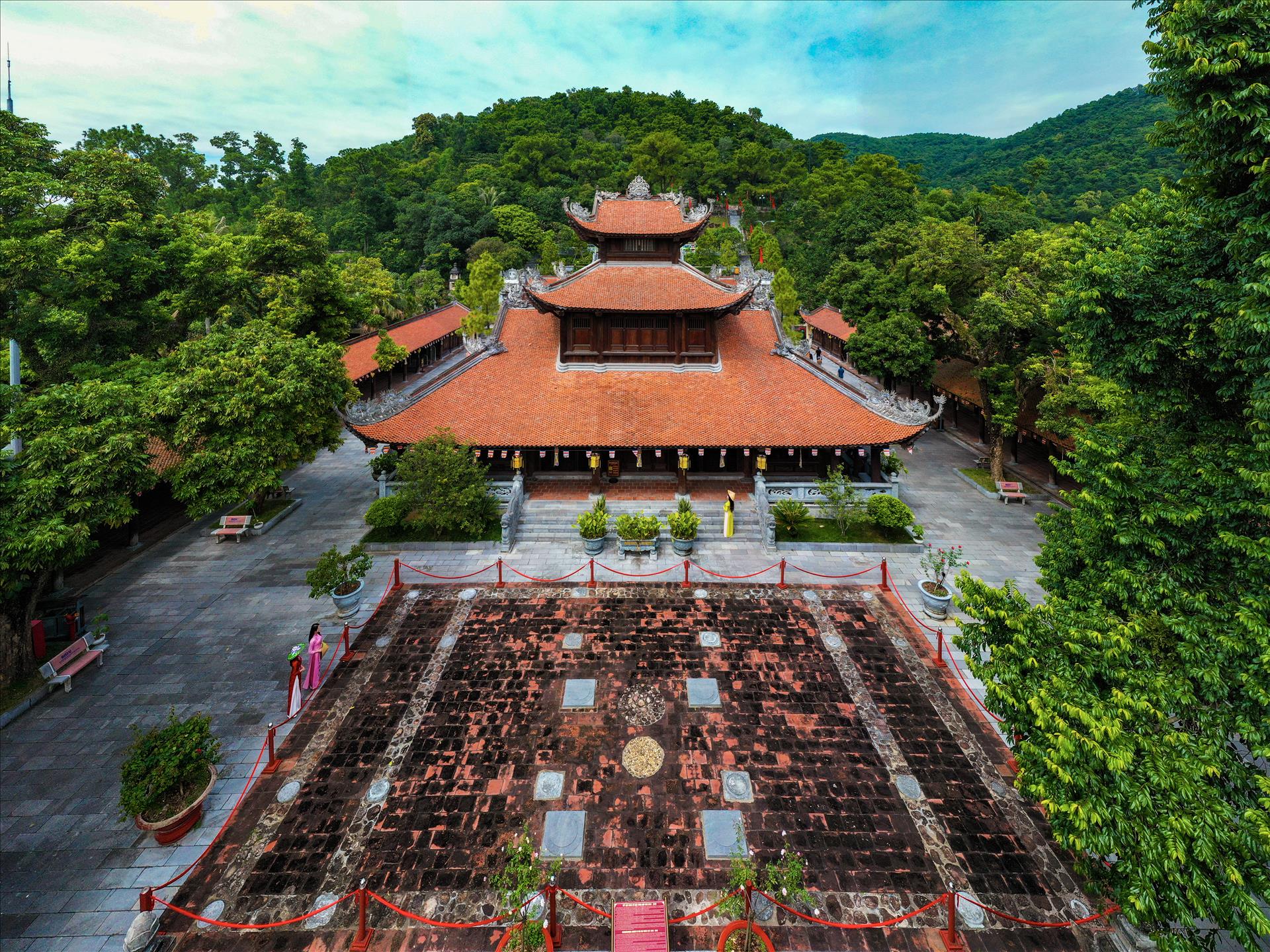
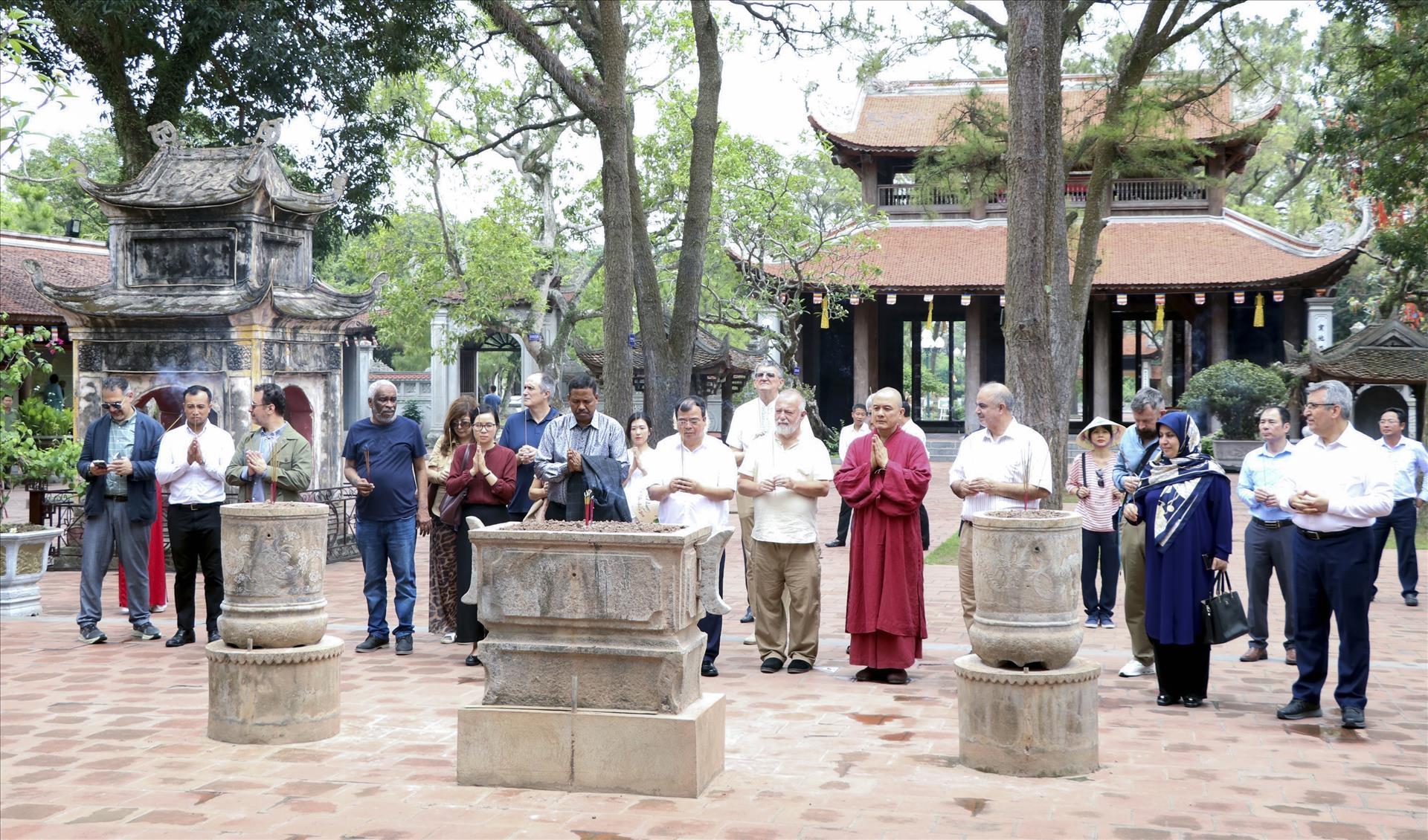
To preserve this, the structures retain their original locations and functions, while an effective inter-regional management model ensures they meet international standards of authenticity.
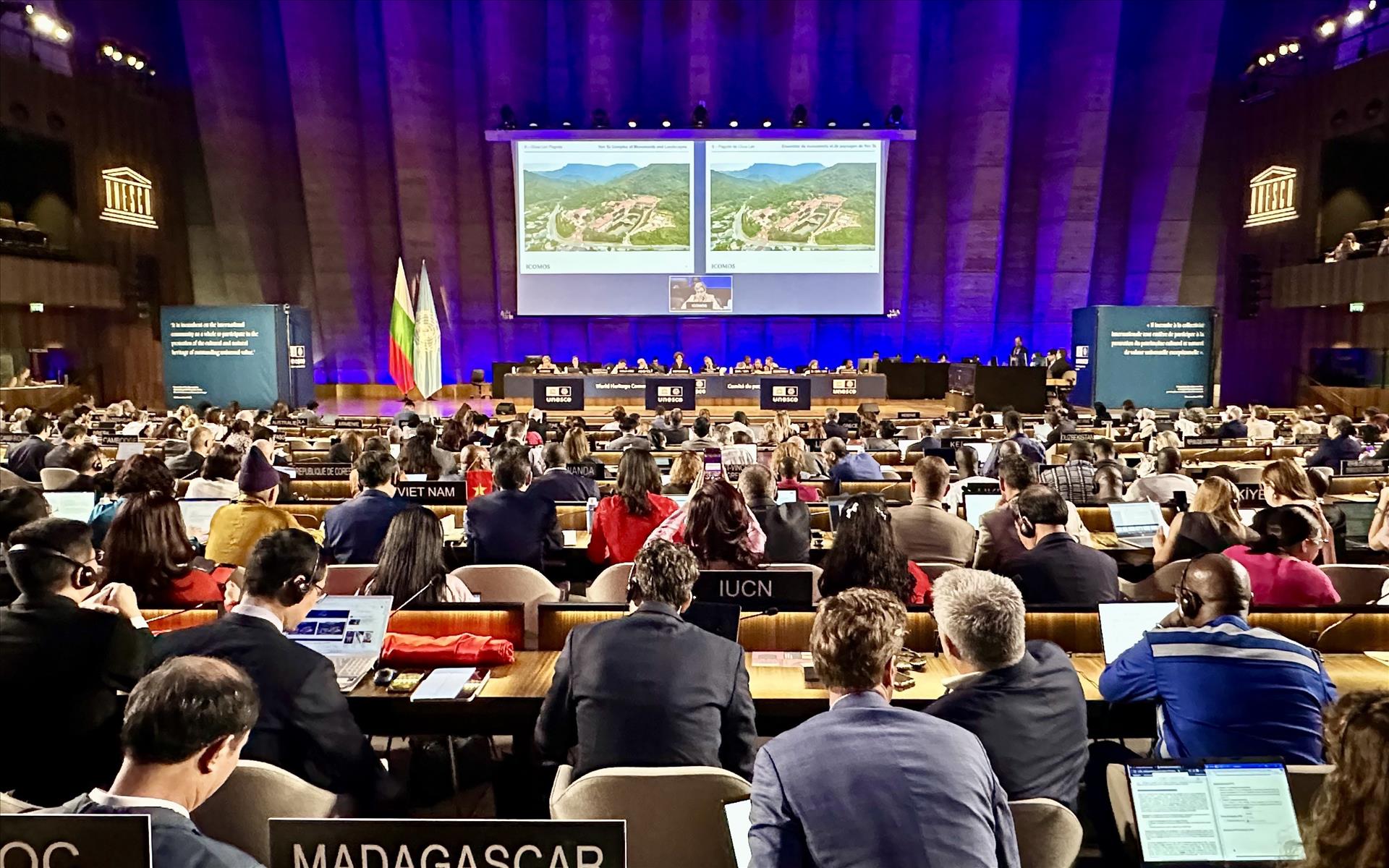
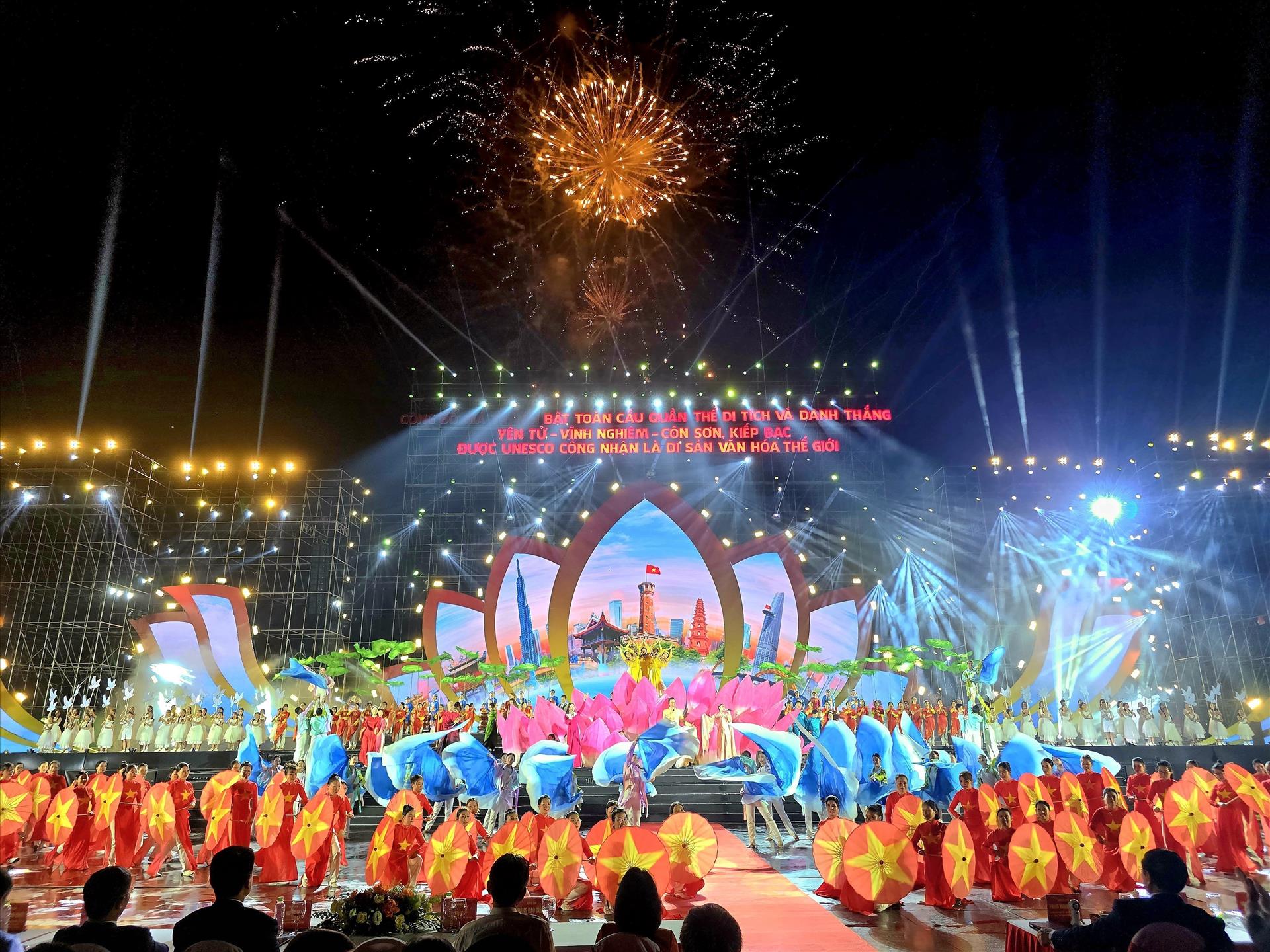
Promoting these values is about more than just preserving monuments; it is about spreading the Truc Lam spirit of wisdom and responsibility. In a world facing modern challenges, this heritage proves the role of culture as a resource for sustainable development. It also serves as a bridge between Vietnam and the world - a place where timeless values continue to awaken and flourish./.
Story: Viet Cuong
Photos: Thong Thien/VNP, Minh Duc & VNA