Where Lives are Nurtured with Love and Technology
From mountain villages in Binh Lieu to the outpost island of Co To, Quang Ninh’s health sector is bringing quality medical services closer to the people. Behind these changes is the realization of Politburo Resolution No. 72-NQ/TW through dedicated professional medics and breakthroughs in science, technology and digital transformation.
Guardians of Life at Borders and on Islands
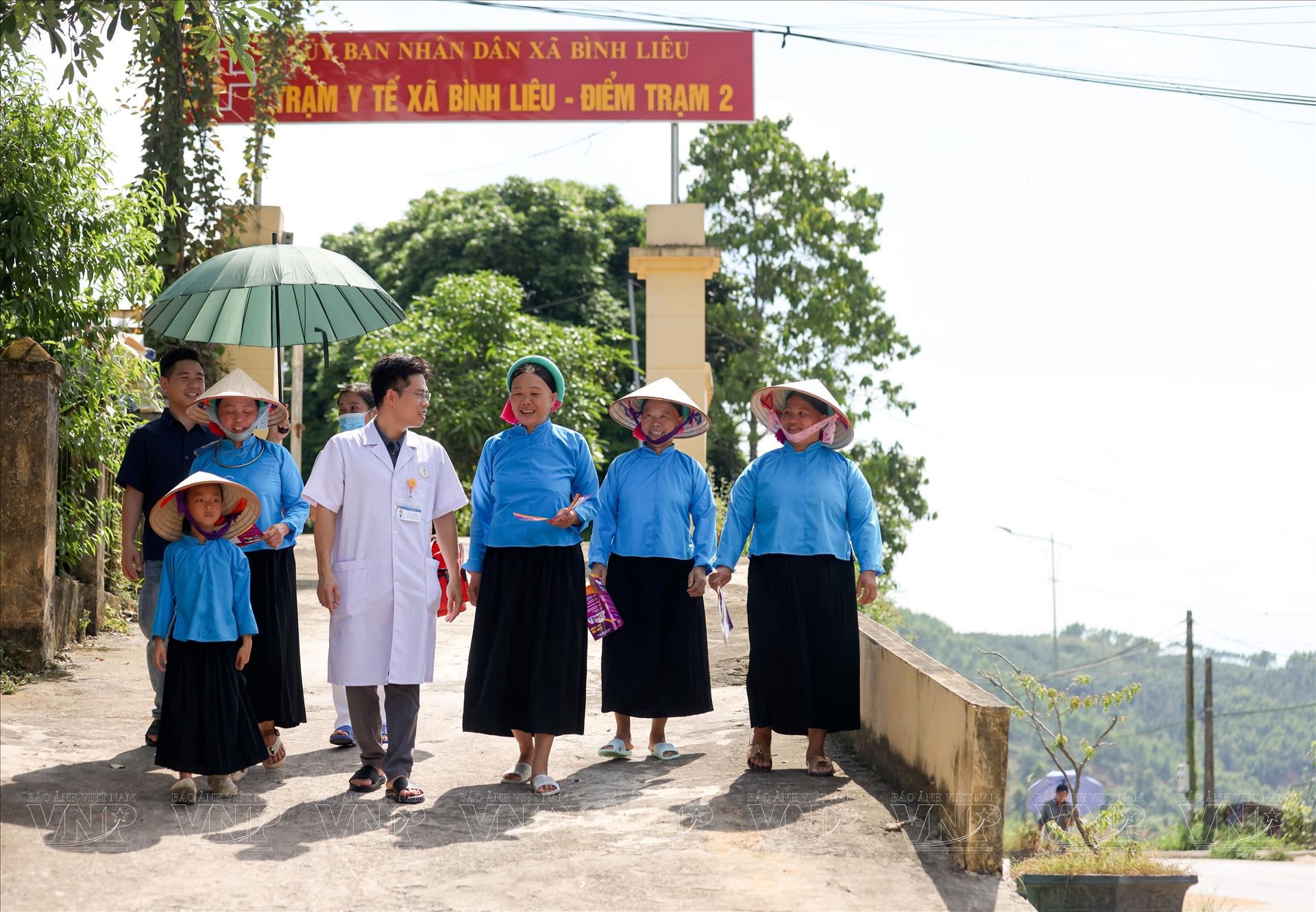
At 2:00 PM, in the scorching heat of late June in Binh Lieu border region, Dr. Vi Van Tien and his colleagues from Health Station 2 of the Binh Lieu Commune Health Center quietly made their way up the steep slopes leading to Khe Ngan village. Their familiar destination was the small home of La A Thau, a San Chi man born with congenital paralysis. For years, he has been confined to an old mattress, entirely dependent on his elderly mother.
Apart from his mobility impairment, Thau suffers from multiple chronic conditions, including hypertension, diabetes and various skin diseases. Previously, whenever his illnesses flared up, villagers had to take turns carrying him on a hammock over the mountains before transferring him to central-level hospitals by motorcycle or car. These long journeys were grueling and filled with anxiety.
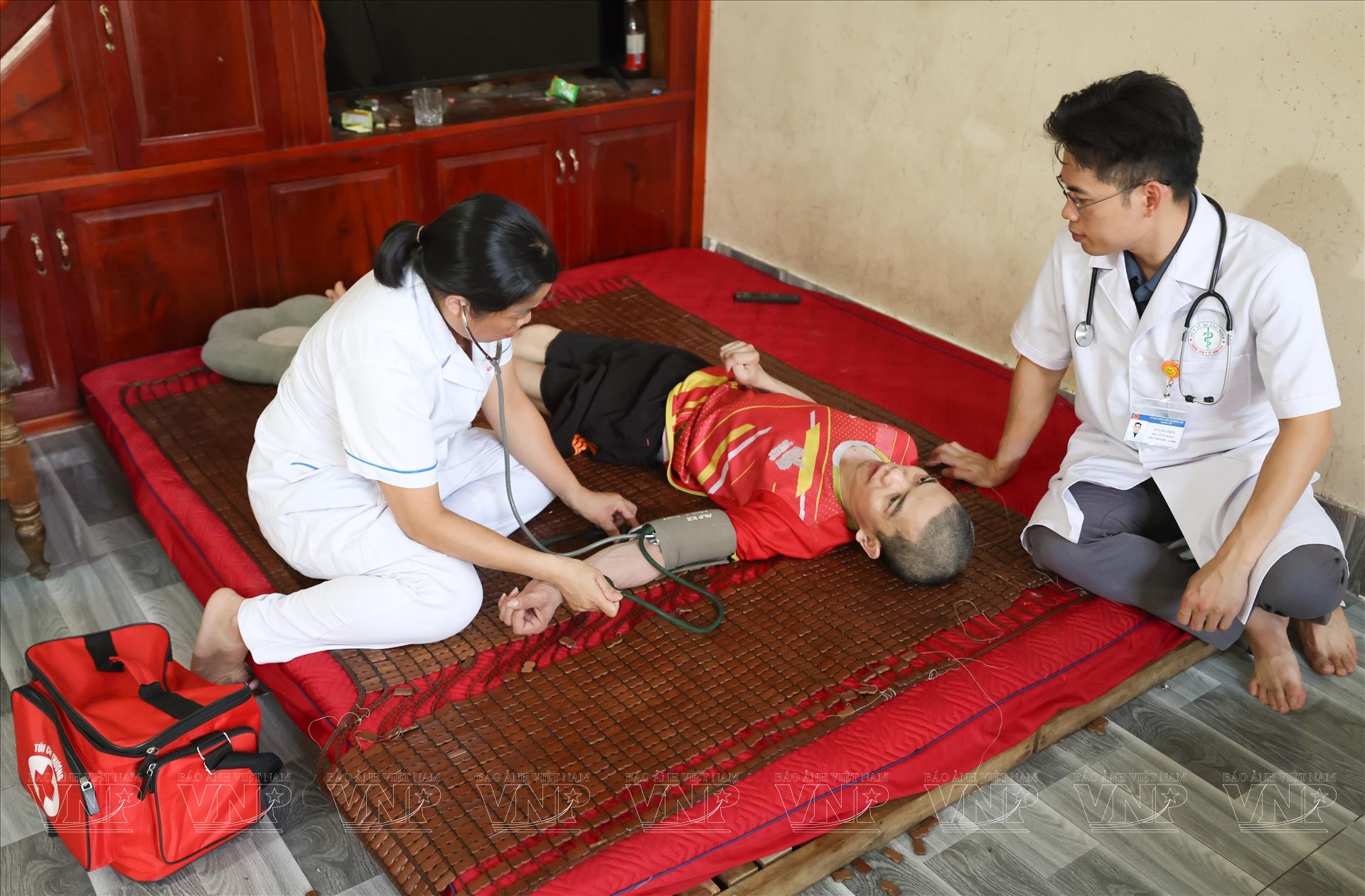
Thau’s mother, Ly Thi Loc, remembers those days vividly. Watching Dr. Tien step into her house with his familiar medical bag, she said, "In the past, whenever my son fell ill, the whole family lived in fear. Now we are spared that grief because the doctors come right to our home, giving him check-ups, prescriptions and treatment."
Dr. Tien opened his laptop and scanned the QR code of the patient's health record. Within seconds, Thau’s complete treatment history, lab results, blood pressure tracker and blood glucose levels appeared on the screen. Following the examination, the doctor smilingly shared positive updates and adjusted the medication to a lower dose.
What brings the greatest joy to the medical staff here is the remarkable improvement in Thau’s health.
Once almost completely paralyzed, he can now use his hands to move around the room and manage some of his personal care. This change is the result of continued treatment, home-based rehabilitation and the constant support of grassroots medical workers. Leaving Thau’s home, the doctors continued their trip, visiting elderly villagers, including Trac A Thin, Ninh Thi Com and Tran Thi Phau, to conduct checkups, distribute medicine and give preventive health advice.
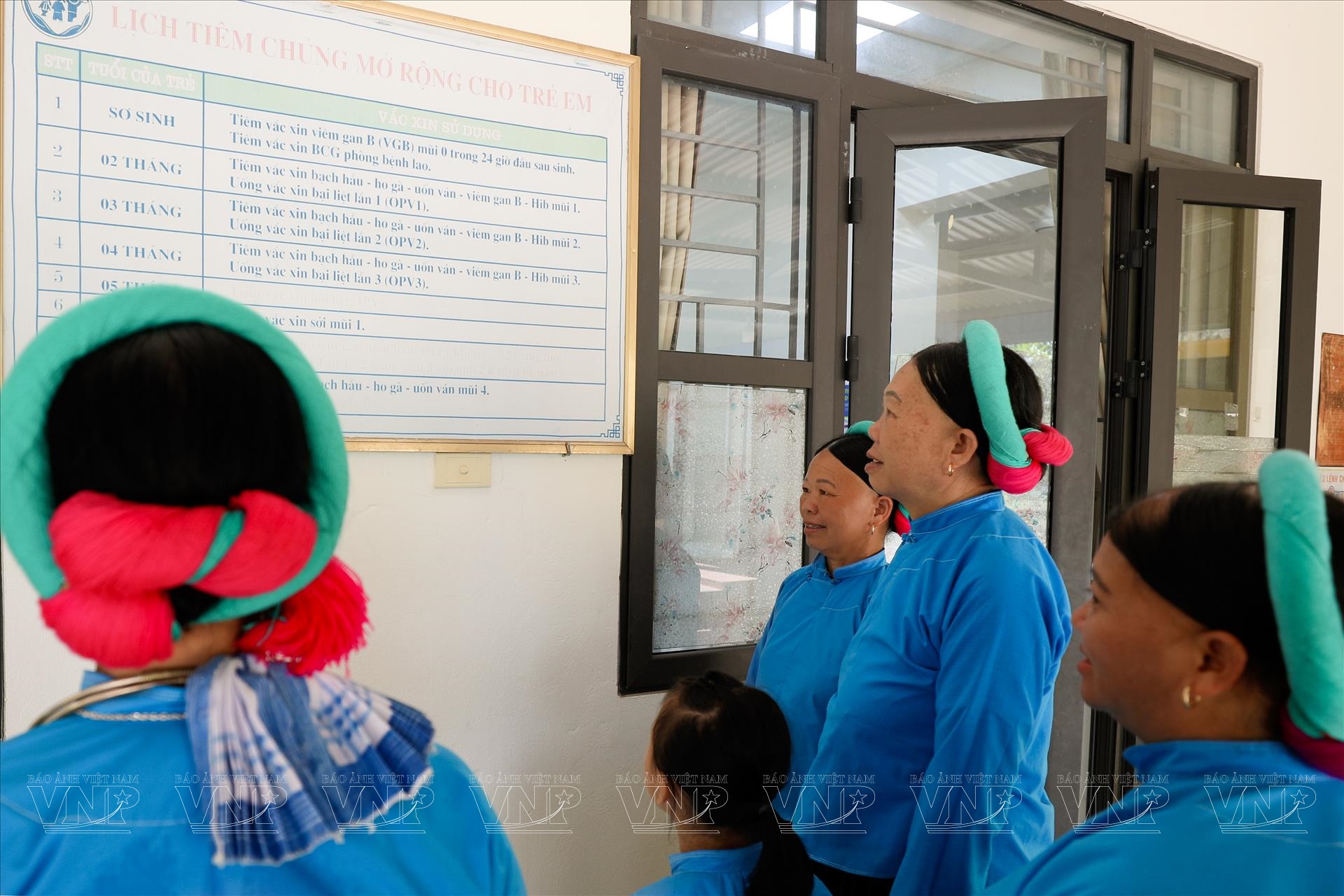
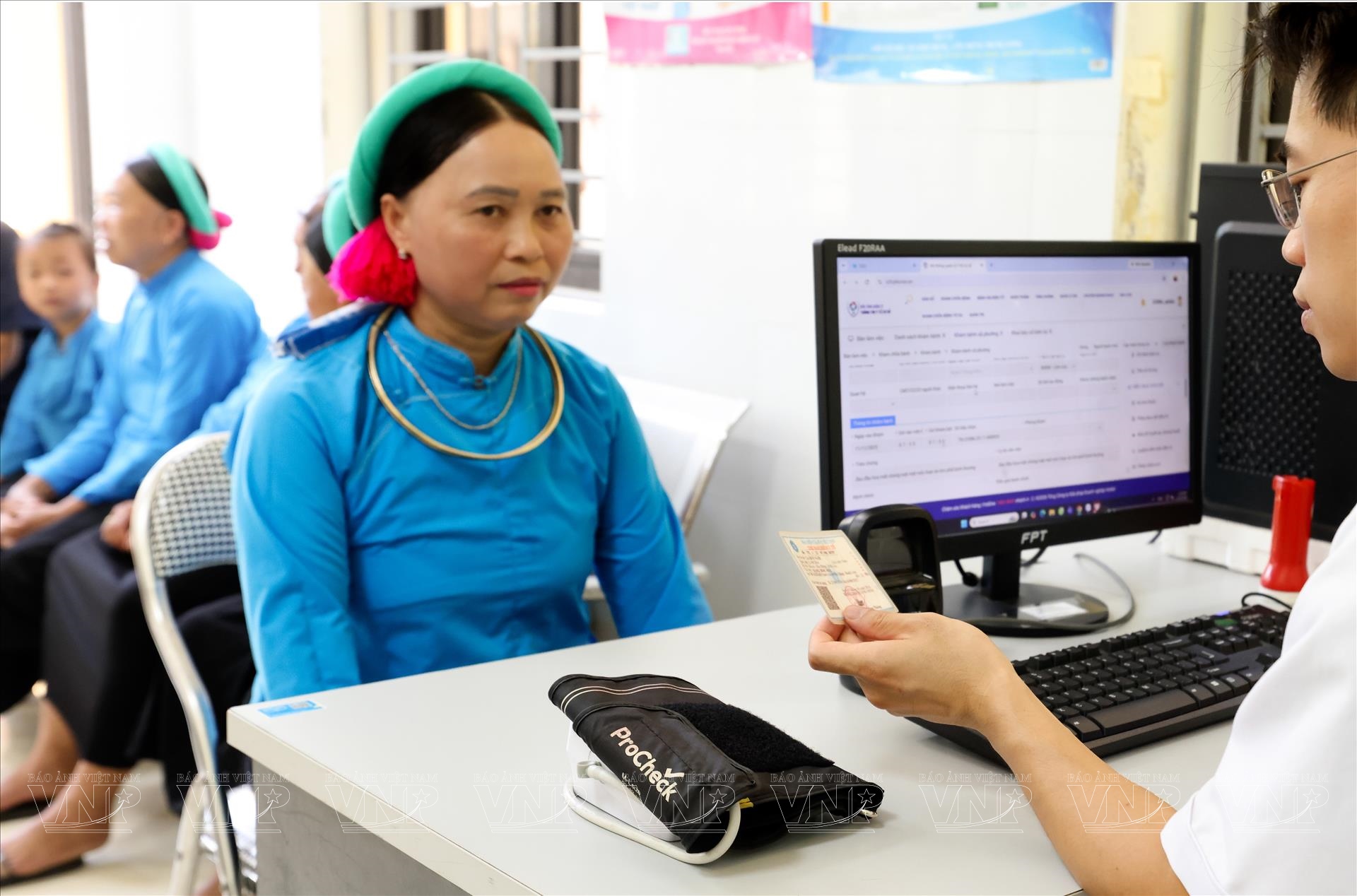
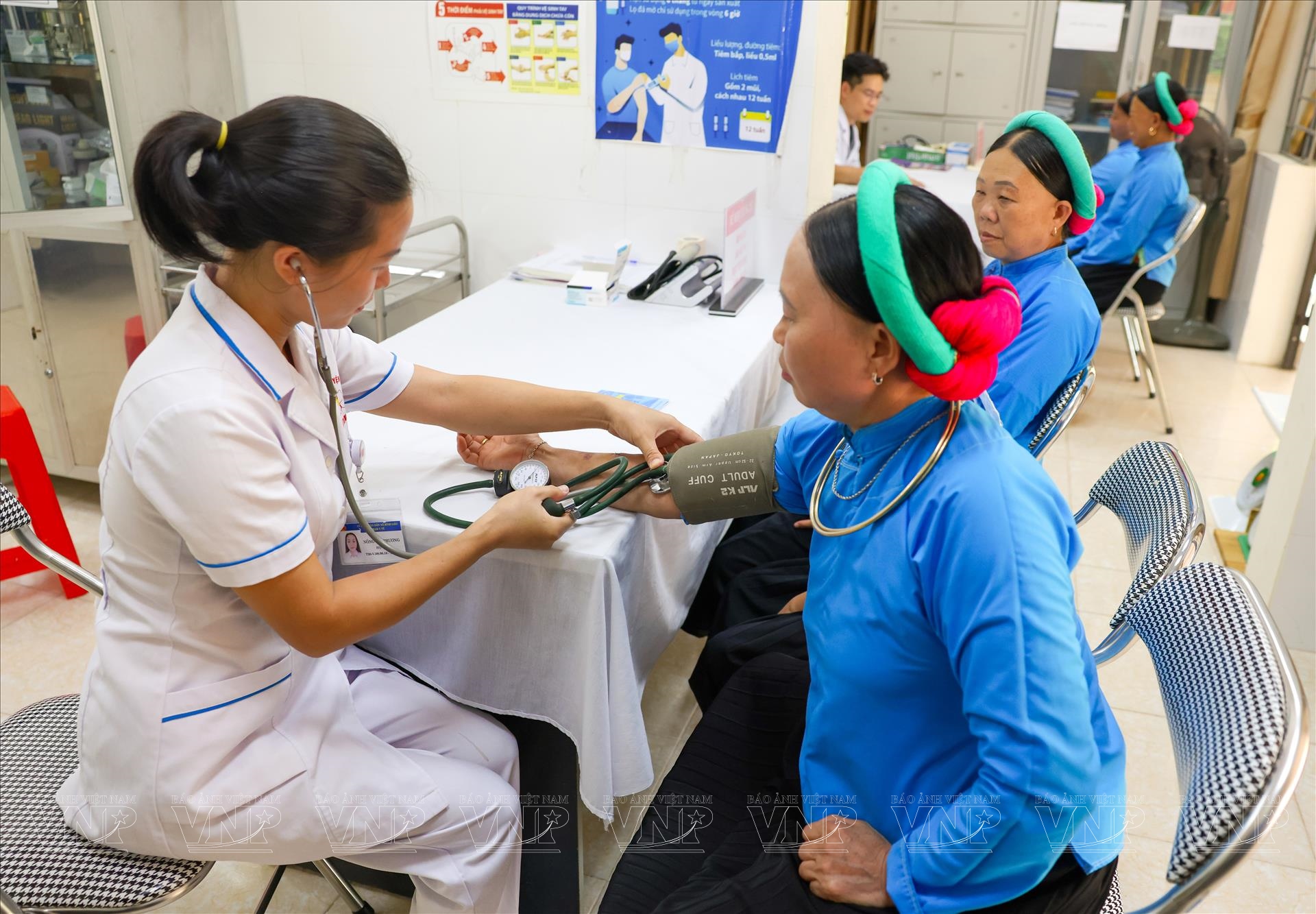
By late afternoon, upon returning to the clinic, they shifted to another task: giving advice on childhood immunization.
As Ly A Sang handed her son’s chip-embedded citizen ID card to the doctor, the child’s entire vaccination history popped up in the system after a quick scan. Sang said happily: "It is so convenient now! We don't have to keep a paper logbook anymore. The doctor's computer remembers the vaccination schedule for us."
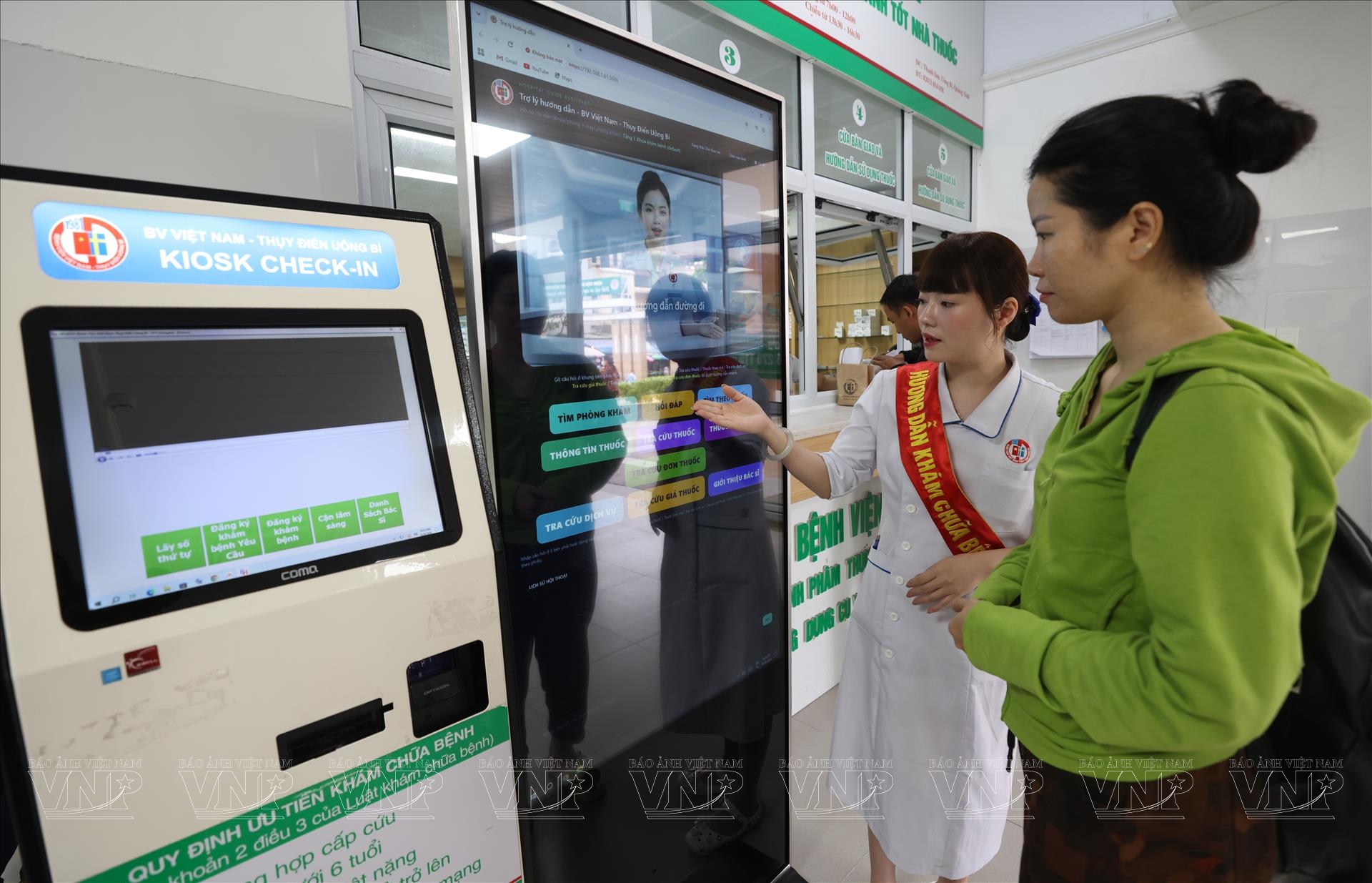
Her simple words reflect the real-world impact of digital transformation at the grassroots level. By mid-2026, Quang Ninh had digitized and stored the health records of over 1.4 million residents, most of which are standardized and integrated with the national VNeID application. These numbers demonstrate not just technical progress, but how healthcare services are reaching individual citizens, even in the most remote areas.
Leaving Binh Lieu, we headed out to the island district of Co To. After a long journey on mountain and sea routes, we arrived at the Co To Special Zone Medical Center where Dr. Nguyen Thanh Giang has worked for over two decades.
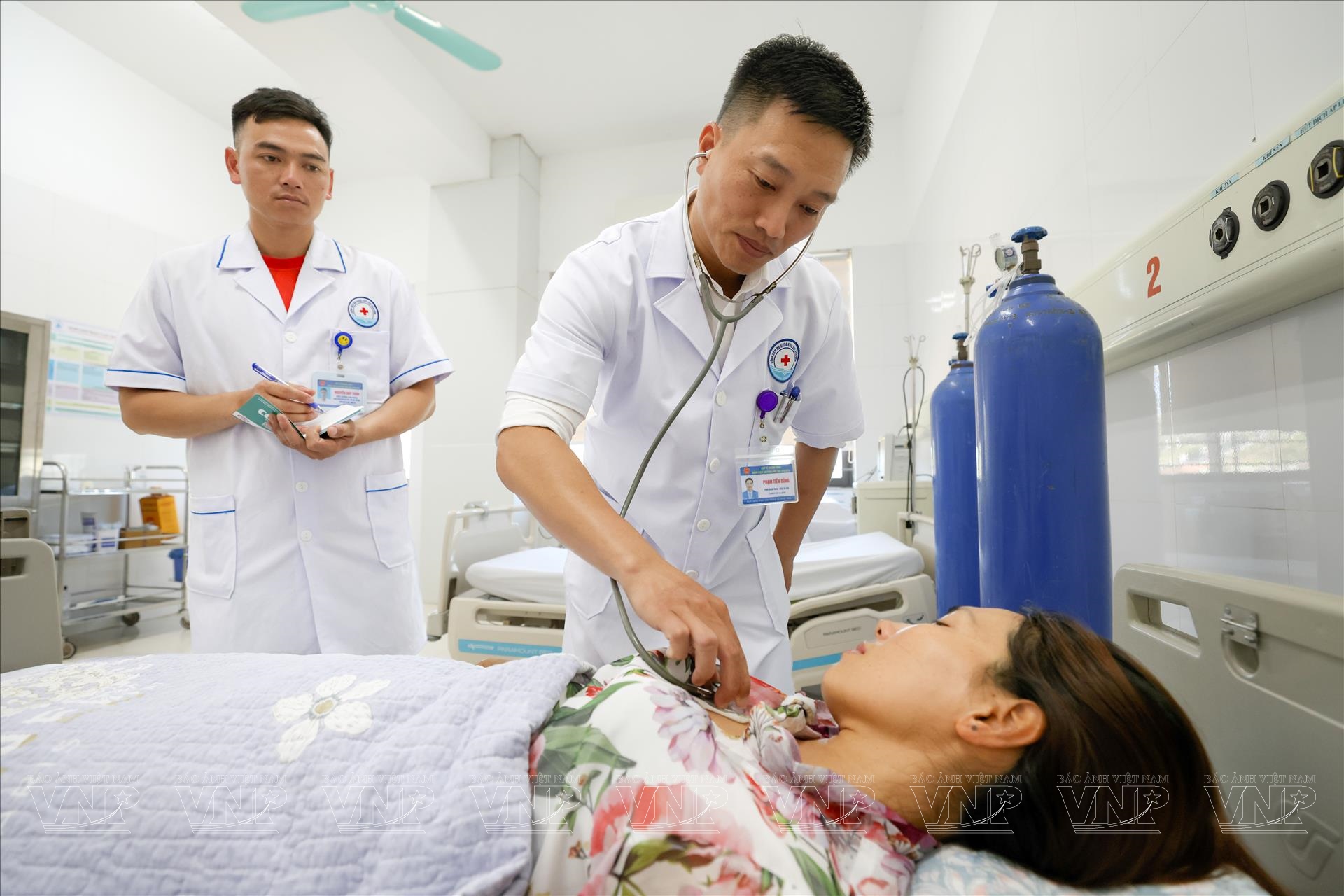
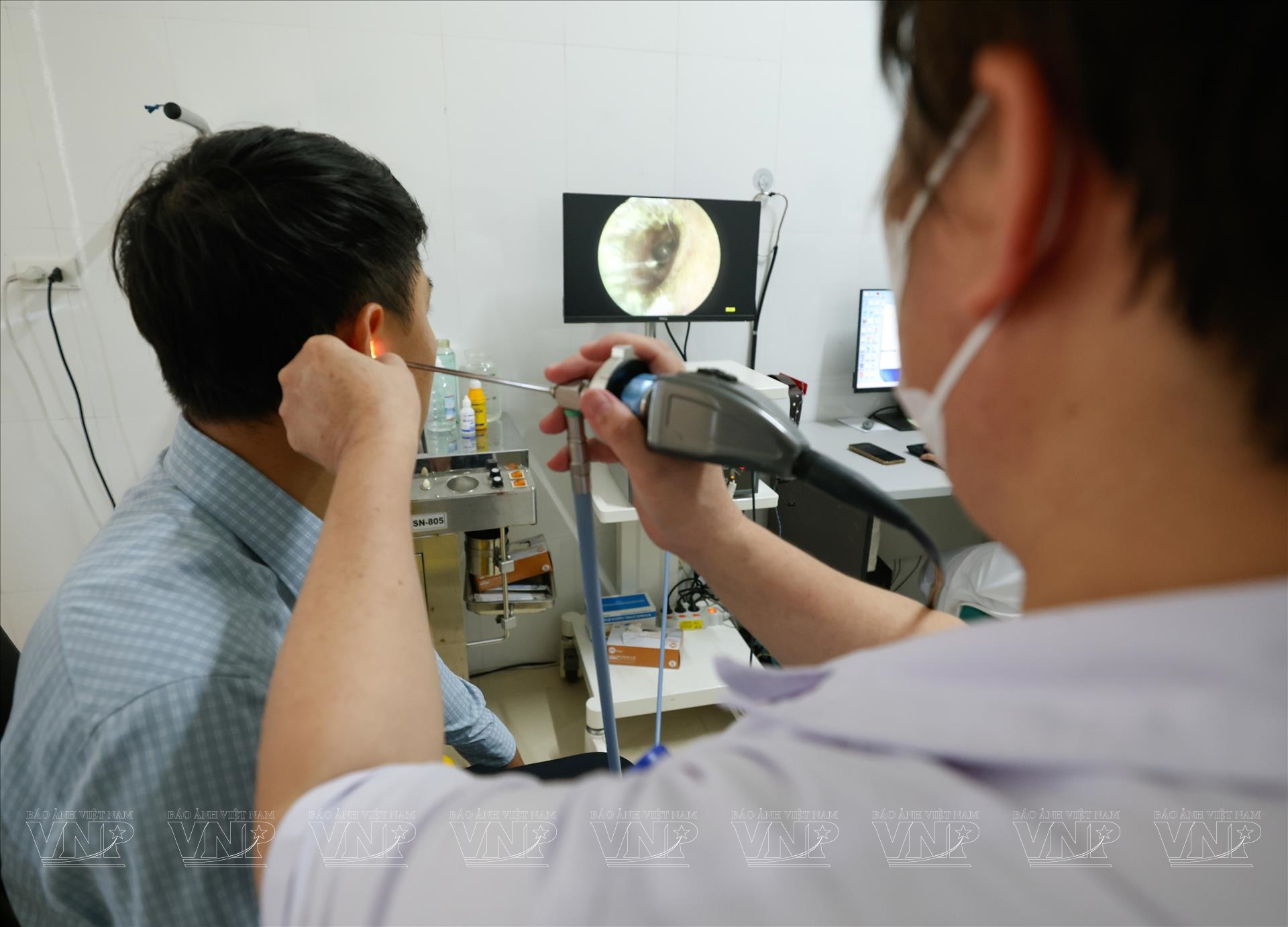
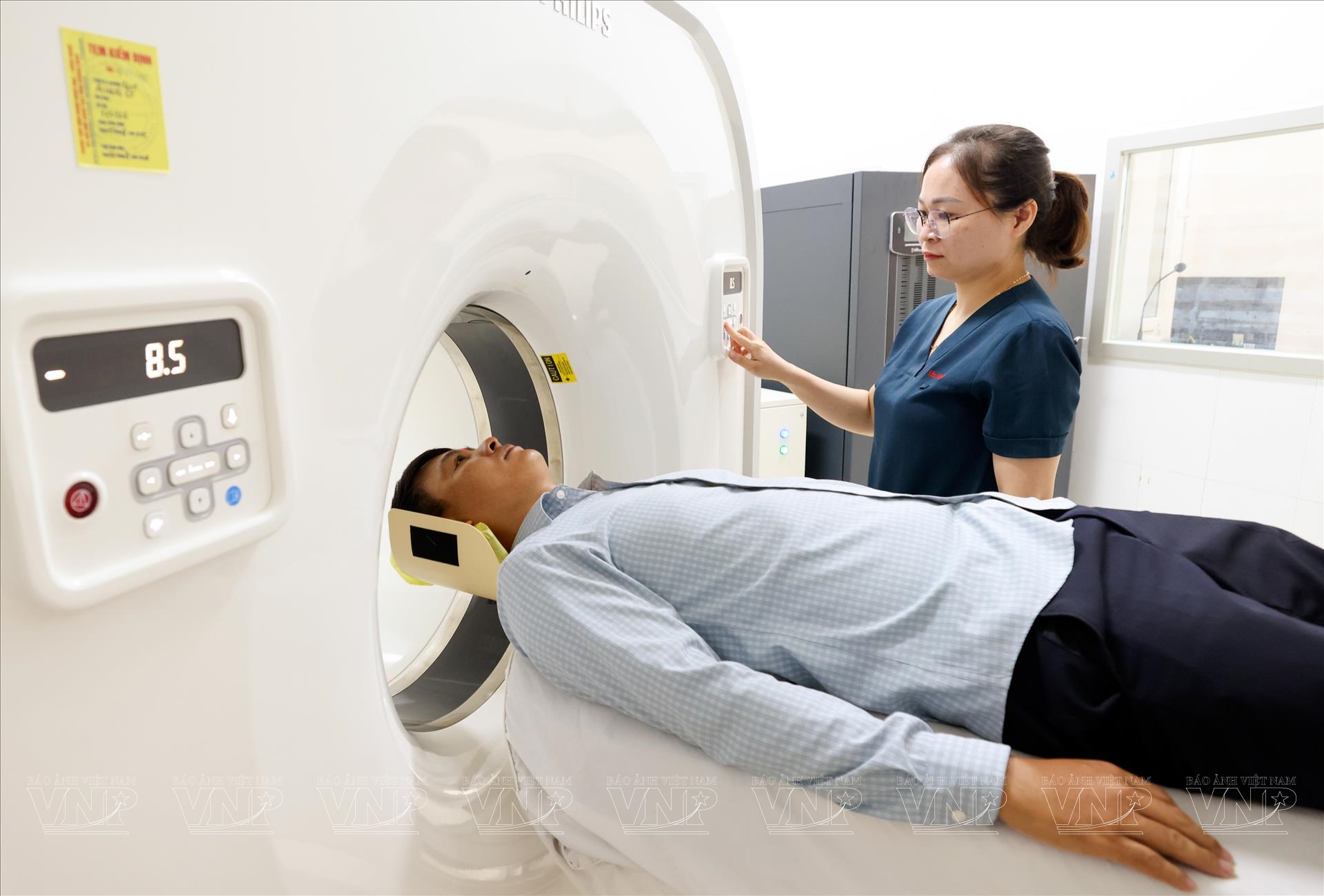
Warmly called the "physician at the edge of the waves" by his colleagues, Dr. Giang does not just handle daily clinical duties. He constantly seeks solutions to improve healthcare quality on the island. His initiatives in handling obstetric emergencies, seafood poisoning and common ailments have successfully cured many patients right on the island, significantly reducing emergency transfers to the mainland.
"Geographical distance should not mean a gap in healthcare quality," Dr. Giang said. "The Co To Health Center is strengthening its professional connections with central-level hospitals to give locals and tourists access to quality medical services right on the island."
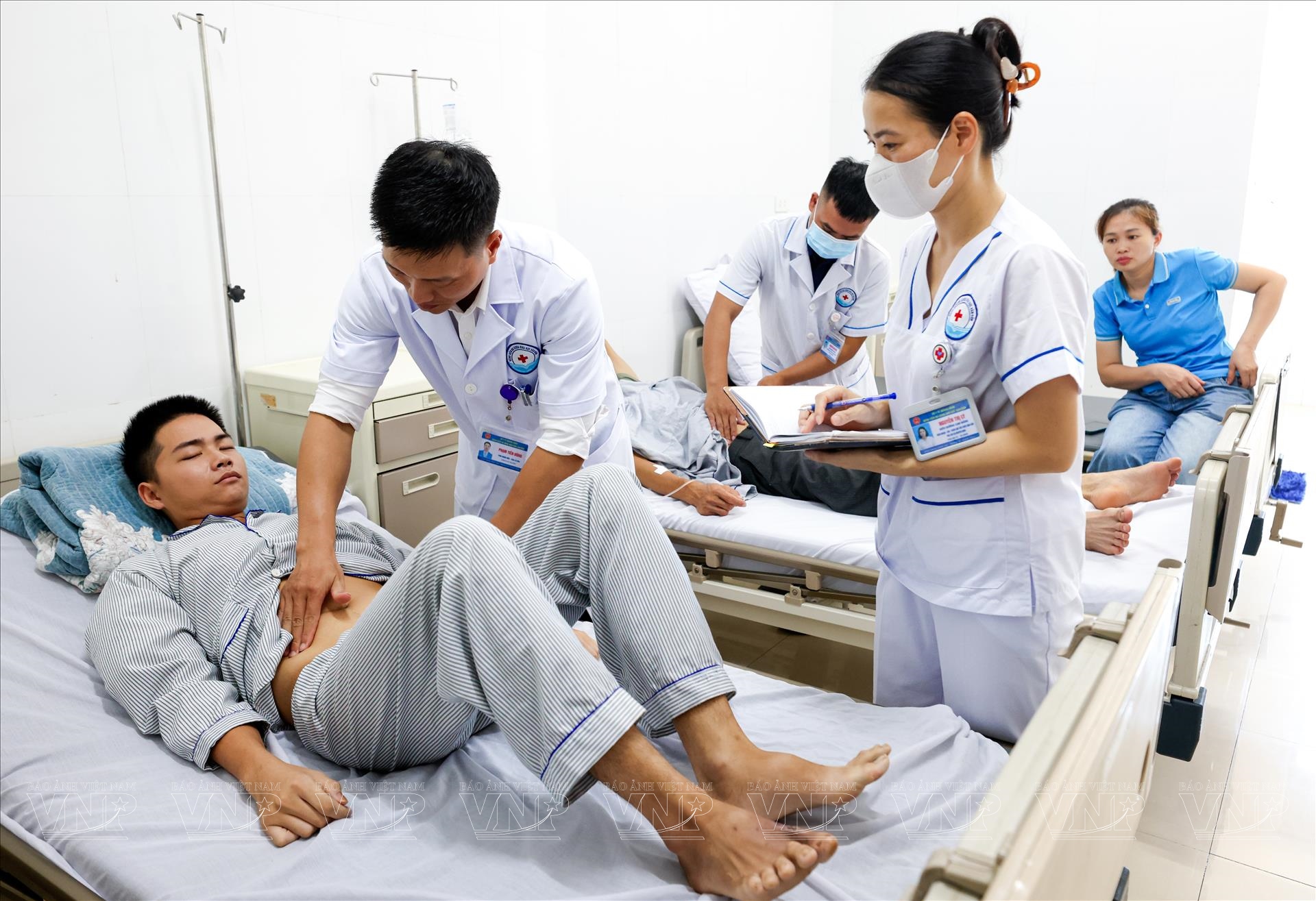
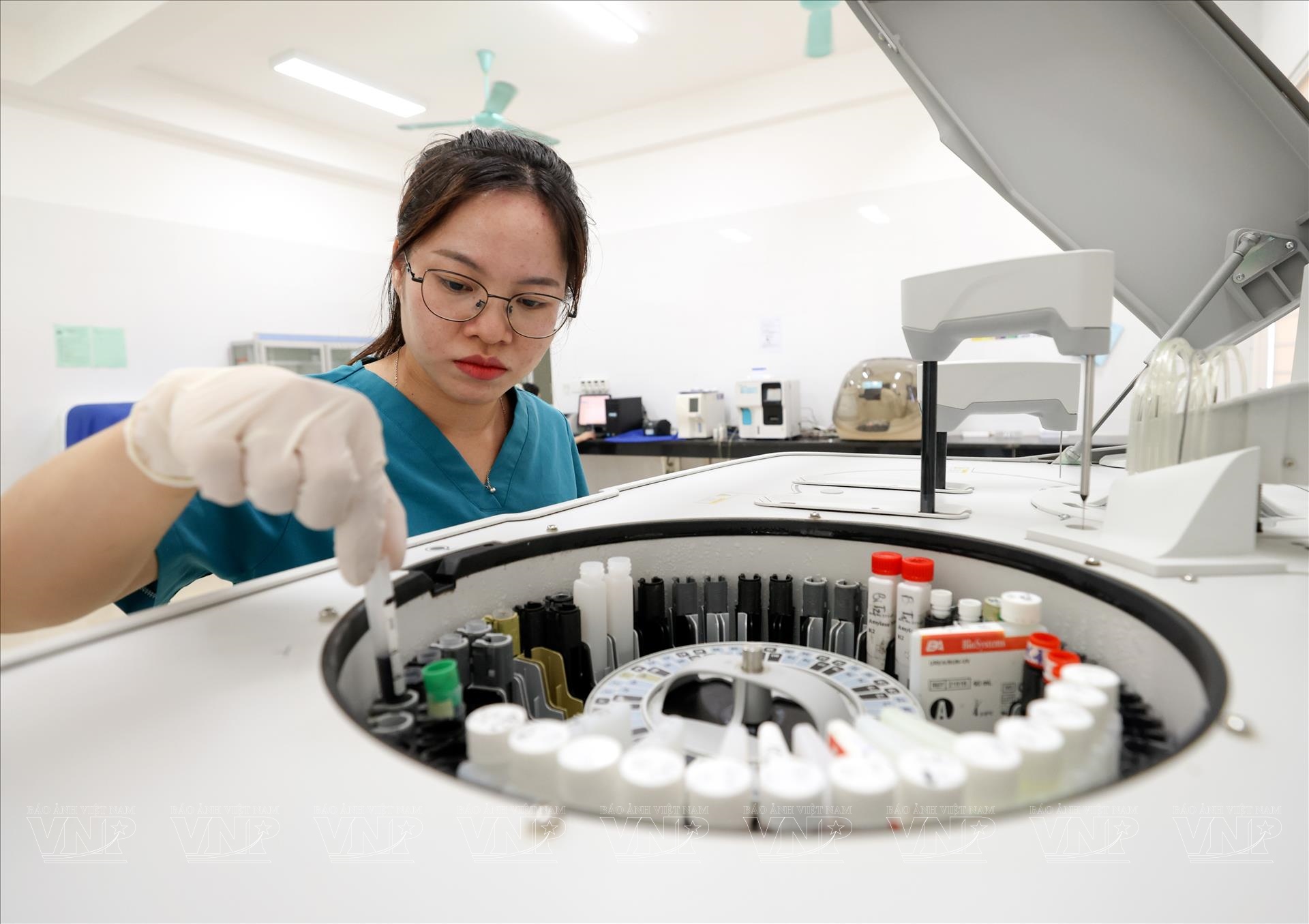
From Human Milk Bank to Organ Transplants
From Co To, we headed for the Quang Ninh Obstetrics and Pediatrics Hospital. The clean, modern space and the attentive care of the staff eased the usual anxiety often seen in hospitals.
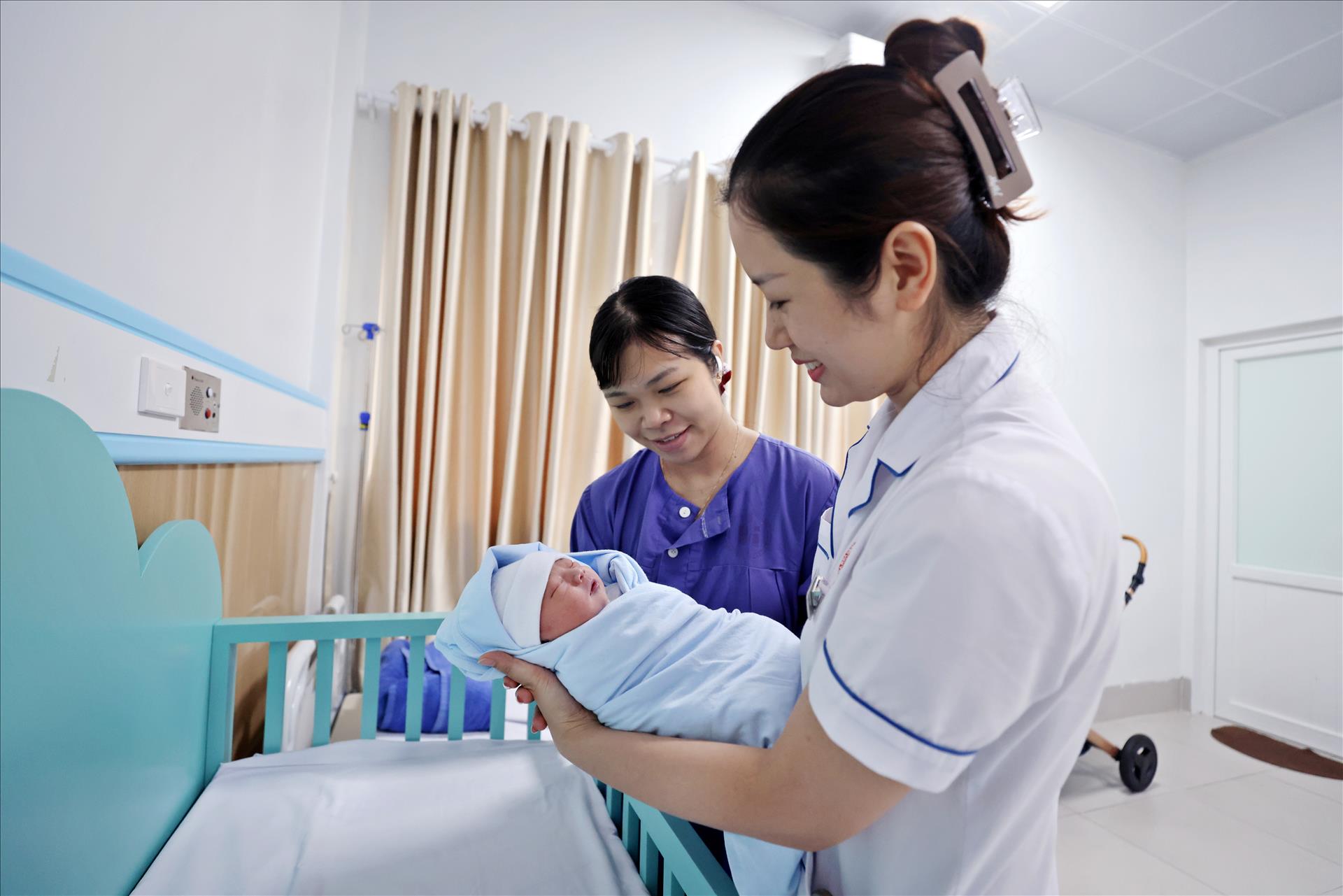
A highlight of our visit was the Human Milk Bank, a model launched by the hospital in 2020 and subsequently commended by the Ministry of Health for nationwide replication. Behind the sterile doors were bottles of donated breast milk which preserved not just vital nutrition, but a beautiful bond of sharing between strangers.
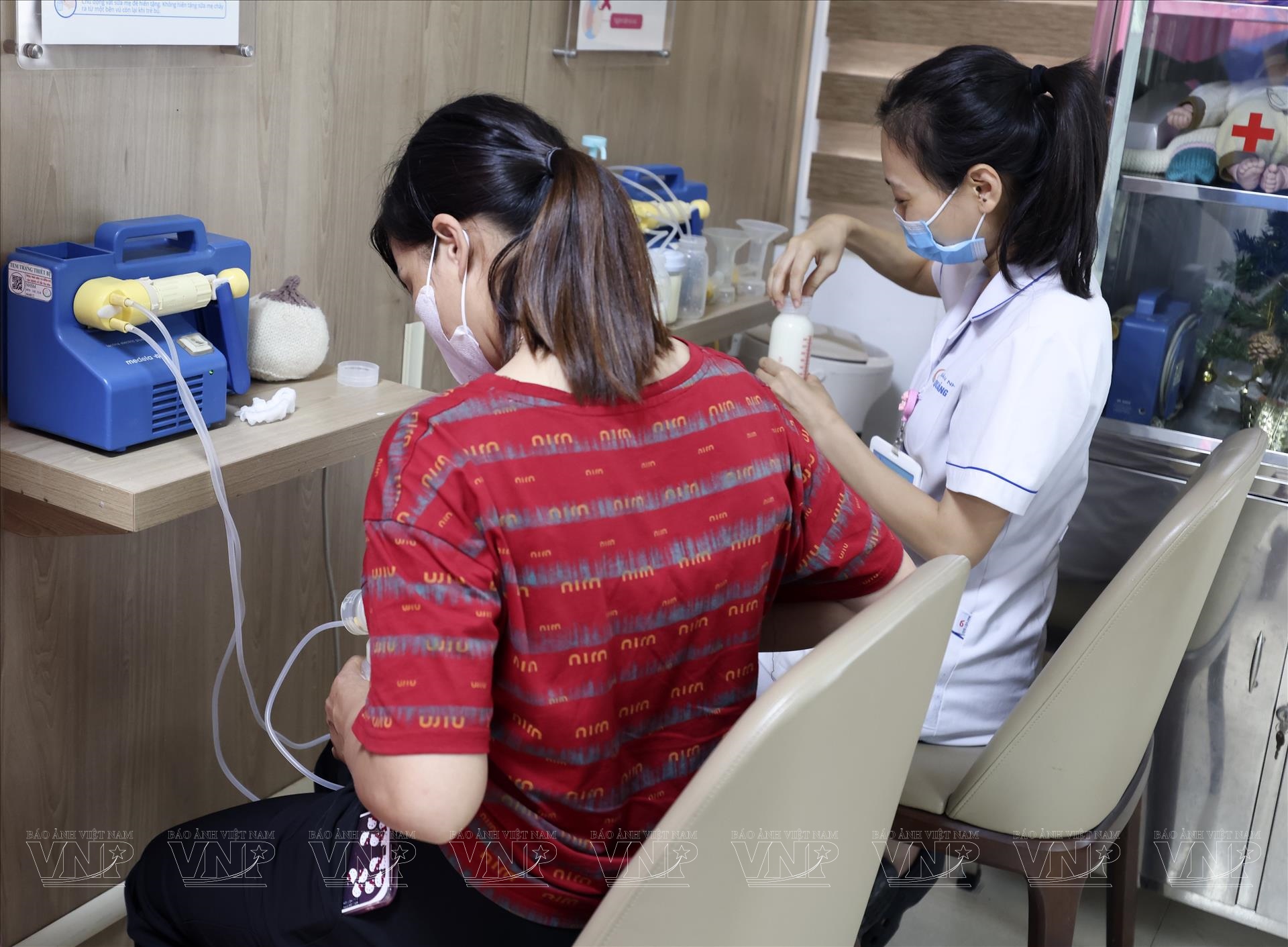
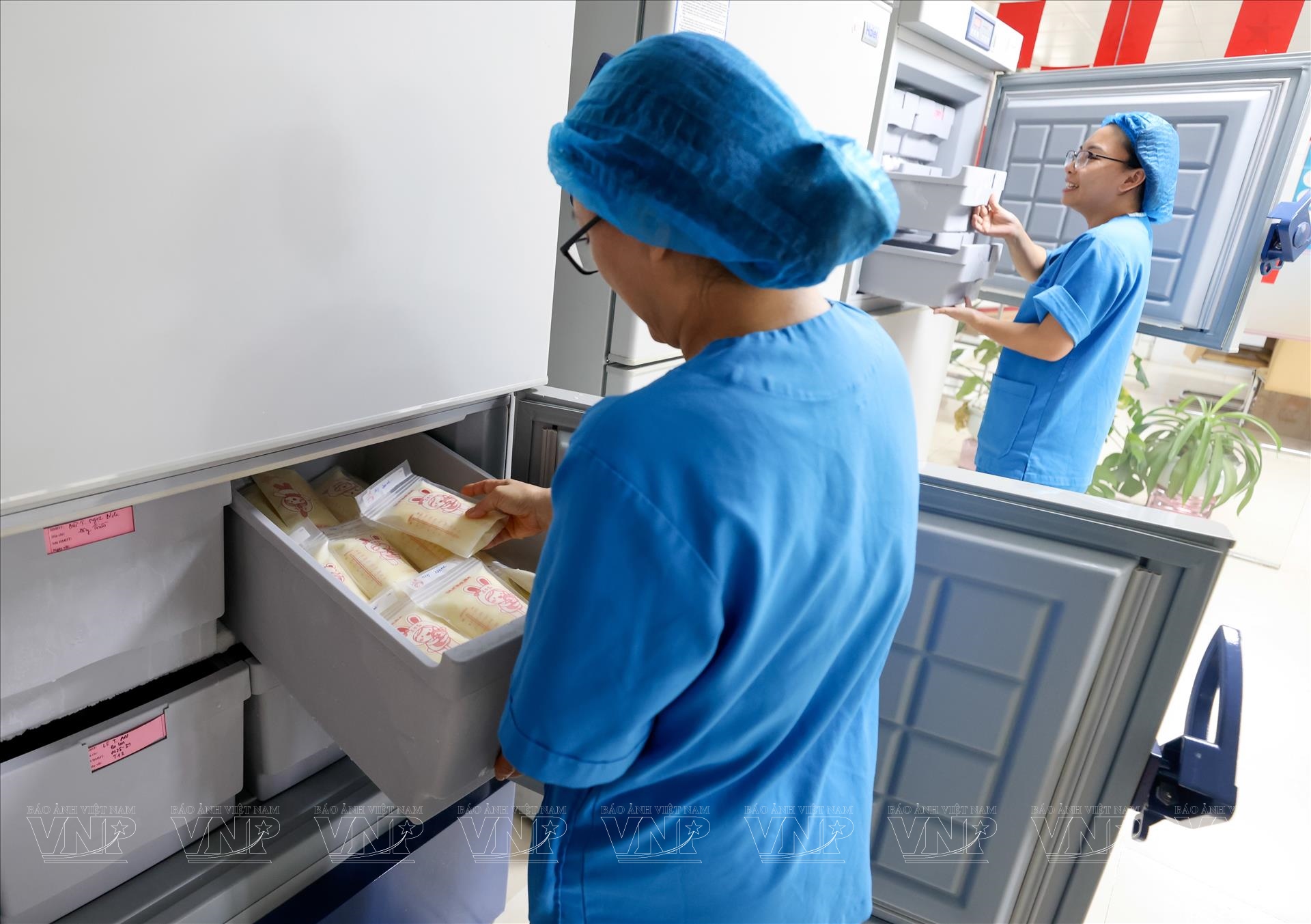
To date, thousands of liters of breast milk, screened and pasteurized under strict protocols, have helped nourish over 22,000 premature and sick newborns in the province. For infants weighing just a few hundred grams at birth, these drops of milk are the very first gift of life.
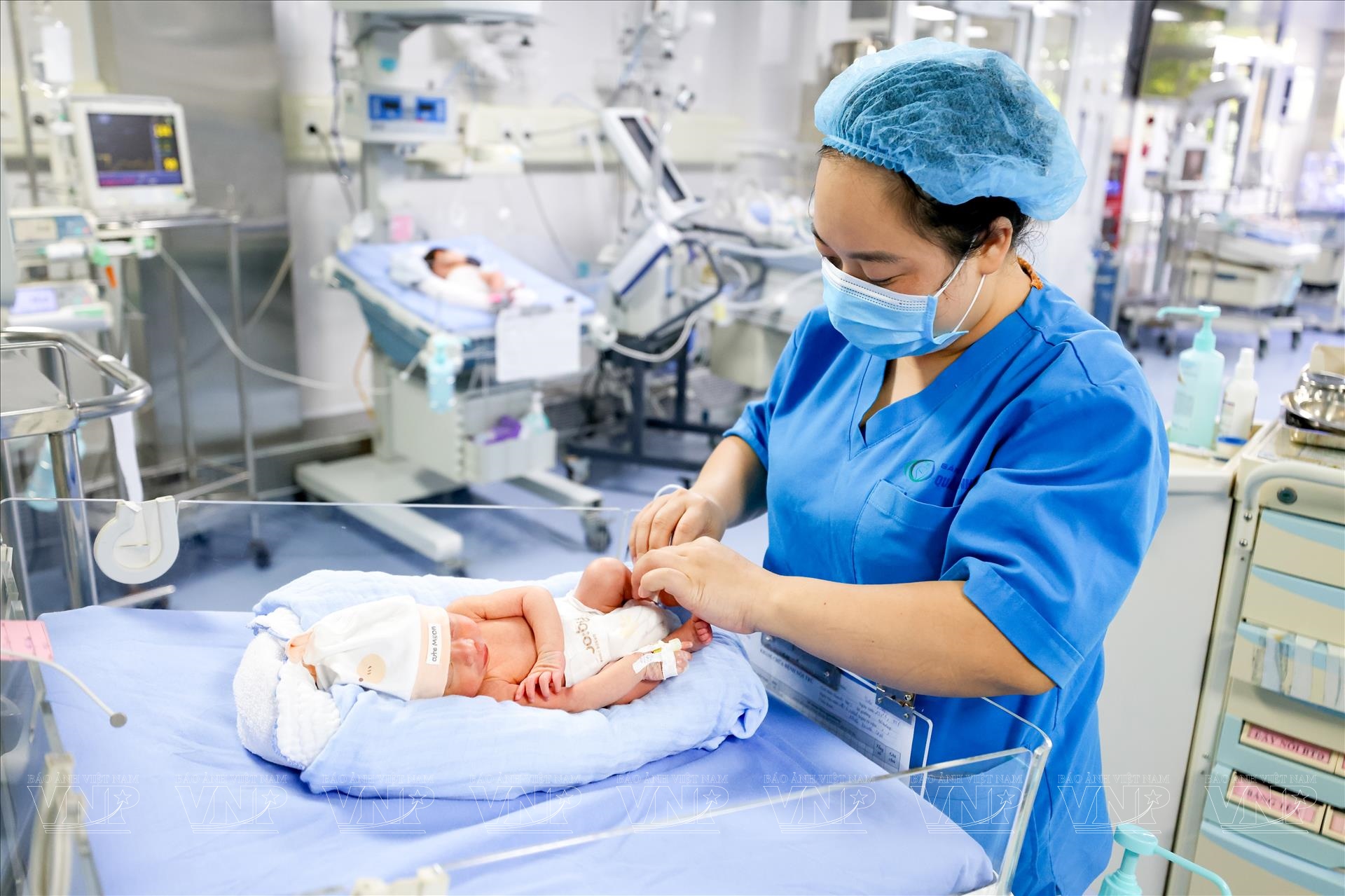
Dr. Bui Minh Cuong, Director of the Quang Ninh Obstetrics and Pediatrics Hospital, noted: "The implementation of Resolution No. 72-NQ/TW, along with our strategic focus on science, technology and digital transformation, has motivated the hospital to invest comprehensively in human resources, and specialized equipment and techniques. Consequently, many complex procedures that used to be available only at central hospitals are now successfully performed here in Quang Ninh."
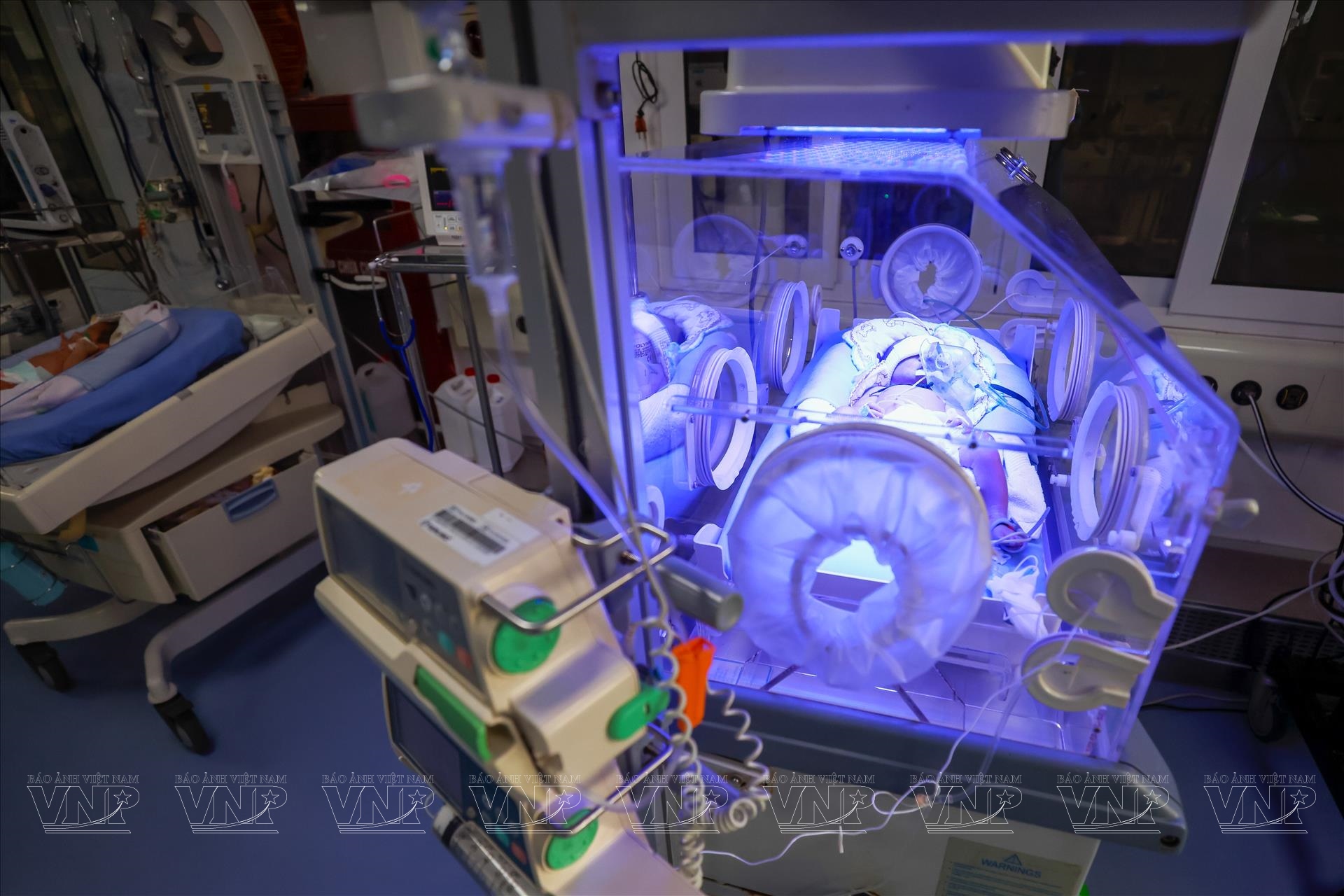
These advancements have been seen in critical cases that saved the patients in the nick of time. In the first half of this year, the hospital successfully performed congenital heart interventions on children and open-heart surgery on a 20-month-old patient, and saved an extremely premature infant born at 24 weeks and 5 days, weighing a mere 600 grams. Each healthy baby discharged from the hospital is a testament to medical progress and the ultimate reward for those in the white coats.
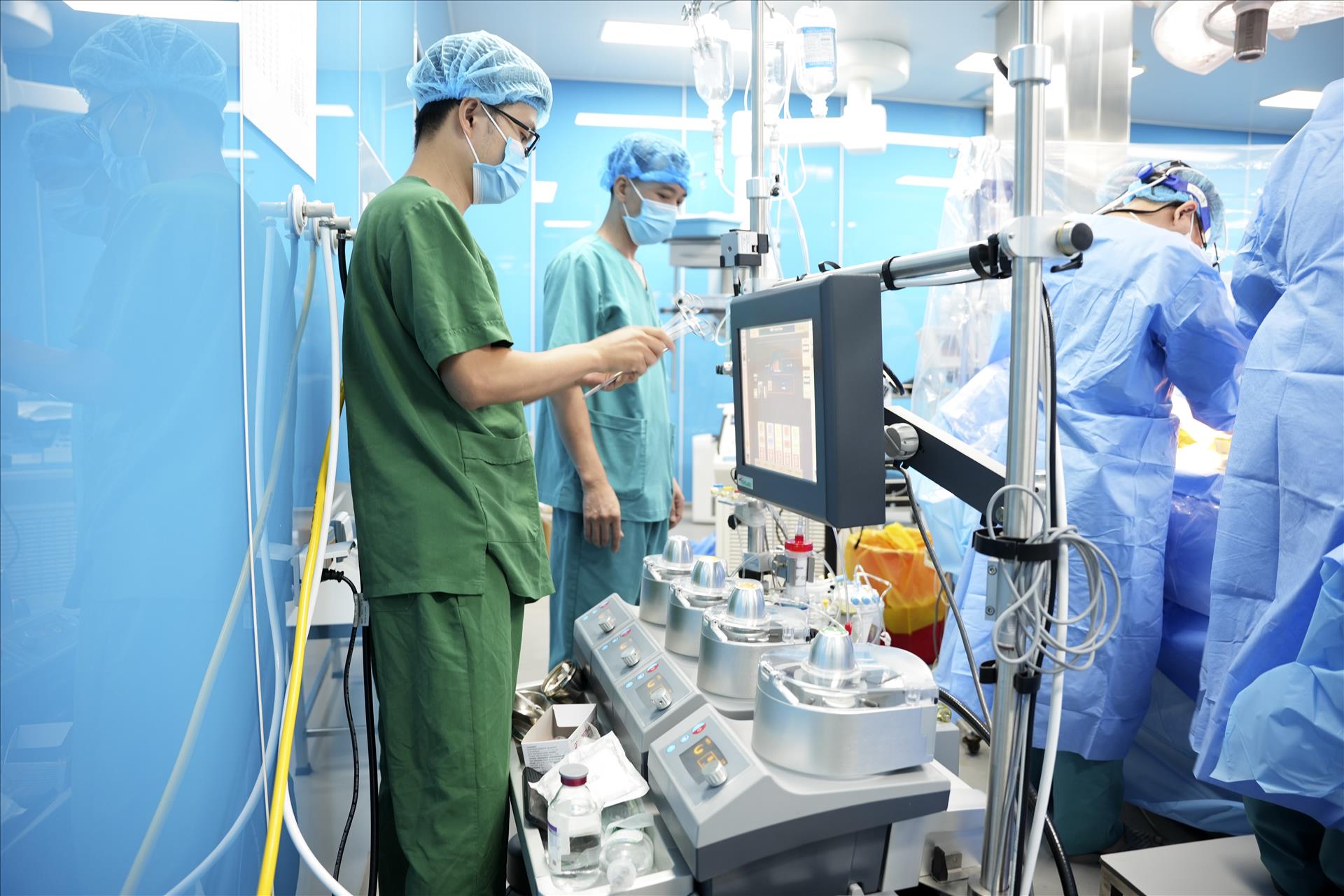
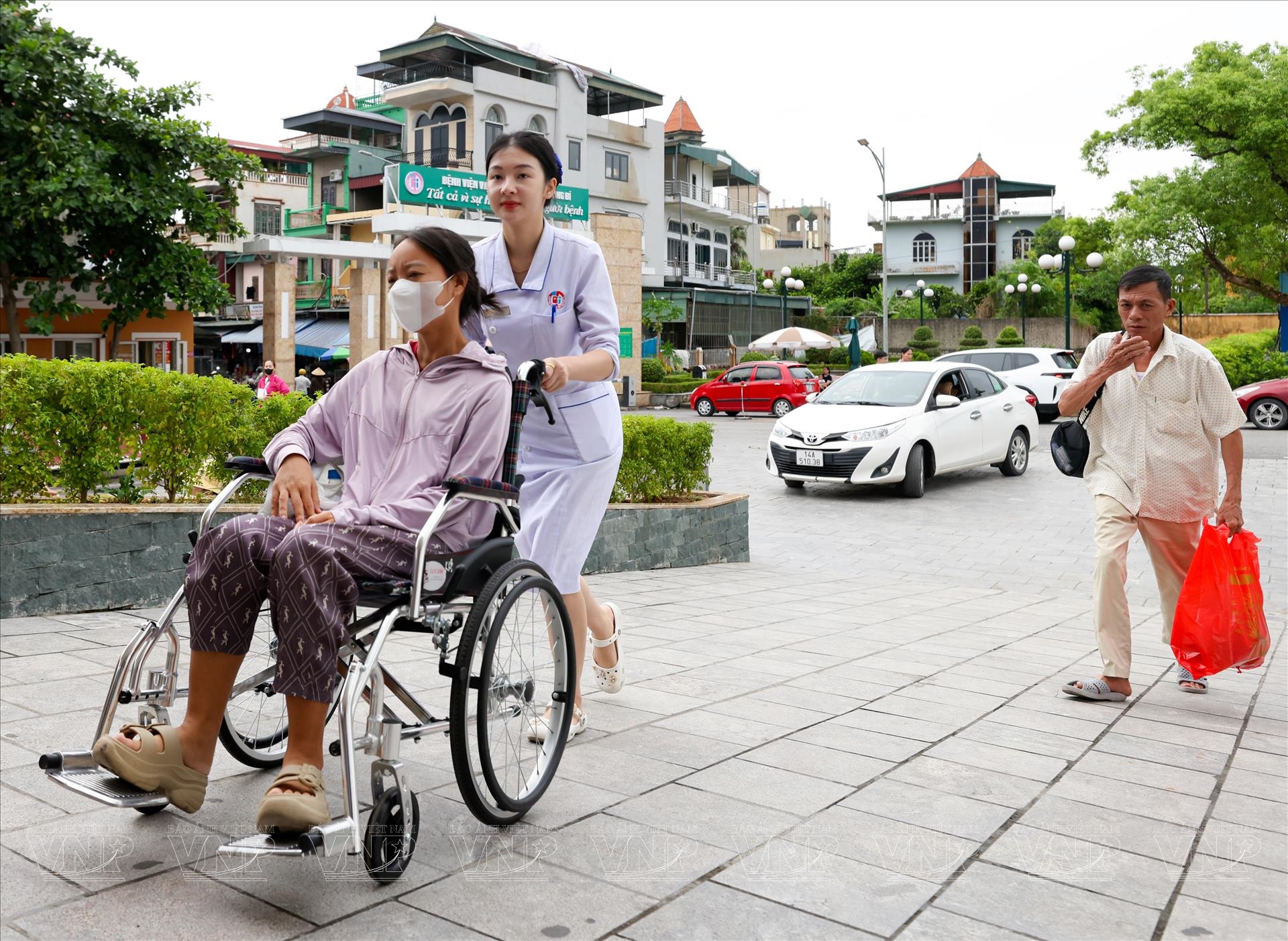
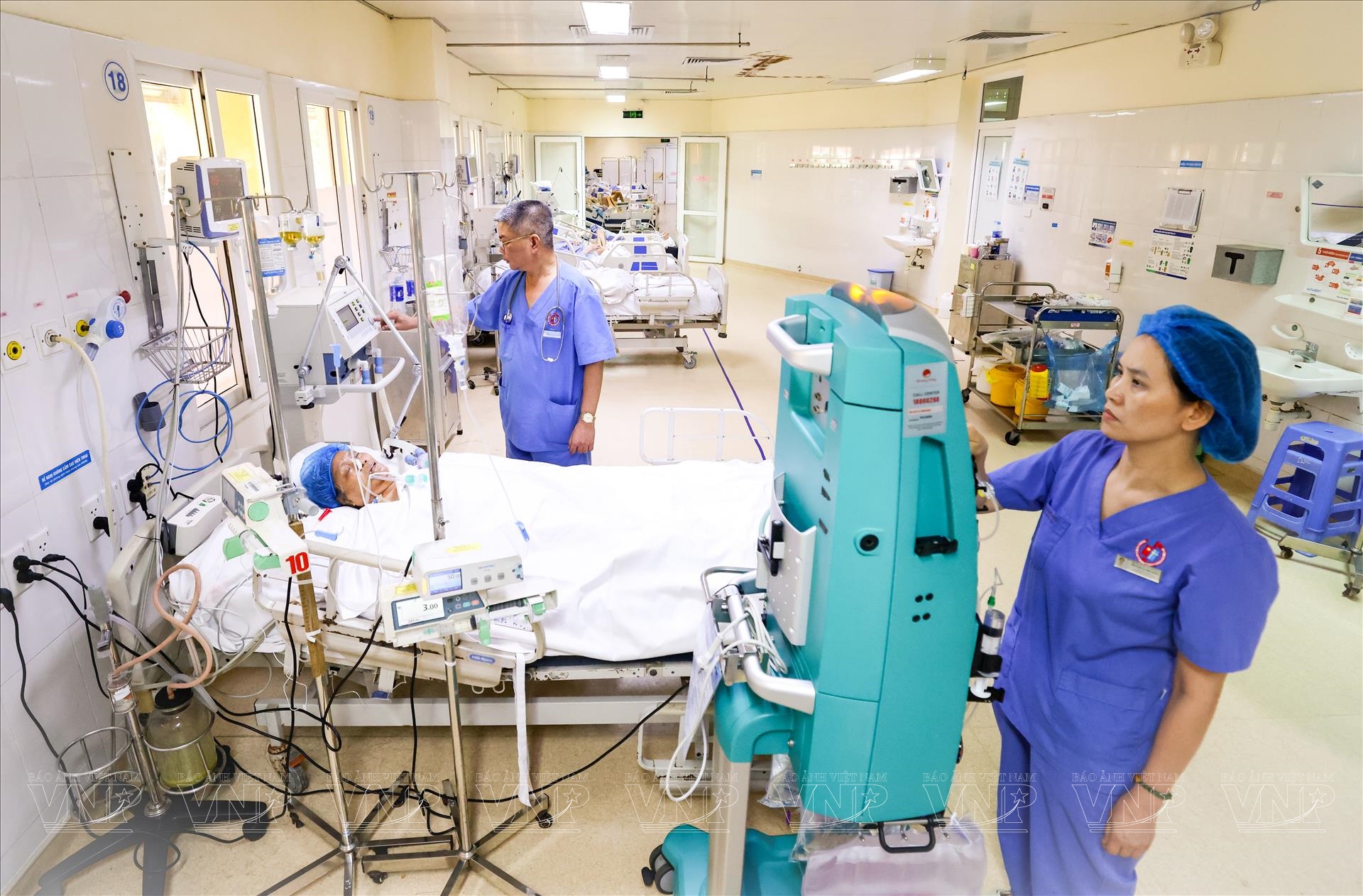
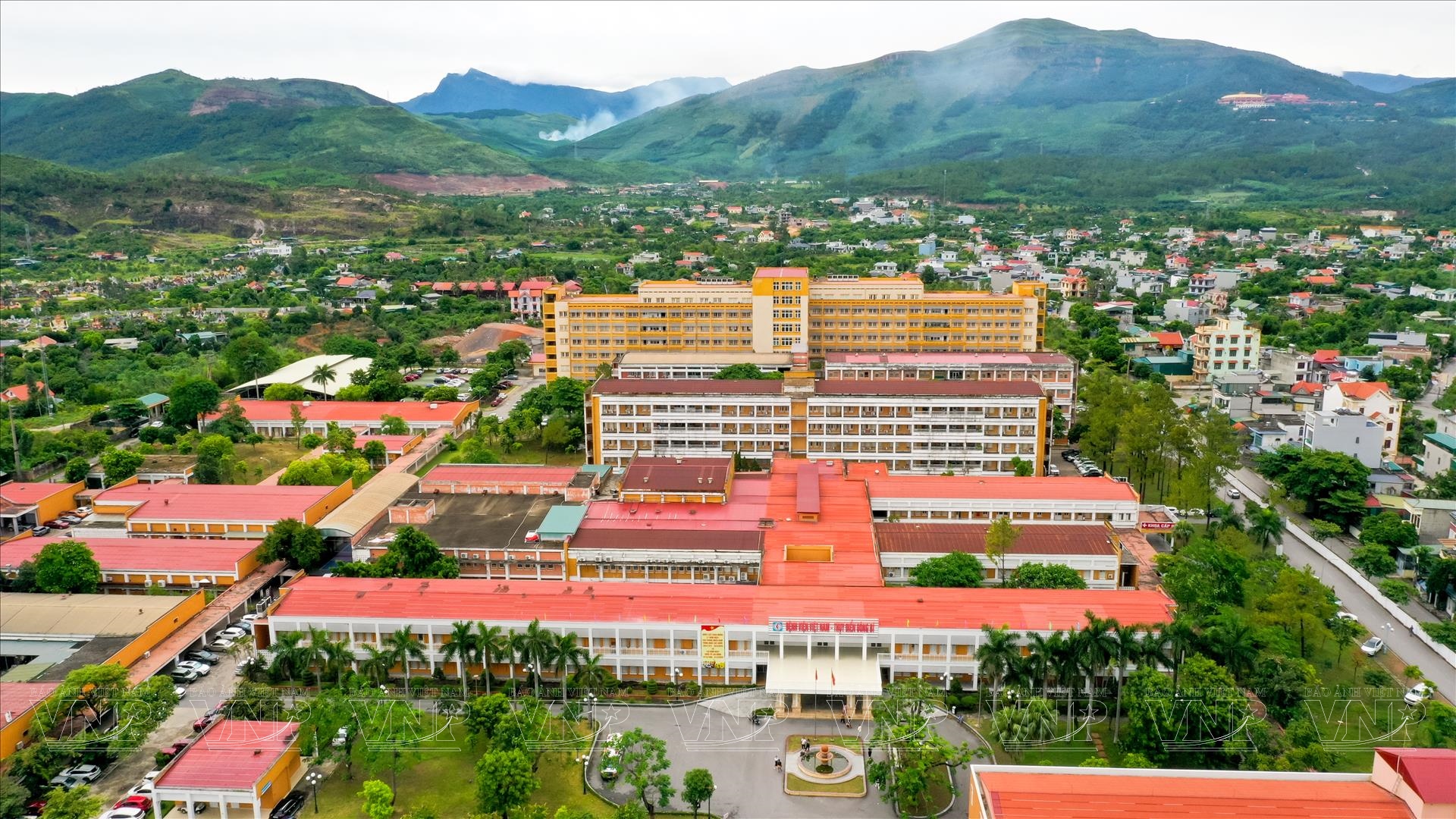
The final stop of our journey was the Vietnam - Sweden Uong Bi Hospital, an institution built with the support of the Swedish government in the early 1980s. Over nearly half a century, the hospital has grown into a major medical hub in the northeast region. At his office filled with medical literature and research projects, Dr. Tran Anh Cuong, Director of the Hospital and Principal of the Quang Ninh Medical College, said proudly, "Our greatest achievement is not just the scale or volume of techniques deployed, but the referral rate to central hospitals dropping to less than 1%. This shows that more and more locals can access high-quality medical services right in their home province."
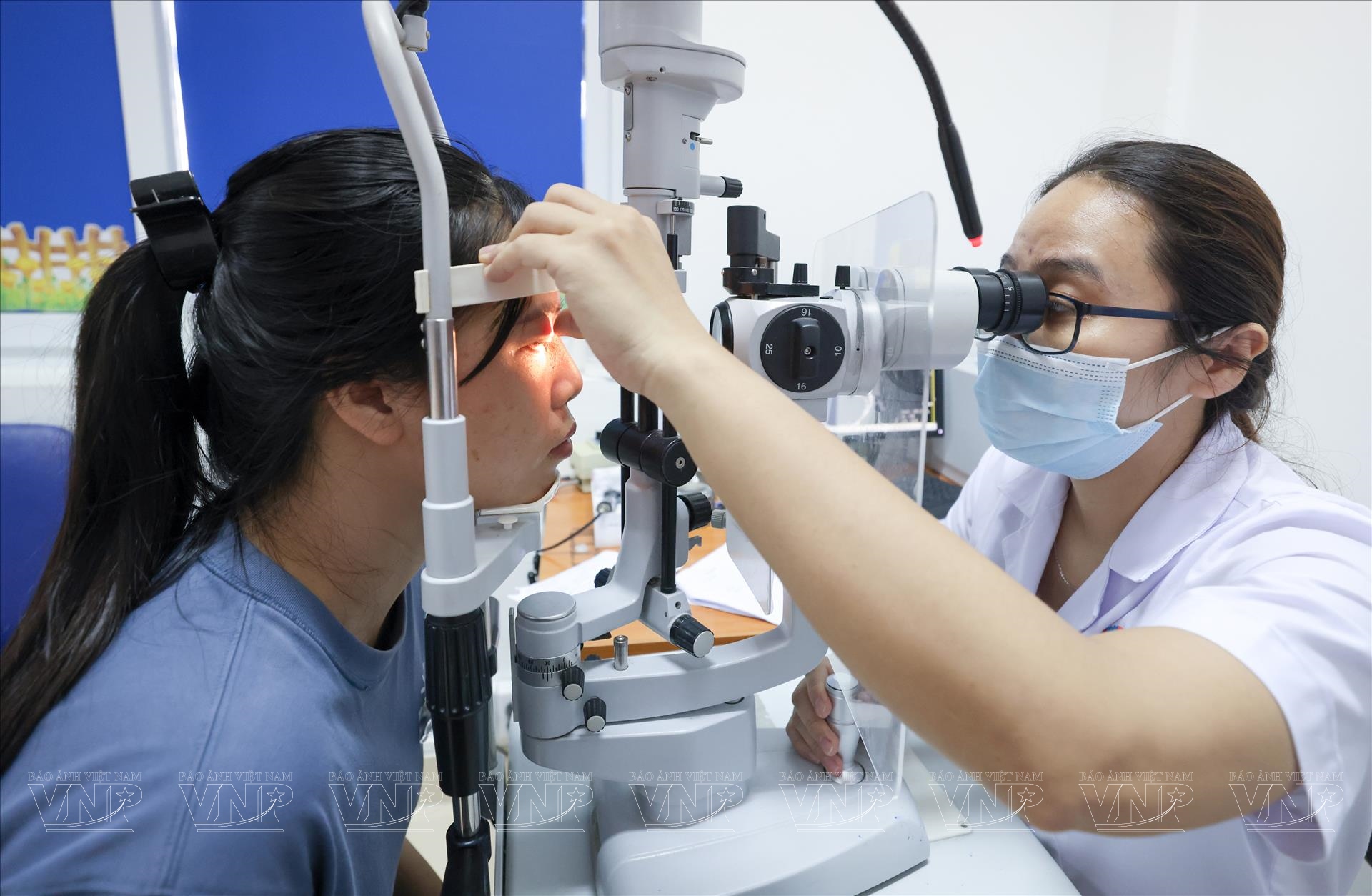
In recent years, the hospital has introduced advanced procedures such as multi-tissue and organ retrieval from brain-dead donors, kidney transplant and cornea transplant. Each successful transplant opens up a new lease on life for a patient and underscores the maturity of Vietnamese medicine in mastering state-of-the-art techniques.
The hospital’s growth has been further bolstered by international cooperation. In April, experts from the Karolinska University Hospital (Sweden) worked directly with the hospital's team, conducting joint consultations and transferring advanced knowledge in managing complex obstetric and neonatal cases. These overnight consultations and hands-on training sessions have significantly boosted the local clinical capacity.
In the Obstetrics Department, we met Nguyen Thi Loi, who had been through weeks of deep anxiety after her baby was born prematurely. After a lot of time in intensive care, the room fell completely still as doctors gently placed the baby back into her arms. Holding her child close, she wept, "I thought I was going to lose him. To hold and breastfeed him with the very first drops of milk is my greatest happiness."
That poignant moment encapsulated our journey across Quang Ninh’s borders, islands and medical centers. From the highlands of Binh Lieu to the outpost island of Co To, from the human milk bank to the operating rooms, one common thread stands out: the dedication of medical professionals, amplified by science, technology and digital transformation, is bringing quality healthcare services closer to every citizen.
Resolution No. 72-NQ/TW of September 9, 2025 is therefore far more than a policy blueprint for the medical sector. In this northeastern region, its spirit lives on in every electronic health profile, every life-saving emergency handled by a local clinic, every newborn saved and every patient's smile upon recovery. It is the realization of a goal to care for public health with the love of every physician and the power of science./.
Story: Thong Thien Photos: Trinh Bo, Cong Dat, Thong Thien/VNP & Files