Water Procession Honors the Sacred Red River
The Red River plays an important part in the spiritual and cultural life of riverside communities whose heritage includes the water procession. The ritual, which honors the river and prays for favorable weather, is conducted differently from one community to another, depending on the local history and legends.
Tribute to the Sacred River
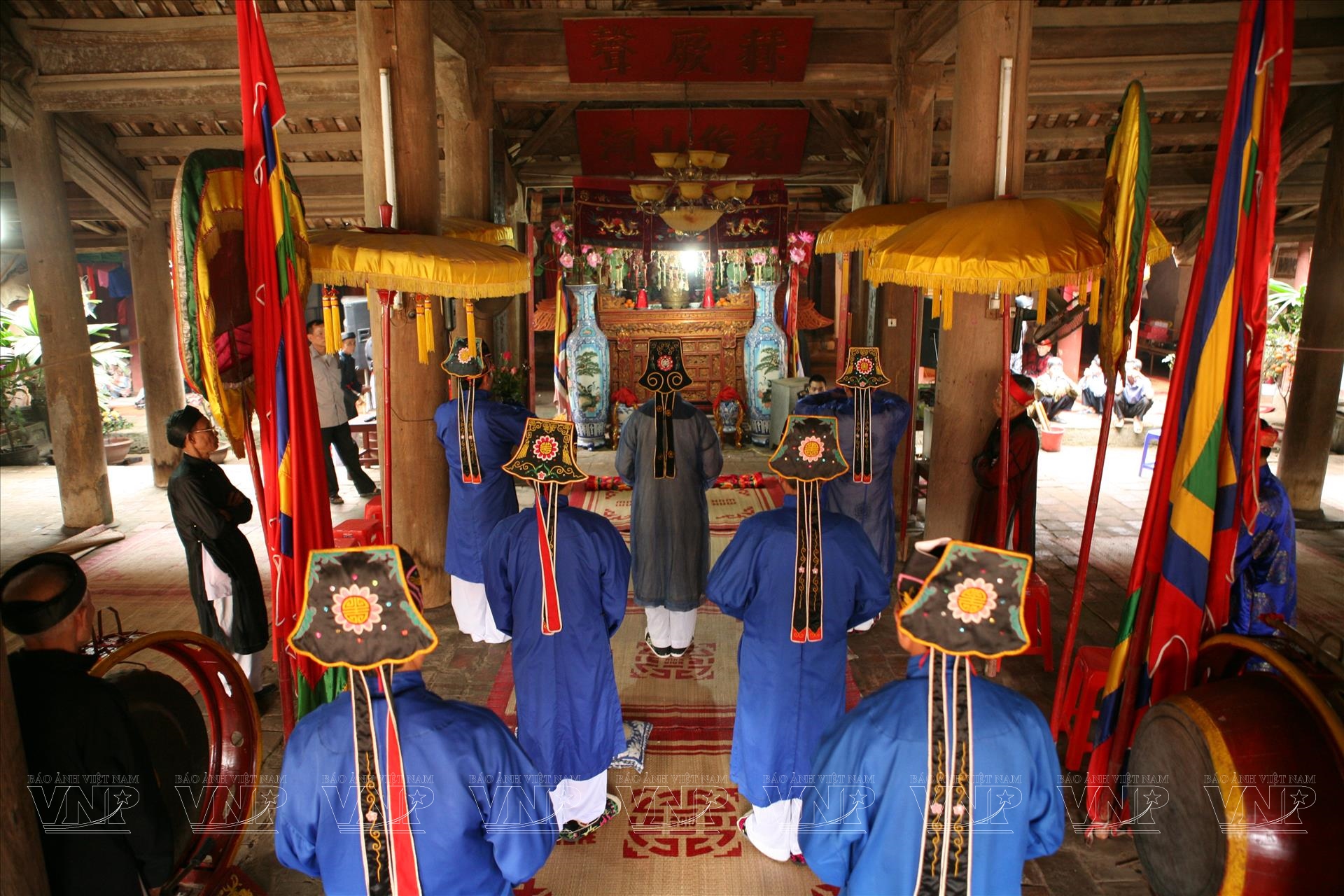
Lien Ha village on the outskirts of Hanoi holds its water-procession ritual at the beginning of the lunar year. Rooted in an ancient veneration of the Mother River in the northern region, the ceremony expresses gratitude to the water source that has sustained the life of the riverside community.
“Water is taken from the middle of the river, where it is purest, then brought to the communal house to bathe the statue of Thanh Hoang (village deity),” said Nguyen Van Minh, an elder from Lien Ha, who has participated in the festival for over 40 years.
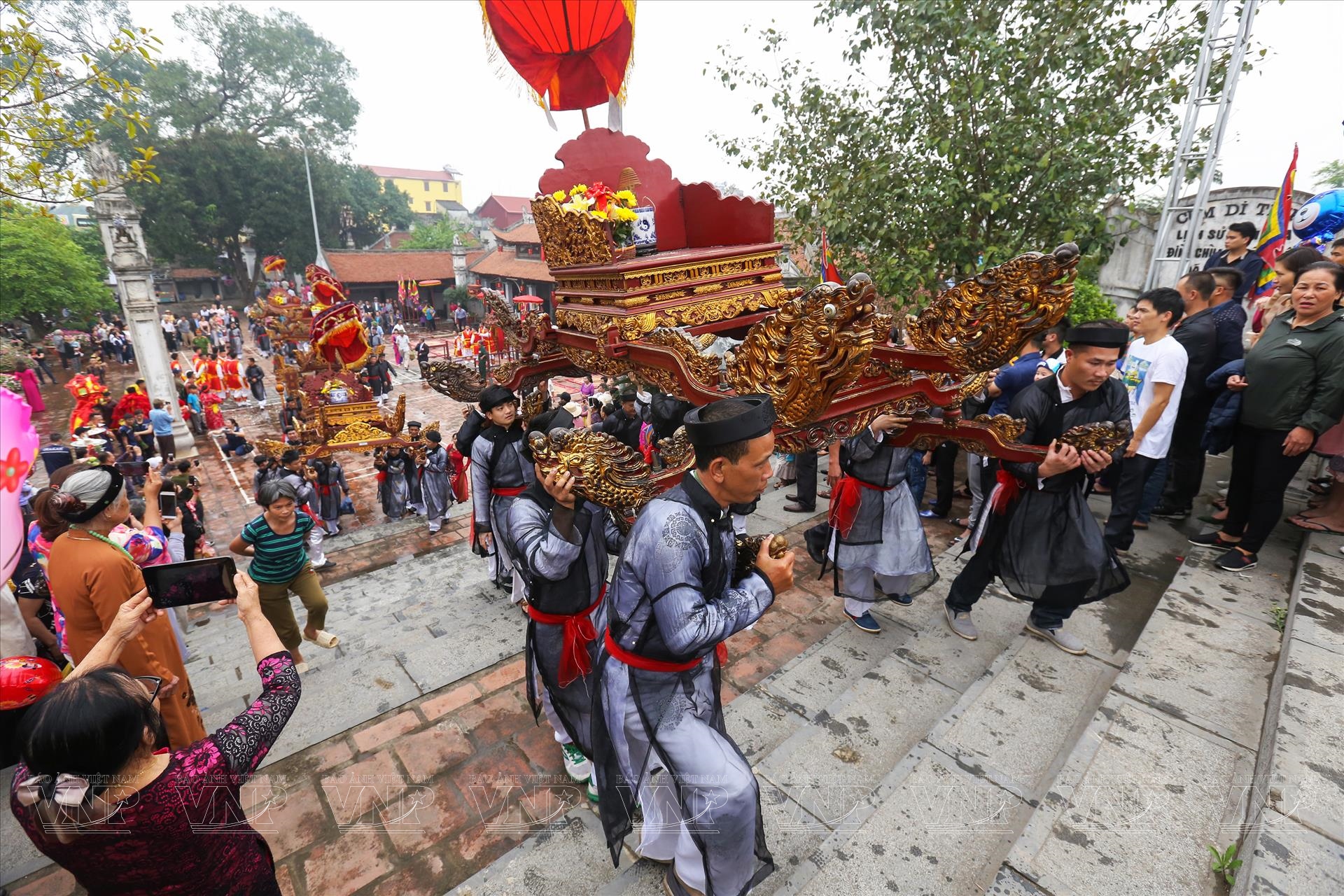
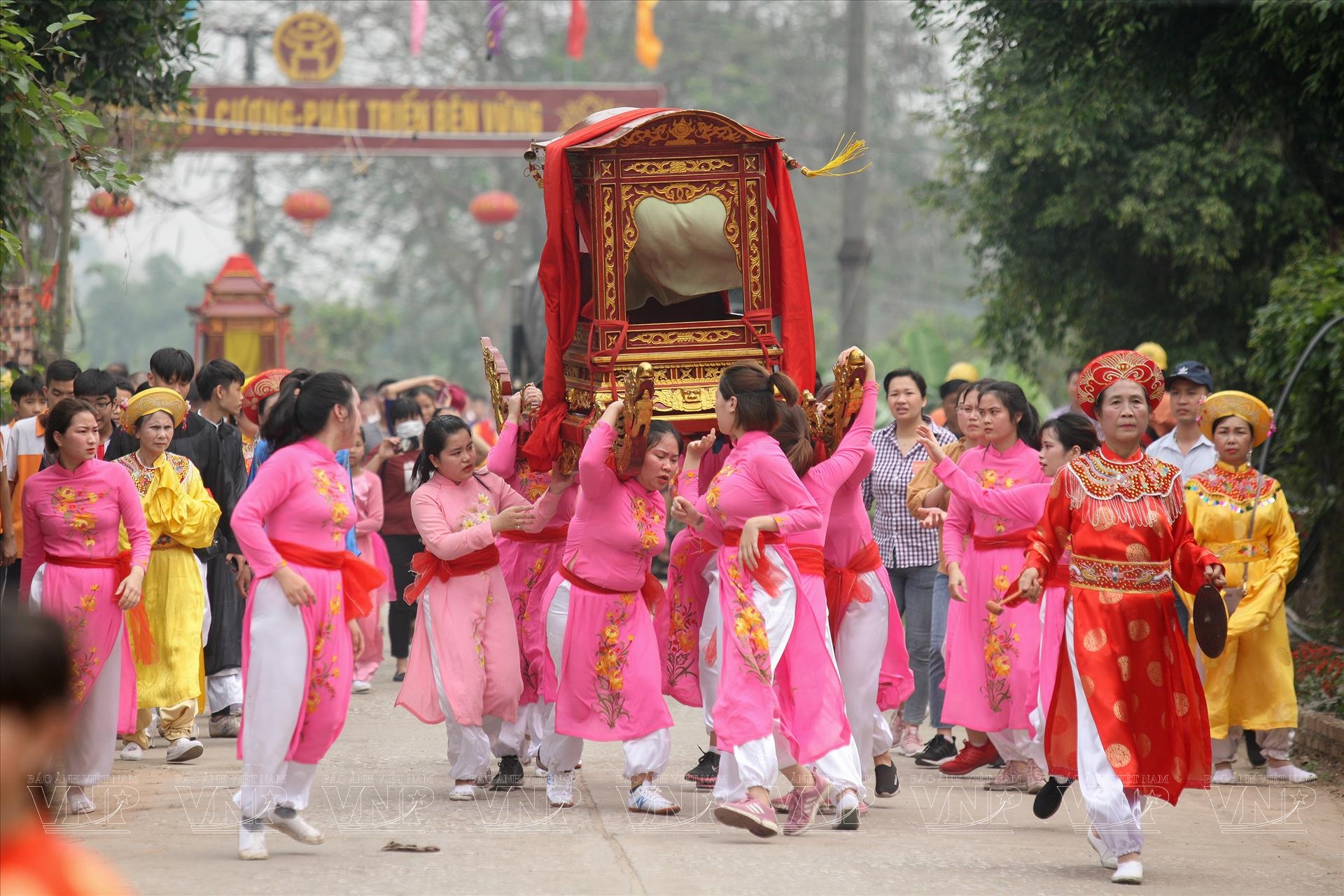
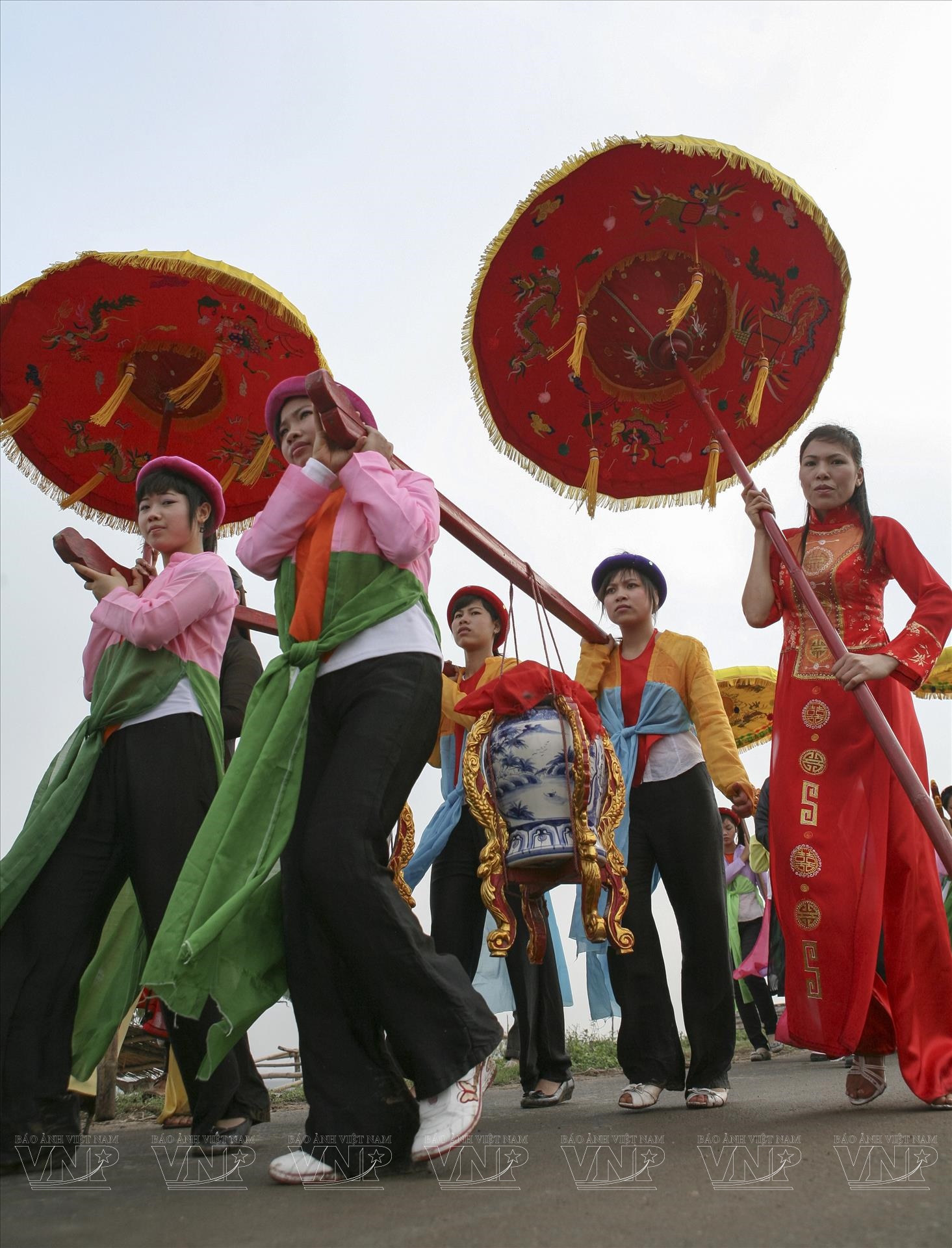
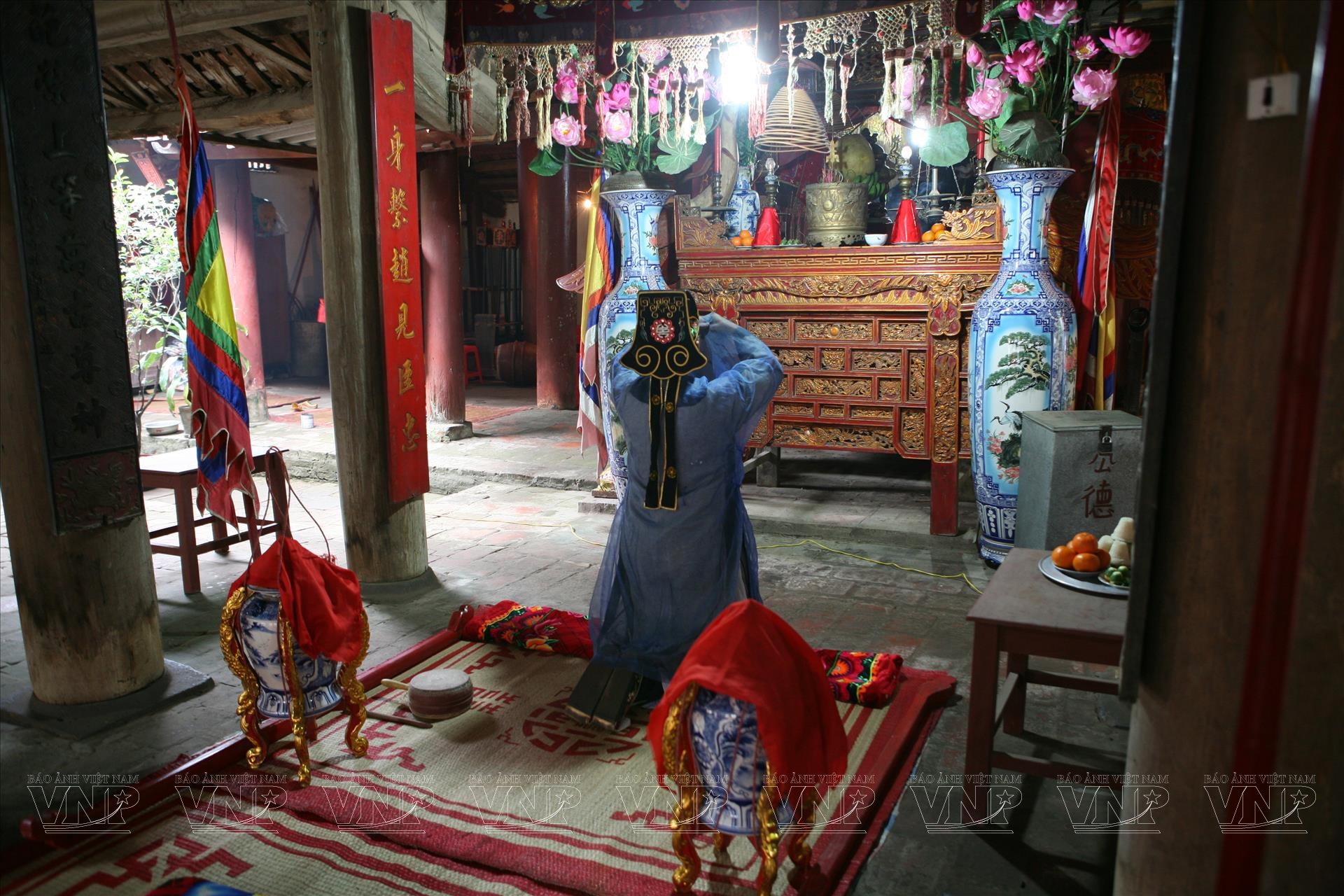
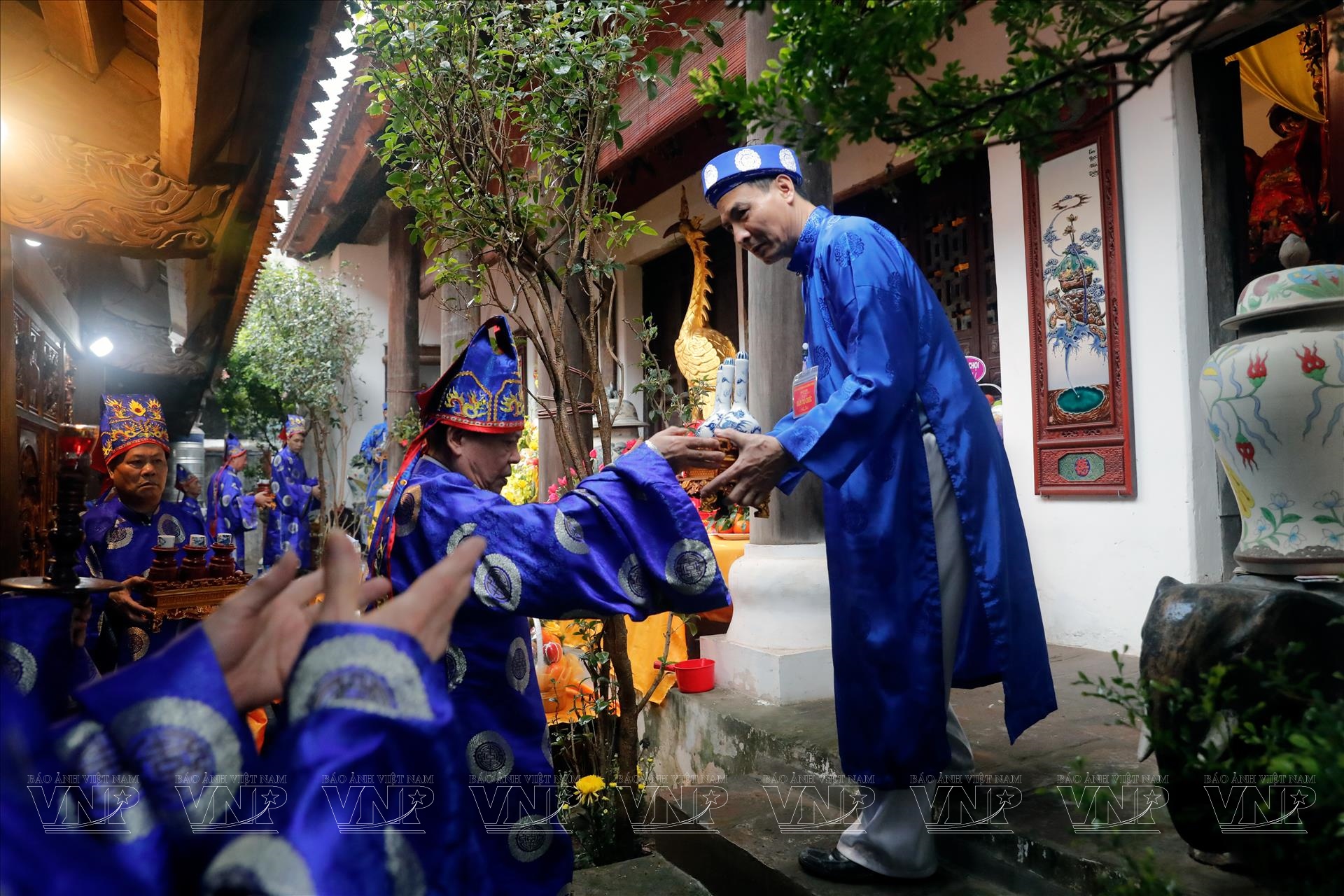
Stretching over a km from the ancient communal house to the riverbank, the procession draws hundreds of villagers. When the boat reaches midstream, the ritual master presents offerings to the River God before scooping water into a choe (ceramic altar jar). The holy water is then brought back to the communal house for use in year-round ceremonies, symbolizing the enduring bond between the village and the river.
Less than 20km away, Tho Khoi village preserves an equally vibrant ritual. The 2km-long procession from the communal house to the riverbank is renowned for its sacred palanquins carried at a run, spinning continuously in rhythmic motion. Six palanquins, representing the village’s six guardian deities, are carried by young men and women.
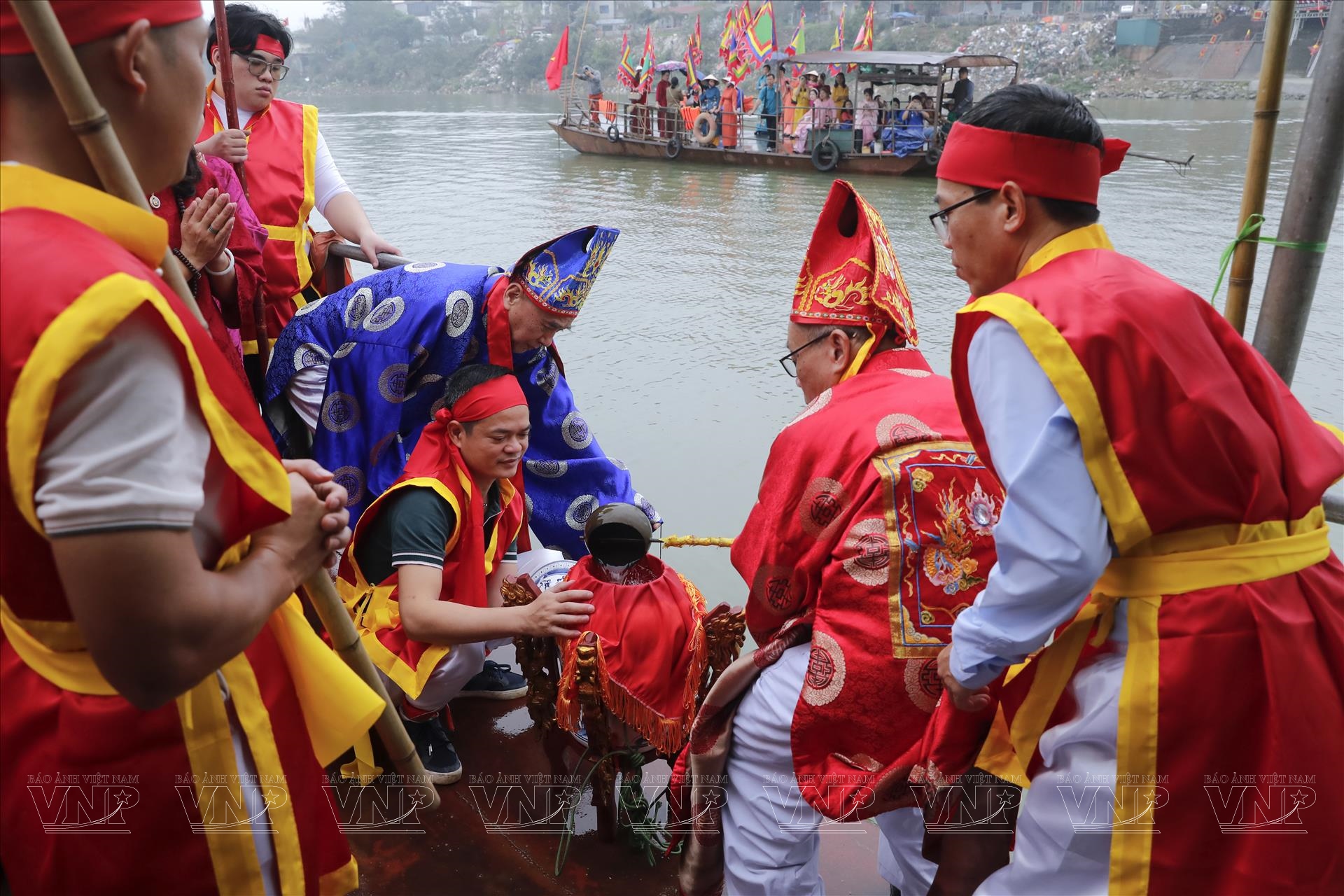
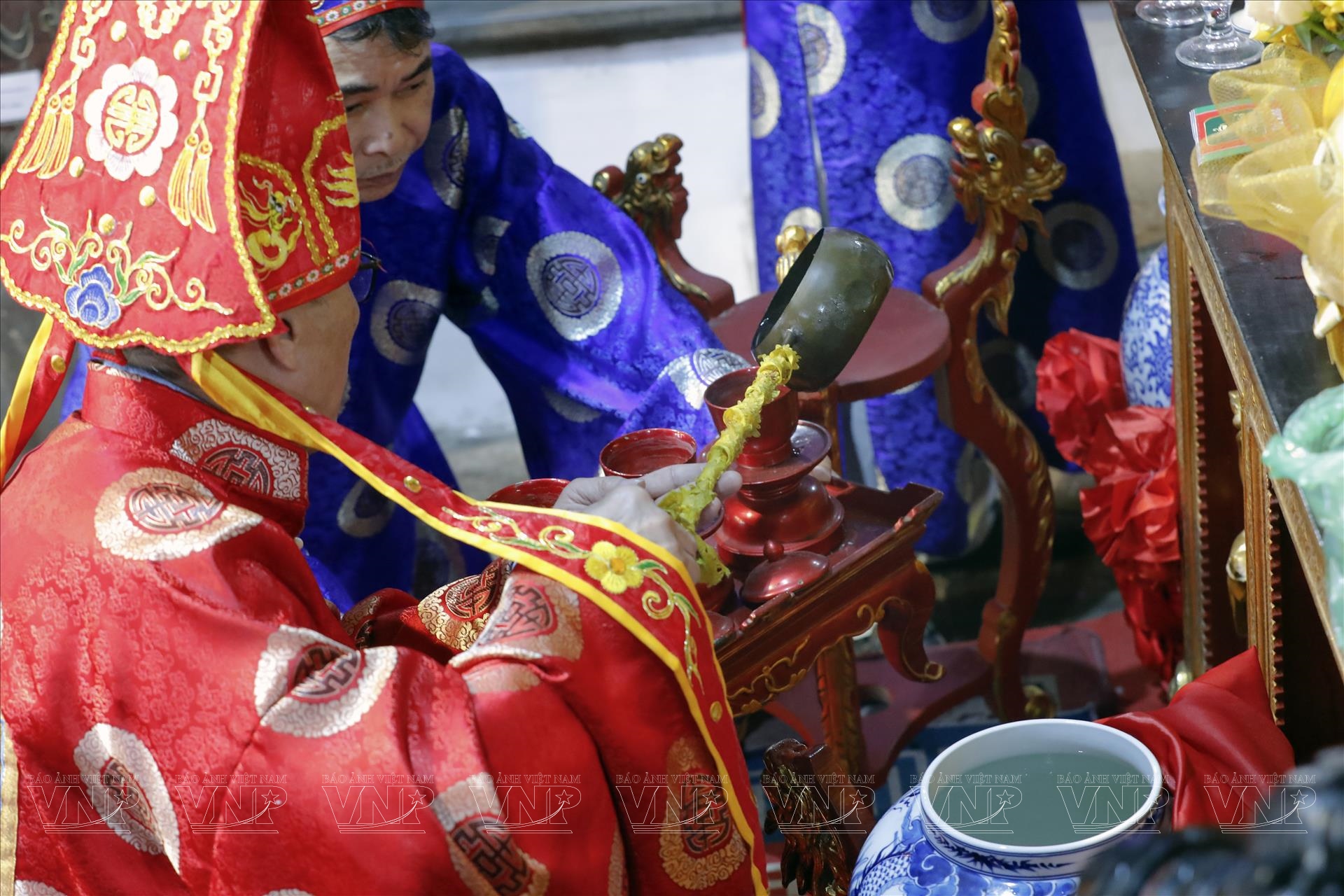
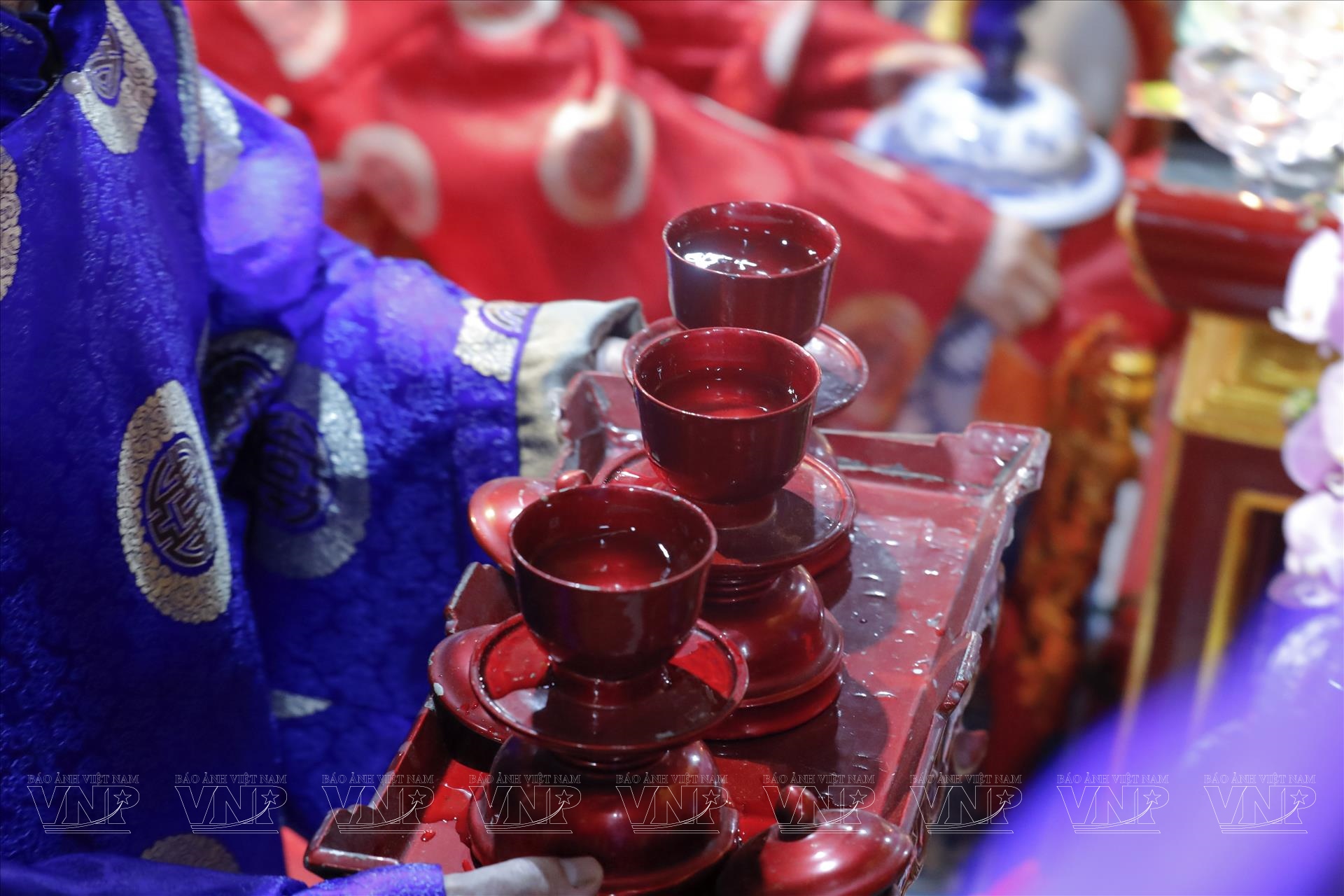
When the procession reaches the riverbank, the choe is taken aboard a boat to midstream, where the ritual master carefully scoops 37 ladles of clean water, to be taken back to the communal house for a ritual to bathe the statue of Thanh Hoang. The statue bathing ritual is conducted only by the ritual master and the communal house’s guard.
The River in Pottery Village’s Life
While the rituals in Lien Ha and Tho Khoi reflect a belief of farmers, the ceremony in Bat Trang pottery village carries the distinct mark of a riverside craft community. Recognized as a national intangible cultural heritage in 2025, the water-procession ritual is the highlight of the Bat Trang festival in the mid-second lunar month. For Bat Trang villagers, the Red River is not only linked to the community’s history but is an essential source of clay and water for their craft.
Nguyen Duc Khoa, a member of the 2026 Bat Trang Festival Organizing Committee, said that the ritual is not just a devotional event, but a reminder to younger generations of their duty to protect the village’s source of livelihood. Here, the ritual master scoops 18 ladles of water, filtering it through red silk before pouring it into a large ceramic urn, which is solemnly carried back to the communal house for year-round use. The sacred ceremony is followed by hands-on pottery workshops, craft fairs and folk games that largely attract locals and foreign visitors.
Handed down from one generation to another, the waterprocession ritual on the banks of the Red River connects the past and present where Hanoi’s riverside communities pay heartfelt tribute to a river that has nurtured the life and culture of the city./.
Story: Tran Van Photos: Viet Cuong & Thong Thien/VNP