Vietnamese Heritage - Unique Imprints for Humanity
From Dong Ho paintings gracing galleries in New York and the resonant tones of the Dan Day (three-stringed lute) echoing through Paris, to the sharp rhythm of Ca Tru (ceremonial singing) clappers in Hanoi’s Old Quarter and the presence of Cham pottery in contemporary spaces - every element serves as a silent "cultural ambassador".
Vietnamese Heritage: Unique Imprints for Humanity is a journey to decode
four exceptional cultural "genetic codes": Dong Ho paintings, Ca Tru, Xoan
singing, and Cham pottery - Vietnam’s sophisticated contributions to the
world’s shared treasury of heritage.
Four Unique Nuances of Vietnamese Culture
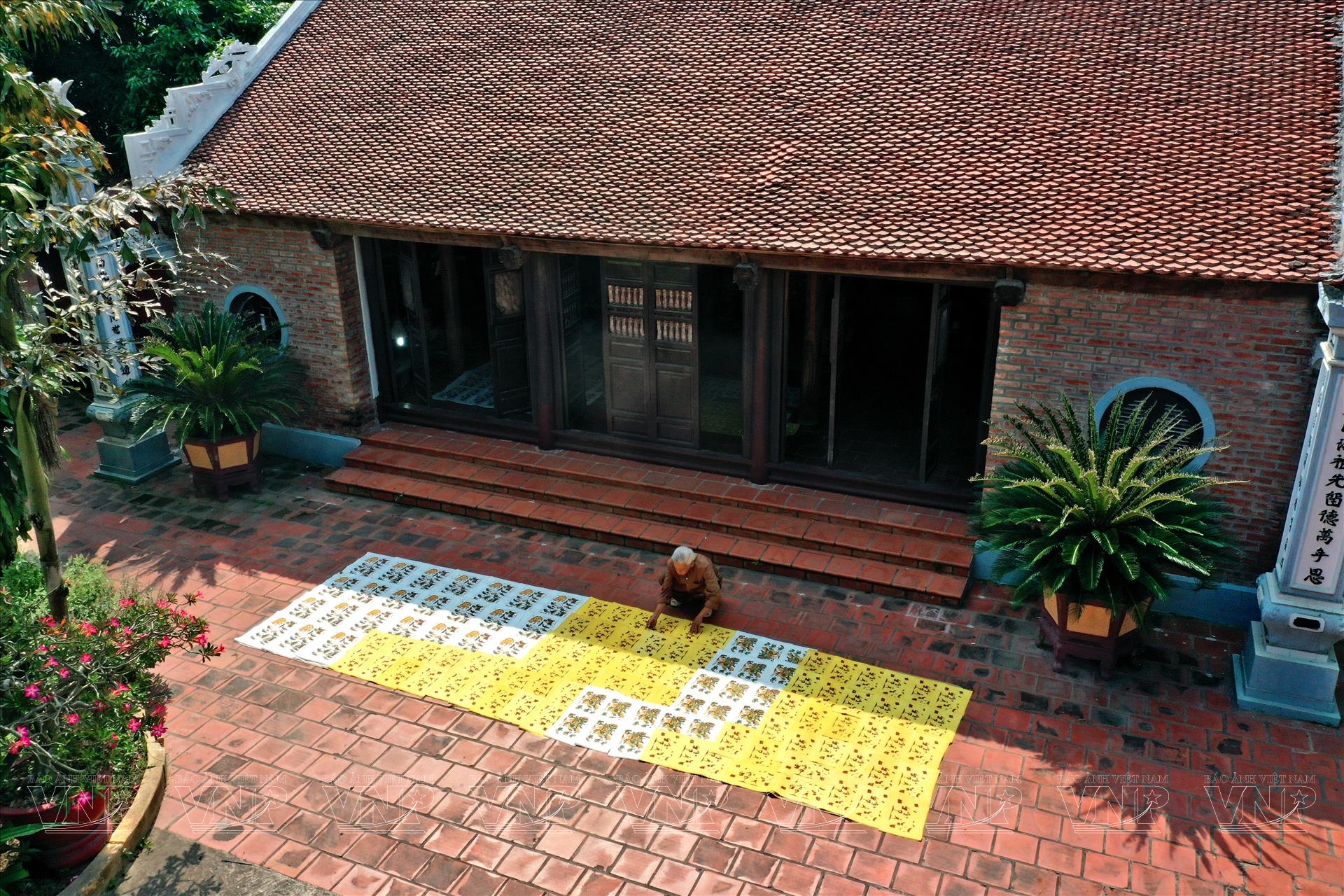
Nestled along the Duong River, the people of Dong Ho Village (Bac Ninh
Province) created a distinctive genre of folk painting that crystallized an
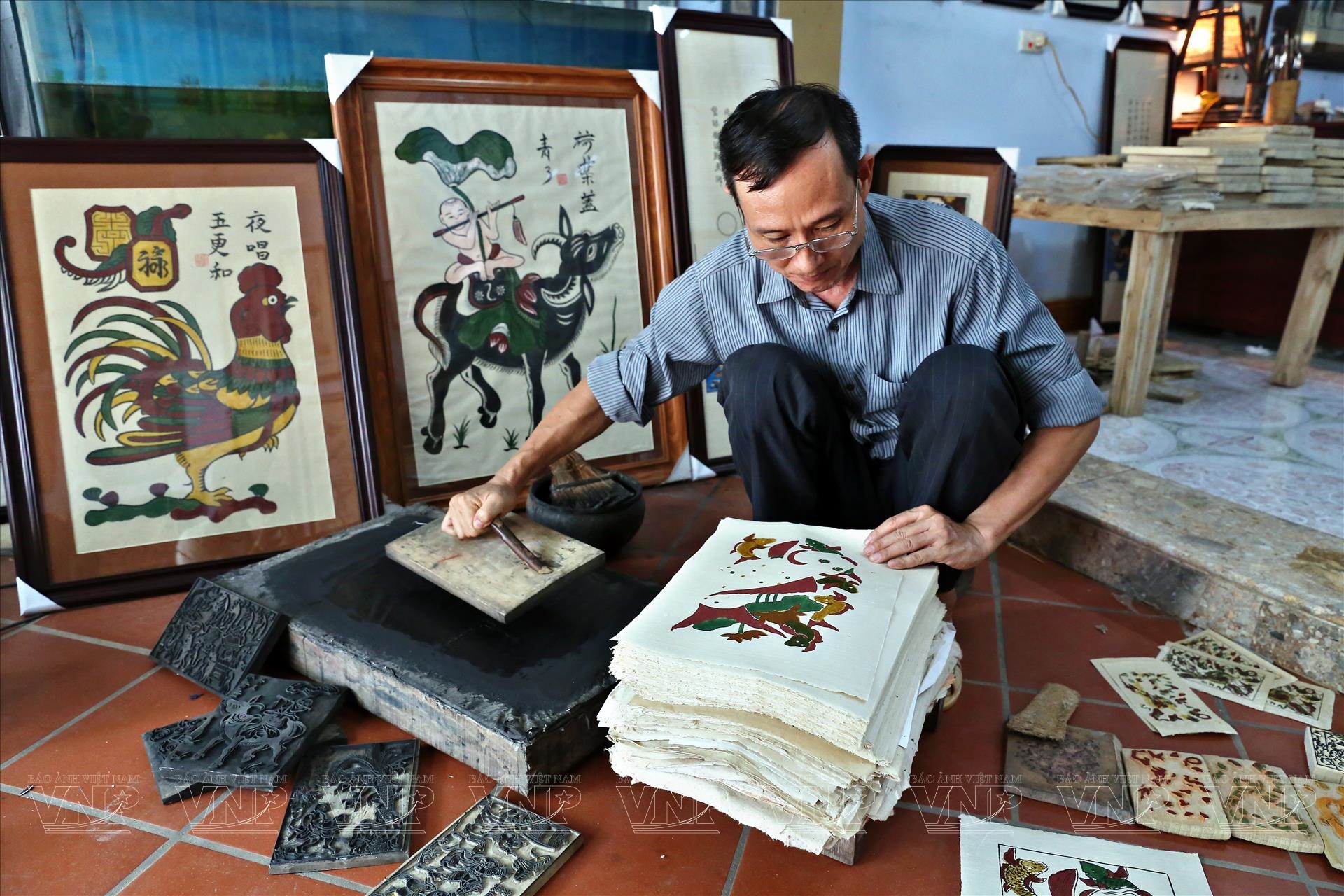
ecological philosophy centuries ago. A layer of diep (seashell) powder mixed
with glutinous rice paste is brushed on Do (poonah) paper to create a natural
pearlescent shimmer. The palette is a pure extraction of nature: black from
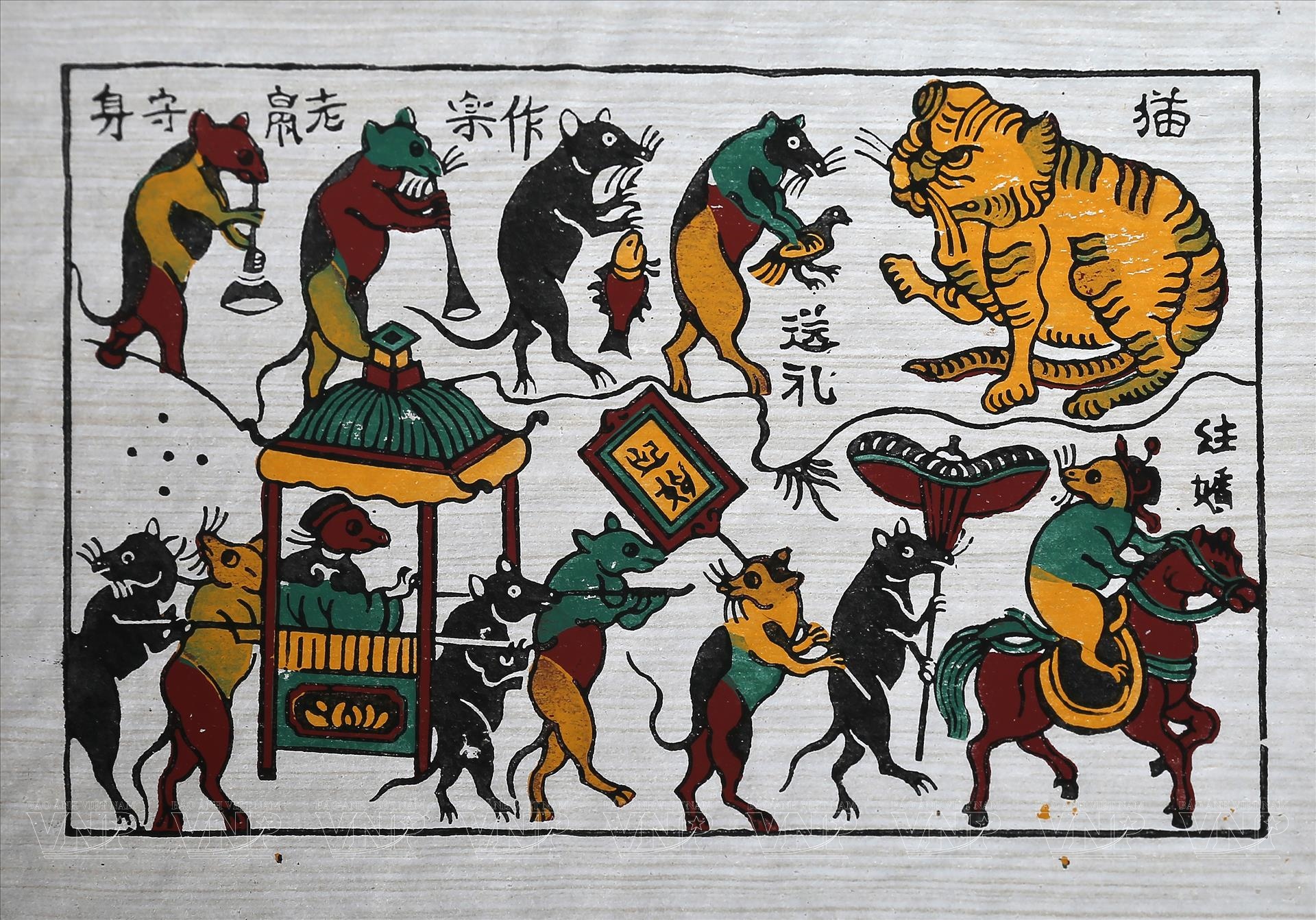
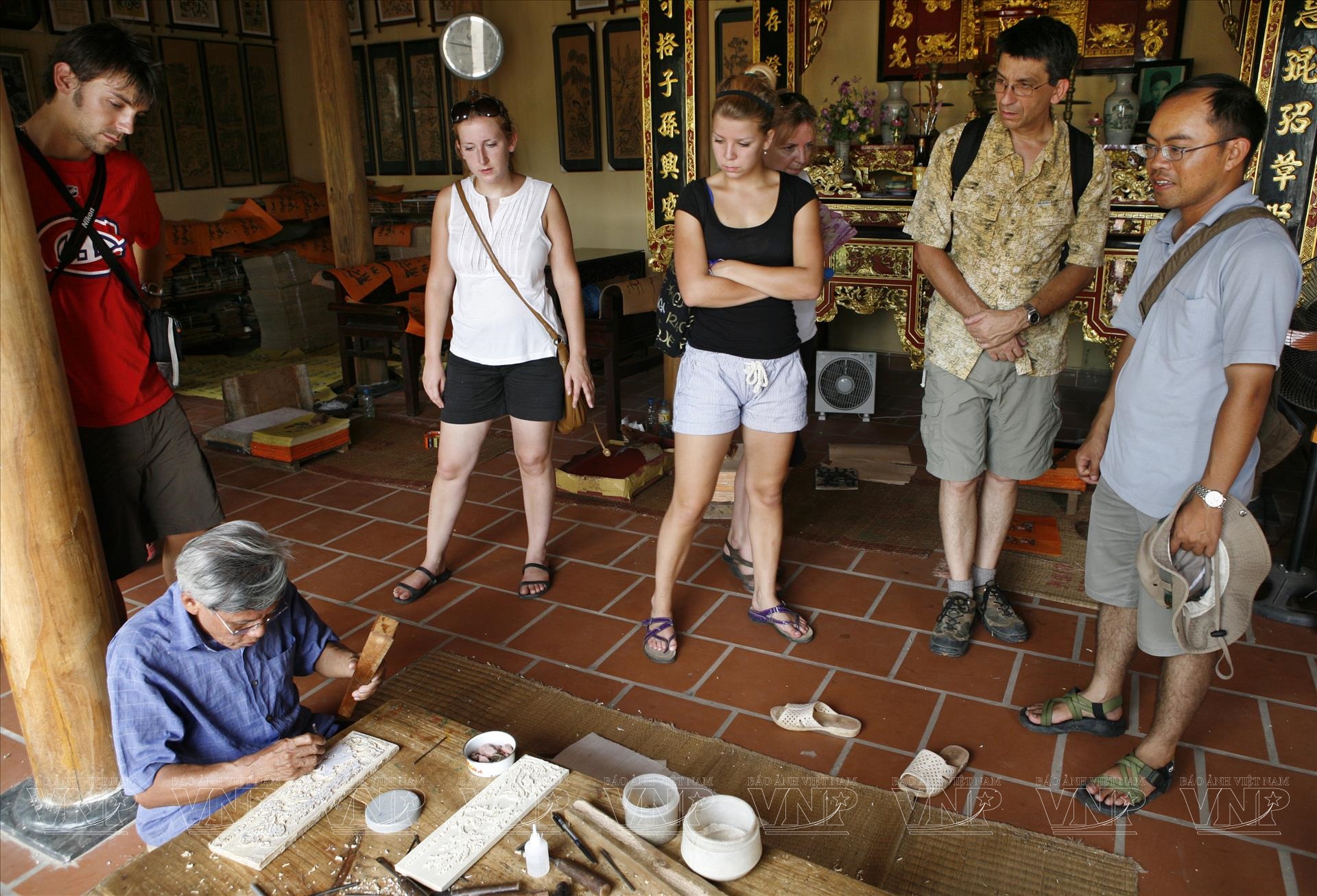
bamboo leaf charcoal, red from pebbles, yellow from pagoda tree flowers, and blue from indigo leaves. Beyond visual art, Dong Ho
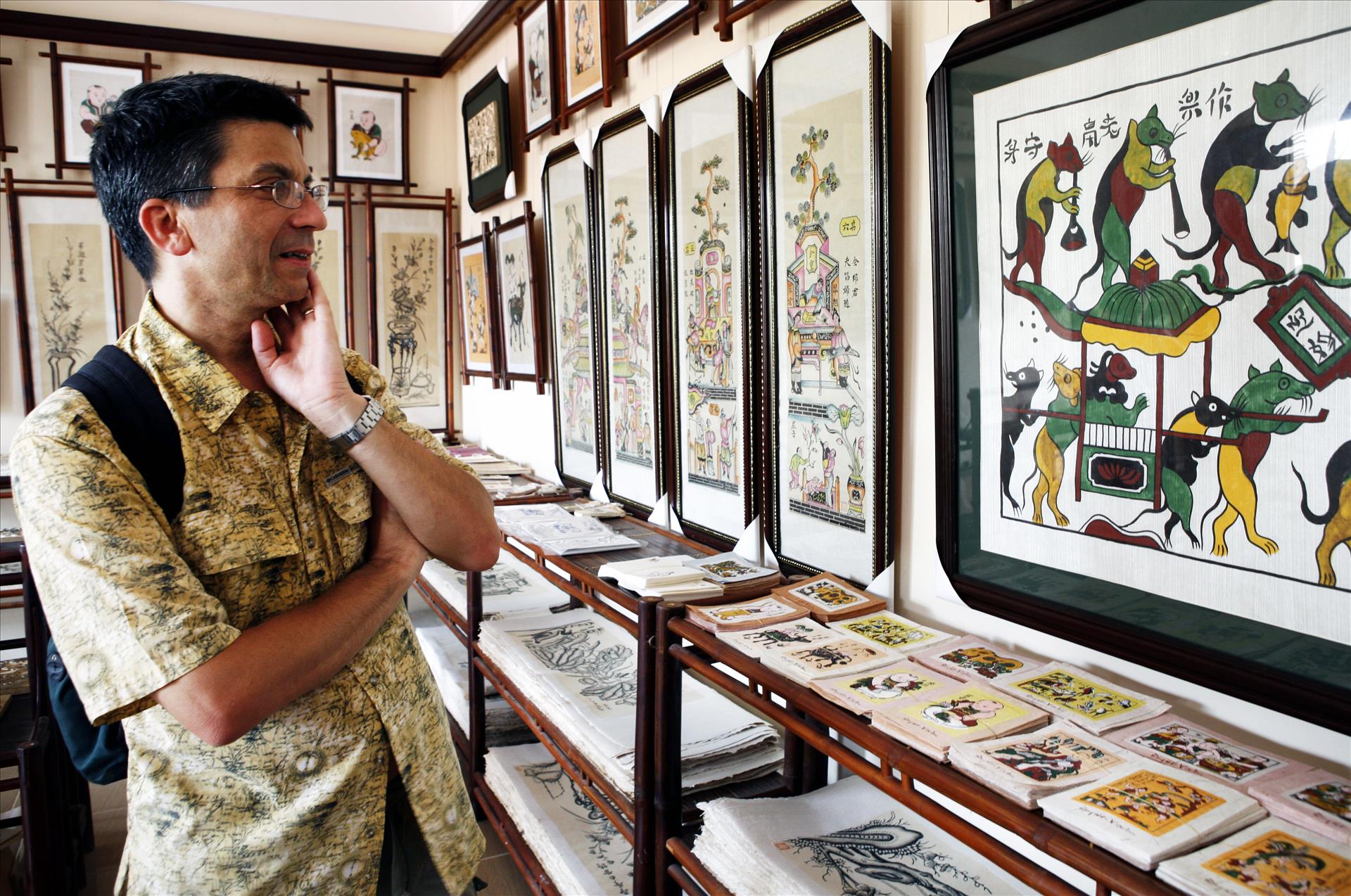
paintings reflect the agrarian life and humanistic
philosophy of the Vietnamese people, where works like
"The Rat’s Wedding" or depictions of chickens and pigs
embody aspirations for a just and happy society.
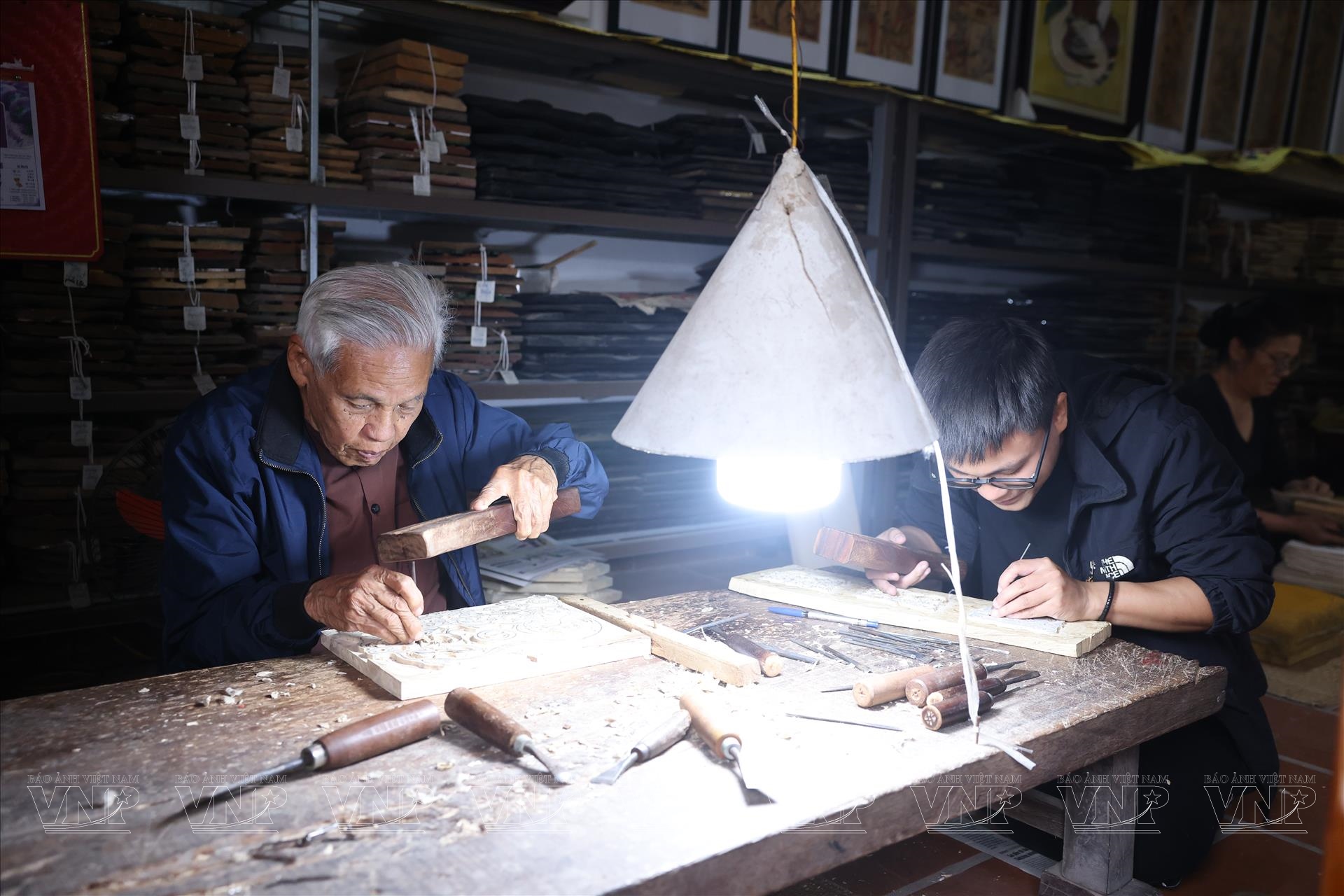
"Dong Ho paintings are blessings and aspirations; therefore, every woodblock is heavy with the soul entrusted to us by our ancestors".
Meritorious Artisan Nguyen
Dang Che, guardian of Dong
Ho folk paintings
If Dong Ho is the voice of the countryside, Ca Tru represents the scholarly spirit. Recognized by UNESCO for its sophisticated artistic structure, Ca Tru is a synergy between the Ca nuong (female singer), the Kep (lute player), and the Quan vien (spectator-drummer). High-tech vocal maneuvers harmonize with the deep, somber tones of the Dan Day lute and the sharp crack of bamboo clappers. The "praise drum," held by an audience member, transforms the performance into an artistic dialogue, where the listener directly participates in the appraisal of the art.
"In Ca tru, the sound of the clapper is the heartbeat, the sound of the lute is the thought, and the voice is the breath. A singer does not sing from her throat, but from the silence of her soul. when the praise drum sounds, it is more than a compliment - nurturing a kinship between the artist and the connoisseur".
The late People’s Artist Quach Thi Ho
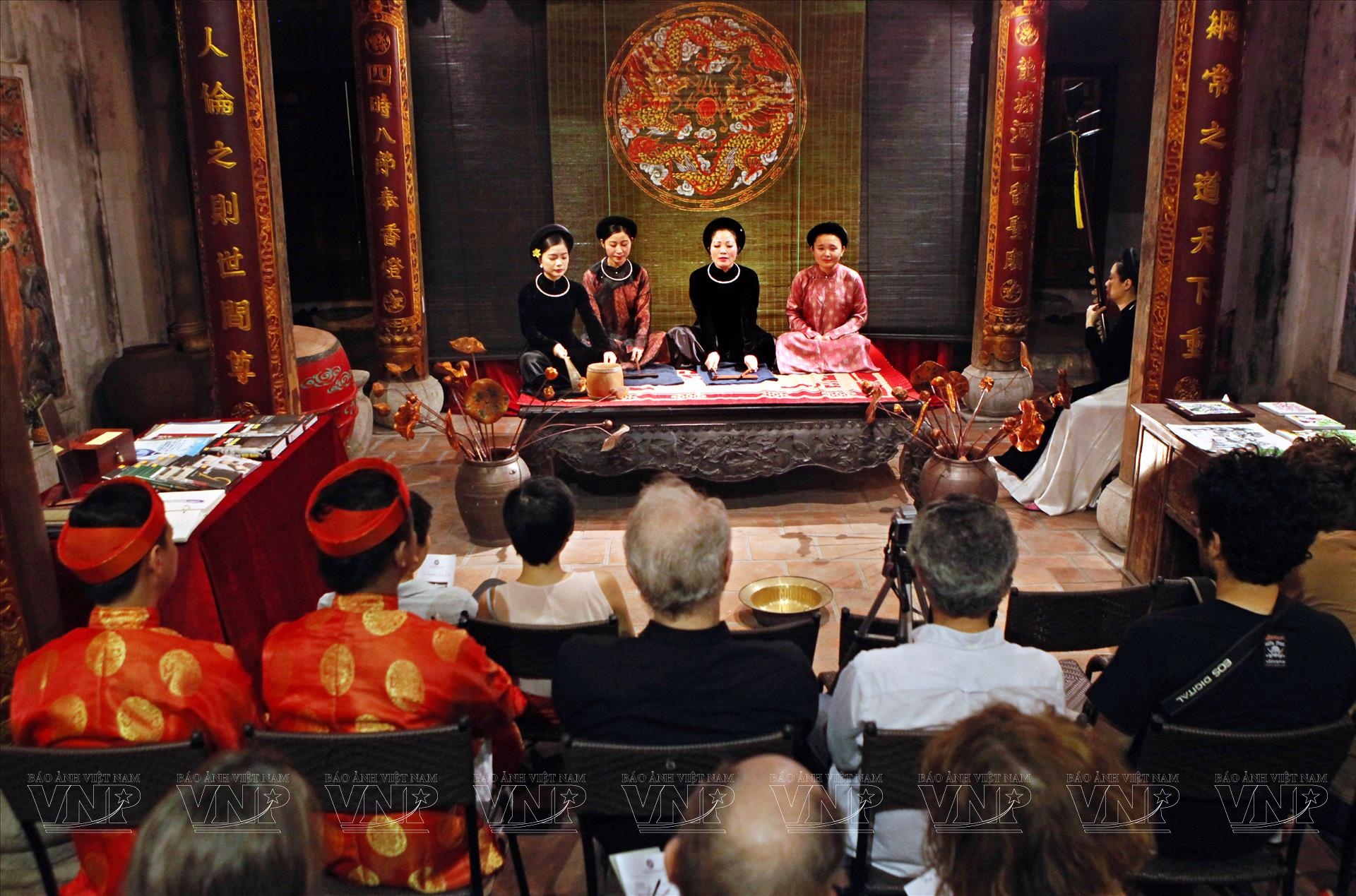
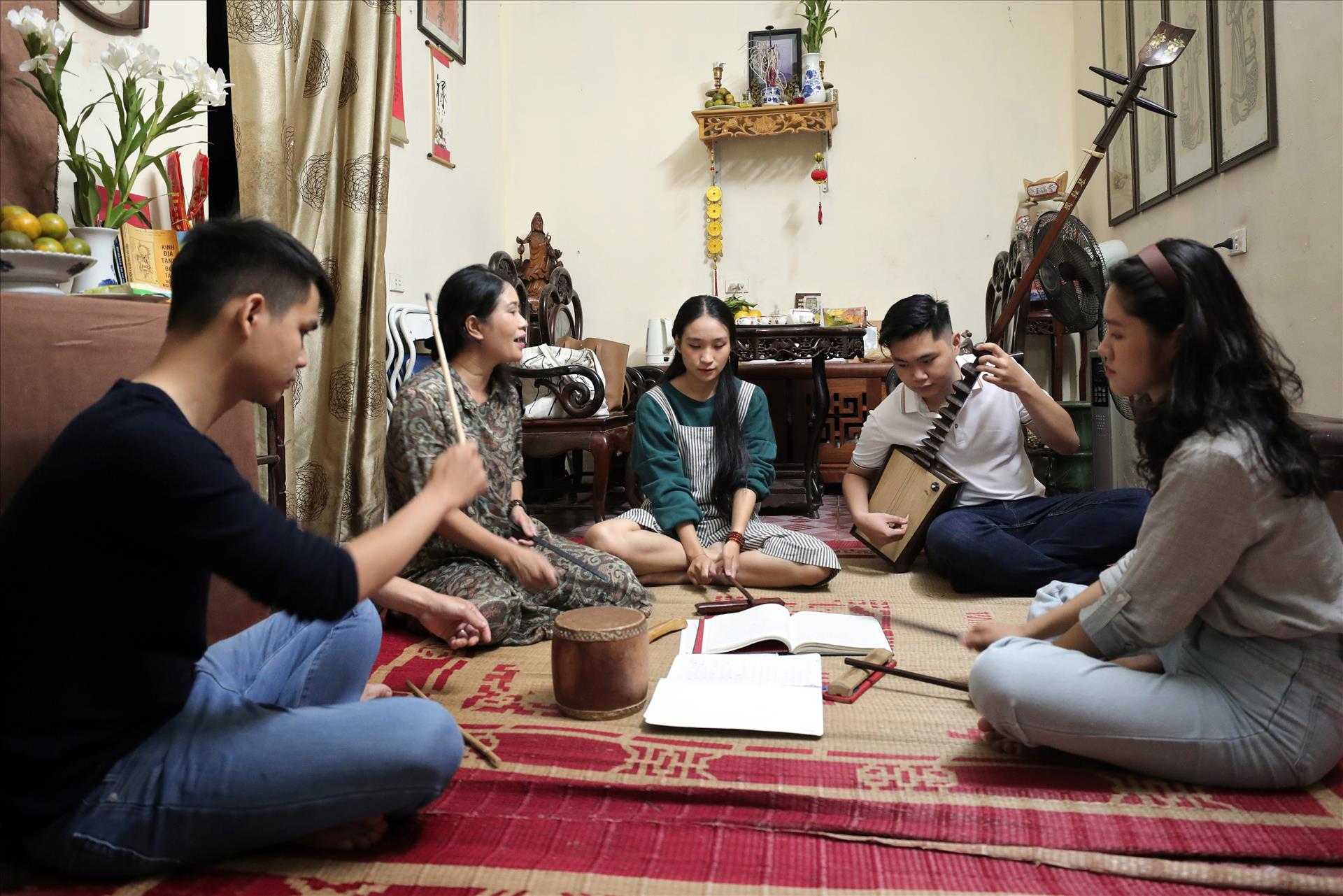
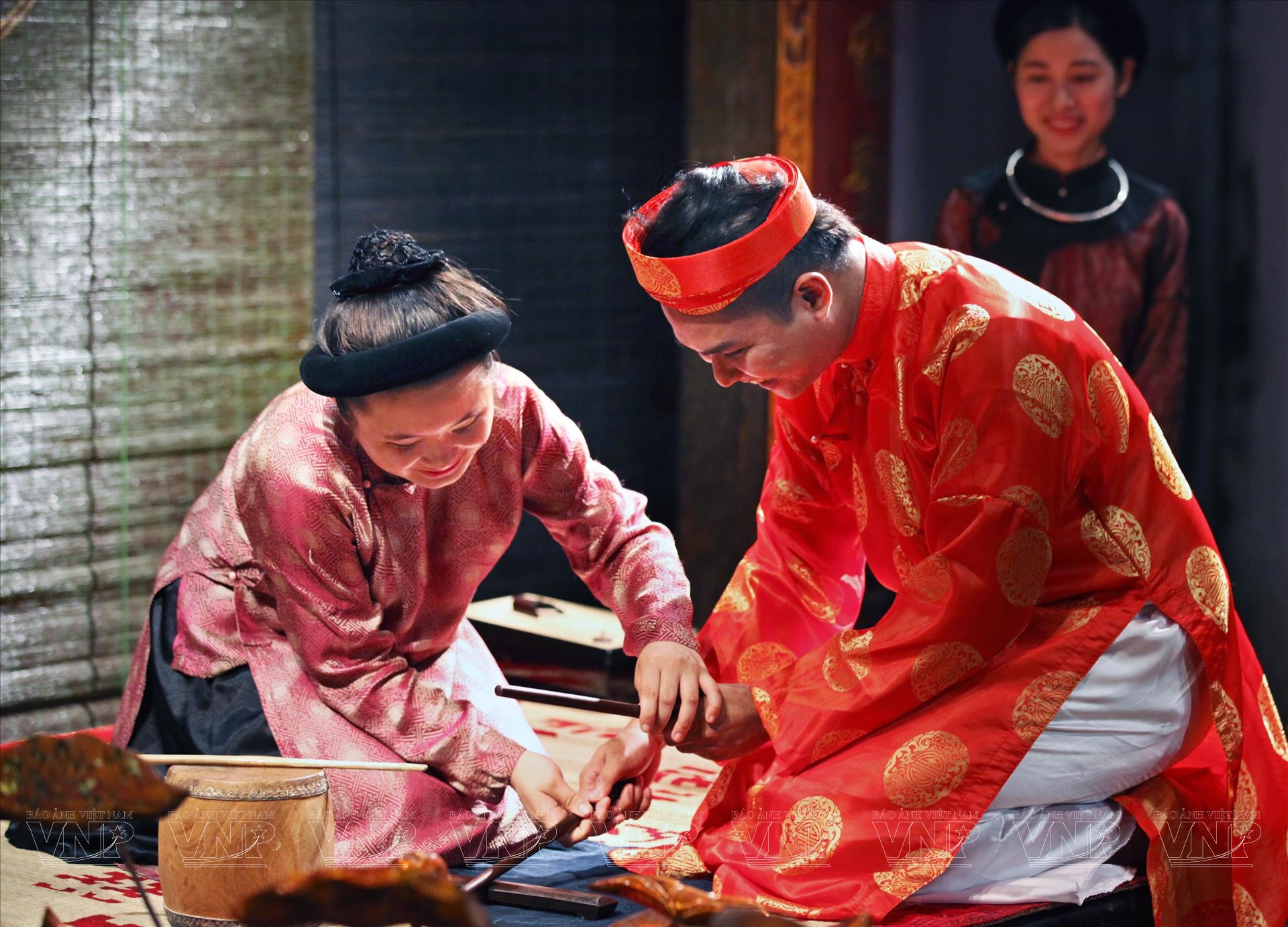
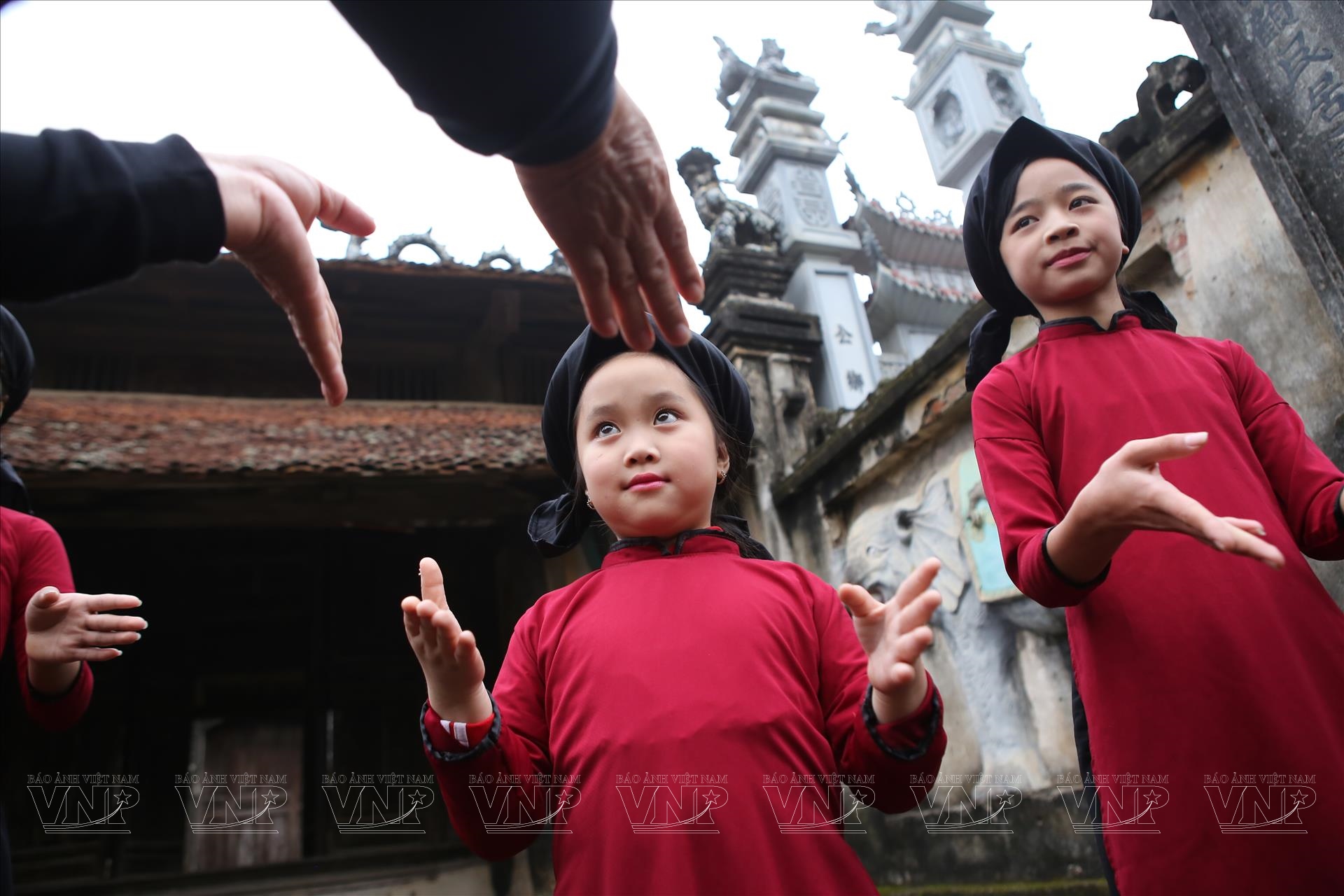
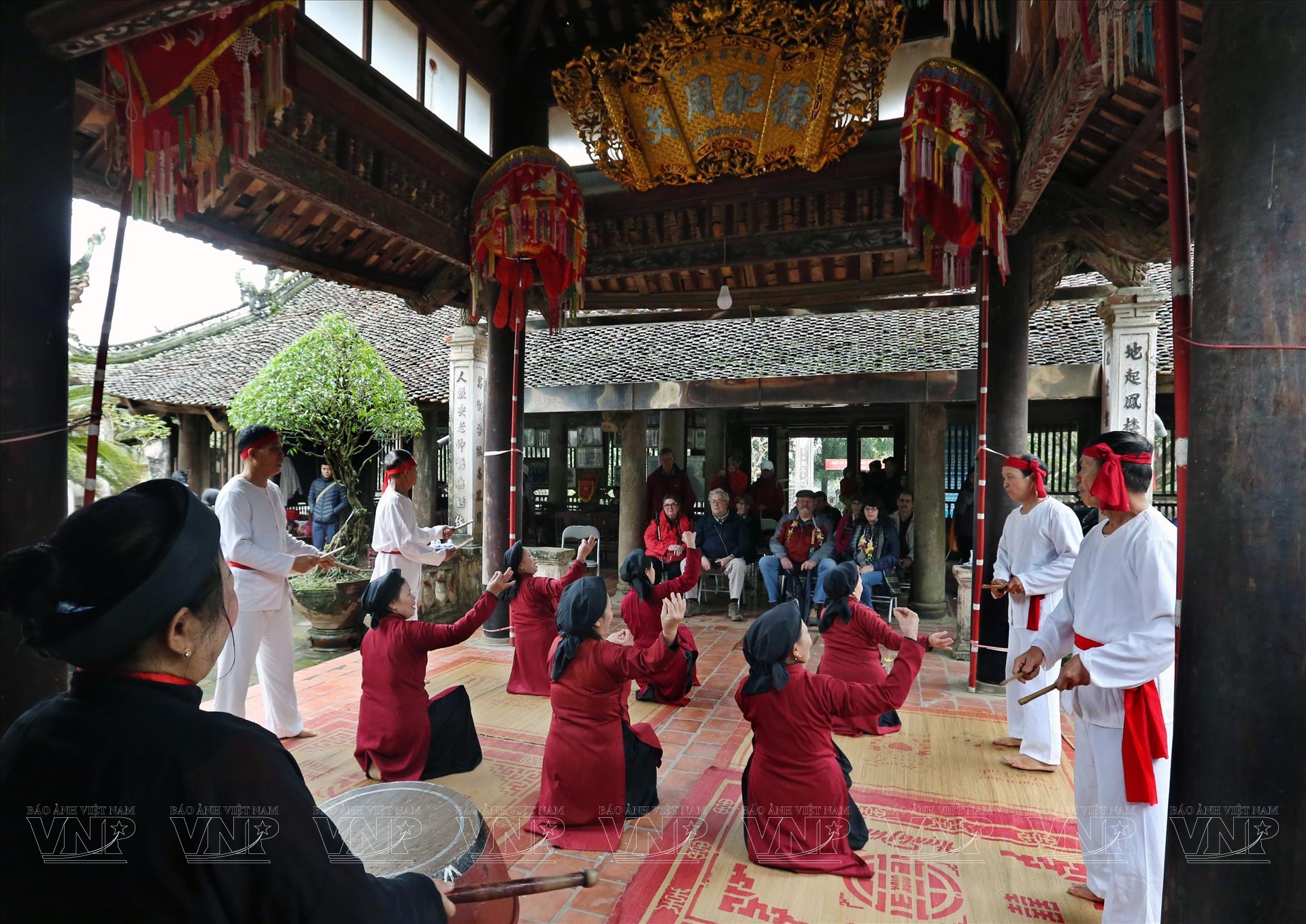
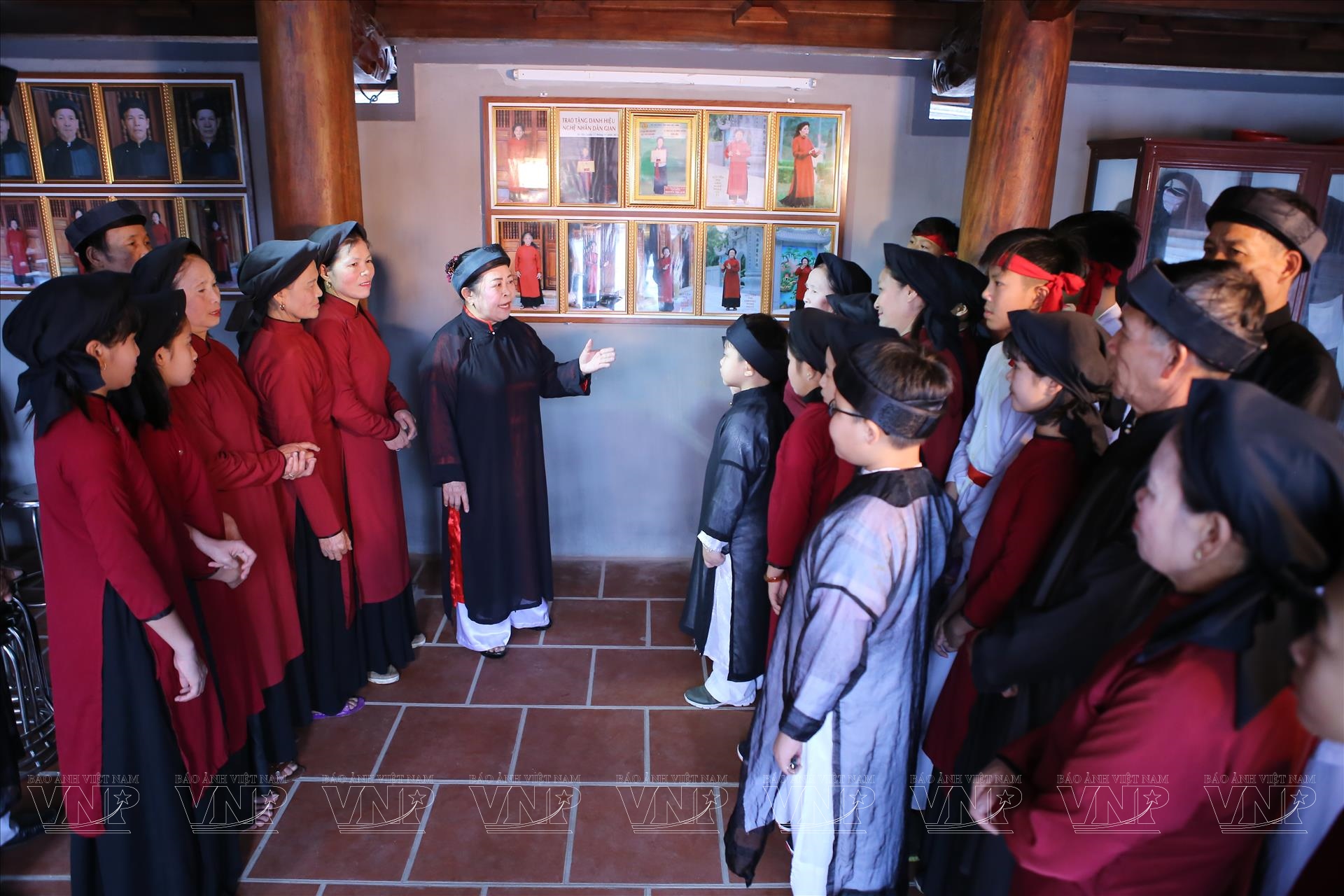
Returning to the dawn of history during the era of the Hung Kings, Xoan singing connects music with ancestral worship rituals. Moving from the solemnity of Hat Tho (Ritual Singing) and the didactic Hat Qua Cach (Narrative Singing) to the vibrant Hat Hoi (Festive Singing), the minimalist Bo bo gestures simulate primitive labor movements, recreating a sacred space using only a command drum and bamboo clappers.
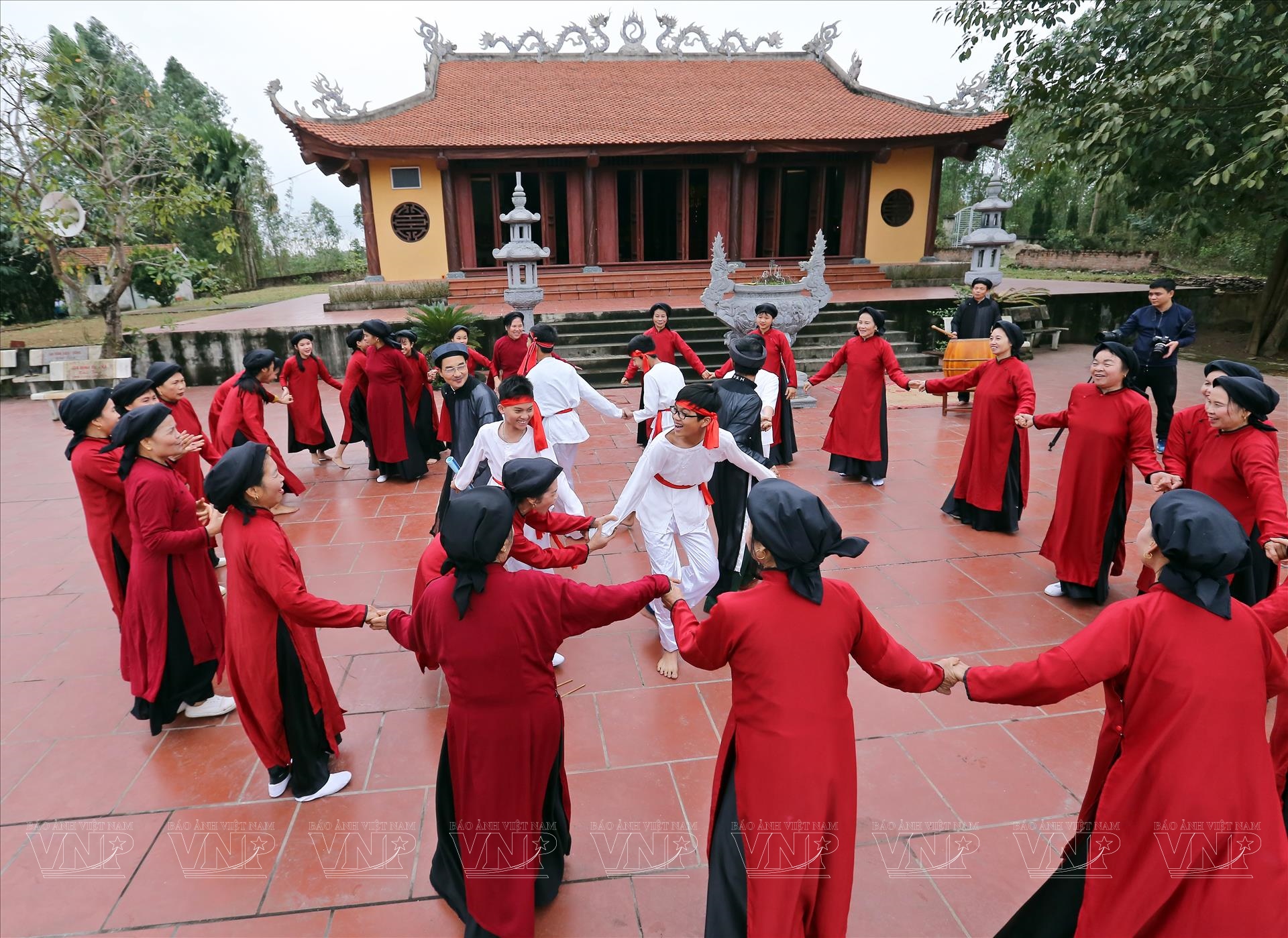
"As long as the communal house stands and the people still love one another, the sound of Xoan will never fade".
People’s Artist Nguyen Thi Lich, head of the An Thai Xoan Ward
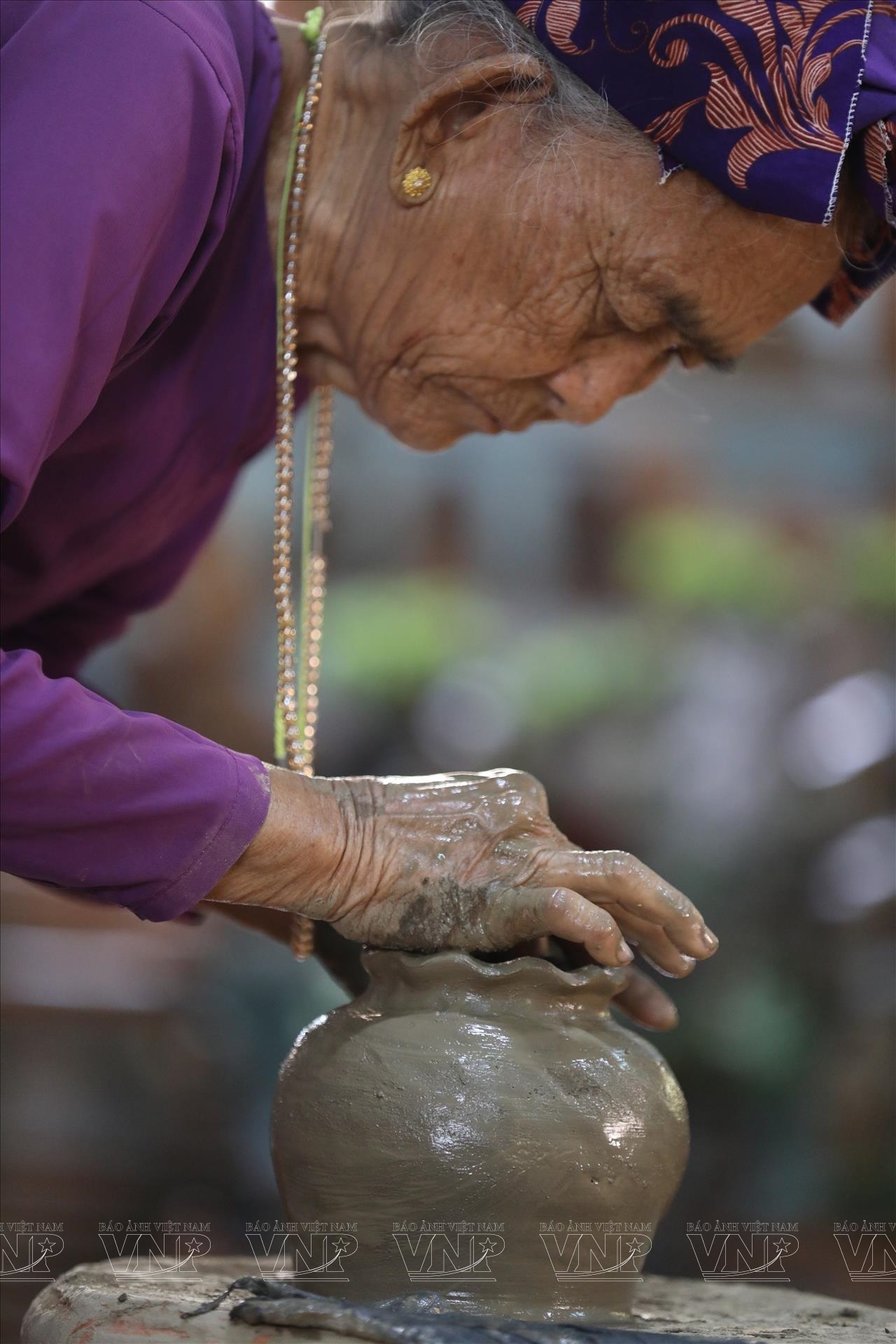
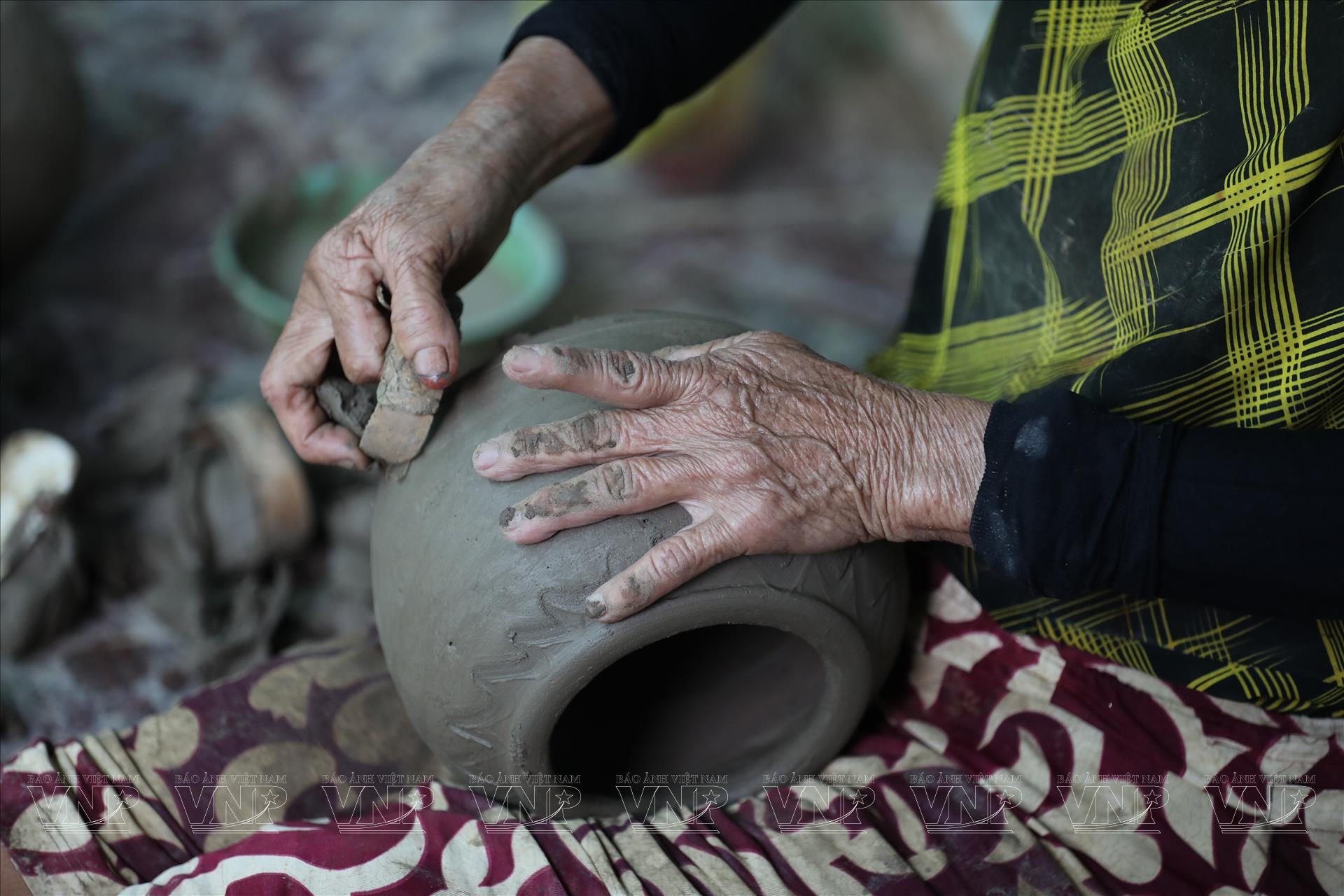
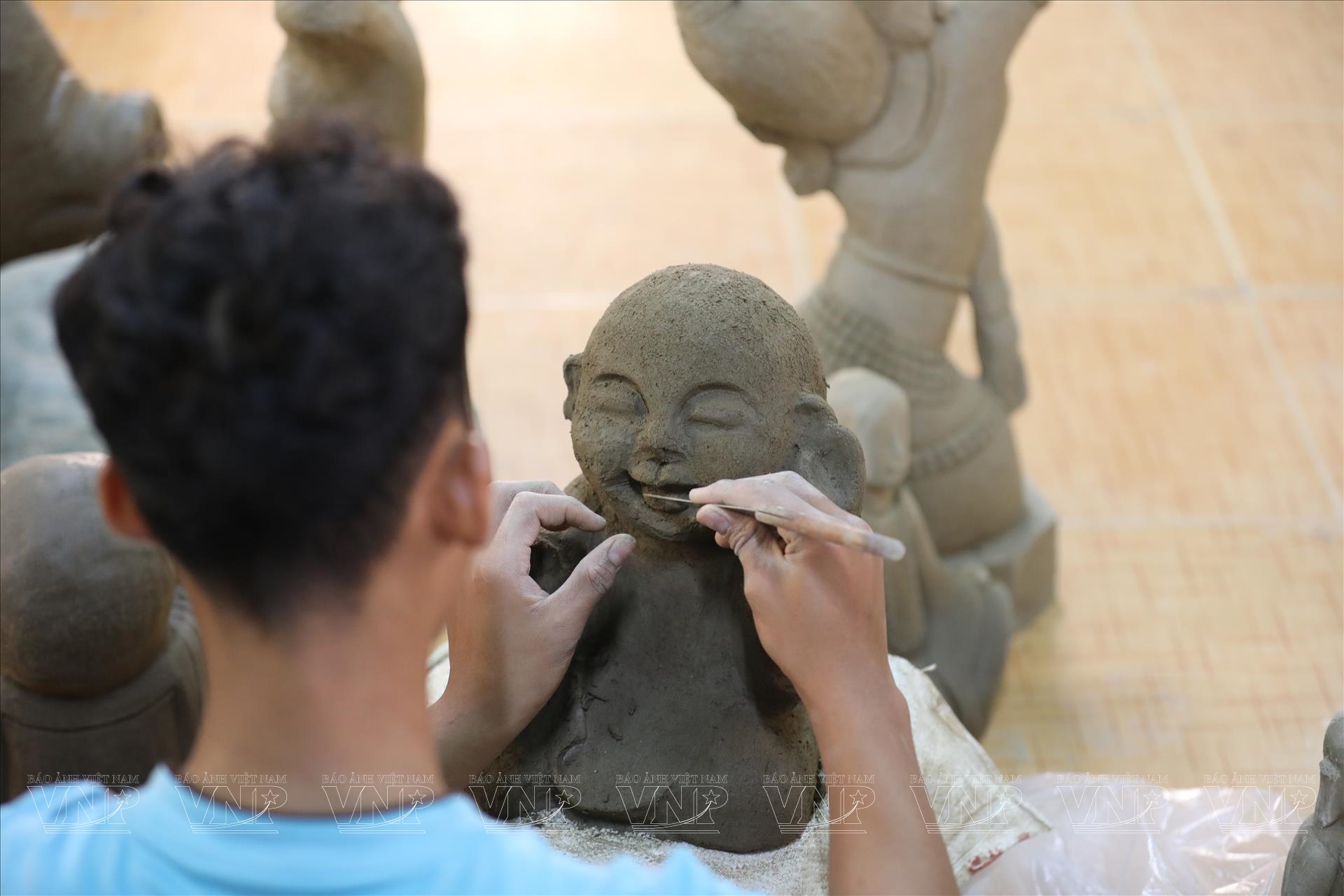
Meanwhile, Cham pottery is a "living fossil" of ancient craftsmanship. Cham women do not use a potter’s wheel; instead, they move around the clay, shaping it with their bare hands. The pottery is fired in the open air, absorbing natural winds, sun, and smoke, ensuring that every product is a one-of-a-kind masterpiece. Behind this technique lies the symbol of a matriarchal society and the enduring vitality of Champa culture within Vietnam’s diverse mosaic.
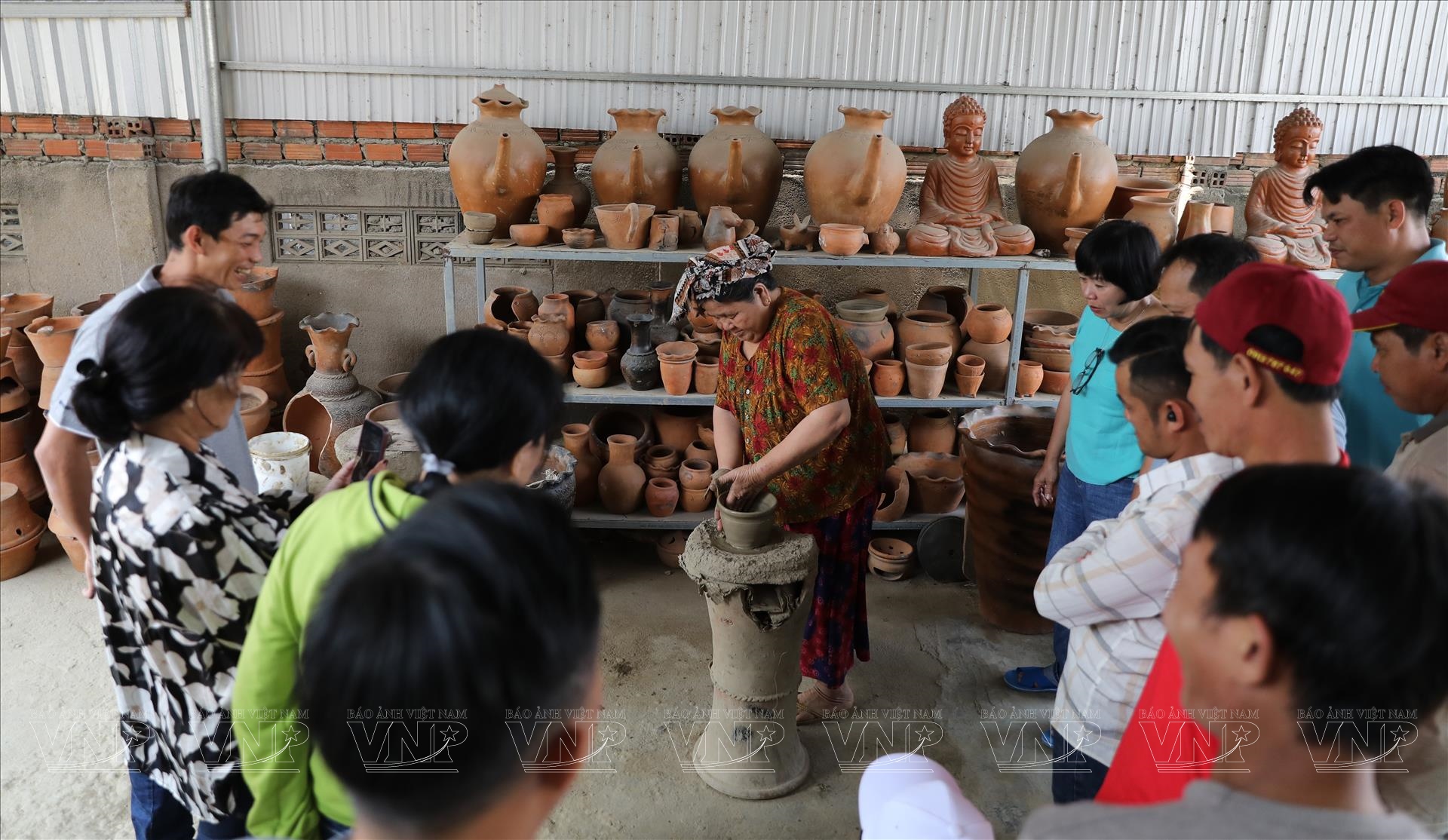
"Every jar and pot carries the warmth of a mother’s hand passed down to her daughter. fired under the open sky, receiving sun, wind, and woodsmoke, the color of the pottery is the color of Mother earth - stained but resilient".
The late artisan Dang Thi Phan, Bau Truc Pottery Village
State and Community: The Two Pillars of Conservation
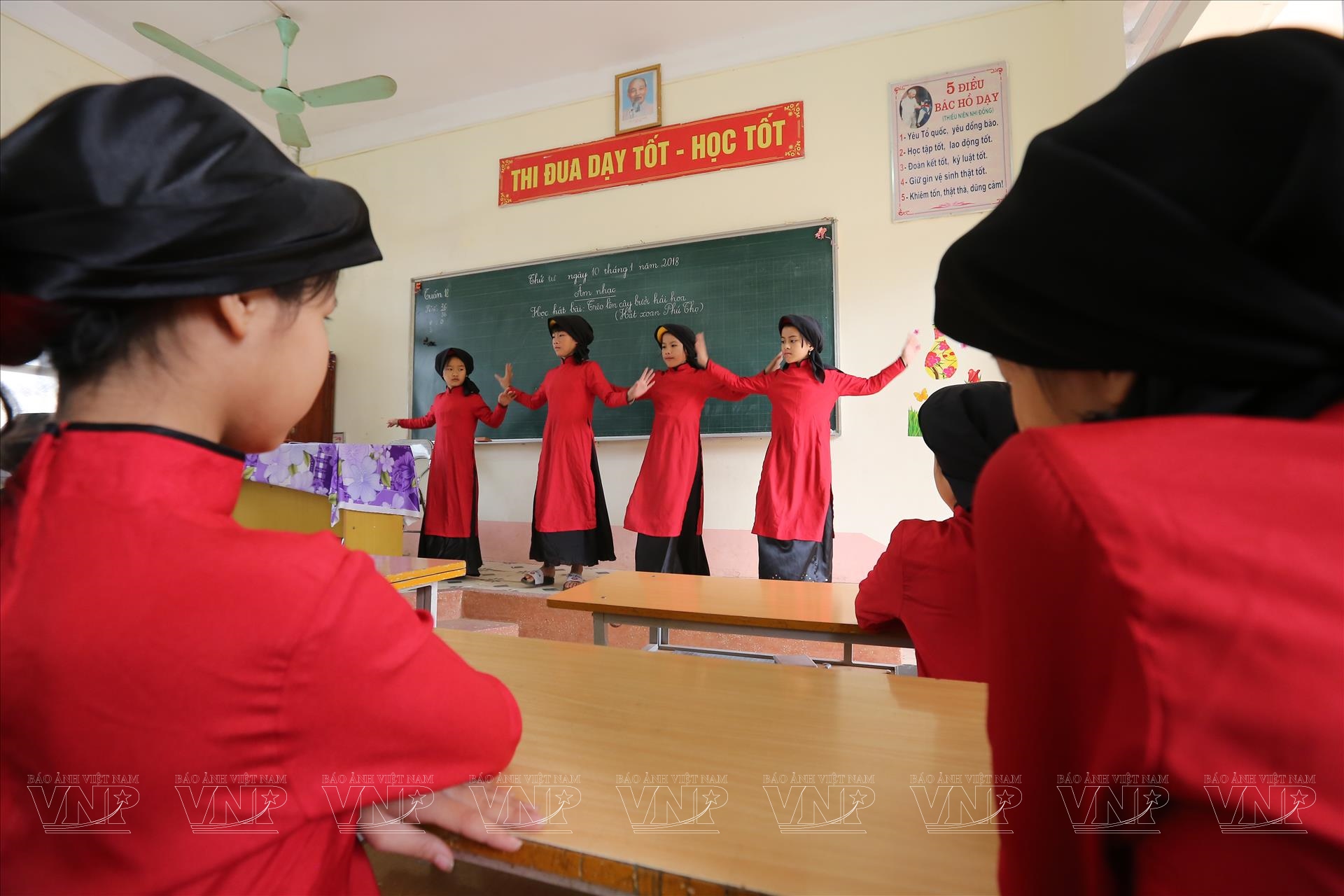
Vietnam has shaped a conservation model based on two things: state policy and the central role of the community. The story of Xoan singing is a prime example. In 2011, this heritage was placed on UNESCO’s List of Intangible Cultural Heritages in Need of Urgent Safeguarding. However, just six years later, in 2017, it became a Representative Intangible Cultural Heritage of Humanity - the first and only case to achieve such a transition. This success stemmed from clear political commitment and voluntary community participation. The State invested in restoring communal houses and temples, supported artisans, and opened training classes in original Xoan guilds while integrating the heritage into schools to extend the lineage of transmission.
Building on this experience, Vietnam continues to preserve Ca Tru through documentation and digitalization while supporting clubs in maintaining regular performances. For Dong Ho paintings and Cham pottery, policies link conservation with a "heritage economy," building OCOP (One Commune One Product) brands and developing experiential tourism.
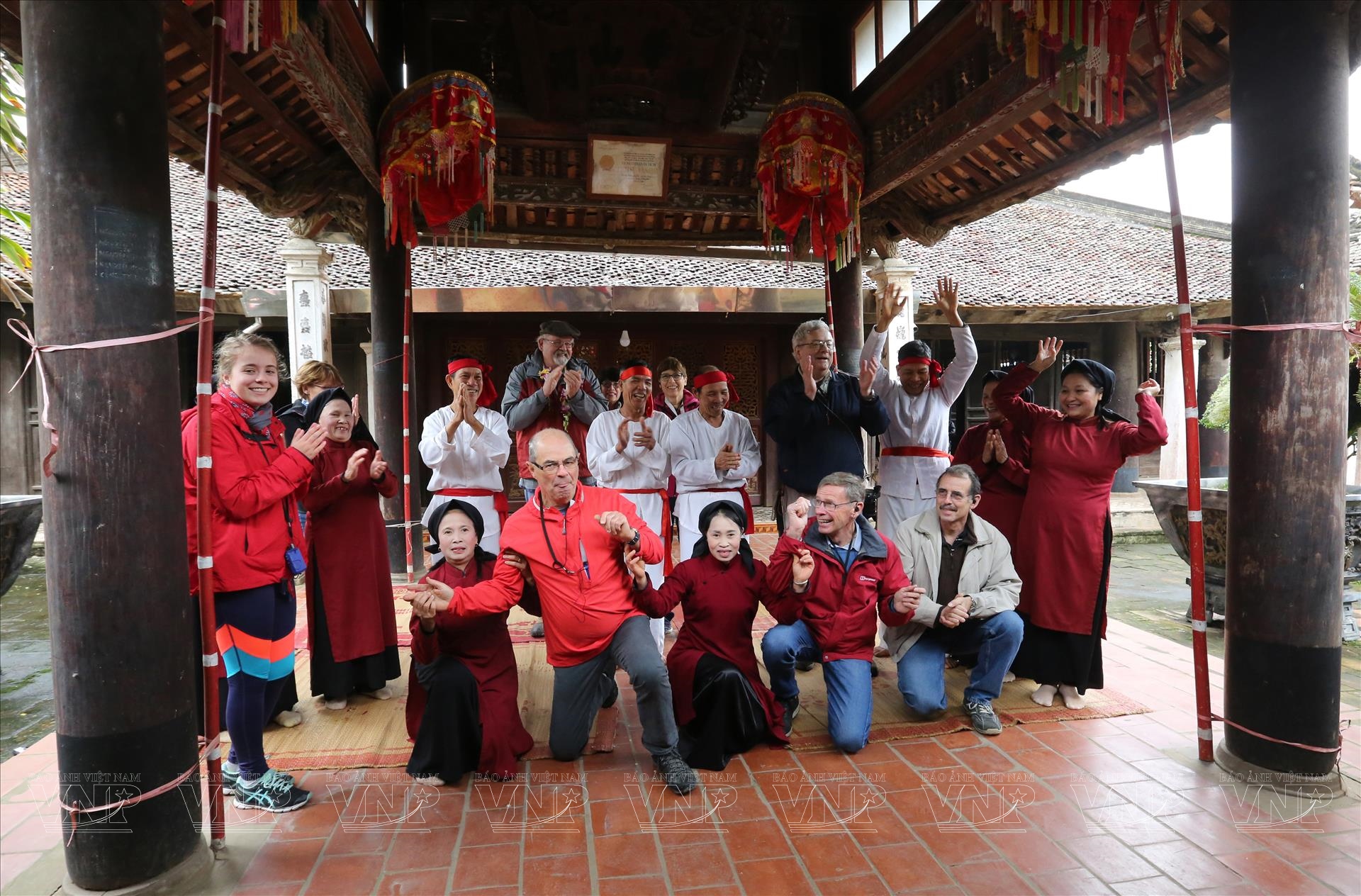
With this approach, creativity is the soul of contemporary preservation. Dong Ho motifs now appear on fashion 7 8 runways; Cham pottery is featured in modern architecture; Ca Tru and Xoan singing thrive on digital platforms. Vietnam’s consistent perspective is that heritage must live within the community. International titles are a recognition, but it is the people who serve as the sustainable guarantee for the future of these treasures./.
Story: Vy Thao
Photos: Tat Son & Cong Dat/VNP
Translated by Hong Hanh