Vietnam's Aspiration for Breakthrough Growth

In a world profoundly reshaped by pandemics, conflicts, and global inflation, Vietnam has not only maintained stability but also achieved remarkable breakthroughs. The 2021 - 2026 period marks the emergence of a resilient, adaptable economy, fueling a powerful aspiration to rise in a new era of development.

The 2021 - 2026 tenure, spanning the implementation of resolutions from the 13th to the 14th National Party Congress, is regarded as one of the most challenging chapters for the Vietnamese economy. The COVID-19 pandemic disrupted global supply chains, while complex natural disasters, geopolitical tensions, and rising inflation in major economies created an external context defined by unprecedented uncertainty.
In this context, the ability to maintain macroeconomic stability and ensure major balances became the ultimate litmus test for governance.
Average growth in the 2021 - 2025 period reached 6.3% per annum. Notably, 2025 saw a growth rate of 8.02%, placing Vietnam among the world's fastest-growing economies.
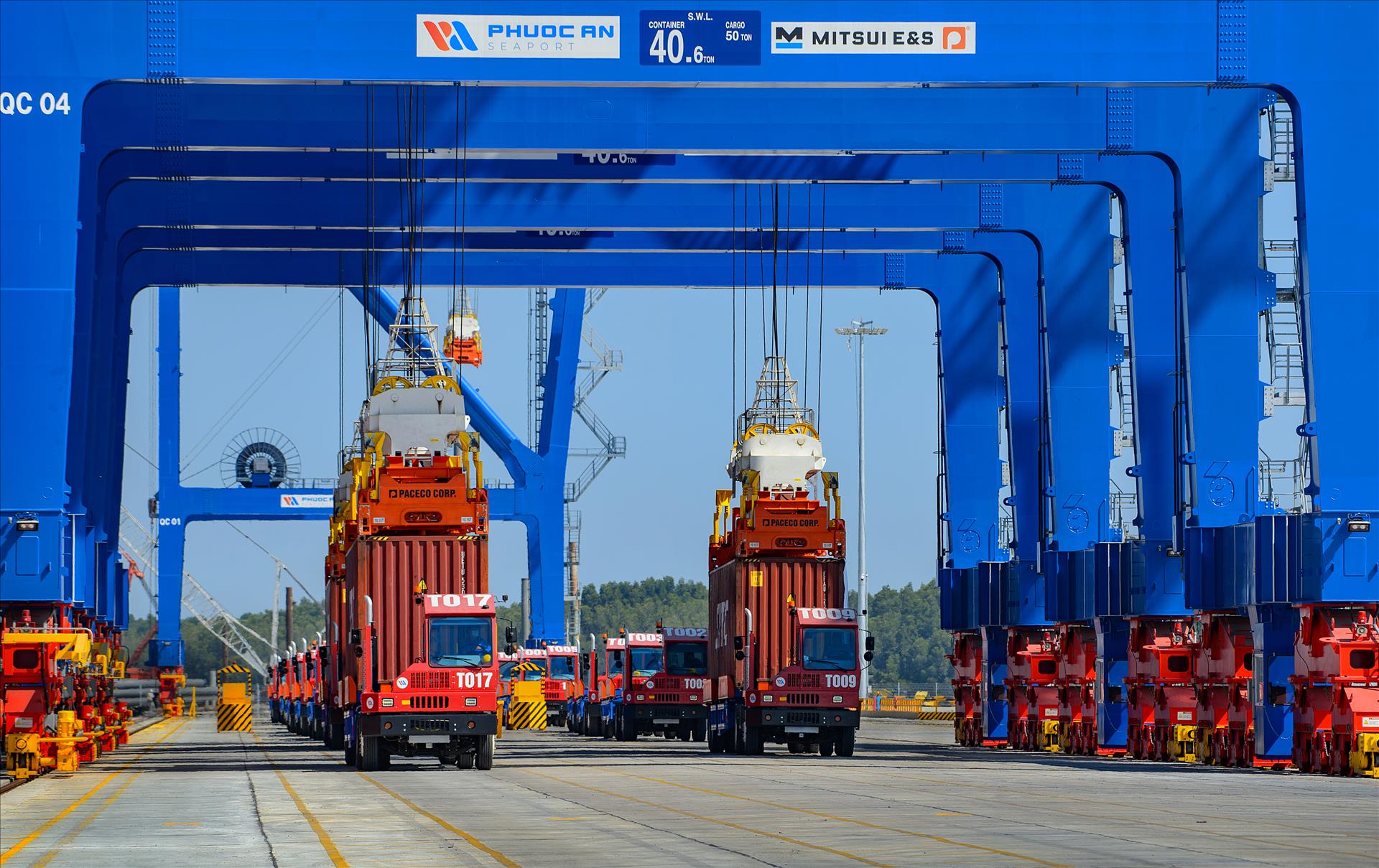
These figures reflect an economy capable of weathering unprecedented "headwinds". Dr. Ho Quoc Tuan, Senior Lecturer at the University of Bristol (UK), noted that 2025 was a clear testament to Vietnam’s adaptability. While many nations faced stagnation and trade tensions, Vietnam maintained export momentum and steady FDI inflows, gradually shifting toward an innovation-based growth model.
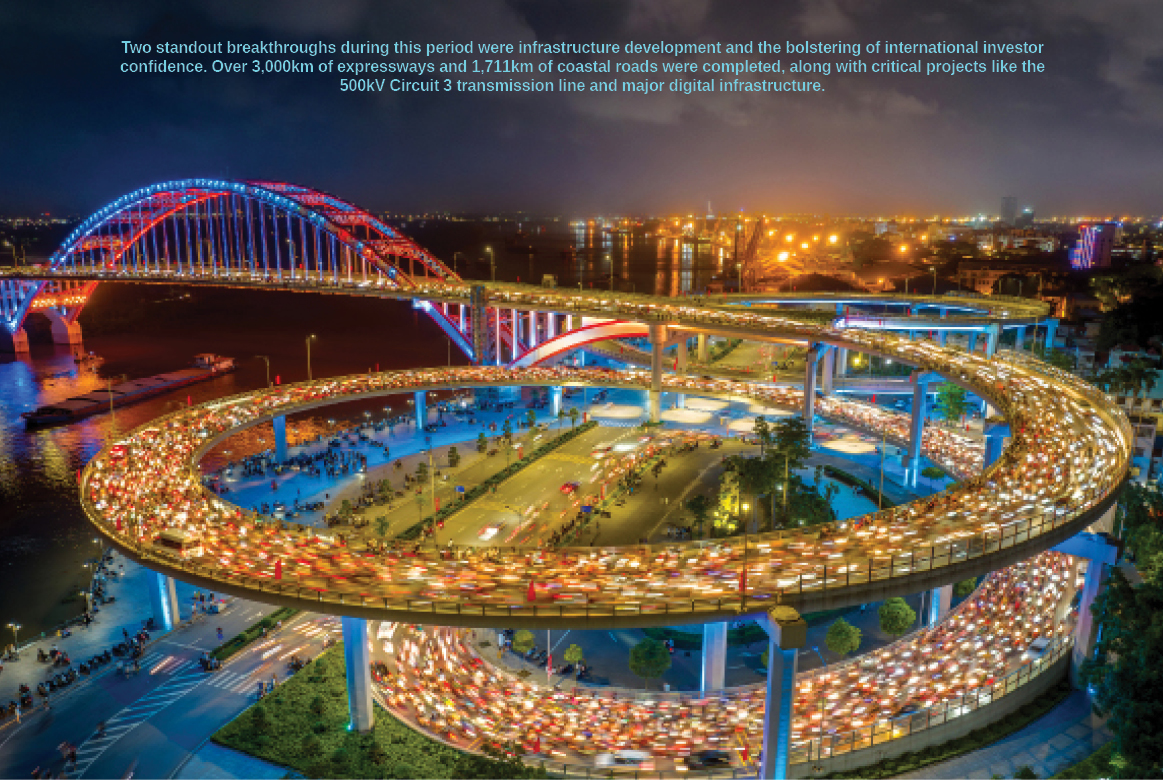
Two standout breakthroughs during this period
were infrastructure development and the bolstering
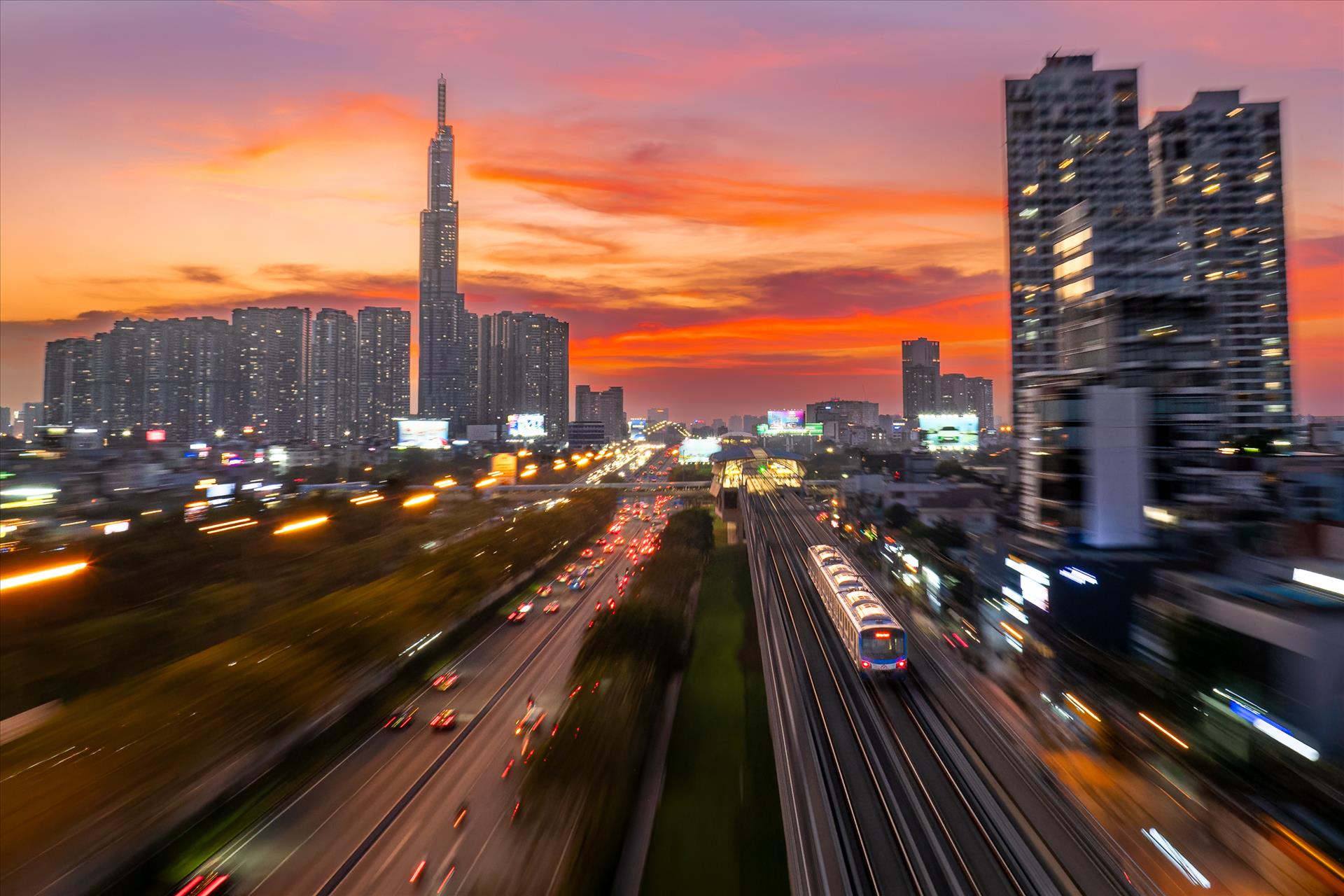
of international investor confidence. Over 3,000km of
expressways and 1,711km of coastal roads were completed,
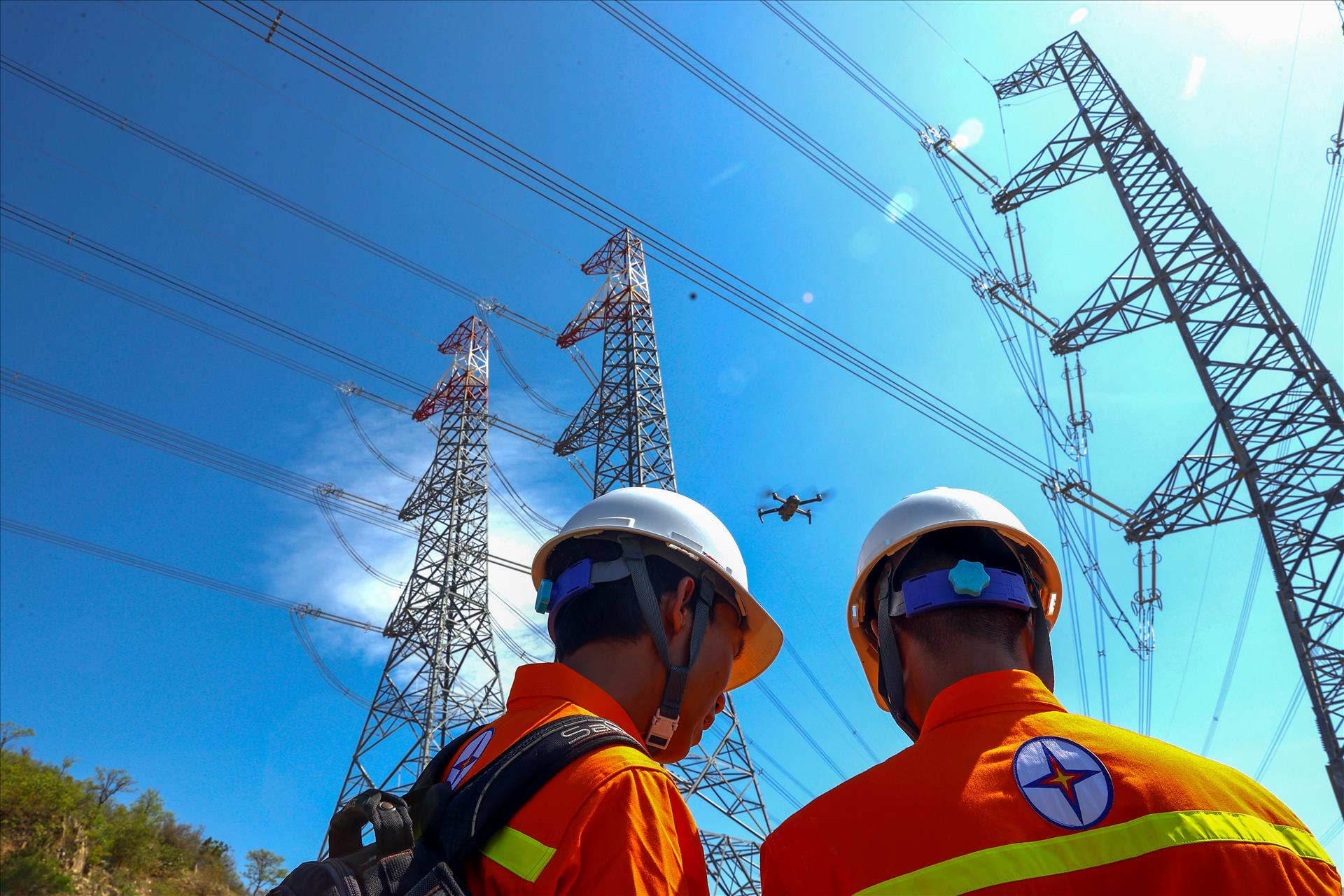
along with critical projects like the 500kV Circuit 3
transmission line and major digital infrastructure.
Vietnam’s mobile internet speeds now rank among the
global top 20, providing a vital foundation for the digital
economy.
Economic growth has moved in tandem with social progress. In 2025, Vietnam's Happiness Index ranked 46th globally, up 37 places from 2020. Over 334,000 temporary and dilapidated houses were eliminated, while social housing and support for vulnerable groups were intensified. The multi-dimensional poverty rate fell to 1.3% - the lowest in years.
Looking back at the 2021 - 2026 period as a whole, Vietnam has done more than just weather a crisis; it has solidified macroeconomic stability, elevated its international standing, and bolstered internal resilience. These achievements have laid a firm foundation for the nation’s aspiration to rise in a new era of development.

Entering the 14th National Congress, Vietnam has set even more ambitious goals. For 2026 - 2030, the nation will target an average GDP growth of over 10% per year, with per capita income reaching approximately 8,500 US dollars by 2030. Strategic focus is shifting from mere expansion to high-quality growth, labor productivity, and institutional reform.
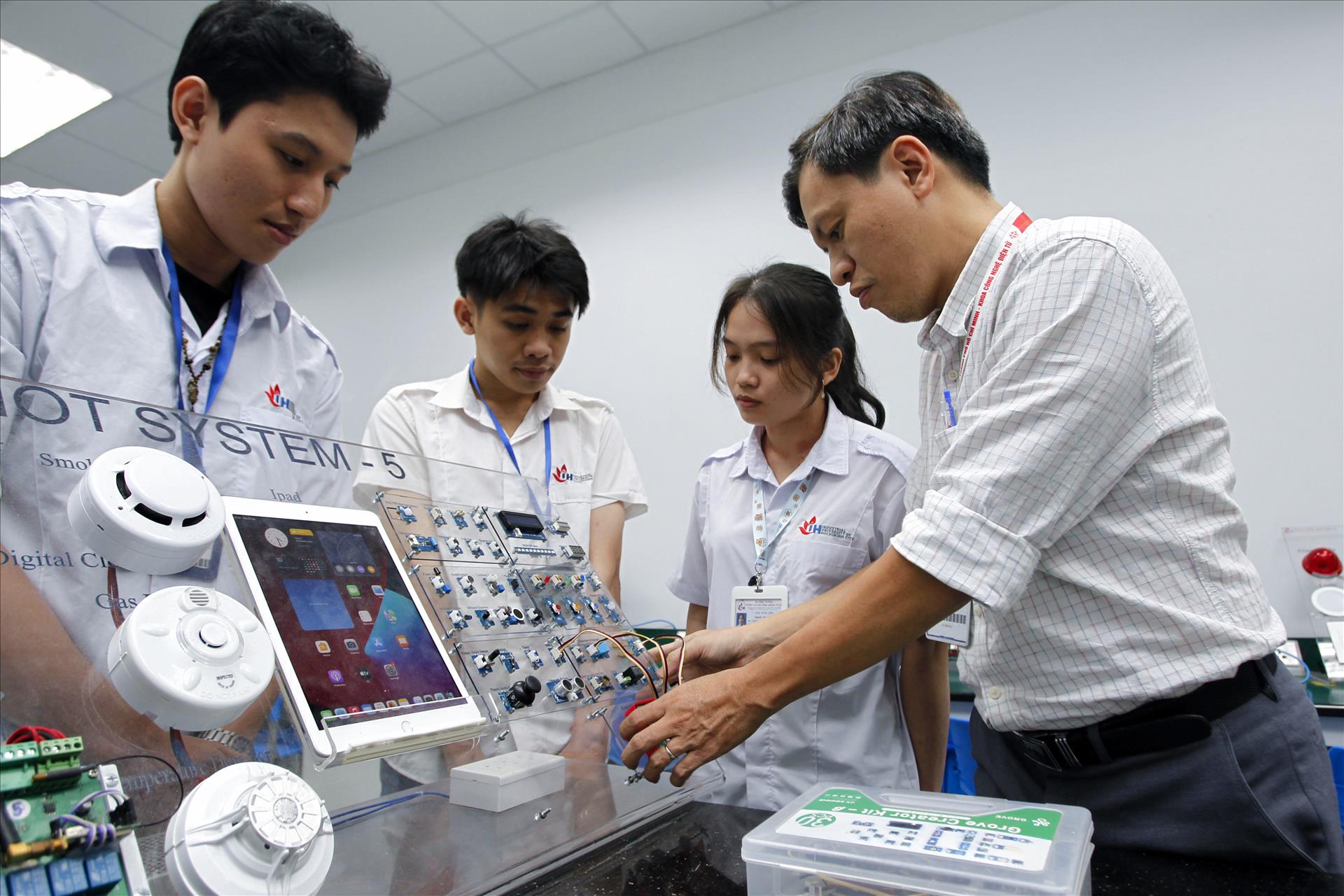
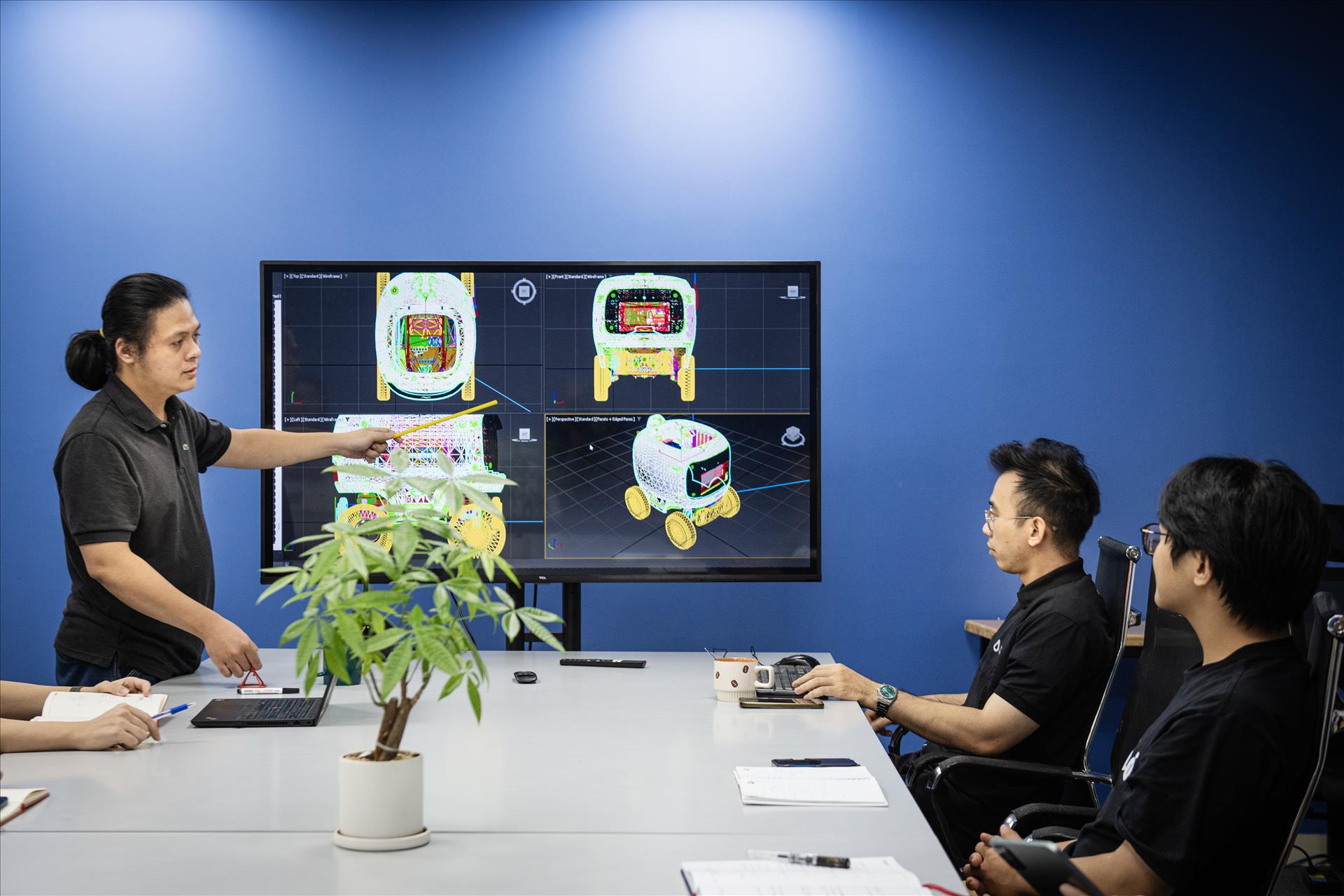
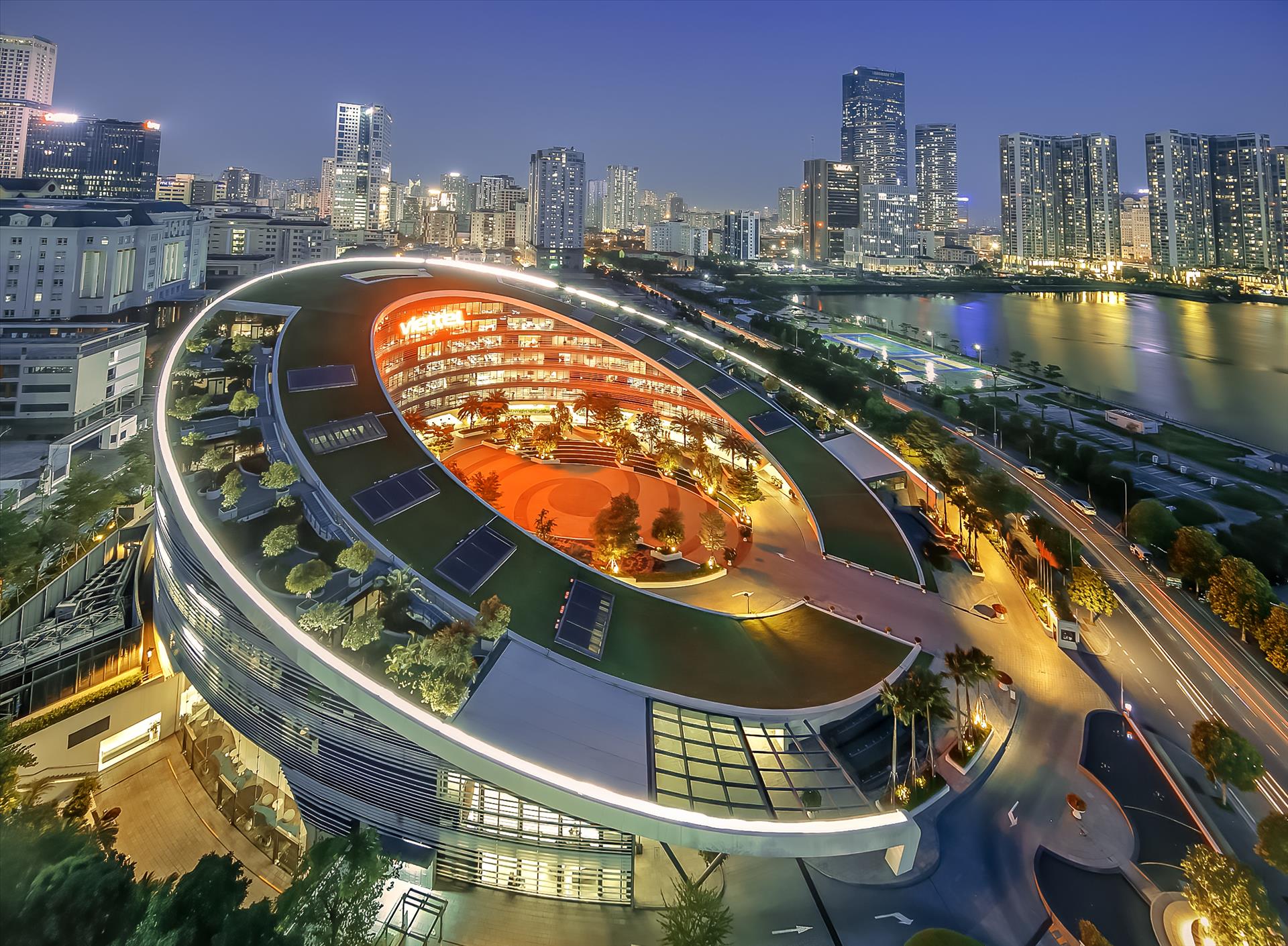
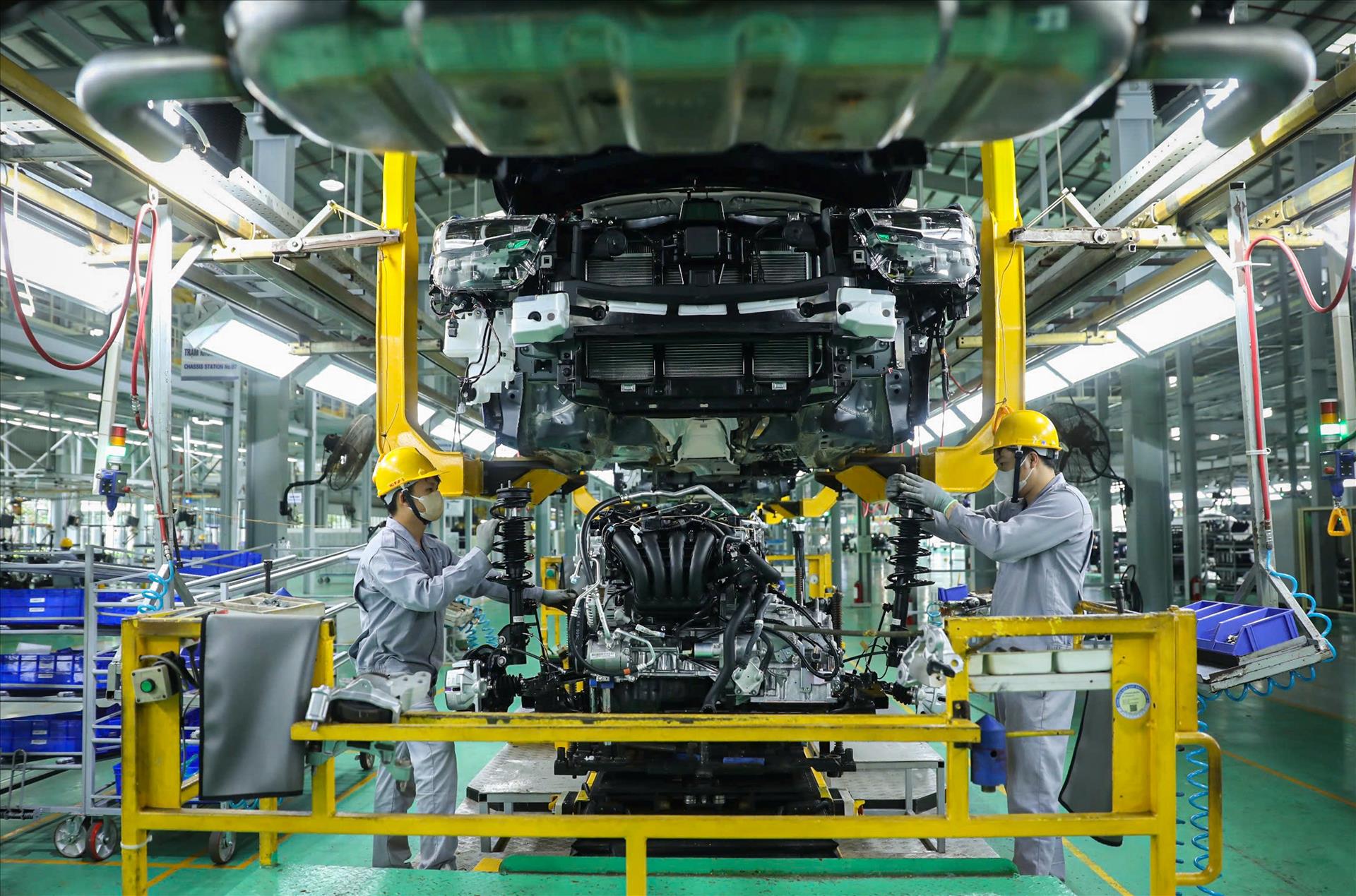
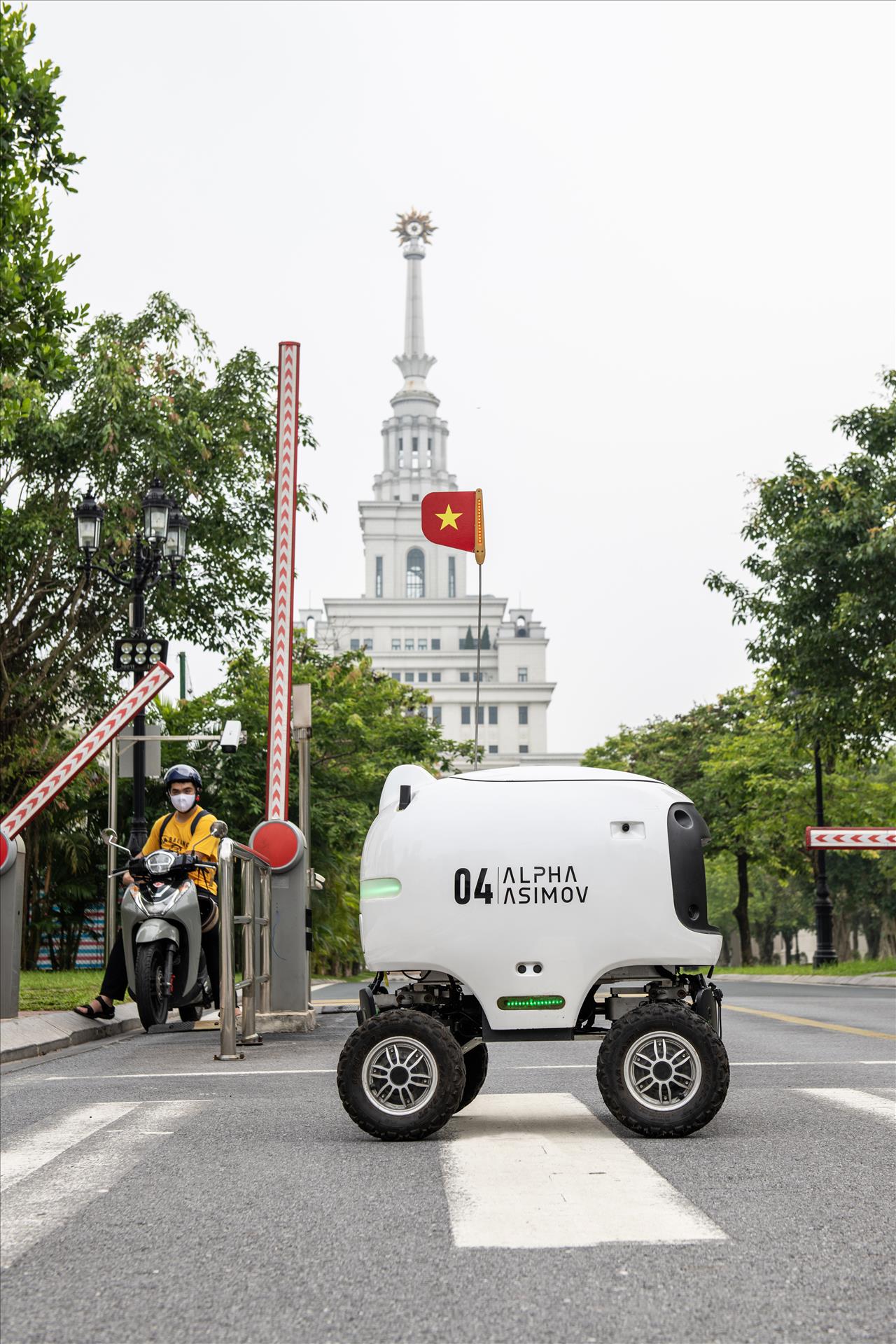
The business community has already felt this positive momentum. Nguyen Dang Hien, CEO of Tan Quang Minh Manufacture & Trading Co., Ltd. (Bidrico), observed that current policies are reshaping growth toward "depth," with digital transformation and sustainability as the core axes. He noted that as the private sector is granted more space to thrive, Vietnamese enterprises can enhance their internal strength and add greater value to the nation’s economy.
Tran Van Minh, Vice President and General Secretary of the Hanoi Young Business Association, emphasized, “Solutions to remove bottlenecks for small and medium-sized enterprises (SMEs), improve the business environment, and reduce administrative barriers will play a crucial role in the future consistency between policy and implementation is the deciding factor in maintaining growth momentum”.
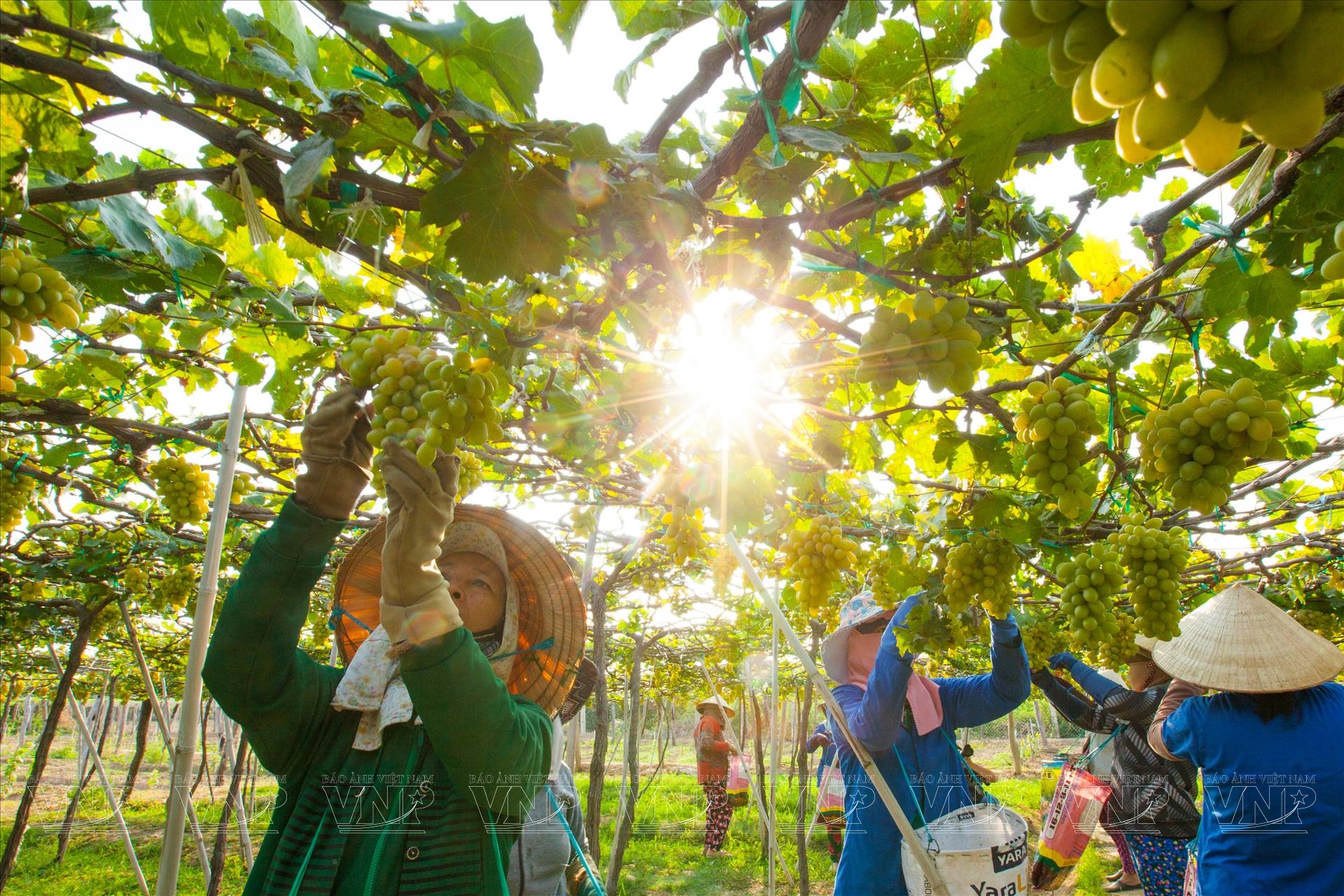
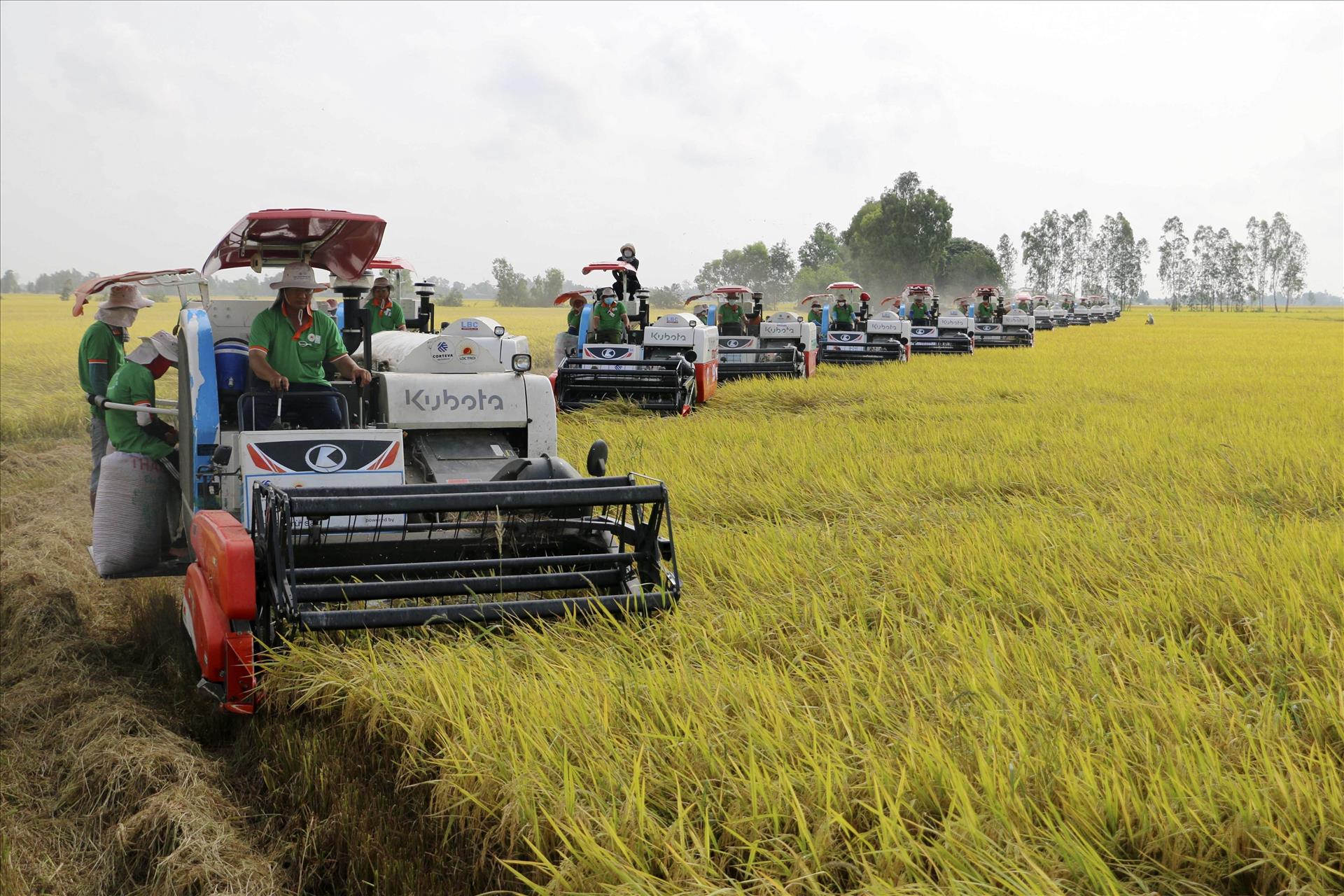
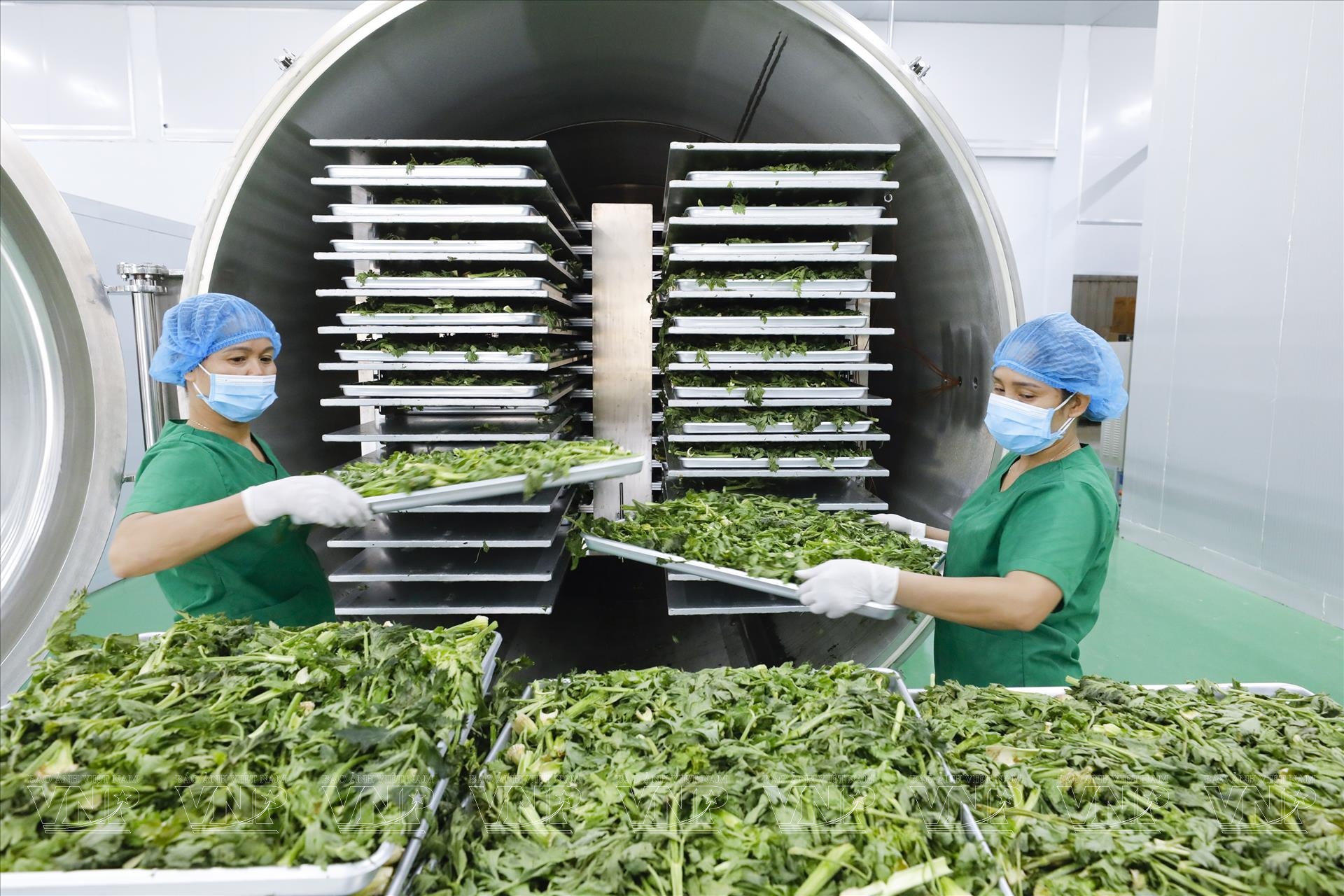
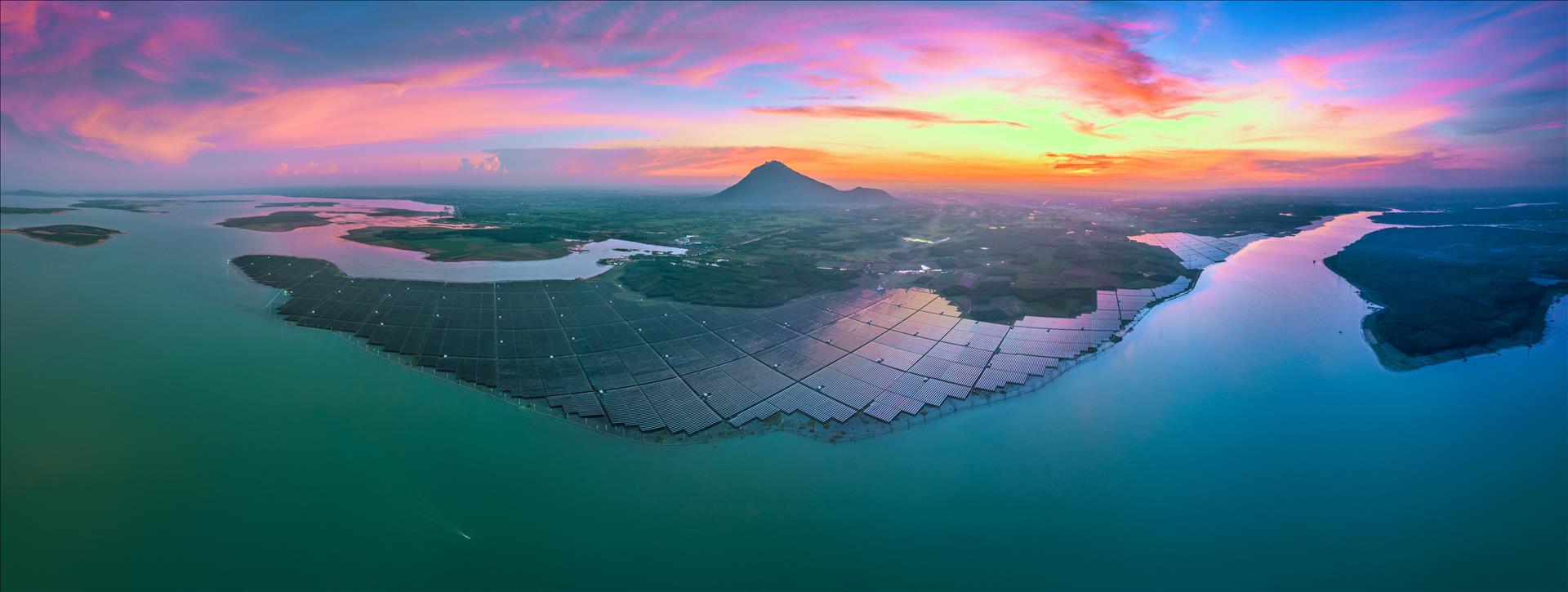
From an international perspective, Dr. Valeria Vershinina, Deputy Director of the ASEAN Center at MGIMO University (Russia), remarked that comprehensive reform has elevated Vietnam’s international standing, making it a "magnet" for global capital. She believes Vietnam’s people-centered development and focus on high-quality human resources are strategic pillars to reach high-income status by 2045.
Speaking with VNA, Professor Carl Thayer (UNSW Canberra) highlighted the seamless integration of Politburo Resolutions. He specifically praised Resolution No. 59-NQ/TW on "International Integration in the New Situation," calling it a breakthrough policy that positions international integration as a primary driver for Vietnam’s next stage of development.
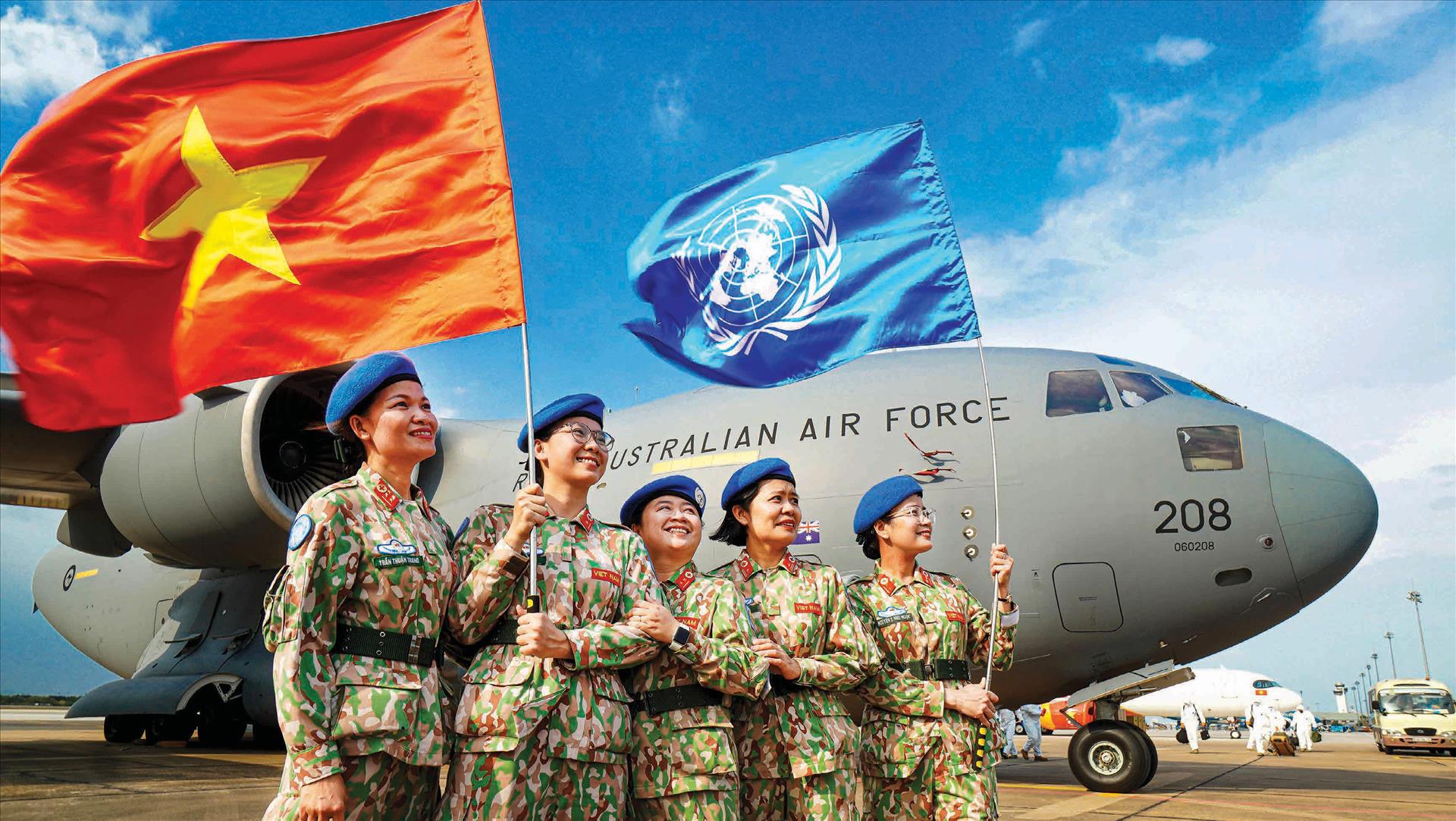

These assessments reflect the growing interest of the international community in Vietnam’s development trajectory. Amidst strategic competition and the restructuring of global supply chains, an economy that is stable, flexible, and innovation-oriented will possess a long-term competitive advantage.
The aspiration to rise in this new era is not merely a growth target; it is a vision of national stature. It is a journey to improve people's quality of life, reinforce investor confidence, strengthen self-reliance, and integrate deeply into the global economy.
Despite the challenges ahead, the foundations built over the past years - from macroeconomic stability and connected infrastructure to institutional reform and human resource development,serve as a launchpad for Vietnam to confidently enter a new phase of growth.

Within this flow of progress, aspiration is not detached from reality; rather, it is anchored in concrete achievements and strategic decision-making. With the unified resolve of the political system, the business community, and the people, Vietnam is steadily asserting its position as a dynamic, stable, and high-potential nation within the region and on the world stage./.
Story: Thong Thien
Photos: VNP, VNA & Files
Translated by Hong Hanh