Vietnam Shines on World Tourism Map
Vietnam is steadily strengthening its position on the global tourism map, emerging as a safe, appealing, and open destination. Positive momentum from visa policy changes, surging international arrivals, and prestigious accolades has helped reshape the country’s tourism landscape.

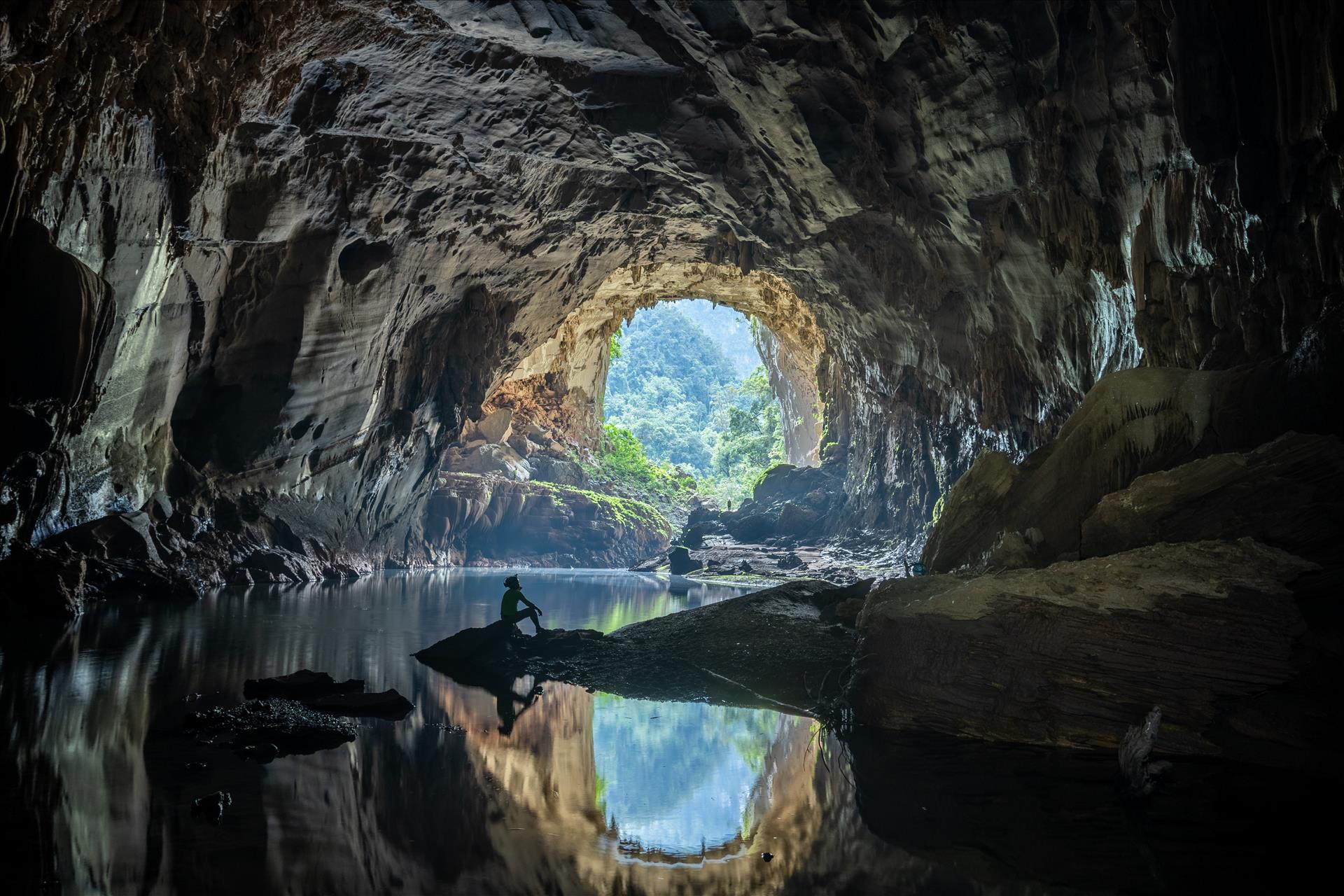
According to the March 2026 update of the Henley Passport Index, Vietnam’s passport ranks 84th globally, up six places from the end of 2025. Vietnamese citizens can now travel to 48 countries and territories either visa-free or through simplified entry procedures such as e-visas, visas on arrival, or electronic travel authorizations (ETA).
Ha Van Sieu, Deputy Director General of the Vietnam National Authority of Tourism, said the improved passport ranking not only makes it easier for Vietnamese citizens to travel, study, and work abroad, but also reinforces the country’s image as a nation ready to engage globally. More flexible visa policies have also helped boost tourism growth. At the same time, direct flights from Europe, the US, South Korea, and Japan to Vietnam’s major gateways - Hanoi, Ho Chi Minh City, and Da Nang, are fueling a strong increase in international arrivals.
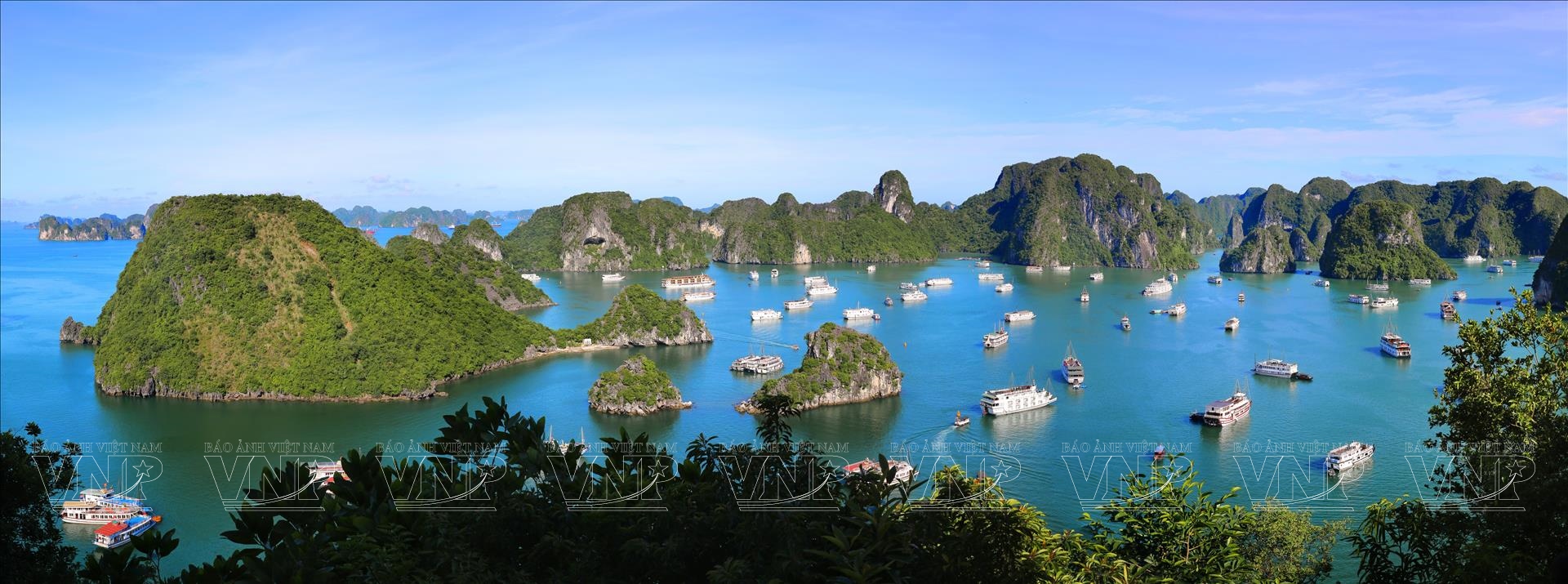
Vietnam has also gained recognition in global rankings. In 2026, Condé Nast Traveler ranked the country 17th among the world’s 28 most beautiful destinations. Beyond its iconic landmarks, Vietnam’s appeal lies in authentic, locally rooted experiences. Journeys through the northern highlands, homestays, and immersive cultural encounters are becoming ever more popular with international travelers.
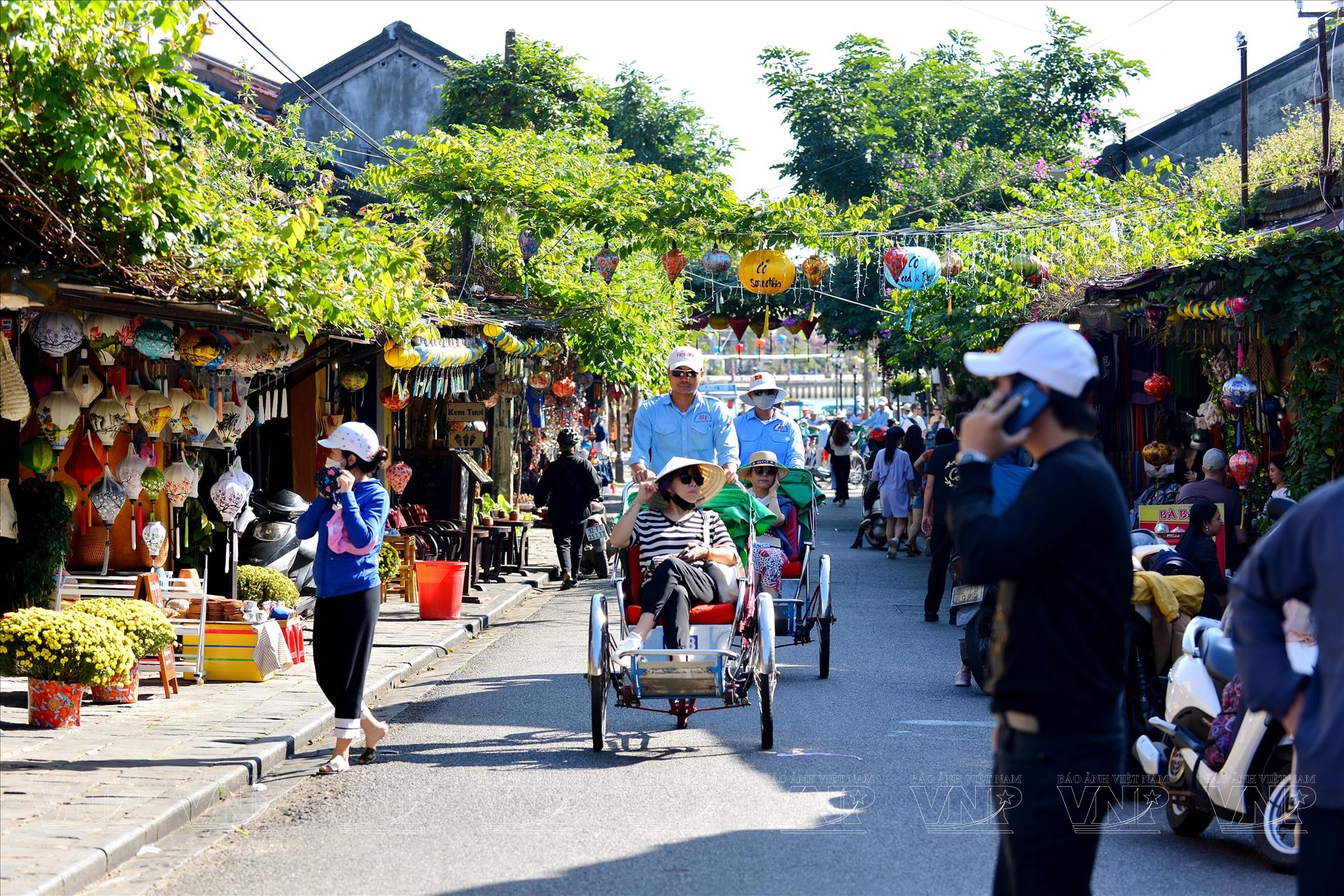
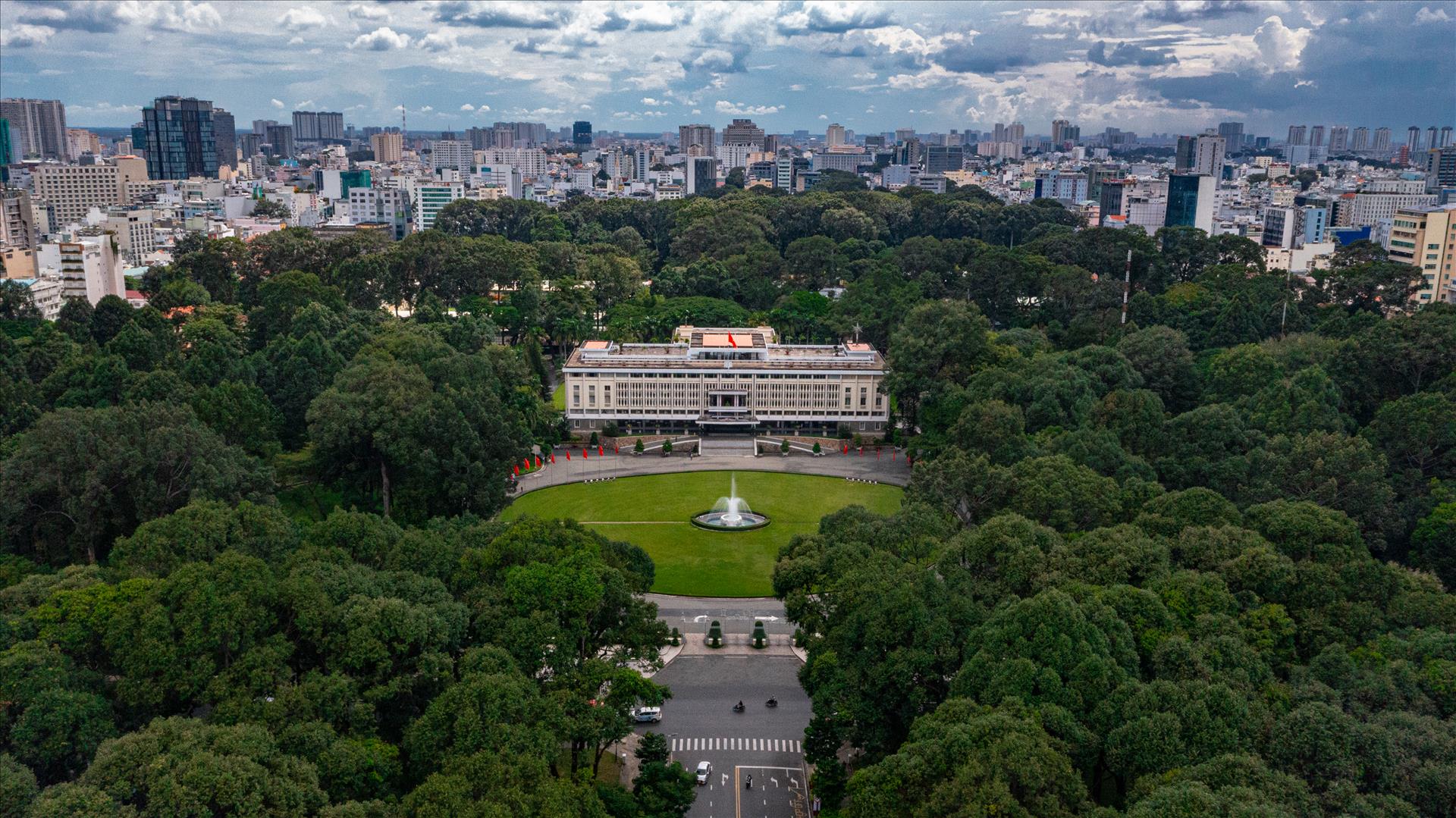
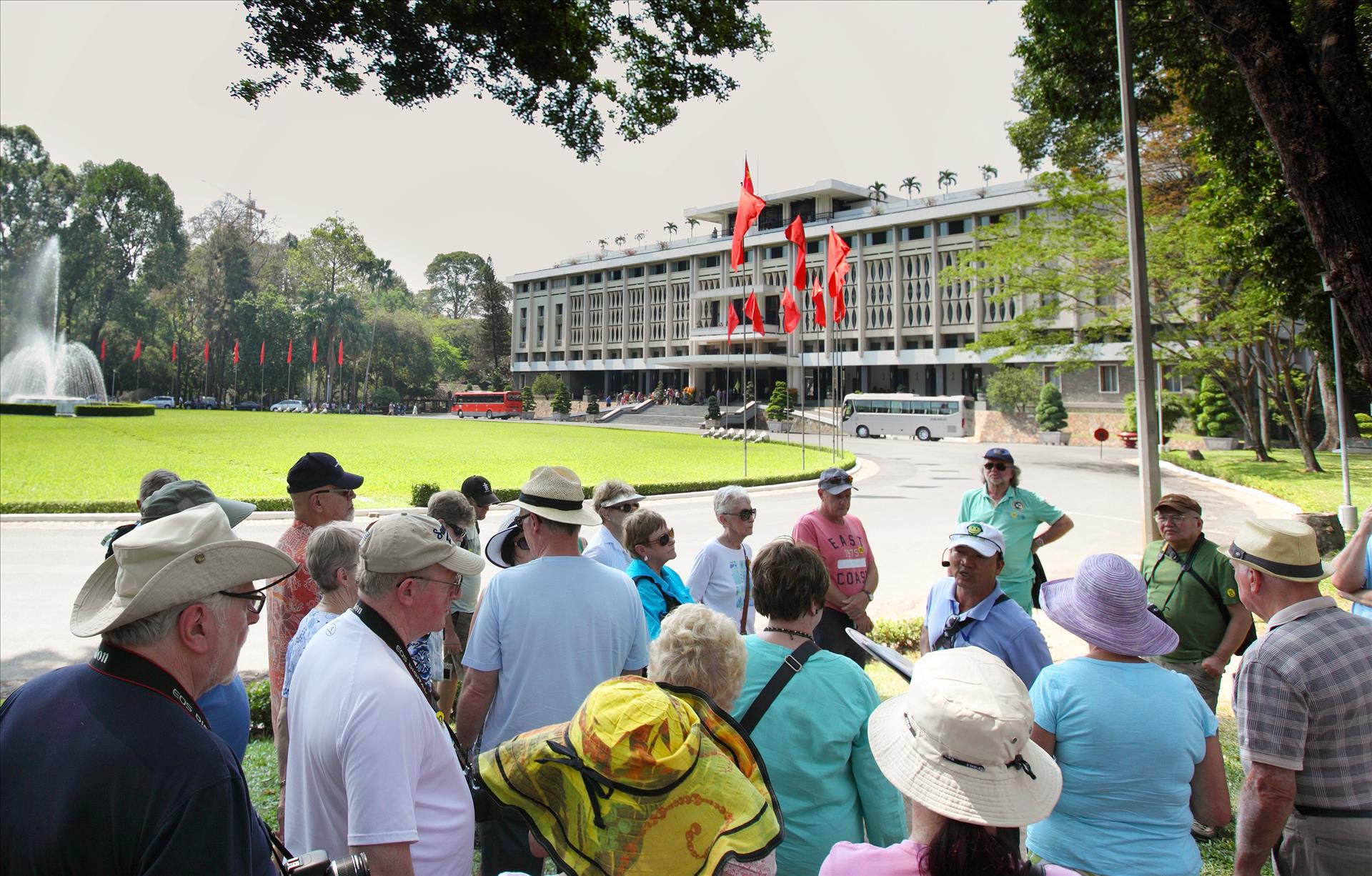

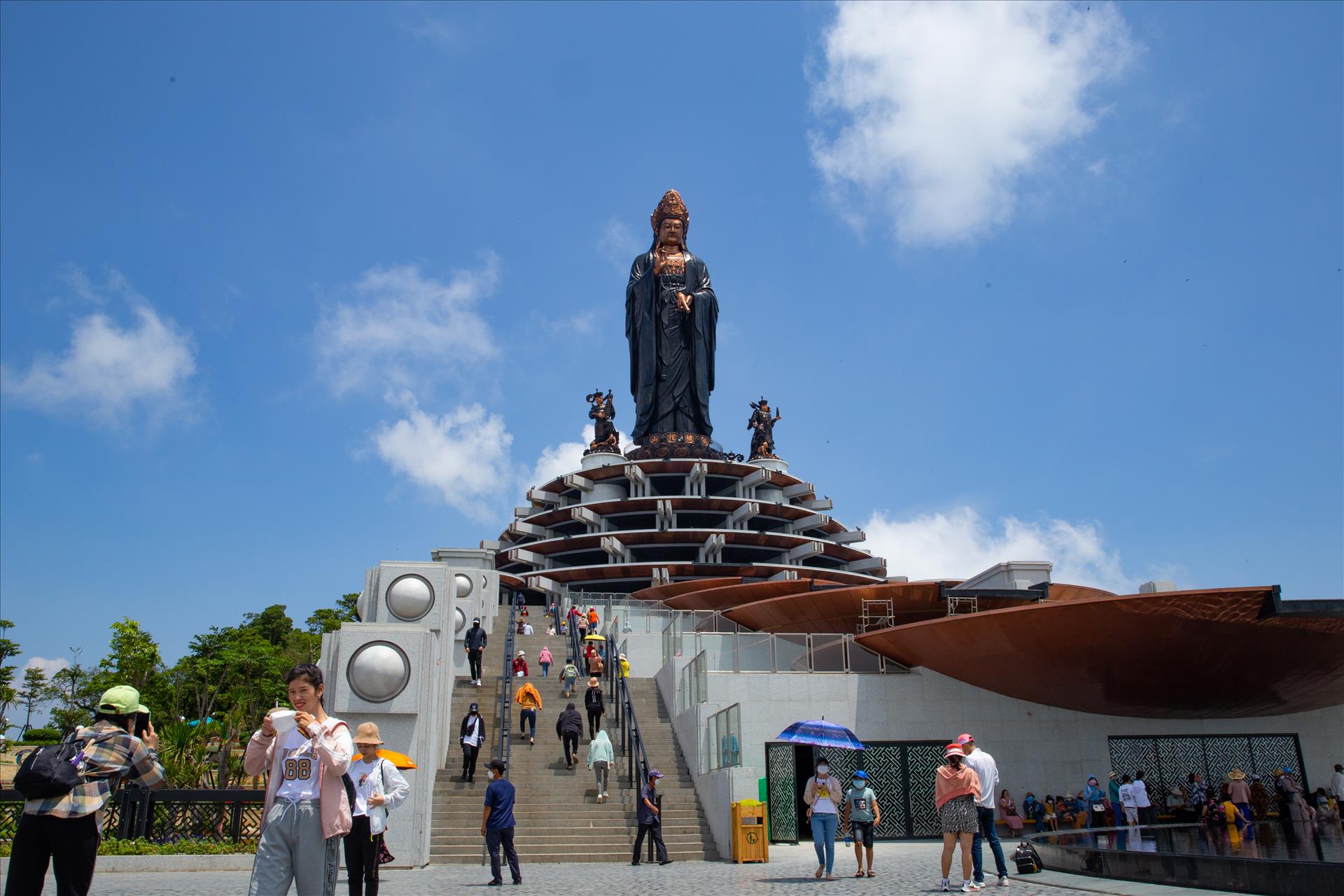
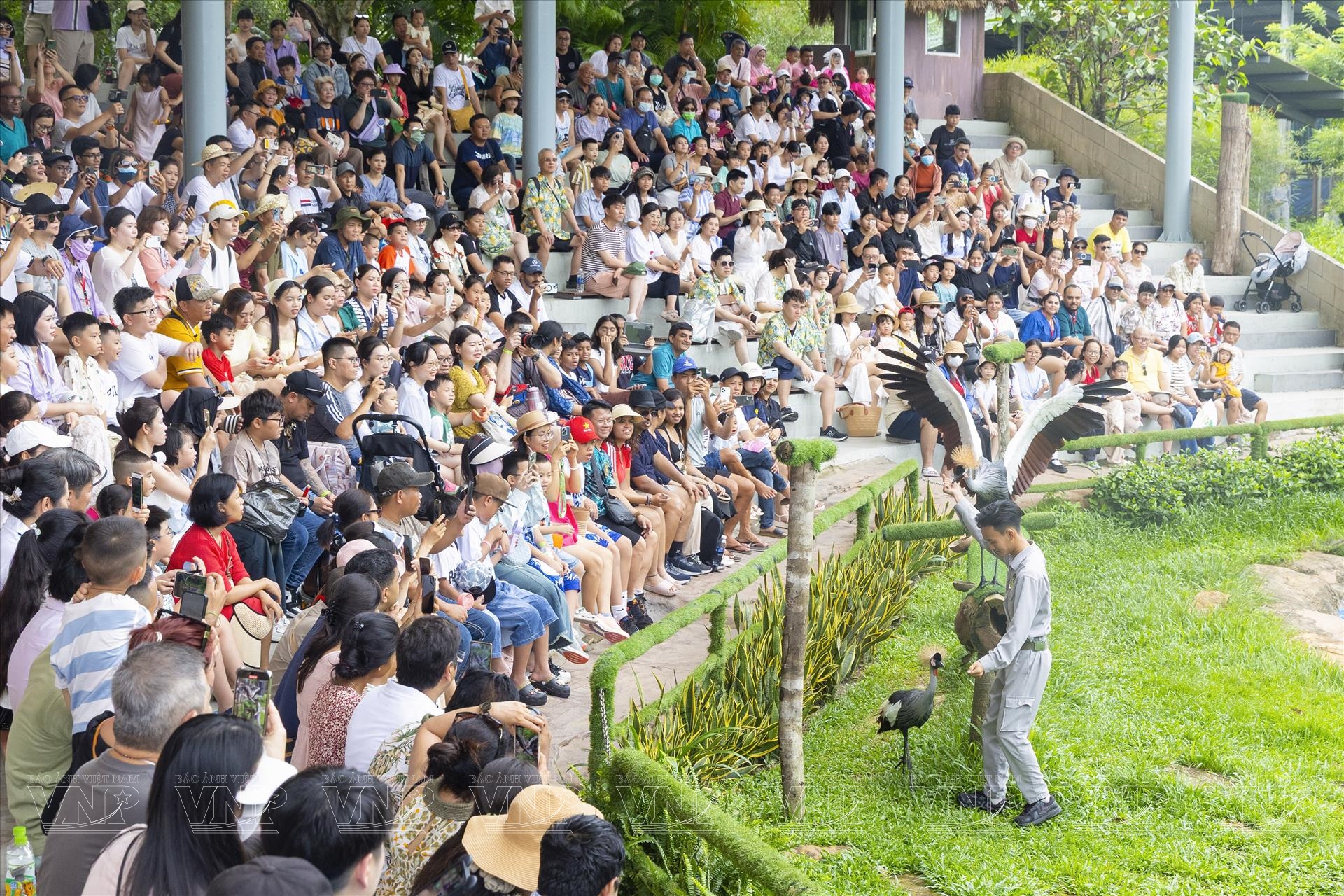

Tourism has reported strong recovery as growth figures showed. In 2025, Vietnam welcomed 21.2 million foreign visitors, up more than 20% year-onyear, while domestic travelers reached 135.5 million. The sector is entering a new phase of transformation toward diversifying tourism products and emphasizing sustainable, experience-driven travel.
These achievements align with Vietnam’s strategy for broader international integration, as outlined in Politburo Resolution No. 59-NQ/TW, which emphasizes international cooperation in culture, society, and tourism. The country has signed bilateral visa exemption agreements and is diversifying forms of tourism, from community-based and ecotourism to cultural and sports tourism.
With coordinated efforts from adopting incentive policies to improving products and marketing, Vietnam is steadily strengthening its position as a compelling and sustainable destination on the global tourism map.
Story: Bich Van Photos: VNP & Files Translated by Nguyen Tuoi