Vietnam Moves Toward Green, Smart, Sustainable Agriculture
Advances in science and technology, innovation, and digital transformation are creating new momentum for the agriculture sector. From reshaping production thinking and fostering a new generation of “digital farmers” to improving transparency in value chains, Vietnam is steadily moving toward greener, smarter, and more sustainable agriculture.
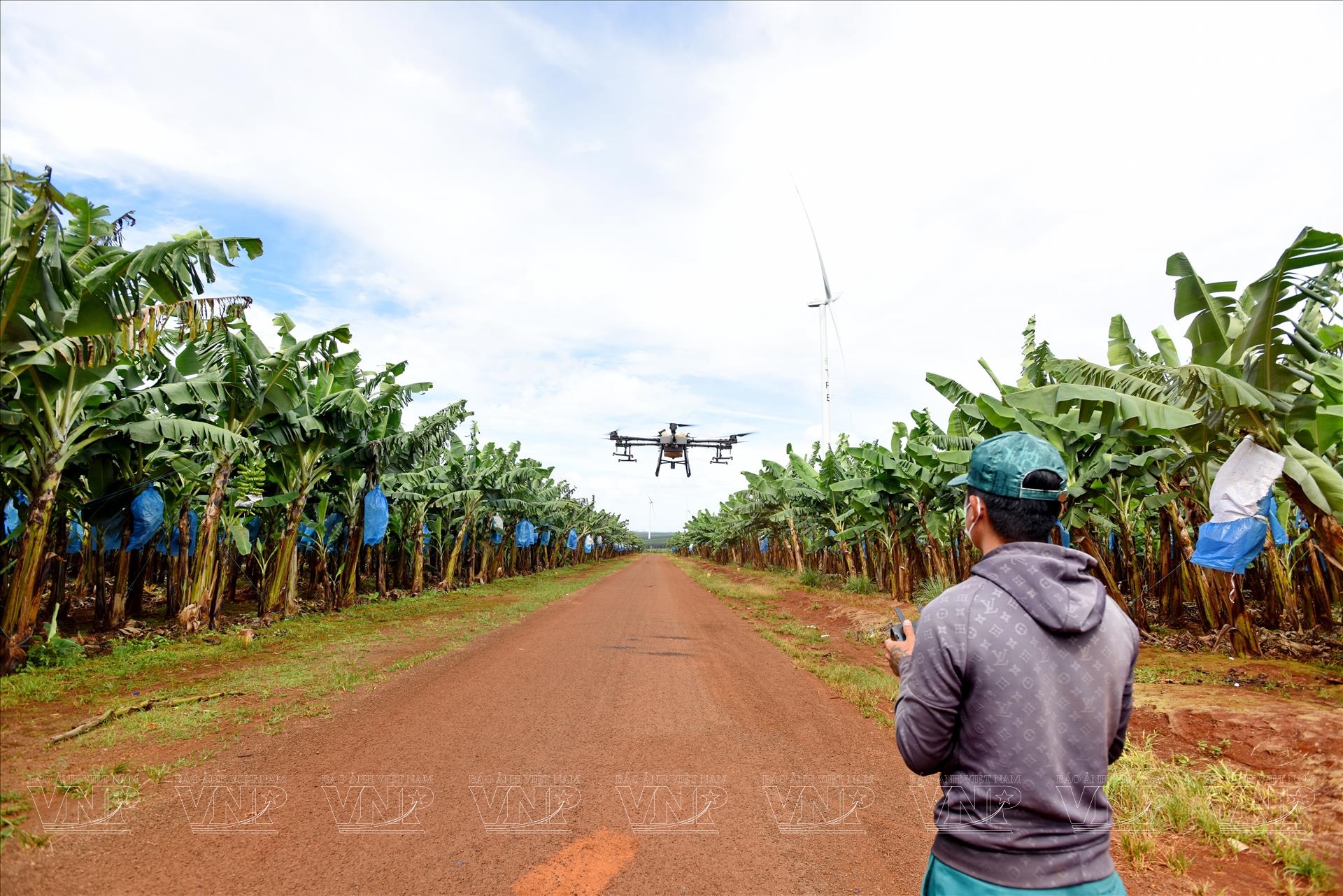
Issued by the Politburo on December 22, 2024, Resolution No. 57-NQ/TW on the development of science, technology, innovation, and national digital transformation has created a major driving force for modernizing Vietnam’s agriculture.
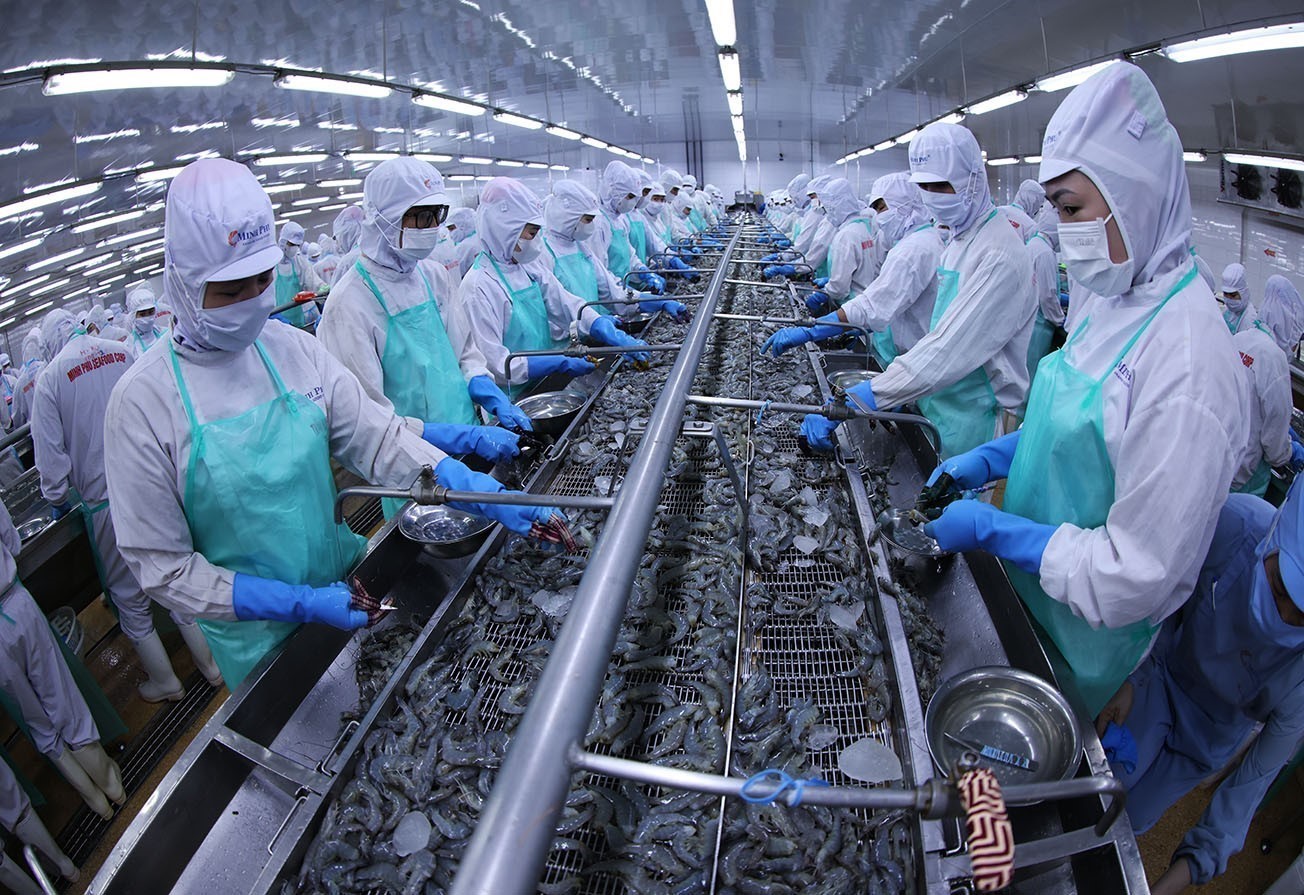
After decades of development, Vietnam has transformed from a food-deficient country into one of the world’s leading exporters of agro-forestry and fishery products. Agriculture remains a pillar of the national economy as the country ranks second in Southeast Asia and 15th globally in agricultural export.
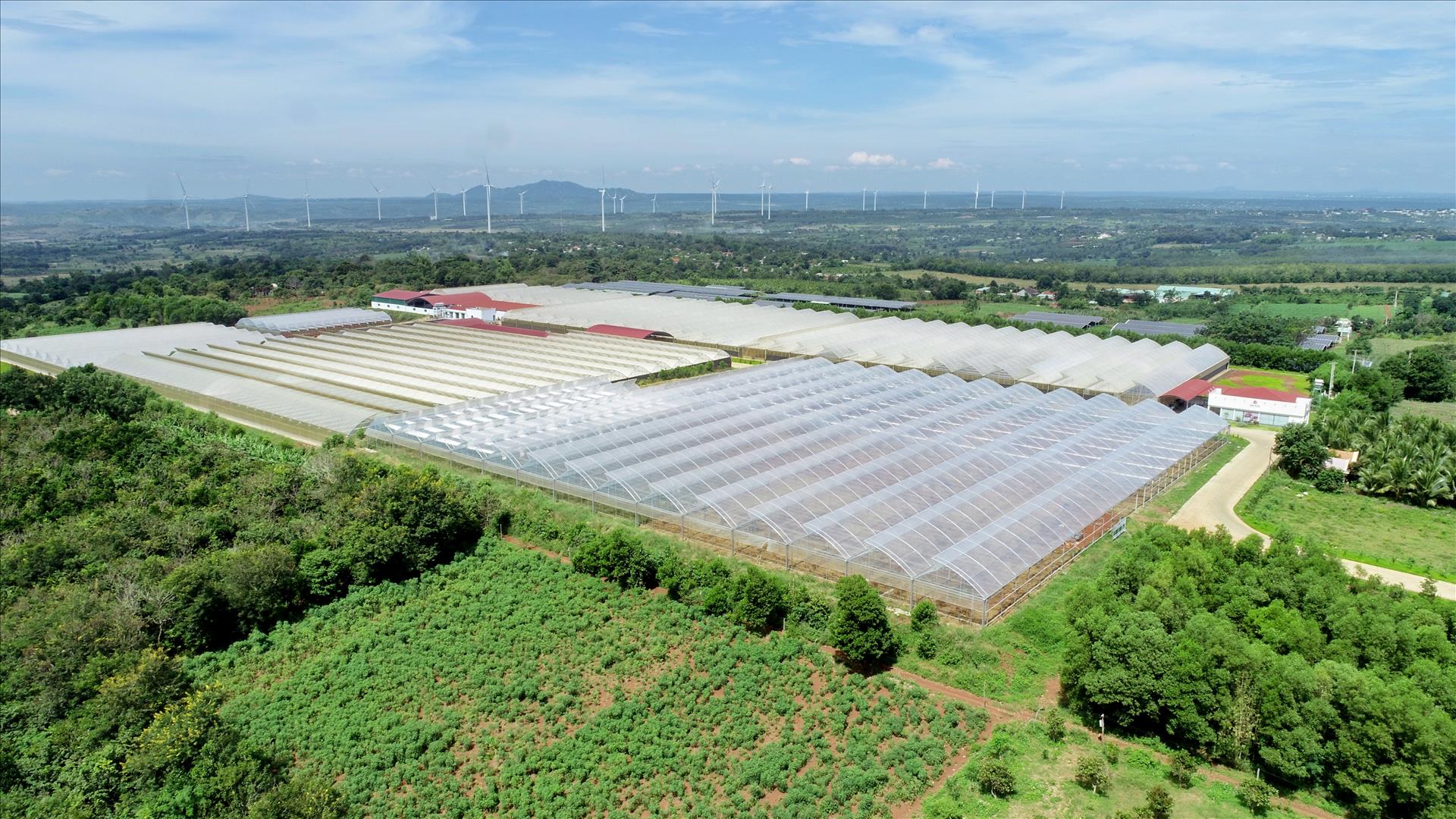
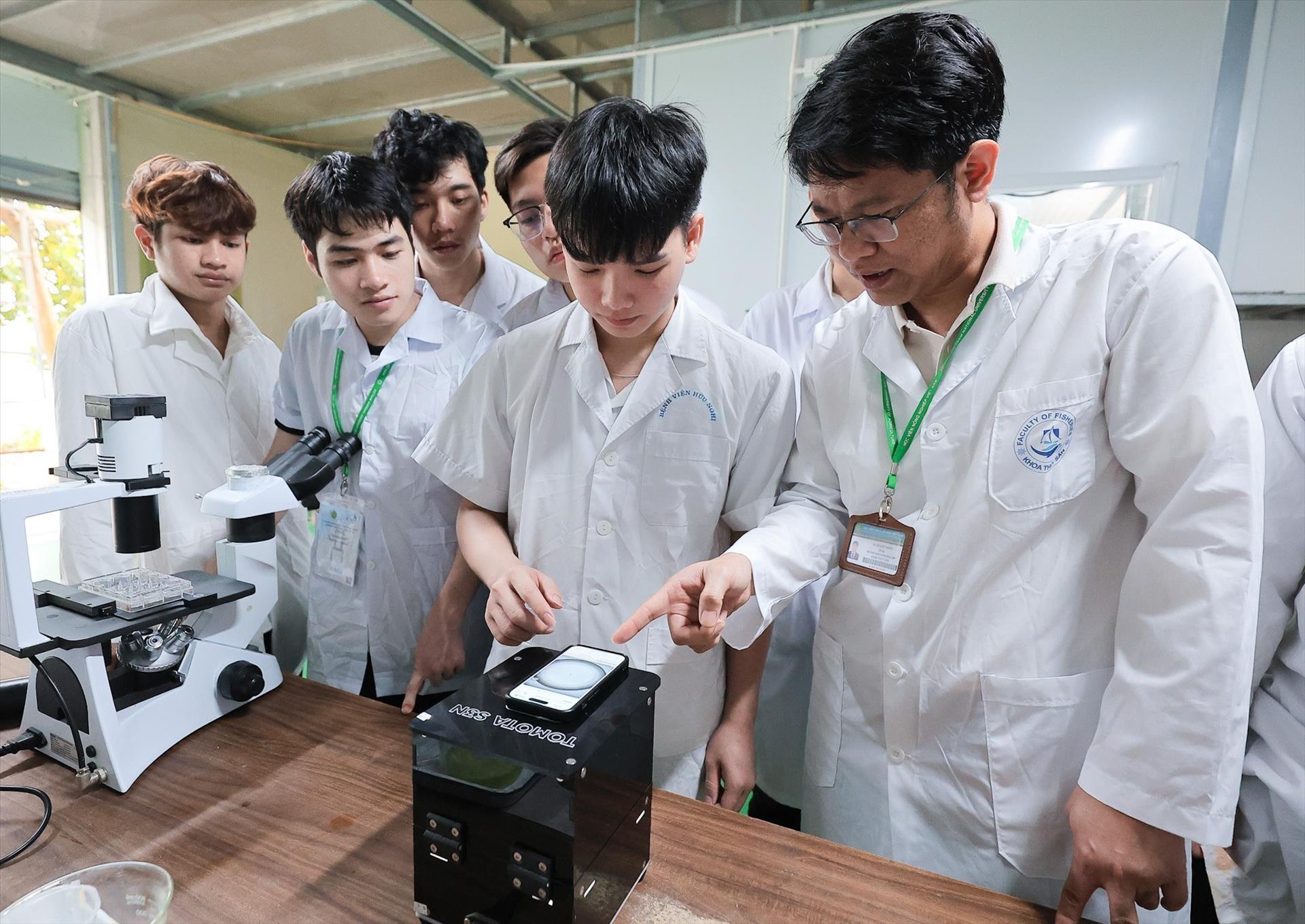
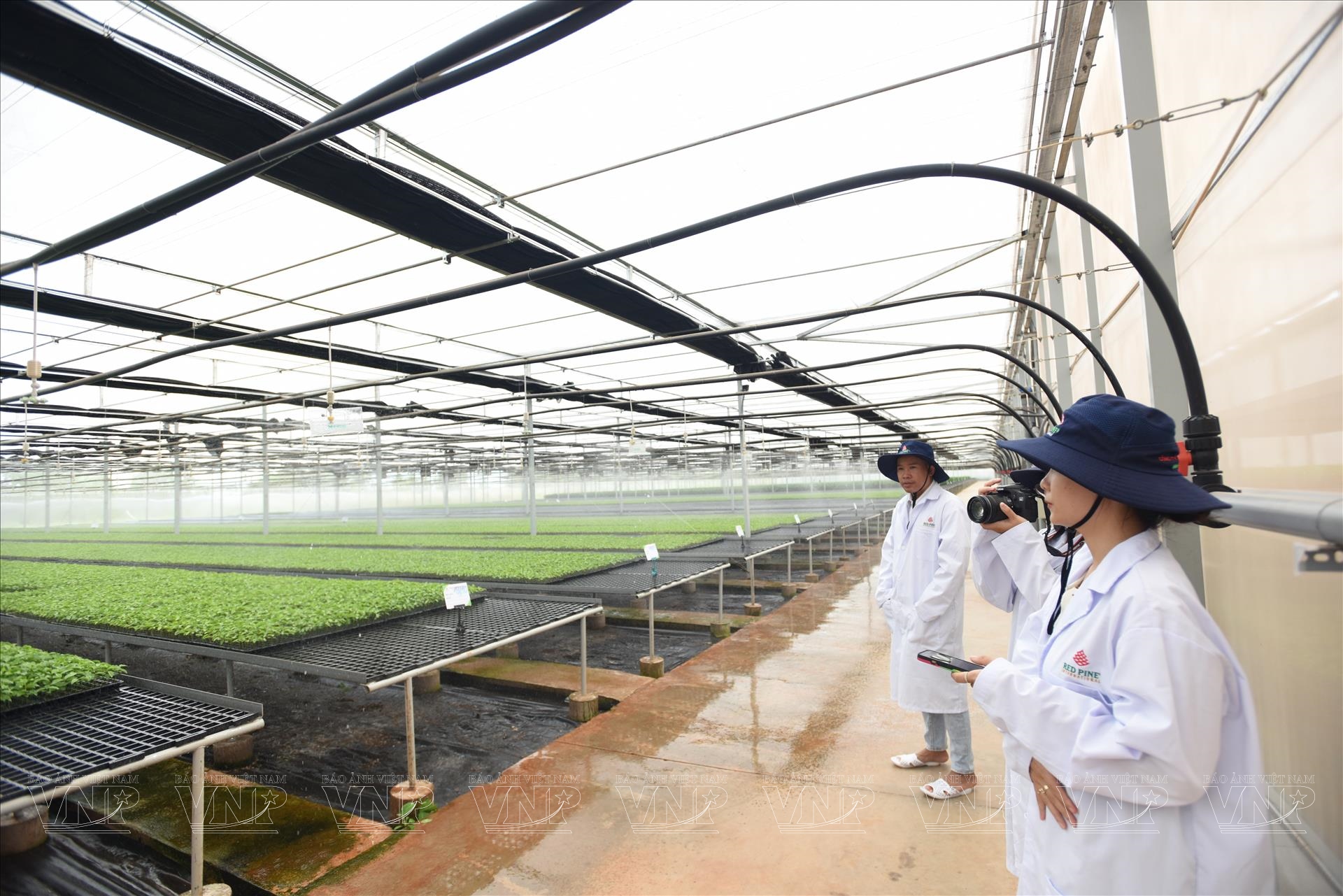
Behind these achievements, however, lies the challenge of increasing added value. Output value per farmer remains relatively low, at under 1,000 US dollars.
Resolution No. 57 is seen as a key solution to these issues, promoting a shift from a research-driven to marketdriven approach that places businesses and farmers at the center of the innovation.
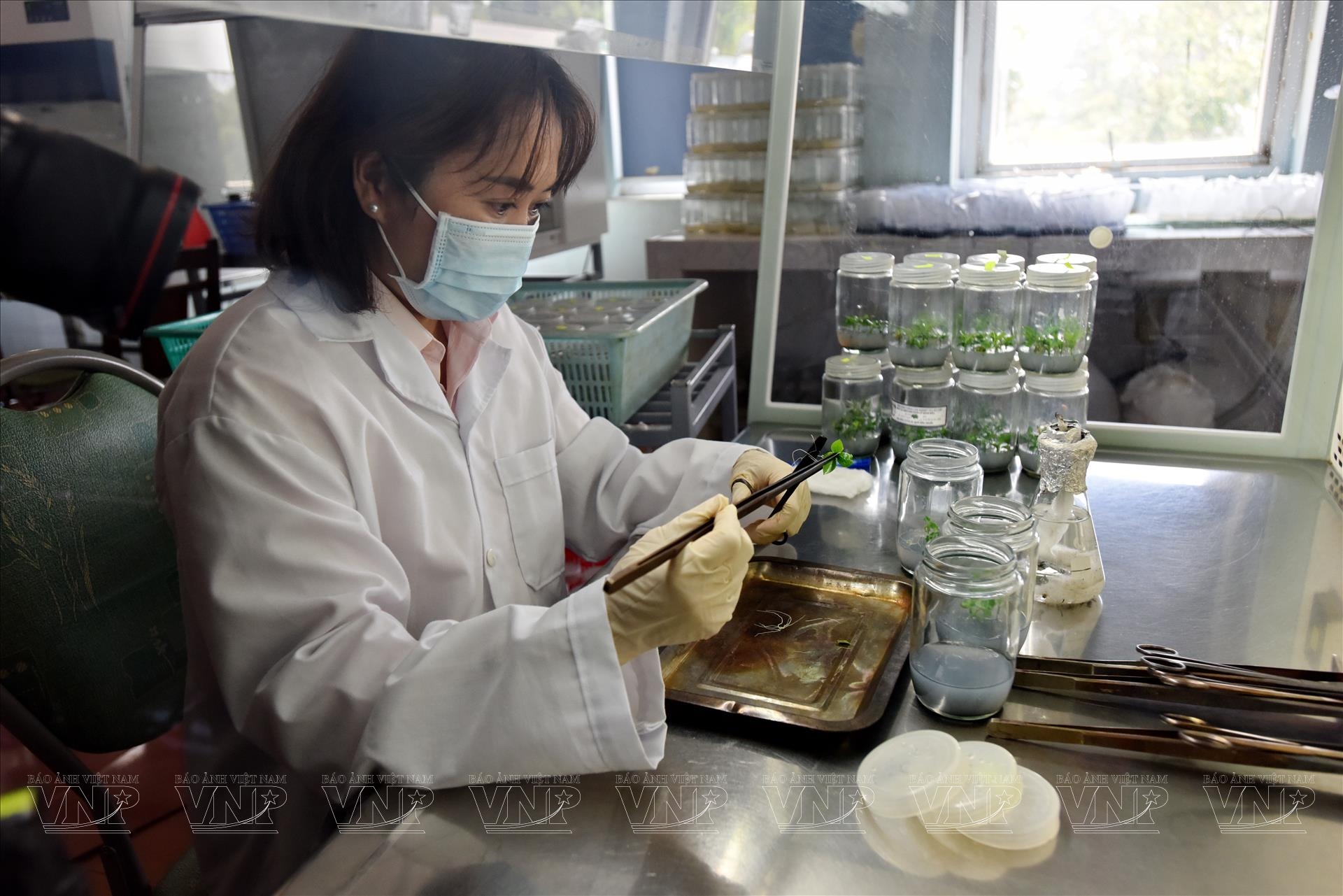
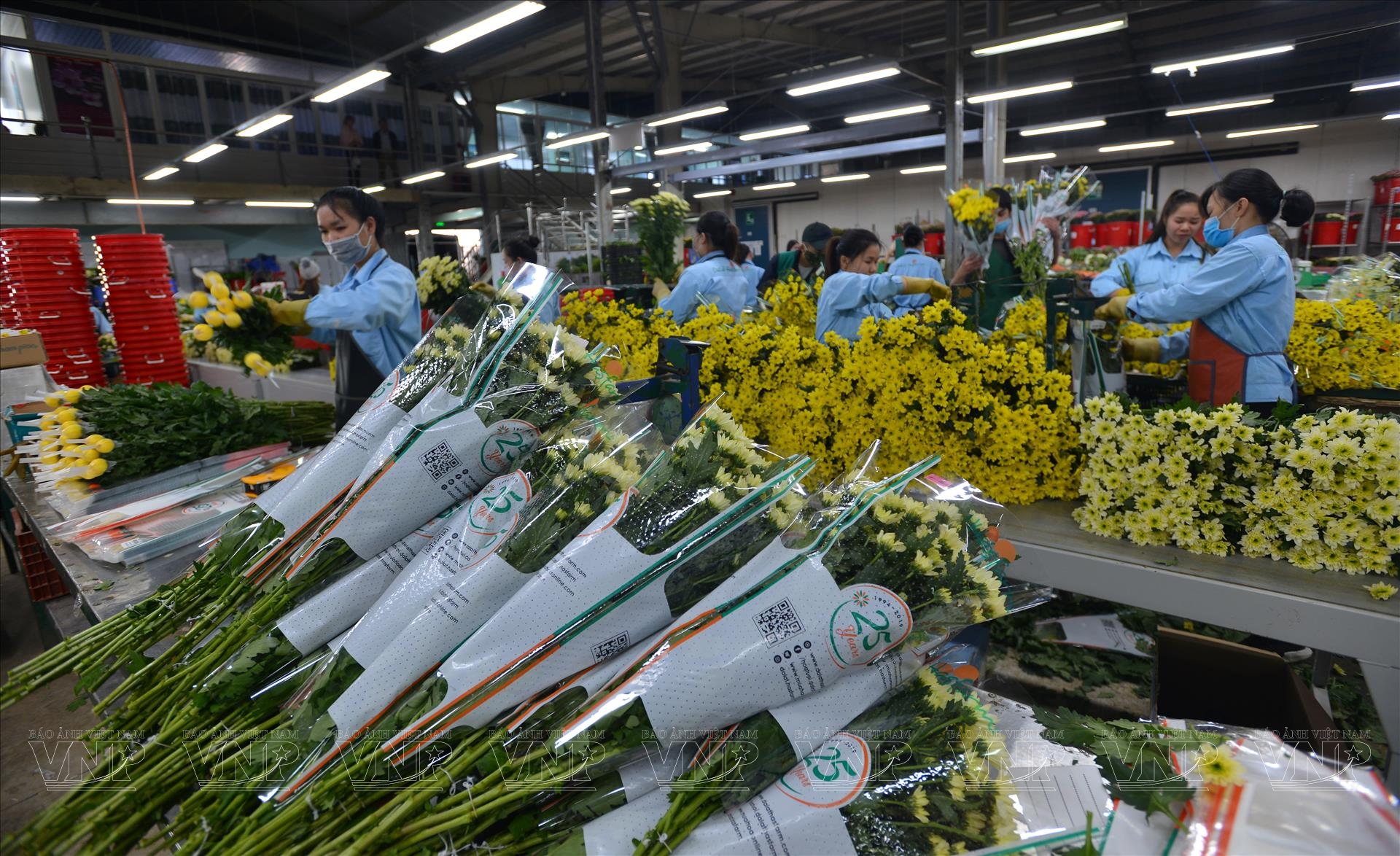
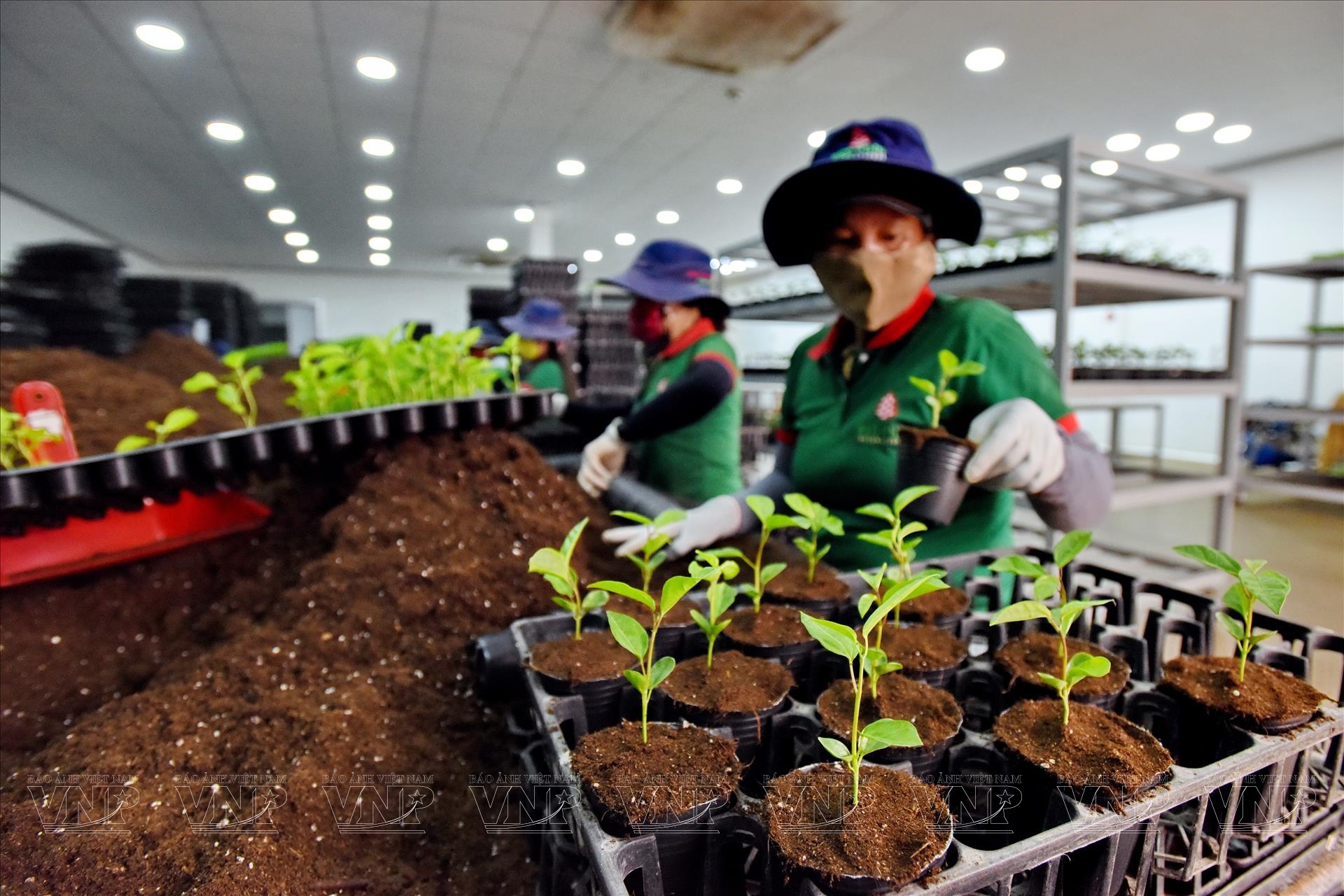
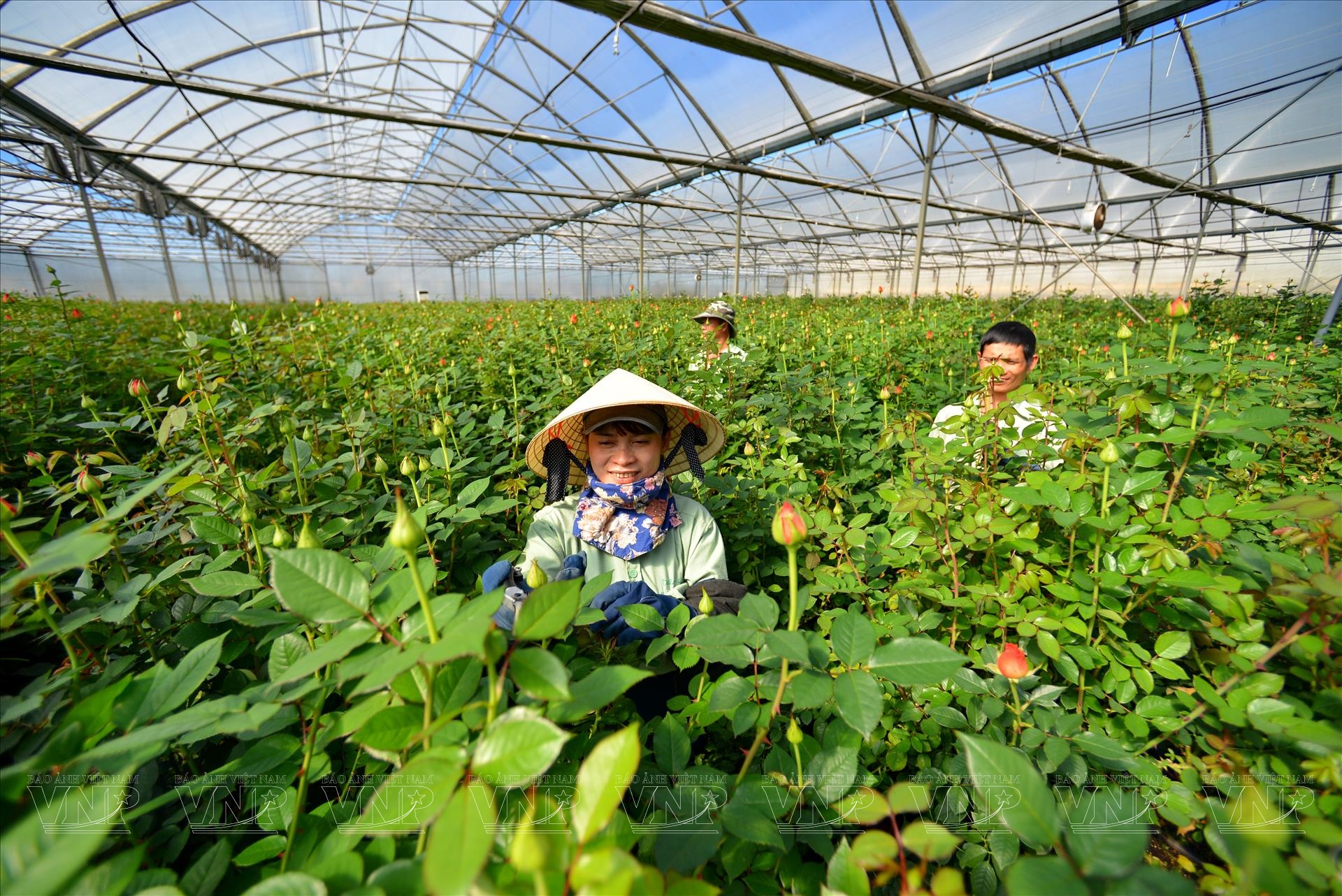
This spirit was emphasized by General Secretary To Lam during the ceremony marking the 80th anniversary of the Agriculture and Environment sector on November 12, 2025 where he stressed that science and technology, innovation, digital transformation, and data must become the key drivers of agricultural development, integrated into every stage of production, from growing, biotechnology, and automation to traceability, logistics, and digital commerce. He also called for stronger links among scientists, businesses, cooperatives, and farmers, emphasizing that agricultural extension must stay closely connected to reality rather than just on slogans.
This transformation has already given rise to a new generation of “digital farmers”, including engineer Ho Quang Cua, the creator of the ST24 and ST25 rice varieties; Chu Van Sam who annually earns 1.2 billion dong (nearly 50,000 US dollars) from dairy farming, and Nguyen Chi Linh with shrimp farming generating up to 90 billion dong (3.5 million US dollars)/ year.
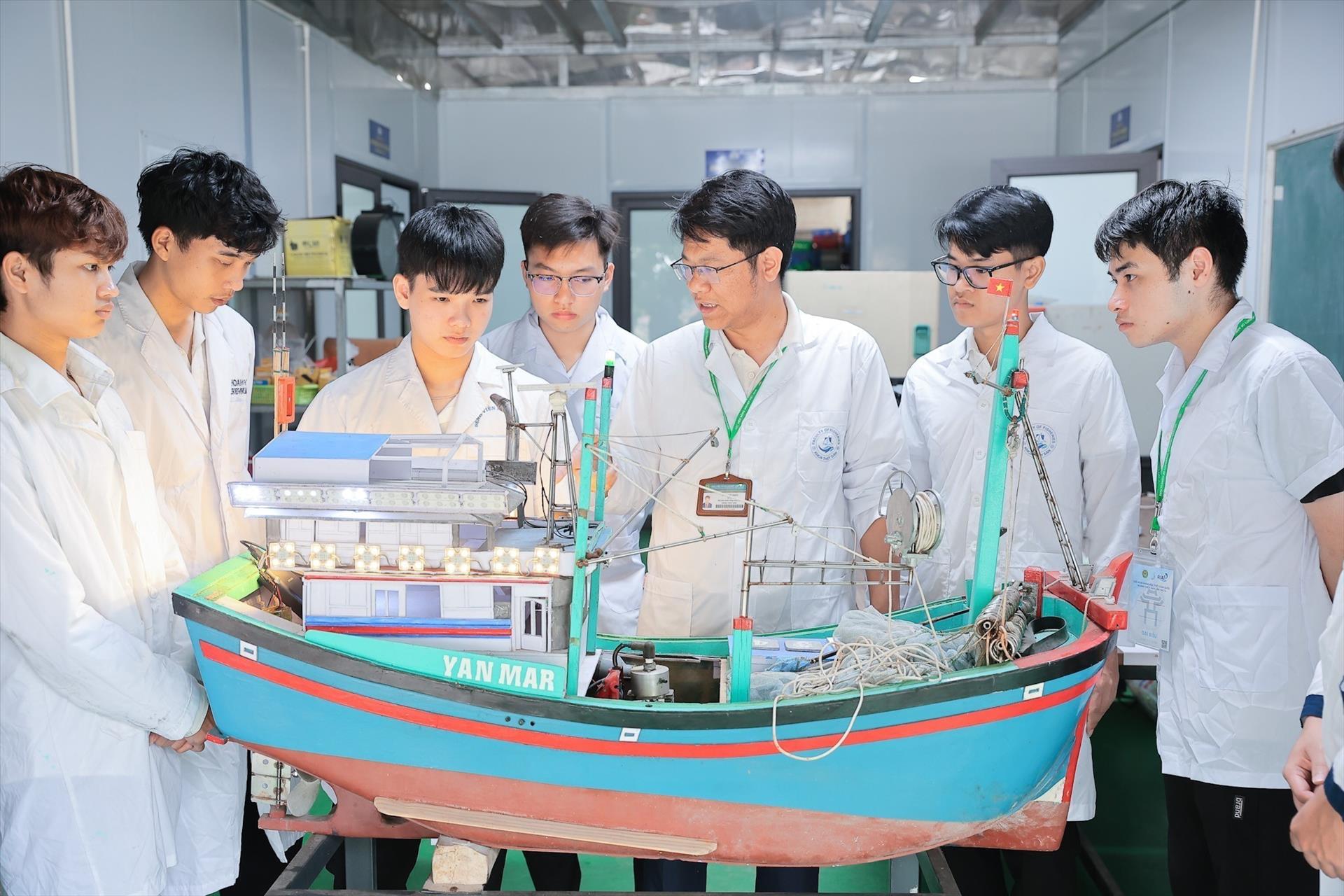
At the same time, agricultural startups led by young people are gaining momentum. In 2025, many projects applied artificial intelligence to forecast crop diseases, manage farms through sensor systems, develop circular livestock raising models, and analyze big data in agriculture. Farmers today rely on not only experience, but also real-time data such as humidity, temperature, and nutrient levels displayed on smartphones.
At the Nha Ho Cotton Research and Agricultural Development Institute, researchers have applied IoT technology to regulate greenhouse microclimates. Precision irrigation systems combined with automated nutrient delivery help crops receive the right amount of water and nutrition, reducing waste and minimizing environmental pollution.
Another major breakthrough is product traceability. The digitalization of land, forest, and planting-area data allows international consumers to trace Vietnamese agricultural products from cultivation to processing. This transparency is essential for Vietnamese farm exports to meet the standards of finicky markets
Resolution No. 57-NQ/TW is expected to create a turning point for Vietnam’s agriculture in the digital era. By promoting innovation, advancing science and technology, and fostering a new generation of “digital farmers,” it paves the way for greener, smarter, and more sustainable agriculture.
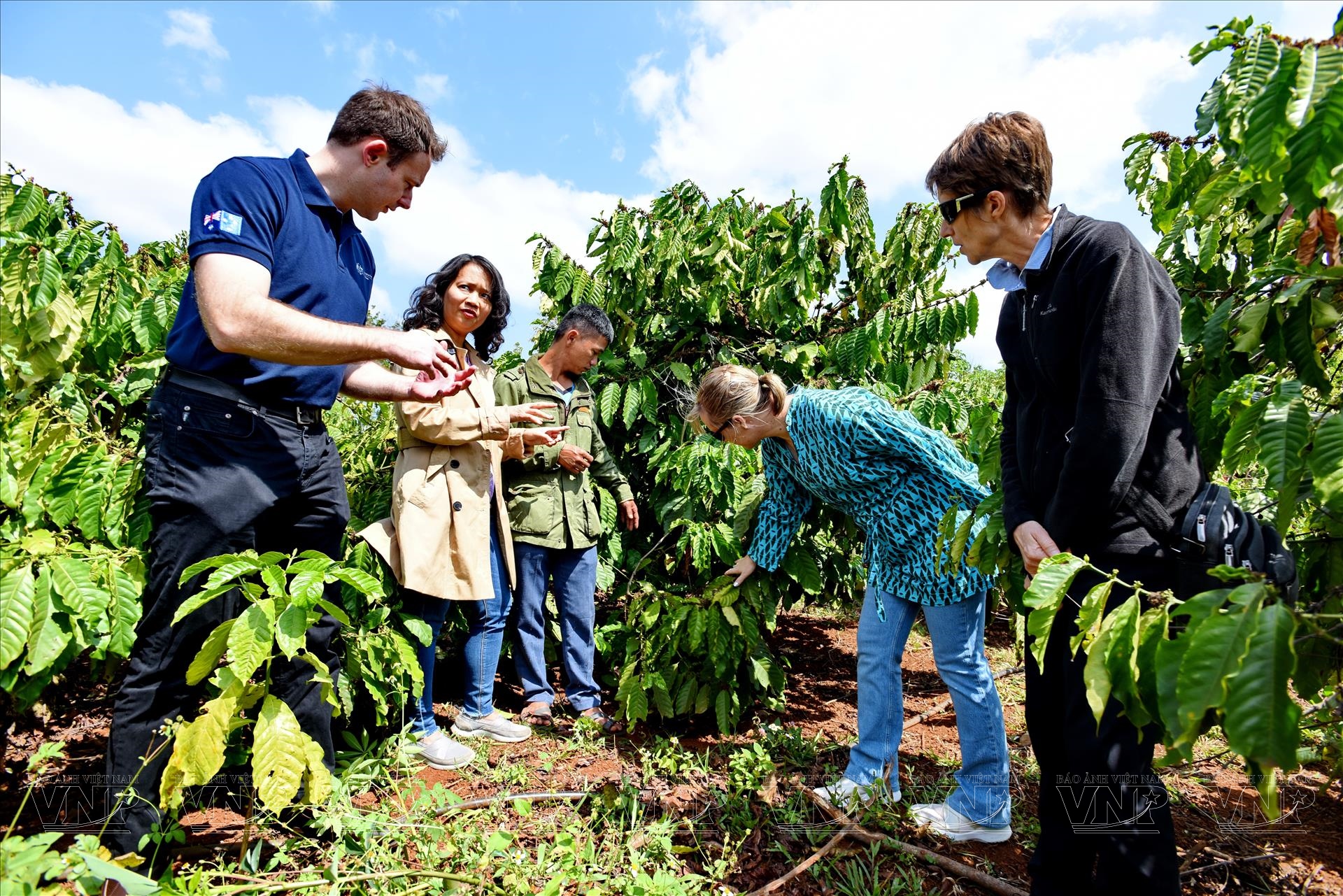
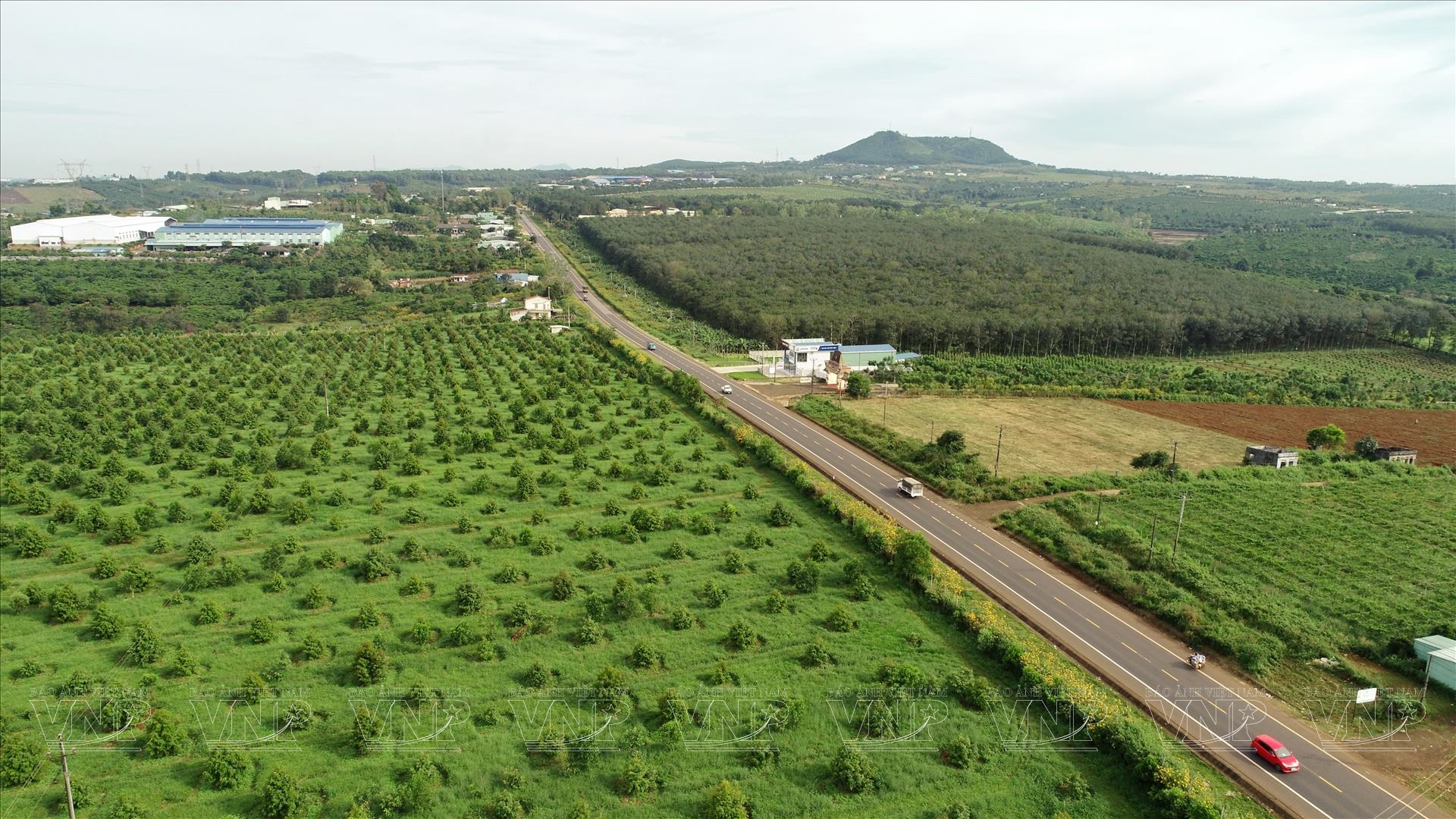
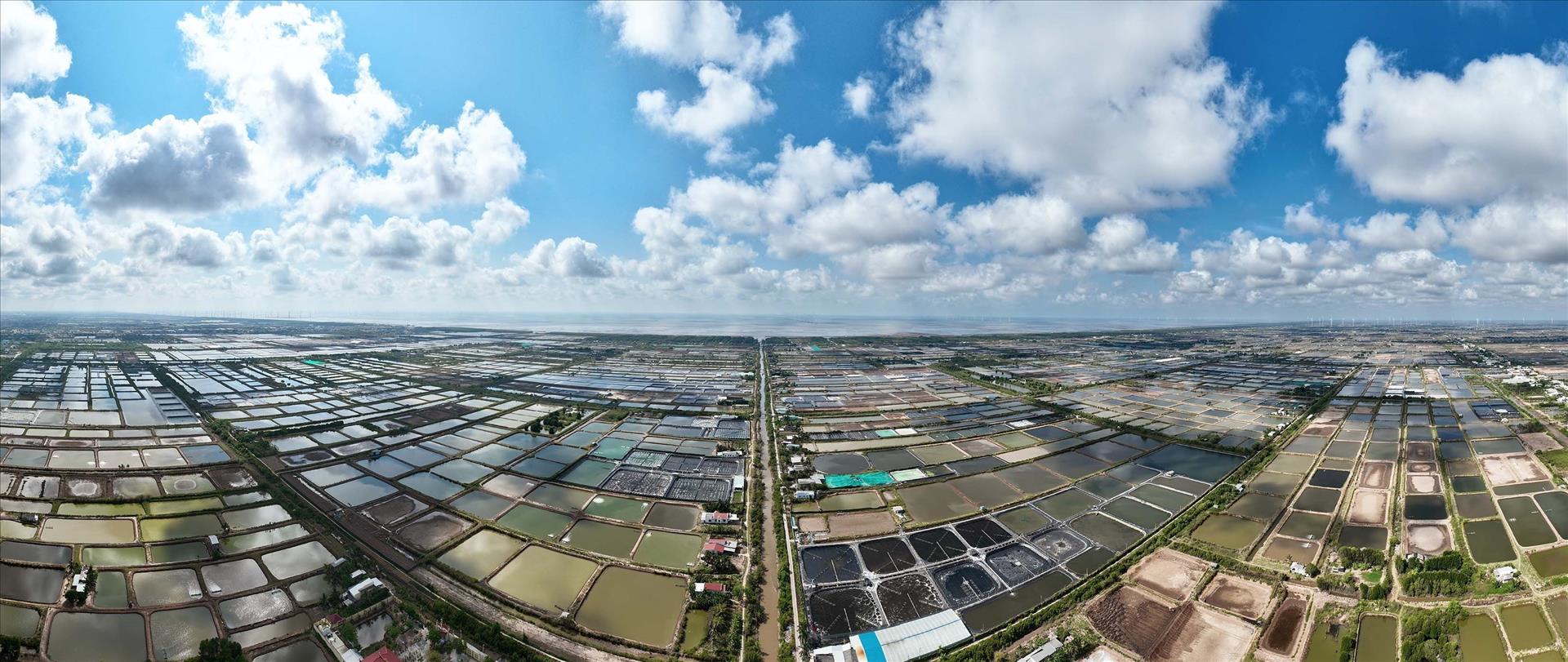
To make science and technology truly applicable, Resolution No. 57 promotes closer cooperation among the State, scientists, and businesses, with the state focusing on policies and digital infrastructure; businesses providing resources and scientists solving practical problems .
The implementation of Resolution
No. 57 shows that when thinking is
renewed, bottlenecks are removed, and
technology is transferred to farmers,
Vietnam’s agriculture is well positioned
for a breakthrough toward a modern,
green, and sustainable future.
Story: Thanh Hoa Photos: Thanh Hoa/VNP & VNA