Vietnam from the Memory & Faith of a Palestinian Friend
Ambassador of the State of Palestine to Vietnam, Saadi Salama, has spent nearly half a century living, studying, and working in the country. From a student to a diplomat, he has witnessed Vietnam’s remarkable transformation during the era of renewal and international integration, while actively contributing to strengthening the friendship between the two nations.
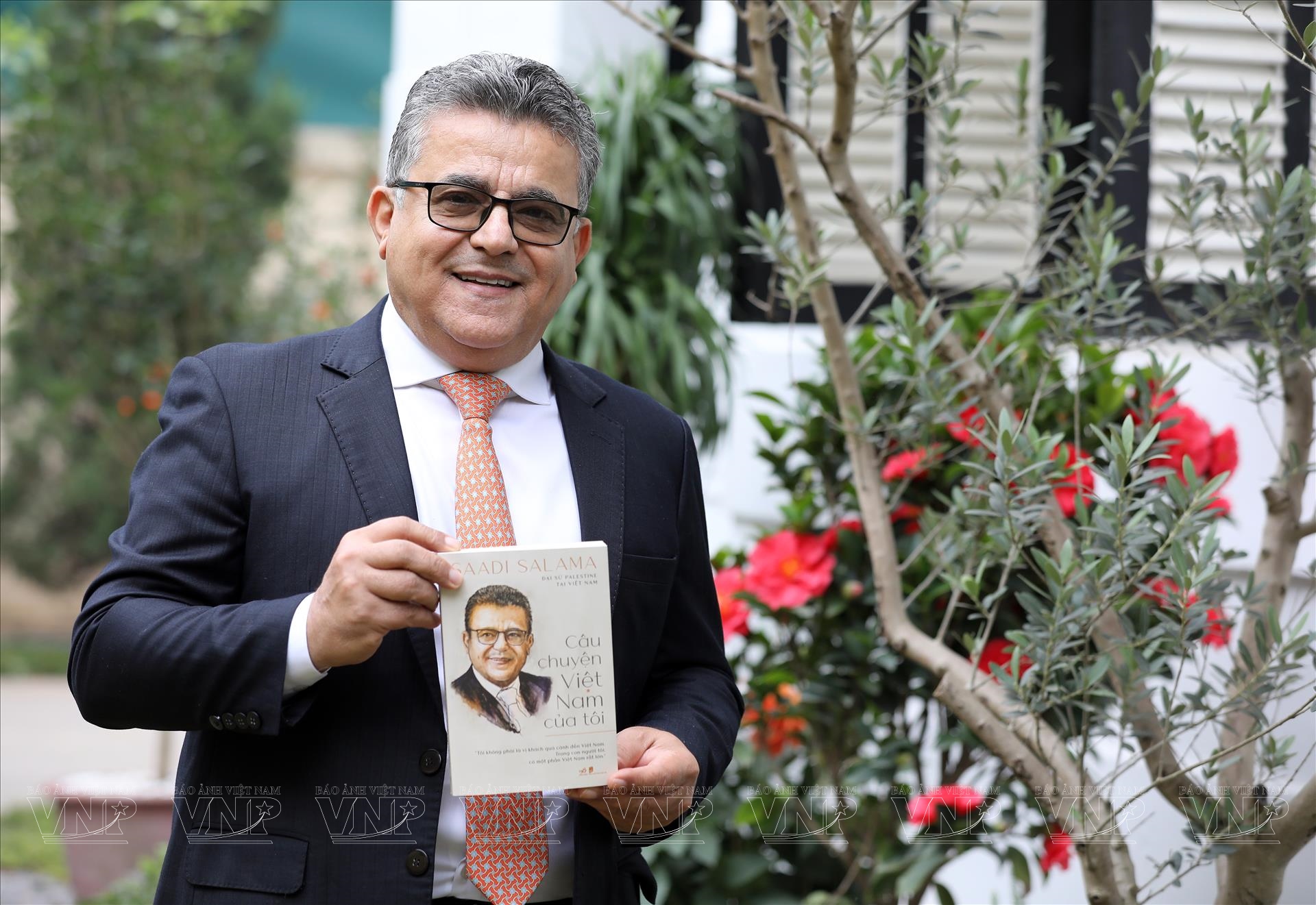
A Lifelong Bond Forged through Early Turning Points
The year 2026 marks 46 years since Saadi Salama first arrived in Vietnam. For Ambassador of the State of Palestine to Vietnam, that span of time represents not merely a professional posting, but a lifelong journey of attachment and commitment, one closely intertwined with Vietnam’s own path of resilience and renewal.
At the age of 12, he began reading newspapers to better understand the world beyond his immediate surroundings. In 1972, through the Palestinian press, he first learned about the Vietnamese people’s struggle for independence. The image of a resilient nation fighting for justice left an indelible impression on him.
“The victory of April 30, 1975, was not only significant for Vietnam,” he recalls. “It also strengthened the faith of the Palestinian people in our own pursuit of national independence. At that time, I knew little about Vietnamese culture or daily life, but I already felt a deep admiration for the country”.
In 1980, when he was awarded a scholarship to study abroad, Vietnam was among the destinations offered. He chose it without hesitation. On October 14, 1980, he arrived at Noi Bai International Airport, a moment he describes as “a major turning point” in his life.
Language posed his greatest initial challenge. Through discipline and persistence, he quickly became fluent in Vietnamese. During his university years, he worked closely with the Palestinian Embassy in Hanoi, reading Nhan Dan and Quan doi Nhan dan newspapers and compiling analytical summaries on Vietnam’s sociopolitical situation for archival purposes.
In 1982, when the Fifth National Congress of the Communist Party of Vietnam convened, he was invited to serve as an interpreter for the Palestinian delegation. The transition from student to active participant in diplomatic affairs marked the beginning of a lifelong engagement with Vietnam.
Vietnam’s Renewal and the Message of Peace
Among Vietnam’s most pivotal milestones, Ambassador Saadi Salama points to 1986, when the country launched its Doi moi (Renewal) reforms under the leadership of the Communist Party of Vietnam. In his assessment, it was a strategic and visionary decision taken at a time when many socialist economies were confronting systemic crisis.
Four decades on, Vietnam has undergone sweeping transformation. The transport infrastructure has expanded; expressways now link provinces once separated by long and arduous journeys; modern urban centers have emerged alongside industrial hubs and high-tech zones.
“In the early 1980s, it took about five hours to travel from Hanoi to Quang Ninh to visit Ha Long Bay. Today, it takes just over an hour and a half,” he said.
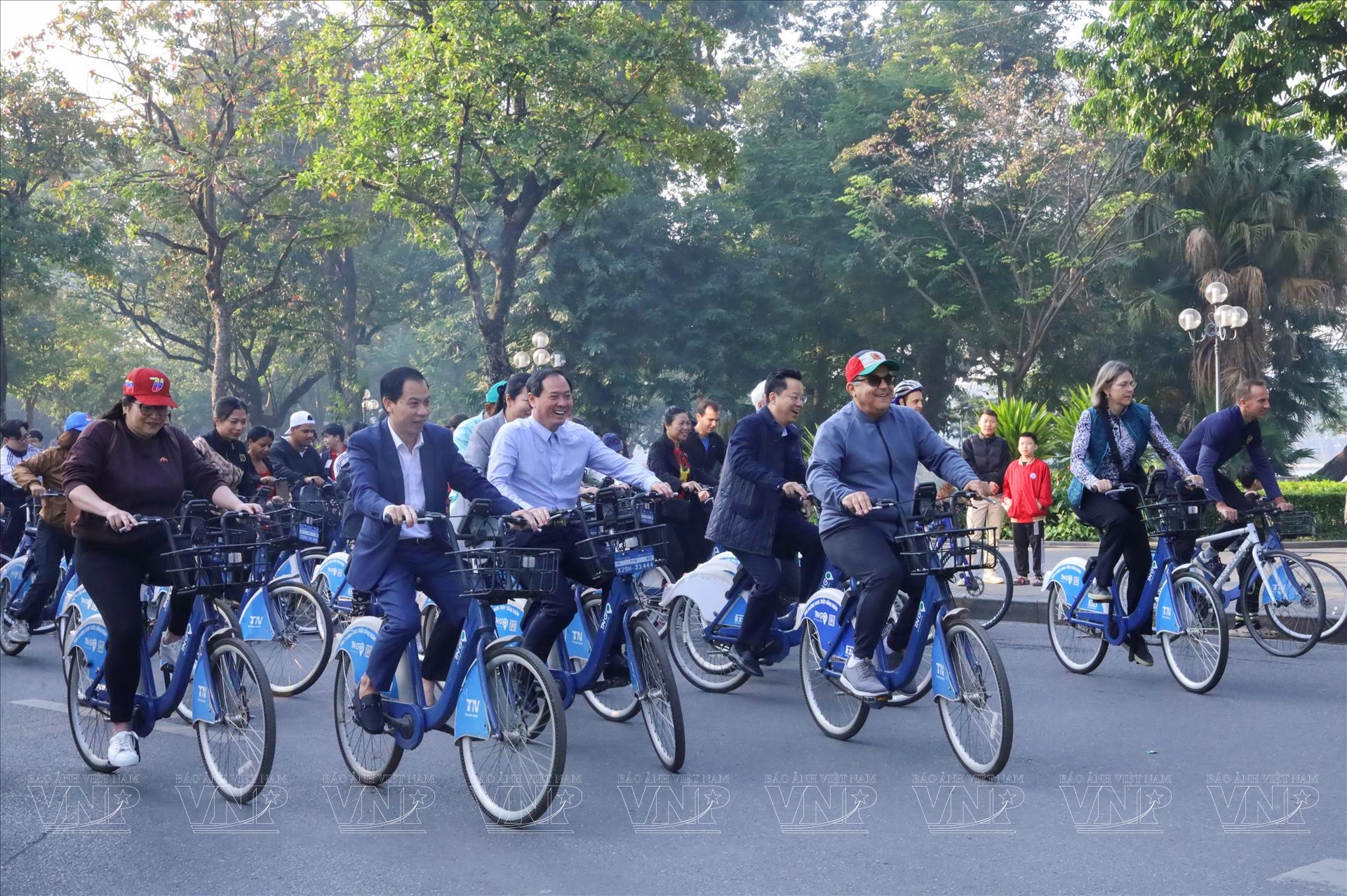
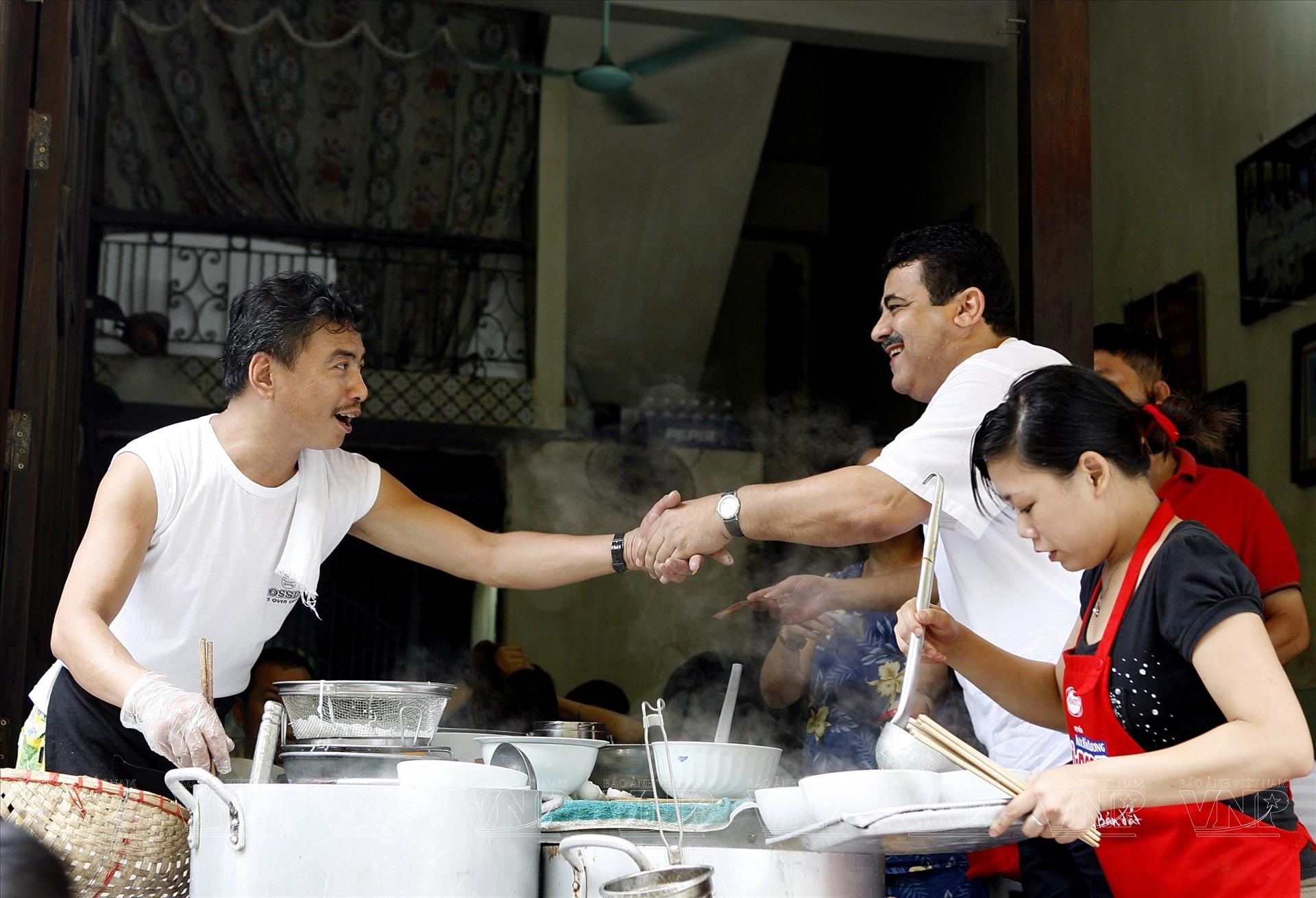
Crucially, he emphasized that modernization has not come at the expense of cultural identity. Hanoi’s historic Old Quarter with its 36 guild streets, remains preserved as a distinctive heritage enclave within an increasingly dynamic and modern capital.
Having lived in Vietnam for more than four decades, he believes the country’s greatest strength lies in its spirit of self-reliance and resilience, qualities forged through history and sustained by an enduring determination to rise. In peacetime, Vietnam has continued to confront formidable challenges, from natural disasters and climate change to global health emergencies. The COVID-19 pandemic, he observes, demonstrated the adaptability and solidarity of the Vietnamese people.
With deepening globalization, Vietnam has proactively advanced international integration, embedded itself in global value chains, attracted foreign investment and diversified its growth model. Policy recalibrations in recent years reflect pragmatic governance and flexible responses to global volatility.
To the world, Vietnam conveys a consistent message: peace is the indispensable foundation for sustainable development and social well-being. International observers often ask how the country has been able to normalize relations and cultivate partnerships with former adversaries. Ambassador Salama attributes this to the generosity, tolerance and hospitality that characterize the Vietnamese people.
• Saadi Salama (born in 1961 in Hebron, Palestine) arrived in Vietnam in 1980 to pursue his studies at Hanoi General University (presentday Vietnam National University, Hanoi).
• Since 2009, he has served as Ambassador of the State of Palestine to Vietnam; since 2019, he has concurrently held the position of Head of the Diplomatic Corps in Vietnam.
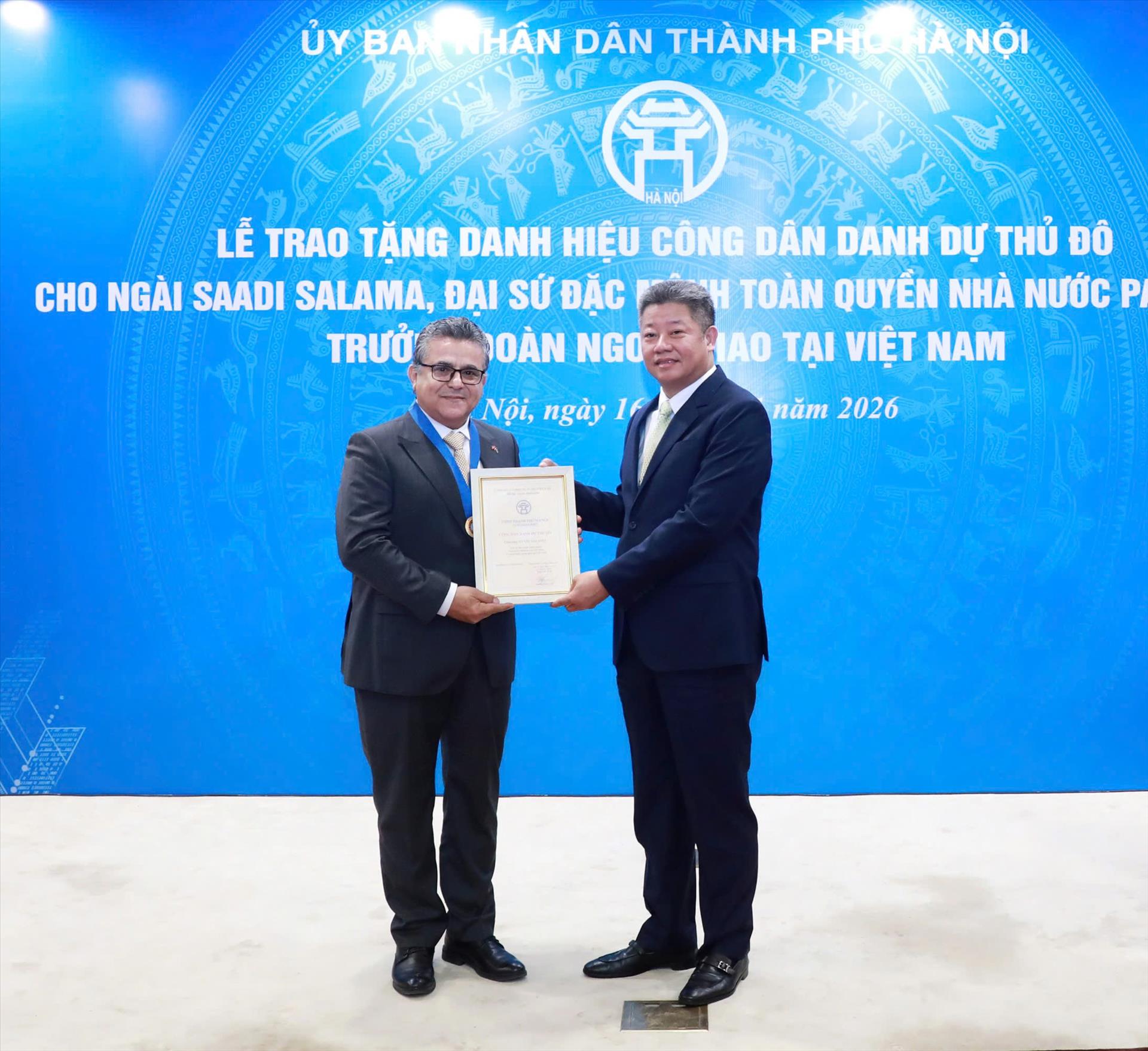
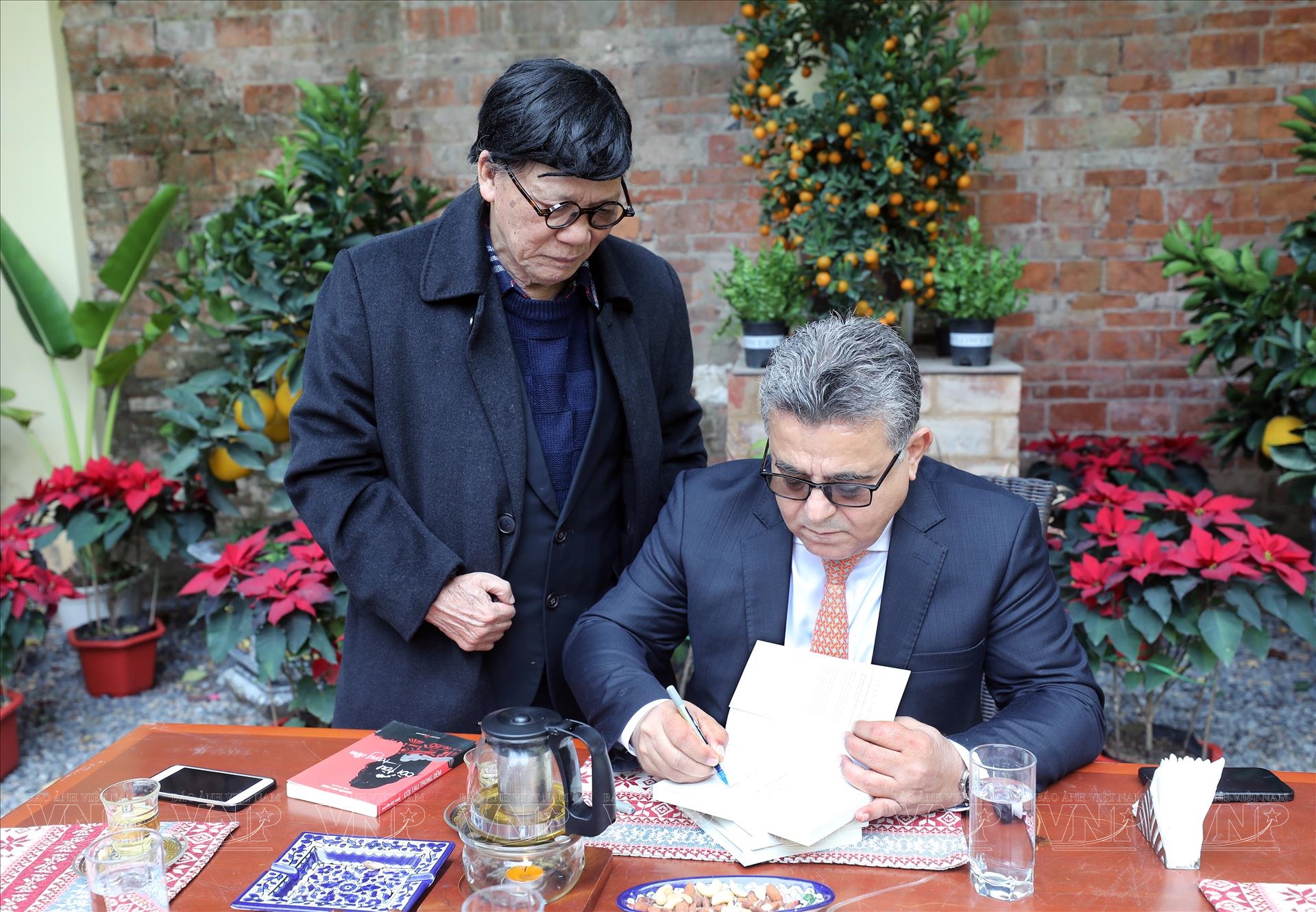
• Having been closely associated with Vietnam for more than four decades and fluent in Vietnamese, he was conferred the title “Honorary Citizen of the Capital” by Hanoi. He has also translated and edited several works from Vietnamese into Arabic, including the book "Dien Bien Phu - 5 dieu ky dieu chua tung co trong lich su chien tranh" (Dien Bien Phu – Five Unprecedented Miracles in the History of Warfare).
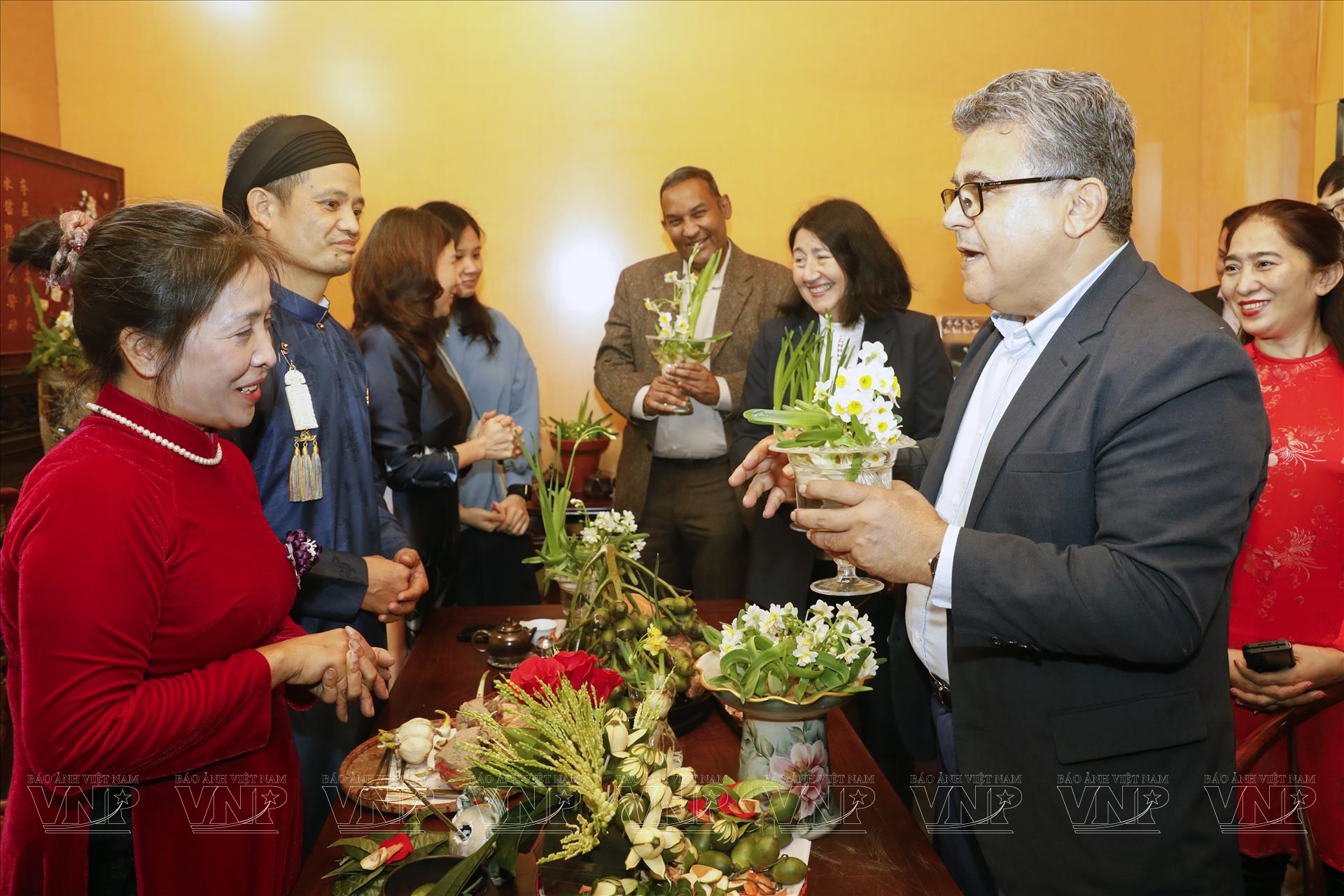
The late President of Palestine Yasser Arafat visited Vietnam several times and regarded it as his second homeland, an enduring symbol of the special bond between the two countries.
For Ambassador Saadi Salama, choosing Vietnam in 1980 was not merely an academic decision, it was a defining commitment that would shape the course of his life.
By Bich Van/VNP Translated by Nguyen Tuoi