Van Phuc Silk Village Innovates to Thrive
Van Phuc silk craft village is innovating to preserve its traditional craft while promoting its value in the era of integration.
In Van Phuc, silk-weaving is not simply a livelihood but it’s a traditional craft passed down through generations and tied to the local life and memory.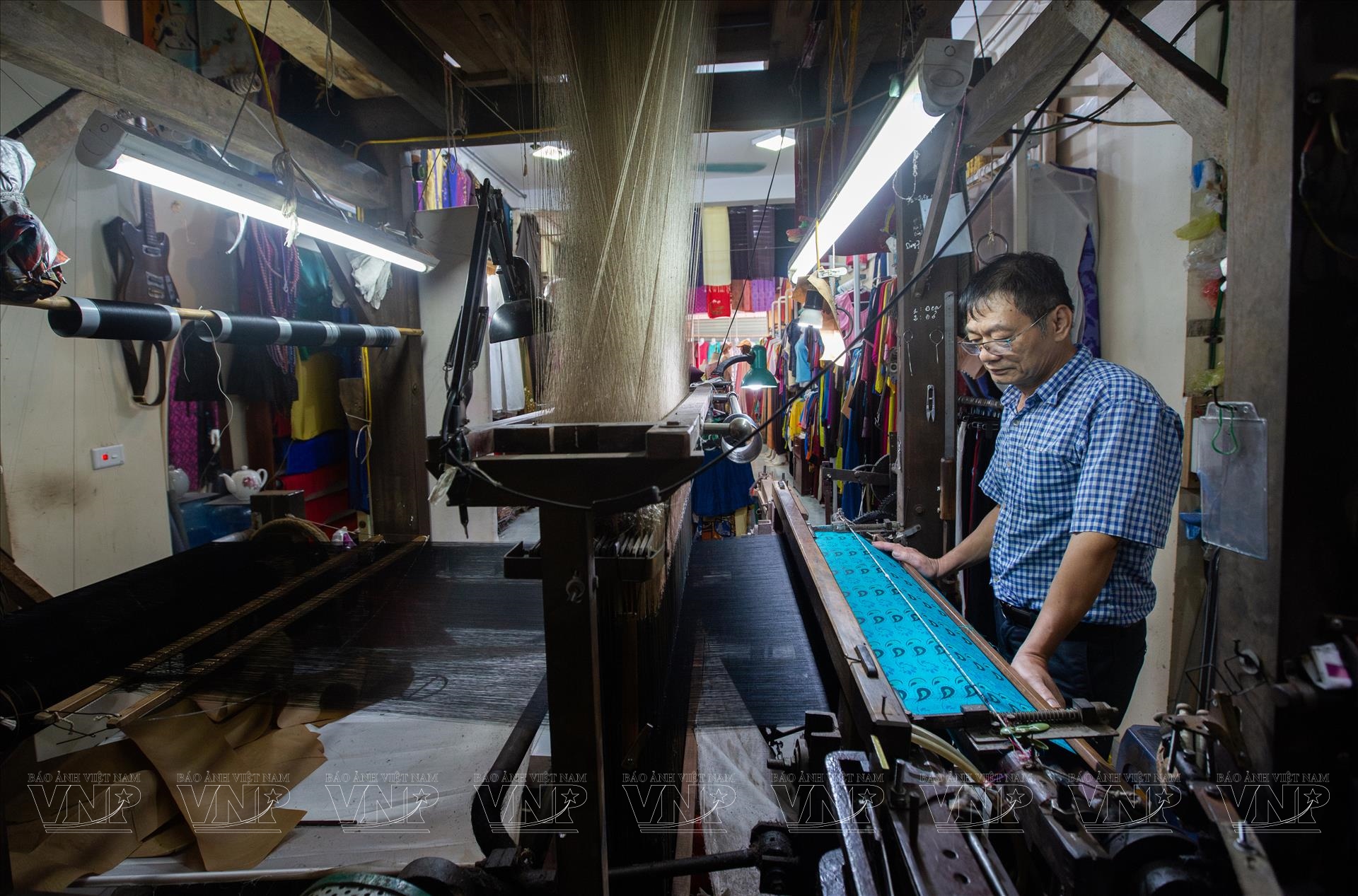
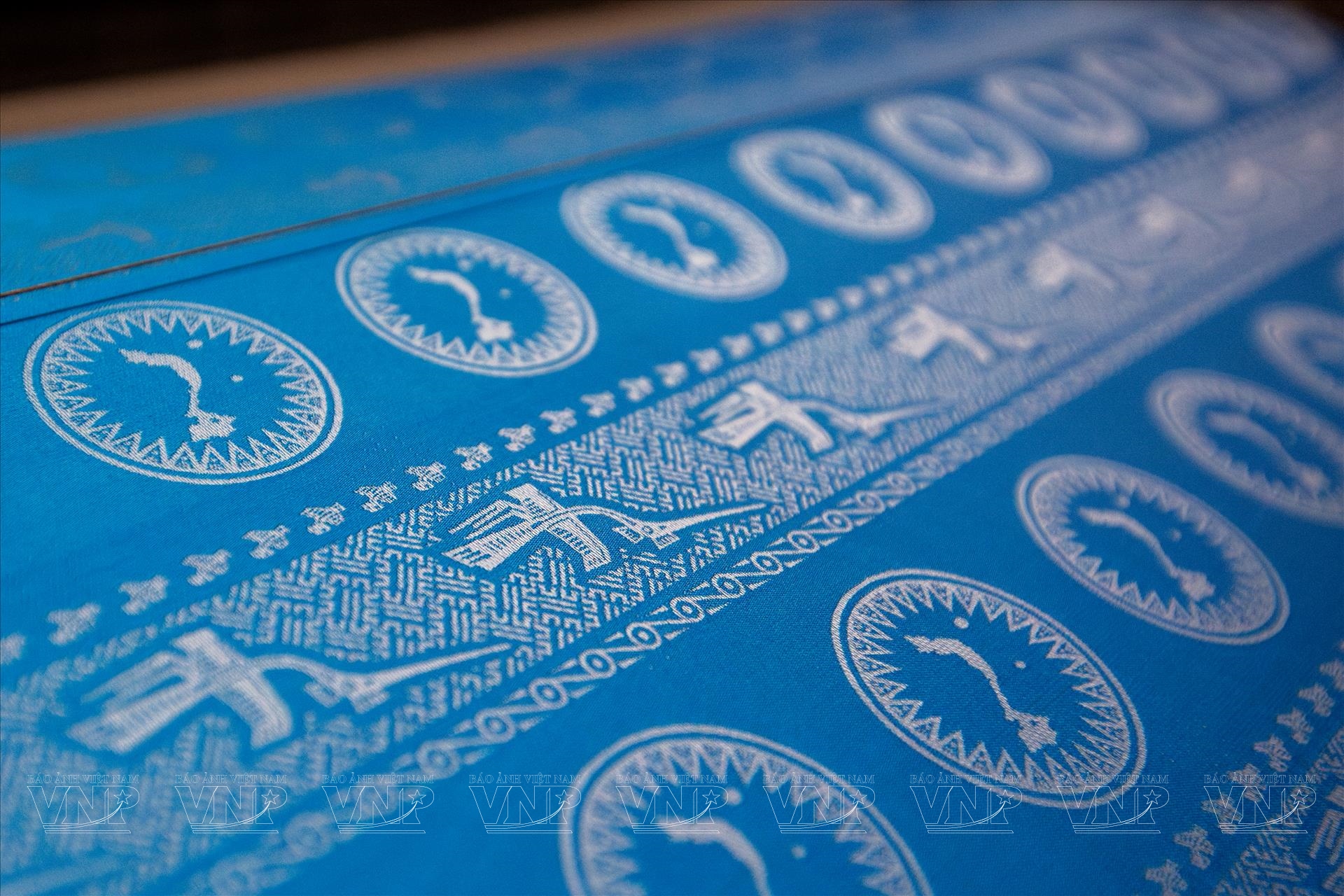
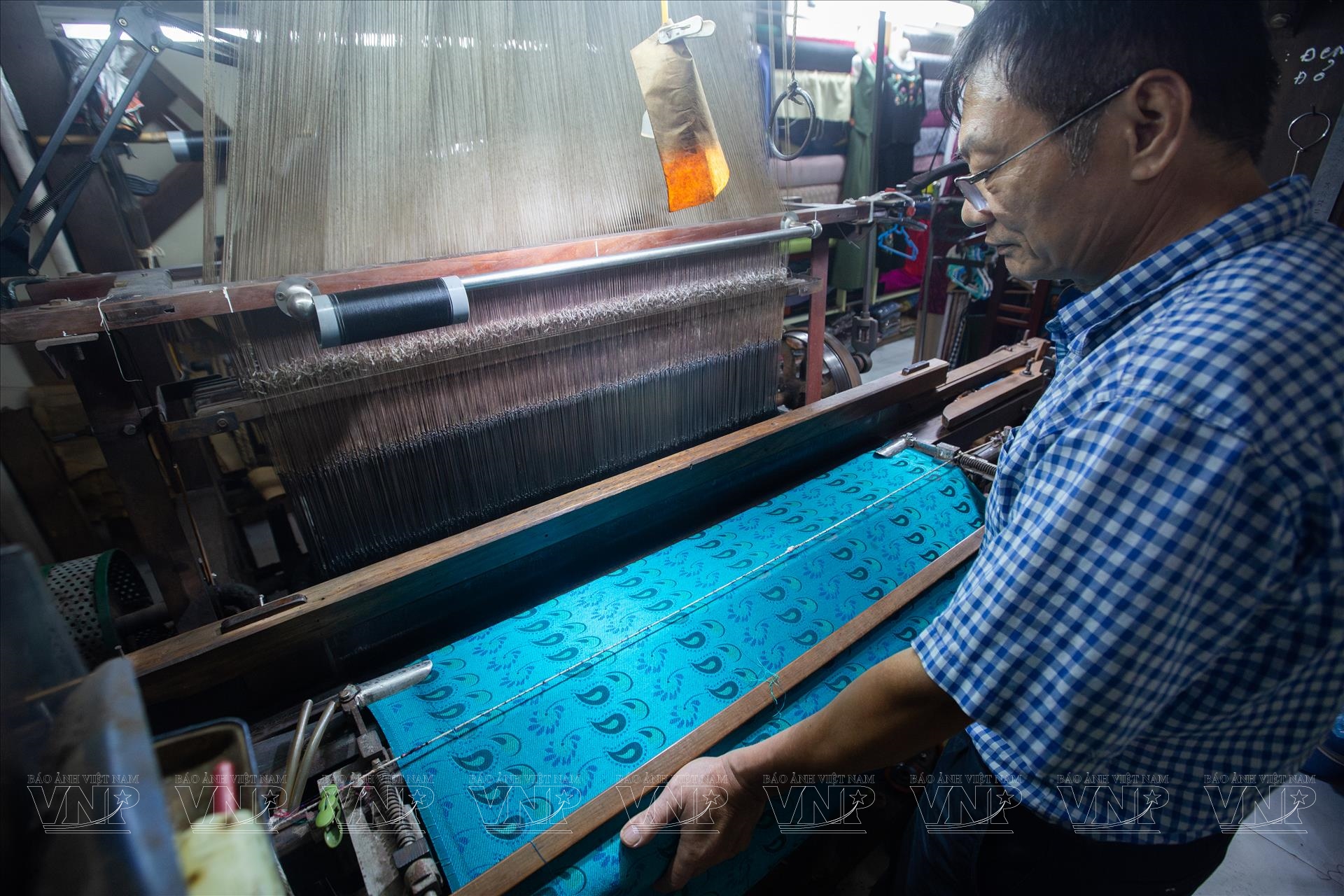
According to Nguyen Xuan Khiem he helped his family with silk weaving since childhood. After serving in the military, he returned hometown and continued working at the cooperative. After it was dissolved, he bought a handloom to weave and sell silk products himself .
The village used to sell out everything it produced. During the cooperative-based manufacturing, its products were exported to Eastern European countries.
However, in the early 1990s, the village faced a turning point as markets shifted. The orders exported to Eastern European countries ran out, whereas costly pure silk and meticulous manufacturing process made it difficult to approach major domestic consumers.
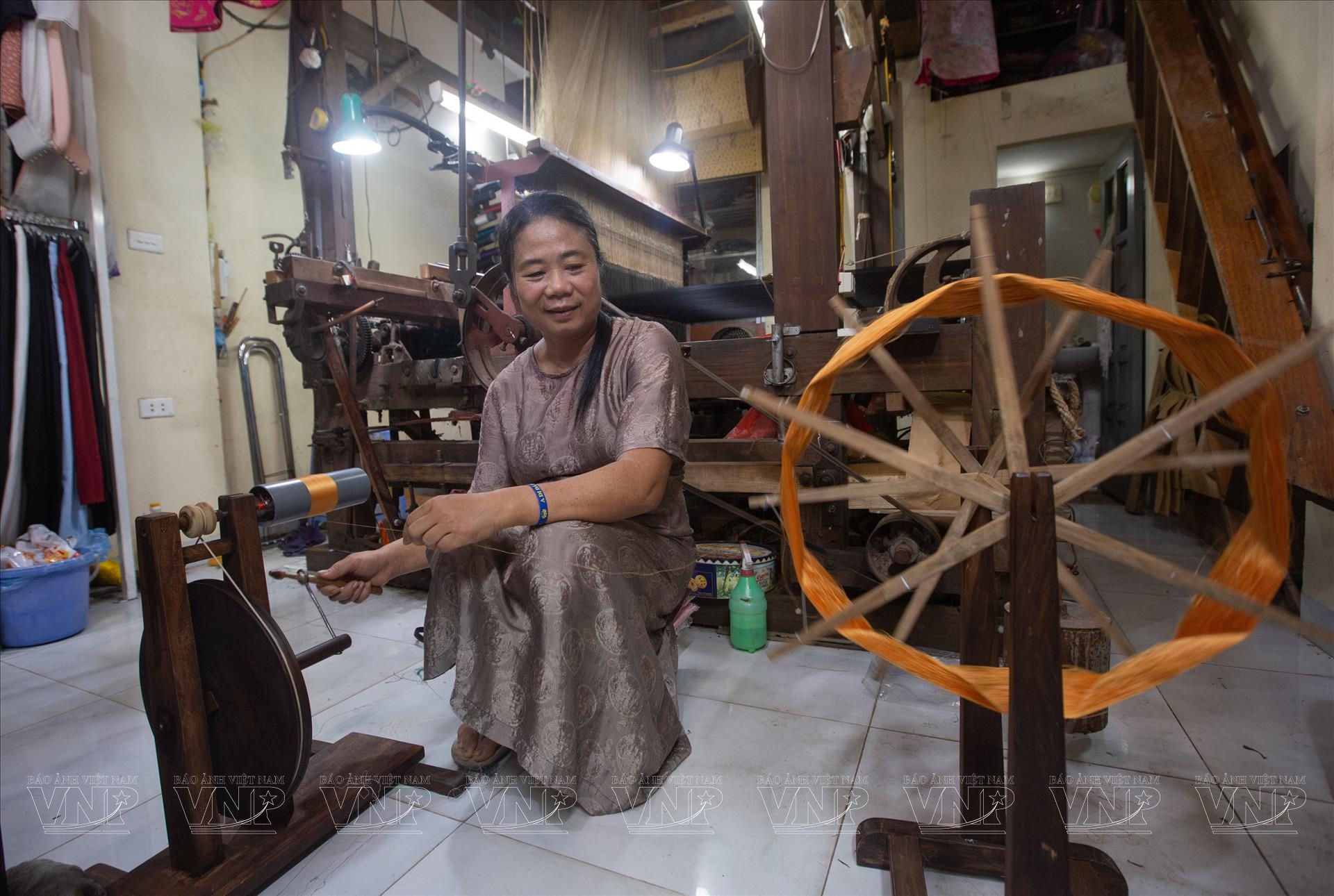
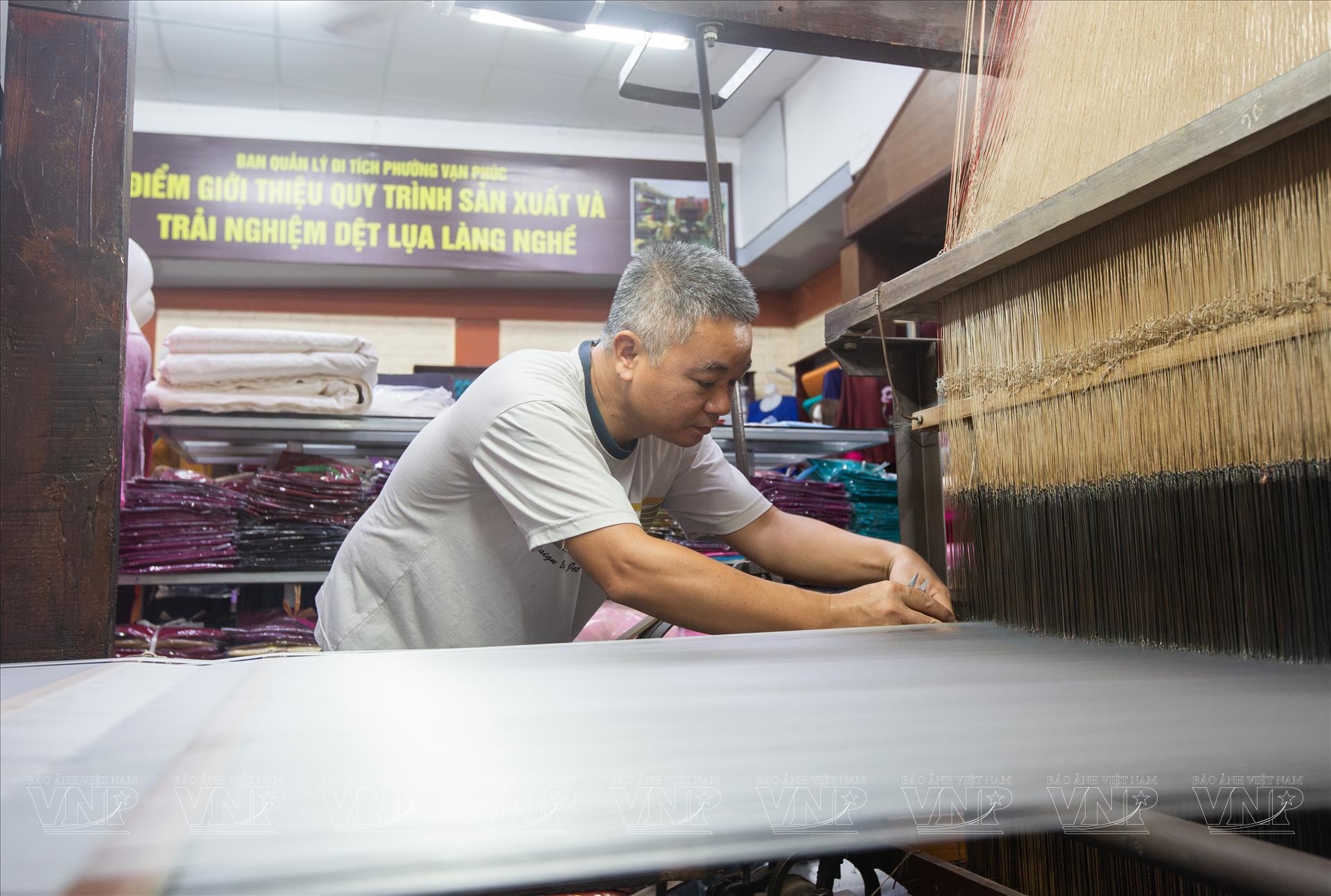
To adapt, households are moving to blended fabric , using glossy silk and lower-cost materials .The shift makes products more affordable for the domestic market. However, the traditional silk-weaving is still maintained by certain weavers.
Weaving a soft piece requires patience and skill.. Embossed weaving technique on silk is one of the most distinctive values of Van Phuc. Instead of embroidering flowers after the process, weavers draw patterns during weaving, requiring years of experience and skill.
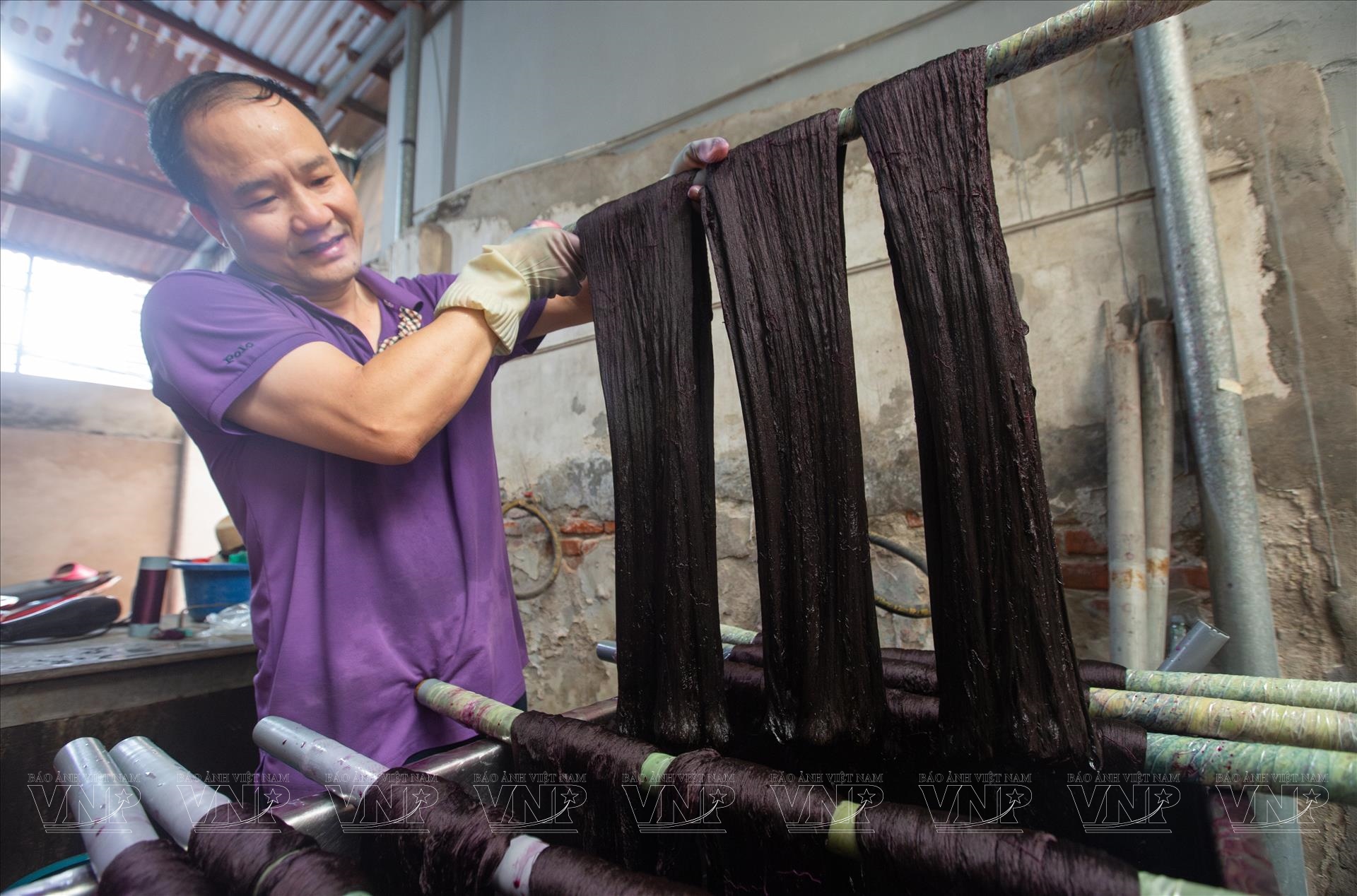
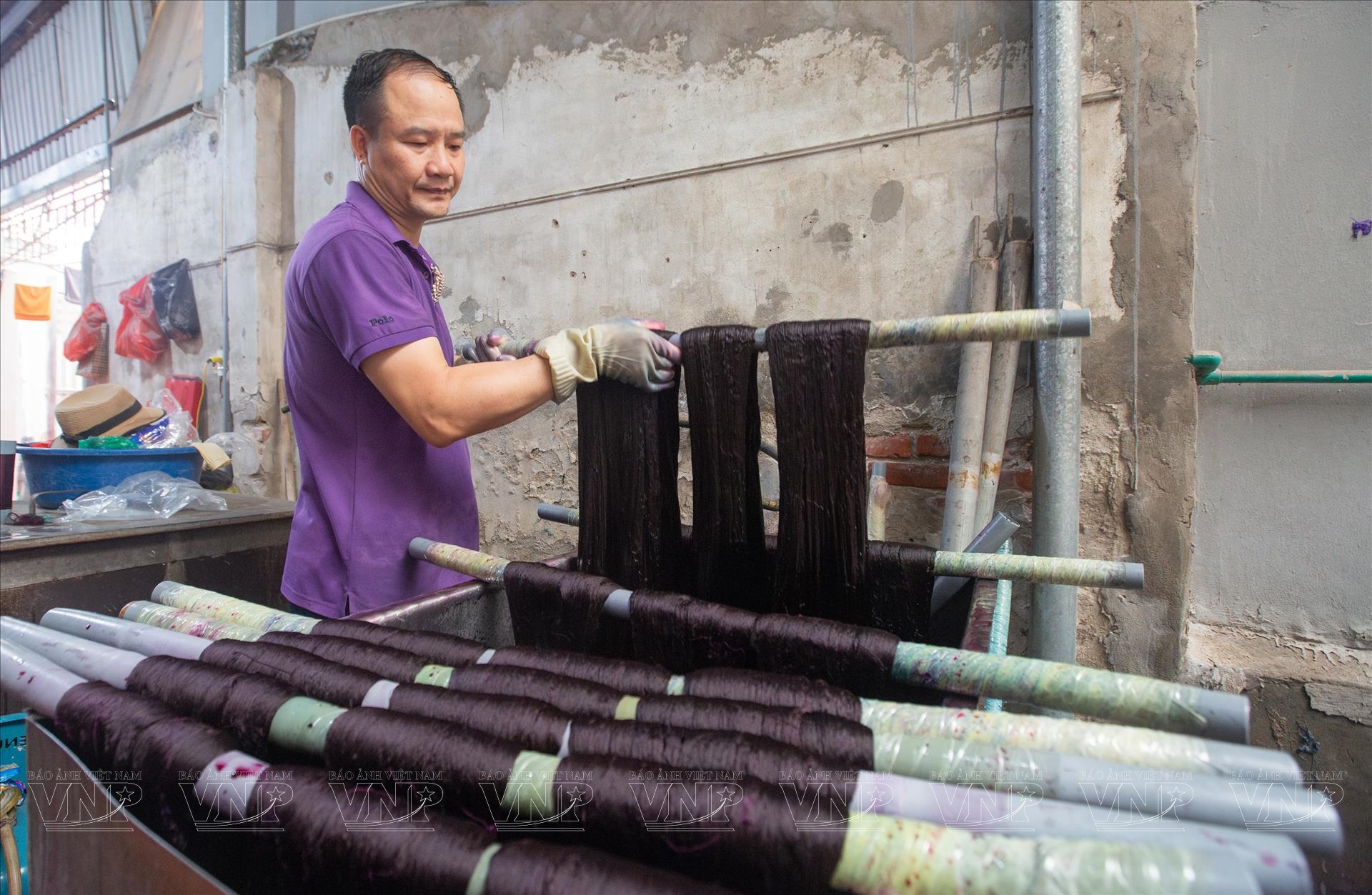
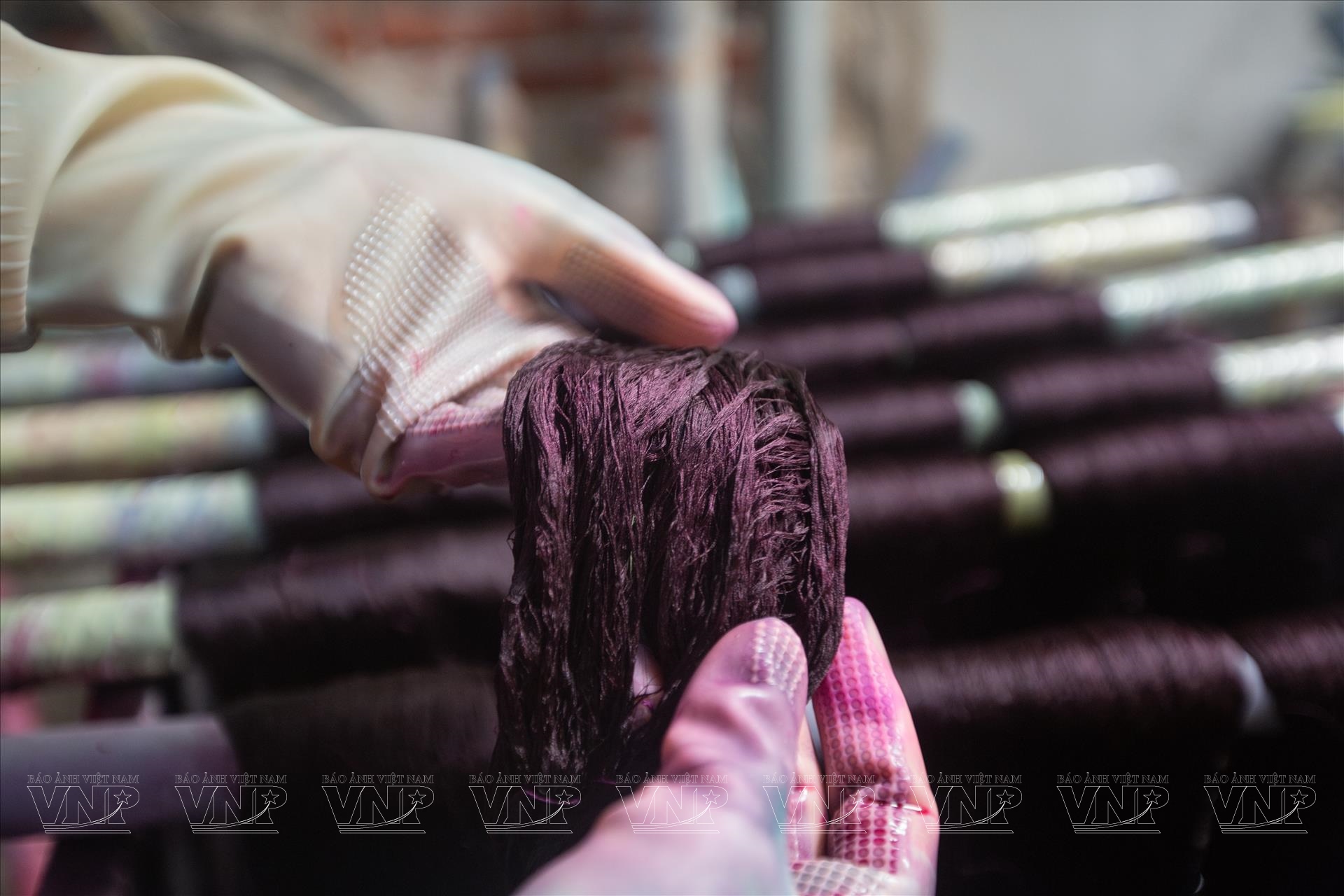
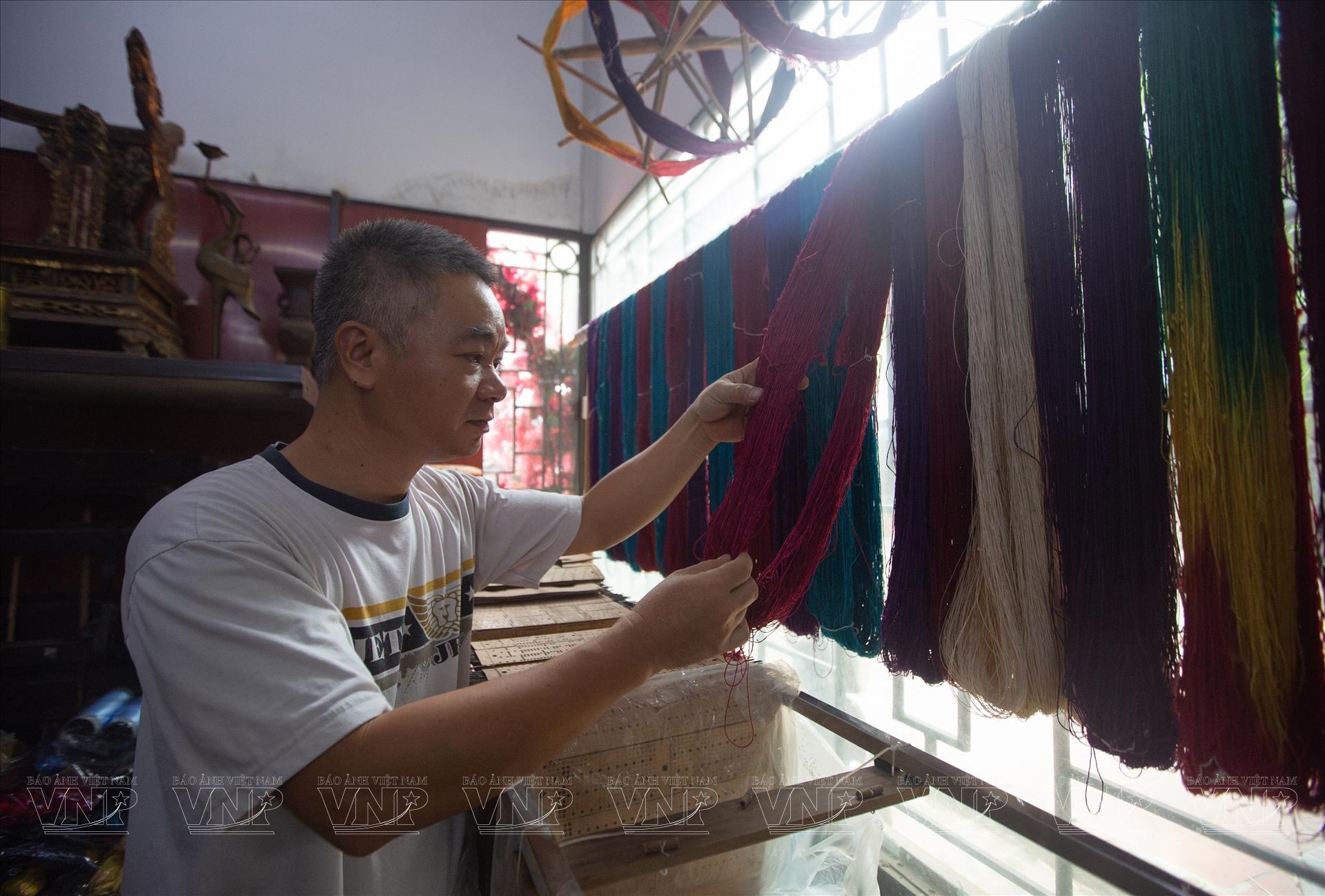
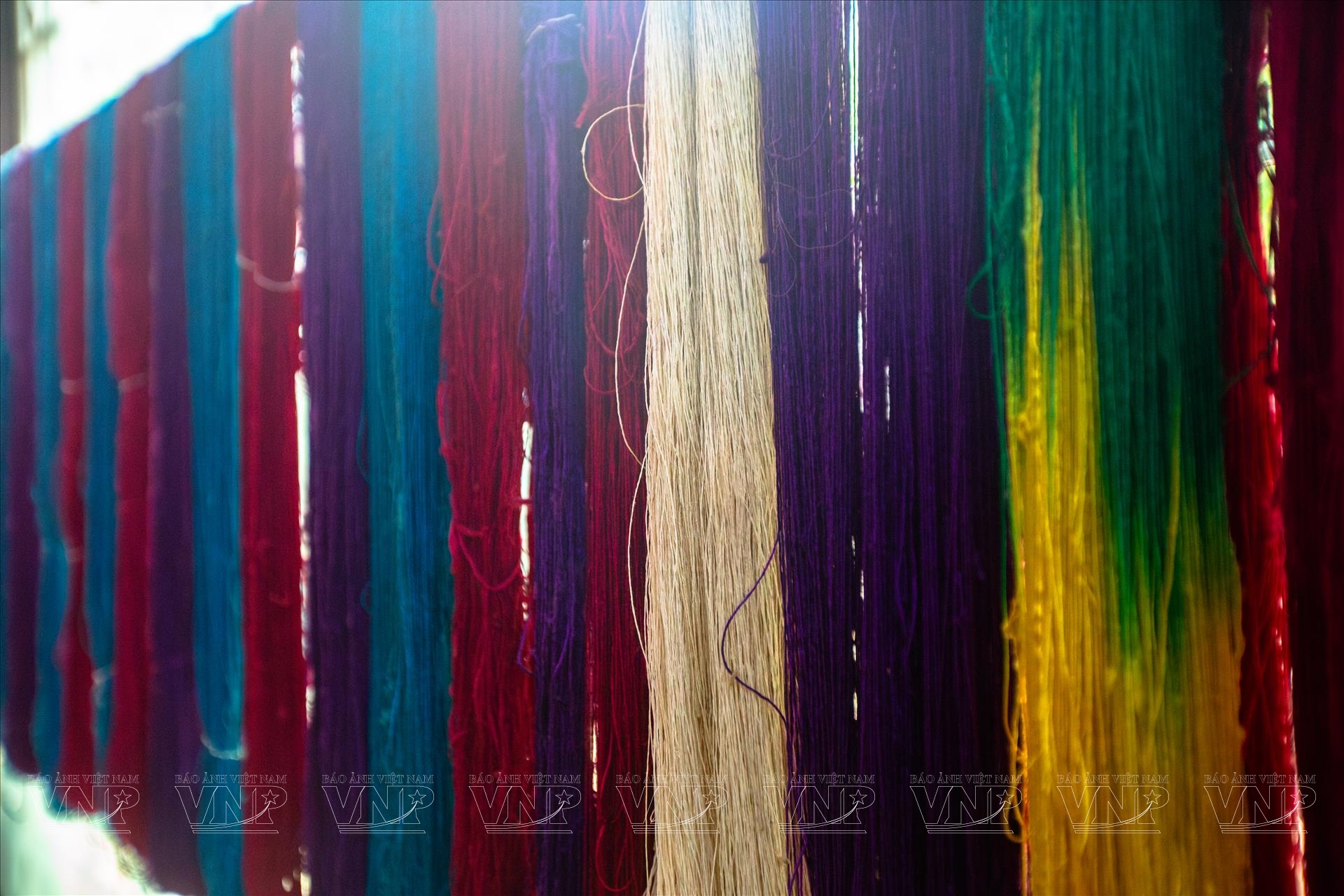
Beside weaving, dying is also the key stage for color and product quality. Nguyen Van Nam, who has 40 years of experience in dying silk said that blending color is the most difficult part. Dyers have to measure everything precisely as a small mistake can affect the color of the entire silk. After dyeing , the silk takes 30 minutes for its color to develop. The silk is washed, then the water is changed for the next batch and shaken out flat before being put into the dryer.
For those who dedicate their lives to the craft, it has never been easy to keep it alive. Le Thi Kim Thu, an artisan and member of the management board of the Van Phuc silk craft village, said that over the years, older villagers have always been wondering how to keep silk weaving alive.
“The craft village can only survive as long as production continues. If it becomes commercial without any production, the village will lose its meaning”, Thu said. Encouraging households to engage in craft association, return to production is one of the ways to keep the craft alive.
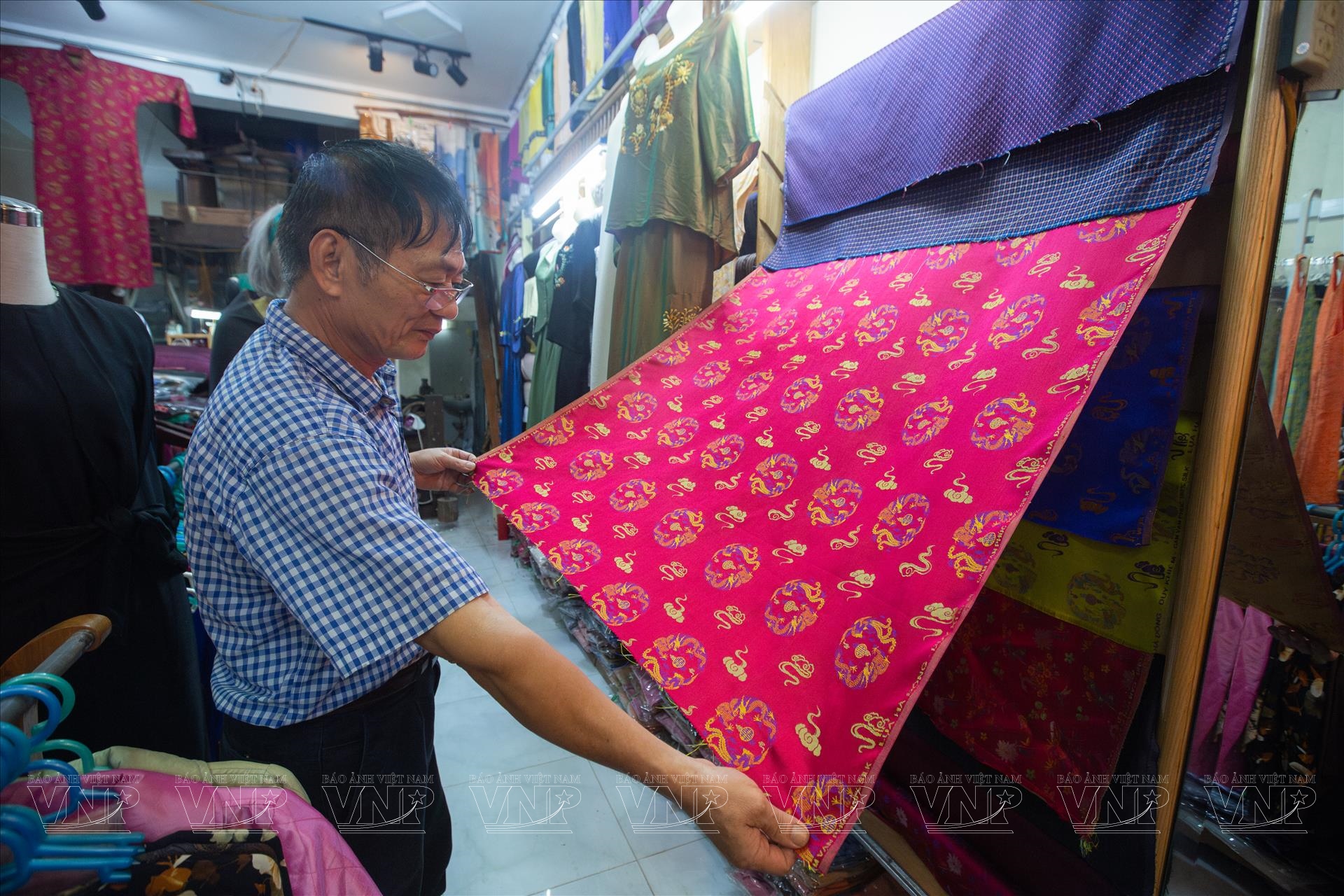
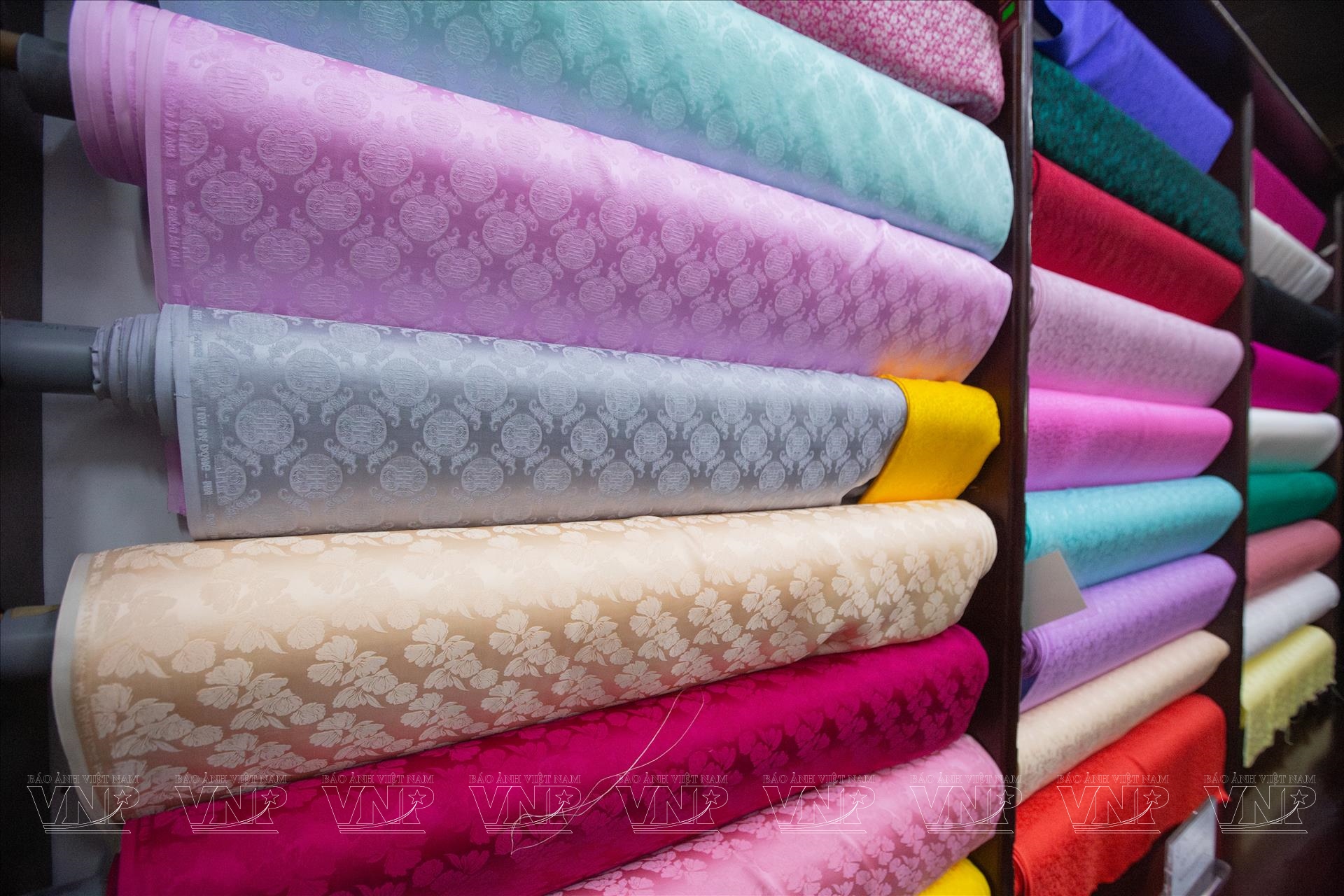
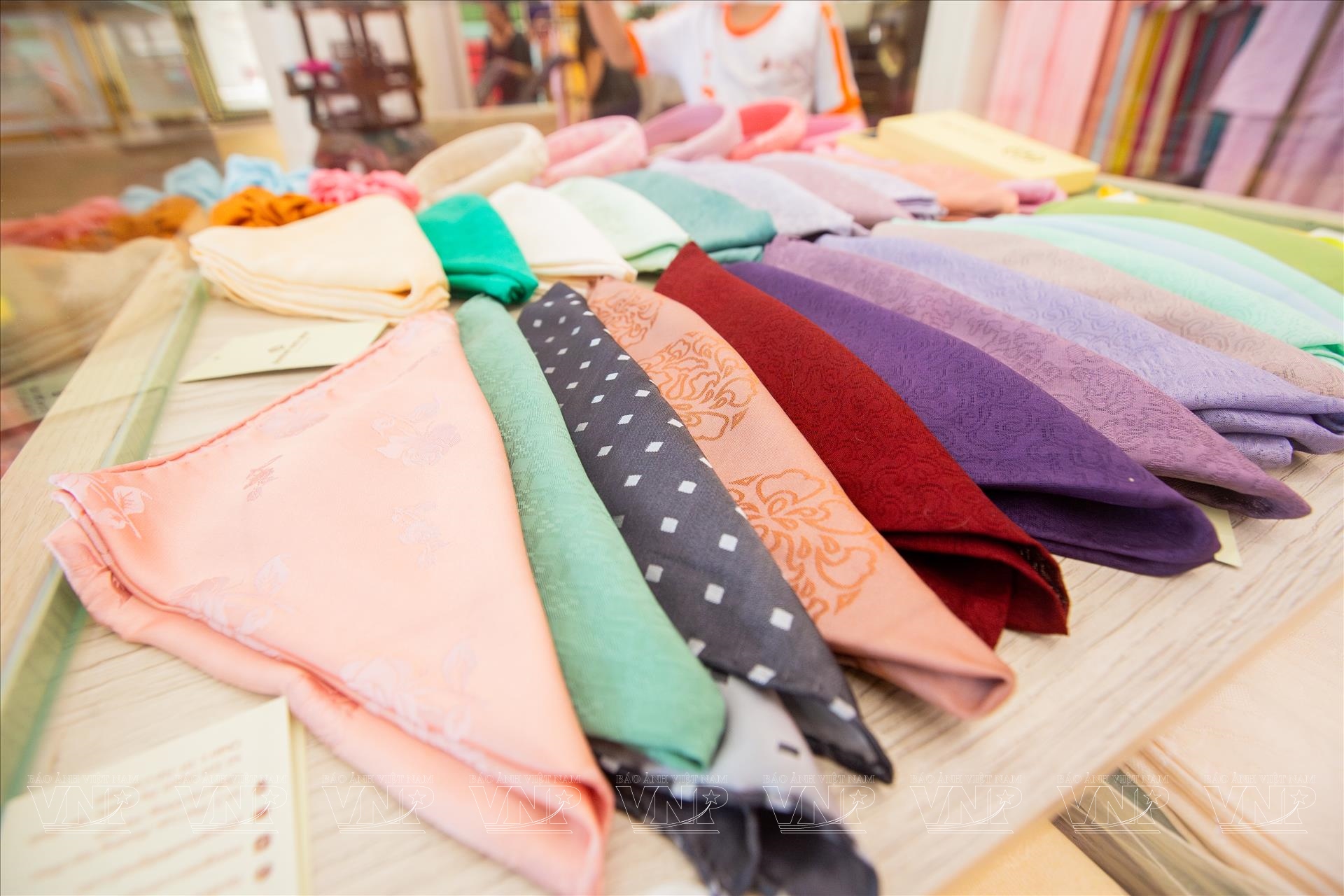
As Van Phuc joins the World Craft Creative Cities Network, the key requirement is not only to preserve the craft but to be innovative. She said that creativity needs to be shown from patterns to how it meets the customer’s demand today.
For the young generation, the continuity of the craft village is taking new forms. Ms. Dang Xuan Quynh, a brand designer Phong Thu Silk, develop various types of ao dai, accessories and fashion design features classic, elegant style, combining with trend-driven color palette to bring traditional silk closer to consumers.
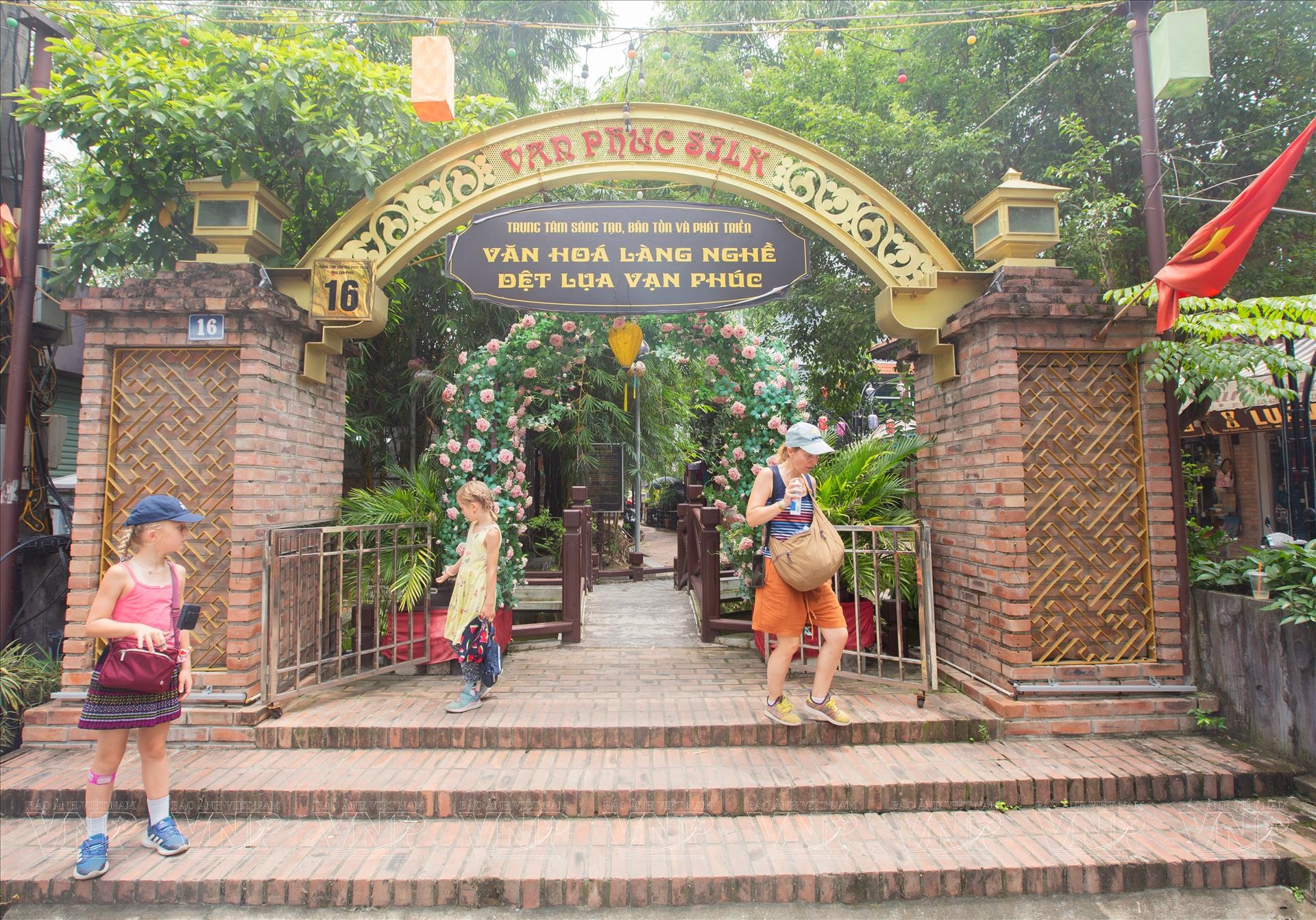
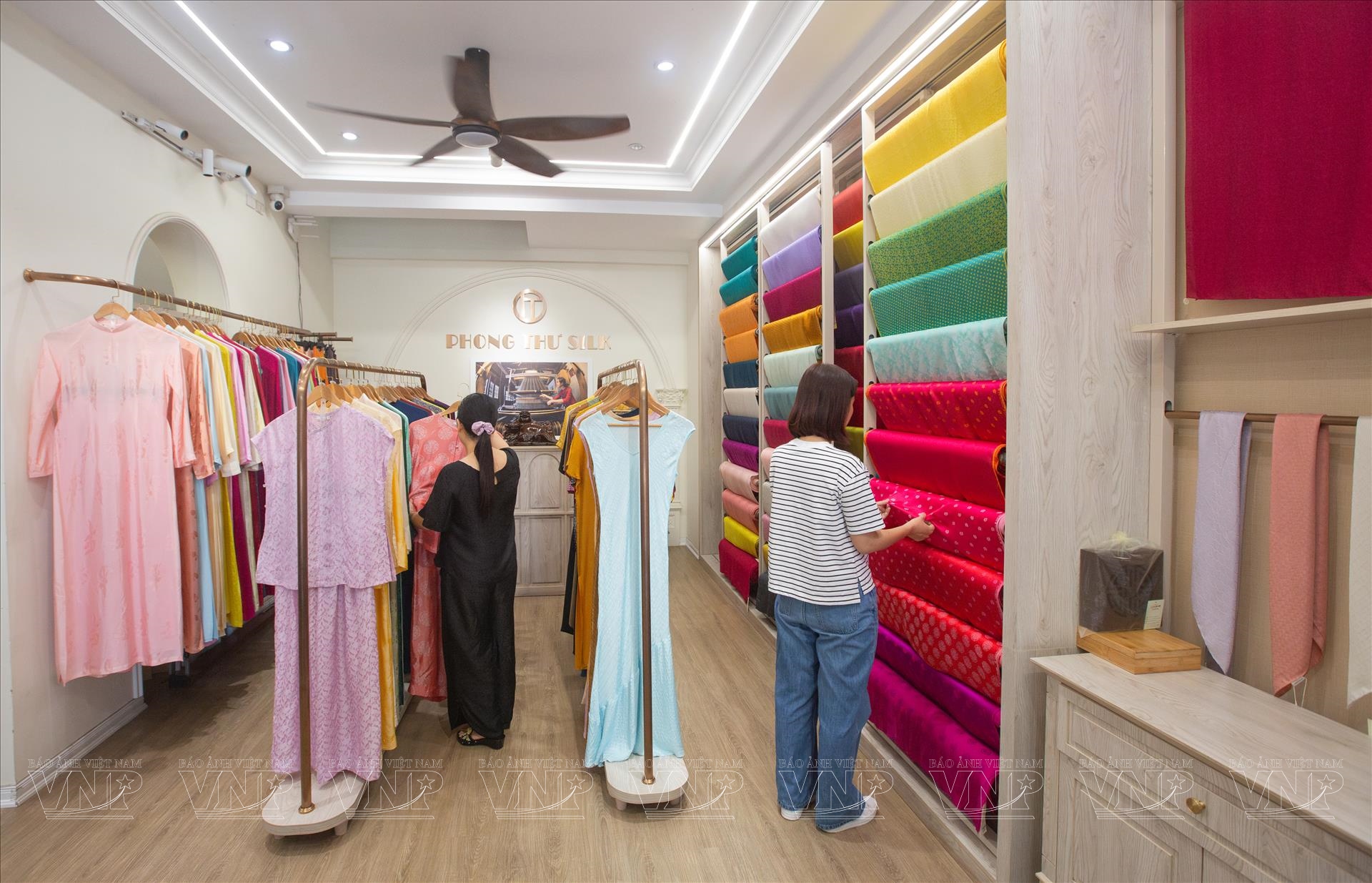
Not only changing products, new ways to reach customers are also adopted. Facebook, Instagram, Tiktok, Zalo help silk brands to showcase their products, engage customers and take orders online.
From traditional handloom to fashion designs and digital trade, Van Phuc is finding a balance between tradition and modernity. Keeping craft alive, therefore, is not simply about preserving a traditional production; it is also finding a new place for silk in today’s market.
- Story: Ngan Ha - Photos:Khanh Long/VNP