Unlocking Soft Power Through Cultural Integration

Unlocking Soft Power Through Cultural Integration

Vietnam’s entry into a new era of development has required the country to bring into full play the role of culture to promote rapid and sustainable growth. Politburo Resolution No. 80-NQ/TW on the development of Vietnamese culture underscores this direction, delivering a consistent message: Investing in culture is investing in the nation’s future.
The resolution marks a significant shift in the Party’s thinking and leadership approach. Rather than viewing culture solely as a social and spiritual domain, it identifies culture as a pillar for rapid and sustainable national development. This represents a breakthrough, underscoring the determination to advance culture on par with Vietnam’s rising global standing.
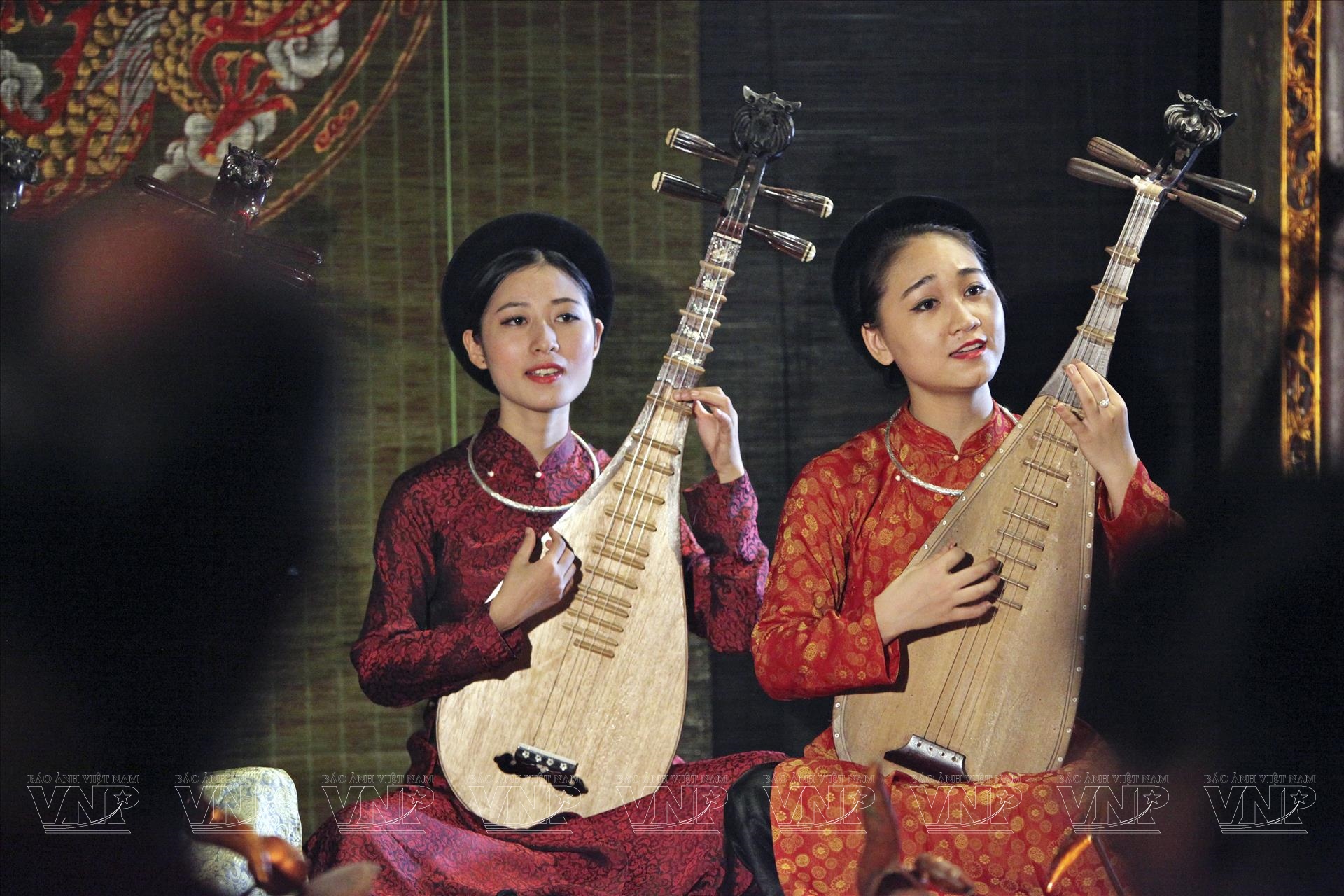
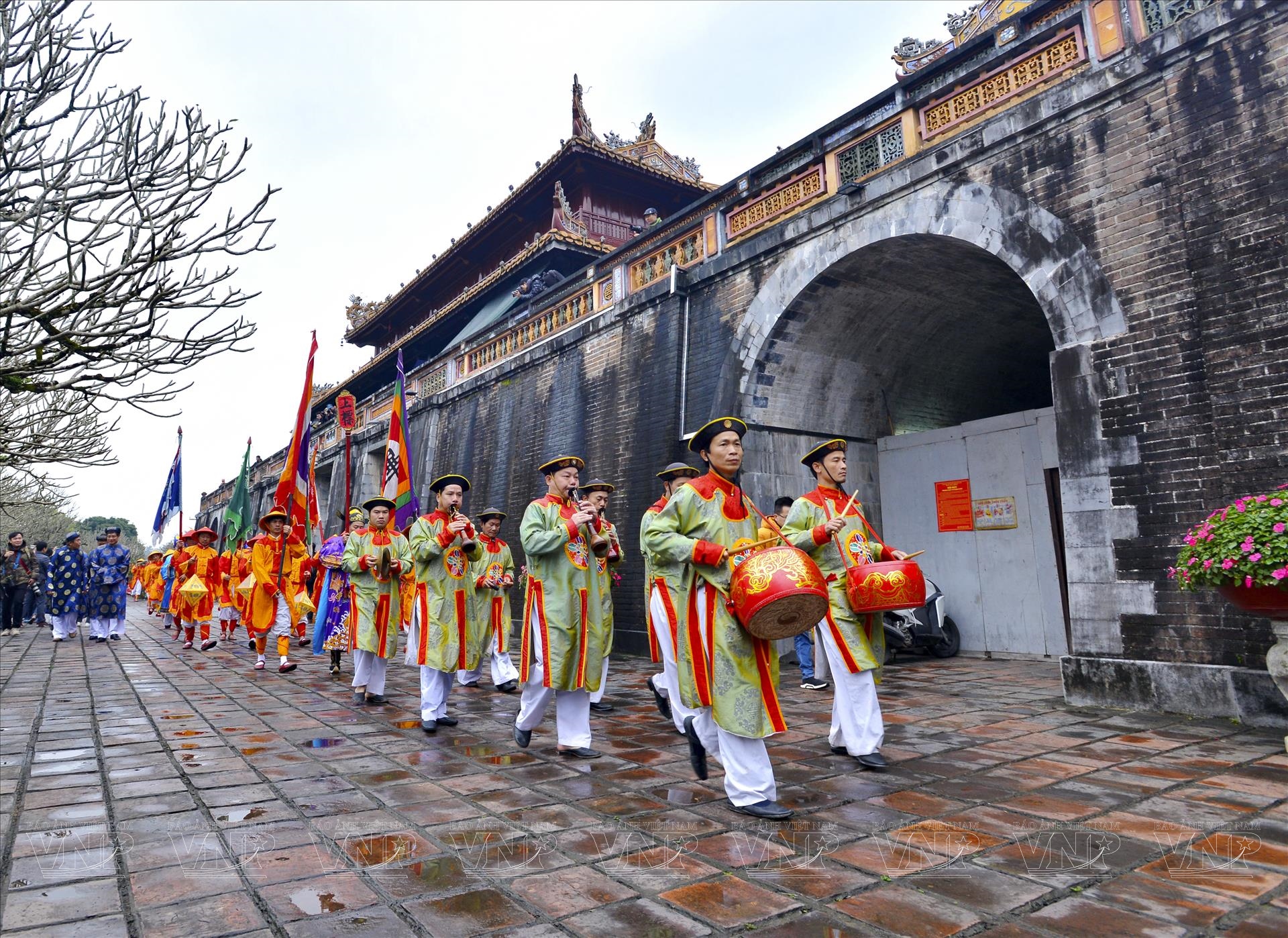
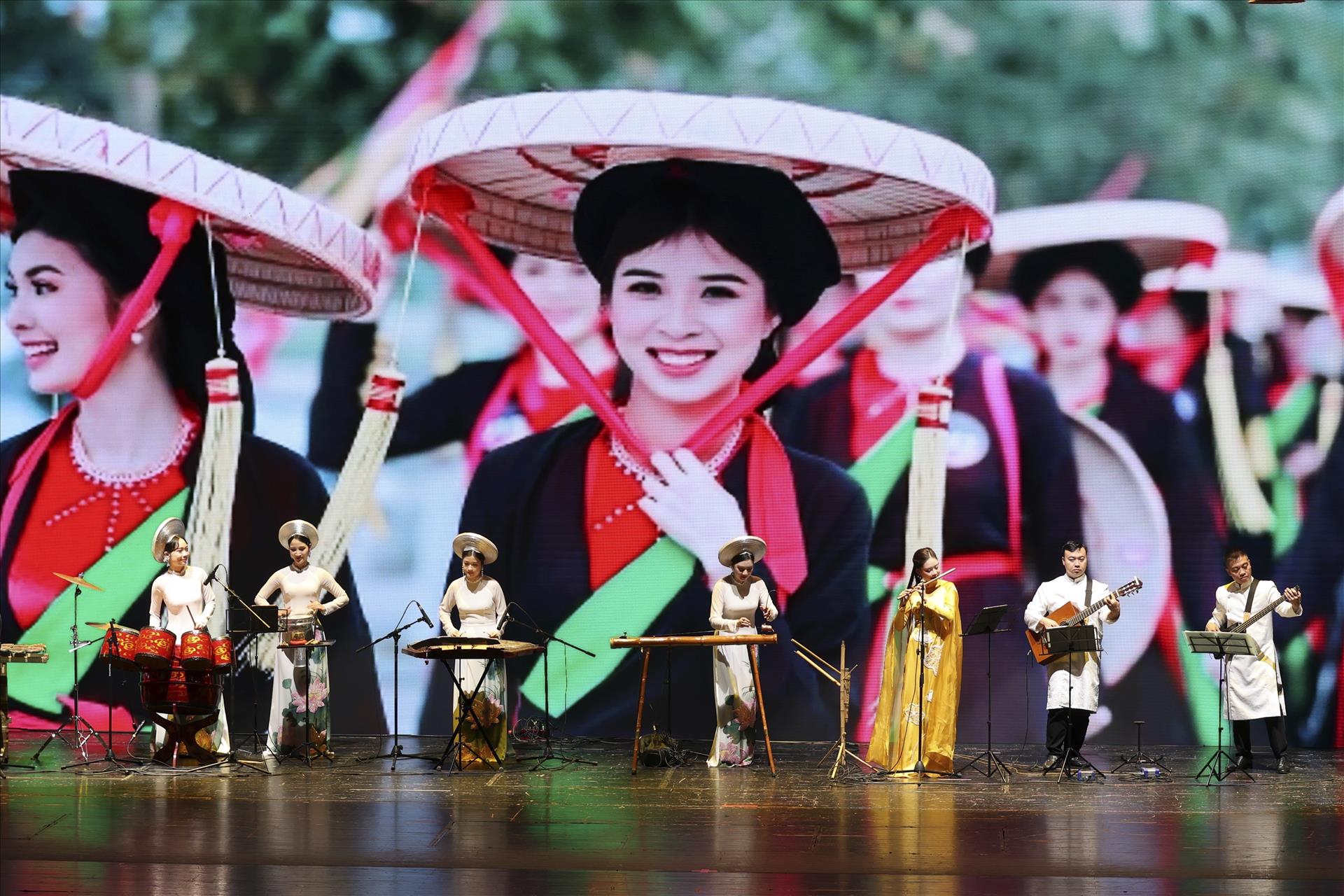
Musicians from the Hue Royal Court Theater perform Nha nhac, the royal court music of Hue. Photo: Cong Dat/VNP

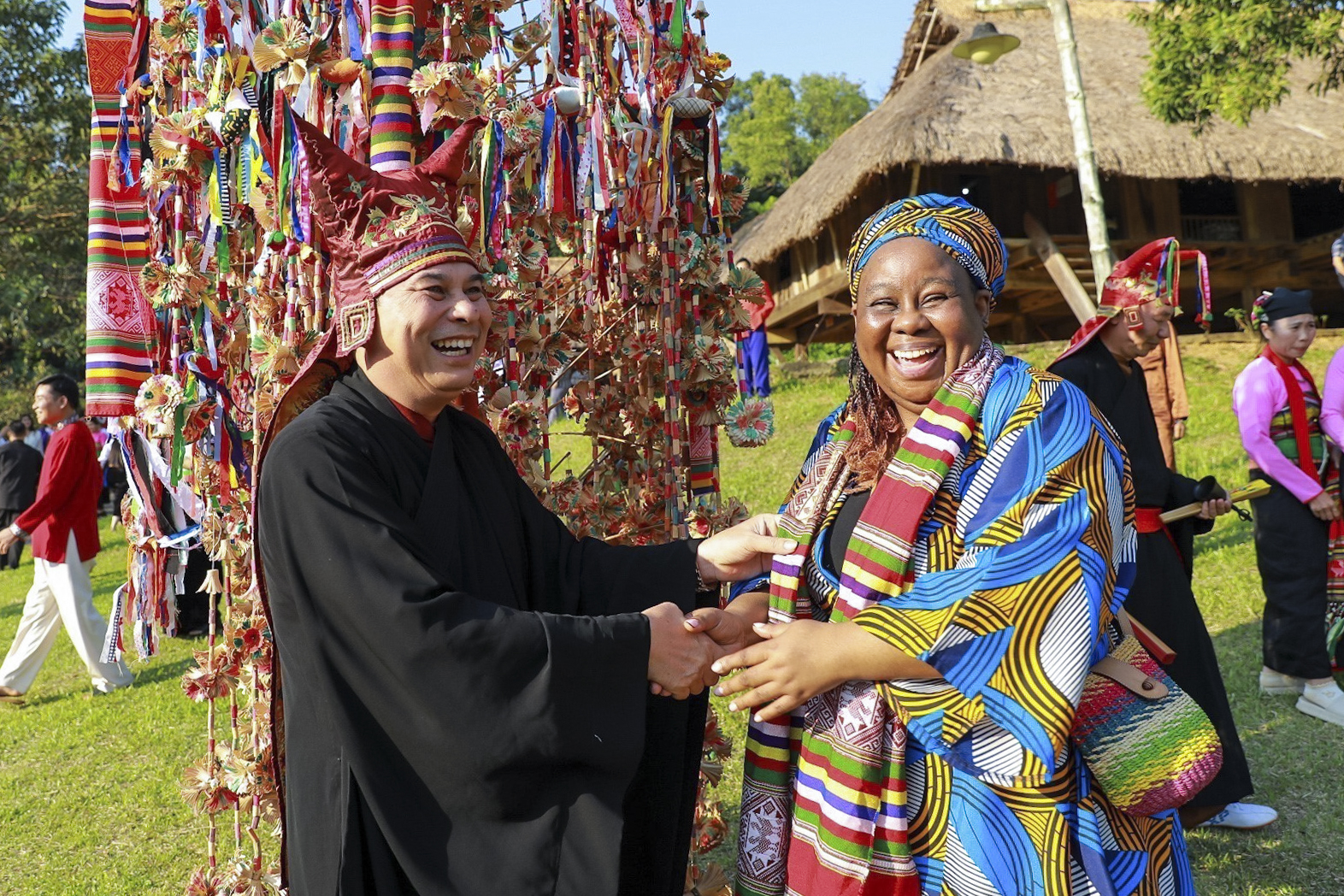
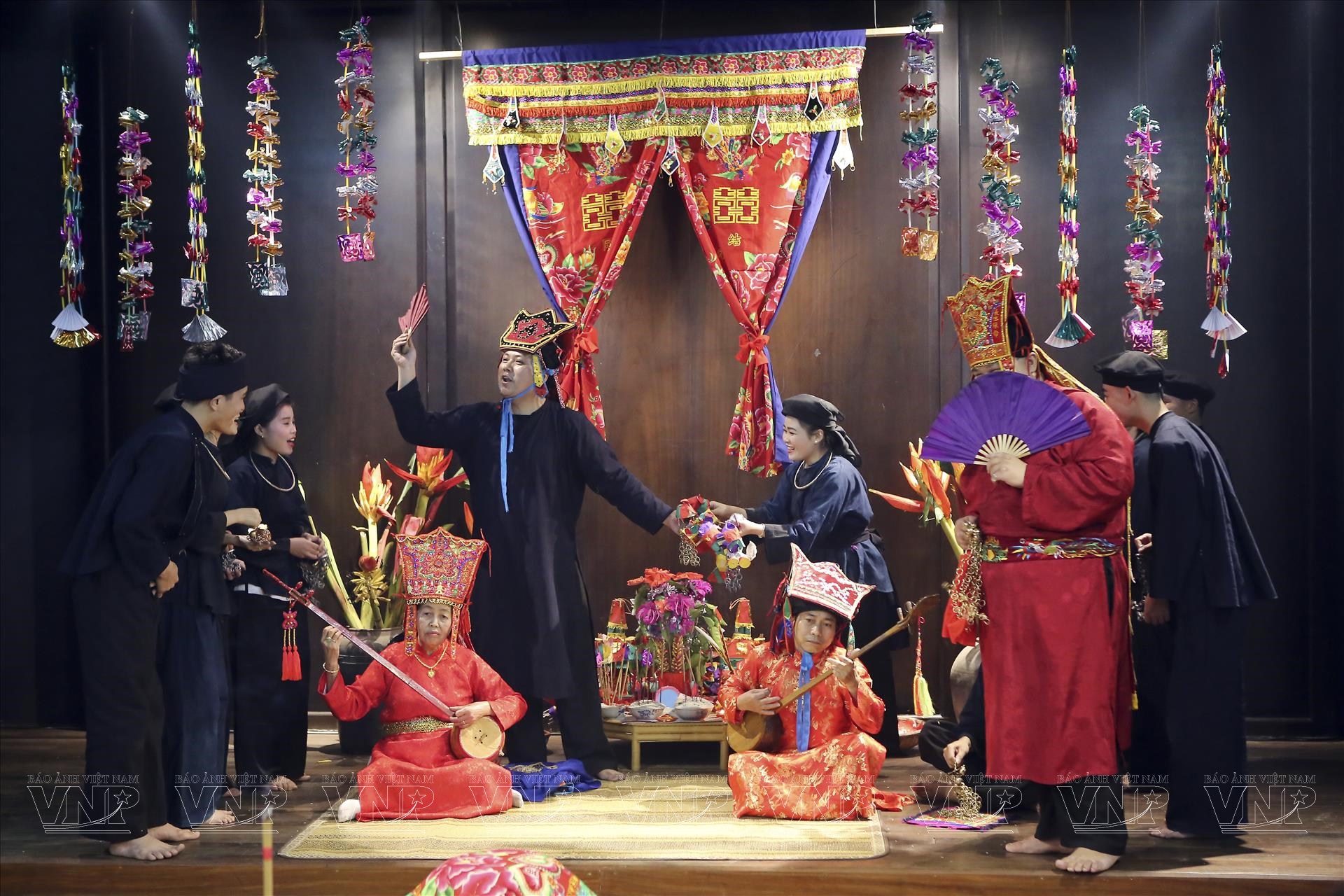
In the context of deeper international integration, the resolution places strong emphasis on proactive cultural engagement with the world. Cultural development is associated with nation branding, including the export of cultural products and services and promotion of Vietnam’s image worldwide. These are identified as key drivers of national soft power, stemming from the appeal and influence of cultural, traditional and social values. For Vietnam, this resource is rooted in thousands of years of history, the diversity of its 54 ethnic groups, and values shaped by humanity and their love for peace.

Within this framework, culture serves as a vital bridge to introduce to the world a Vietnam imbued with national identity, creativity, humanity and responsibility. The resolution advances a forwardlooking perspective: cultural integration is not merely about absorbing but also proactively engaging in the global cultural landscape as a confident and creative participant.
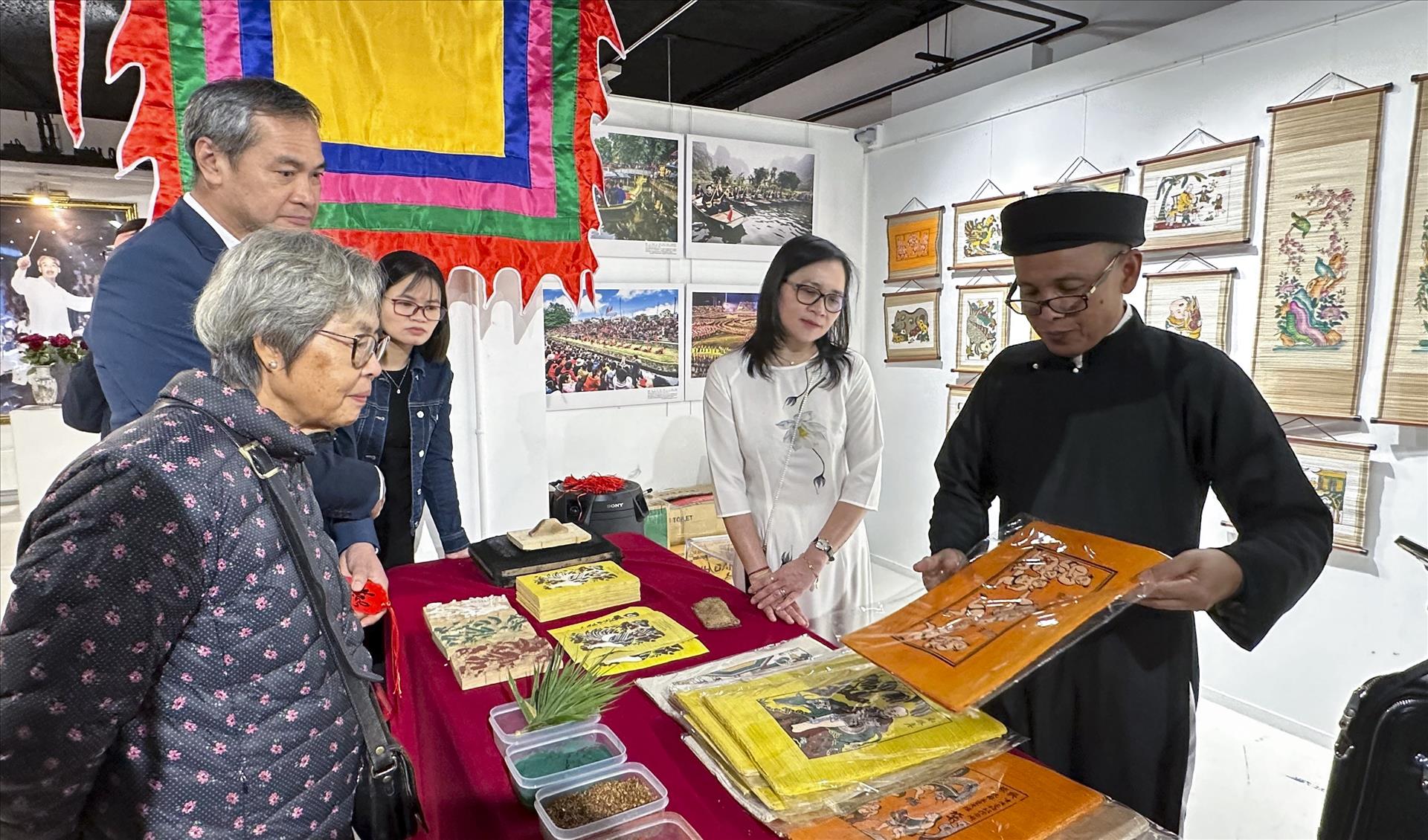
Dong Ho folk paintings, a UNESCO-recognized cultural heritage, are showcased in France. Photo: VNA
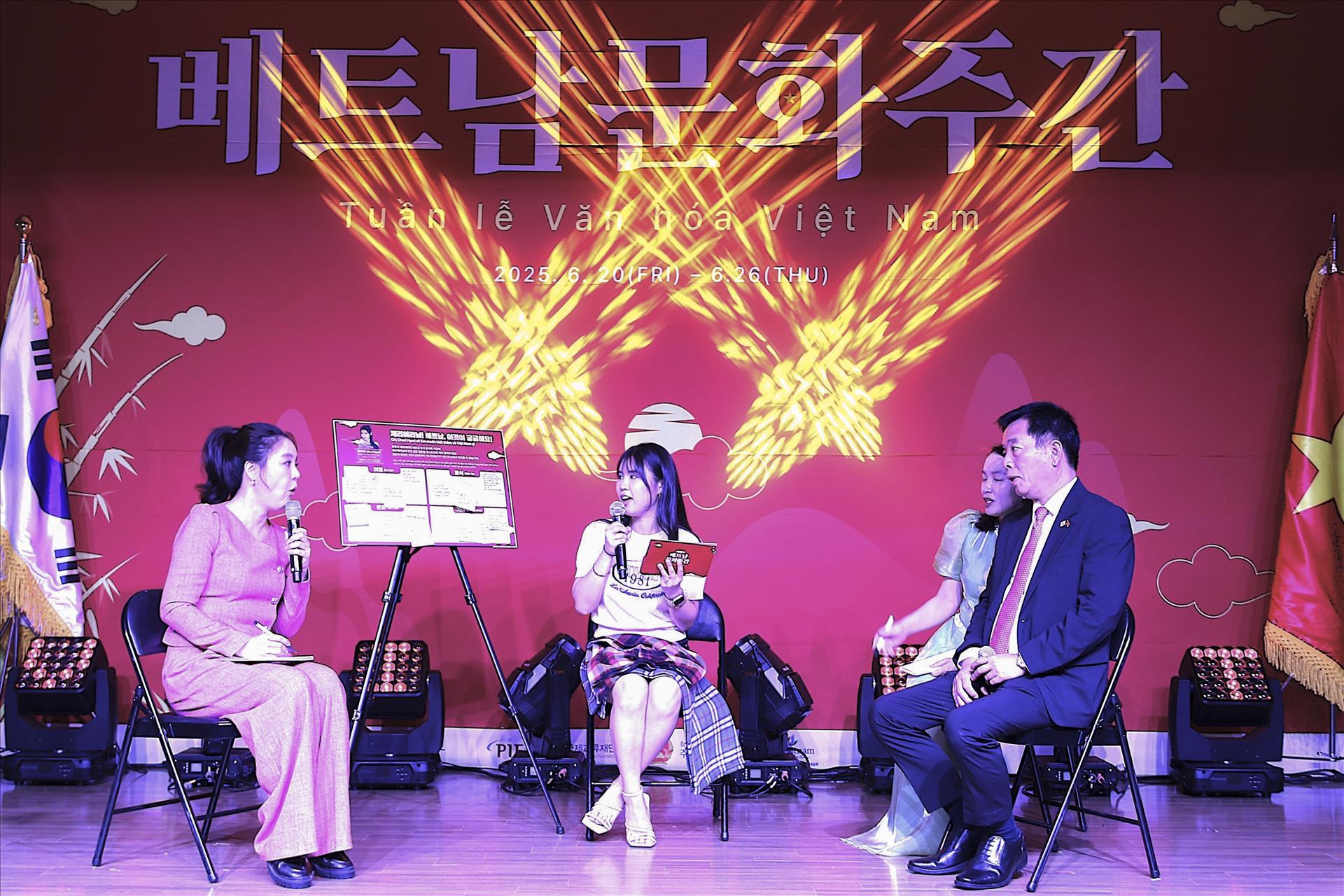
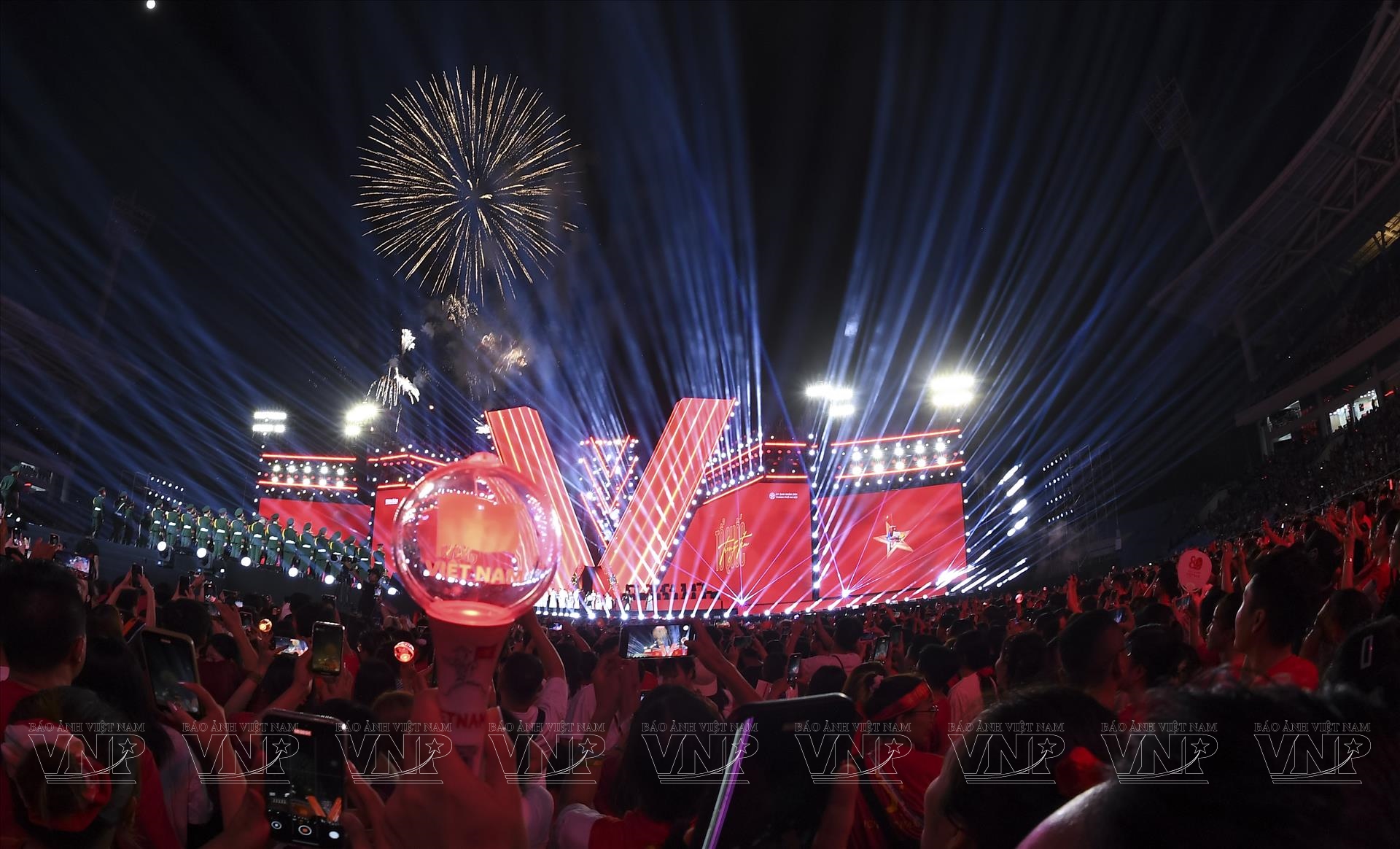
Vietnamese youth enthusiastically take part in the “To quoc trong tim” (Fatherland in Our Hearts) concert. Photo: Thanh Giang/VNP

Each cultural product shared internationally becomes more than an expression of national identity; it acts as a cultural ambassador, helping spread national values, build trust and foster affinity in the international community. In this sense, cultural integration is a strategy for enhancing Vietnam’s image internationally.

To realize these ambitions, Resolution No. 80-NQ/TW sets the tasks for developing cultural products of national brands, expanding cultural exports, and adopting professional communication strategies to enhance Vietnam’s image worldwide. Priority is placed on selectively advancing competitive culture industries, forming large-scale creativity and culture businesses, and improving the national cultural infrastructure, including institutions, database and digital platforms, to lay a foundation for developing culture industries in the global value chain.
In an increasingly competitive global environment, national strength is no longer measured only by economic or military capacity, but also by the ability to spread values and shape influence through culture. 


In an increasingly competitive global environment, national strength is no longer measured only by economic or military capacity, but also by the ability to spread values and shape influence through culture.  

 
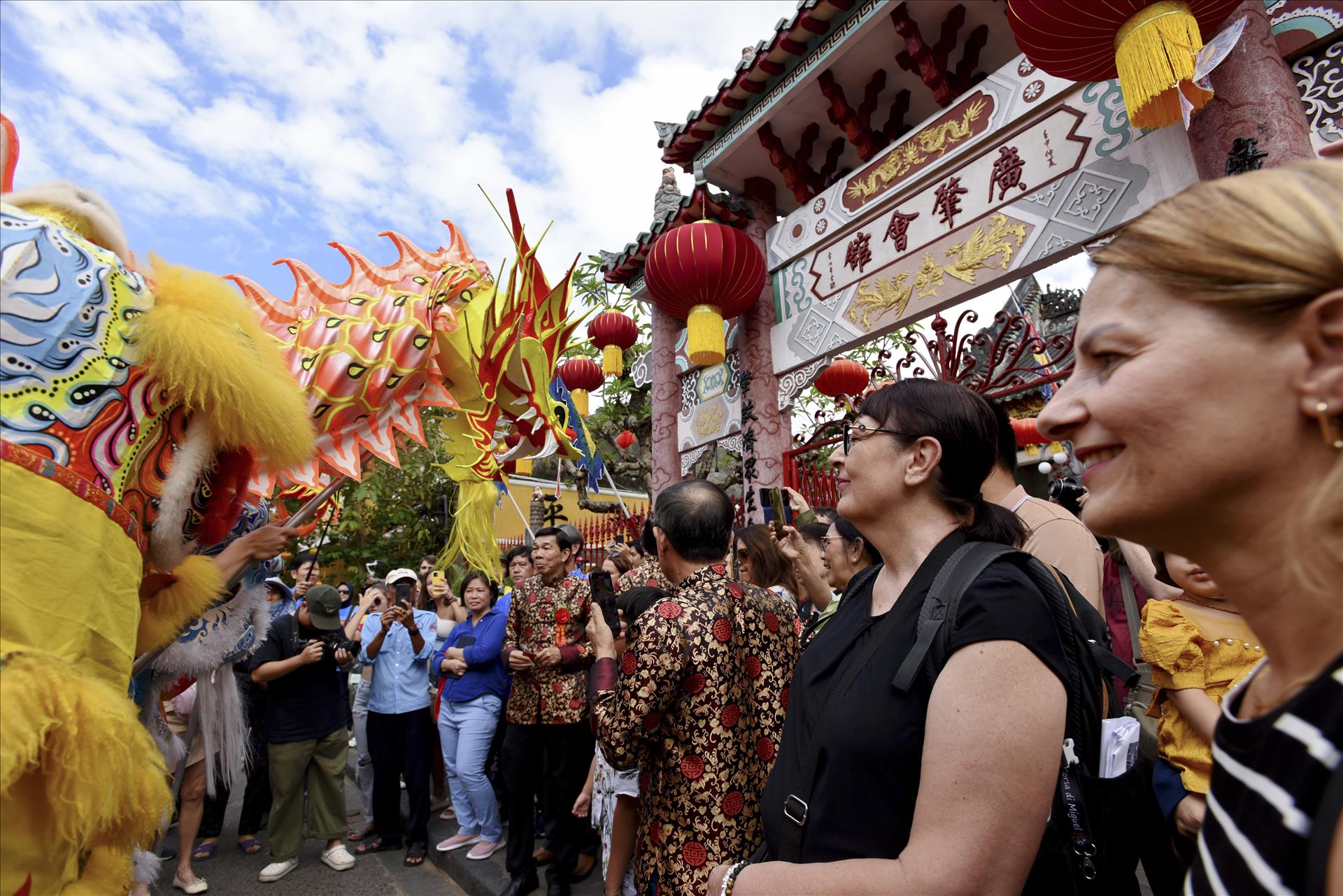
International visitors gather to enjoy a festival in Hoi An Ancient Town. Photo: Thanh Hoa/VNP
 
From the vision outlined in Resolution No. 80-NQ/TW, proactive cultural integration is a well-timed strategy that not only enriches domestic cultural life but also strengthens Vietnam’s soft power and its position on the global stage.
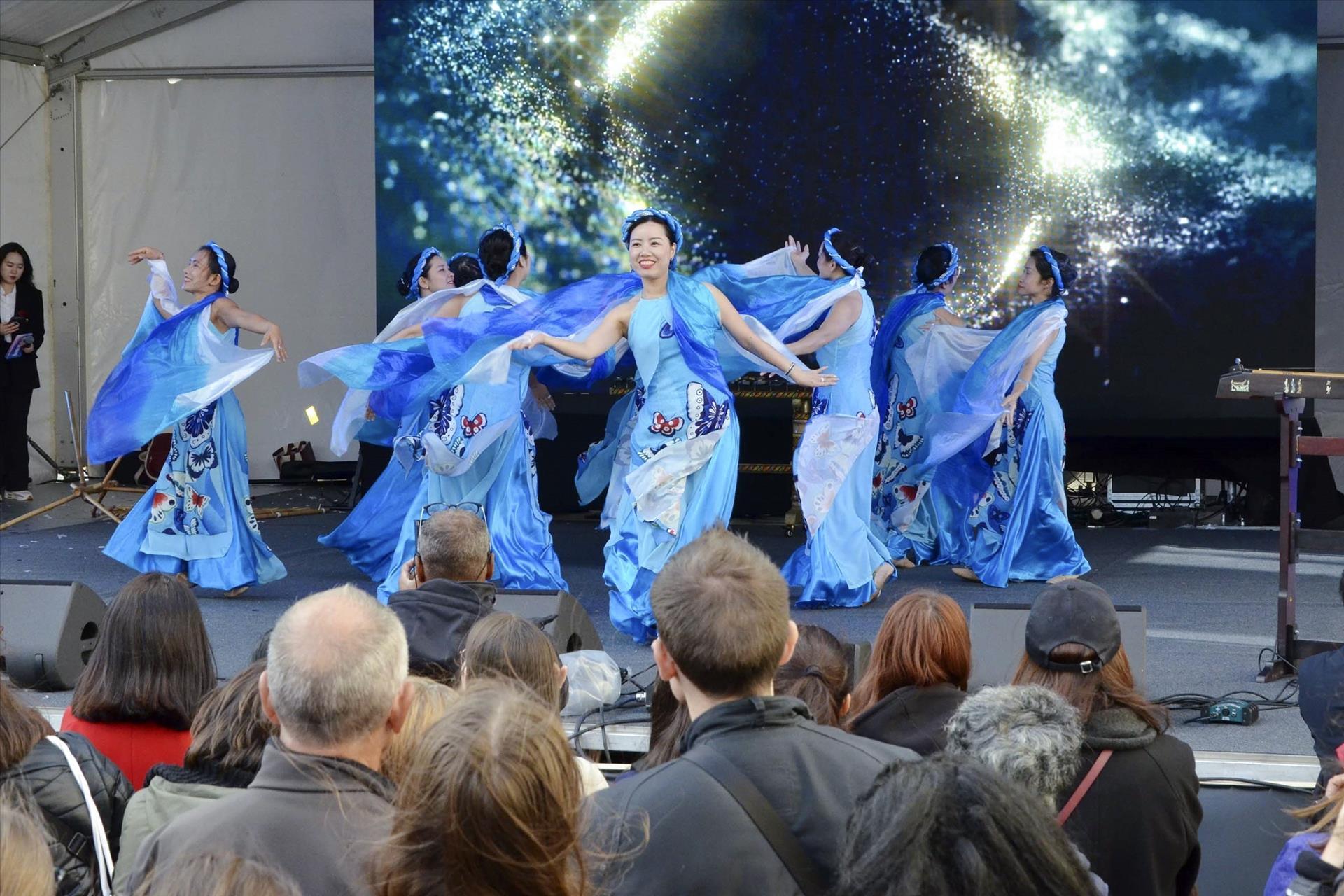
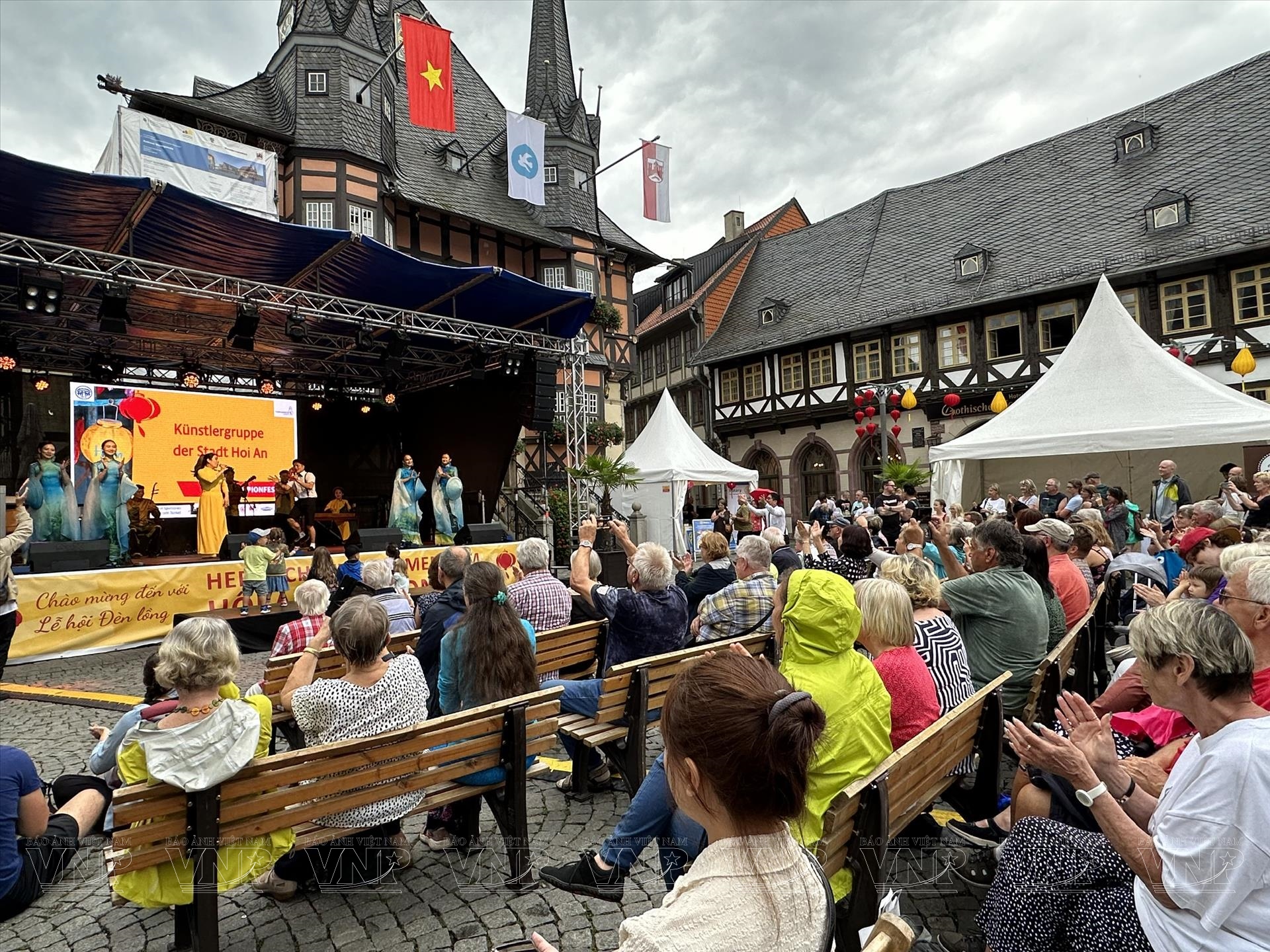
Hoi An Cultural Days in Germany attract interest from the public. Photo: Files


                       Story: Thanh Hoa    Photos: Cong Dat, Thanh Giang/VNP, VNA & Files 

Top