The Strategic Vision of Resolution 57 for Vietnam's Agriculture: Private Enterprises – The Driving Force for Green Agriculture
With the powerful transformations driven by Resolution 57 on breakthroughs in science, technology, innovation, and digital transformation, the private sector is emerging as a "guiding star" for the "greening" journey of Vietnamese agriculture. Pioneering enterprises are not only investing in modern technology but are also leading the way in building sustainable production models, aiming for responsible consumption, and shaping the future of the country's agricultural sector.
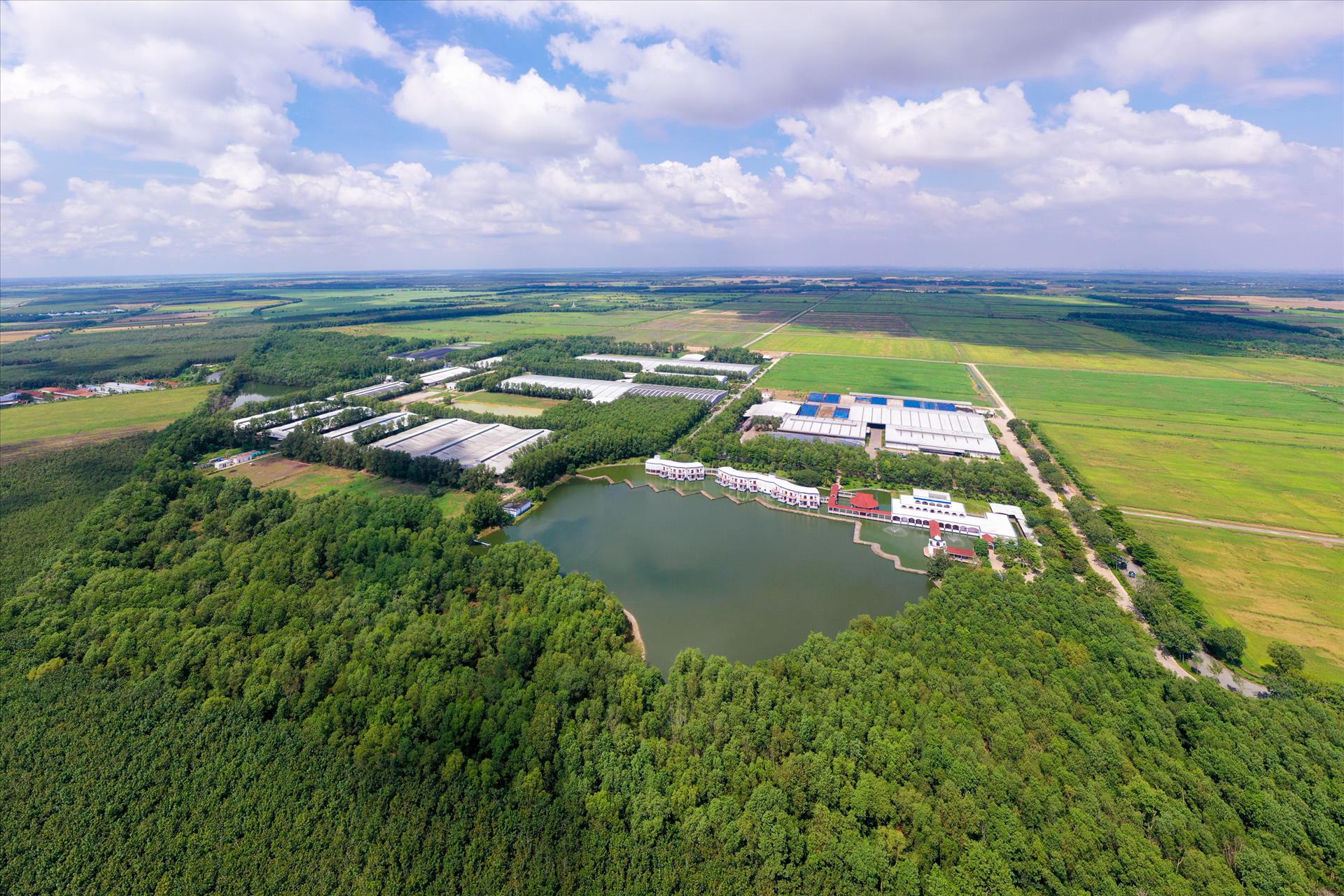
According to statistics from the Ministry of Finance, the private sector currently contributes up to 70% of Vietnam's GDP and is the main source of job creation. In agriculture, although much potential remains untapped, private enterprises are demonstrating a vital driving role in promoting green production trends.
The Politburo's Resolution 57-NQ/TW on breakthroughs in the development of science, technology, innovation, and national digital transformation, and Resolution No. 68-NQ/TW on the development of the private economy, have been and continue to be a powerful driving force for private enterprises to create sustainable production models, shaping the future of the country's green agriculture.
By the end of 2025, enterprises engaging in green production have clearly awakened to the responsibility that goes beyond mere profit. Many businesses recognize that green agriculture is the only path to ensure the sector's sustainability, protect the environment, and deliver the best products to consumers. Resolution 57 is a breath of fresh air, creating strong momentum for many enterprises to continue investing more heavily in R&D, adopting digital technology, and expanding the scale of organic production.
Many private enterprises are pioneering the application of innovative models that bring about dual economic and environmental benefits. This is a trend favored by many businesses. Instead of focusing solely on pure output, they emphasize quality, safety, and sustainability.
The year 2025 marks a strong shift in Vietnam's agriculture sector, as major corporations not only value economic growth but also prioritize green agriculture and sustainable development. From ESG commitments (a framework for measuring an enterprise’s sustainability and environmental/social responsibility), investment in modern technology, to building circular supply chains, these "giants" are gradually reshaping the industry's landscape, transforming challenges into opportunities to affirm their position in the international market.
The year 2025 has seen a significant acceleration in the application of green standards to agricultural production activities. According to a Viet Research report, over 70% of enterprises in the High-Tech Agriculture – Food – Beverage sector have established or plan to commit to implementing ESG within the next 2-4 years. This indicates that the awareness of the importance of sustainable development has moved beyond the scope of mere social responsibility.
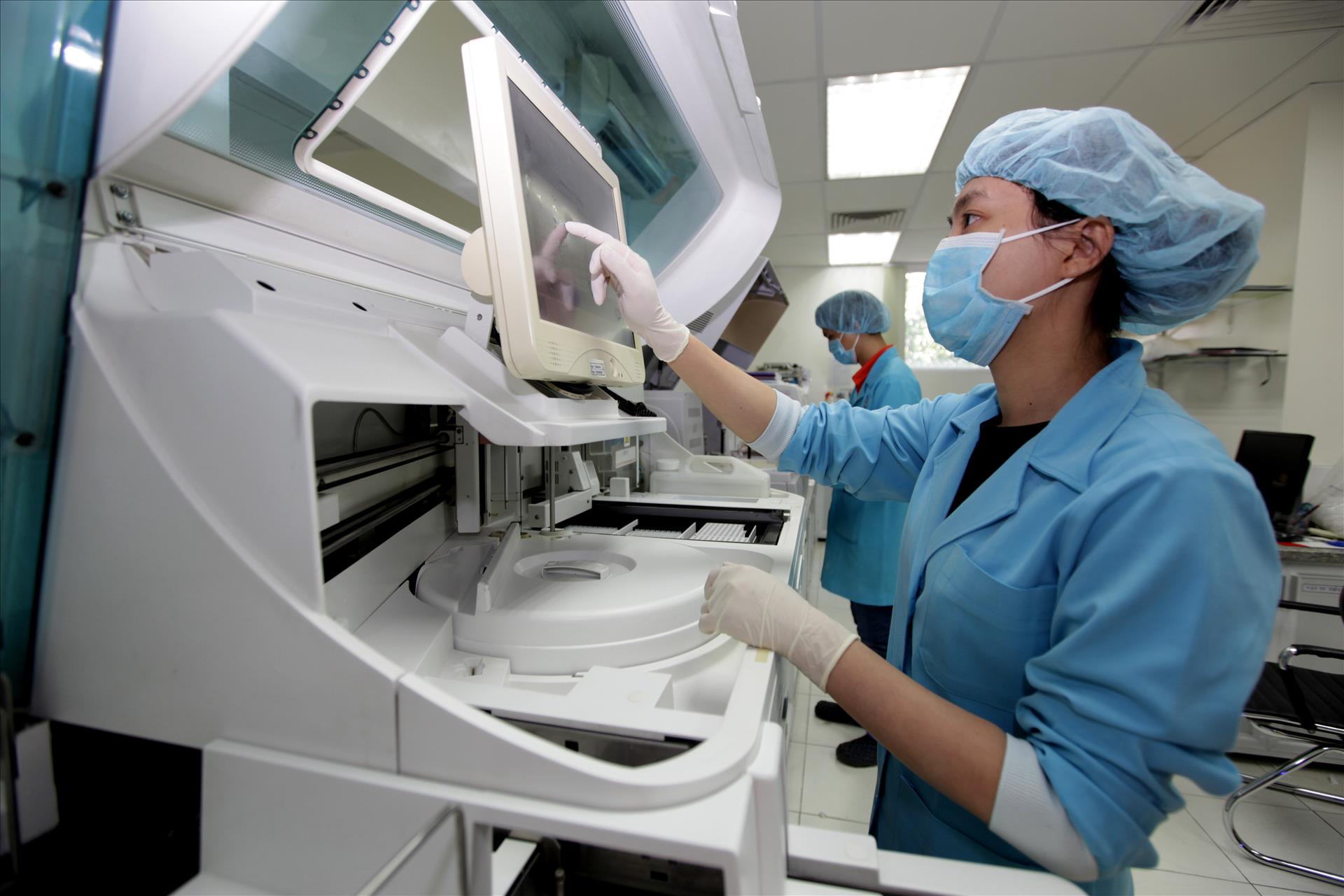
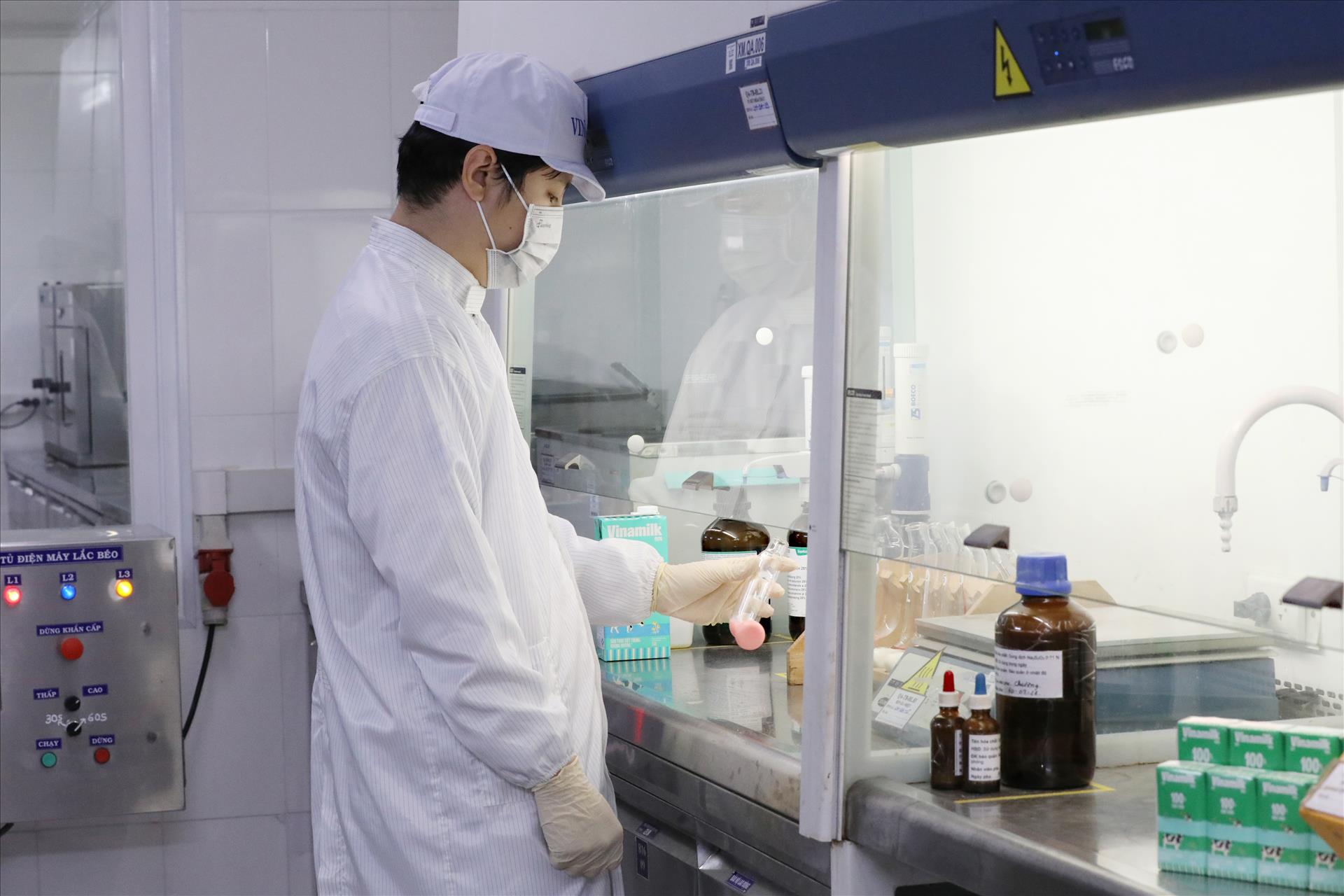
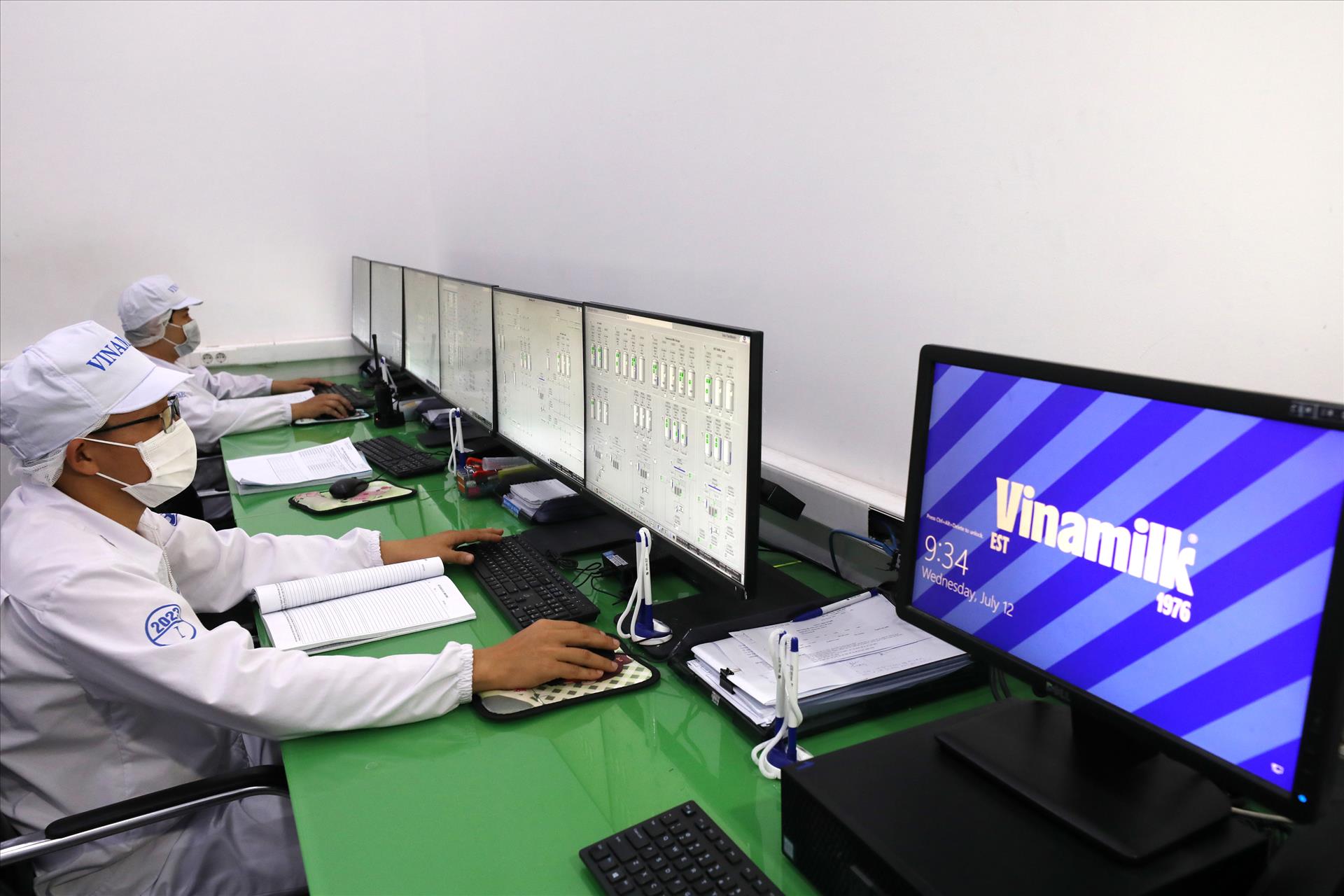
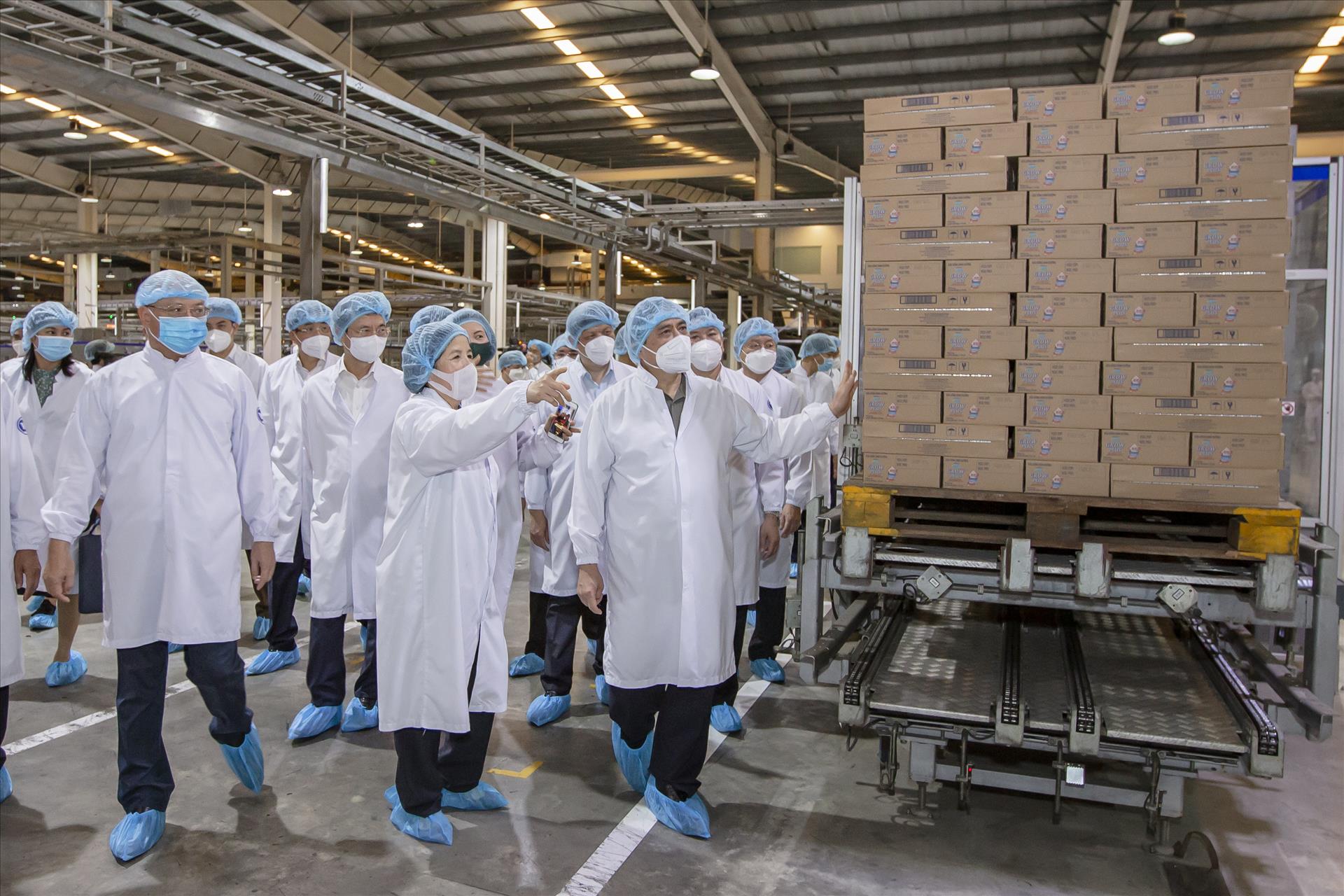
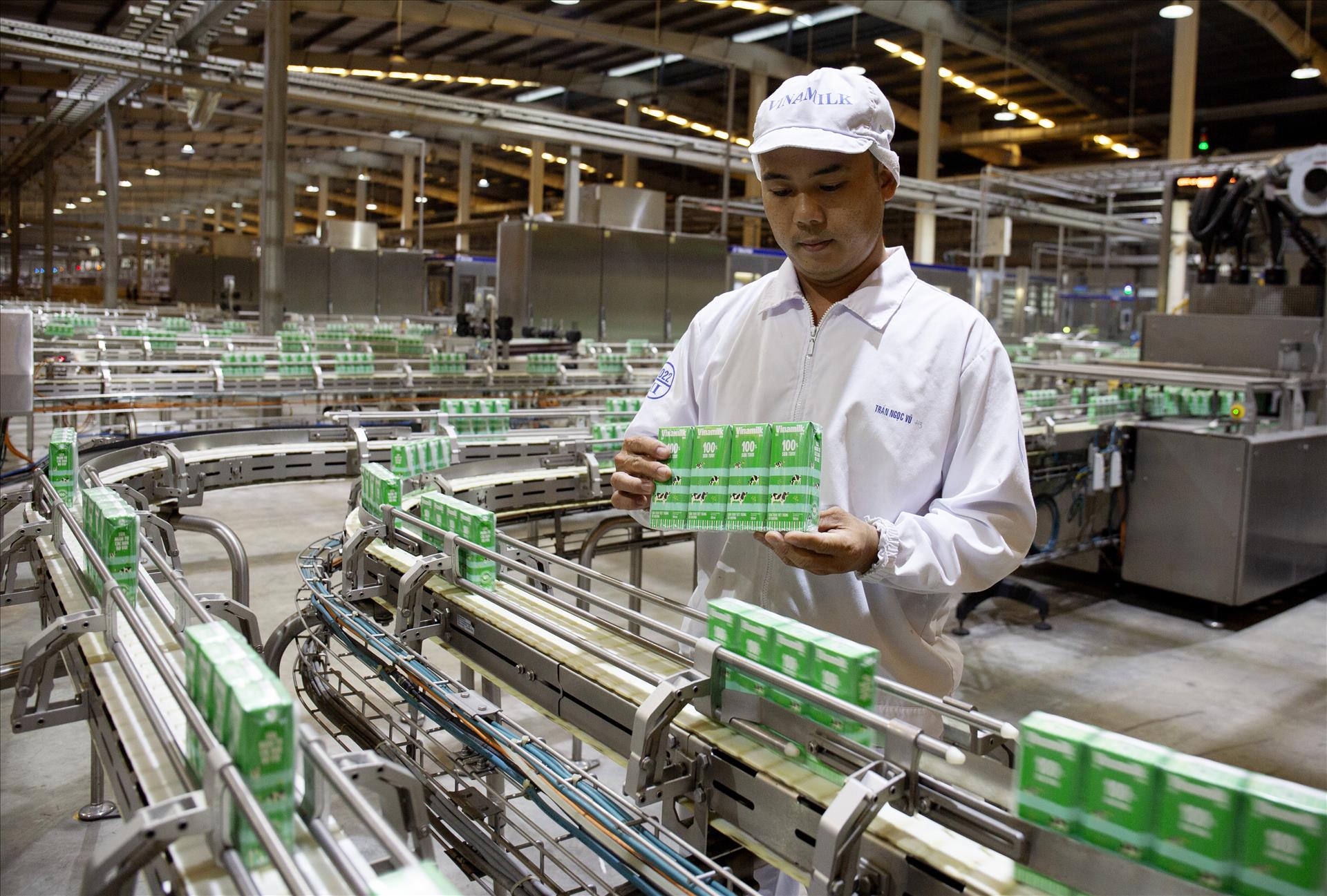
Vinamilk is a typical example with a robust investment strategy in renewable energy. According to the latest report, 16 of Vinamilk's farms and 14 factories have integrated clean energy solutions, with 87% of fossil energy replaced by Biomass, CNG, and solar power, meeting 15-20% of the system's total energy demand. Going further, the Green Farm model and the program to plant 1 million trees are concrete commitments towards the Net Zero goal by 2027.
Similarly, Masan Group has established an ESG Committee directly under the Board of Directors, integrating these standards into its core business strategy. The company also invests in advanced wastewater treatment systems at its factories and farms, demonstrating a commitment to minimizing environmental impact.
Masan has integrated ESG into its production and business operations by identifying key themes central to the company's activities and its production value chain. In 2024, Masan continues to embed ESG into business activities and decisions, working toward the 2030 vision of executing innovative initiatives to ensure compliance with ESG and climate trends.
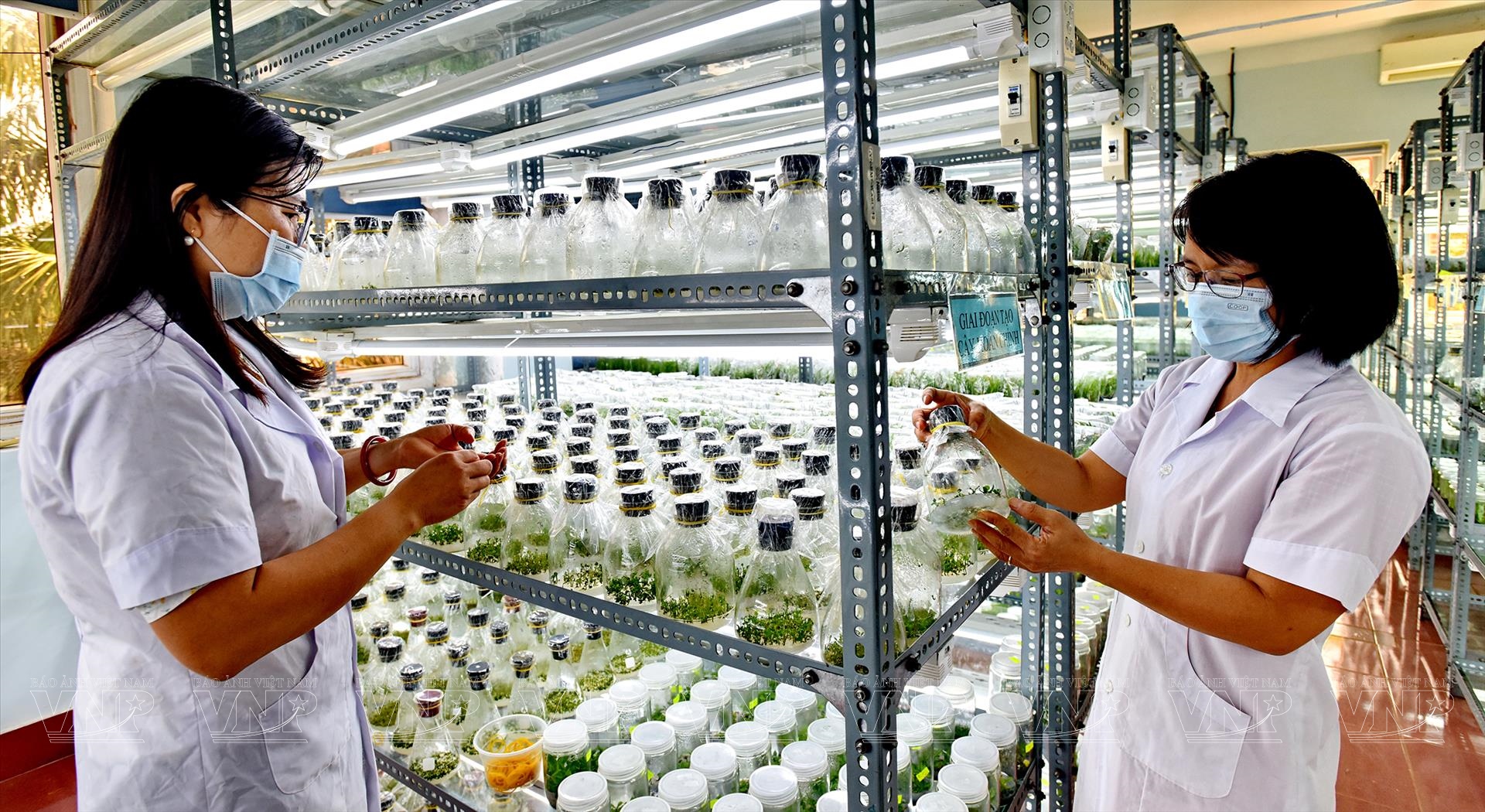
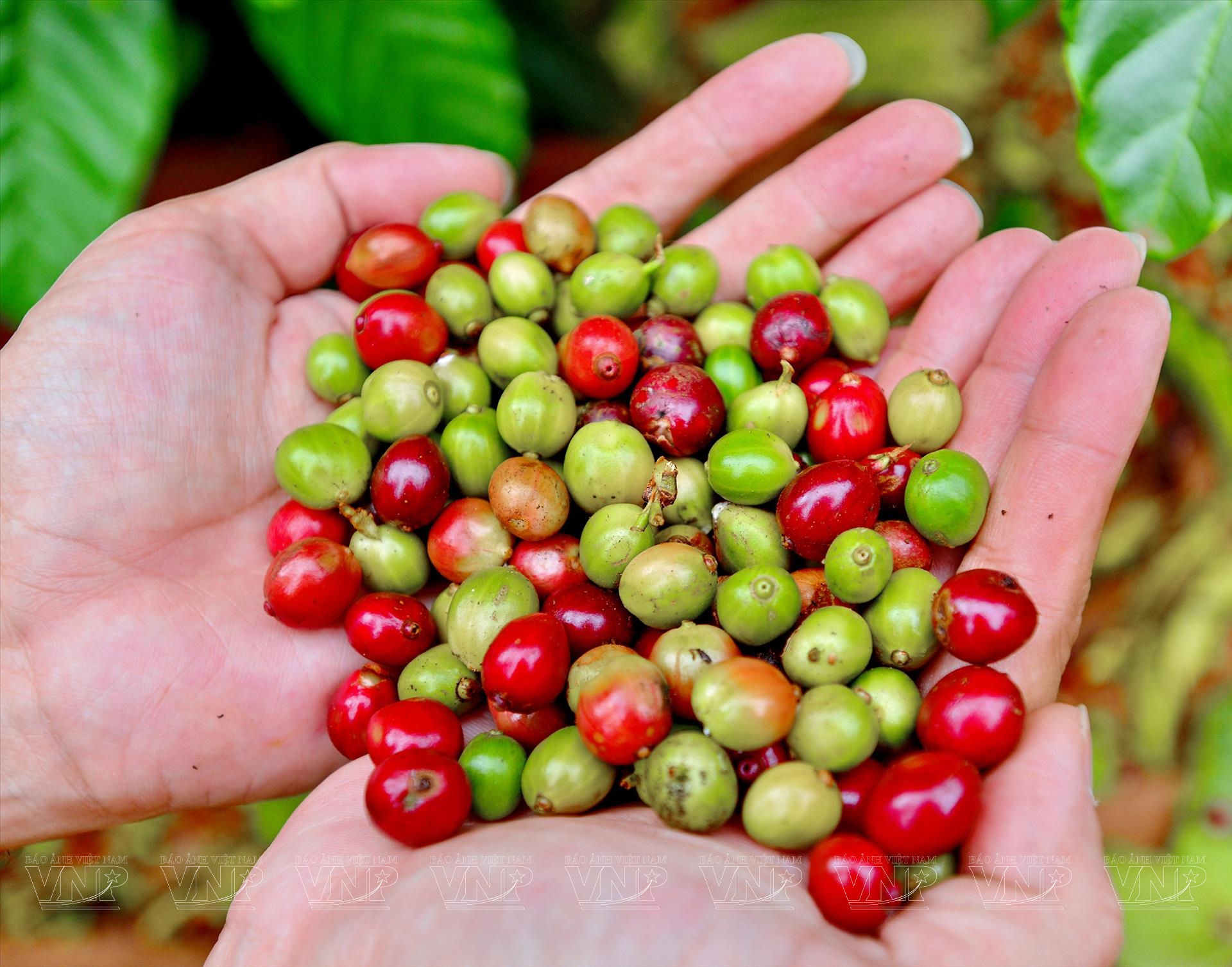
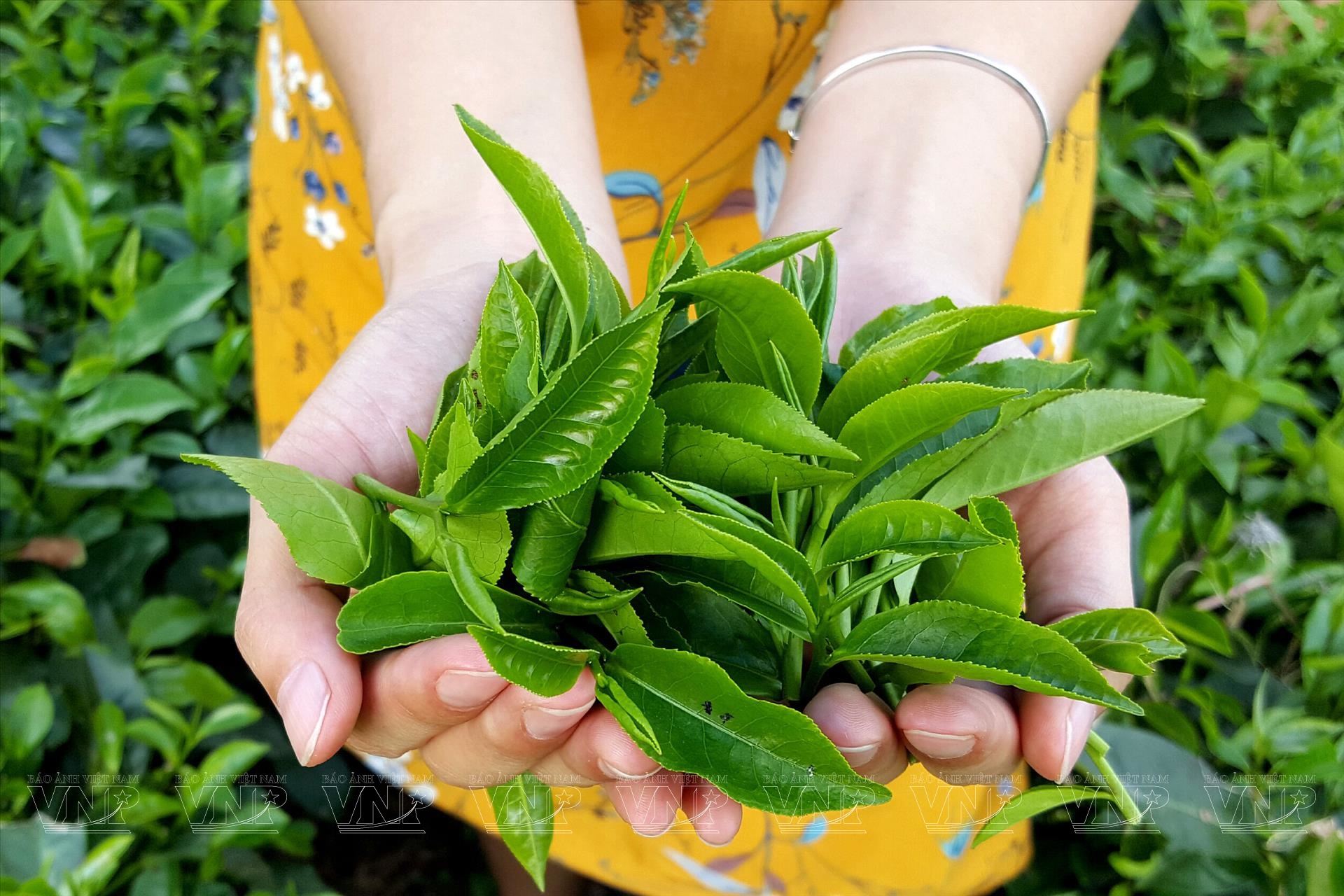
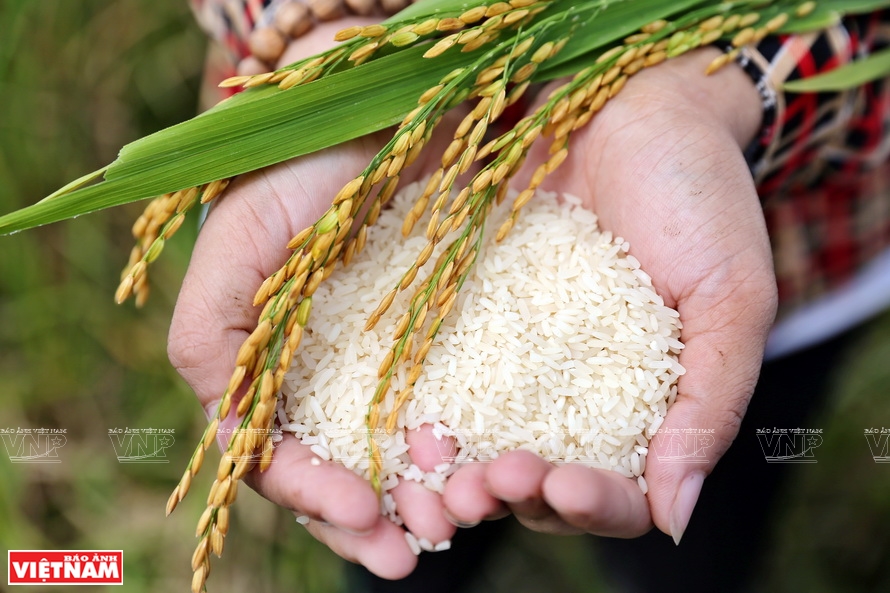
With business operations that profoundly affect 100 million Vietnamese consumers, Masan has invested in advanced production facilities, utilizing world-class, environmentally friendly modern lines. "When planning any new project, we always pre-calculate the potential environmental impact and, based on that, devise appropriate environmental protection plans before project execution," said a representative from Masan Group.
Even in the livestock sector, De Heus Vietnam demonstrates seriousness in its "greening" objective. In 2025, the company was honored by EuroCham as the "Green Enterprise of the Year 2025" in the large enterprise category, thanks to the implementation of rooftop solar power, biomass boilers, and electric forklifts at its factories. These figures not only reflect environmental efforts but also represent a strategic move to optimize operating costs and enhance production efficiency.
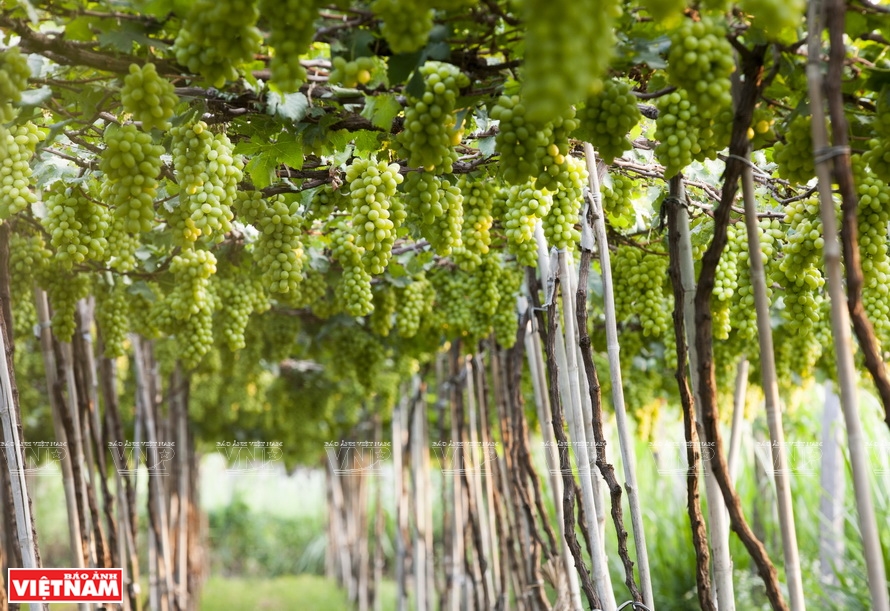
Sharing her thoughts on the award, Nguyen Thu Thuy, Director of Sustainable Development at De Heus Vietnam and Asia Region, stated, "Sustainable development does not come from slogans; it must begin with concrete actions - from energy and production to every small daily decision. This award is a source of motivation for us to continue steadfastly on that path".
With the vision of "Nourishing Future Generations," De Heus Vietnam continues to affirm its pioneering role in the green transition of the agricultural sector. The company aims to build a more efficient, responsible, and sustainable agriculture, accompanying Vietnam on its green development journey.
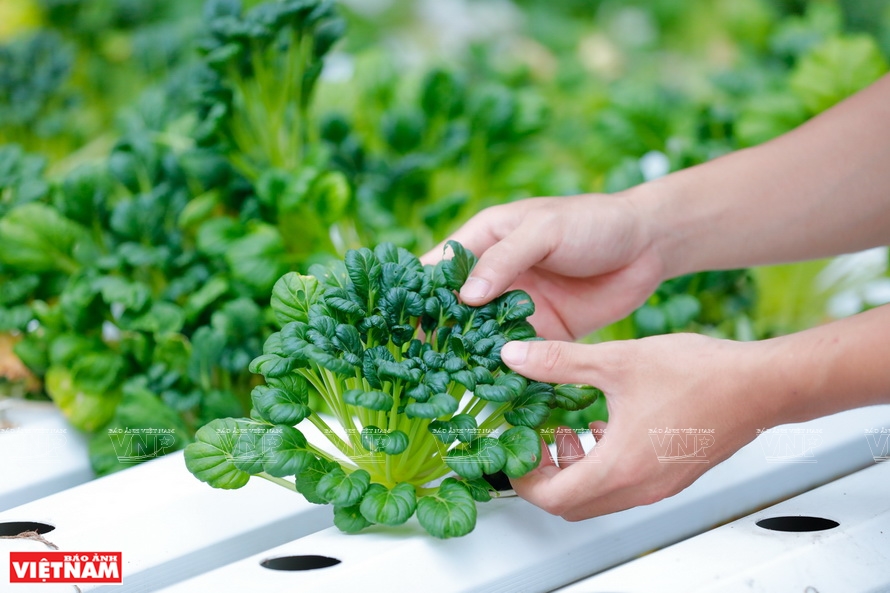

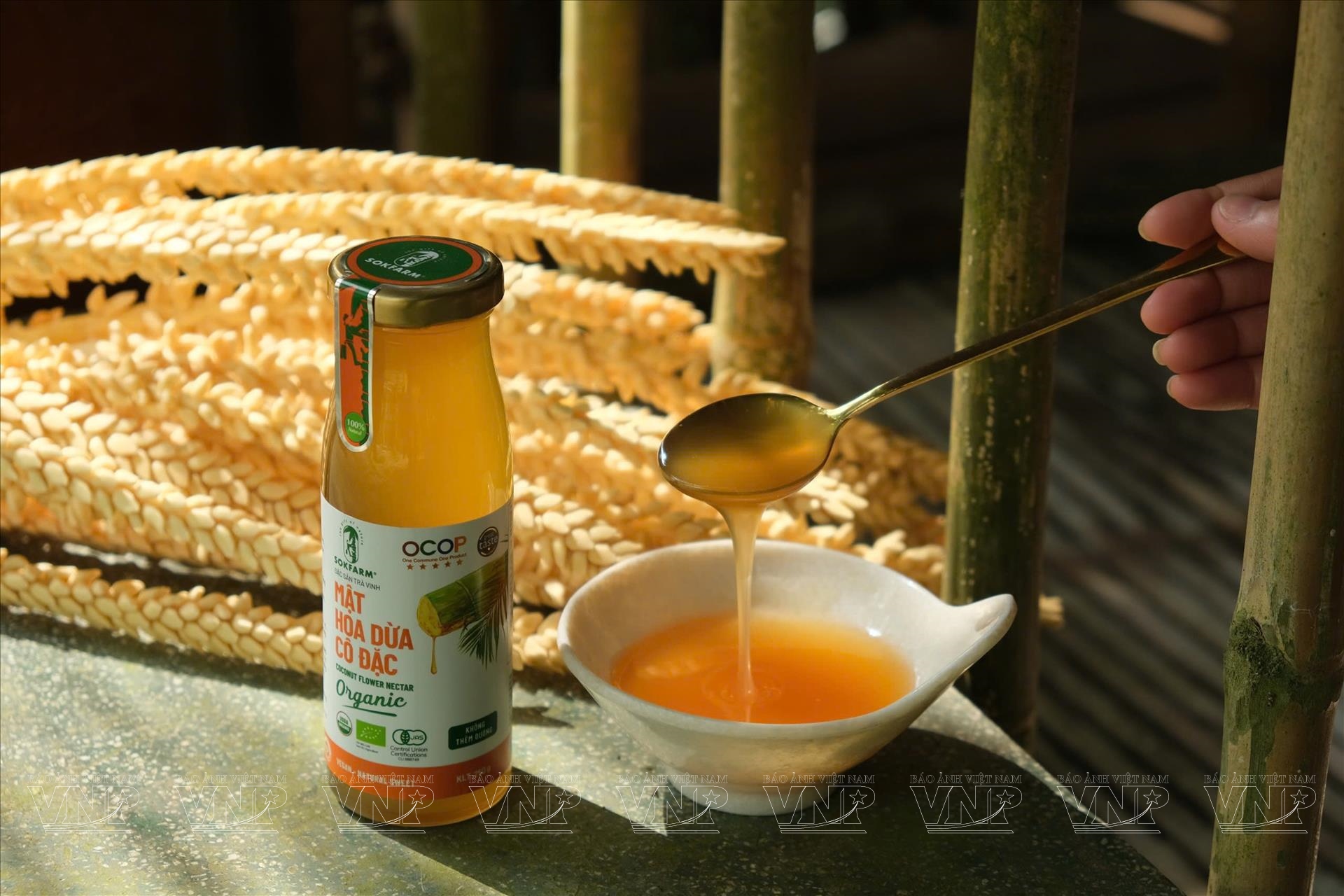
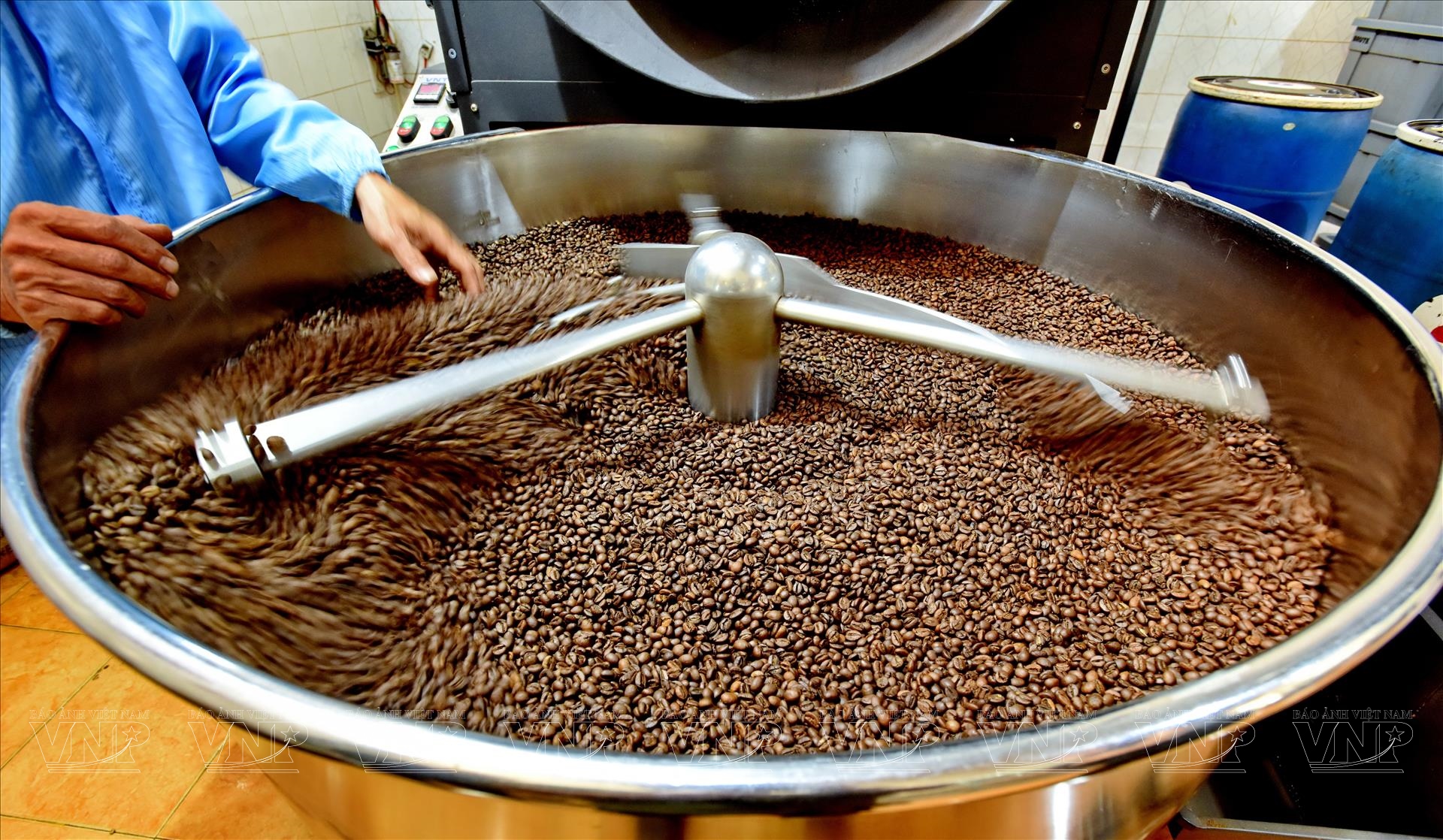
Driven by the robust movements of domestic enterprises, the export value of Vietnam's organic agricultural products is projected to grow by an average of 15–20% annually during the 2025–2030 period. Based on this growth momentum, it can be estimated that the scale of Vietnam's organic agriculture market in 2025 and subsequent years will continue its double-digit growth, potentially reaching or exceeding 200 million US dollars (equivalent to approximately 4.8 to 5.0 trillion dong) if trade promotion and certification activities are intensified.
The interest of private enterprises and the implementation of Resolution 57-NQ/TW regarding technology application and the creation of transparent value chains (such as using Blockchain) are expected to be key factors driving growth in both cultivated areas and the commercial value of organic agricultural products in 2025 and the future.
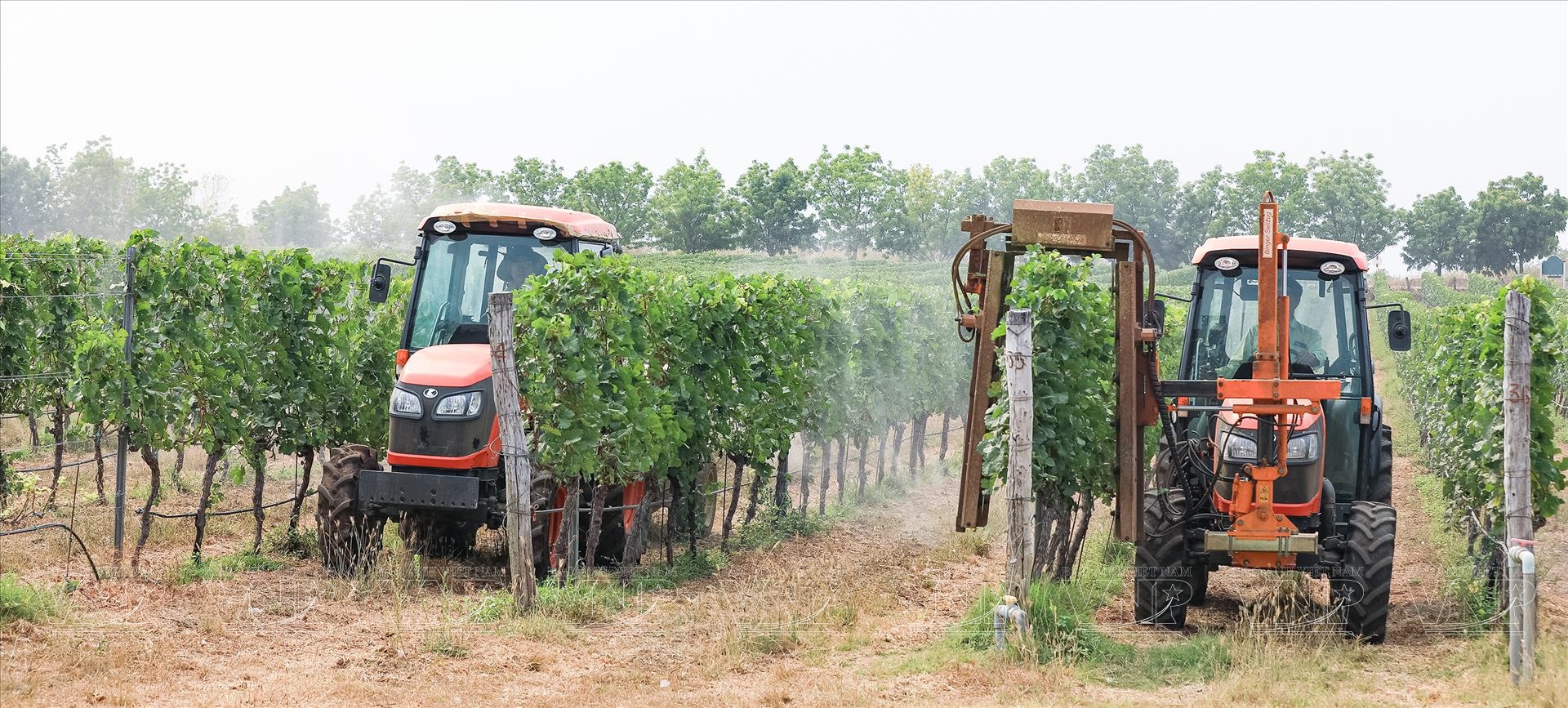
The private sector is increasingly proving its irreplaceable role in building a green, sustainable agriculture for Vietnam. With the support of breakthrough policies from Resolution 57, these enterprises are not only reshaping the production landscape but are also contributing to environmental protection, improving public health, and elevating Vietnamese agricultural products on the global map./.

- Story: Thong Thien & Hong Hanh
- Photos: VNP & Files