The “Knight” of Ethnic Cultures
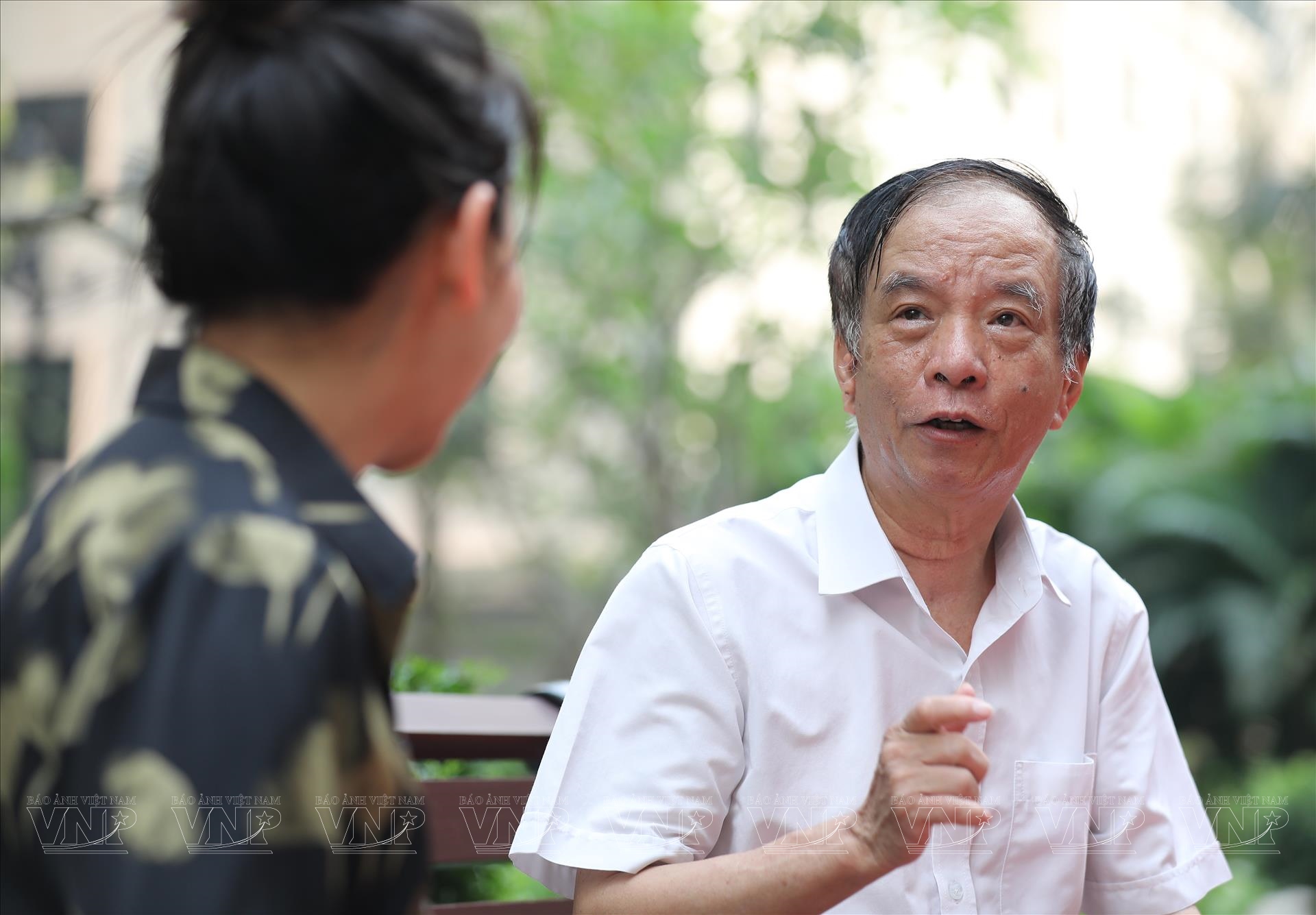
As Director of the Institute for Applied Research on Culture and Tourism, Assoc.Pro. Dr. Tran Huu Son has fostered international partnerships to preserve and promote cultural heritage in Vietnam’s remote regions. Awarded the French government’s Knight of the Order of Academic Palms in 2025, he is celebrated as both a distinguished scholar and a steadfast bridge connecting Vietnamese culture with the world.
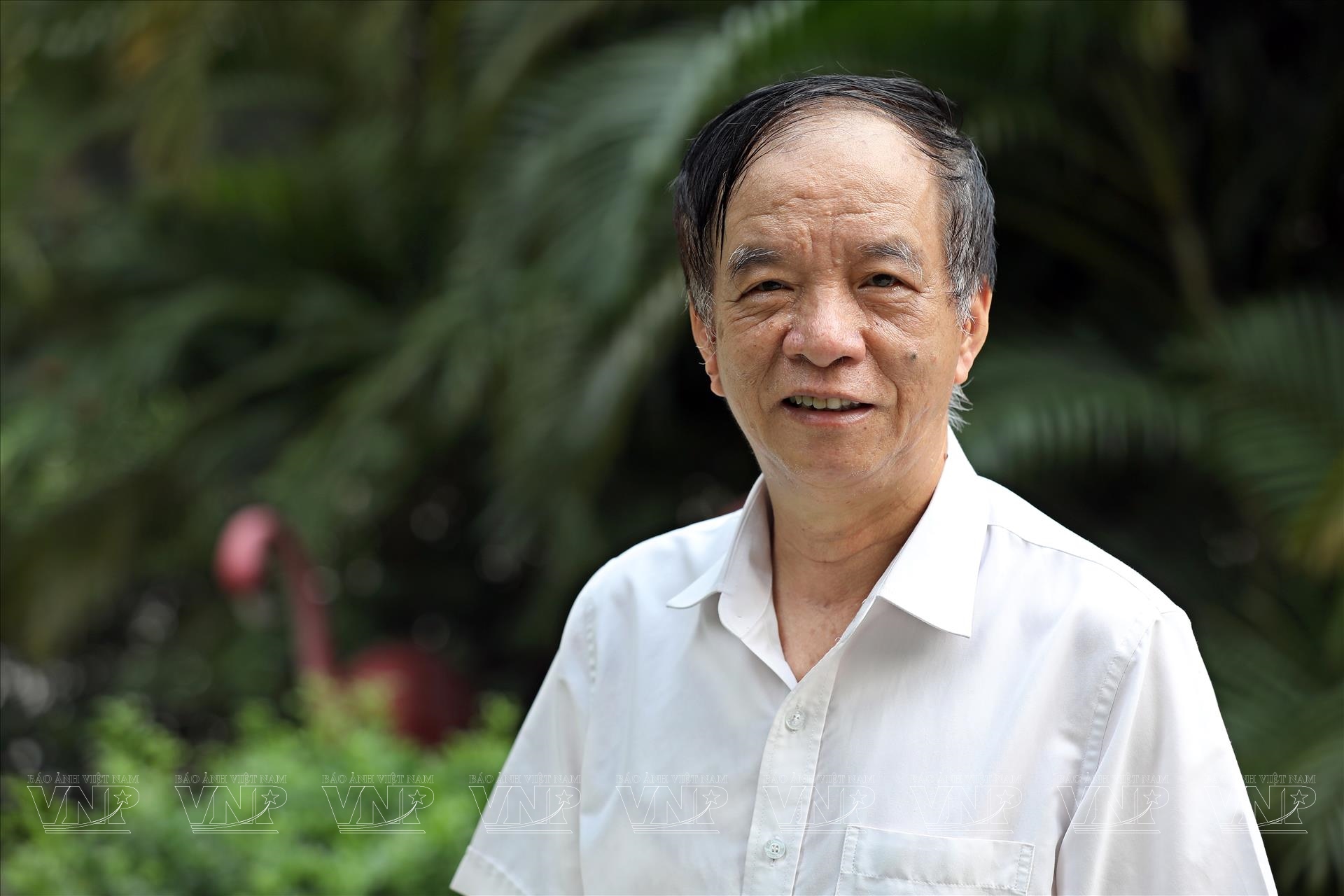
From the Northwest’s “Cultural Forests” to Pages of Memories
The journey of Dr. Tran Huu Son began with grueling field expeditions in Vietnam’s northern borderlands. It was not a comfortable research lab, but the harsh winters and remote villages of 25 ethnic communities in Lao Cai that nurtured his scientific vision and passion for culture. To him, each village is a "cultural forest," a living repository of human memories and history.
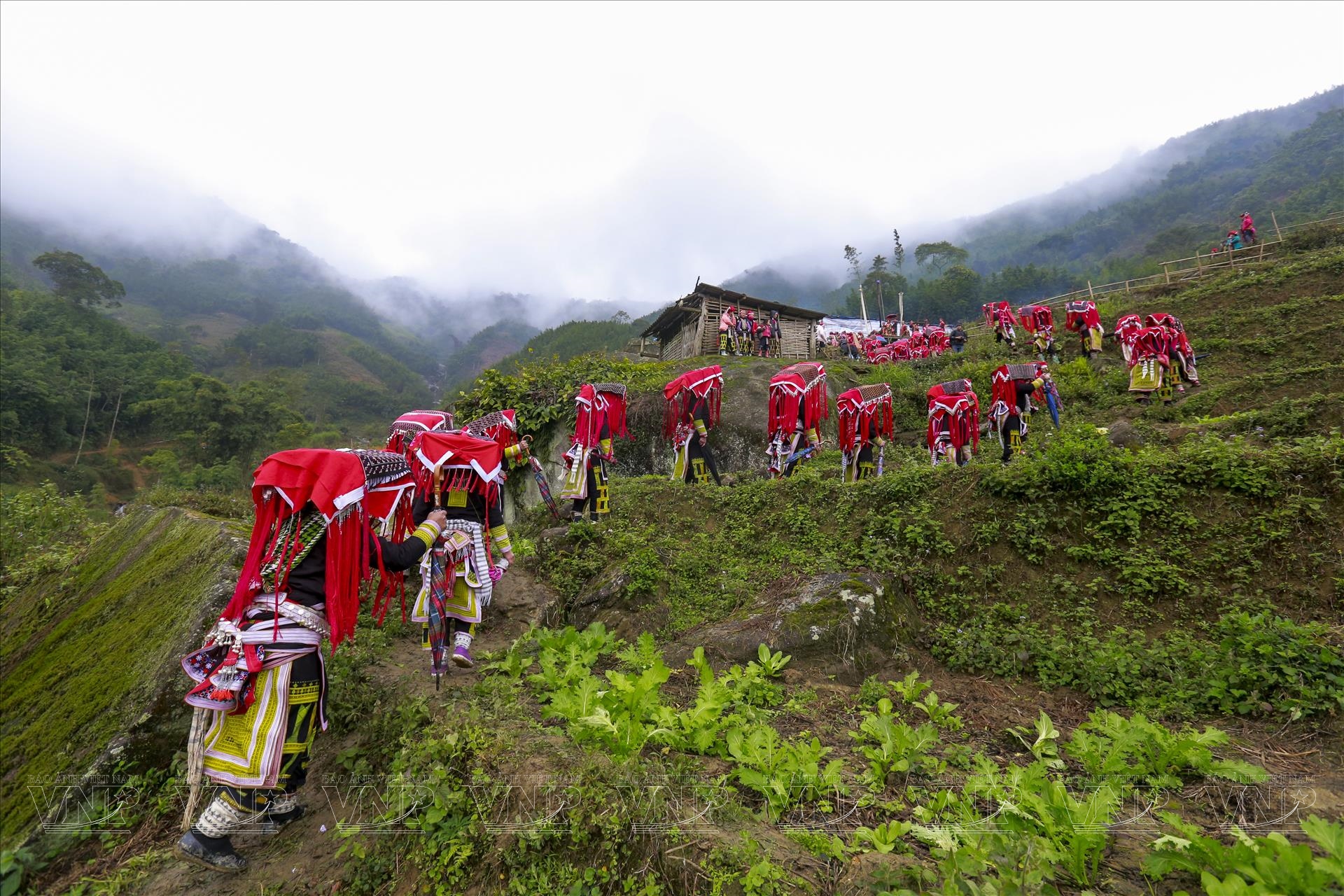
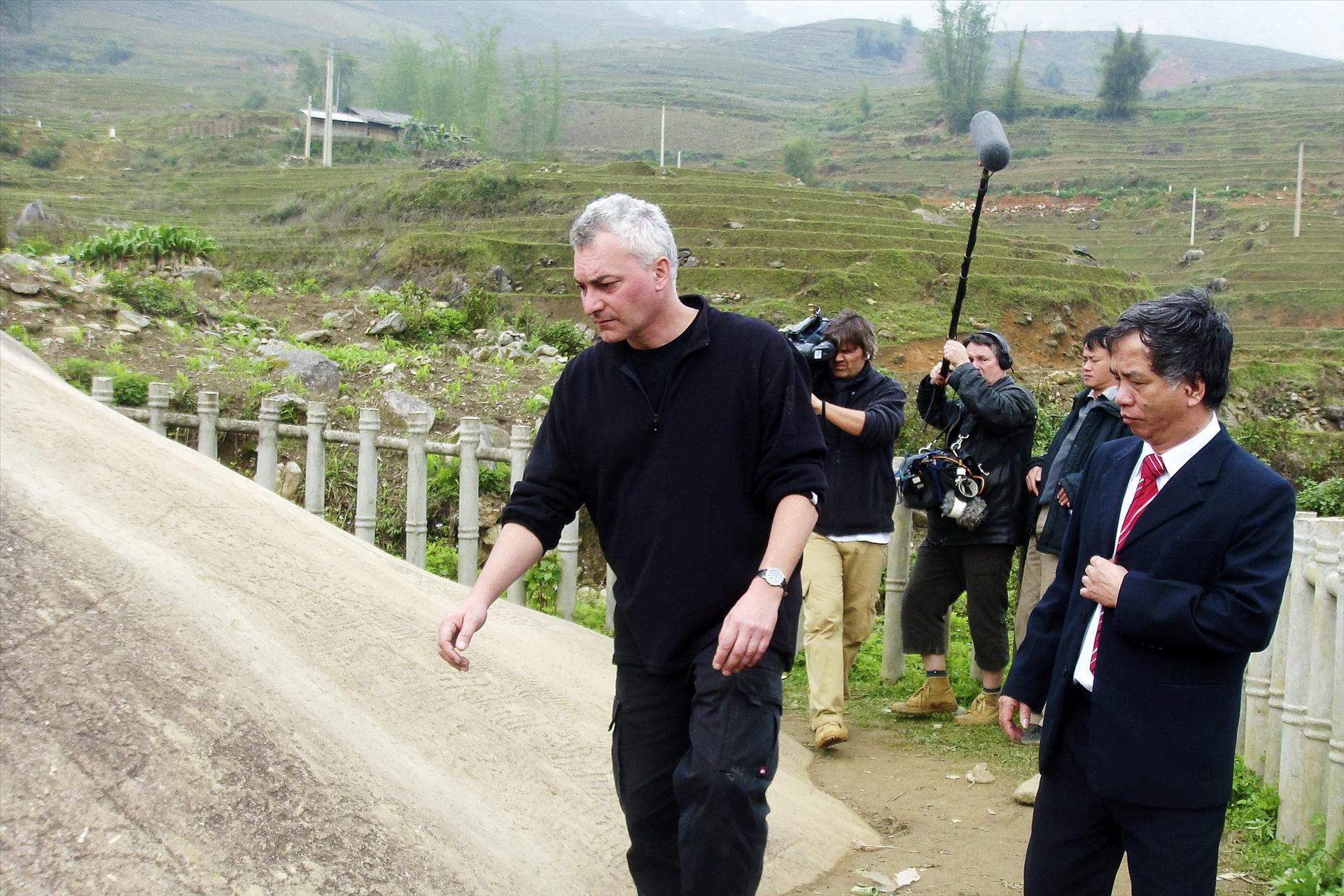
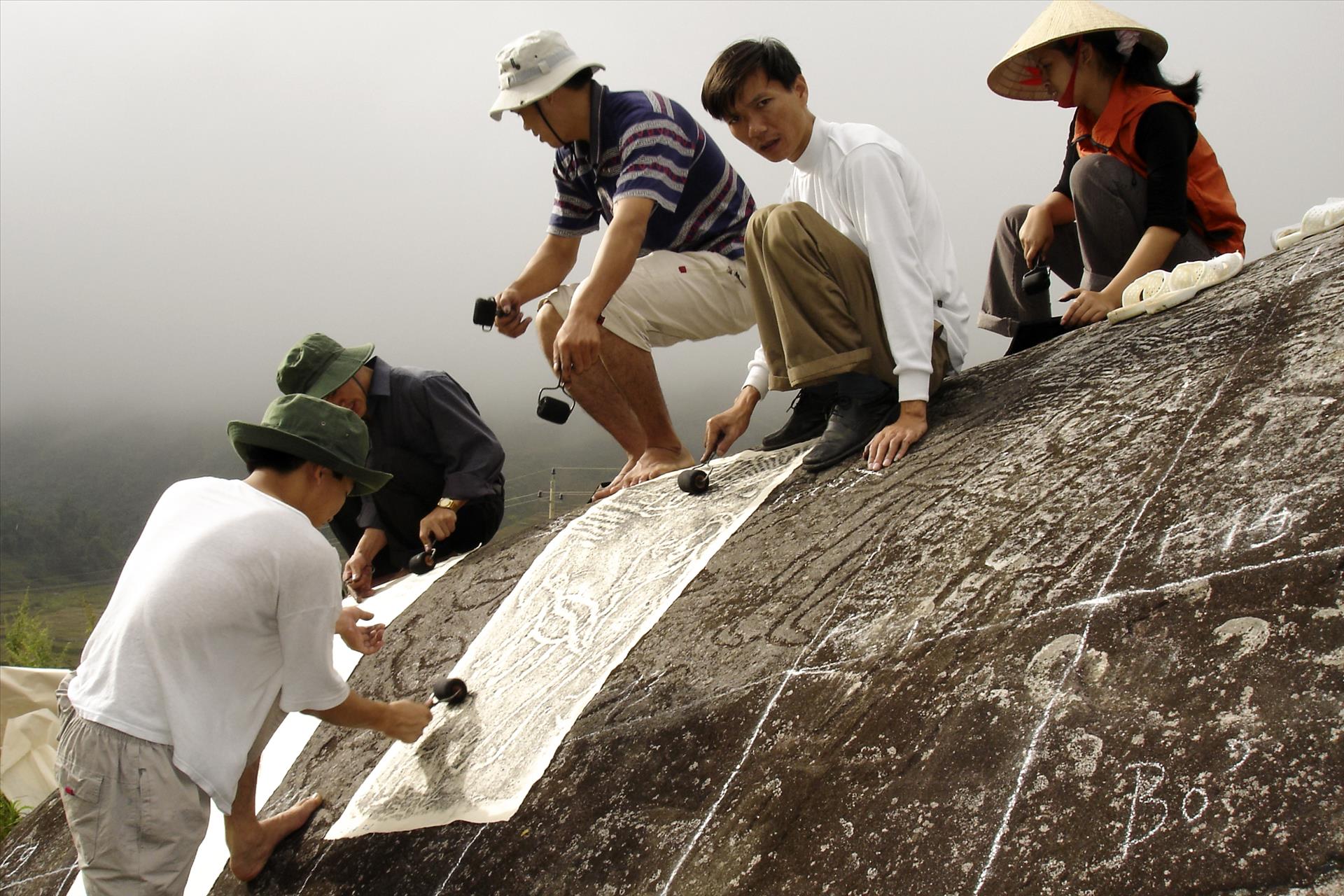
One of the most significant milestones in his career was the conservation of the Sa Pa rock field - a heritage site often compared to "heavenly books" etched with the traces of the past. Between 2005 and 2010, as Director of the Lao Cai Provincial Department of Culture, Sports, and Tourism, he collaborated with experts from the French School of the Far East (EFEO) to survey over 200 ancient stones in the Muong Hoa Valley.
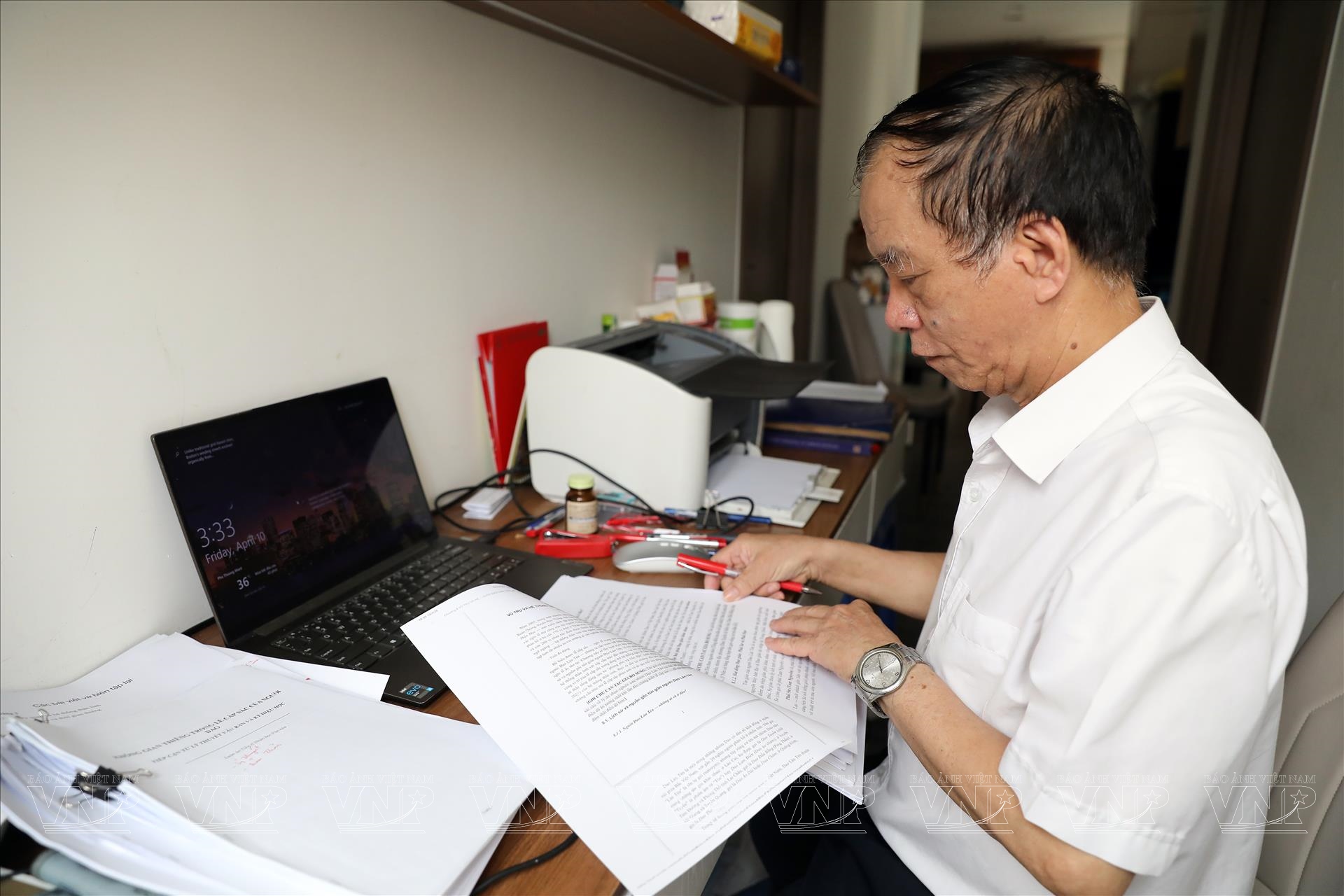
Rejecting rigid conservation methods, he opted for a flexible approach: balancing heritage protection with community awareness. He promoted zoning reforms to limit negative impacts while transforming the heritage into a pride of locals. The Sa Pa rock catalog published in 2010 was the culmination of these efforts, turning silent carvings into invaluable historical data.
Beyond conservation, Dr. Son pioneered community based tourism in Sa Pa. In 2001, when this model was still nascent in Vietnam, he piloted it in Den Village, Ban Ho Commune. He believes "community tourism must never be developed for the mass-market, as this destroys the 'roots' of the resource. Once tourists can no longer find natural beauty, they will stop coming."
Thanks to this philosophy, Ban Ho became a flagship destination where locals do more than just provide services; they directly narrate their own cultural stories. Tourism revenues are reinvested into conservation, helping the community improve livelihoods while preserving their identity. For him, culture can only survive when it is tied to the livelihoods of the community that owns it.
A Cultural “Knight”
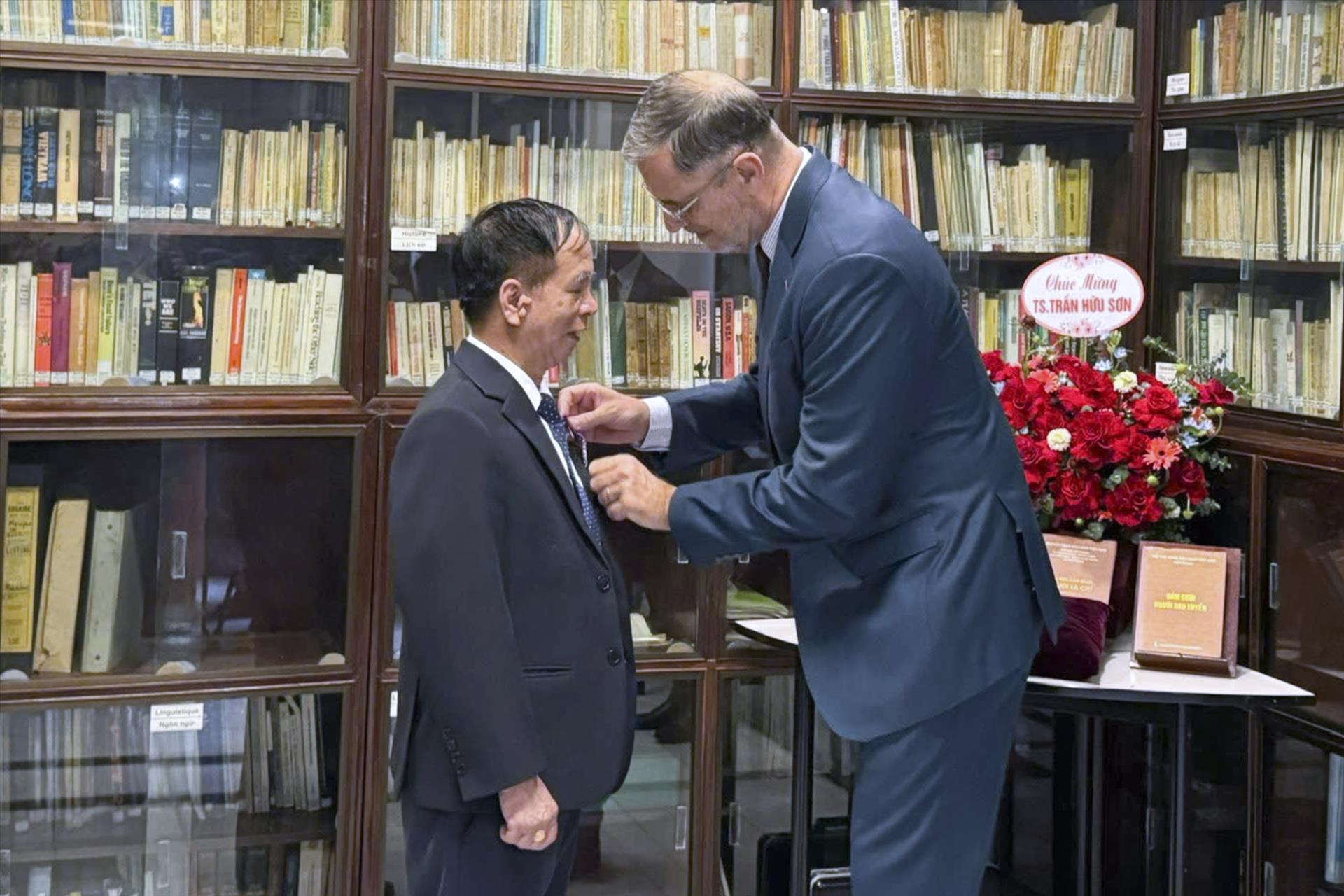
In 2025, the French government honored Dr. Tran Huu Son with the Knight of the Order of Academic Palms, one of the highest distinctions in education and culture. This event was not merely a personal honor but reflected the international recognition of Vietnam’s cultural science.
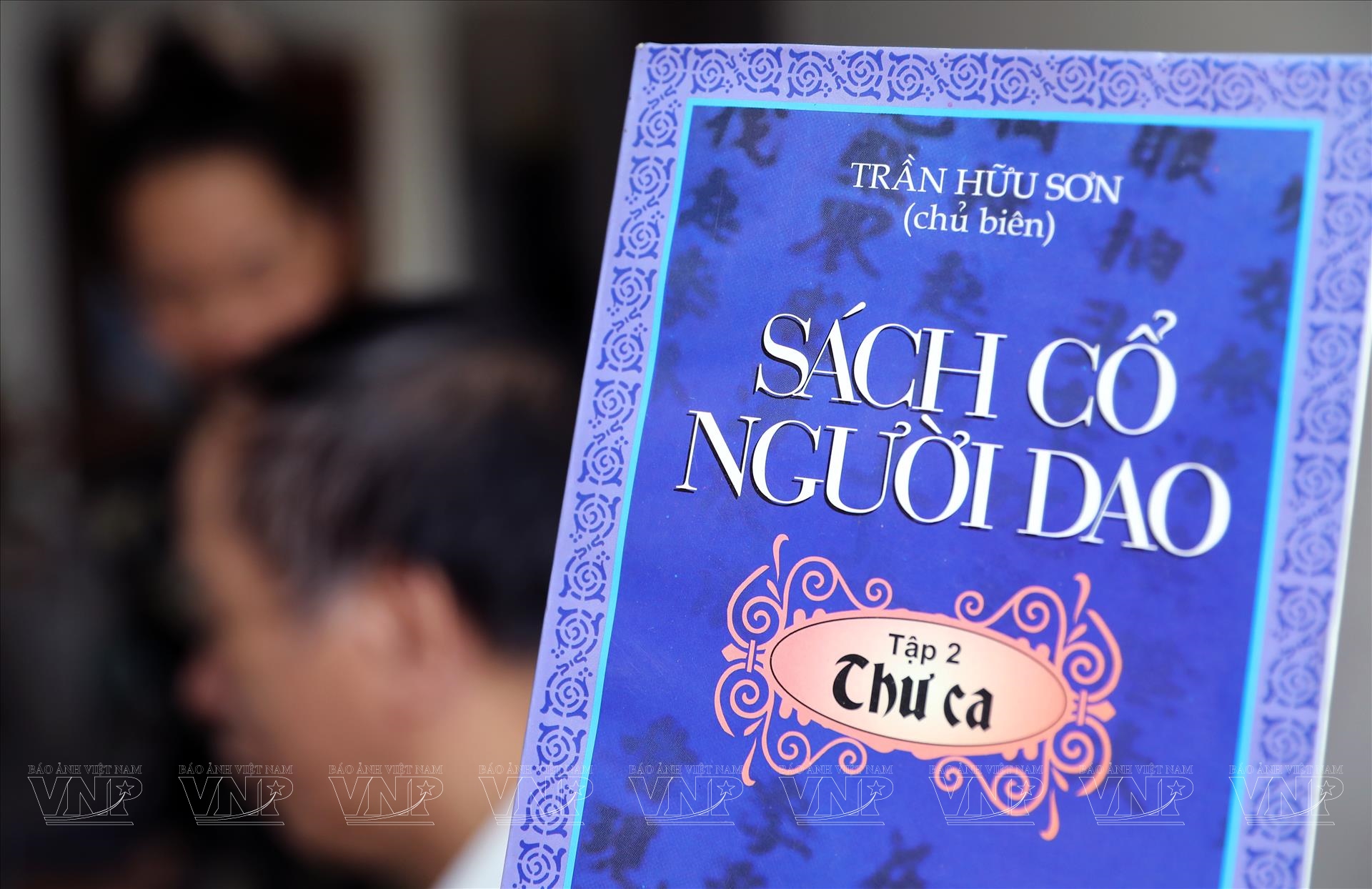
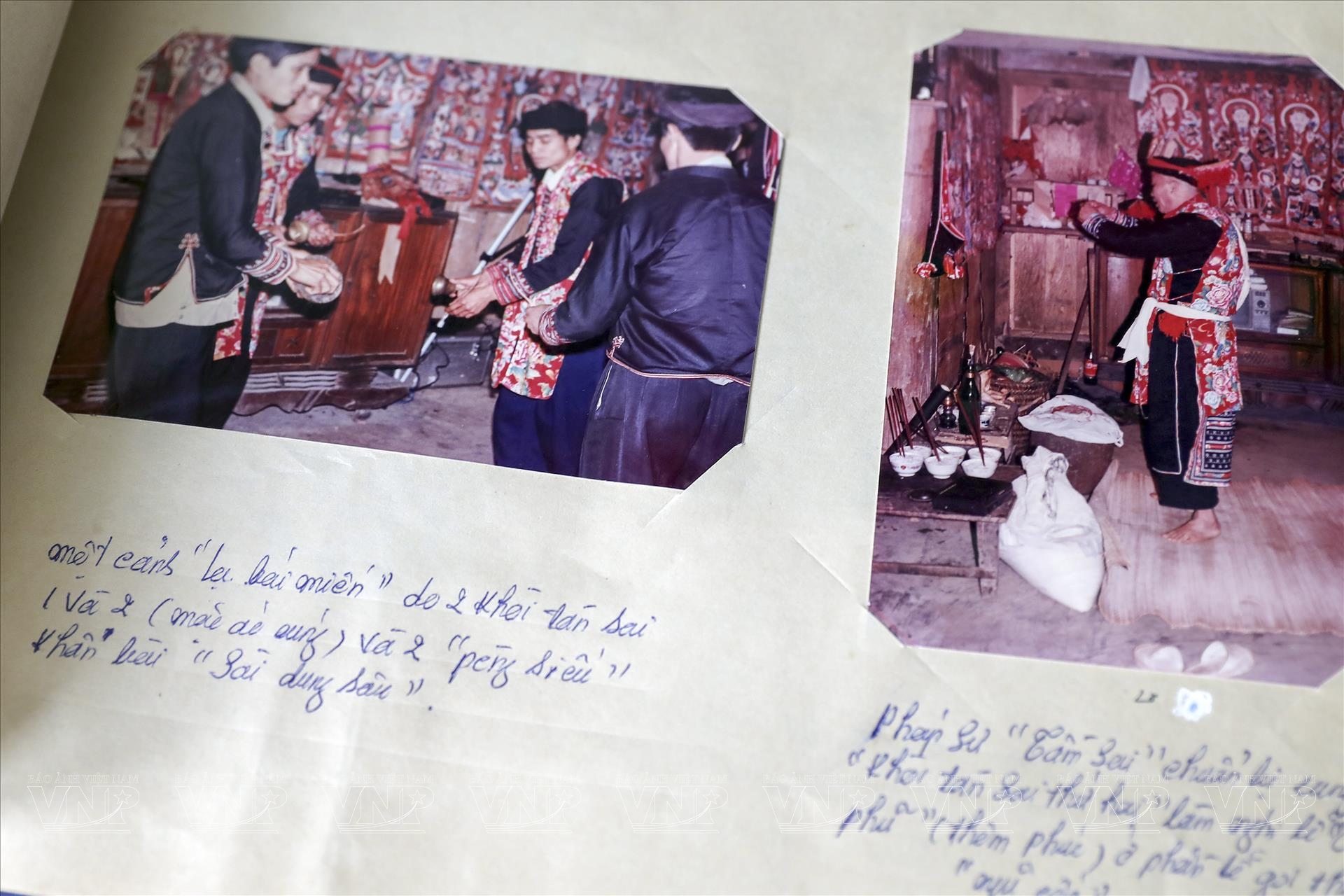
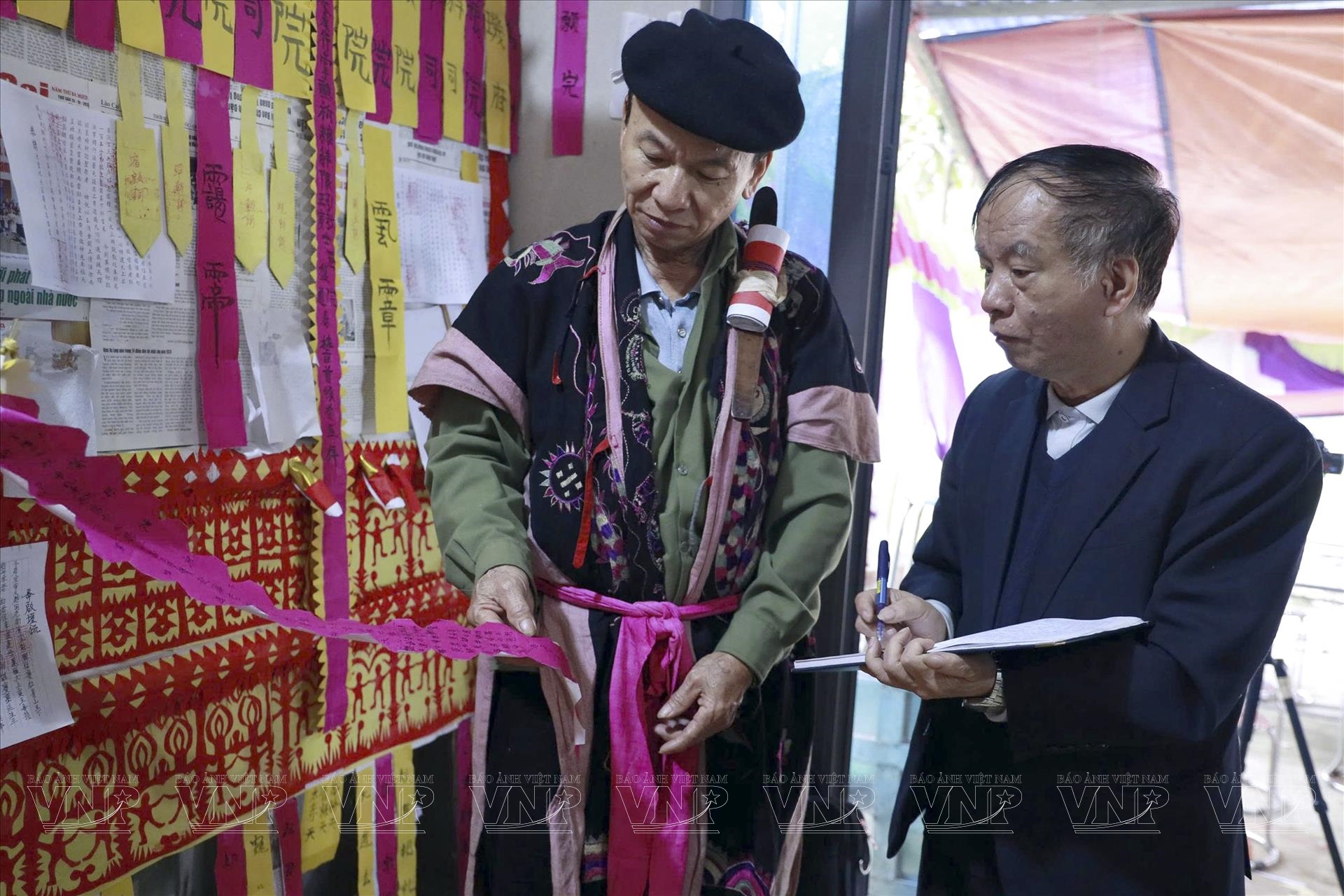
Throughout his career, Dr. Son has led numerous collaborative programs with international organizations, including UNESCO and the Ford Foundation. A standout project involved the conservation of ancient Dao books - a treasure of knowledge on medicine, astronomy, and customary law.
The hallmark of his approach is moving beyond mere collection to focus on digitizing and returning information to the community. This mindset has allowed him to build equitable partnerships with international colleagues, elevating the position of Vietnamese searchers from supporting roles to strategic partners.
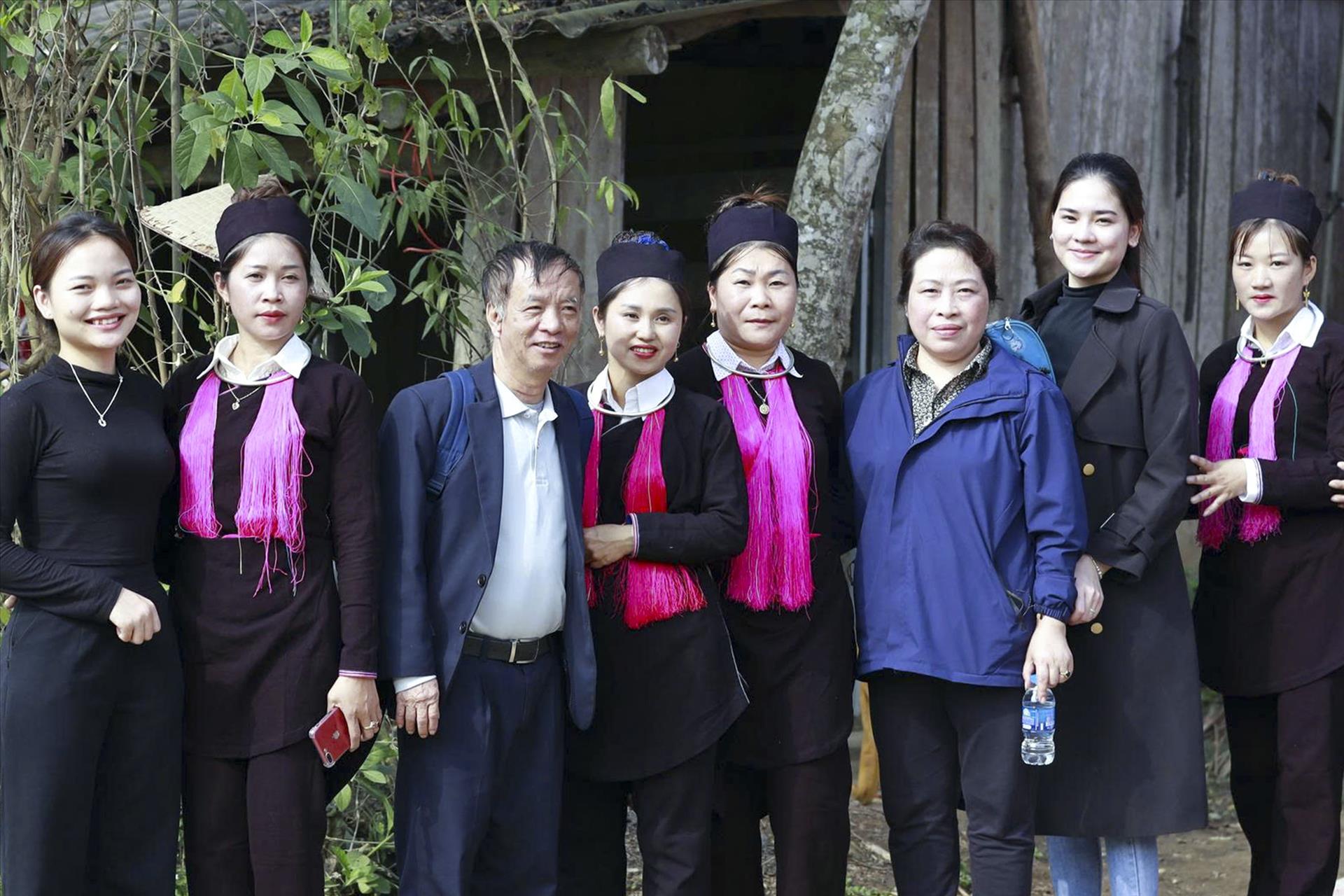
In his view, culture is a potent "soft power." Every heritage site and intangible value can serve as a "passport" for Vietnam in its global integration. However, he consistently emphasizes that "attraction must stem from authenticity rather than from over commercialized products."
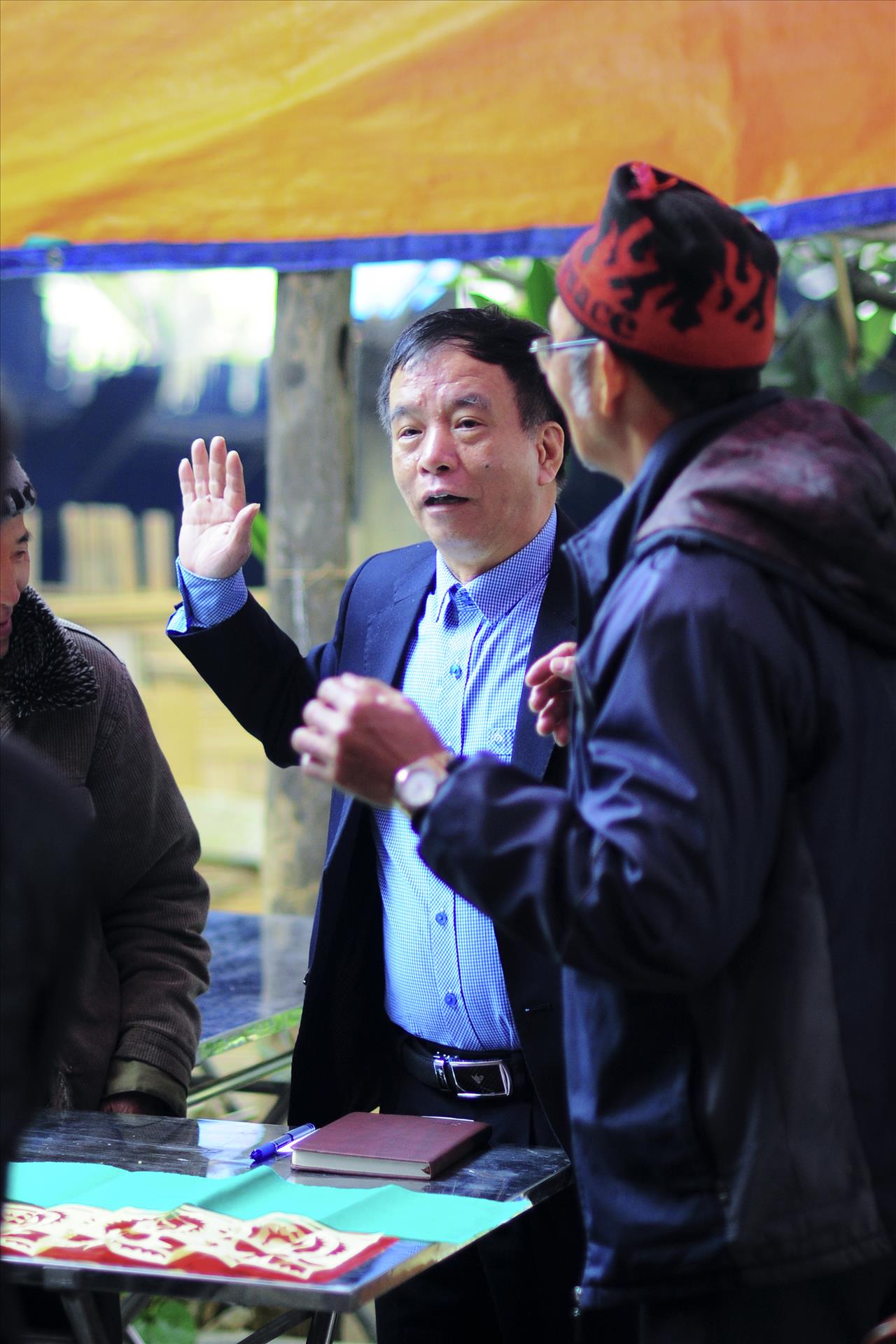
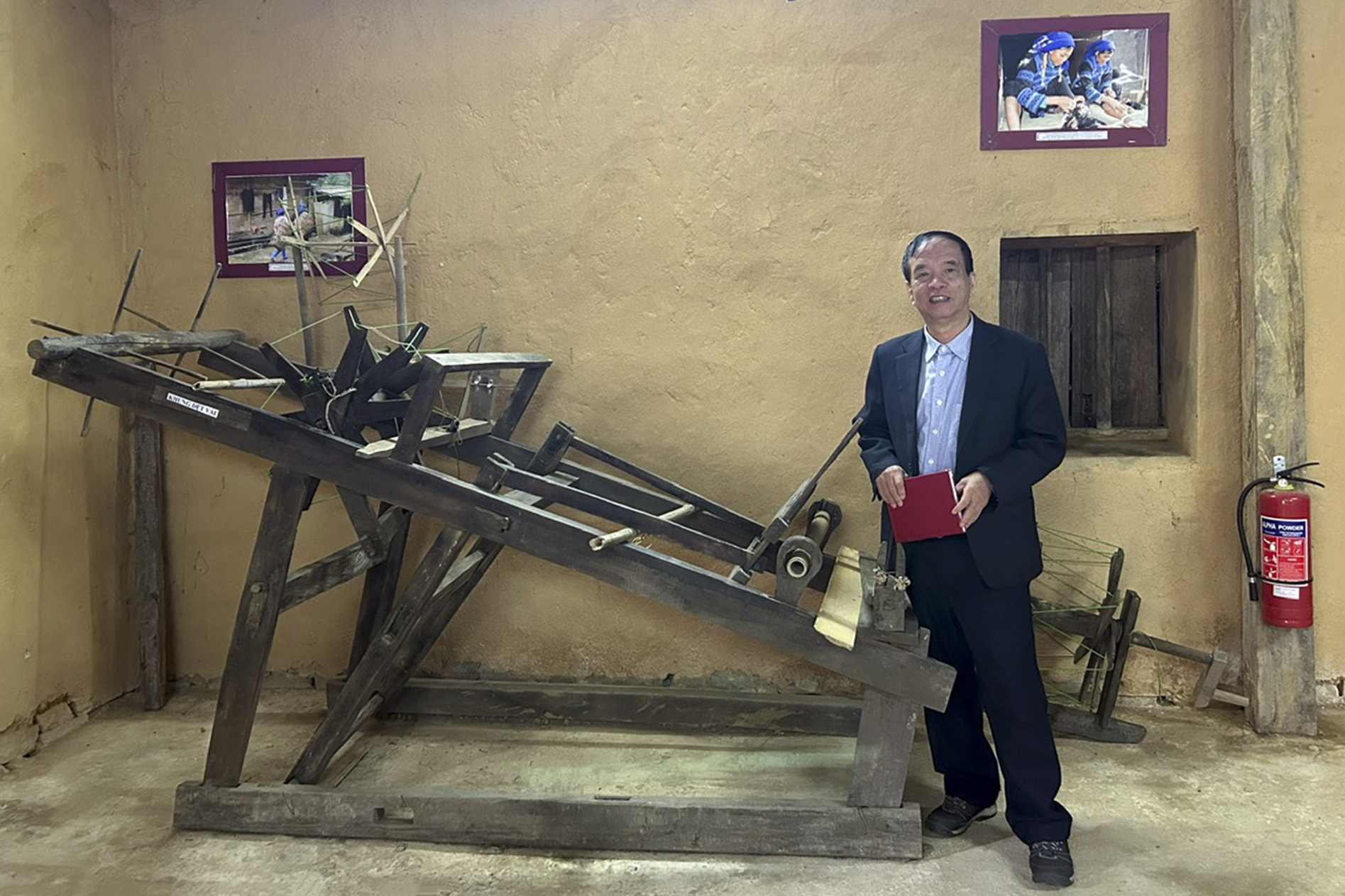
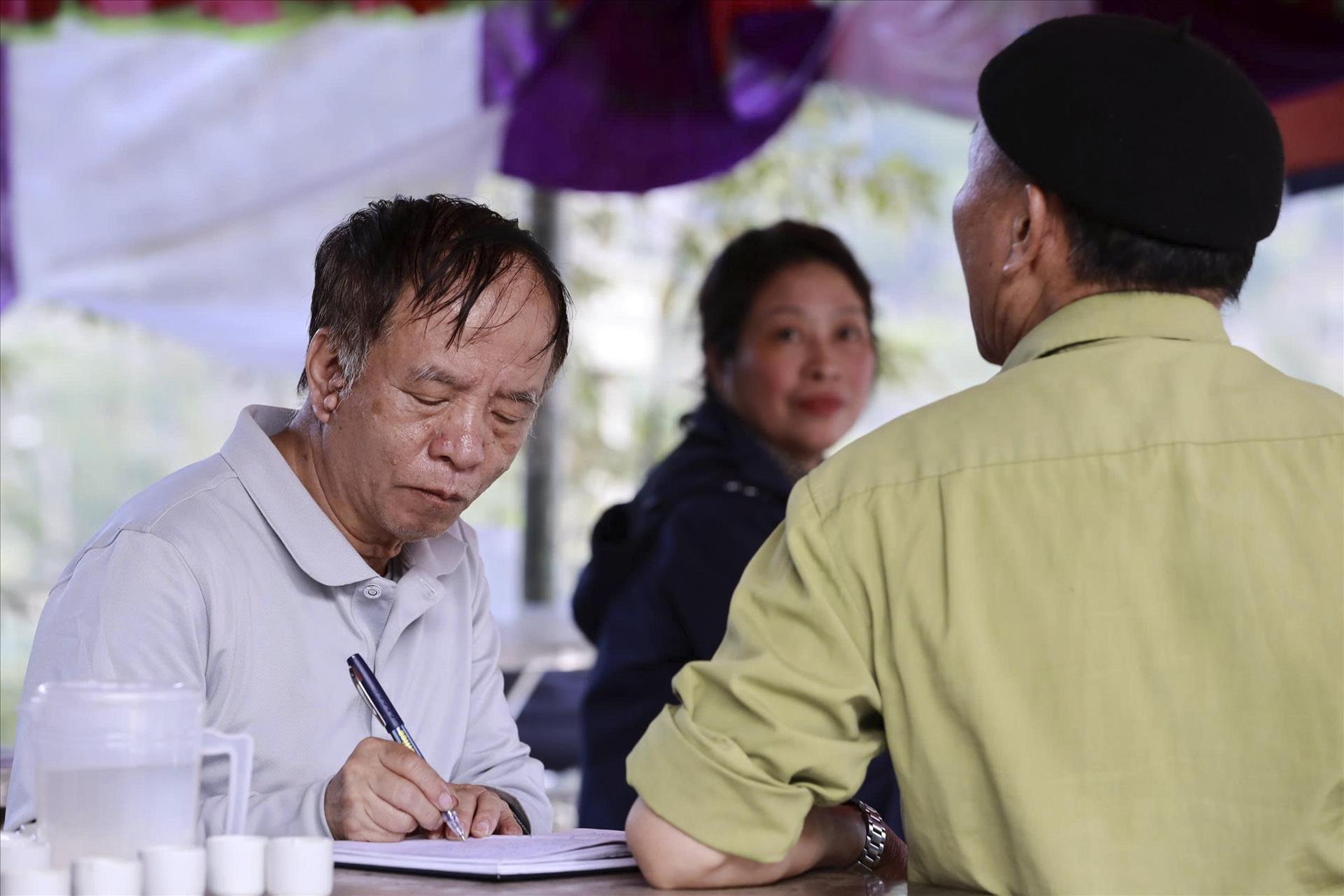
Receiving his knighthood, Dr. Son simply said that he would "bring this award back to the villages." It is a tribute to the ethnic communities who have worked alongside him and shaped his research journey. At nearly 70, he continues to spearhead conservation projects in Quang Ninh, Thai Nguyen, and Lao Cai, remaining a dedicated "firekeeper" for these "cultural forests" to light under the pressures of urbanization and globalization.
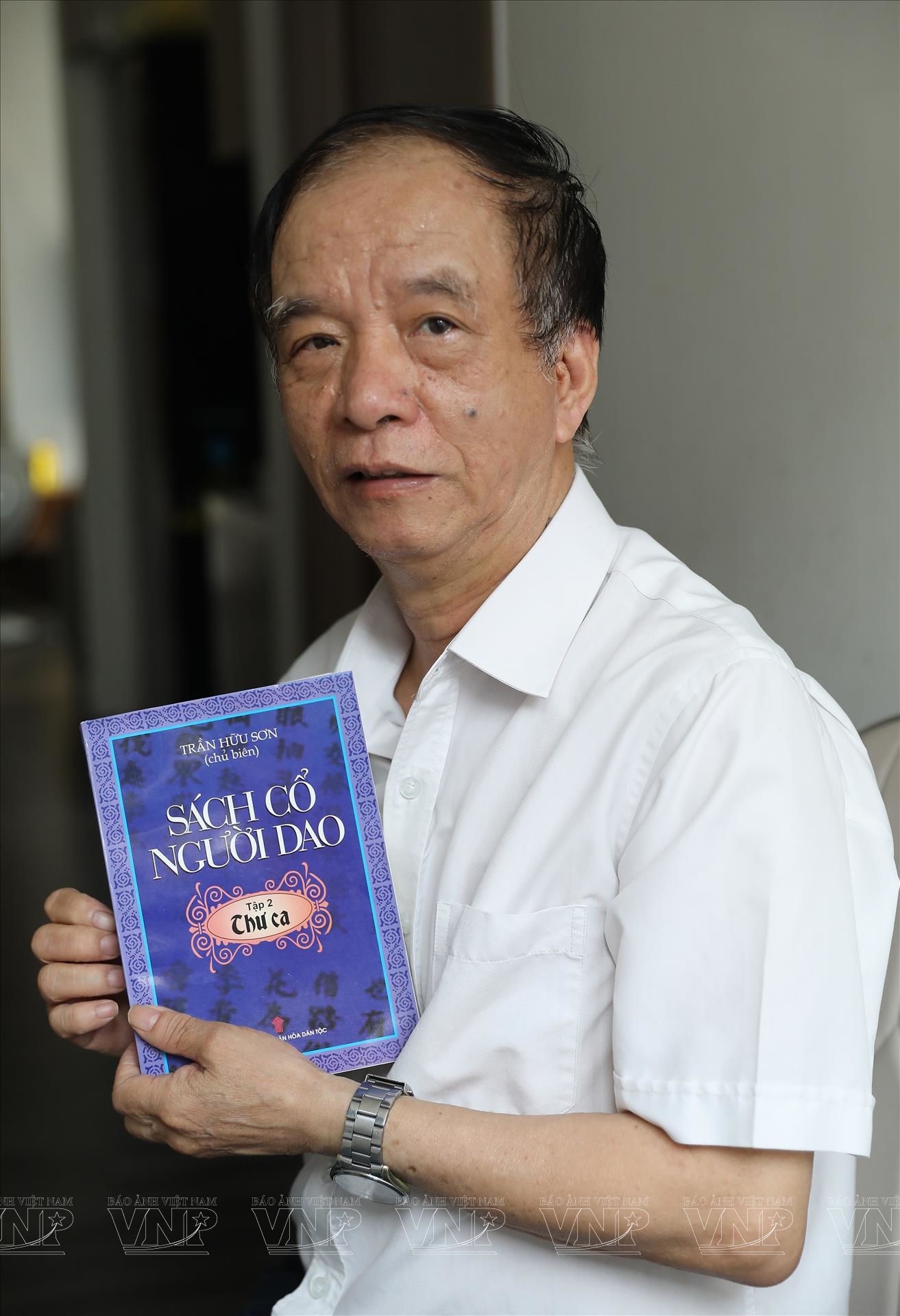
Dr. Tran Huu Son epitomizes the modern Vietnamese intellectual who deeply cares about national identity yet proactively engages with the world. His journey demonstrates that in the era of globalization, the most enduring values lie not in rapid change, but in the ability to preserve and promote what is most authentic./.
Story: Vy Thao
Photos: Tat Son/VNP & Files