The Heritage Town Where Cultural Diversity Shines
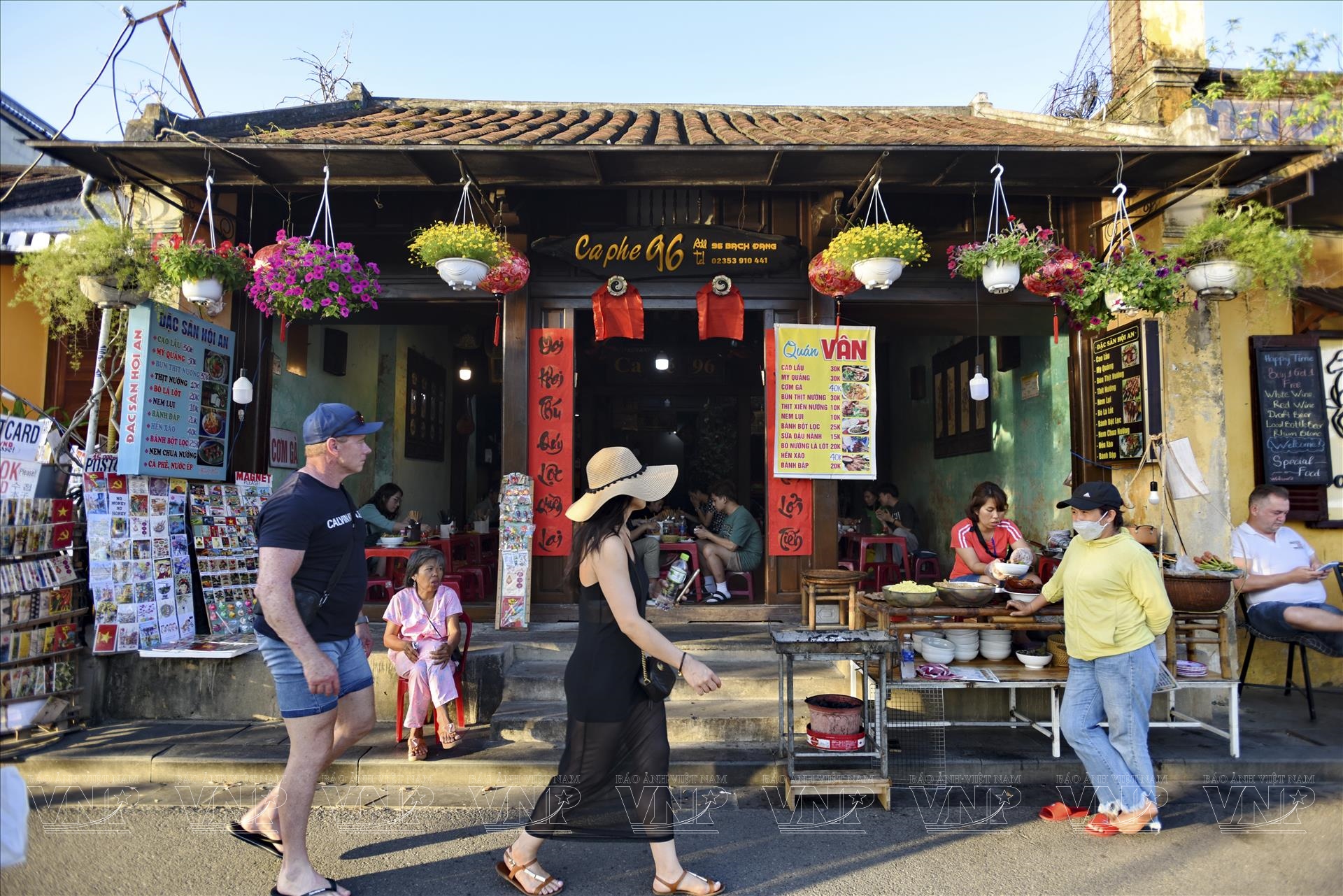
UNESCO World Heritage Site Hoi An is known for rows of ancient houses with mossy tiled roofs and golden walls glowing along the poetic Hoai River. Yet the vitality of this heritage town lies in something less visible: a finely layered cultural fusion.
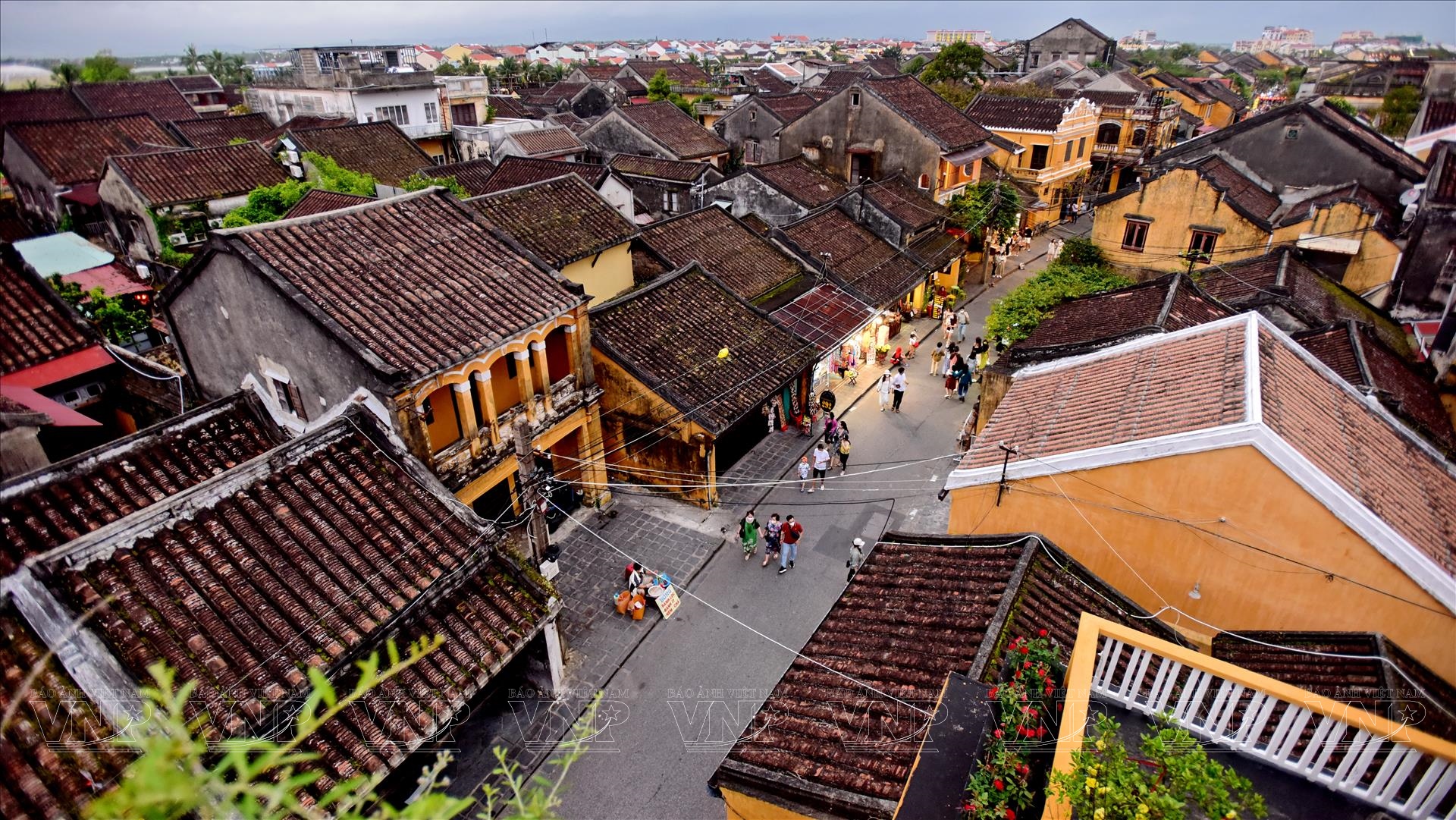
For centuries, Vietnamese, Japanese, and Chinese influences have intertwined to shape a rich tapestry of daily life, customs, beliefs, and architecture. This seamless blending of traditions gives Hoi An its distinctive character, a living heritage where multiple cultural currents converge into a vibrant, enduring identity.
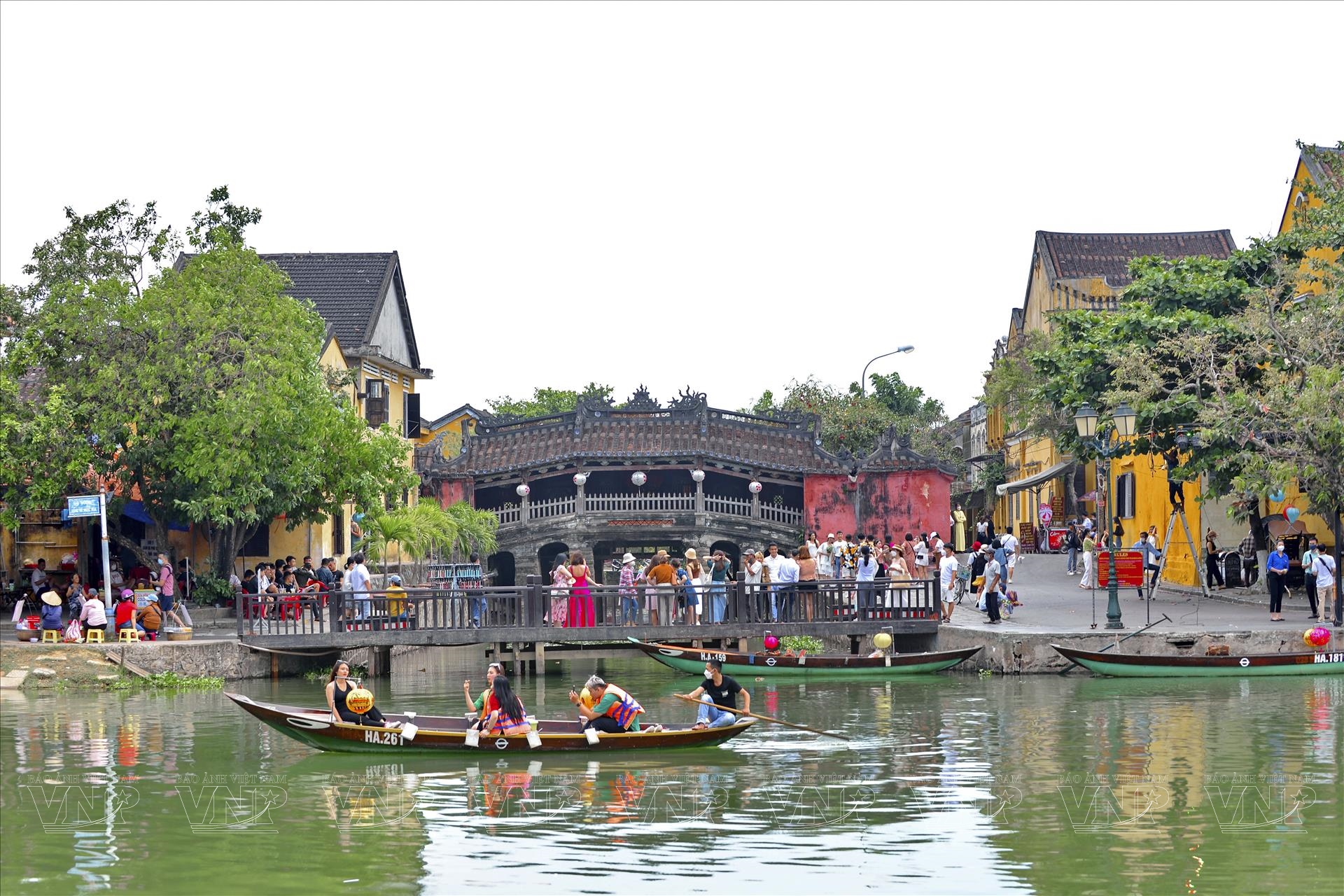
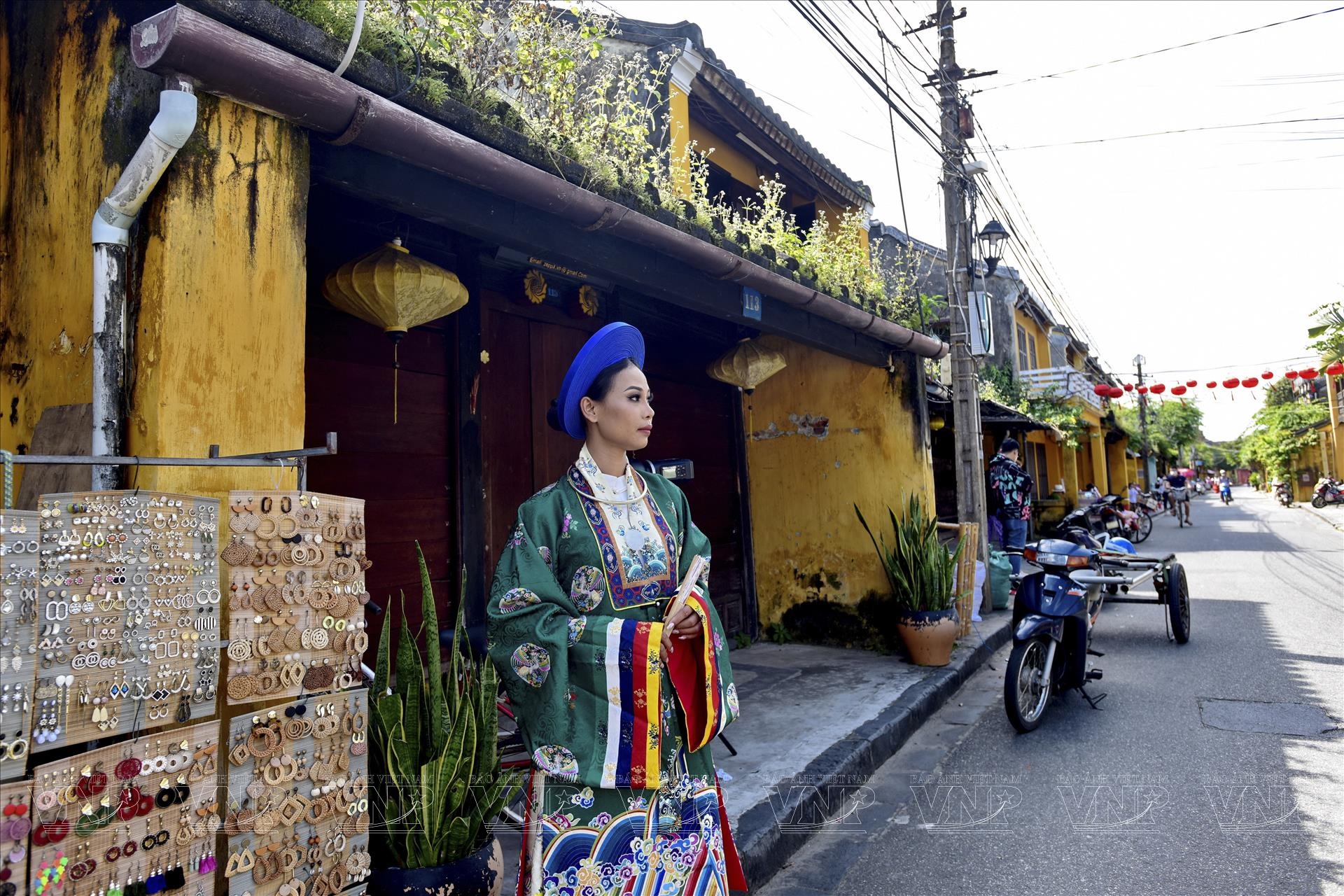
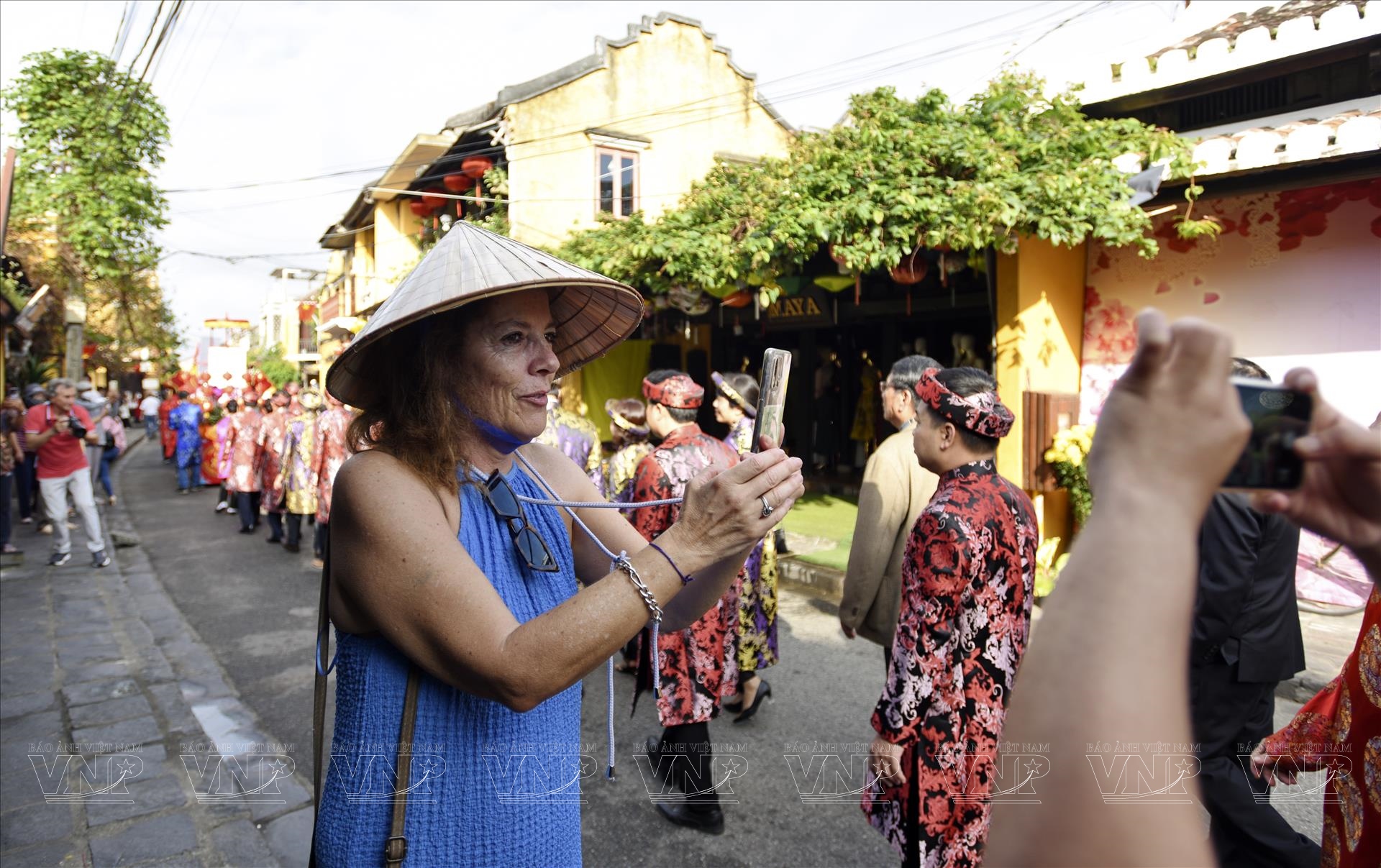
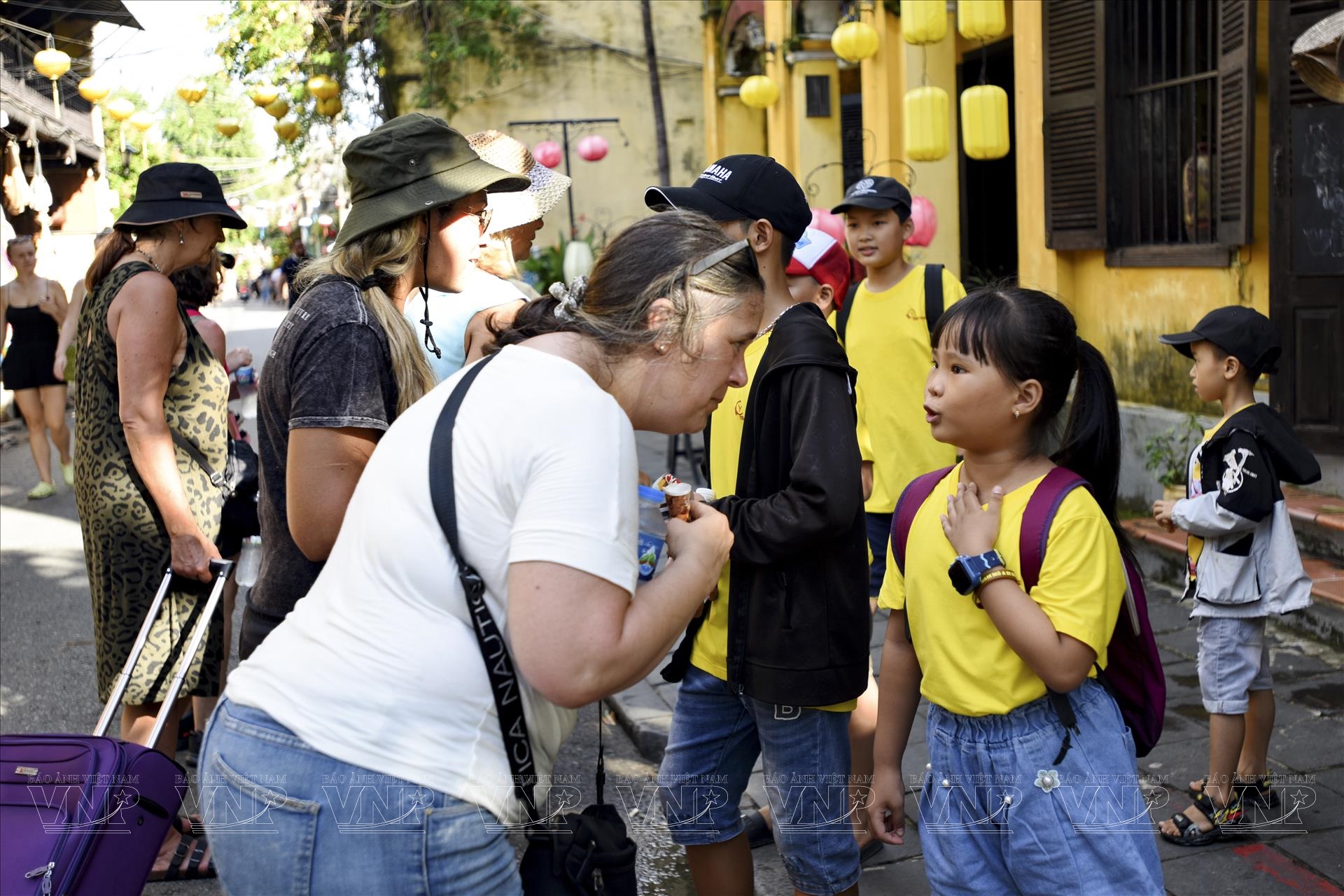
Once a bustling international trading port, Hoi An welcomed merchant ships from Japan, China, and western countries. Its strategic location at the mouth of a river along the coast helped form an early maritime “Silk and Ceramics Road.” Prosperity here was measured not only in trade and wealth, but also in the rise of a dynamic, multicultural community.
That legacy is etched into the town’s architecture. Walking through the old quarter feels like stepping into an open-air museum, where traditional Vietnamese wooden tube houses stand alongside intricate Chinese decorative elements and the elegance of Japan’s minimalist design. Hoi An’s iconic Chua Cau (Japanese Bridge) remains a lasting symbol of cultural and spiritual connection between Vietnam and Japan.
Hoi An’s vitality lies
not in stillness, but in
people’s everyday life,
customs and beliefs.
Cultural exchange
here goes beyond
coexistence; it is a deep
integration that shapes
the town’s unique
identity
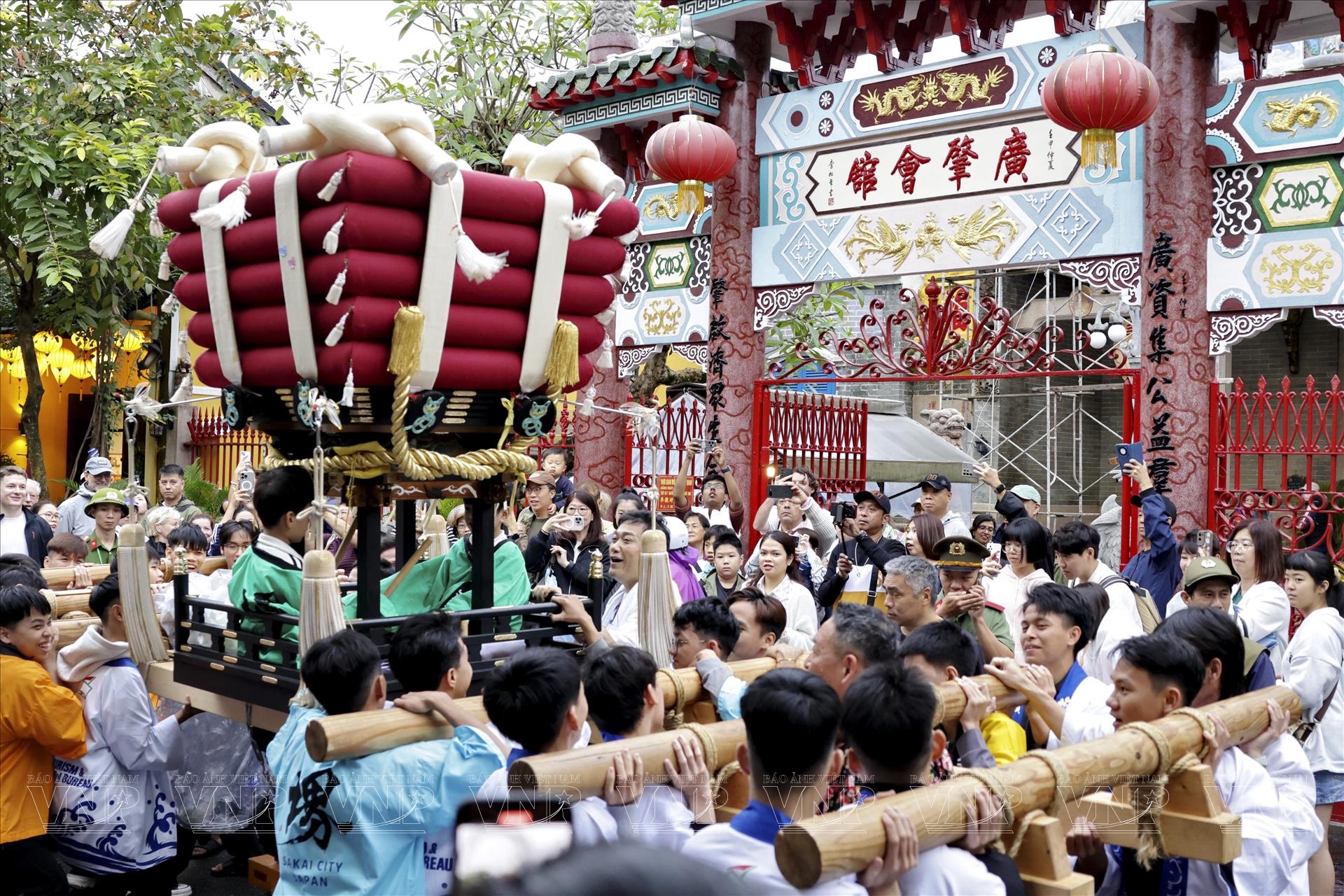
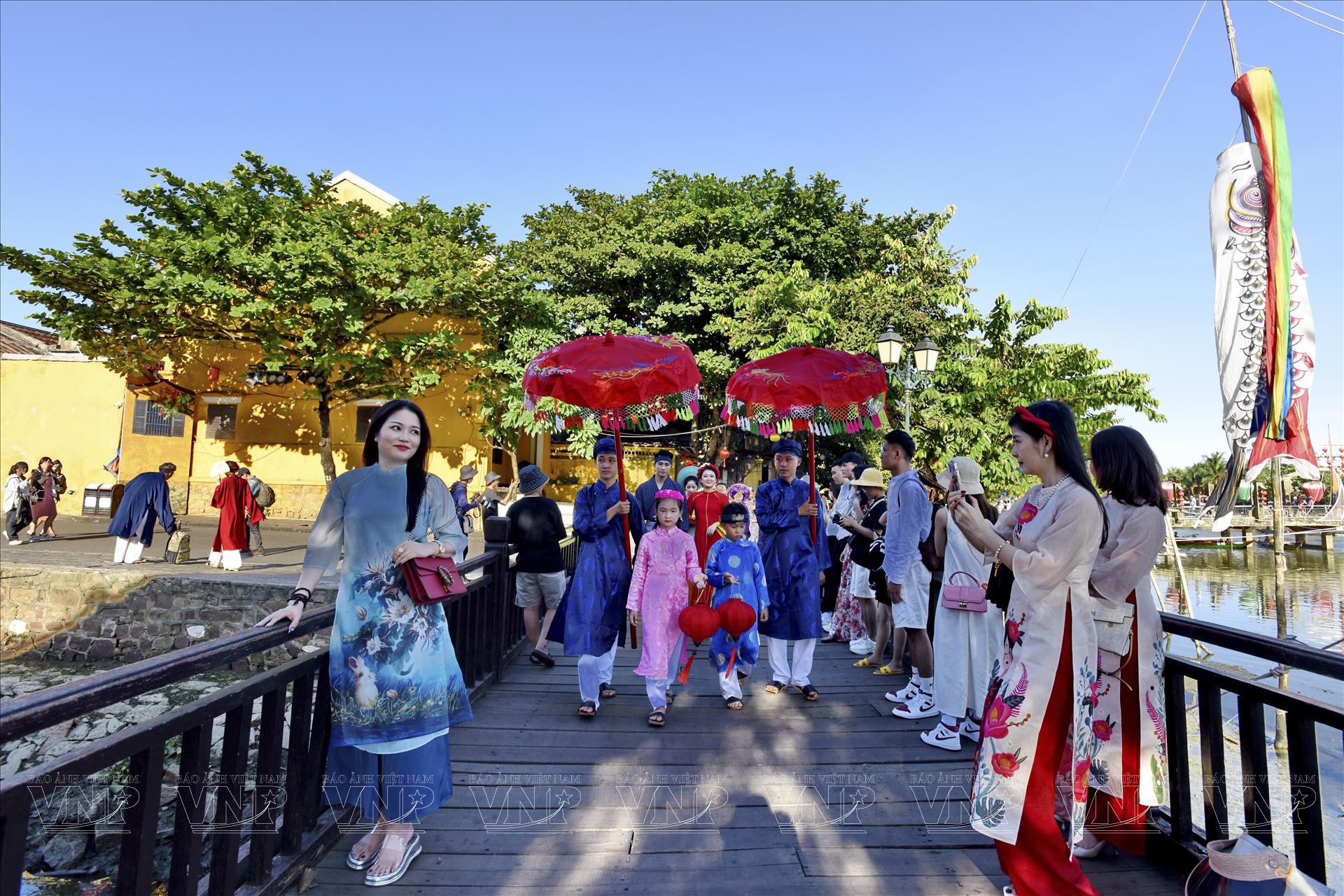
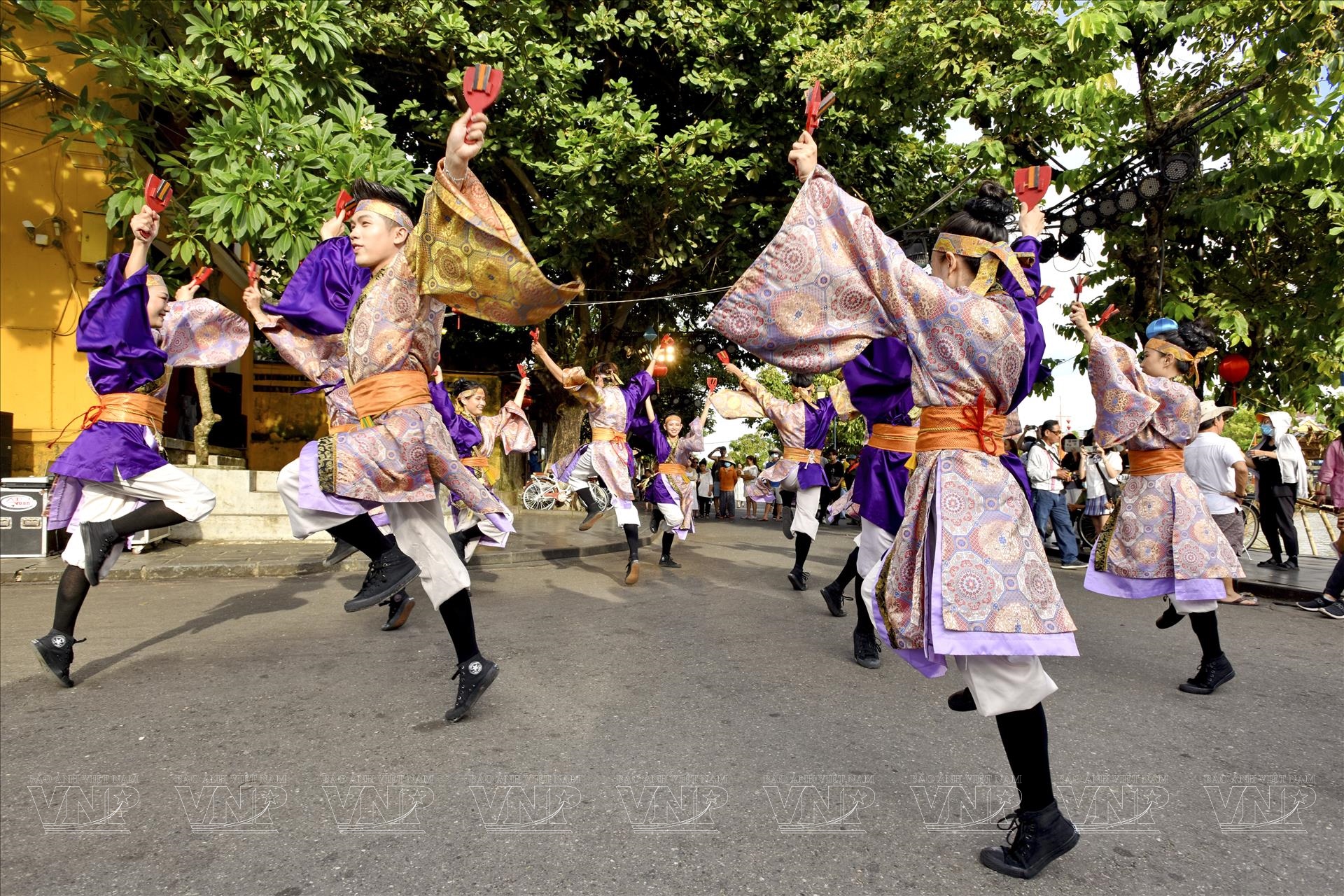
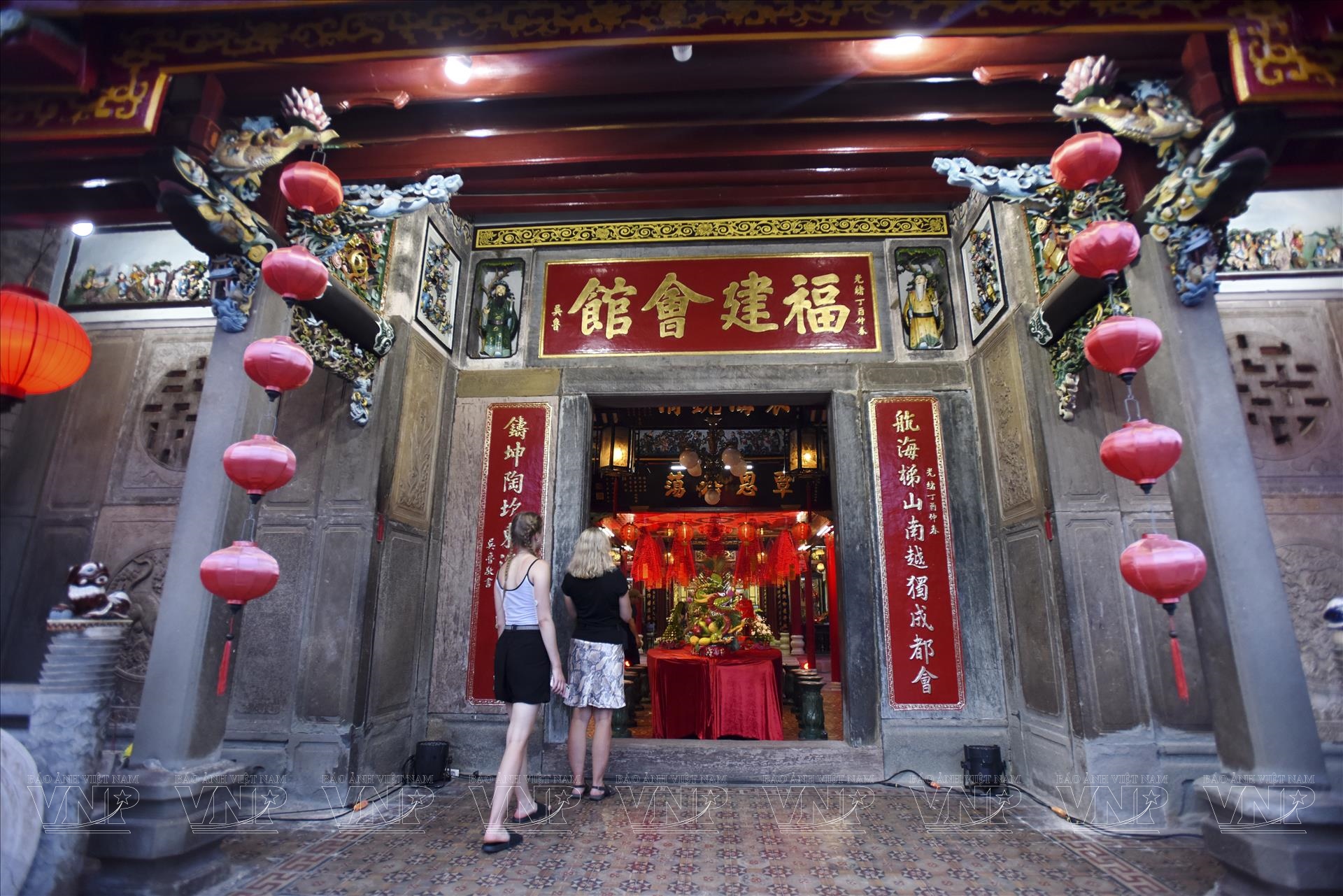
Hoi An’s vitality lies not in stillness, but in people’s everyday life, customs and beliefs. Cultural exchange here goes beyond coexistence; it is a deep integration that shapes the town’s unique identity. This is shown in the locals’ worship of Vietnamese and Chinese deities, the transformation of the Fujian and Cantonese assembly halls from centers for Chinese Vietnamese into spiritual spaces of the whole community, or the full-moon lantern festival of Hoi An natives, which turns the old town into a glowing tableau under the shimmer of lanterns. Even the cuisine reflects this cultural harmony: a bowl of cao lau (pork noodle) blends Japanese-style noodles, Chinese-inspired char siu, and fresh Tra Que herbs, demonstrating Hoi An’s layered heritage.
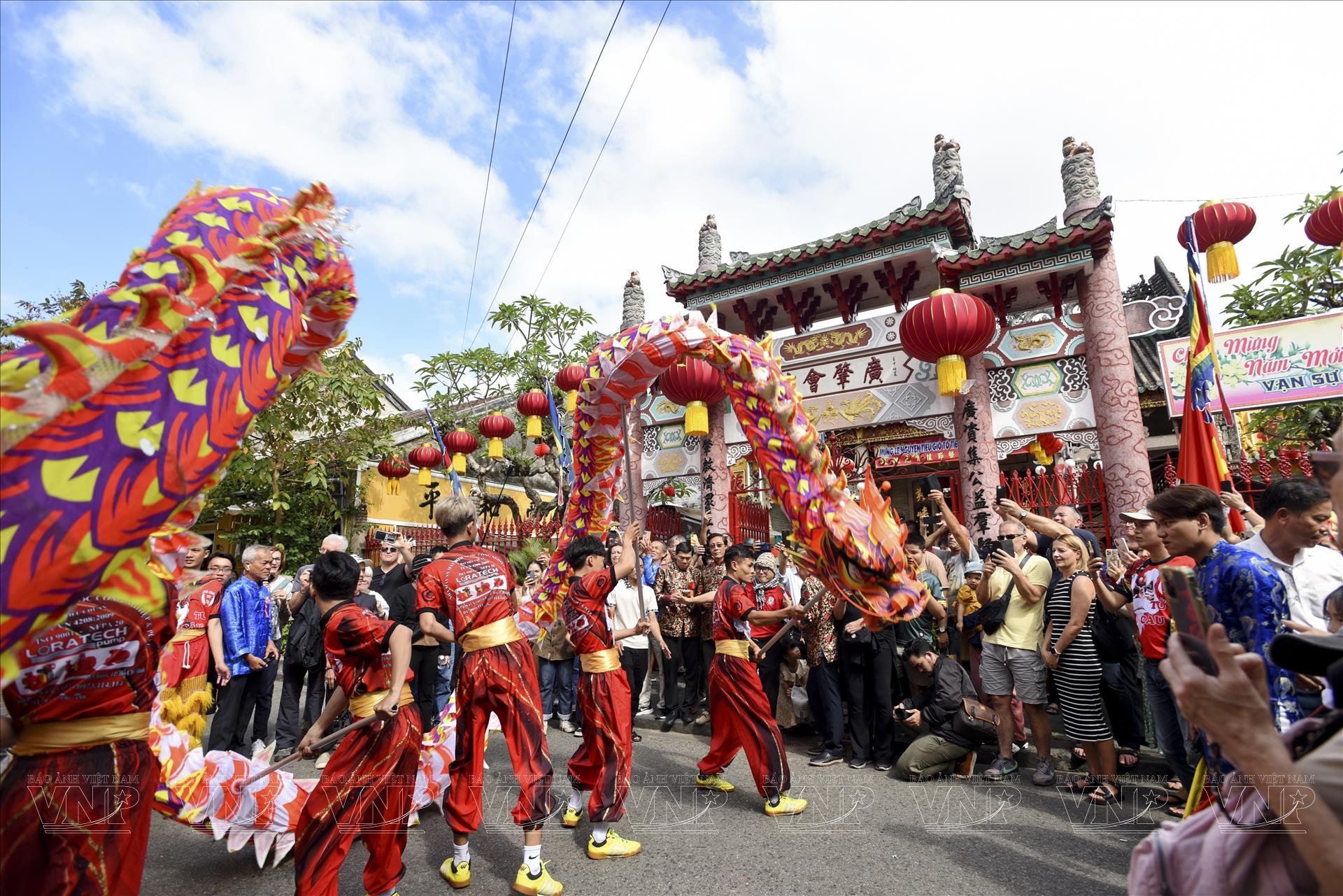
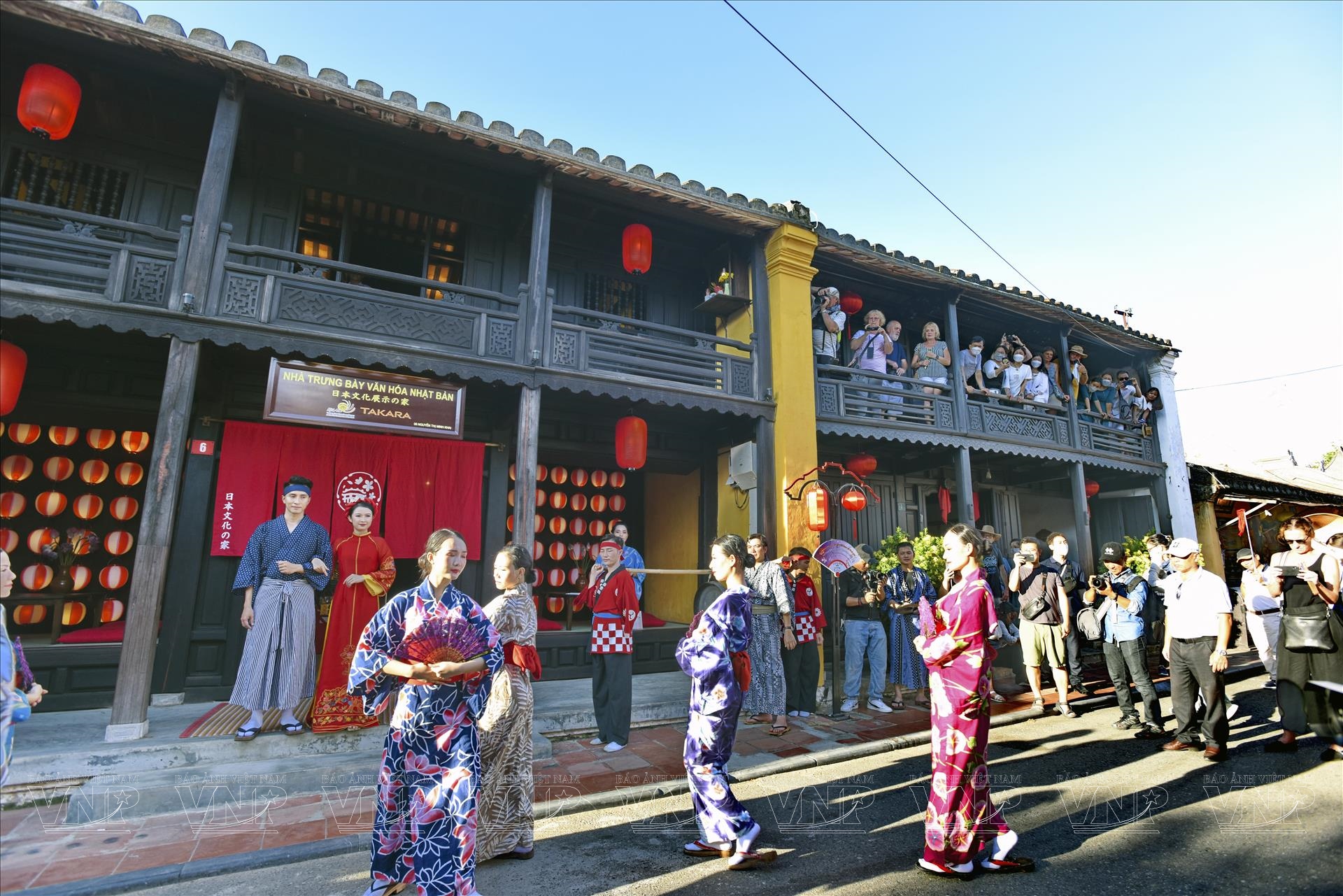
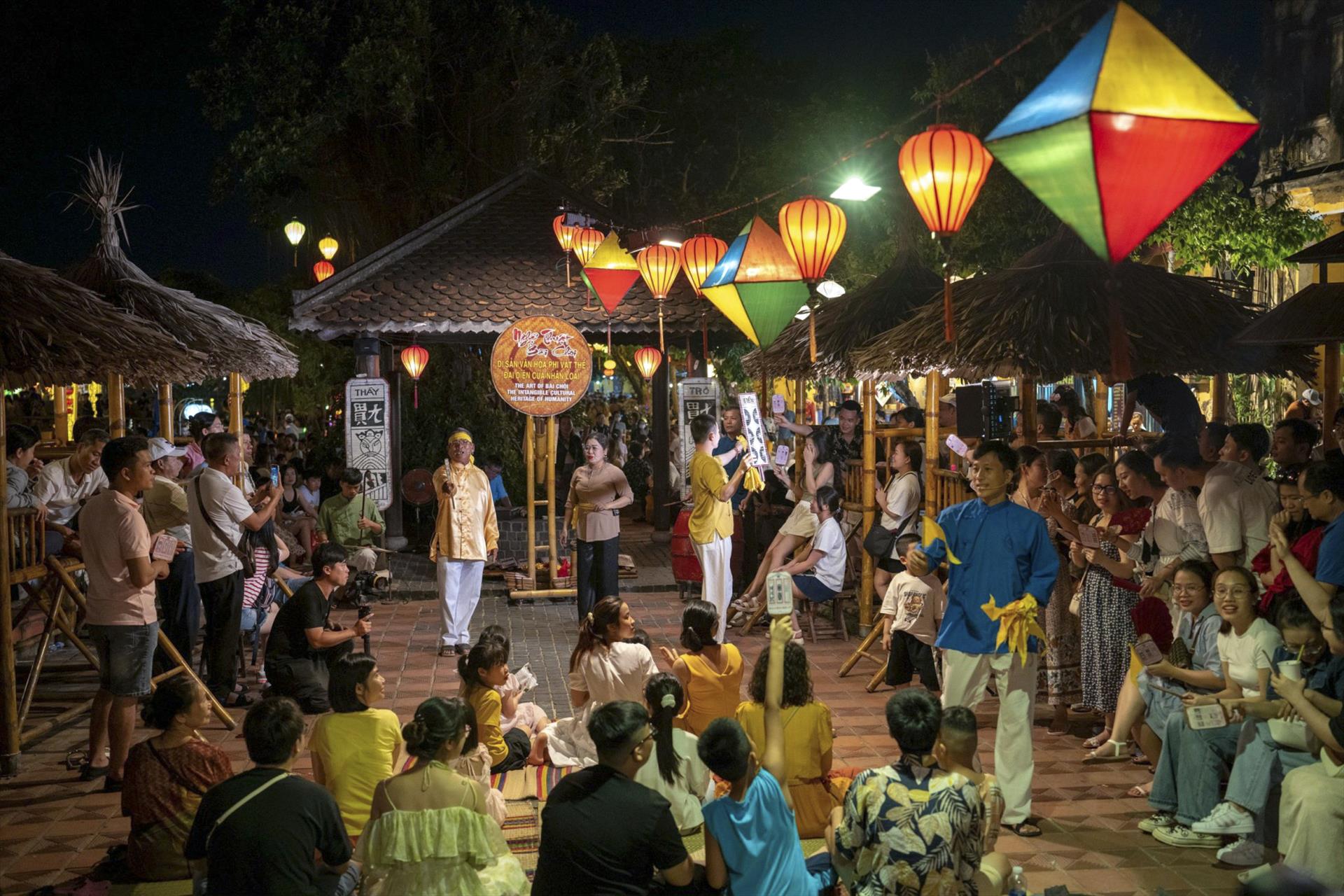
What earns Hoi An the UNESCO status is precisely this sense of a “living heritage” as locals keep traditional customs such as visiting Buddhist temples on the 1st and 15th of lunar months, practicing bai choi, a folk game which combines music, poetry, literature and performing on stage.
For more than four centuries, the ancient international commercial port has been open to world cultural quintessence while preserving its core identity. Today, Hoi An stands not just as a tourist destination, but as a living bridge between past and present and between Vietnam and the world.
By Thanh Hoa/VNP