The Hanoi Ao Dai Parade
Against the historic backdrop of Hoan Kiem Lake, more than 1,000 participants showcased both traditional and contemporary Ao dai in a vibrant parade that traced the centuries-long evolution of this iconic symbol of Vietnamese culture. The event marked the finale of Hanoi Ao dai Tourism Festival 2025, spotlighting a city that cherishes its cultural heritage while continuing to grow and adapt with time.
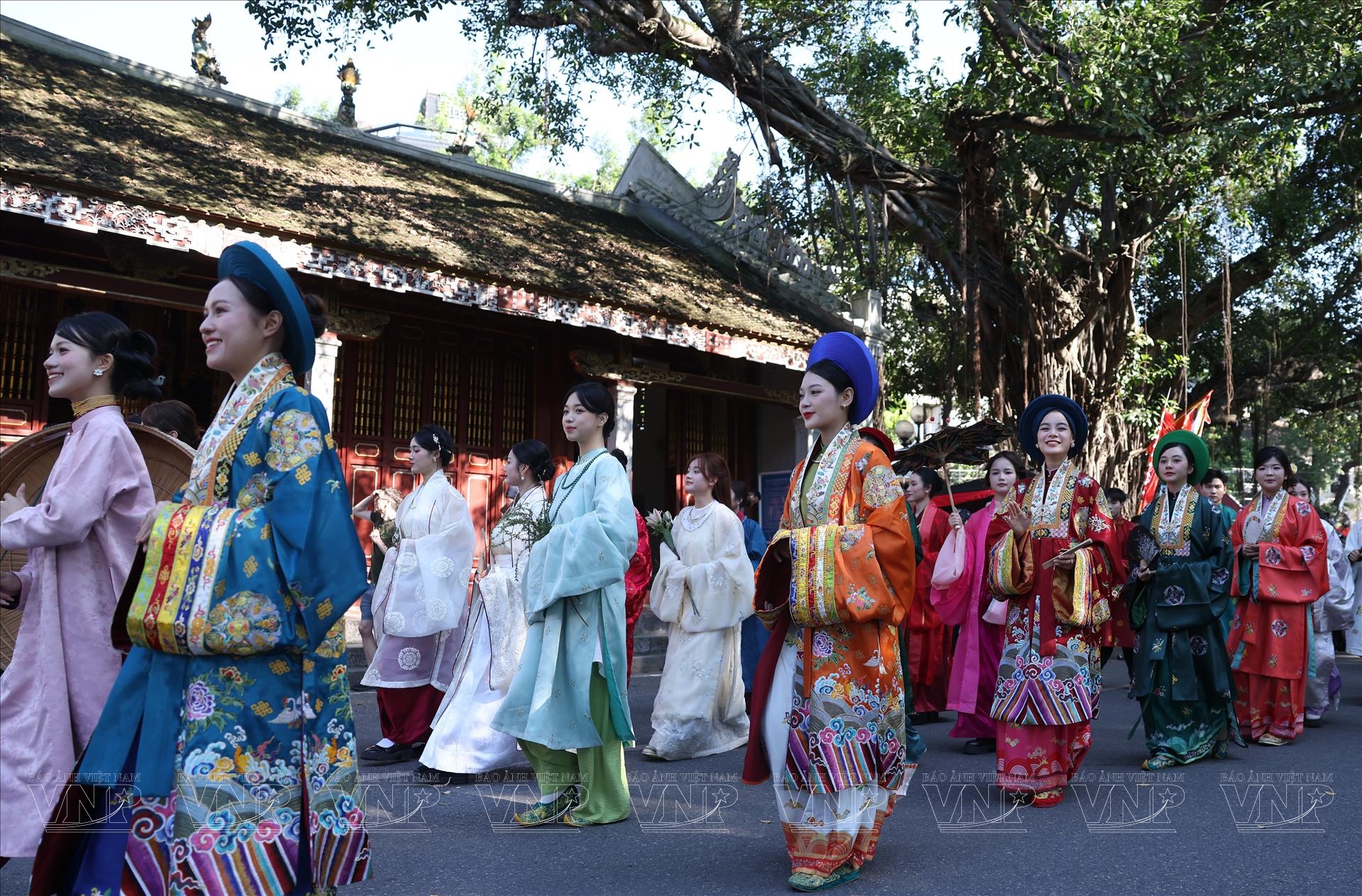
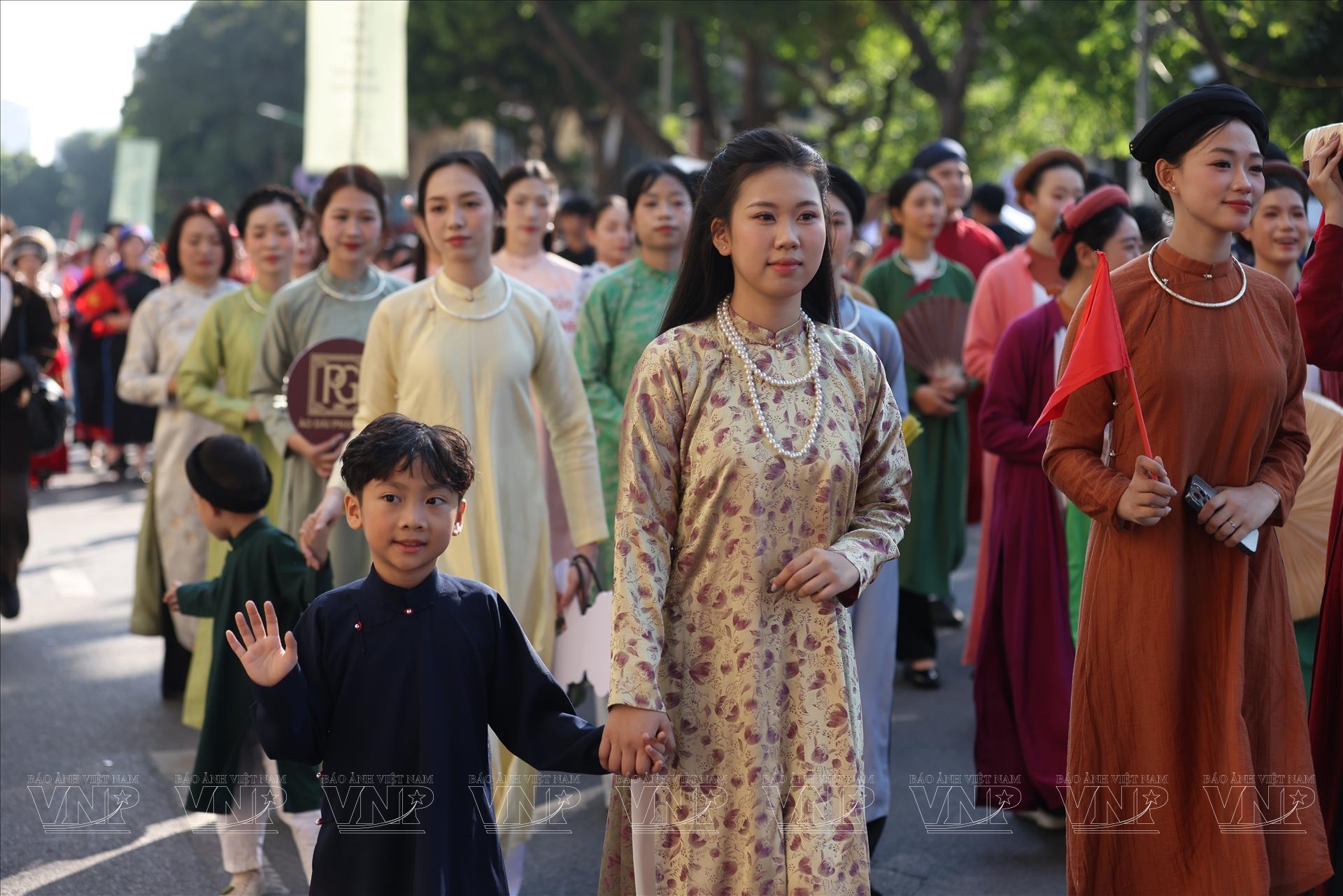
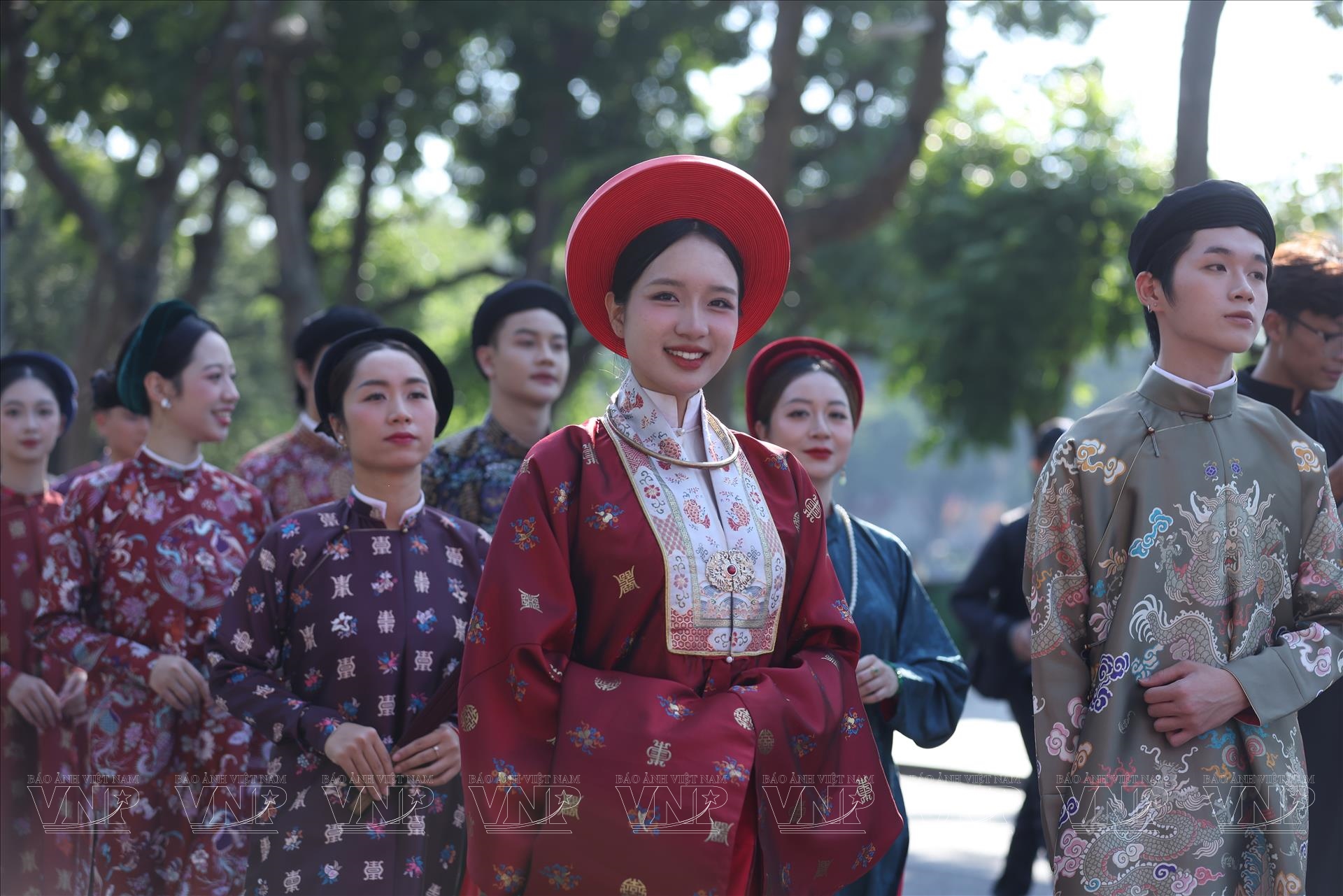


Held in November, the program transformed the pedestrian streets around Hoan Kiem Lake into an openair cultural stage, where the parade flowed naturally with the rhythm of daily life in the capital. As the culminating highlight of Hanoi Ao Dai Tourism Festival 2025, it celebrated the Ao dai not only as a symbol of Vietnamese identity but also as a bridge connecting visitors to the elegance and timeless beauty of the nation’s heritage.
Through this event, Hanoi’s tourism sector seeks not only to honor the Ao dai but also to inspire national pride andstrengthen the link between traditional values and sustainable tourism development. Deputy Director of the Hanoi Department of Tourism Nguyen Tran Quang emphasized that the city hopes the Ao dai will become a true “Tourism Ambassador,” helping to project the image of a safe - friendly - high-quality – attractive Hanoi to international visitors.
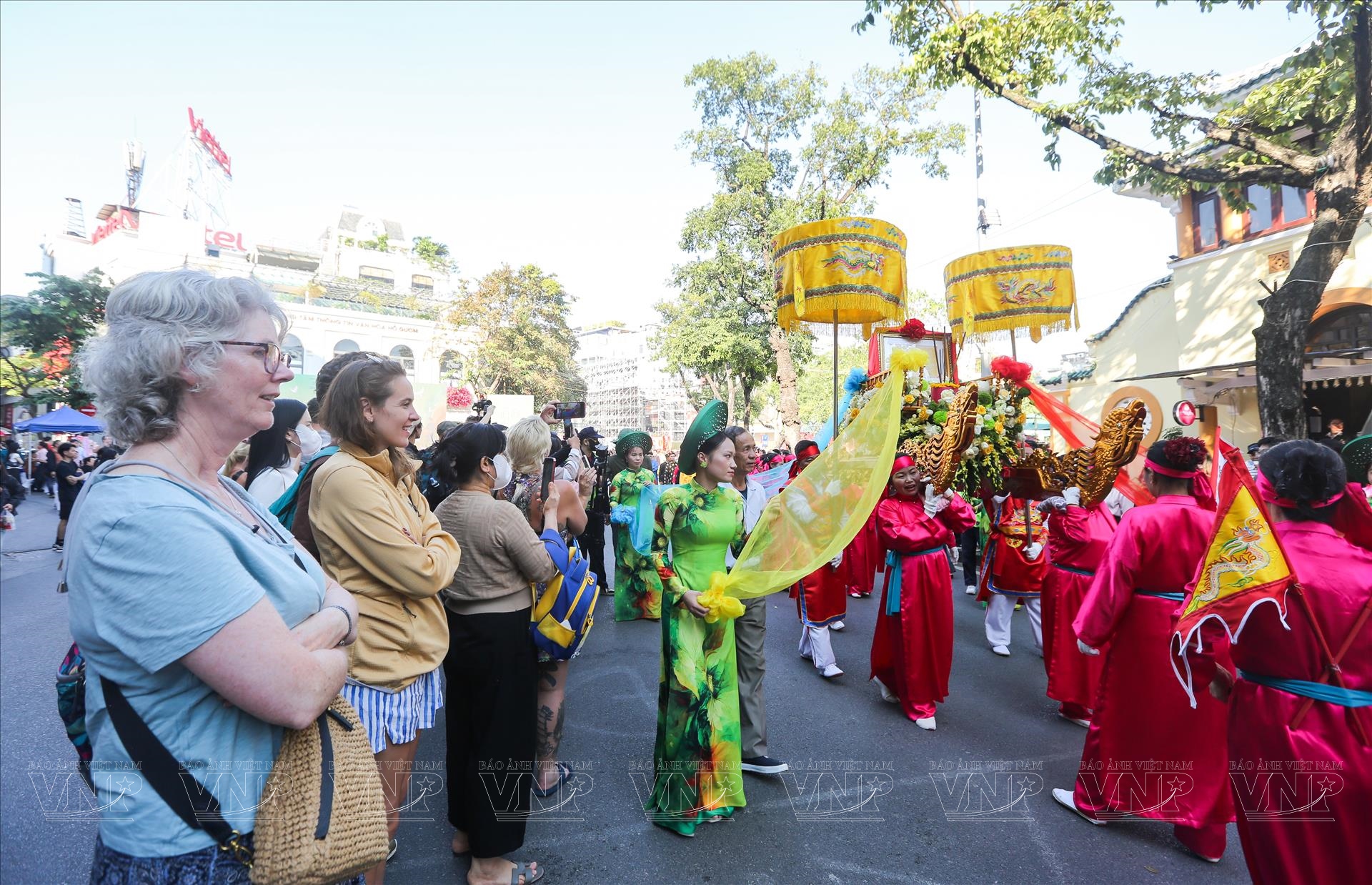
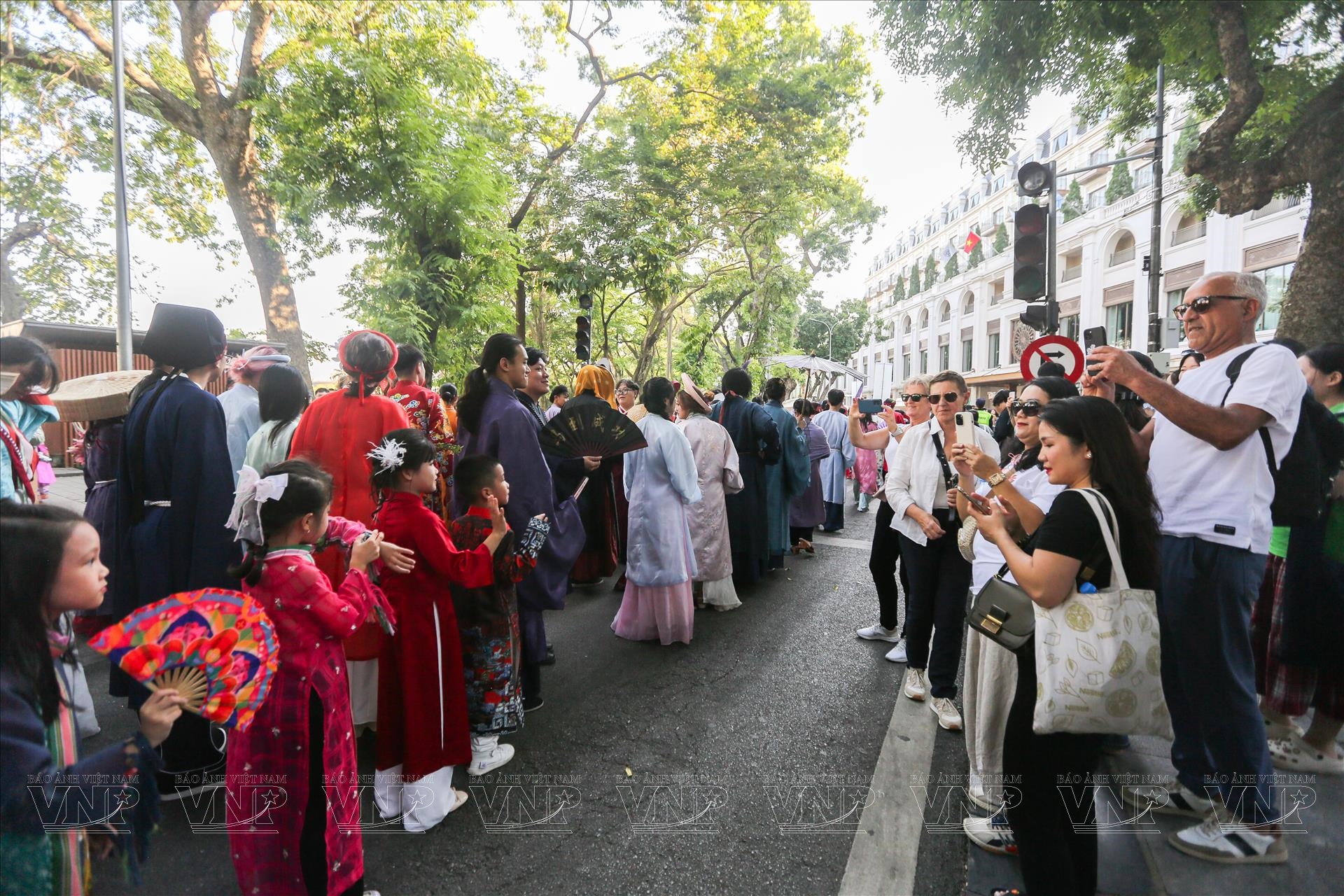
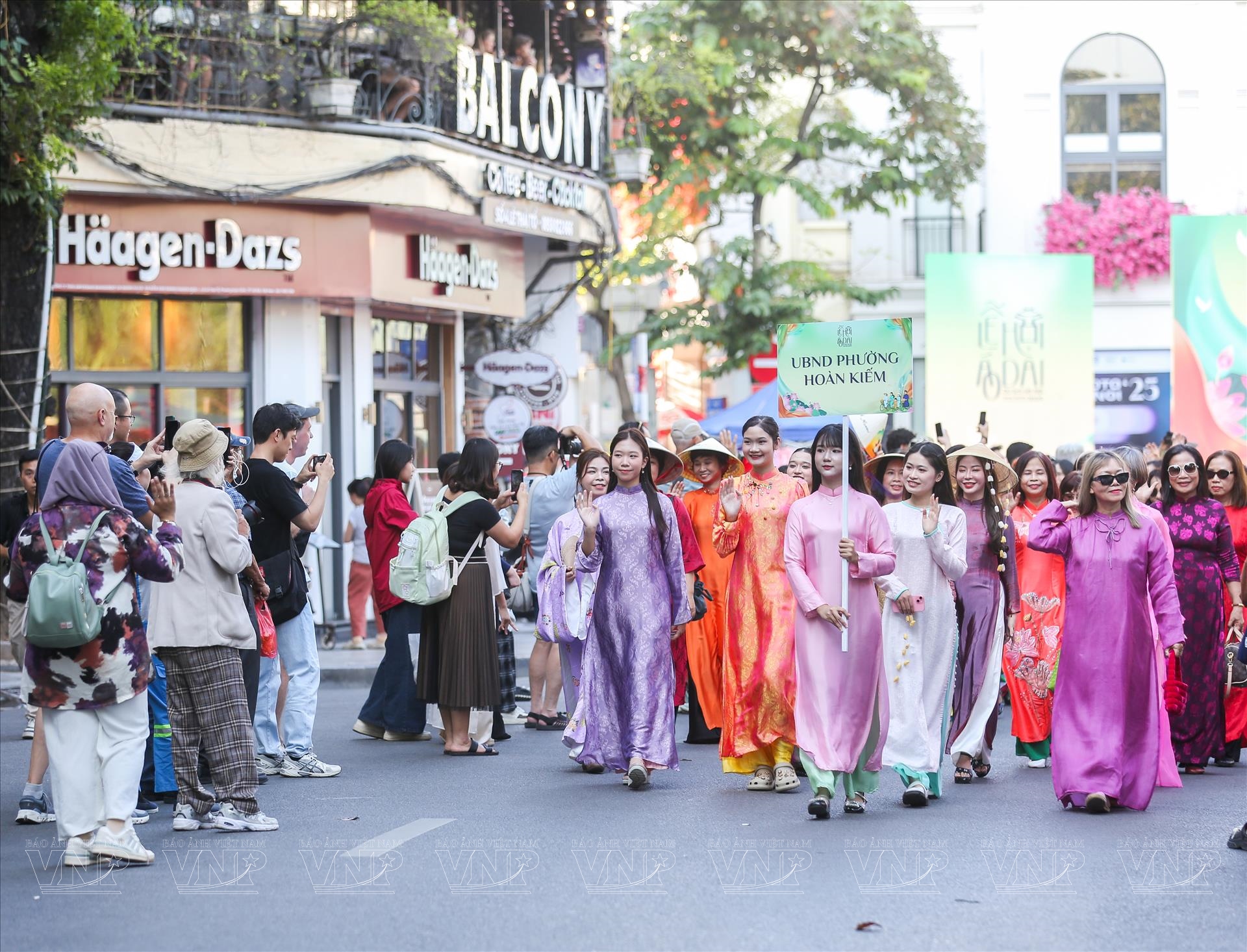
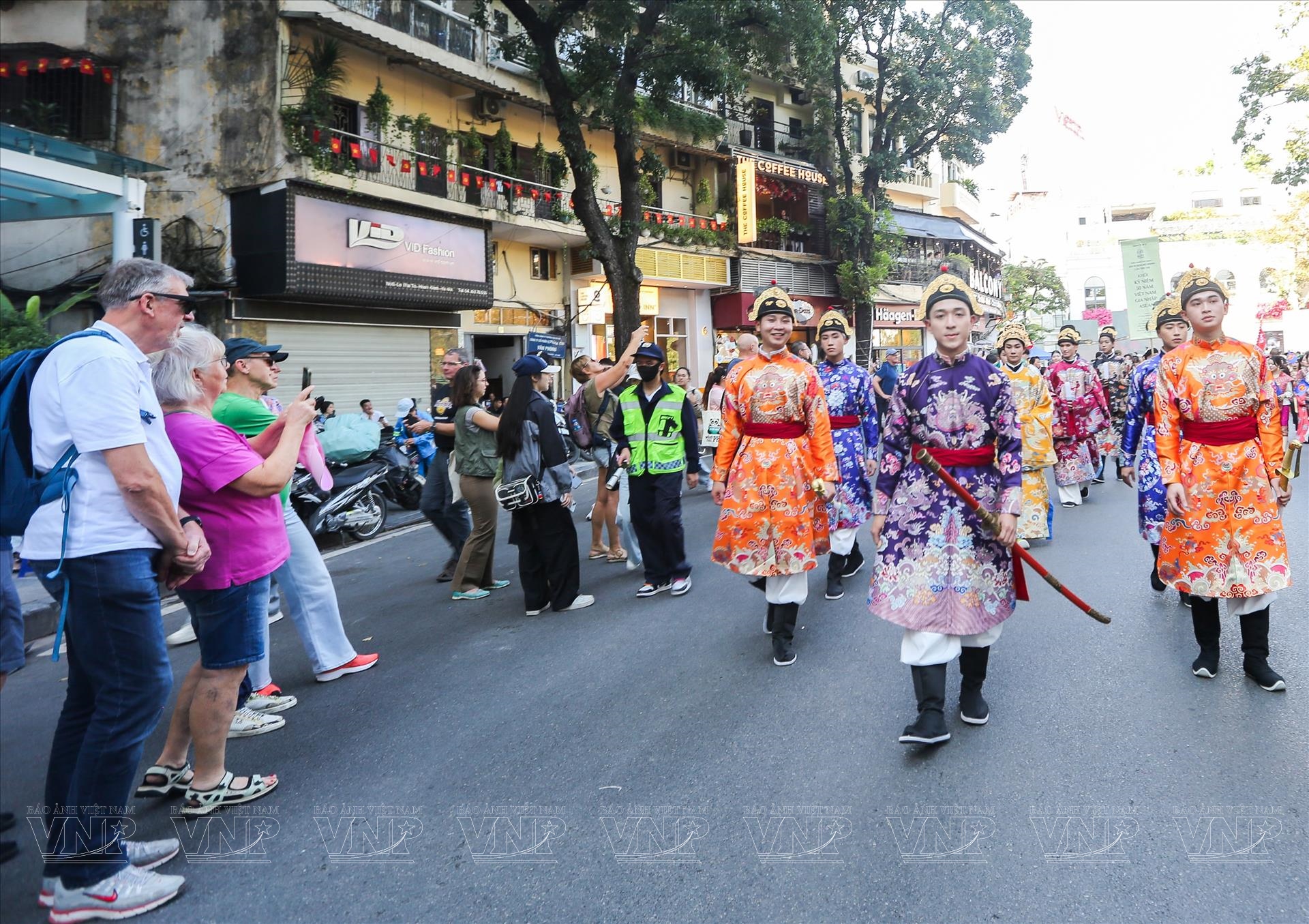
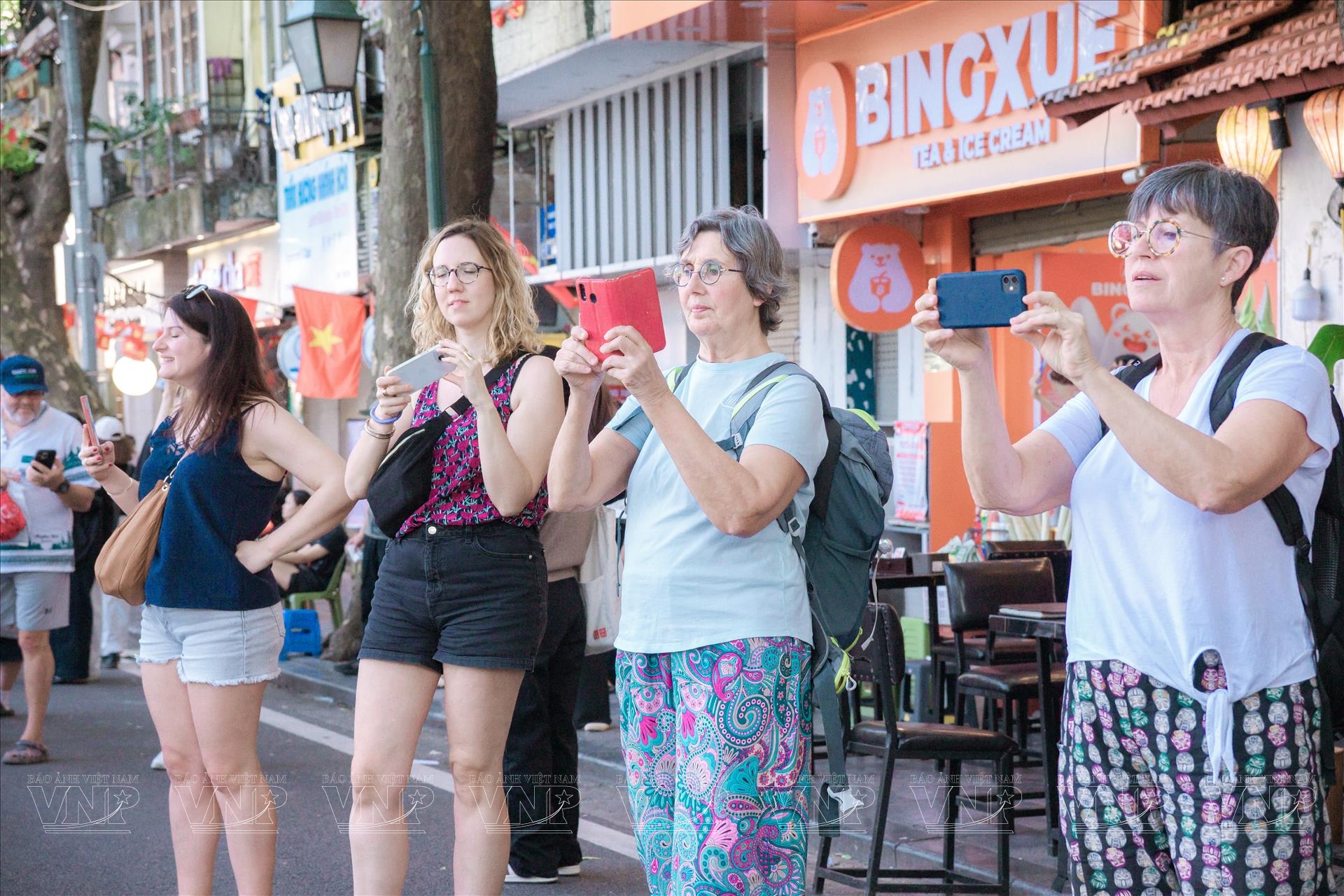
According to Deputy Director Nguyen Tran Quang, this year’s festival, held at the Hanoi Museum in November, carried the theme “Hanoi Ao dai: Shining the Essence of Heritage”. The closing parade brought together artisans, cultural communities, and residents, including the Trach Xa Village, famed for its centuries-old tailoring traditions; the Vietnamese costume collective Bach Hoa Bo Hanh; Hoan Kiem Ward; and the Hanoi chapter of the Vietnamese Ao dai Heritage Club.
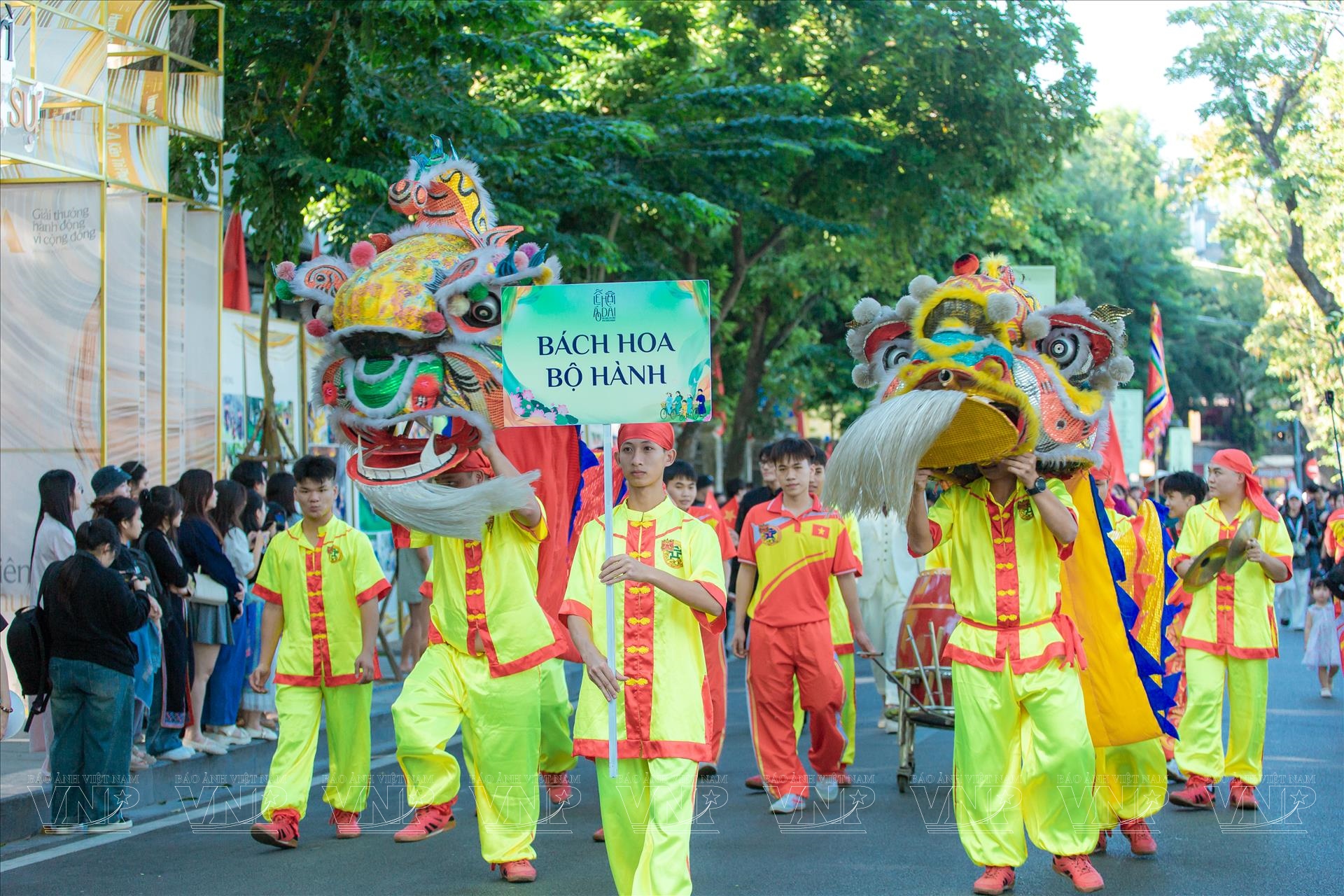
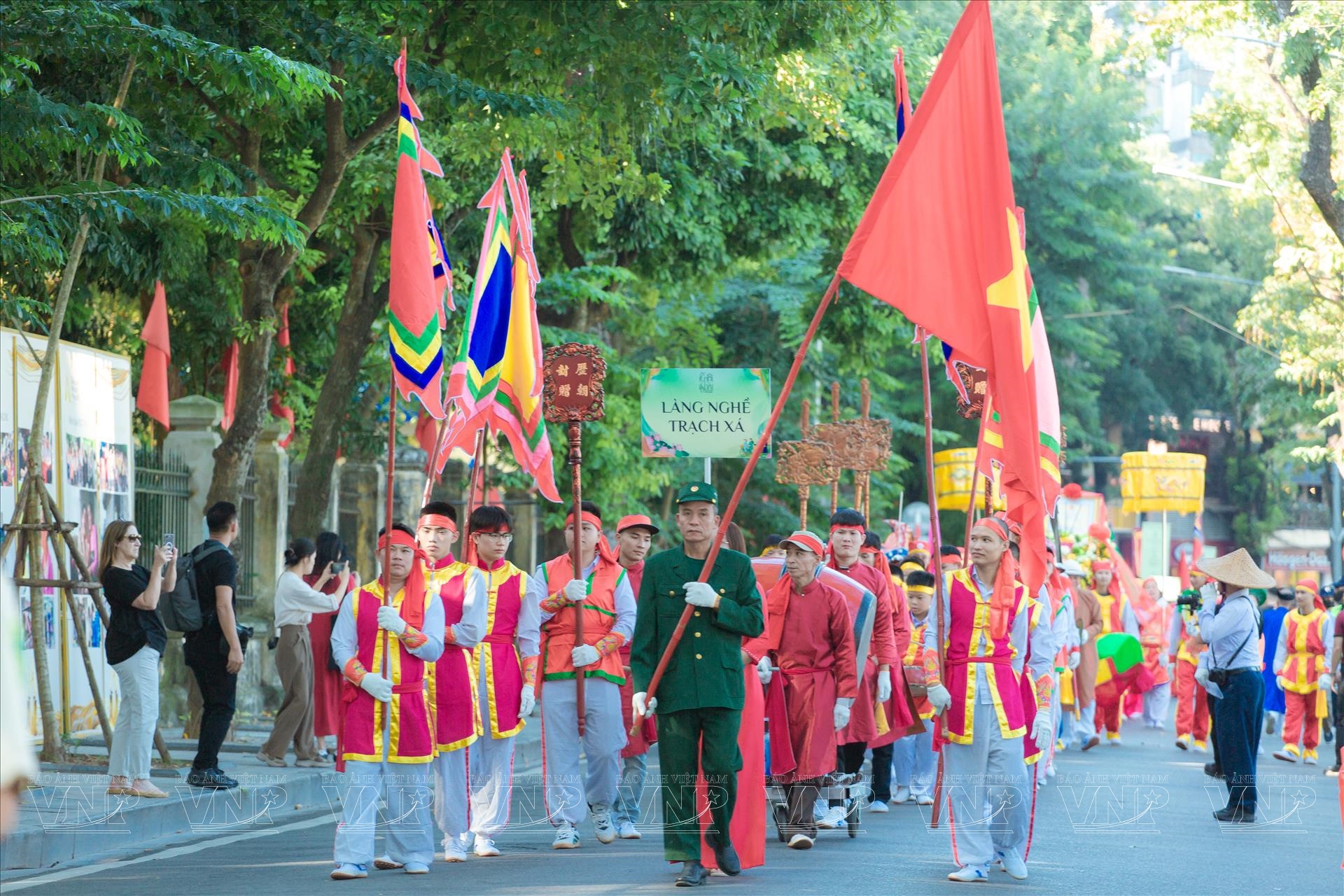
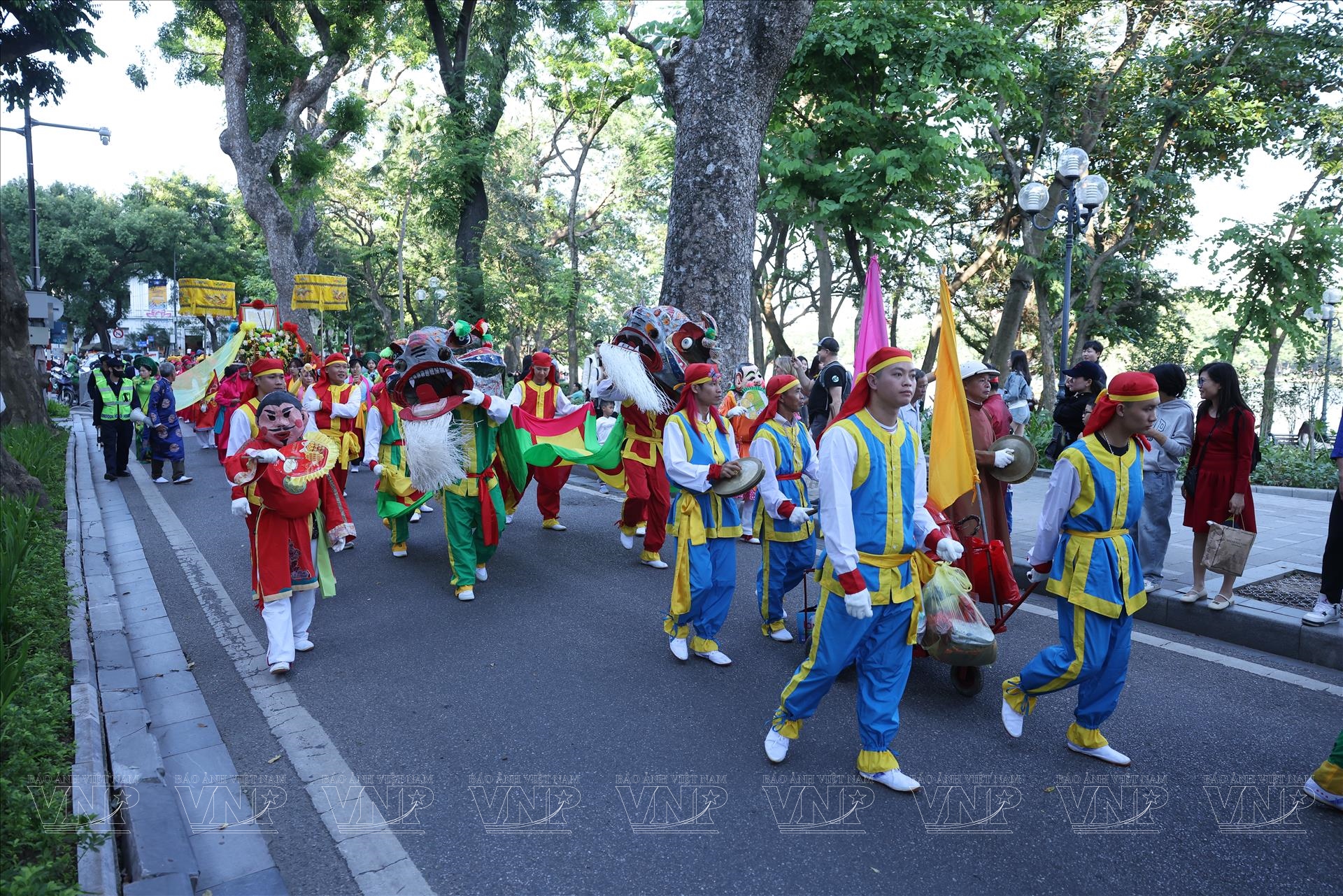
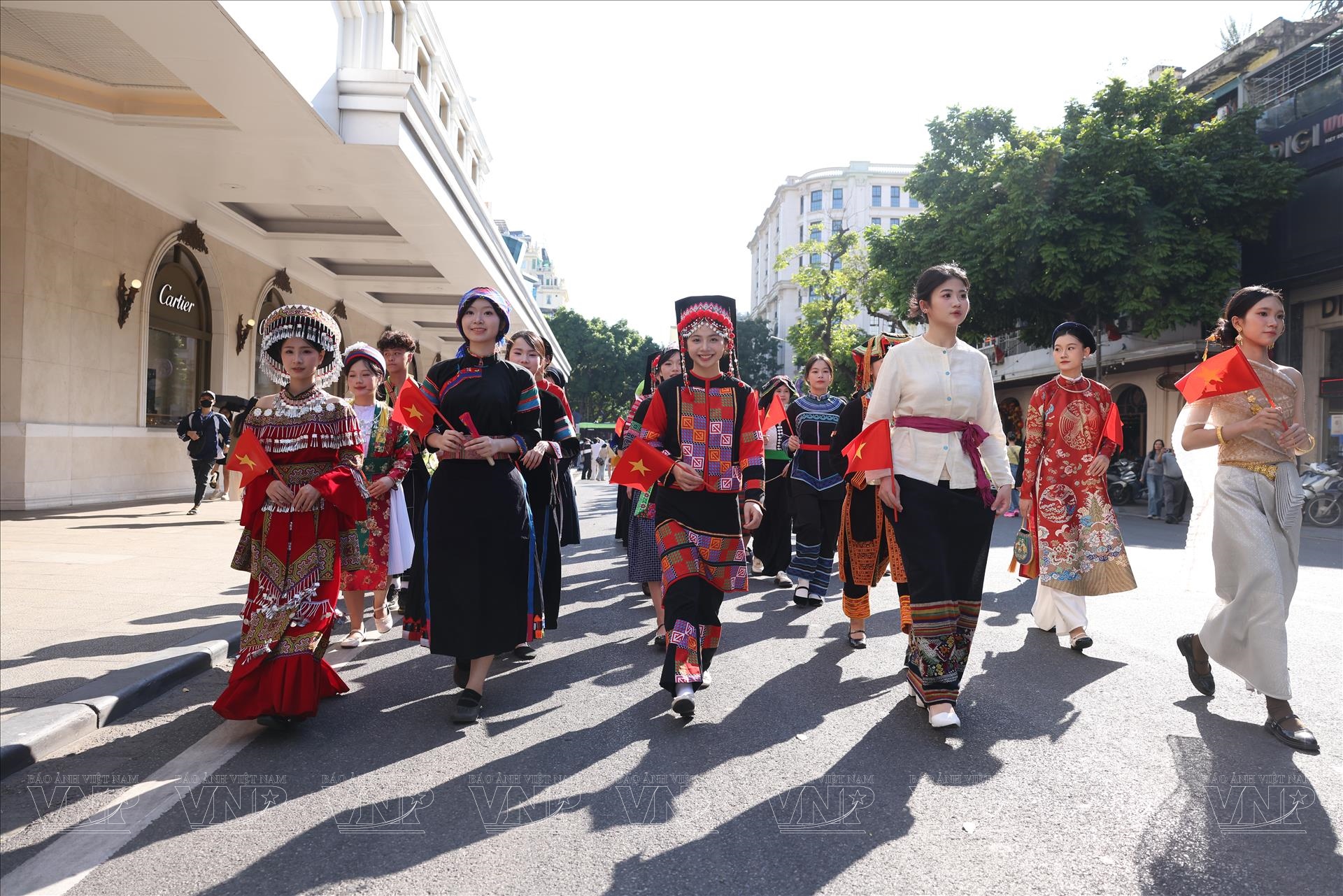
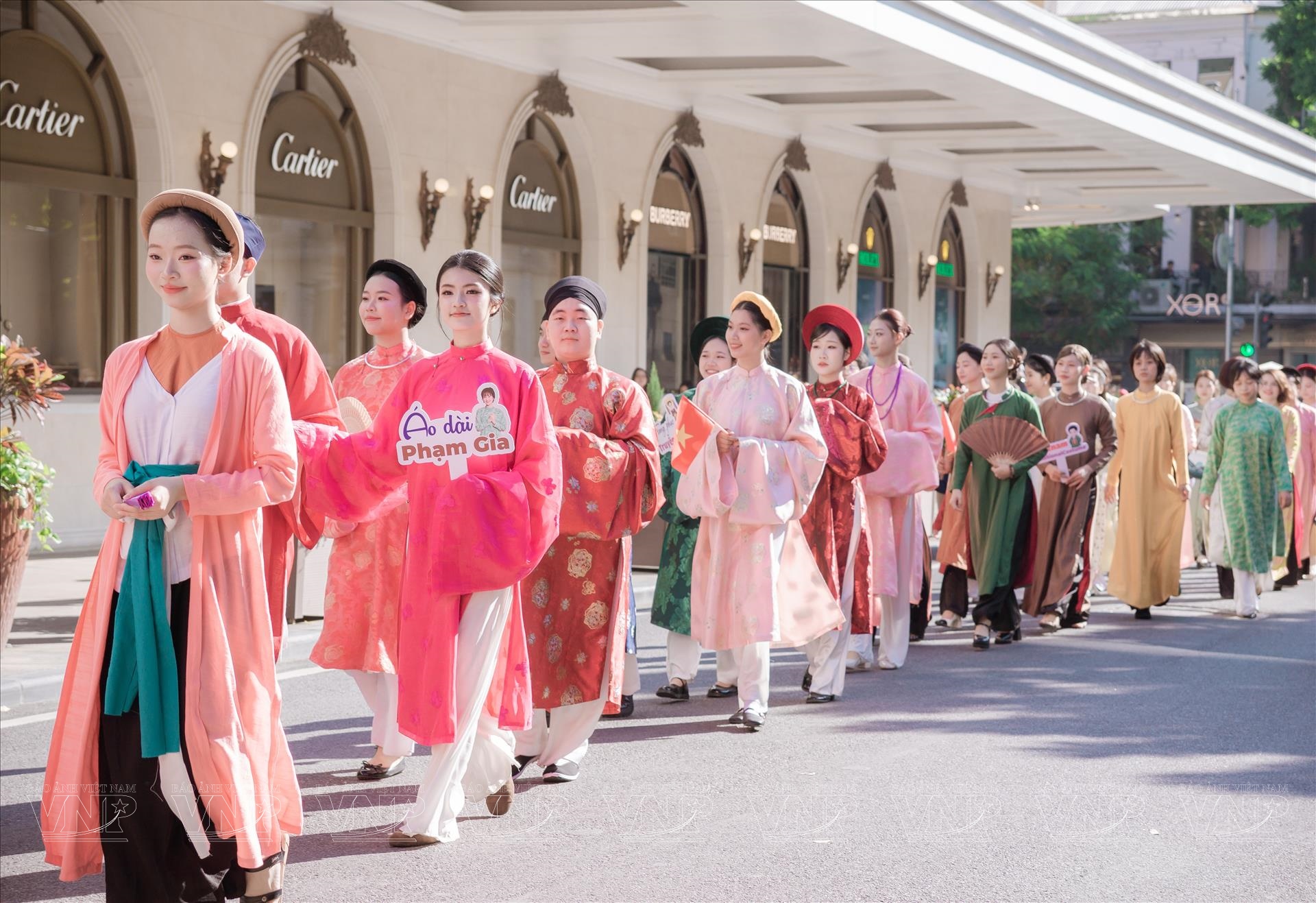
The parade wound its way past Hoan Kiem Lake and Dong Kinh Nghia Thuc Square, leaving a trail of soft, flowing colors in Hanoi’s Old Quarter. Each segment highlighted designs from different historical eras, from the five-panel and four-panel Ao dai to the attire of the Le and Nguyen dynasties, as well as contemporary styles reflecting modern influences. Every garment acted as a “fabric memory,” telling a story of resilience, creativity, and the enduring vitality of Vietnamese culture./.
Story: Khanh Long Photos: Khanh Long, Cong Dat/VNP & Phuong Nhi Translated by Nguyen Tuoi