The Guardian of Ho Chi Minh City’s History
At the age of 106, researcher Nguyen Dinh Tu continues his daily work of chronicling the history of the Gia Dinh - Saigon - Ho Chi Minh City region. His eight-decade academic career has yielded nearly 60 invaluable works on Vietnamese culture, history and geography, significantly enriching the knowledge of this dynamic, forwardlooking city.
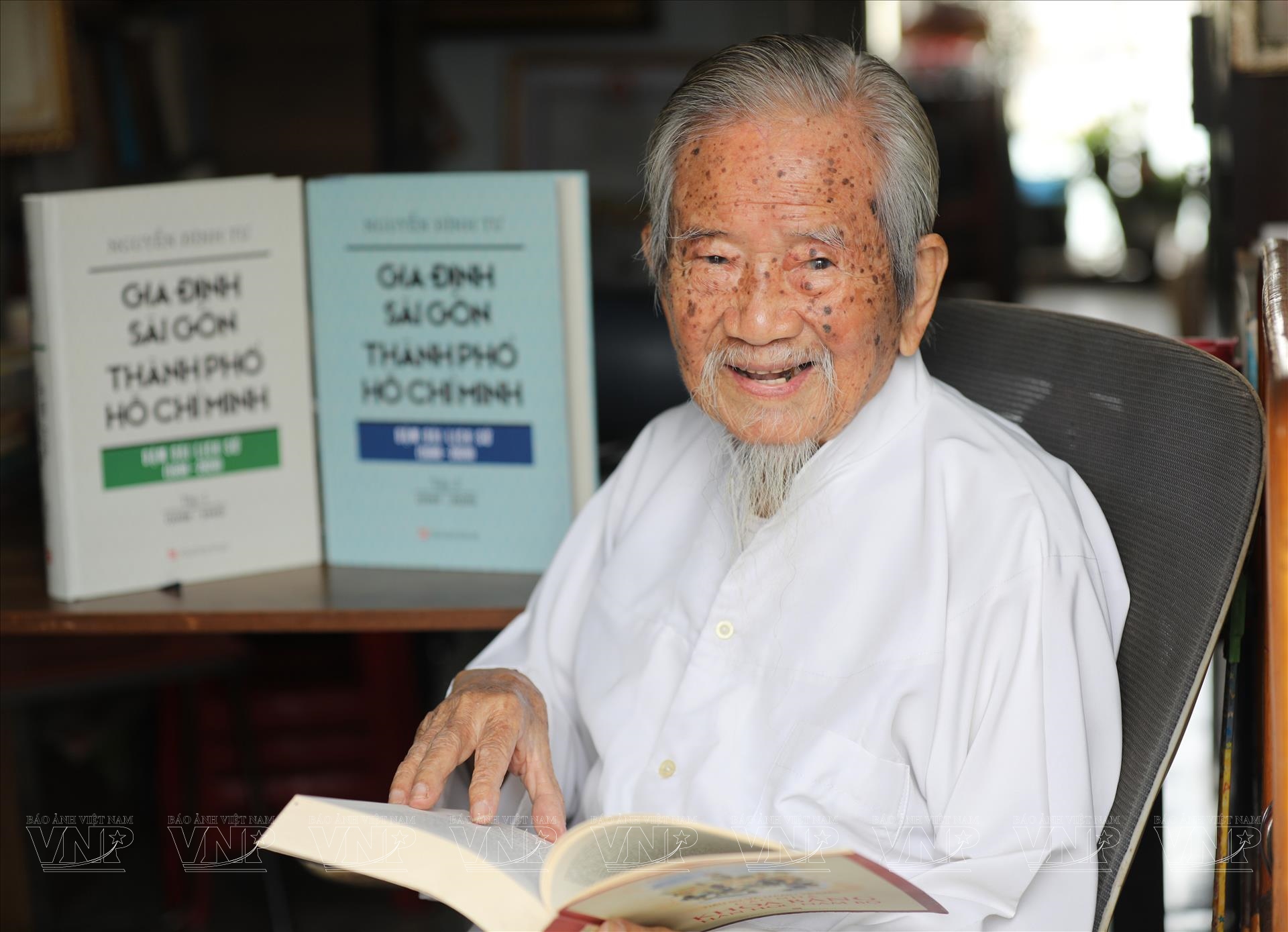
Born in 1920 in Hoa Quan Commune, Nghe An Province, researcher Nguyen Dinh Tu chose Ho Chi Minh City as his home after many years dedicated to scholarly work. Here, he has relentlessly pursued his journey of uncovering the history and culture of the south. In his 106th year, Tu still inspires admiration for his sharp mind, enduring work ethic and passion for research. In his modest home, he spends 8 to 10 hours a day working on a computer to study, edit manuscripts, and finalize new projects.
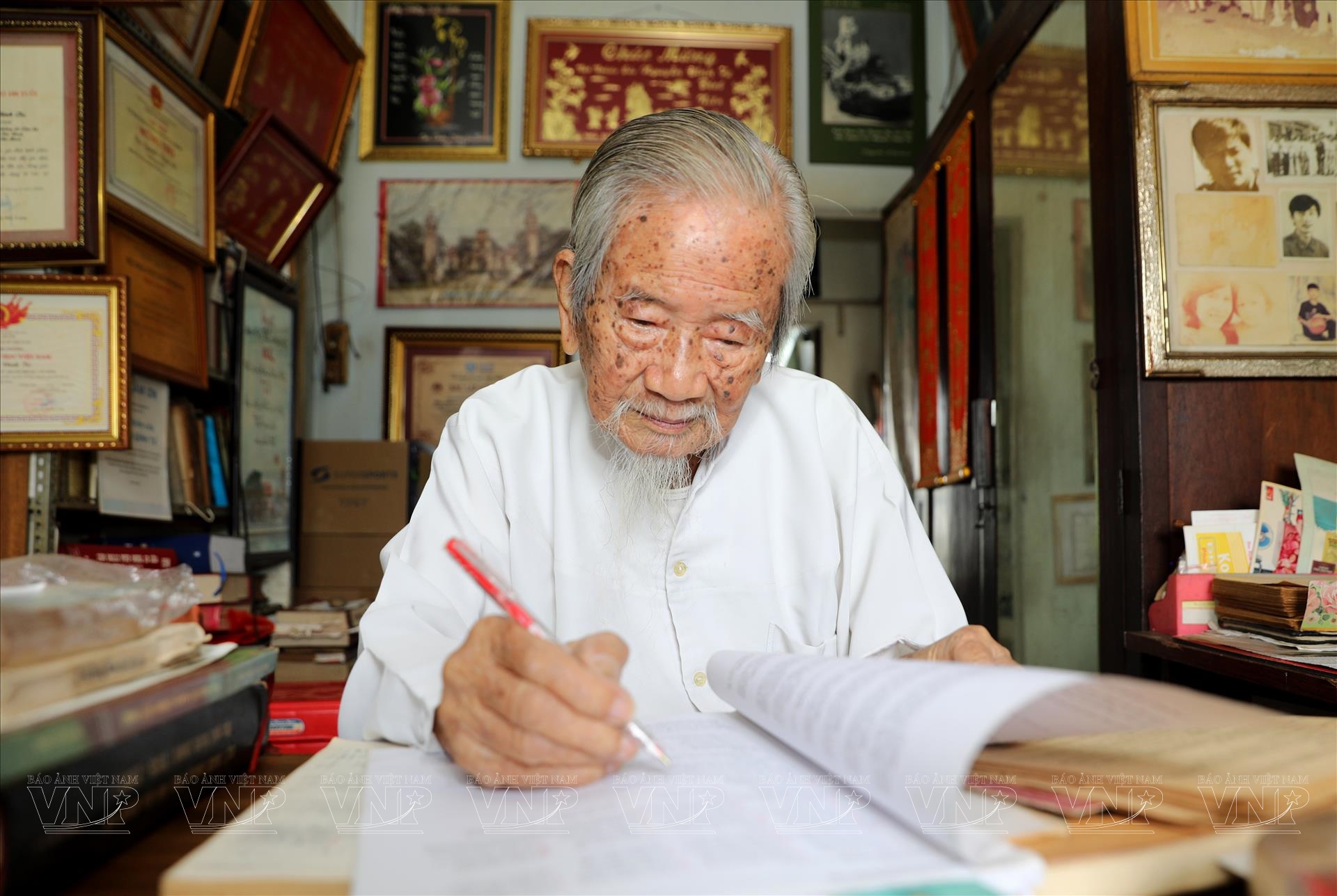
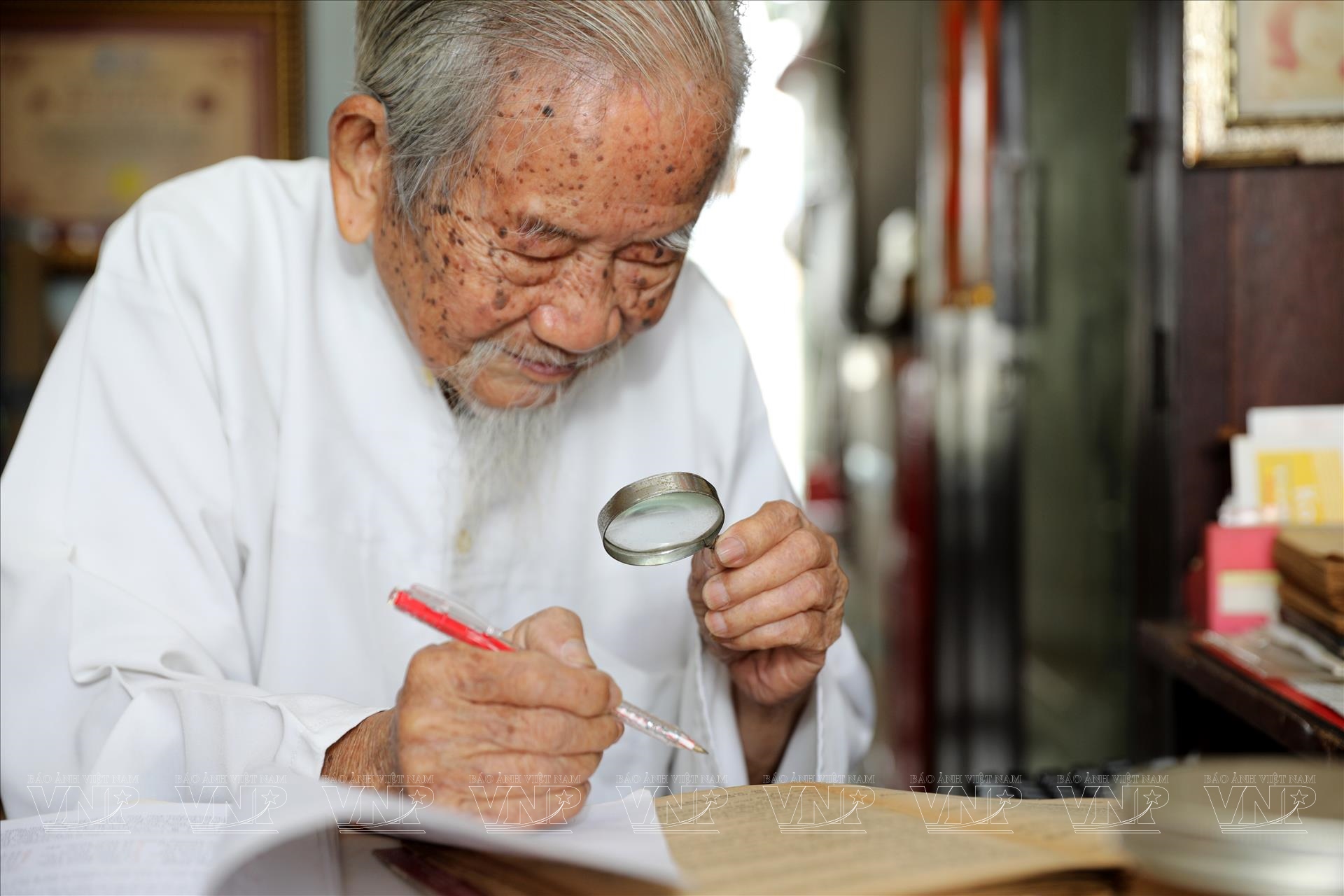


"There is so much I want to do, and so many materials that need to be systematized to pass down to the next generation," Tu said. He is advancing his research on toponymy, administrative boundaries and the formation and development of regions, especially the south - a region profoundly linked to the history of the city named after President Ho Chi Minh.
One of his outstanding books is the two-volume opus "Gia Dinh - Saigon - Ho Chi Minh City: Long Miles of History" (1698 - 2020), which was awarded the prestigious A prize at the 7th National Book Awards in 2024. This is the culmination of more than two decades of rigorous research, originating from an idea he had in 1998 at Saigon's 300th anniversary.
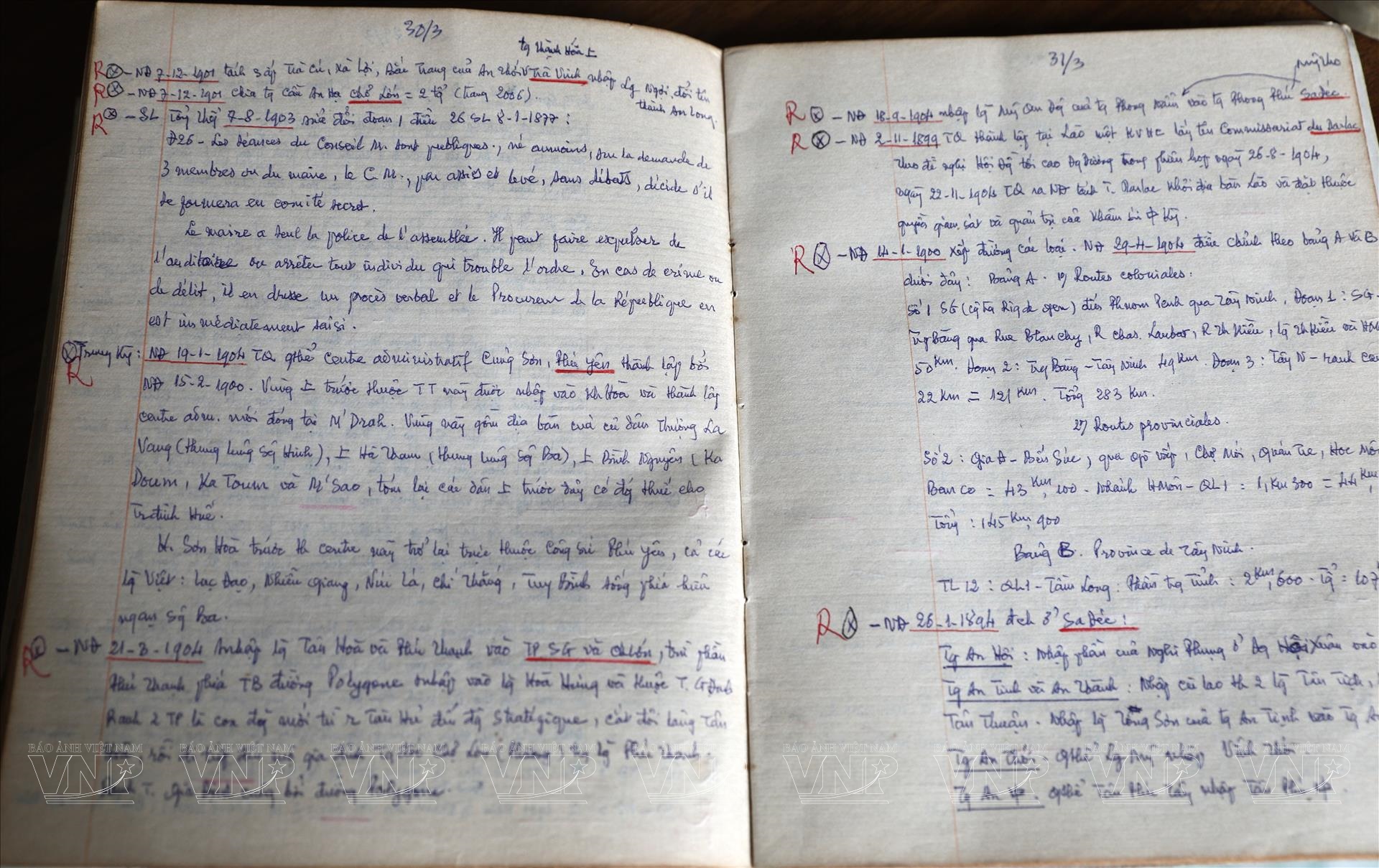
For years, Tu has spent countless hours frequenting libraries and archives to look for primary sources. The meticulous notes filling more than ten densely handwritten notebooks became an invaluable foundation for him to systematically reconstruct the three-century historical trajectory of the Gia Dinh - Saigon - Ho Chi Minh City region.


Beyond his role as a historian, Tu has directly shaped the
cultural landscape of the city. In 1996, as a Standing Member
of the Ho Chi Minh City Street Naming and Renaming Council,
he proposed the naming of two scenic routes running along
the Nhieu Loc - Thi Nghe Canal as Hoang Sa and Truong Sa.
These meaningful names deliver a message of the national
maritime sovereignty within the city's urban fabric.

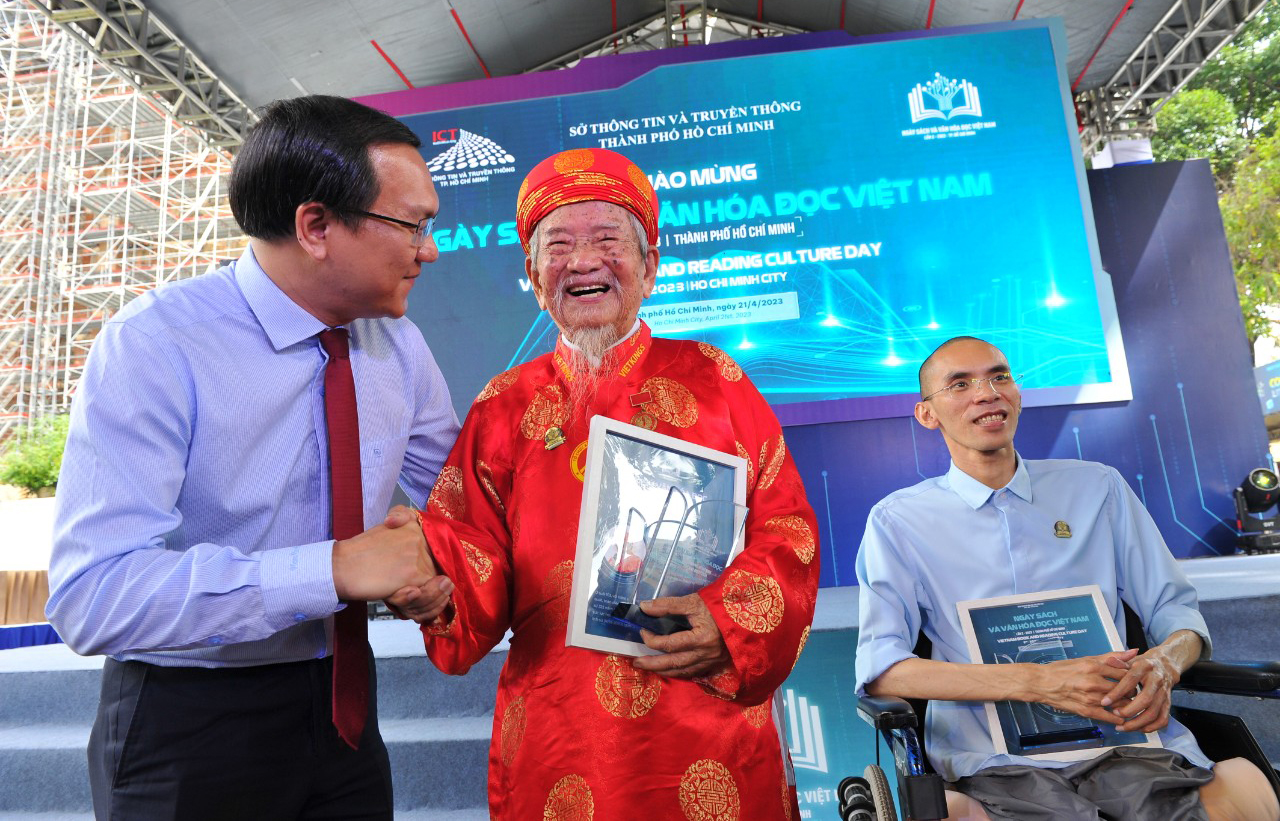
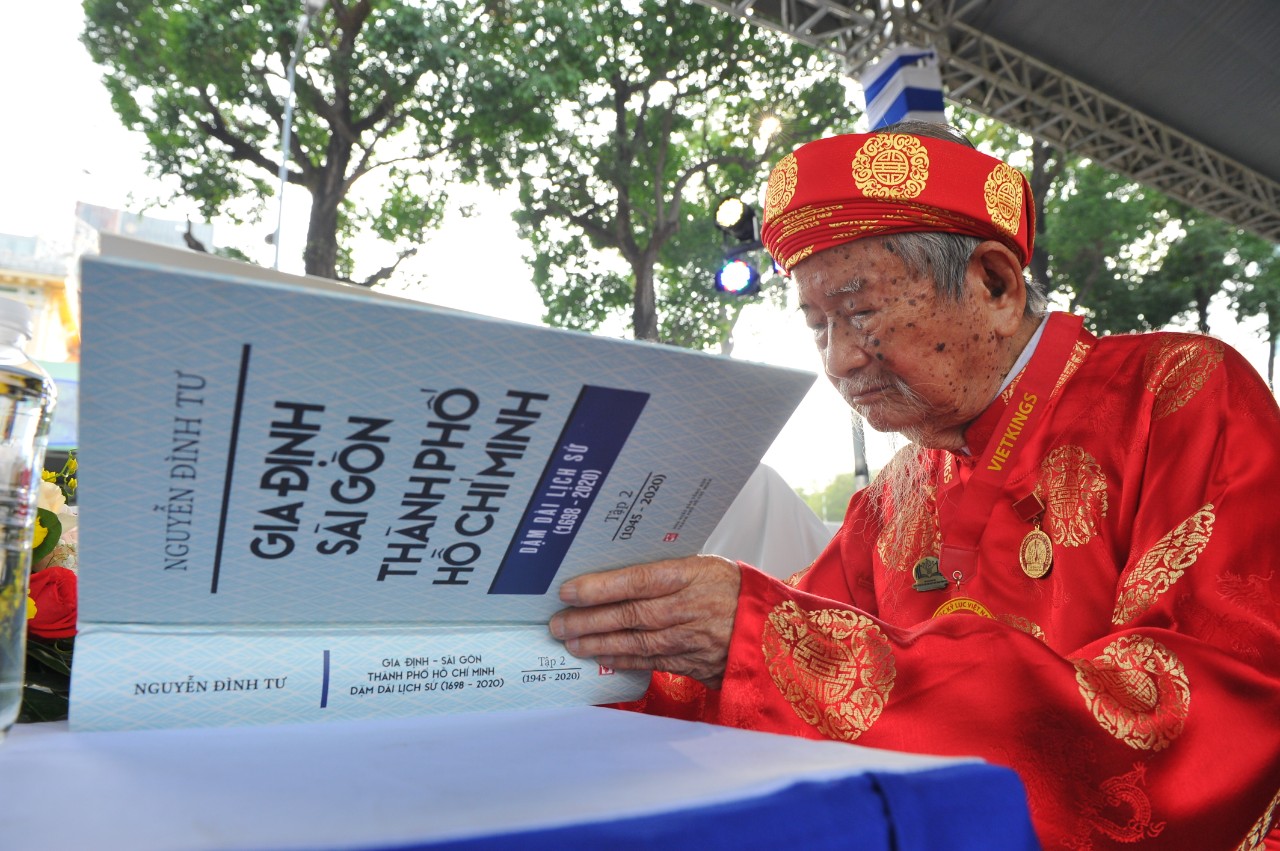
In recognition of his enduring dedication to national historiography, the Vietnam Association of Historical Sciences awarded Nguyen Dinh Tu the commemorative medal "For the Cause of Vietnamese History" in 2017. Earlier, his monumental “Dictionary of the Administrative Historical Toponymy of the South” was honored with an award from the Vietnam Publishing Association. Tu remains a staunch advocate for lifelong learning. "Knowledge is cultivated through books, work, and life itself," he reflects. "It is precisely this mindset that has sustained my 80 years of creative work to pass down to generations to come."
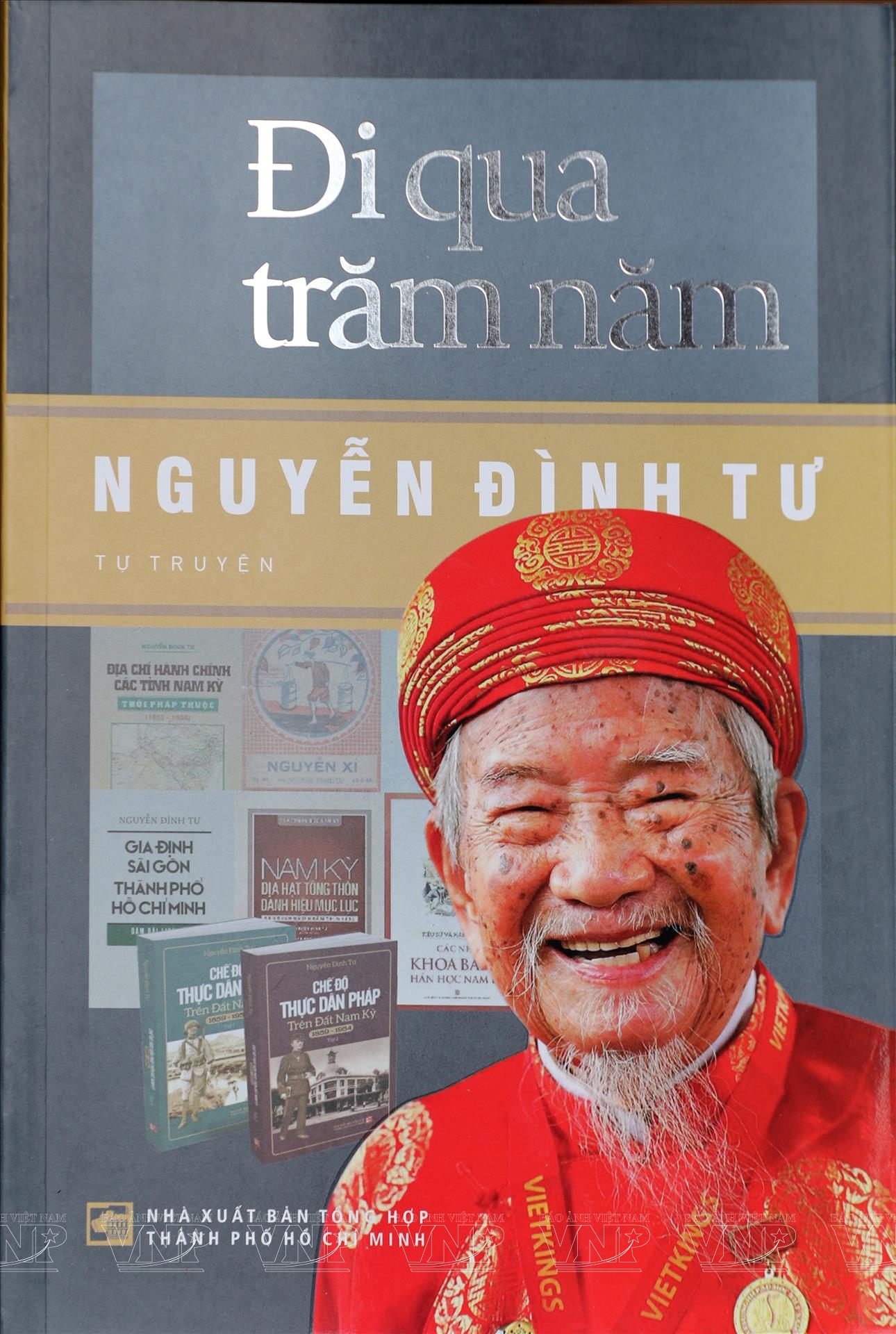
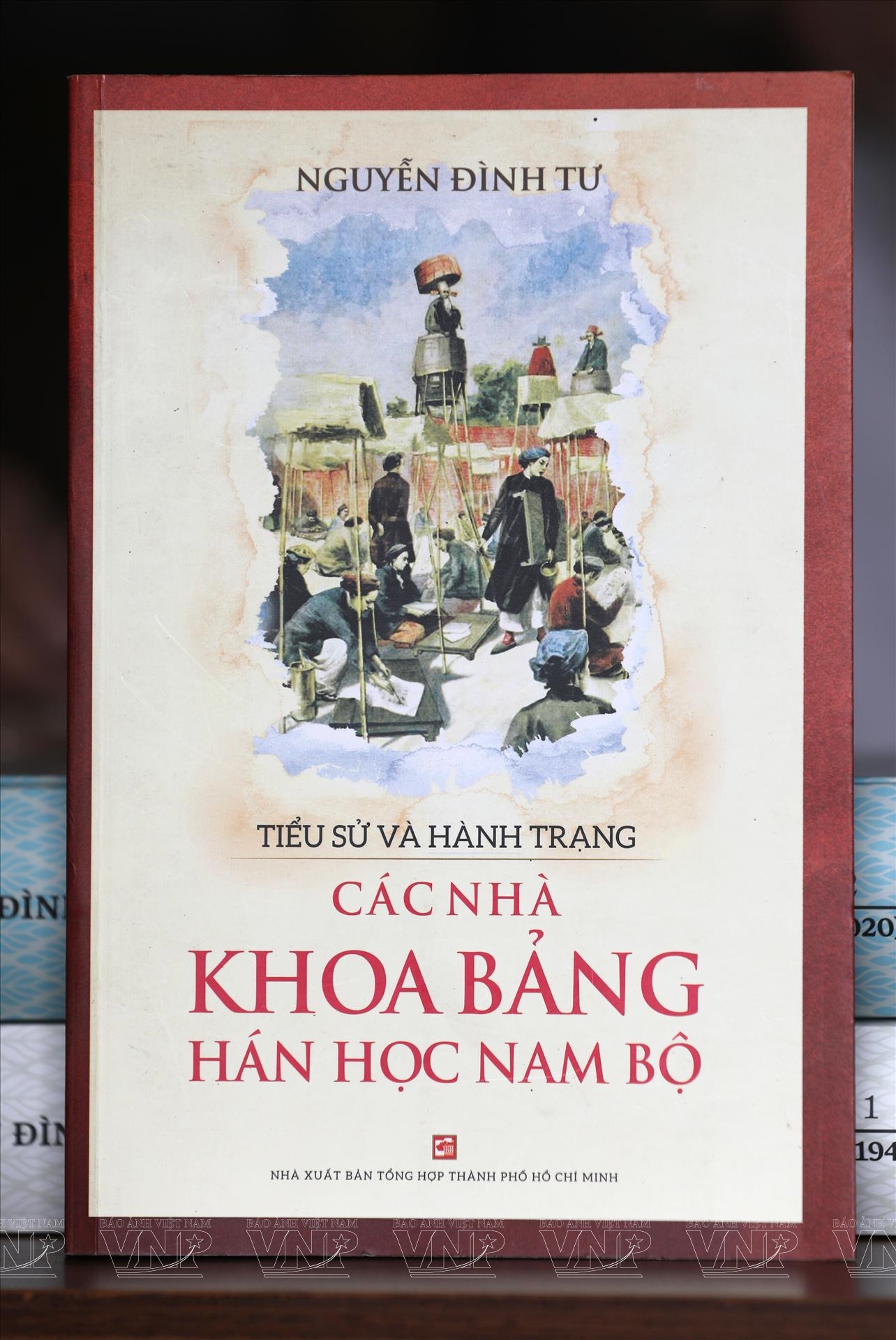
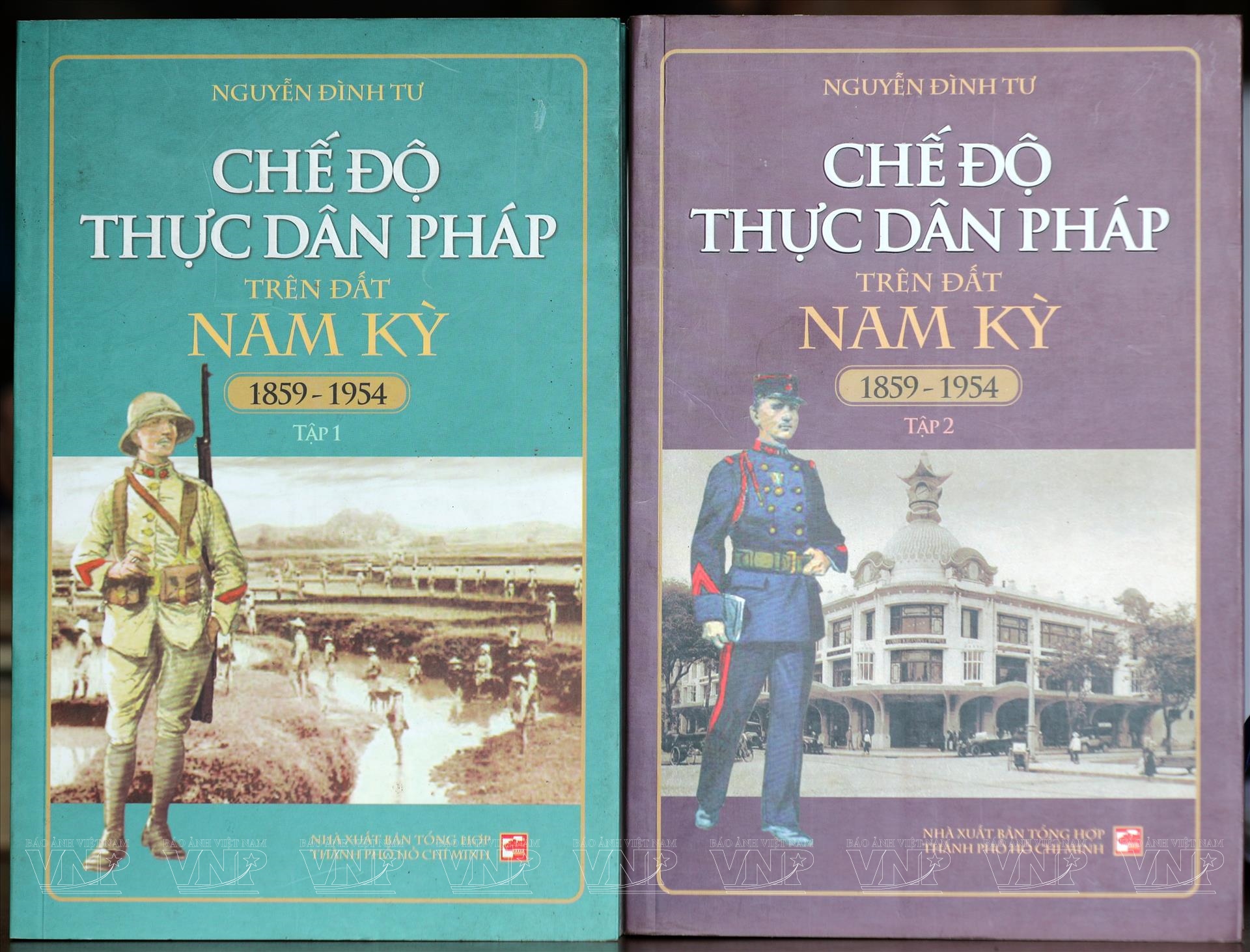
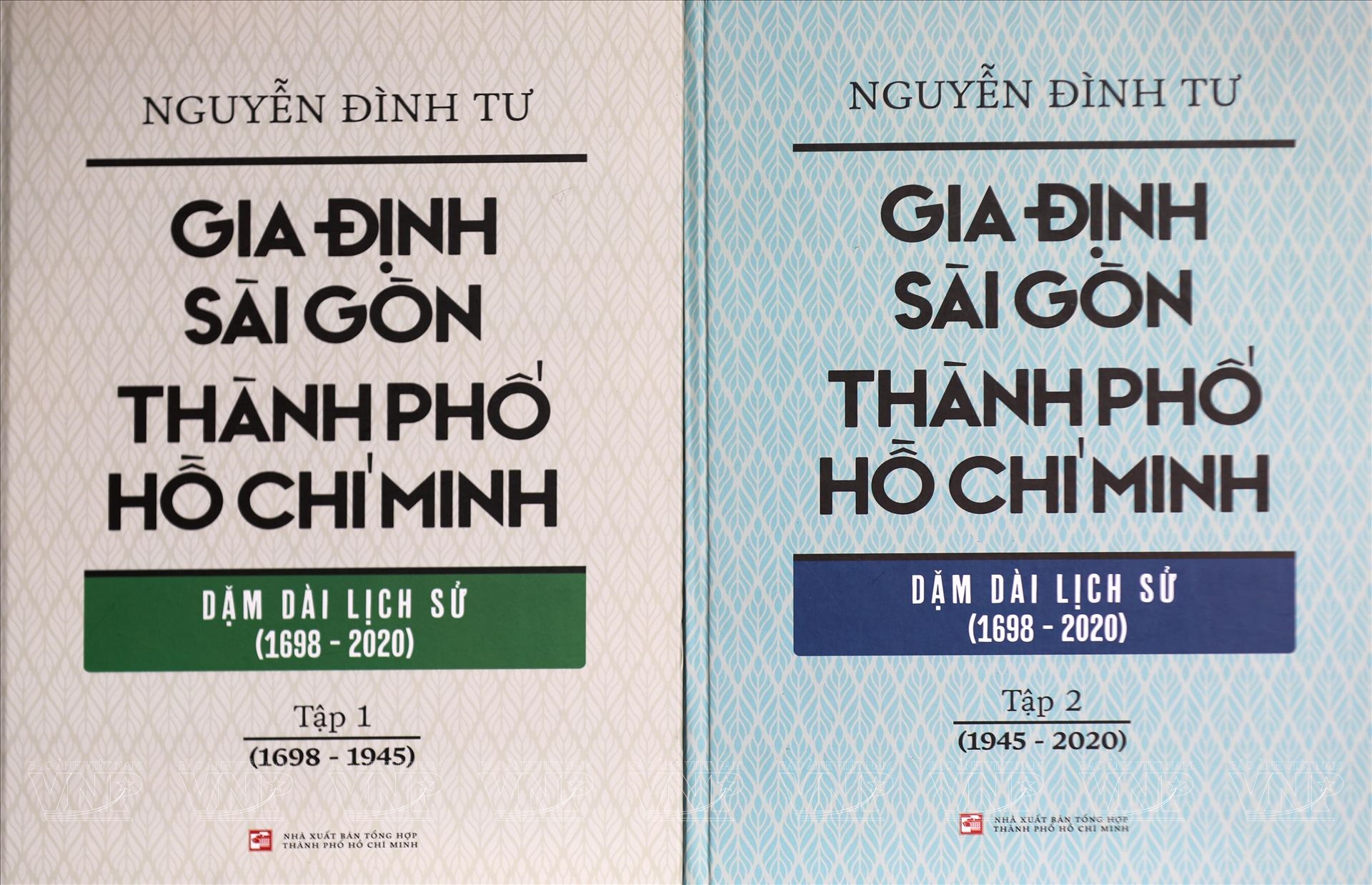
Nguyen Dinh Tu has made quiet contributions to Ho Chi Minh City in its 50 years of development with his unceasing efforts to safeguard the city’s memories, history and cultural identity./.
Story: Thong Hai
Photos: Thong Hai/VNP, VNA & Files