The French Imprint in Ho Chi Minh City
From Notre-dame Cathedral of Saigon and the Central Post Office to vintage villas, French architecture has become an inseparable part of Ho Chi Minh City’s landscape. Beyond their architectural value, these structures embody layers of living memories, chronicling a journey of cultural exchange and urban development.
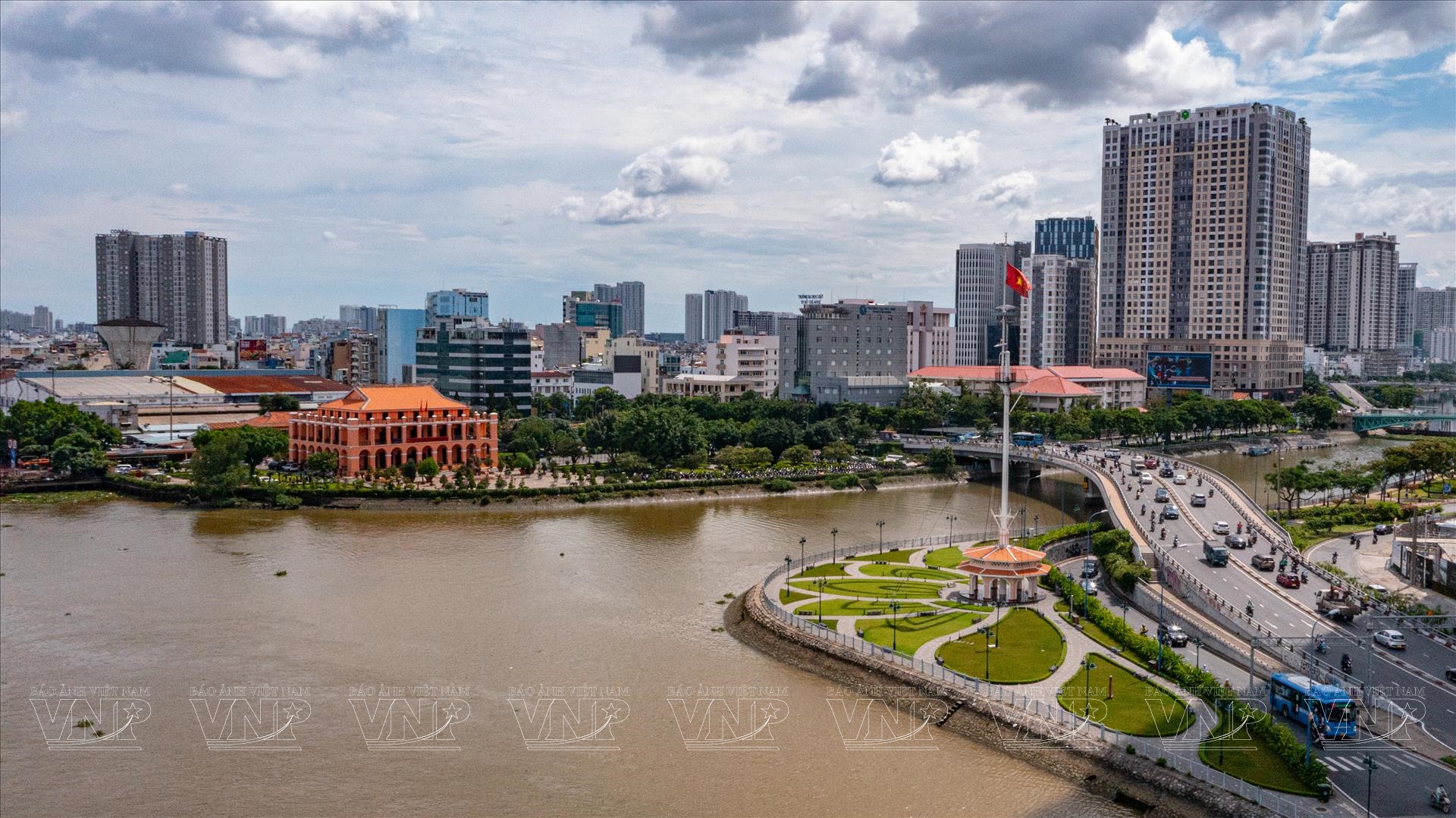
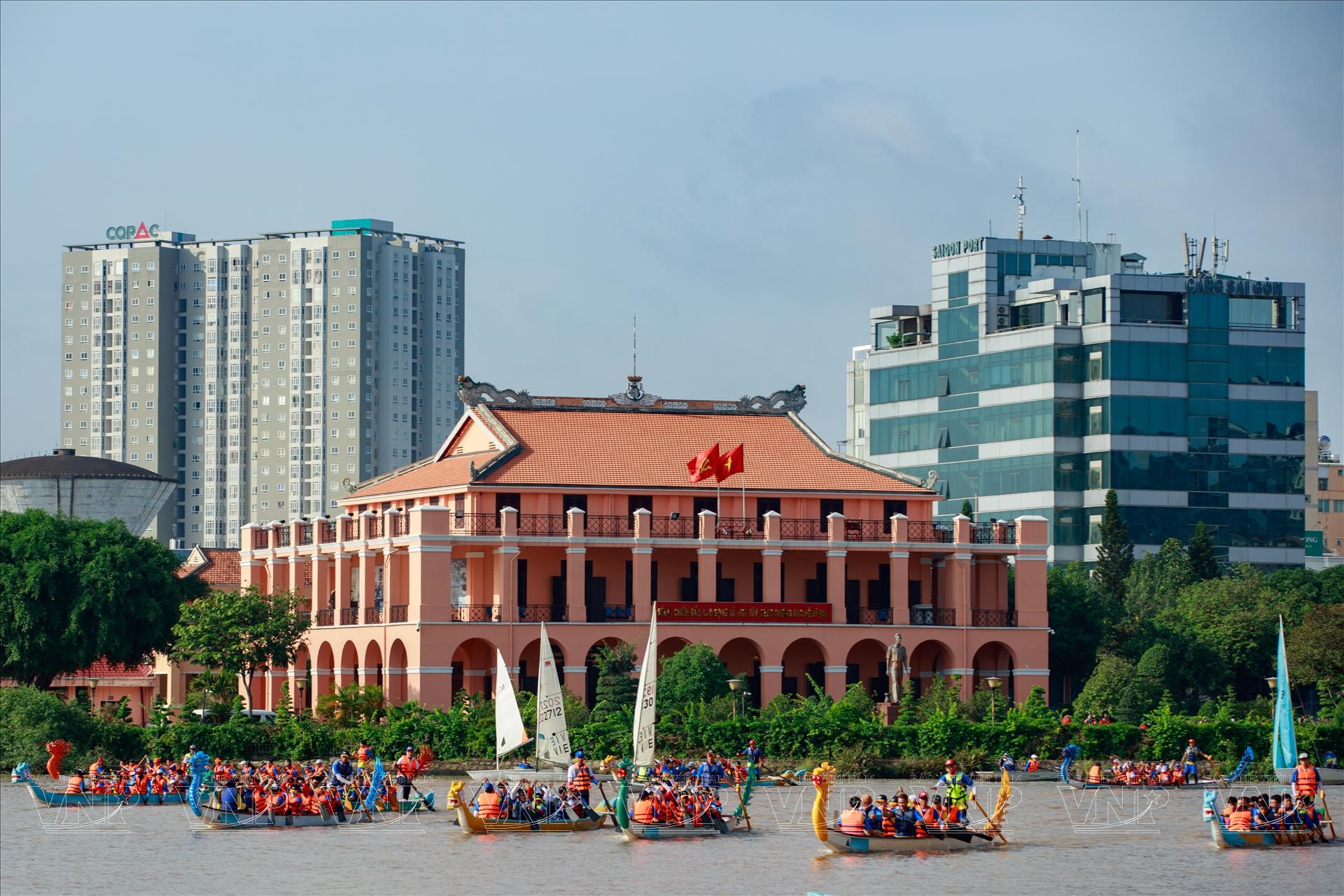
Nestled between glass skyscrapers and bustling crowds on central avenues, French built structures stand as timeless imprints in Ho Chi Minh City. More than a century after construction, they do not merely preserve distinctive architectural aesthetics but have woven themselves into the city's memories, defining the unique identity of this dynamic and deeply integrated metropolis.
These historical imprints began in the second half of the 19th century when the French redesigned Saigon after Western urban planning model. Experts agree that the greatest legacy of this period lies not just in individual landmarks, but in a visionary approach to modern planning. The structured layout of wide avenues, public squares, parks, and open green spaces laid the very foundation that shapes the urban face of Ho Chi Minh City today.
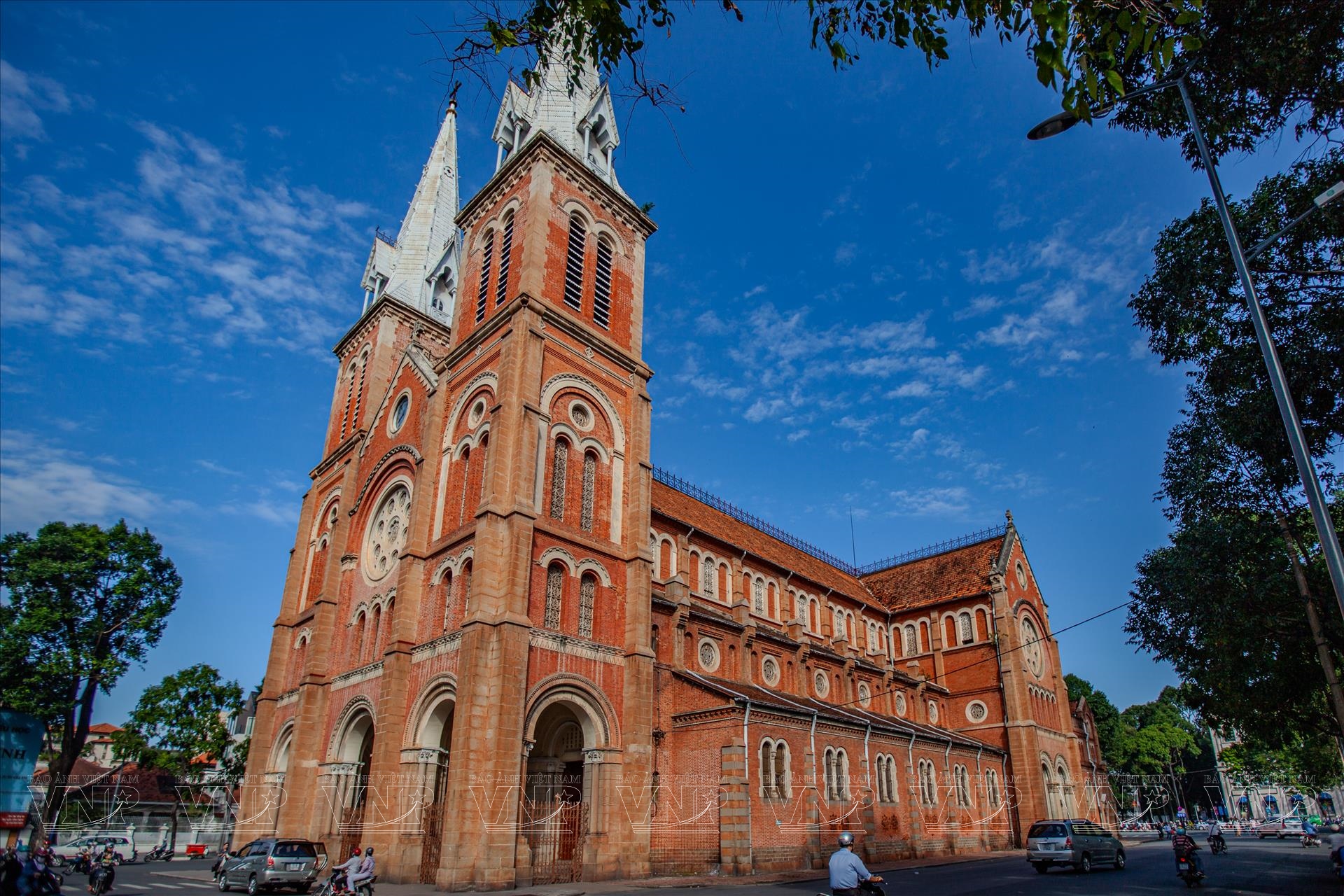
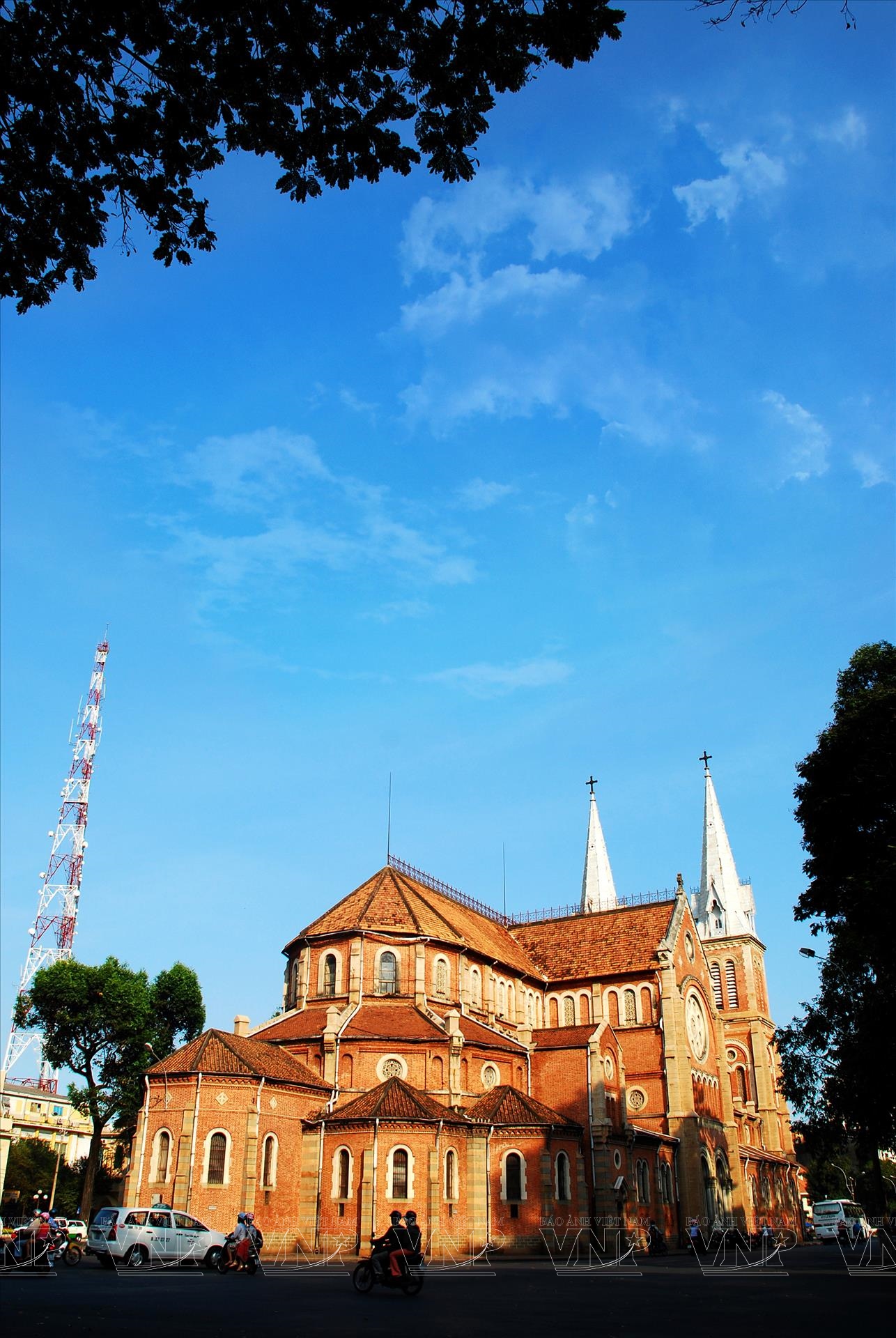
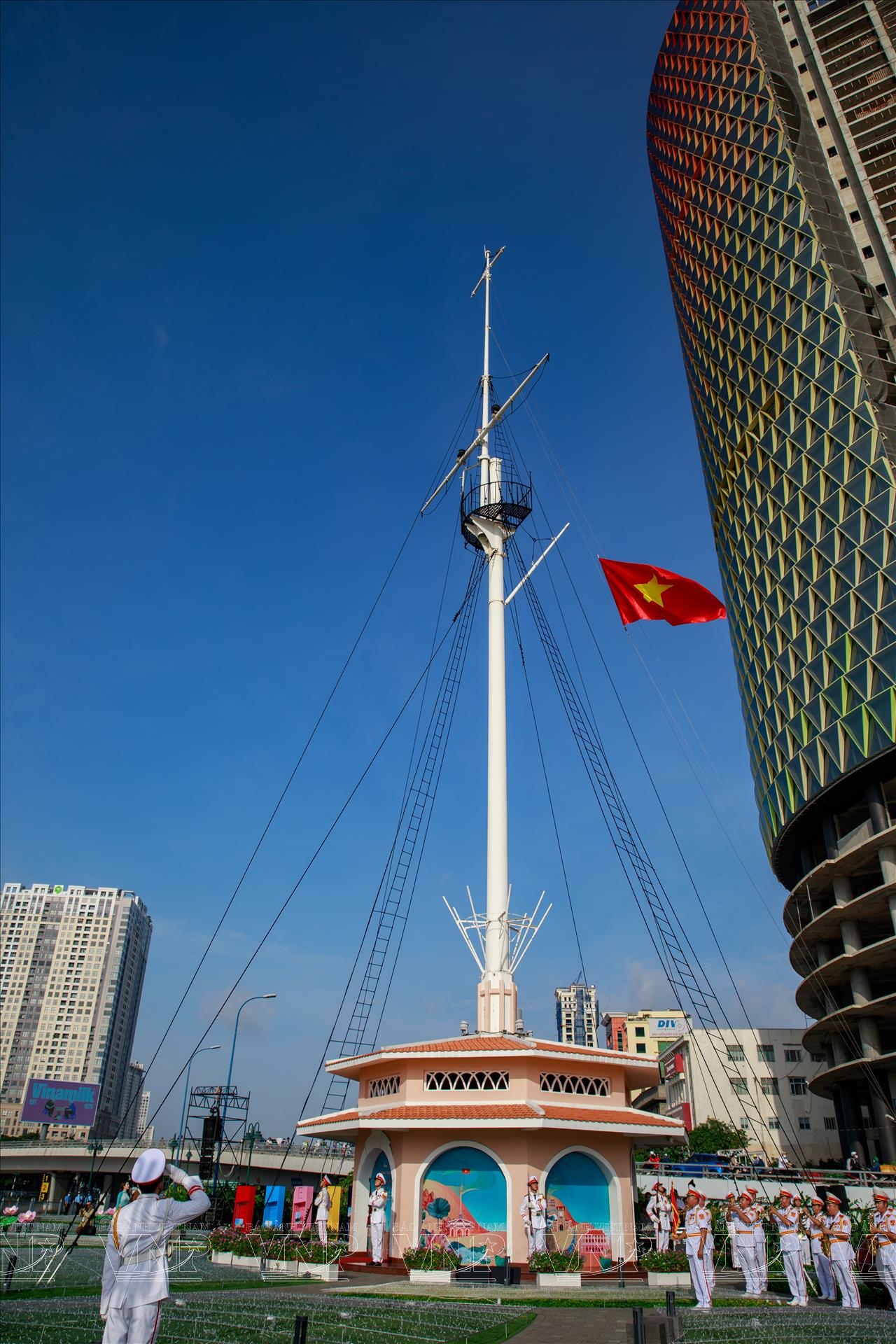
What gives French architecture in Ho Chi Minh City its enduring vitality is that it is not a carbon copy of European blueprints. Instead, these buildings are the result of a unique cultural adaptation. To withstand the tropical heat and heavy monsoons, architects incorporated wide loggias, ventilated louvers, high pitched roofs, and subtle indigenous patterns. This marriage of Western engineering and Eastern philosophy birthed the signature Indochinese style which has become a treasured heritage of Vietnam.
Architect Nguyen Truong Luu observed that the capacity to embrace new values without losing its core identity has defined Ho Chi Minh City throughout its history. This is vividly reflected in its architectural landmarks, where imported styles were seamlessly localized to blend into the local daily life and culture.
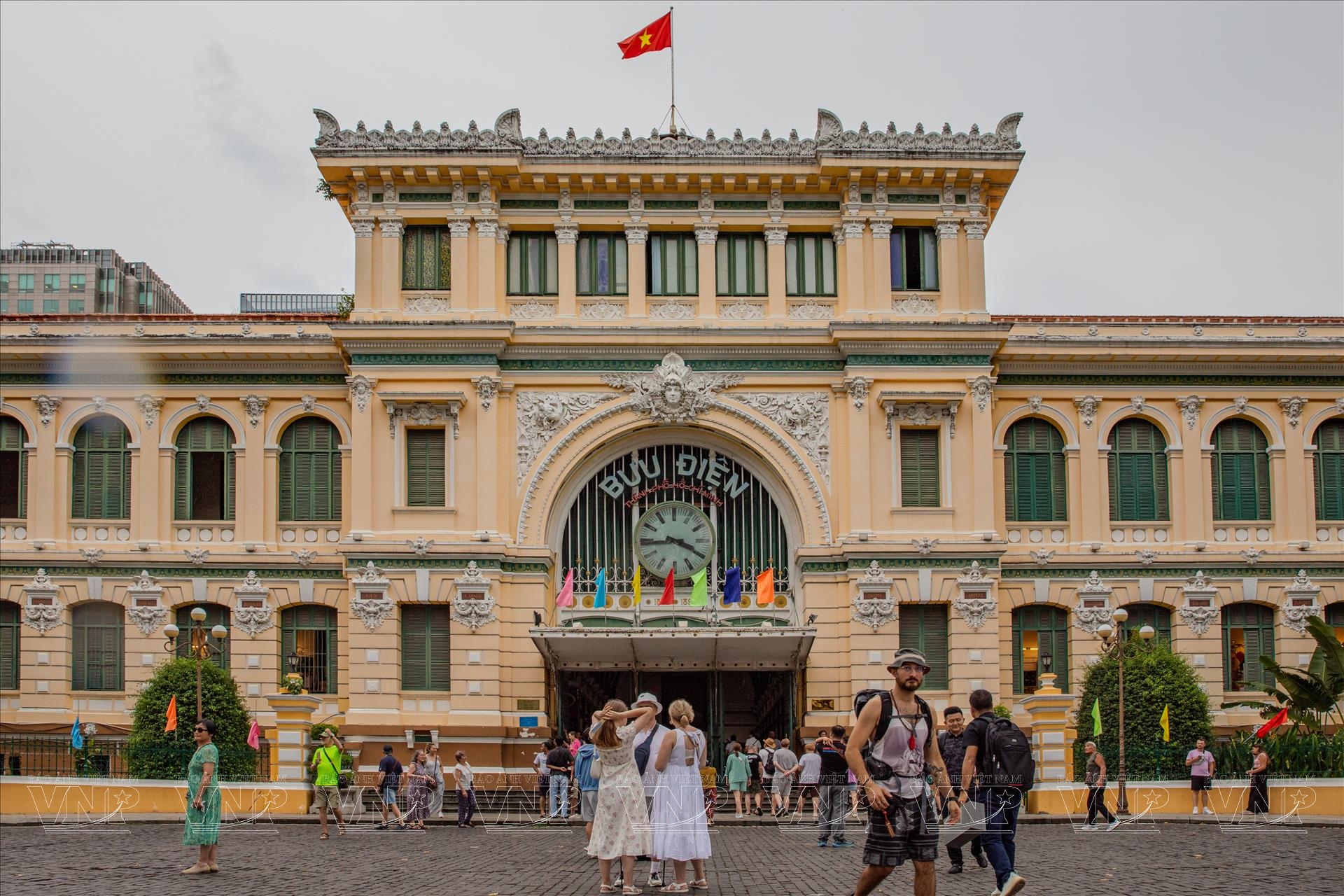
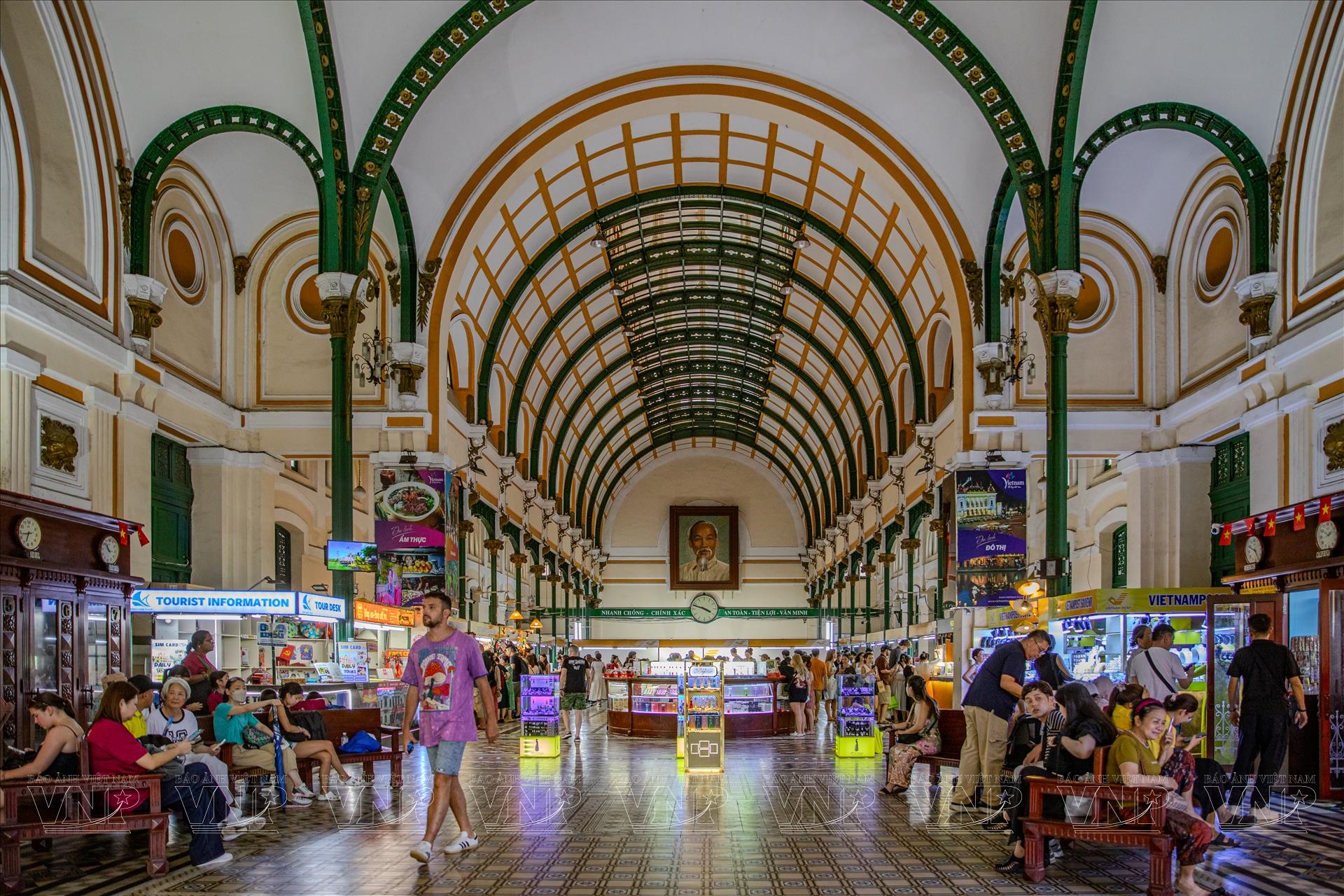
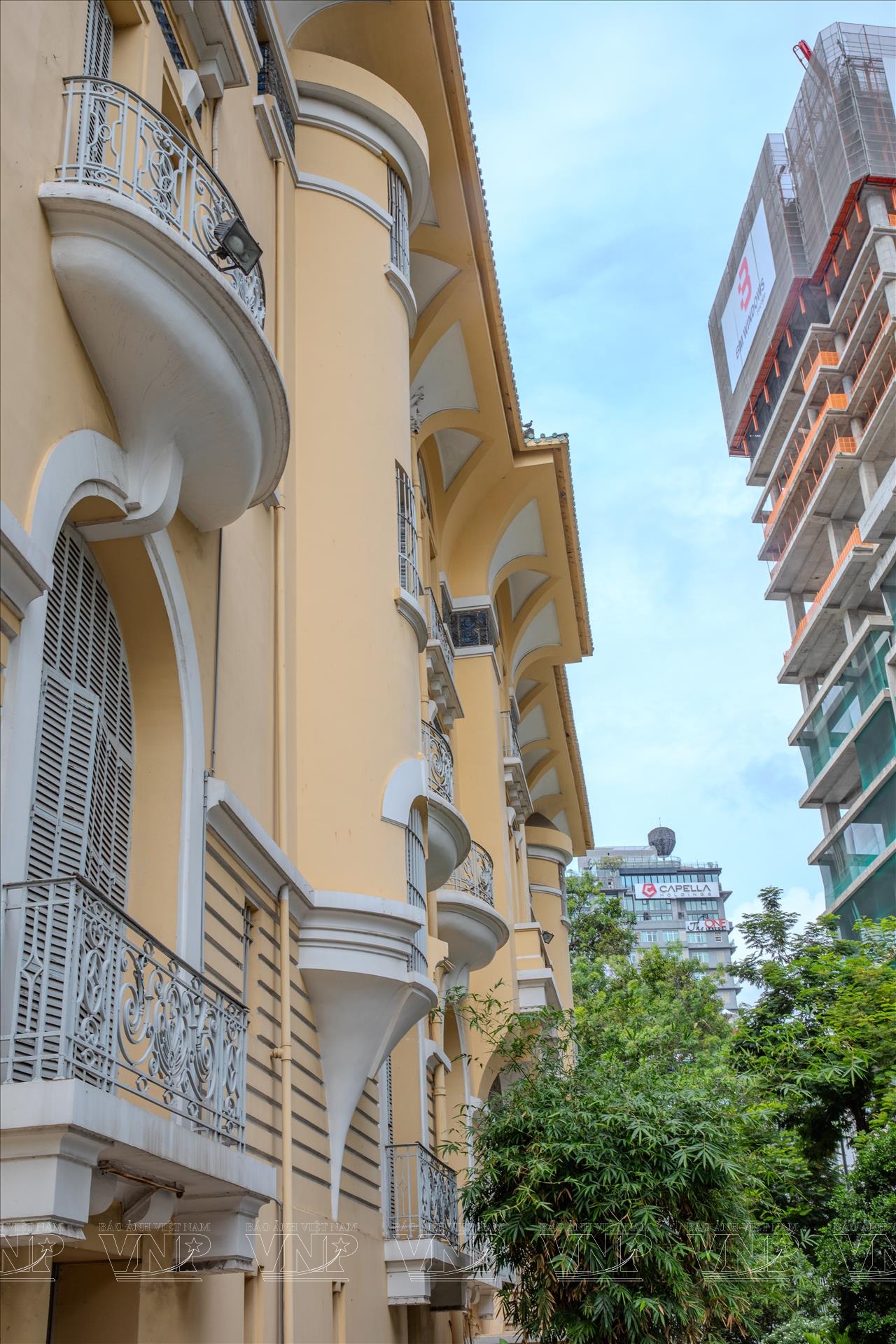
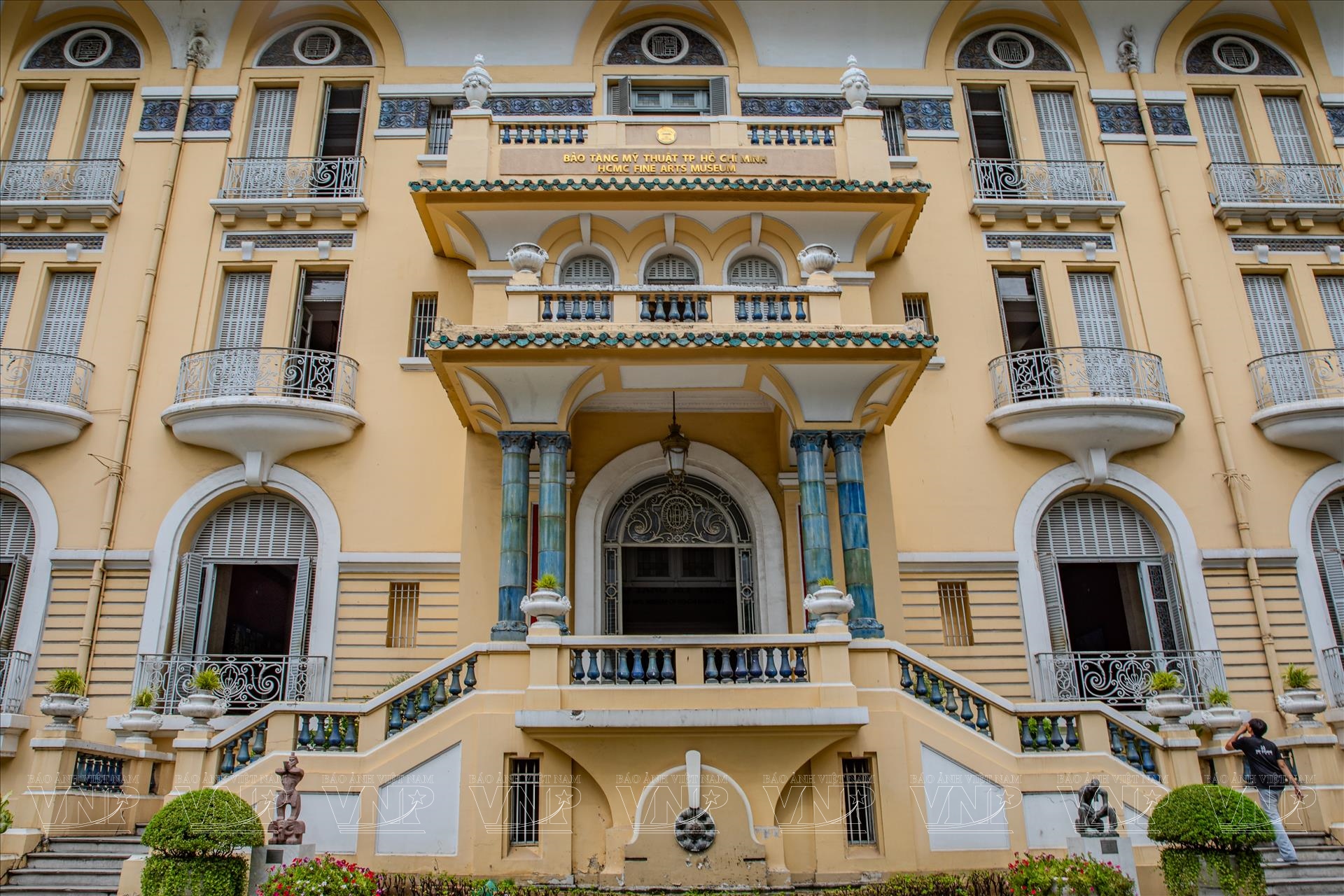
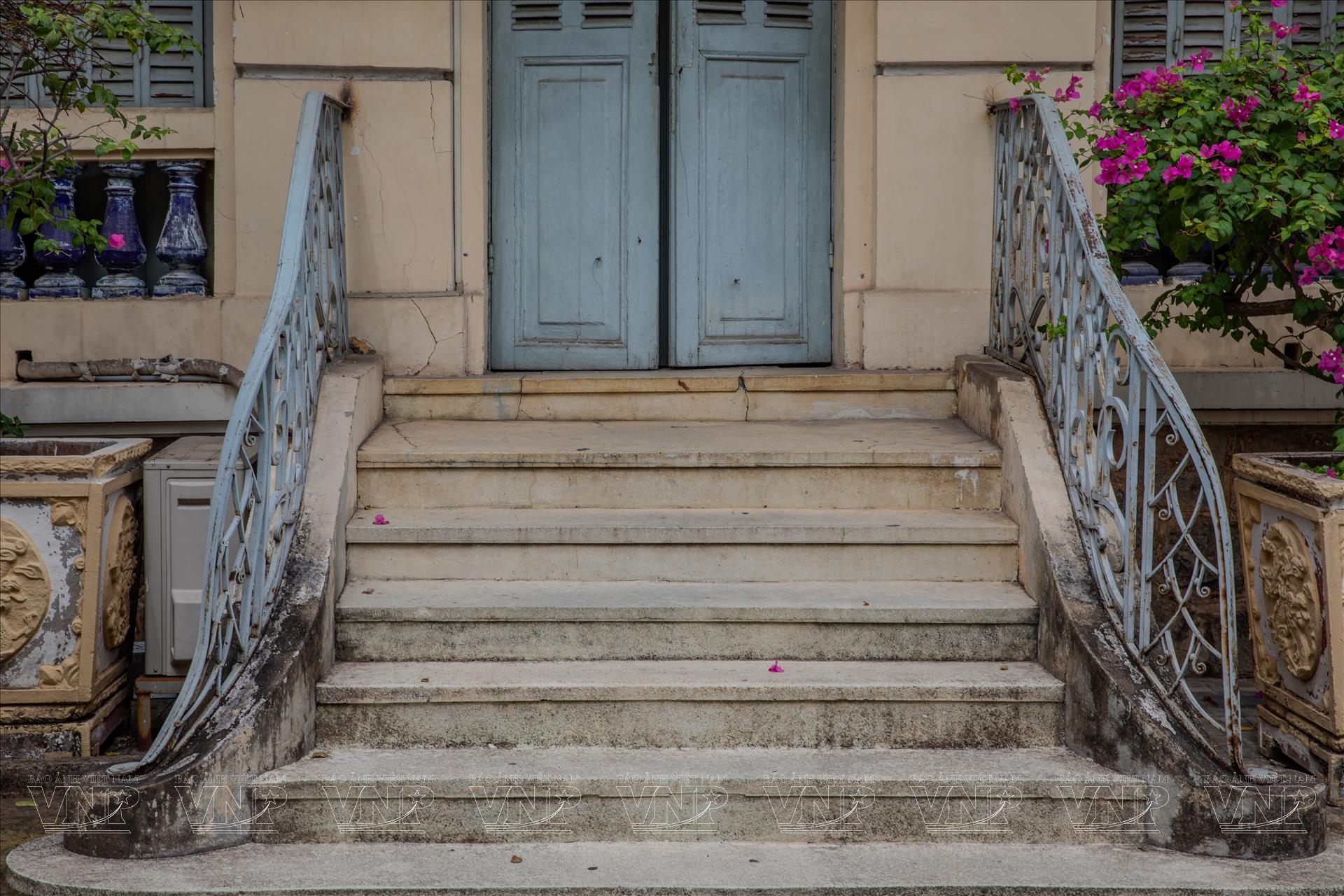
A casual stroll downtown reveals these architectural landmarks at every turn: the Notre-Dame Cathedral with its red-brick facade marrying Romanesque and Gothic styles; the Central Post Office featuring an airy steel-vaulted ceiling; the Municipal Theater echoing the classic opulence of French opera houses; and the City People’s Committee office with European palace architecture. Far from being tourist backdrops, these buildings are meaningful memories of generations of locals. Similarly, the Ho Chi Minh City Museum of Fine Arts- formerly the mansion of the prominent businessman, Hua Bon Hoa - displays a harmonious fusion of Western architecture and Eastern decorative arts. It stands as a testament to the multicultural tapestry that has shaped the identity of Saigon - Ho Chi Minh City.
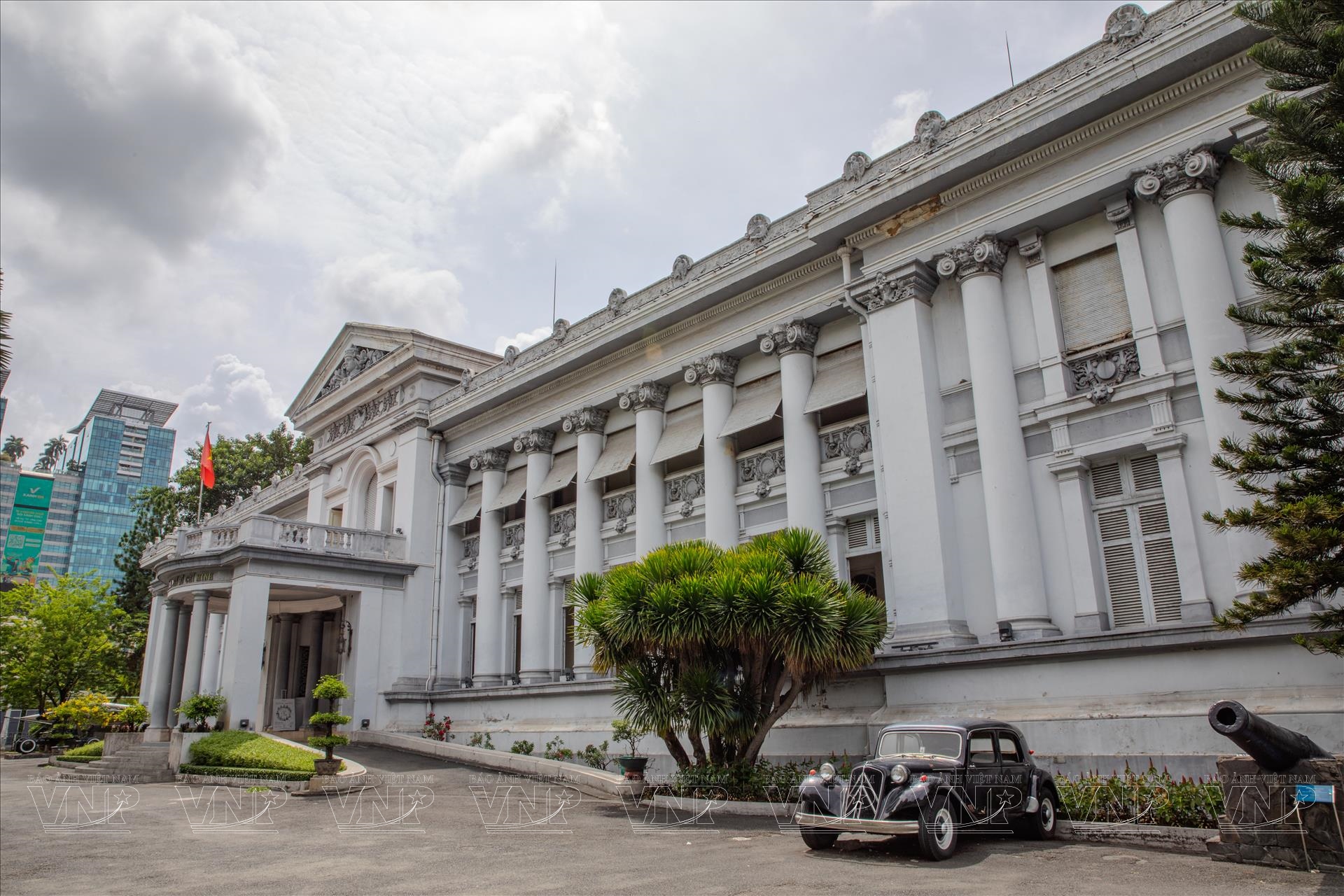
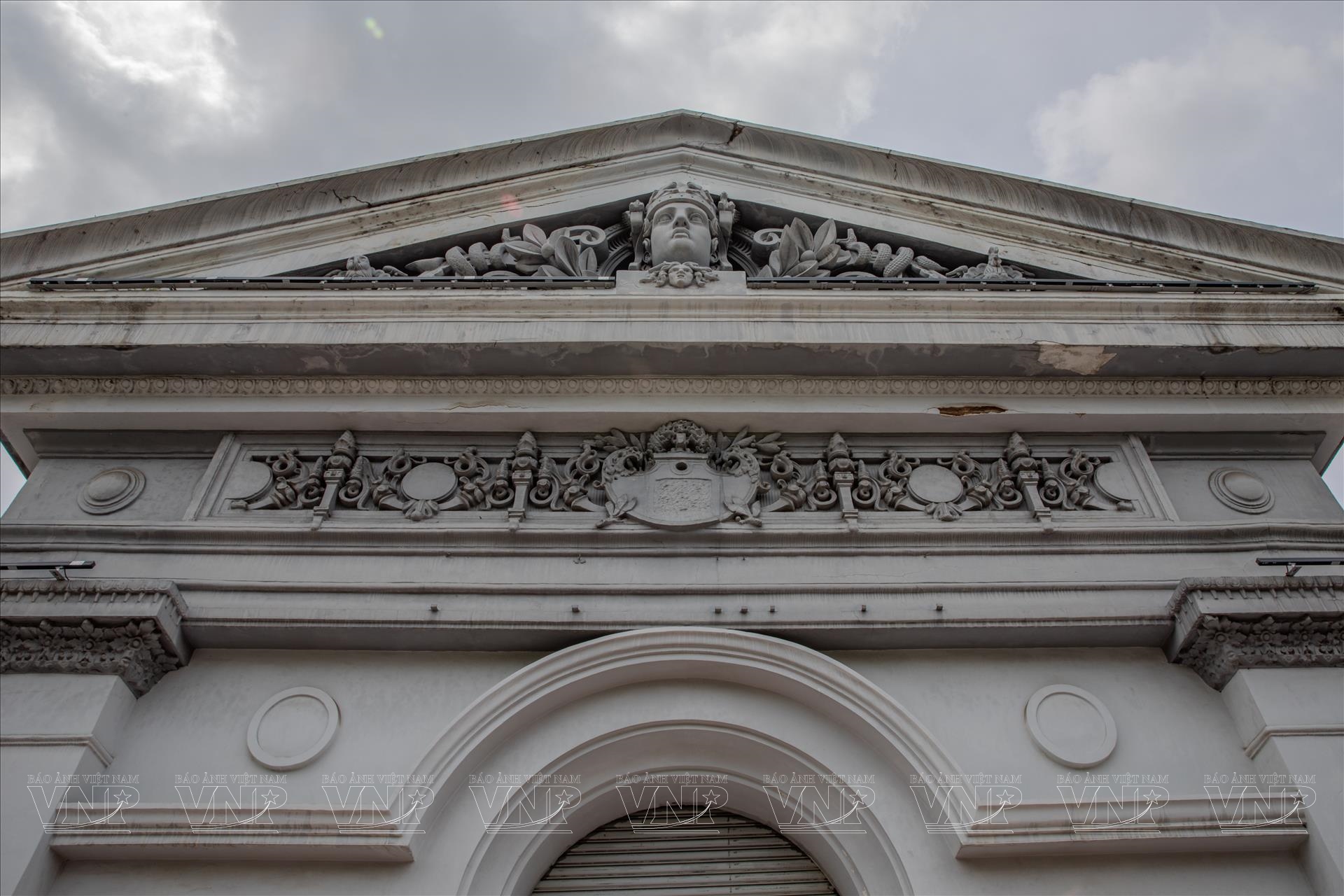
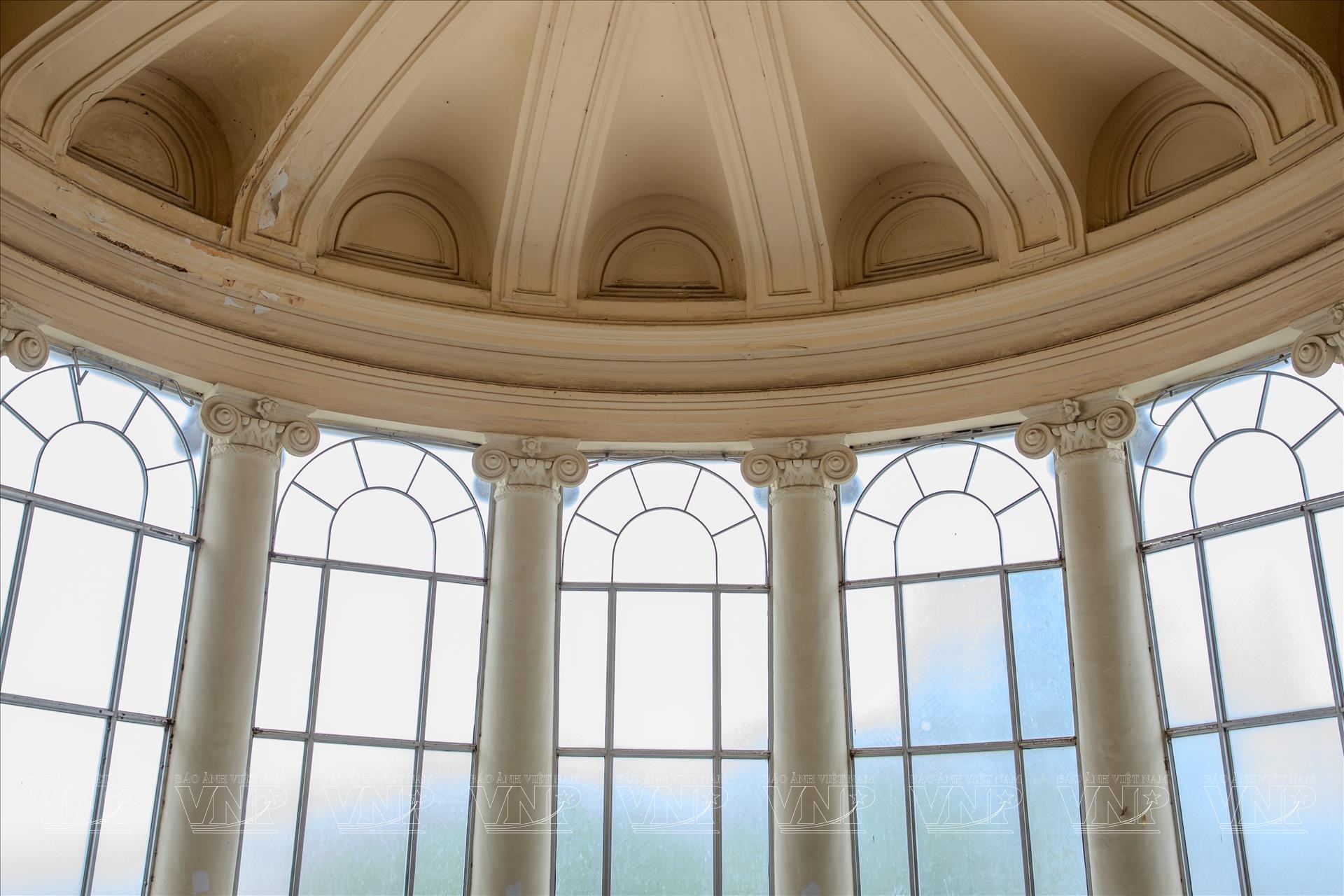
According to researcher Tran Huu Phuc Tien, many old villas and heritage sites hold values that extend far beyond architectural aesthetics. They encapsulate historical narratives tied to key figures and pivotal milestones in the city's formation and growth. Preserving these structures means safeguarding urban memory for future generations.
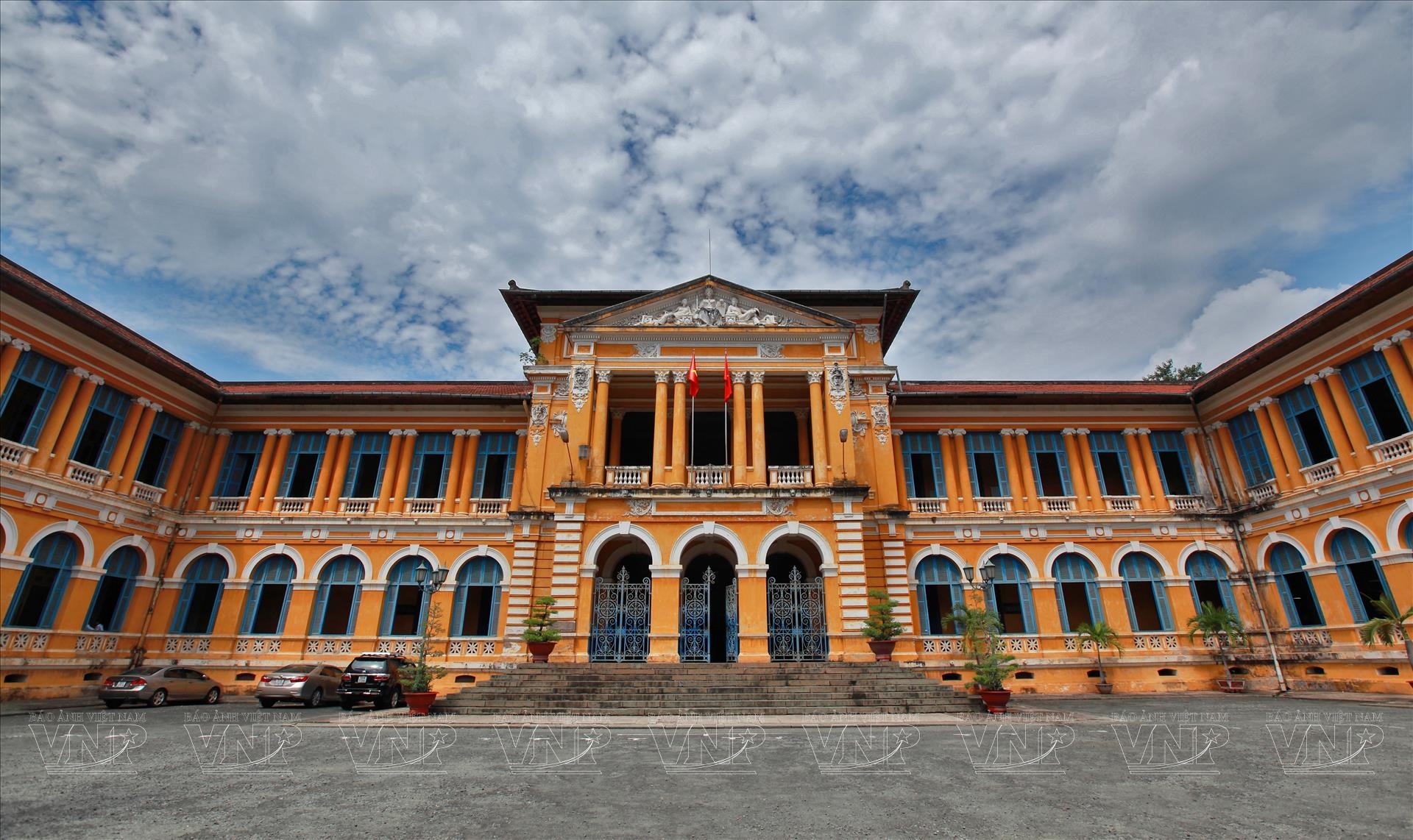
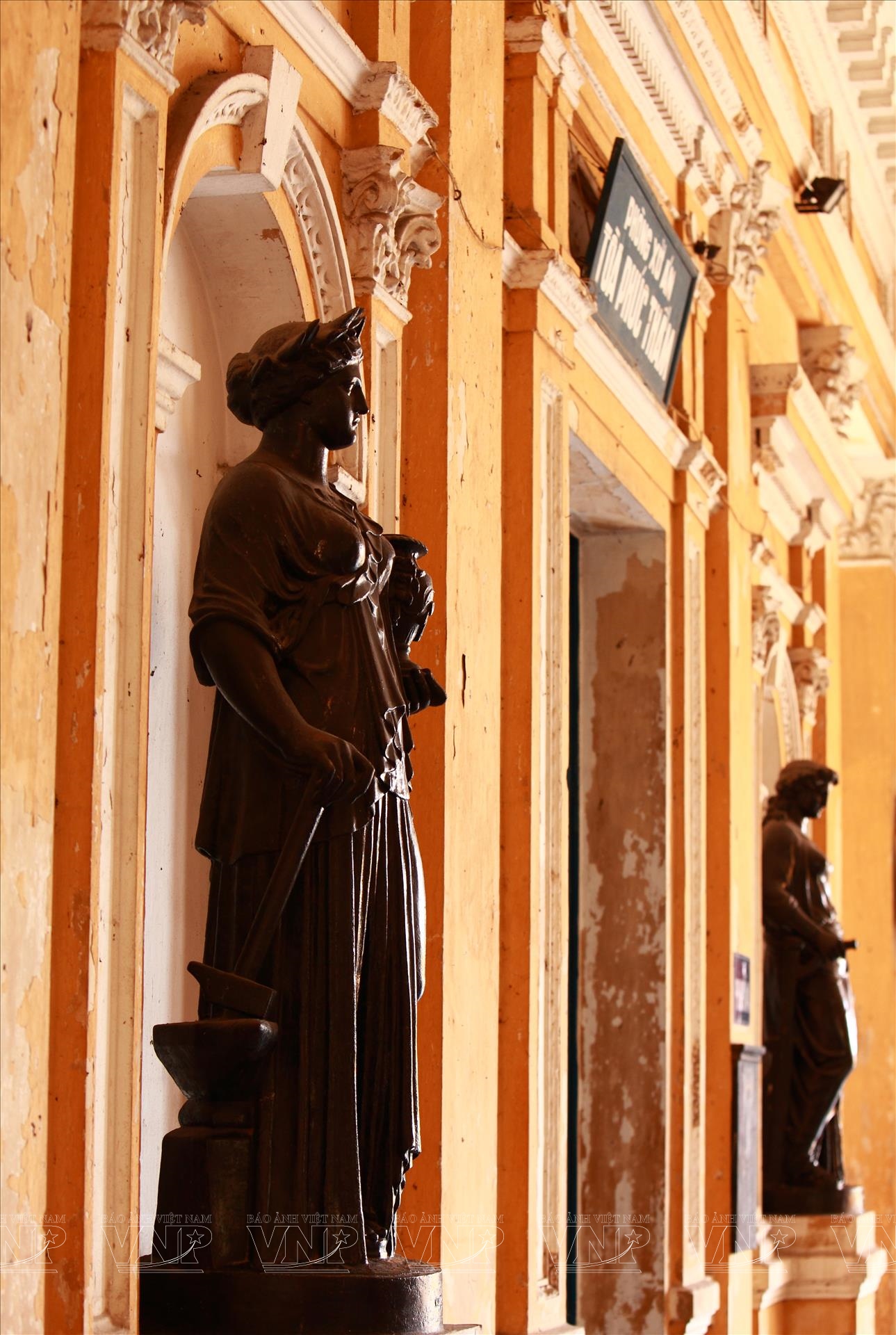
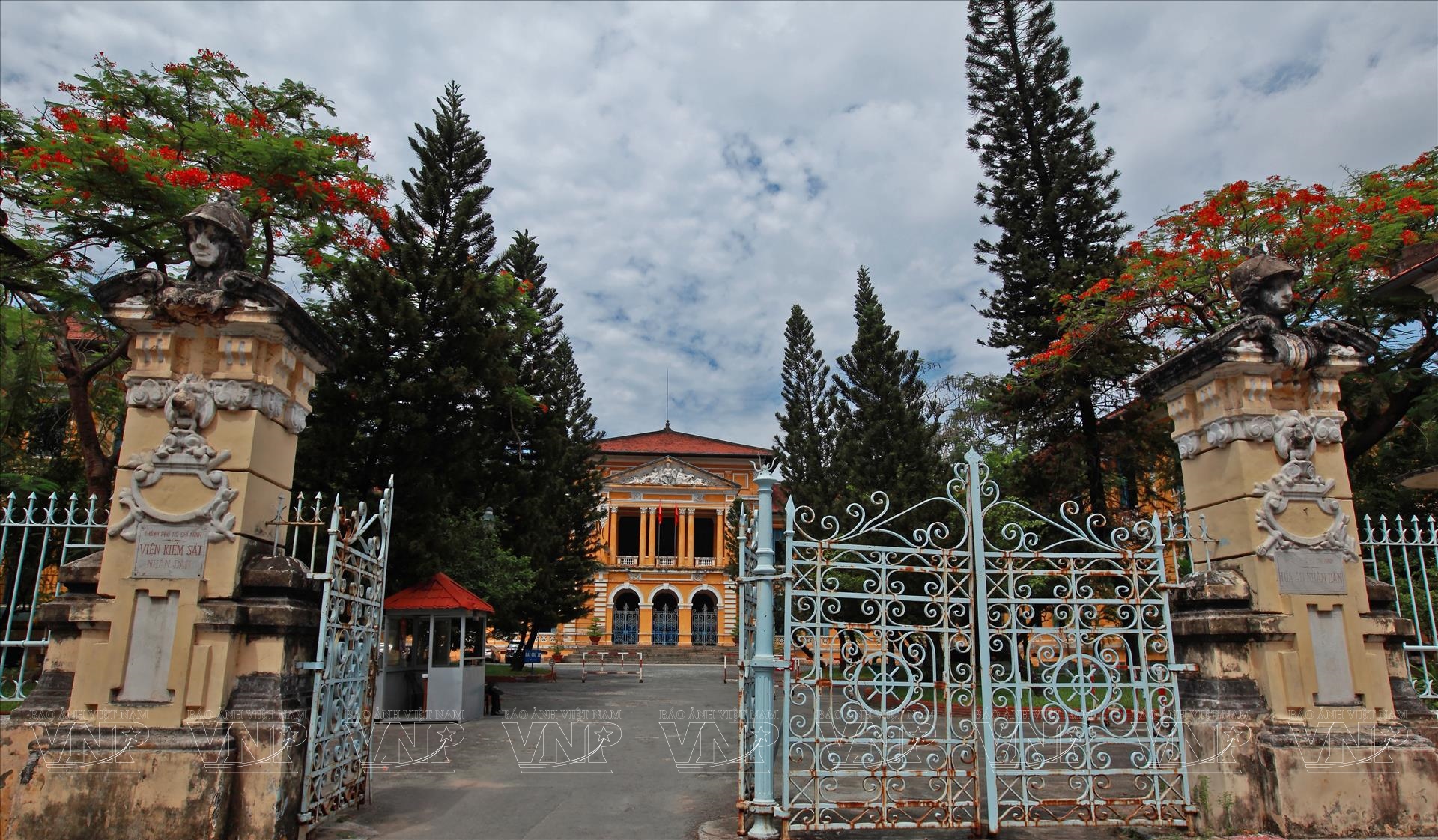
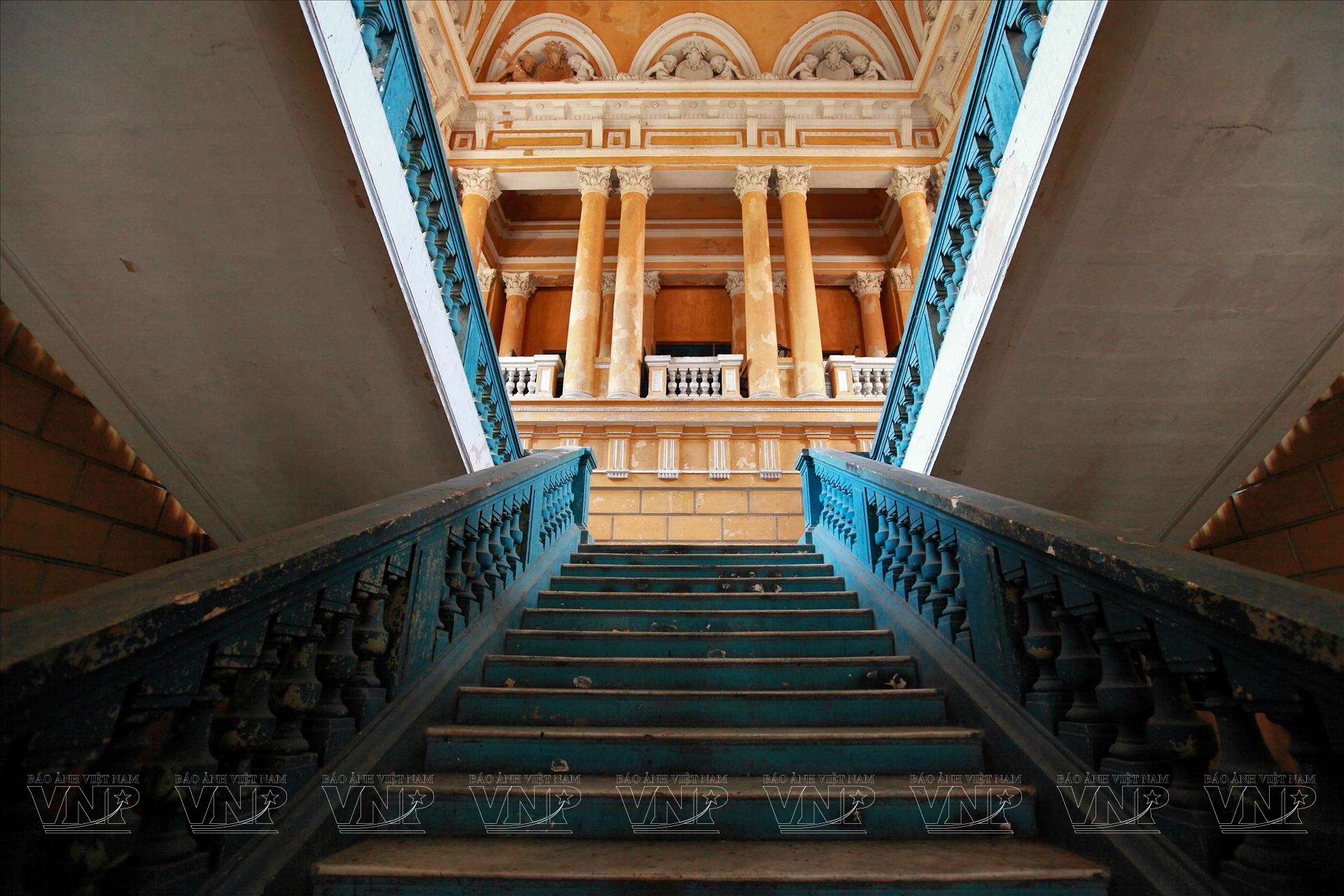
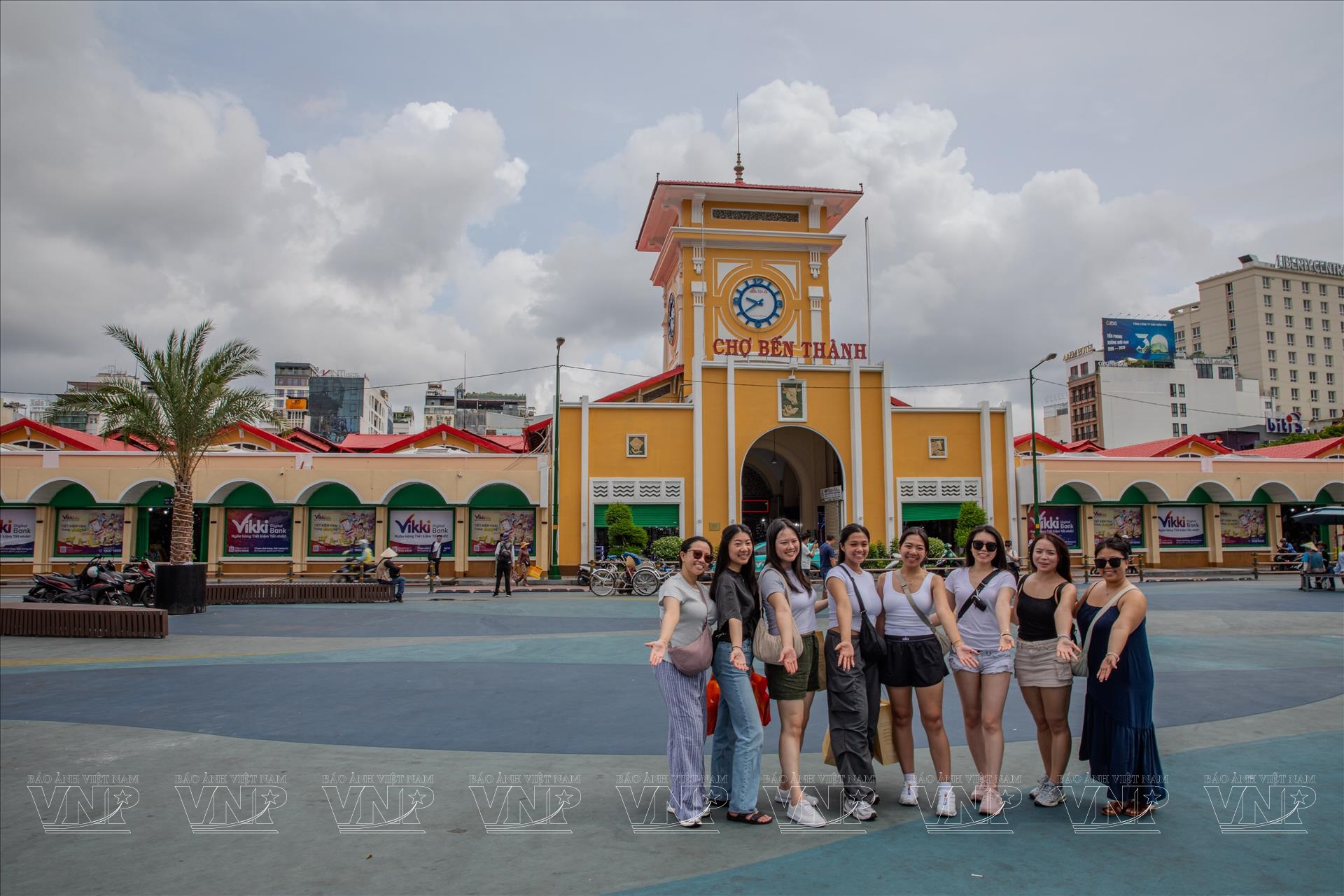
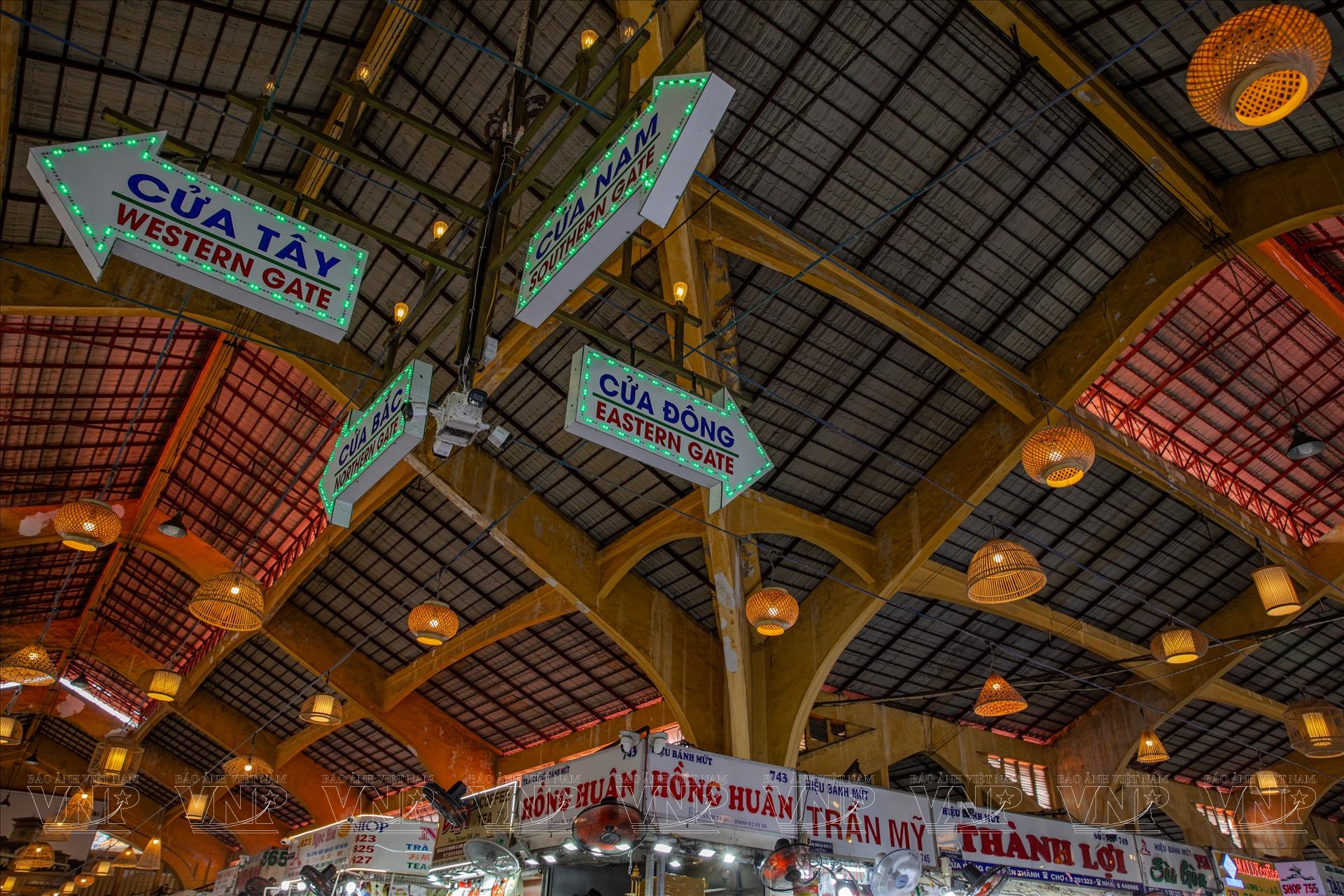
Today, these French architectural landmarks continue to thrive in the contemporary life of the modern metropolis, serving as administrative centers, cultural hubs, tourist hotspots, and vibrant public spaces. Rather than drifting away from the current of development, they serve as a bridge connecting the past and present, the heritage and innovation. Ultimately, these French structures defy the test of time, helping shape an open, inclusive, and multicultural city that has grown into an attractive destination internationally./.
Story: Son Nghia
Photos: Nguyen Luan/VNP