Tay Ninh Promotes Sustainable Tourism Through Cultural Heritage
Tay Ninh’s rich heritage is being preserved and promoted, helping spread local cultural identity and support sustainable tourism.
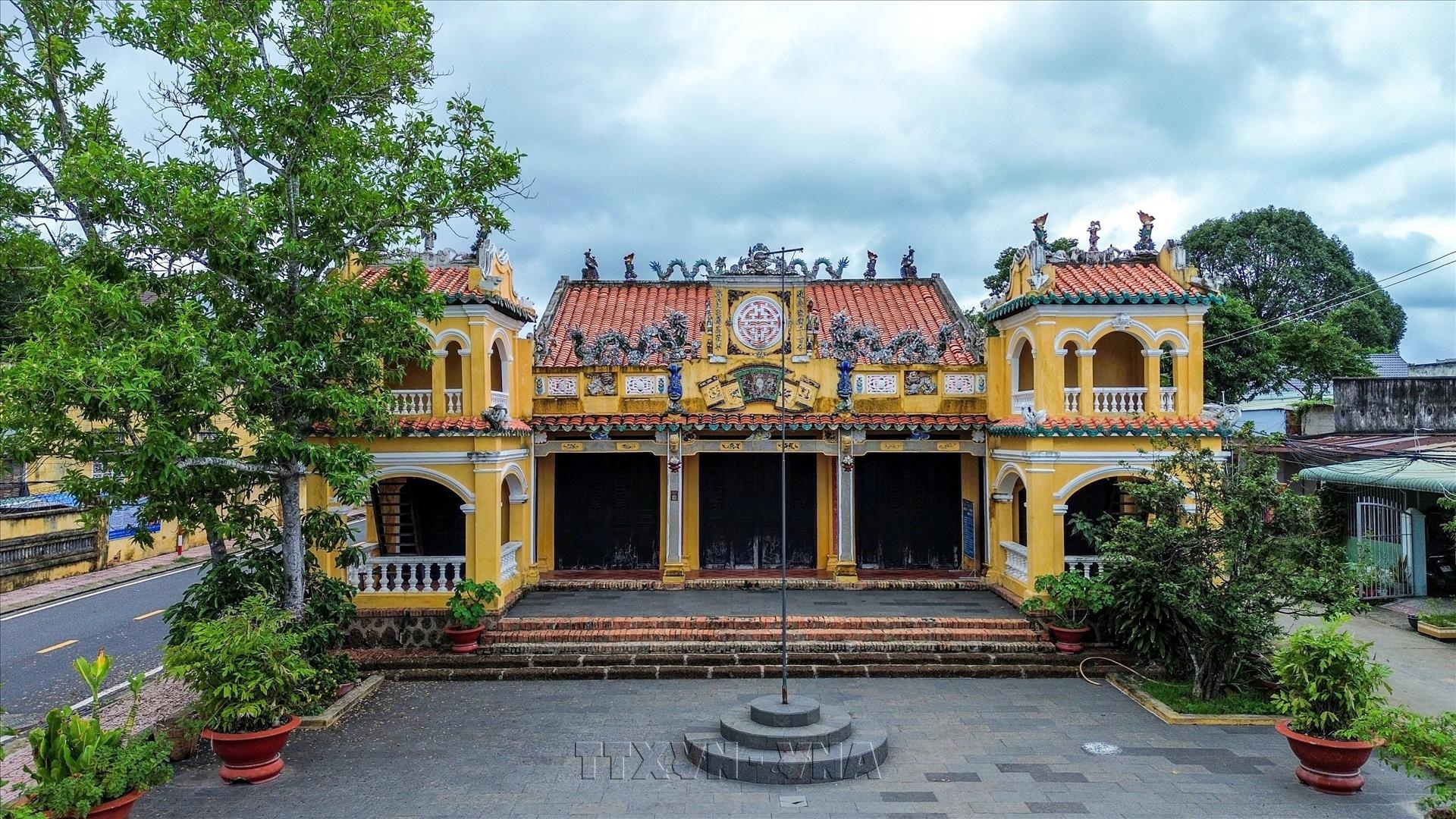
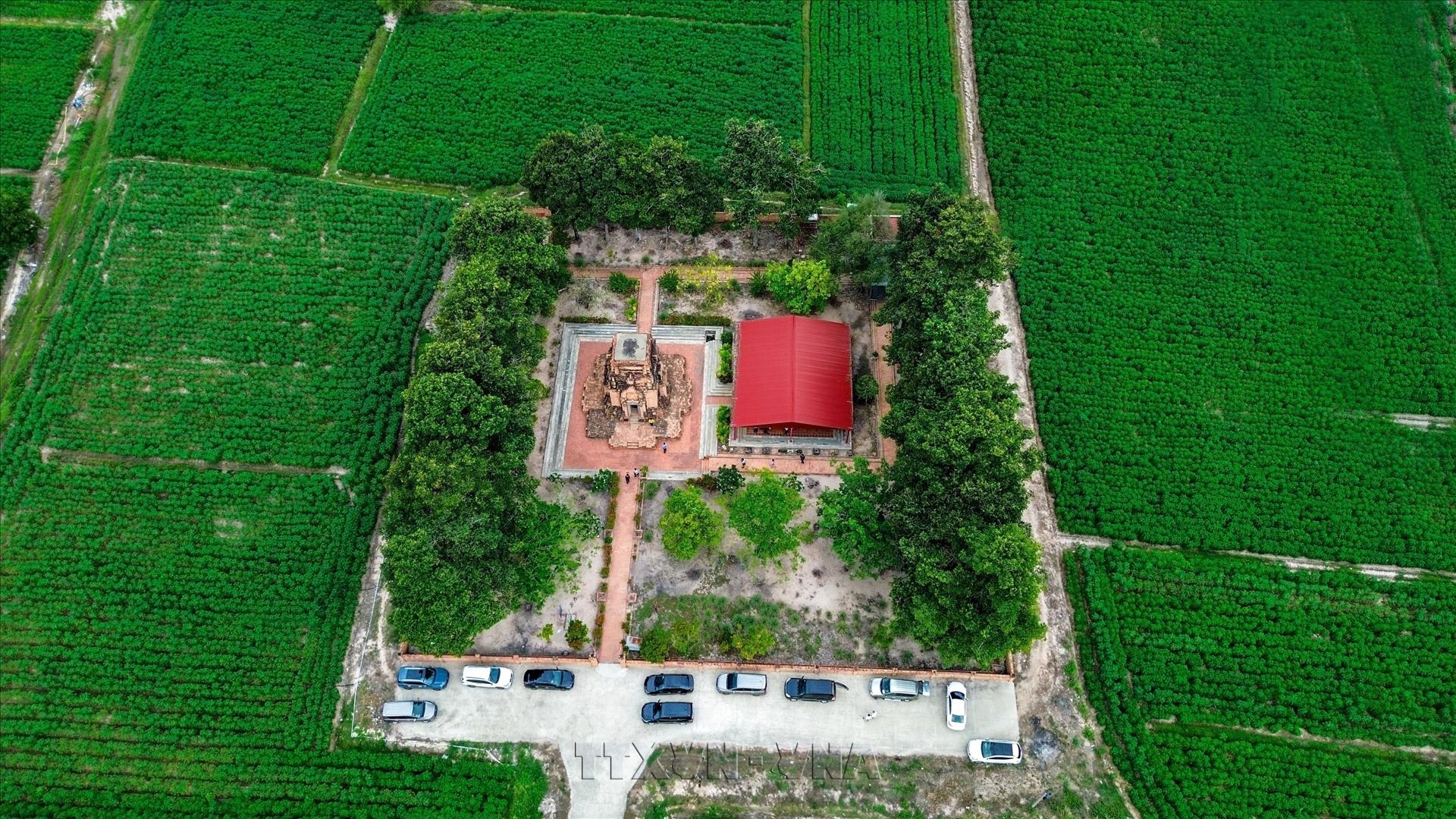
Chot Mat Tower in Thanh Binh Commune stands amid green rice fields. It is a well-preserved example of late Oc Eo
religious architecture in southern Vietnam. Photo: Giang Phuong/VNA
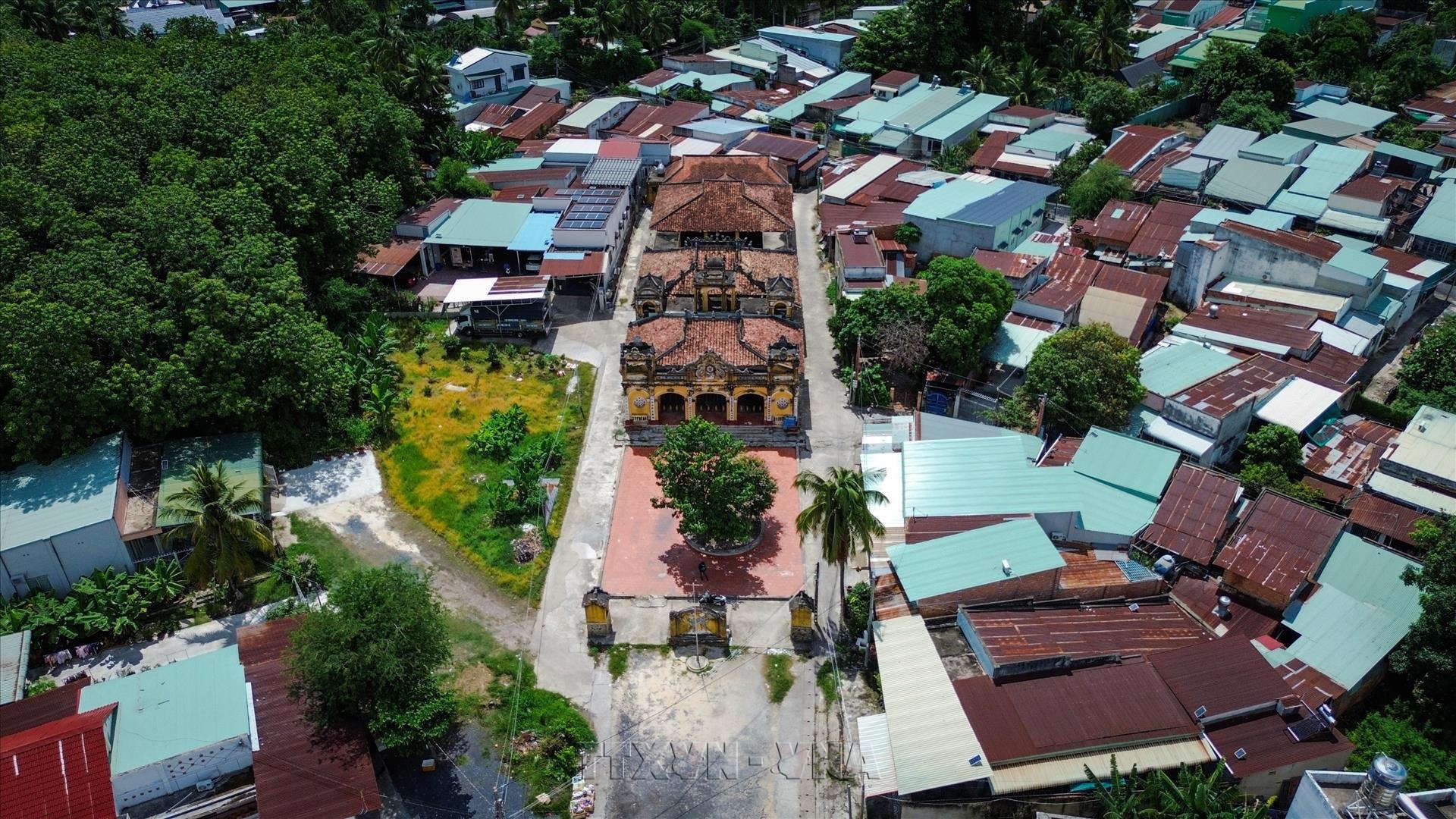
Across Tay Ninh, ancient communal houses such as Hiep Ninh and Long Thanh, Phuoc Lam Pagoda, the old house of Doc Phu Su Nguyen Van Kien, and the tomb and temple of Nguyen Huynh Duc reflect the region’s history of settlement, community building, and national defense. Other sites, including Rach Cat Fort, Kim Cang Pagoda, and Khedol Khmer Pagoda, showcase the architectural creativity and cultural and religious traditions of local communities.
Together, these sites form a rich and diverse heritage landscape, strengthening Tay Ninh’s appeal as a destination for cultural tourism.
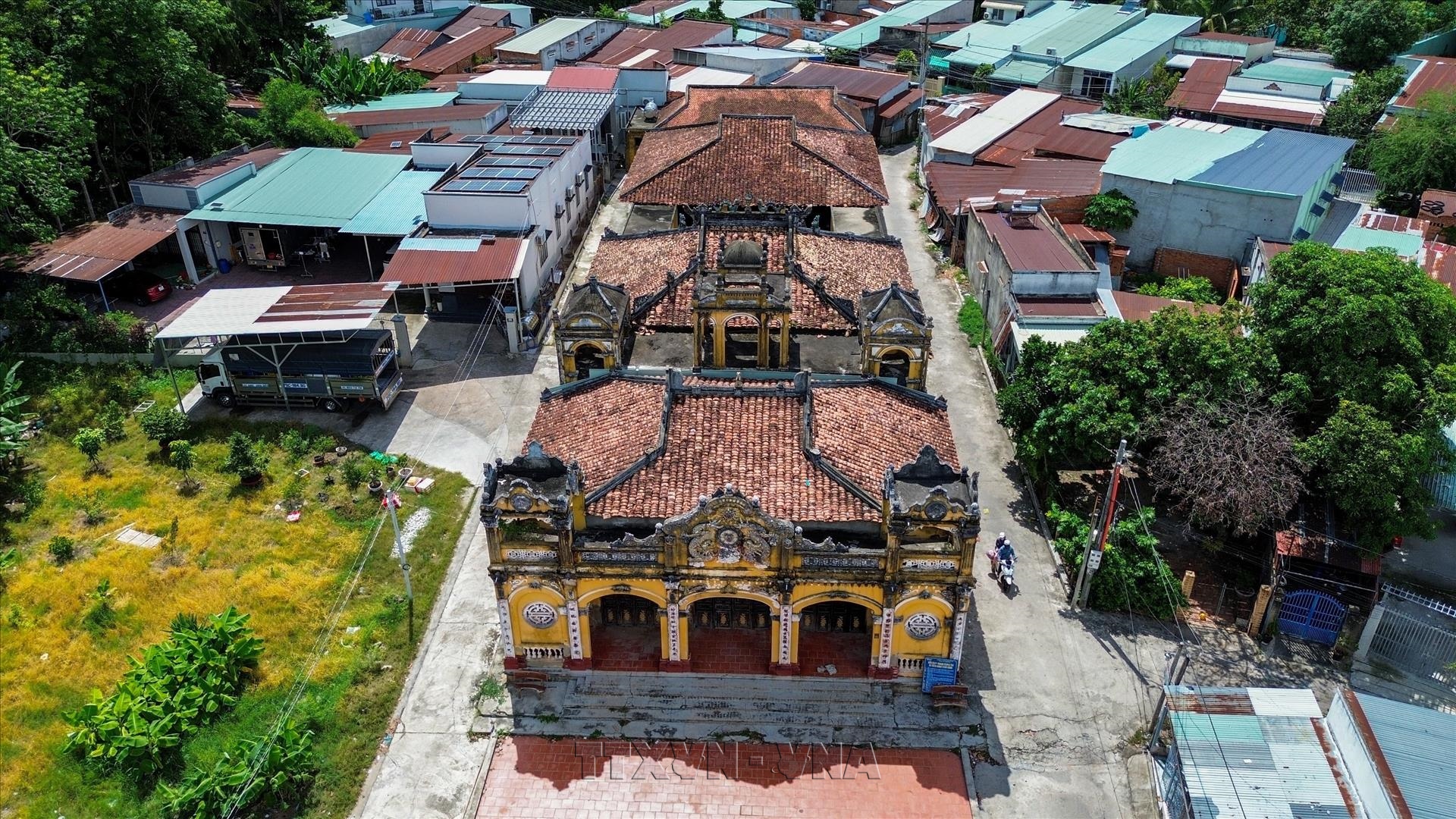
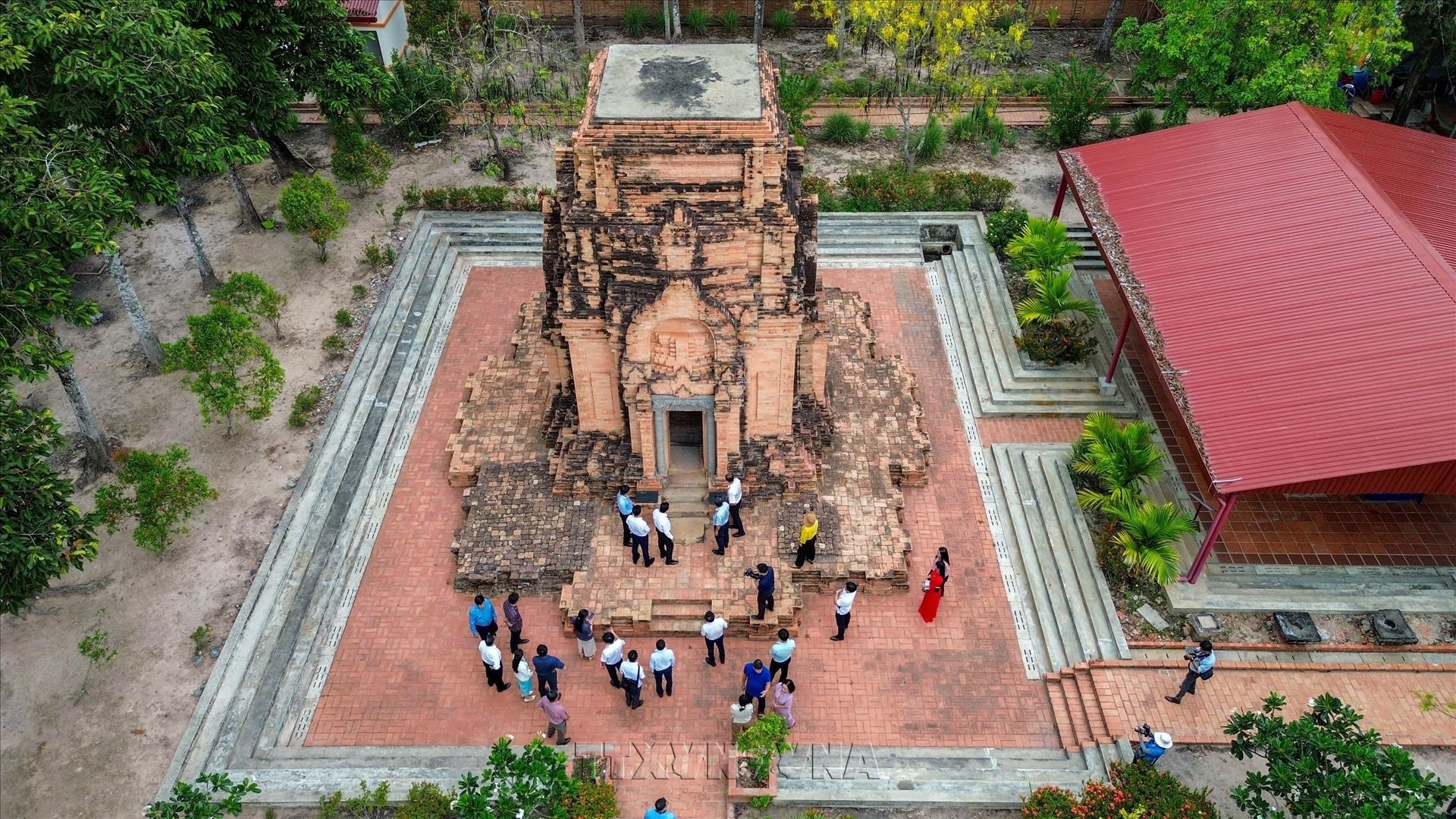
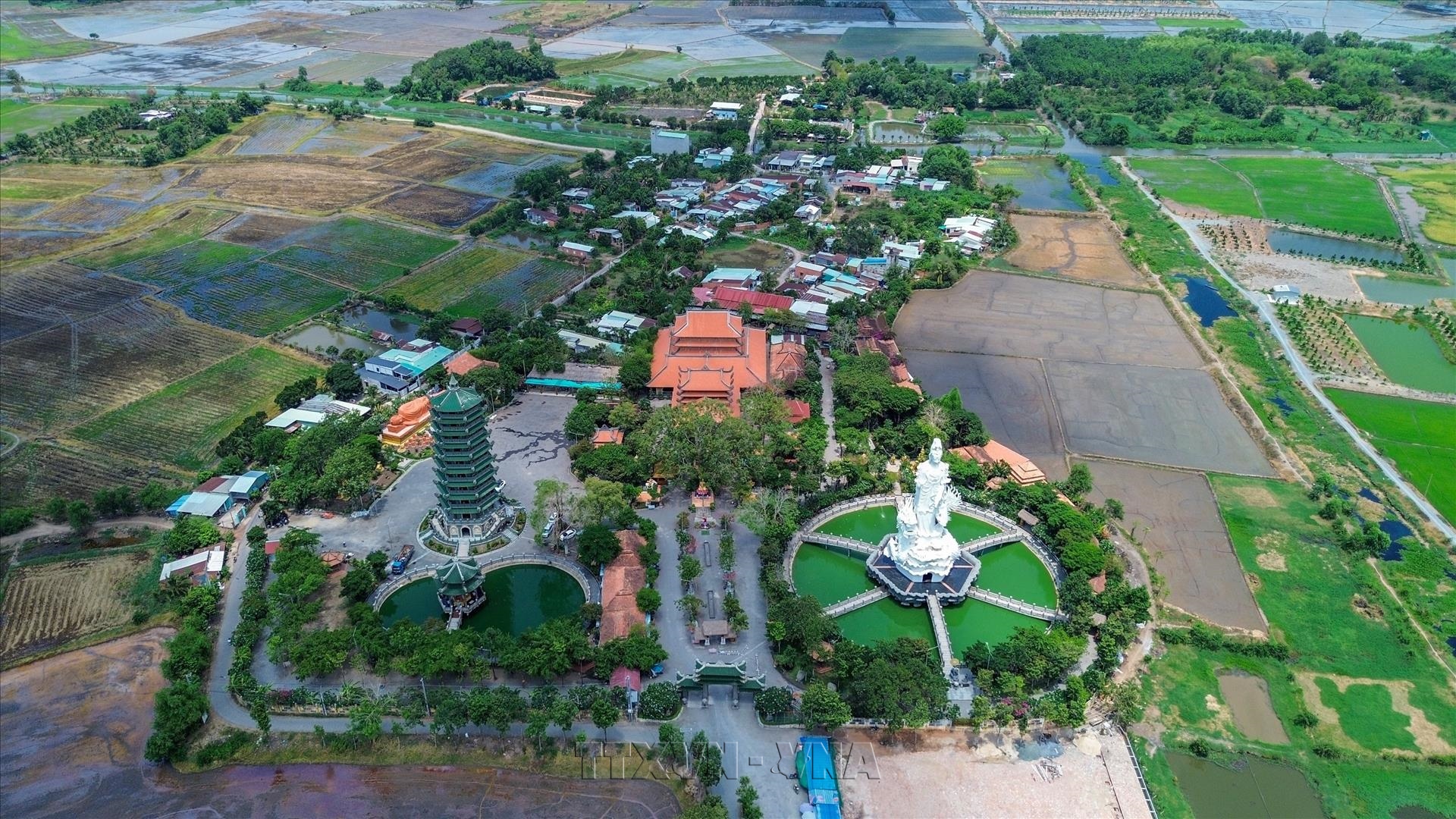
Thien Lam - Go Ken Pagoda in Long Hoa Ward features distinctive architecture and is a popular cultural and spiritual
destination, helping preserve and promote local historical and cultural values.
Photo: Giang Phuong/VNA
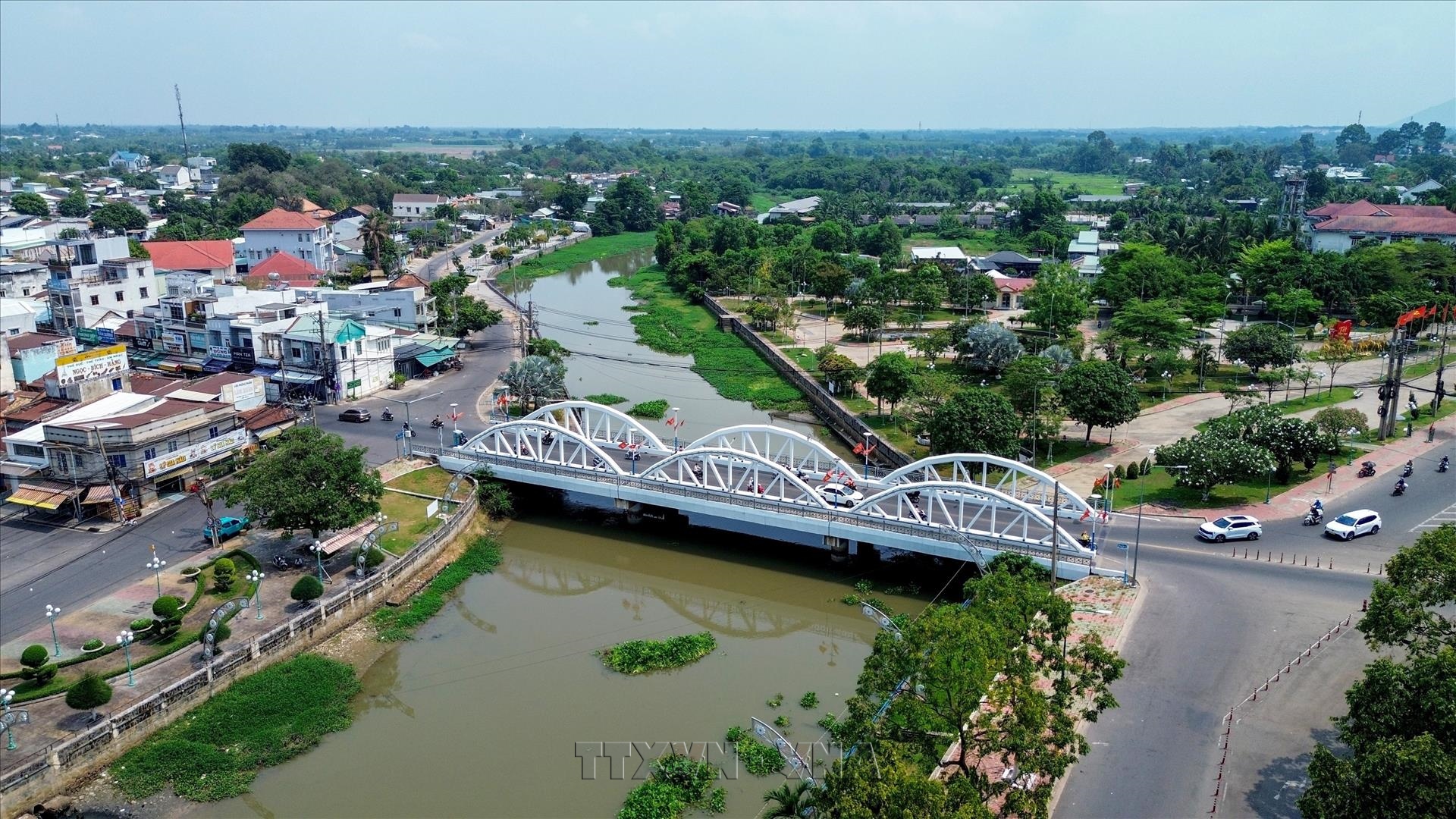
Quan Bridge in Tan Ninh Ward is a historical symbol associated with the early resistance of Tay Ninh’s military
and people against the return of French colonial forces. Photo: Giang
Phuong/VNA
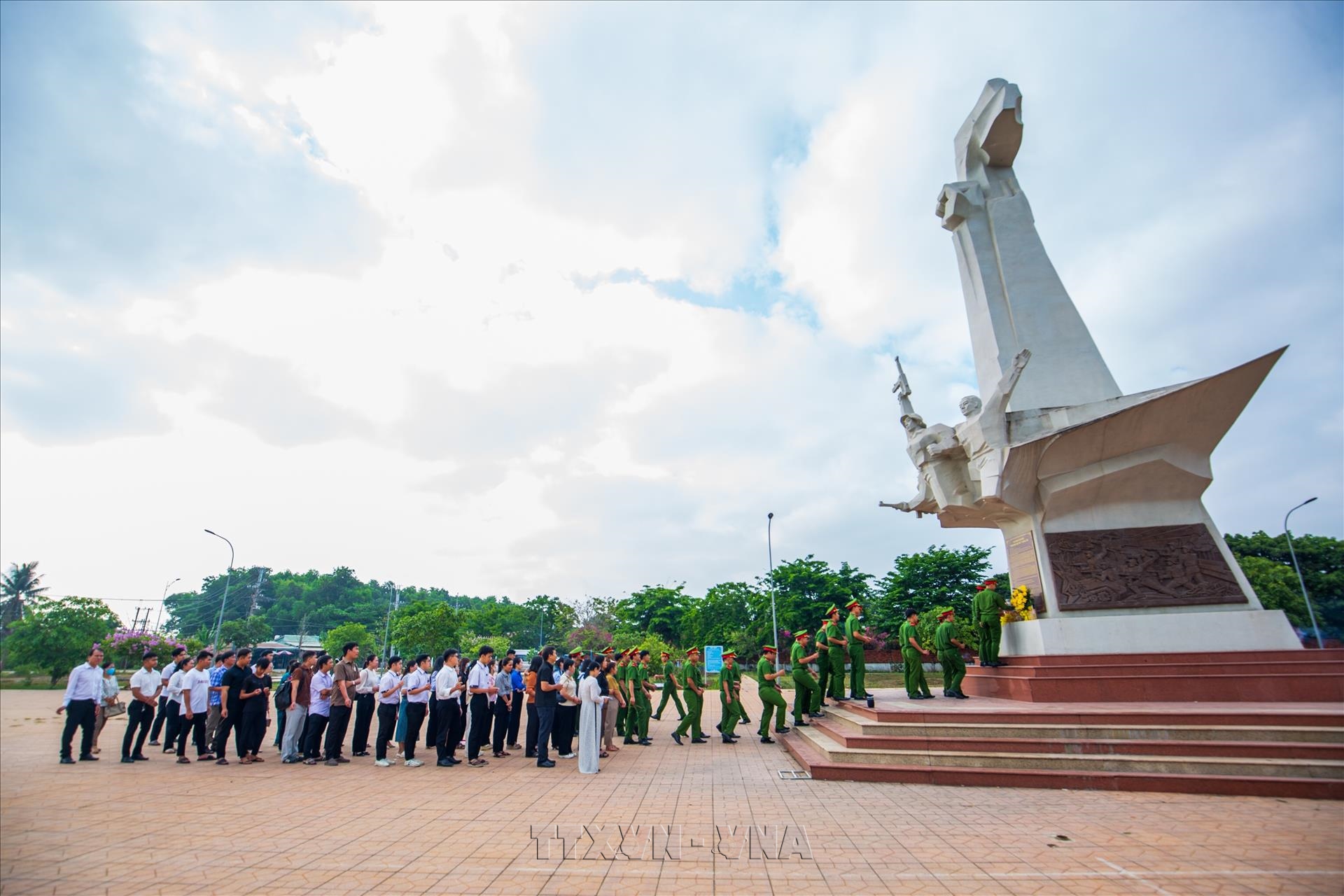
Young union members take part in a heritage trip to the Anti-American War Ring historical site in Chau Thanh Commune, helping promote
traditional and revolutionary values. Photo: Giang Phuong/VNA
The heritage sites in Tay Ninh are being preserved and promoted, helping safeguard and spread the province’s cultural identity while becoming an important resource for sustainable tourism development.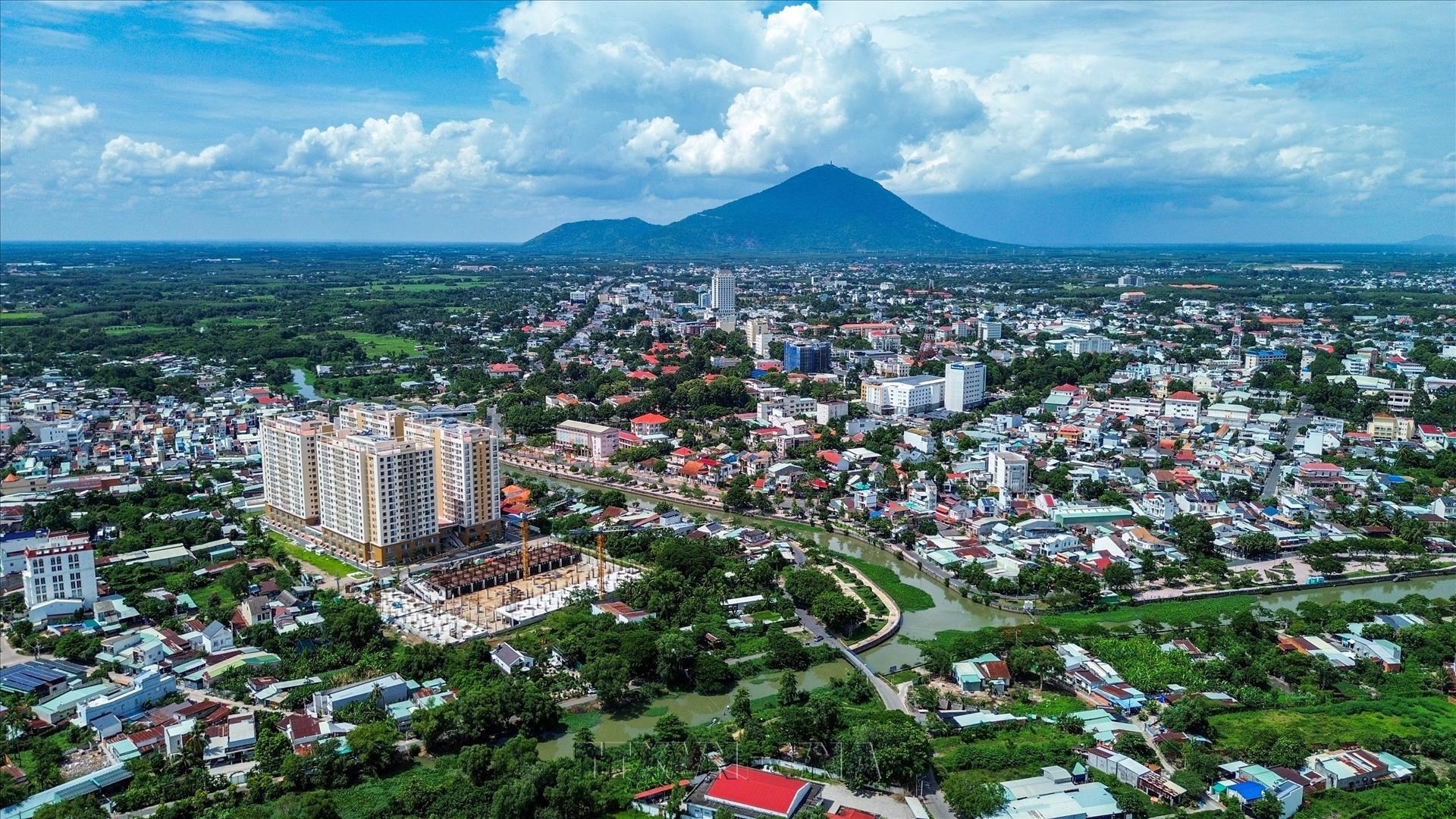
By Giang Phuong