Returning to Pac Bo, Tracing the Footsteps of President Ho Chi Minh
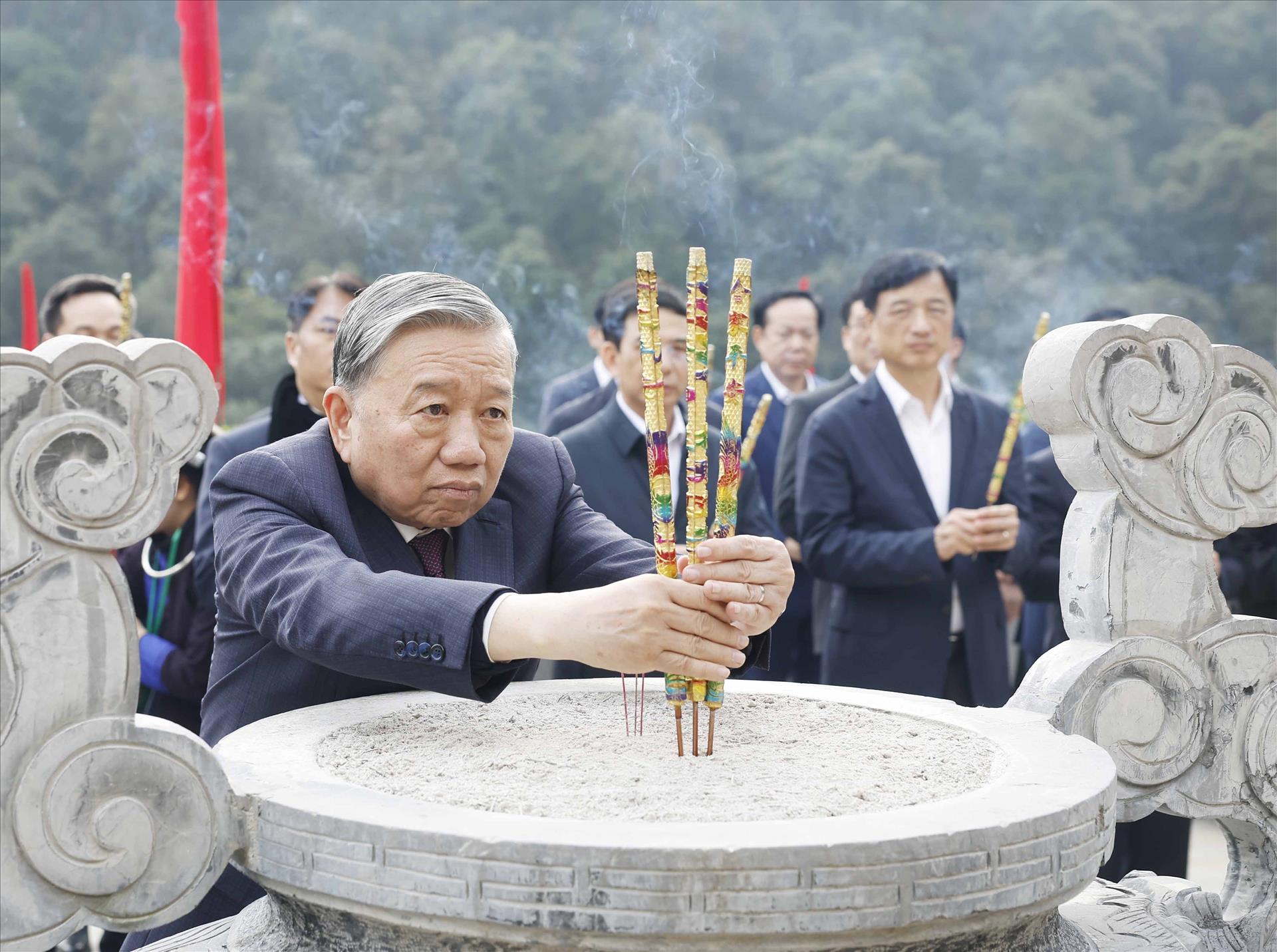
Party General Secretary To Lam visited to the northern border province of Cao Bang on January 28 on the occasion of the 96th anniversary of the Communist Party of Vietnam (February 3), the 85th anniversary of President Ho Chi Minh’s return to the country (January 28), and the 65th anniversary of Ho Chi Minh’s revisit to Cao Bang (February 21).
Reflecting on January 28, 1941, he noted that it marked the moment when, after three decades abroad searching for a path to national salvation, leader Nguyen Ai Quoc, later known as Ho Chi Minh, returned to Vietnam to personally lead the revolution. Cao Bang, he said, served as a critical staging ground for that historic decision, where Ho Chi Minh relied on local ethnic communities to establish revolutionary bases. It was from these remote highlands, the light of his revolutionary thought began to spread across the country, ultimately guiding Vietnam to independence, reunification, and its present course of development.
Pac Bo, in Cao Bang Province, is a historic site closely associated with the revolutionary activities of President Ho Chi Minh during the period when he returned to Vietnam to directly lead the country’s revolution. The mountains, forests, villages, and historical landmarks of this area bear the enduring imprint of the great leader of the Vietnamese nation.
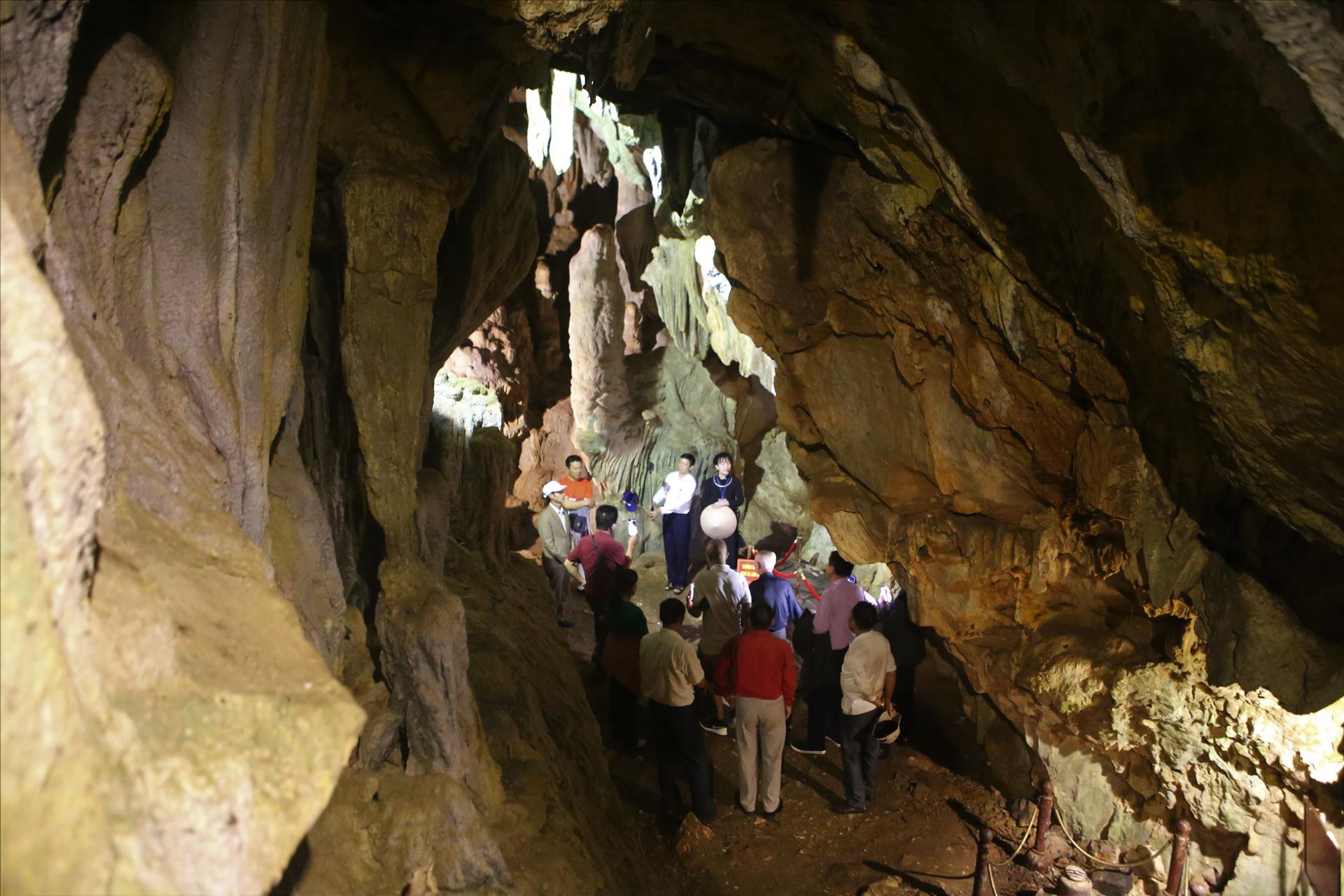
After returning to the homeland in early 1941, President Ho Chi Minh selected Pac Bo as a base for revolutionary activities, from which he led the struggle against French colonial rule. According to local accounts, Pac Bo, known in the Nung language as Coc Bo, meaning “the headwaters”, is characterized by rugged terrain with high mountains and deep streams. He lived and worked in Pac Bo Cave, which he named Gia Thu, a spacious and secluded site well suited to revolutionary work.
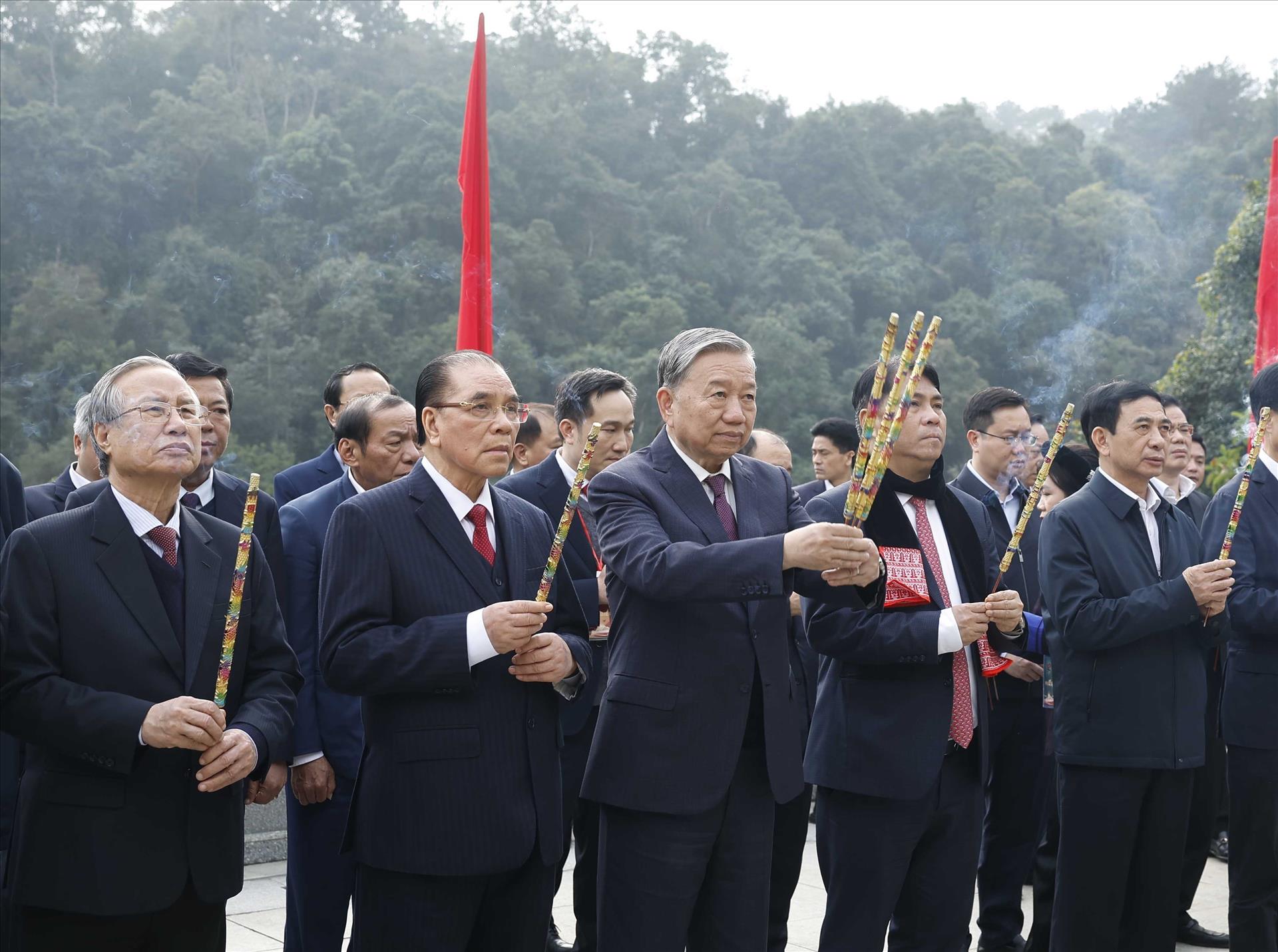
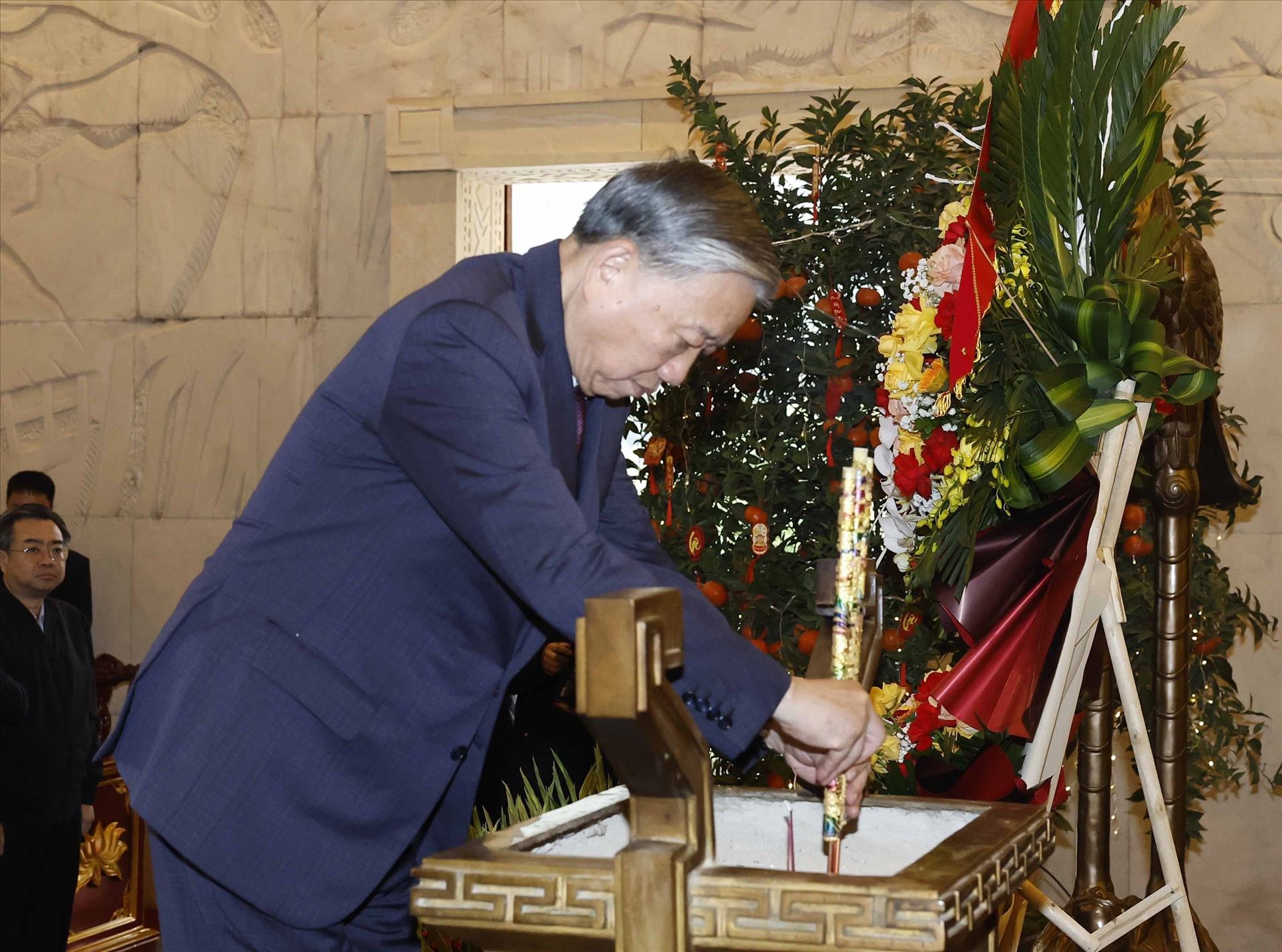
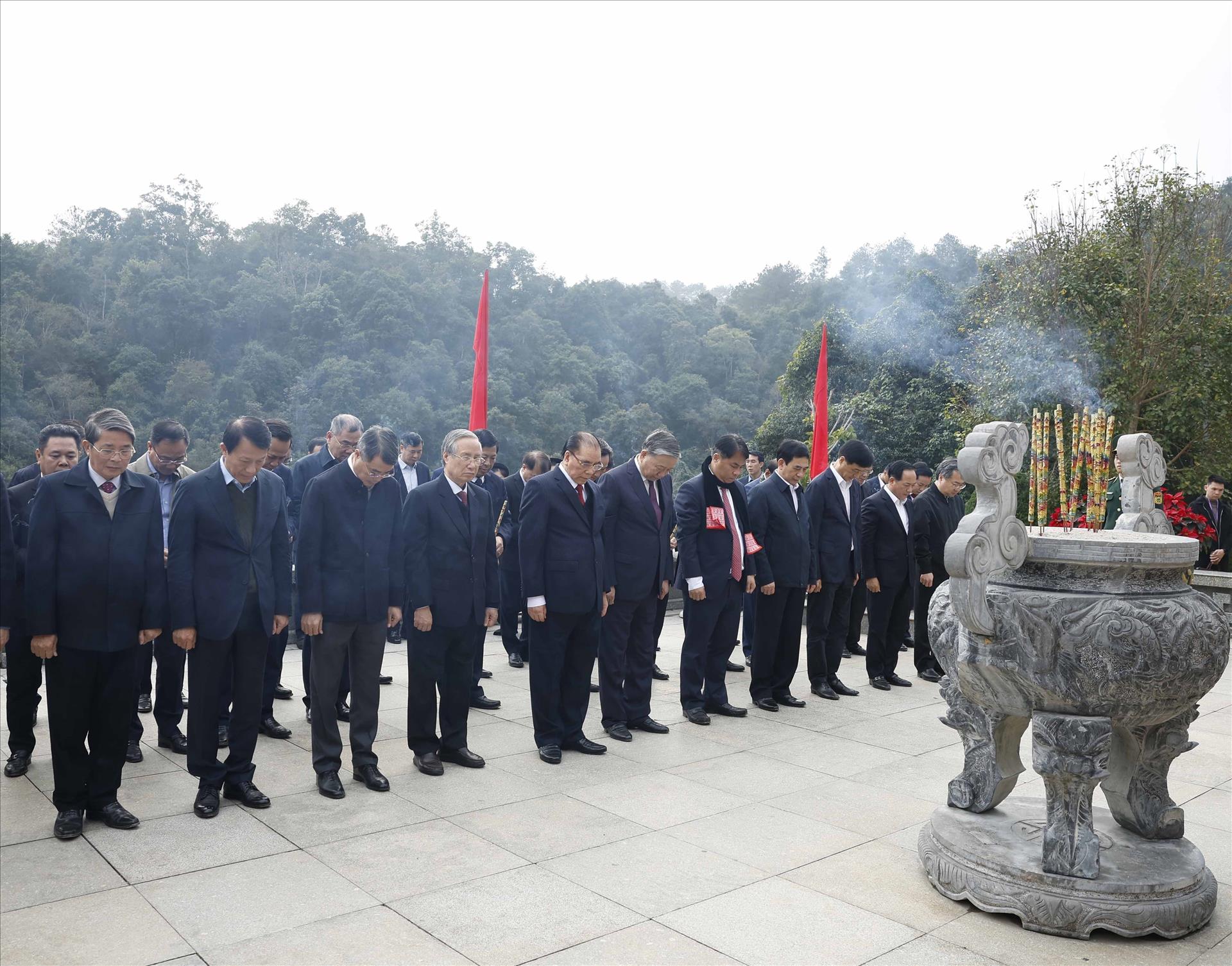
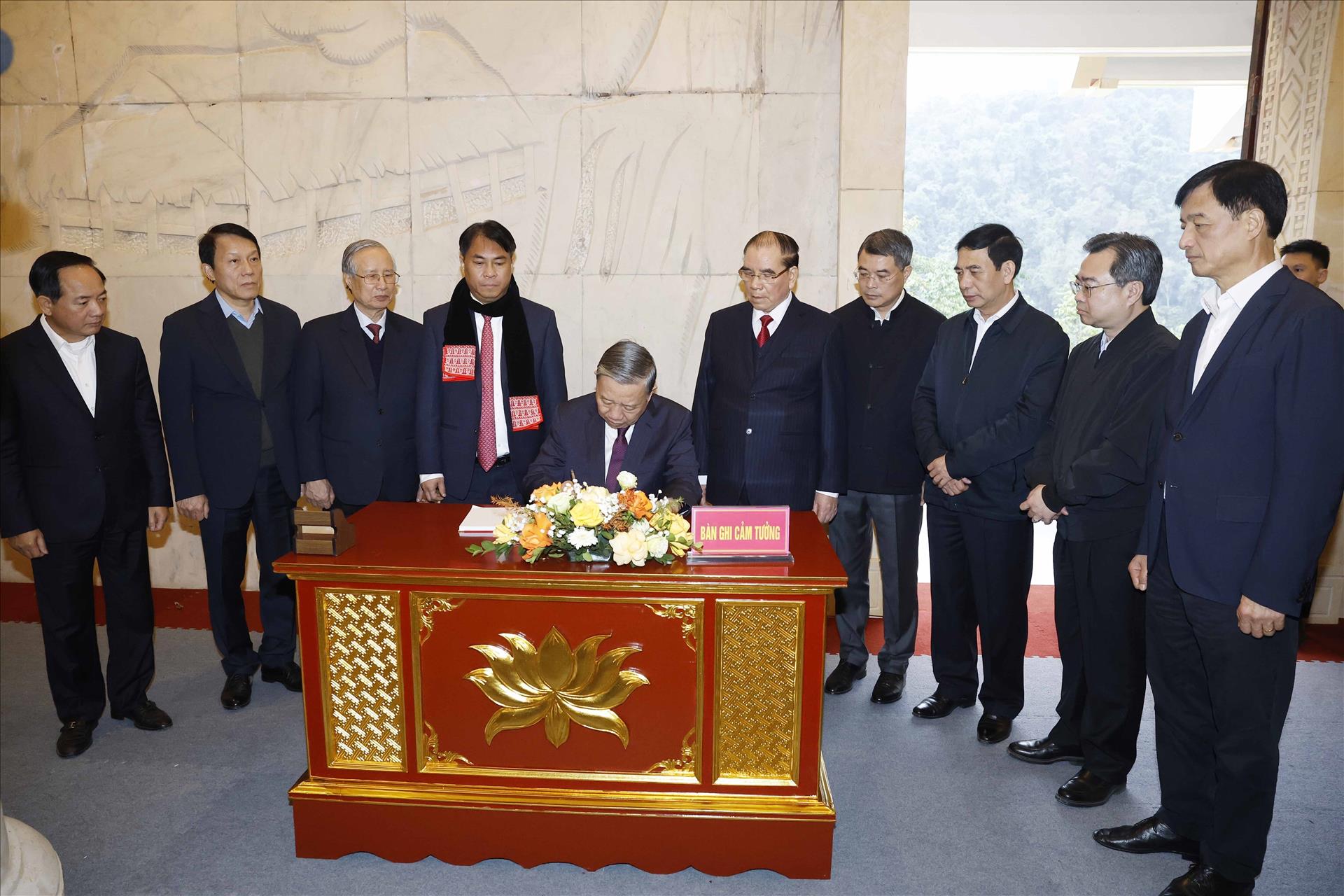
Sheltered by dense forests and rocky cliffs, the cave provided protection during a period marked by great hardship and deprivation. Despite limited material conditions, President Ho Chi Minh maintained an unwavering revolutionary spirit, optimism, and firm confidence in the future of the Vietnamese revolution.
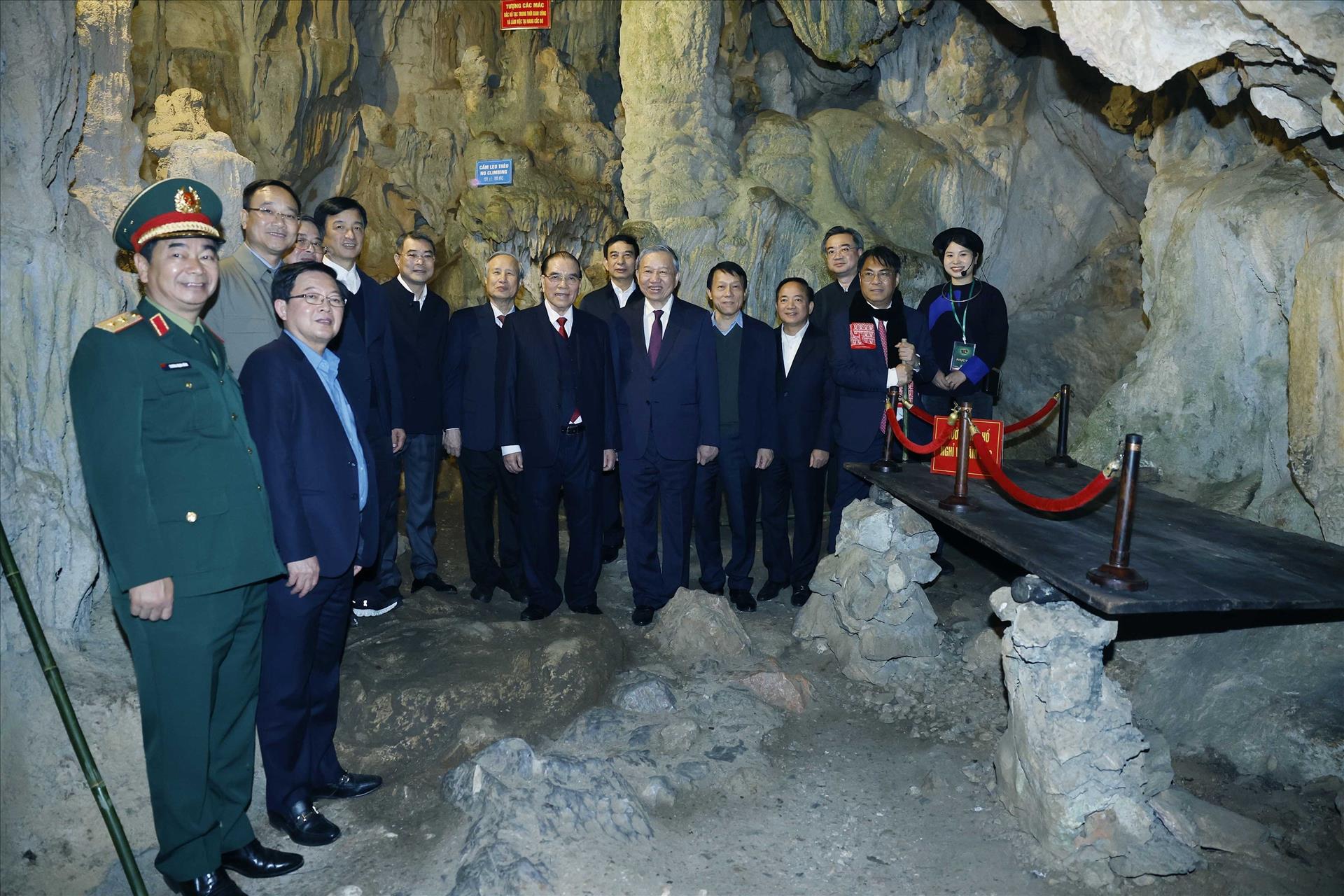
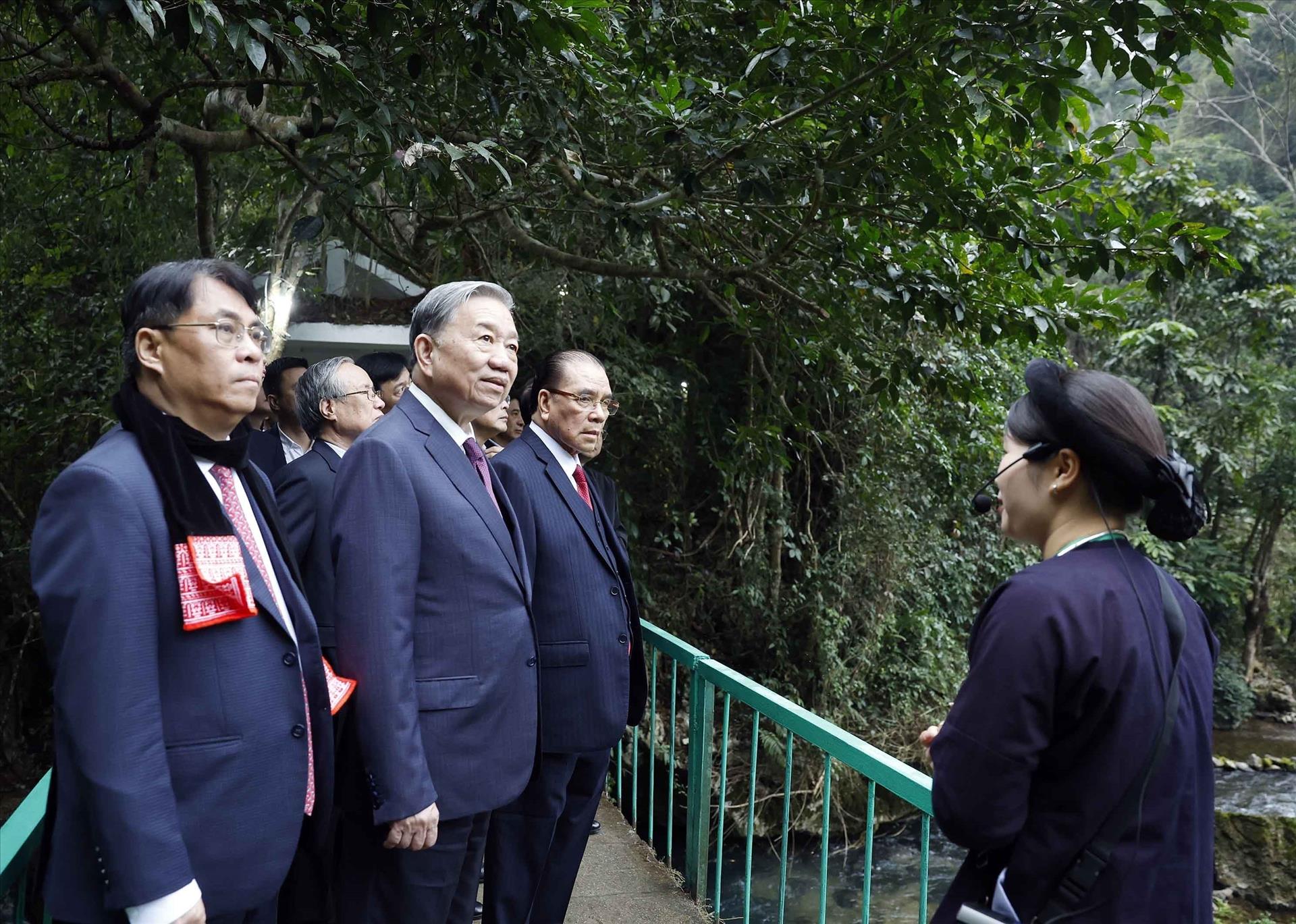
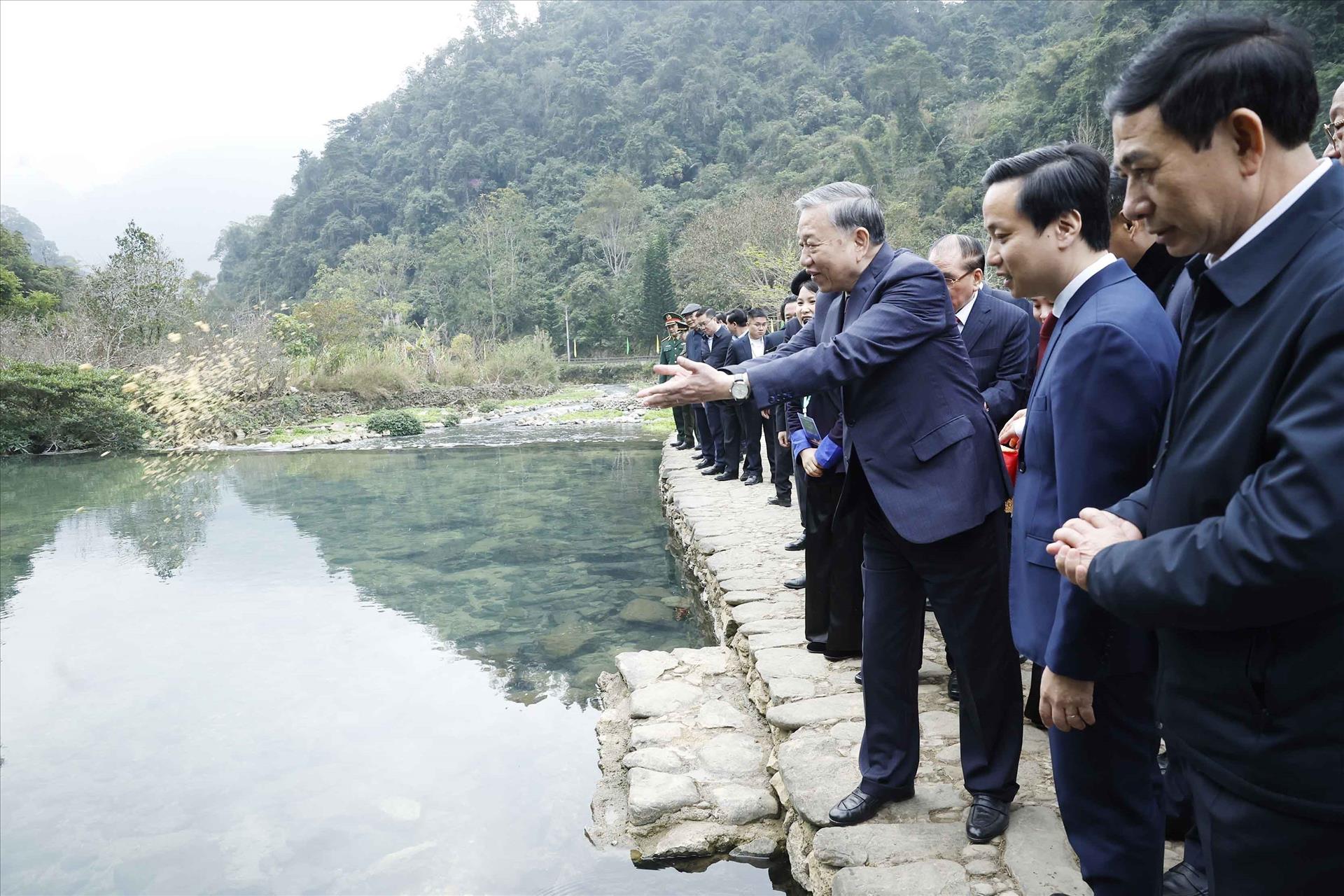
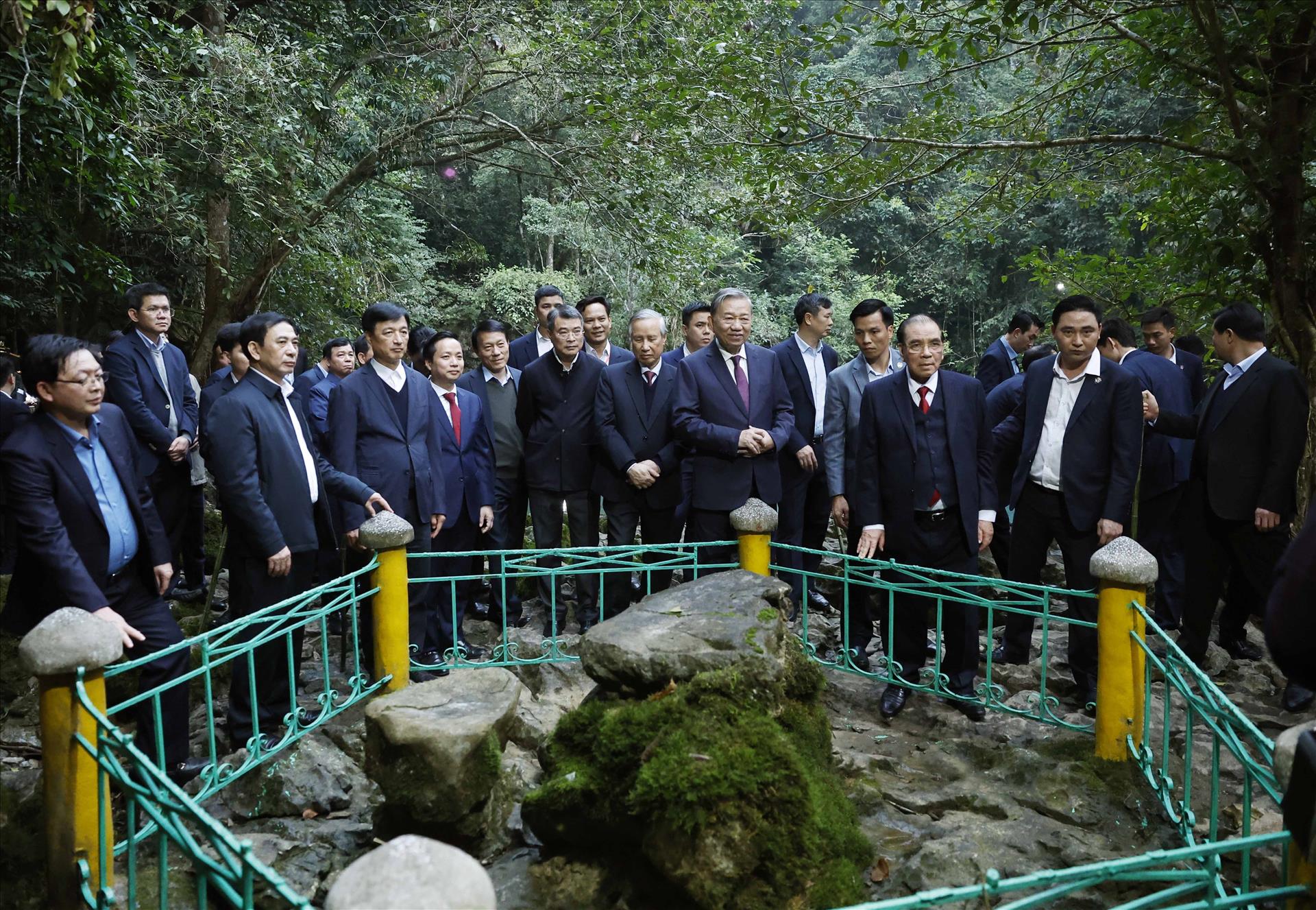
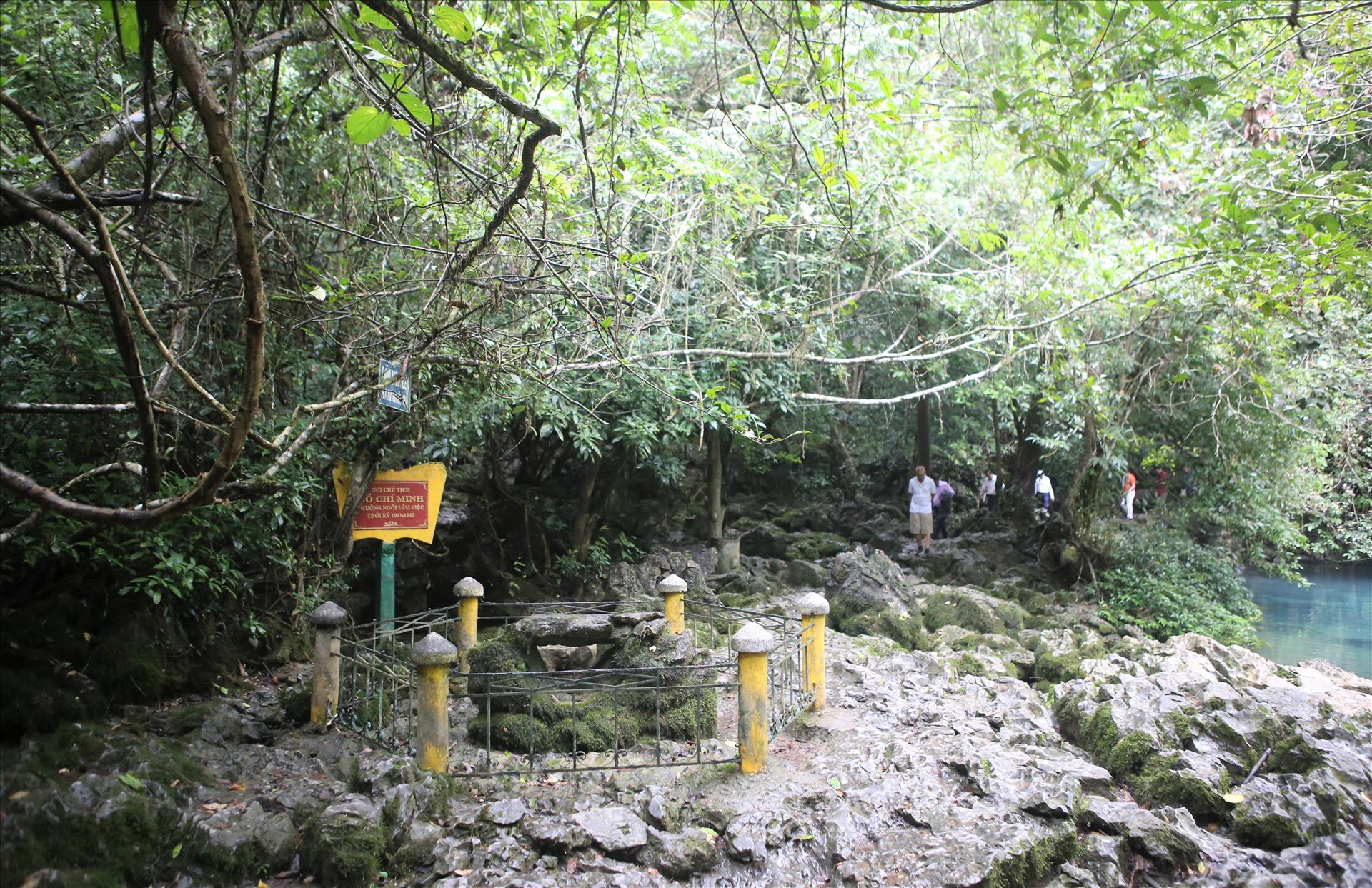
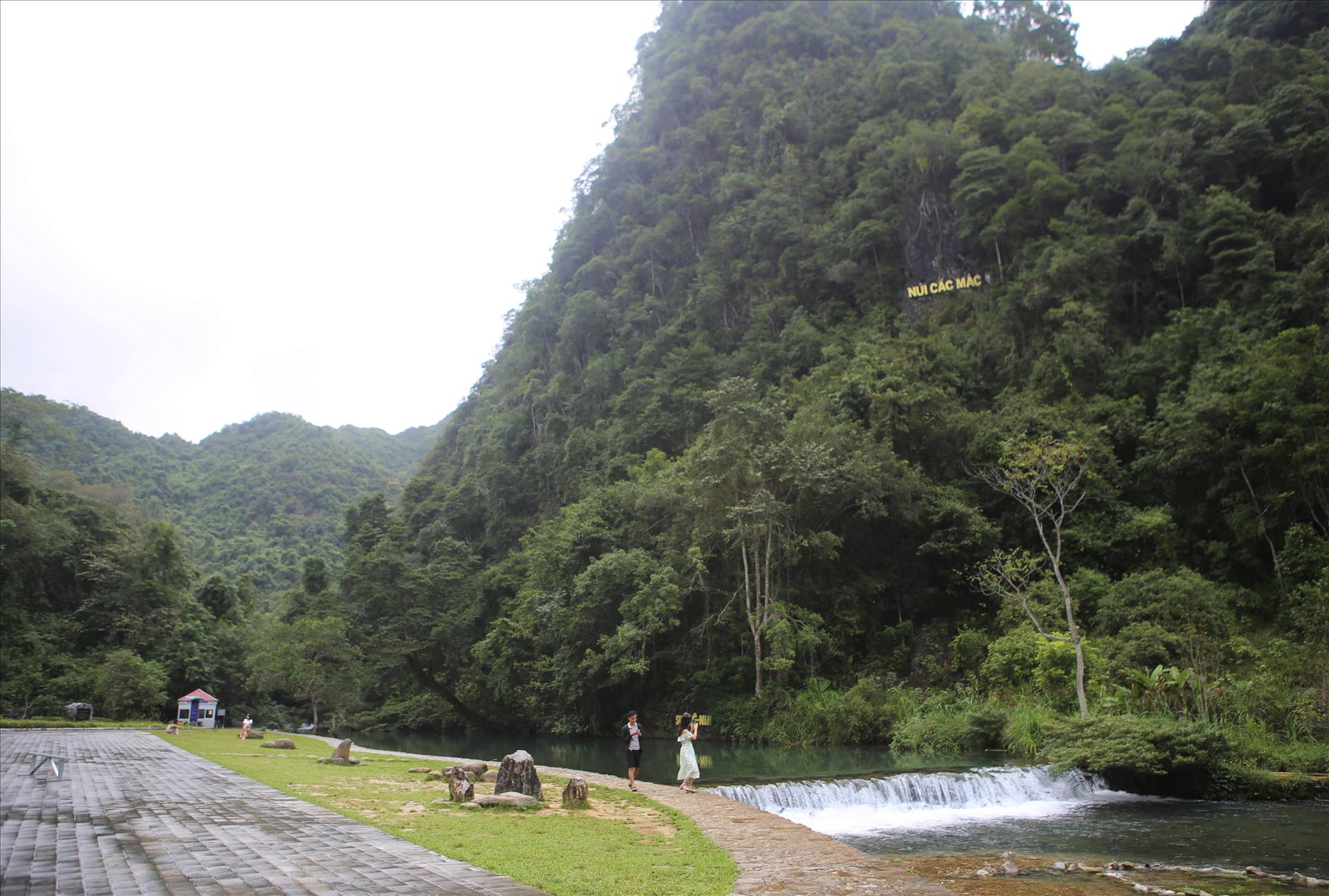
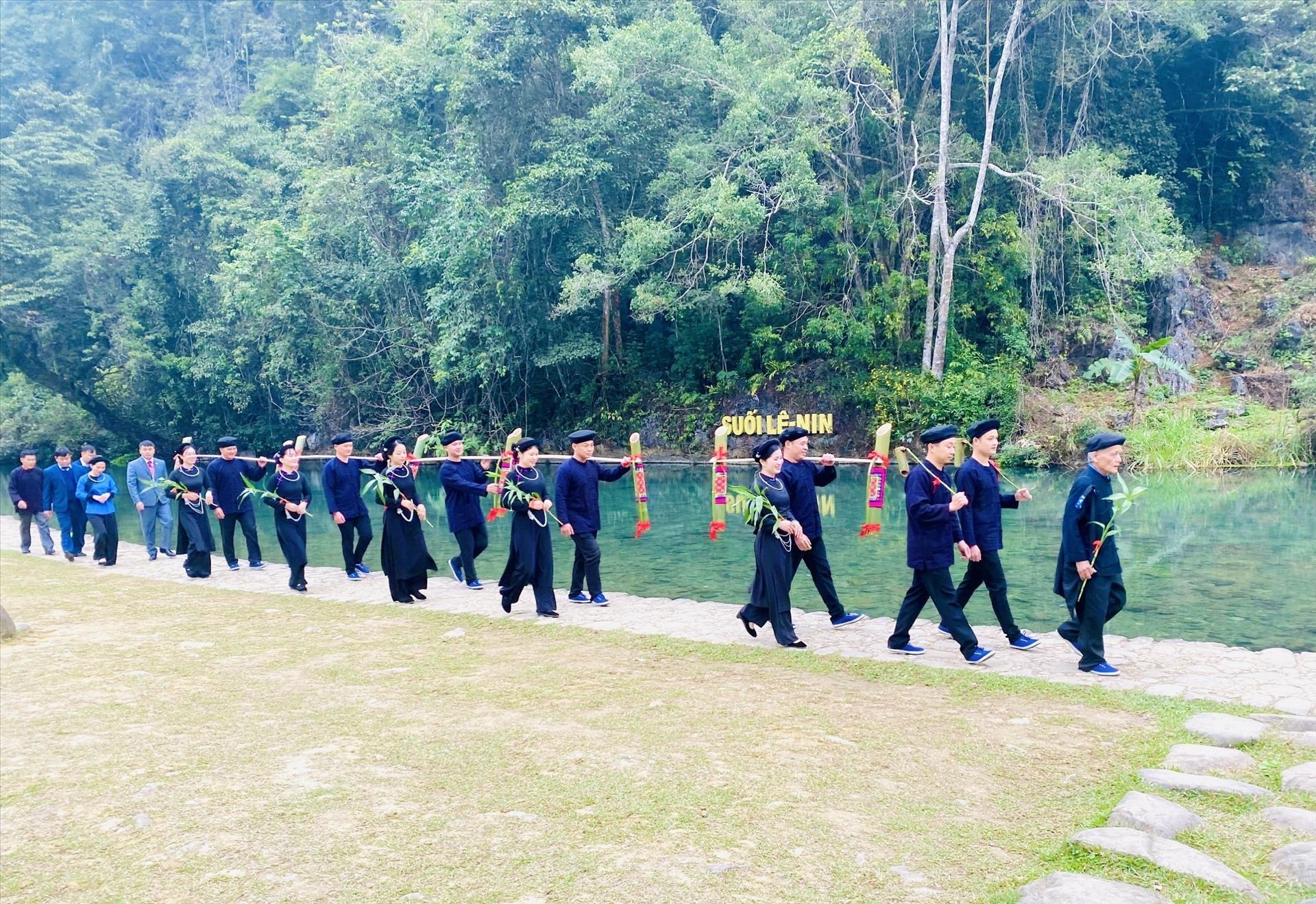
It was in Pac Bo that he made important strategic decisions shaping the course of the revolution, including issuing the directive to establish the Vietnam Propaganda Liberation Army, the predecessor of the Vietnam People’s Army, to Comrade Vo Nguyen Giap. On December 22, 1944, the unit was founded with 34 soldiers in Tran Hung Dao Forest. During this period, beside a simple stone table along the Lenin Stream and beneath Marx Mountain, President Ho Chi Minh translated the History of the Communist Party of the Soviet Union into Vietnamese to serve cadre training.
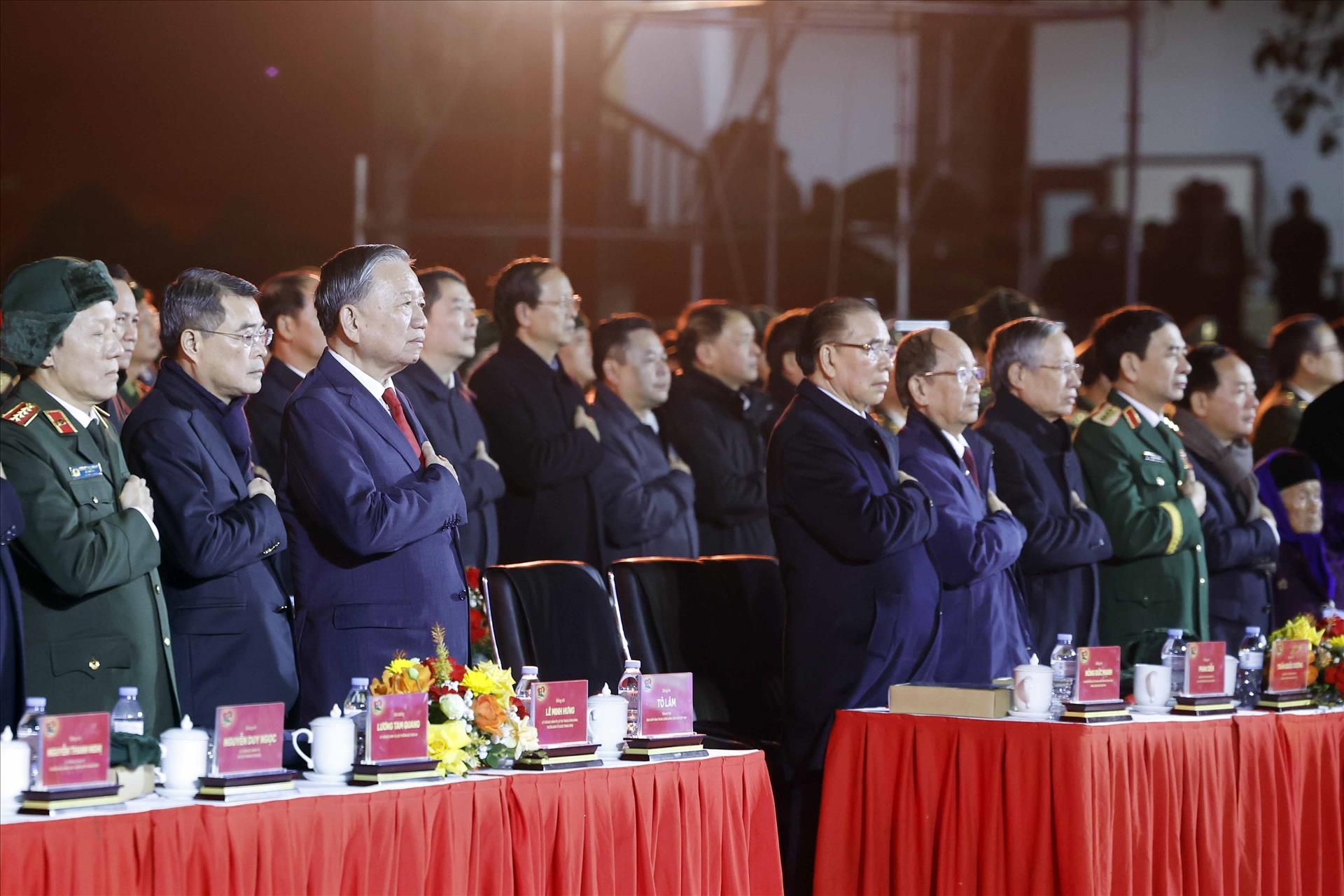
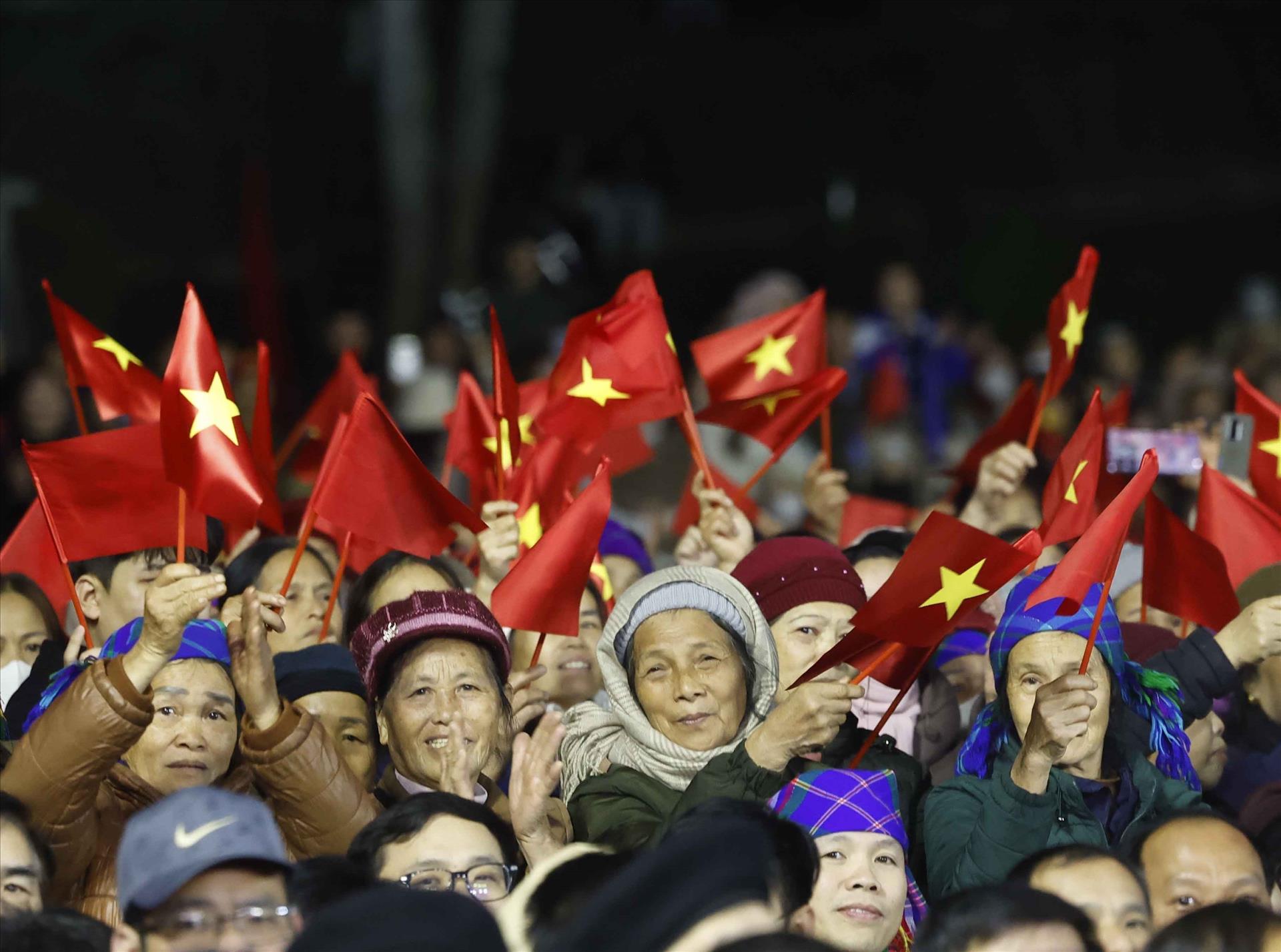
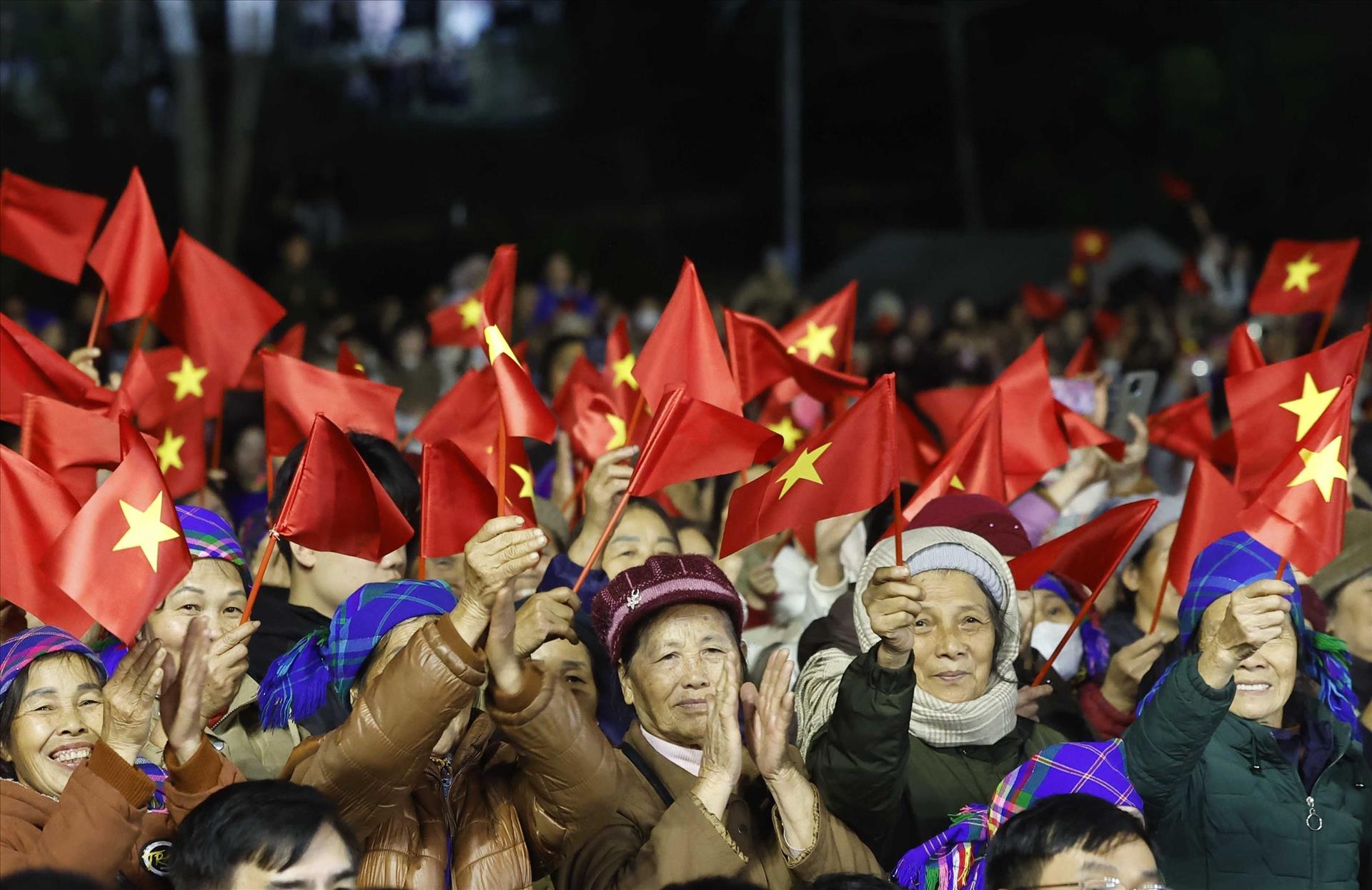
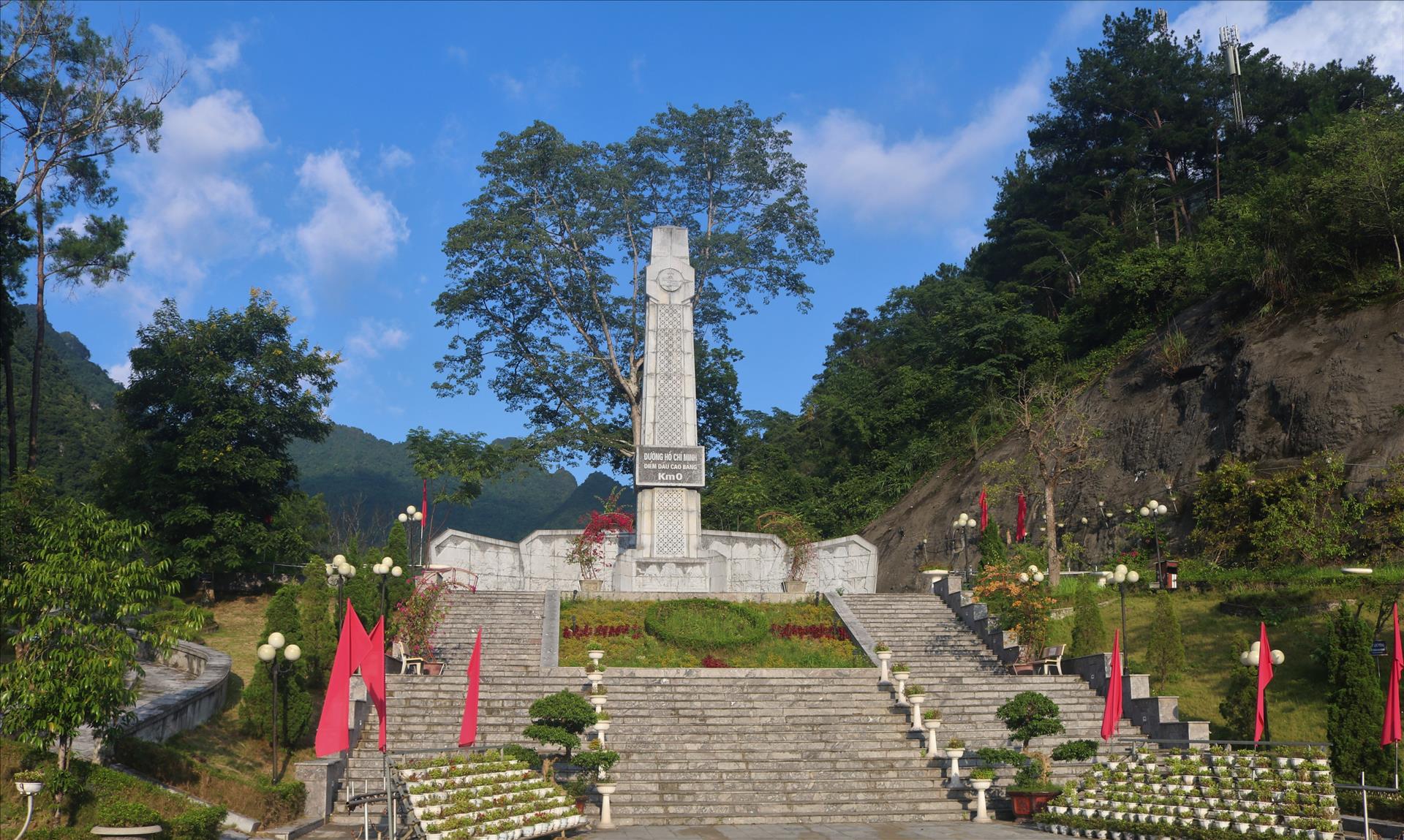
Today, the Pac Bo Special National Historic Site preserves valuable images, documents, and relics from this formative revolutionary period. From Pac Bo Cave, visitors can trace numerous sites linked to President Ho Chi Minh’s activities, including Lung Lan Cave, Khuoi Nam Shelter, and the Lenin Stream.
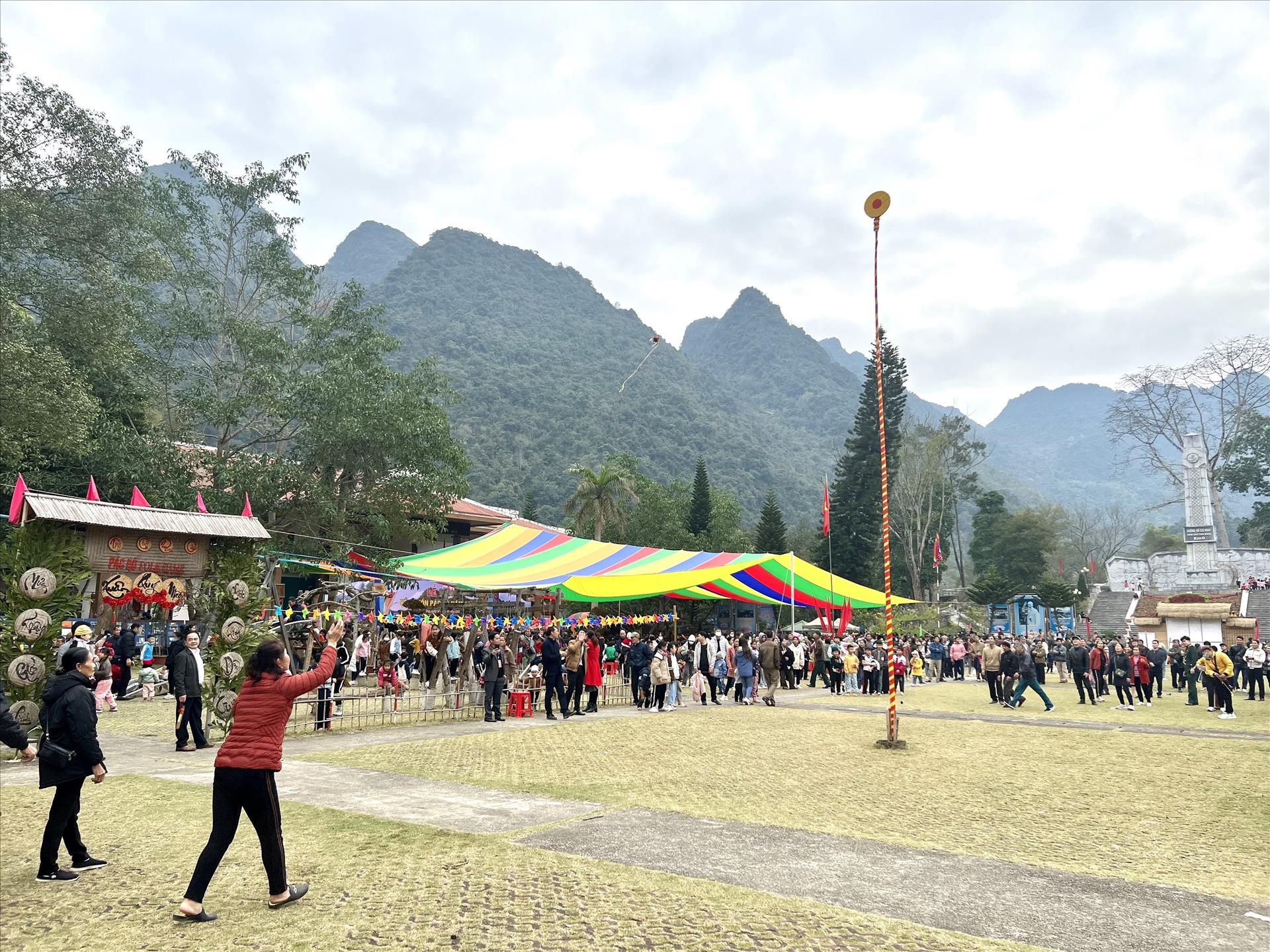
Returning to Pac Bo is a journey back to the headwaters of Vietnam’s revolution, where the enduring legacy of President Ho Chi Minh continues to be honored and preserved.
- By Thong Thien/VNP
- Photos: VNA
- Translated by Nguyen Tuoi