Preserving the Memory of Ho Chi Minh City
In the heart of Saigon Ward, where the city moves at a
relentless pace, the Ho Chi Minh City Museum offers a quiet retreat. Built in
the late 19th century, the building blends Gothic architecture with subtle
Asian influences. Its symmetrical columns, red-tiled roof, and intricate
decorative details have become an enduring part of the city’s urban heritage.
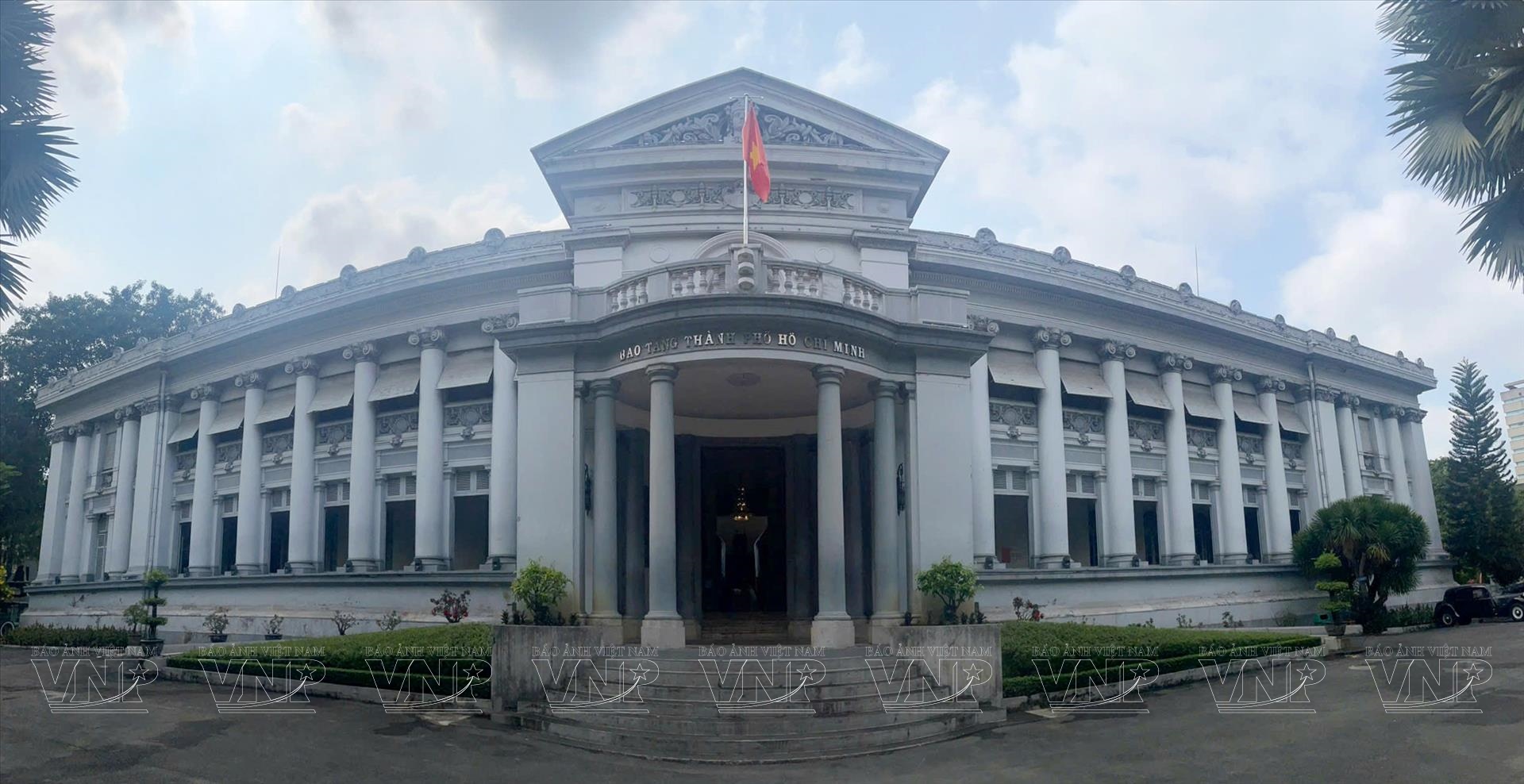
Designed by French architect Alfred Foulhoux, the
building was constructed between 1885 and 1890. Originally intended to serve as
a Museum of Commerce, it instead became the residence of the Governor of
Cochinchina under the French colonial administration. Over the decades, it
served a variety of official functions, including as the headquarters of
successive governments and state institutions. Before 1975, it was commonly
known as Gia Long Palace.
After the liberation of southern Vietnam on April 30,
1975, the building was used by the Saigon–Gia Dinh Military Administrative
Committee as a venue for cultural activities, performances, and public
exhibitions. On August 12, 1978, it officially became the Ho Chi Minh City
Revolutionary Museum. Following extensive restoration and renovation, it was
renamed the Ho Chi Minh City Museum in 1999. In 2012, the building was
recognized as a National Architectural and Artistic Heritage Site.
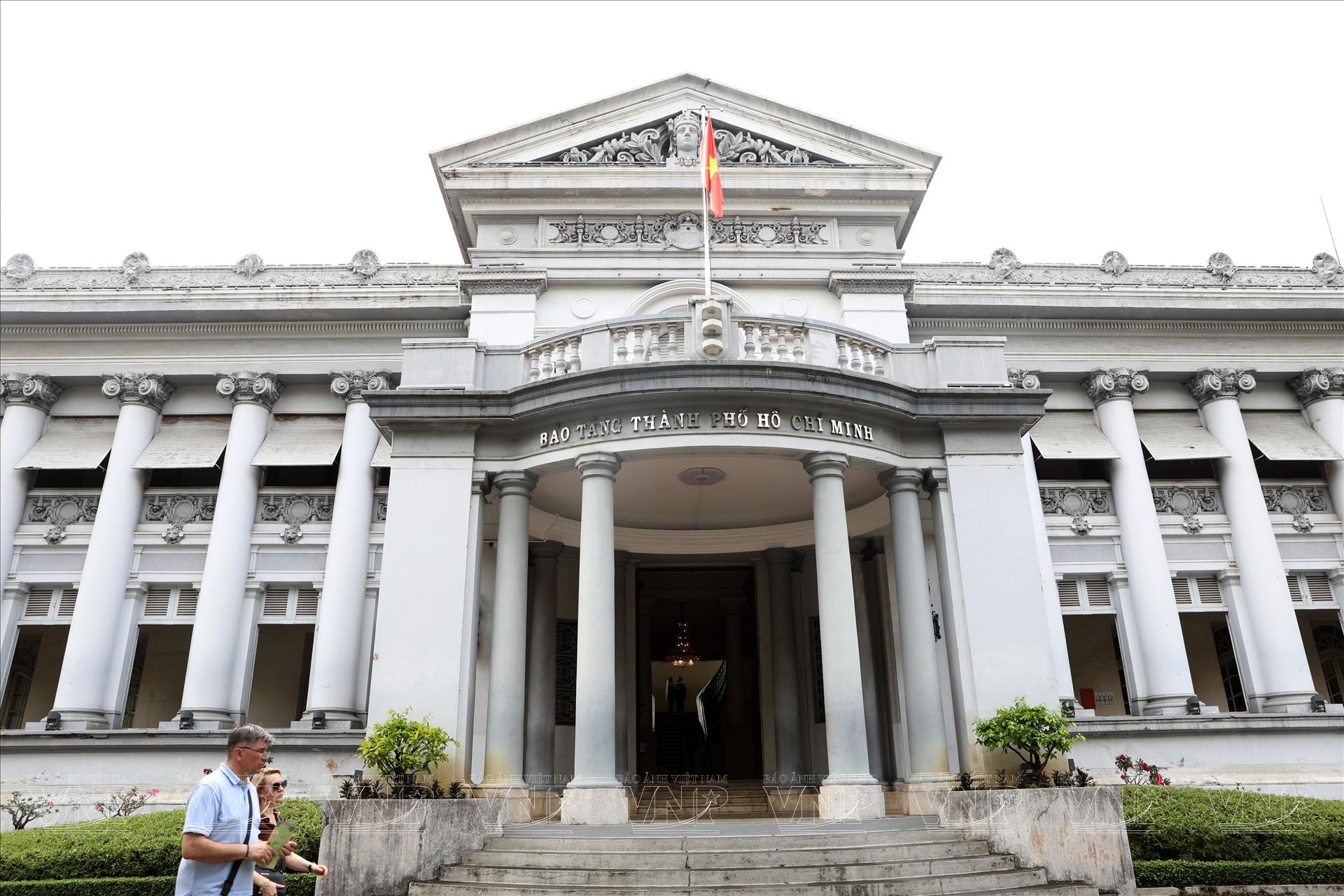
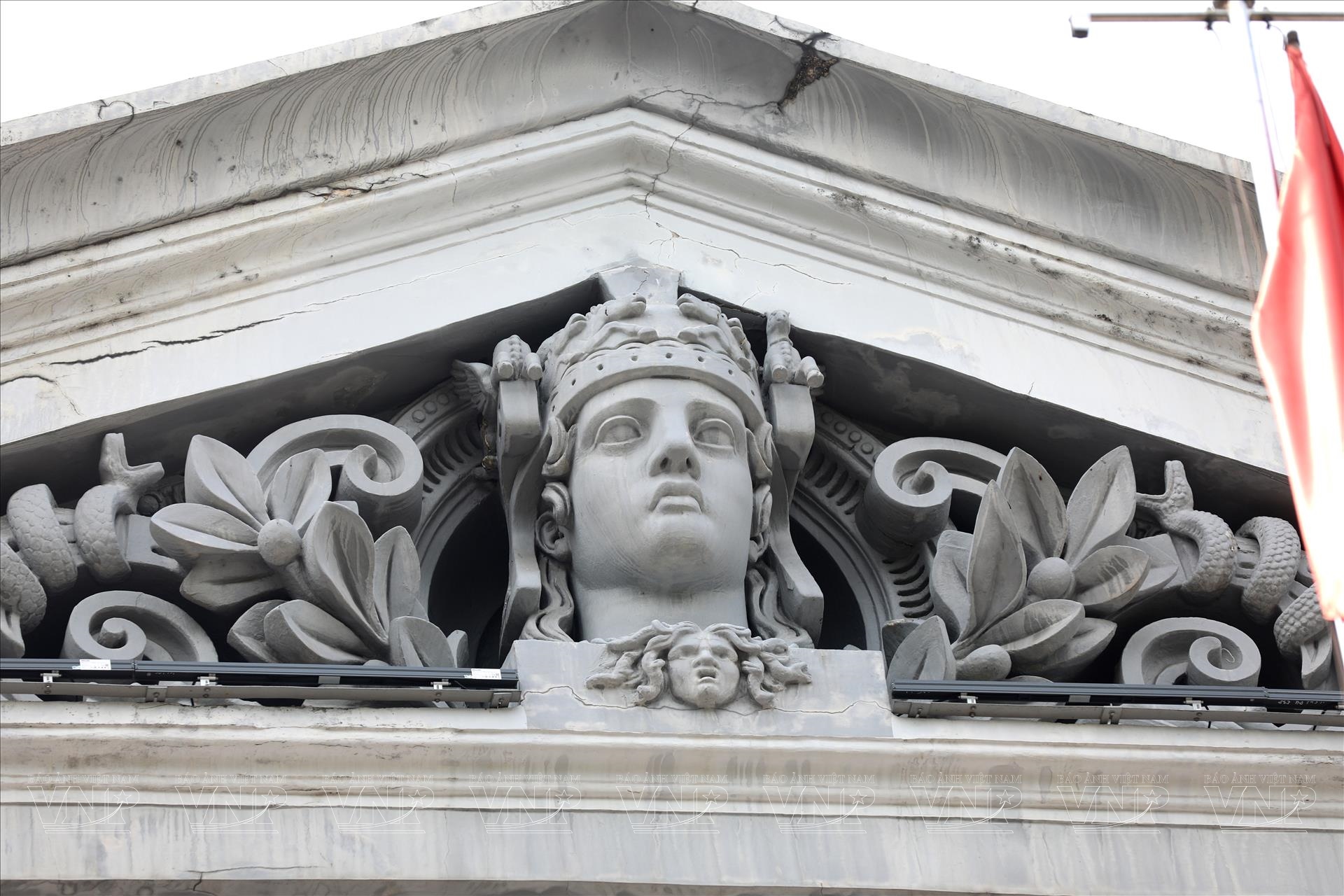
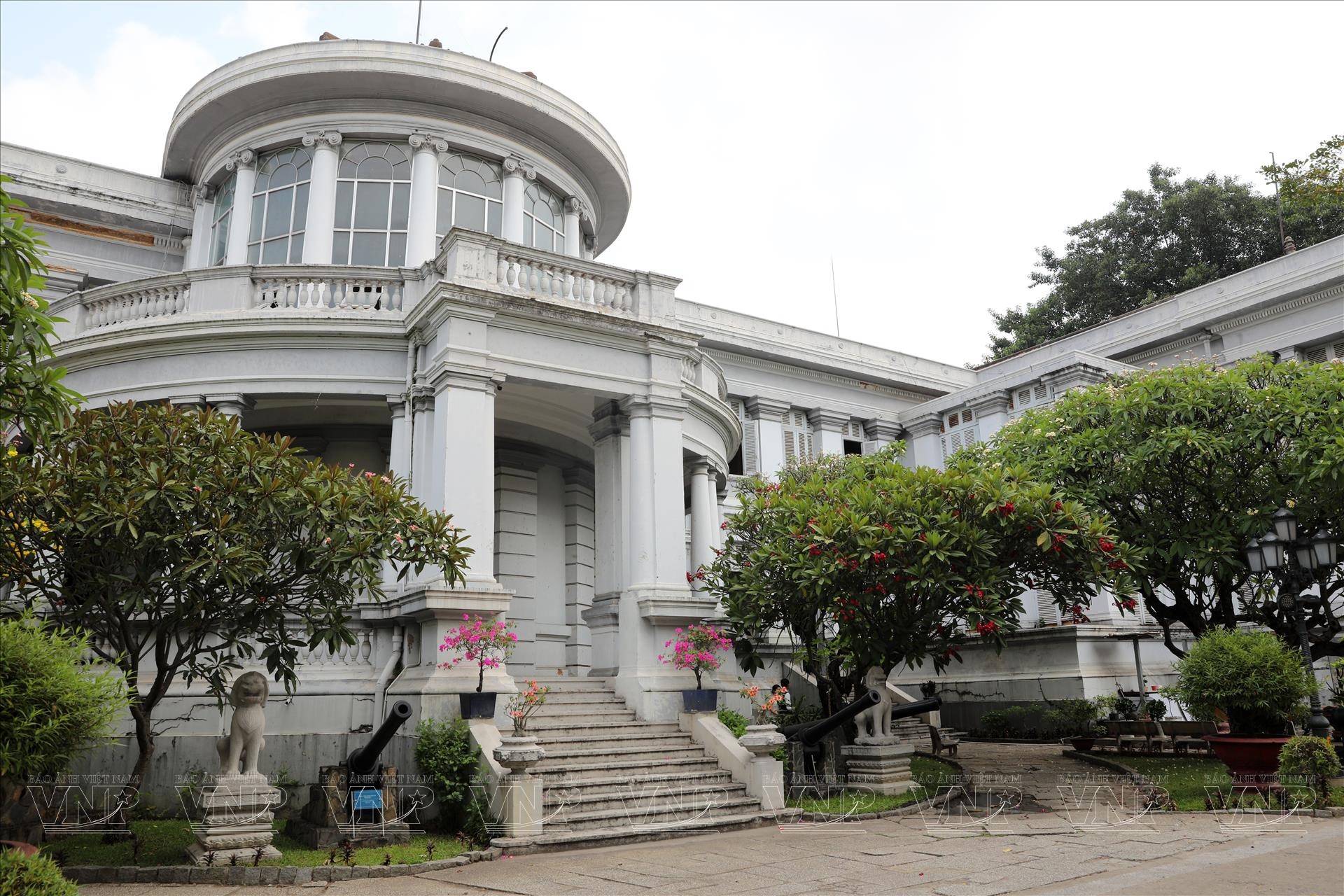
The museum consists of a two-story main building
covering about 1,700 square meters, along with a rear wing. Its symmetrical
layout reflects classical Revival architecture, highlighted by a central
entrance hall and elegant Ionic colonnades that showcase European design
traditions.
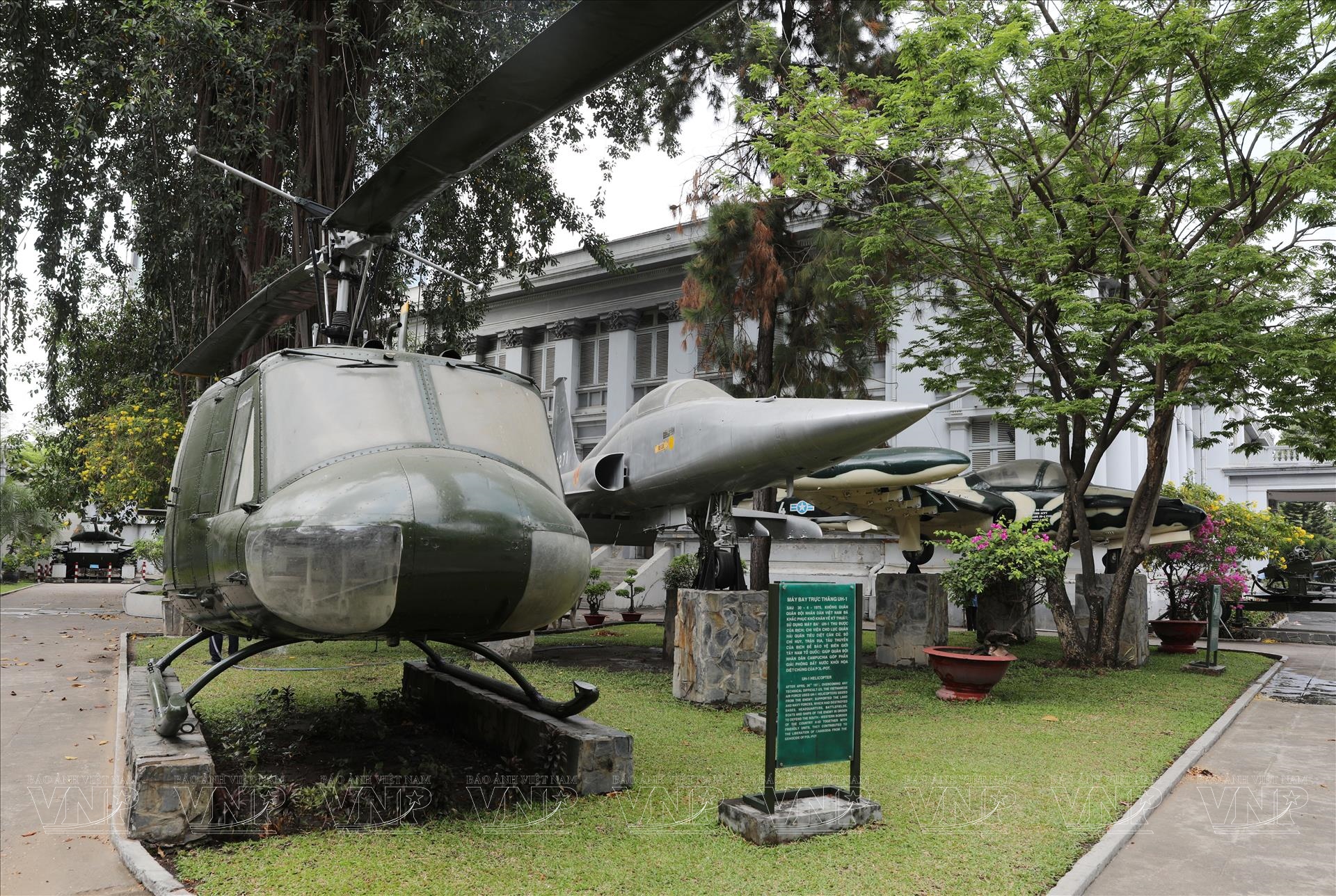
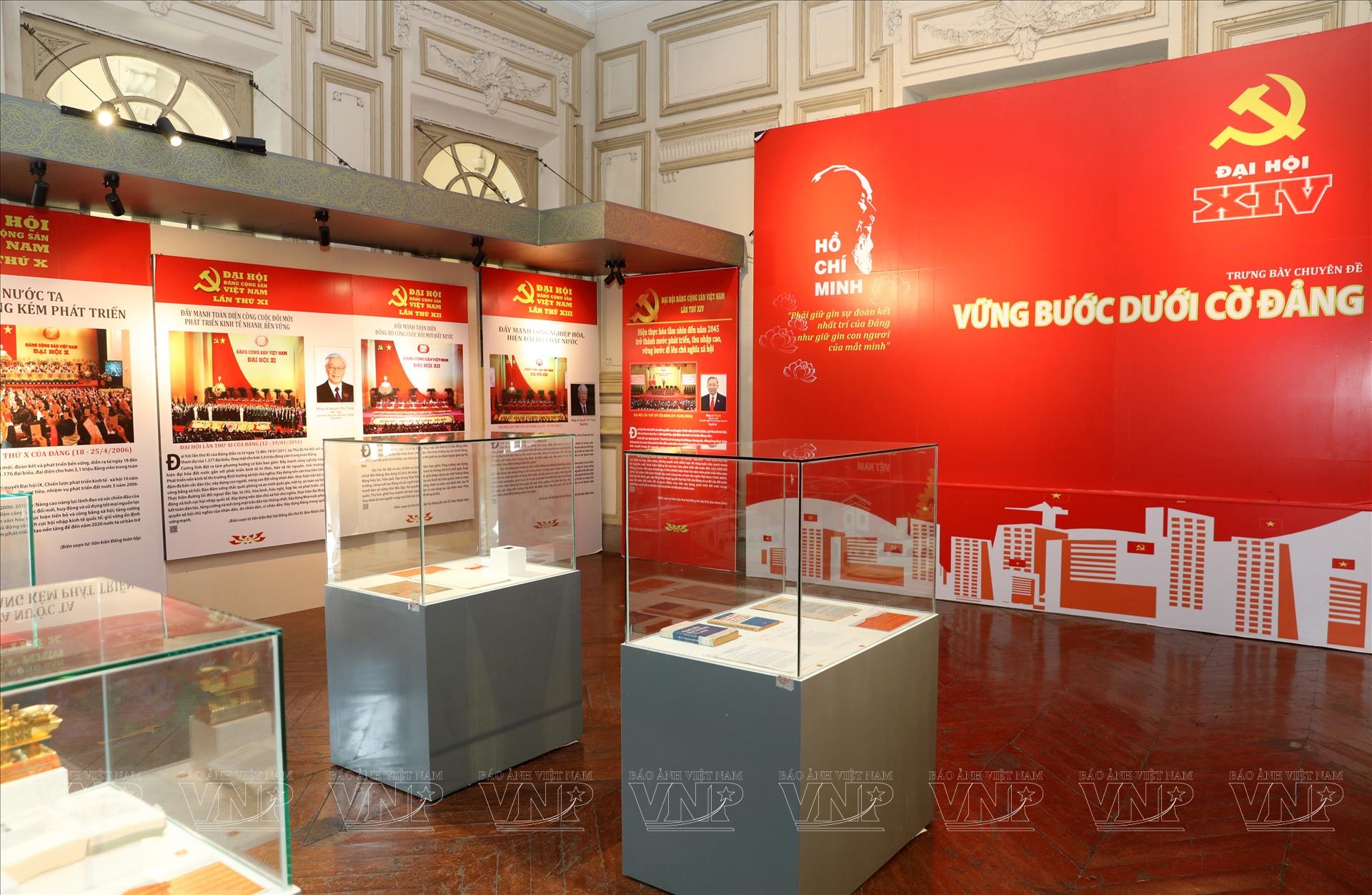
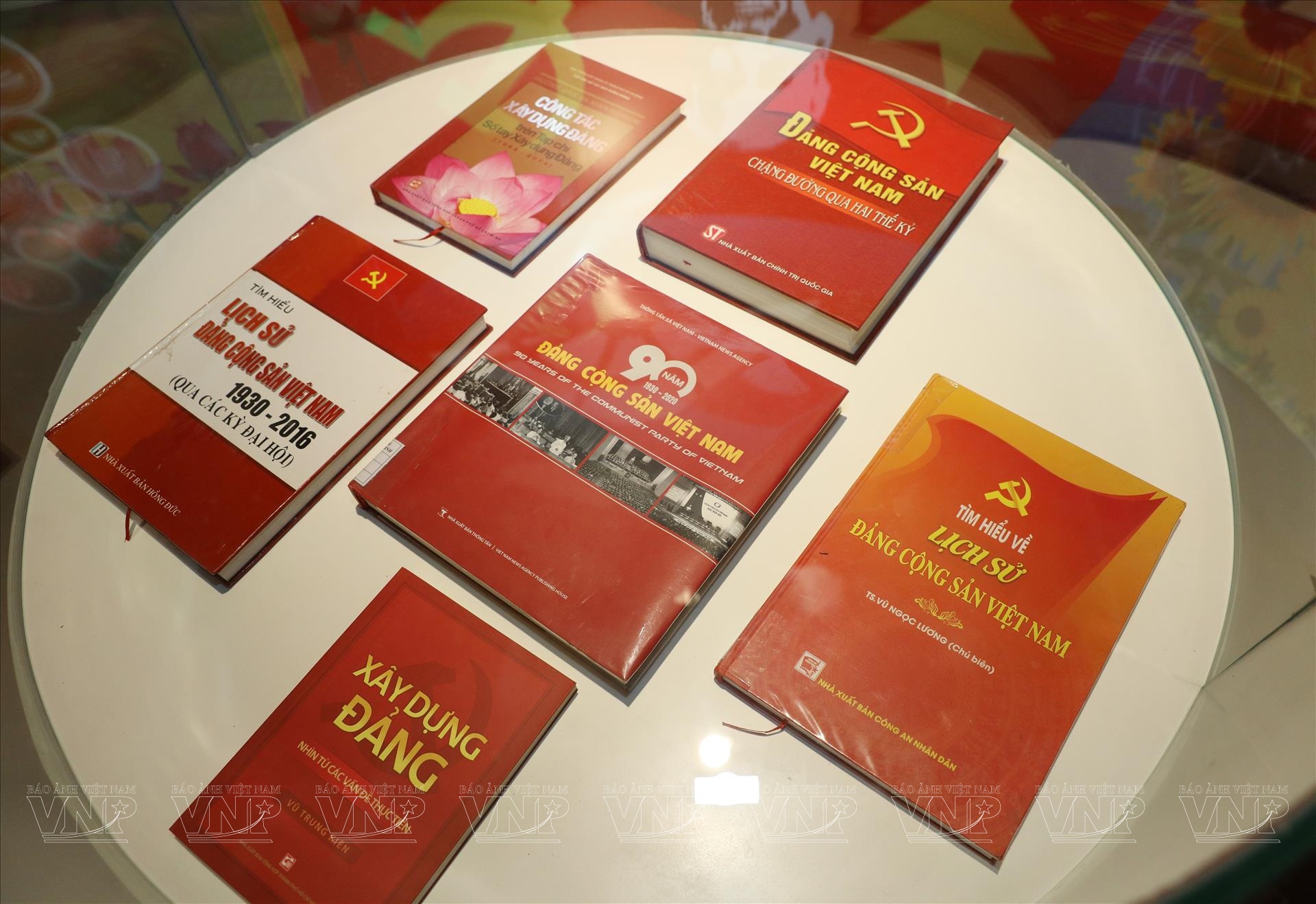
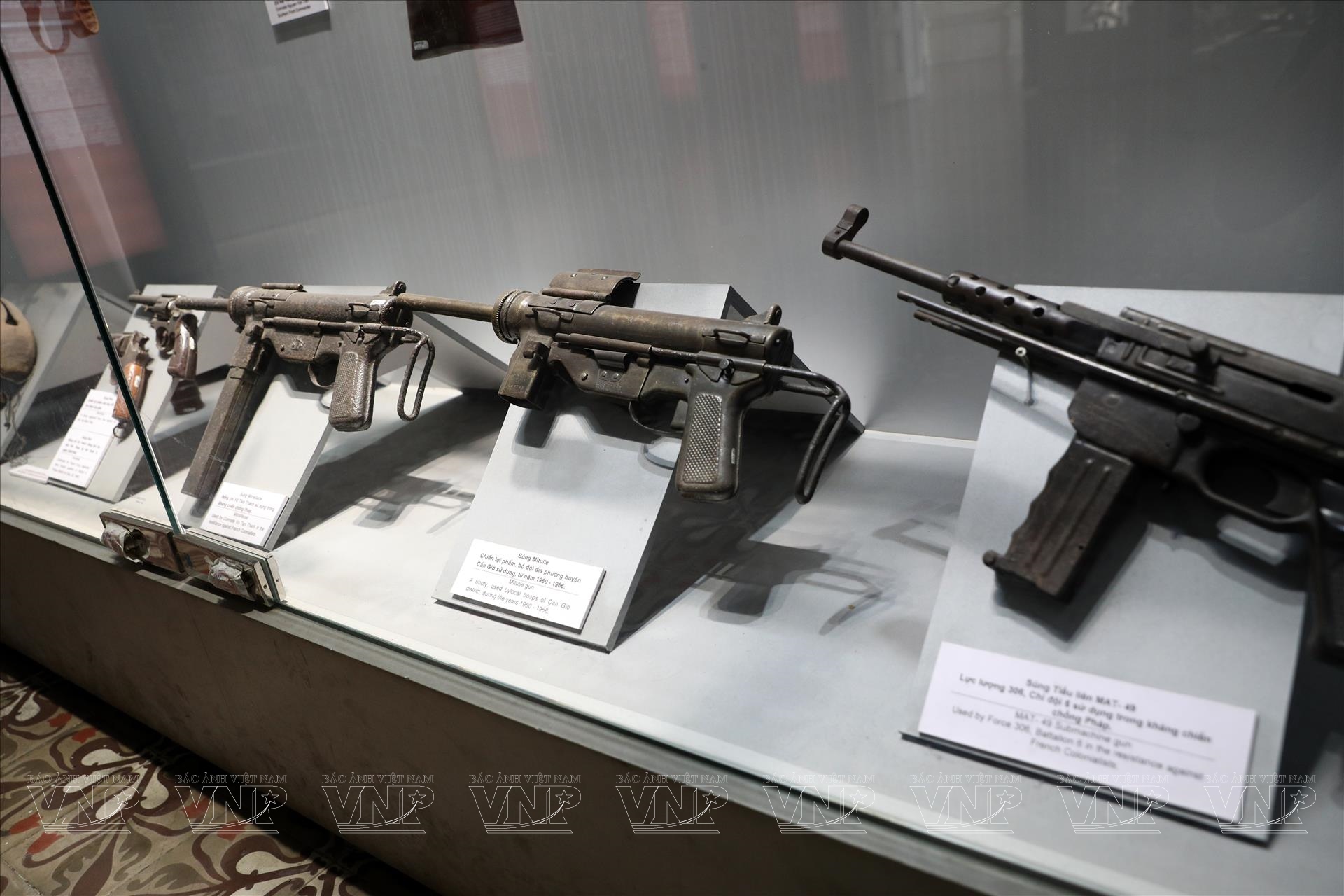
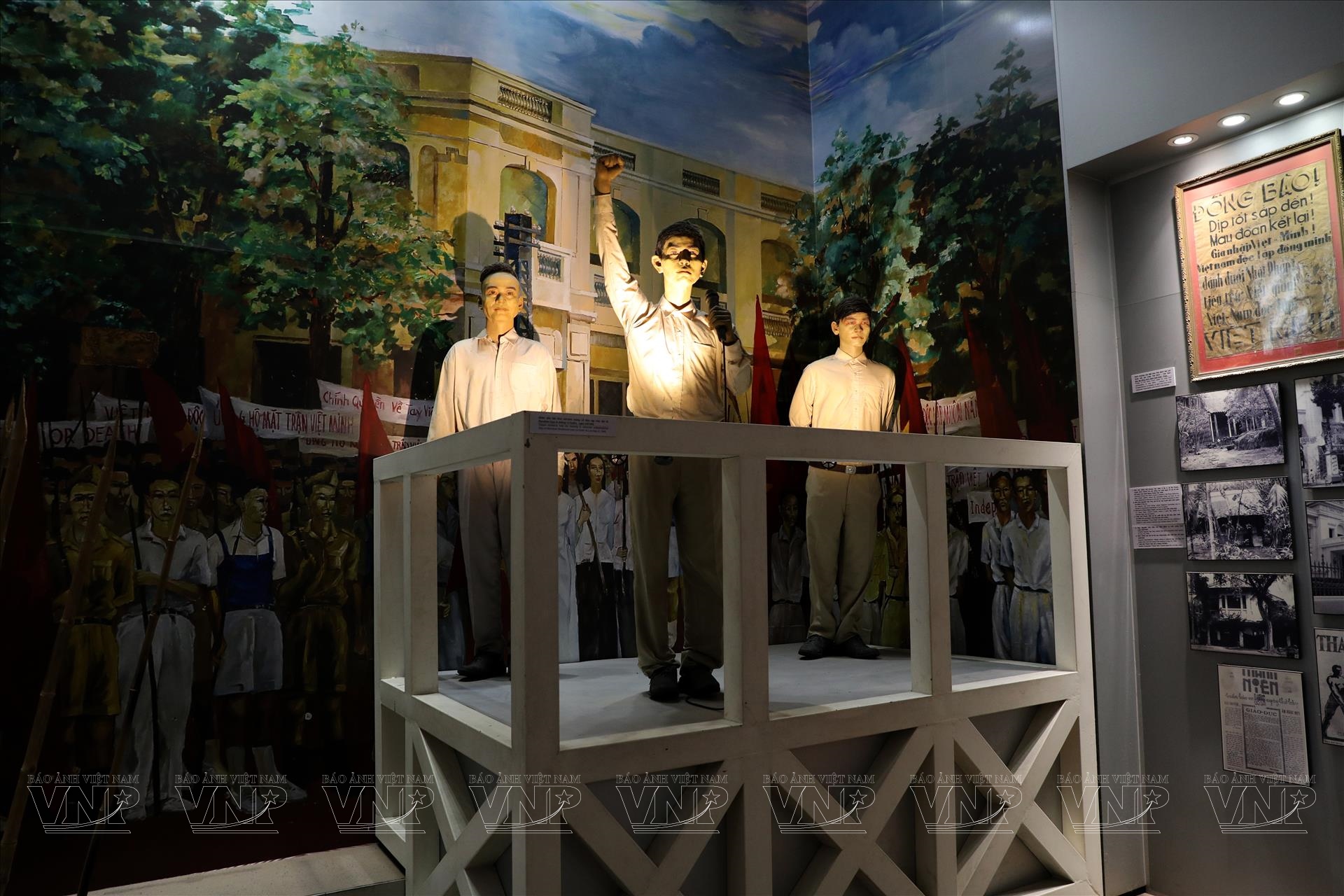
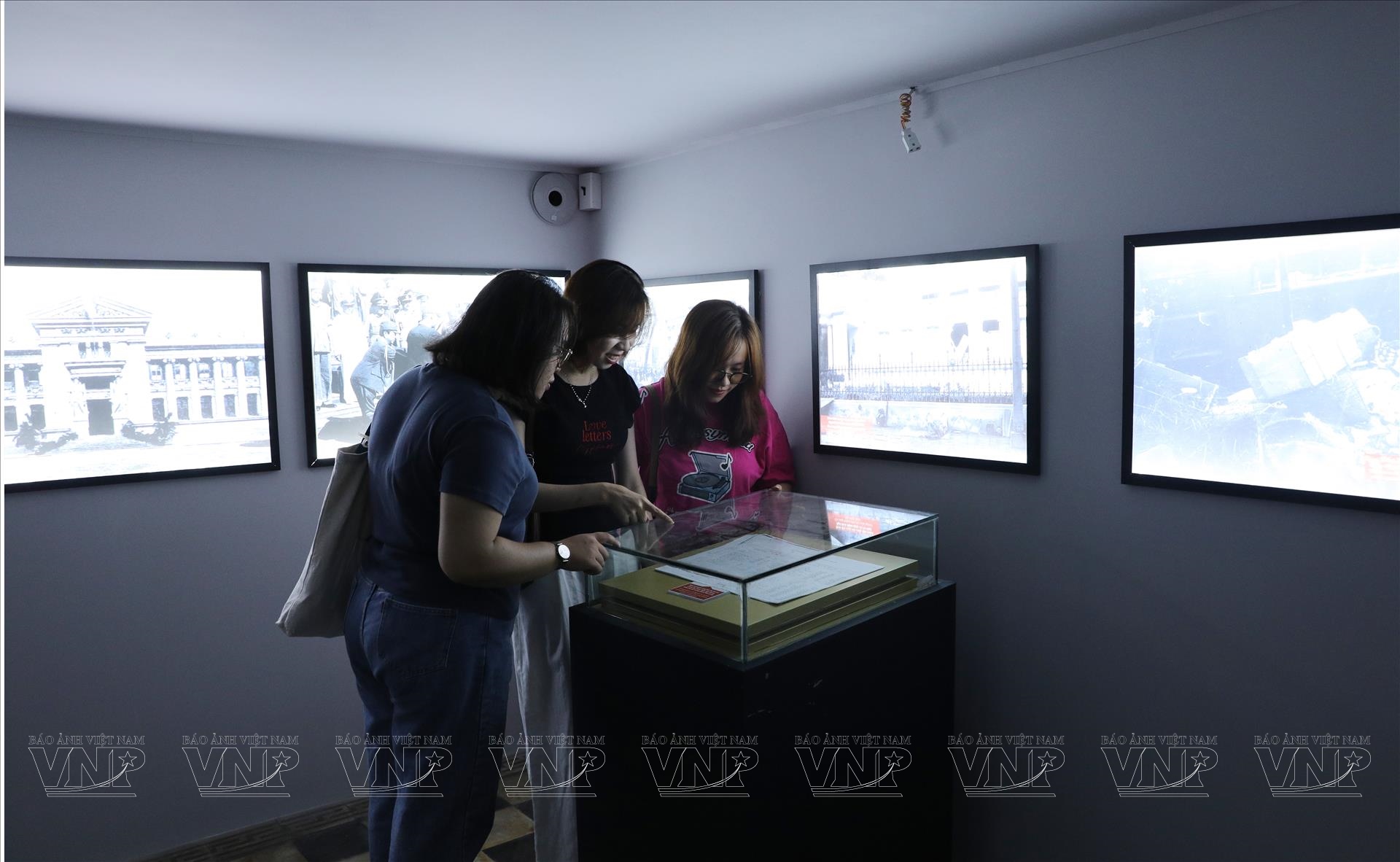
Inside, the exhibitions trace the city’s history from
the early days of Gia Dinh through the transformation of Saigon into today's Ho
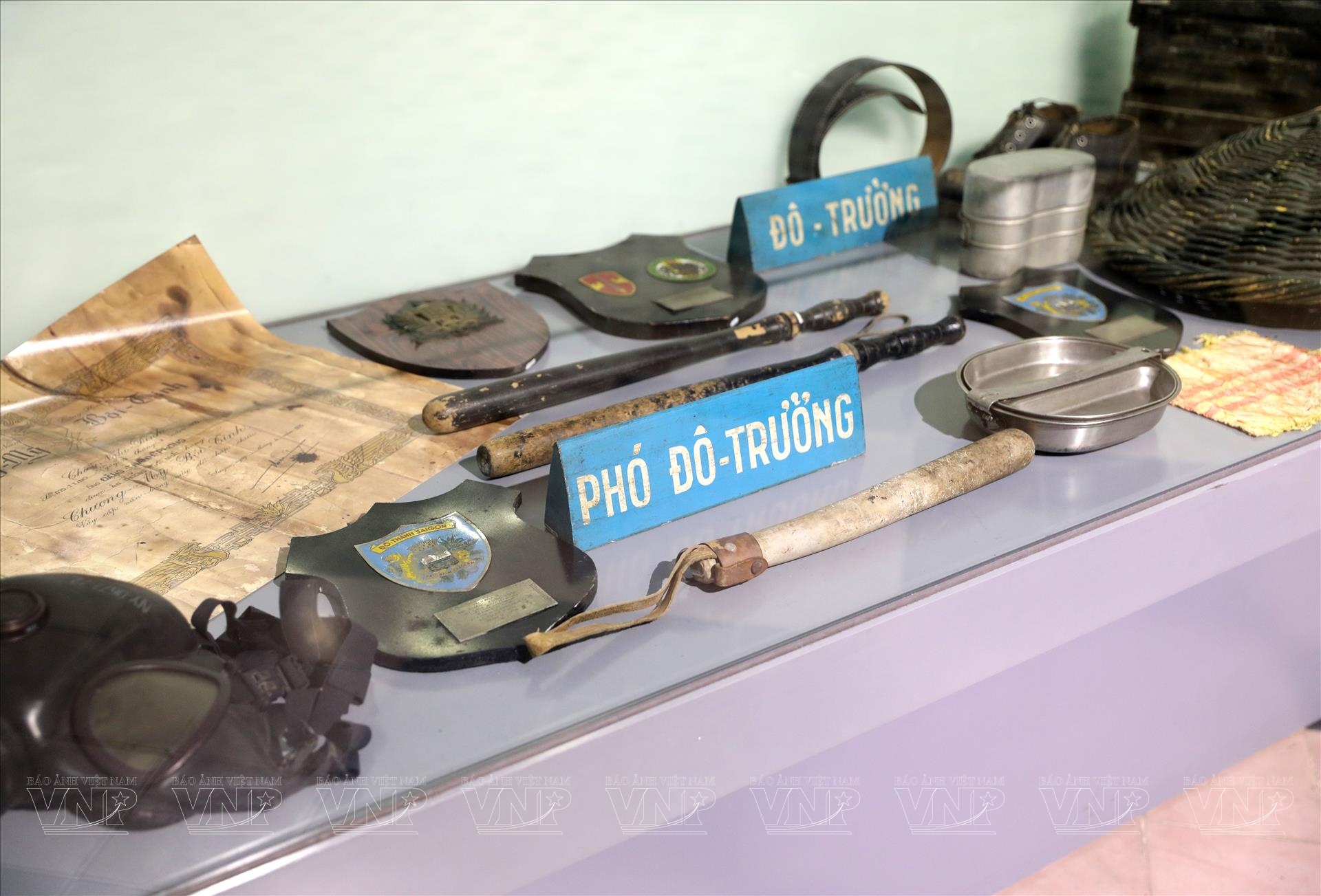
Chi Minh City. Historical artifacts, maps, photographs, and archival documents
are thoughtfully arranged to help visitors follow the city's development across
different periods.
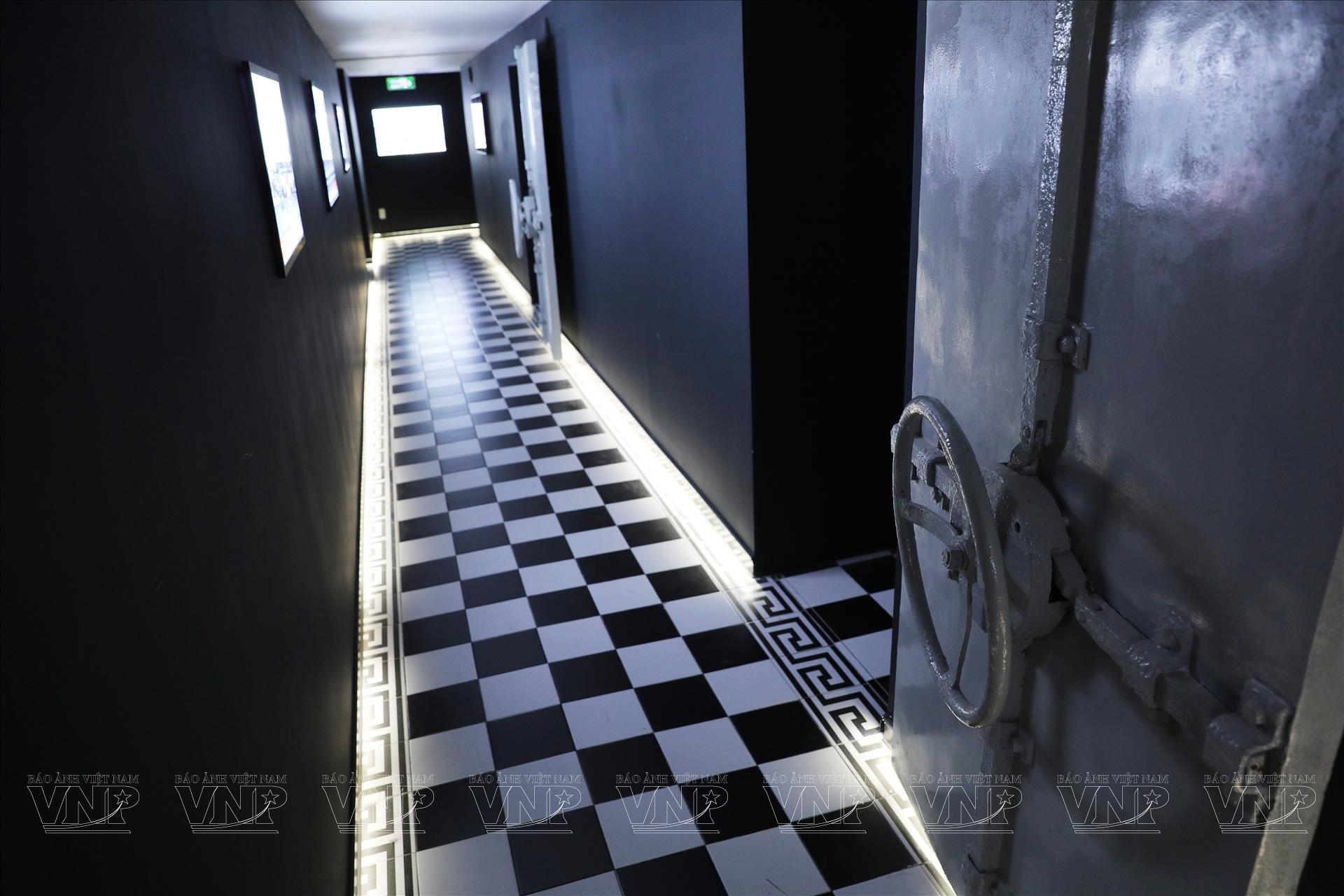
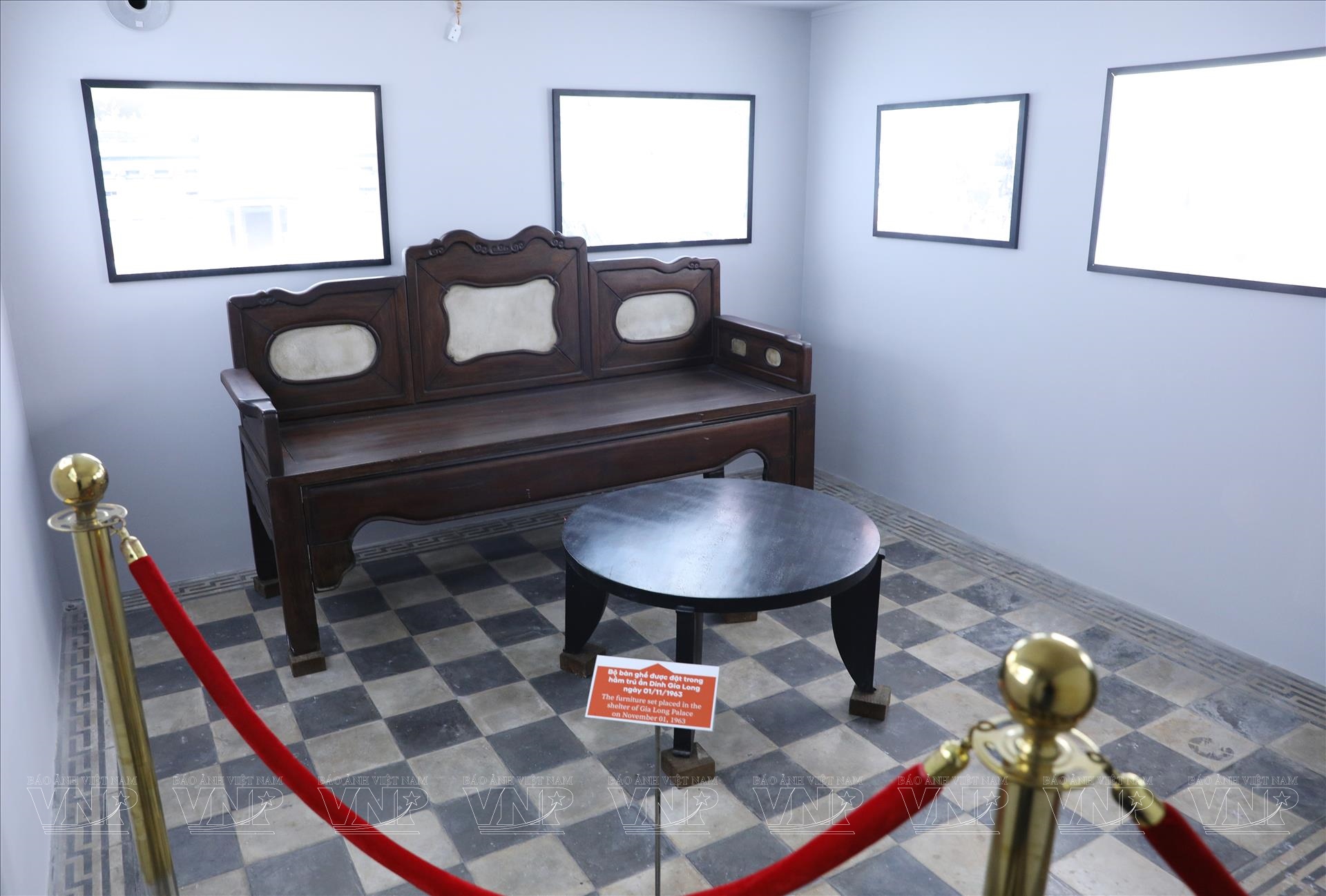
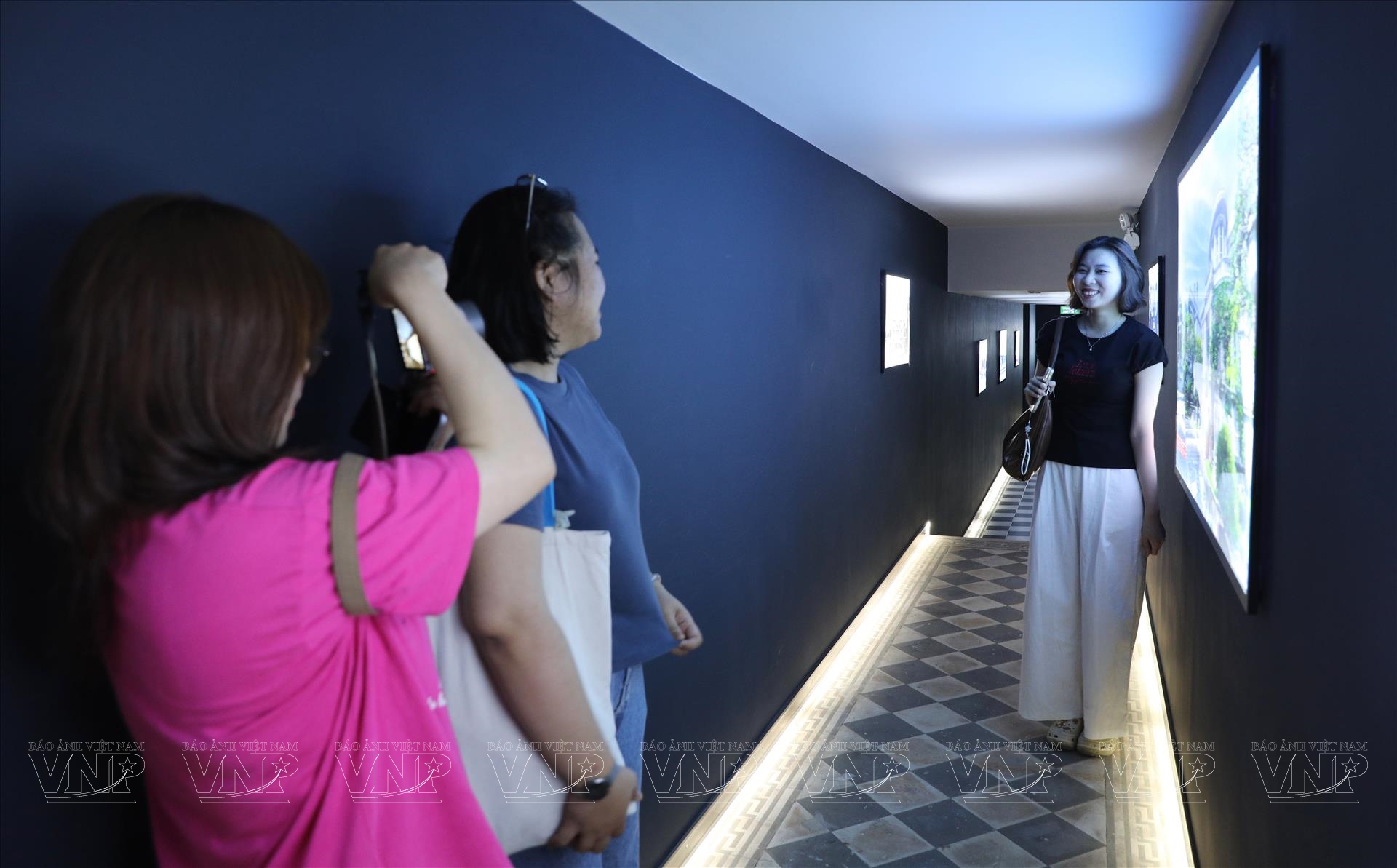
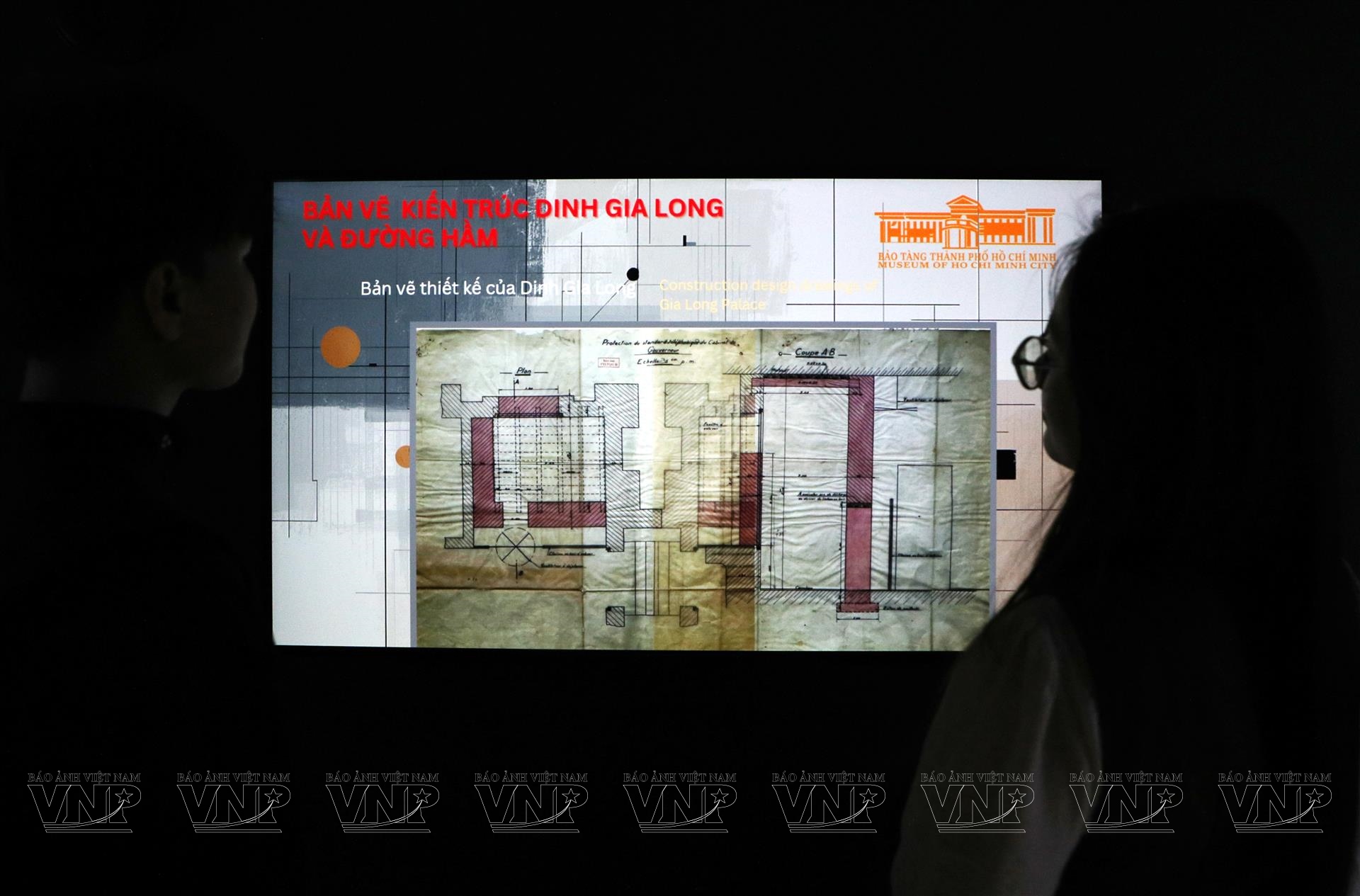
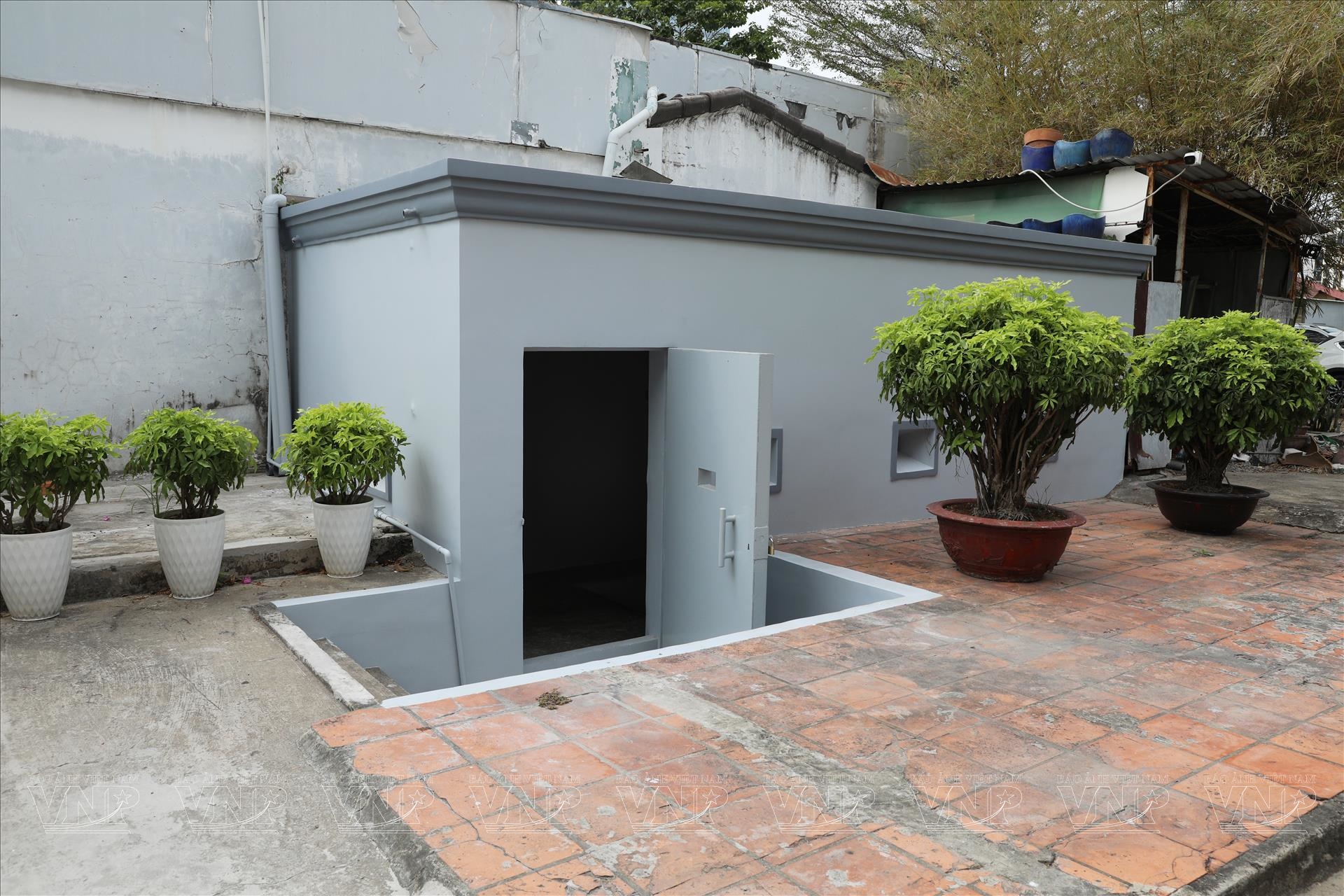
One of the museum's newest attractions is its restored
underground bunker, which has recently reopened to the public. With its narrow
corridors, low ceilings, steel doors, and emergency facilities, the bunker
offers a striking contrast to the galleries above. Rather than reading about
history, visitors experience it firsthand in a space that vividly reflects the
realities of a turbulent period.
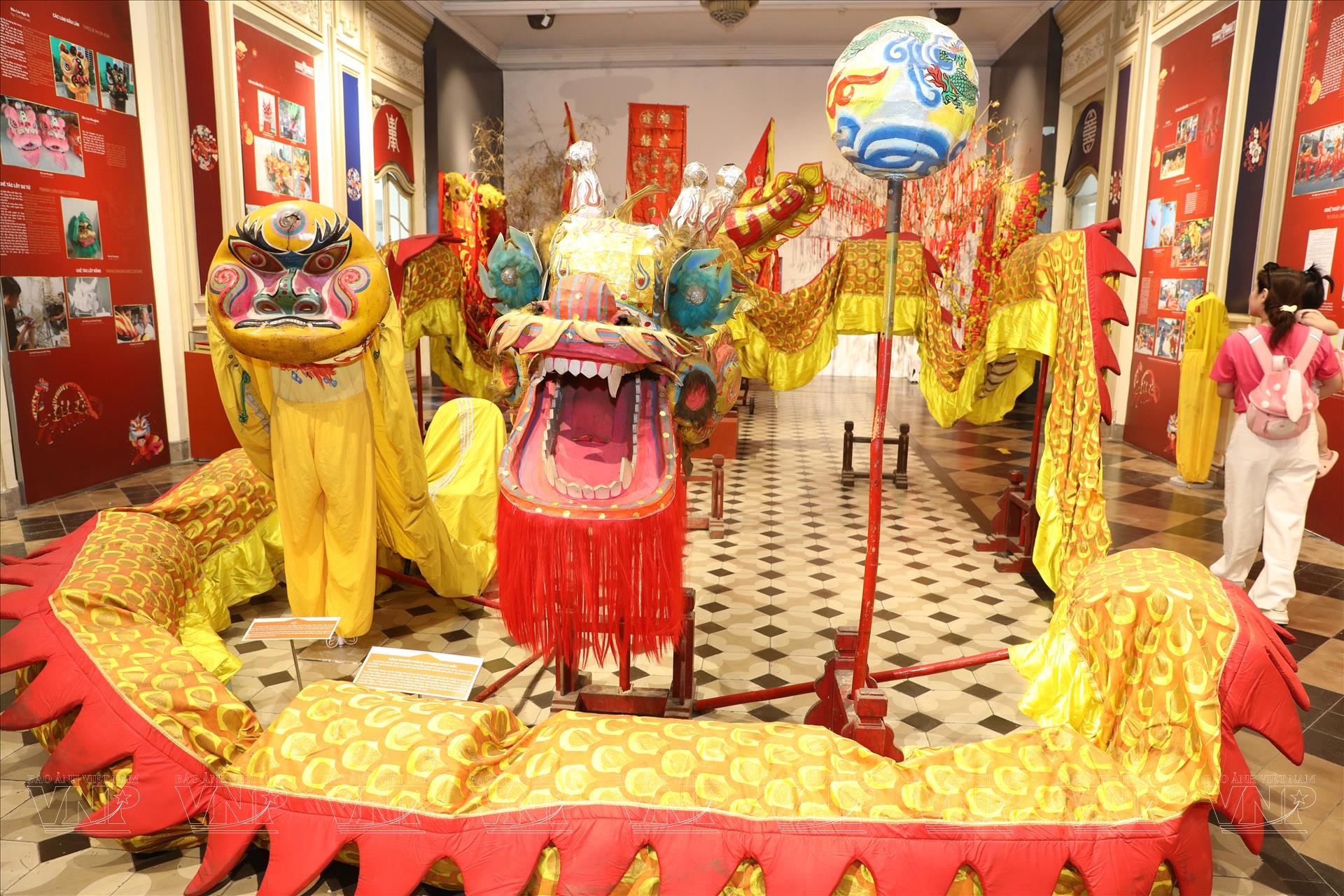
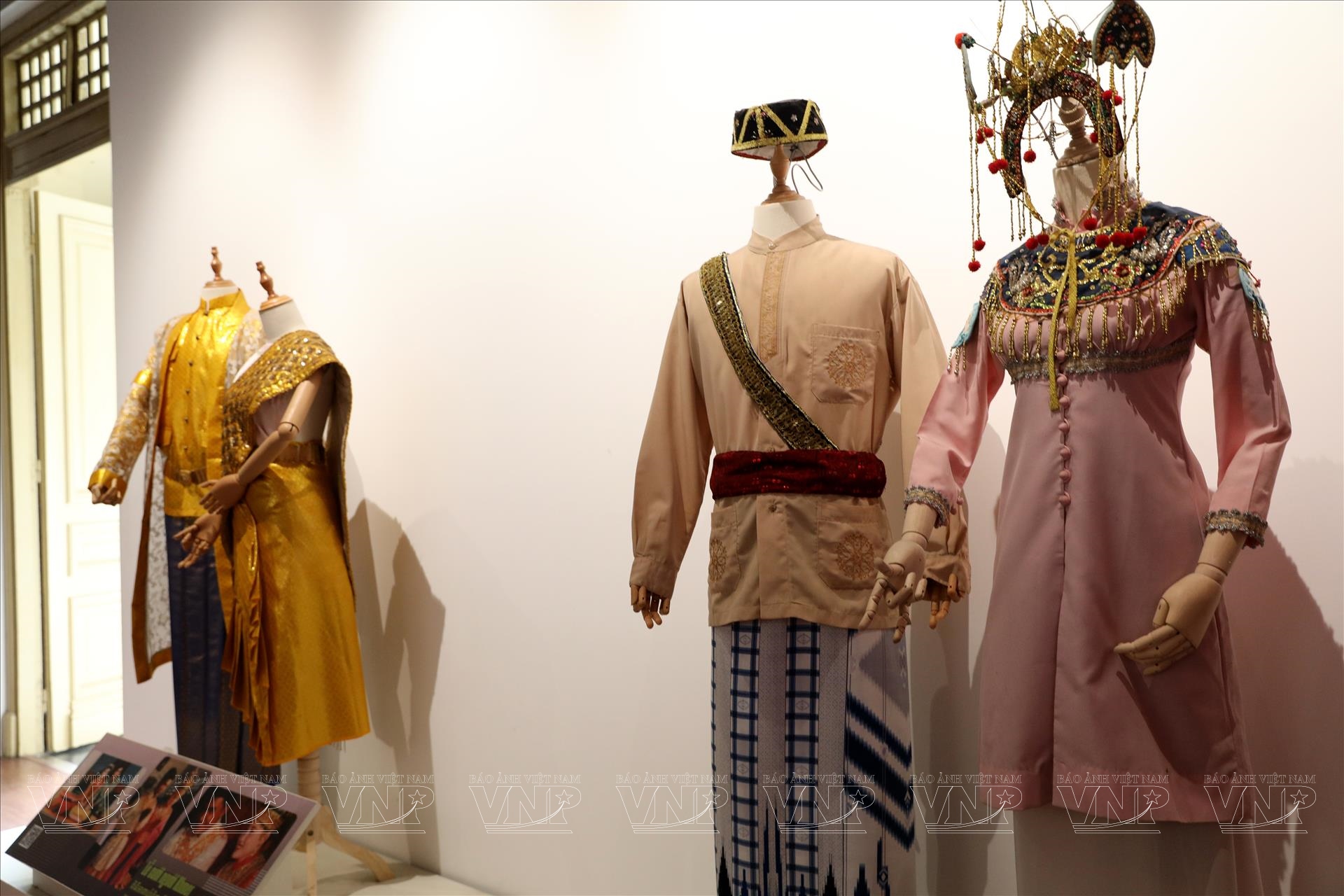
Many visitors spend extra time exploring this section.
"It's a fascinating space. Walking into the bunker feels like stepping
into a quieter, more reflective side of the city," said Khanh Linh, a
resident of Long Truong Ward. For her, the visit offered more than historical
information, it provided a deeper, more personal connection to the city's past.
Back upstairs, natural light streaming through large
windows creates an inviting atmosphere throughout the galleries. Everyday
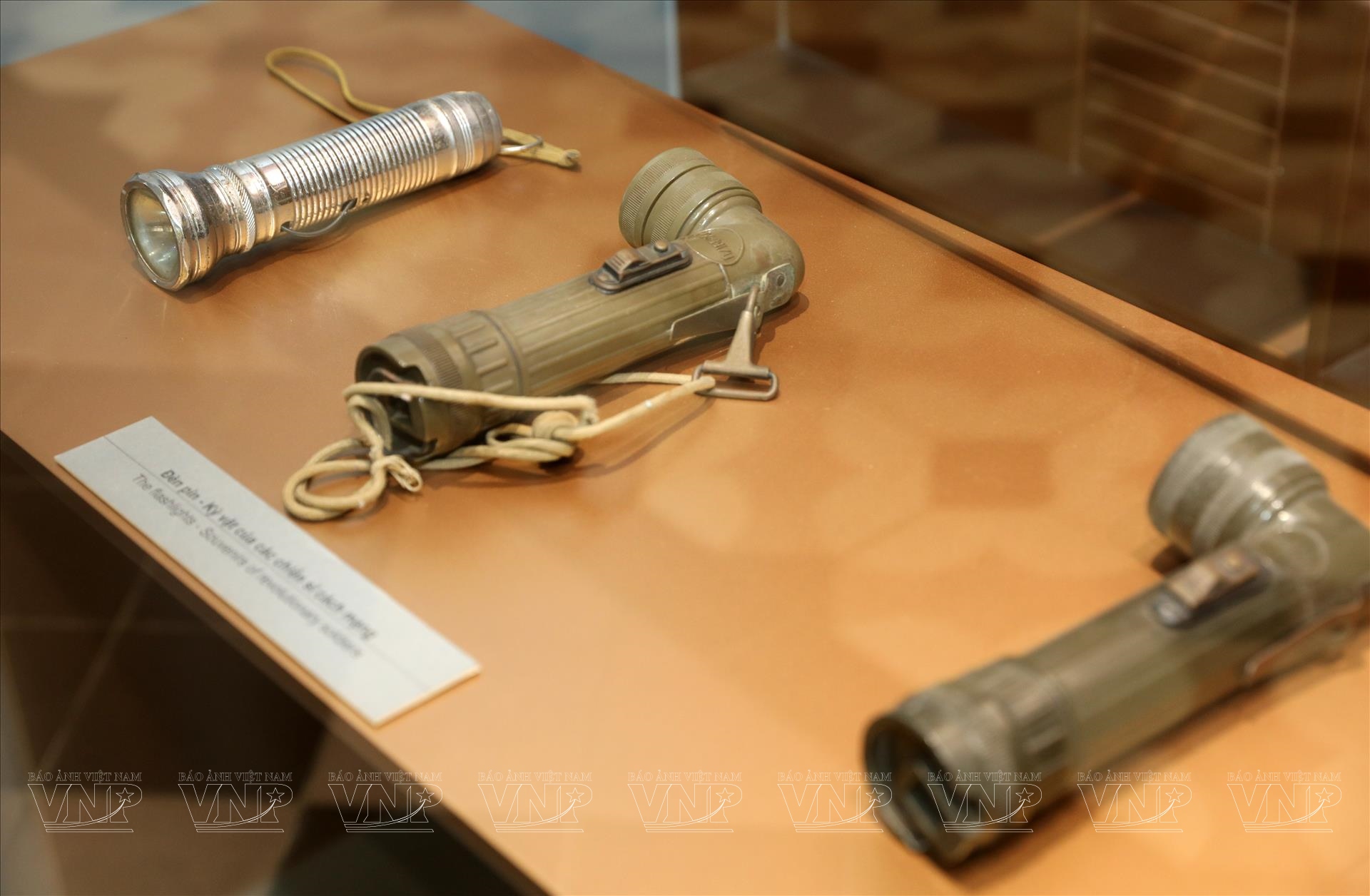
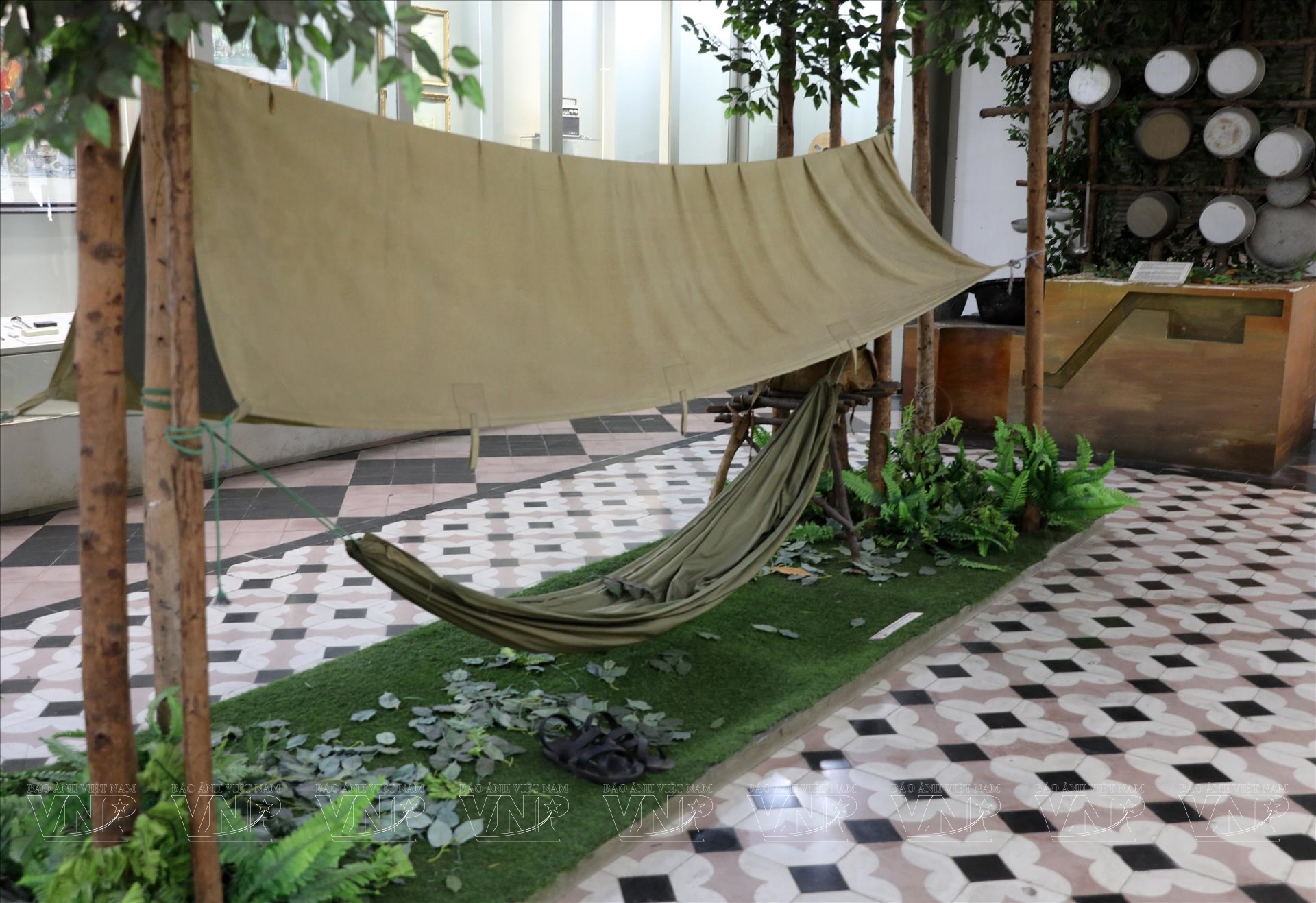
artifacts and personal mementos continue the story, revealing how generations
of residents shaped Saigon's cultural identity and daily life.
As Ho Chi Minh City continues to evolve, the museum
remains a place where its collective memory is carefully preserved. Quiet and
unassuming, it invites visitors to pause, reflect, and gain a deeper
appreciation of the city's rich history.
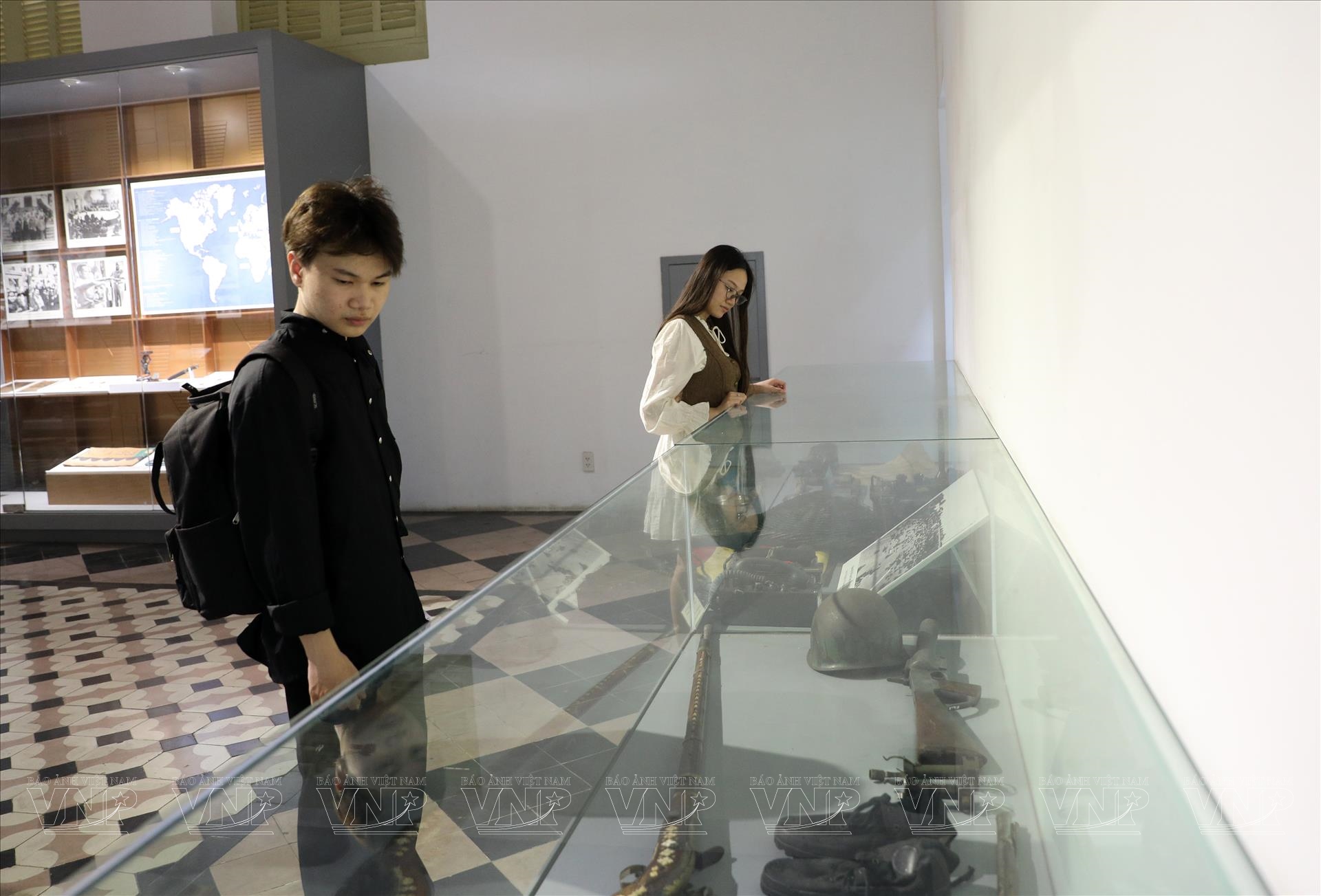
Today, the Ho Chi Minh City Museum serves as a center for research,
preservation, and exhibitions on the city's natural heritage, history, culture,
and people, while highlighting their connection to the broader story of
Vietnam. Each year, it welcomes more than 450,000 visitors for sightseeing,
research, and educational programs.