Phu Quoc’s Net-Zero Drive Ahead of APEC 2027
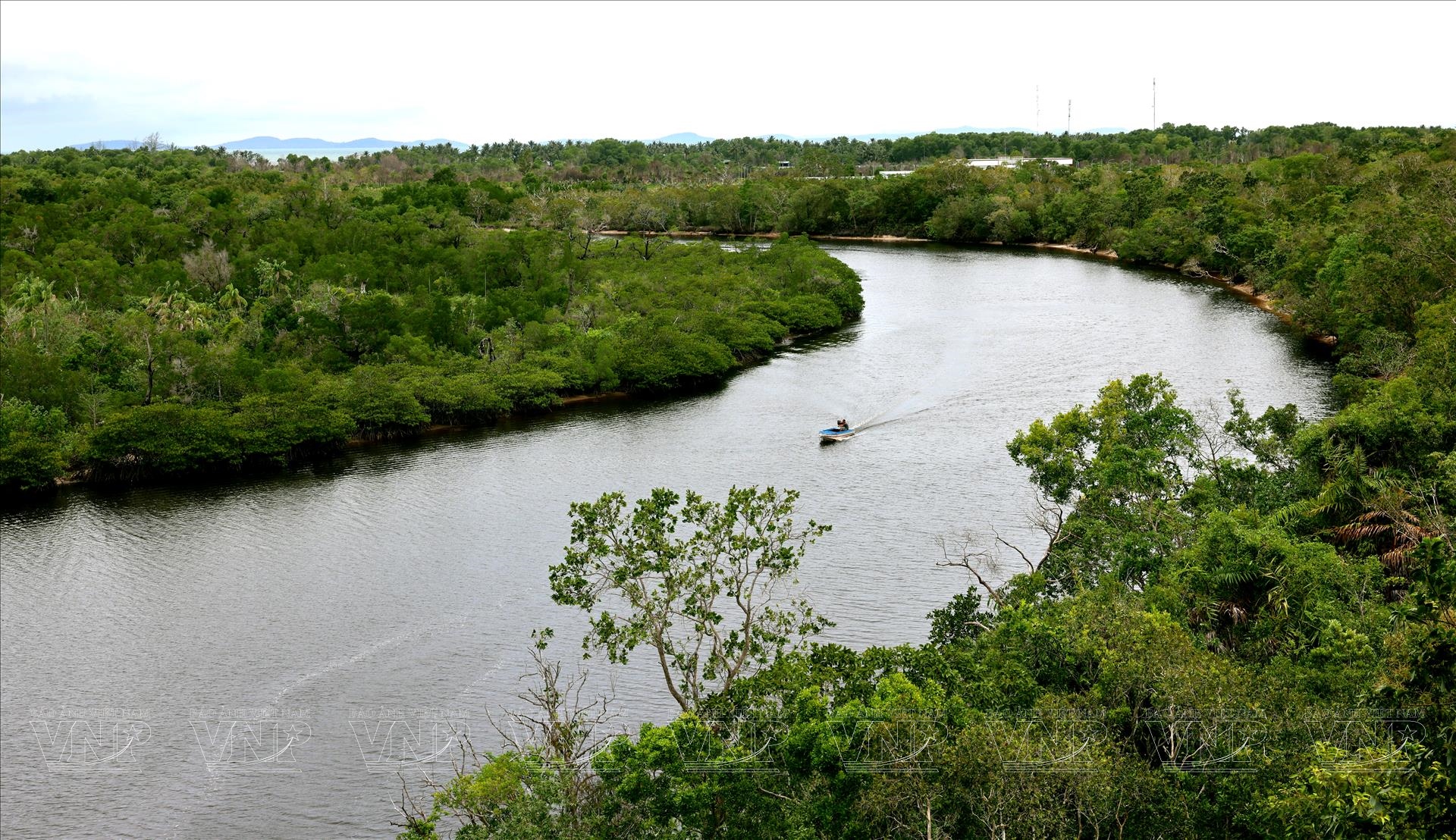
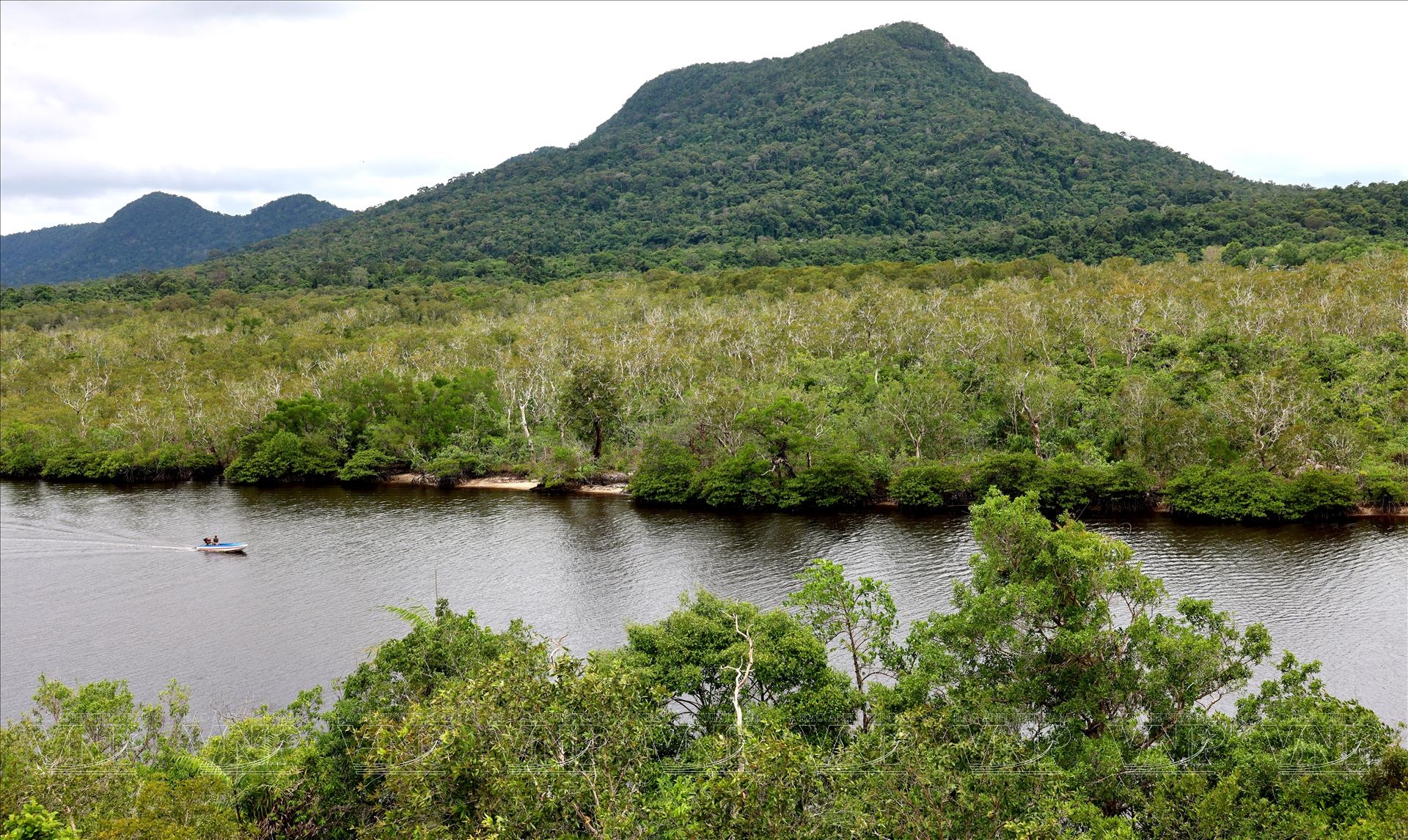
When leaders and delegates from 21 APEC economies land on Phu Quoc for APEC 2027, they will encounter an island featuring smart international airports, LRT systems, and a green vision: thousands of hectares of primeval forest acting as a primary carbon sink to steer the island toward Net Zero emission.
Hosting a global event poses significant environmental challenges. Major infrastructure upgrades - airport expansion, a convention center, transport networks and urban developments - are underway to prepare for delegates and visitors, driving up demands for energy and land use.
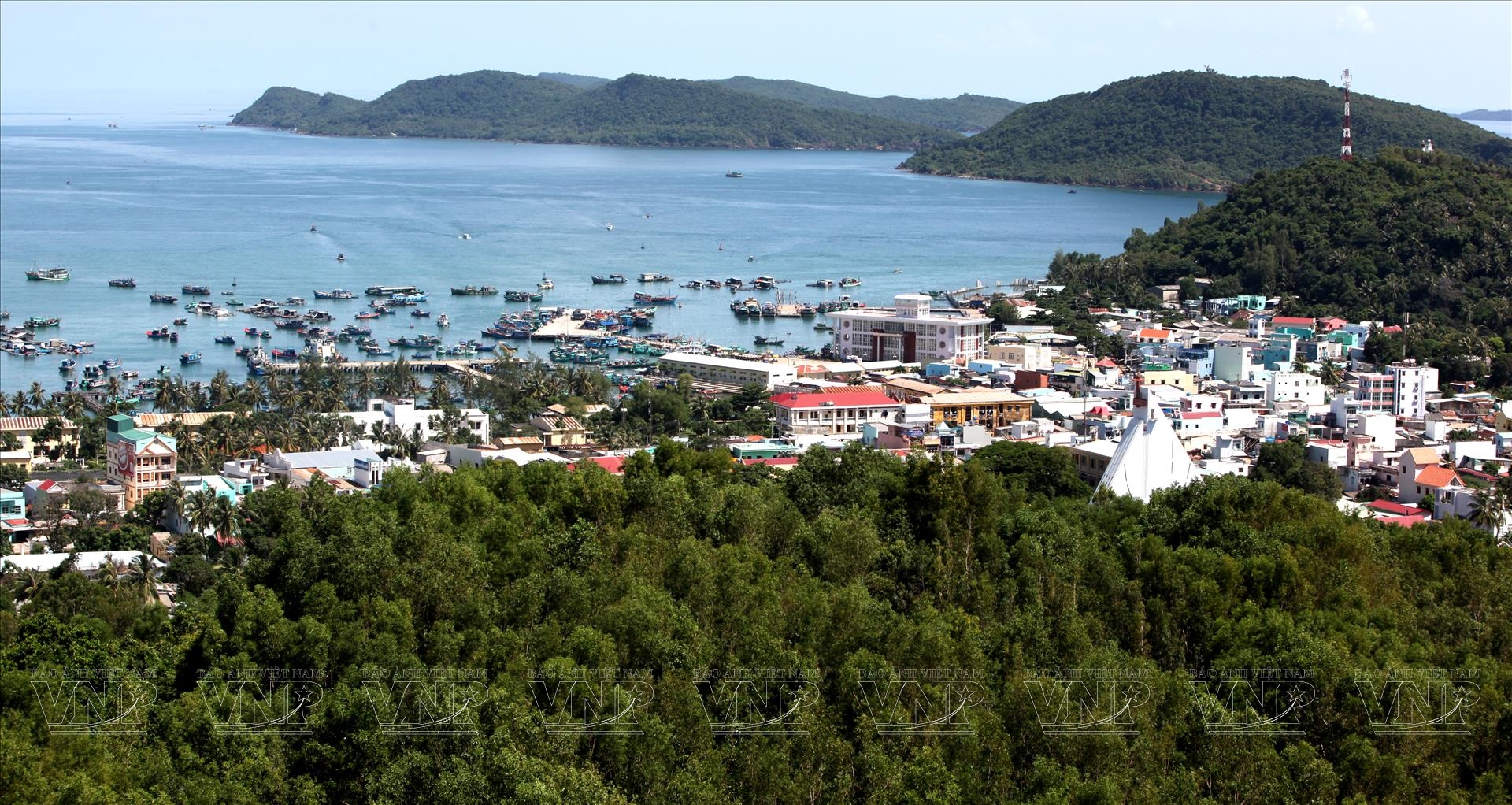
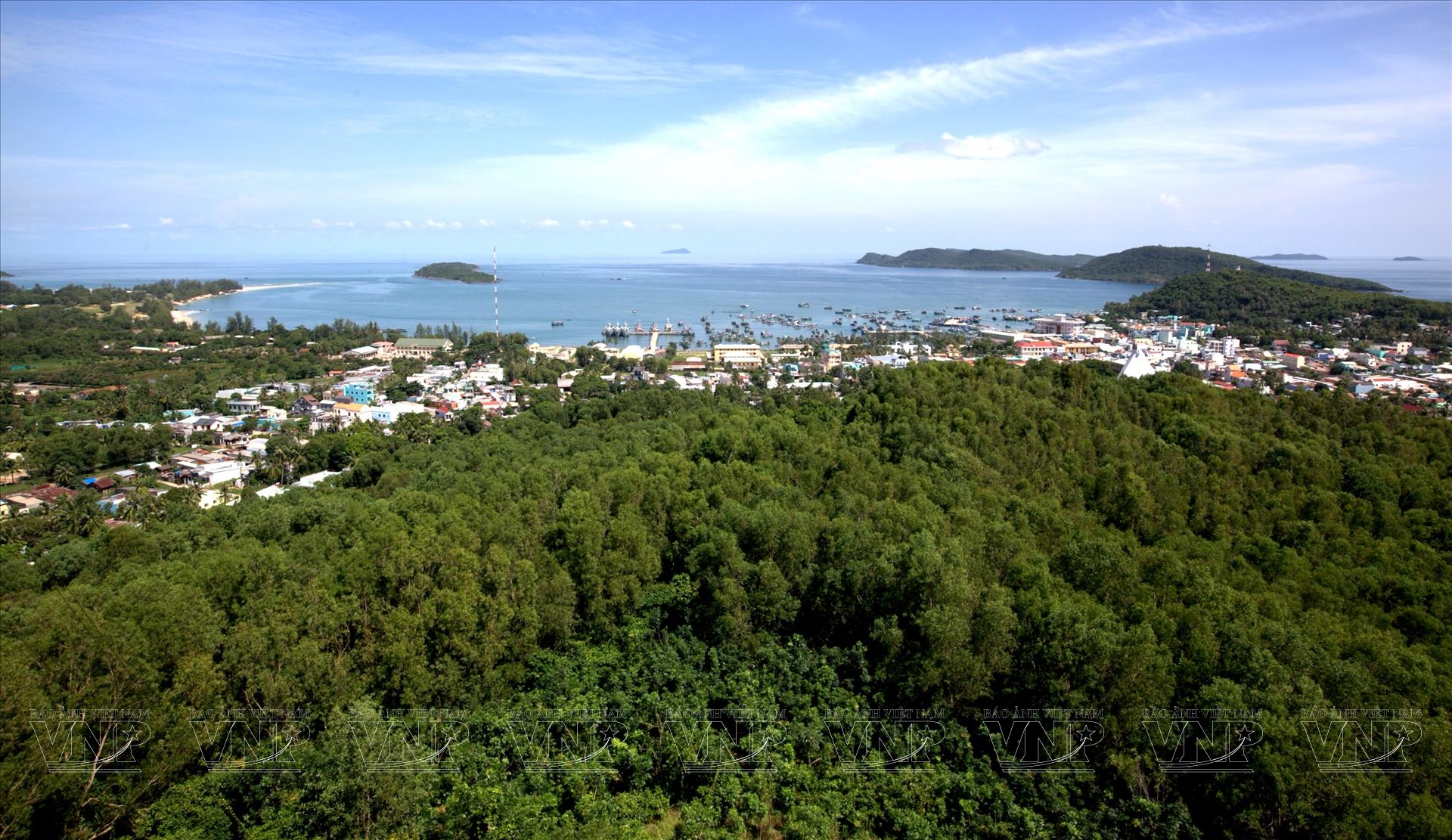
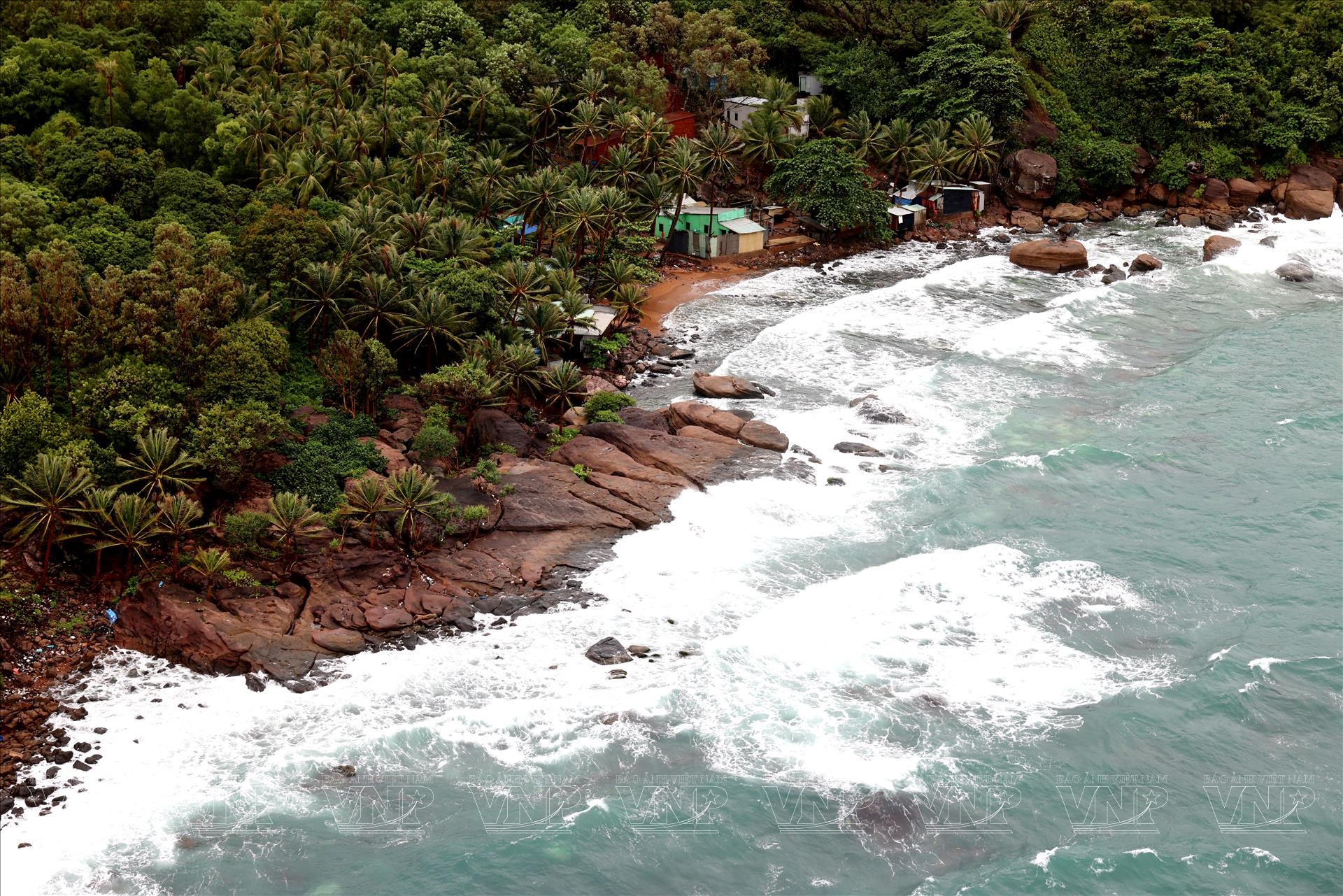
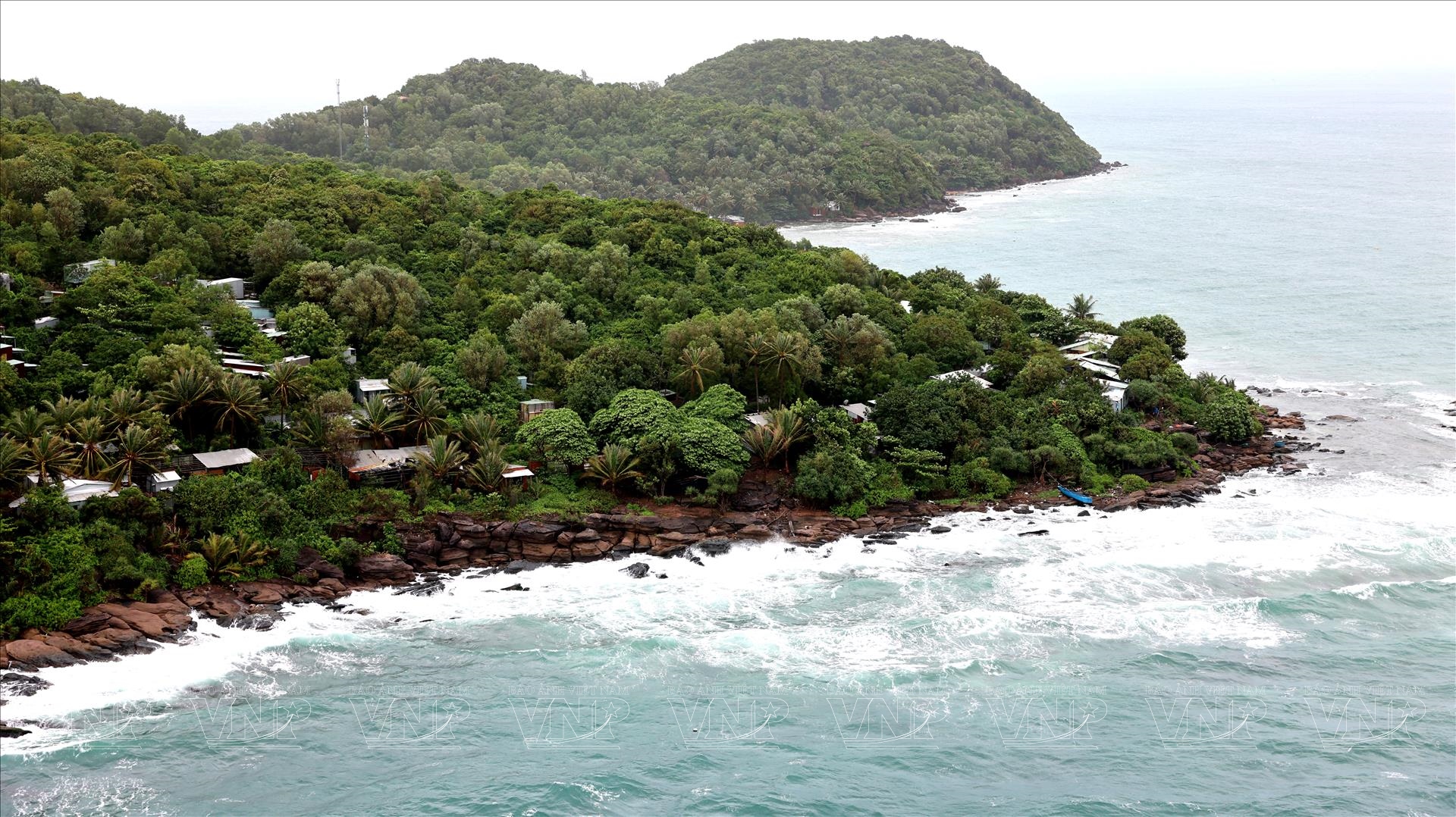
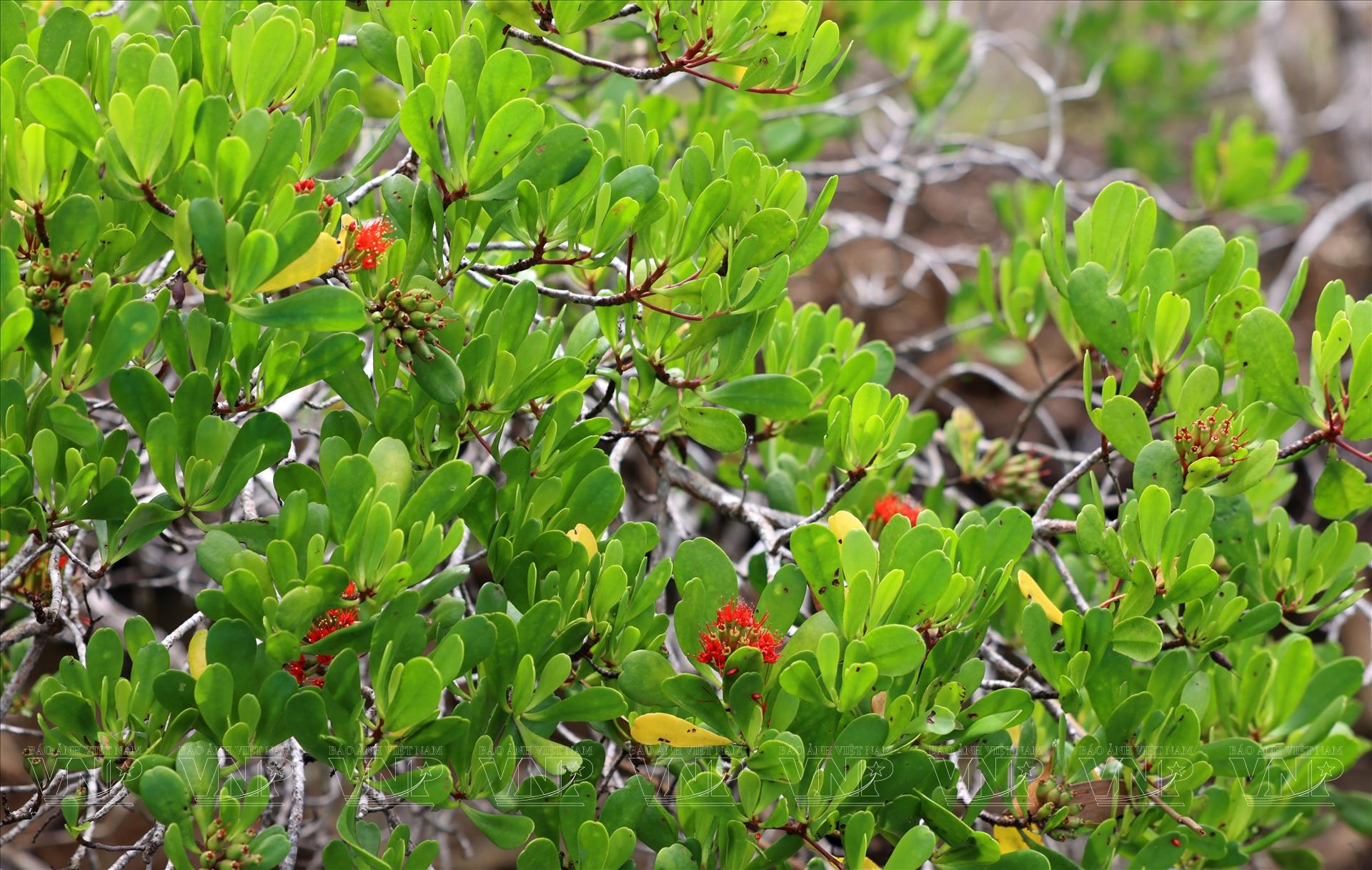
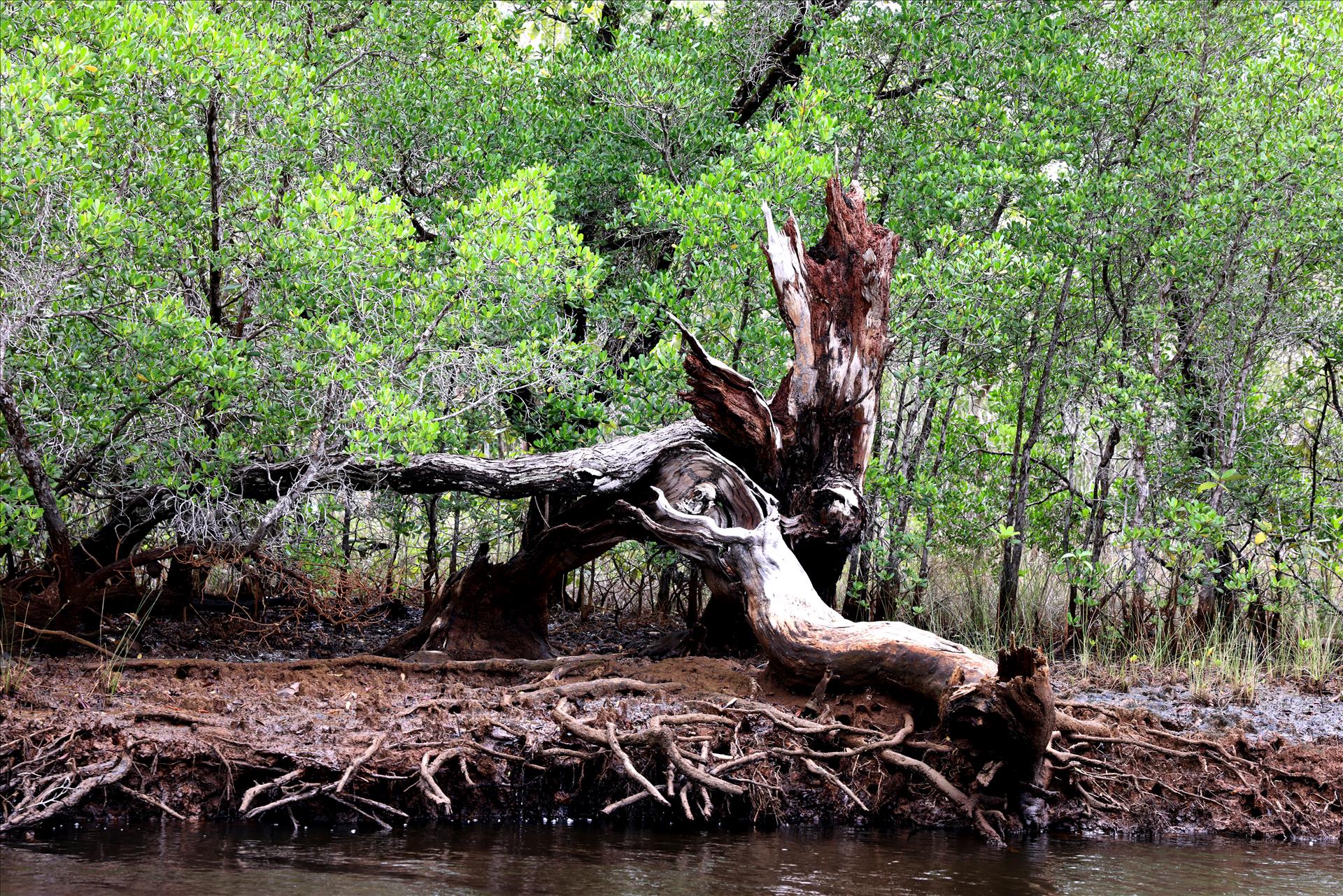
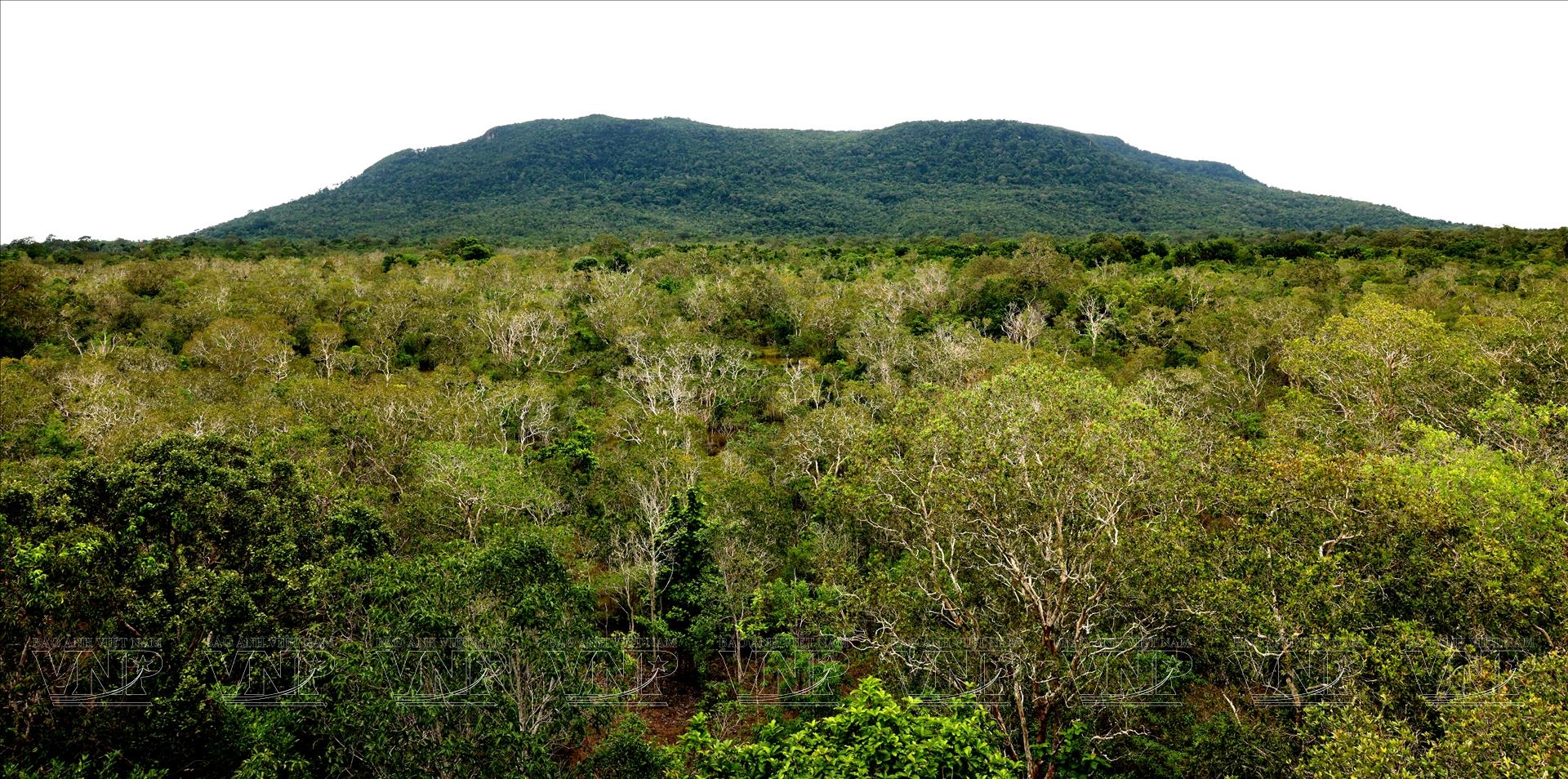
Phu Quoc relies on its ecological core, centered on Phu Quoc National Park. Tropical island forests serve as vital freshwater buffers and natural carbon sinks.
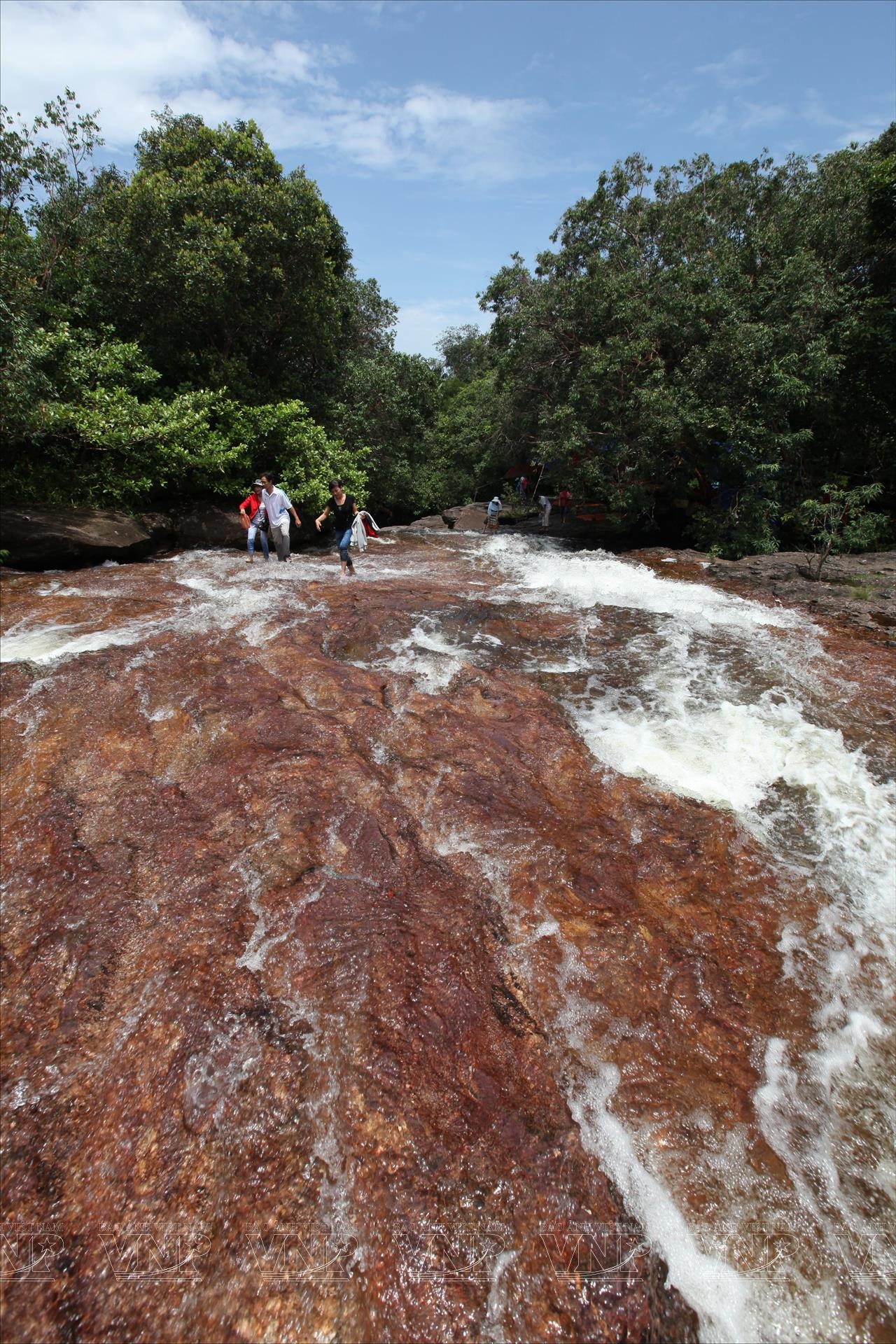
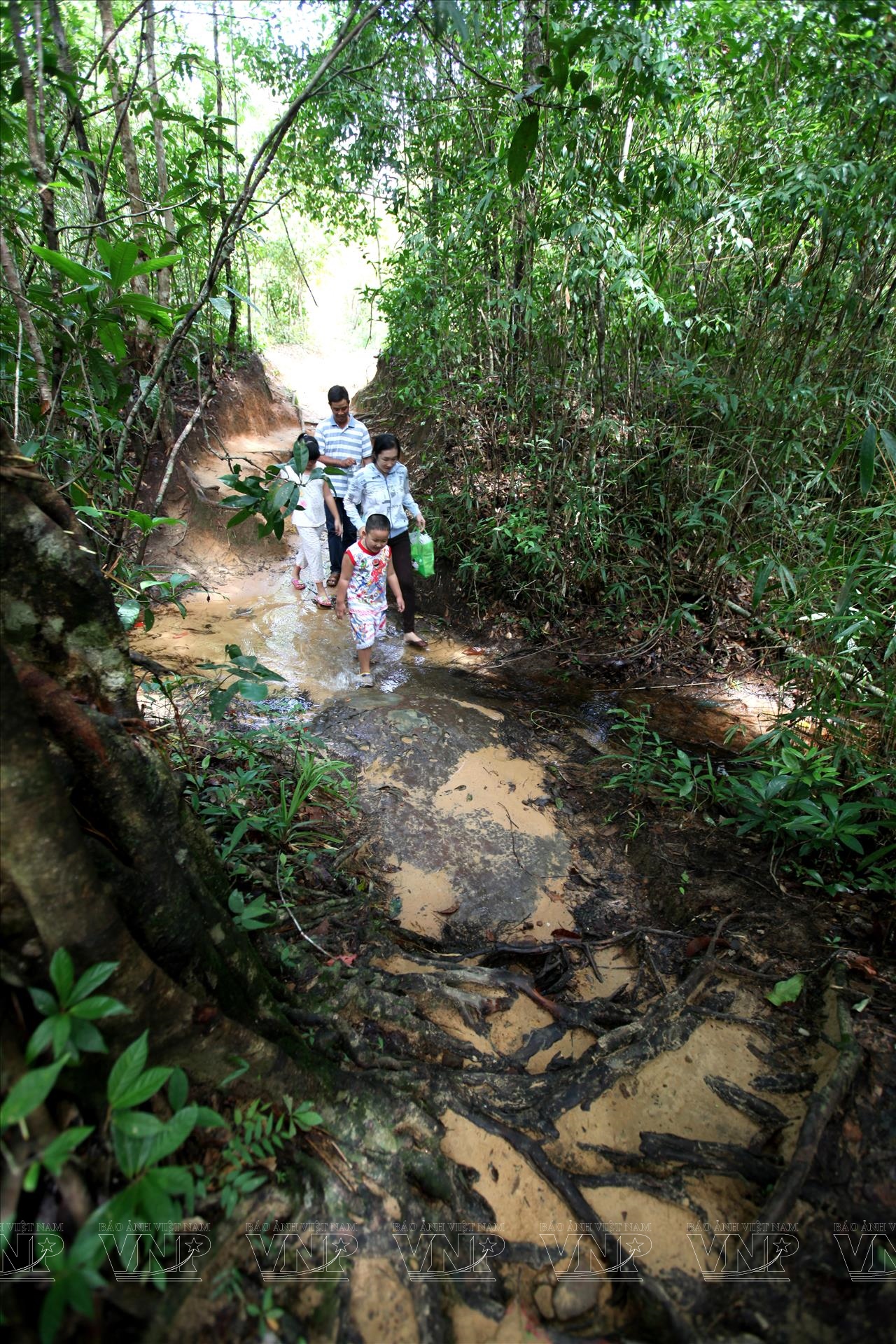
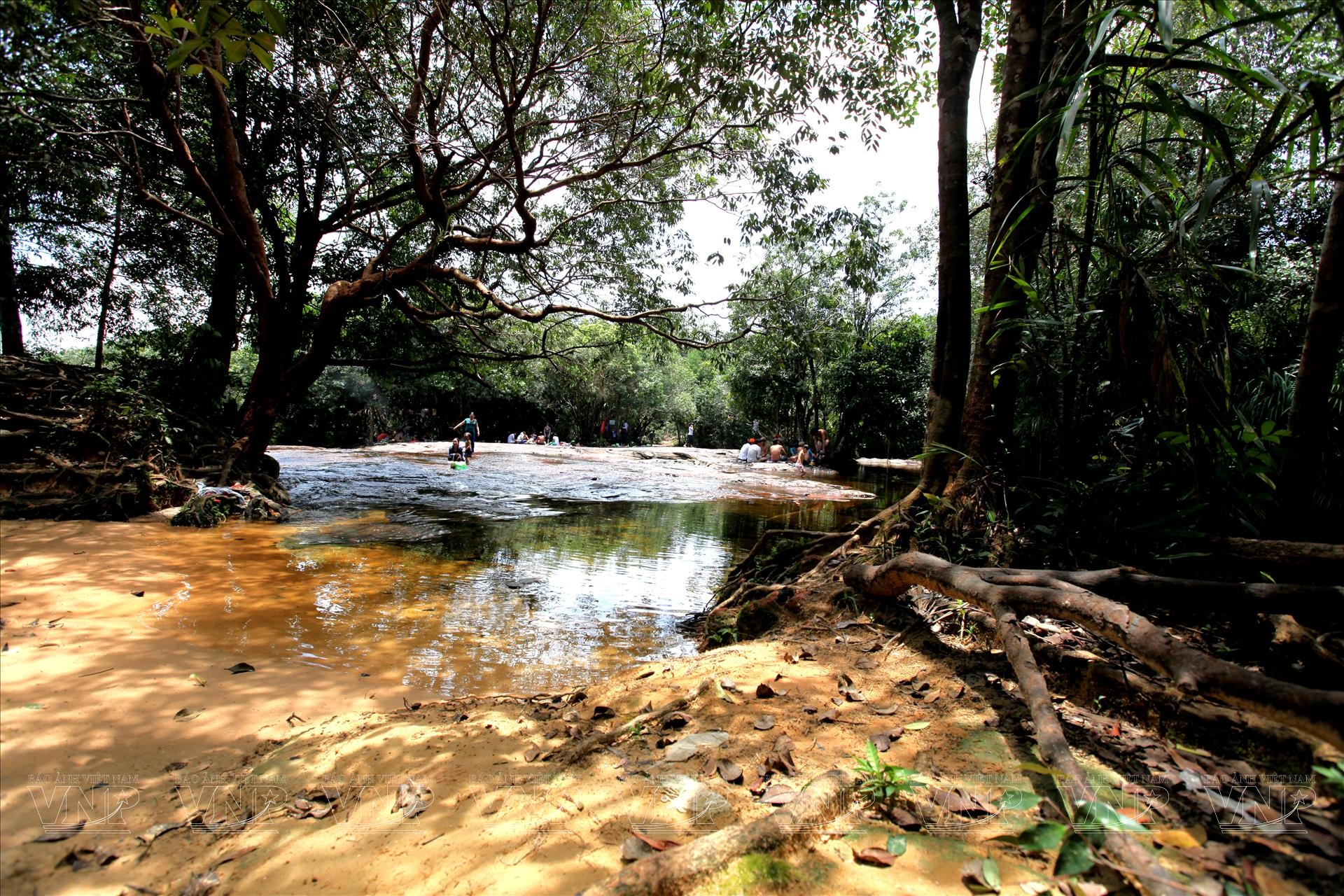
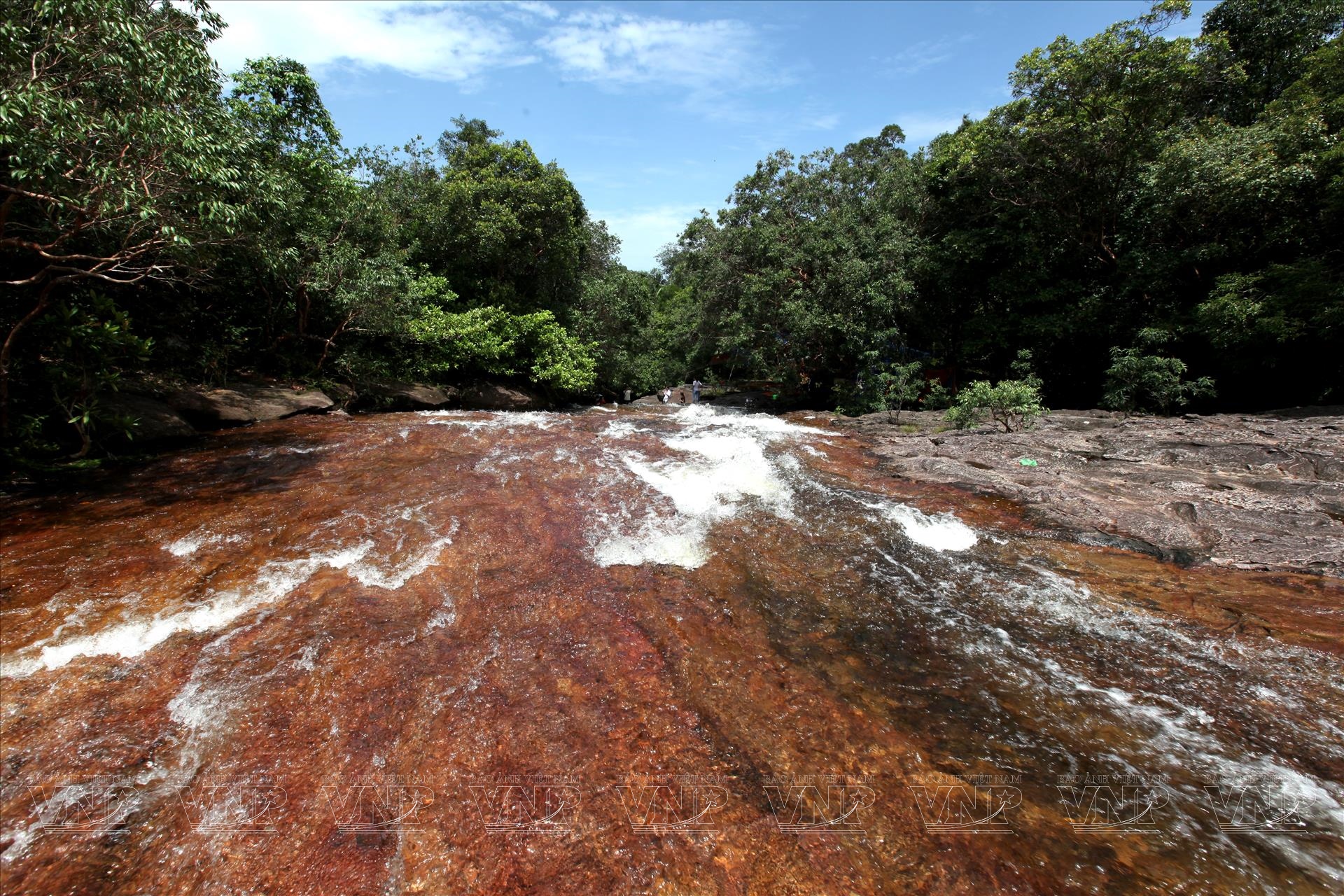
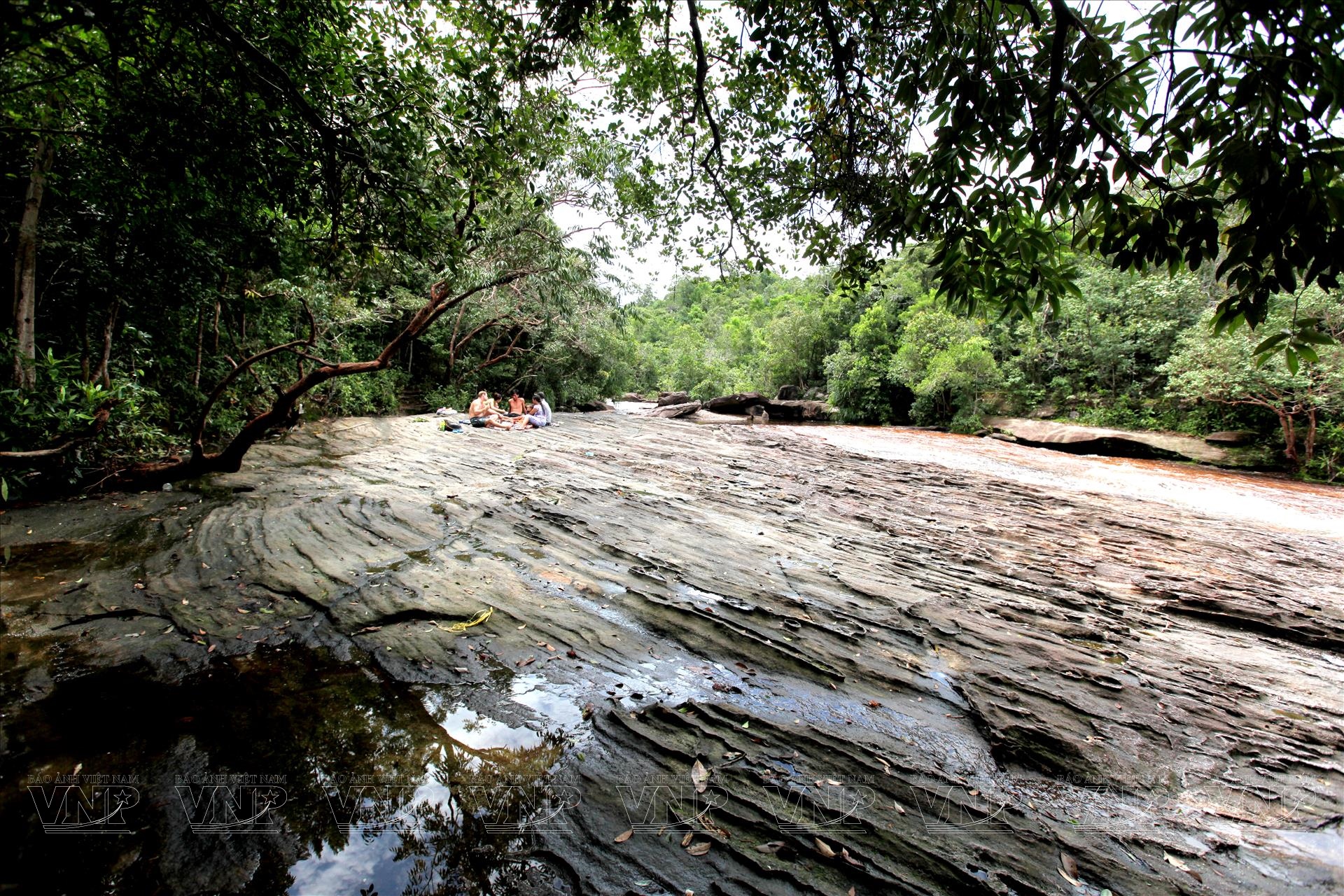
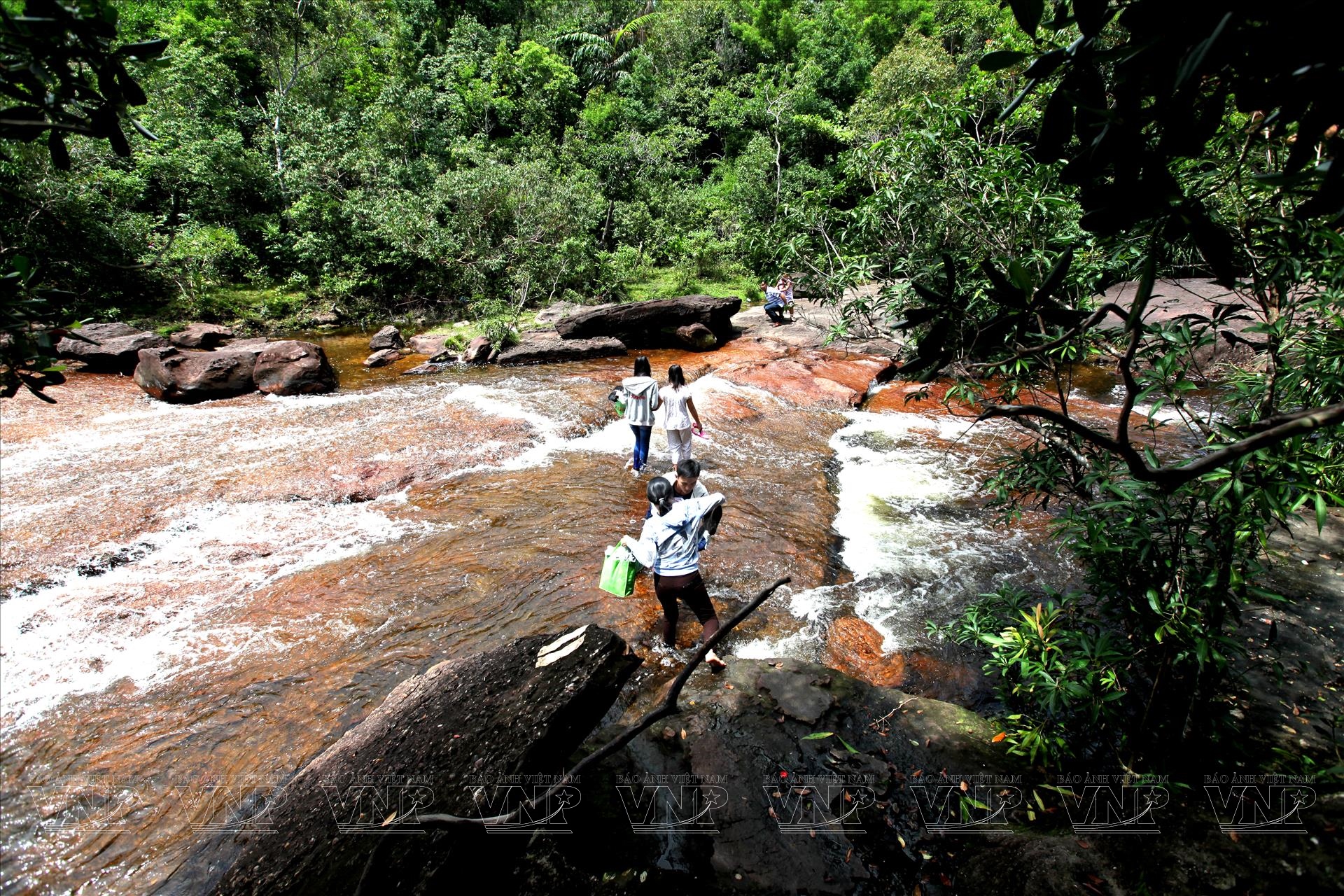
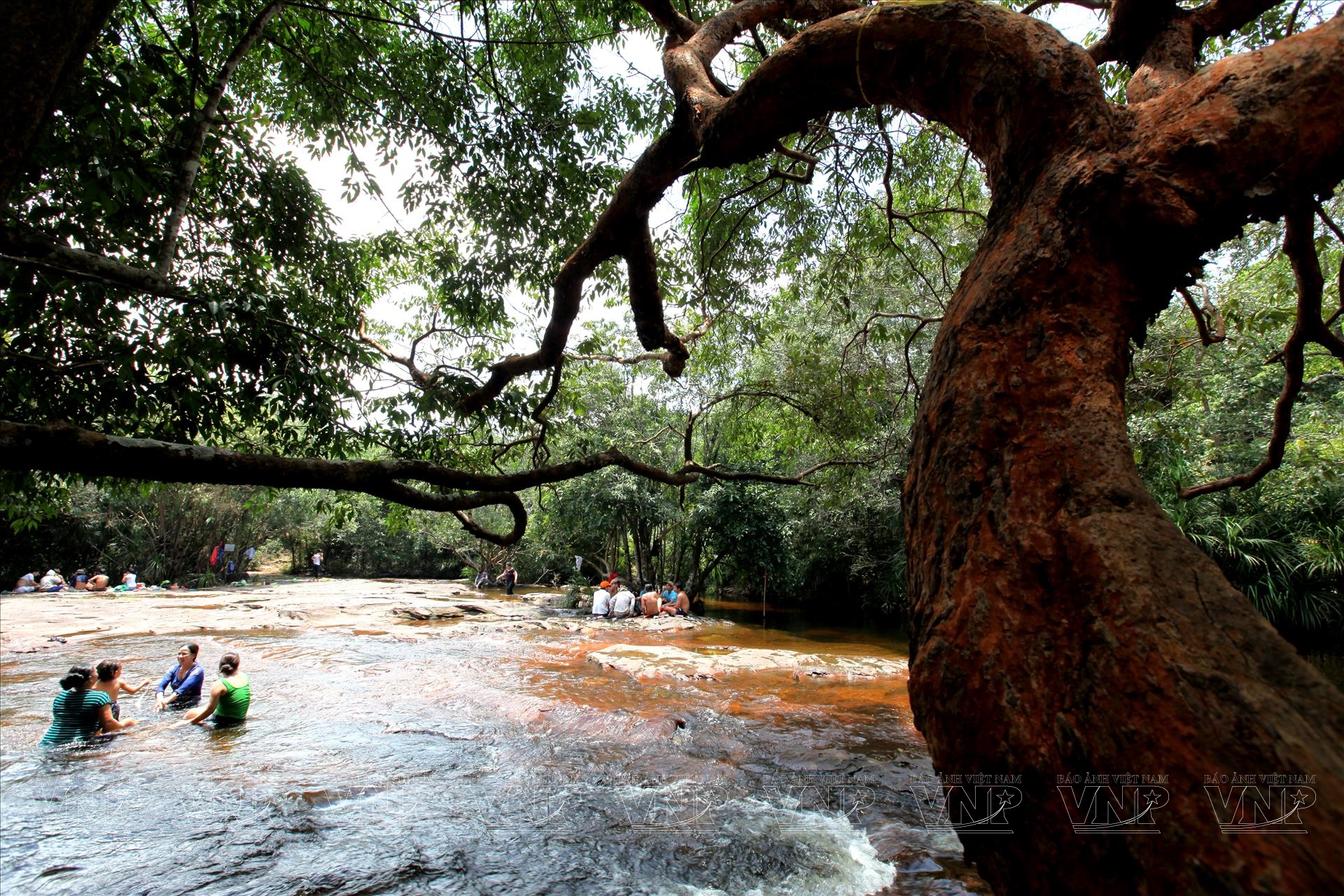
To advance its vision as a green island and smart urban area, An Giang Province is implementing the Phu Quoc Green Transformation Scheme (2026–2035, vision to 2050) across six key pillars. The province prioritizes restoring degraded ecosystems including coral reefs, seagrass beds and natural forests, protecting critical habitats, and ensuring water security.
Bui Quoc Thai, Director of the An Giang Department of Tourism, emphasized aligning local tourism strategy with the national green growth framework. The province targets maintaining forest coverage above 60–61%, while restoring 20% of degraded marine, wetland, and forest ecosystems by 2027, and 70–80% by 2035.
At a consultation conference for the scheme, Ho Van Mung, Chairman of the An Giang People's Committee, noted that green transformation is essential to protect and enhance the island's long-term value.
Phu Quoc aims to track greenhouse gas emissions using real-time digital Measurement, Reporting, and Verification (MRV) tools. Alongside green transport - such as LRT systems reducing emissions by 99% compared to private vehicles - and renewable energy, forest absorption remains central to achieving Net Zero goals.
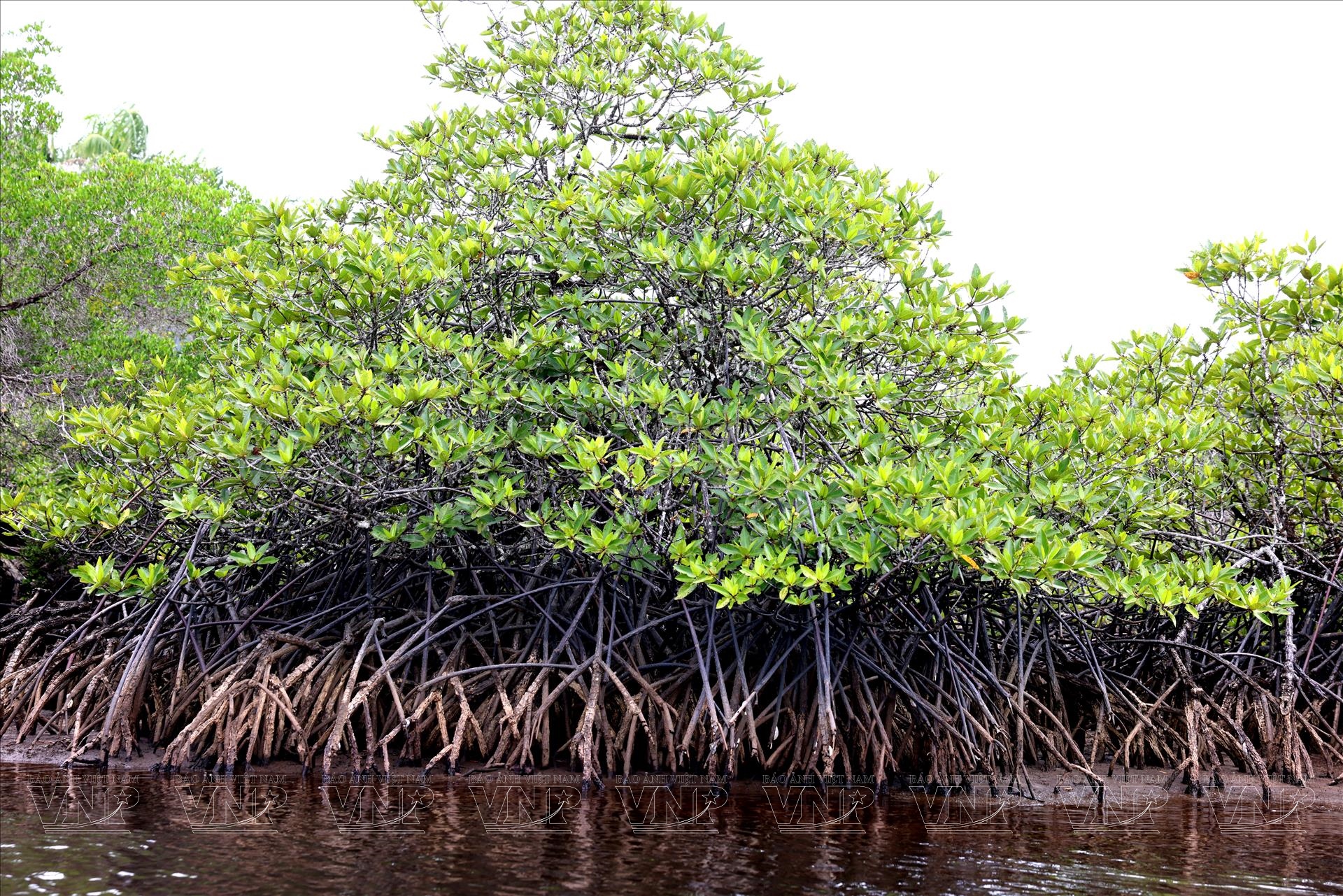
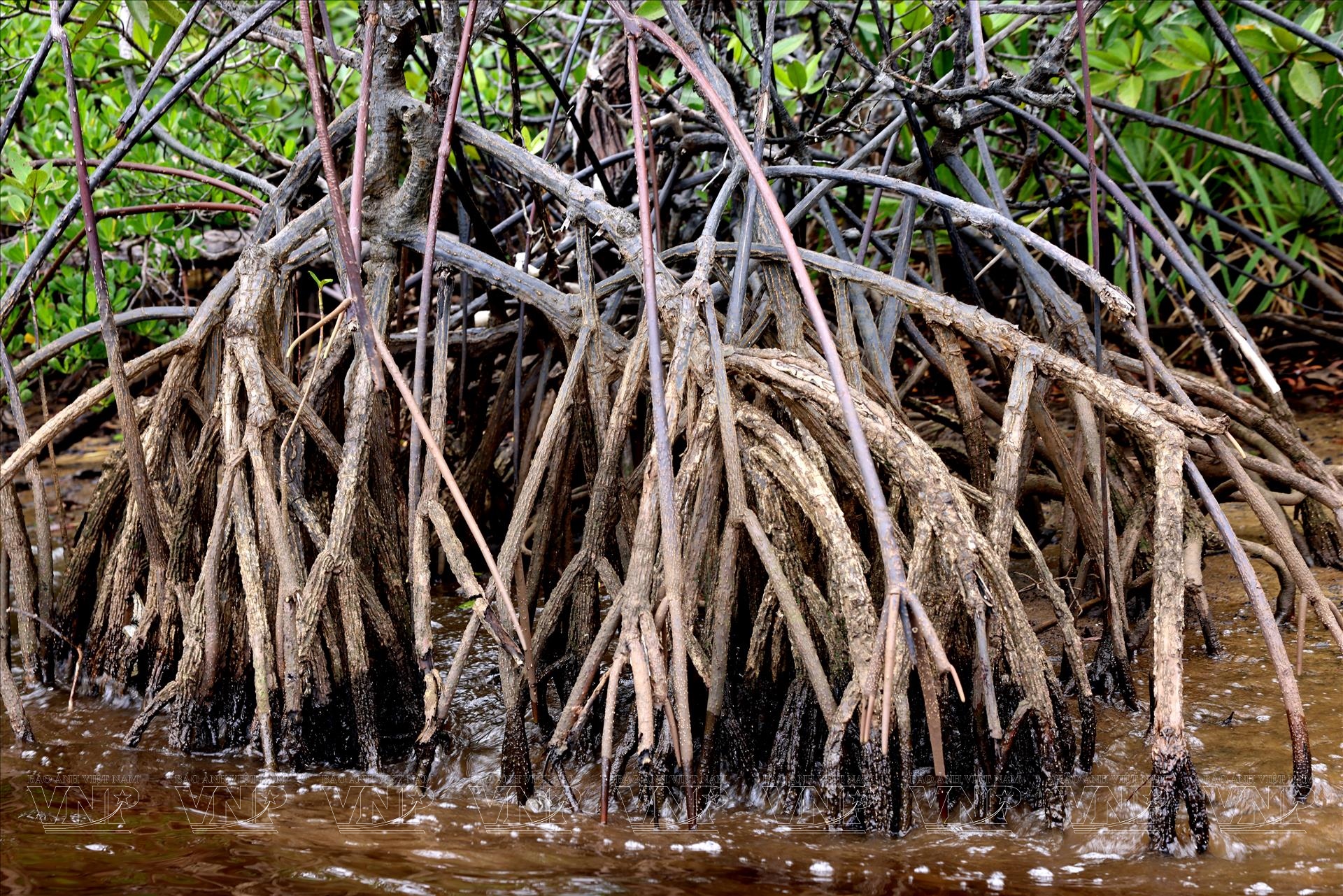
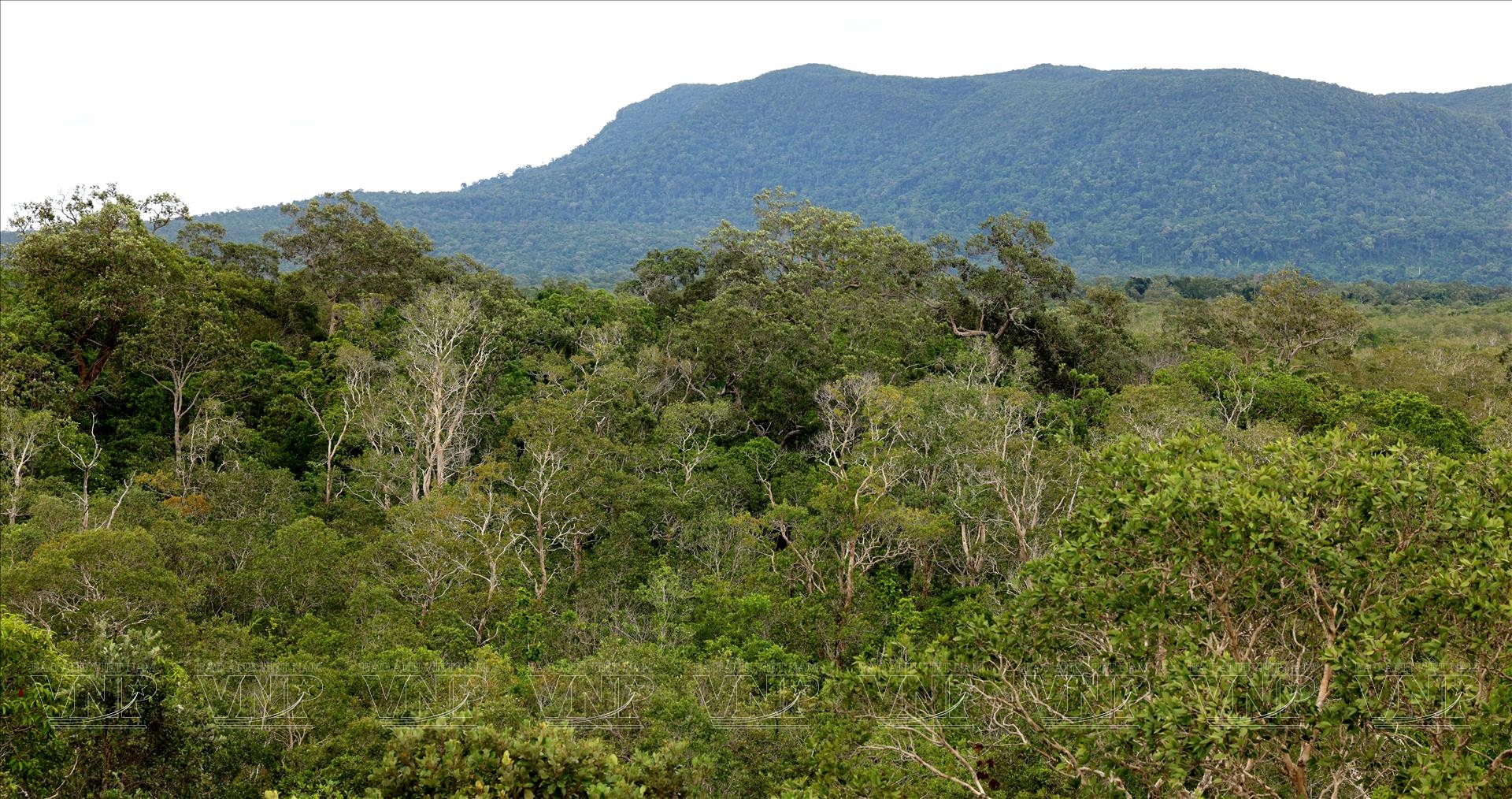
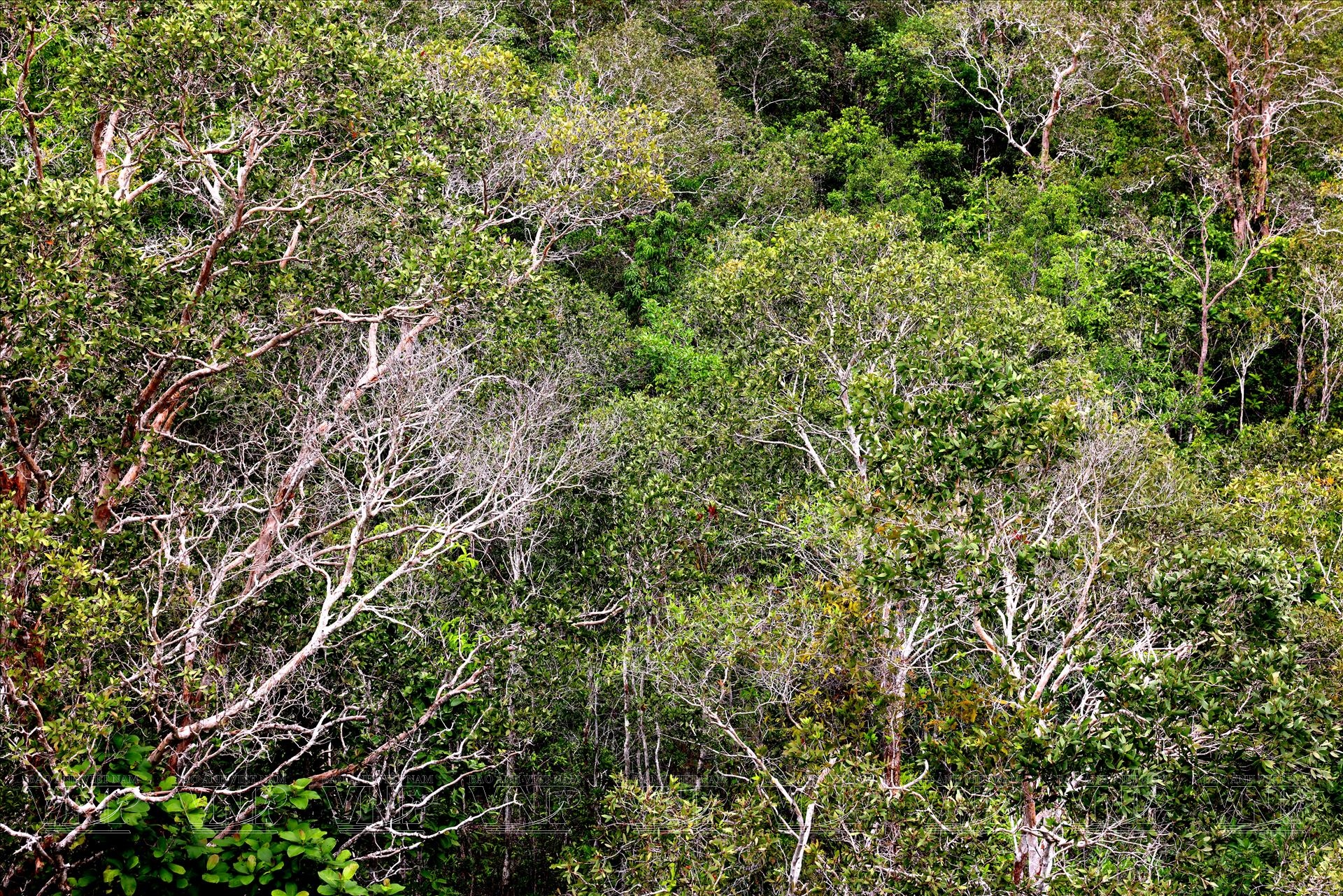
Rather than enforcing rigid conservation, Phu Quoc integrates its forest ecosystem into a circular economy and smart urban plan. The island favors a "compact city" model, concentrating infrastructure in already-developed areas to avoid sacrificing primary forests. Additionally, international sustainability standards are applied across the summit's supply chain.
Approaching 2027, Phu Quoc’s forests are transitioning from protected resources to strategic assets via forest carbon credit markets, generating green finance to fund forest management, local livelihoods and eco-technologies.
The goal extends beyond increasing visitor numbers or revenue toward maximizing resource efficiency and minimizing environmental impact per visitor.
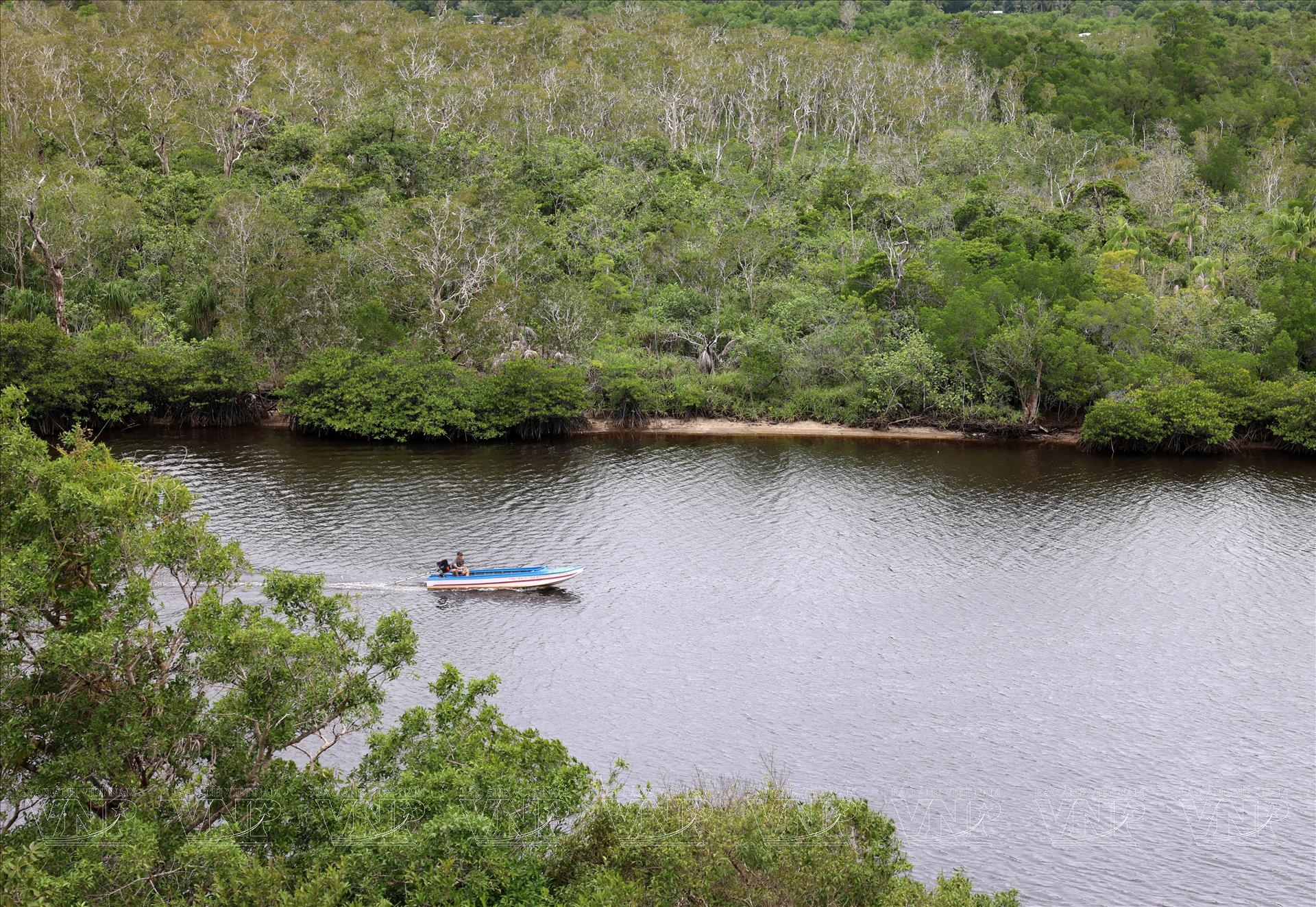
Phu Quoc's primary legacy for APEC 2027 will be proving that an island can advance economically and transform into a international-standard smart city without compromising its natural environment.
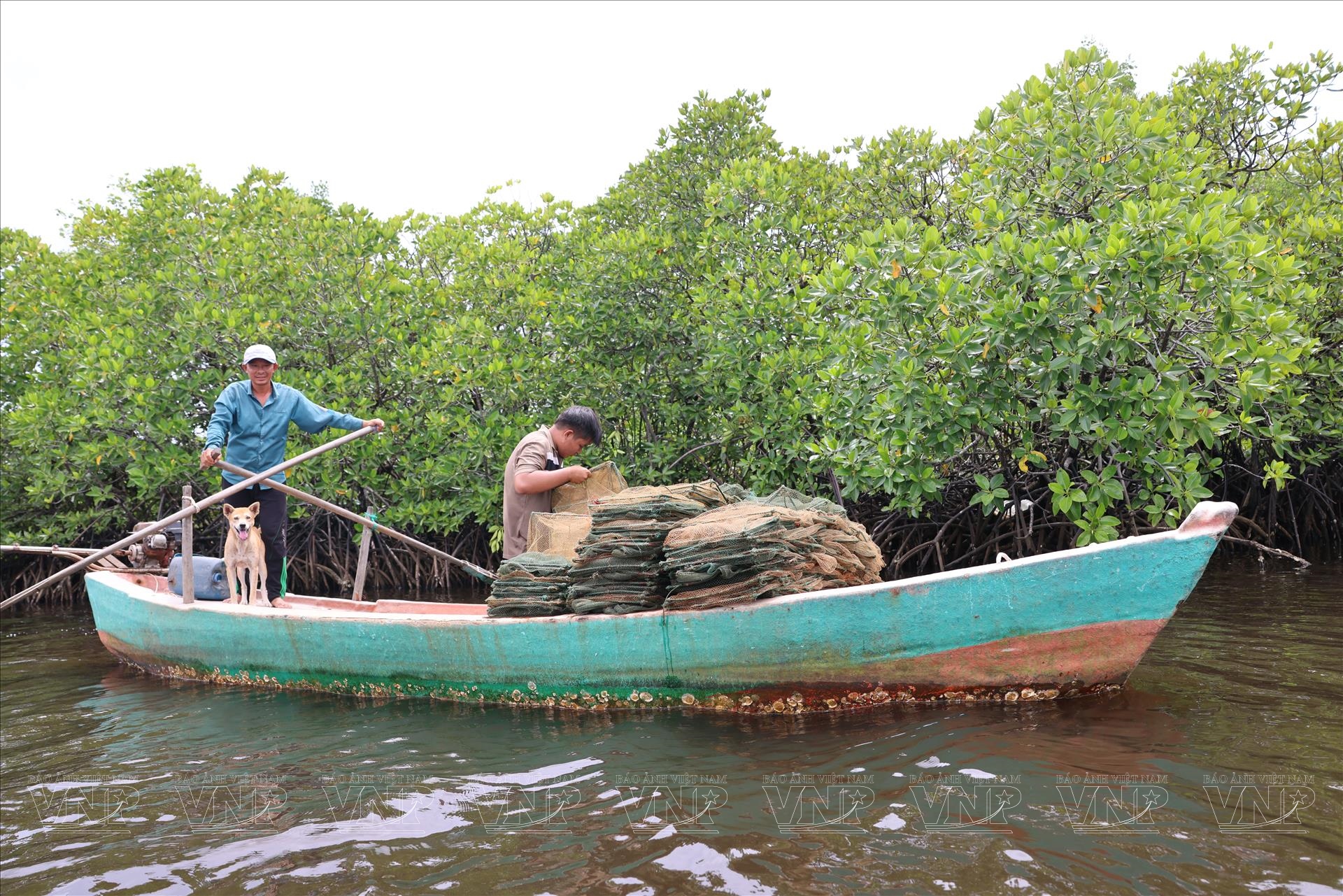
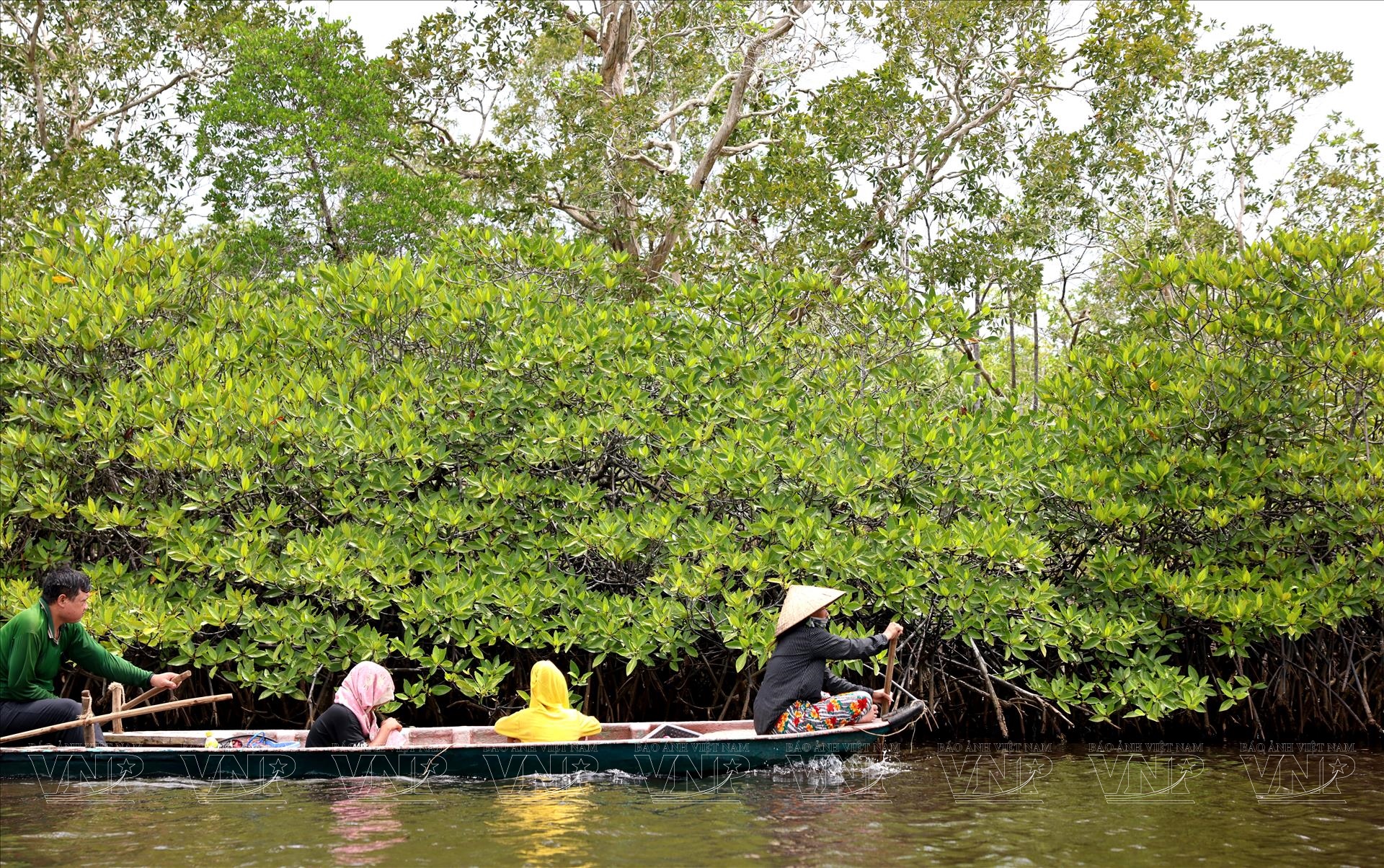
Between 2021 and 2025, Phu Quoc recorded an average annual visitor growth rate of 47.53%, welcoming over 8.2 million visitors in 2025. In the first eight months of 2026, the island hosted over 7.8 million visitors, including more than 1.7 million international arrivals (up 57.6%). The island offers over 700 accommodation facilities with more than 24,000 rooms, though green-certified facilities currently account for just 1–3%./.
- By Thong Thien/VNP