Oc Eo - Ba The, the Crossroads of Civilizations
Hidden beneath the southern region’s alluvial soil, an ancient trading hub is coming to light. Vietnam’s recent submission of the dossier to nominate the Oc Eo - Ba The archaeological site as a UNESCO World Heritage highlights Vietnam’s position in human civilization.
Traces of an Ancient City
In the wide rice fields at the foot of Ba The Mountain in An Giang Province, it is hard to imagine this was a thriving urban center nearly two thousand years ago. Beneath layers of soil, the Oc Eo culture, linked to the ancient Kingdom of Funan (1st - 7th centuries), is being revealed through excavations.
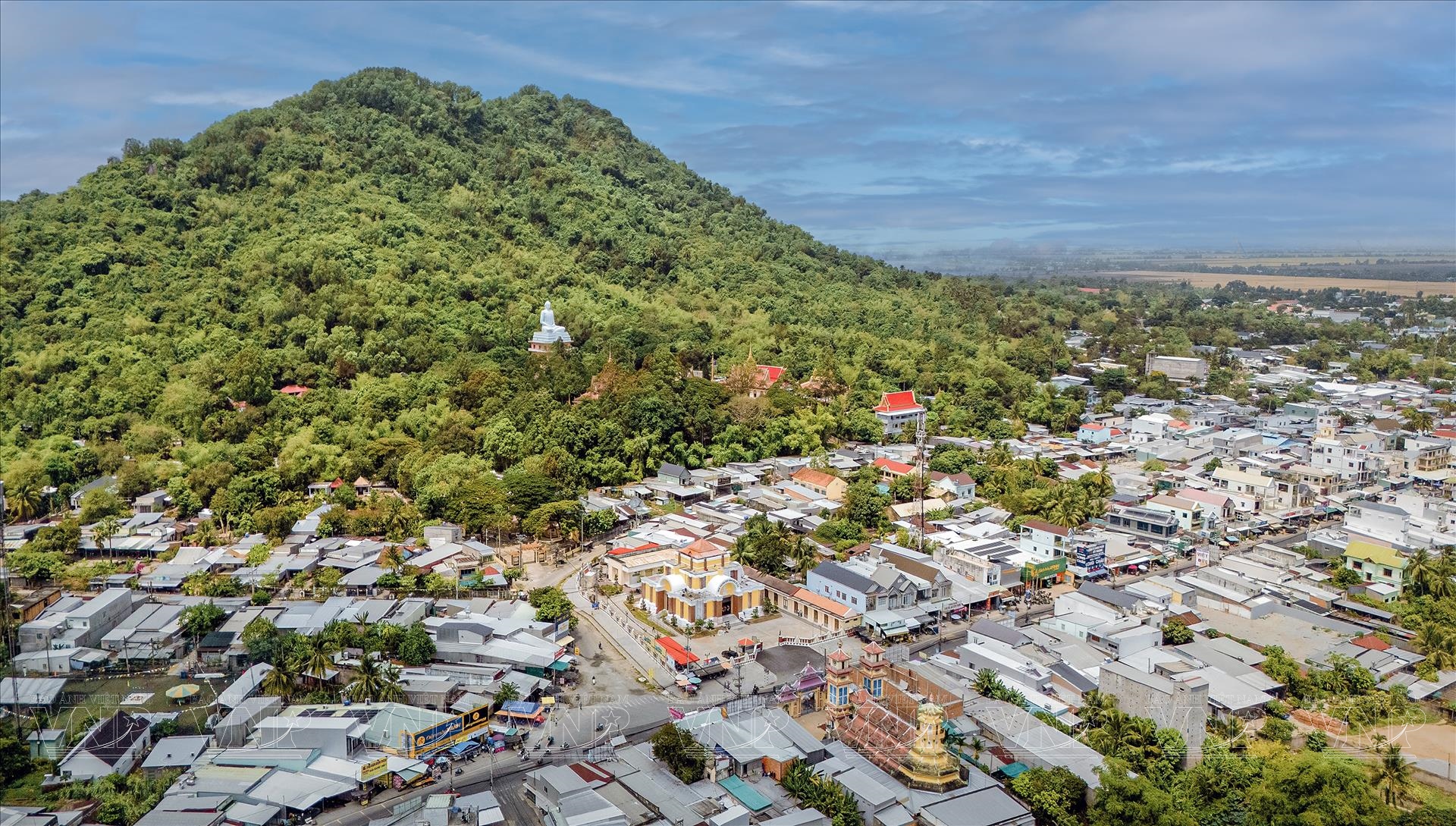
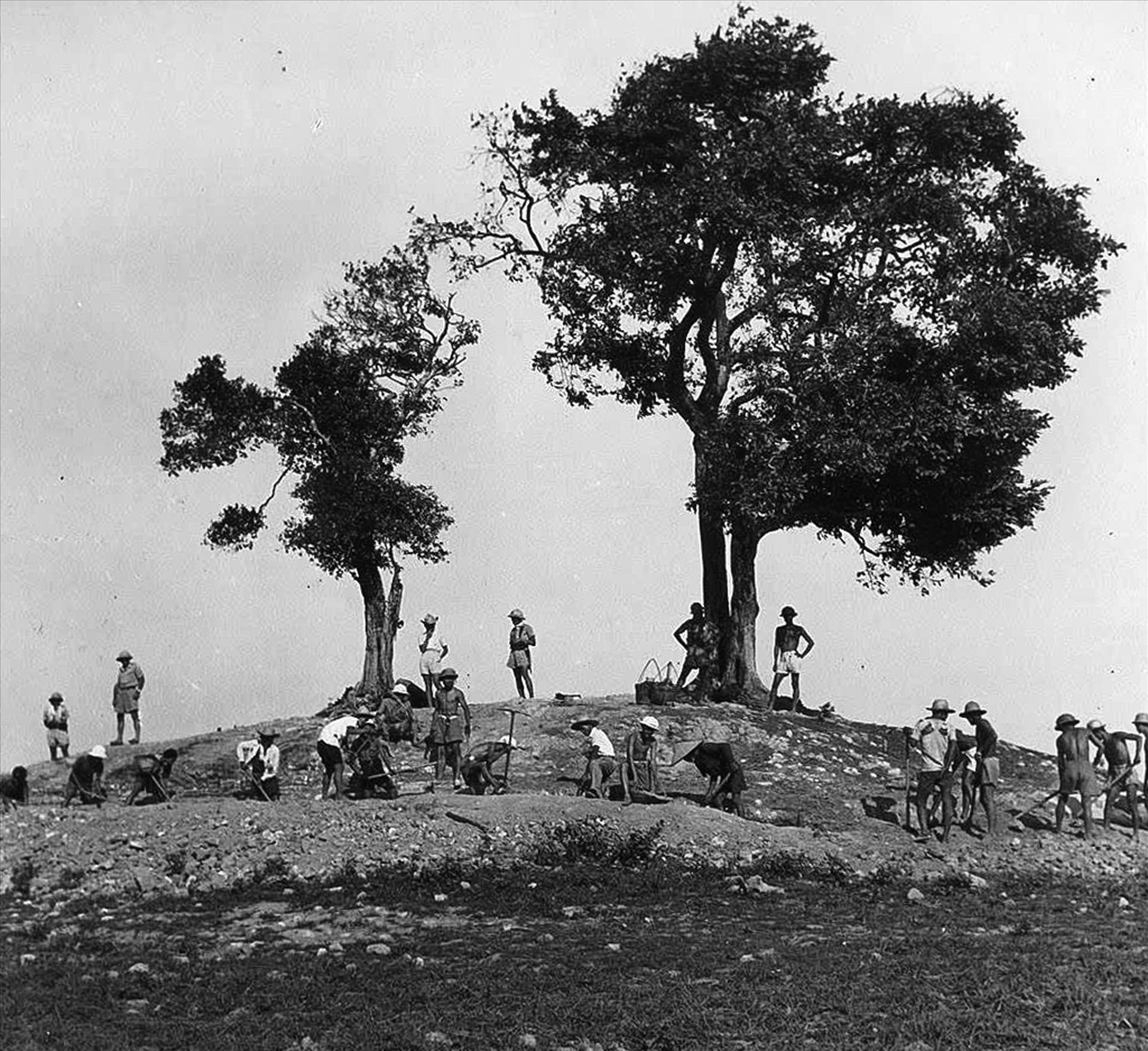
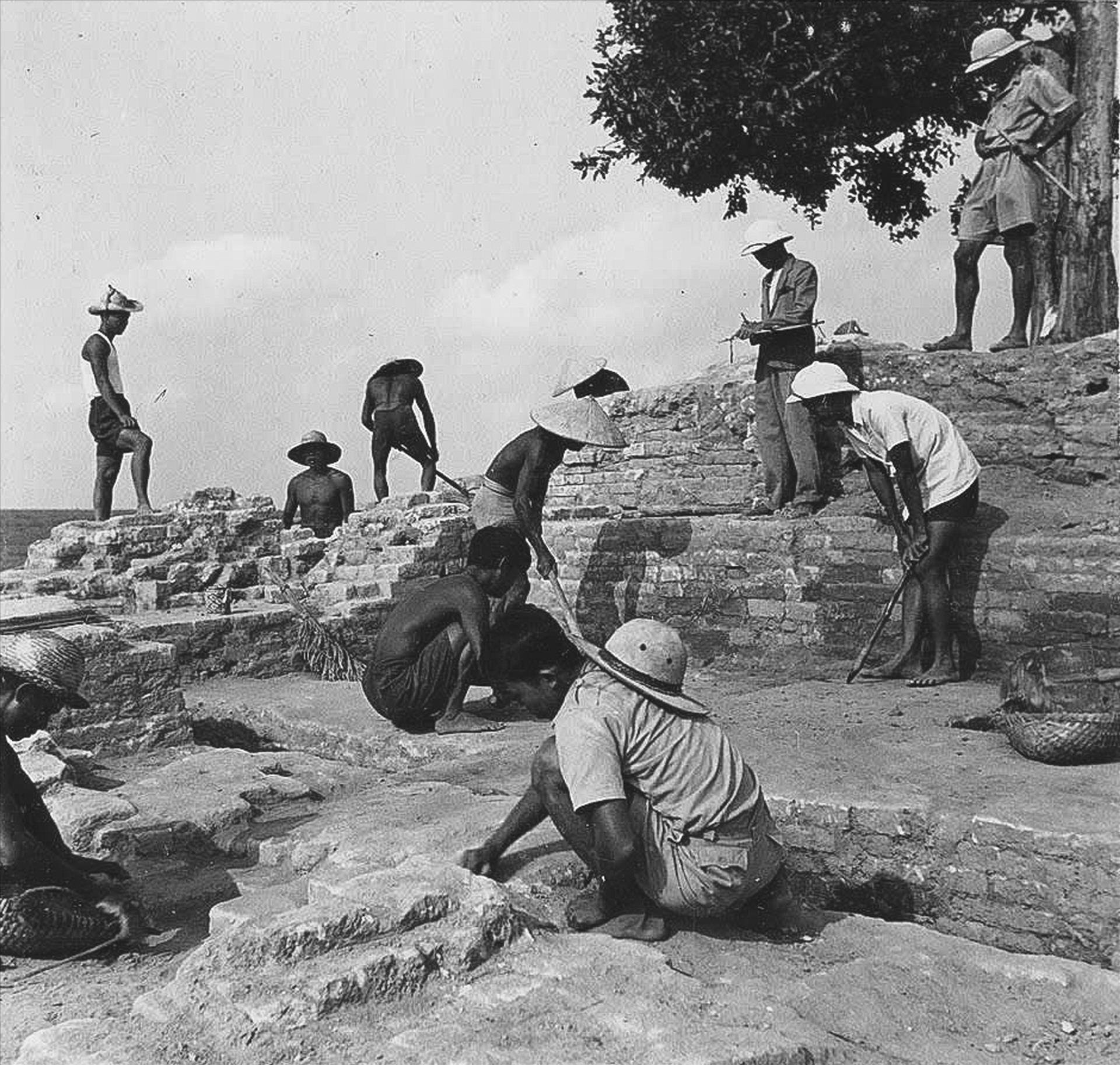
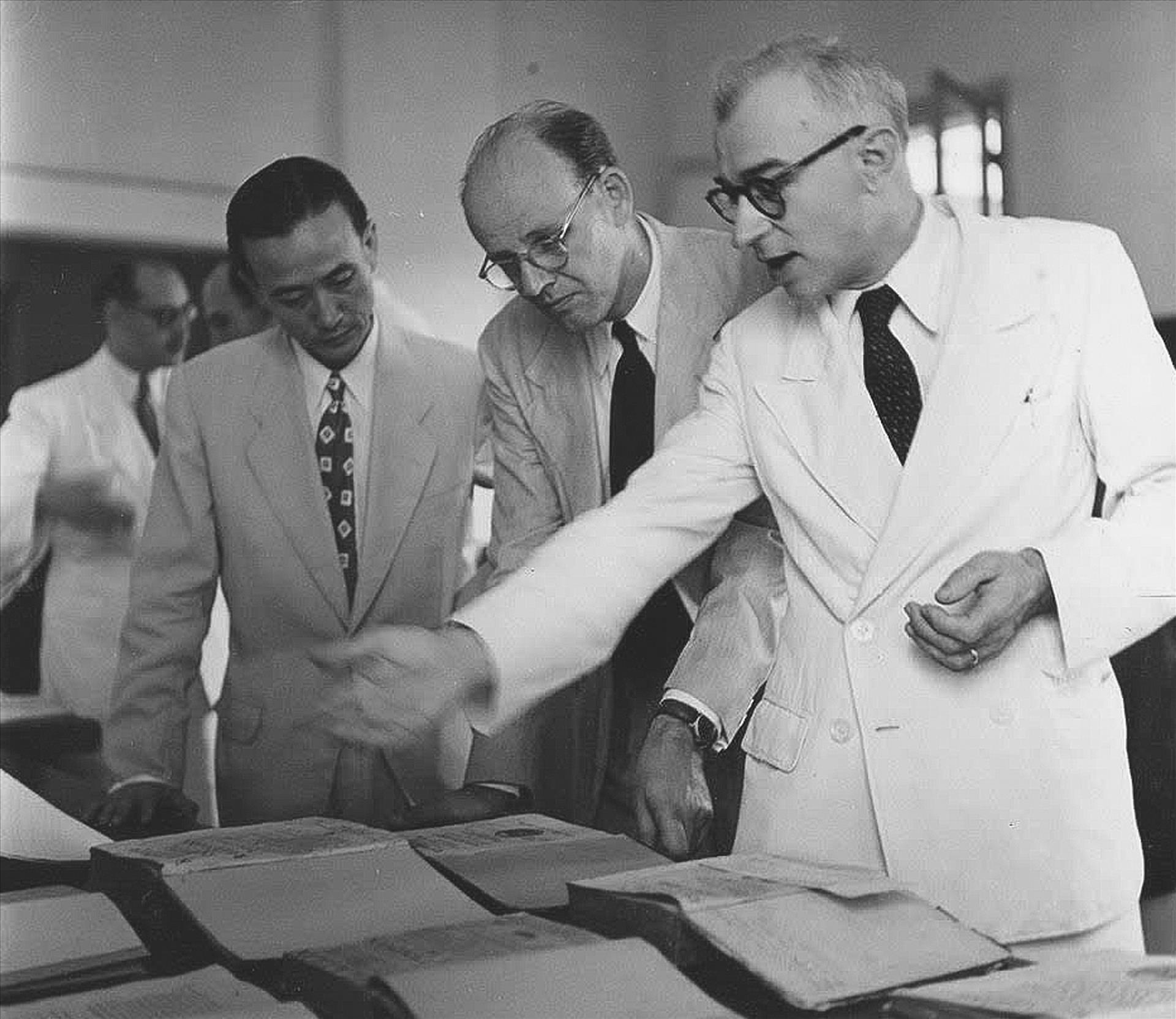
Oc Eo is one of Vietnam’s three major ancient cultures, along with Dong Son in the north and Sa Huynh in central Vietnam. Developed from the 2nd - 7th centuries, it flourished in the south. The Oc Eo - Ba The site was one of the most important trading centers in Southeast Asia at the time, with connections to major civilizations such as China, India, and Rome.
Since French archaeologist Louis Malleret first discovered the site in 1944, Oc Eo - Ba The has become one of the most important sites for research into Southeast Asia’s ancient history. The sediment layers 1 have revealed a center of trade exchange, connections, and development.
Archaeological evidence shows that from early centuries, a developed urban settlement took shape here with production and trade activities. Given its strategic location on routes connecting the Indian Ocean and the Pacific via the Kra Isthmus, Oc Eo - Ba The was once a transit point in East - West trade.
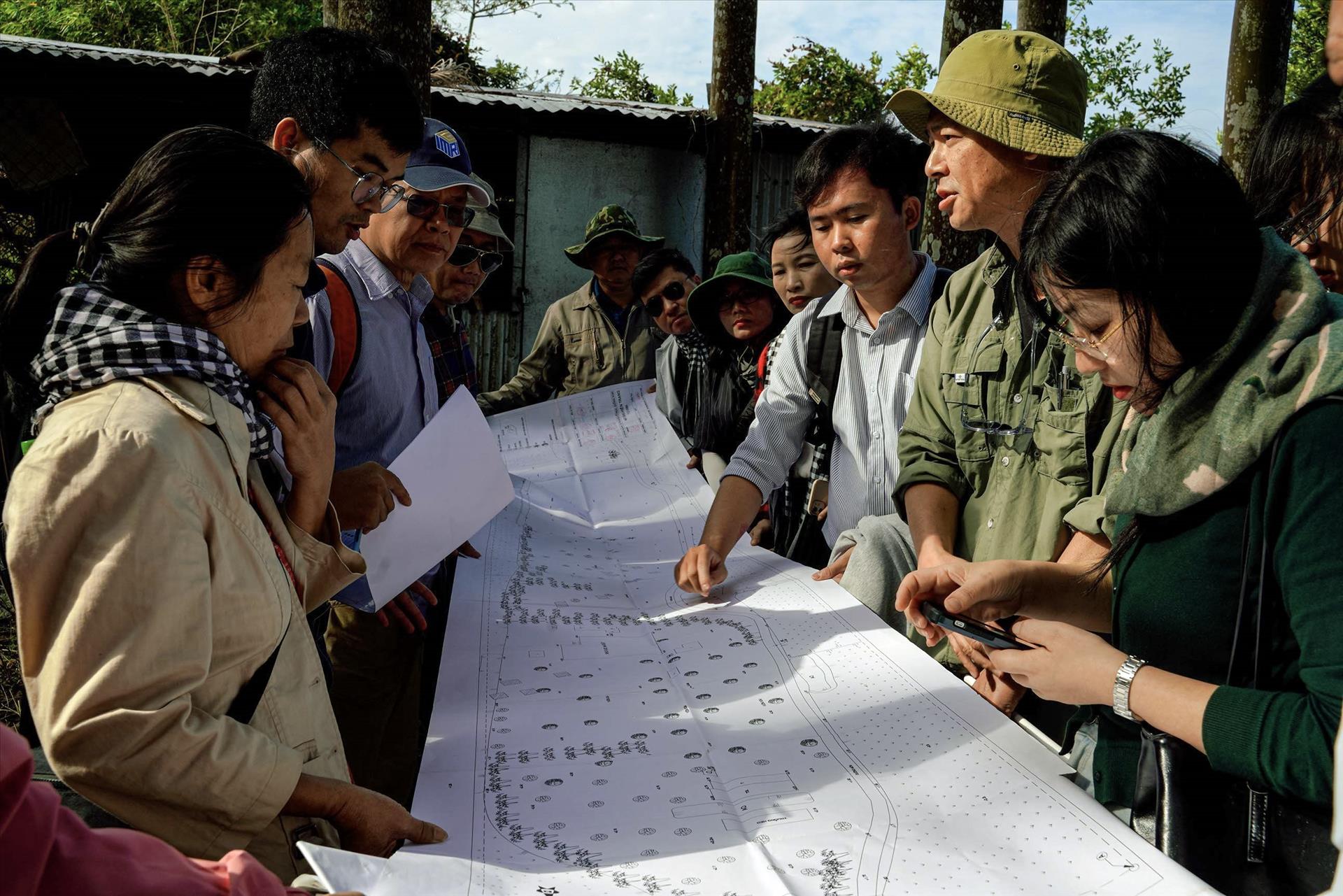
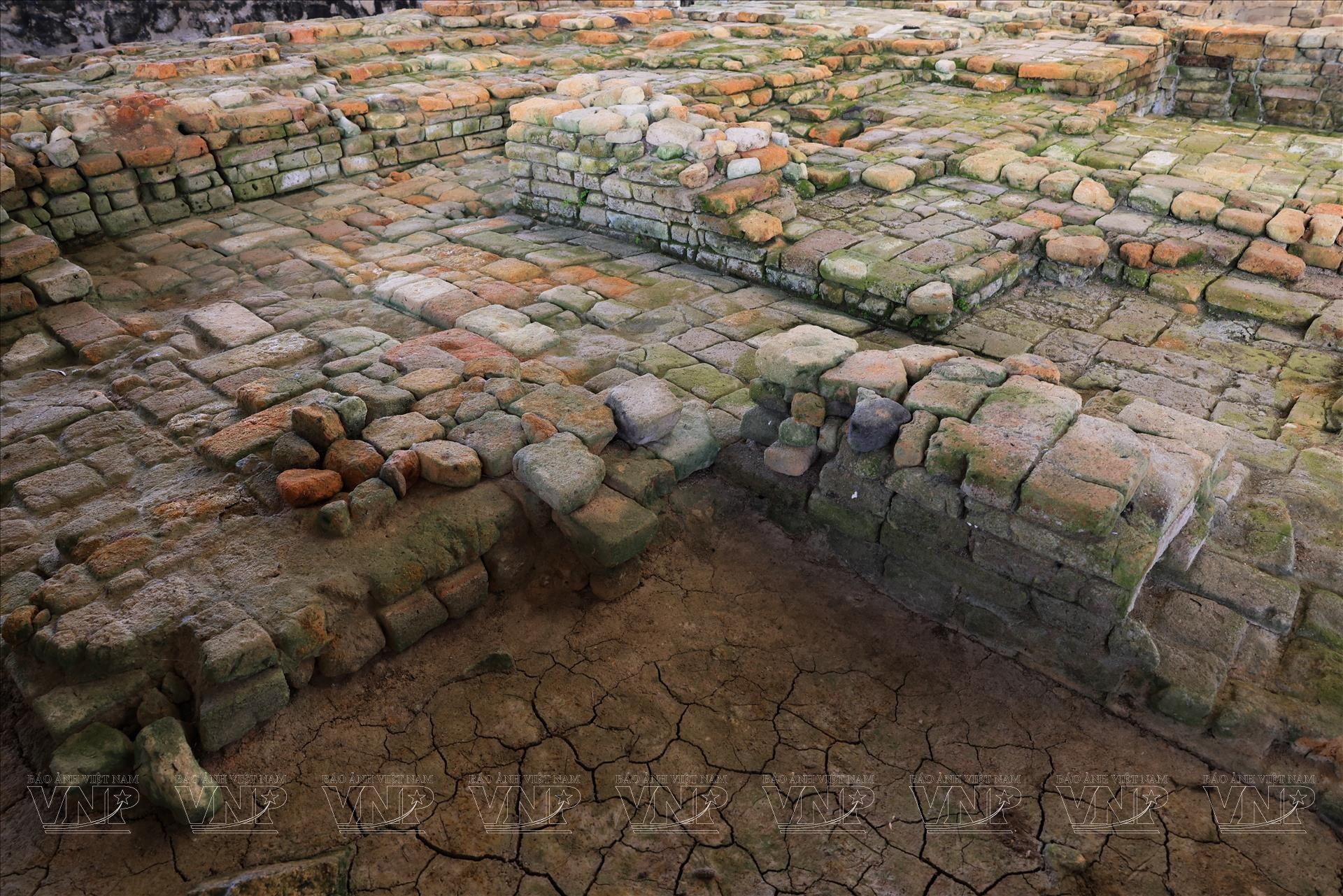
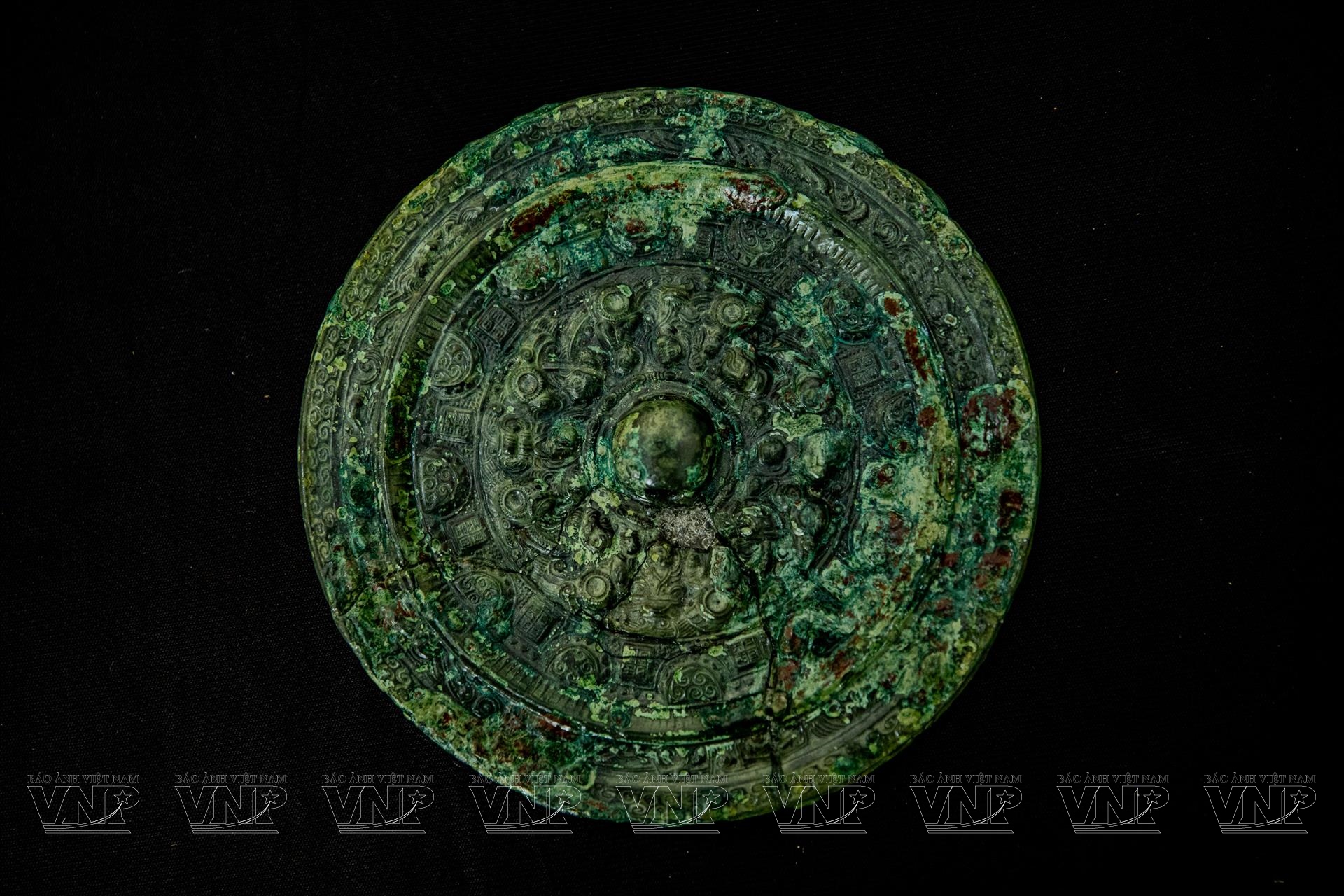
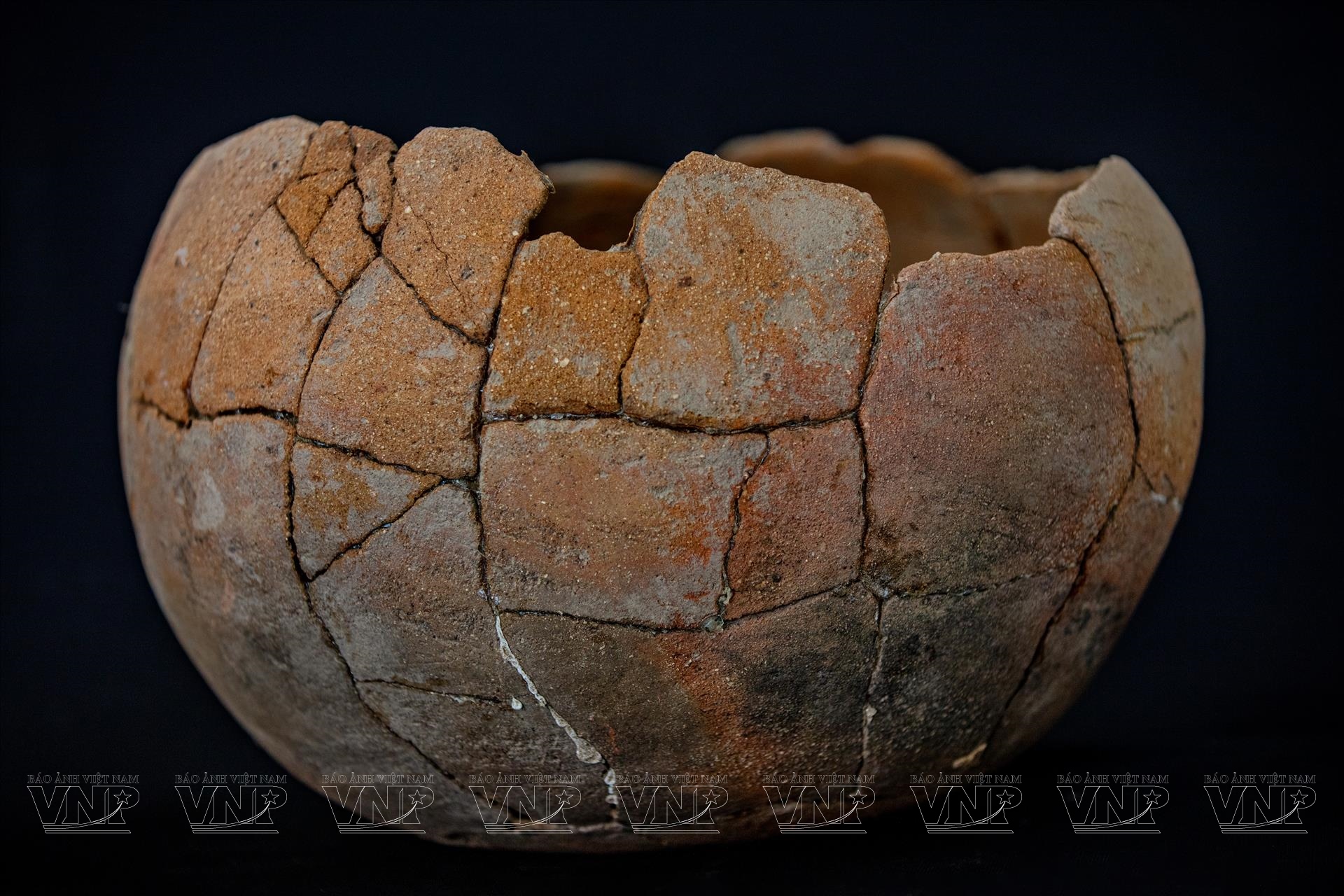
Excavations have uncovered millions of pottery fragments that carry traces of long journeys. Artifacts originating from Rome, India, China, and West Asia point to a wide trading network that stretched from the Mediterranean to East Asia.
According to Dr. Bui Minh Tri, Director of the Institute for Asian Civilizations Studies, the discovery of imported ceramics at sites such as Nen Chua, Lung Lon, and Go Giong Cat provides clear evidence of transregional trade flows.
Professor Nguyen Van Kim, member of the National Cultural Heritage Council, noted that these scientific findings offer reliable and compelling proof of Oc Eo’s role as an economic and cultural center within the Funan Kingdom, one defined by its maritime orientation, its capacity to receive and spread cultural influences, and its distinctly commercial character.
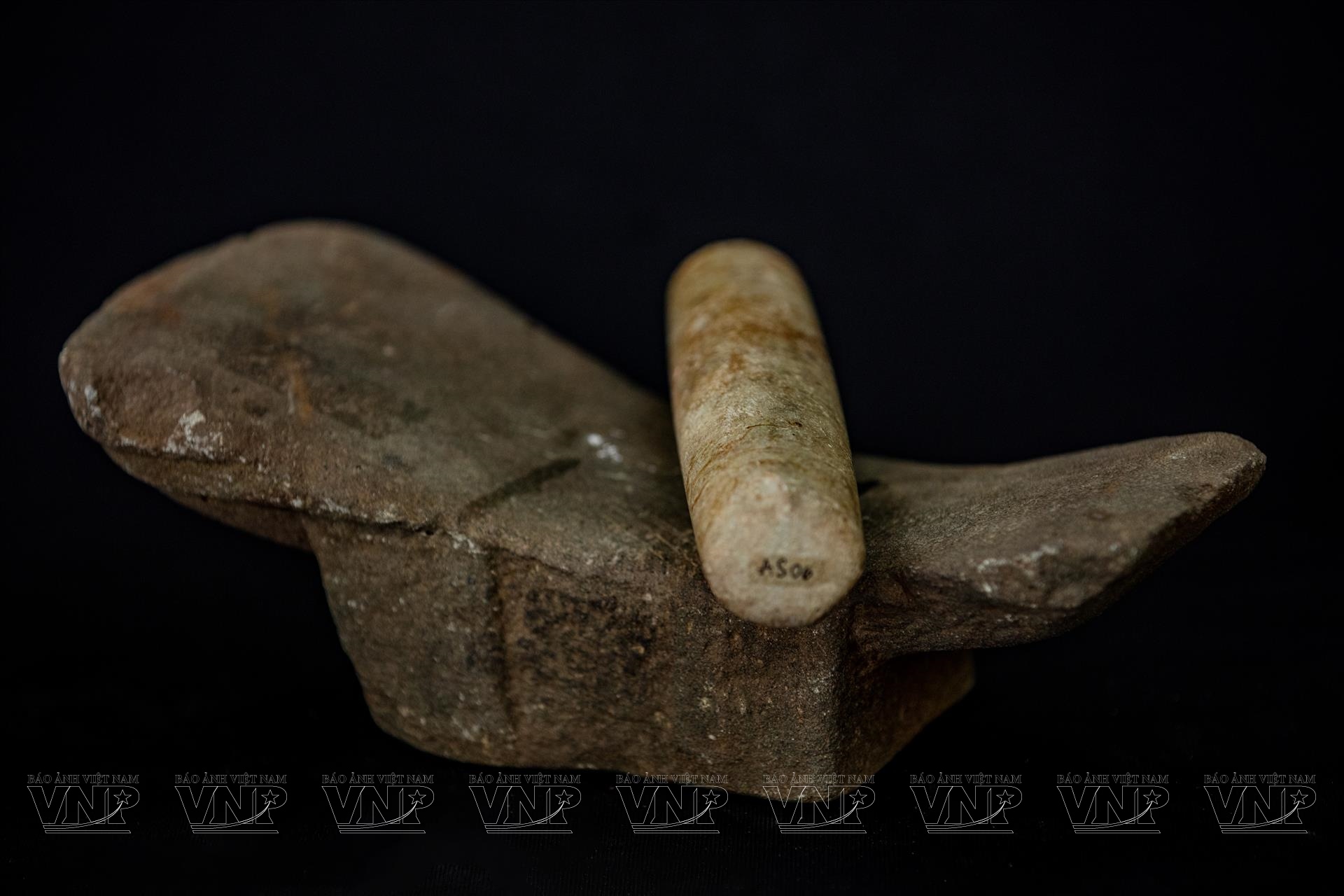
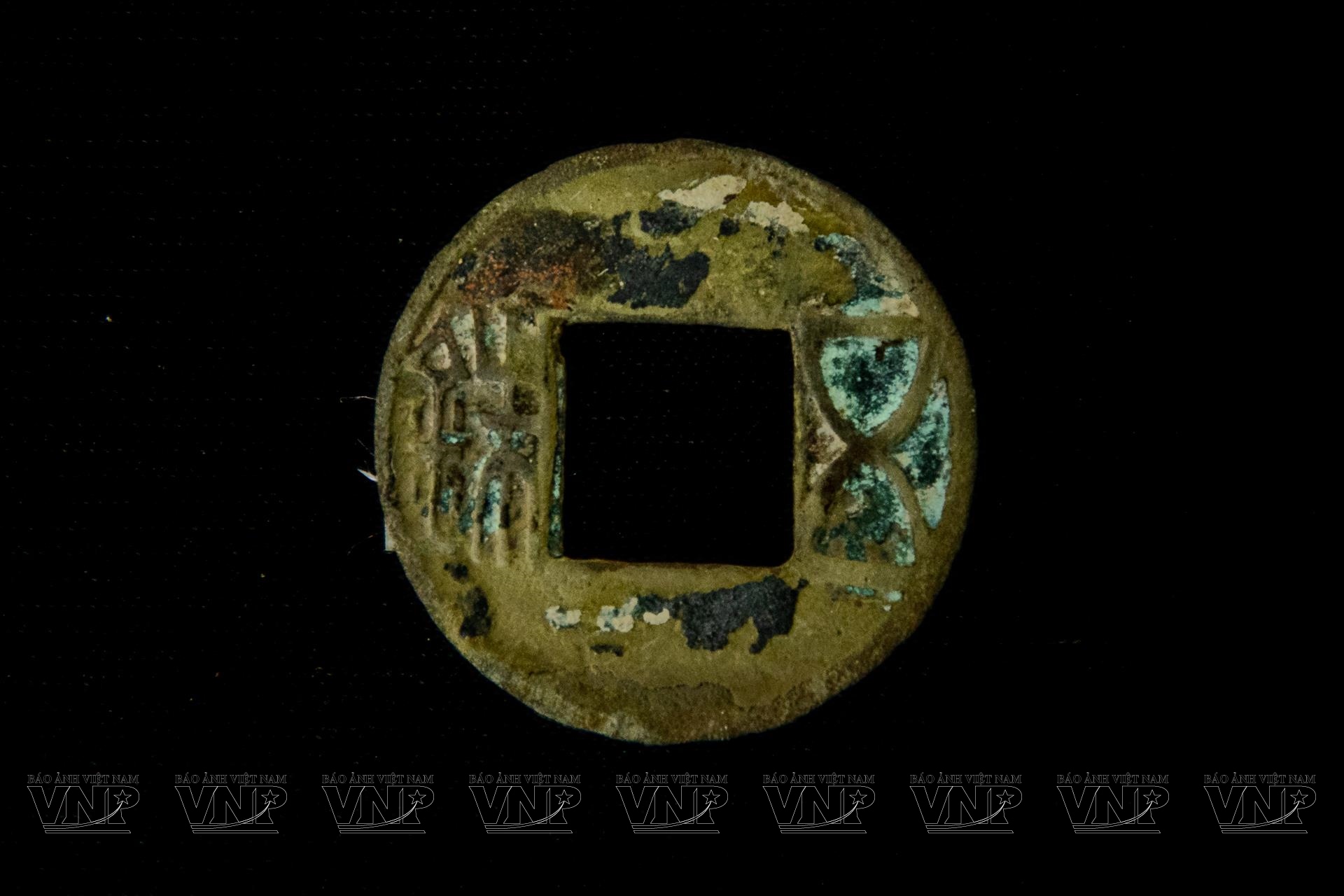
Oc
Eo - Ba The was also a large residential center with traces of structures,
settlements, craft workshops, and ancient canals showing a vivid picture of
daily life.
Some
of those canals can still be traced today across the fields. Once the lifelines
of the city, they served agriculture as well as waterways that connected local communities
to wider trade networks. Through this system, Oc Eo was an important part of
the regional trade flow.
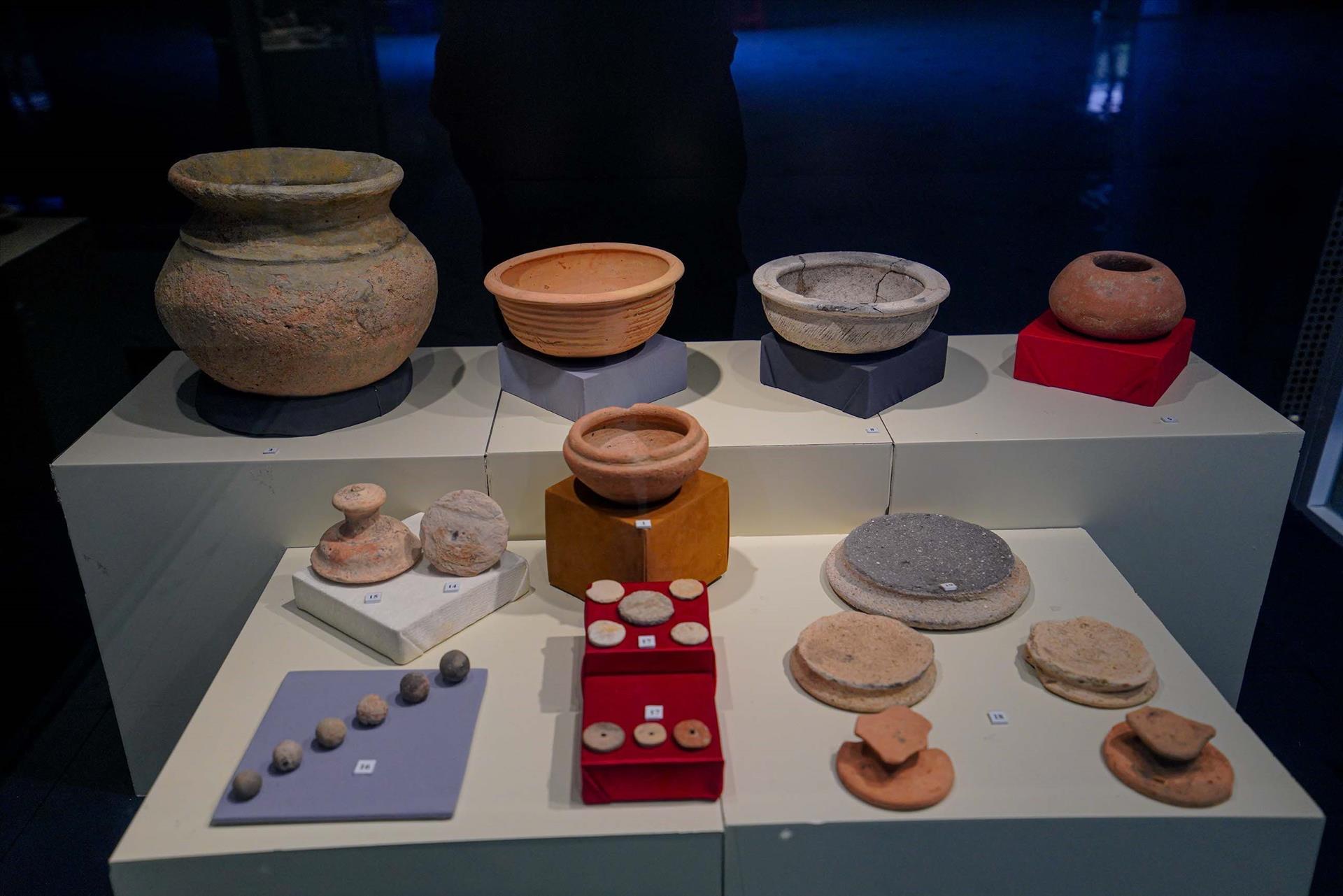
The cultural space of Oc Eo extends far beyond An Giang, spreading across the Mekong Delta and reaching into southcentral Vietnam. Archaeological sites in Dong Thap, Can Tho, Lam Dong, and other provinces suggest a network of interconnected centers.
In
Can Tho, particularly in Nhon Nghia, recent discoveries have added new pieces
to this picture. Evidence of habitation, production, and characteristic
artifacts shows that this area once played a role in the broader Oc Eo cultural
and economic system.
Artifacts made from gold, precious stones, glass, and metals reflect both skilled craftsmanship and a relatively prosperous life. At the same time, imported objects continue to highlight the openness and strong connectivity of this culture.
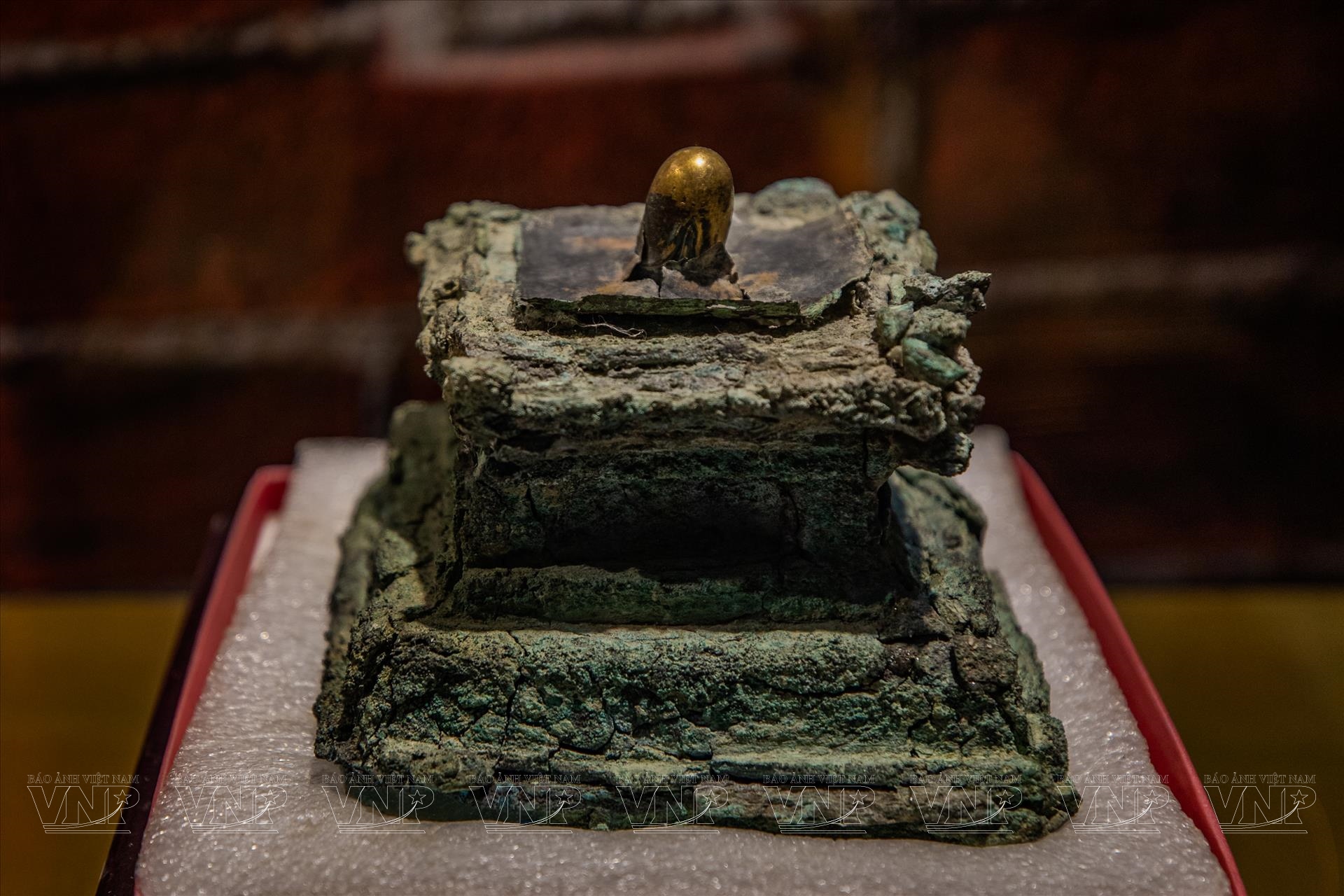
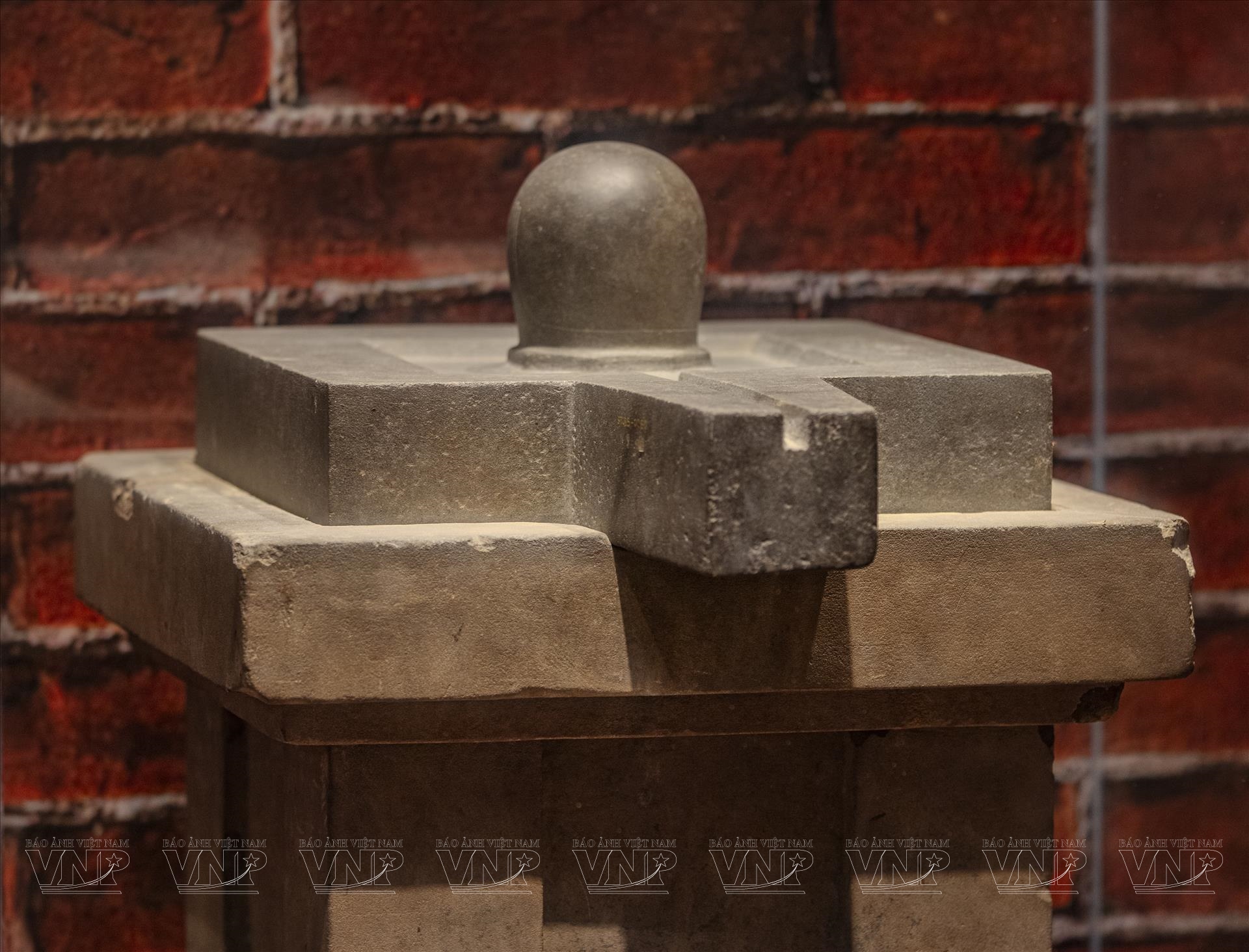
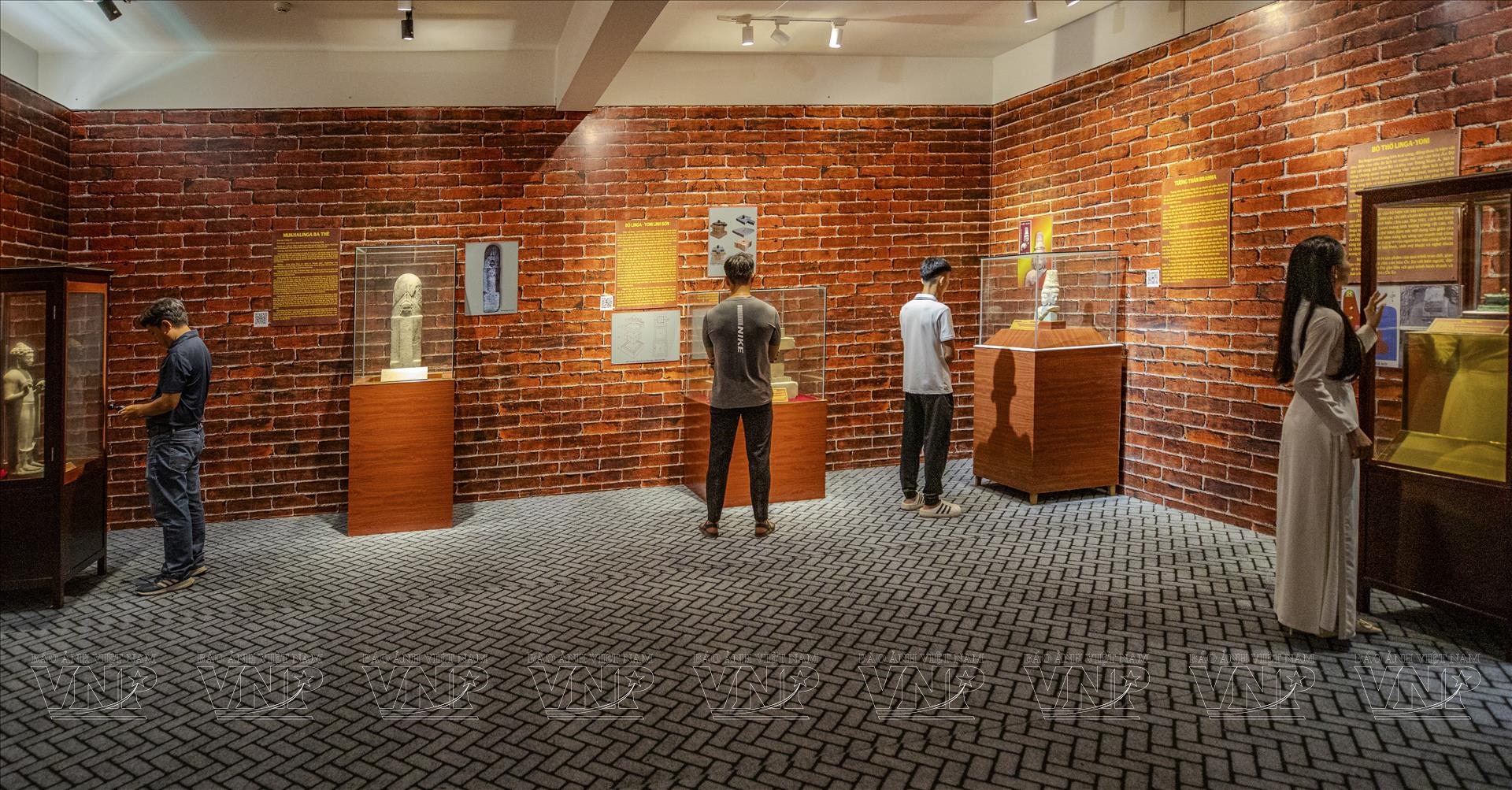
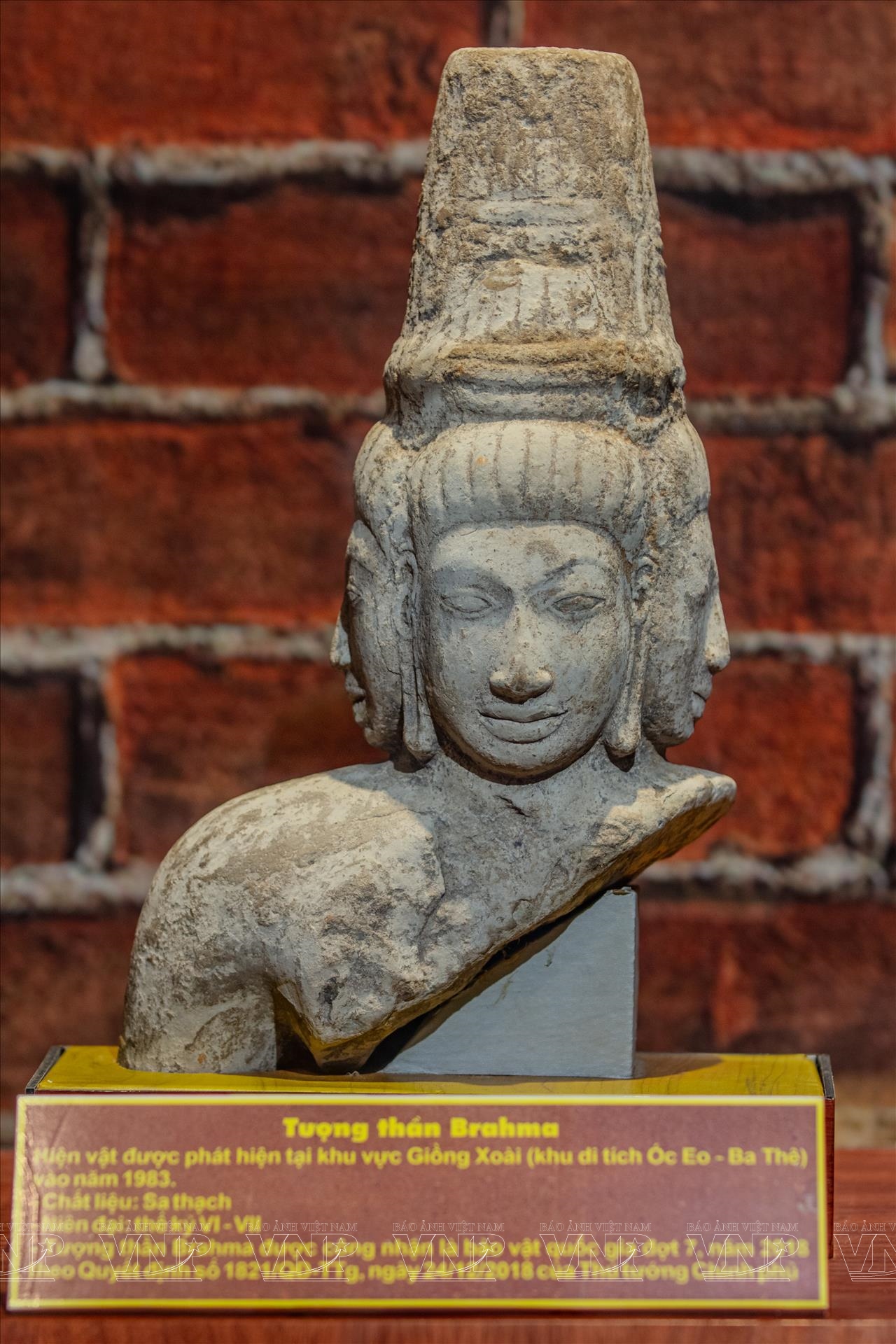
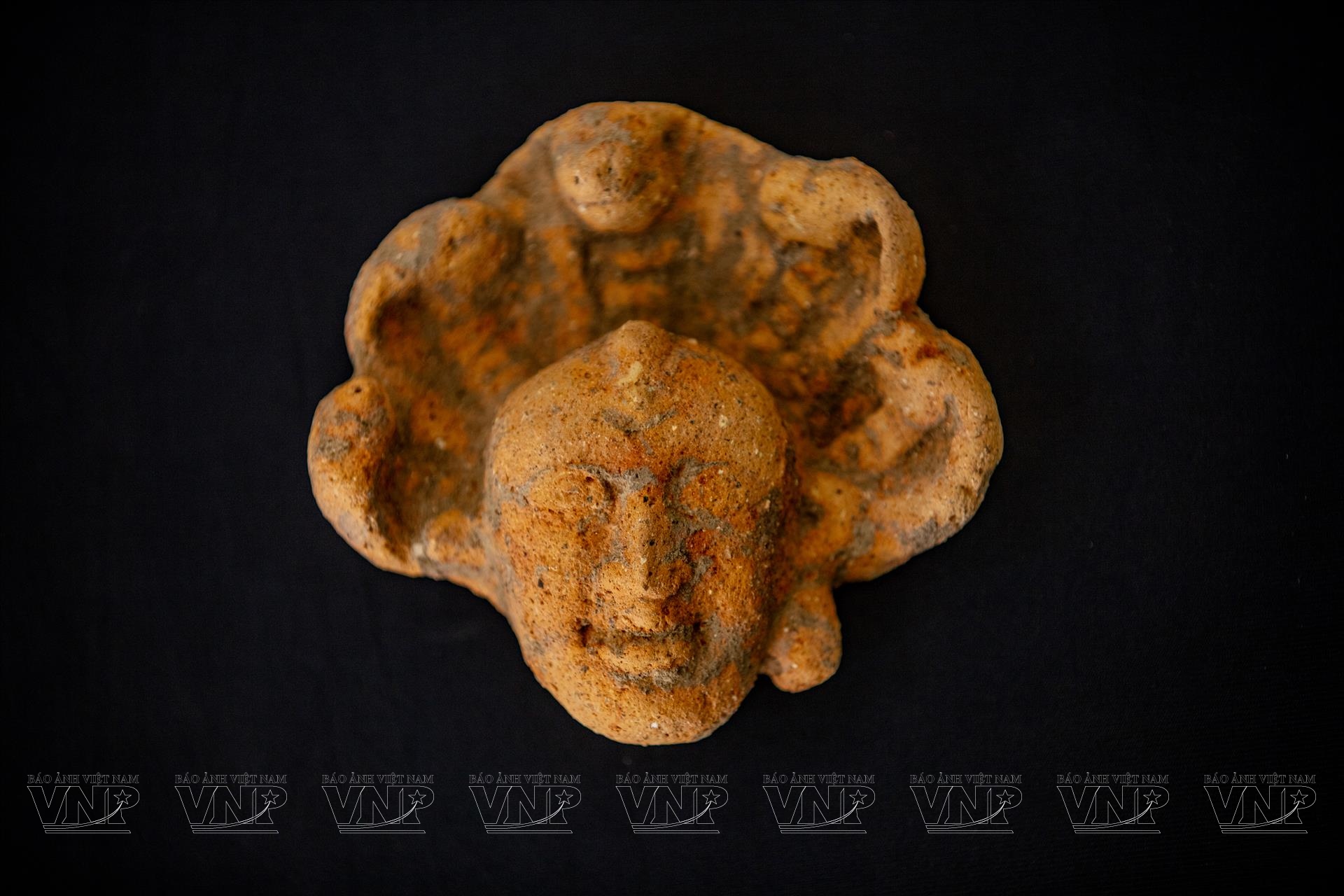
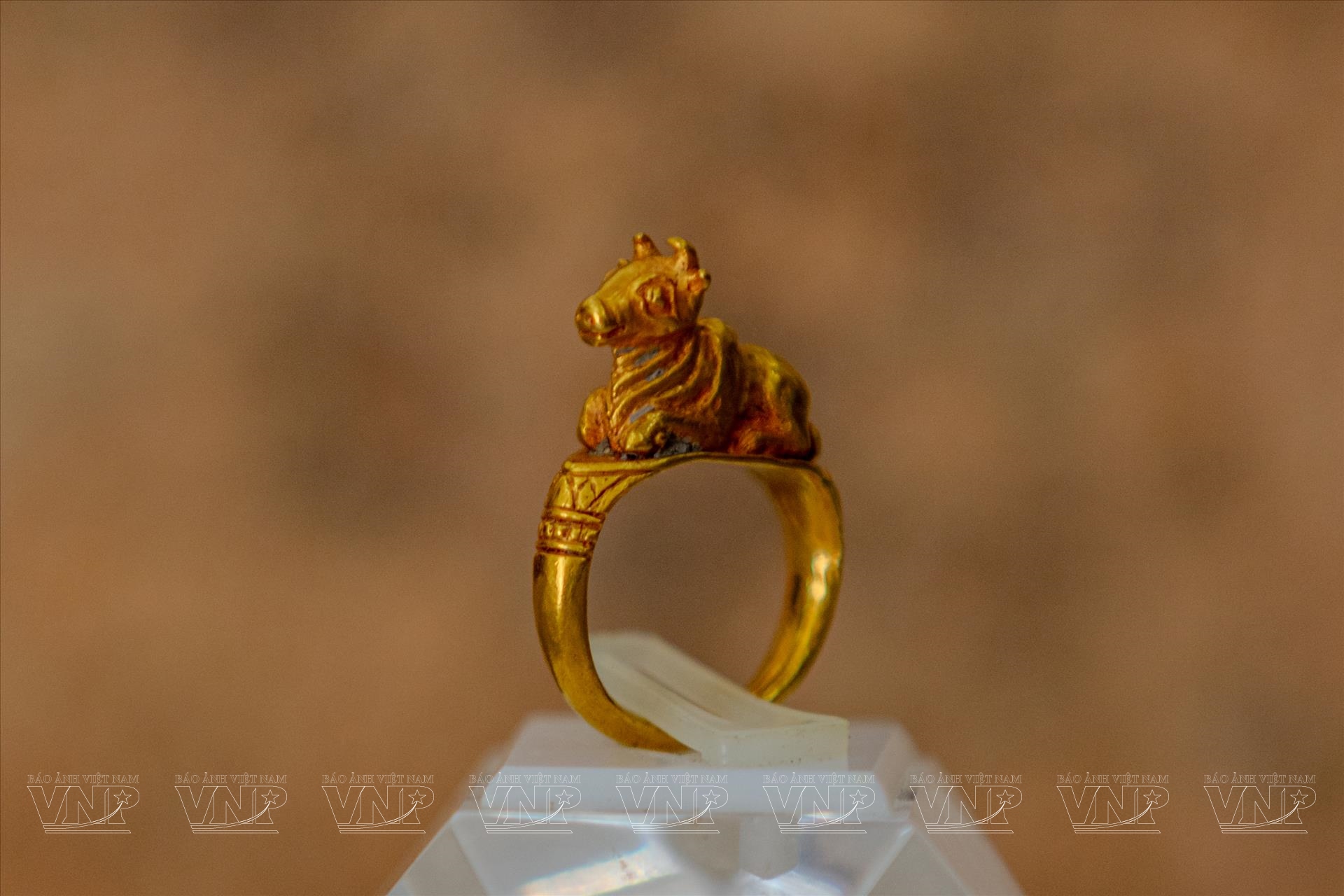
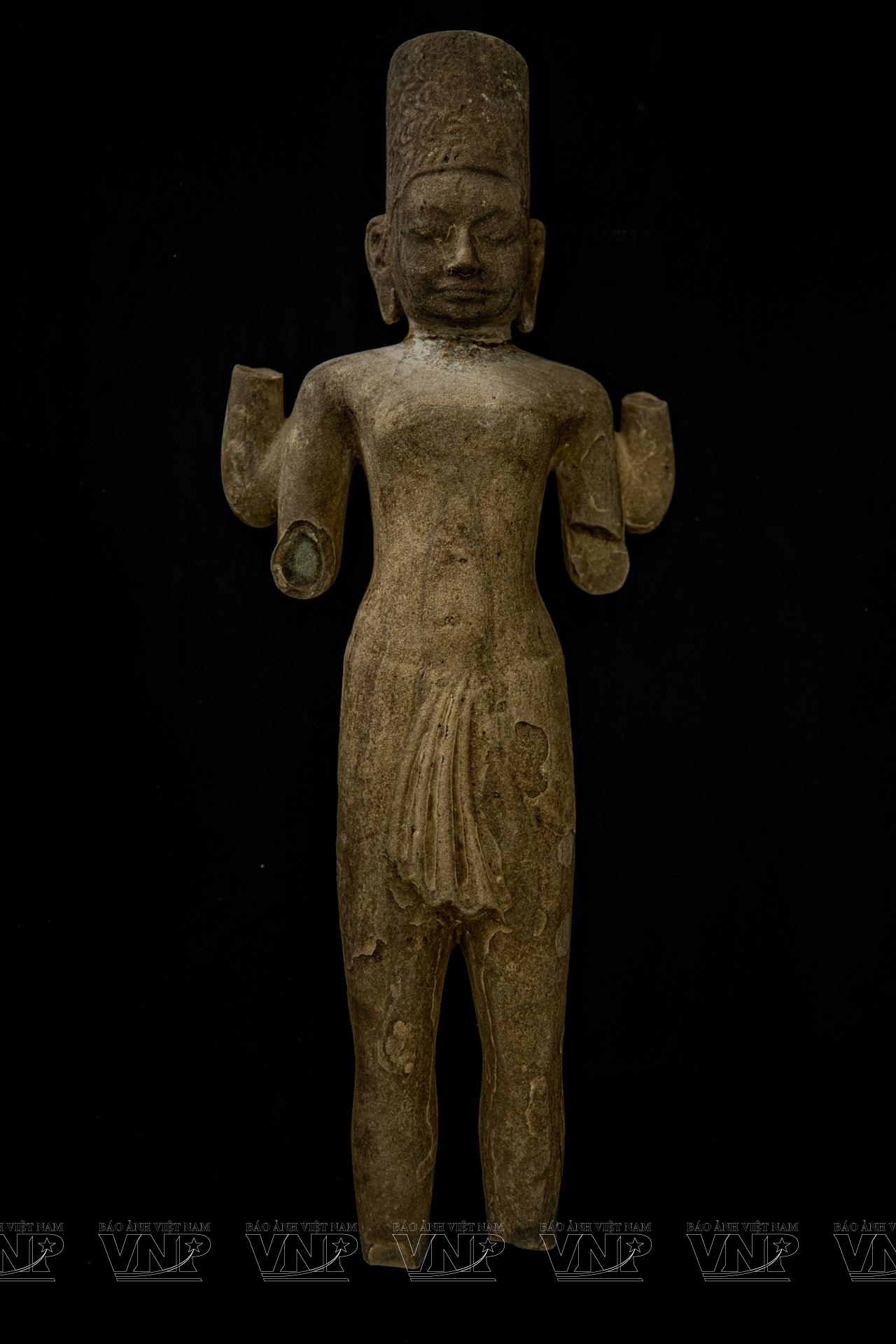
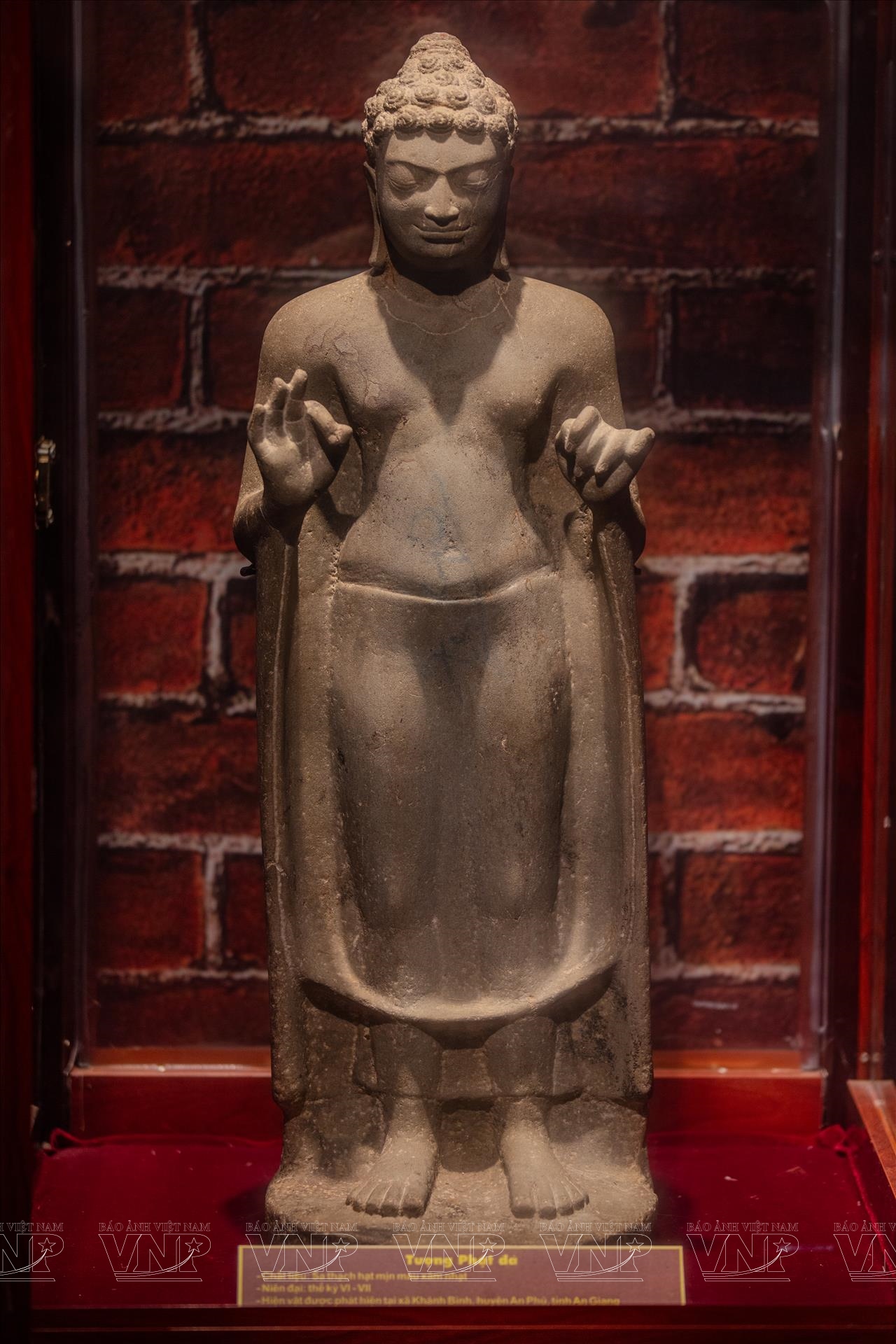
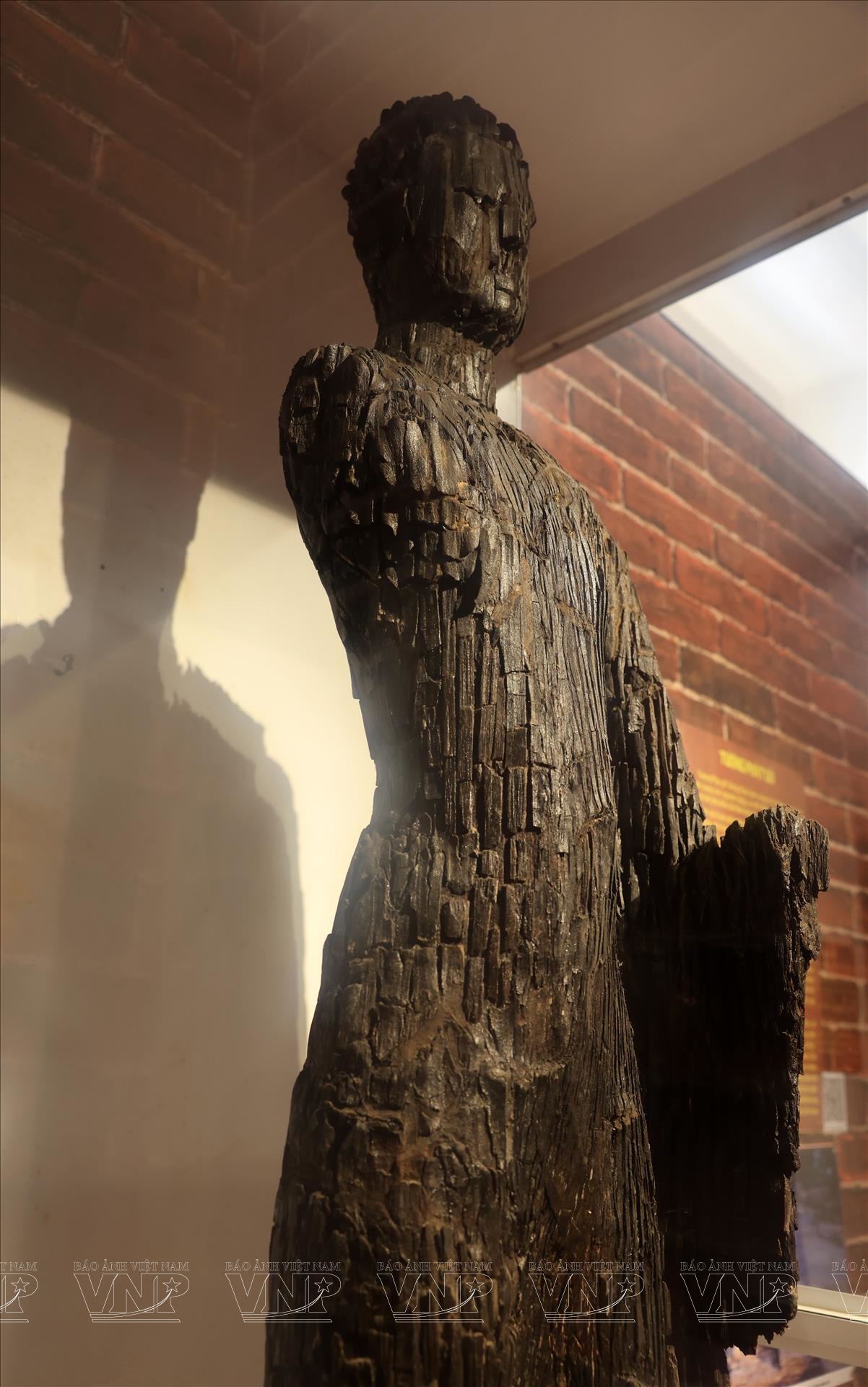
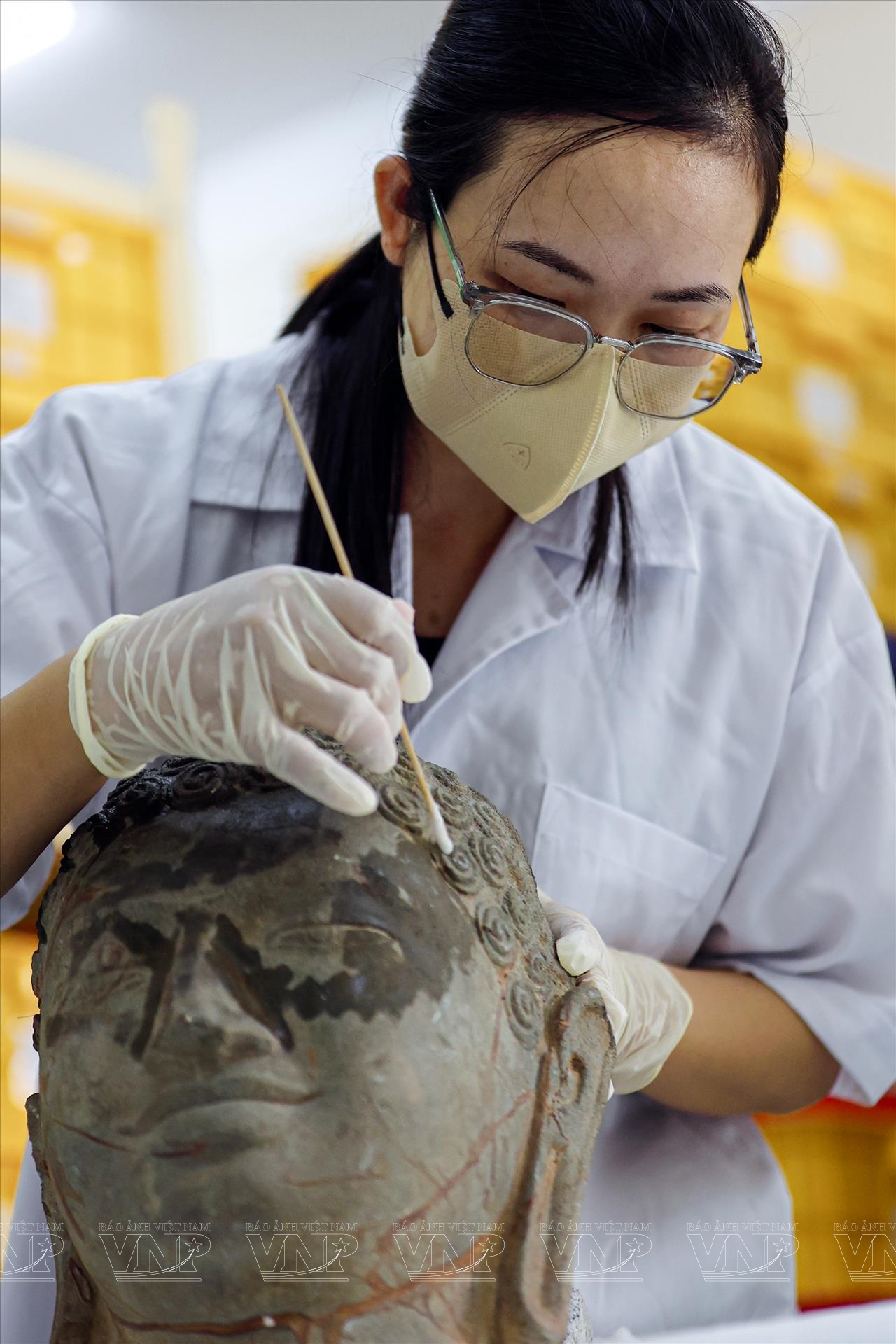
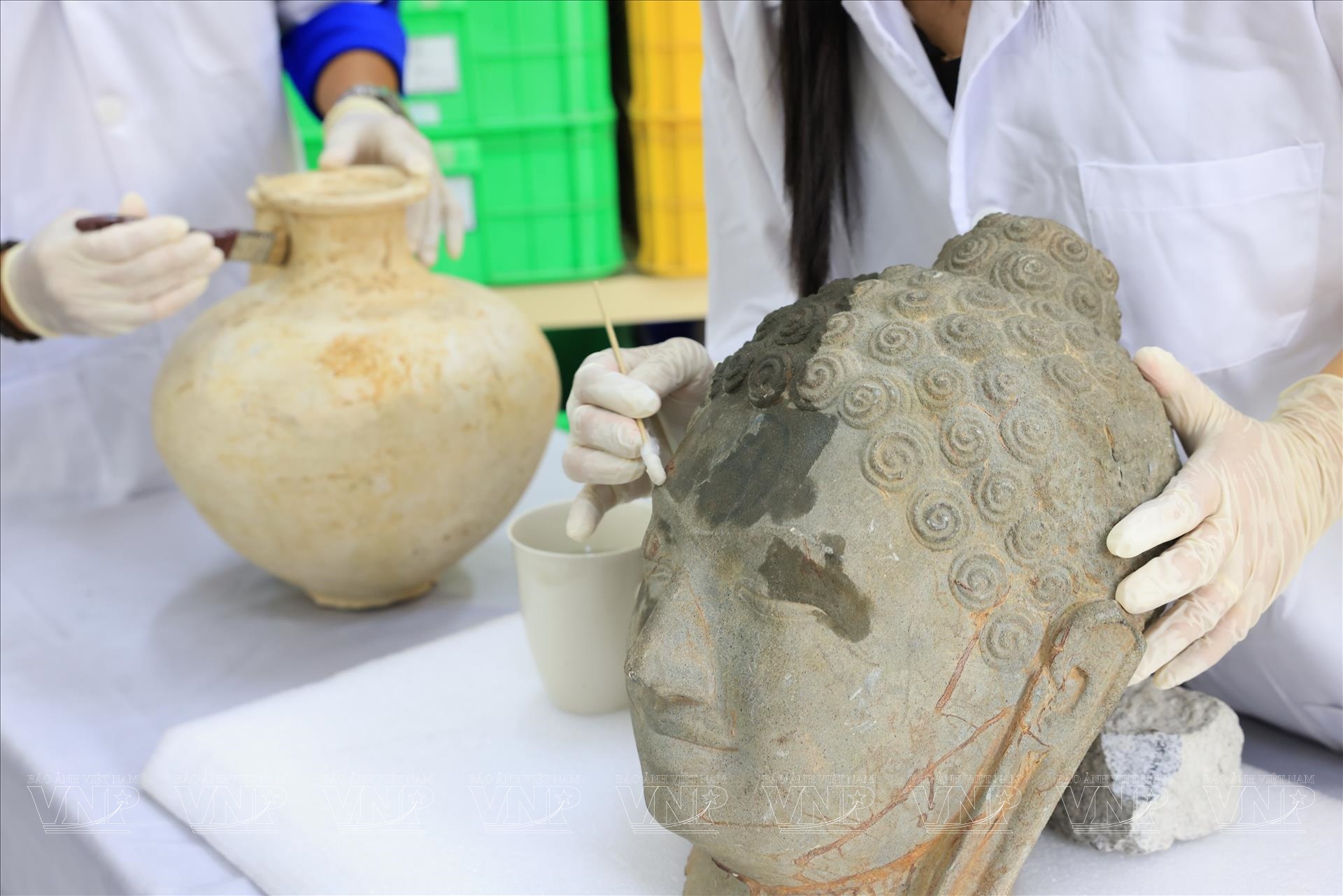
An Giang Province has 10 national treasures related to Oc Eo culture. Four are preserved by the Oc Eo Cultural Heritage Management Board, including the Linh Son Bac Buddha relief, the Nandin ring from Giong Cat, the Linh Son Bac Buddha head, and the Go Cay Tram burial jar. The provincial museum preserves six others, including a 37.5cm statue of the Hindu God Brahma from the 6th - 7th centuries and a wooden Buddha statue from the 4th - 6th centuries.
Spiritual
life at Oc Eo also reveals a rich cultural exchange. Statues of the Buddha
stand alongside Hindu symbols such as Linga and Yoni, showing the coexistence
of different belief systems and a diverse worldview.
Today,
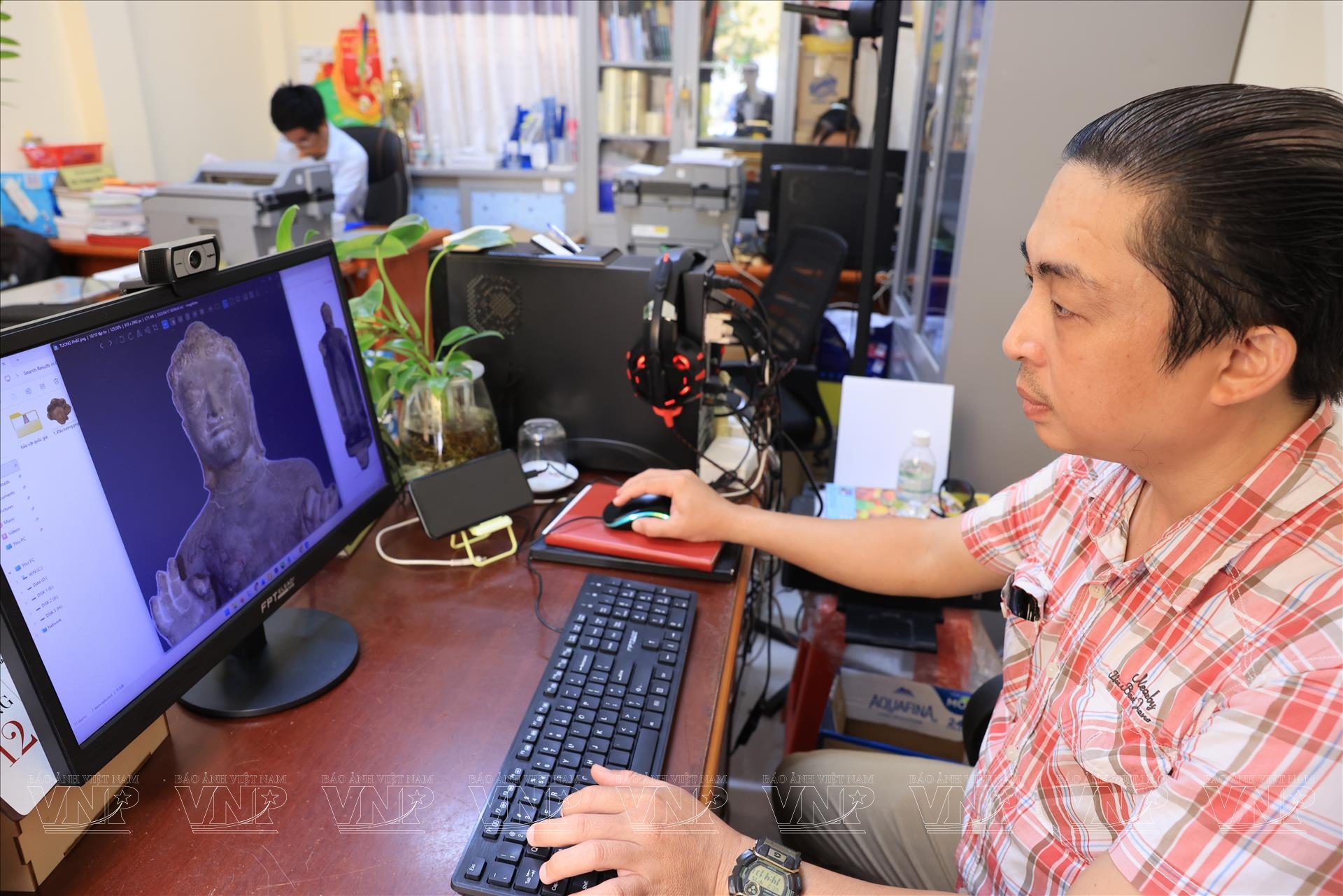
millions of artifacts related to Oc Eo culture are preserved and studied,
including many recognized national treasures. Together, they help restore a
once-flourishing civilization in southern Vietnam.
Preservation
efforts are also evolving, from protecting relics to bringing them to the
public. On-site conservation models, such as open-air museums, are being
explored, while local communities are increasingly taking part in safeguarding
the heritage.

A
key milestone came in early 2026, when Vietnam officially submitted the world
heritage nomination dossier for the Oc Eo - Ba The Archaeological Site to
UNESCO. The proposal highlights its outstanding universal value, especially as
a center of trade and cultural exchange in early history.
With a core area of about 400ha within a larger protected zone of more than 1,400ha, the site is now in the international evaluation phase. This process requires not only strong scientific evidence but also effective conservation and management.
An Giang Province submitted the nomination dossier for the Oc Eo - Ba The Archaeological Site to UNESCO on January 29, 2026. The site covers more than 1,400ha, divided into four zones: Area A on the slopes of Ba The Mountain, Area B in the Oc Eo fields, Area C at Giong Xoai, and Area D at Nen Chua. In total, 16 component sites make up this nomination. Nguyen Khac Nguyen, Deputy Director Oc Eo Cultural Heritage Management Board |
As
preparations continue, Oc Eo - Ba The is transforming from an archaeological
site into a living heritage. If recognized by UNESCO, it will mean not only
pride for Vietnam, but also a point connecting different civilizations in
history.
Story:
Trung Khanh Photos: Thong Thien, Le Minh, Nguyen Luan/VNP, VNA & EFEO