Vietnam’s Logistics Services Development Strategy for the 2025–2035 period, with a vision to 2050, for the first time outlines a long-term and comprehensive roadmap clearly defining logistics as the “backbone” of the national economy. To turn this vision into reality, however, Vietnam will need a fresh approach and a development model built on deep and effective regional linkages.
A long-term, comprehensive policy framework
Tran Thanh Hai, Deputy Director of the Agency of Foreign Trade under the Ministry of Industry and Trade, described the strategy as a new “policy driver” that will enable logistics to fulfil its role as essential infrastructure, helping cut costs, boost national competitiveness and steer the transformation of the growth model.
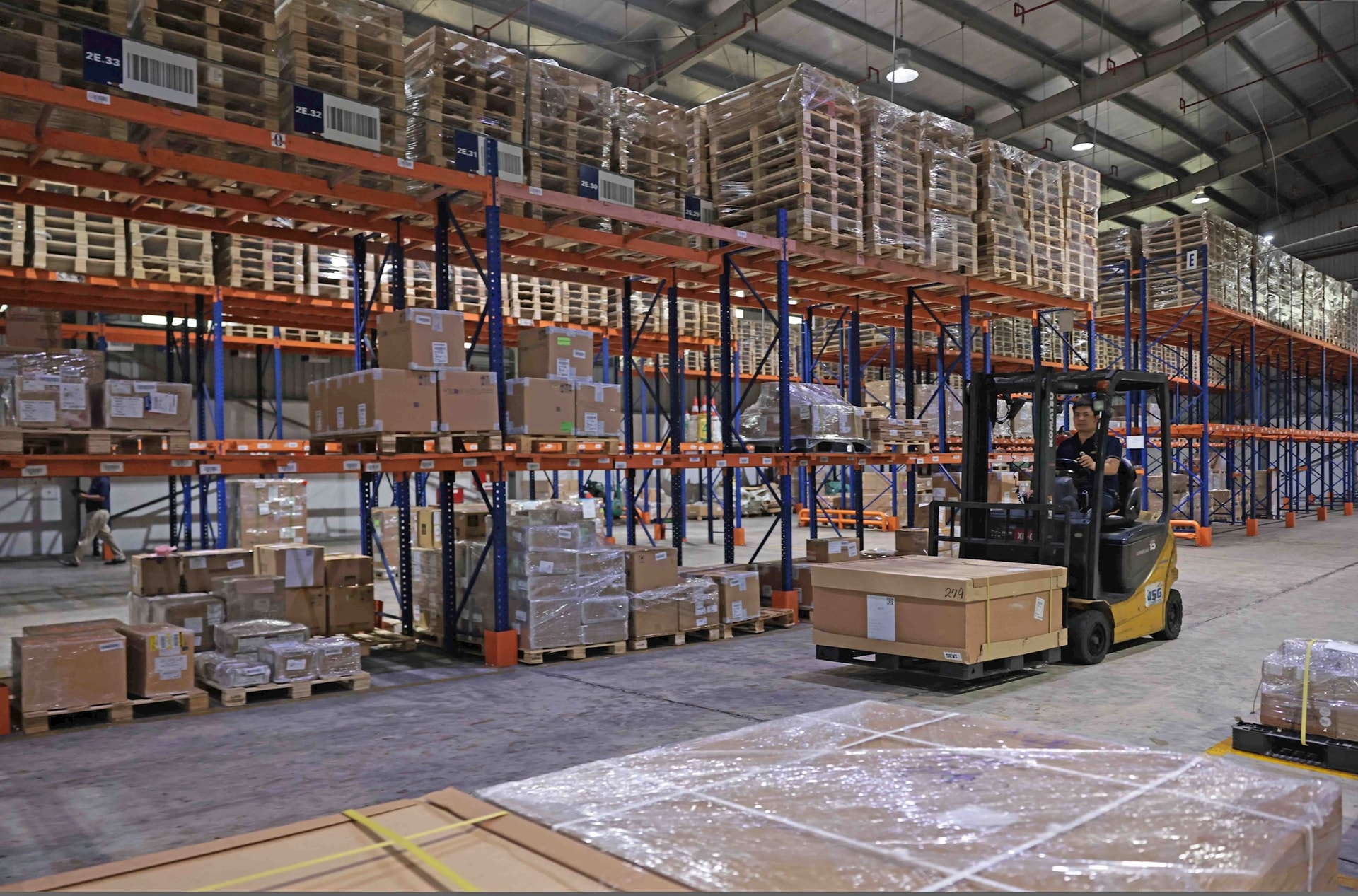
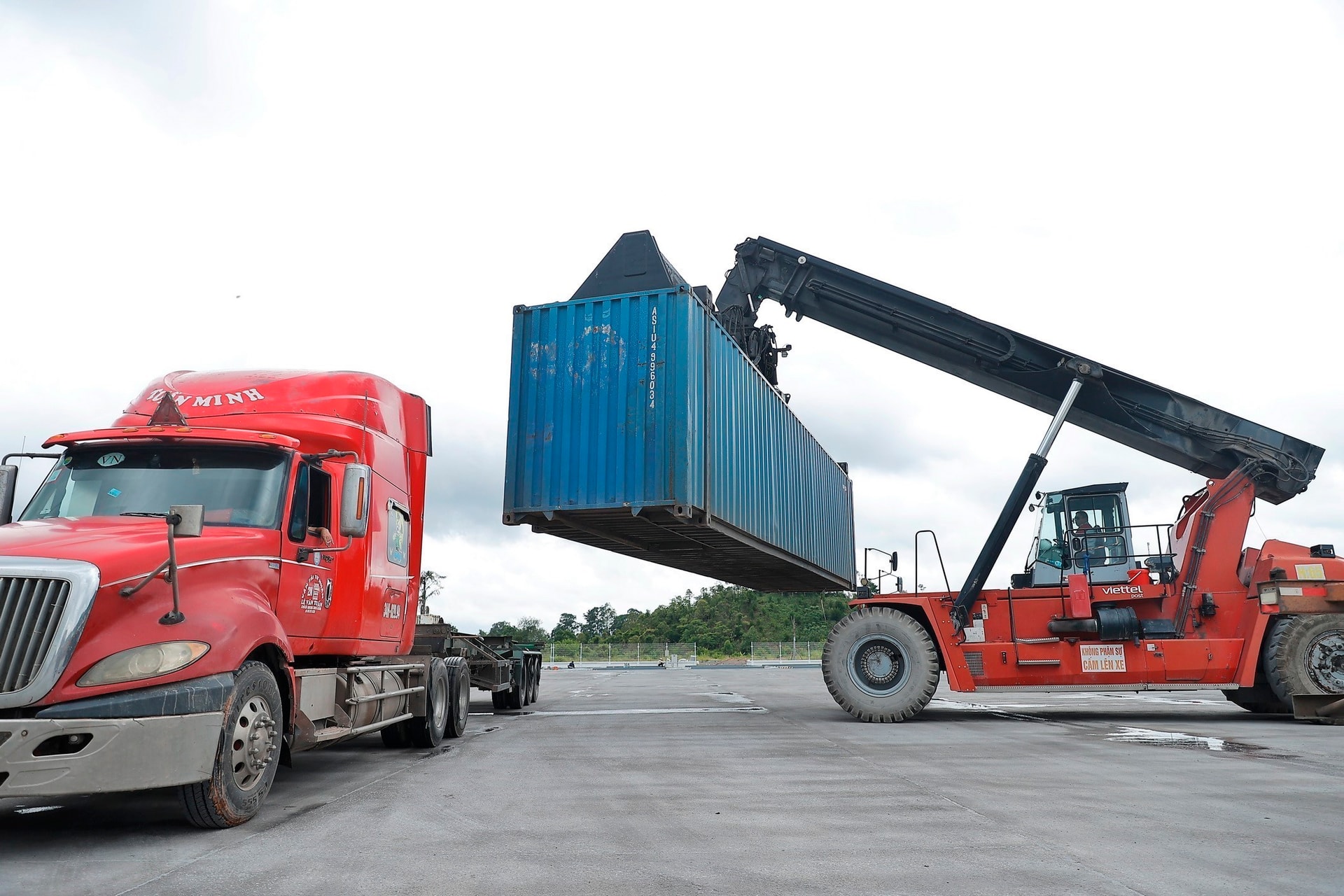
ASG Logistics Company at the Yen Binh Industrial Park in Thai Nguyen province meets warehousing and import-export transport needs of many local businesses. (Photo: VNA)Containers are handled at Gemalink Port in the Cai Mep–Thi Vai port cluster, Tan Phuoc ward, Ho Chi Minh City. (Photo: VNA)Transshipment activities at the Viettel Logistics Park in Lang Son province, where advanced technology is used to optimise operations. (Photo: VNA)
Dr Bui Ba Nghiem, a senior specialist at the agency, said the strategy sets out a range of ambitious targets, including logistics contributing 5–7% of GDP, annual growth of 12–15%, logistics costs reduced to 12–15% of GDP, and Vietnam ranking among the world’s top 40 countries by 2035. Notably, five international logistics centres are to be established in the near term, with the number expected to rise to ten by 2050, forming key connectivity hubs that will help position Vietnam as a regional transhipment hub.
On infrastructure, the strategy prioritises the development of a comprehensive and modern system, focusing on large-scale logistics centres in key economic regions. Seaports, airports, inland ports and cross-border railways will be upgraded to meet “multimodal interconnected network” standards, easing pressure on road transport, which currently accounts for more than 70% of freight volume.
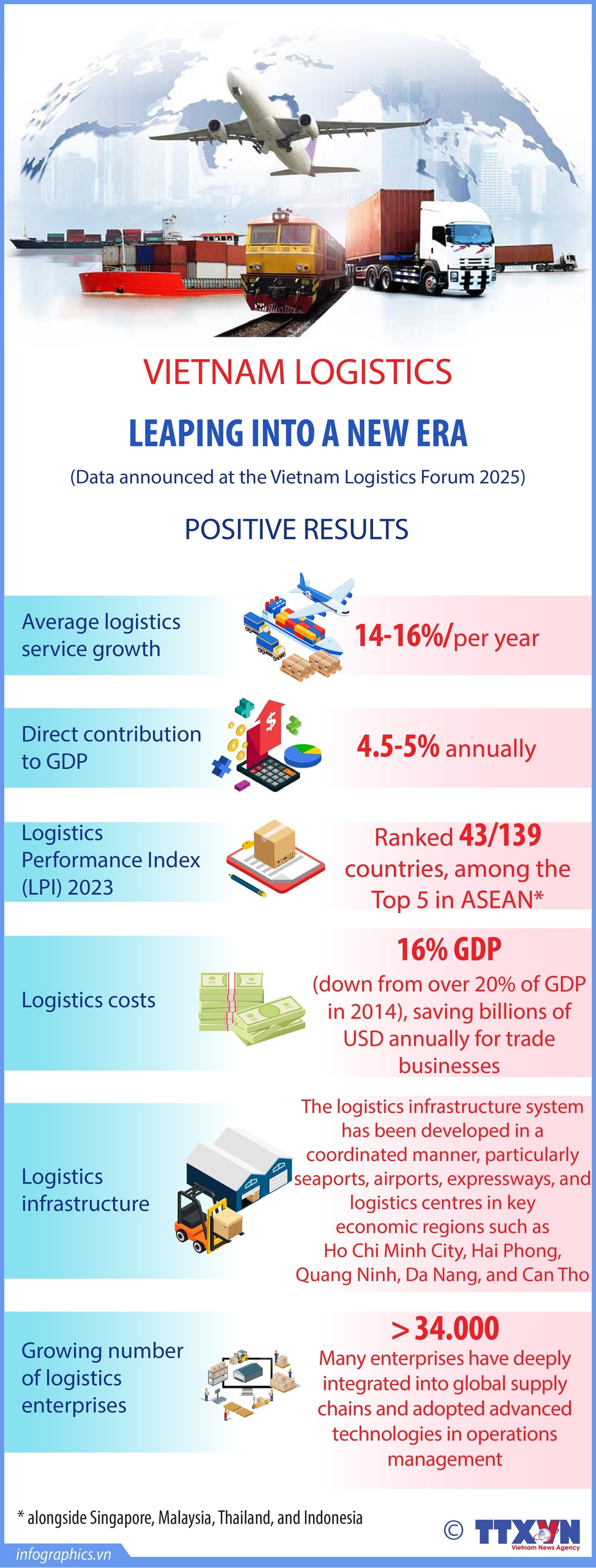
Vietnam’s logistics services have experienced rapid and stable growth, averaging 14–16% per year, with a direct contribution of approximately 4.5–5% to GDP annually. The country currently ranks 43rd out of 139 economies in the Logistics Performance Index (LPI) and is among the top five in ASEAN, alongside Singapore, Malaysia, Thailand, and Indonesia.
The strategy also places strong emphasis on e-commerce logistics, smart warehousing and green urban logistics, enabling businesses to capitalise on the momentum of the digital economy.
The formation of logistics growth zones in the Red River Delta, the Southeast and the central region, together with the growth powerhouses of Hanoi, Hai Phong, Ho Chi Minh City and Da Nang, is expected to create new connectivity corridors for exports and the domestic market.
Experts believe the 2025–2035 Logistics Services Development Strategy presents a major opportunity for Vietnam to restructure its infrastructure system, significantly reduce costs, improve its international logistics performance ranking and integrate more deeply into regional supply chains. Achieving this will require decisive shifts in both mindset and implementation, with forward-looking planning, large-enough infrastructure, modern governance models, green – digital – smart logistics, and close coordination among the State, businesses and local authorities.
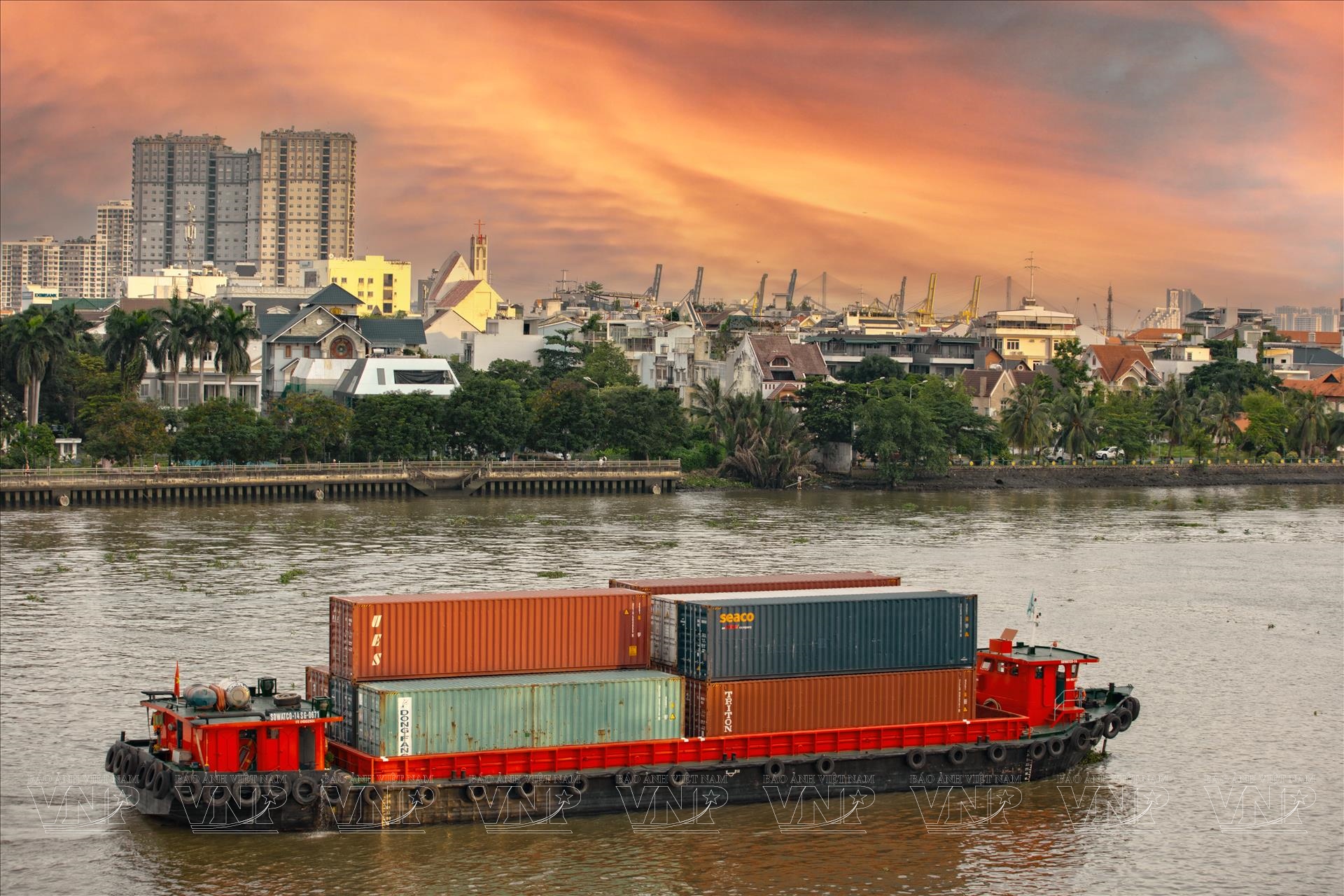
The Vam Co Dong River is home to numerous ports and inland waterway terminals, facilitating cargo transportation. (Photo: VNA)A cross-border freight train transports agricultural exports from the Song Than Industrial Park of Vietnam's Ho Chi Minh City to Zhengzhou city, China's Henan province. (Photo: VNA)A graphic image of a terminal of Long Thanh International Airport (Photo: VNA)
Positioning Vietnam as leading regional, continental and global logistics hub
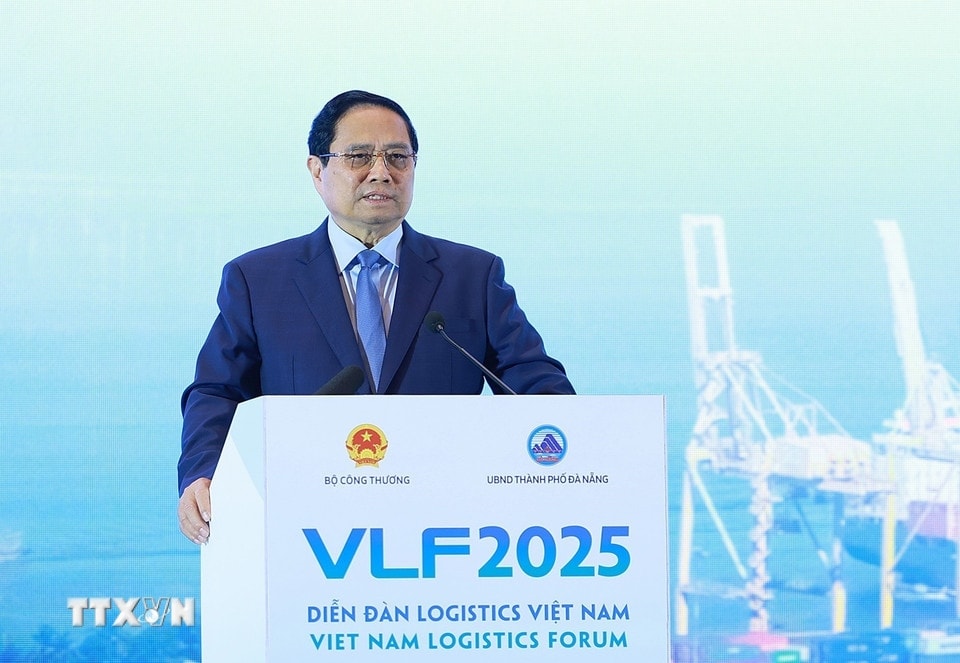
At the plenary session of the Vietnam Logistics Forum 2025, themed “Vietnam Logistics – Rising into the new era”, held on November 29 last year, Prime Minister Pham Minh Chinh stressed that attaching great importance to logistics, the Party and the State have issued many important guidelines and policies, and mobilised resources for its development, resulting in encouraging outcomes.
Logistics costs in Vietnam have fallen to around 16% of GDP, saving import – export enterprises billions of US dollars each year. Logistics infrastructure has been developed in a more coordinated manner, notably seaports, airports, expressways and logistics centres in key economic regions. The logistics business community has expanded to more than 34,000 enterprises, many of which have deeply integrated into global supply chains and applied advanced technologies in management and operations. Free trade agreements have also created favourable conditions for deeper integration and expansion into international service markets.
A vessel calls at Quy Nhon Port to load and unload imports and exports. Illustrative photo: VNA
The PM emphasised the importance of strengthening institutional frameworks, improving policyies, and enhancing logistics planning to promote stability, comprehensiveness, transparency, and practicality, while cutting red tape and removing obstacles to lower compliance costs for businesses. He urged the creation of “green” and “digital” logistics infrastructure, better connectivity between logistics databases, stronger international cooperation in eco-friendly and low-carbon logistics, and keeping a high value-added rate of around 20–25% by 2030. He also emphasised training skilled workers for green, digital, smart and modern logistics, and building multinational logistics companies capable of joining global value chains.
Prime Minister Pham Minh Chinh addresses the Vietnam Logistics Forum in Da Nang in November 2025. Photo: VNA
Logistics governance should be intelligent, based on connectivity among businesses, regulatory agencies, customs, banks, insurance providers and transport operators. Innovation and entrepreneurship should be encouraged, particularly digital technology start-ups and platforms for transport connectivity, warehouse management and e-commerce. Supporting services such as banking, insurance, finance, health care and education also need to be developed. Vietnam’s logistics sector should be closely linked with international logistics networks, guided by the principle that “solidarity creates strength, cooperation generates benefits, and dialogue builds trust.
Prime Minister Pham Minh Chinh
At the same time, mechanisms should be established to mobilise resources for logistics development in a green, digital, modern and smart manner. Logistics governance should be intelligent, based on connectivity among businesses, regulatory agencies, customs, banks, insurance providers and transport operators. Innovation and entrepreneurship should be encouraged, particularly digital technology start-ups and platforms for transport connectivity, warehouse management and e-commerce. Supporting services such as banking, insurance, finance, health care and education also need to be developed. Vietnam’s logistics sector should be closely linked with international logistics networks, guided by the principle that “solidarity creates strength, cooperation generates benefits, and dialogue builds trust”.
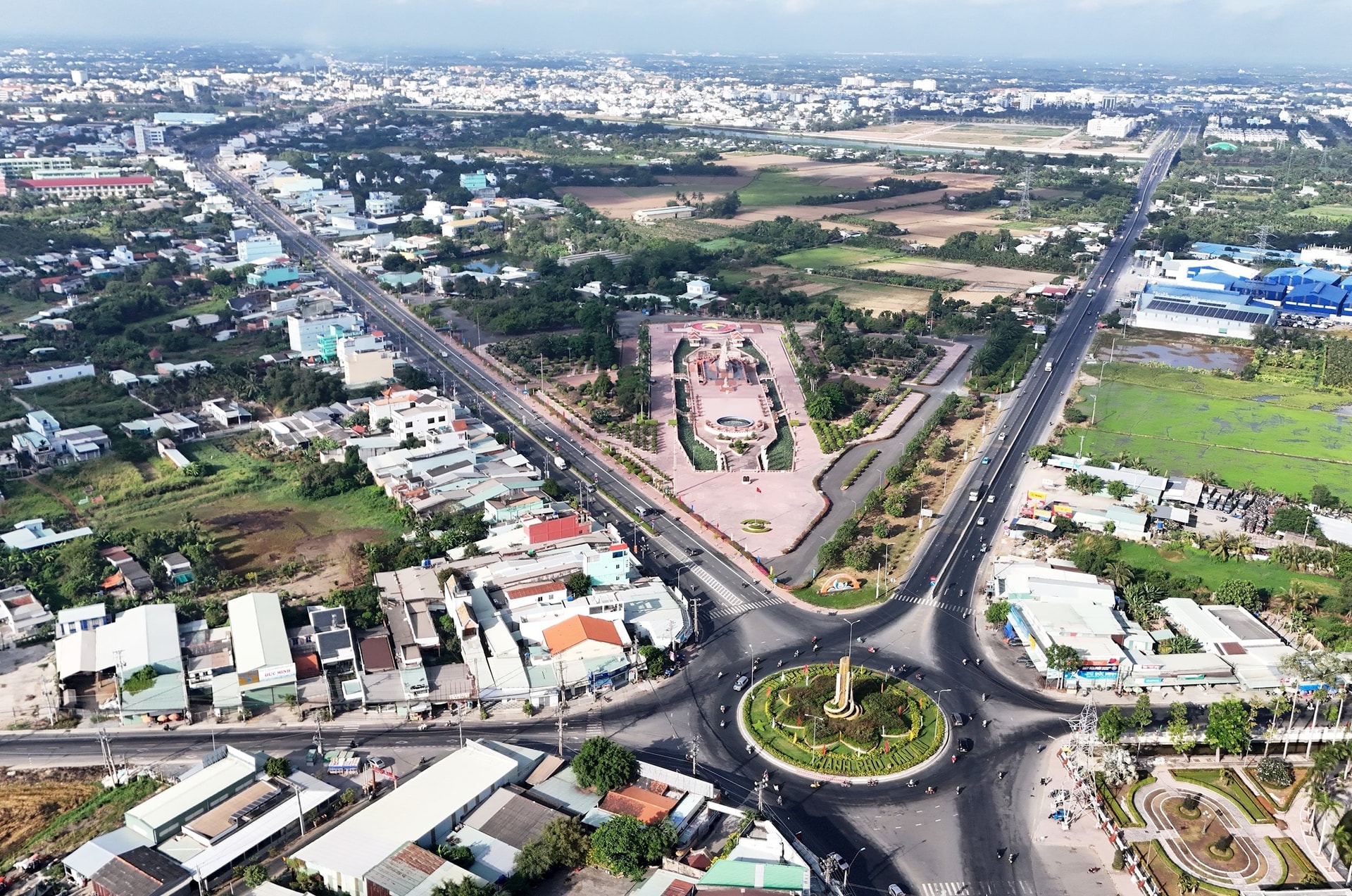
Long An province develops comprehensive transport and logistics infrastructure to drive industrial development. (Illustrative photo: VNA)
The Government remains steadfast in its action motto of the “five enablers”: “open institutions – seamless infrastructure – smart governance – practical implementation – mutual understanding in cooperation”, to make logistics a key economic sector and help Vietnam rank among the world’s top 30 countries in the LPI by 2035.
The PM expressed his hope that the logistics business community will continue to innovate in governance, strengthen supply chain linkages, accelerate digital and gree transformation, and uphold the spirit of “self-reliance, resilience, innovation, creativity, solidarity and cooperation” to stretch their reach to regional and global markets.
Vietnam has the advantages needed for its logistics sector to integrate and take a leading role in the region if it embraces the spirit that “resources stem from thinking and vision, motivation from innovation and creativity, and strength from the people and businesses.” Vietnam can lead if it knows how to harness intelligence, value time, and act decisively to turn challenges into opportunities, resolve into action, and potential and advantages into concrete products, PM Chinh emphasised.
He voiced confidence that with the concerted involvement of the entire political system, close coordination among ministries, sectors, localities, international organisations and the business community, Vietnam will successfully build a smart, green, digital, modern and integrated national logistics ecosystem, positioning the country as a leading logistics services hub in Southeast Asia and the world./.