Ly Viet Truong: Searching for the Meaning of “Ethnic Consciousness”
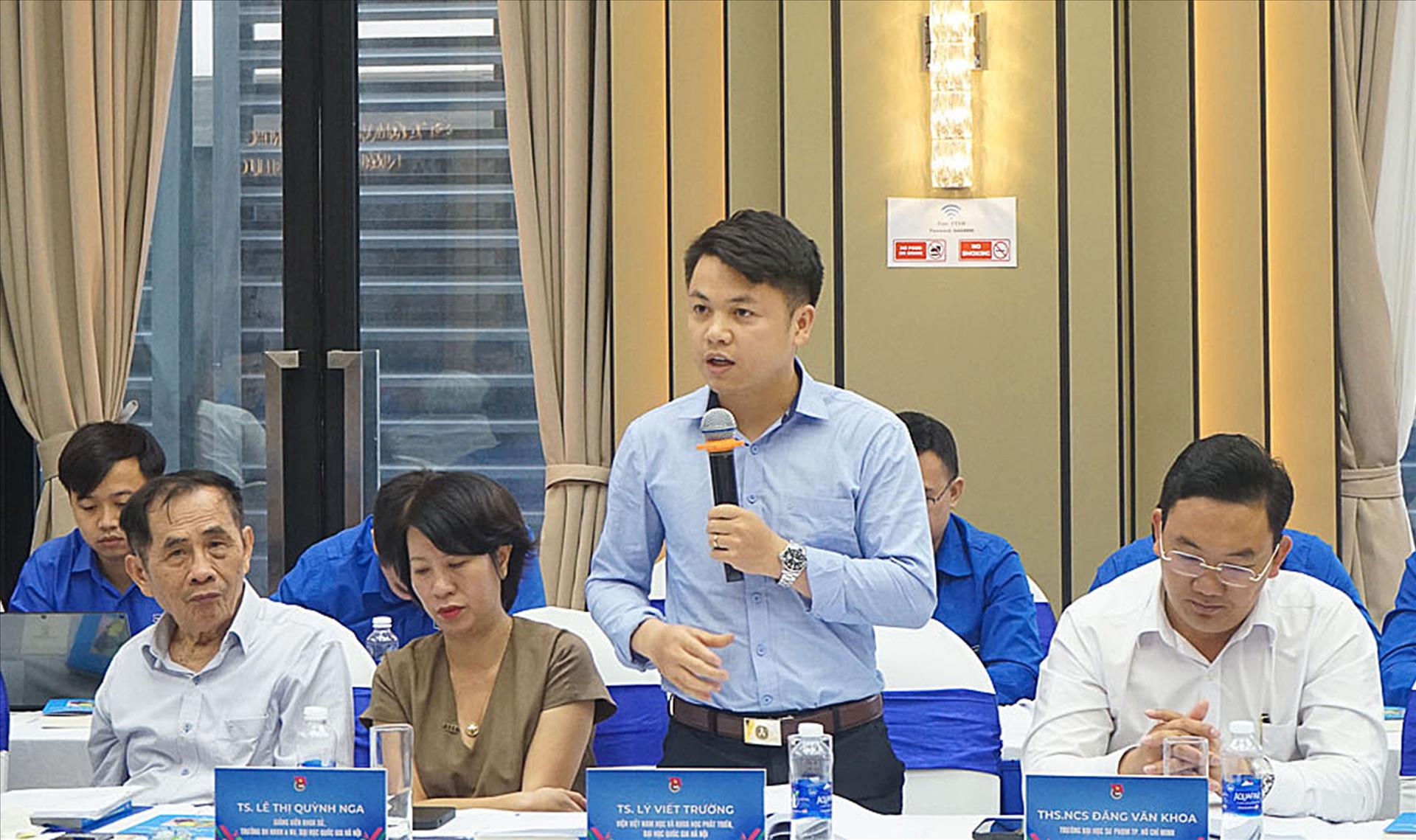
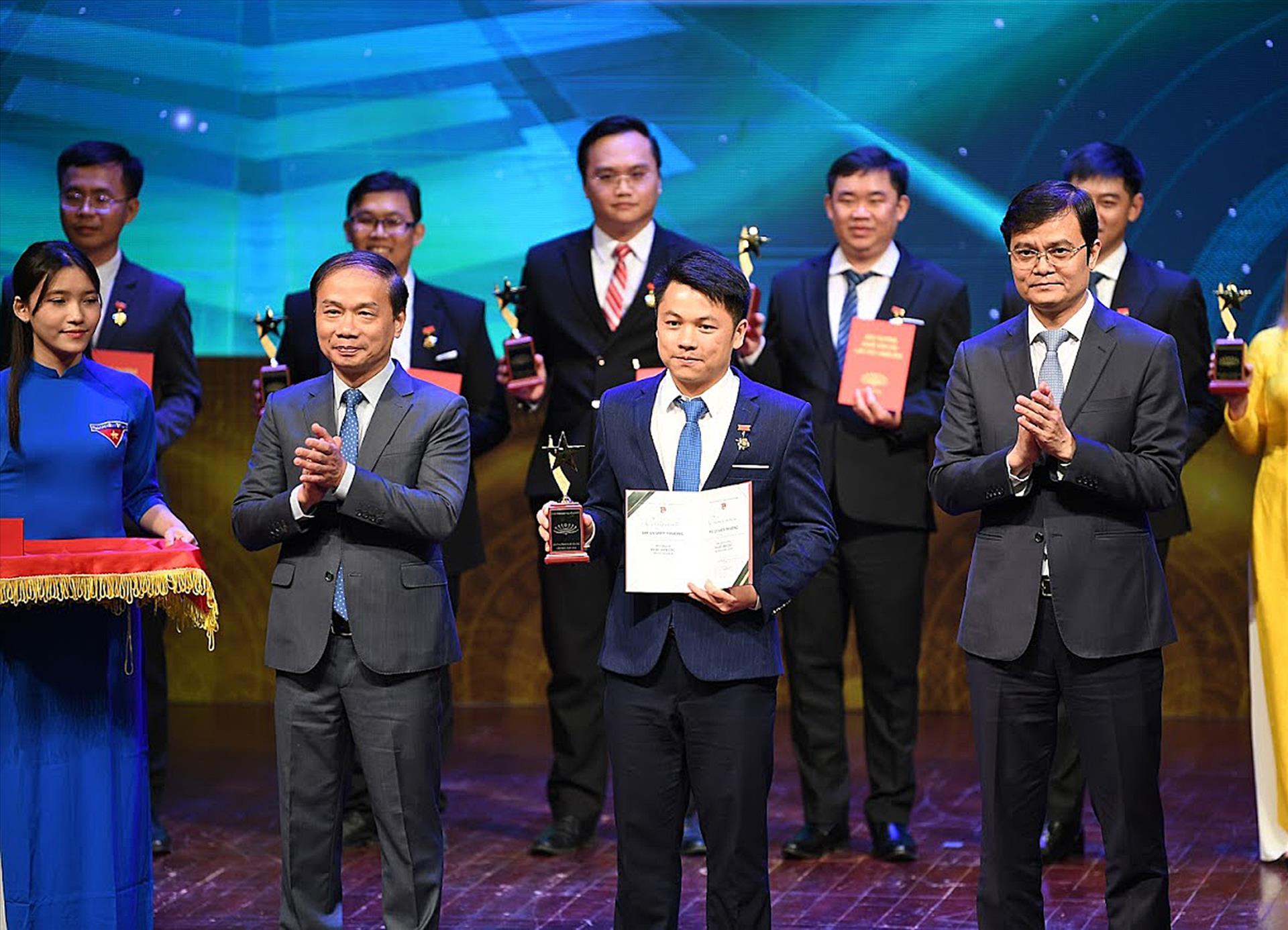
At just 32, Ly Viet Truong has published over 30 scientific papers and nine books on the cultures of the Nung and Tay ethnic groups, including The Dictionary of Then Culture and Languages of the Tai-Kadai Ethnic Groups in Viet Nam. In June 2024, he defended his doctoral dissertation in ethnology at Guangxi Minzu University in China. Five months later, surpassing nearly 50 candidates nationwide, he became one of nine young researchers honored with the inaugural Khue Van Cac Award.
In a small apartment in Ha Noi, a phone screen lights up. A message travels hundreds of kilometers toward the northern border to a Tao master, the highest-ranking ritual specialist in the spiritual life of the Tay and Nung communities in northern Viet Nam, living in Cao Loc, Lang Son province, asking for an auspicious date to hold a full-month ceremony for a newborn daughter.
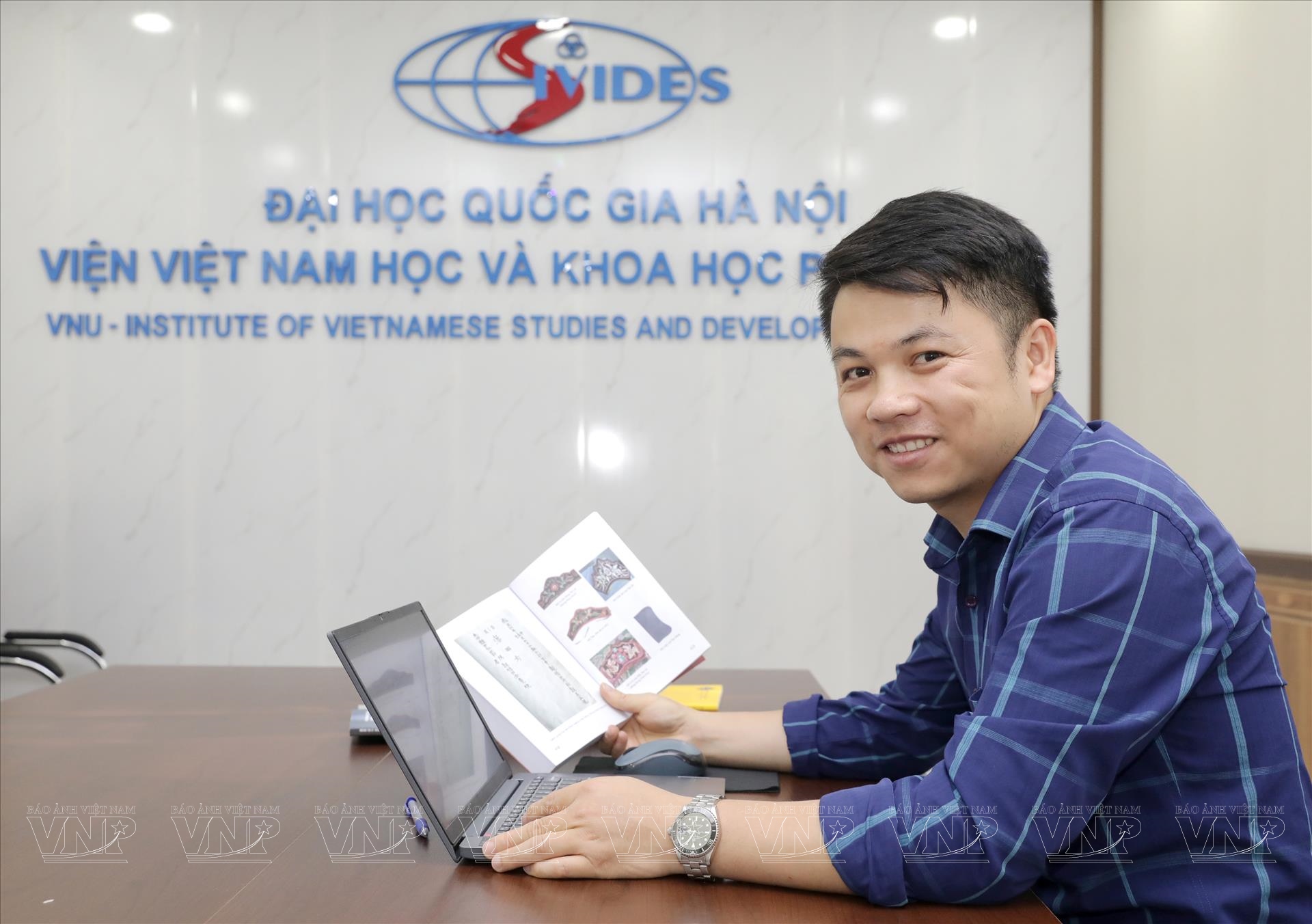
The sender is Dr. Ly Viet Truong, 32, a researcher at the Institute of Vietnamese Studies and Development Sciences under the Viet Nam National University, Ha Noi. He belongs to the Nung Phan Slinh, a local subgroup of the Nung people who have lived for generations in Viet Nam’s northeastern highlands along the Chinese border. He has also spent four years documenting the lives and practices of these very Tao masters.
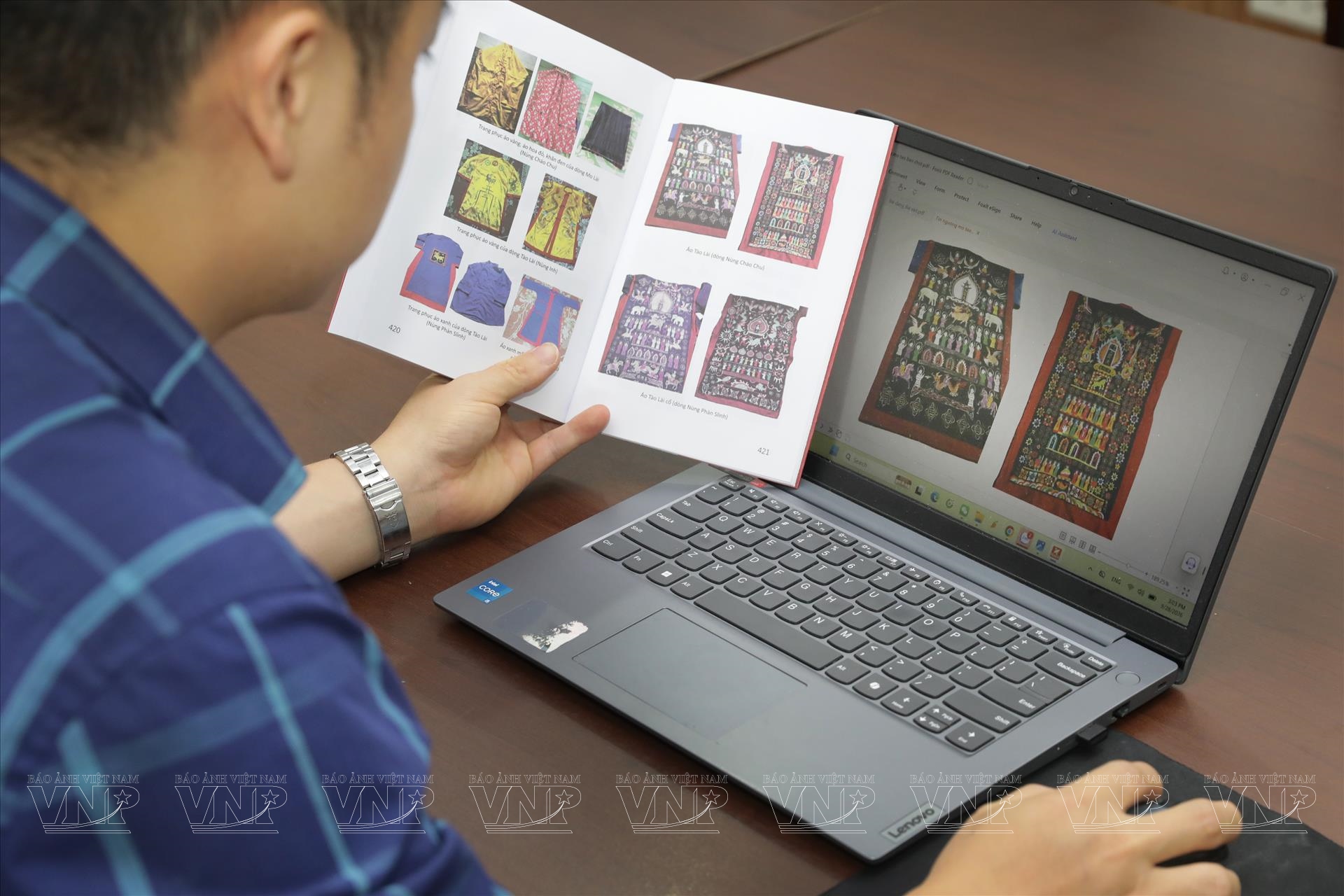
In Nung spiritual life, Tao masters stand at the apex of ritual practitioners. Reading sacred texts written in Nom Tay–Nung script, they serve as a bridge between the community and the spiritual realm, and between generations within a clan. The full-month ceremony, the first rite of passage in a person’s life, presents the newborn to the birth goddesses (Ba Mu) and family ancestors, marking the child's journey under the protection of both worlds. For the Nung, it is an indispensable ritual.
What stands out is not that an ethnologist holds traditional rites for his child, but that a messaging app connects a Tao master in the mountains with a young father in the capital. The medium of communication has completely modernized, yet the core belief remains unchanged.
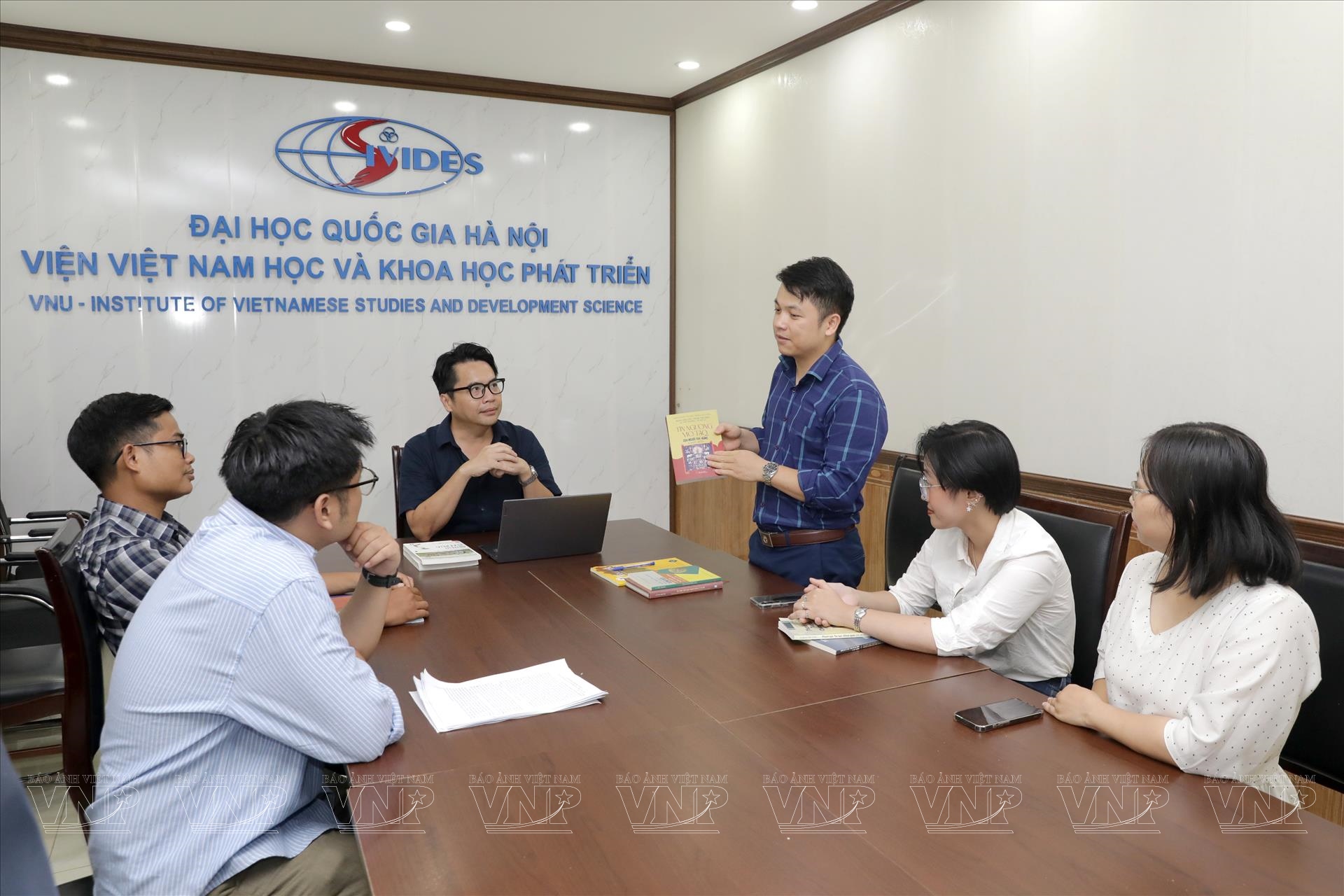
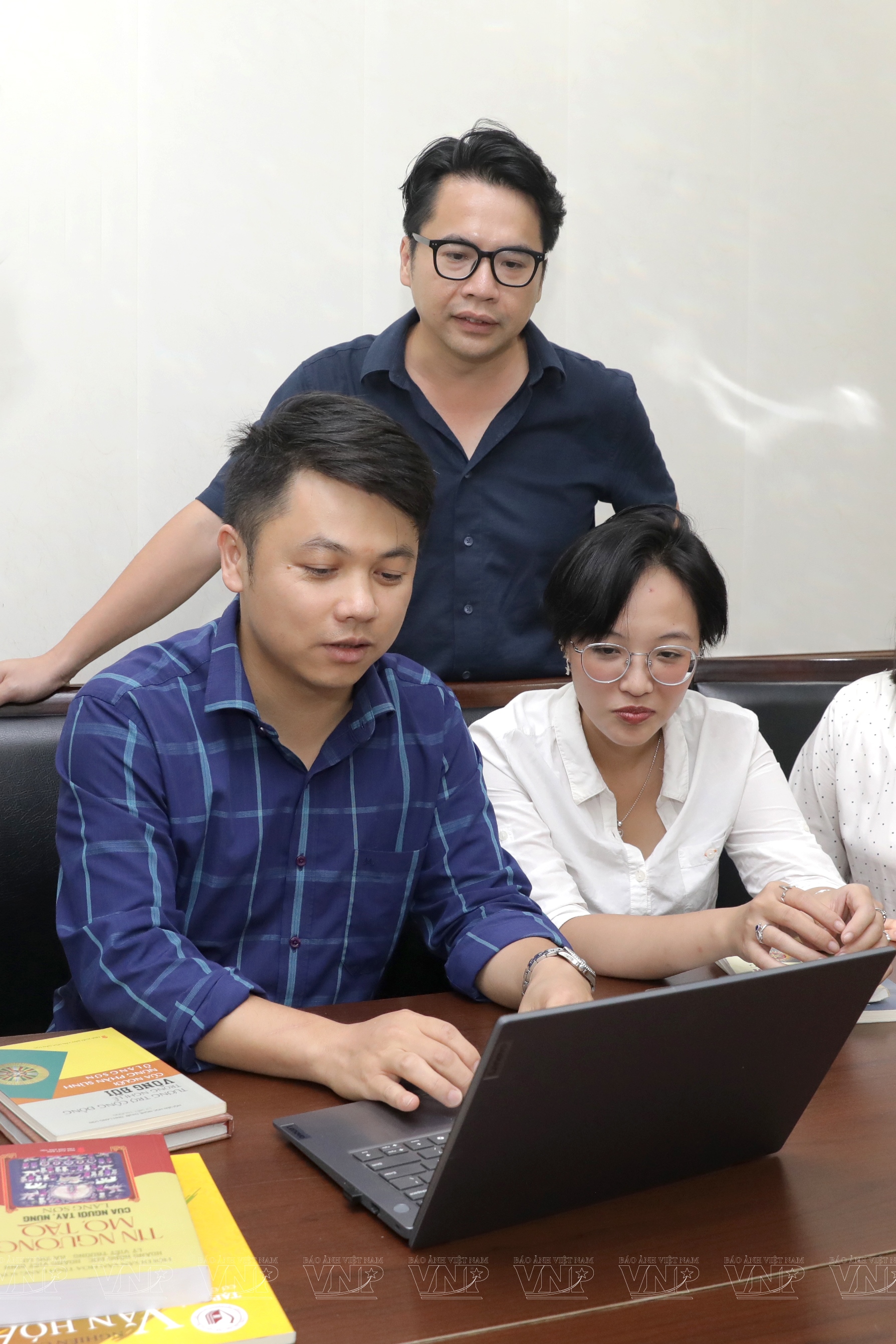
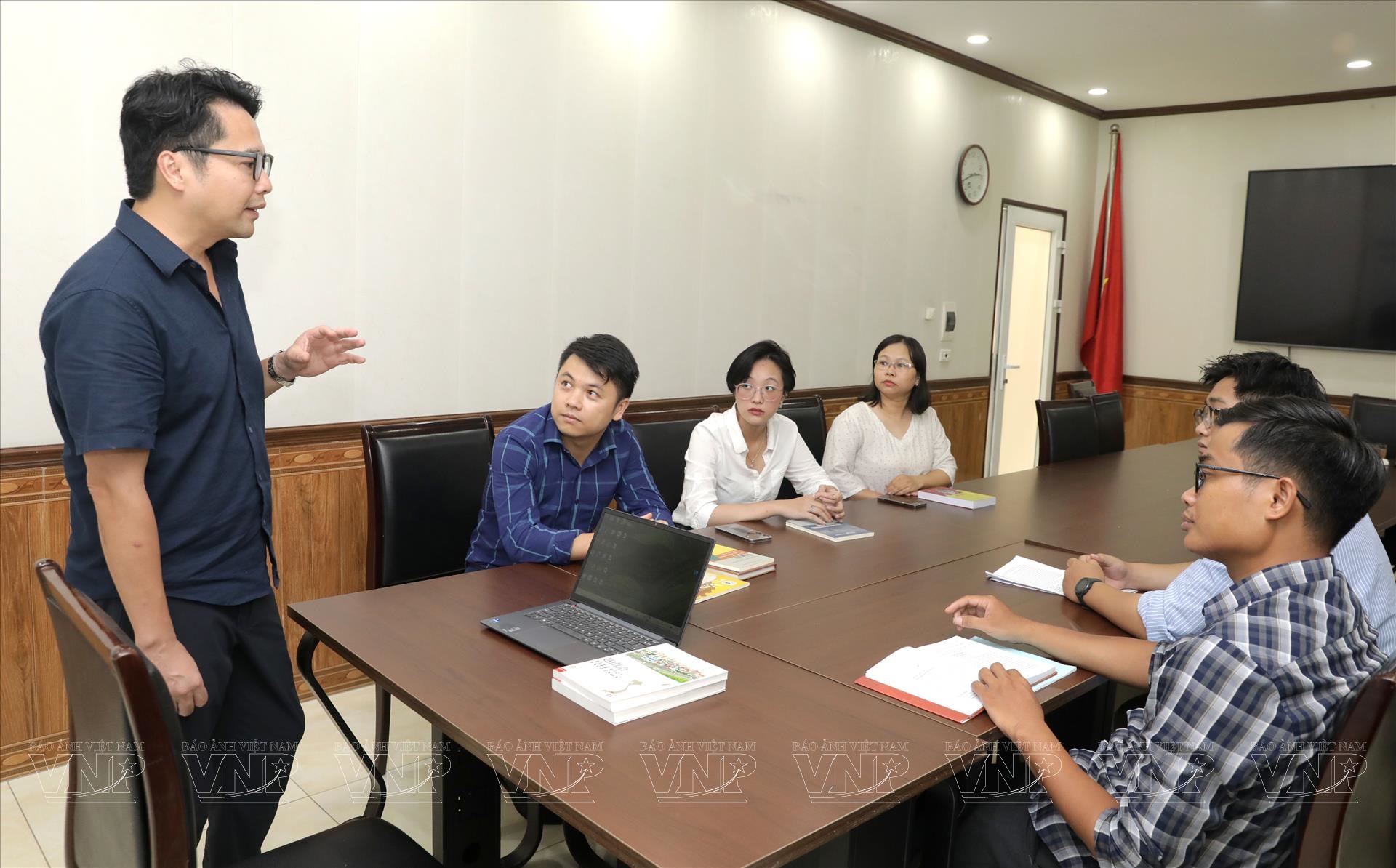
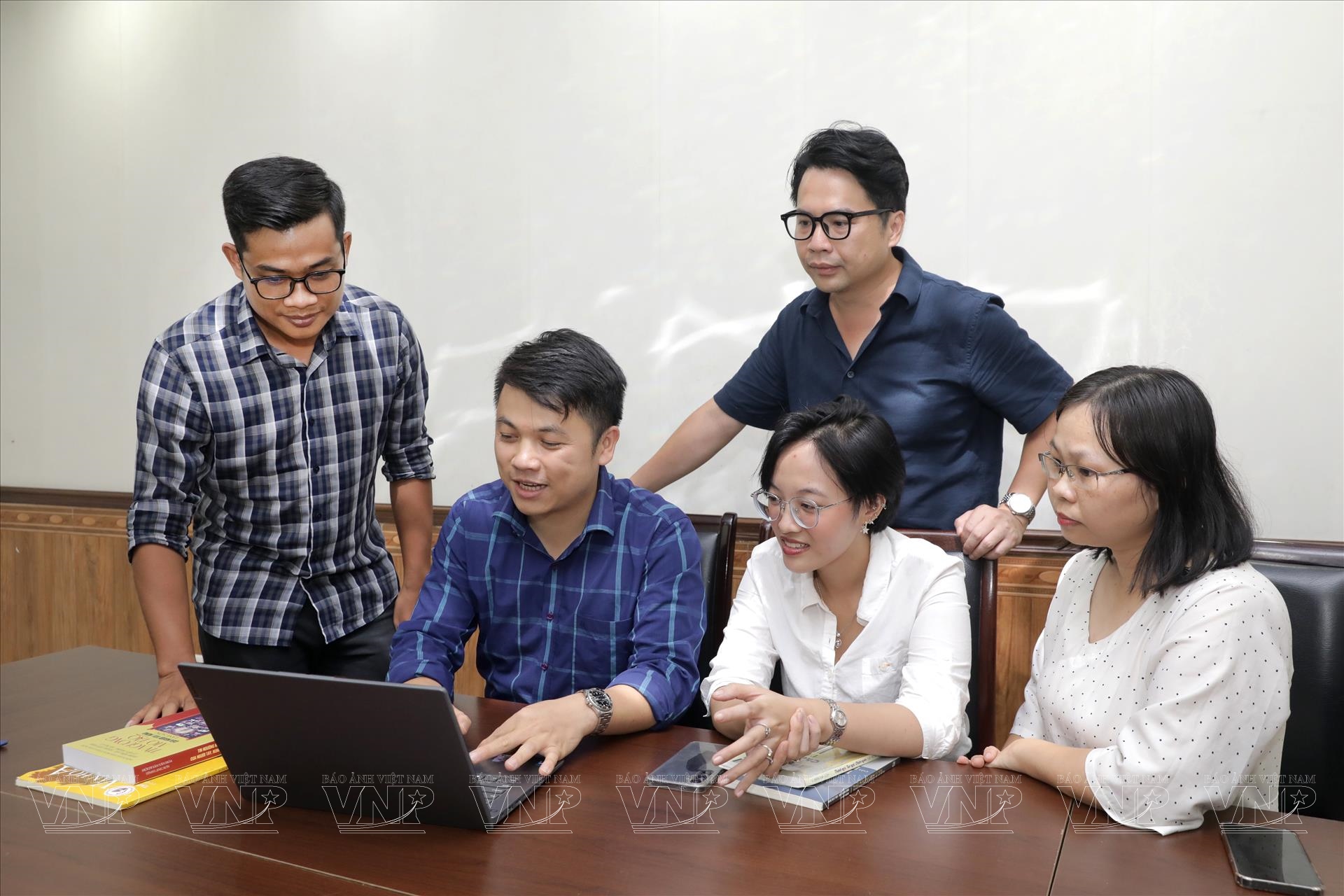
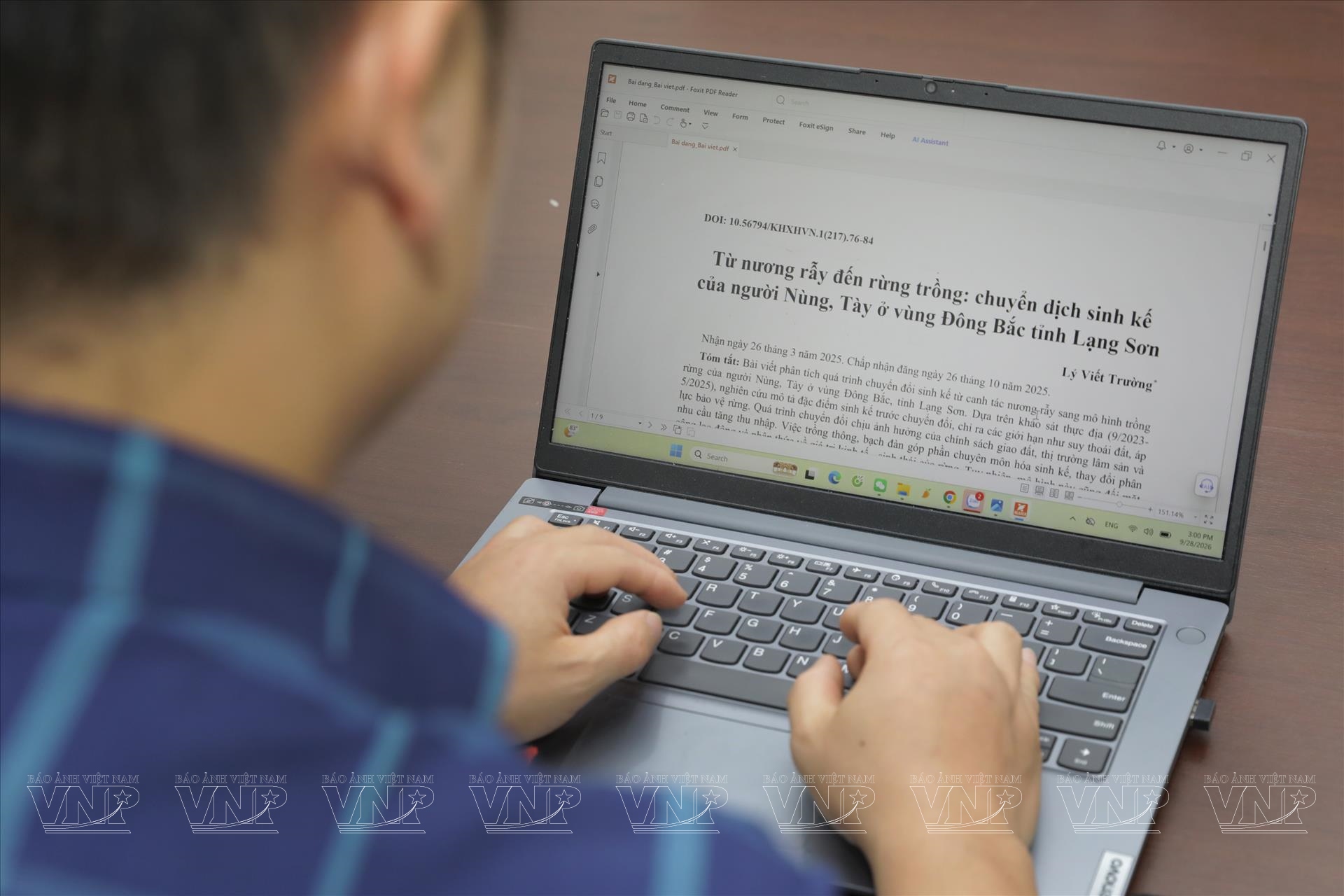
This insight lies at the heart of Truong’s research. His doctoral dissertation examined the contemporary life of Nung Phan Slinh Tao masters through a case study of Son Hong village, Gia Cat commune, Cao Loc district. One of his key conclusions is that Tao masters are actively using social media to stay connected with their communities, especially young people who have left their home villages to study or work.
While many view this shift as a sign of cultural erosion, Truong sees the opposite. What changes, he argues, is the outer shell: how dates are scheduled, how information is shared, and how people stay in touch. What endures is the belief that a child must be introduced, protected, and woven into the ancestral lineage. A ritual only truly dies when people stop believing in its purpose. As long as a father in Ha Noi still feels compelled to seek out a Tao master for his daughter, the ritual lives on, simply taking a form his grandparents could never have imagined.
This also answers a question many young ethnic minority people ask themselves today: can one live in a modern city and still remain Nung?
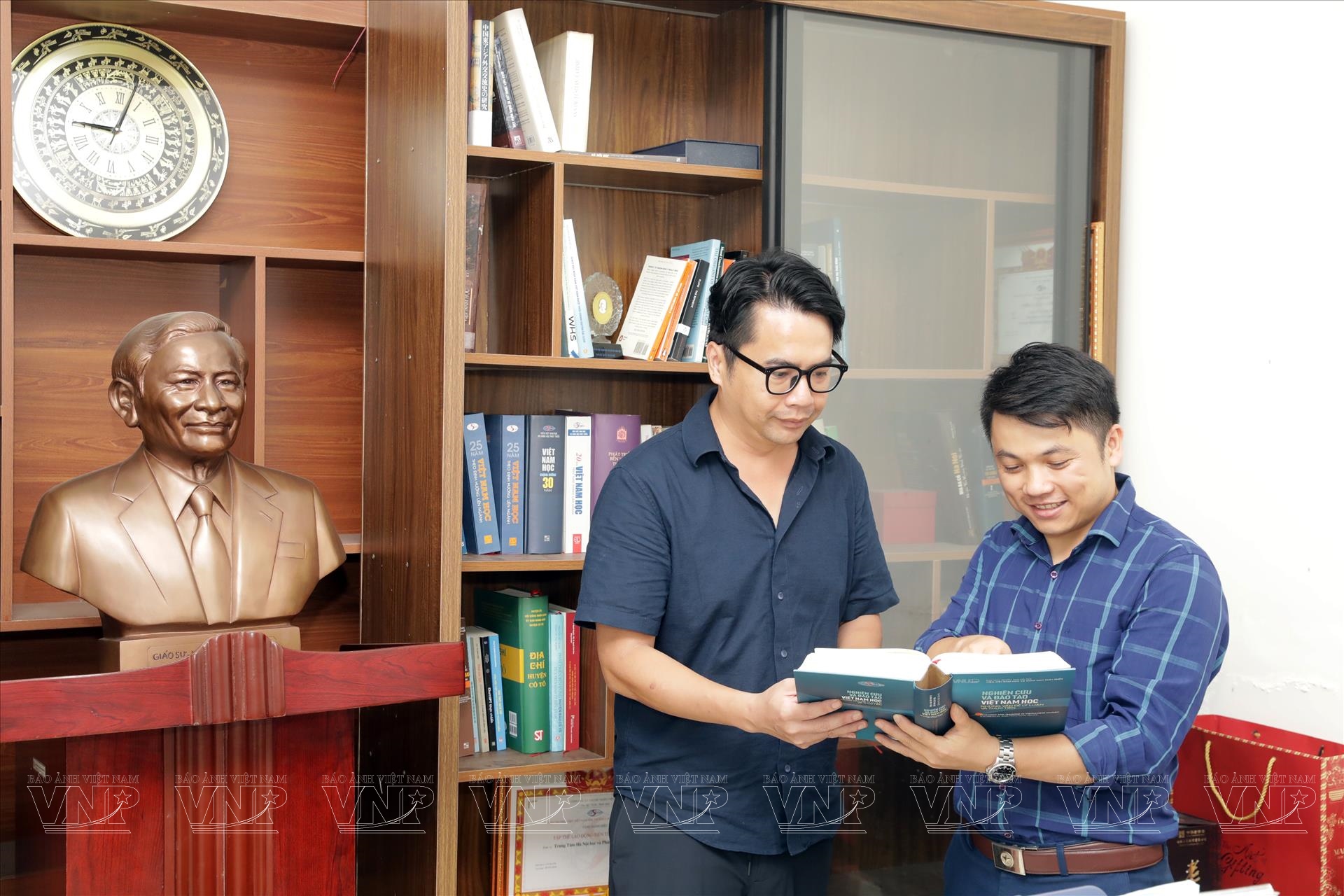
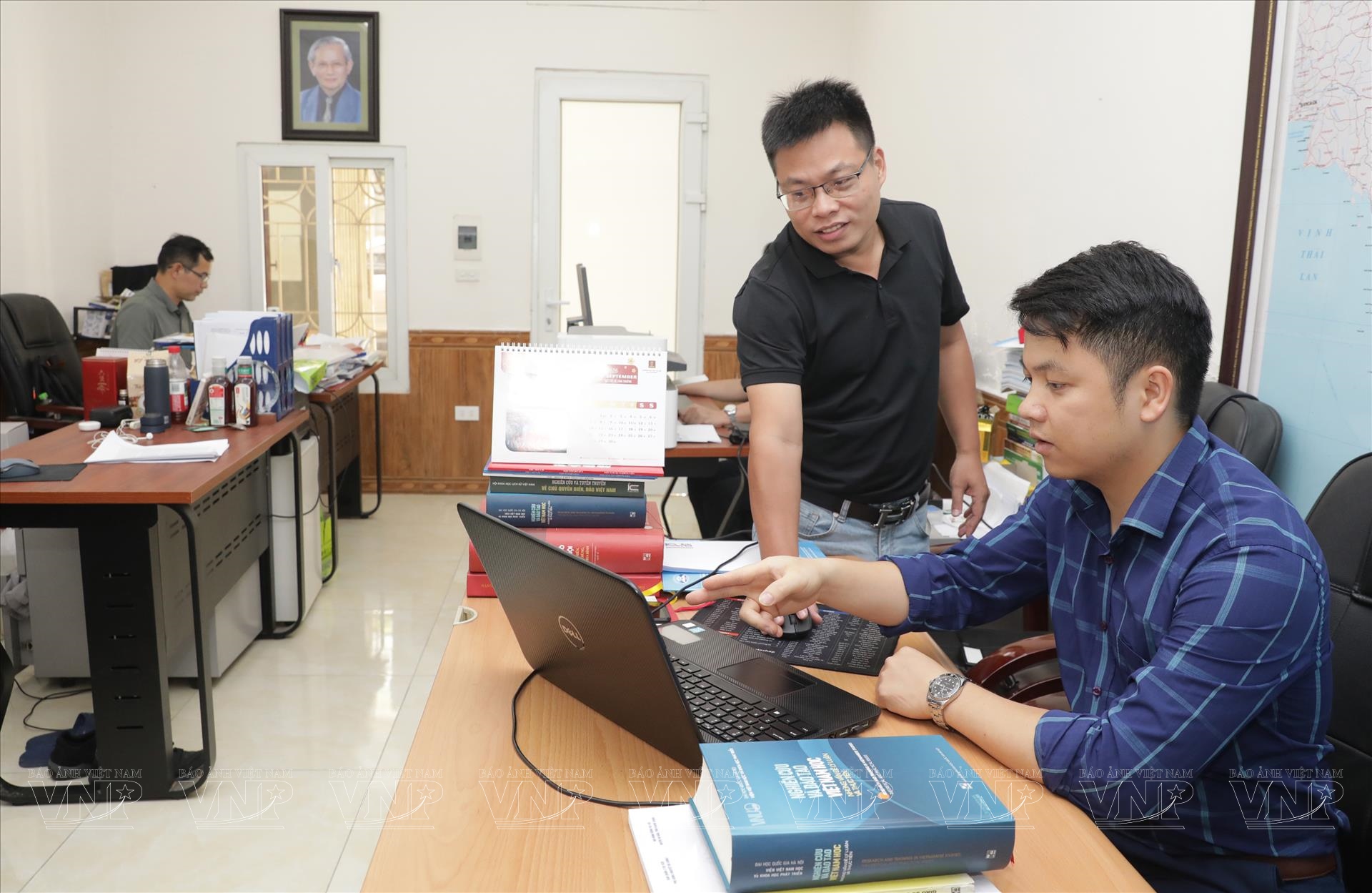
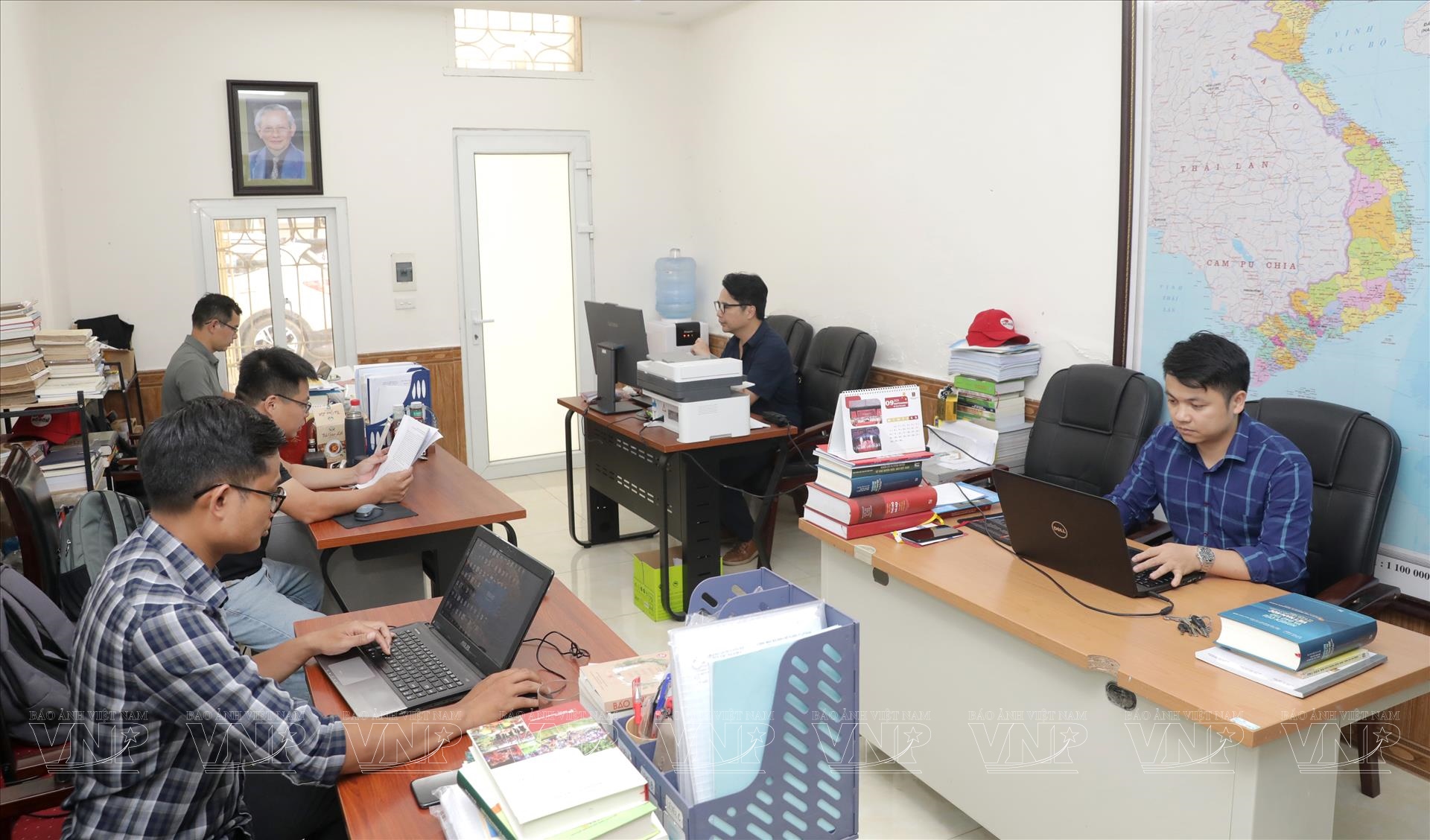
Truong’s own journey began in Na Leng hamlet, Thach Dan commune, Cao Loc district (now Cao Loc commune), Lang Son province, a border village where spring antiphonal singing and clan rituals are woven into daily life. In 2012, he moved to Ha Noi to study at the Faculty of History, University of Social Sciences and Humanities. In 2018, he joined the Institute of Vietnamese Studies and Development Sciences as a researcher. A year later, he began his doctoral studies in Guangxi, opening a comparative research direction between the Nung and Tay peoples in Viet Nam and the Zhuang people in China, communities on opposite sides of the border that share close linguistic and cultural ties.
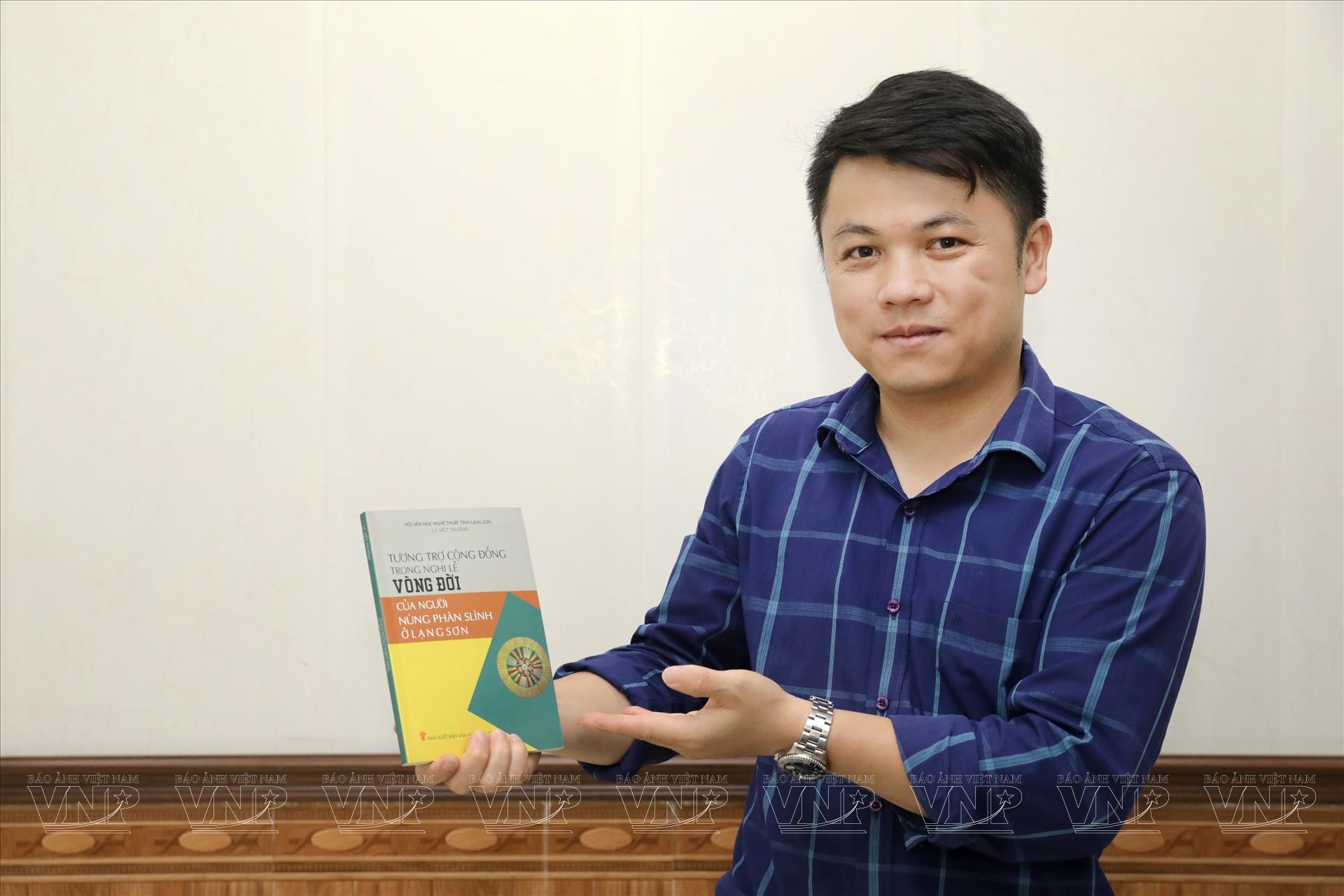
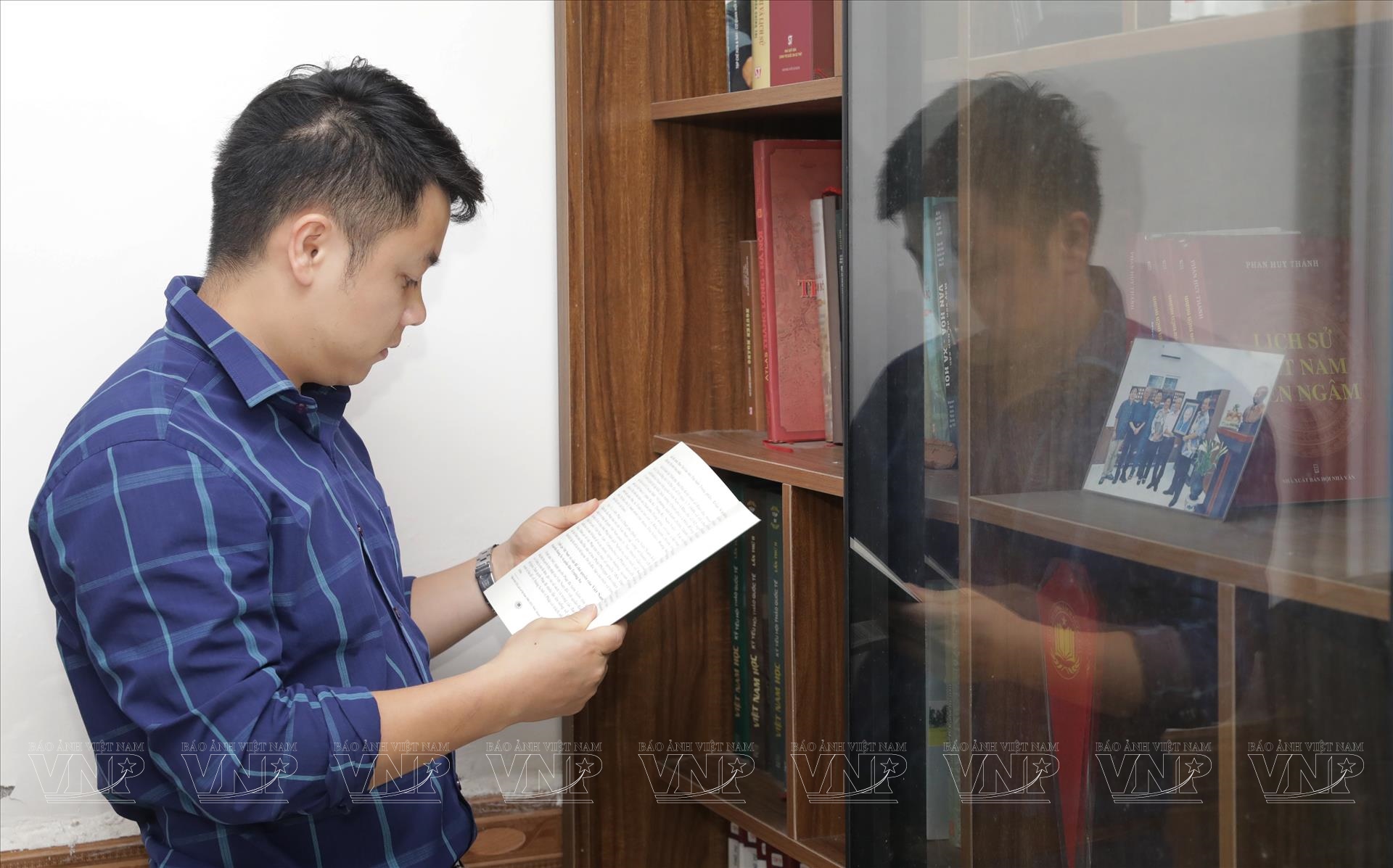
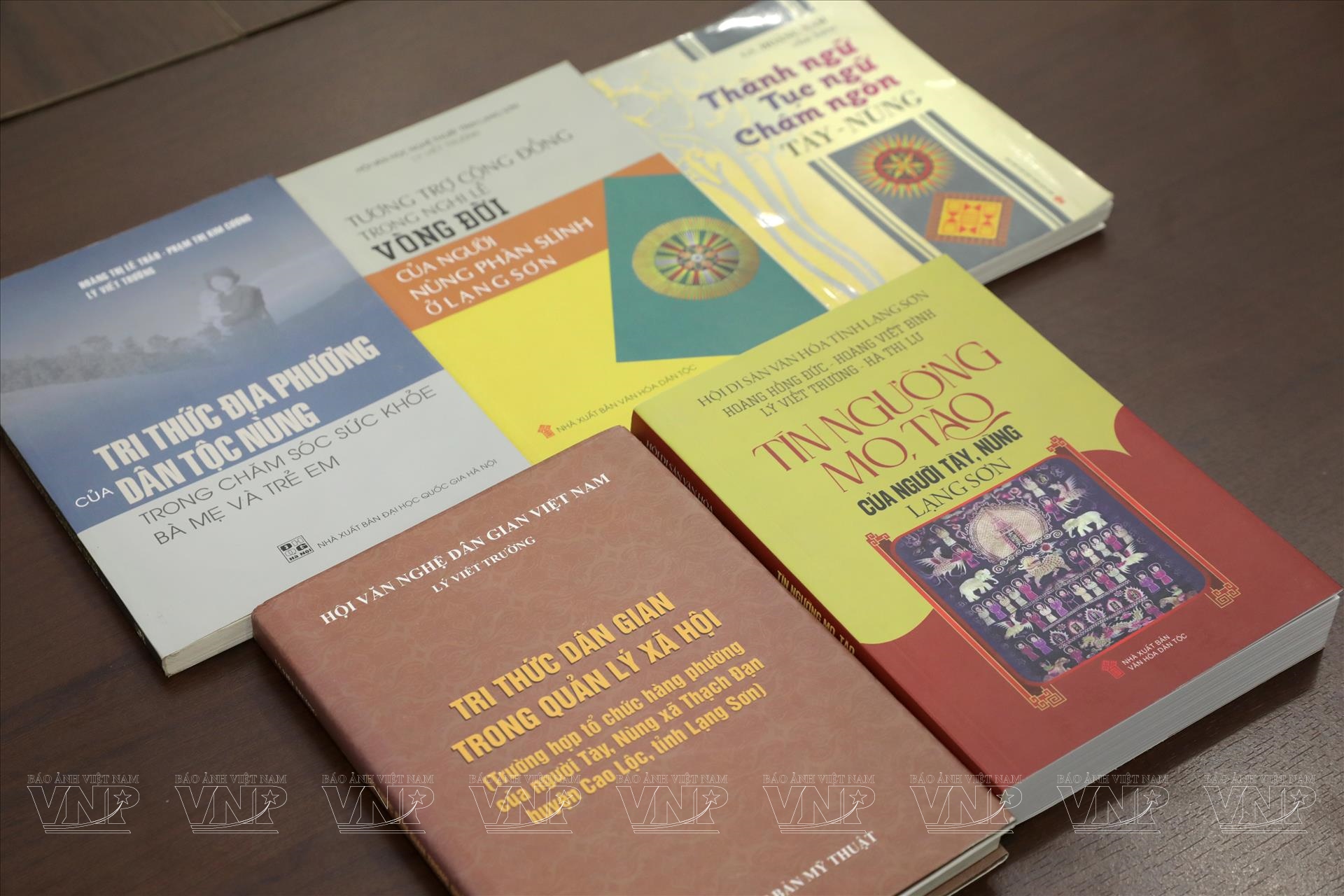
To date, he has published more than 30 academic works, including nine books such as Community Mutual Support in Life-Cycle Rituals of the Nung Phan Slinh in Lang Son, The Dictionary of Then Culture, and Languages of the Tai–Kadai Ethnic Groups in Viet Nam. In November 2024, he was named among the nine recipients of the first Khue Van Cac Award, Viet Nam’s first national prize recognizing researchers under 35 in the social sciences and humanities.
If his personal life shows a scholar living inside his field of study, there is another story Truong recounts with unmistakable pride: the story of water.
Terraced rice fields in the rocky northeastern mountains receive no natural water flow. To farm them, the Nung must channel water from mountain streams, locating sources, digging canals, and guiding water across steep slopes to each plot. No single family can build such a system alone; the entire community must join forces to dig the channels and repair them after every flood season.
Yet the true sophistication lies not in building the canals, but in sharing the water afterward.Water is scarce and time-sensitive: when a household’s field is ready for plowing or transplanting, it needs water immediately and cannot wait. The Nung solve this problem not through written laws or market pricing, but through a customary rule of coordination: whoever needs water first uses it first, while ensuring every household gets its share. No one may block the flow for personal gain, and once a family finishes irrigating, they must release the water back into the common stream.
It is a community-managed commons sustained across generations by mutual restraint and trust, without courts or formal sanctions.
Truong believes this form of indigenous knowledge deserves broader recognition. Sharing water in a northern Vietnamese border valley is not solely a Nung concern—it mirrors the defining challenge of the 21st century on a global scale, where nations share rivers, communities share aquifers, and humanity shares one atmosphere. The central question remains how parties dependent on a finite resource can avoid destroying one another—and the resource itself.
Within the span of a single irrigation canal, the Nung answered that question long ago by placing their neighbor’s interest on equal footing with their own.
This is where ethnic culture steps beyond "local identity" to enrich humanity’s shared knowledge, not because it is exotic or ancient, but because it offers a workable solution to a universal problem. Every small culture is a centuries-old laboratory testing how humans can live together and in harmony with nature. When such a culture disappears, humanity loses not merely a way of life, but a proven answer.
Asked what cultural preservation ultimately seeks to protect—customs, memories, or a way of life, Truong points to what he considers the root: "ethnic consciousness."
It is not a traditional outfit, a folk melody, or a ritual recorded for an archive, all of which naturally evolve. What must be preserved is each person’s awareness of who they are, where they belong, whom they descend from, and what they pass on. When that consciousness survives, people will always find a way to hold a rite for their child, whether through a bus ride back to their home village or a text message sent from the city. When it is lost, every preserved outward form becomes an empty shell./.
- Story: Hoang Tue Nhi
- Photos: Thanh Giang/VNP & Files