Living Heritage in the Heart of Hanoi
Along the banks of the To Lich River lies the Ke Moc region - an ancient cultural place of old Thang Long that preserves the unique values of its five-village traditional festival. Now recognized as a national intangible cultural heritage, this festival offers visitors a chance to experience historical depth and community cultural life in the heart of modern Hanoi.
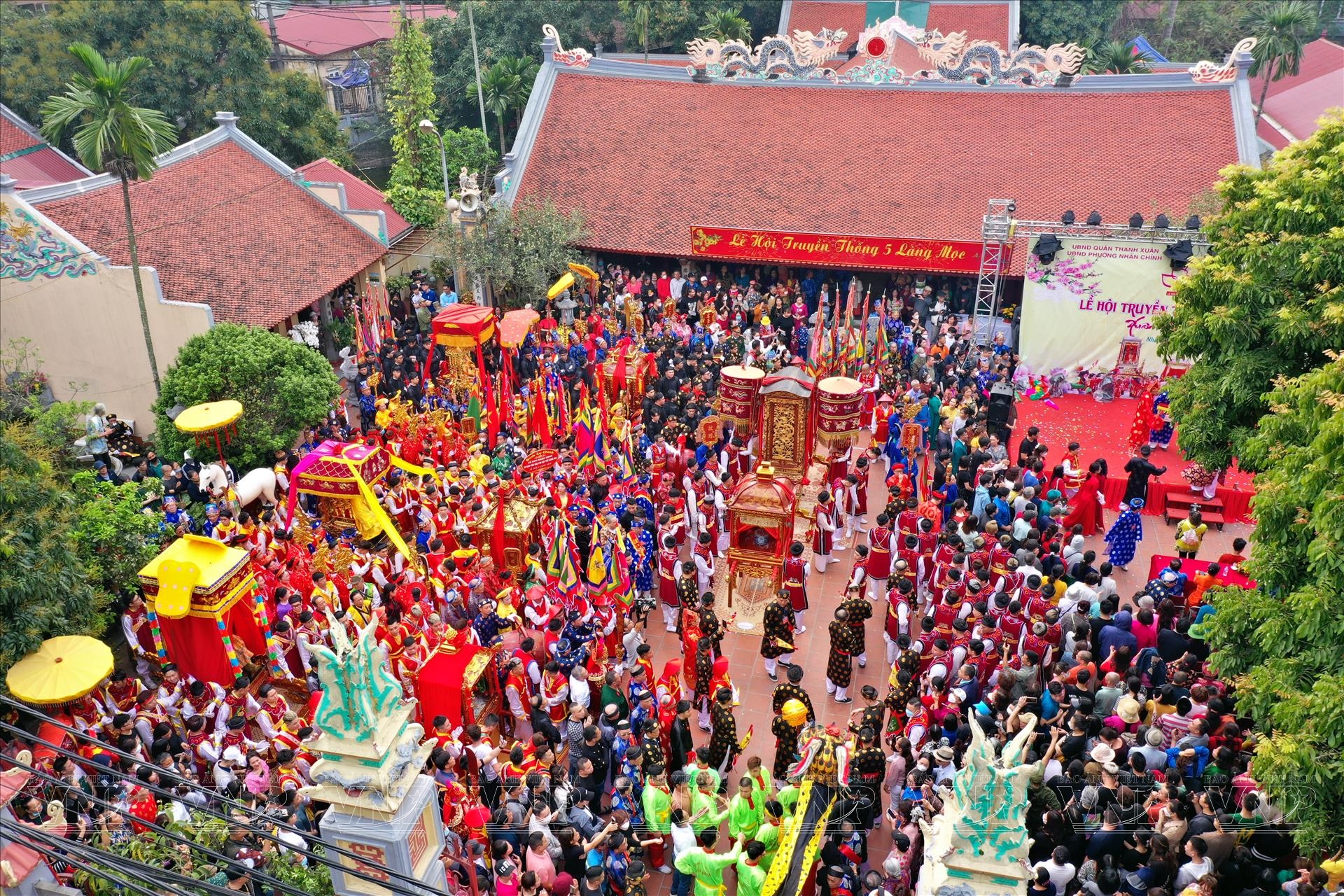
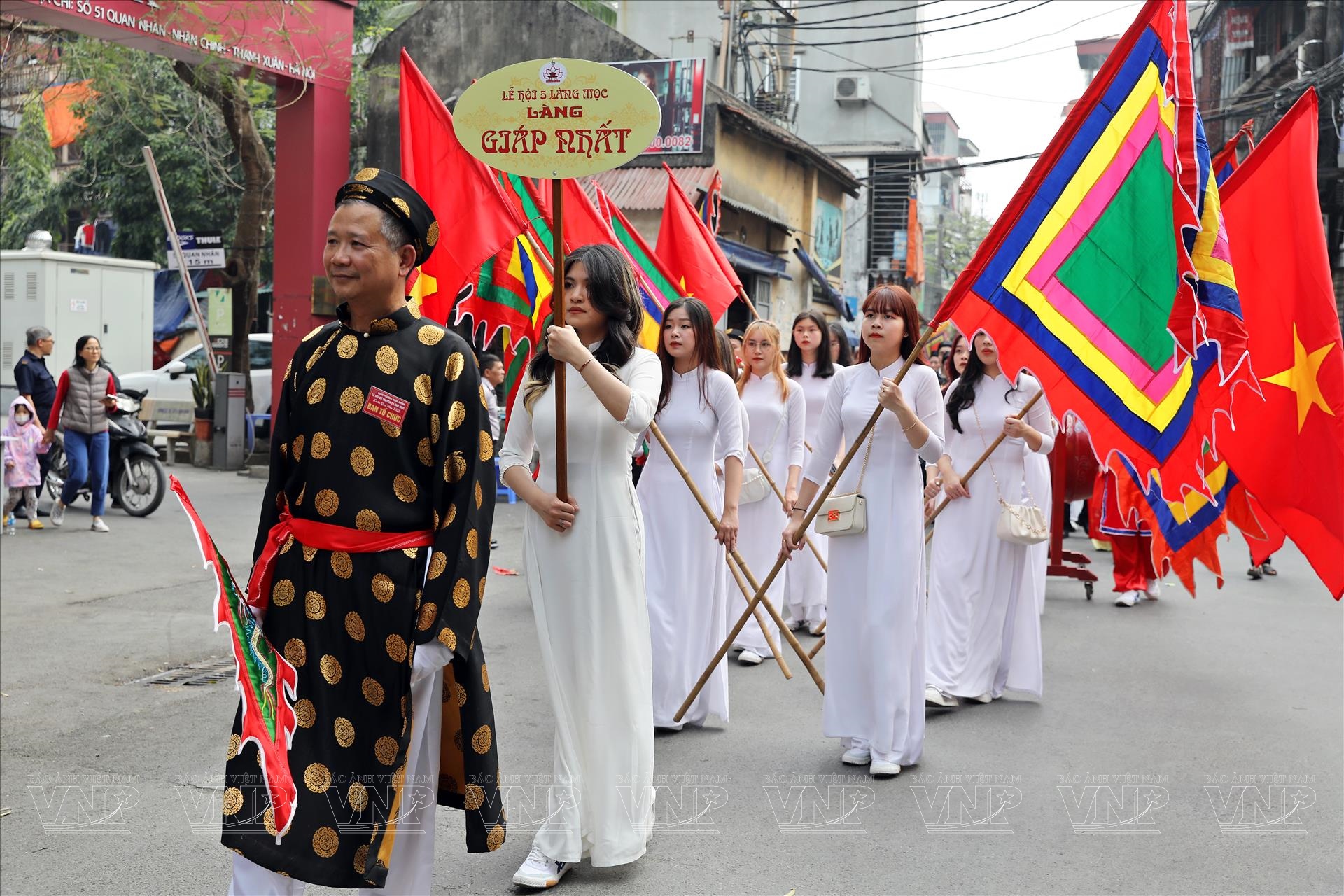
Ke Moc is the folk name for Nhan Muc, a residential area that appeared early in the history of Thang Long. Through changes in administrative and residential boundaries, Nhan Muc was eventually divided into various village units. Among these, Nhan Muc Mon comprises five villages: Giap Nhat, Quan Nhan, Chinh Kinh, Cu Loc, and Phung Khoang - collectively known as the "Five Moc Villages". This community remains closely knit through geography, history, and shared cultural practices, creating a distinctive rural cultural place within Hanoi's urban landscape today.
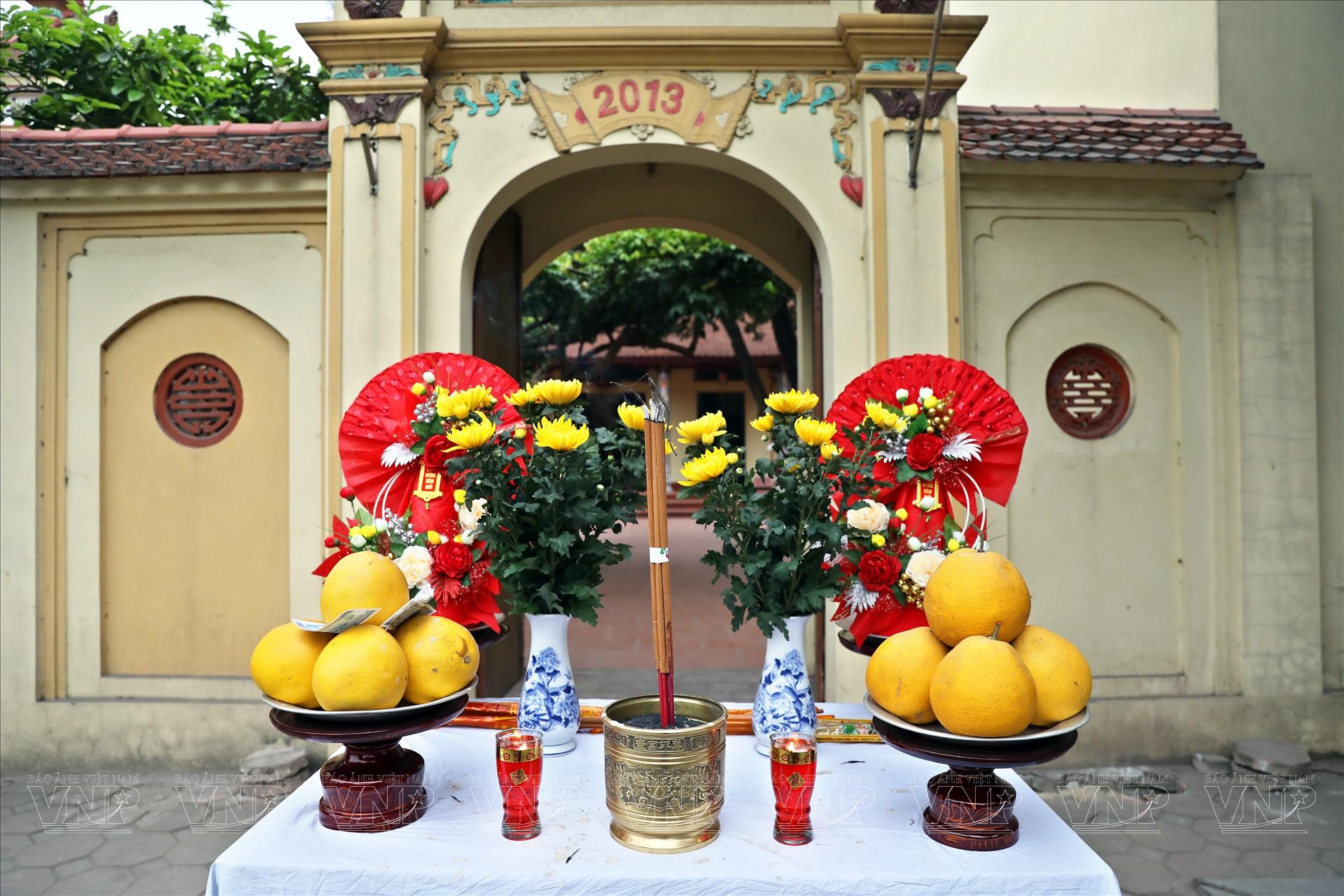
At the center of the spiritual life of the five Moc villages is the worship of Thanh Hoang (Tutelary God). Each village maintains its own communal house - a traditional cultural institution dedicated to its respective patron deity. These Tutelary Gods are not only figures who rendered great service to the villages and the nation but also symbols of morality, faith, and divine protection for the community.
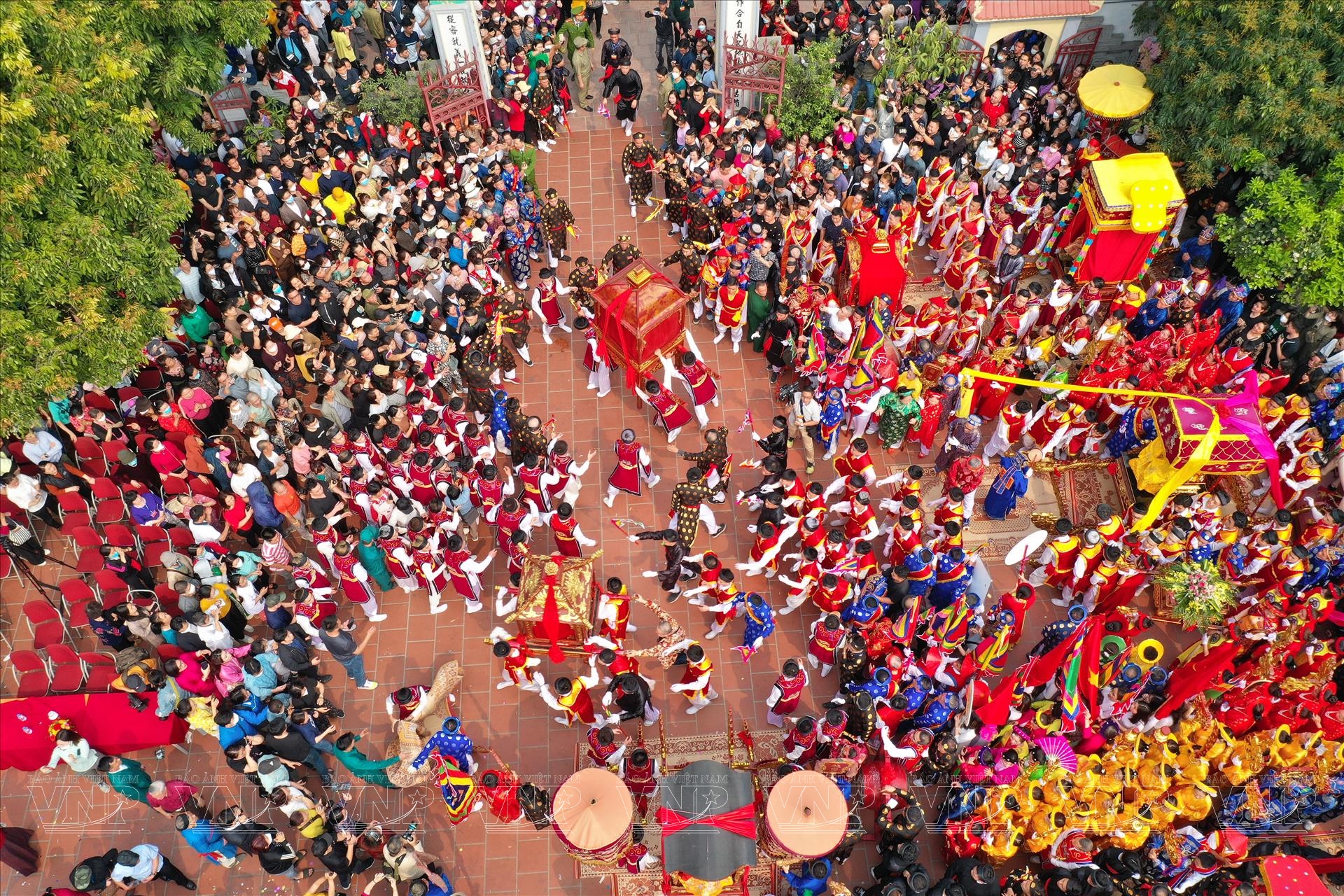
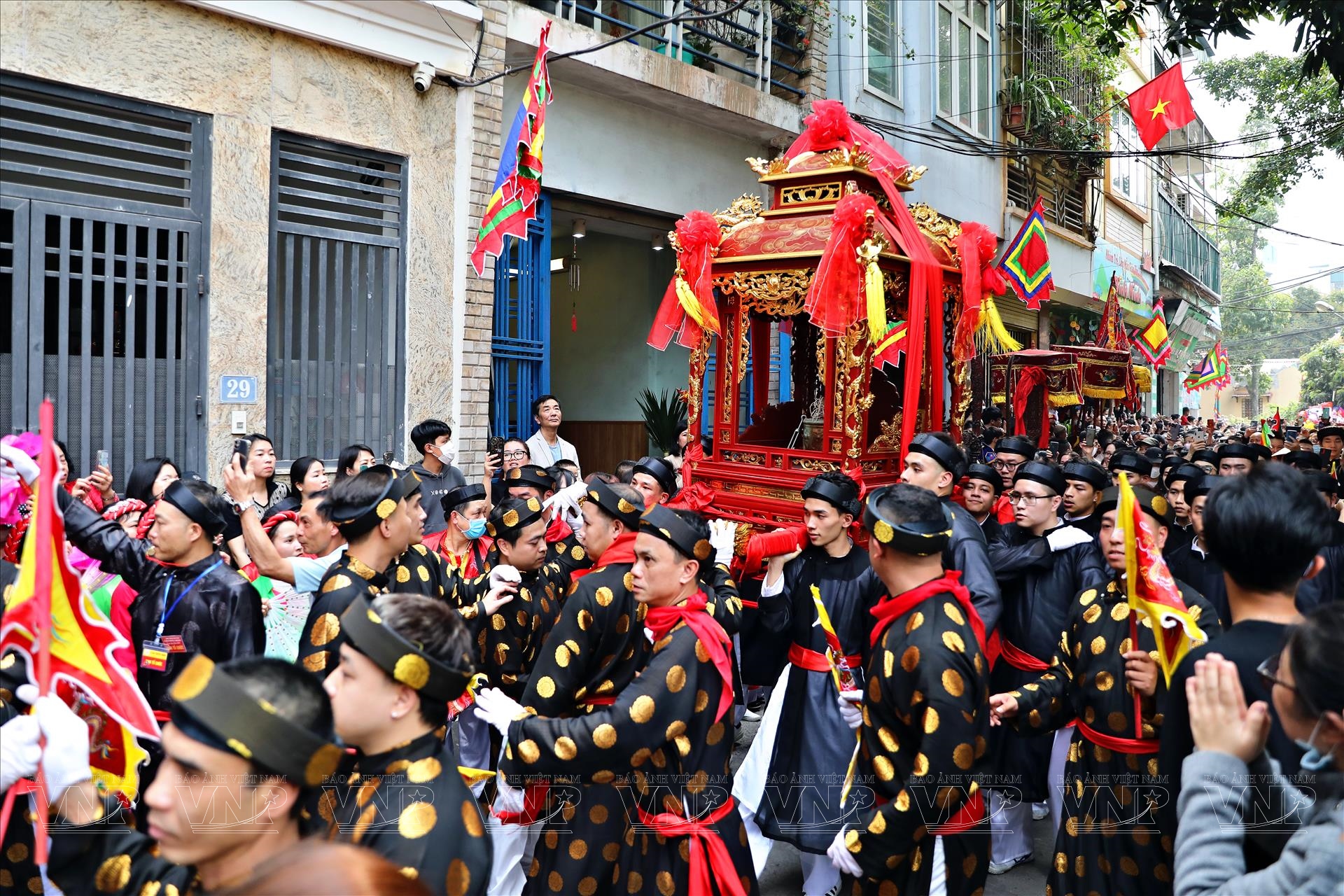
Built upon this belief, the Five Moc Villages Festival has been maintained through generations as a collective cultural activity for the entire Ke Moc region. Held from the 10th to the 12th of the second lunar month, the festival features processions of the village saints and tutelary gods to welcome spring, admire the landscapes of the five villages, and pray for national peace and prosperity.
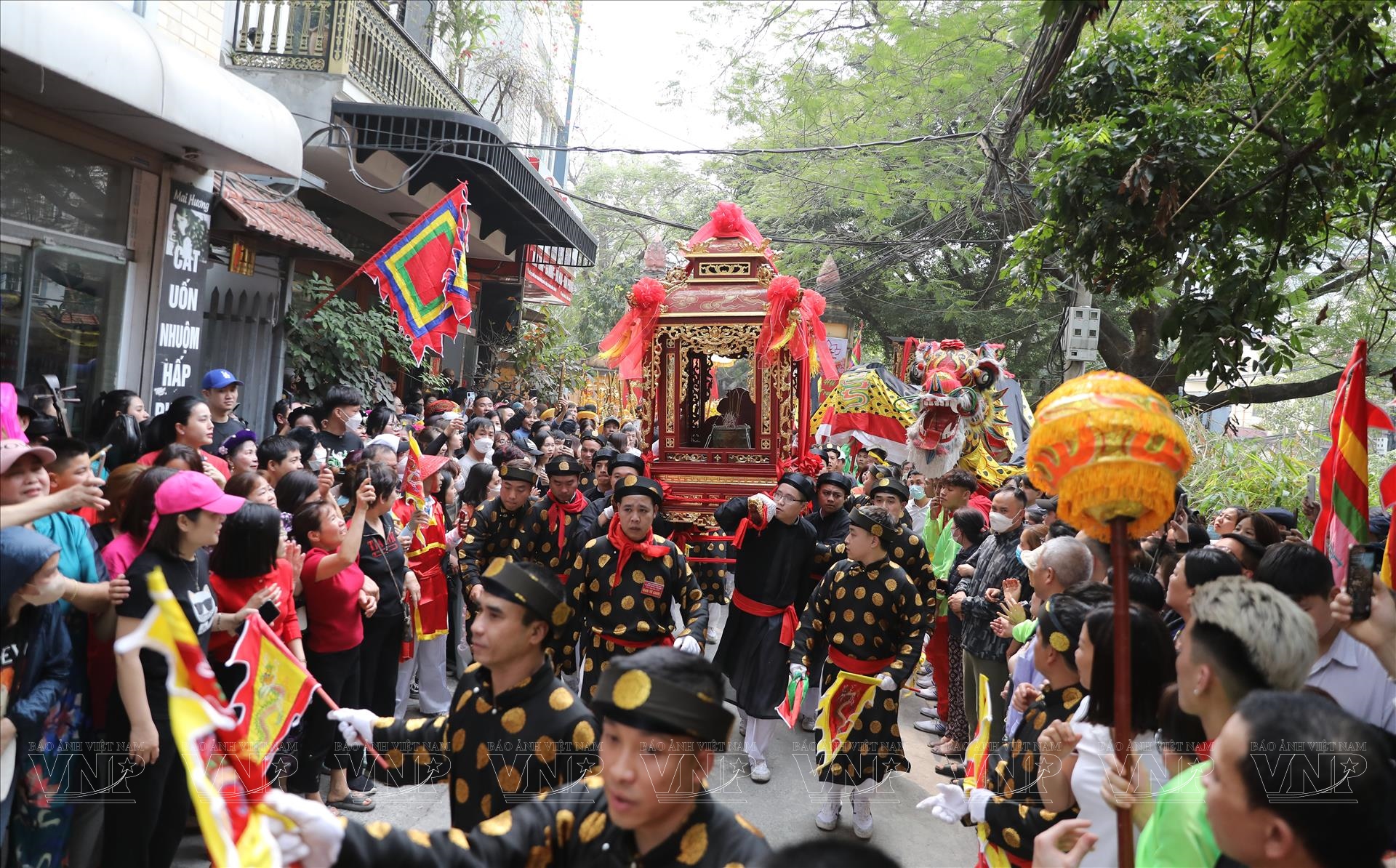
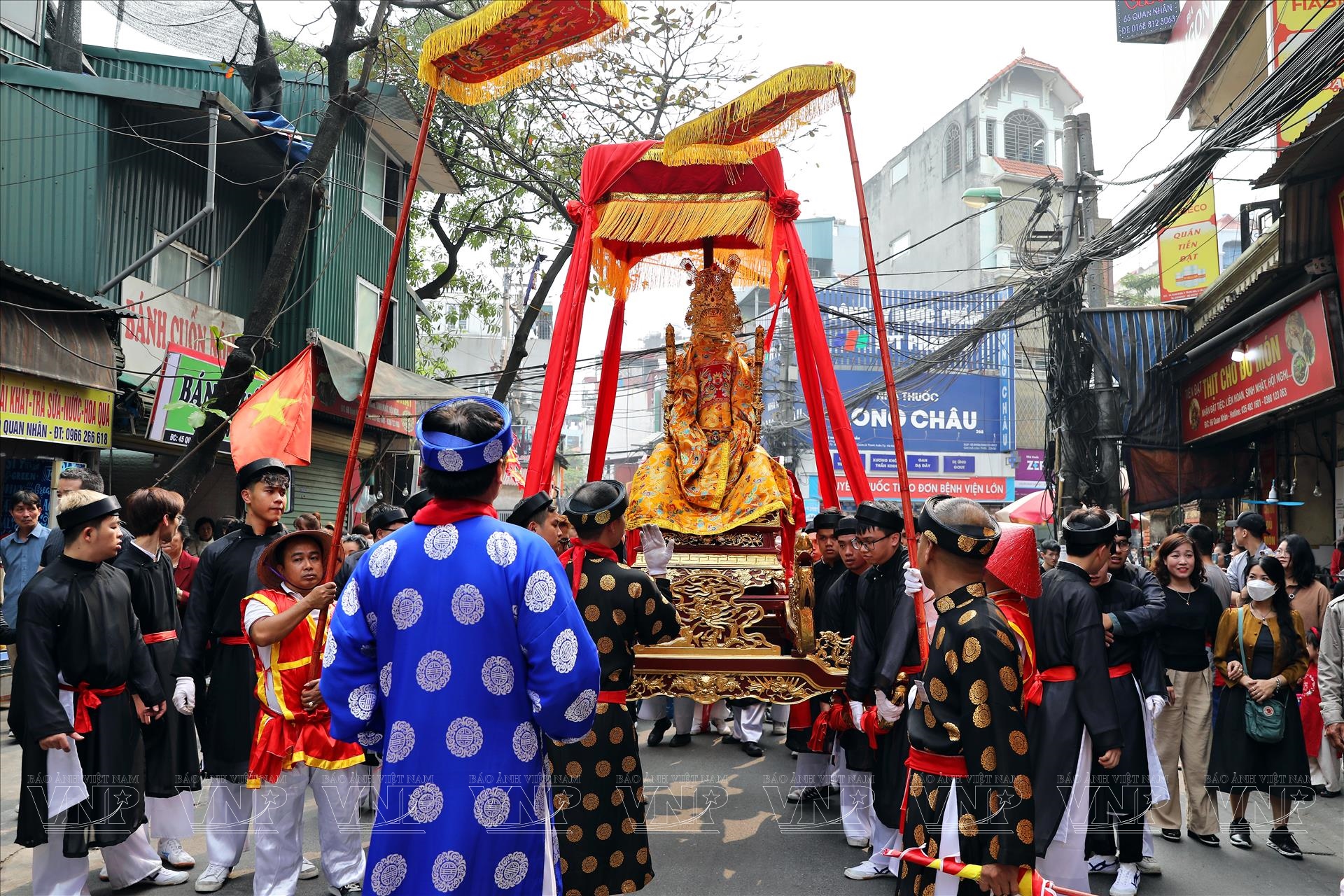
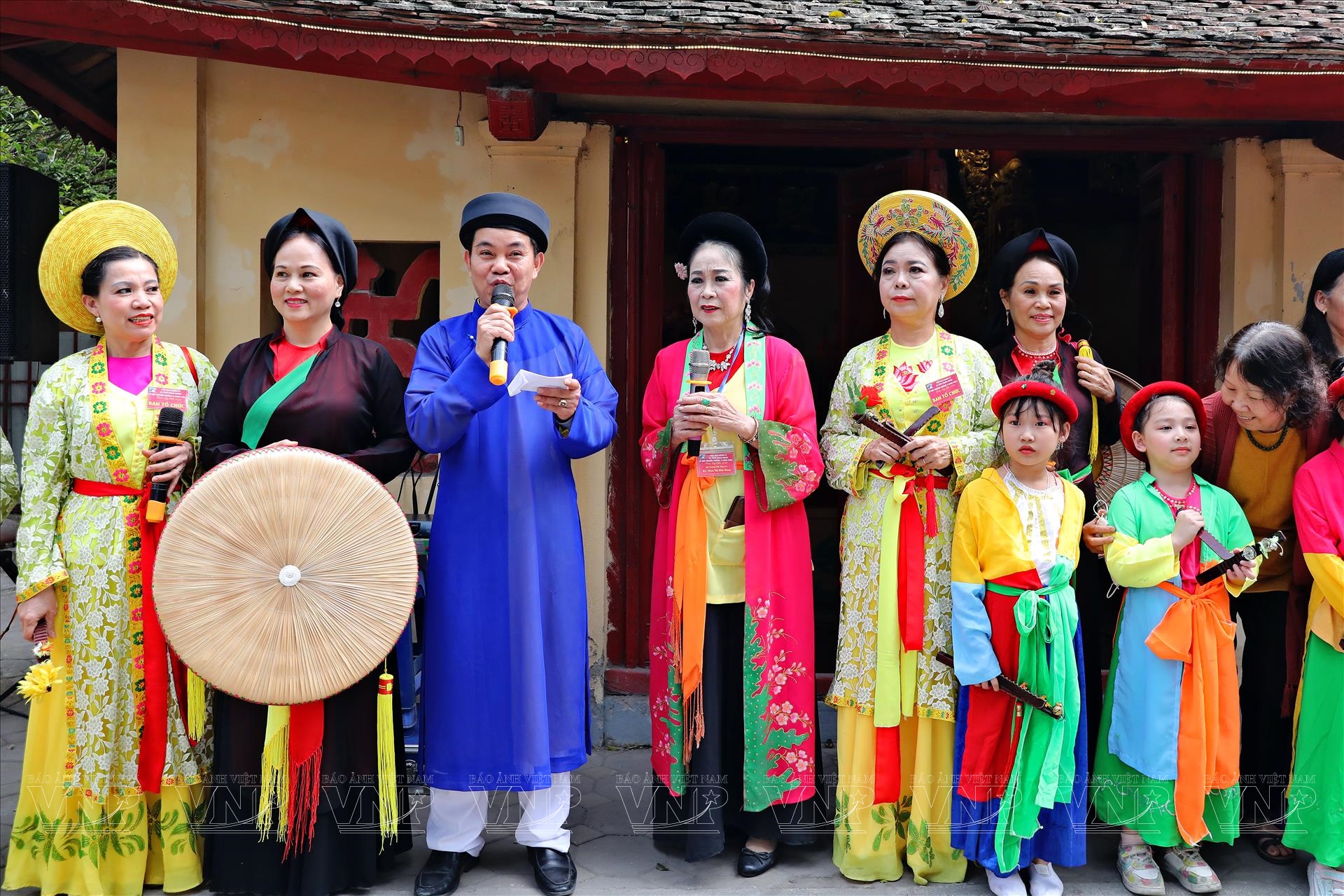
Unlike separate village festivals, the Five Moc
Villages Festival is "inter-village" in nature, deeply
reflecting the spirit of community cohesion.
According to ancient customs, the villages take
turns hosting the festival in a rotating cycle. During
the event, procession rituals and ceremonies are
conducted with great dignity, symbolizing the gods’
journey through Ke Moc while carrying the people's
aspirations for peace, bumper crops, and community
harmony.
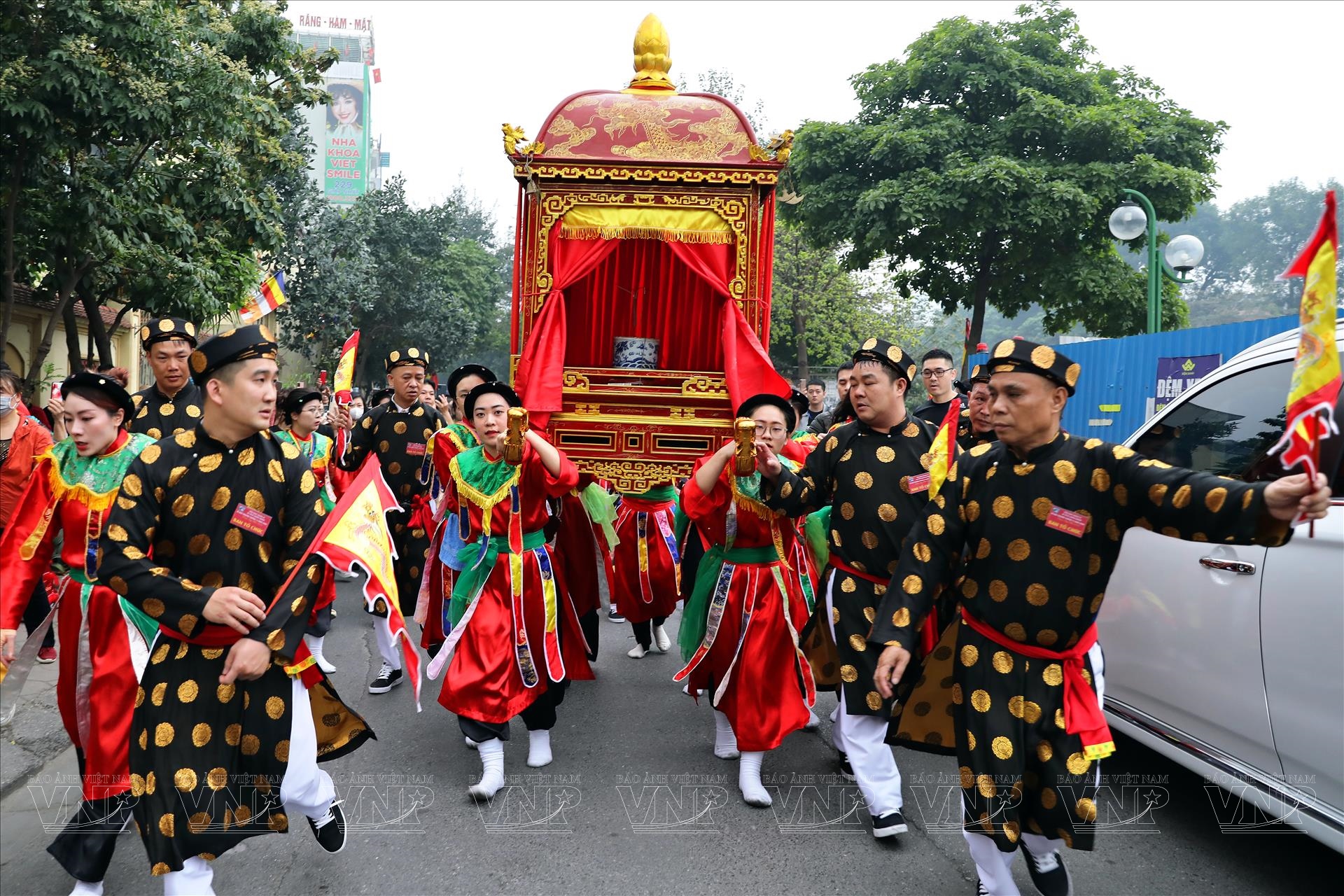
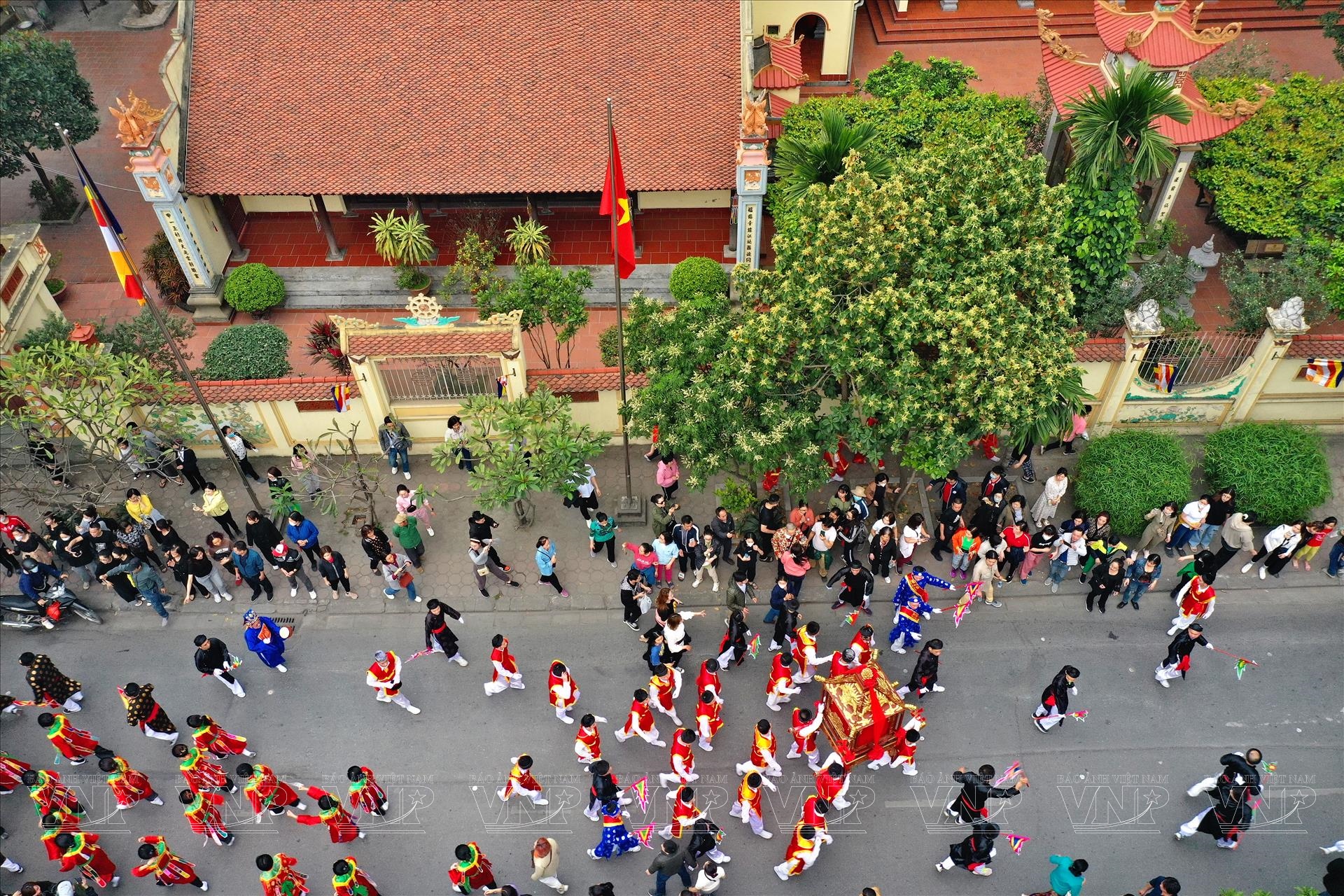
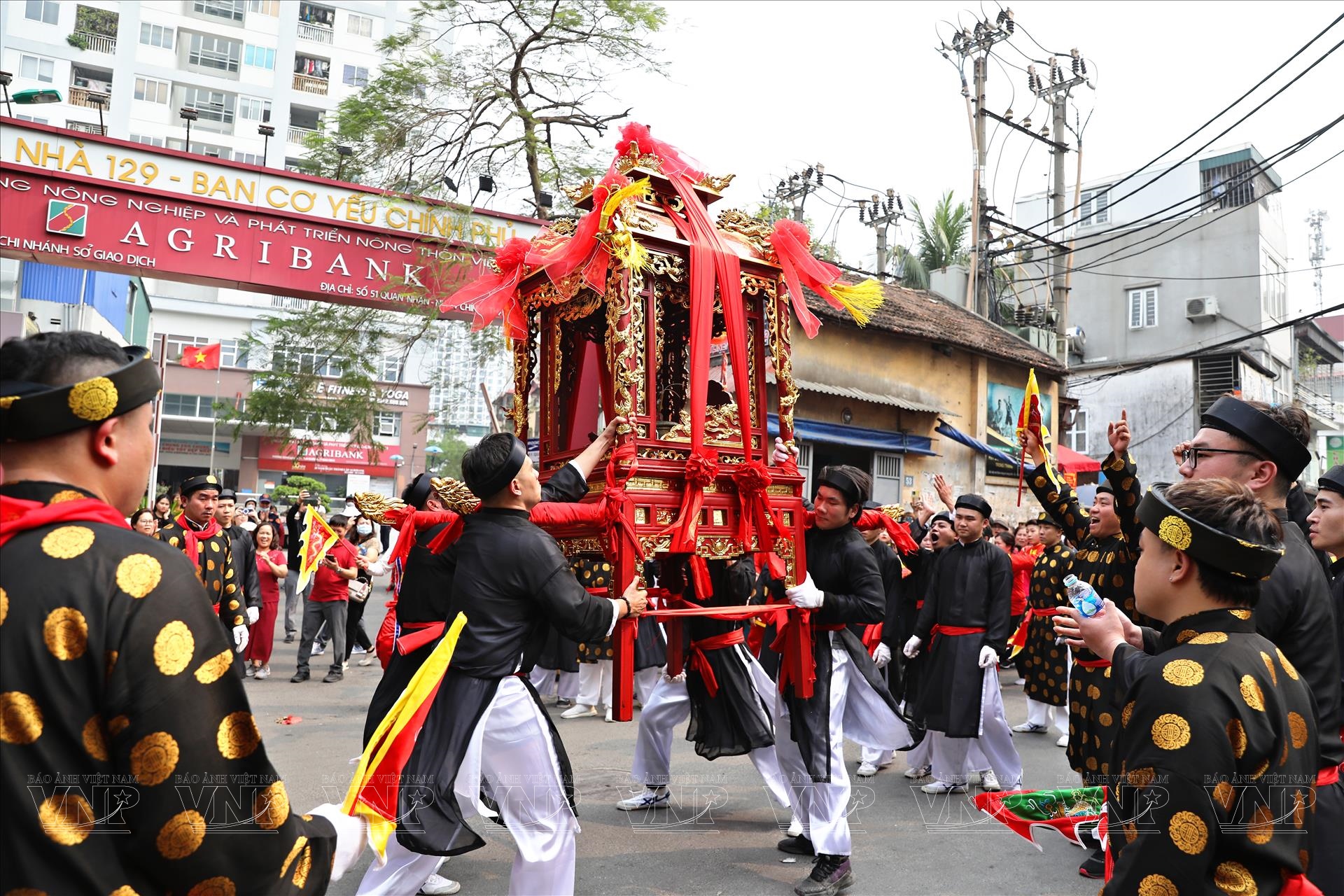
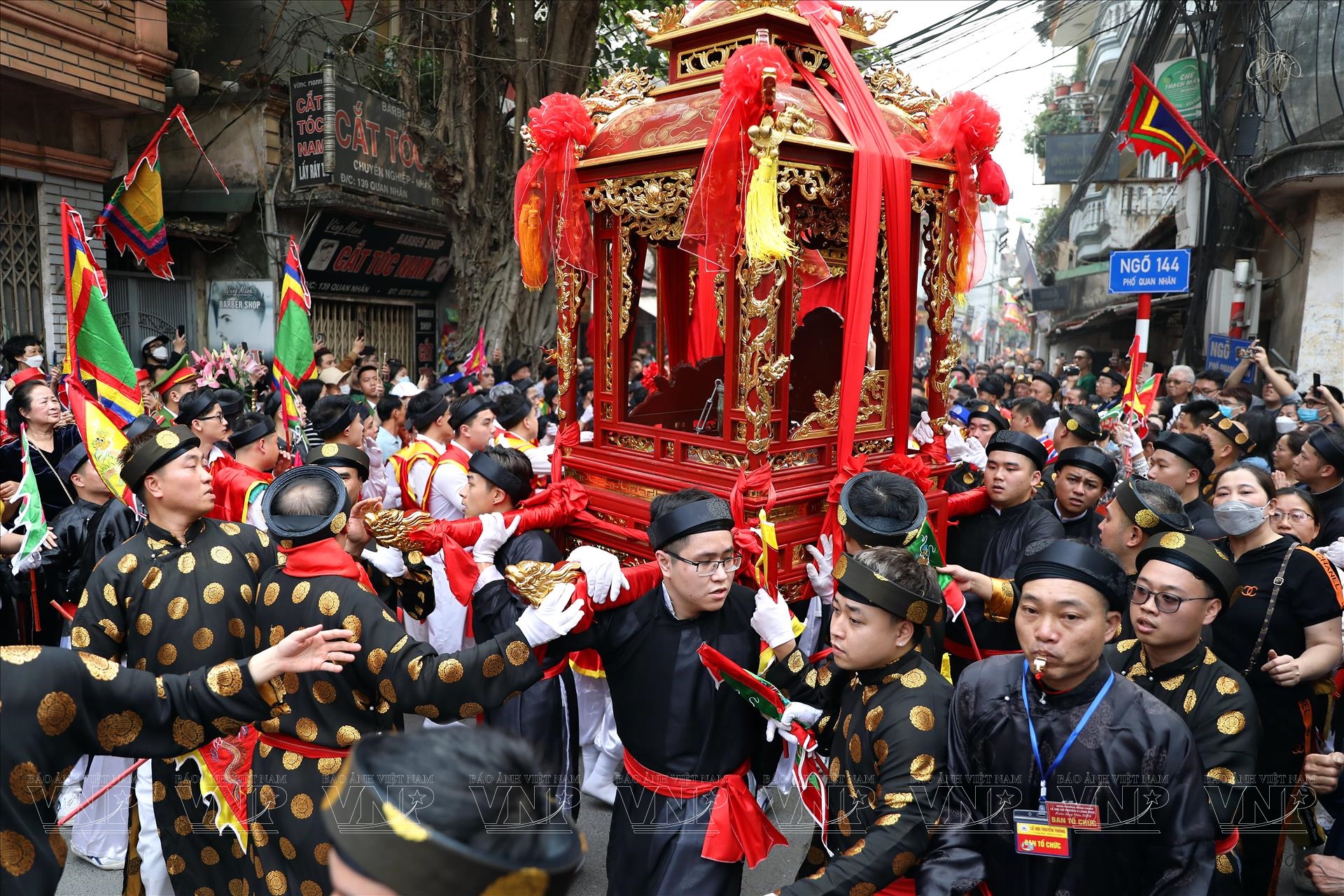
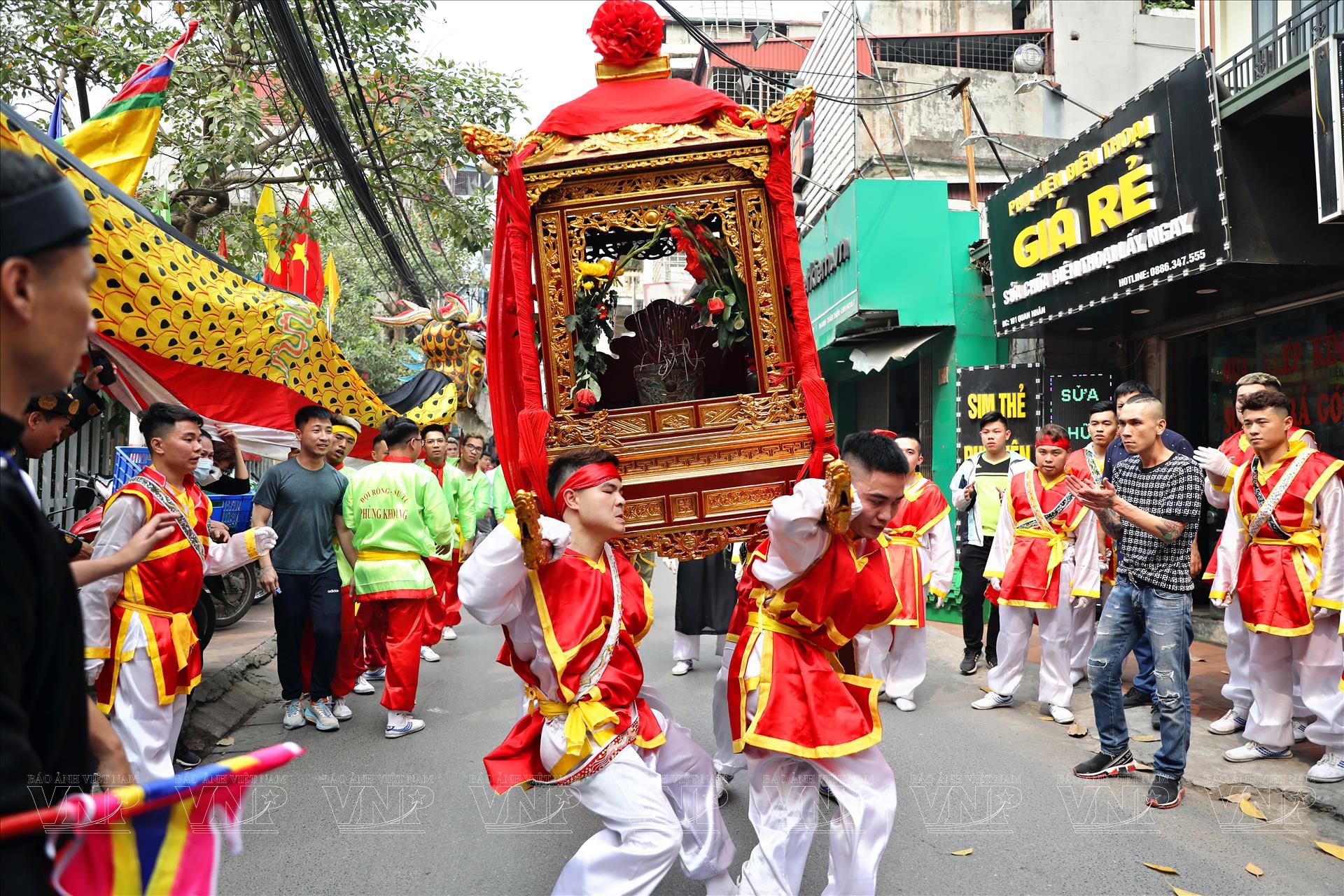
The festival space is intrinsically linked to the system of communal houses, including the Phung Khoang, Quan Nhan, Cu Chinh, and Giap Nhat communal houses. Each site is a convergence of history, architecture, and faith, contributing to the unique cultural map of the Nhan Muc region. Communal houses’ participation in a single festival not only highlights the bond between the villages but also reflects a community mindset that transcends closed village boundaries - a progressive trait in traditional cultural structures.
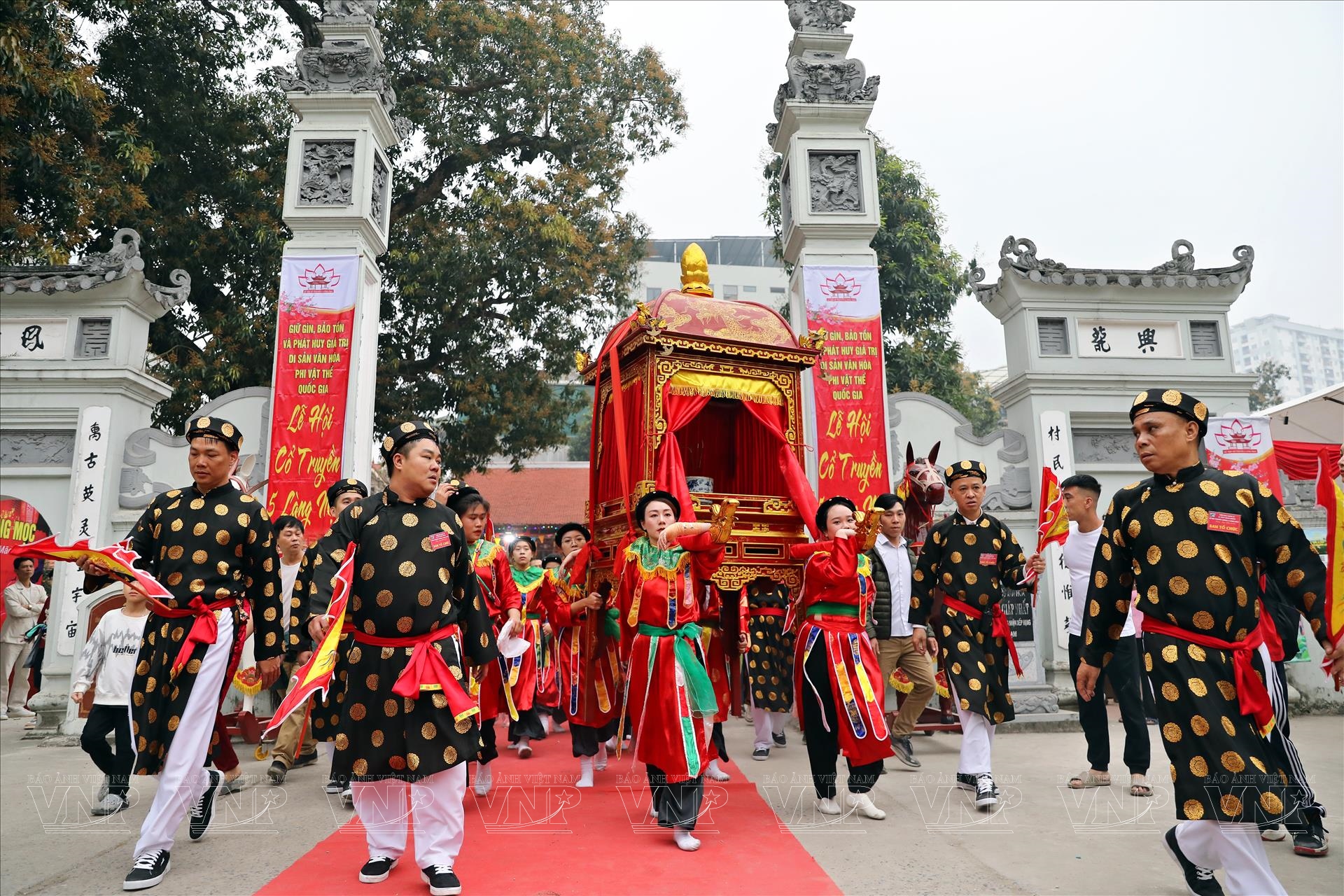
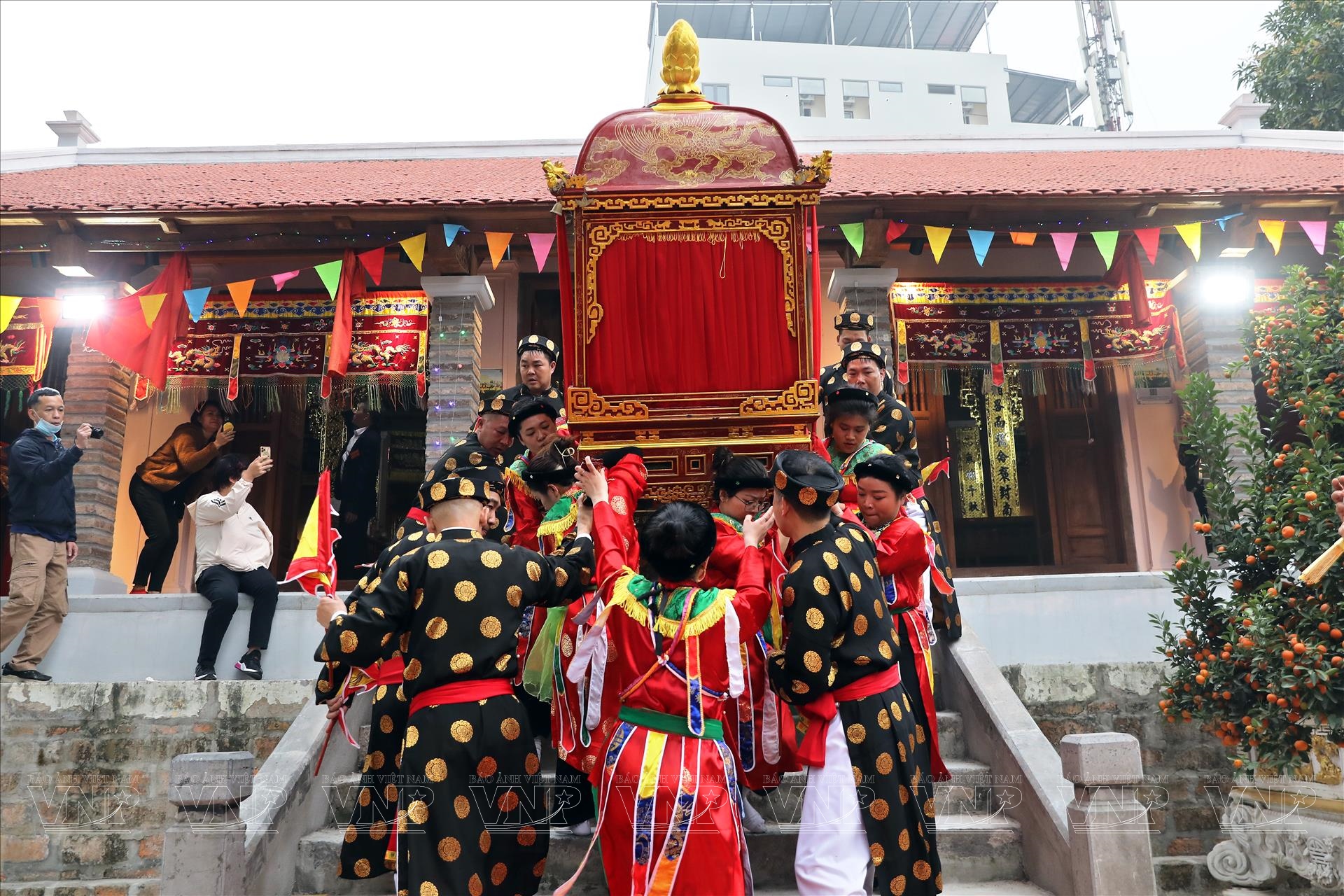
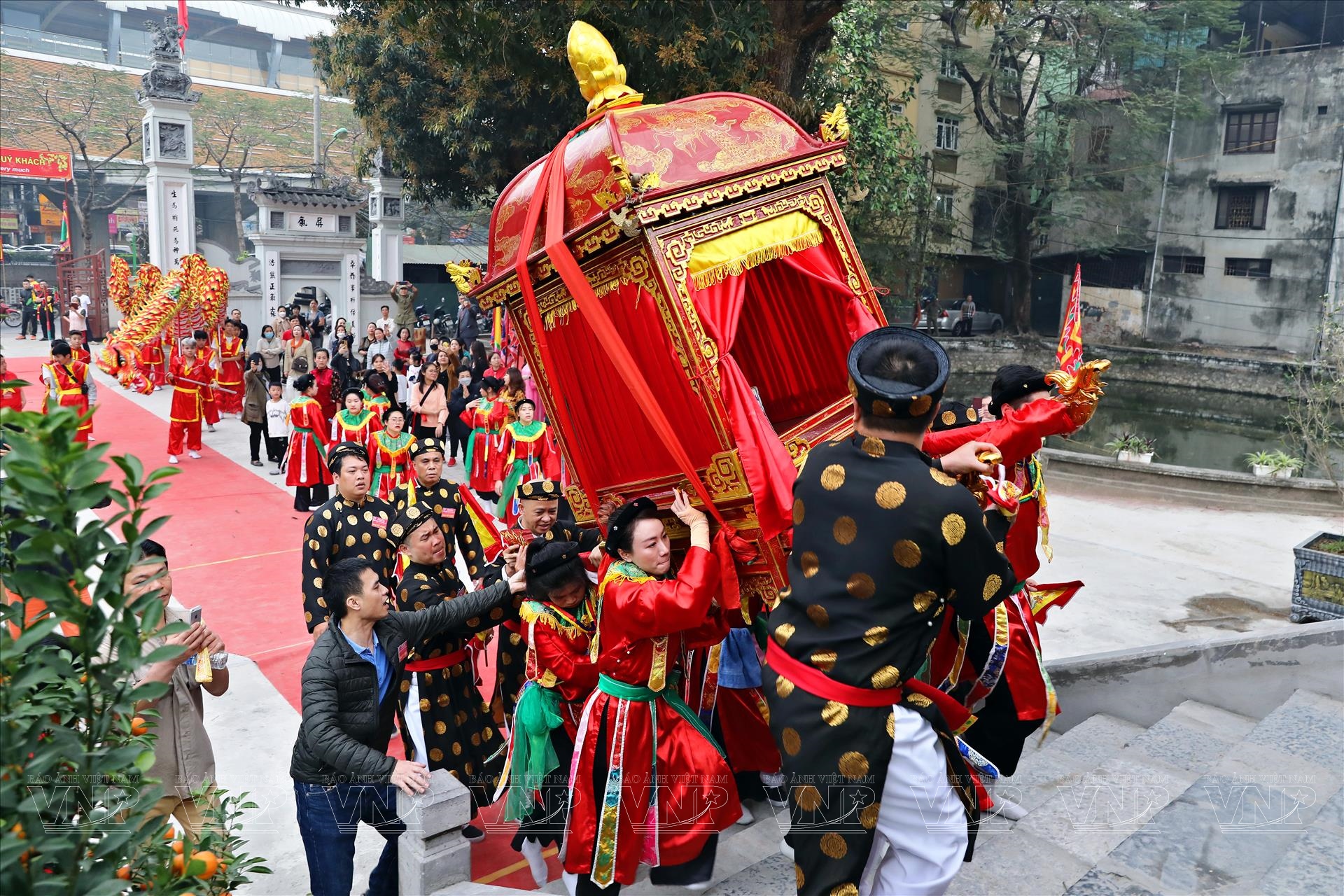
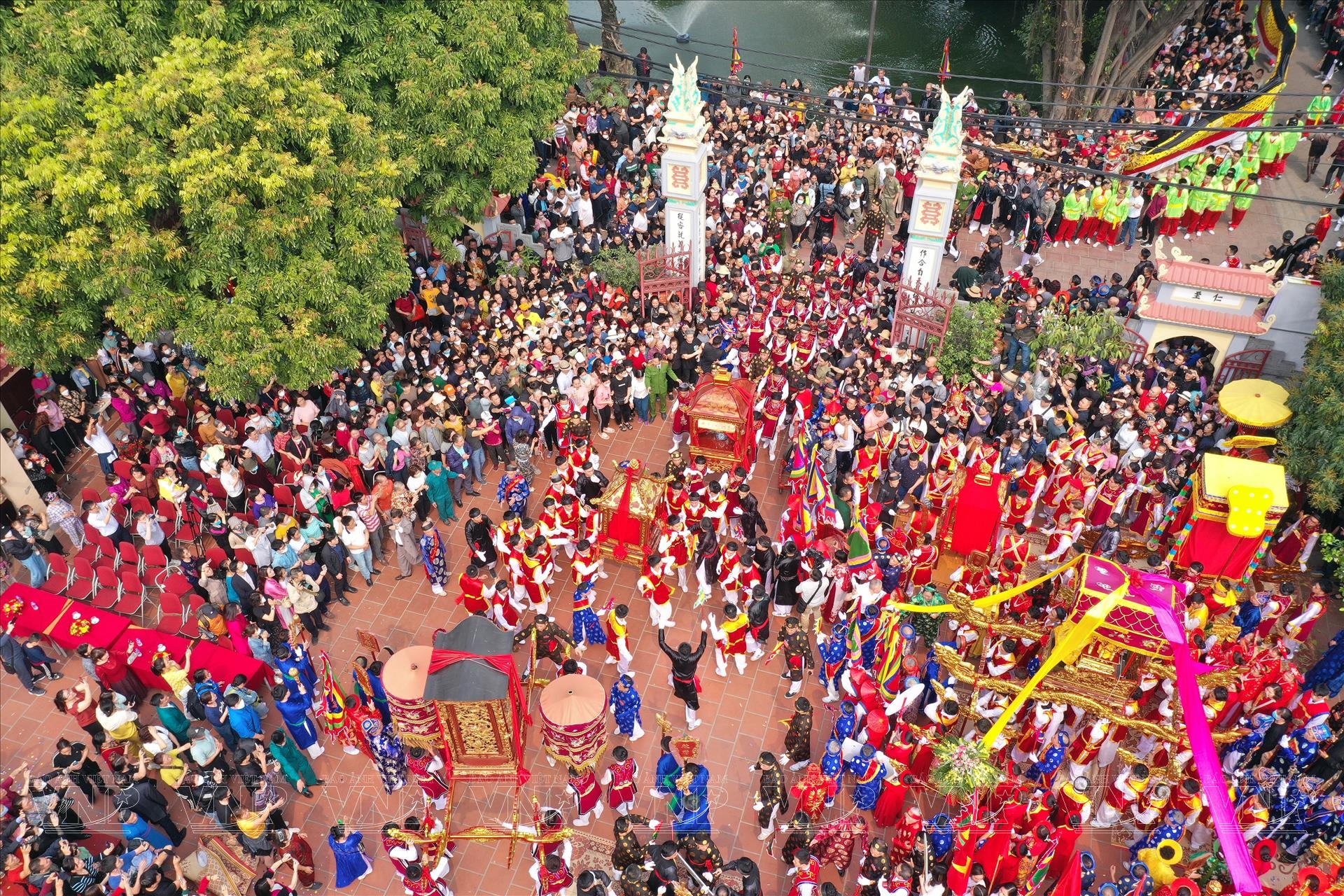
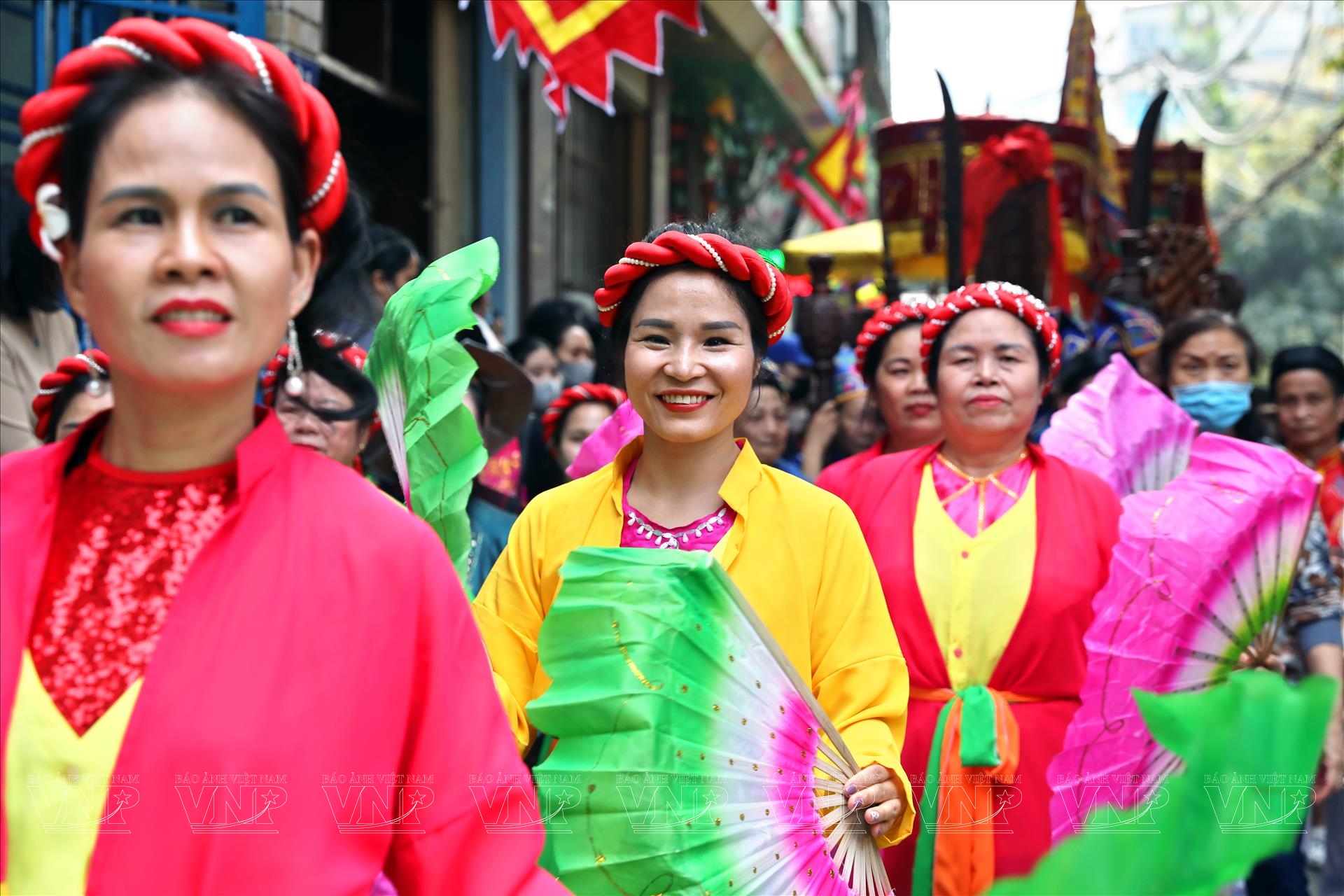
Besides the sacred rituals, the Five Moc Villages Festival is an occasion for folk cultural activities, folk games, and performances imbued with local identity. These activities enrich the people’s spiritual life while reflecting the aesthetic values, ethics, and lifestyle handed down through many generations of Ke Moc residents./.
- By Cong Dat/VNP
- Translated by Hong Hanh