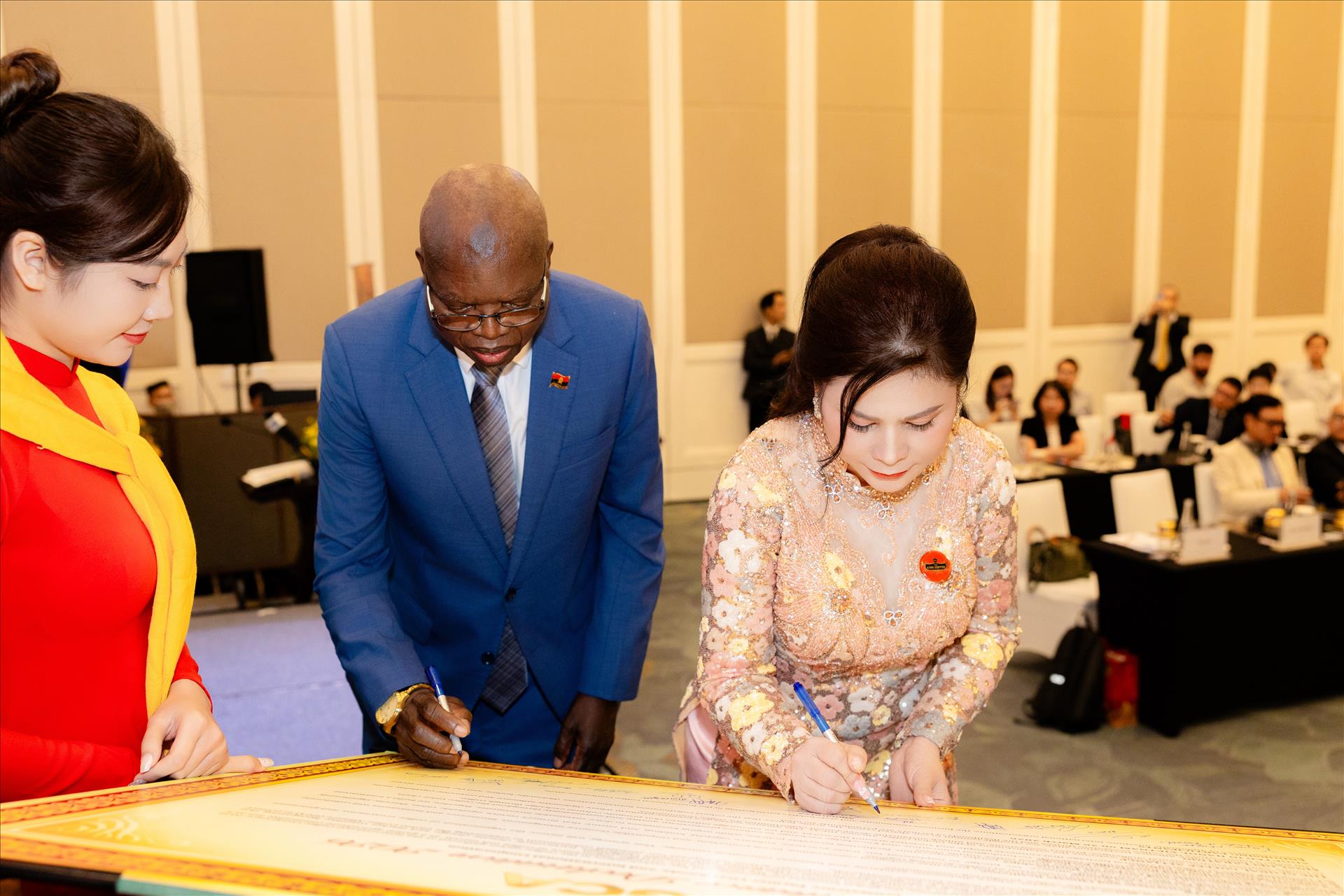
King Coffee Advances a Global Coffee Ecosystem Vision
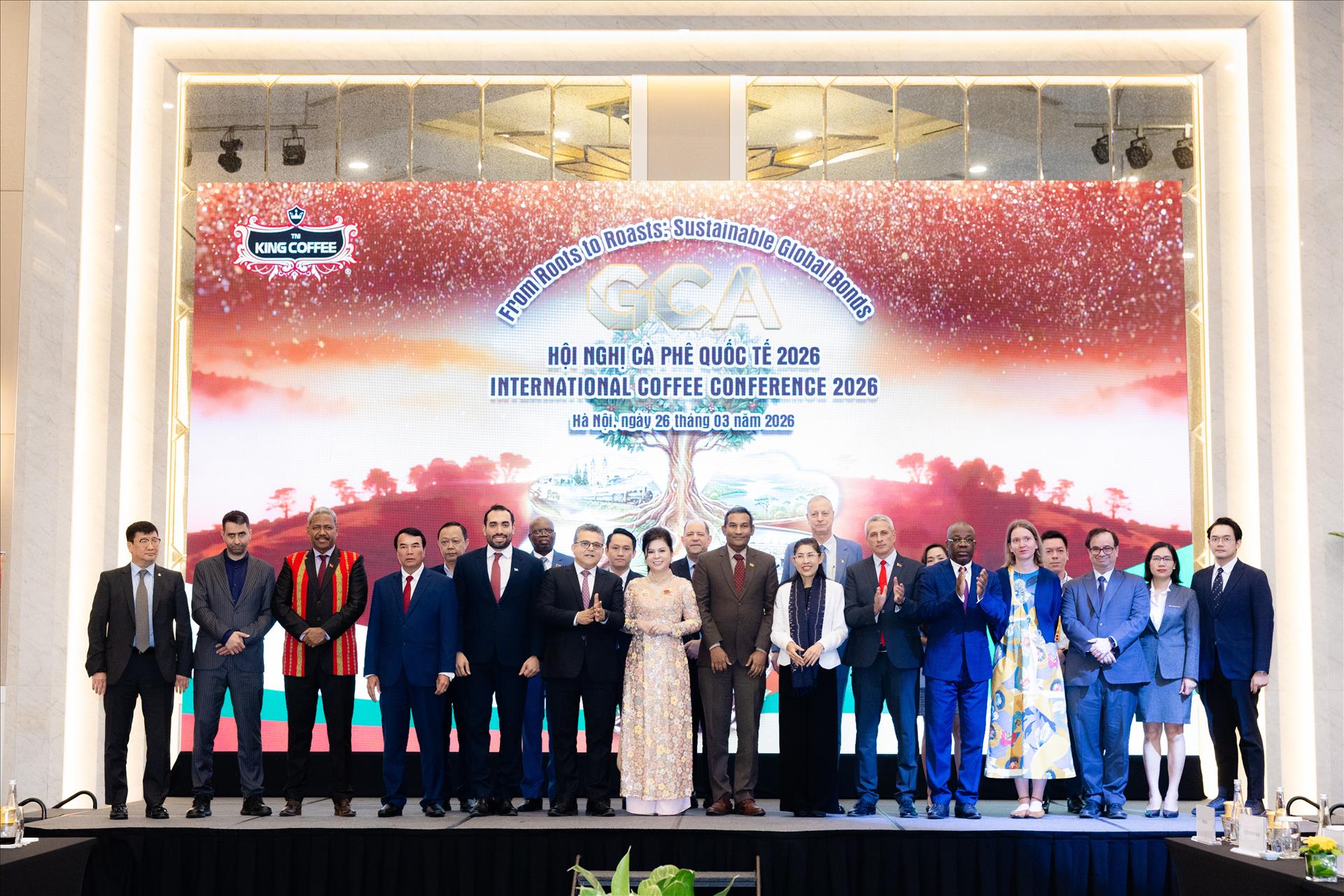
On March 26 in Hanoi, King Coffee
convened the International Coffee Conference 2026, bringing together
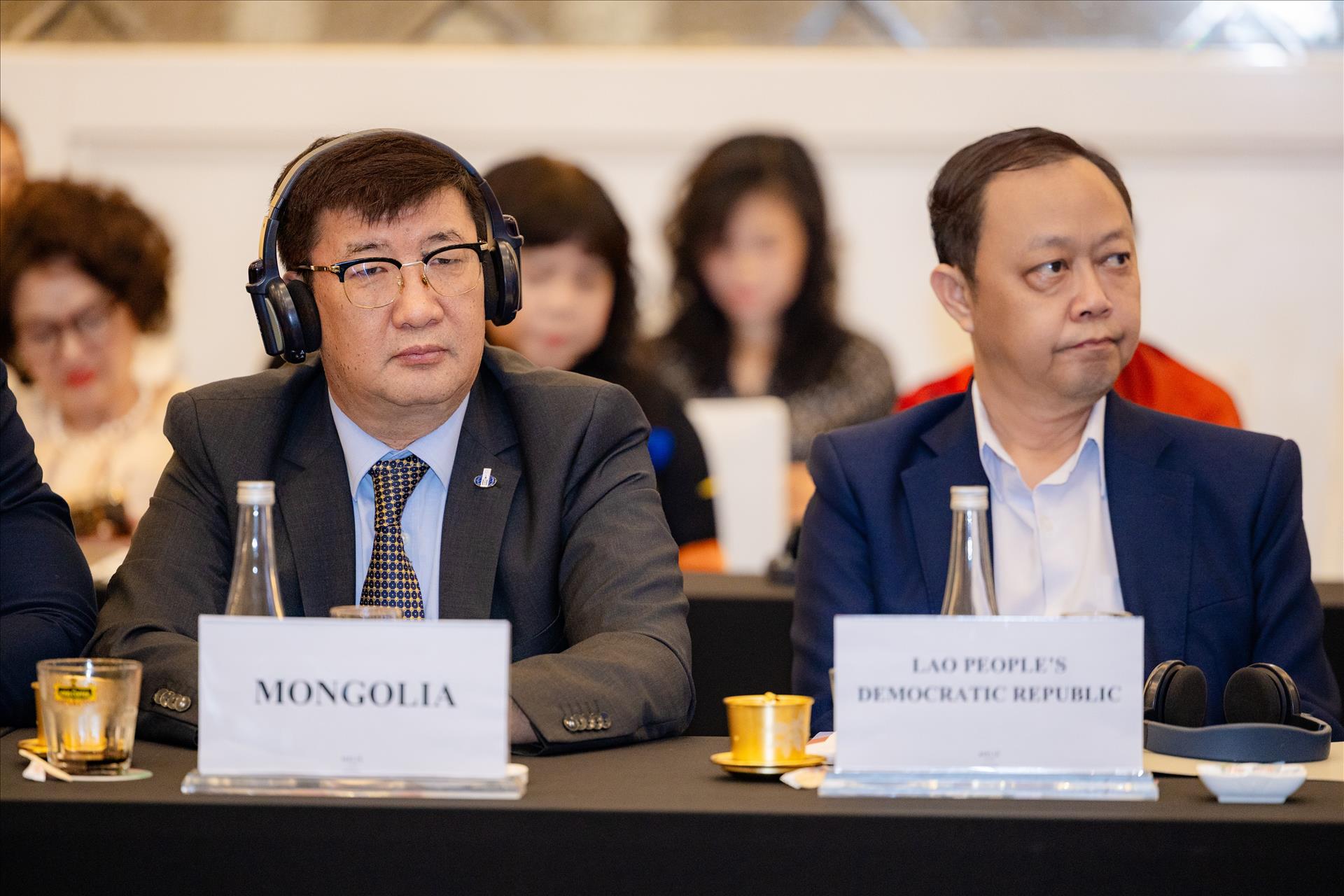
representatives from 19 diplomatic missions in Vietnam. More than a traditional
industry gathering, the conference signaled a strategic shift toward deeper
global integration and value-chain collaboration in the coffee sector.
A central milestone of the event was the formal
launch of the Global Coffee Alliance (GCA), a multilateral platform designed to
strengthen cross-border connectivity, enhance resource allocation, and drive
sustainable growth across the global coffee economy. The initiative reflects an
evolving industry consensus: long-term resilience will depend on coordinated
action among producing and consuming nations.
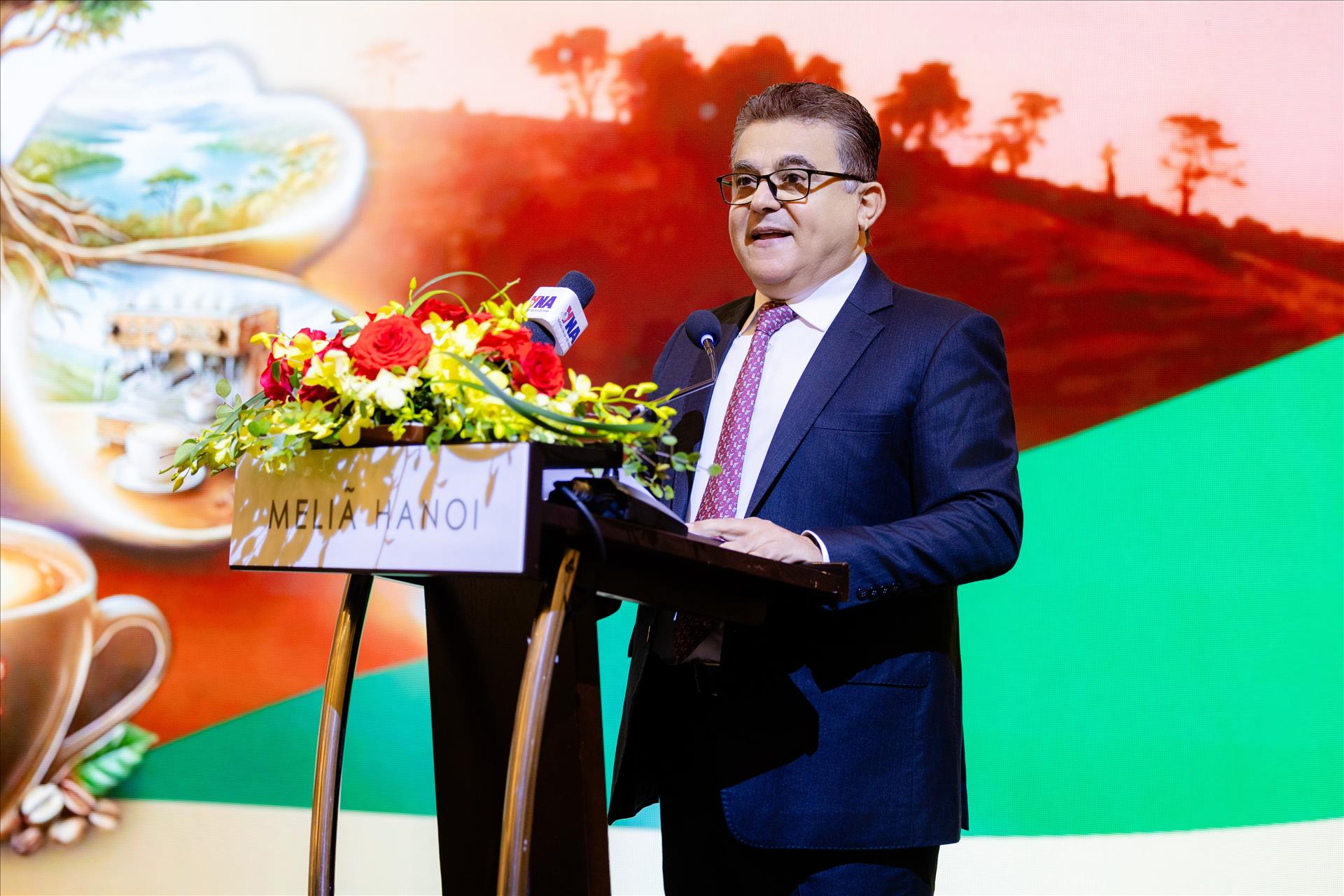
At the conference, Saadi Salama, Ambassador of Palestine and Head of the Palestinian Diplomatic Mission in Vietnam, emphasized that the International Coffee Conference 2026 extended far beyond the scope of a conventional trade event. In his view, coffee is not merely an economic commodity but also a cultural asset, one that serves as a diplomatic bridge, fostering dialogue and strengthening global cooperation among nations.
From an industry standpoint, Le Hoang Diep Thao emphasized the urgency of
building strategic alliances across production, processing, and distribution
networks. The GCA is expected to facilitate knowledge transfer, optimize supply
chains, and promote inclusive growth in the context of accelerating
globalization.
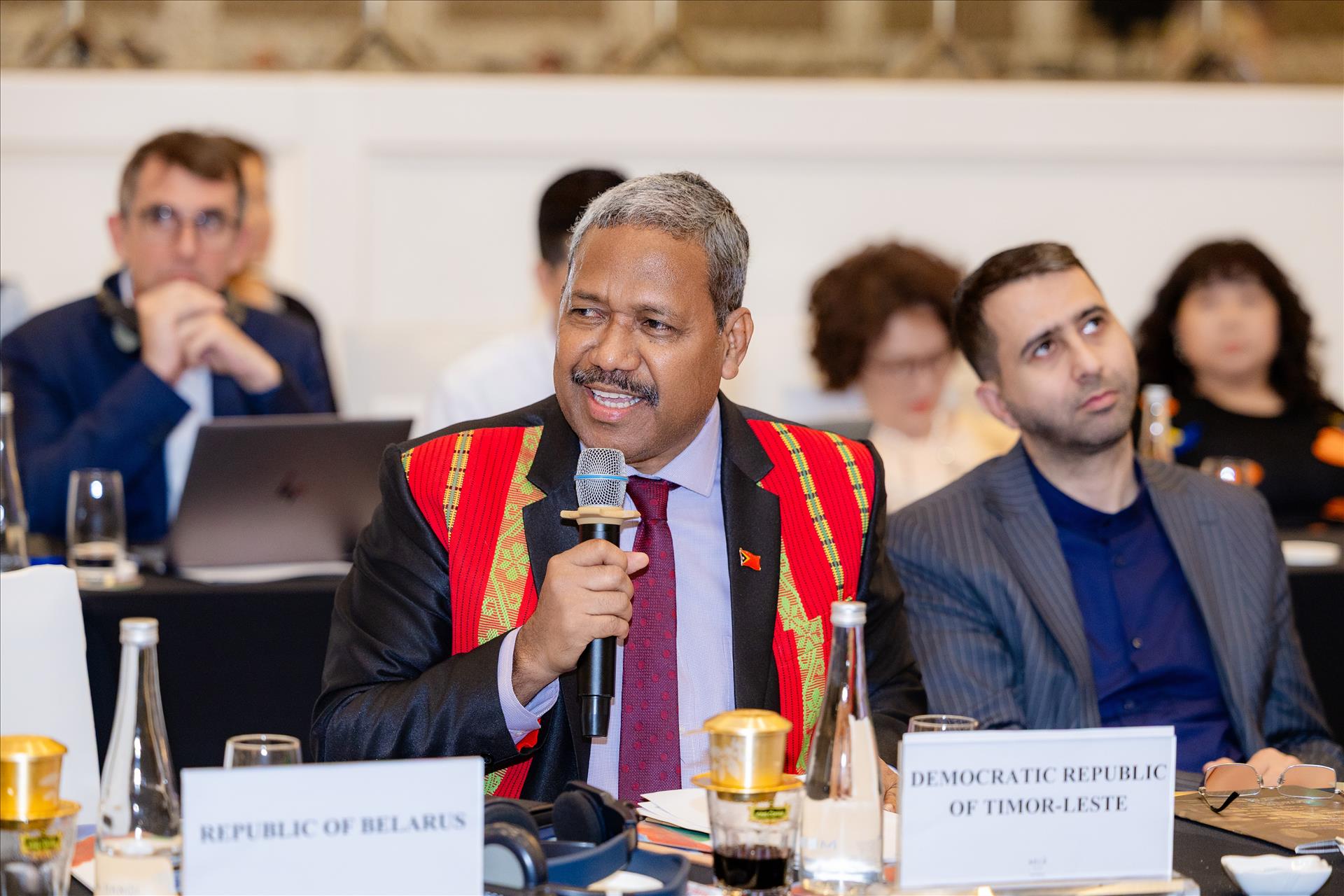
The global coffee sector is currently navigating a complex risk landscape,
including climate volatility, price fluctuations, and tightening requirements
for supply chain transparency. Under these conditions, fragmented approaches
are no longer viable. The GCA aims to establish a shared governance framework
capable of safeguarding natural ecosystems while connecting an estimated 125
million participants across the coffee value chain, ensuring that smallholder
farmers remain integral to future growth.
A key objective, Thao noted, is to reposition
countries like Vietnam from raw material
suppliers to higher-value participants in processing and branding. This
transition is critical to capturing greater margins and strengthening national
competitiveness in global markets.
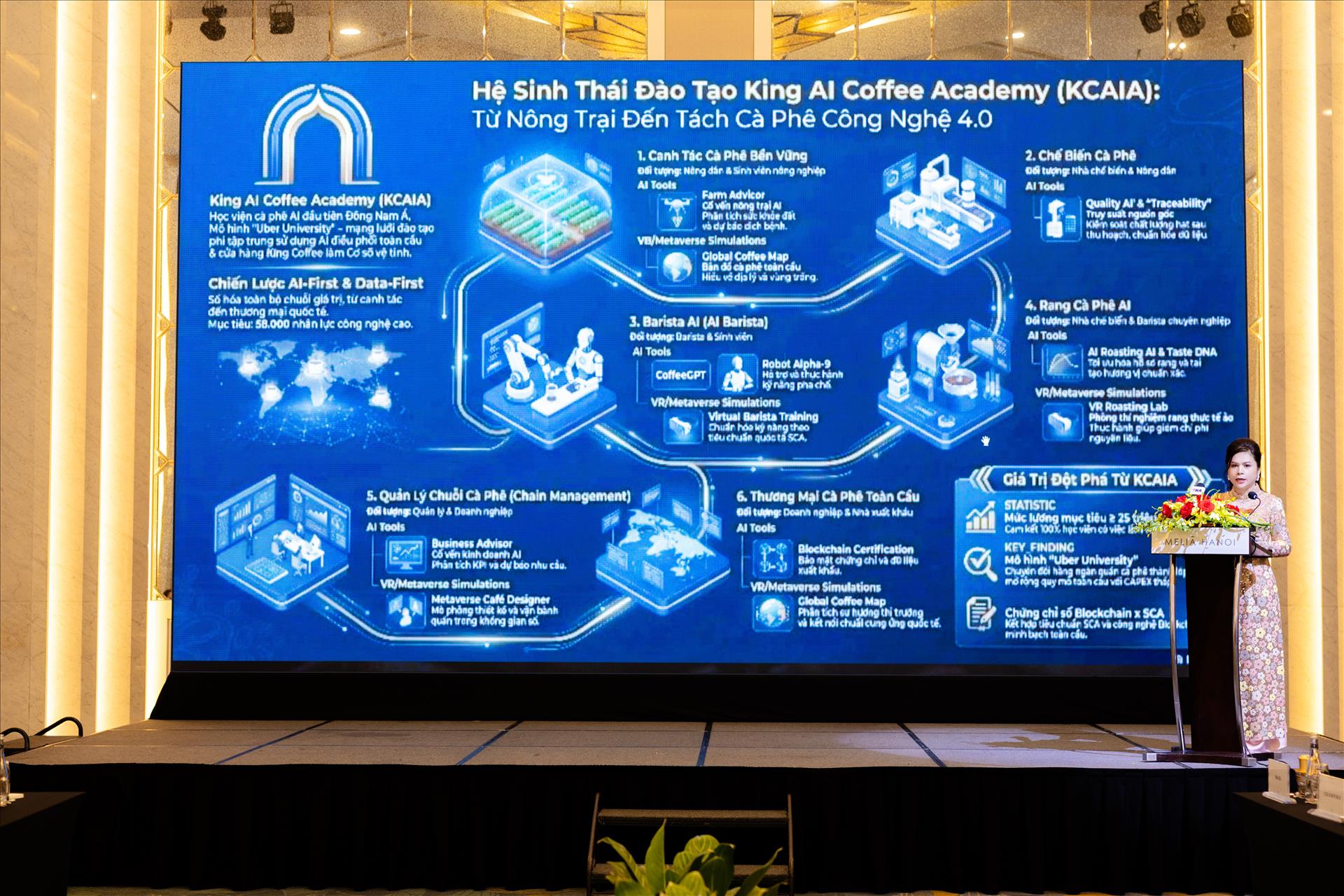
Looking ahead to 2040, the alliance envisions
a Net-Zero, technology-driven, and inclusive global coffee ecosystem. Its
strategic roadmap is anchored in five core pillars: ecology, livelihoods,
technology, knowledge, and culture - each aligned with long-term sustainability
and equitable value distribution.
As the world’s second-largest coffee exporter and a leading producer of
Robusta, Vietnam is uniquely positioned to shape the sector’s future
trajectory. The launch of the GCA in Hanoi marks a pivotal step, reinforcing
the country’s role as a proactive architect of a more integrated and
sustainable global coffee economy.