Keeping Alive a Hanoi Craft
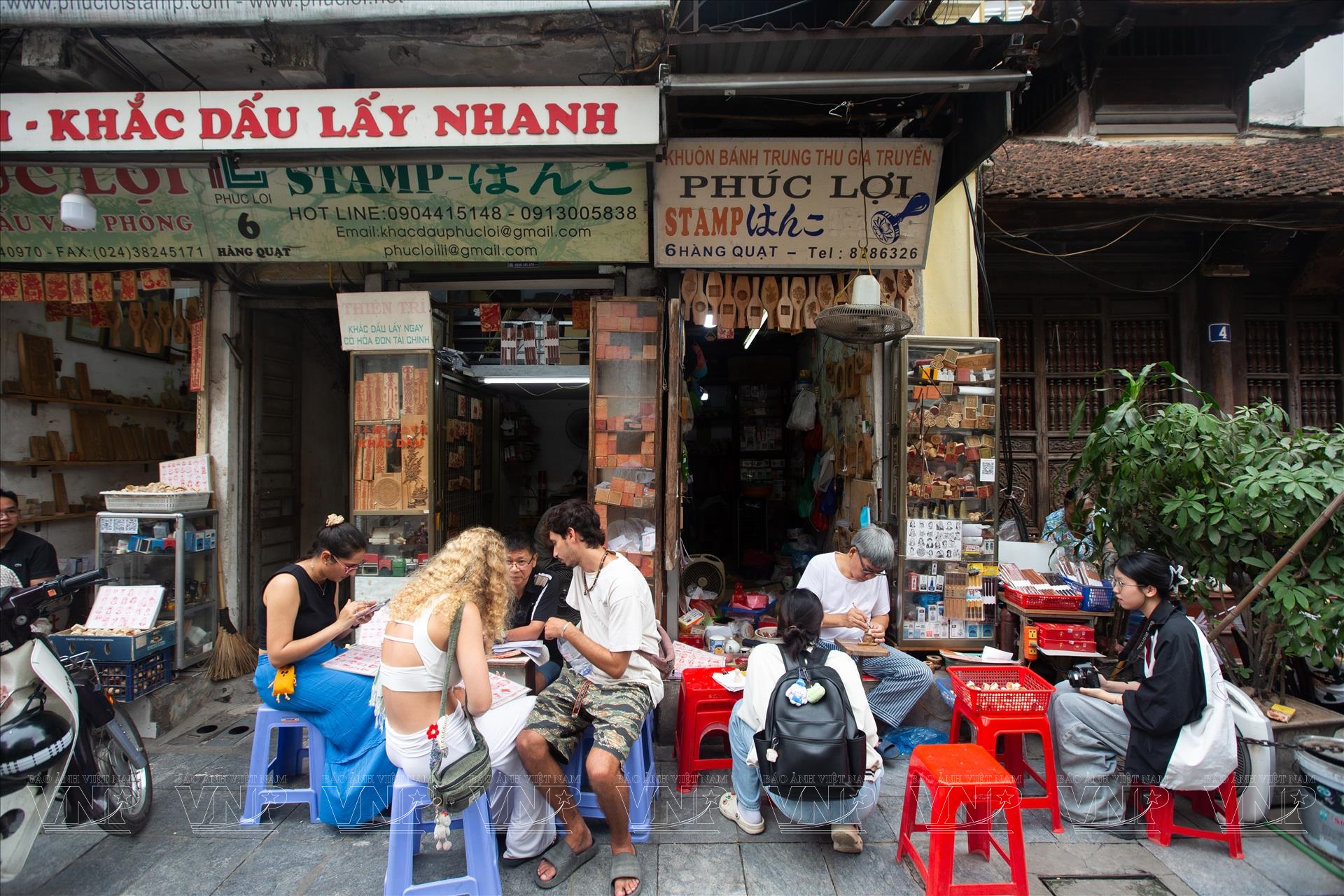
In the busy Old Quarter, the Phuc Loi seal shop on Hang Quat Street is a deliberate pause of time. Inside this weathered workshop, the sound of carving tools echoes daily, a rhythmic heartbeat preserving a craft that is becoming a relic of the past.
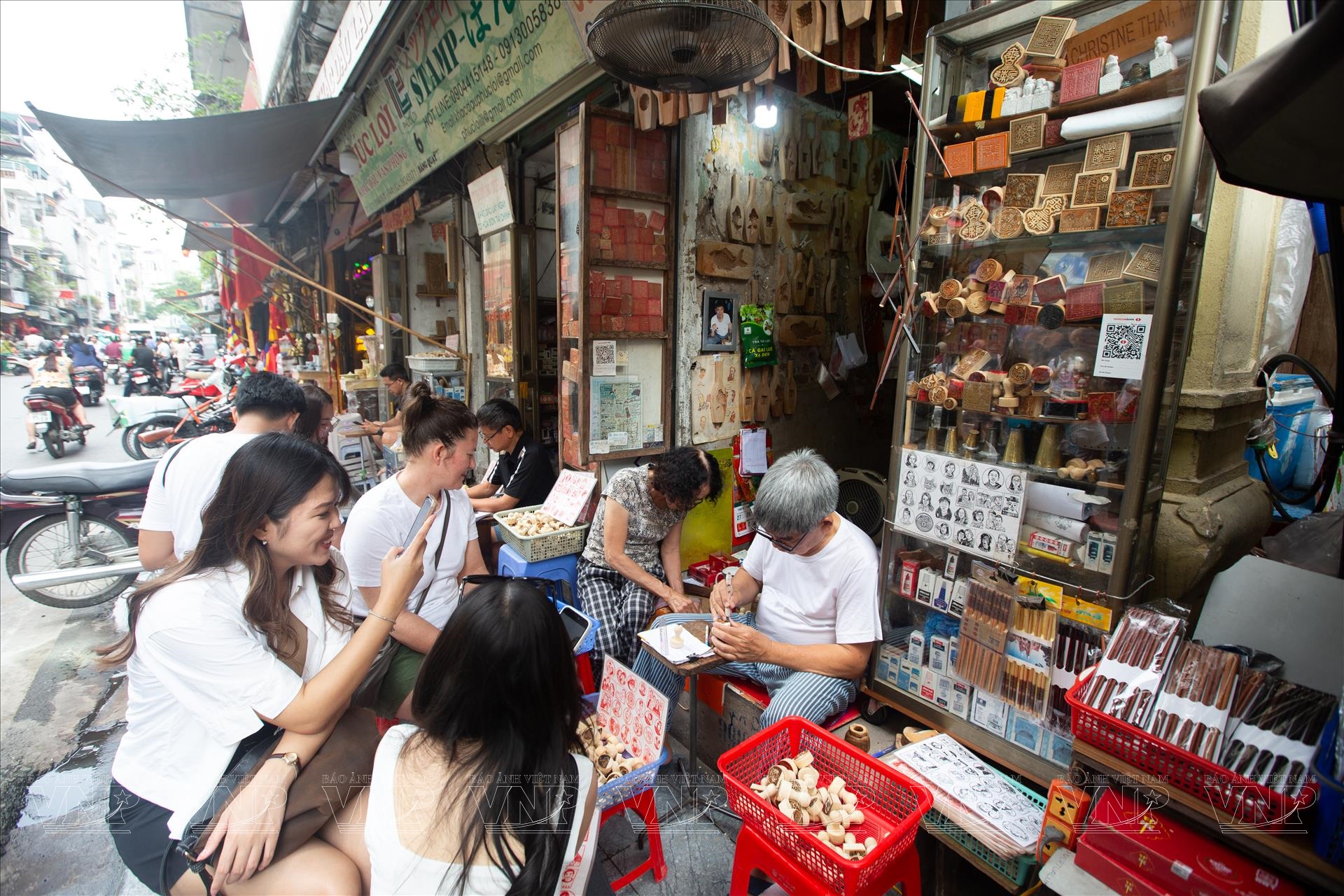
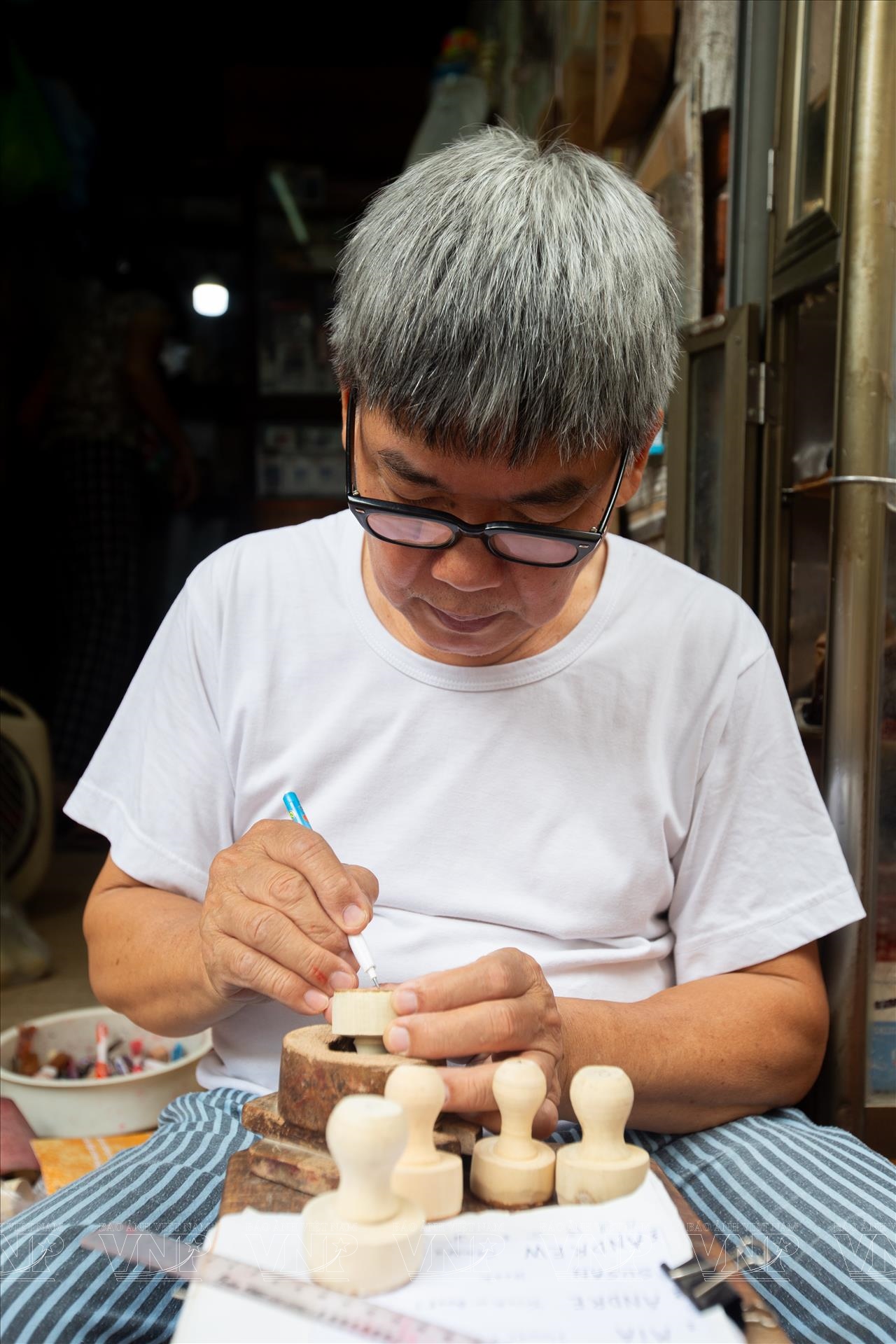
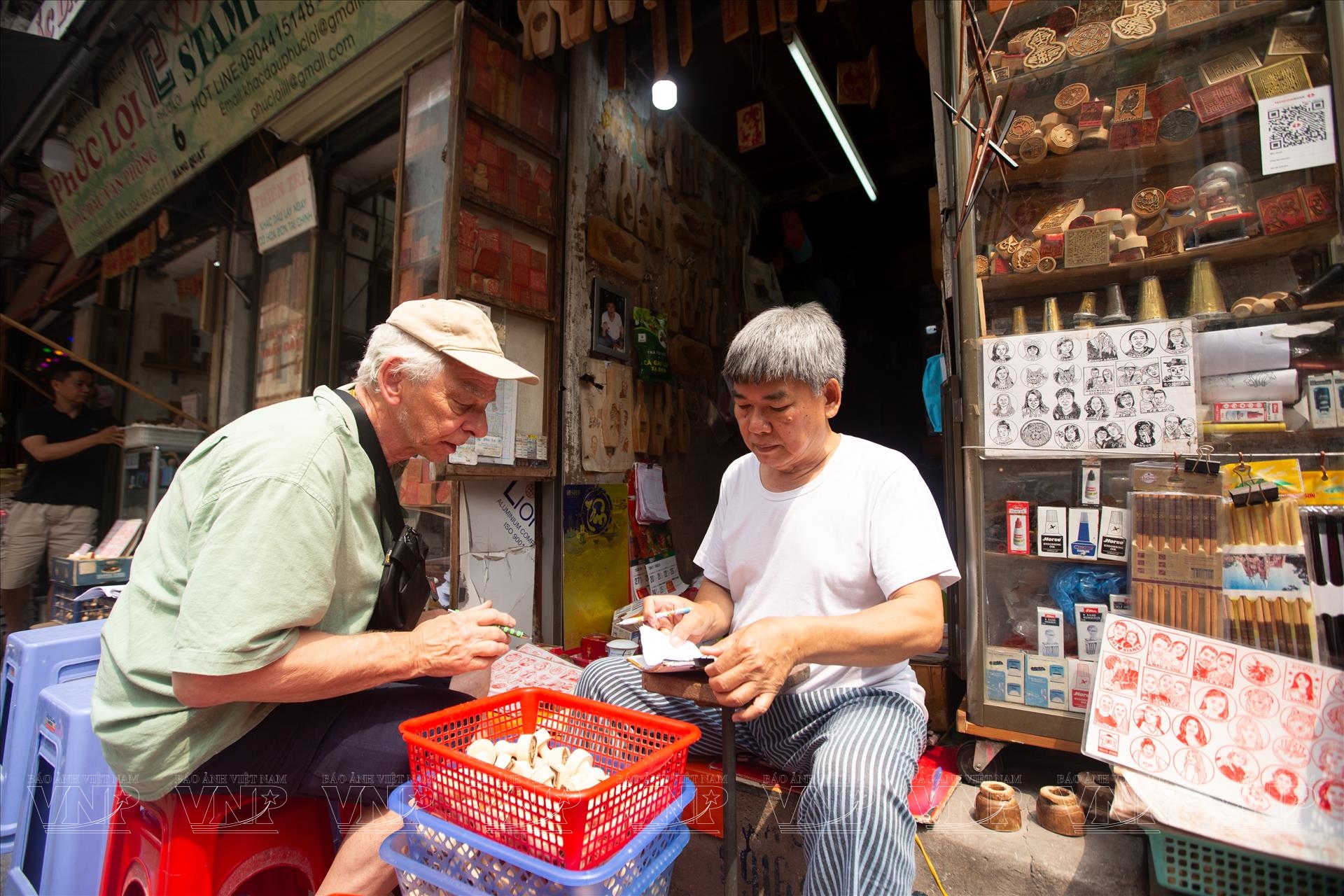
The shop is run by Pham Ngoc Toan, an artisan who has spent over 40 years coaxing stories out of timber. Toan was once a teacher, but the pull of his heritage proved stronger than the classroom. He eventually traded chalk for the chisels and wooden blocks that had defined his childhood, returning to the family trade he couldn't leave behind.
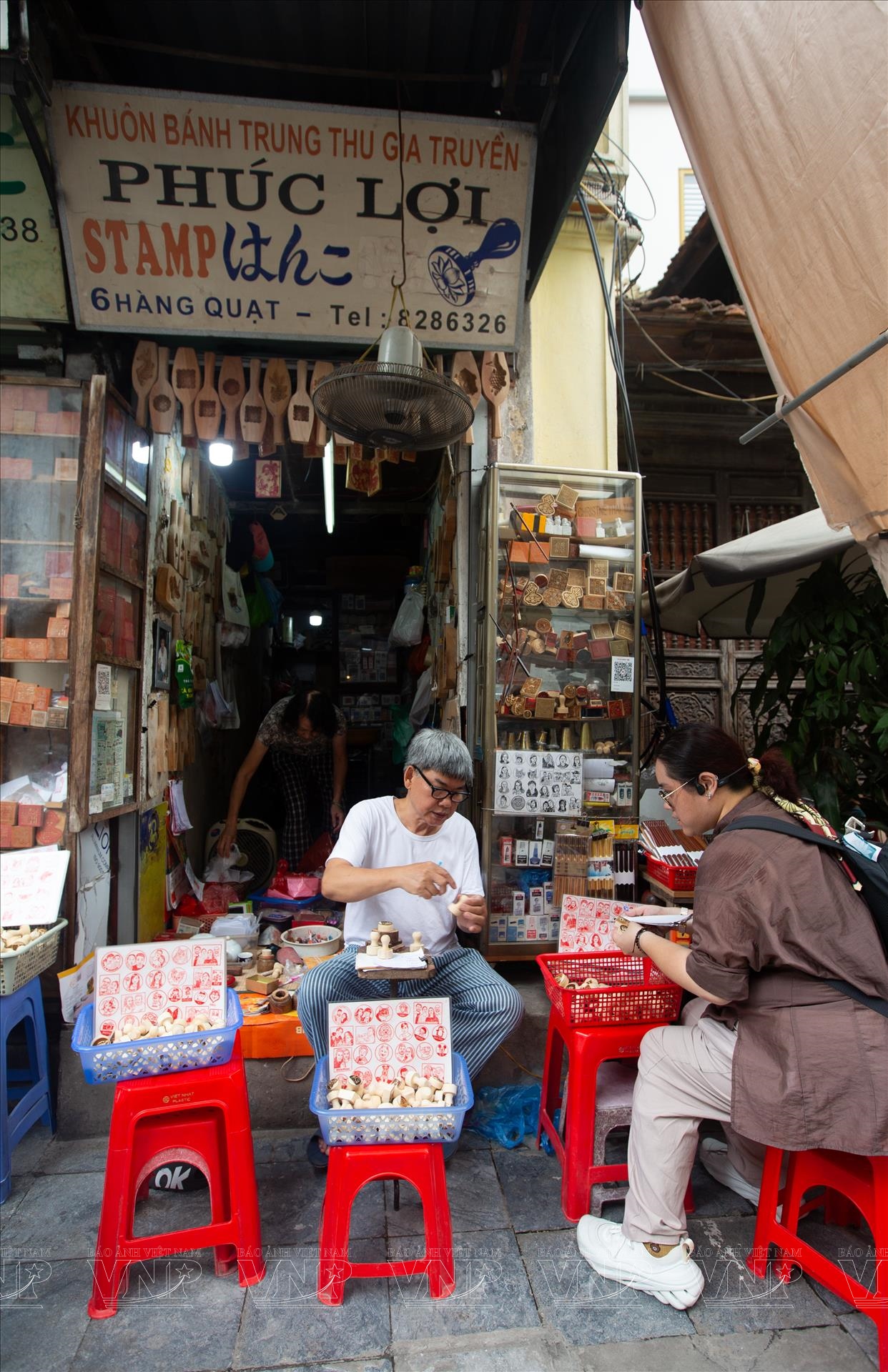
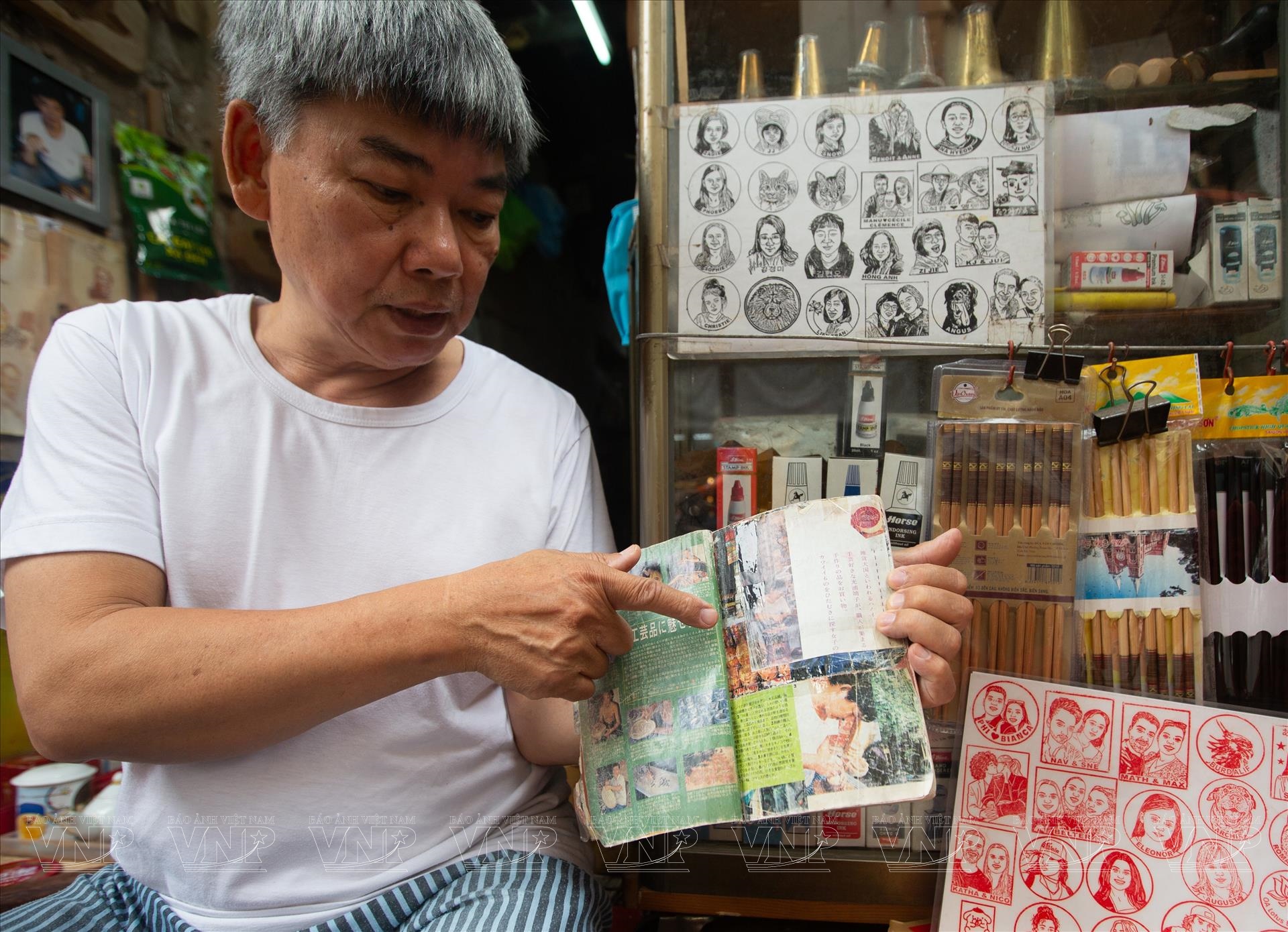
“The craft became part of me without me even realizing it,” Toan reflects. For him, the art is a genetic inheritance, passed down from his grandfather to his father. He grew up with the scent of freshly cut wood and the disciplined geometry of hand-carving. It is a challenging process: simple designs may emerge in twenty minutes, while complex commissions can demand a week of unwavering focus.
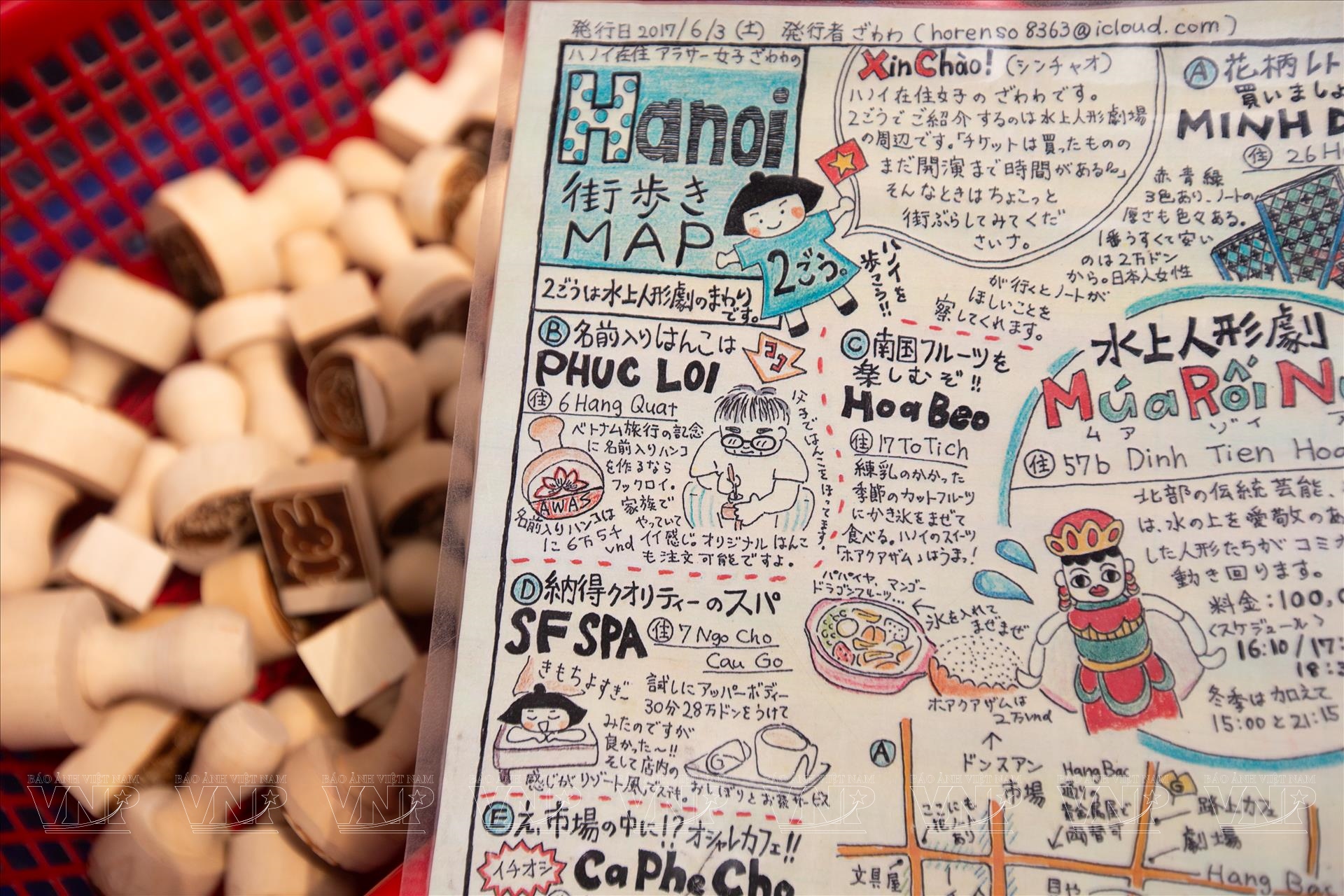
More than a storefront, Phuc Loi is a living archive. Today, the shop has a global audience- international travelers seeking a gift of Vietnamese soul- and increasingly young locals.
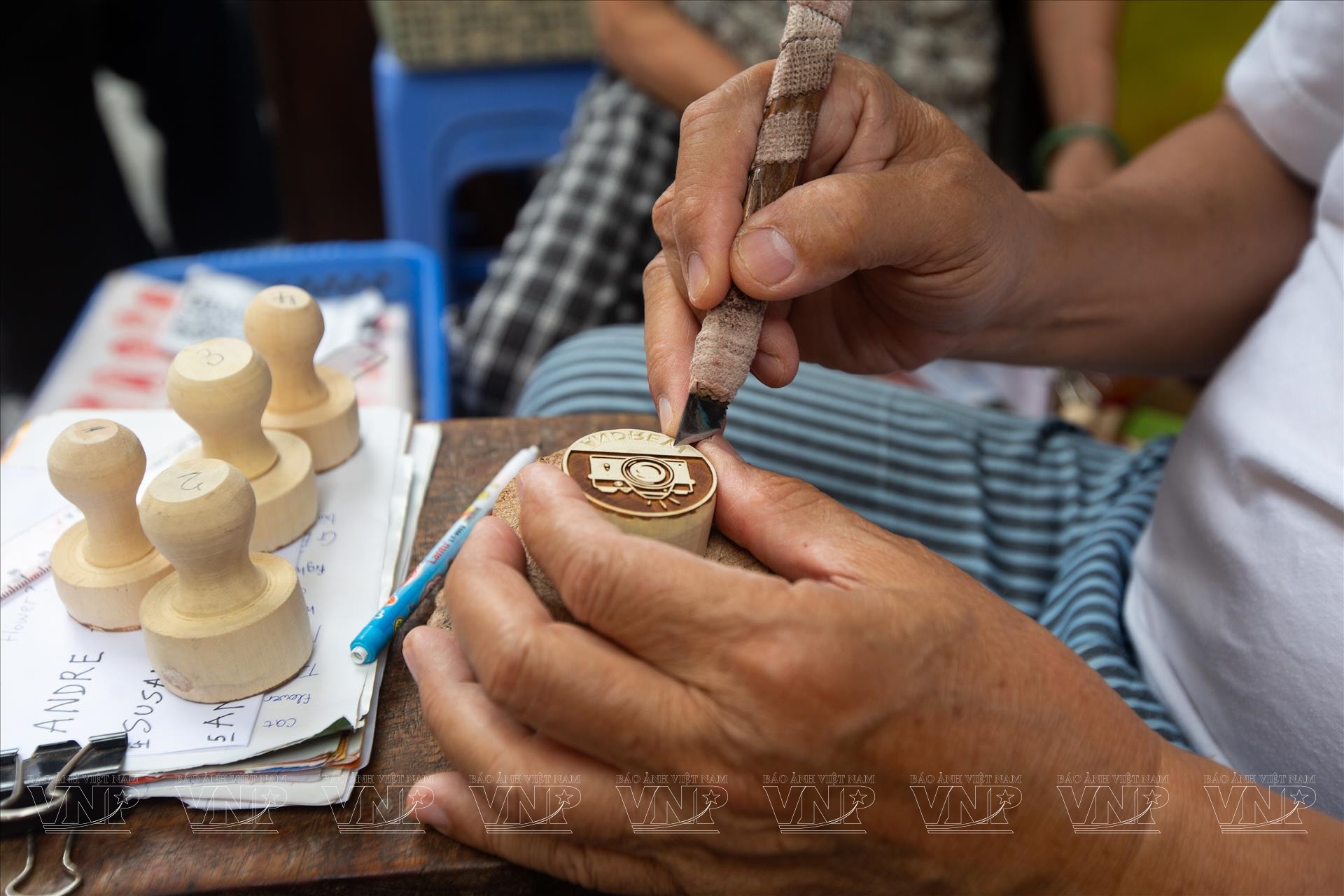
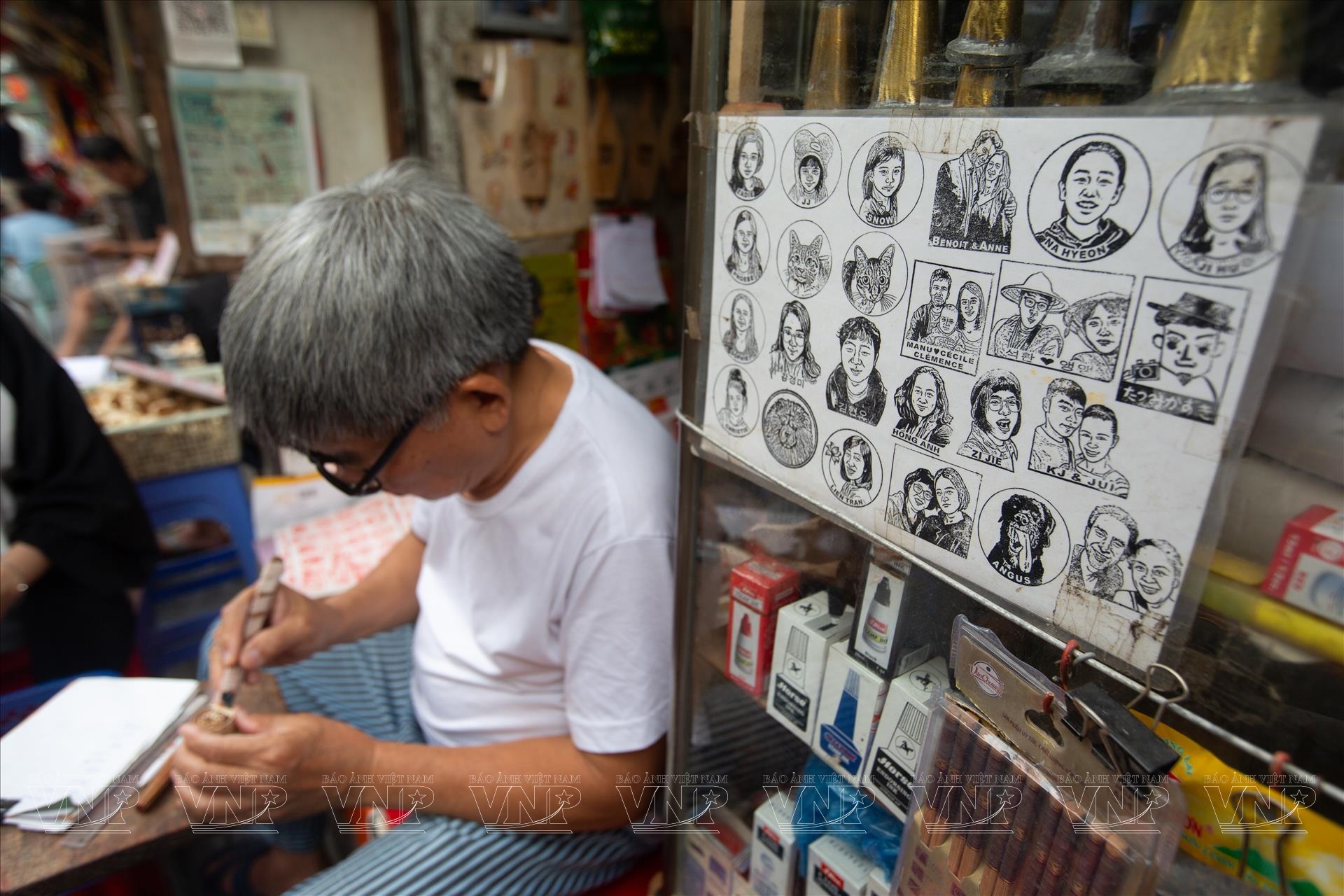
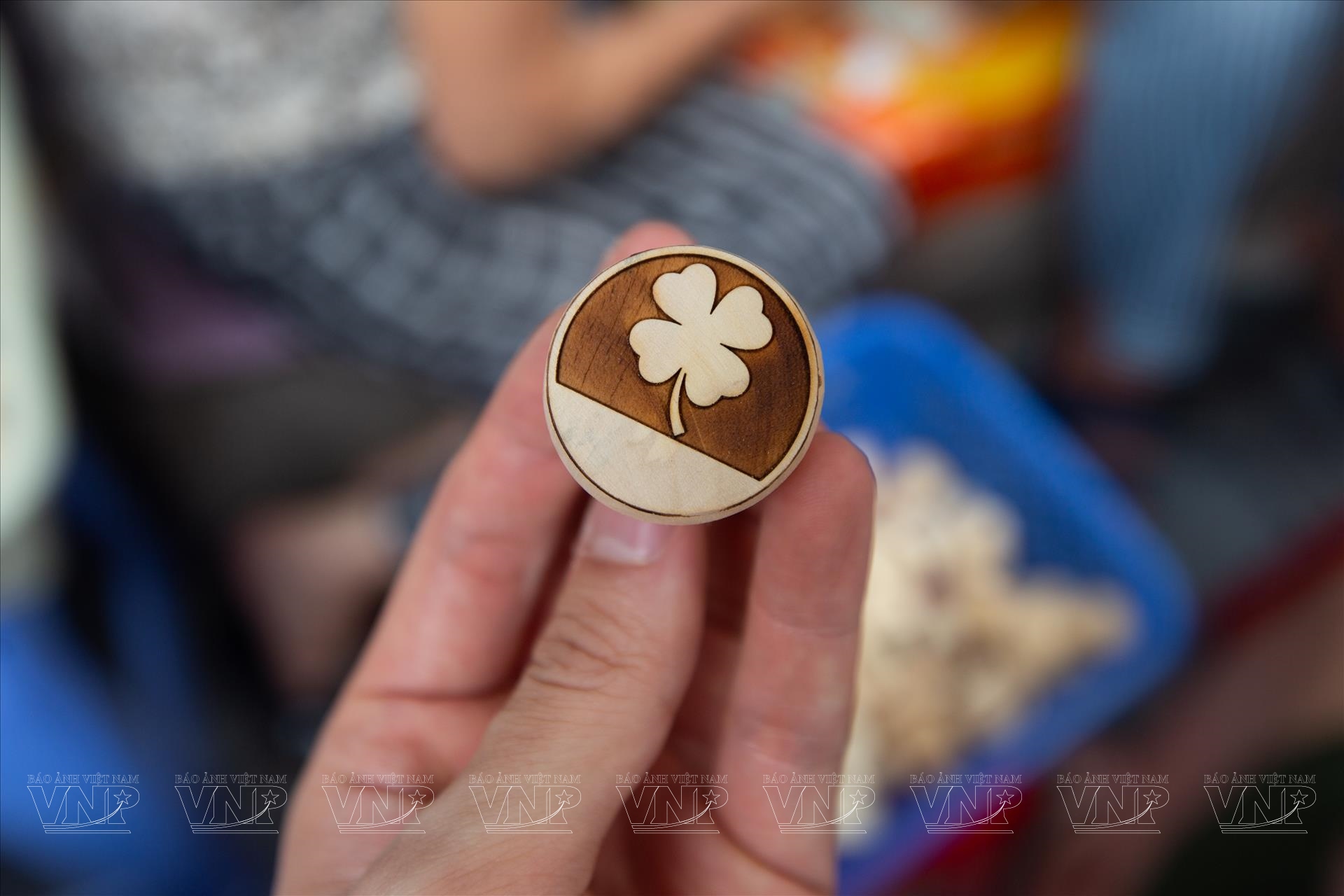
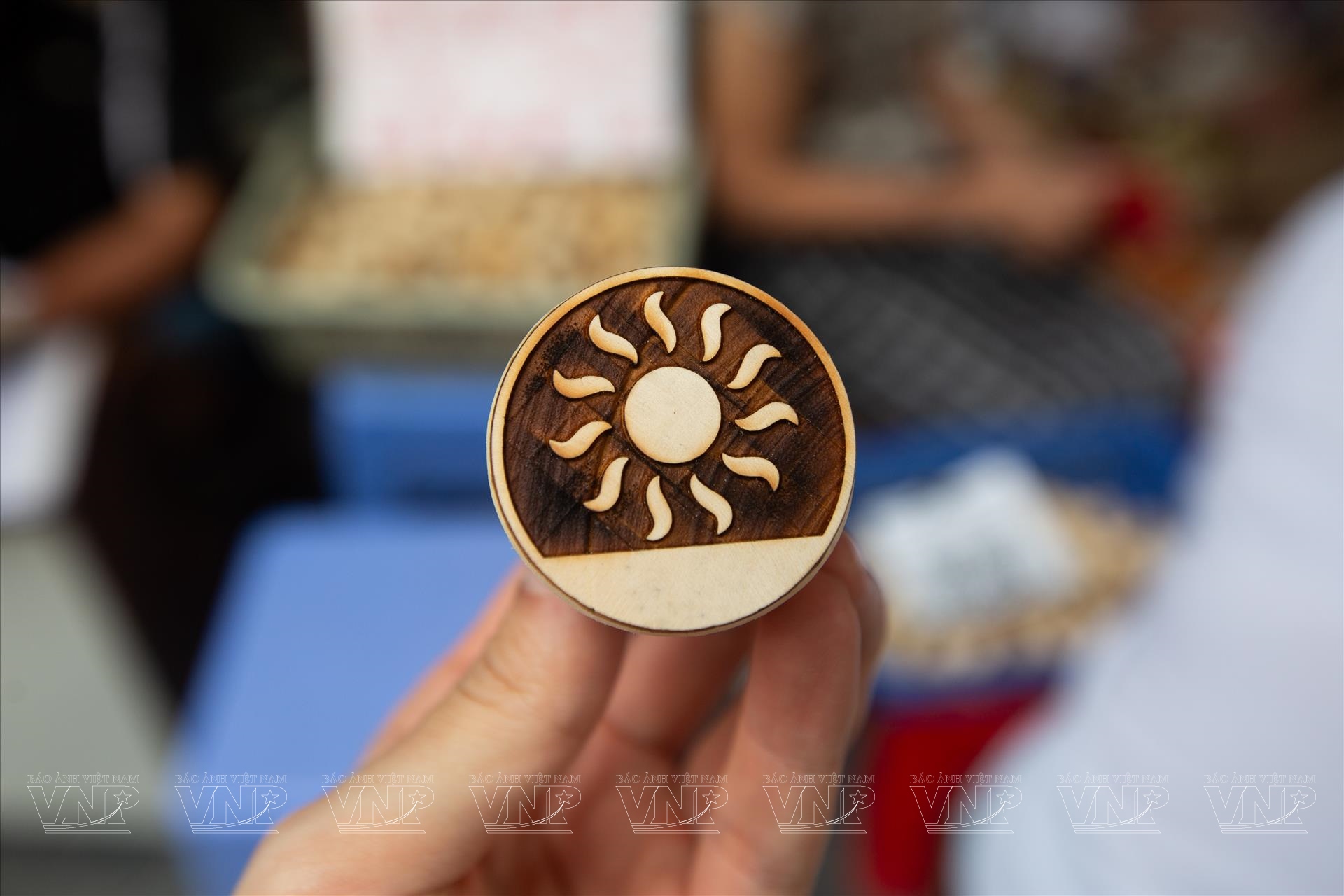
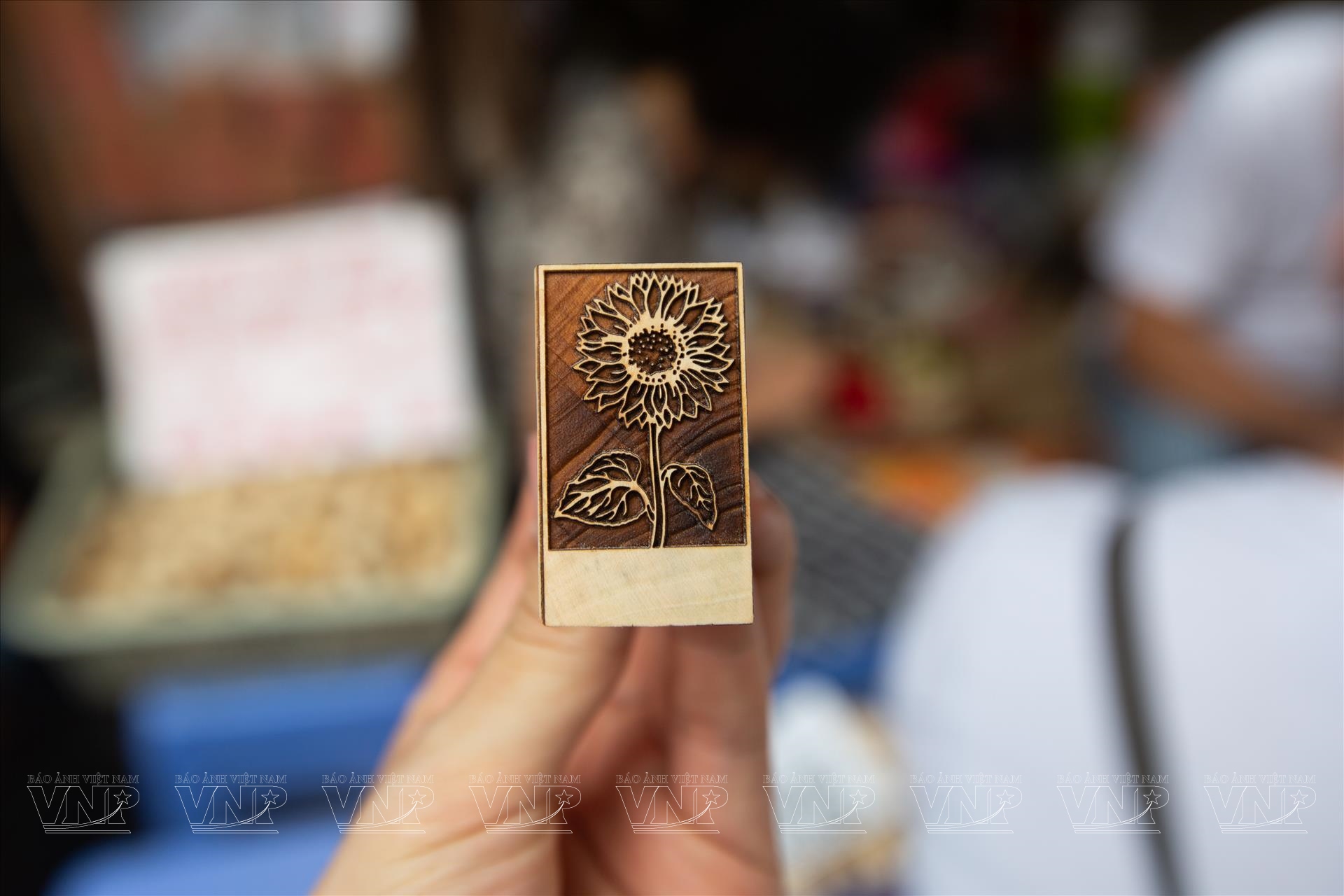
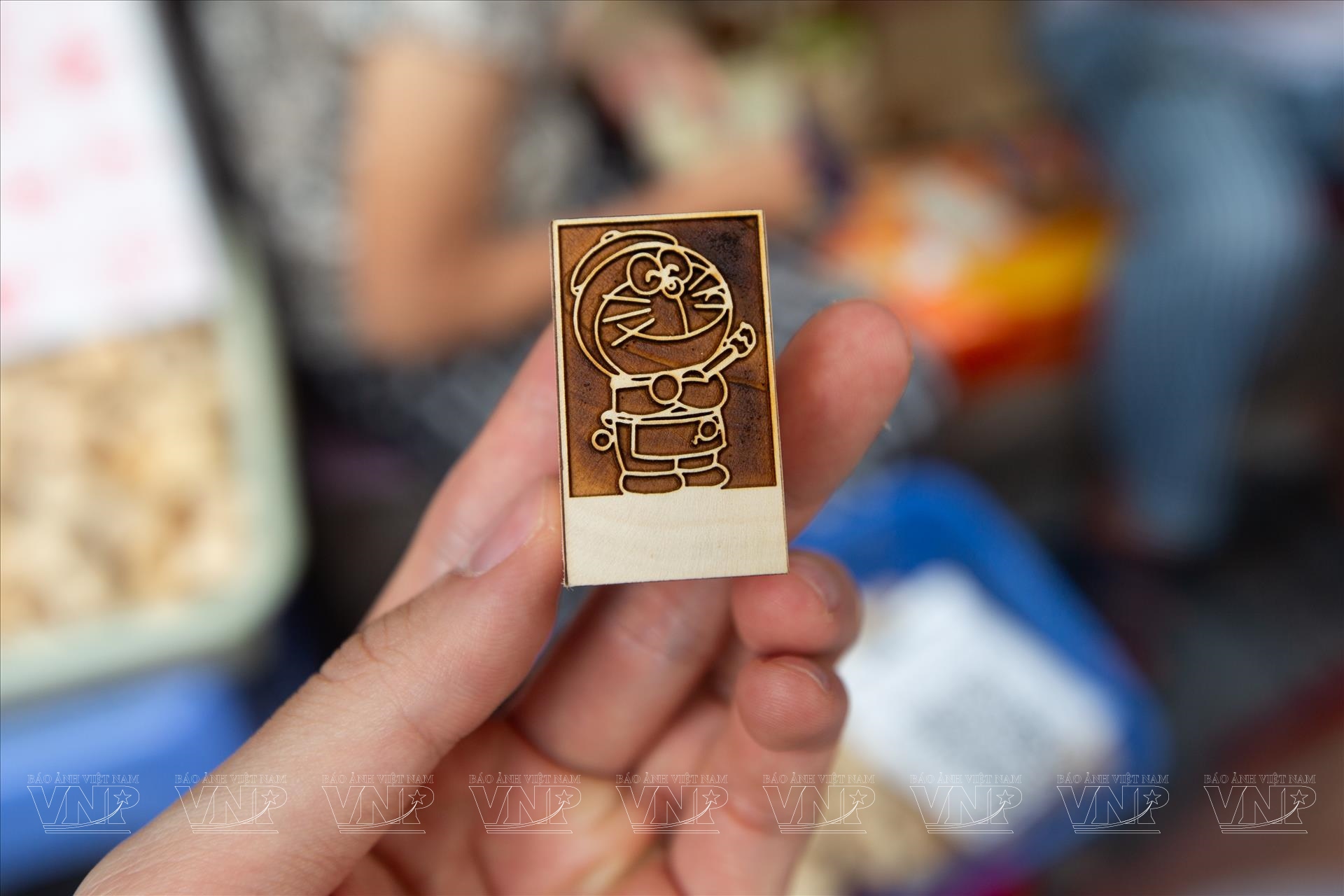
Thanks to the digital reach of social media, young people in Hanoi are rediscovering the seal craft, sparked by Toan’s ability to blend contemporary designs with ancestral techniques.
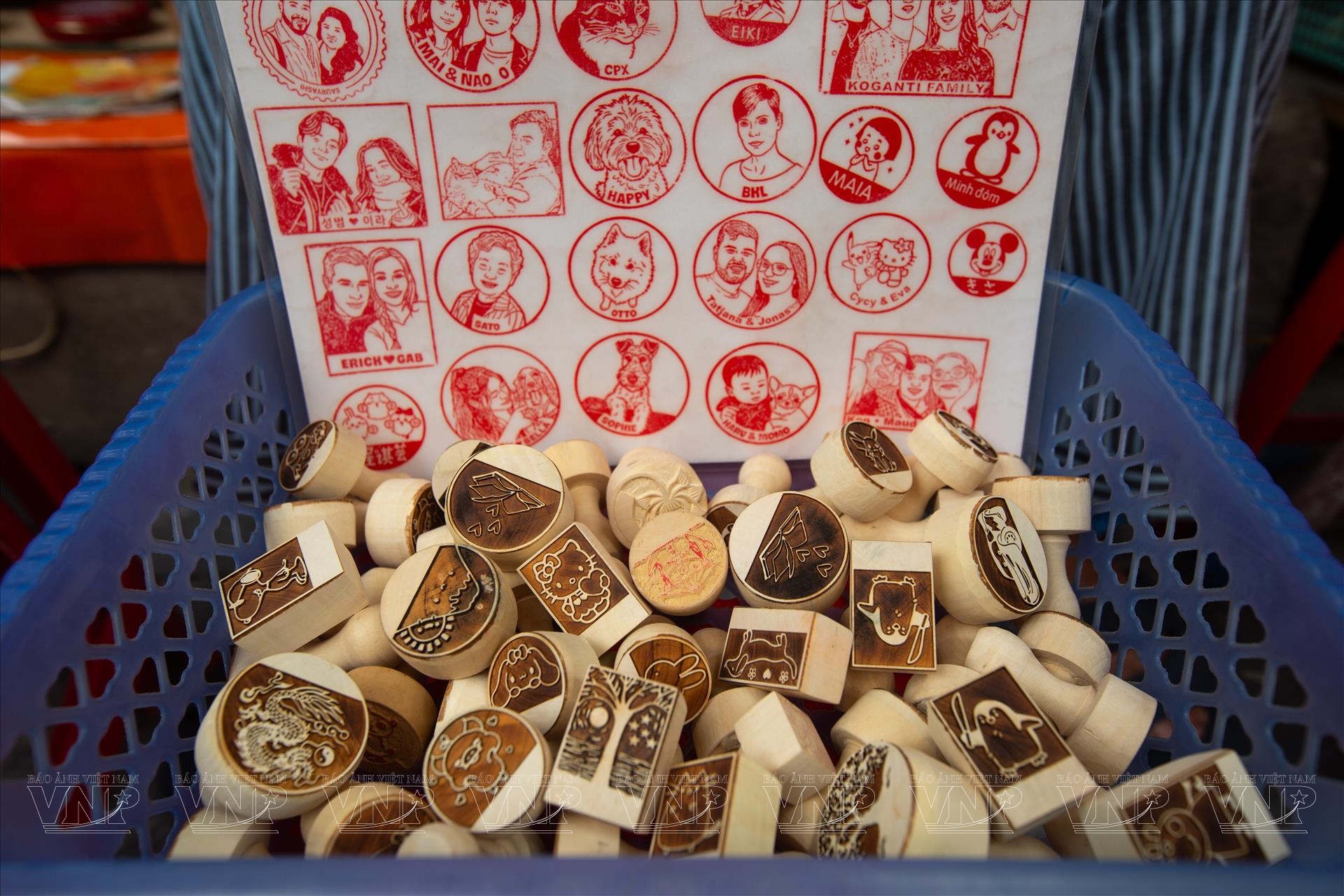
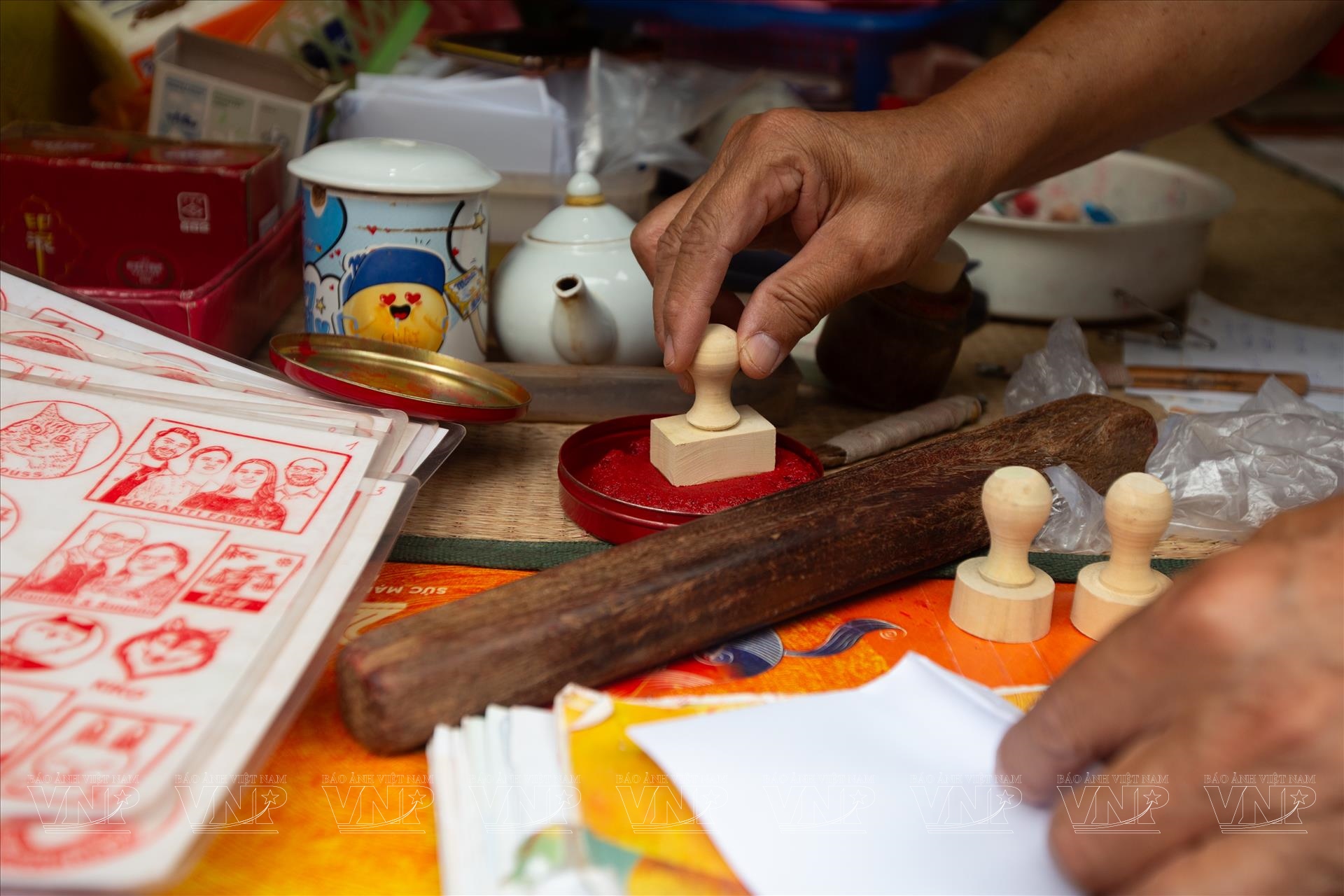
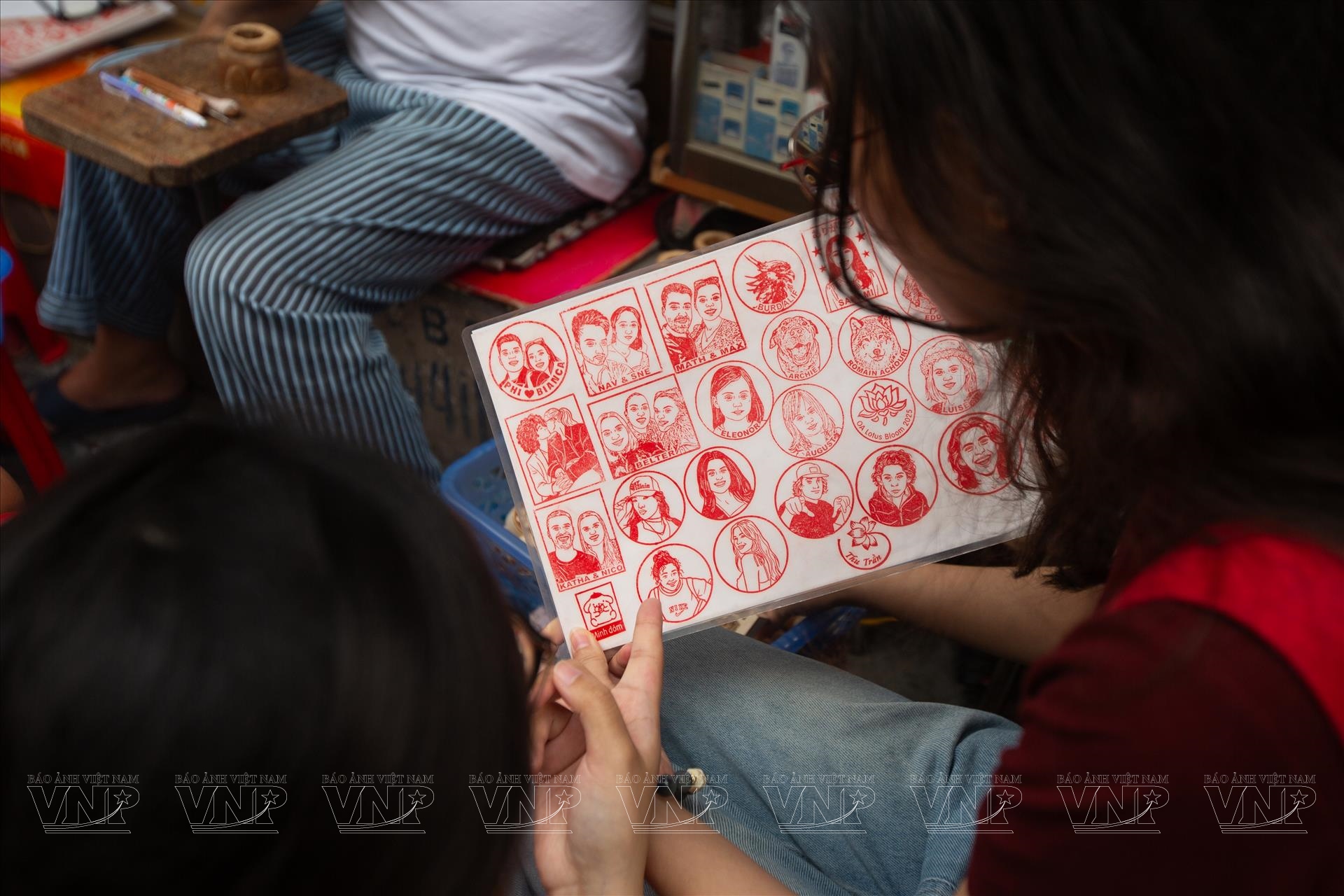
In an era of rapid urbanization, hand-carved seals were once at risk of fading into obscurity. Yet, through the love of artisans like Toan, the small wooden blocks continue to do what they have always done: leave a permanent mark of Hanoi’s old trades and its culture.
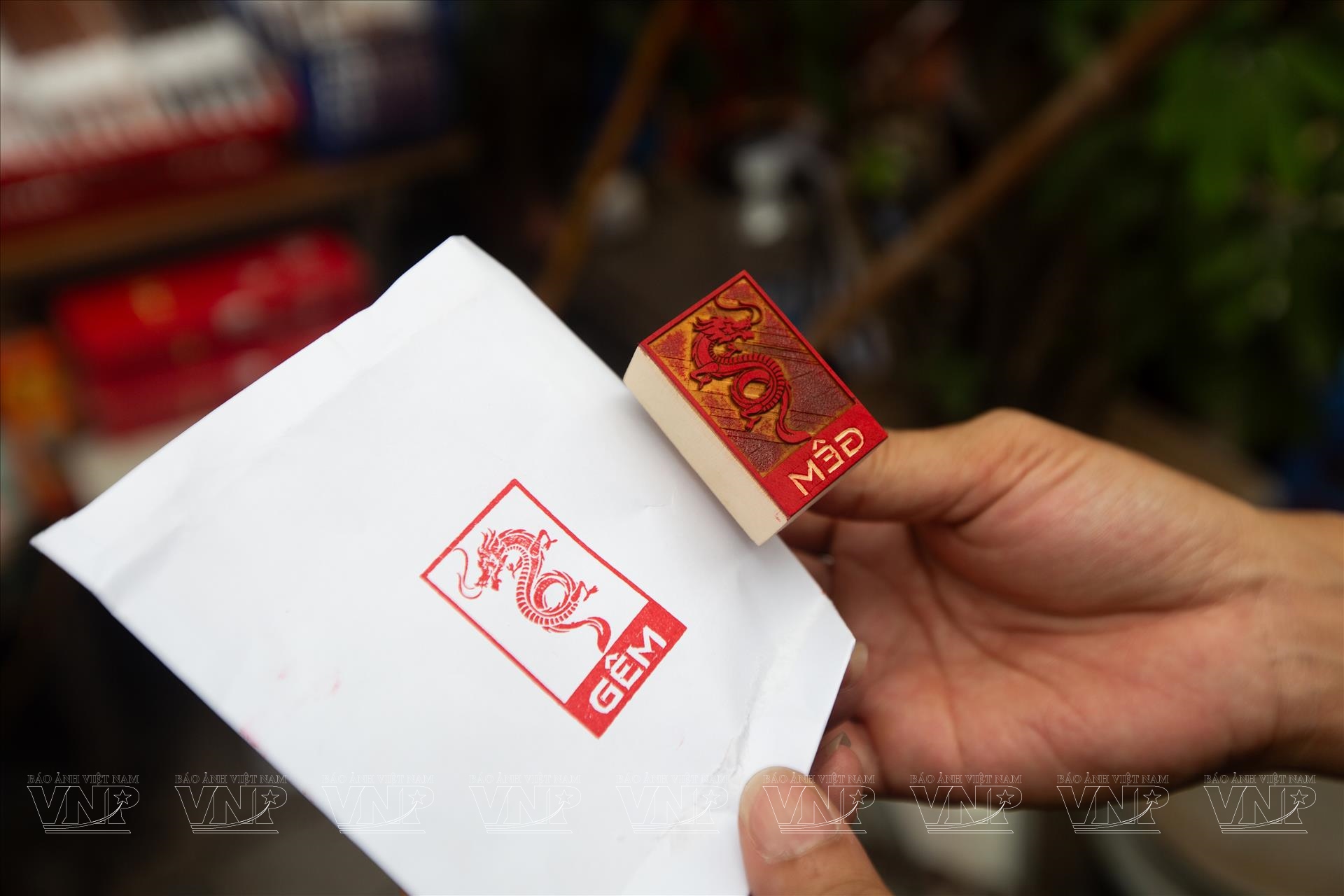
By Khanh Long/VNP