Ho Chi Minh City: Impressive Numbers
On July 2, 1976, the National Assembly of Vietnam renamed the historic Saigon - Gia Dinh area as Ho Chi Minh City. Half a century later, the city has grown into a dynamic economic powerhouse, an international trade hub, and a leading innovation center.
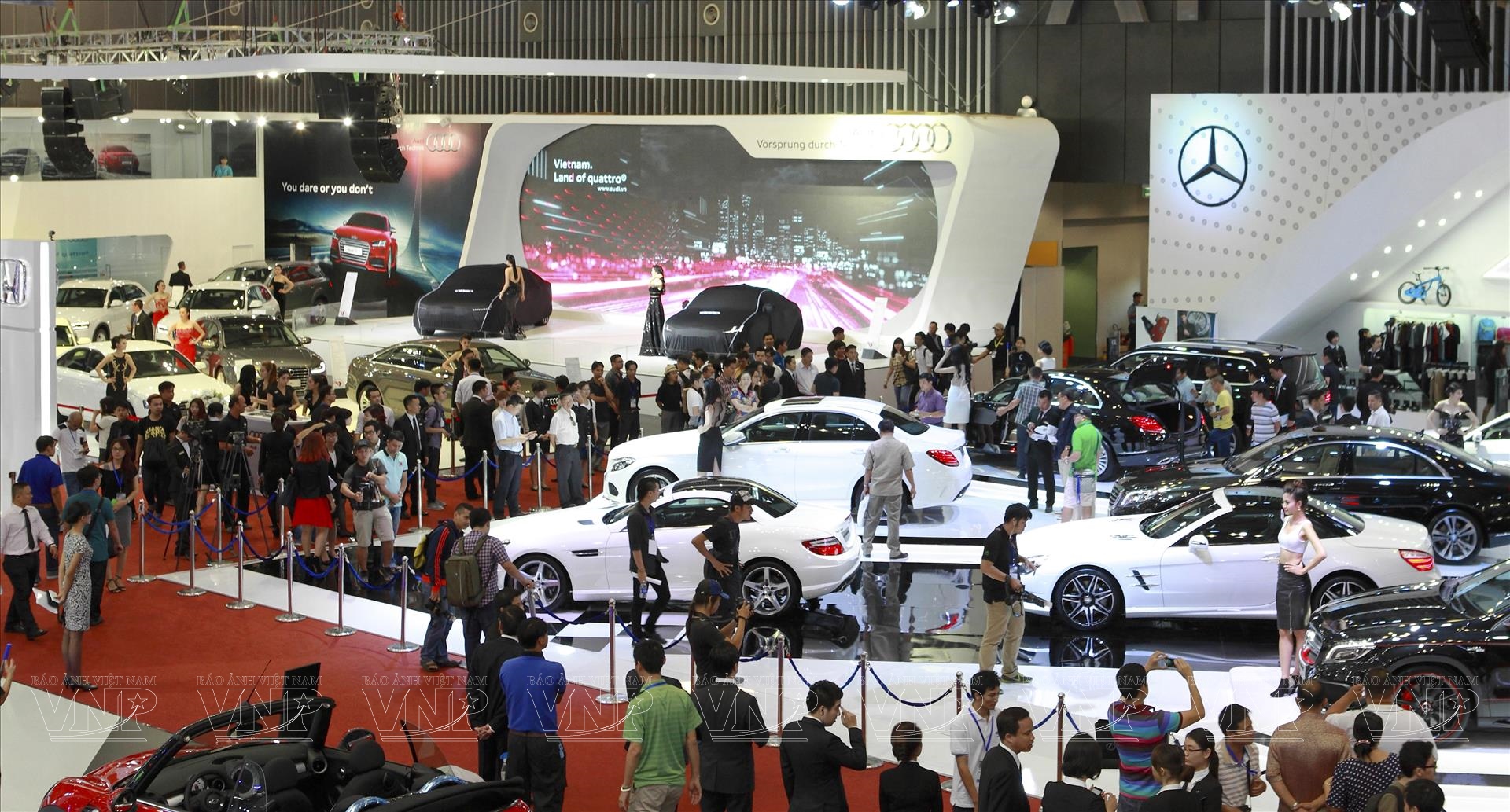
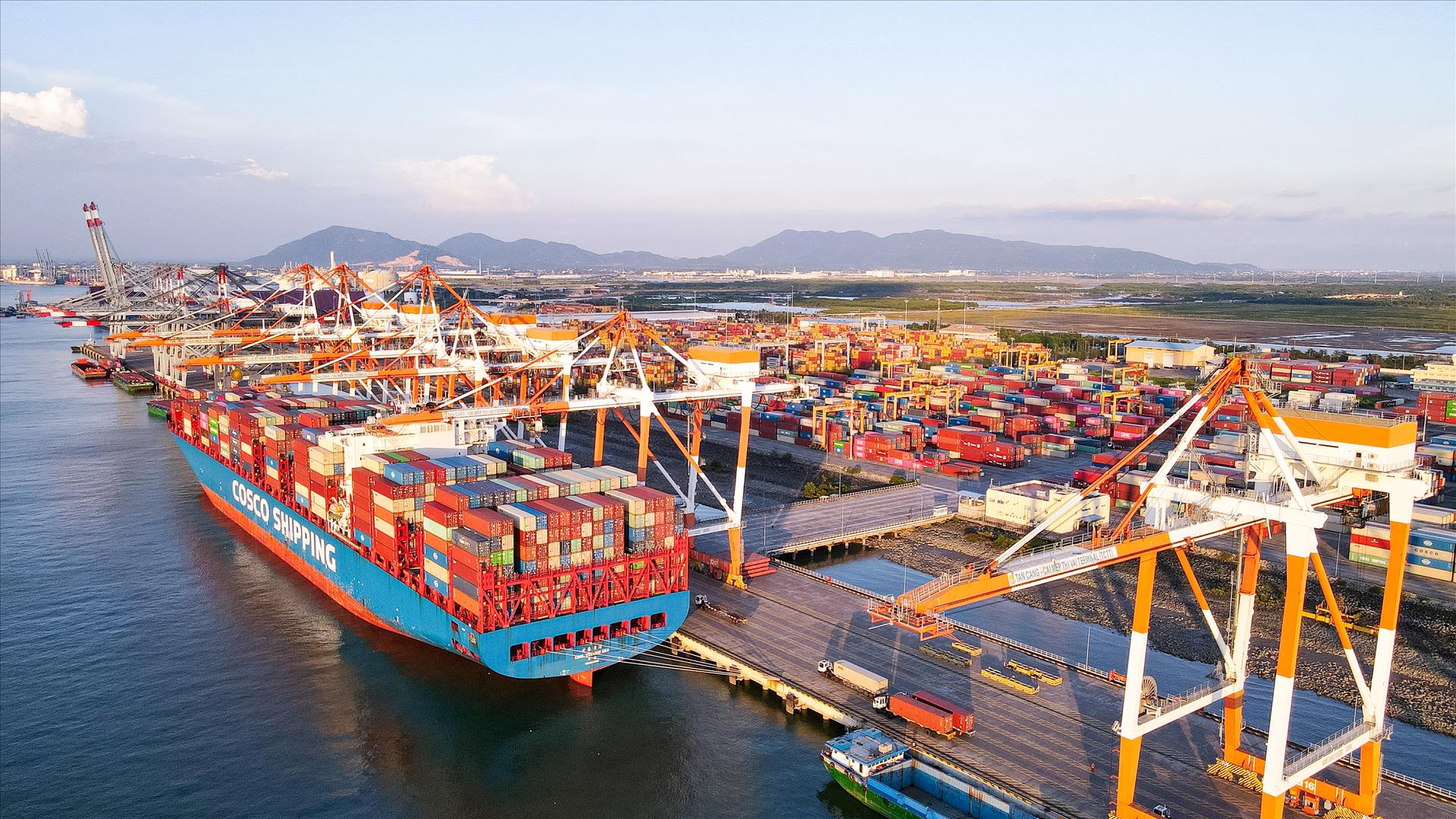
2024
• GRDP: Growing at nearly 7.2%.
• Tax Revenues: Surpassing the threshold of 500 trillion dong, reaching over 508.553 trillion dong.
• Services and Retail Sales: Increasing nearly 11% to 1.206 quadrillion dong.
• Tourism: 6 million international arrivals and 36 million domestic tourists, with 190 trillion dong in total revenues.
• Economic Density: Generating 848.7 billion dong in added value per square kilometer of land.
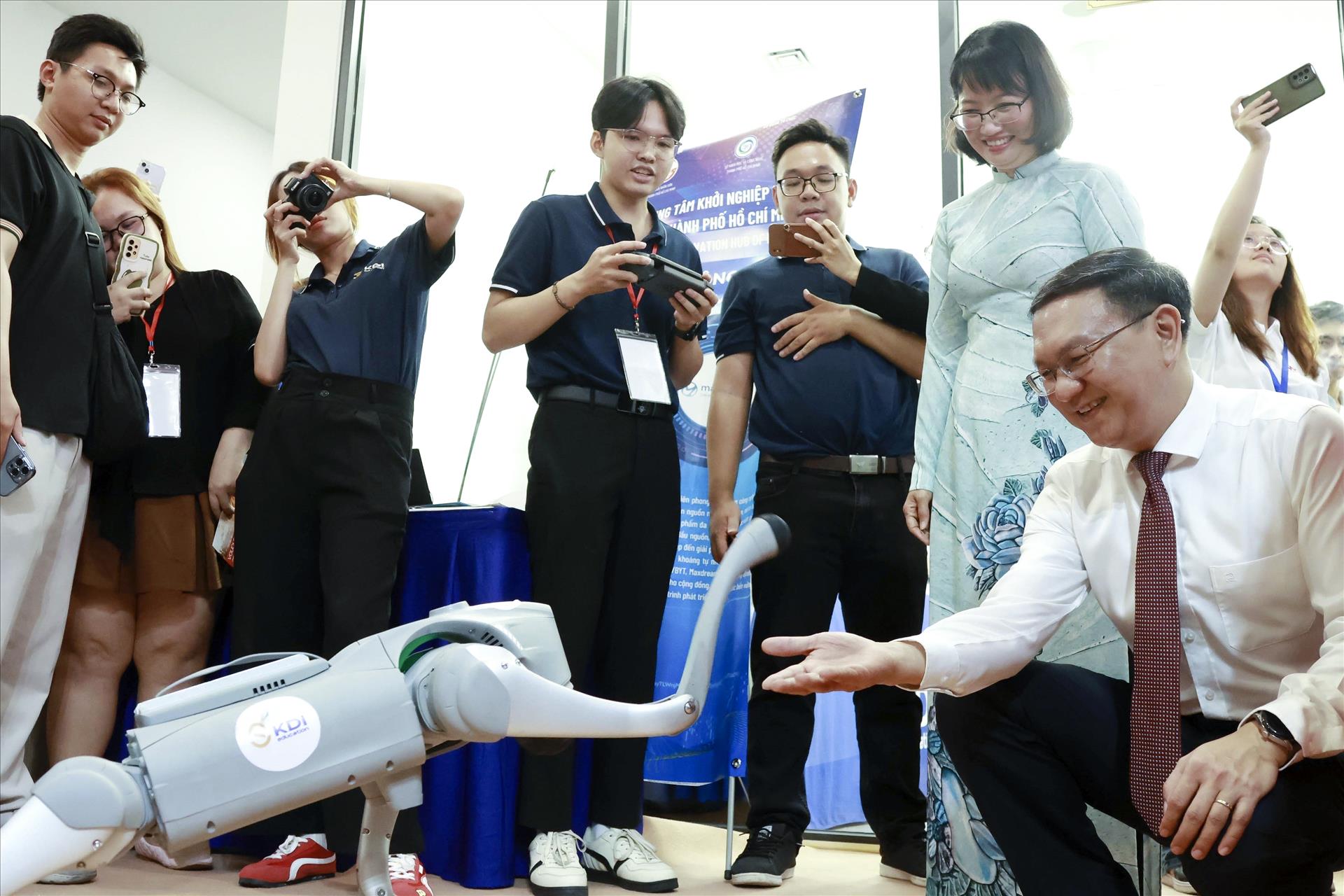
2025
• GRDP: Up over 7.5% after an administrative merger with Binh Duong and Ba Ria - Vung Tau provinces.
• GRDP per capita: 8,755 US dollars, 1.7 times the national average.
• Tax Revenues: Around 746.438 trillion dong.
• Business Demography: 59,750 new enterprises.
• FDI: Around 8.37 billion US dollars.
• Tourism: 8.6 million foreign arrivals and 46 million local tourists, 278.566 trillion dong in revenues.
• Growth Model: Shifting to knowledge-based economy model in 2024 - 2025.
• Total Factor Productivity: Making up 59% of GRDP growth by 2025.

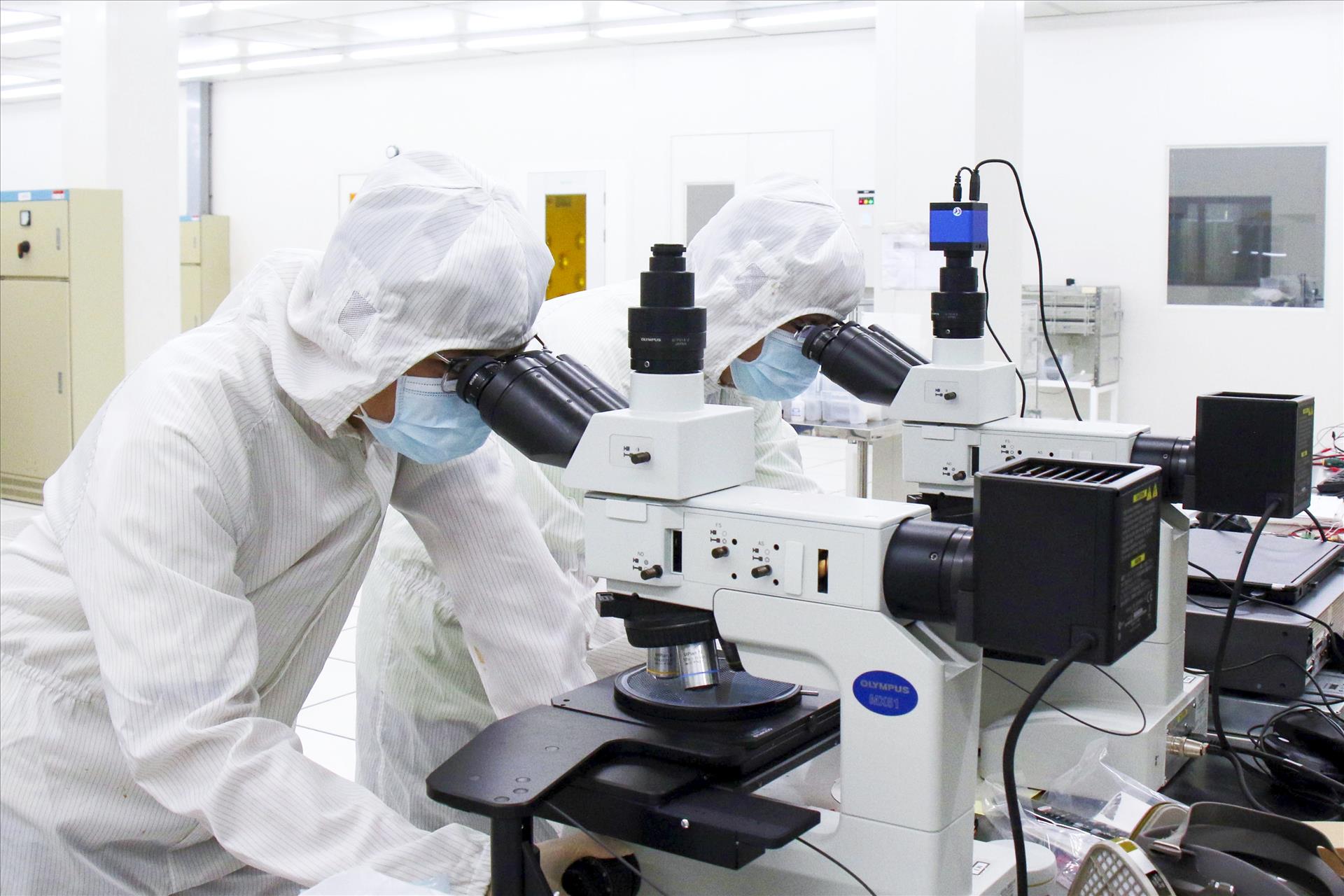
Two-digit growth target
• GRDP: Up 10-11%/year on average from 2026 to 2030.
• 2030 Vision: An international financial center with 15,000 US dollars in per capita income.
• Growth Target: 10% in the scenario of favorable conditions and effective implementation of mechanisms and policies under revised Resolution 98.
Key Tasks and Solutions in 2026
• Tax Revenue Target: Over 805 trillion dong.
• Urban Development: Implementation after the Transit Oriented Development (TOD) model and use of land funds to increase revenues from land.
• Financial Instruments: Adopting special fees under Resolution 98, issuing municipal and project bonds, and utilizing funding sources.
• Public Investment: 148 trillion dong.
• Mobilizing Social Resources: More than 1.05 quadrillion dong, increasingly attracting foreign investment.
• Administrative Reform: Effective administrative streamlining, improving investment climate, and removing/ simplifying redundant/impractical administrative formalities.
• Sustainable Growth: Aiming for rapid and sustainable growth by restructuring the economy and reforming the growth model with science, technology and innovation as key drivers.
• Spatial Restructuring: Restructuring development space toward building a multi-polar, integrated and connected megacity, prioritizing investment in three key zones.
• Urban Management: Addressing three issues: urban flooding, traffic congestion and air/environmental pollution./.
Story: VNP
Photos: Nguyen Luan, Thong Hai/VNP, Tran The Phong, Huynh Son & VNA