Hanoi Identifies Fallen Soldiers at Mai Dich Cemetery
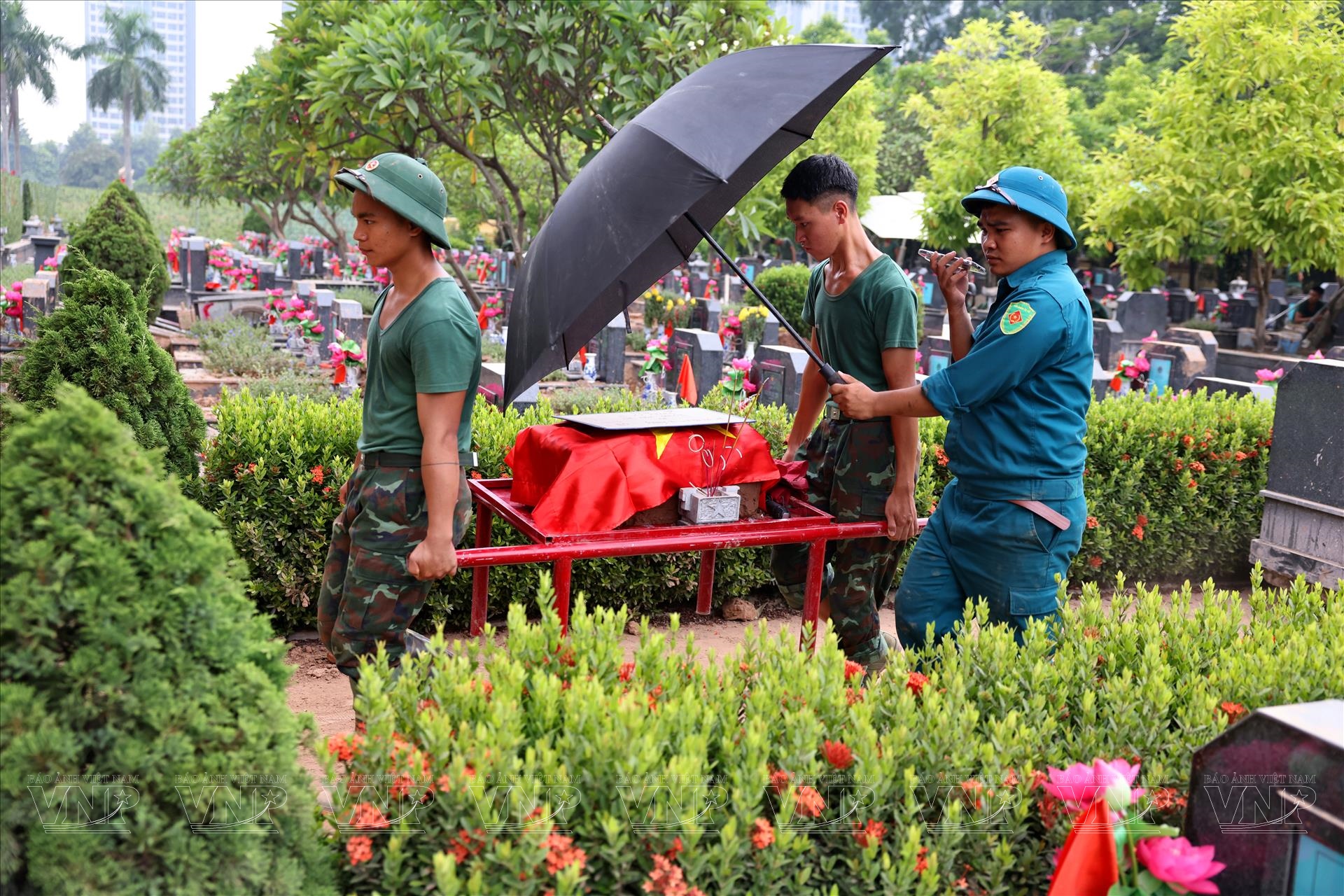
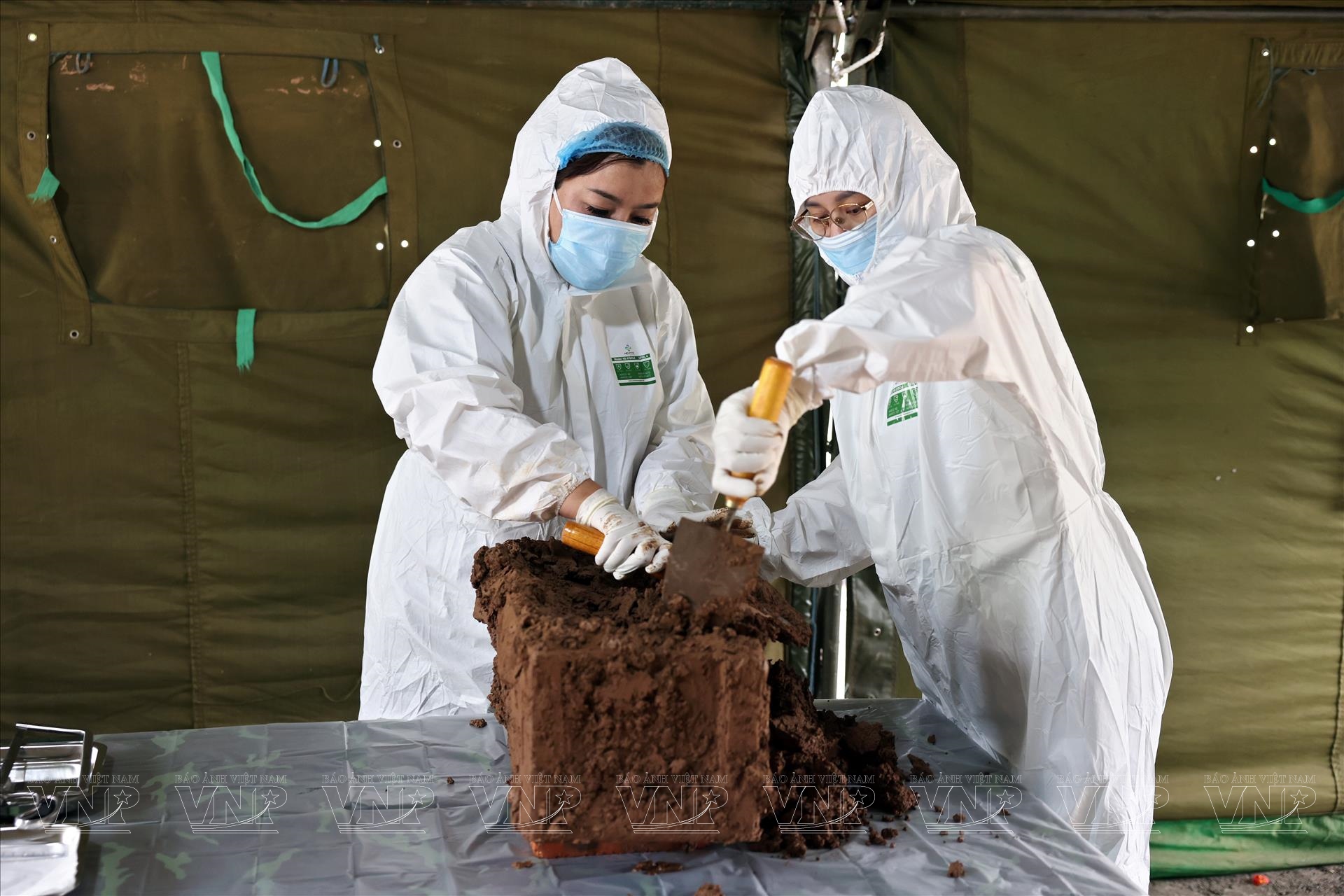
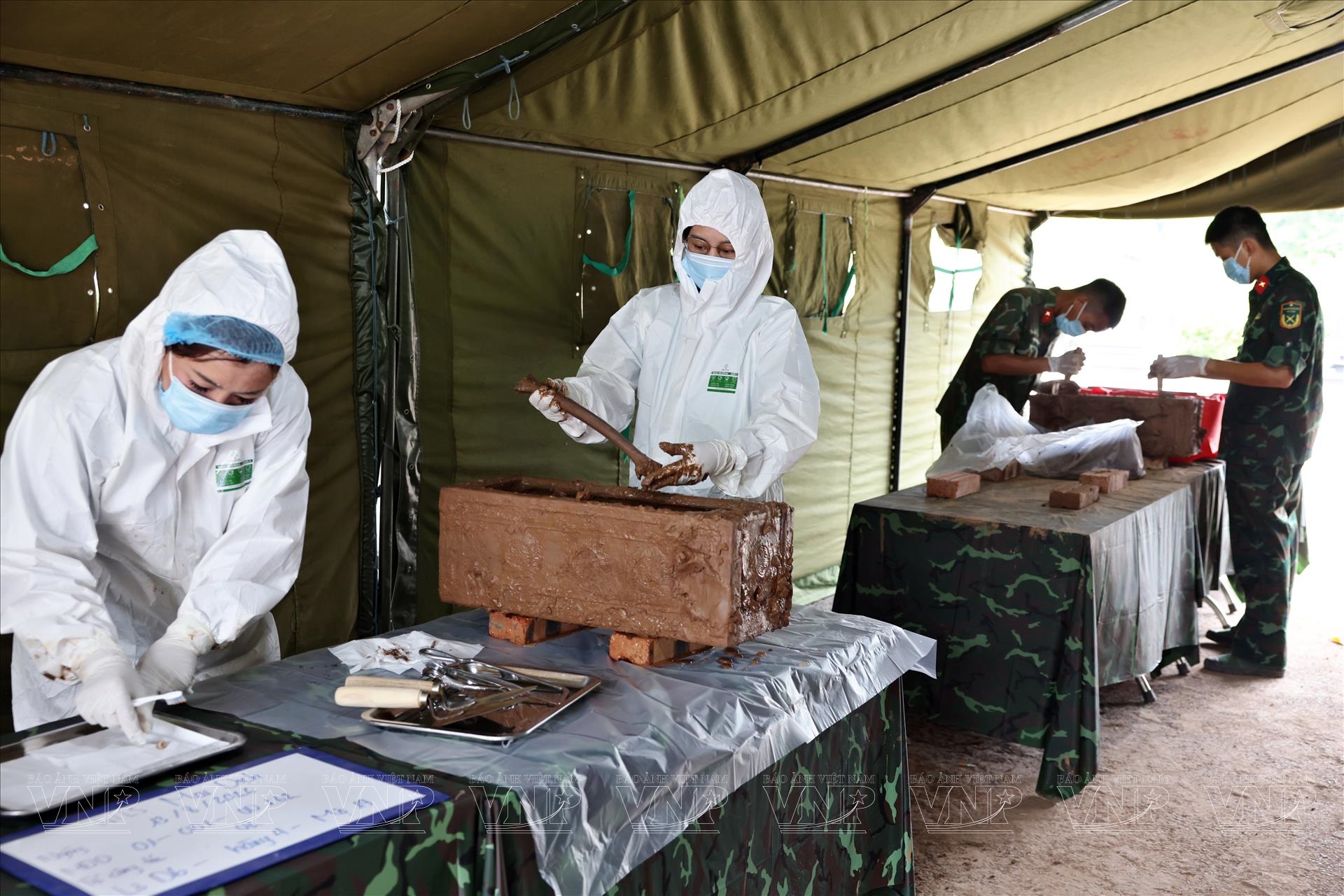
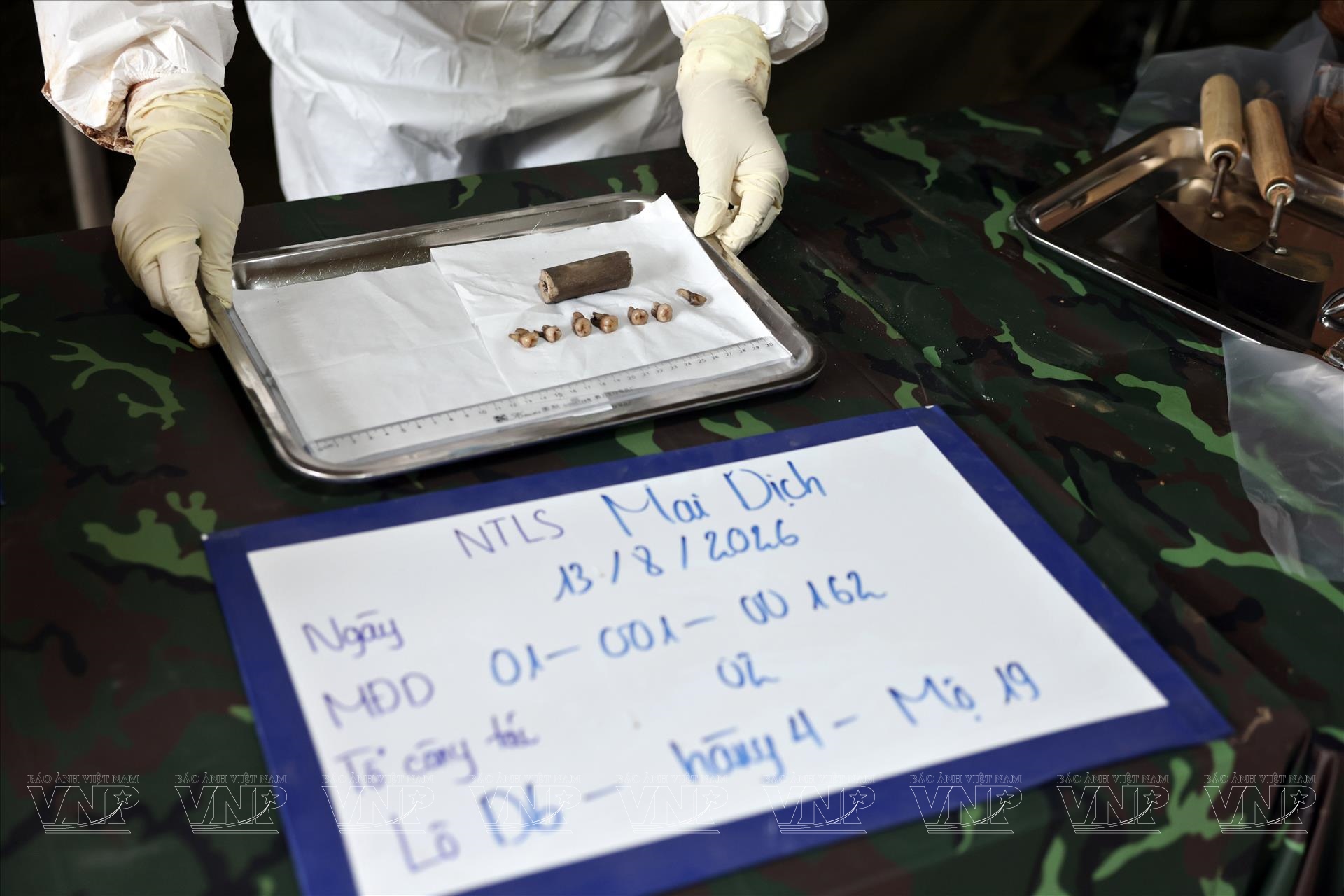
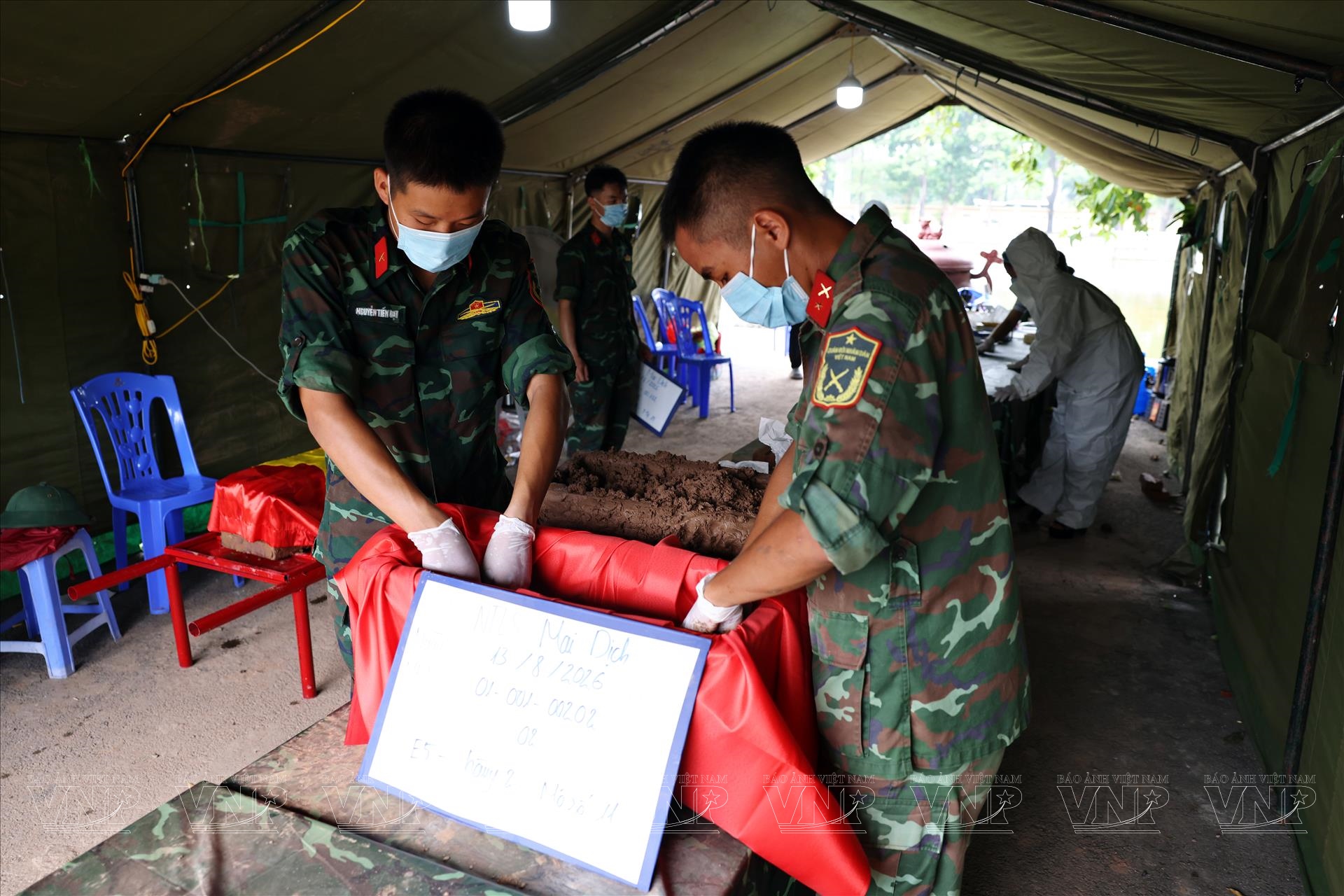
Officers and soldiers of the Hanoi Capital Command have worked diligently at Mai Dich Cemetery to collect soldiers’ remains for DNA testing as part of the capital city’s commitment to the national 500-Day Campaign to search for and identify unknown soldiers.
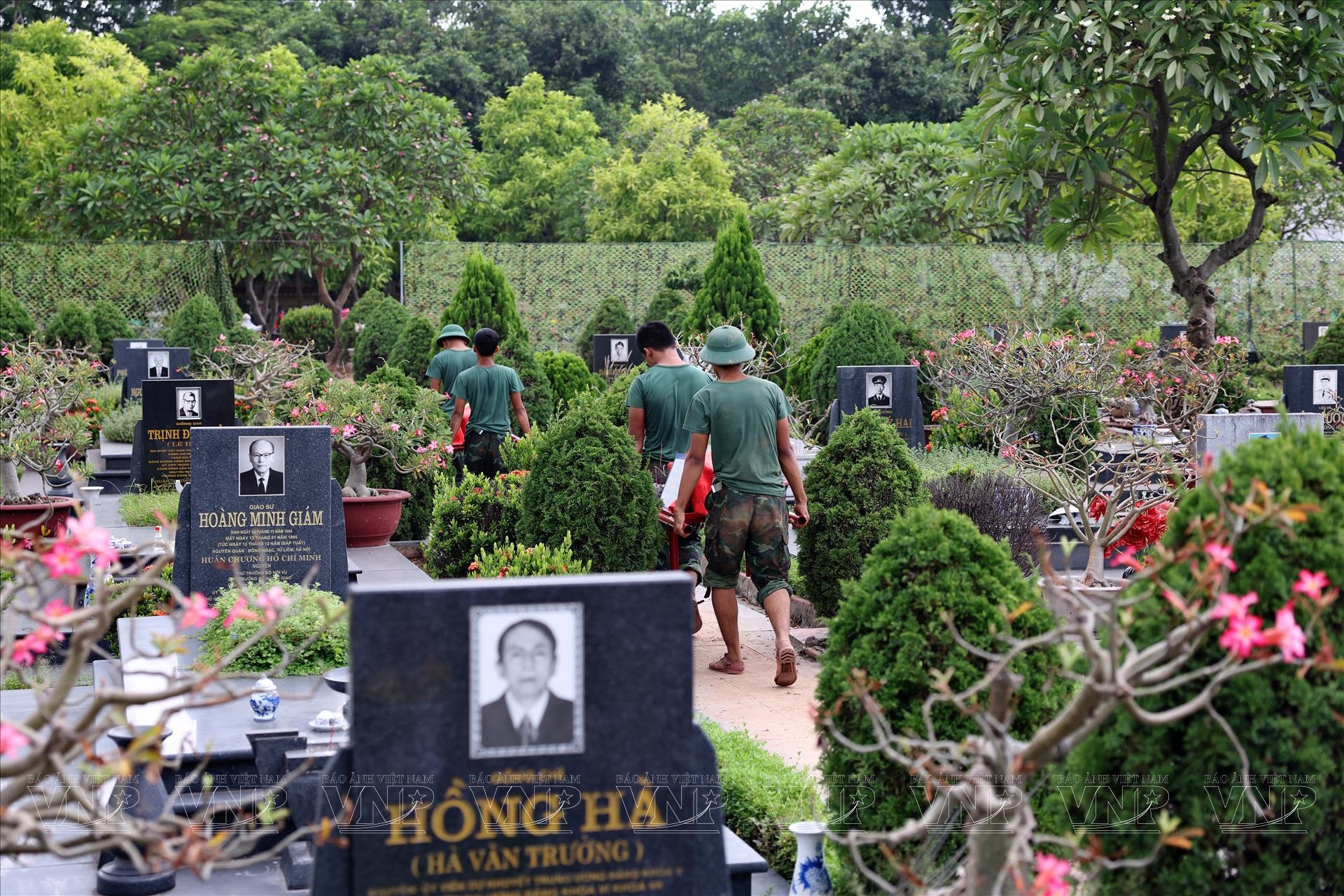
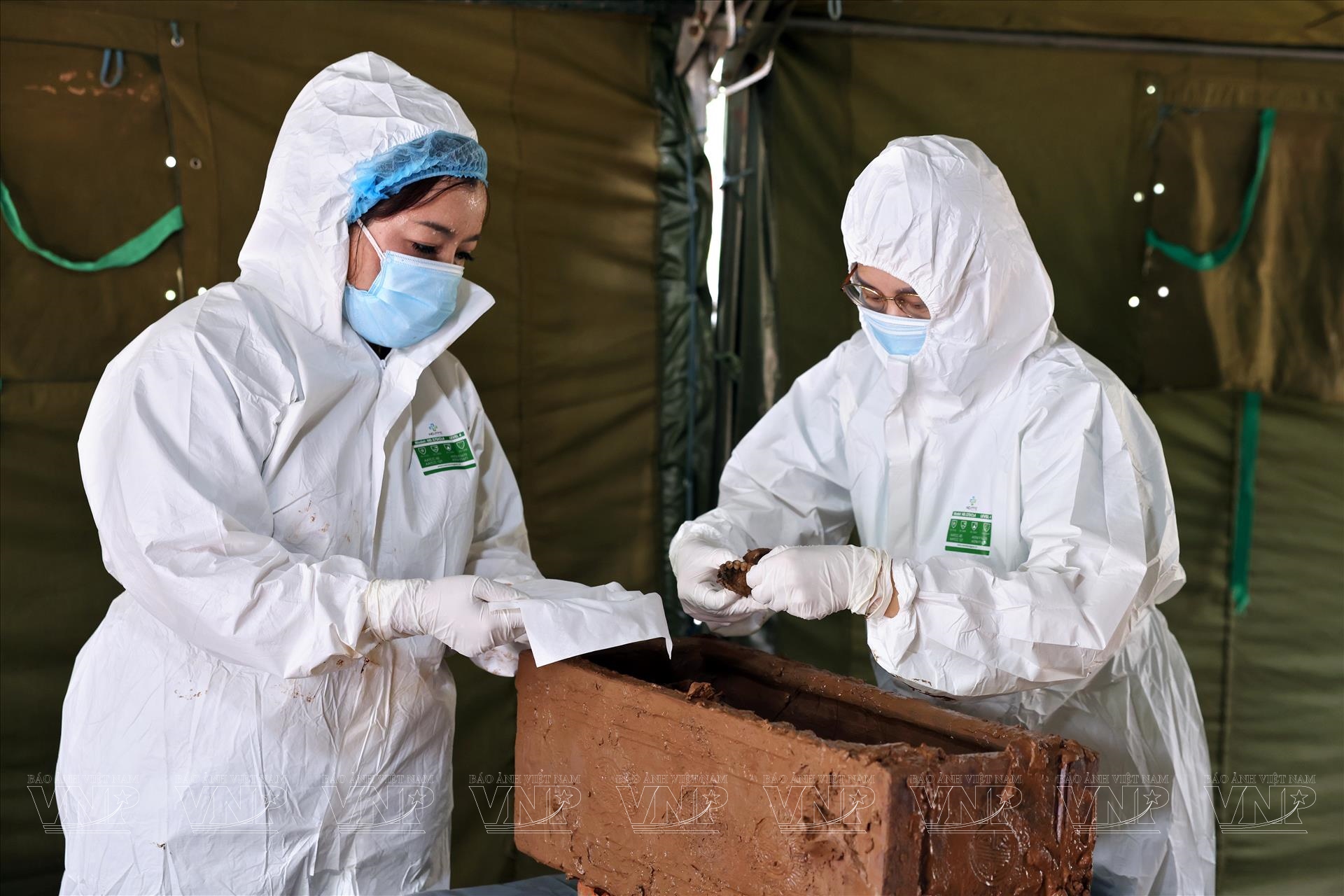
According to municipal authorities, sampling is being carried out in the city’s war cemeteries. For graves buried for decades, collecting DNA samples is challenging due to natural decomposition, requiring extreme care and precision.
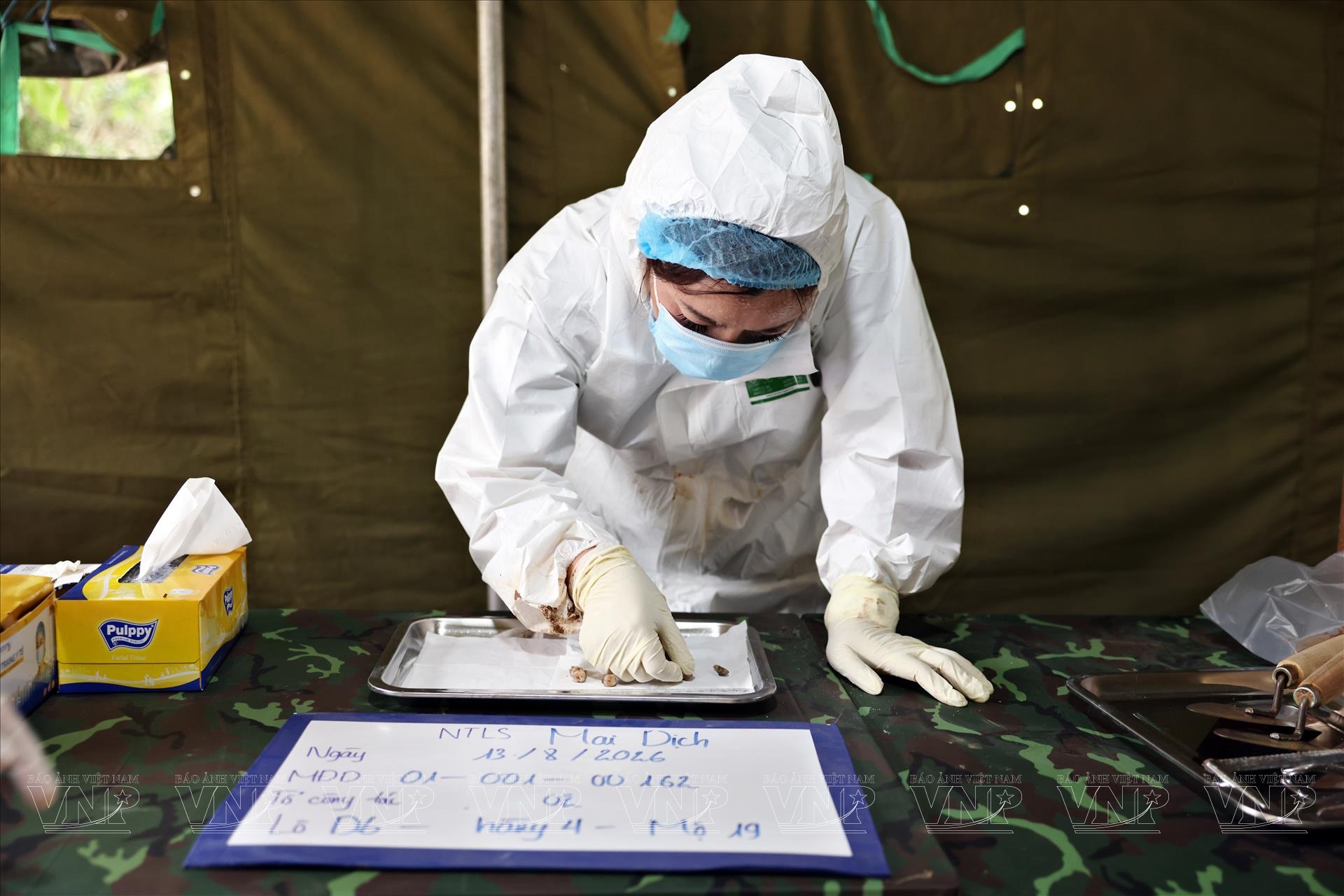
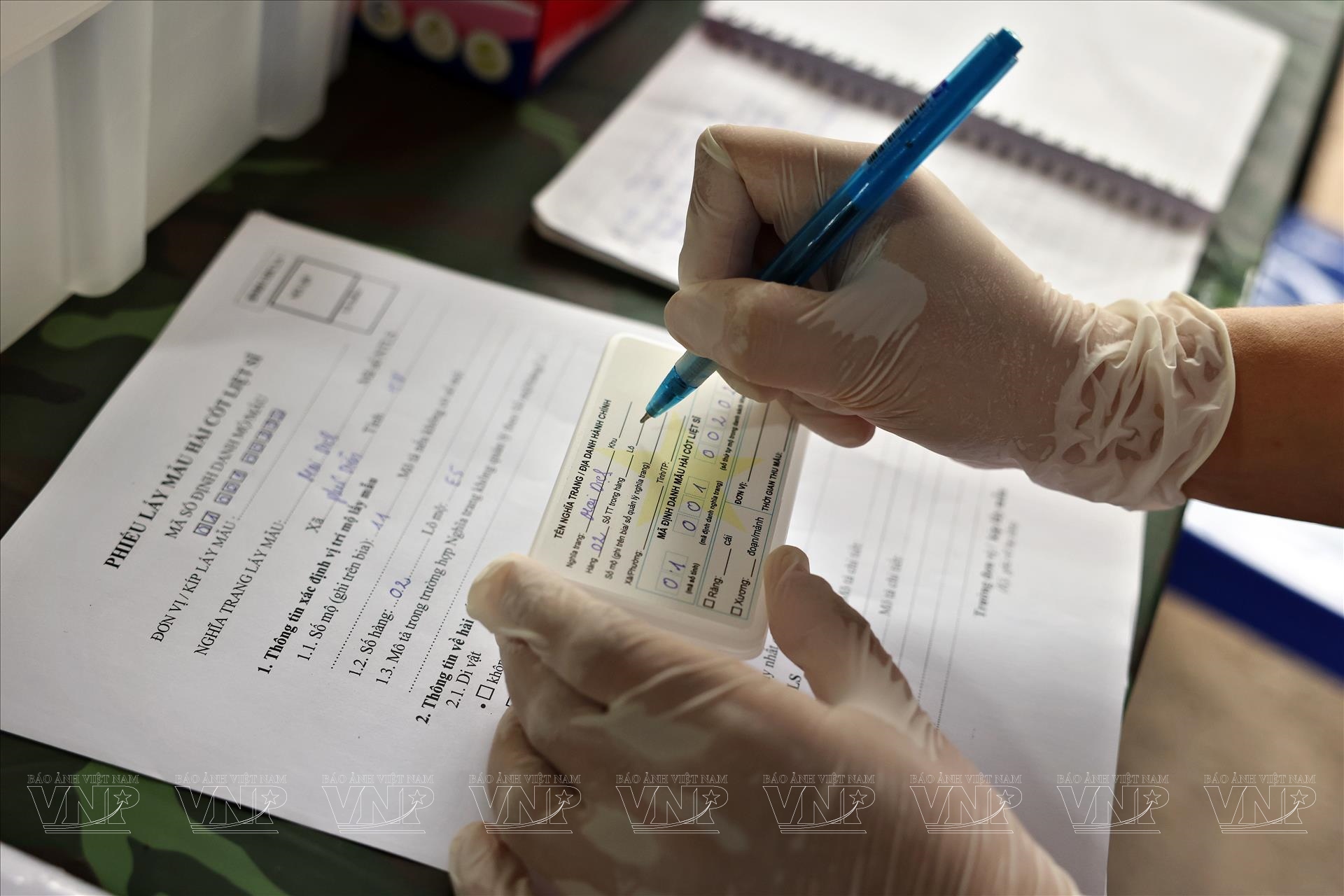
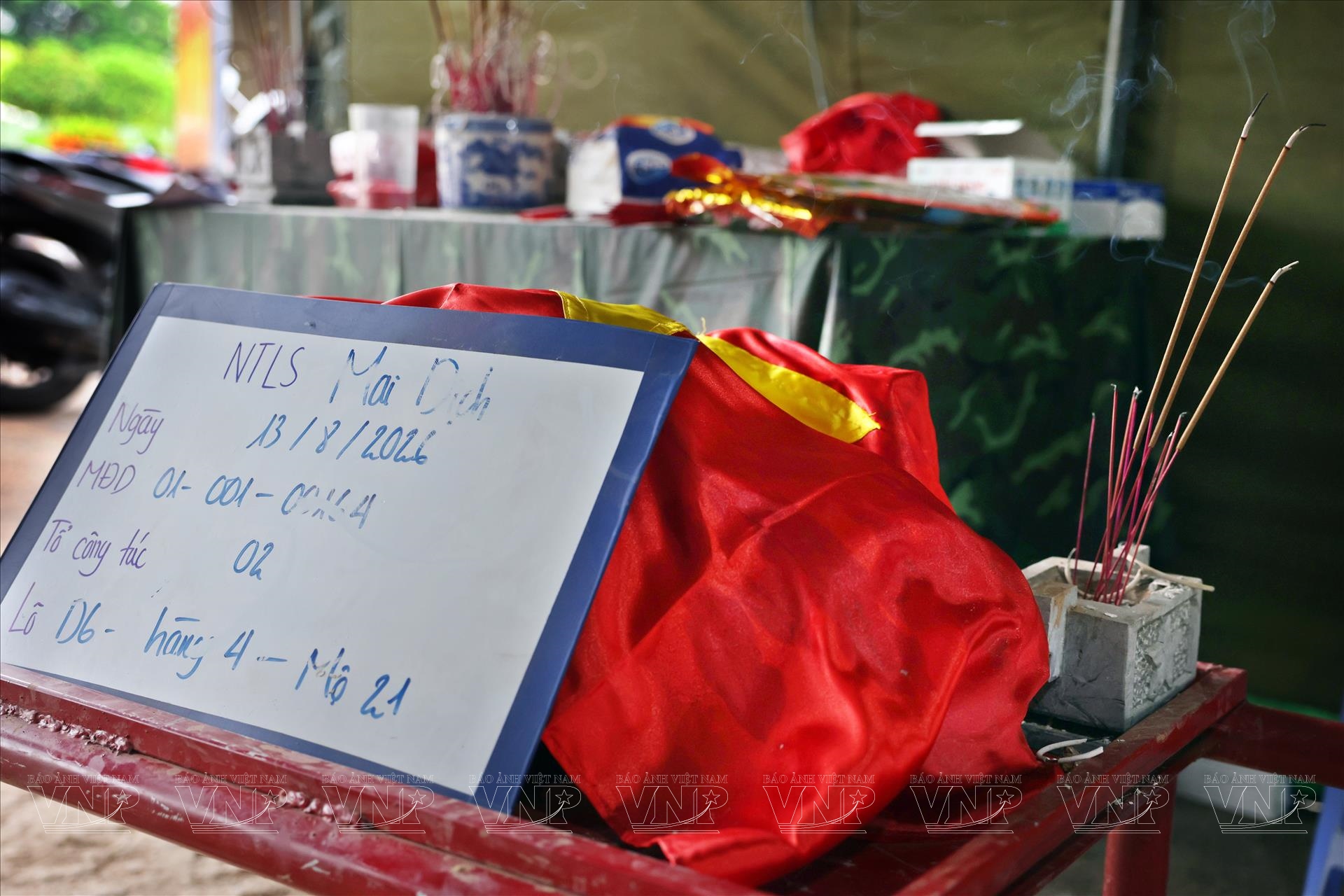
A quiet atmosphere hung over Mai Dich Cemetery as search teams carried out their duties in early August. Every sample collected and every detail noted was strictly tied to an individual grave’s records to ensure accuracy during subsequent laboratory analysis. The effort demanded coordination among multiple teams, from field personnel to forensic specialists and record managers.
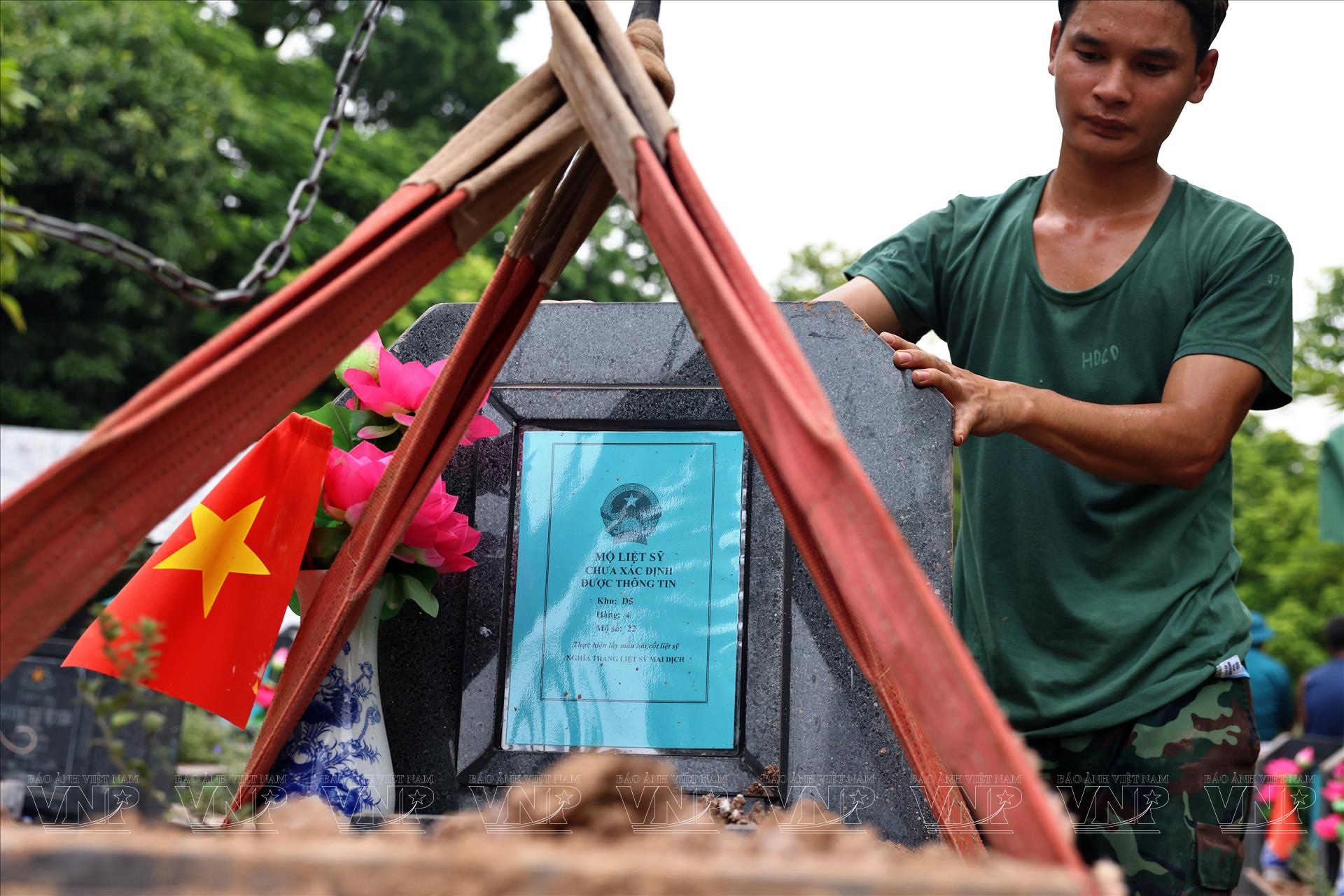
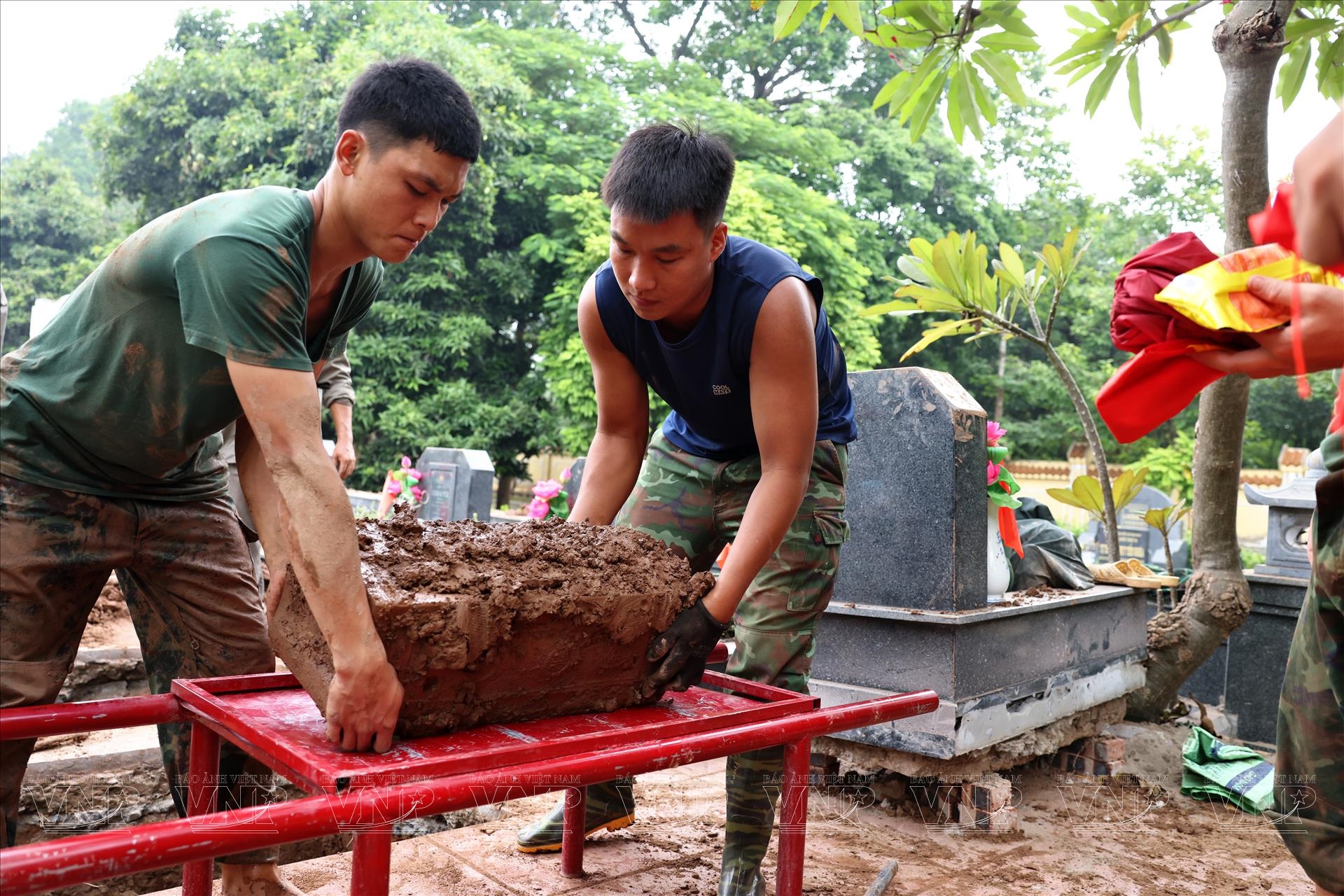
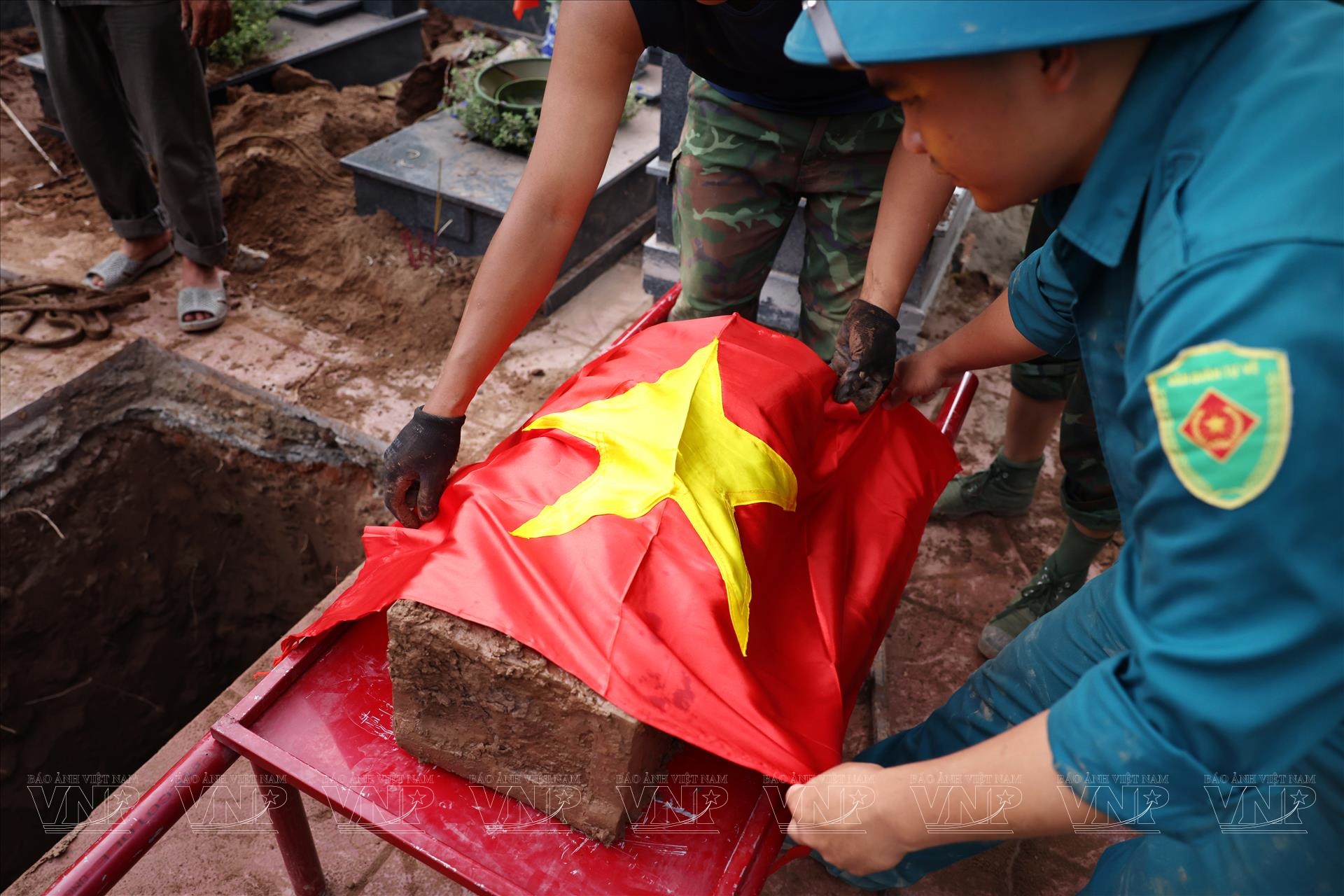
Behind this work is a longer journey of data matching and DNA sequencing to align remains with biological samples from relatives. In the 500-Day Campaign, the Ministry of Defense has considered advanced technology and integrated data networks crucial in bridging the gap between missing information and identification of the soldiers.
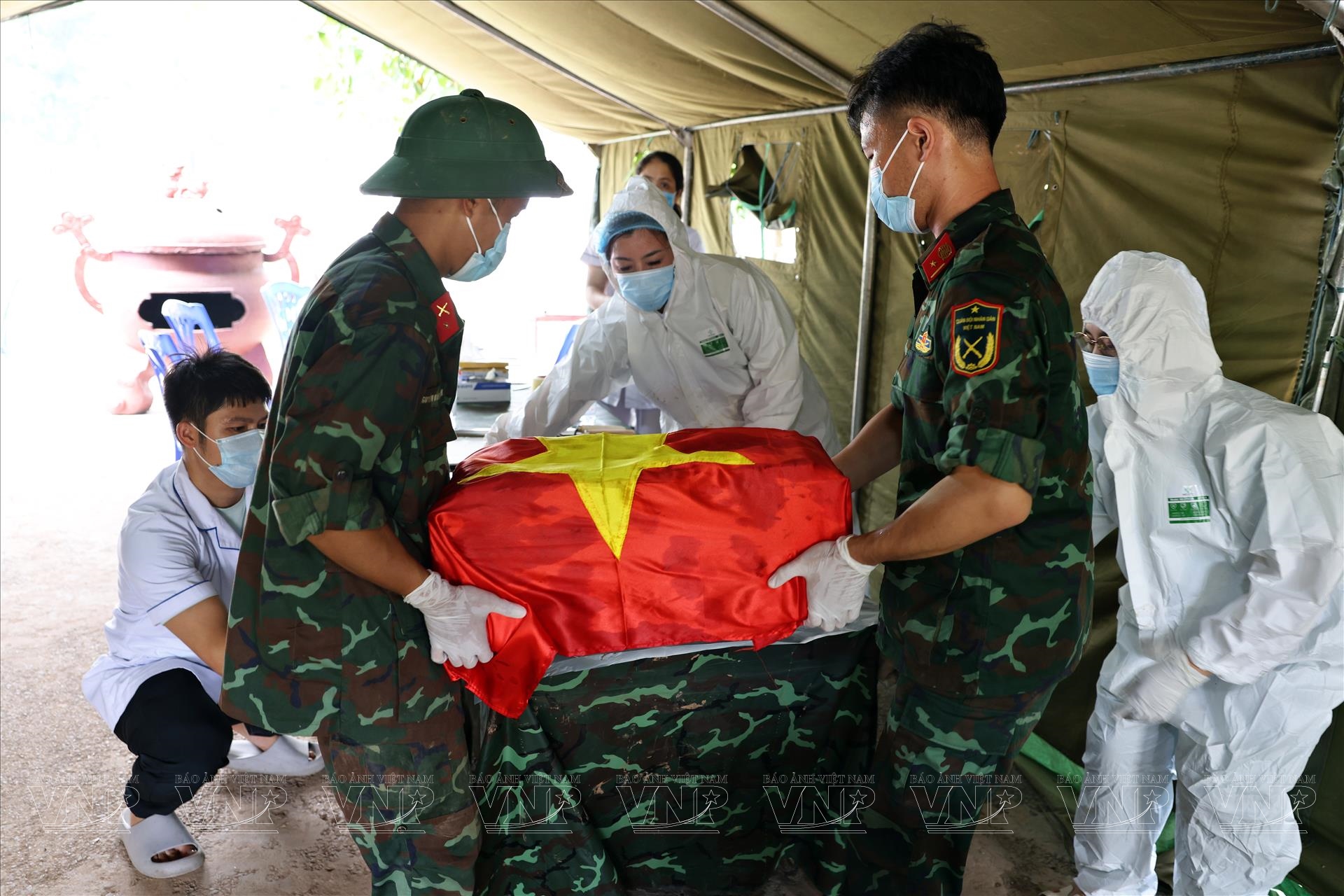
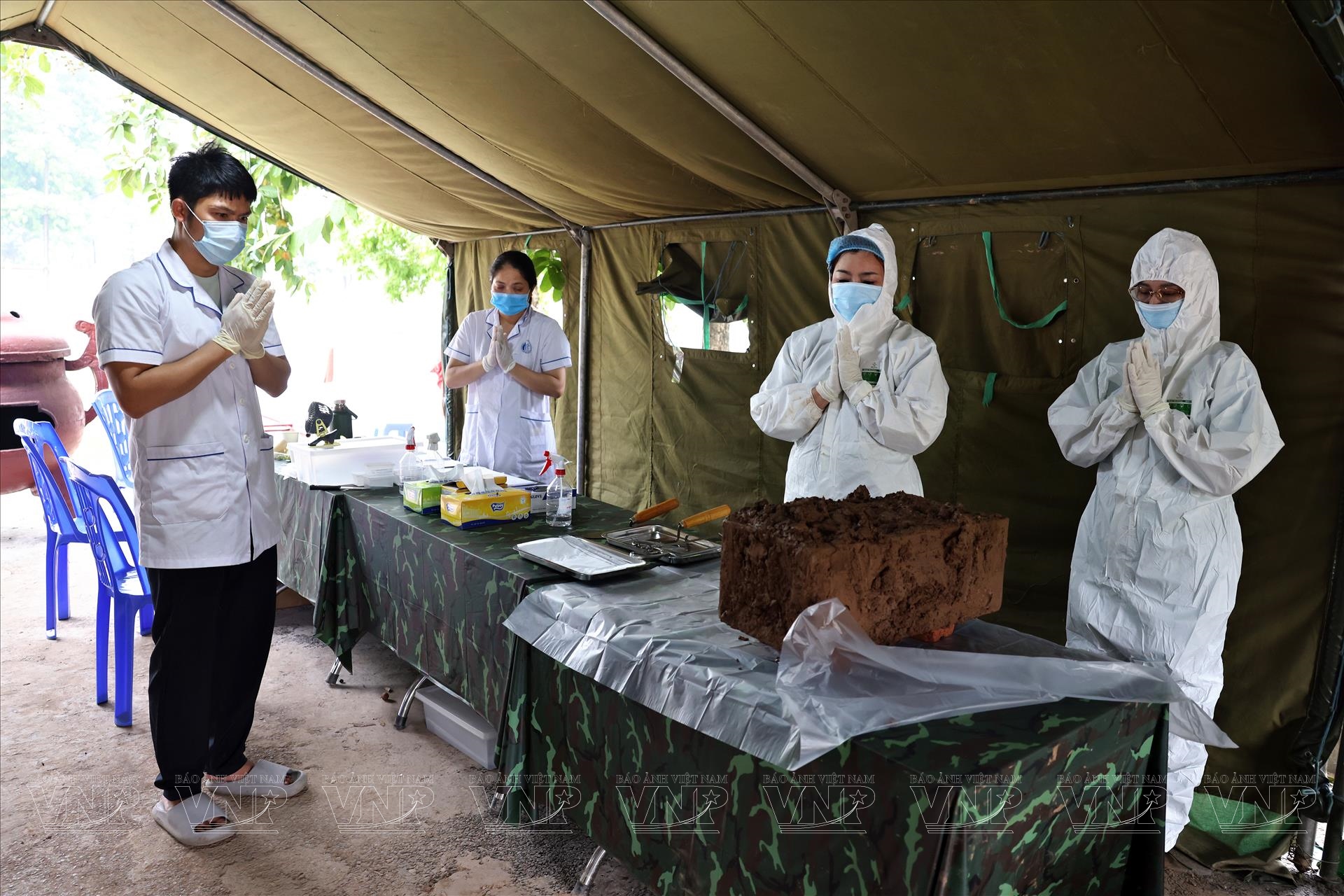
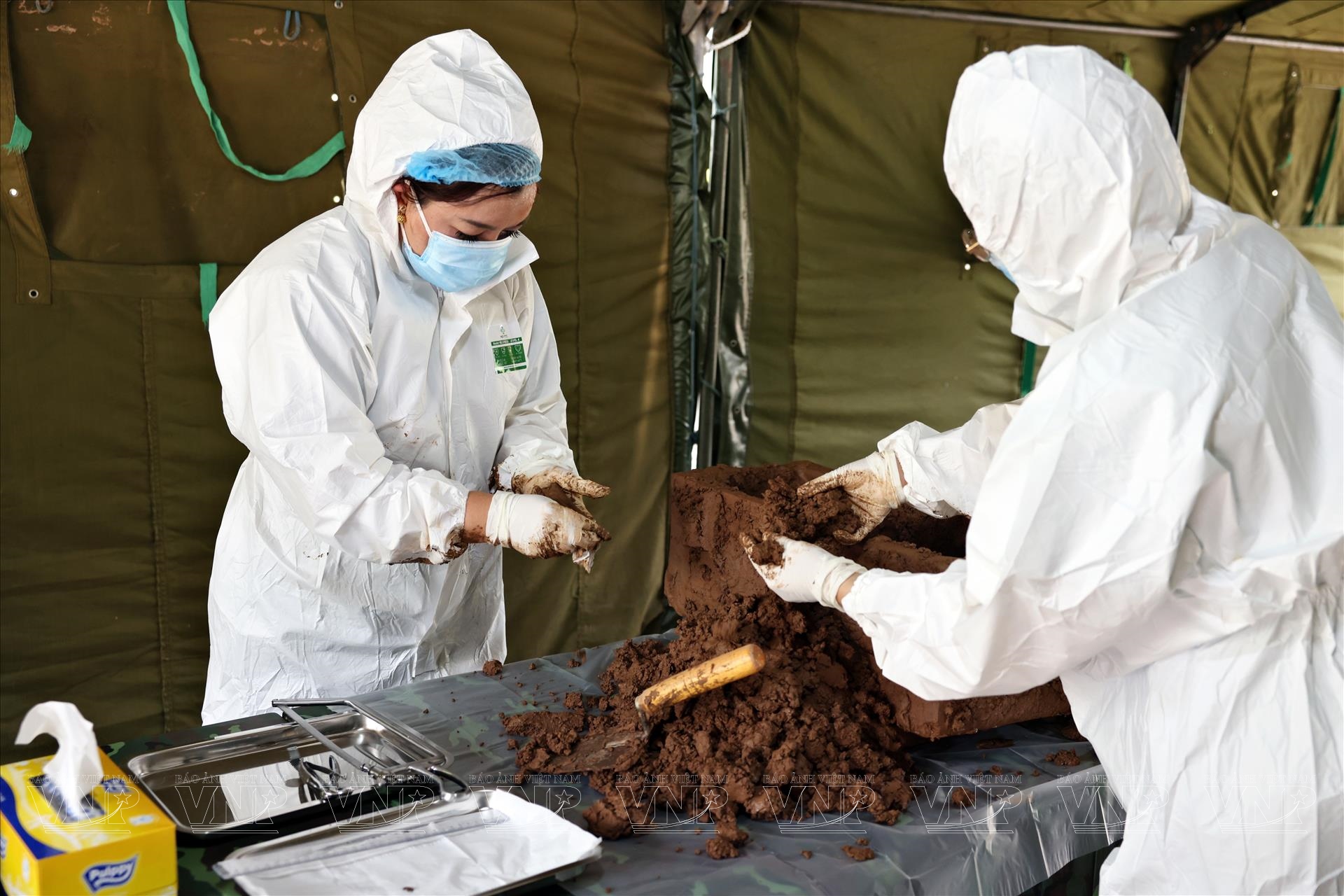
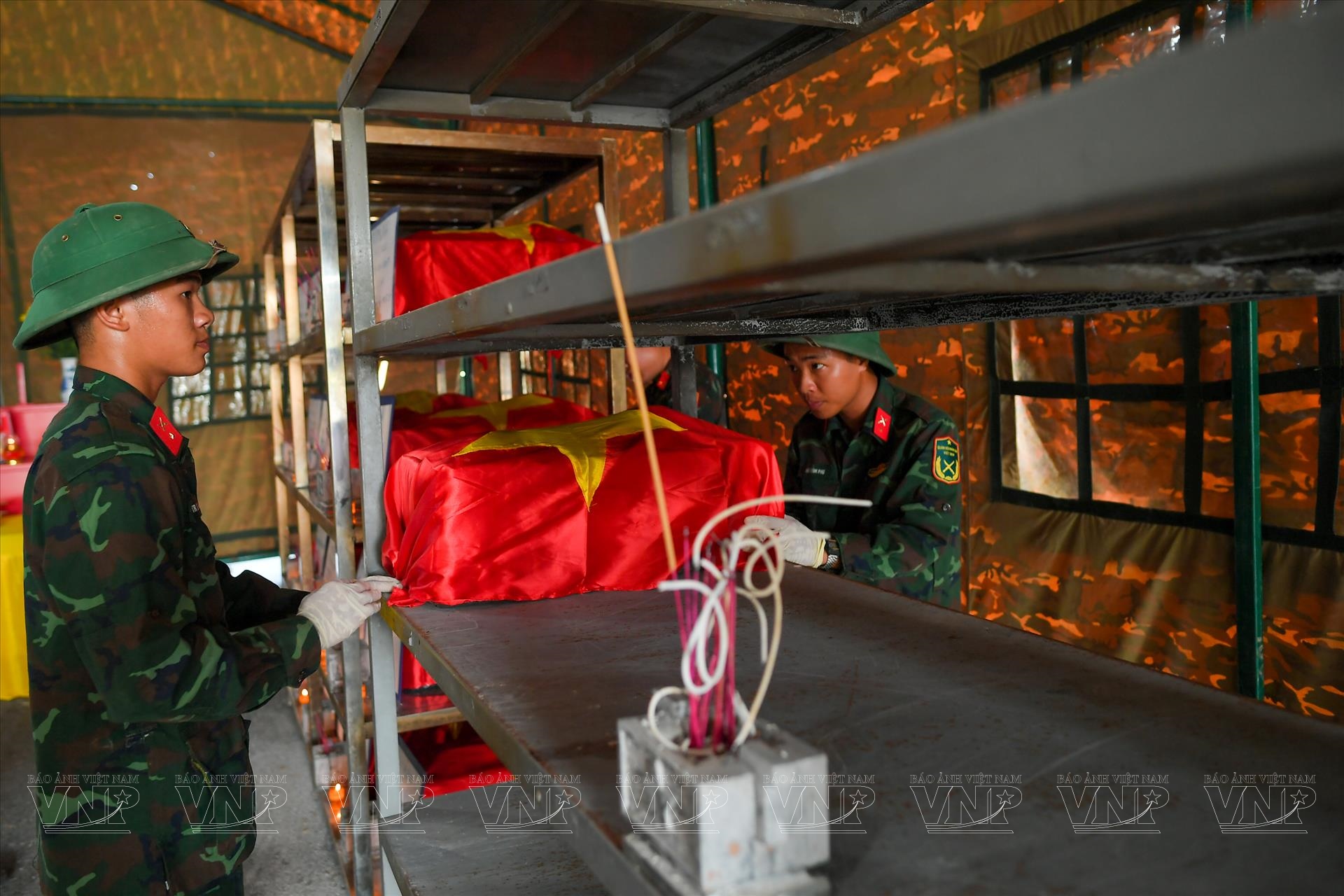
Yet, behind every DNA sample is not merely a technical testing process. It is the hope of a family that has waited for decades to learn where their loved one lies. Locating a fallen hero is also far more than completing a dossier. It represents the long-awaited return of a name, an address and a memory once shrouded by war and time.
The 500-day campaign is currently underway across the country with broad participation from military and civic forces. Data from the Vietnam Military History Museum shows that after more than four months, the campaign has gathered nearly 1,400 sets of remains and collected tens of thousands of biological samples for DNA analysis.
In Hanoi, the quiet work at Mai Dich Cemetery reflects the true spirit of this campaign. From deep within the earth, information once thought buried by time is being reclaimed through a shared commitment of responsibility, gratitude and advanced science./.
By Cong Dat/VNP