Digital Farms, Global Reach: Hanoi Targets Japan and South Korea
In a concerted effort to elevate the stature of Vietnamese agricultural products, Hanoi is undergoing a profound transformation. The capital’s agricultural sector is accelerating the standardization of processes, enhancing traceability, and establishing high-quality raw material zones. From digital transformation to robust value chain linkages, Hanoi is entering a new phase of innovation, specifically aiming to conquer demanding markets like Japan and South Korea.
In recent years, Hanoi has proactively shifted its agricultural strategy toward depth, focusing on quality and international standards as the central development axis. Production is now organized into "large raw material zones with closed value chains," systematically linking every stage from collection, processing, and preservation to consumption and export.
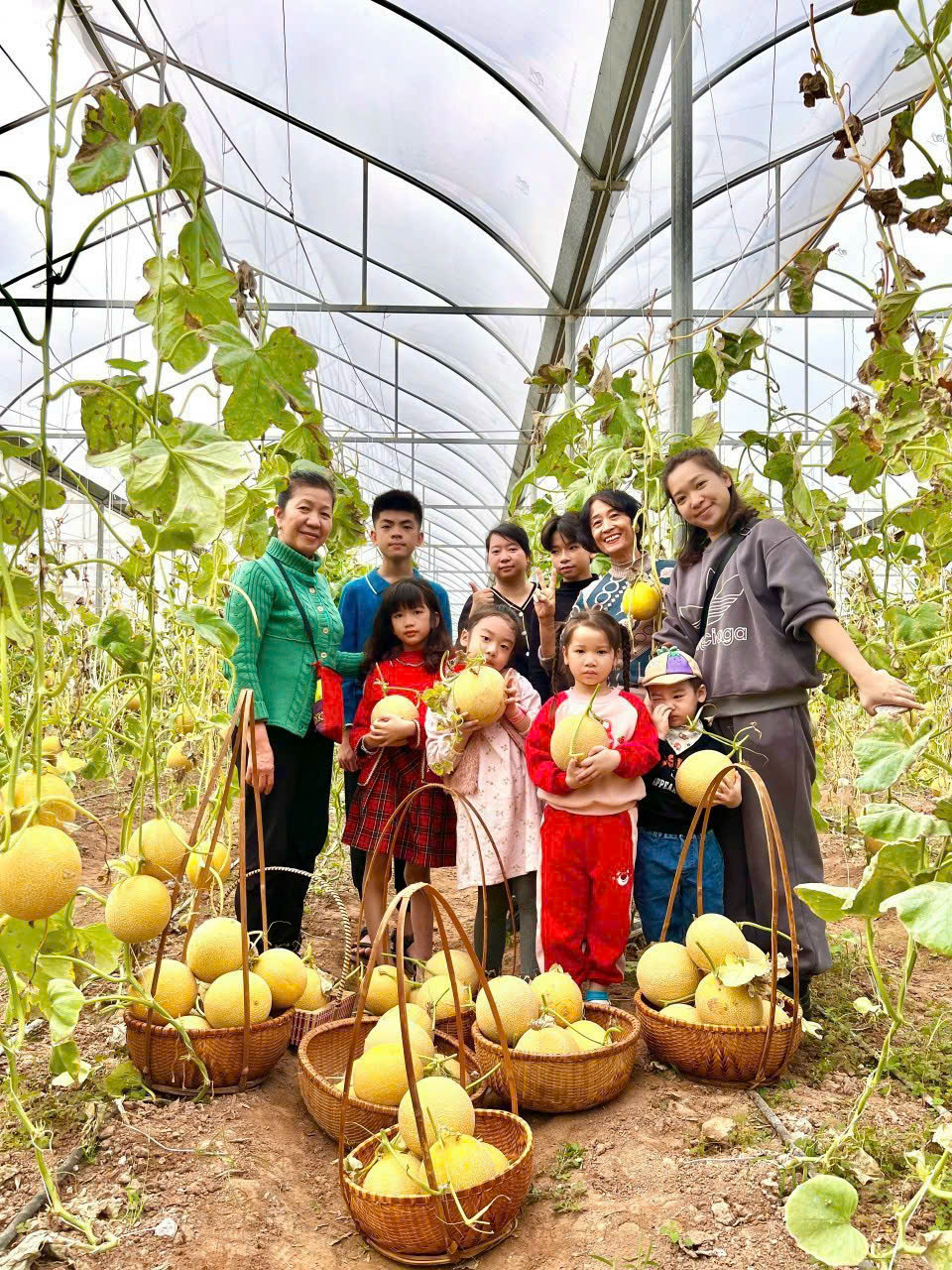
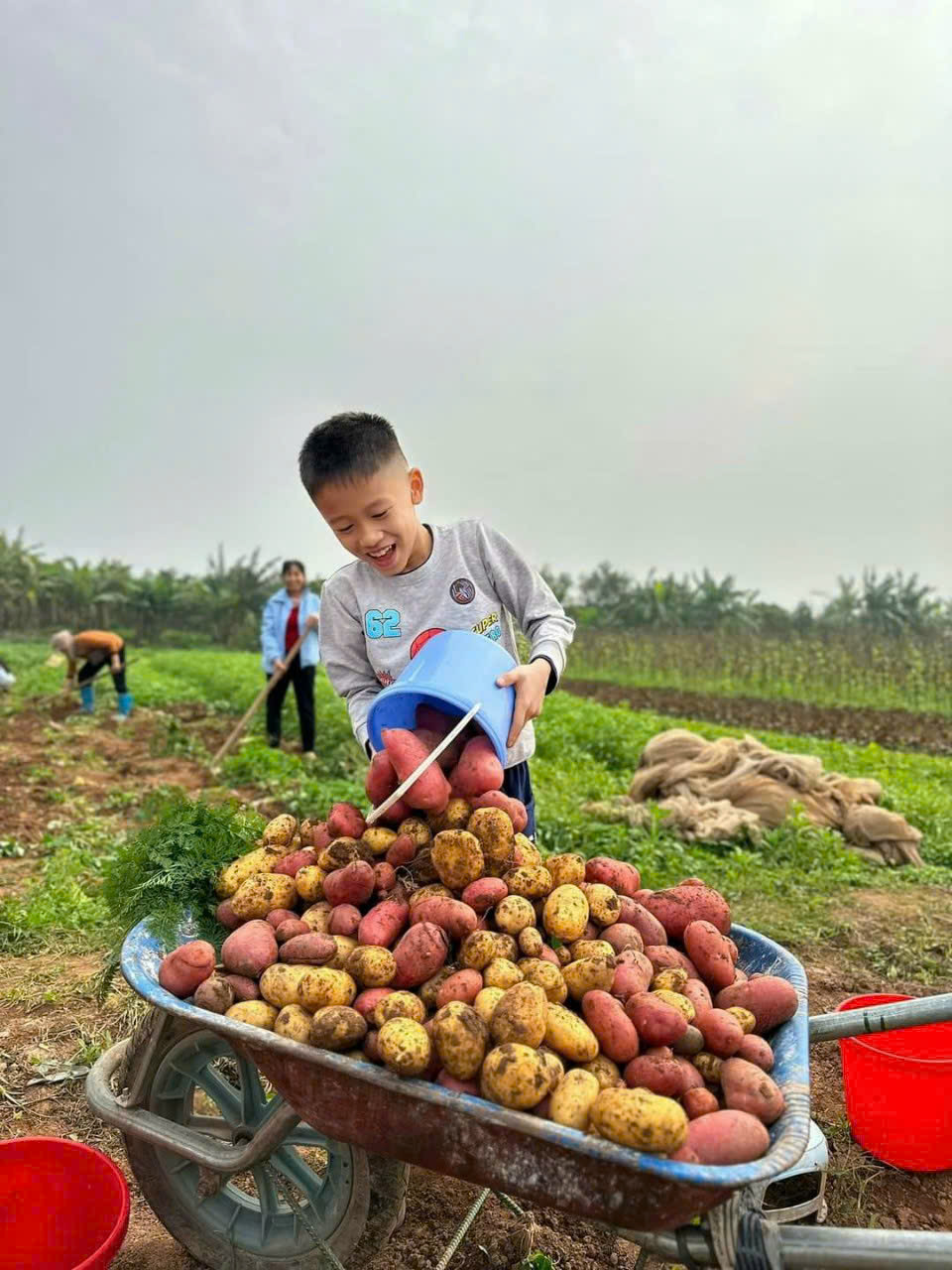
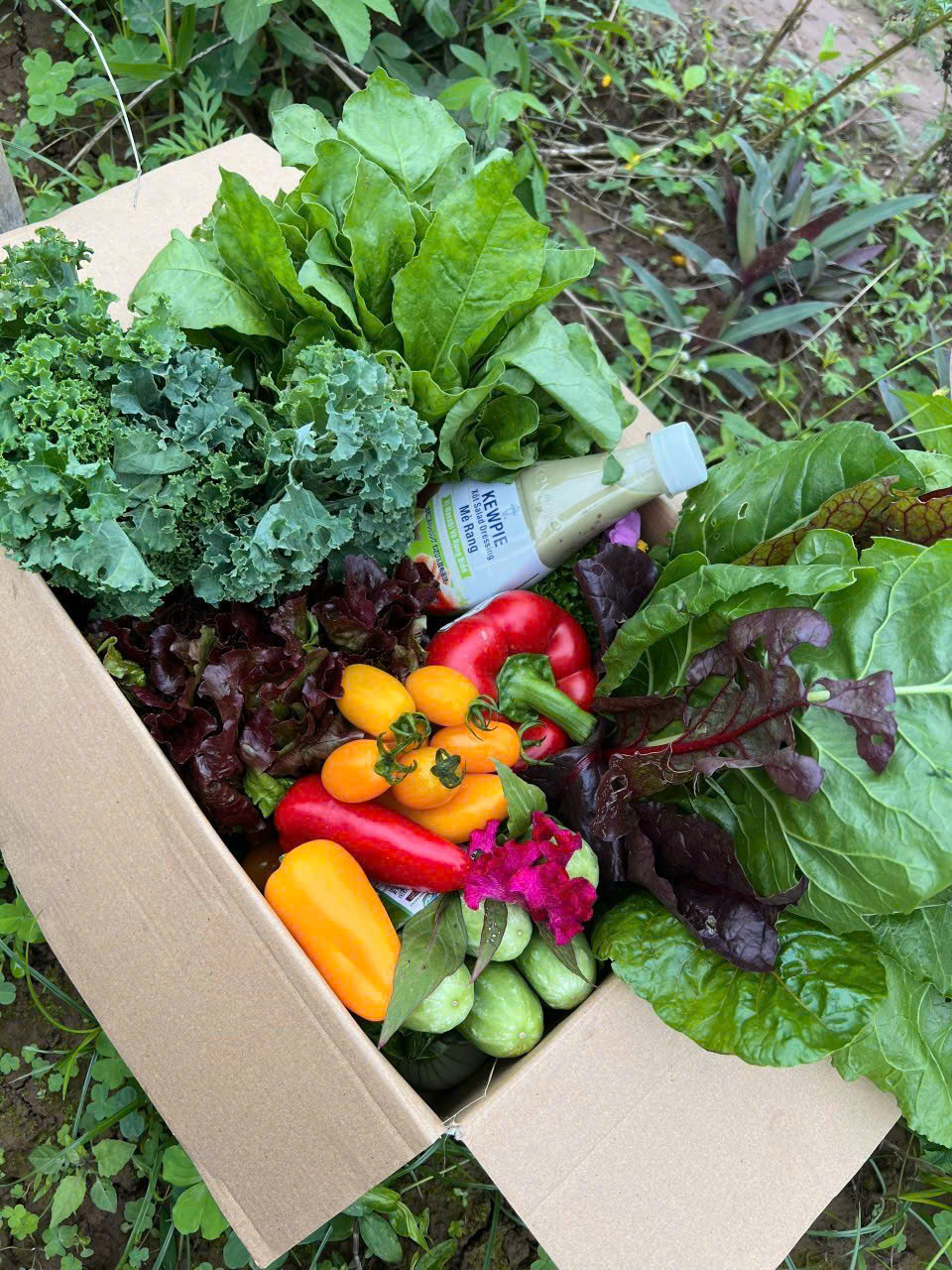
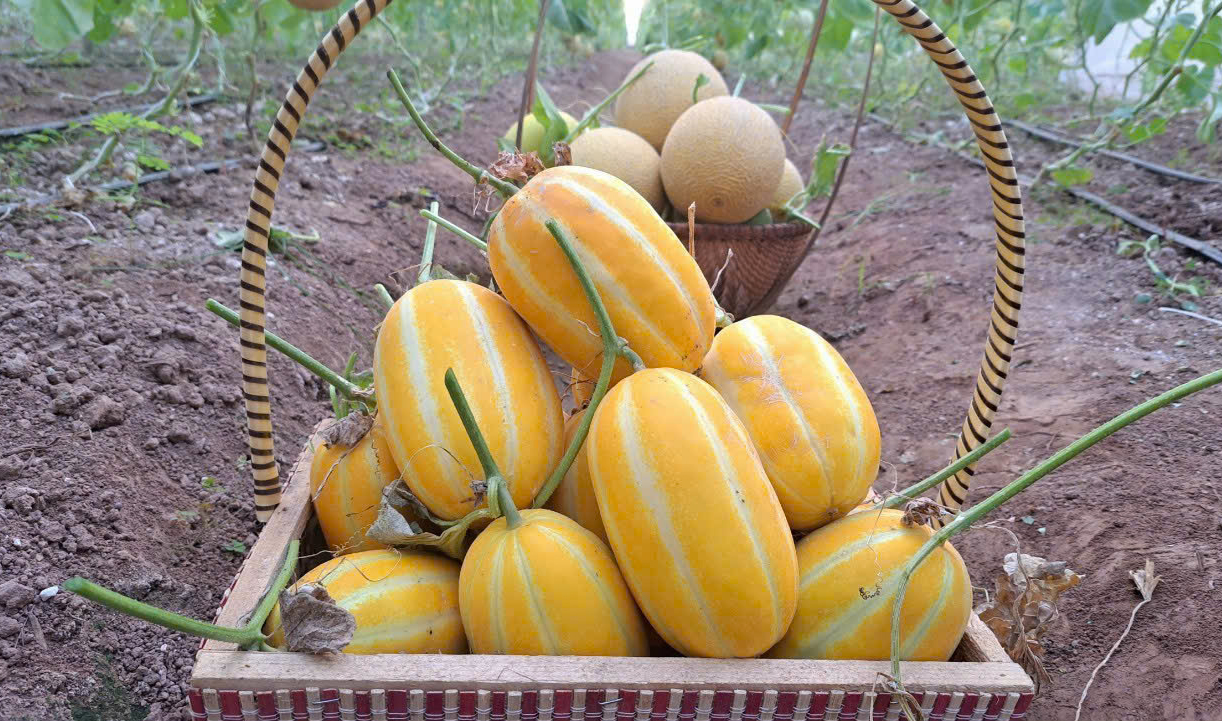
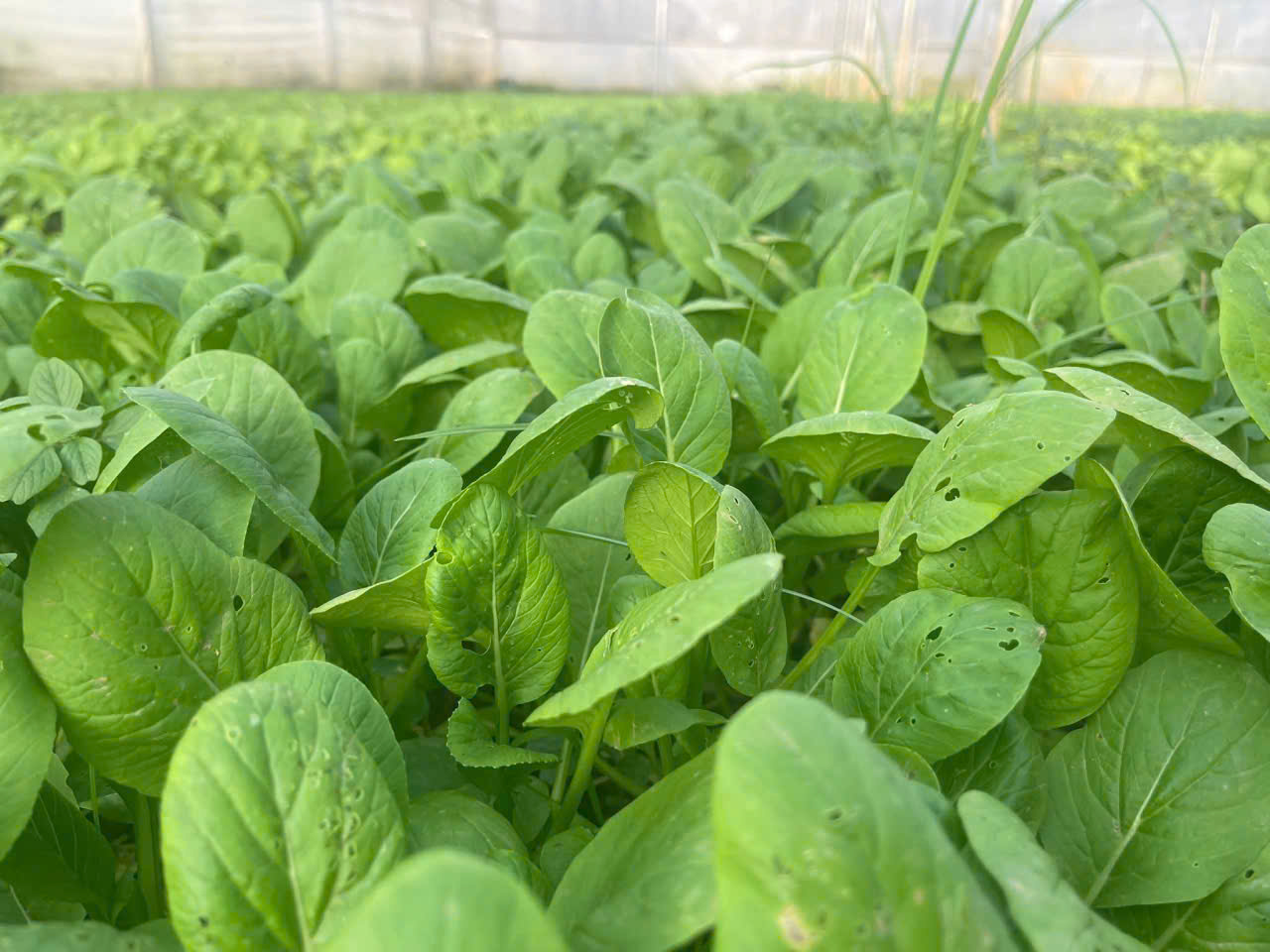
A vital foundation for boosting competitiveness is the State Enterprise-Farmer cooperation model. In this transparent supply chain, the State facilitates the environment, provides technical support, and controls standards. Enterprises invest in technology, link production, and guarantee consumption, while farmers commit to clean production and food safety criteria - a mechanism highly valued by the Japanese and South Korean markets.
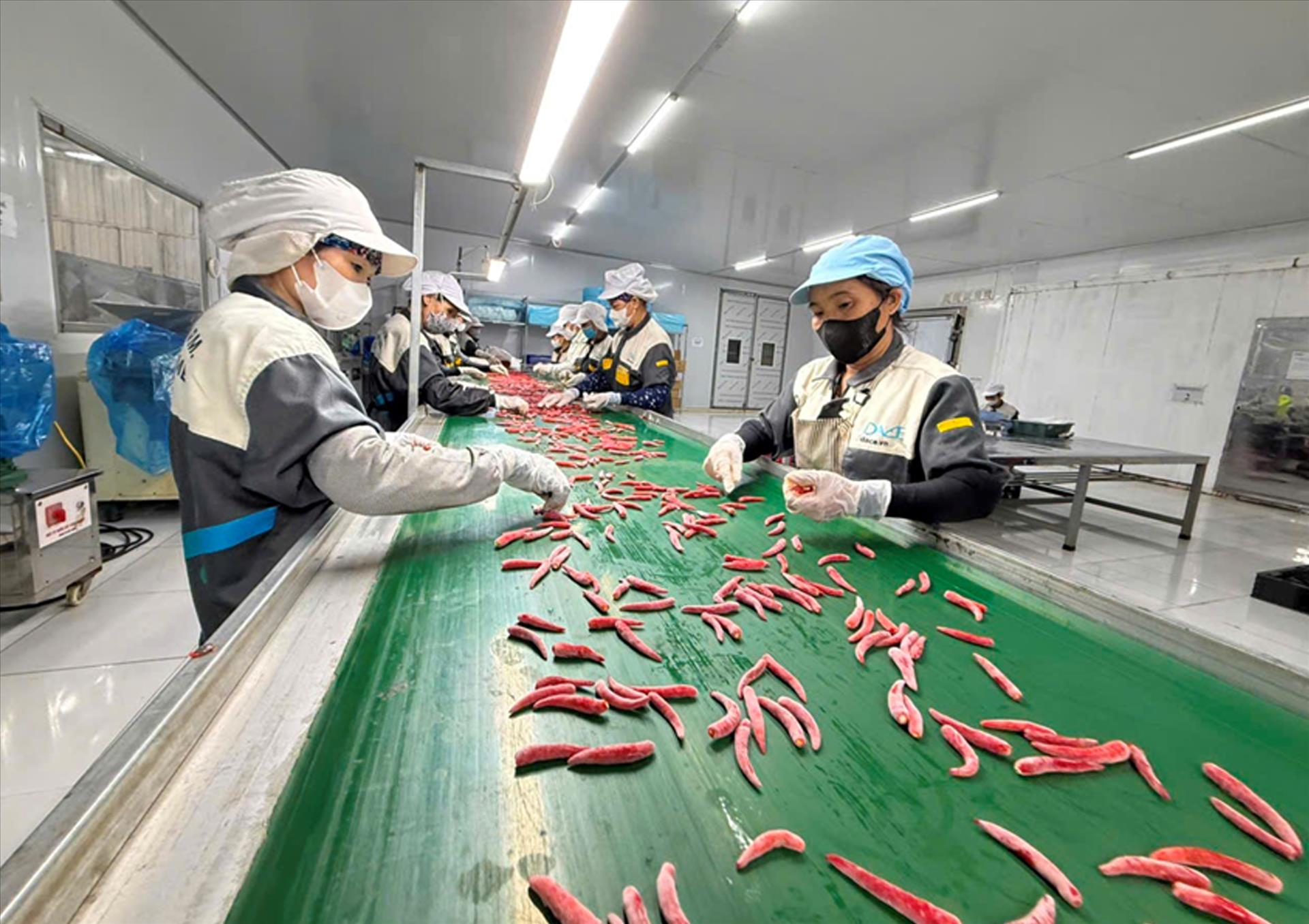
Hanoi is simultaneously pushing aggressive digital transformation in the sector. The use of electronic logs, advanced traceability systems, and Artificial Intelligence (AI) ensures strict control over the entire process, from production to export. For markets prioritizing precision, such as Japan and South Korea, the ability to "identify every single product" offers a crucial competitive edge, significantly enhancing importer trust.
In parallel with technology, Hanoi is actively developing green and circular agriculture, which reduces emissions and improves climate resilience. Products from the capital's standardized raw material zones are now readily available in modern distribution networks - supermarkets, clean food stores, hotels, and restaurants - and are rapidly expanding into export channels.
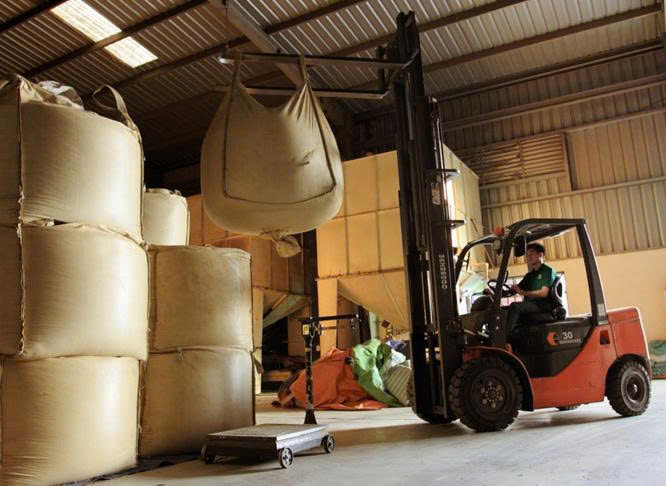
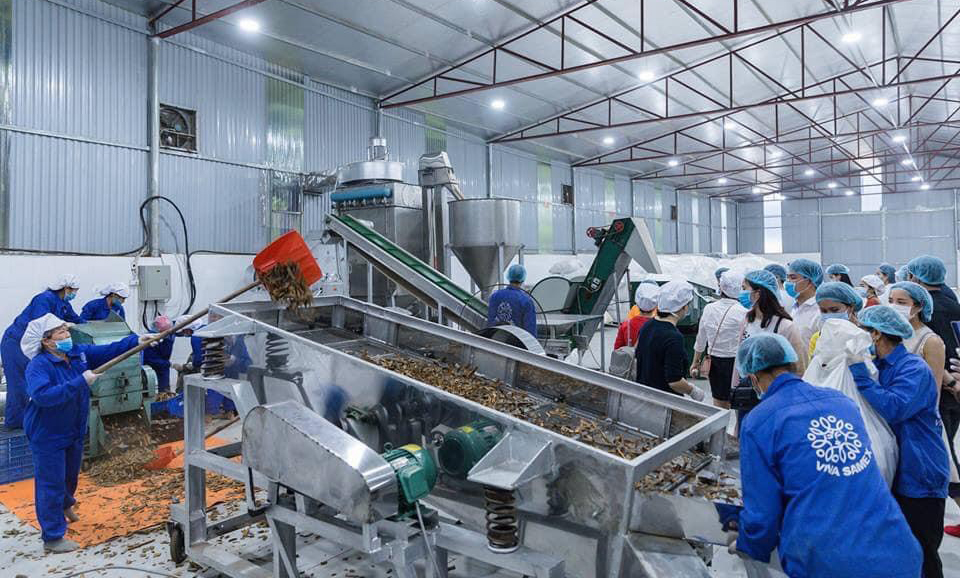
The results are affirming: In 2024, Hanoi's export turnover for agricultural and forestry products surpassed two billion US dollars for the first time. The stable growth continued into the first 10 months of 2025, reaching 1.88 billion US dollars, with agricultural products alone accounting for 1.22 billion US dollars.
Given their large purchasing power and preference for high-standard goods, Japan and South Korea are key targets. Currently, approximately 38 Hanoi's enterprises export products like coffee, tea, cinnamon, fruits, mushrooms, and fresh/frozen vegetables to these two nations. Success stories include Duong Kien Trading exporting wood ear and shiitake mushrooms to Japan, and Minh Tien Group exporting coffee to the Japanese market.
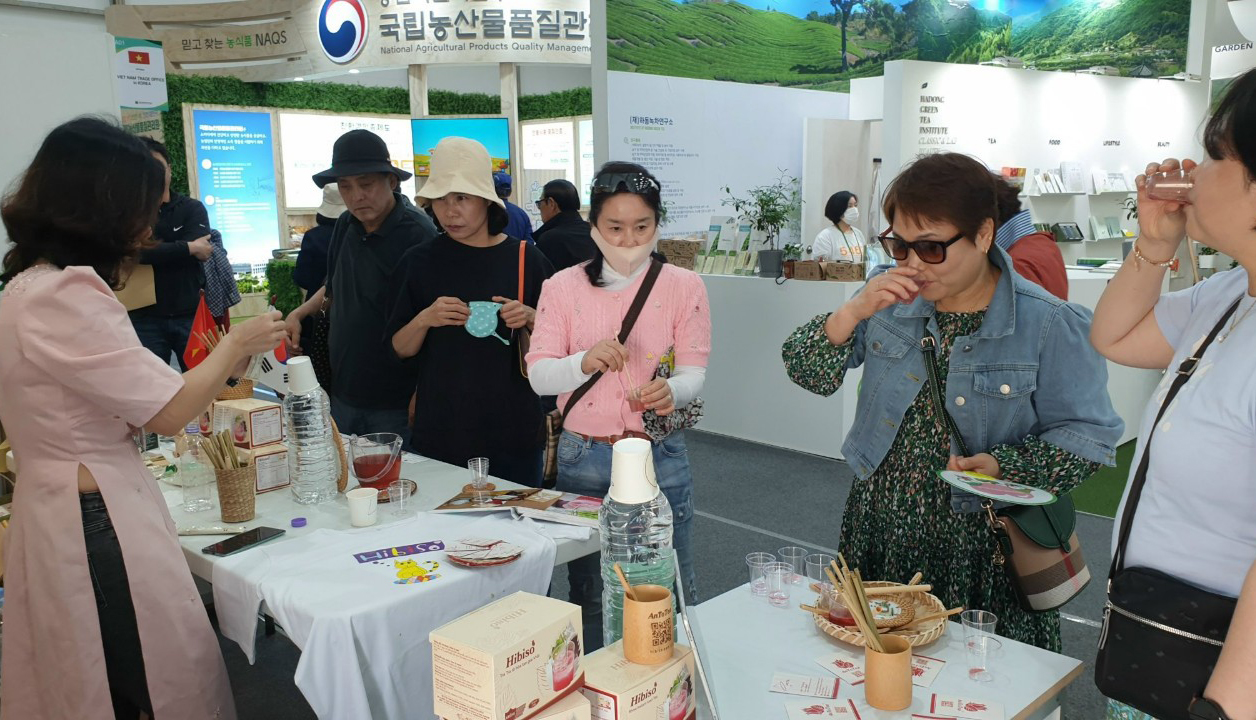
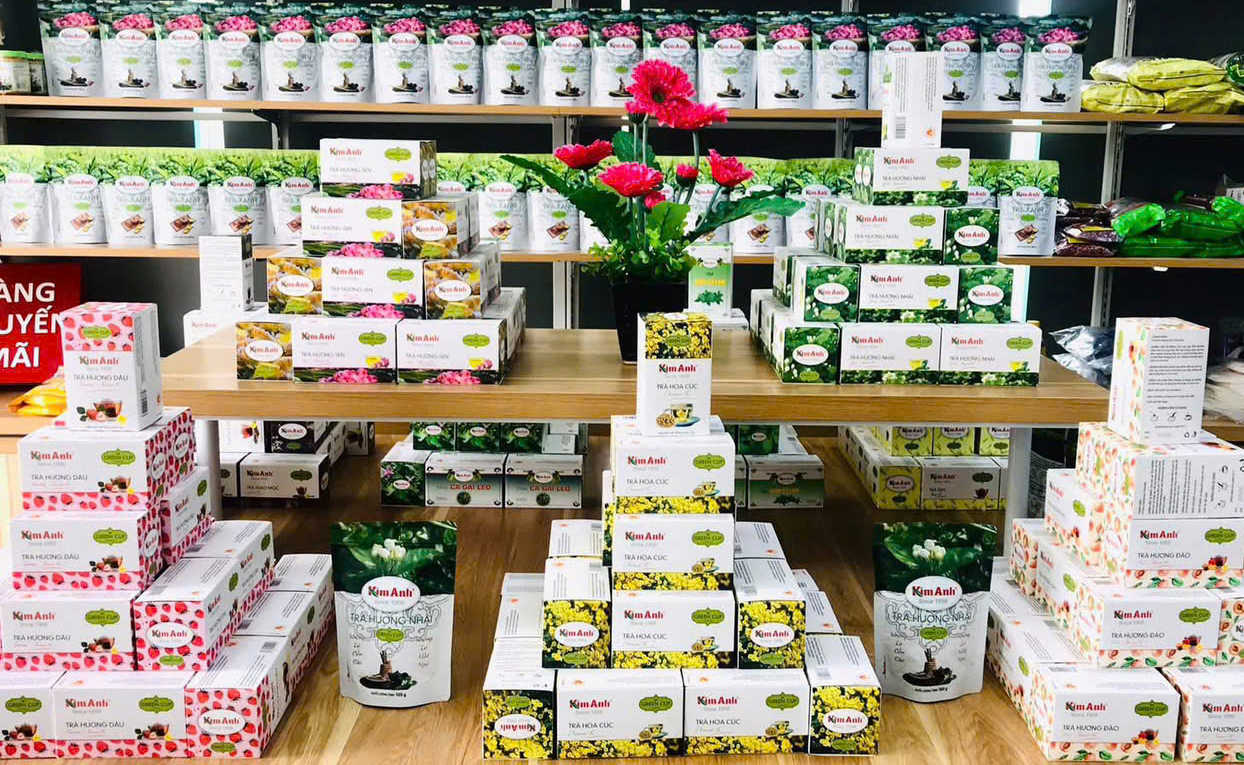
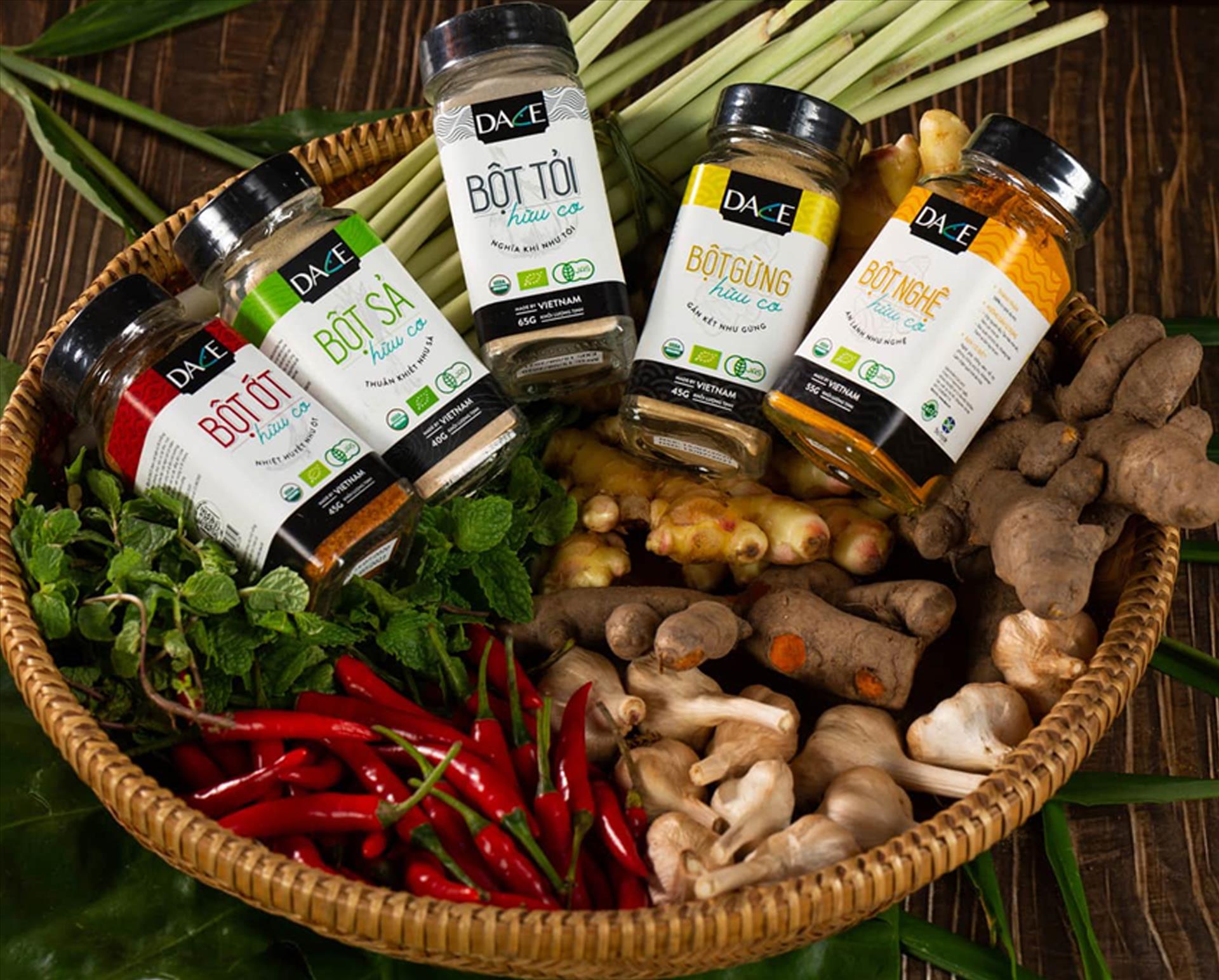
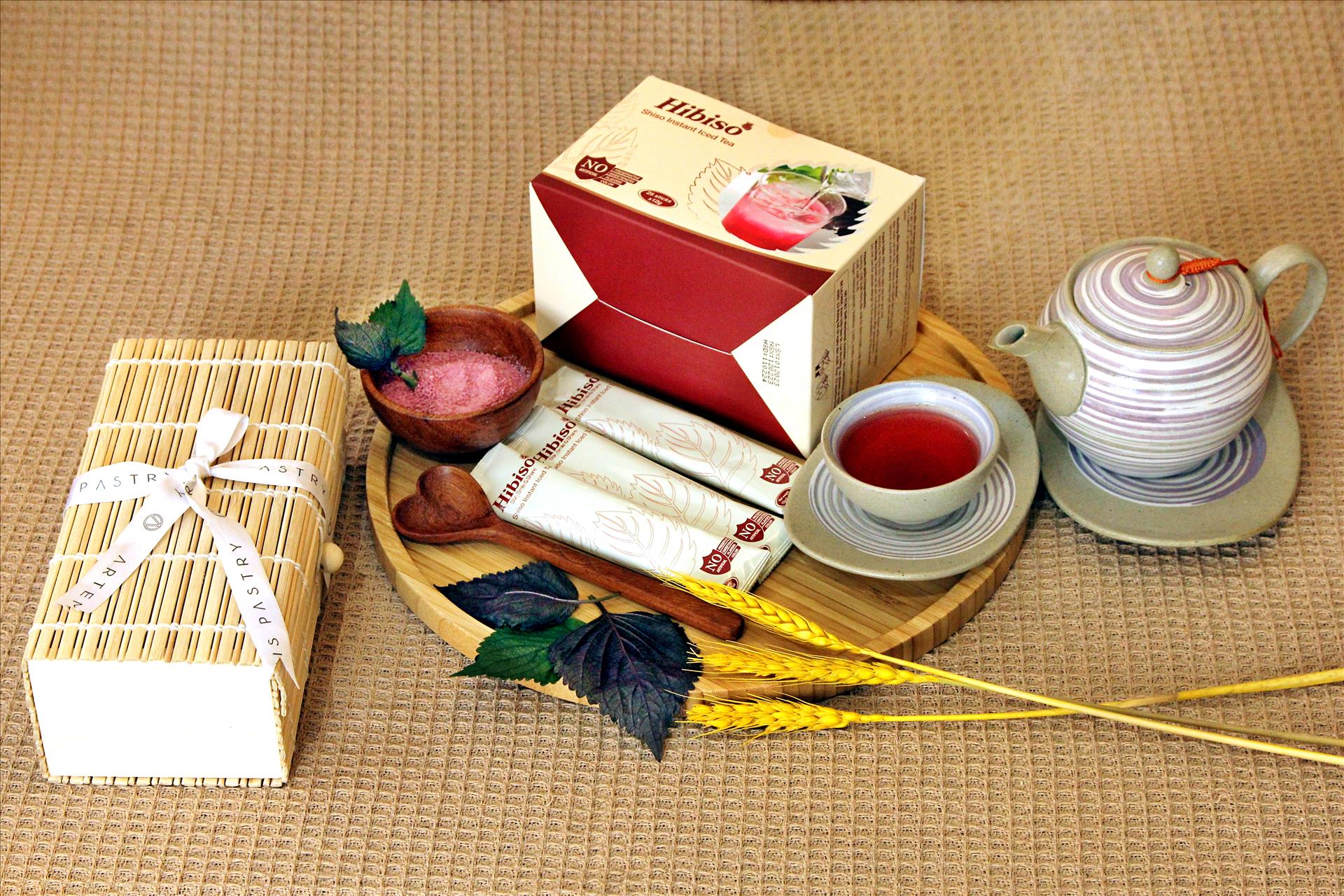
Looking toward sustained breakthroughs, Deputy Director Ta Van Tuong outlined several simultaneous solutions. These include strengthening farmer training on food safety standards and regulations of trade agreements (like EVFTA and CPTPP); building more standardized raw material zones; prioritizing the export of deeply processed products that meet requirements for traceability and sustainability; and aggressively promoting key products (including OCOP) in international trade events.
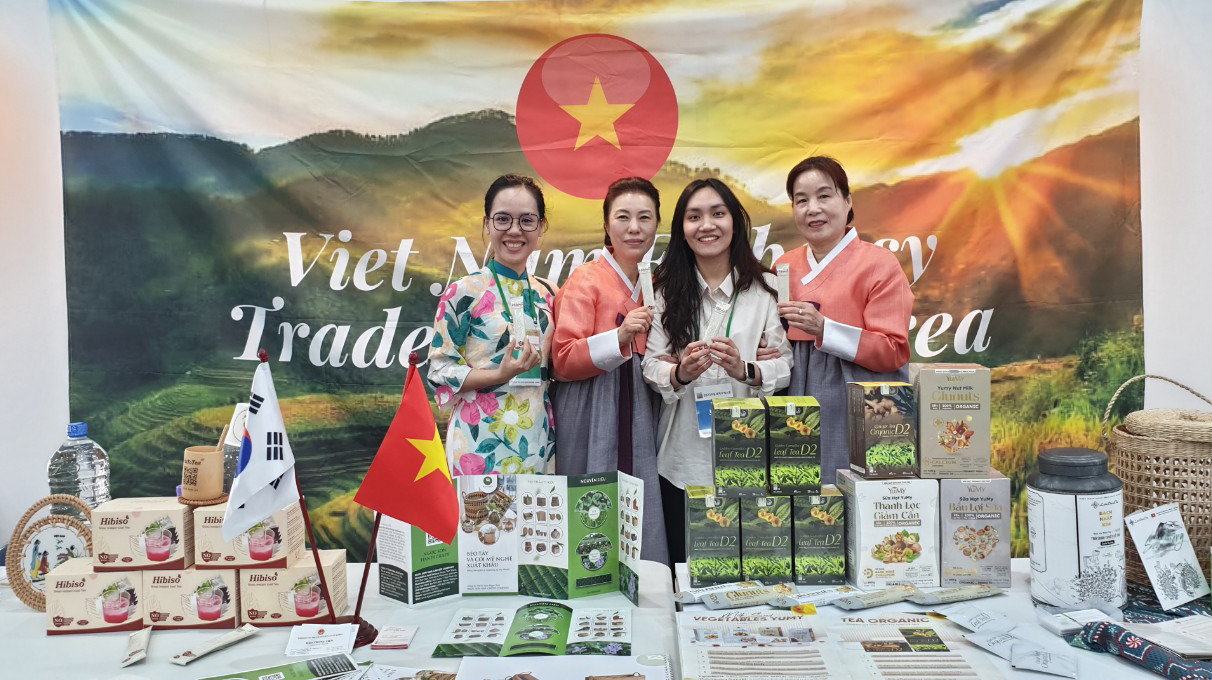

These comprehensive steps demonstrate Hanoi’s f irm determination not only to expand market share but also to build a lasting, trustworthy brand for its agricultural products - a brand strong enough to conquer the most demanding markets in Asia./.
Story: Hoang Ha Photos: Hoang Ha, Cong Dat & Files Translated by Hong Hanh