DeSilk: Transforming Silk into the Language of Diplomacy
Traceable raw materials, rich cultural storytelling, and a design vision bridging two cultures combined to create a unique position for DeSilk—a brand transforming Vietnamese silk into a medium for diplomacy.
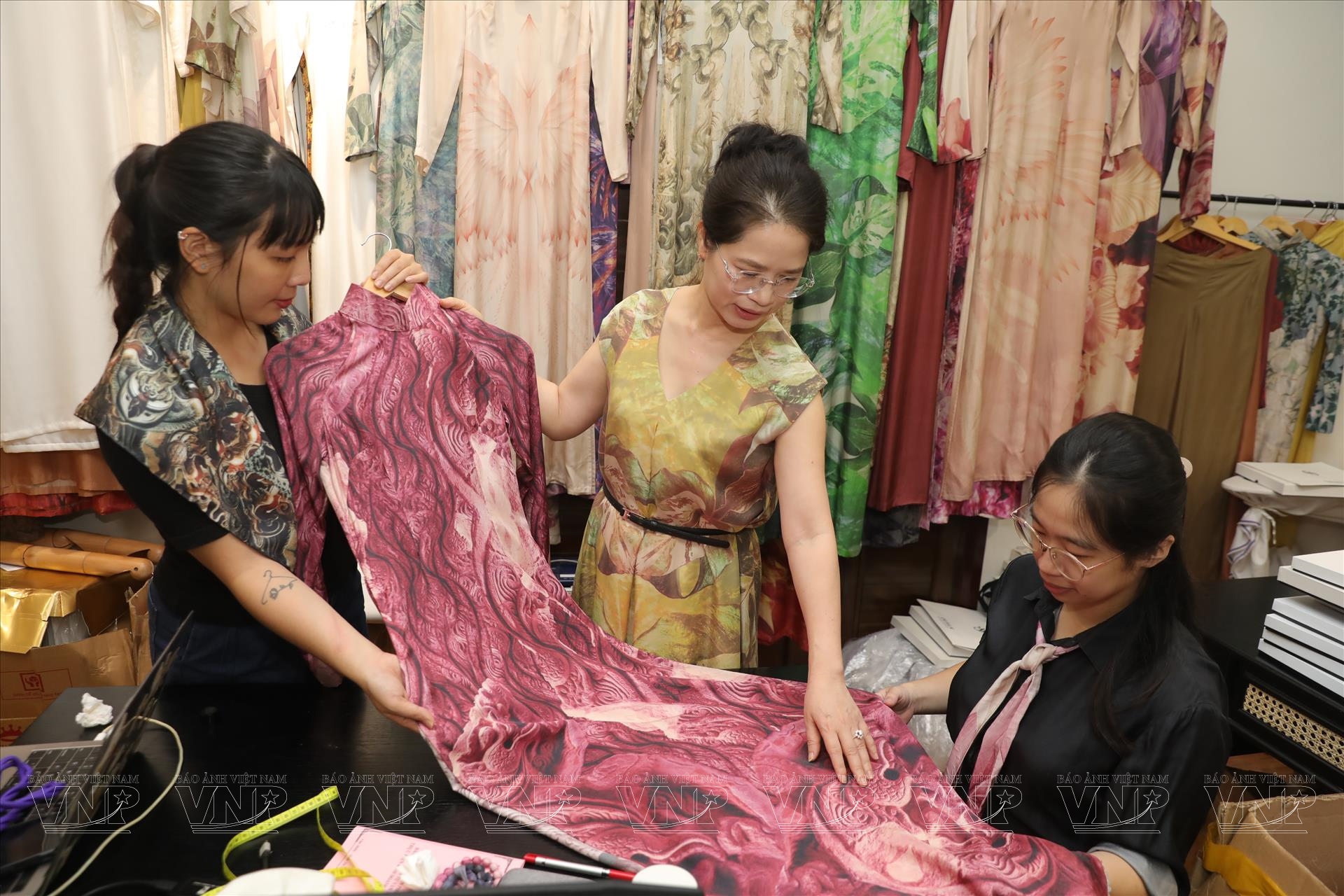
A blue-glazed tile from the Early Le Dynasty lay underground for nearly 700 years. A terracotta dragon head from the Ly Dynasty once guarded the roofs of the Thang Long Imperial Citadel. Today, these heritage motifs reappear on Bao Loc silk, accompanying Vietnamese diplomats worldwide. This represents DeSilk’s journey of turning heritage from museum artifacts into wearable culture.
Silk Roots in Rural Vietnam
Vietnam’s sericulture originated not in royal courts, but along the fertile banks of the Red, Day, and Thu Bon rivers. Legend holds that Princess Thieu Hoa taught villagers mulberry cultivation and silkworm farming during the reign of the Hung Kings. Born alongside wet-rice civilization, Vietnamese silk weaving developed as farmers learned to read the seasons, water, and weather.
This agricultural origin underpins the beauty of Vietnamese silk: smooth textiles forged through patience. The luster of silk reflects farming values—meticulous care, repetition, and precision.
Different regions developed distinct styles. Van Phuc along the Nhue River became known for its van silk—subtle patterns woven directly into the fabric rather than printed or embroidered. Nha Xa preserved its craft along the Red River, while Ma Chau in Quang Nam linked its history to 17th-century silk patron Lady Doan Quy Phi. Tan Chau in the Mekong Delta produced Lanh My A, a jet-black silk dyed dozens of times with mac nua fruit. In the Central Highlands, Bao Loc emerged as a primary raw material hub, benefiting from high altitude and humidity to produce uniform, lustrous silk filaments.
Vietnam retains an unbroken sericulture chain: accessible raw materials, active craft villages, and traditional techniques preserved across generations.
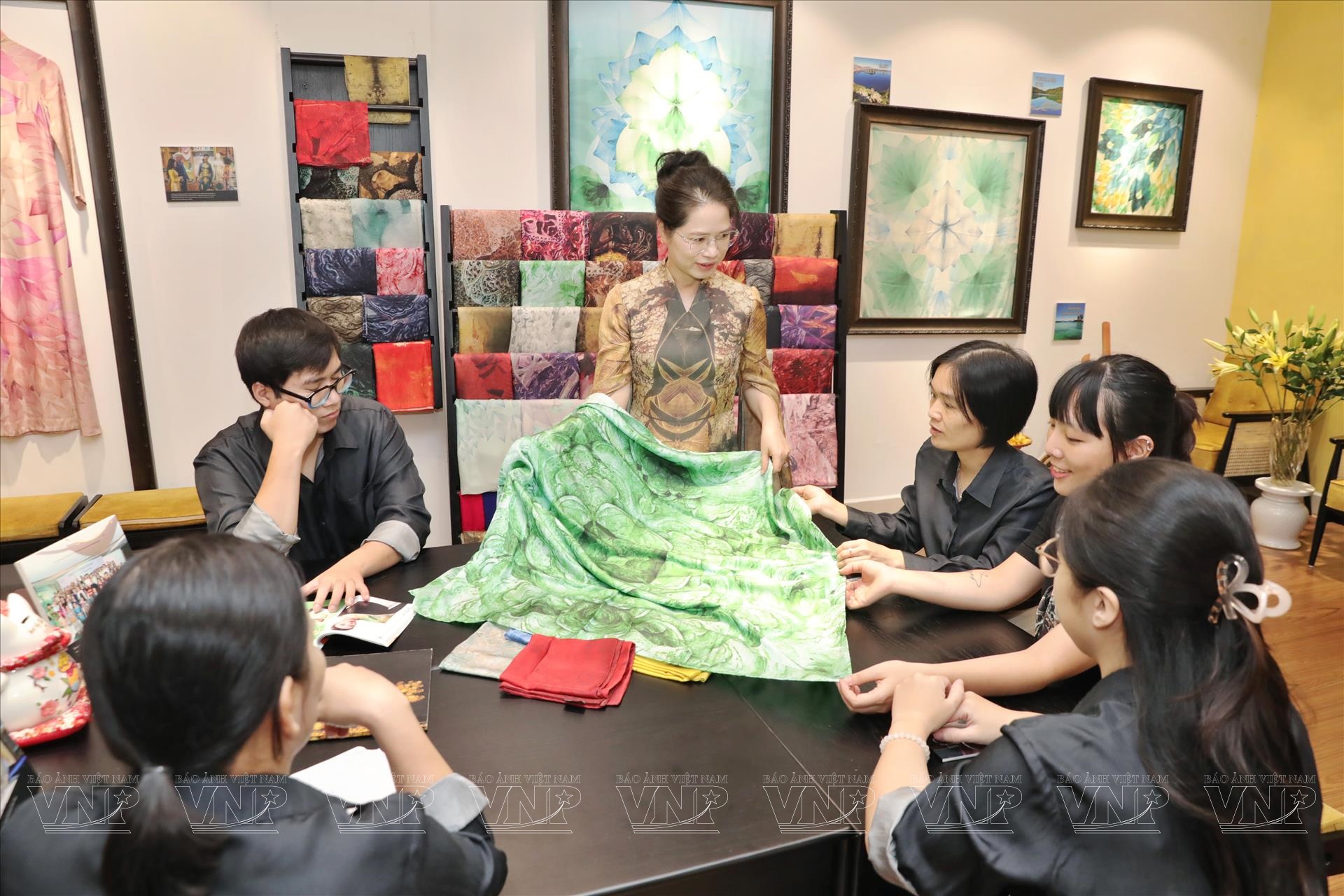
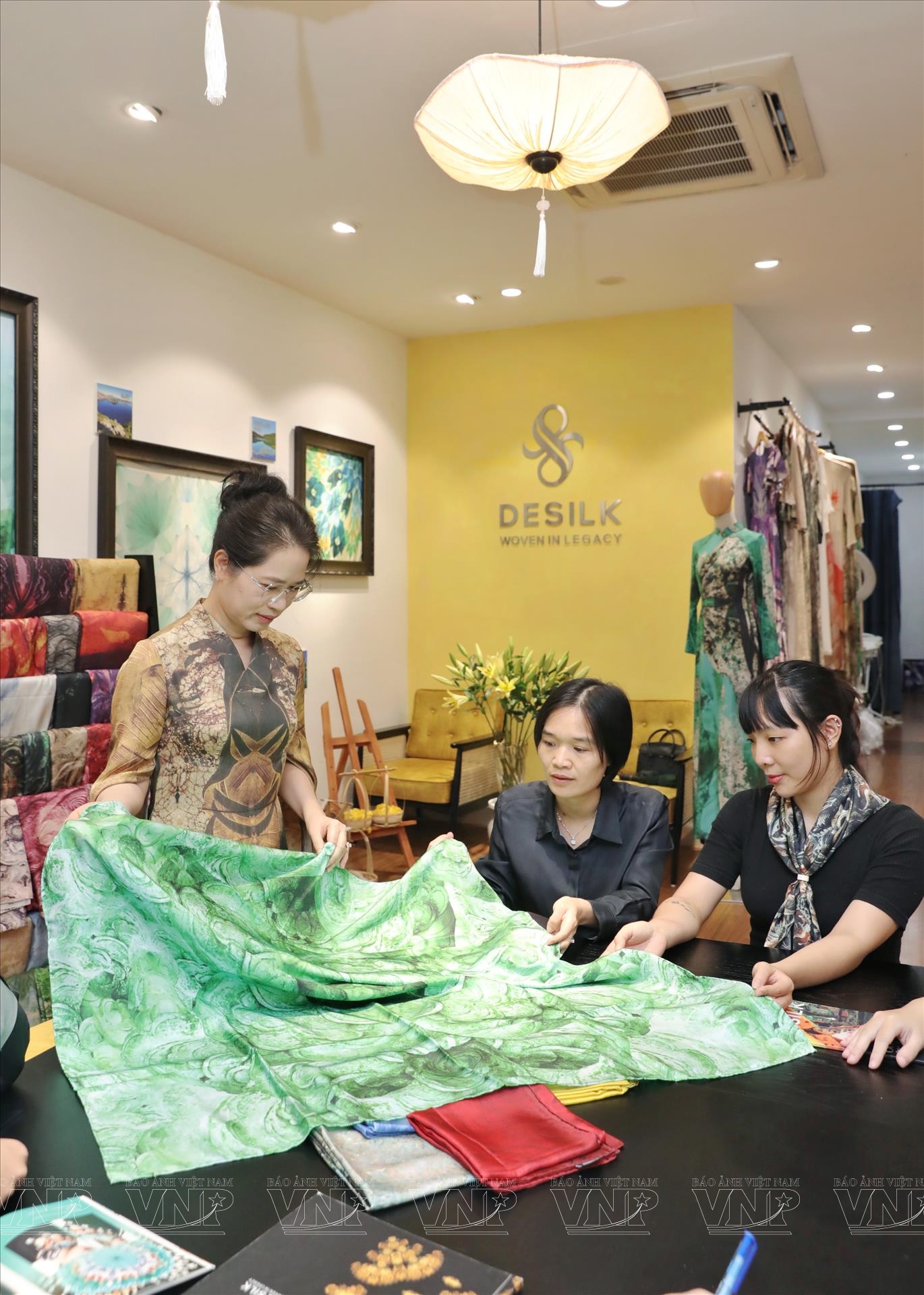
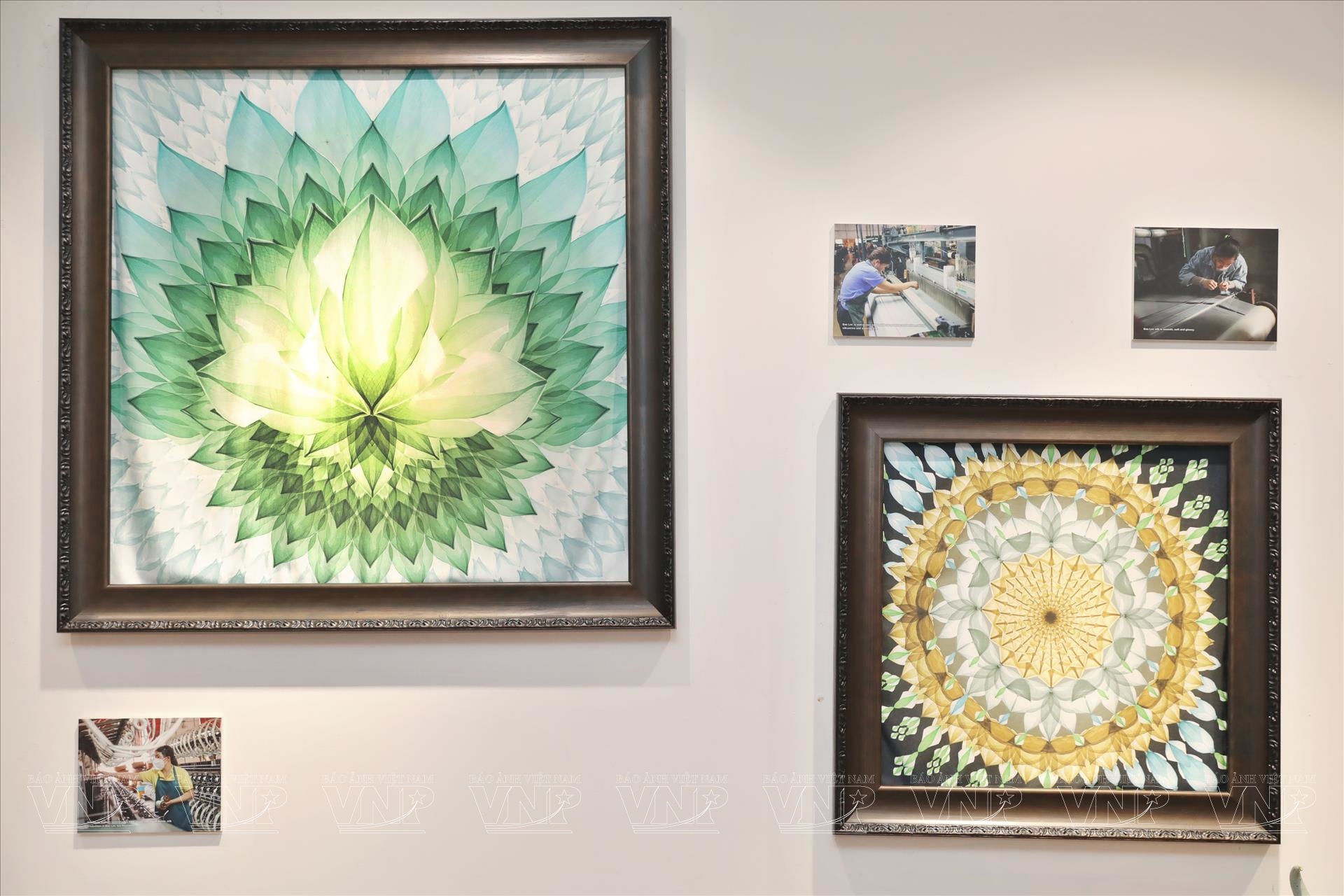
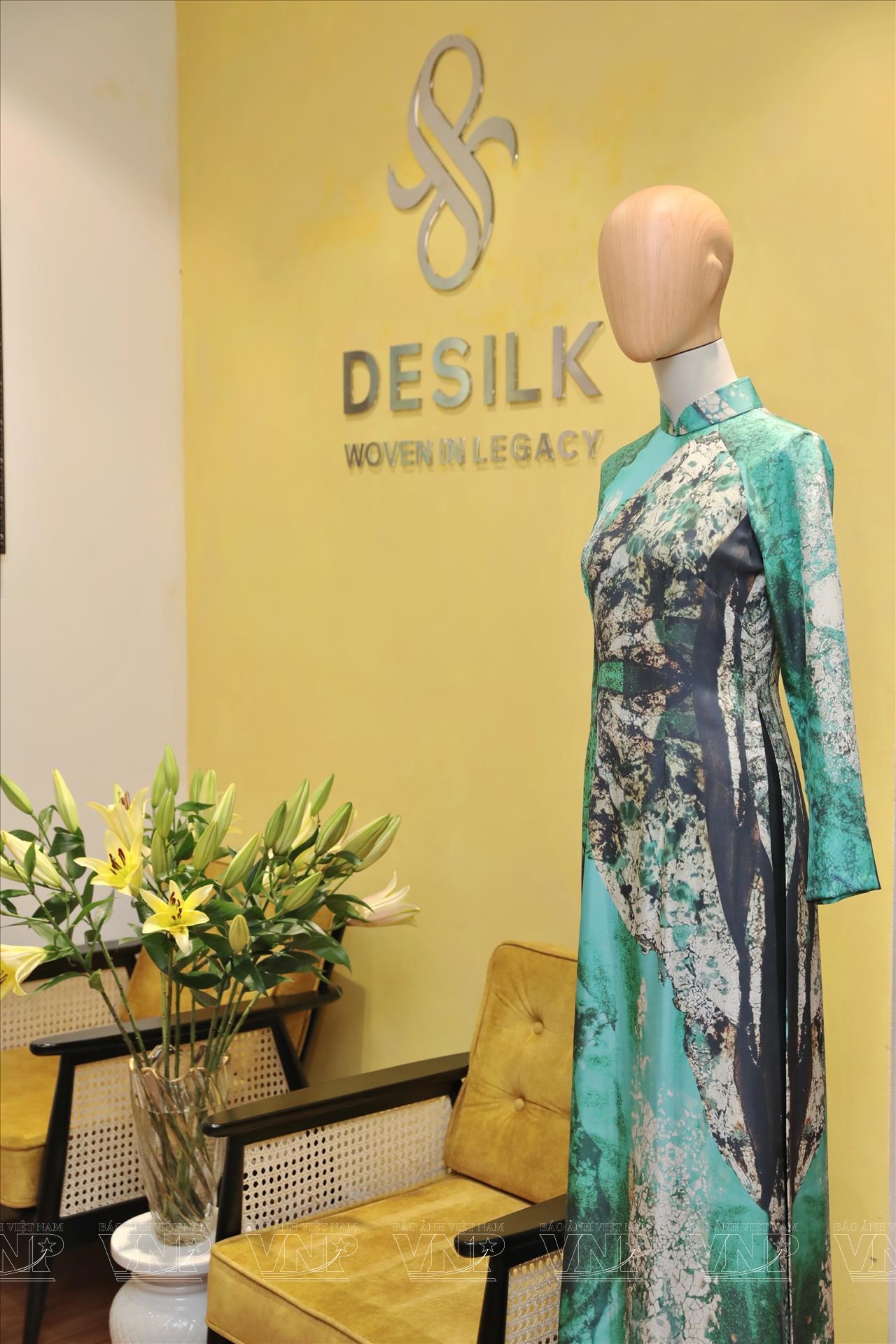
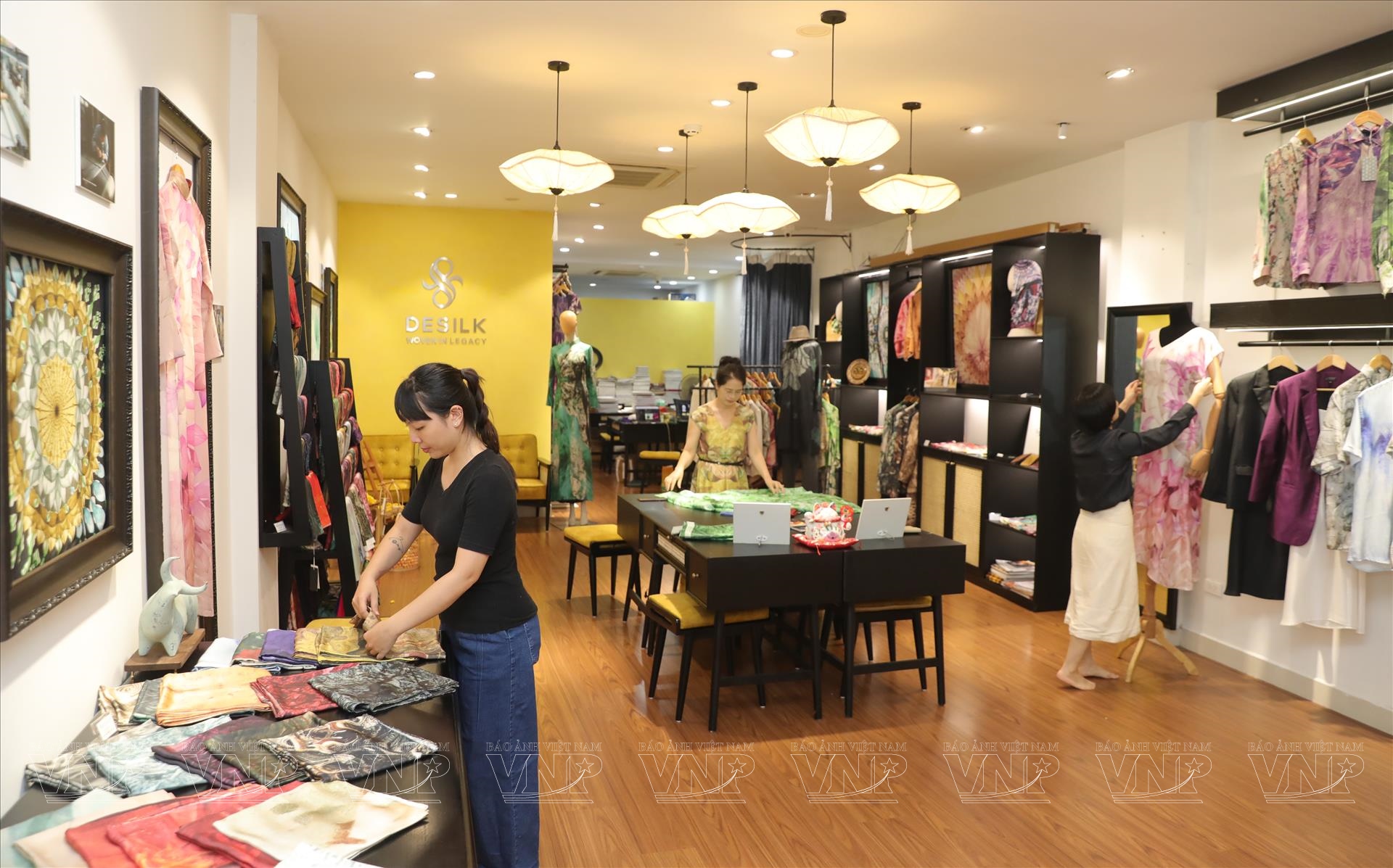
DeSilk builds on this foundation by using 100% natural silk from Bao Loc and maintaining end-to-end quality control—from mulberry cultivation and silkworm rearing to reeling, weaving, design, printing, inspection, and distribution. Traceable sourcing meets global luxury market expectations, where buyers seek authenticity and craft transparency.
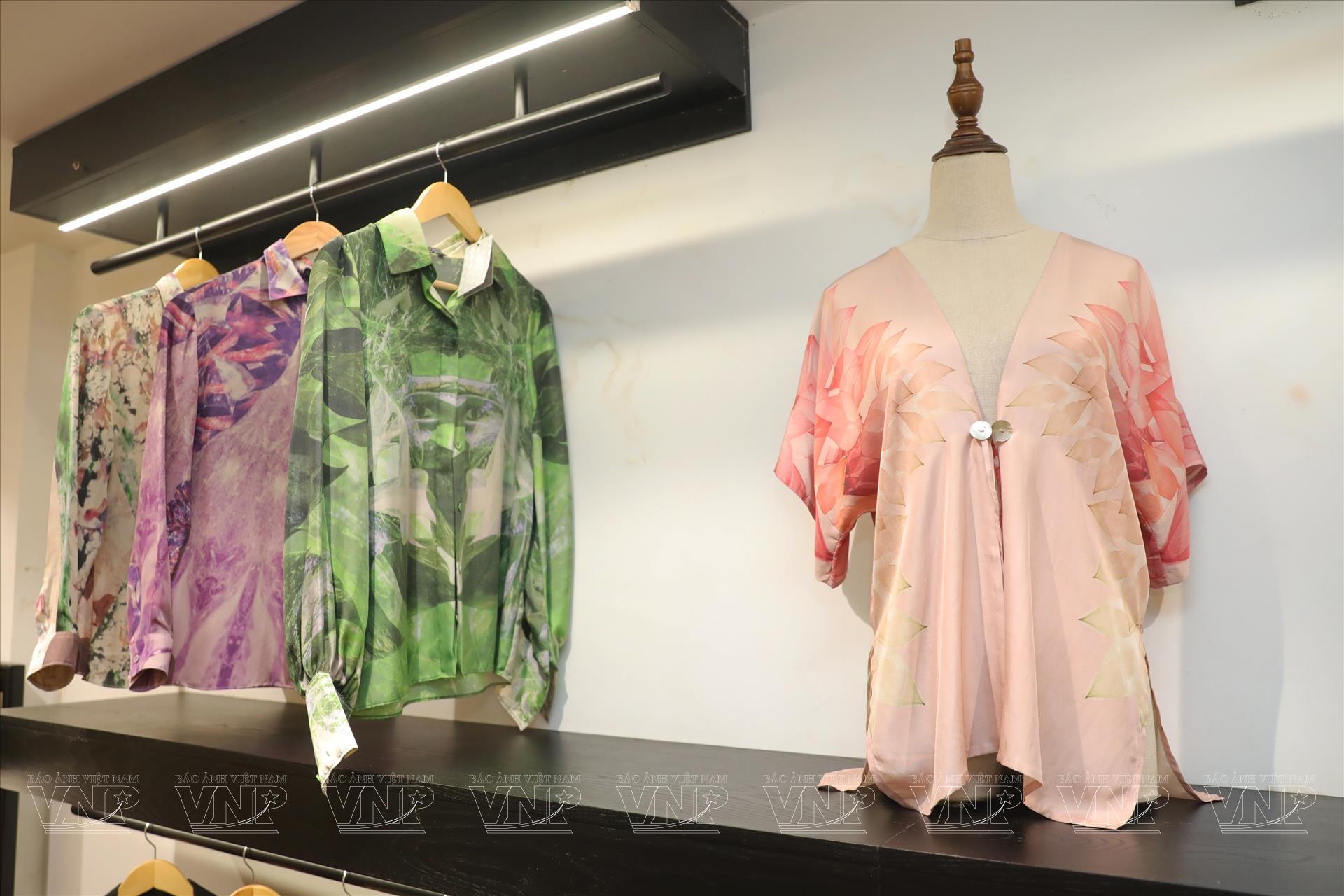
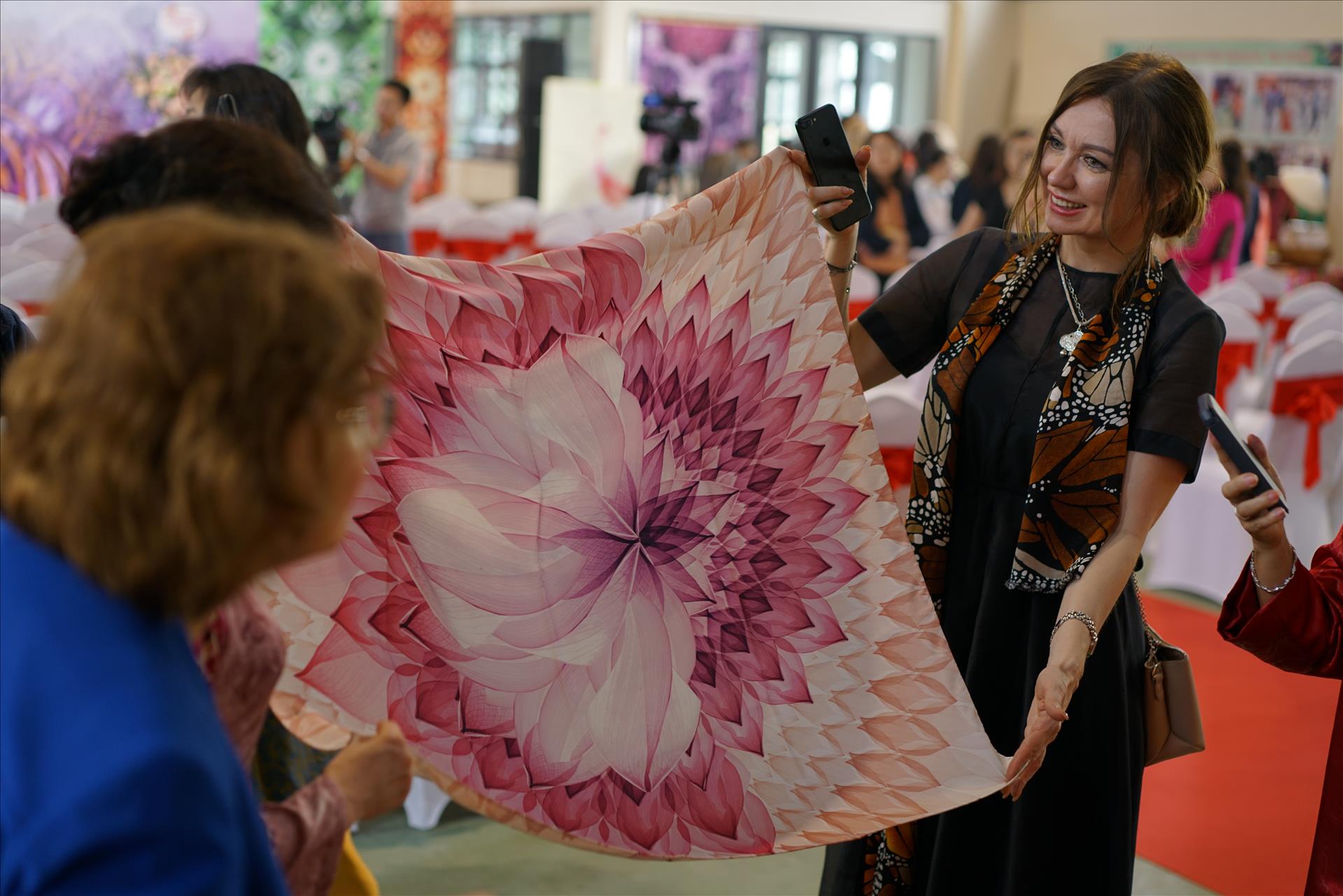
On this natural silk canvas, DeSilk applies multi-layered gradient printing techniques to add visual depth beyond the capabilities of traditional handlooms.
Wearing Unique Global Heritage
Moving beyond generic cultural motifs, DeSilk conducts rigorous research on specific historical artifacts and eras. Each pattern functions as an authentic reference point, allowing wearers to showcase tangible historical elements from Thang Long.
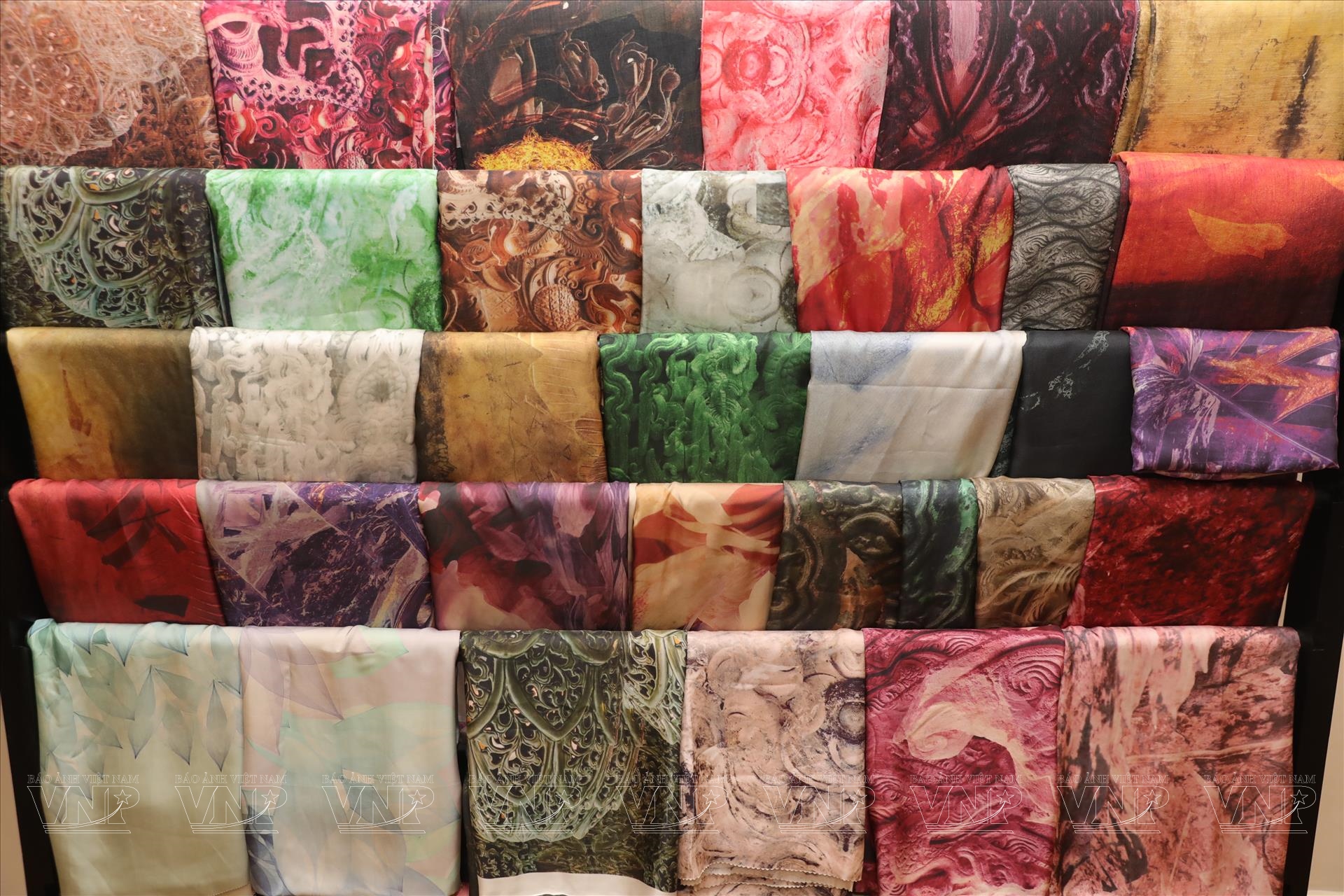
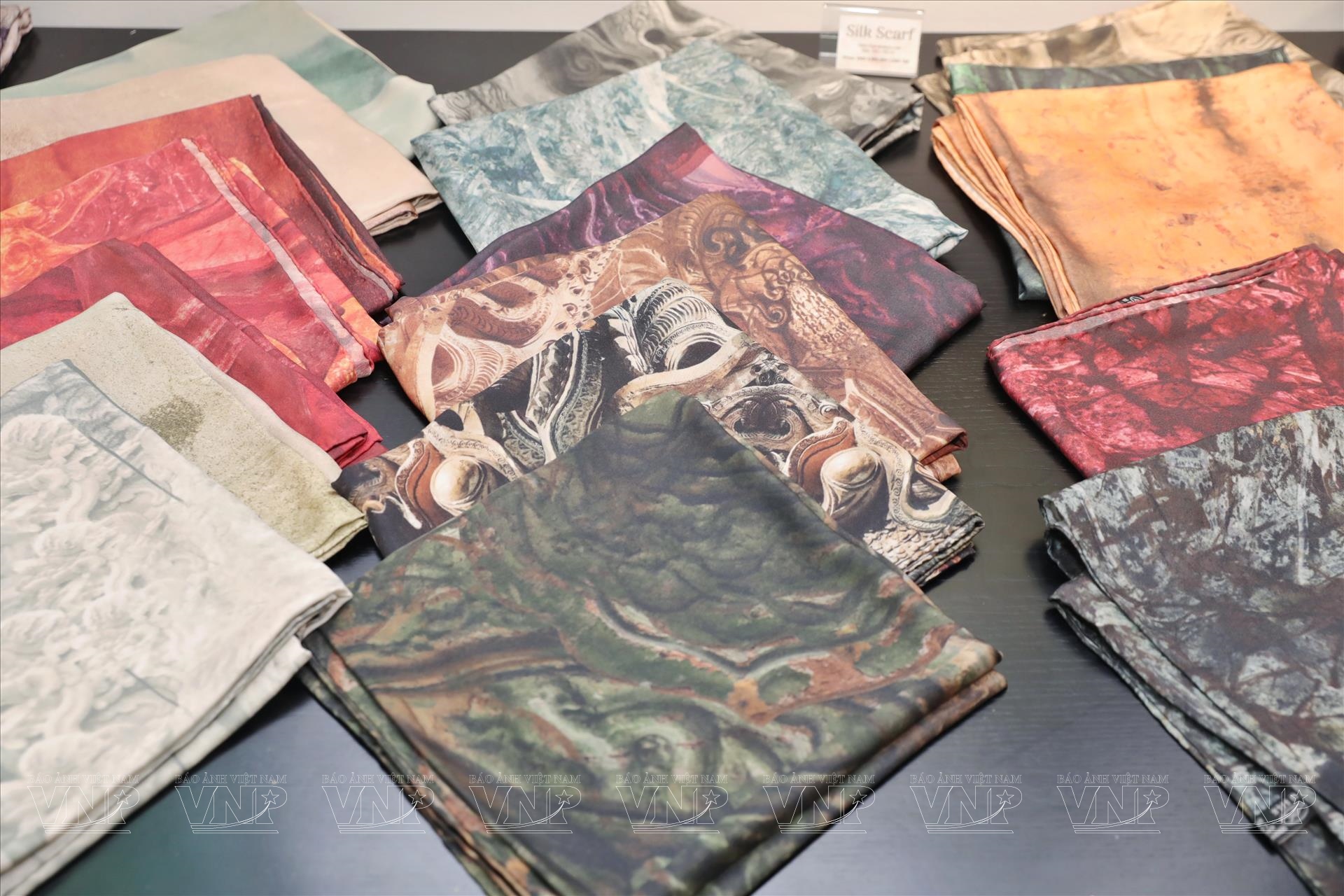
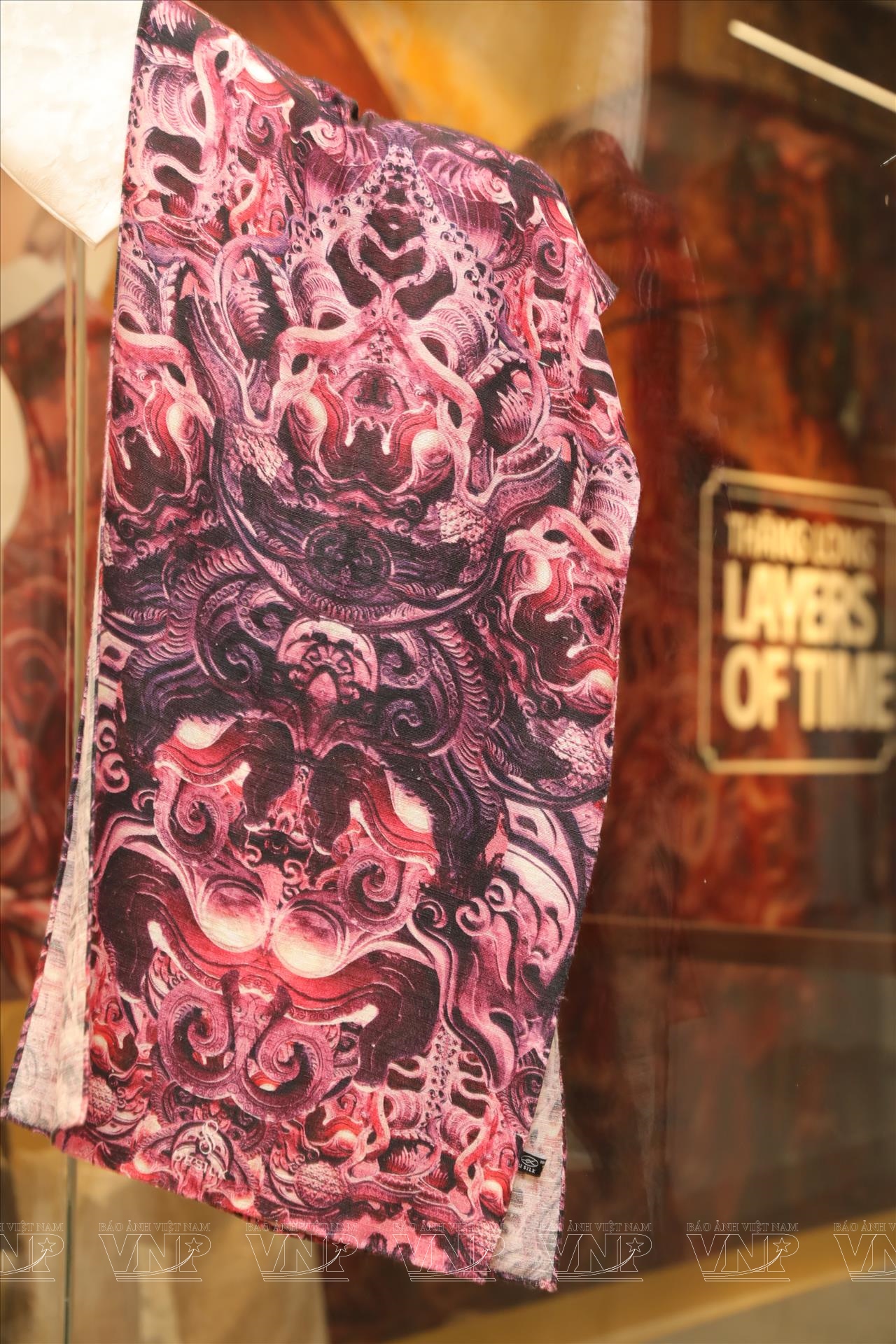
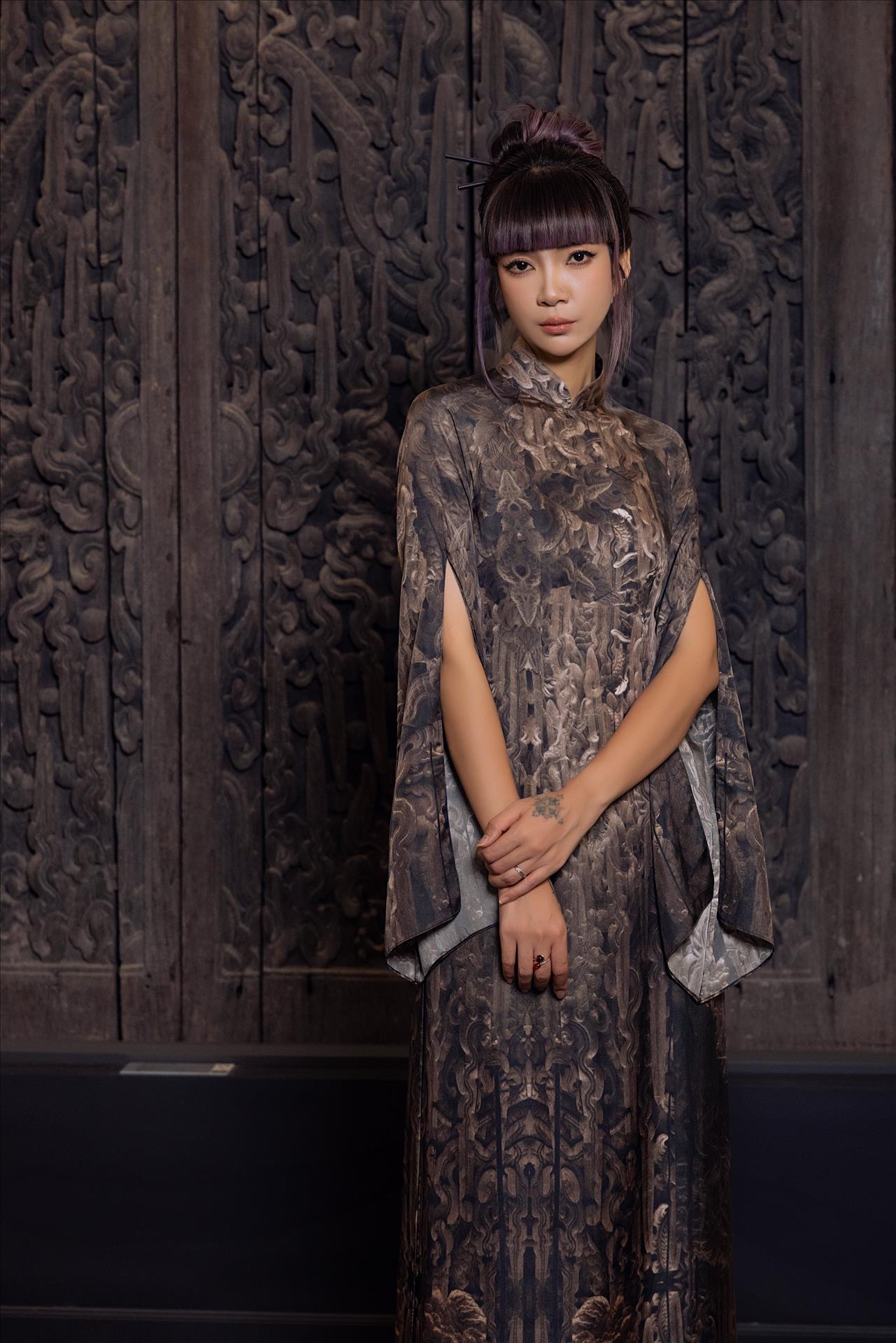
Launched in October 2025, the "Thang Long – Marks of Time" collection features seven patterns inspired by historical artifacts from Thang Long. "Liem Diem" draws from terracotta dragon heads found on Ly Dynasty palace roofs, symbolizing the interplay of fire and water in wet-rice civilization. "Long Van" traces its origin to stone dragon sculptures on palace steps, while "Sen An" reinterprets blue-glazed tiles bearing dragon motifs from the Early Le Dynasty. "Thanh Ky" captures the weathered textures and patina of ancient citadel walls.
Recognized as a UNESCO World Heritage Site in 2010, the Thang Long Imperial Citadel represents a shared cultural treasure. DeSilk transfers these unique historical fragments—previously confined to archaeological sites and museum displays—onto silk for international audiences.
In January 2024, DeSilk formalized a partnership with the Vietnam Fine Arts Museum to access academic design archives. The brand has also drawn inspiration from Keo Pagoda's architecture, eggshell lacquerware, gold leaf gilding, Arhat statues, and lotus motifs.
Translating a 700-year-old tile onto wearable silk requires careful balance between literal replication and abstract adaptation. Leading DeSilk's creative direction is Minh Pham, a Swiss-Vietnamese artistic director trained in Paris.
In "Thanh Ky," Minh Pham retains the cracked textures of ancient walls, using symmetry to transform temporal imperfections into visual rhythm. In "Long Van," he focuses on protective and peaceful symbolism rather than aggressive imagery.
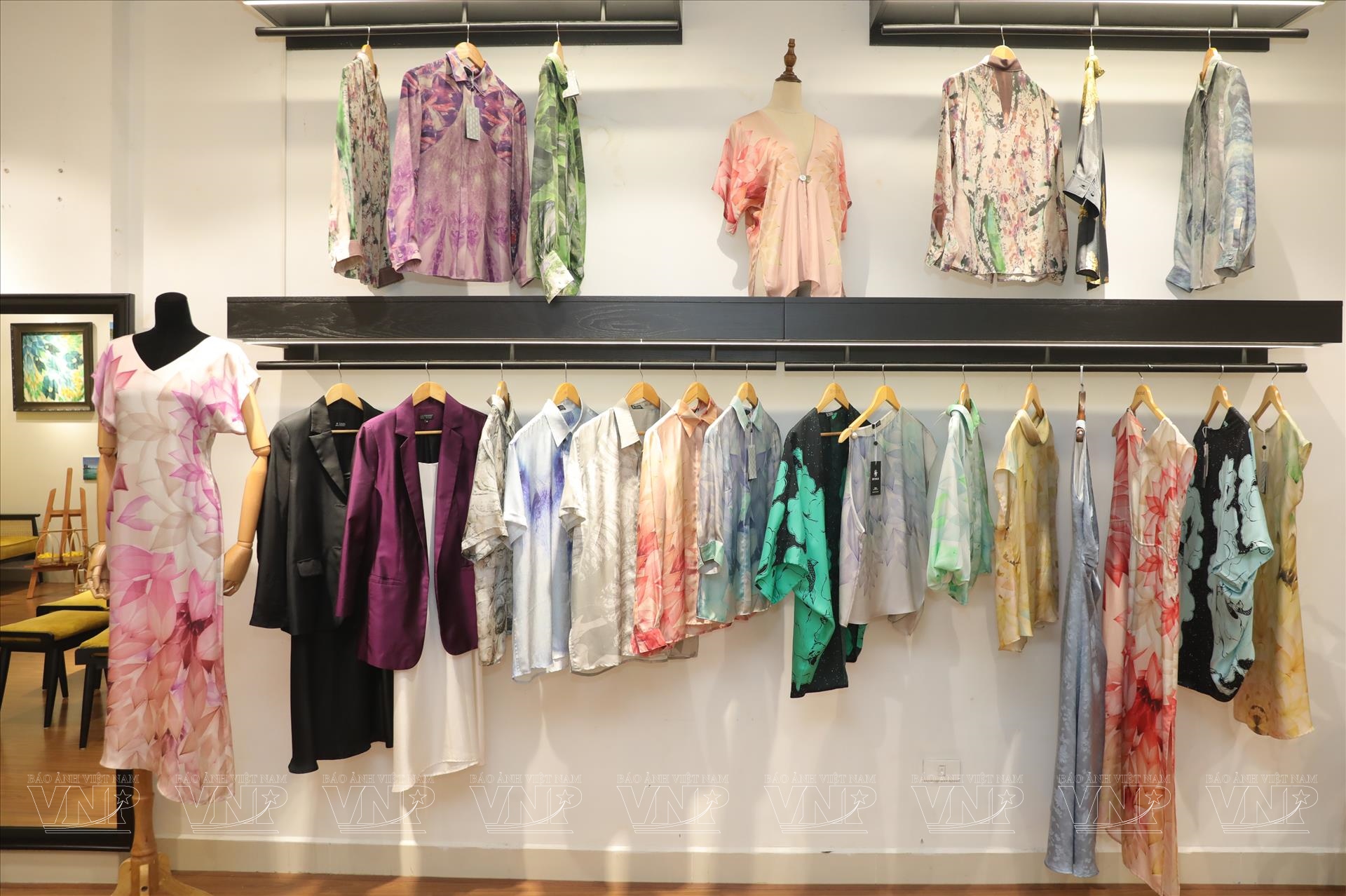
A signature design technique—reflection, symmetry, and kaleidoscopic patterns—runs throughout the collections to reinterpret historical structural elements. This methodology extends to contemporary inspirations, such as monstera leaves in "Dance of Nature" or seasonal blooms in "Springtime." Each collection undergoes three to six months of research and development before release.
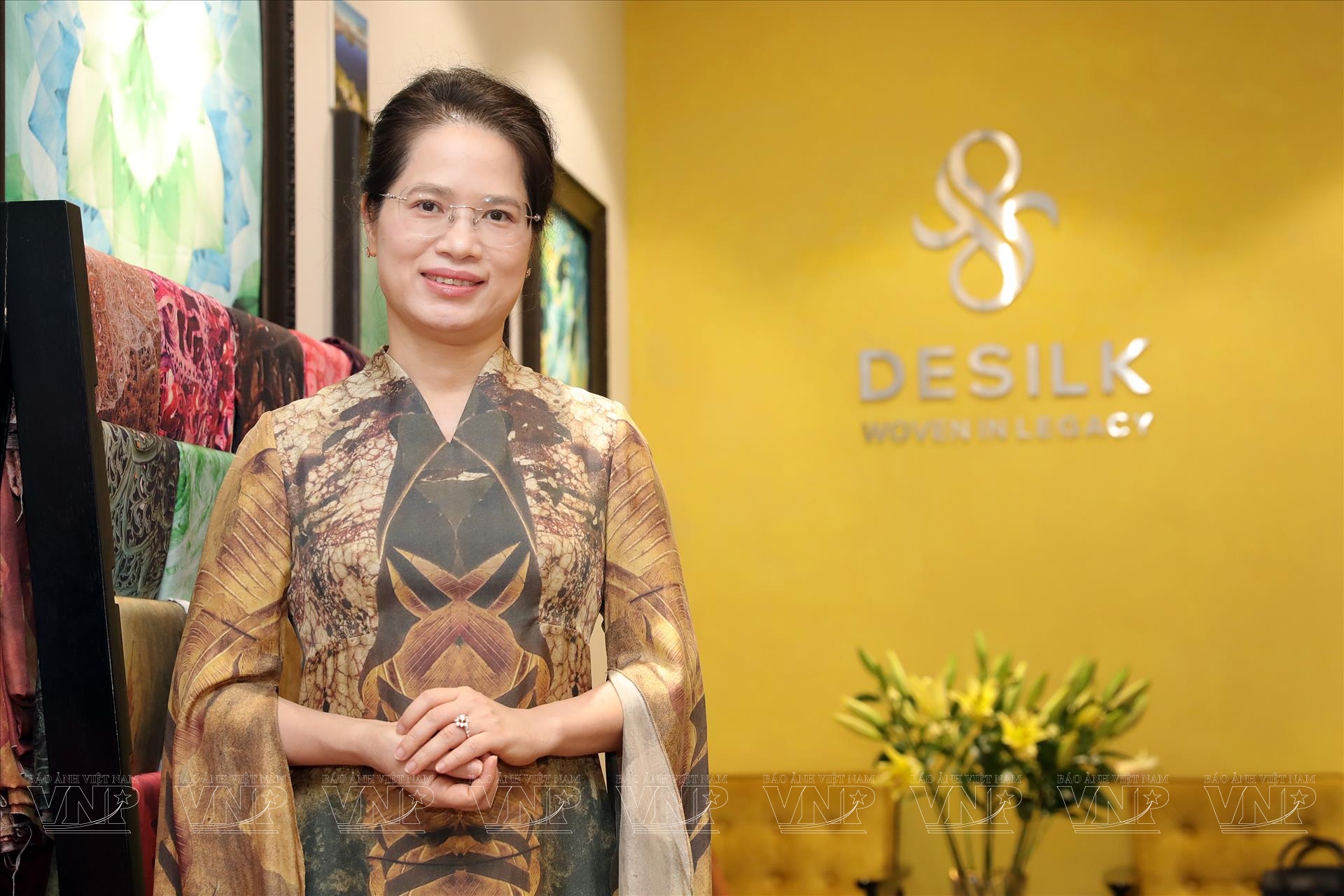
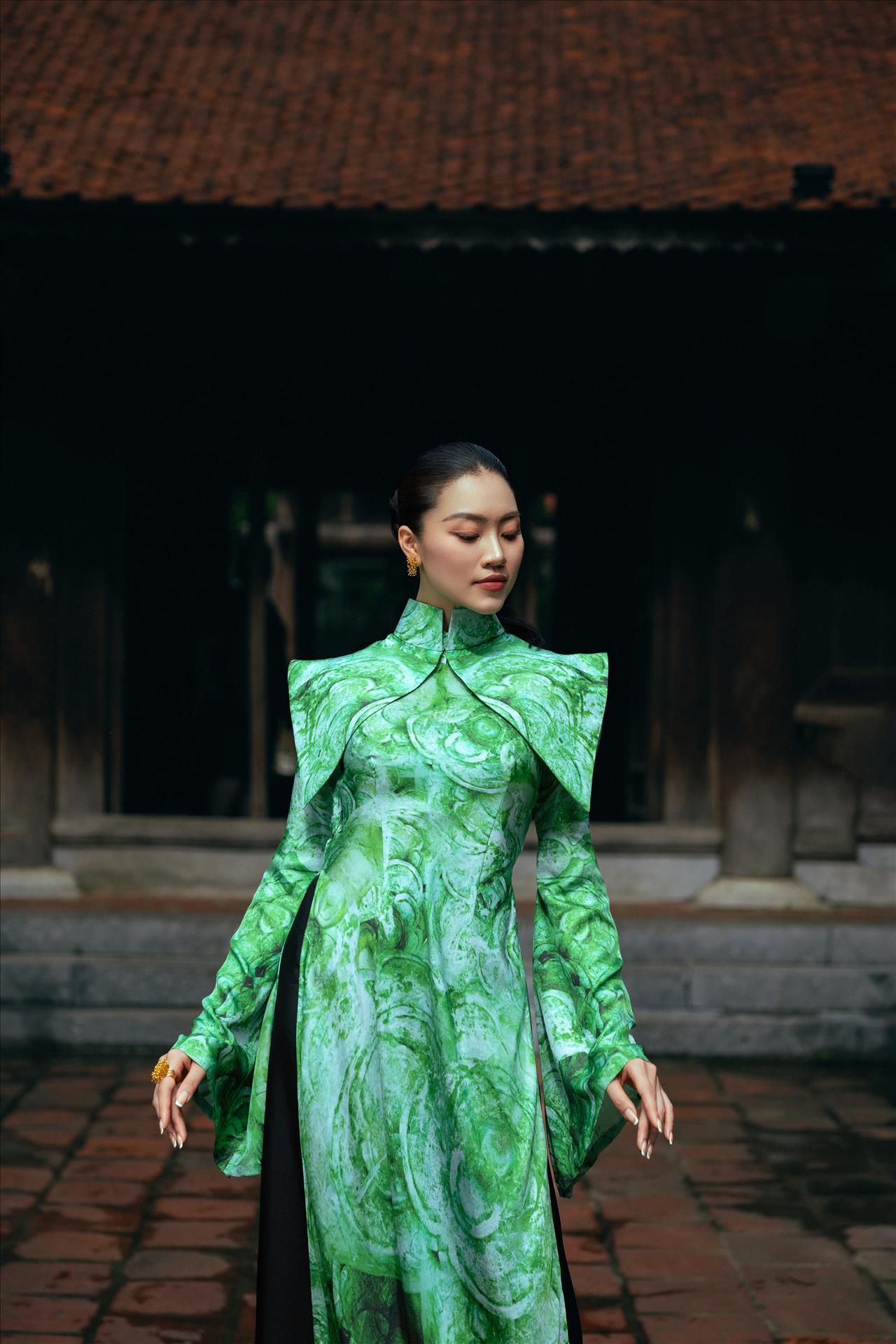
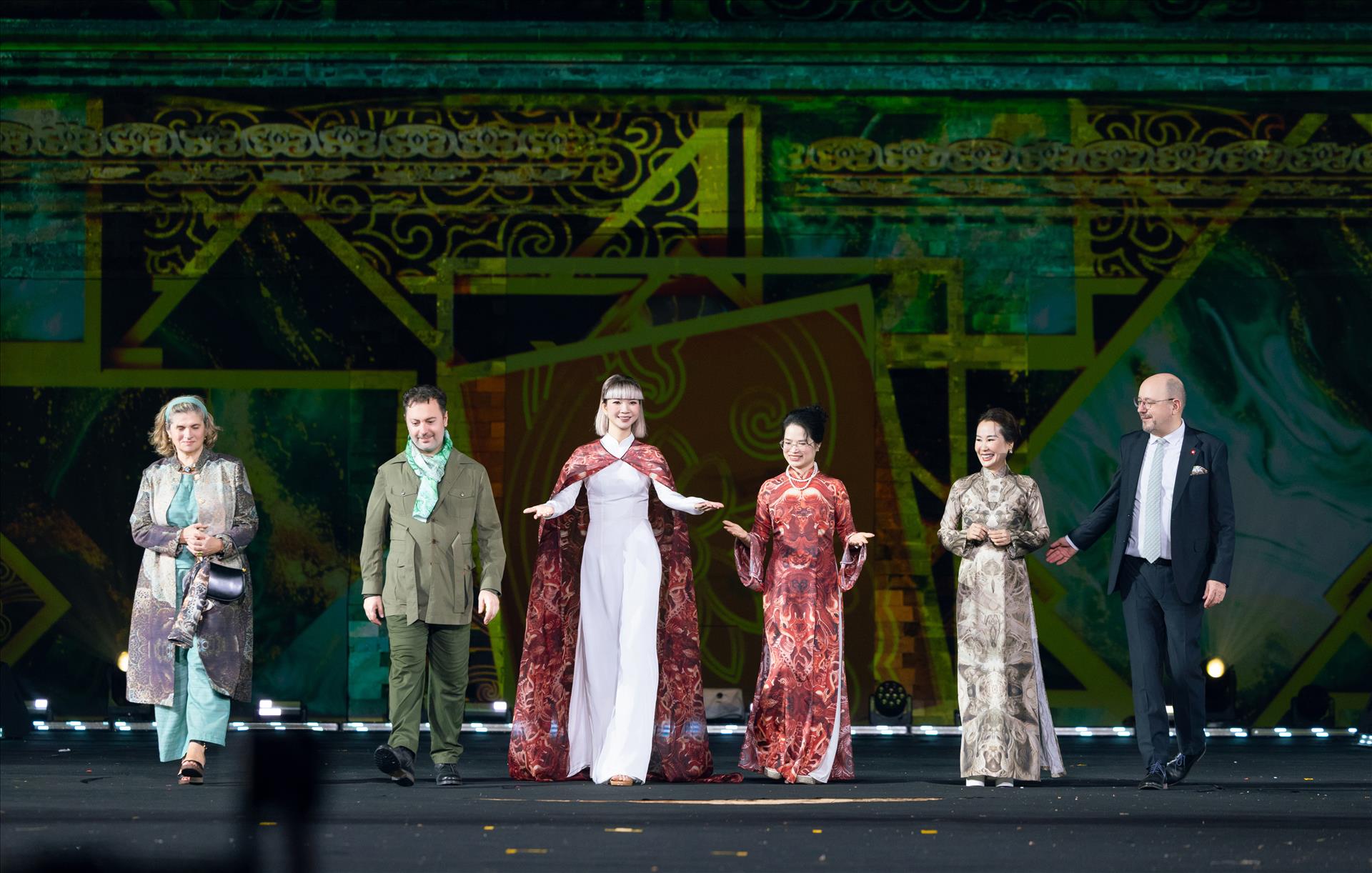
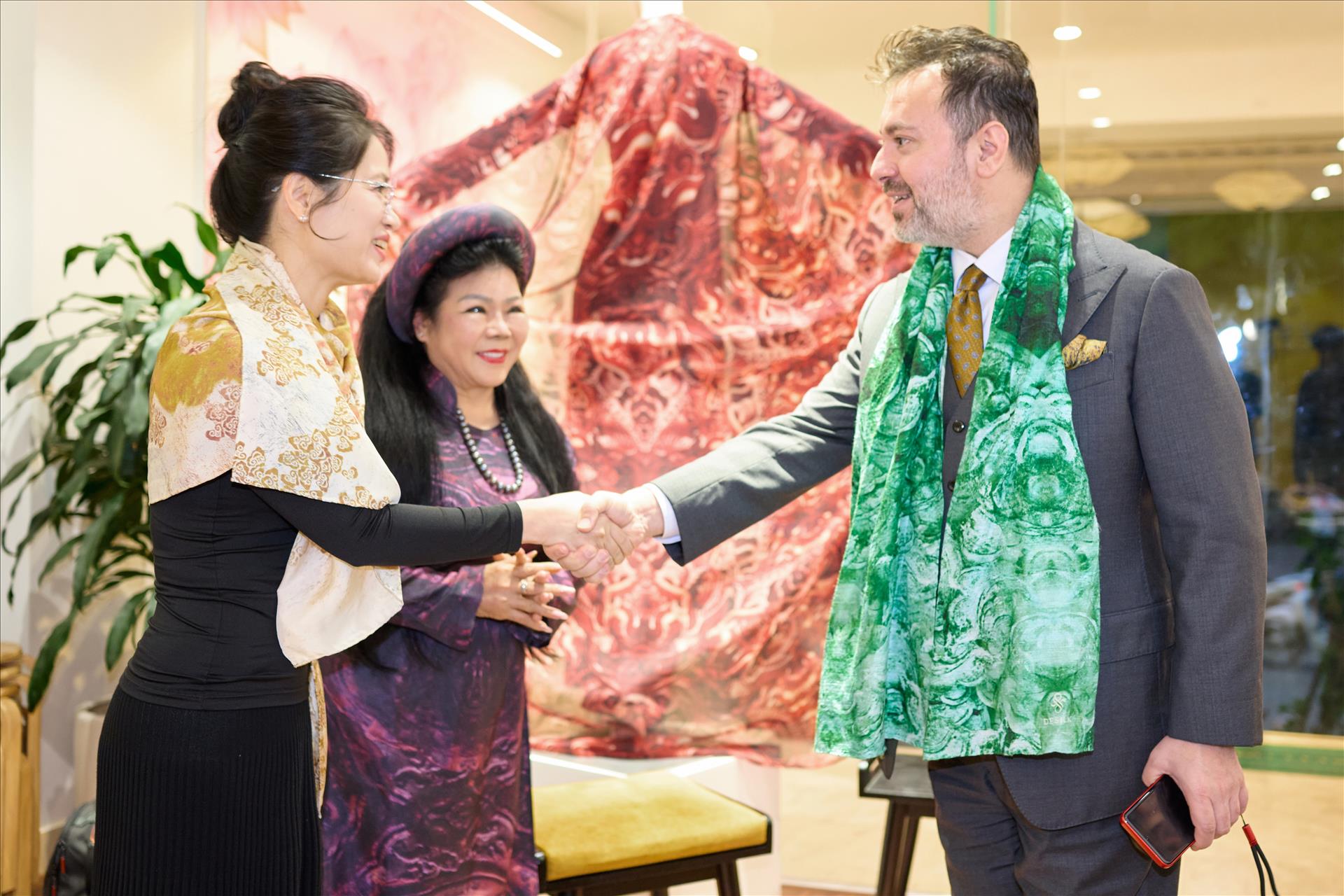
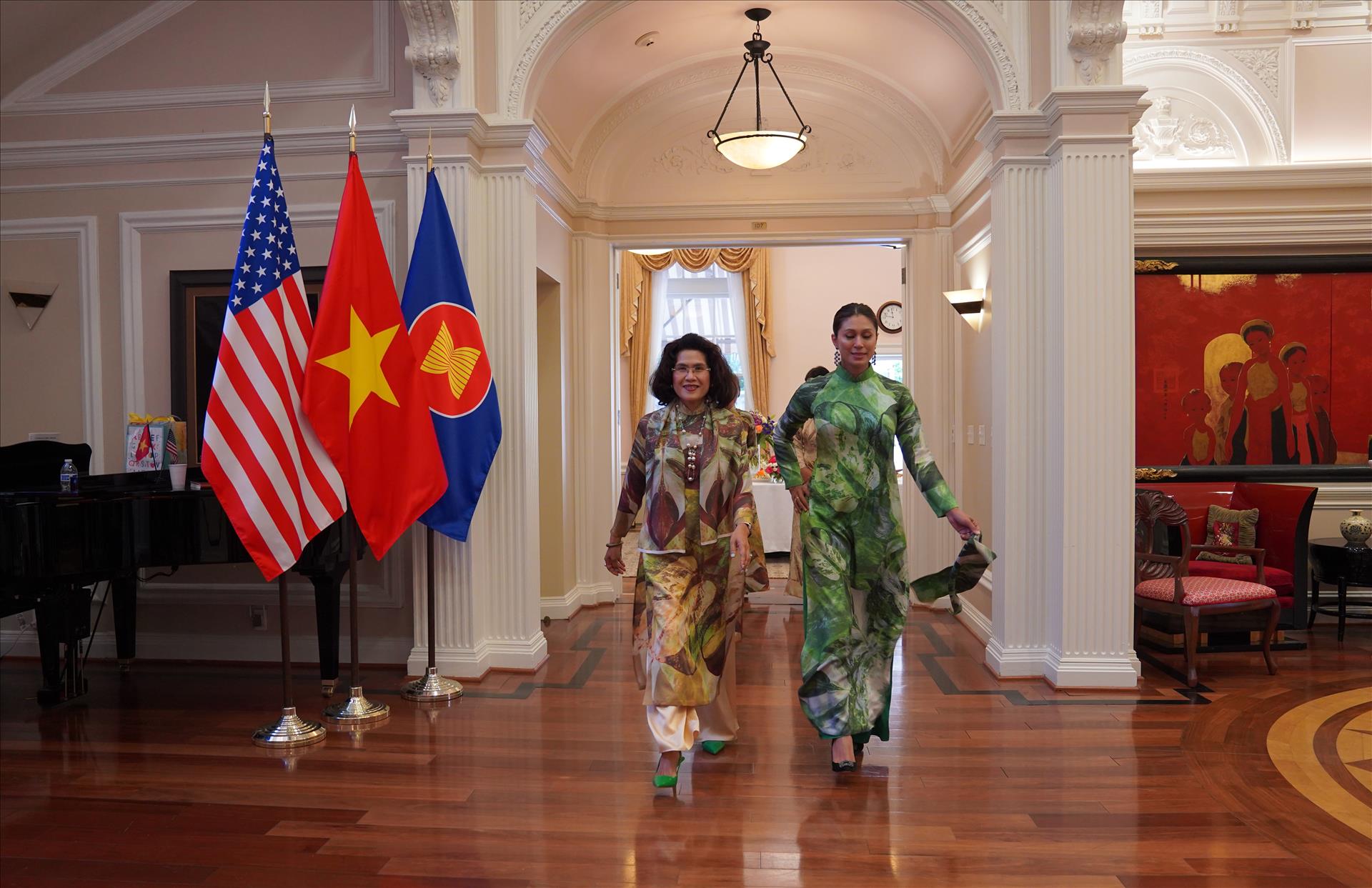
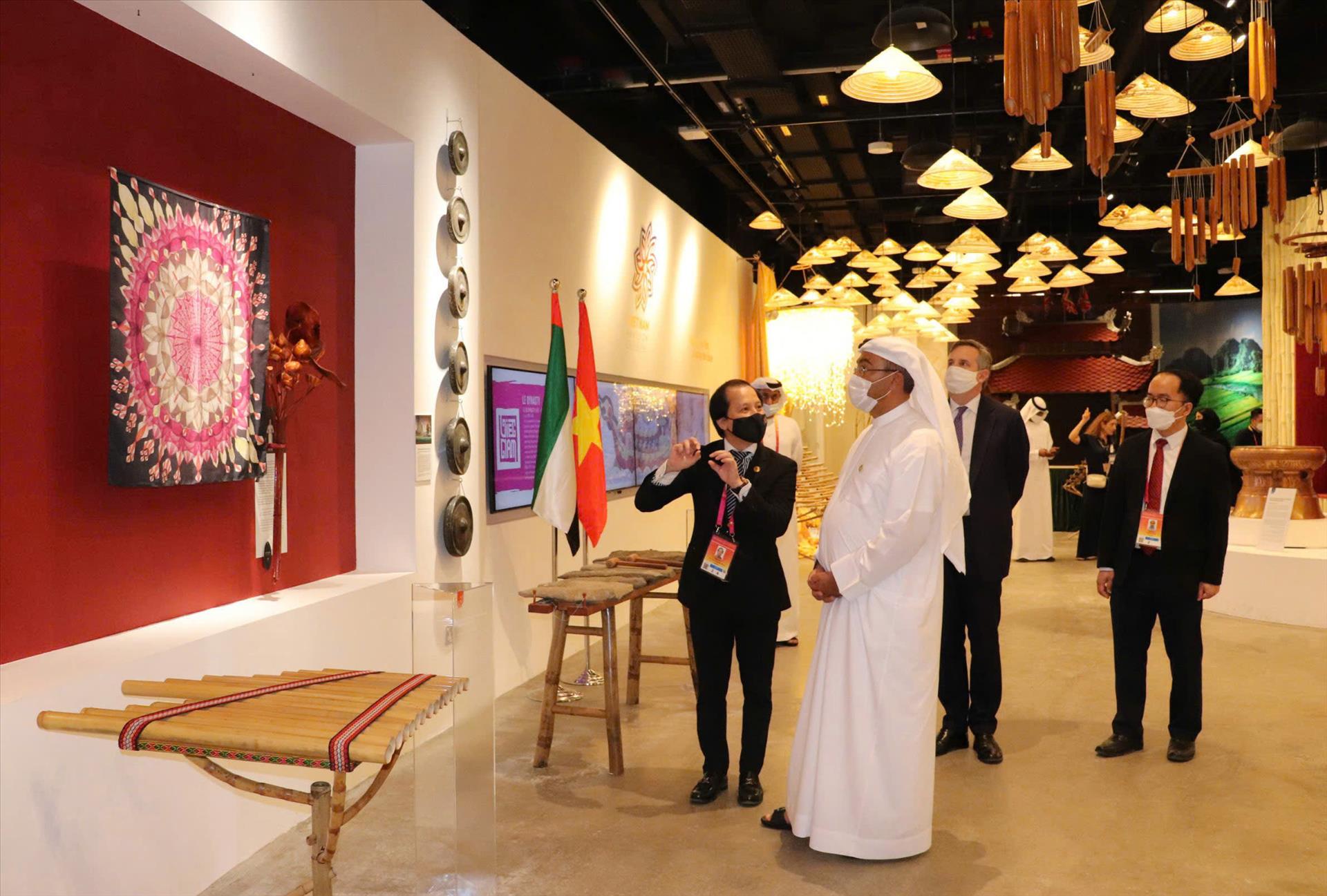
Since 2021, DeSilk collections have been presented to ambassadors and diplomatic spouses in Vietnam, featured at EXPO 2020 Dubai, and showcased at the "Heritage Footsteps" showcase during the 2025 World Culture Festival in Hanoi, which gathered delegates from 48 countries and territories.
Silk in international contexts often serves broader national strategies, as demonstrated by Thailand’s 15th "Thai Silk Road to the World" program featuring 36 foreign ambassadors and over 1,000 academic representatives.
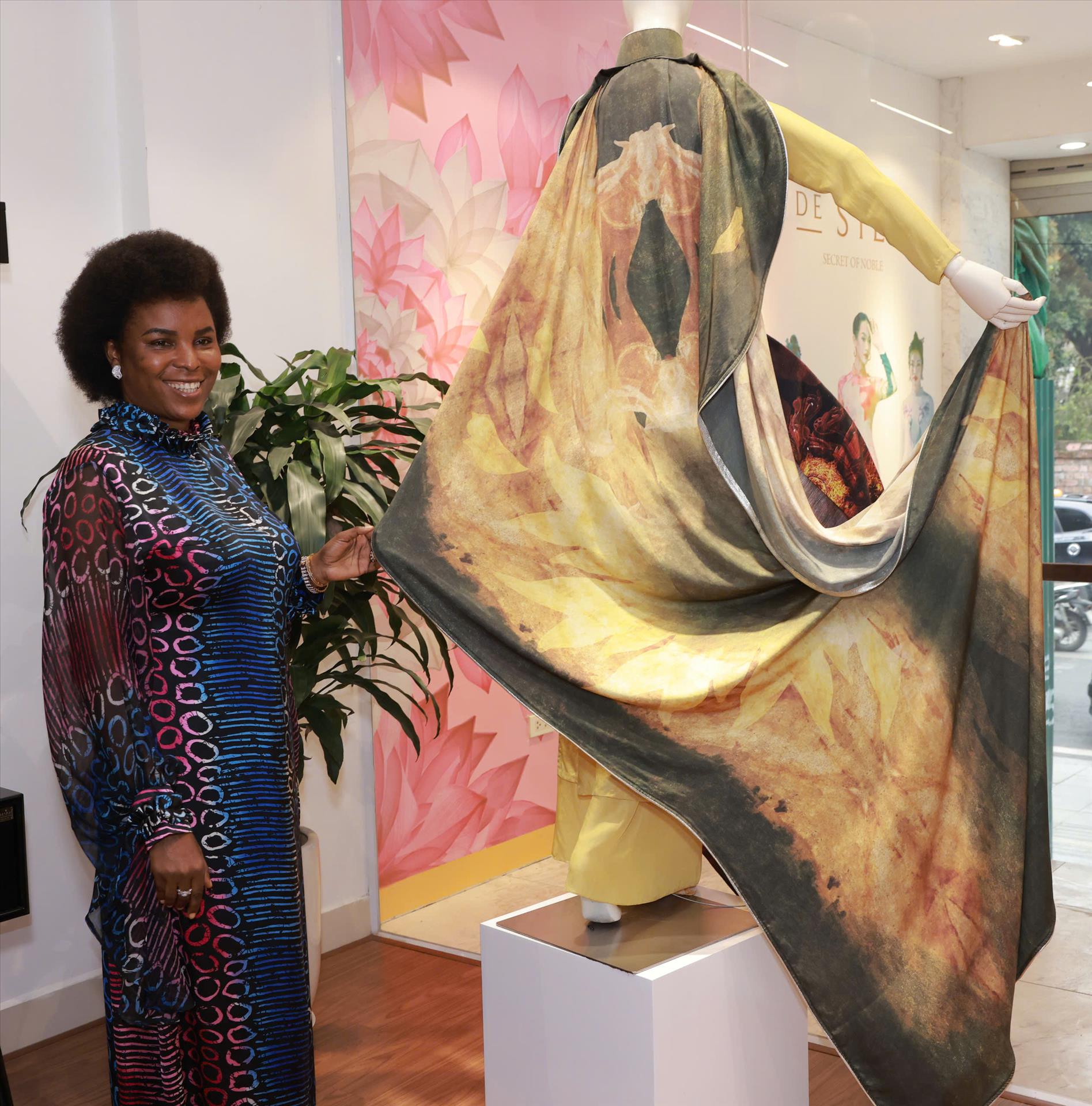
While DeSilk has successfully brought Thang Long heritage motifs into diplomatic circles, expanding presence across international retail centers in Paris, Tokyo, and New York requires supportive policy frameworks and industry coordination to scale Vietnam's silk and heritage assets globally./.
- Story: Hoang Tue Nhi
- Photos: Tran Thanh Giang/VNP & DeSilk's Files