Con Temple's Spring Festival
The Con Temple Festival in Quynh Mai is one of the largest, oldest, and most distinctive traditional festivals in Nghe An Province. Recognized for its outstanding historical and cultural significance, the festival has been inscribed on Vietnam’s national list of intangible cultural heritages.
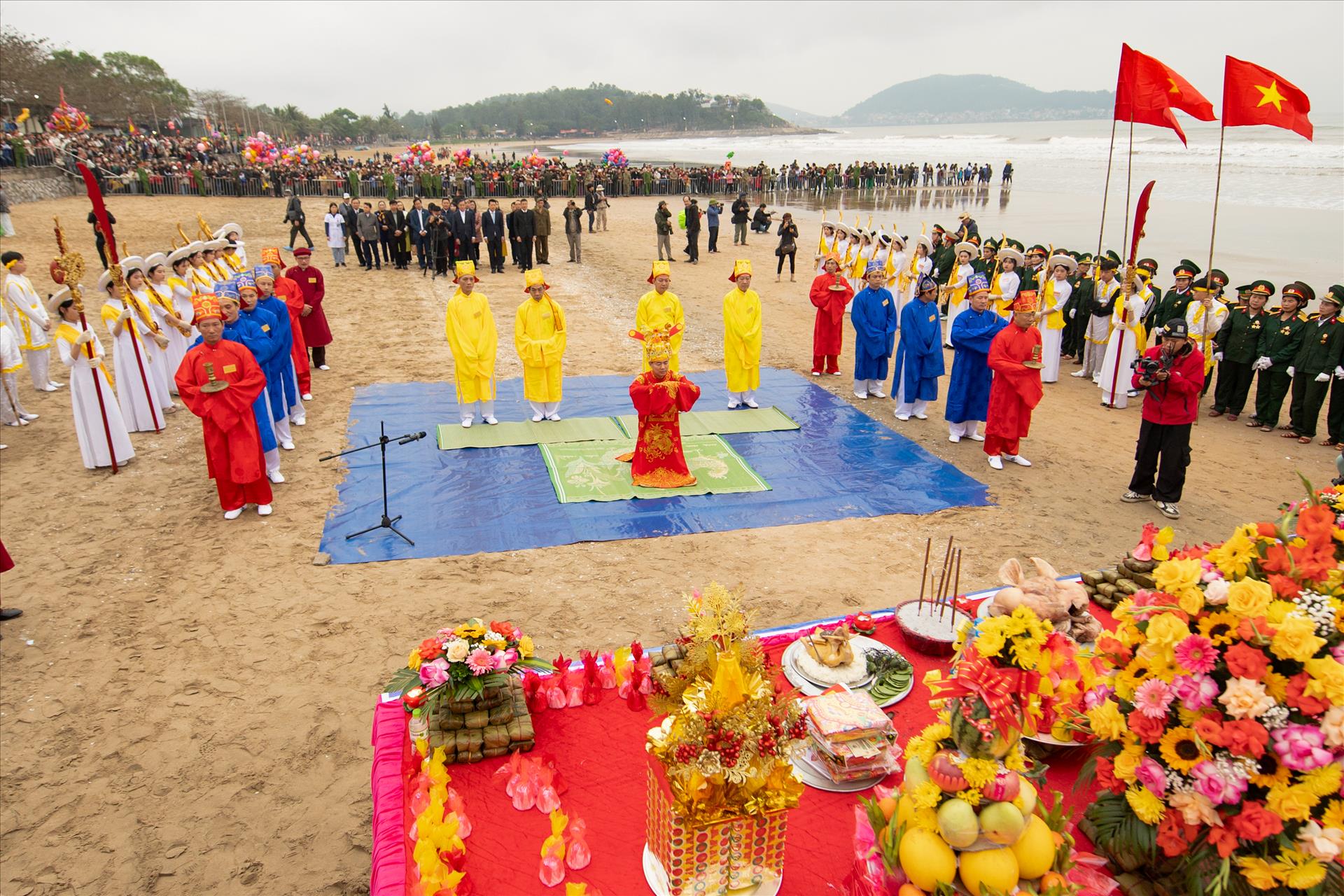
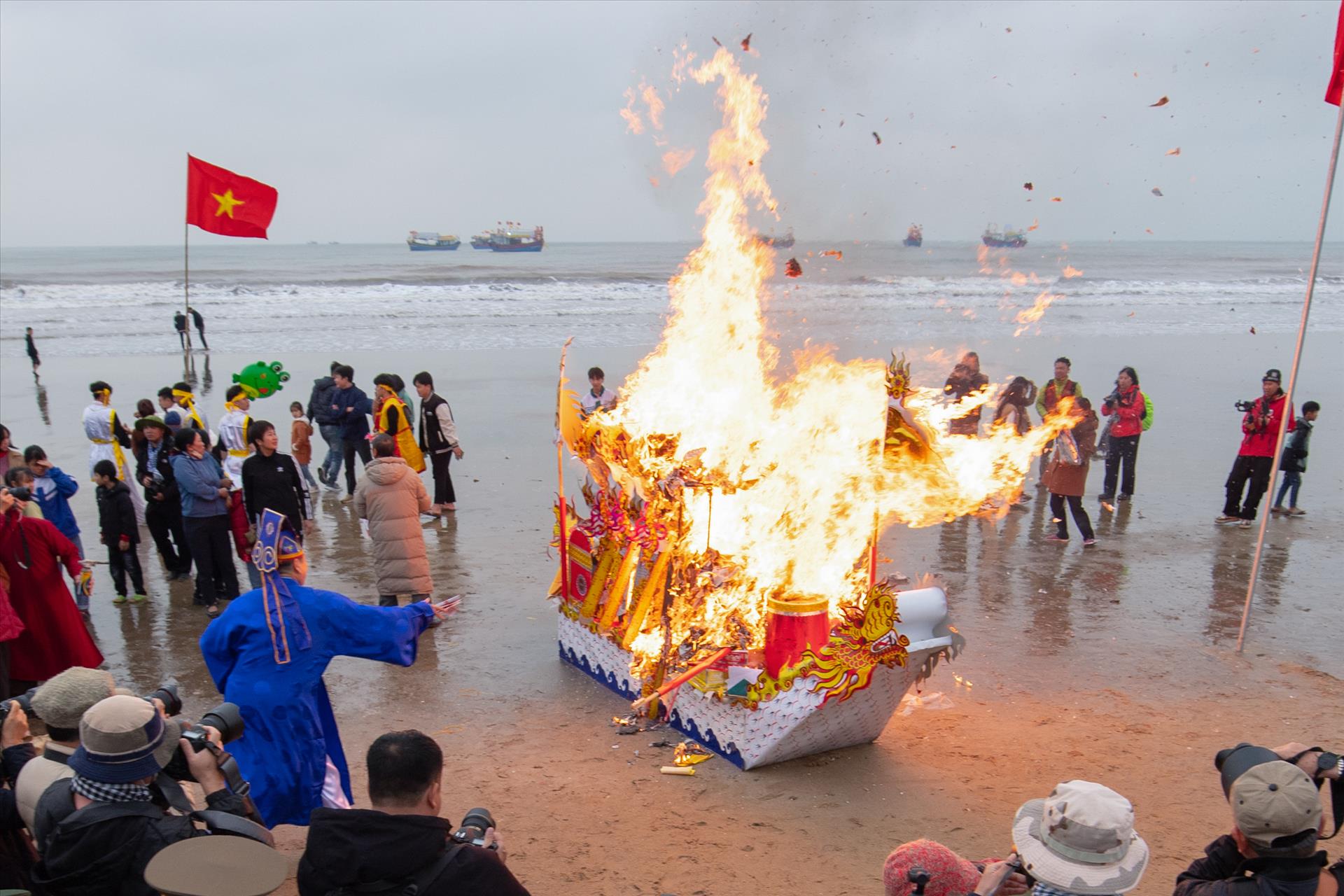
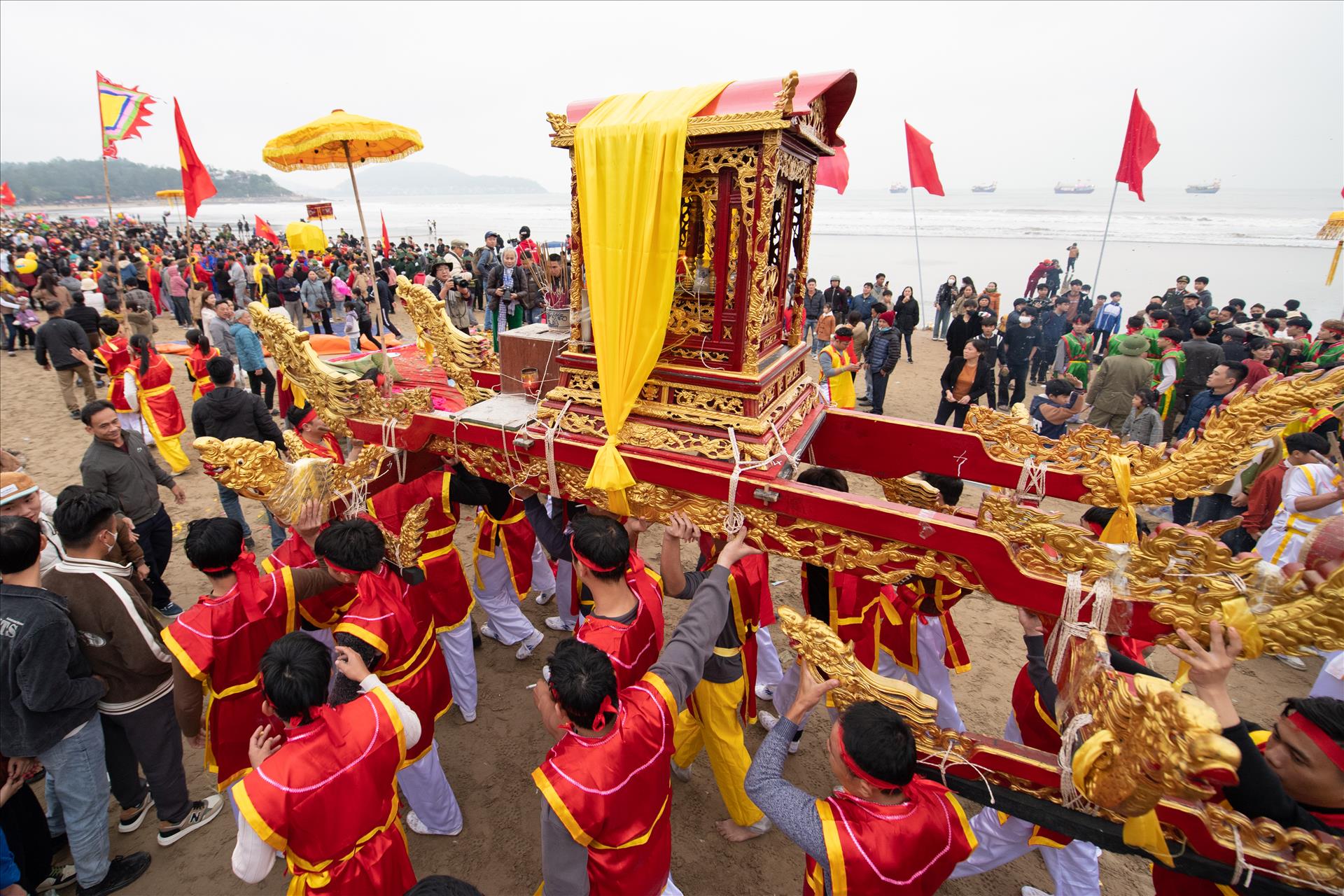
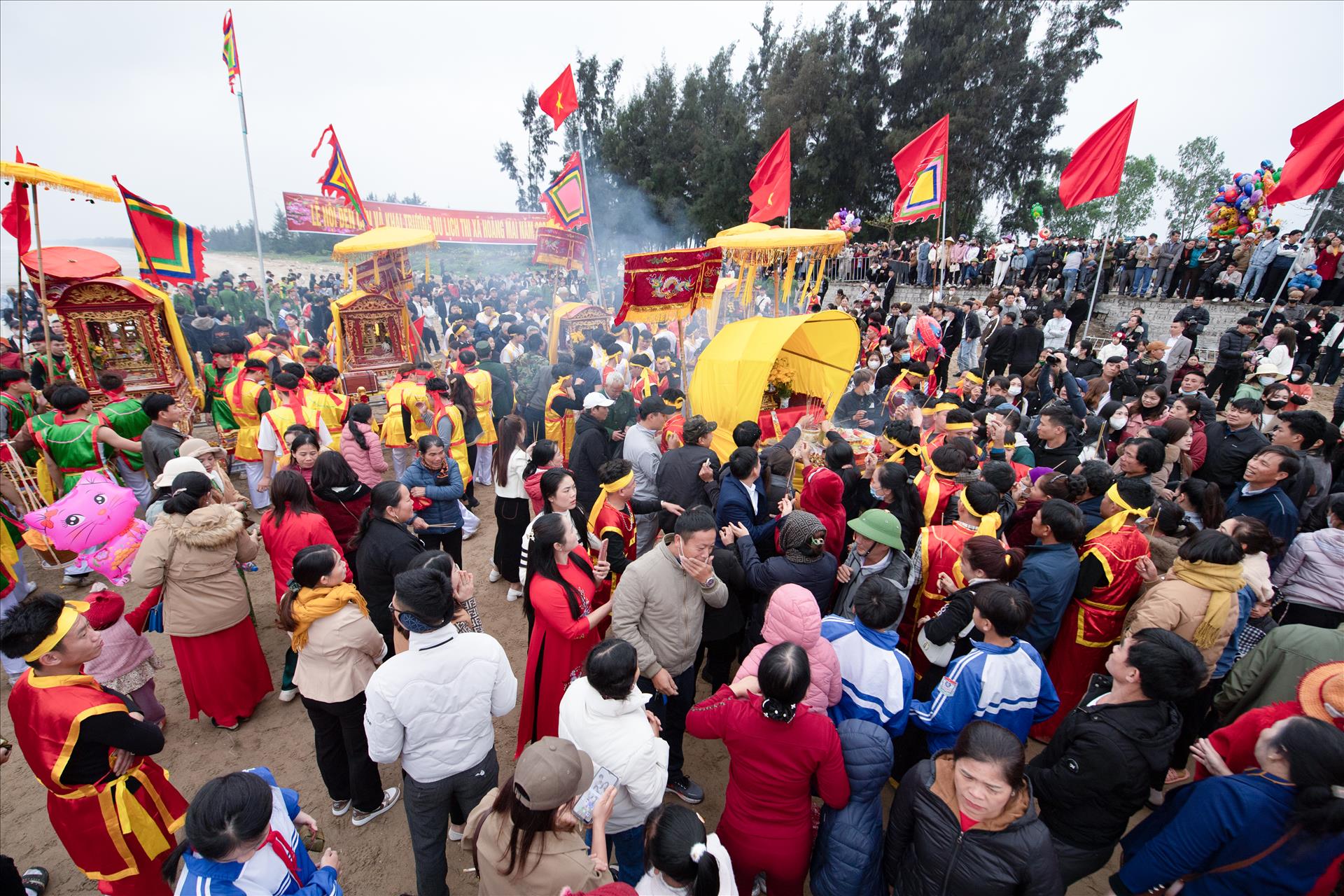
Historical records indicate that Con Temple received royal recognition and patronage under the feudal state, with official restoration and ceremonial rites dating back to the reign of King Tran Anh Tong (1312). The festival has since been preserved and practiced continuously for more than 800 years.
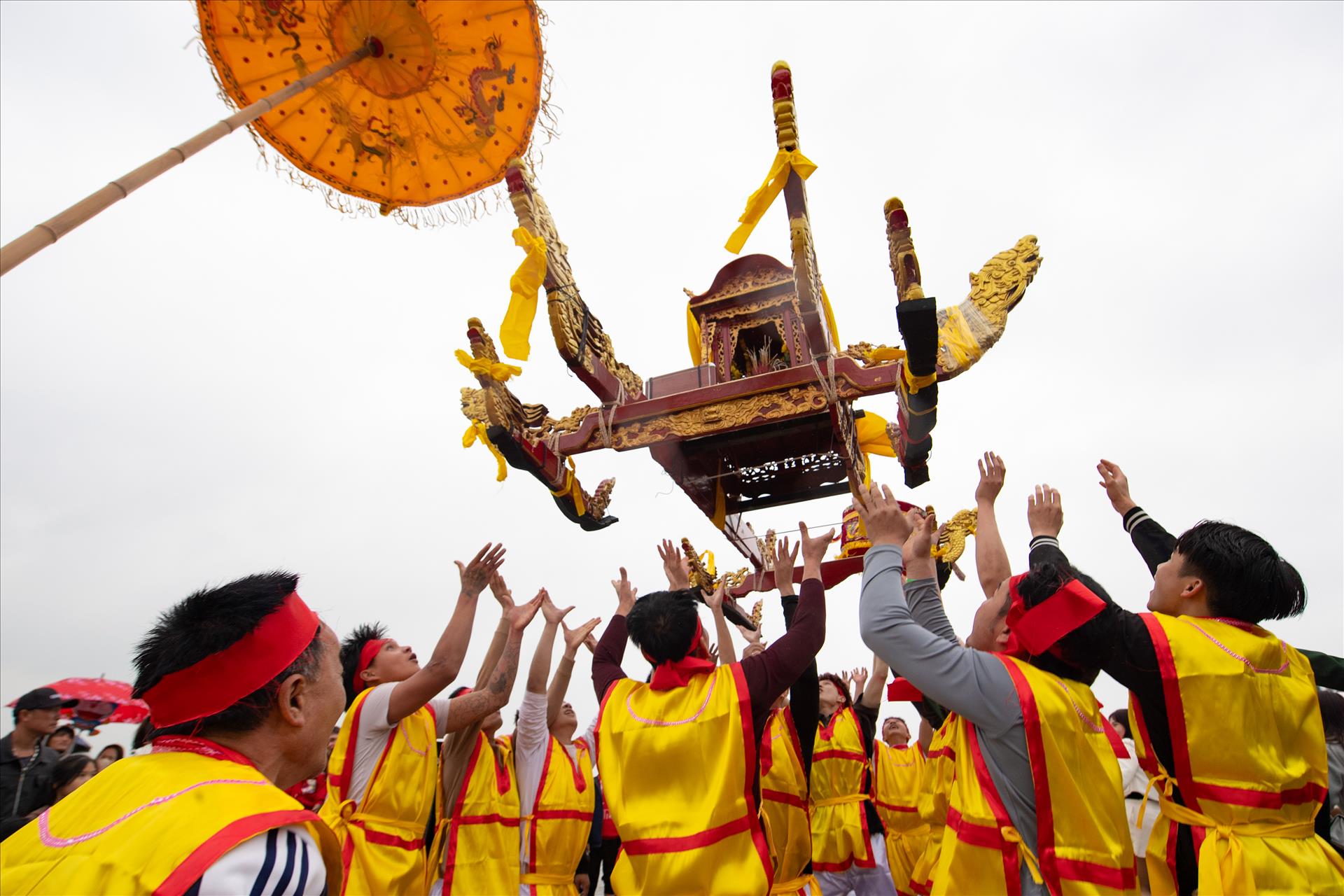
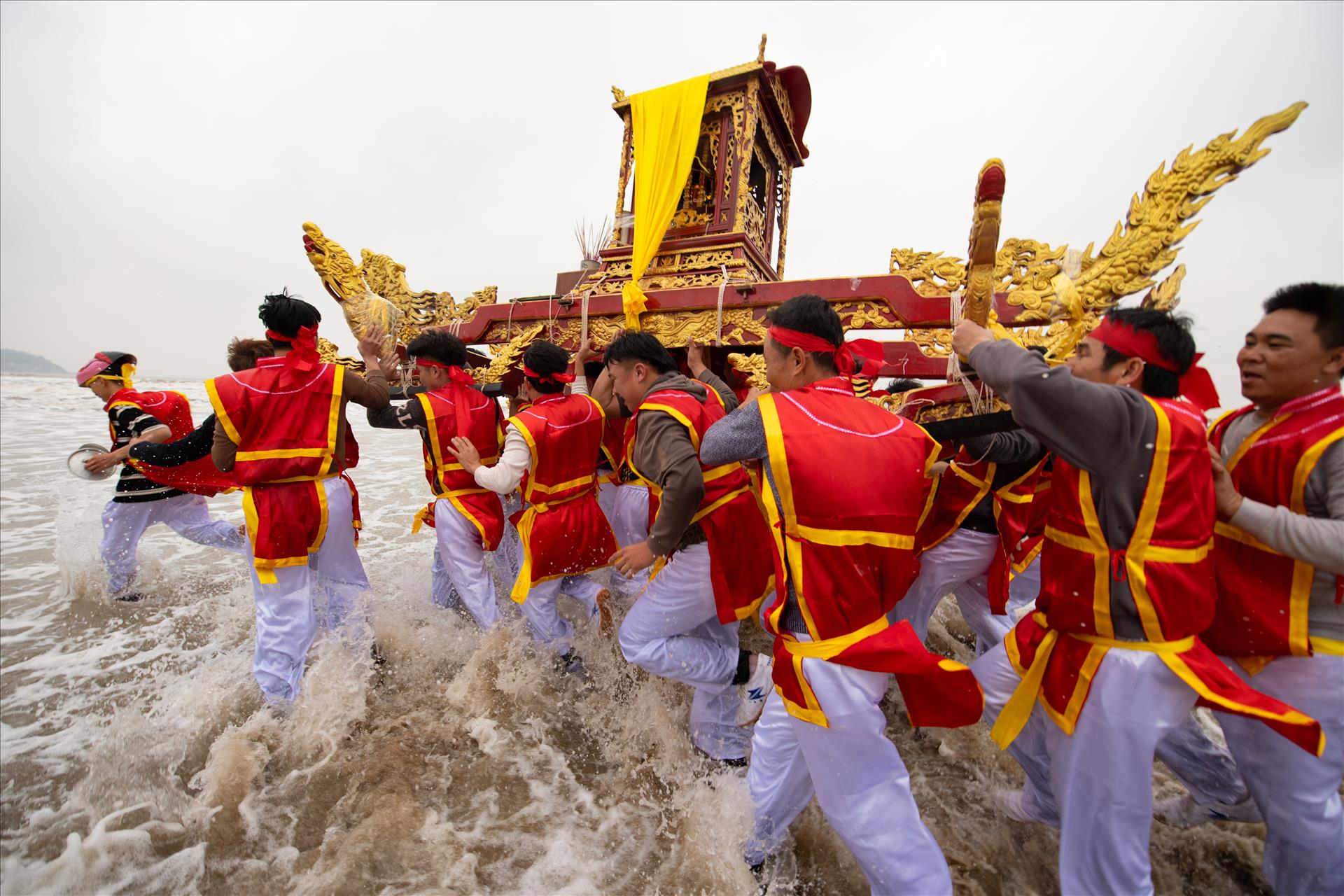
The festival lasts for an entire month, beginning in the twelfth lunar month of the preceding year and concluding in the first lunar month of the new year. Traditional games and performances reflect the occupational life of coastal communities while serving as living reenactments of history. These folk performances recall the Tran Dynasty’s resistance to Mongol invasions and its southern military campaigns against Champa.
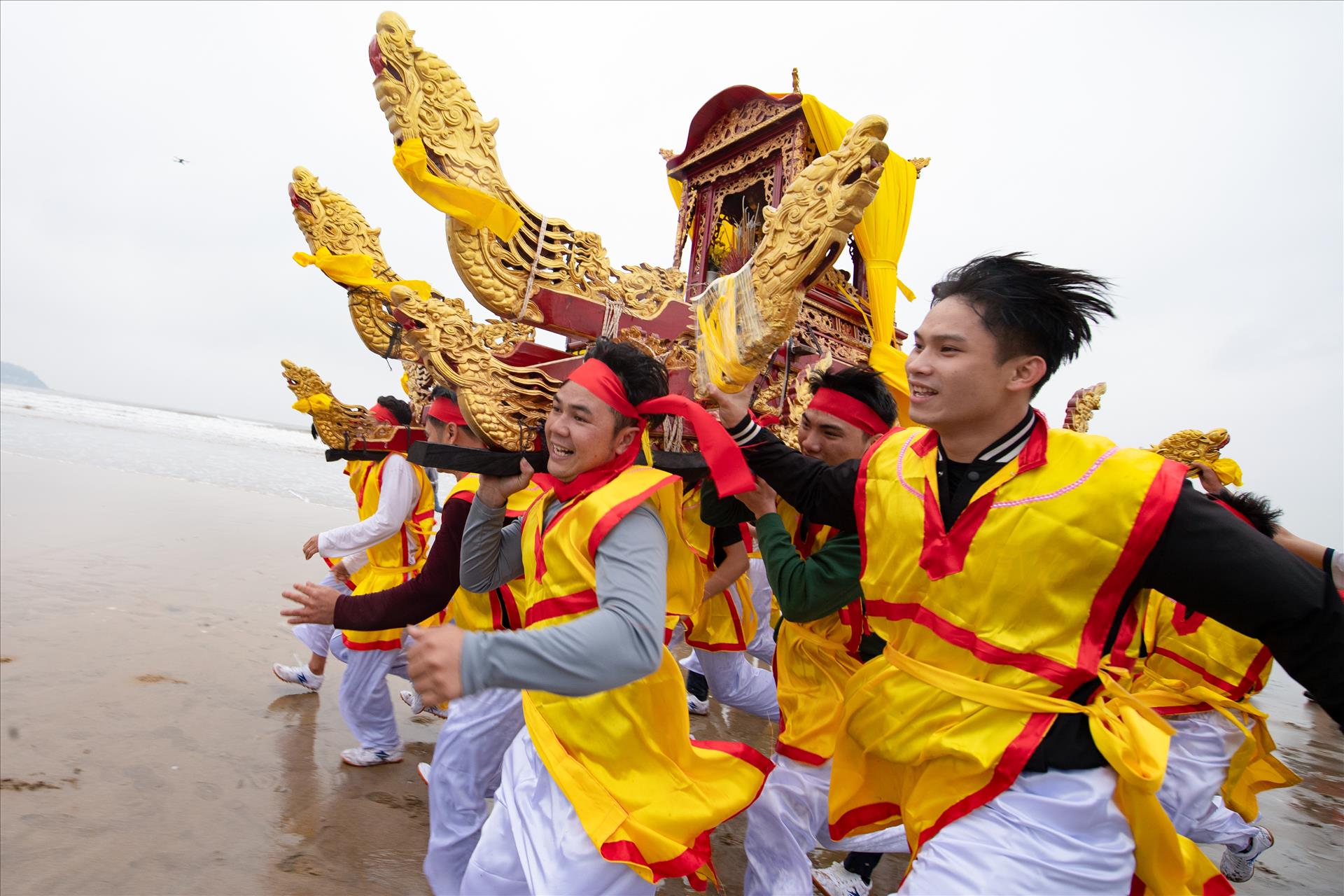
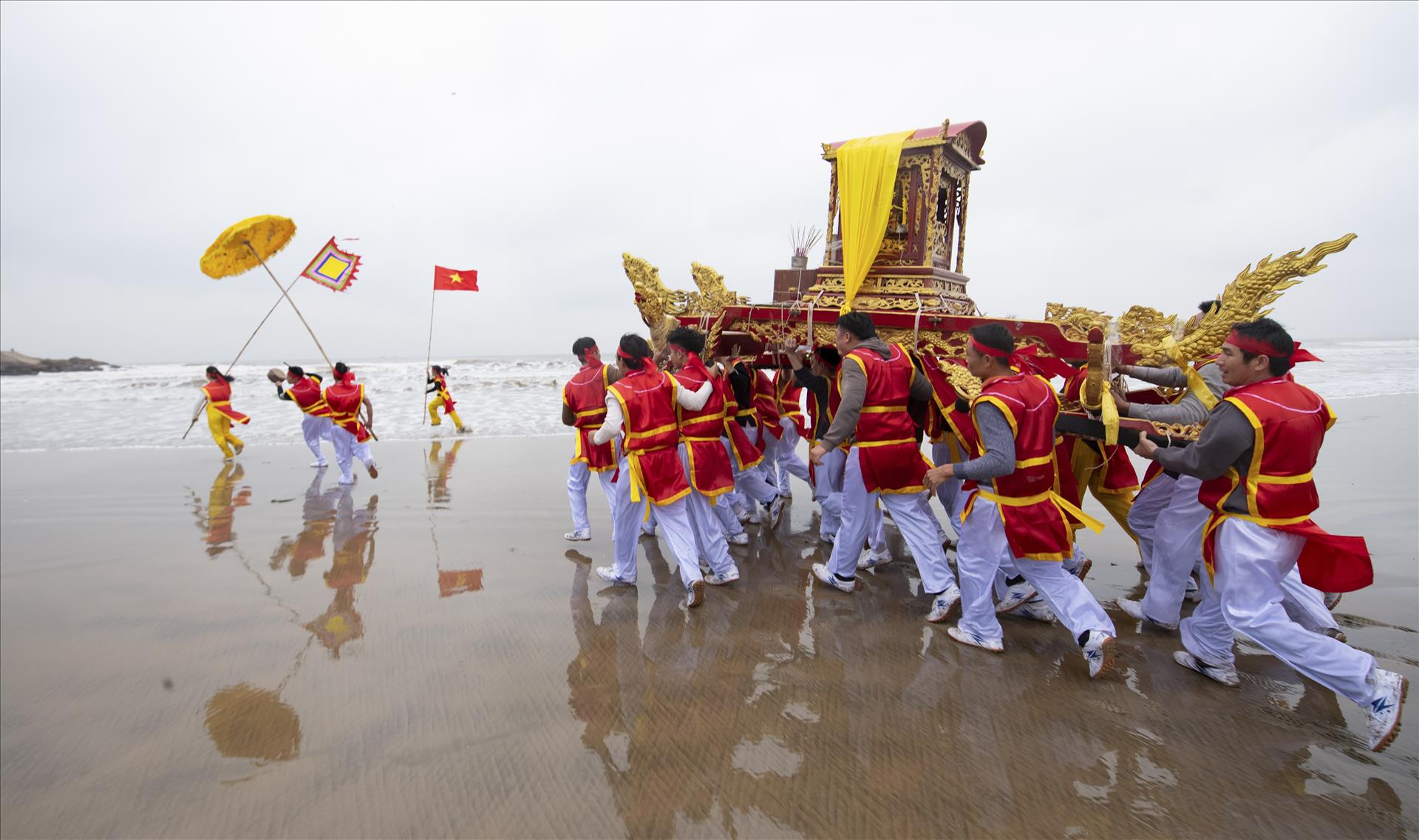
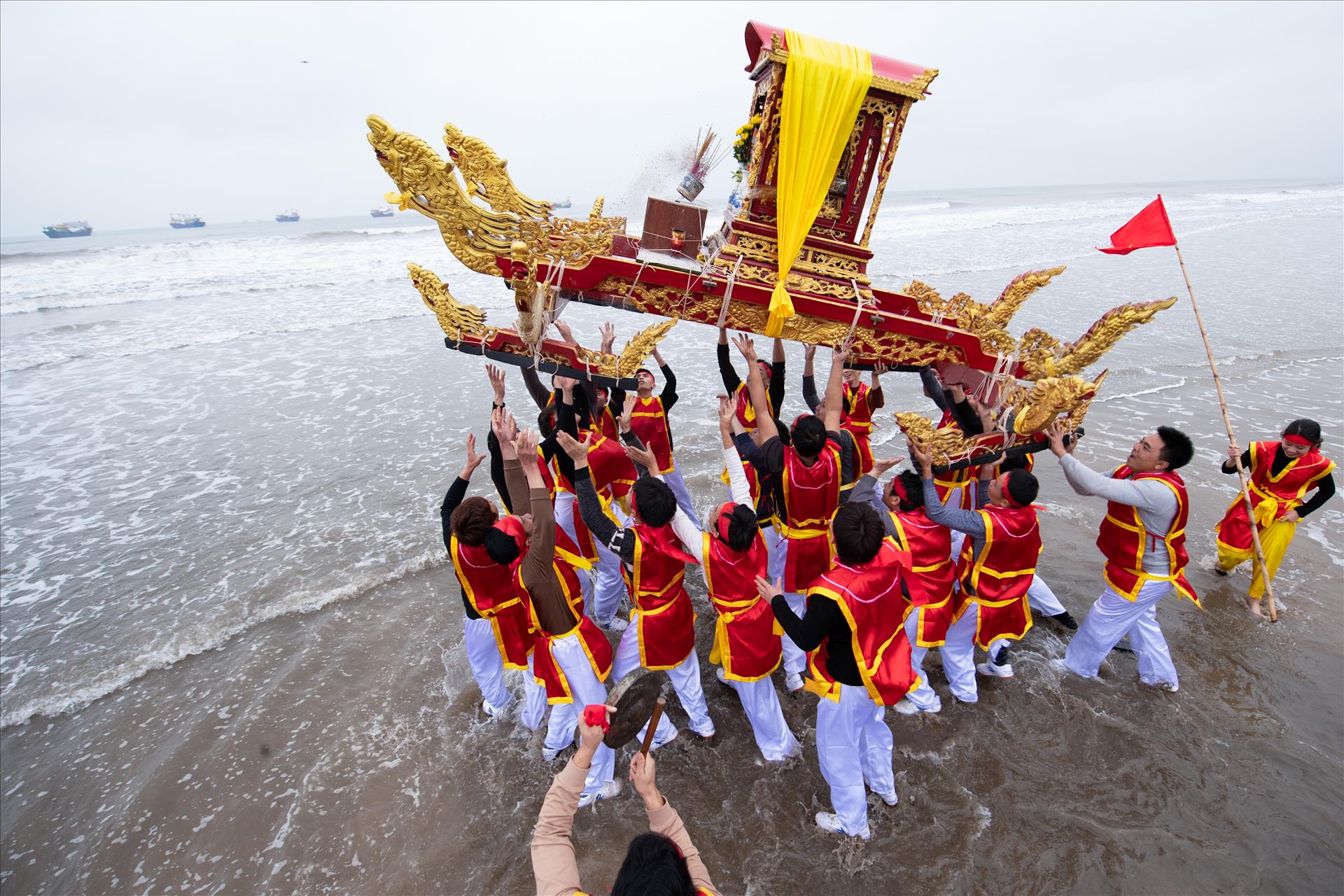
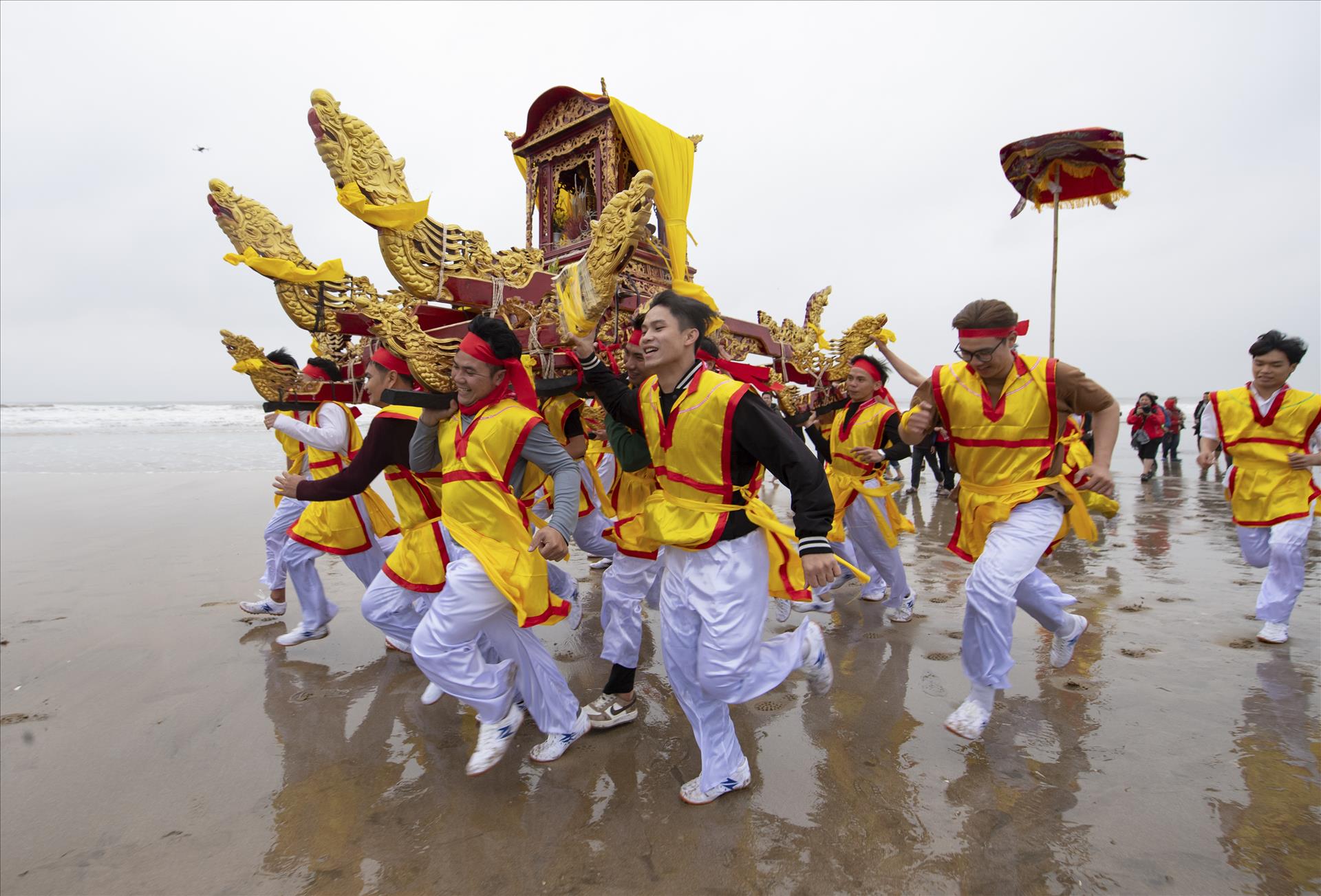
Through the Con Temple Festival, visitors gain insight into the worldview and belief systems of ancient folk communities. The festival originated from the worship of water deities, a belief closely tied to the lives of coastal residents whose livelihoods depended on fishing and maritime activities. This system of water deity worship, rooted in Vietnam’s agrarian civilization, reflects the deep-seated aspirations of seafaring communities for protection and safety when venturing out to sea.
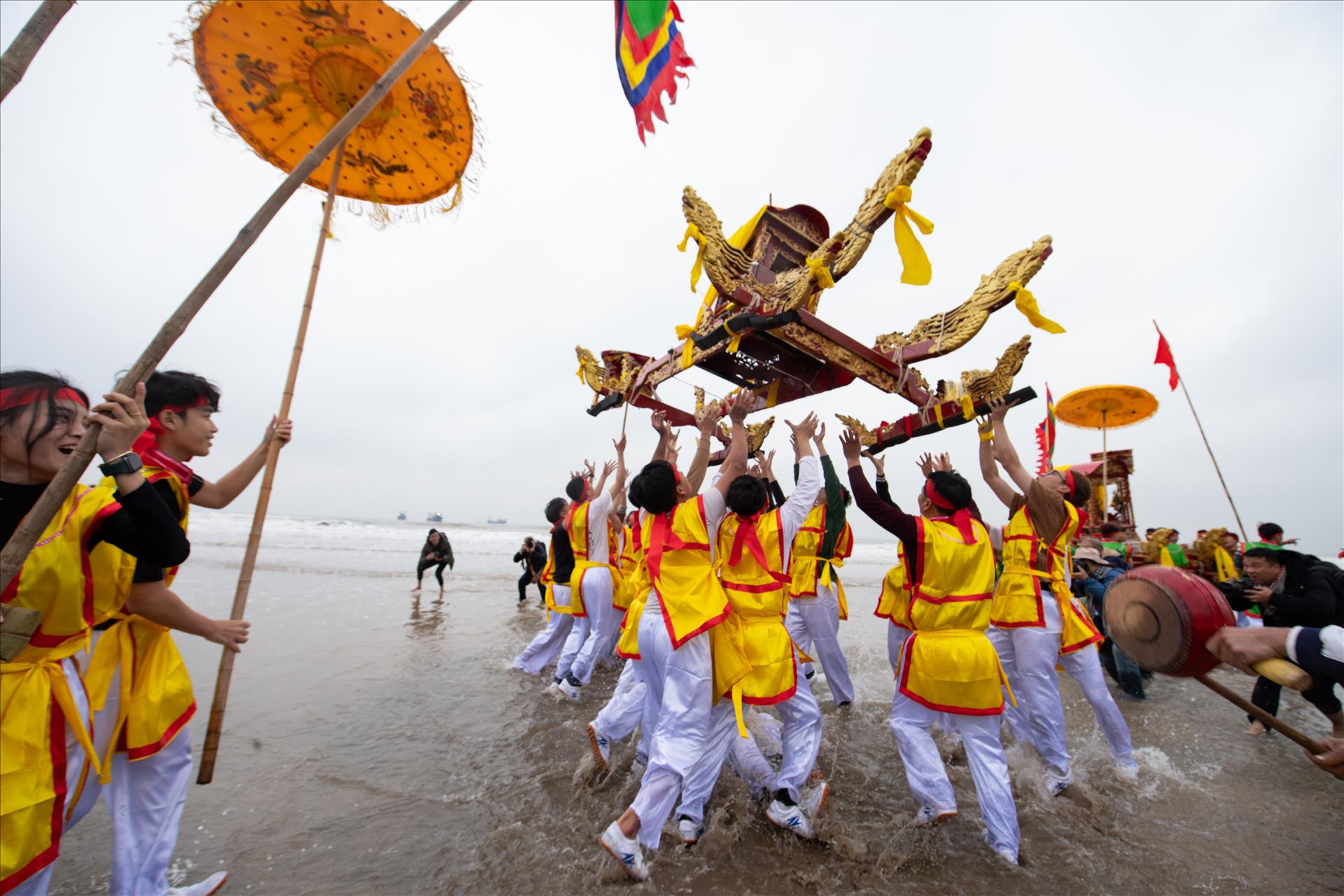
The Con Temple Festival not only showcases the richness of the local community’s spiritual and cultural life but also offers a vivid reflection of Vietnam’s traditional intellectual and cultural history.
By Tran Nhan Quyen Translated by Nguyen Tuoi